Nursery Paint Colors
Top Picks for the Nursery
4 editor's picksPalettes for the Nursery
Ready-made schemesFull, buyable color schemes built for the nursery — walls, trim, and accents matched to real paint.
All Nursery Colors at Every Brand
130 colors · 5 familiesA representative color from every brand that makes this family — most-recognized brands first, with a second pick from the biggest names. Tap any swatch with a curated guide for full spec and cross-brand matches.
Browse by Family Hub
About Nursery Paint Colors
A nursery is one of the easiest rooms to get right and one of the easiest to overthink. You want a color that feels calm during the day, soothing at night, and that you will still like a year from now when the room becomes a toddler's space. The good news is that soft, low-contrast colors do almost all the work here.
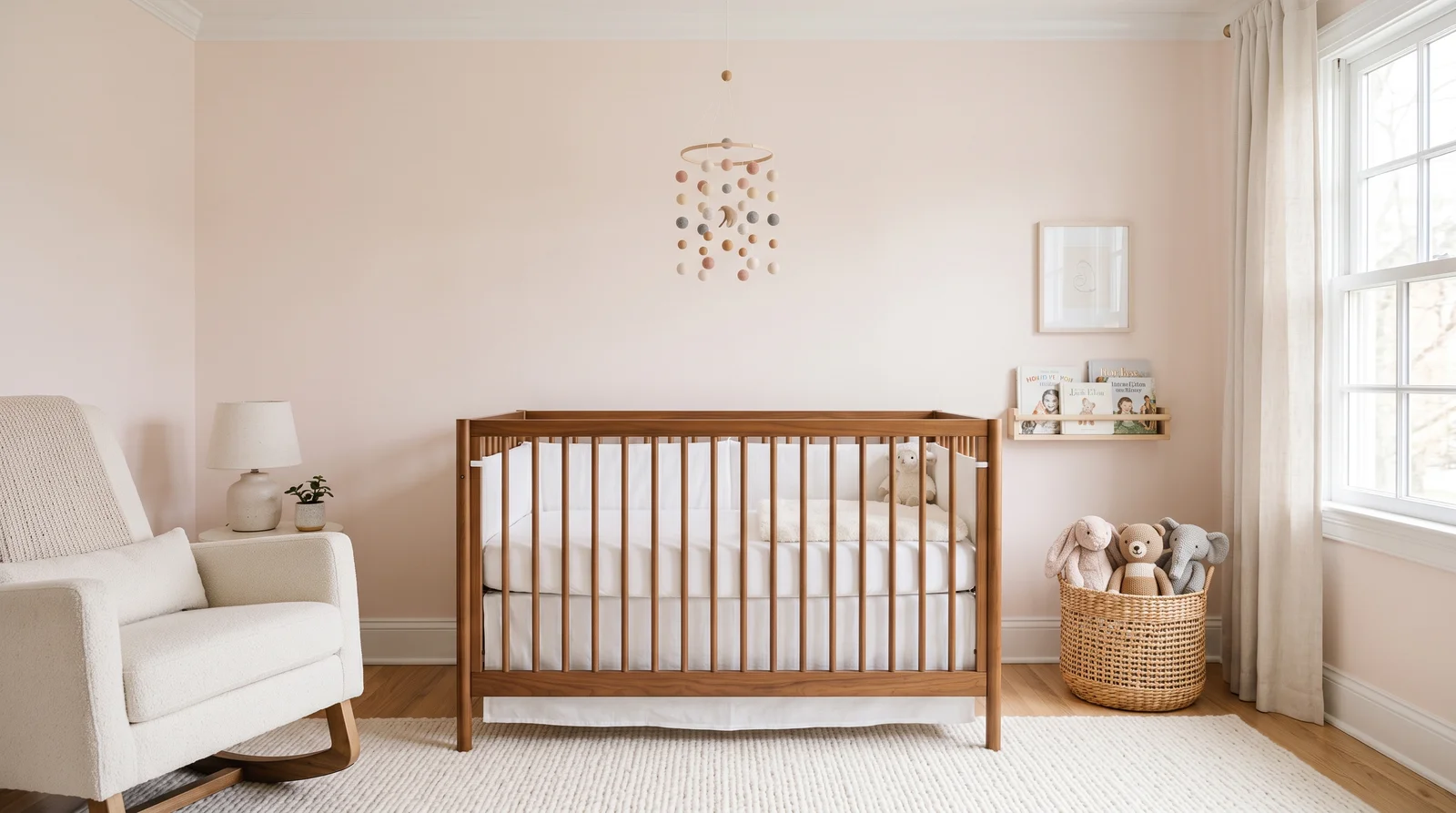
The most useful nursery palettes lean on gentle pinks, blues, greens, yellows, and warm neutrals. Think Millennial Pink, Seafoam, Baby Blue, Mint, Blush, and Butter — all soft, all forgiving, all easy to live with. None of them shout, and that is exactly the point in a room built for sleep and quiet.
One thing to keep in mind: every color shown here is mixed to order at a paint counter, so you are not locked into a single brand. If you love a shade from one brand but trust another's paint, most colors can be cross-matched between brands so you get the look and the formula you want.
The Best Color Directions For A Nursery
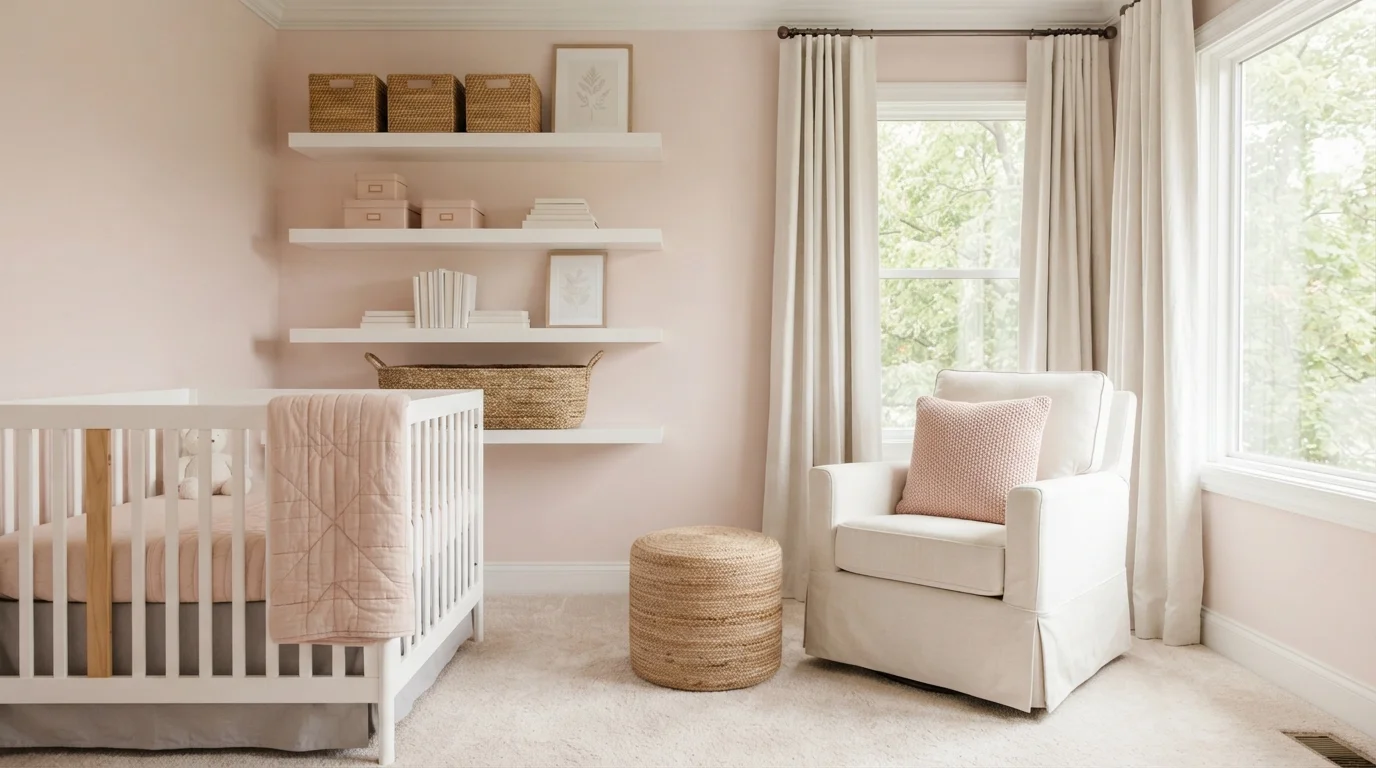
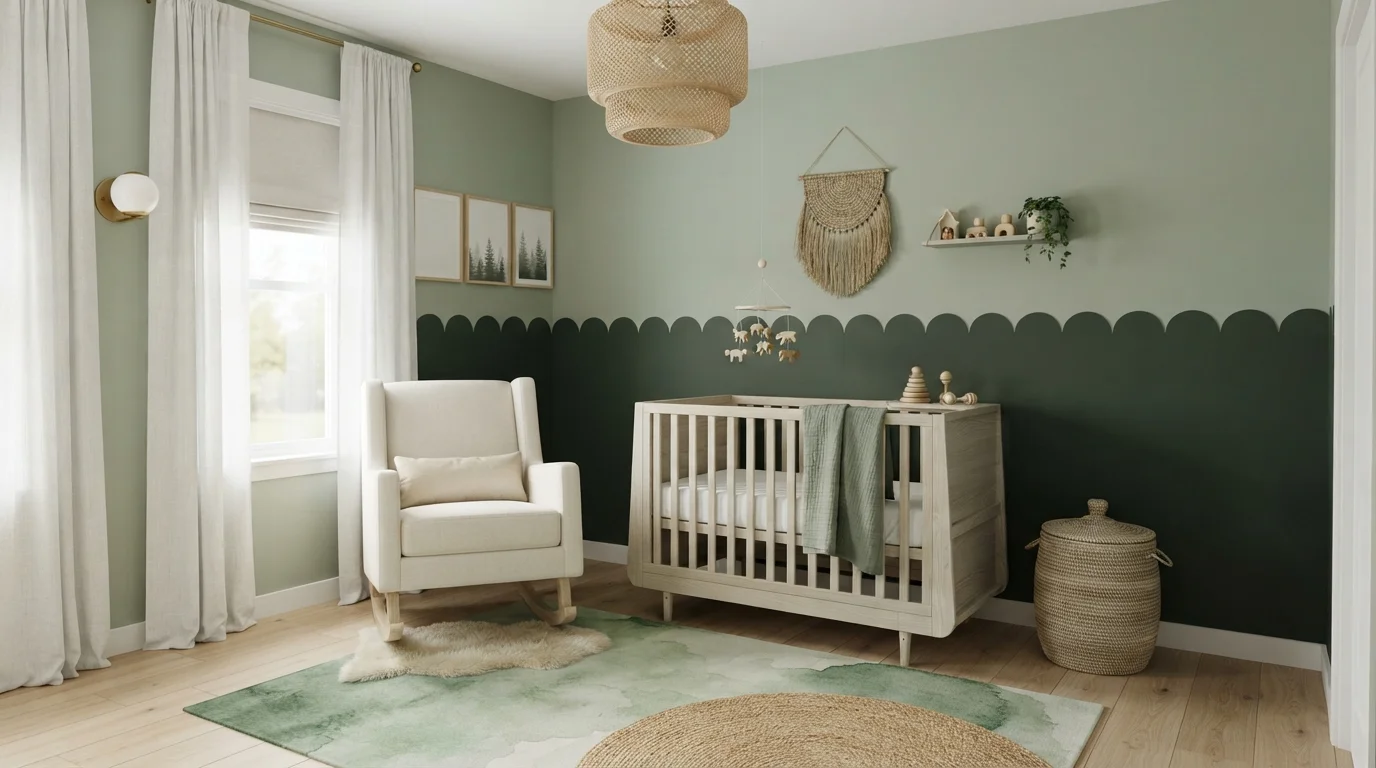
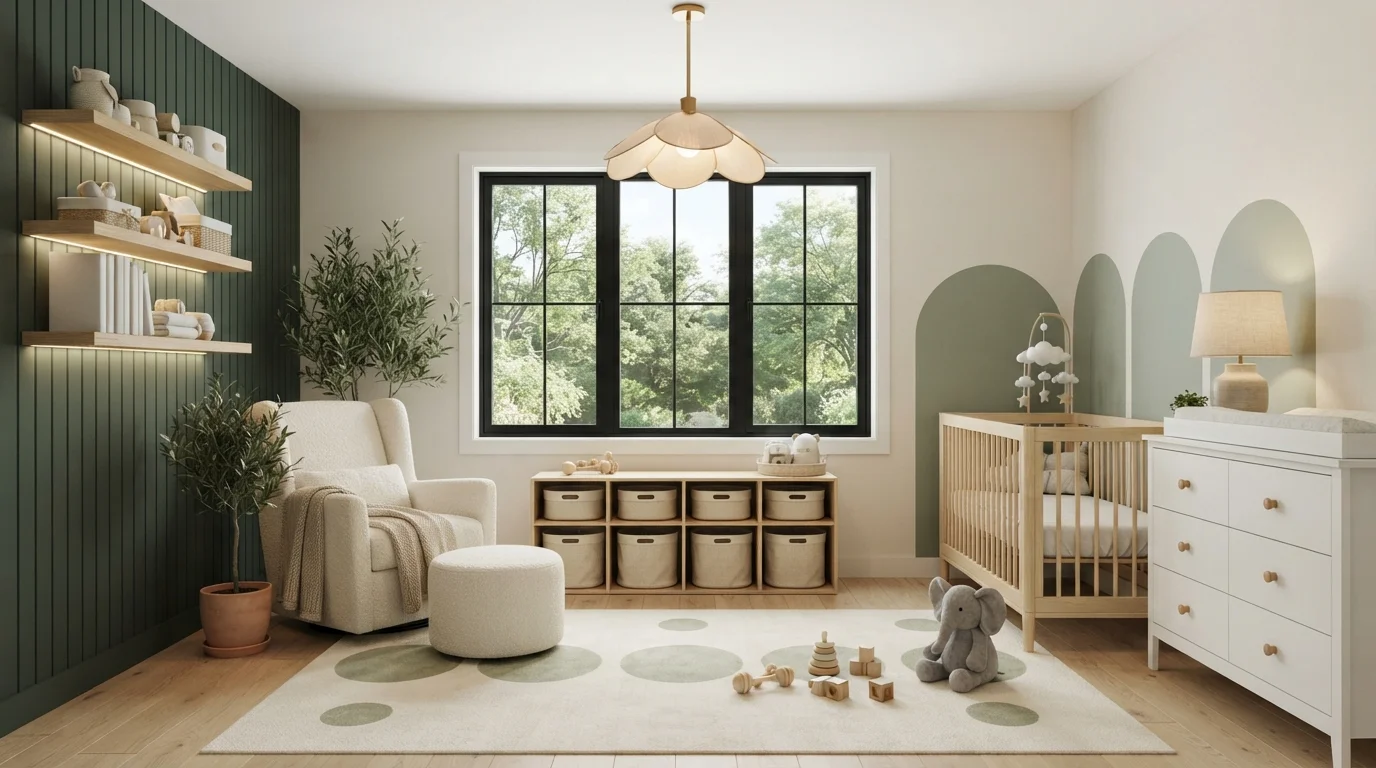
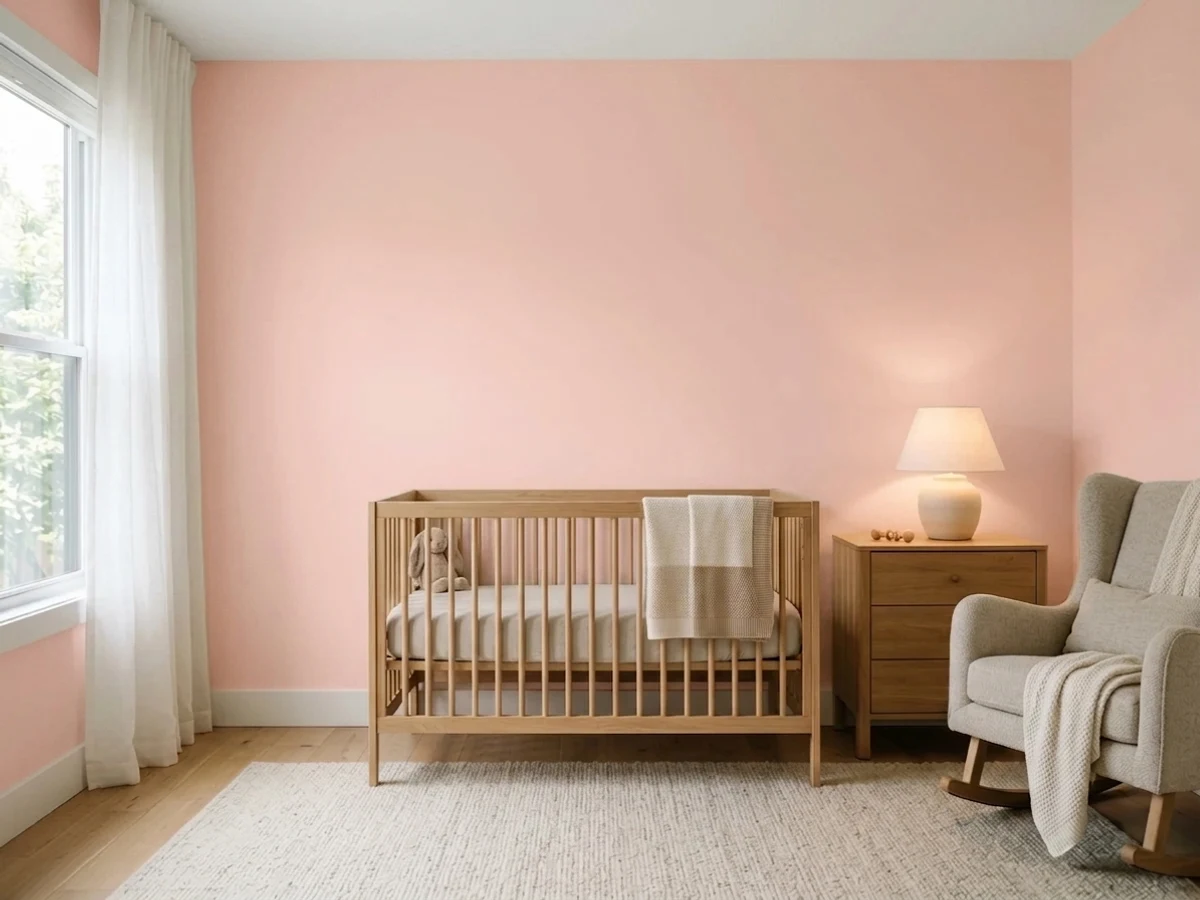
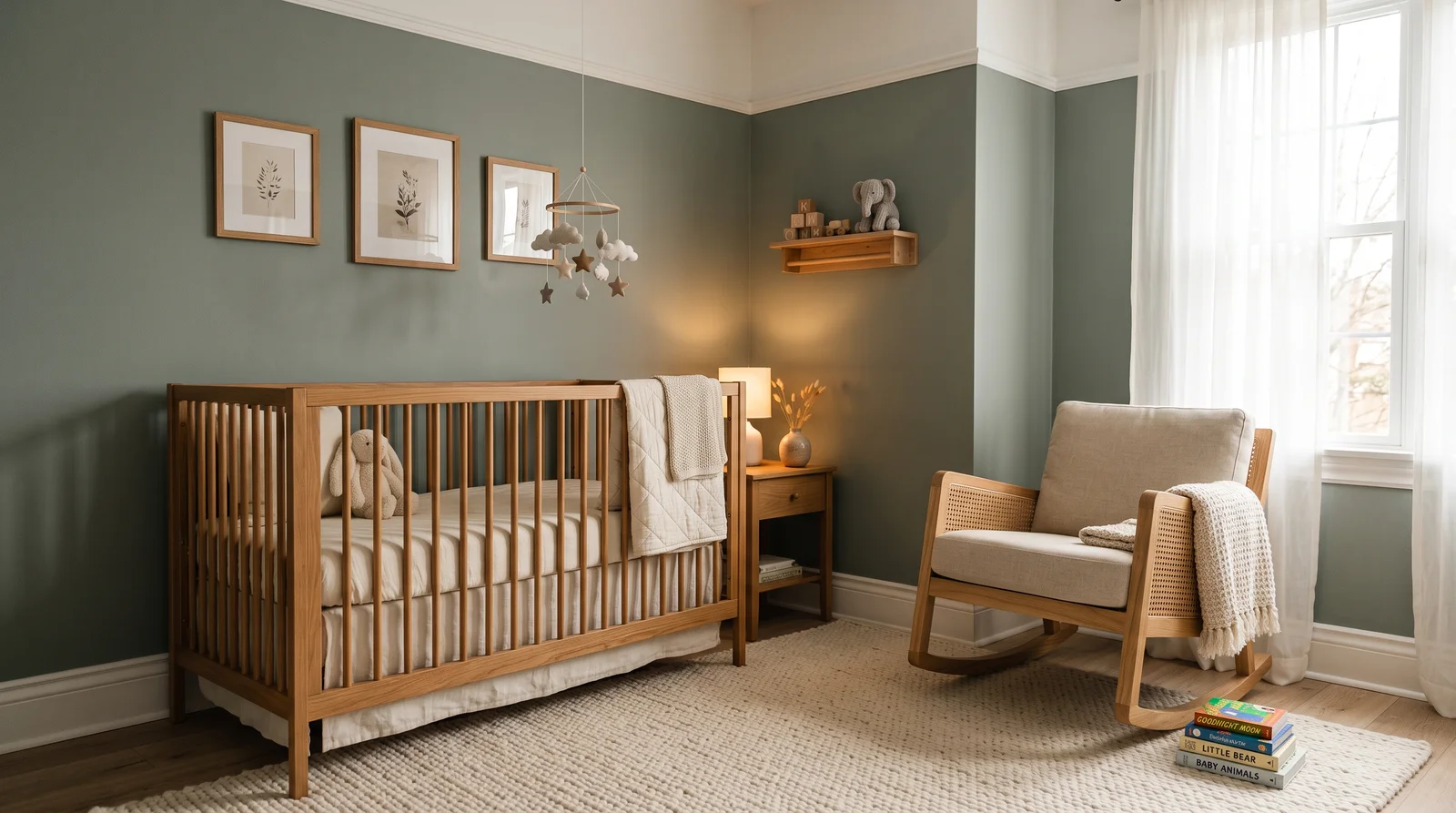
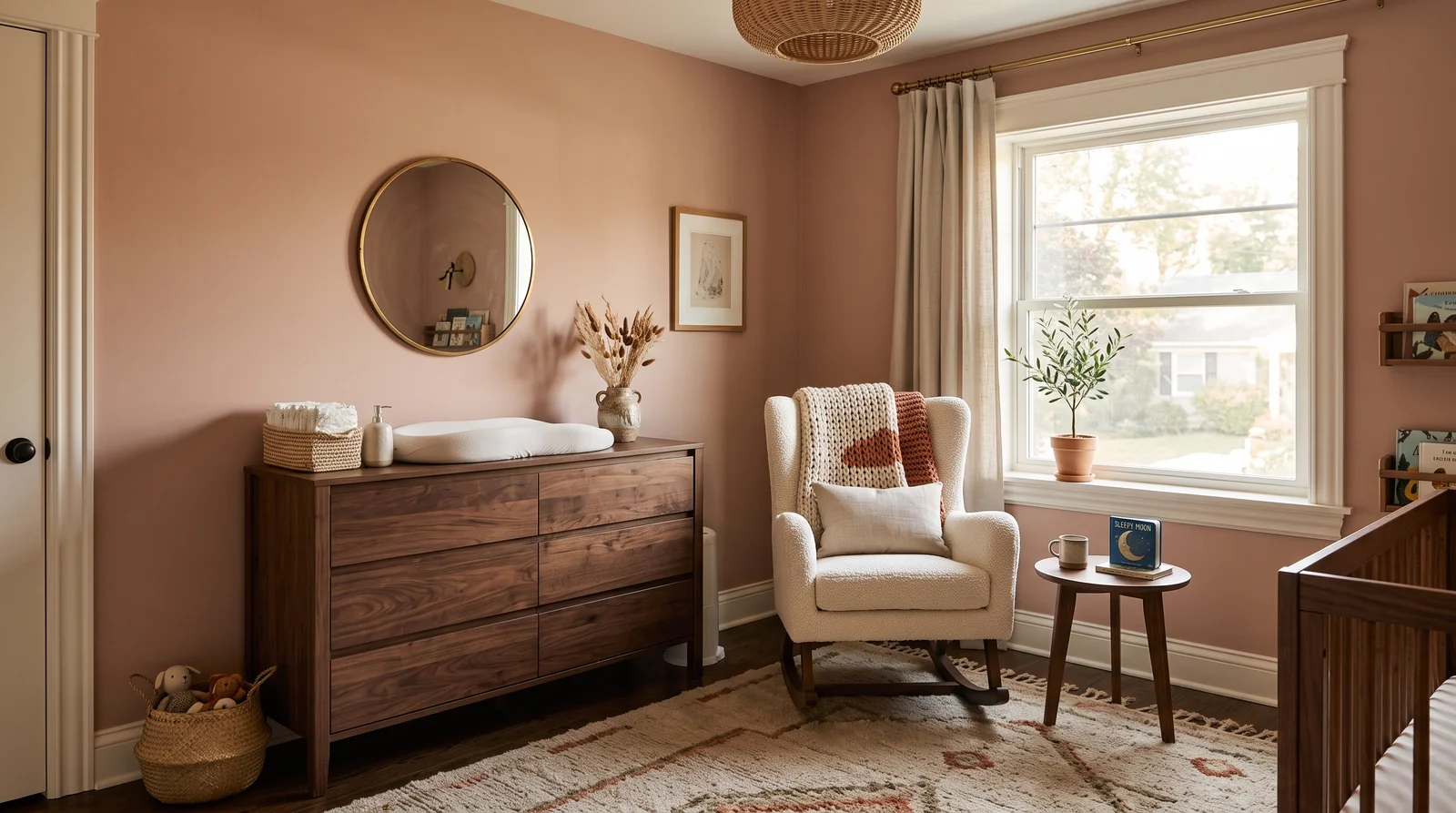
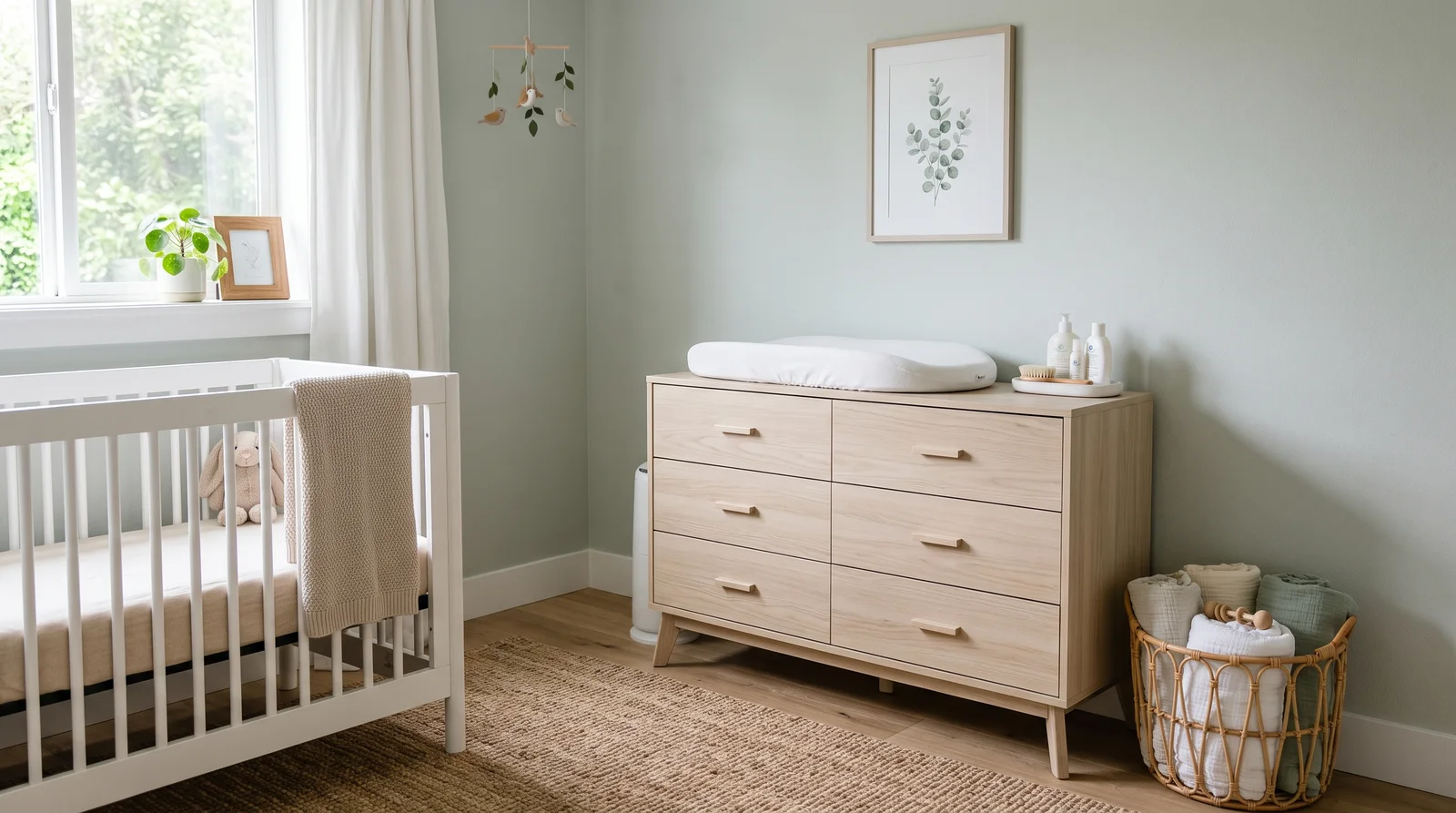
Soft and muted beats bright and saturated in a nursery almost every time. A pale pink like Blush or Millennial Pink feels warm and tender without turning the room hot pink. A gentle green like Mint or Seafoam reads fresh and unisex, and it pairs with almost any wood or fabric you already own.
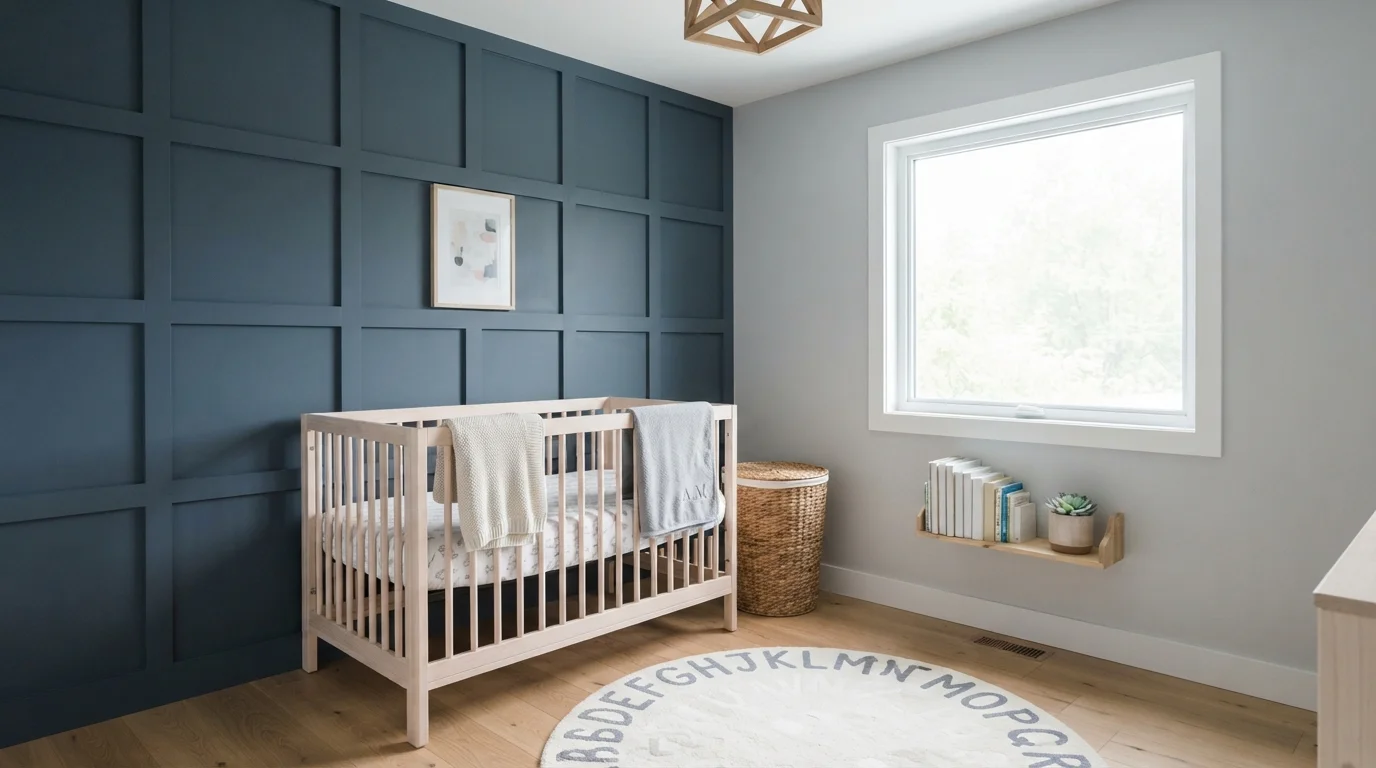
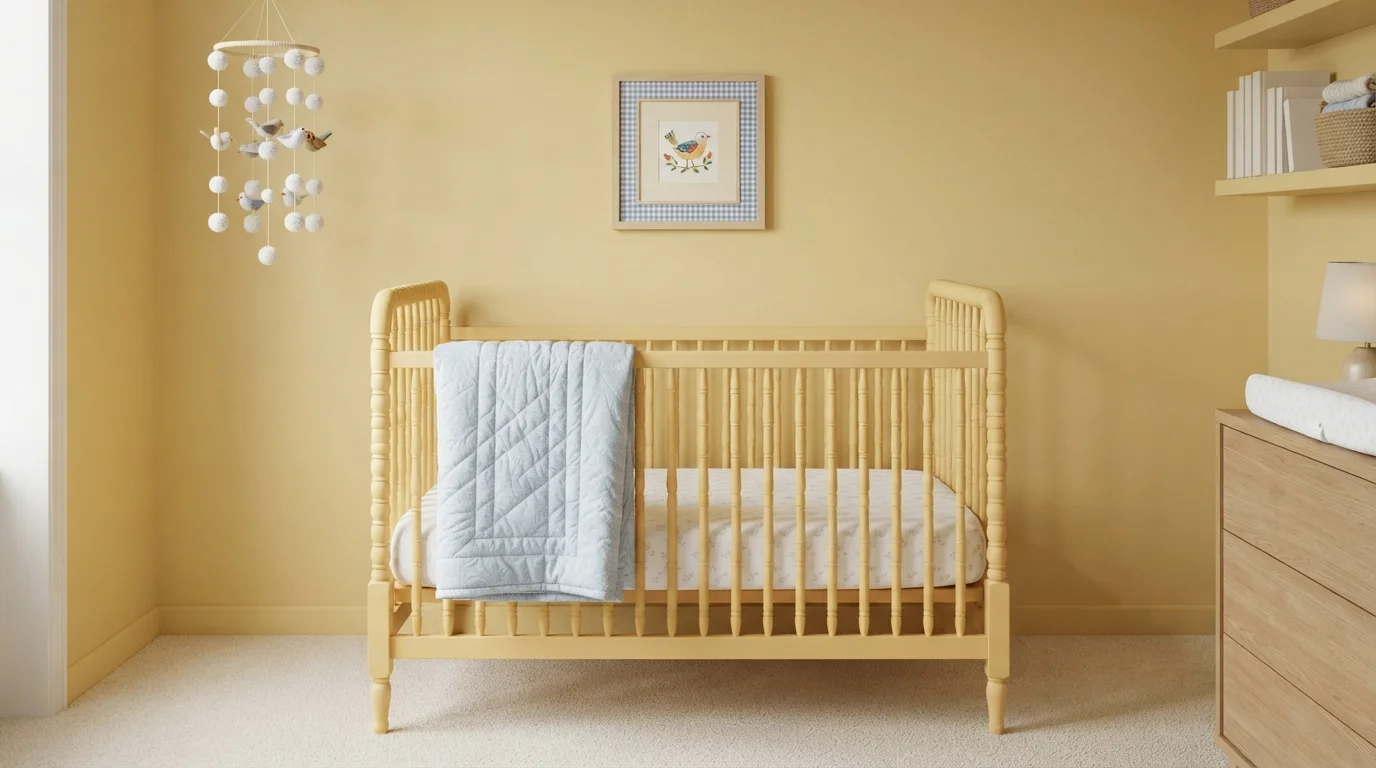
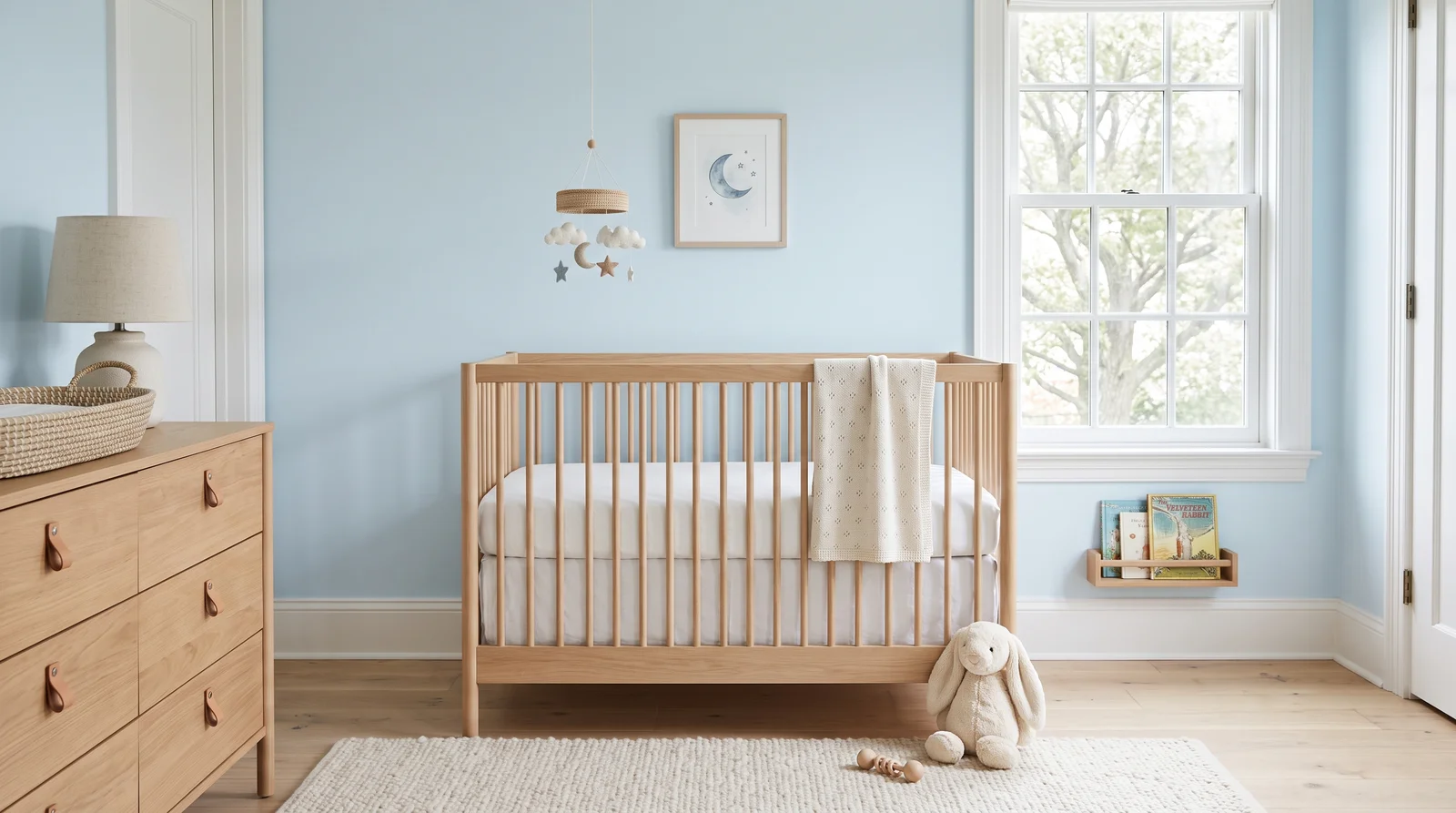
Blue is the other classic for good reason. A quiet Baby Blue keeps the room airy and serene rather than cold. If you want warmth without color commitment, a creamy yellow like Butter or a warm off-white gives you a sunny, neutral base that grows with the child.
Let The Room's Light Pick The Shade
Light changes a paint color more than the swatch ever suggests, so check your windows first. North-facing nurseries get cool, flat light, so warmer picks like Blush, Butter, or a warm white keep the room from feeling gray. South-facing rooms get strong, warm sun all day, which can let cooler colors like Baby Blue, Seafoam, or Mint shine without going icy.
Nurseries live a double life: bright at naptime and dim at night. Always test your color in the actual room, on at least two walls, and look at it under both daylight and your nightlight or lamp. A soft pink can turn slightly orange under warm bulbs, and a cool mint can go gray after dark.
The Right Finish For A Nursery
Skip flat in a nursery. Little hands, spit-up, and the occasional marker mean you want a surface you can wipe down, so an eggshell or satin finish on the walls is the sweet spot — washable but still soft and glare-free.
Use a more durable semi-gloss or satin on trim, doors, and the closet, since those take the most knocks and clean up best. Keep the ceiling flat to hide imperfections and avoid glare above the crib. If your nursery shares a wall with a bathroom or runs humid, lean toward satin for a little extra moisture resistance.
Using LRV To Keep It Calm Or Cozy
LRV (light reflectance value) tells you how light or dark a color reads, on a scale from 0 (black) to 100 (pure white). Most soft nursery colors land high, roughly in the 60s to 80s, which is what keeps the room feeling bright, open, and restful.
If your nursery is small or short on windows, stay in the higher LRV range so the walls bounce light and the space feels airy. If you want a cozier, more den-like feel for sleep, you can drop a little lower — but go gently, because a too-dark nursery can feel heavy rather than soothing.
Pairing Trim, Ceiling, Floors, And The Crib
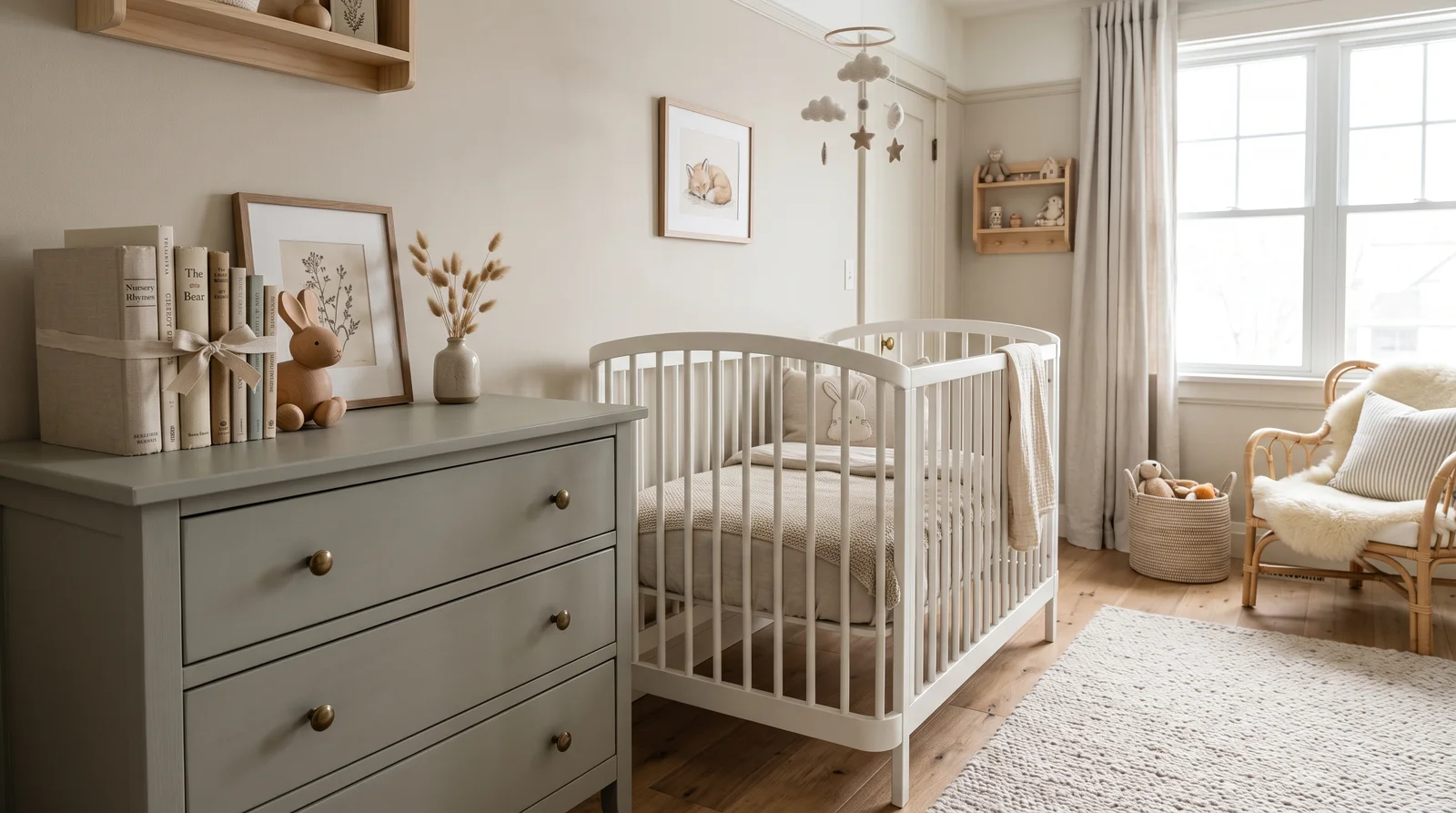
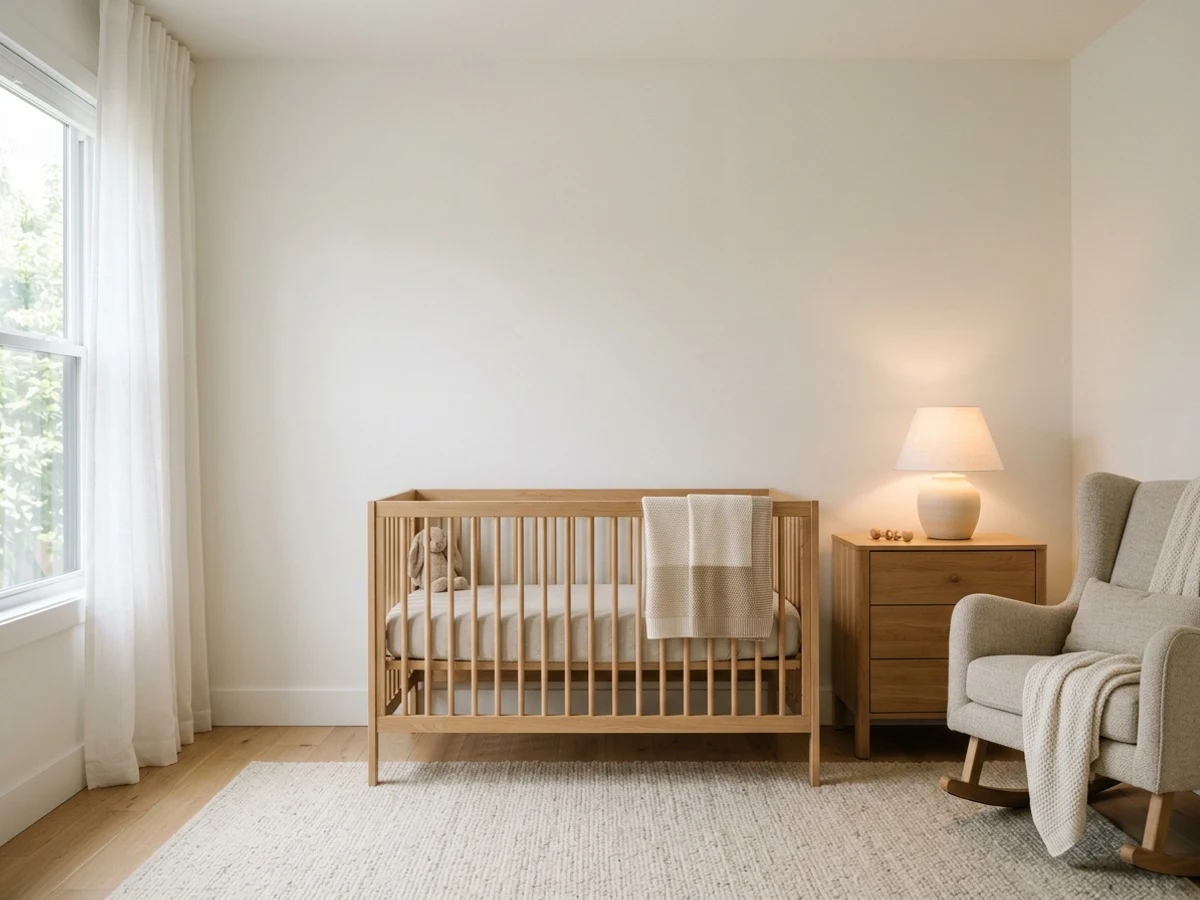
The simplest, most timeless combination is a soft wall color with crisp white trim and a white or near-white ceiling. That keeps the focus on the wall color and makes any crib, dresser, or rug look intentional. White-painted furniture works with every shade here; natural wood tones pair especially well with greens like Seafoam and Mint and with Butter.
Floors set the temperature of the room too. Warm wood floors flatter pinks, yellows, and warm neutrals, while cooler gray floors or light carpet sit nicely under Baby Blue and mint greens. Pull one accent — curtains, a rug, or art — slightly deeper than the walls so the room has a little depth instead of reading washed out.
Common Nursery Paint Mistakes
The biggest mistake is going too saturated. A bold color that looks adorable on a small chip can feel overwhelming across four walls, especially in a room meant for sleep. When in doubt, choose the softer version of the color you love.
The other classic misses: picking a color in the store instead of in the actual room, skipping a tested sample, and using flat paint that you can't clean. People also forget the room evolves — a baby-specific theme gets old fast, so a calm wall color like Blush, Mint, or Butter ages far better than a literal cartoon palette.
Nursery Paint Colors — Frequently Asked Questions
What are the best paint colors for a nursery?+
Soft, low-contrast colors work best because they keep the room calm for sleep. Gentle picks like Blush, Millennial Pink, Mint, Seafoam, Baby Blue, and Butter are all easy to live with and pair with almost any furniture. Choose the muted version of whatever color you love rather than a bright, saturated one.
Are light or dark colors better for a nursery?+
Light colors are usually the safer choice. They keep the room bright and airy, make a small space feel bigger, and read calm rather than heavy. If you want a cozier feel for sleep, you can go a touch deeper, but avoid anything truly dark since it can make the room feel closed in.
What paint finish should I use in a nursery?+
Use eggshell or satin on the walls so you can wipe off spills and smudges without much glare. Put a tougher satin or semi-gloss on trim, doors, and the closet, and keep the ceiling flat to hide flaws and cut glare over the crib. Satin is also a smart pick if the room tends to be humid.
How does room light affect a nursery color?+
Light can completely change how a color looks. North-facing rooms get cool light, so warmer colors like Blush or Butter help; south-facing rooms get warm sun that lets cooler colors like Baby Blue or Mint stay fresh. Always test your sample on the wall and look at it in daylight and again under your nightlight or lamp.
What color trim and ceiling go with nursery walls?+
Crisp white trim and a white or near-white ceiling are the most timeless choice and let the wall color stand out. White-painted furniture works with everything, while natural wood looks great with greens and Butter. Add one accent slightly deeper than the walls so the room has some depth.
Can I match a nursery color from one brand using a different brand's paint?+
Yes. Every color shown here is mixed to order at the paint counter, so you are not stuck with one company. Most shades can be cross-matched between brands, which means you can get the exact look you want in whichever paint you trust.
What is LRV and why does it matter for a nursery?+
LRV, or light reflectance value, is a 0-to-100 scale that tells you how light or dark a color reads. Most soft nursery colors sit high, around the 60s to 80s, which keeps the room bright and restful. In a small or dim nursery, stay higher; drop only slightly if you want a cozier, sleepier feel.