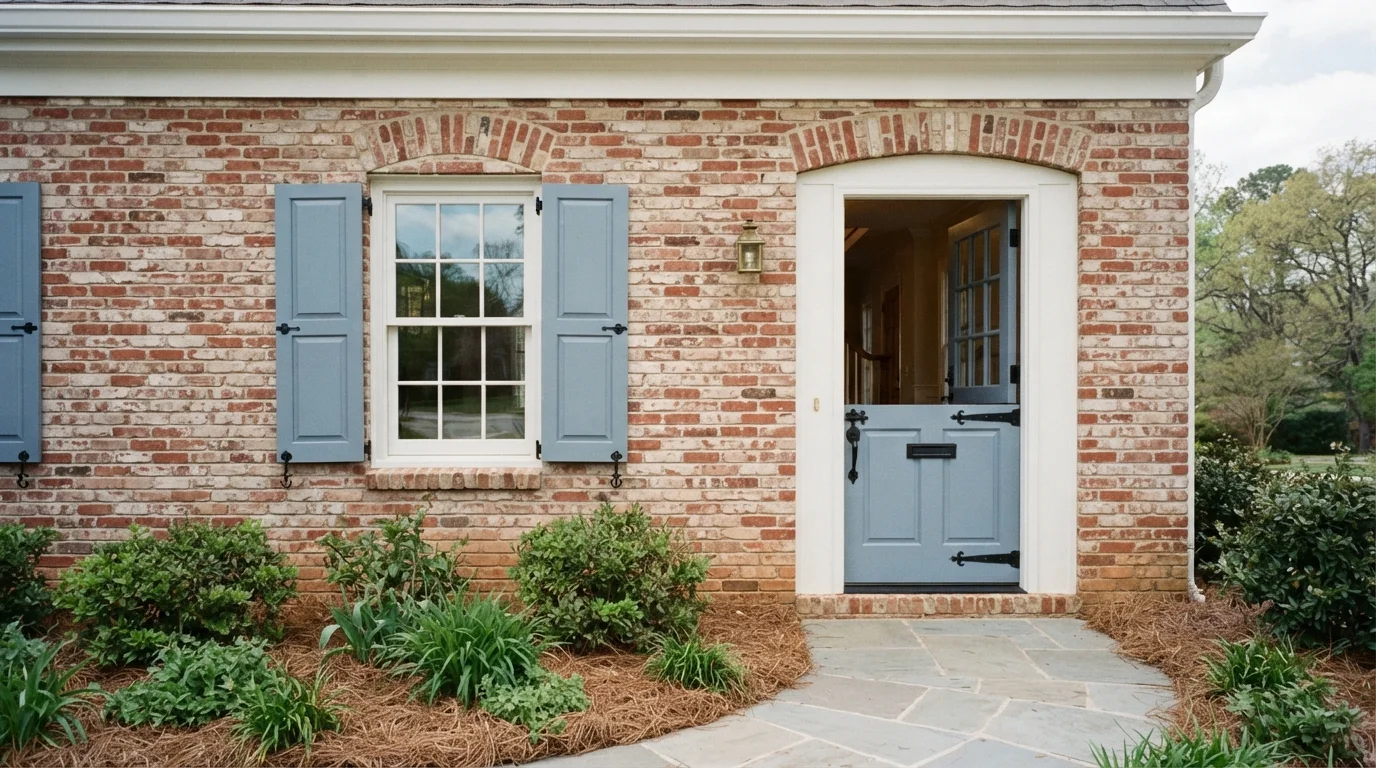
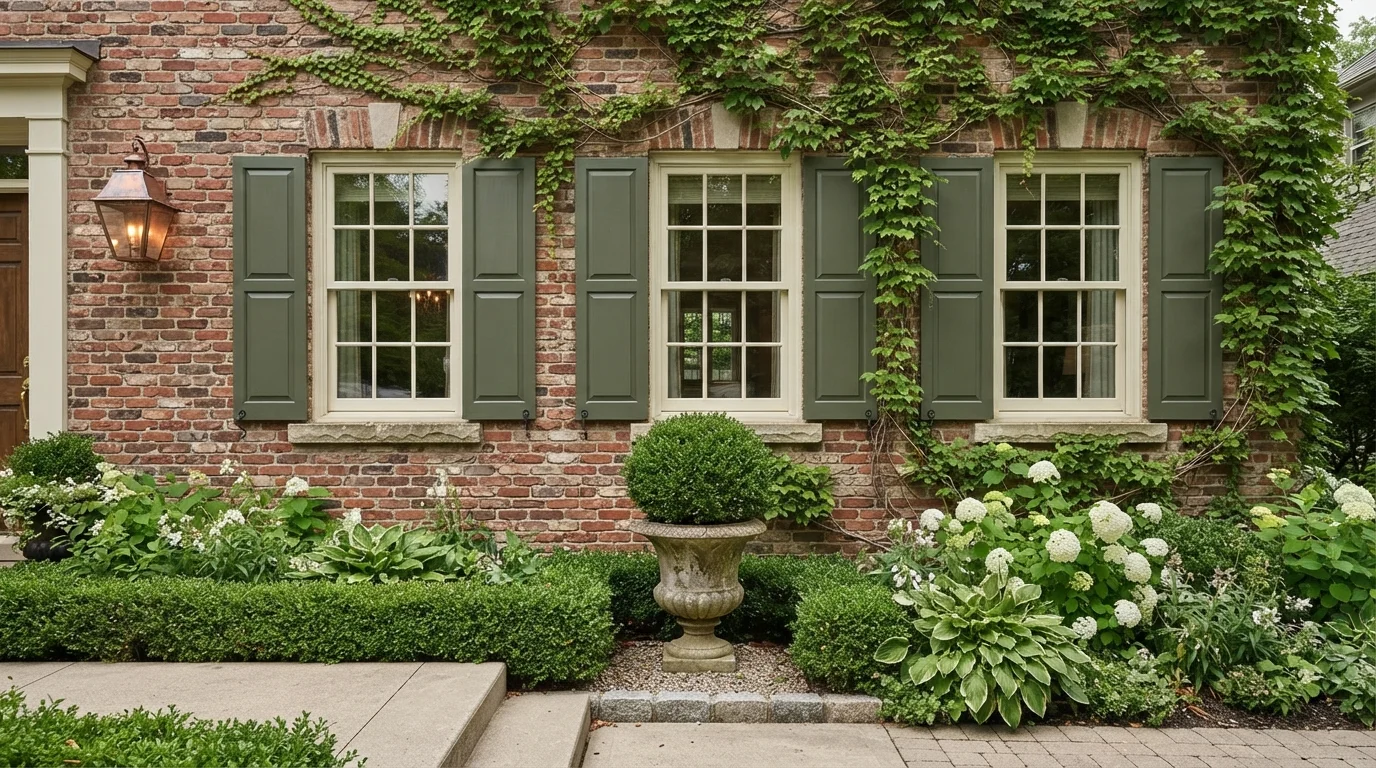
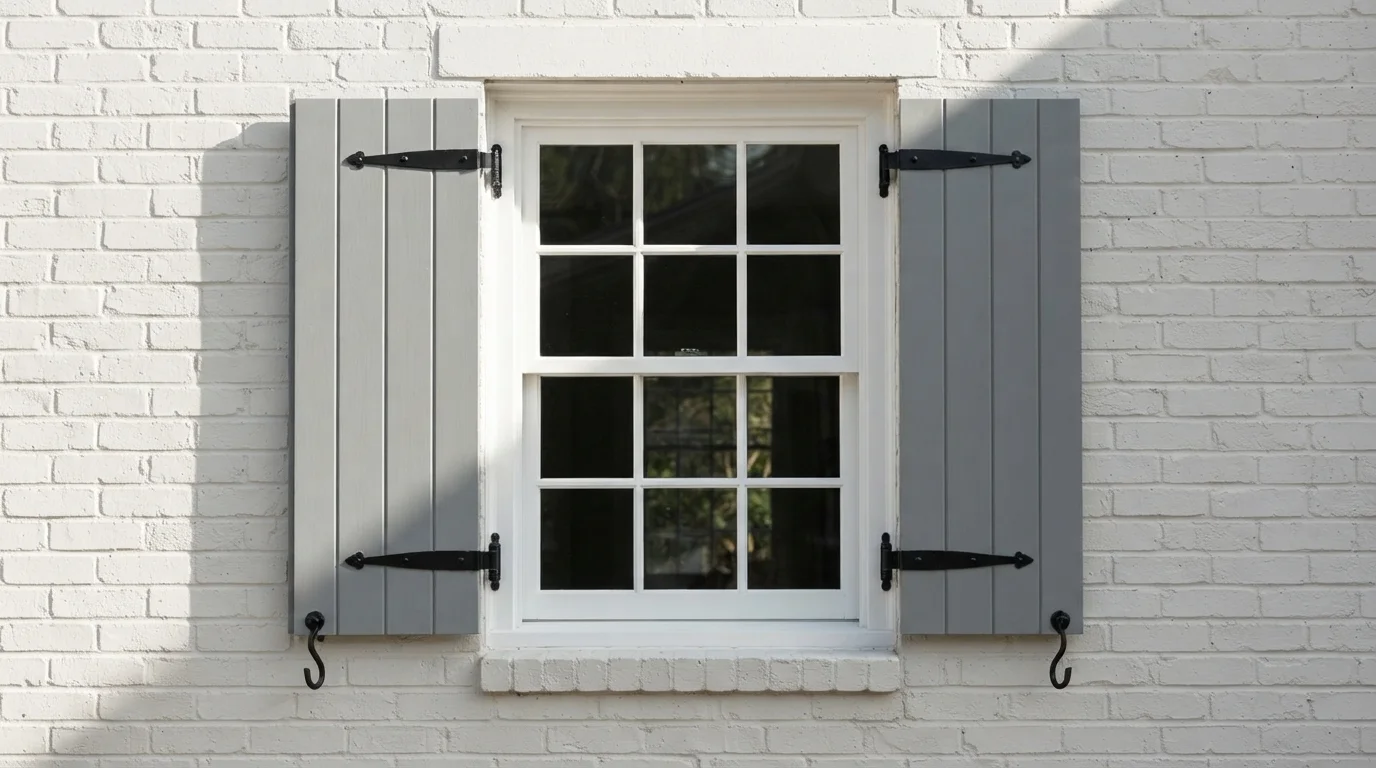
Shutter Paint Colors
Top Picks for the Shutters
4 editor's picksAll Shutters Colors at Every Brand
103 colors · 4 familiesA representative color from every brand that makes this family — most-recognized brands first, with a second pick from the biggest names. Tap any swatch with a curated guide for full spec and cross-brand matches.
Browse by Family Hub
About Shutters Paint Colors
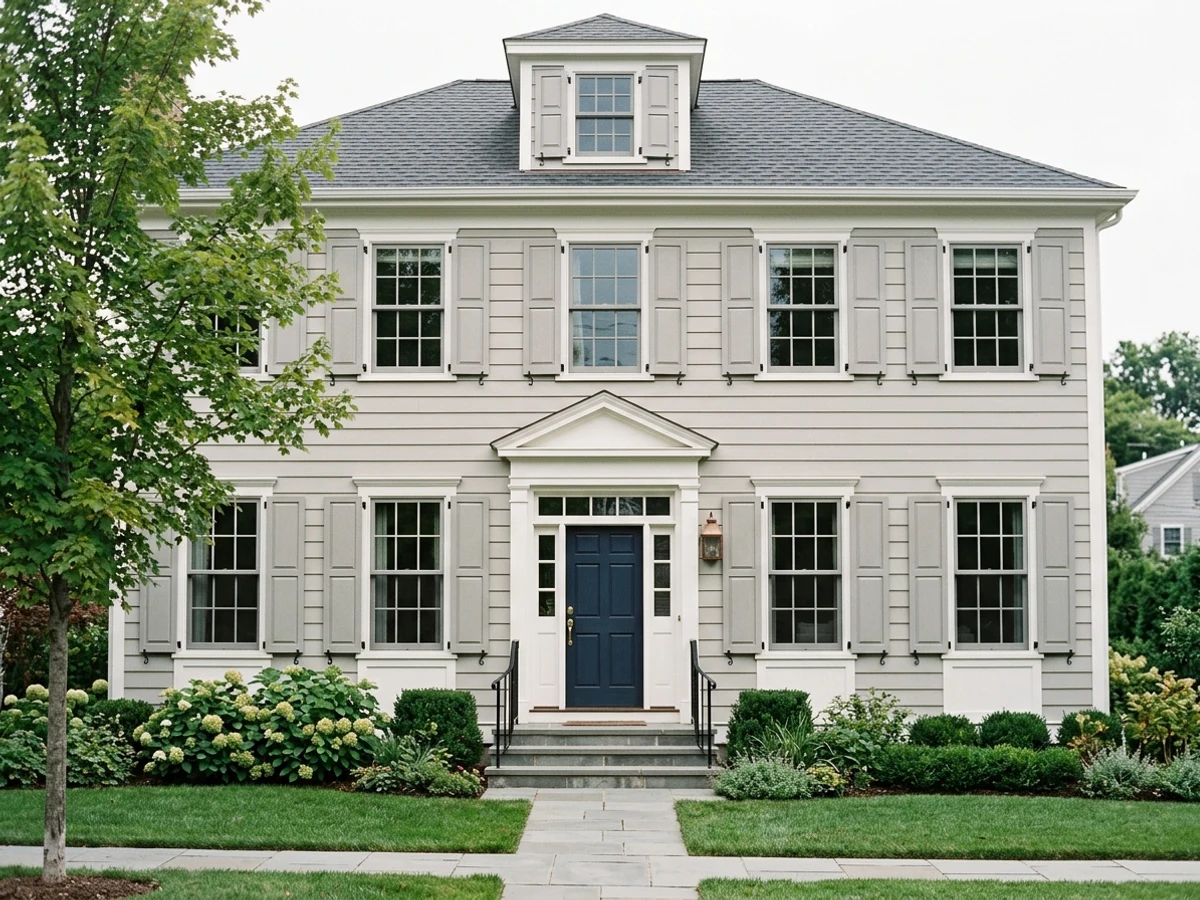
Shutters are small, but they carry a lot of weight on a house. They frame the windows, set the tone of the whole front, and they are one of the cheapest exterior projects that makes a real difference. The right shutter color can make a plain facade look finished and a tired one look fresh.
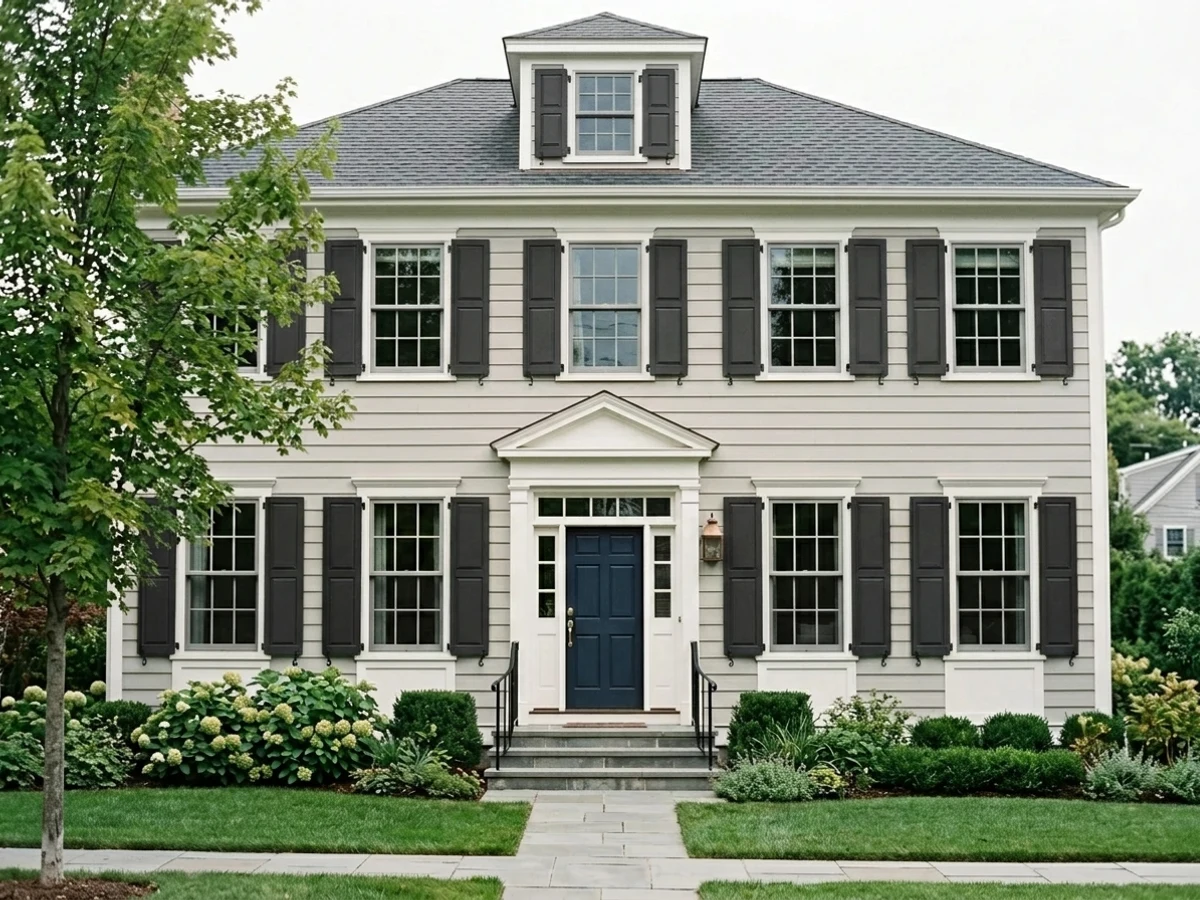
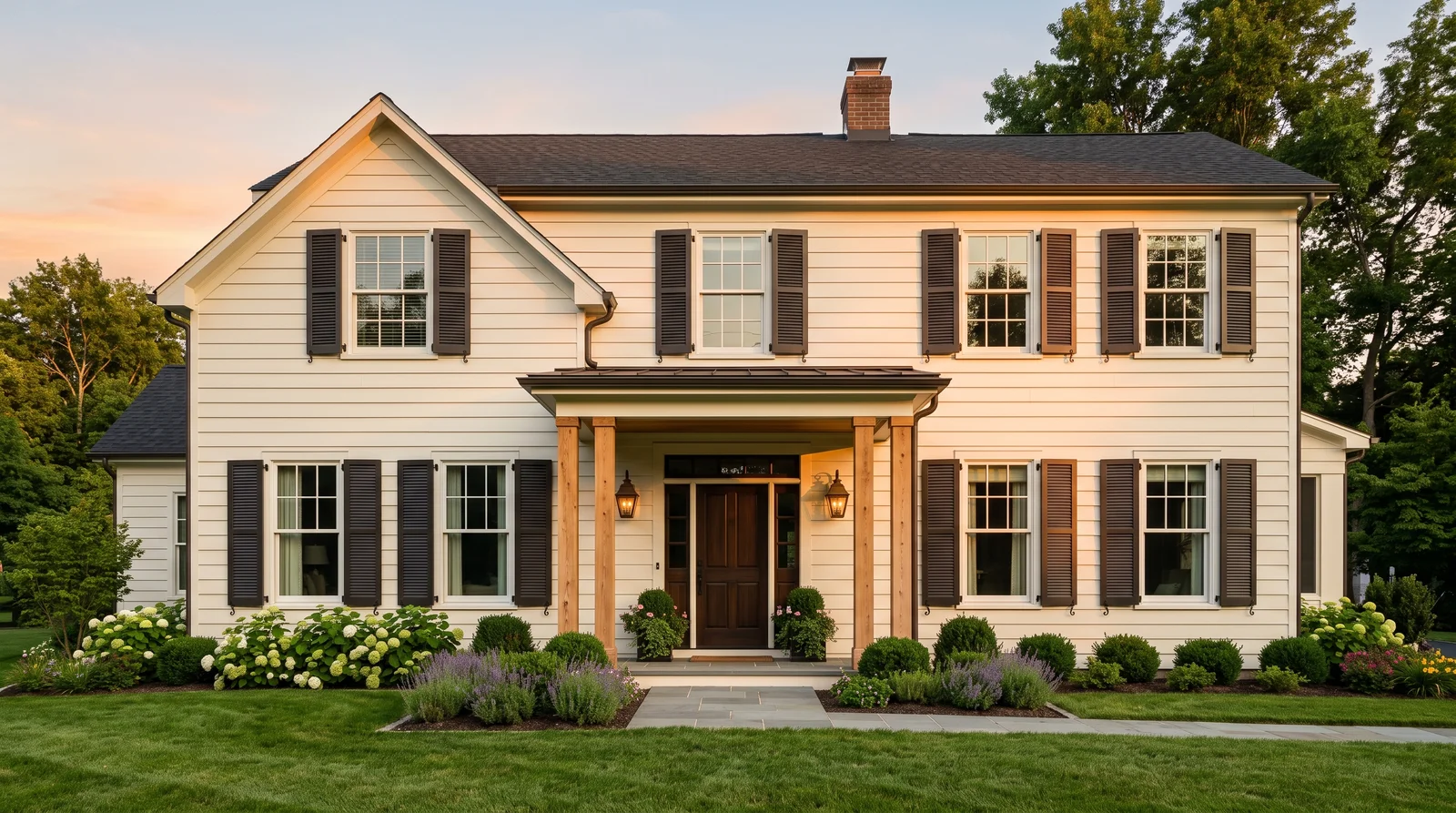
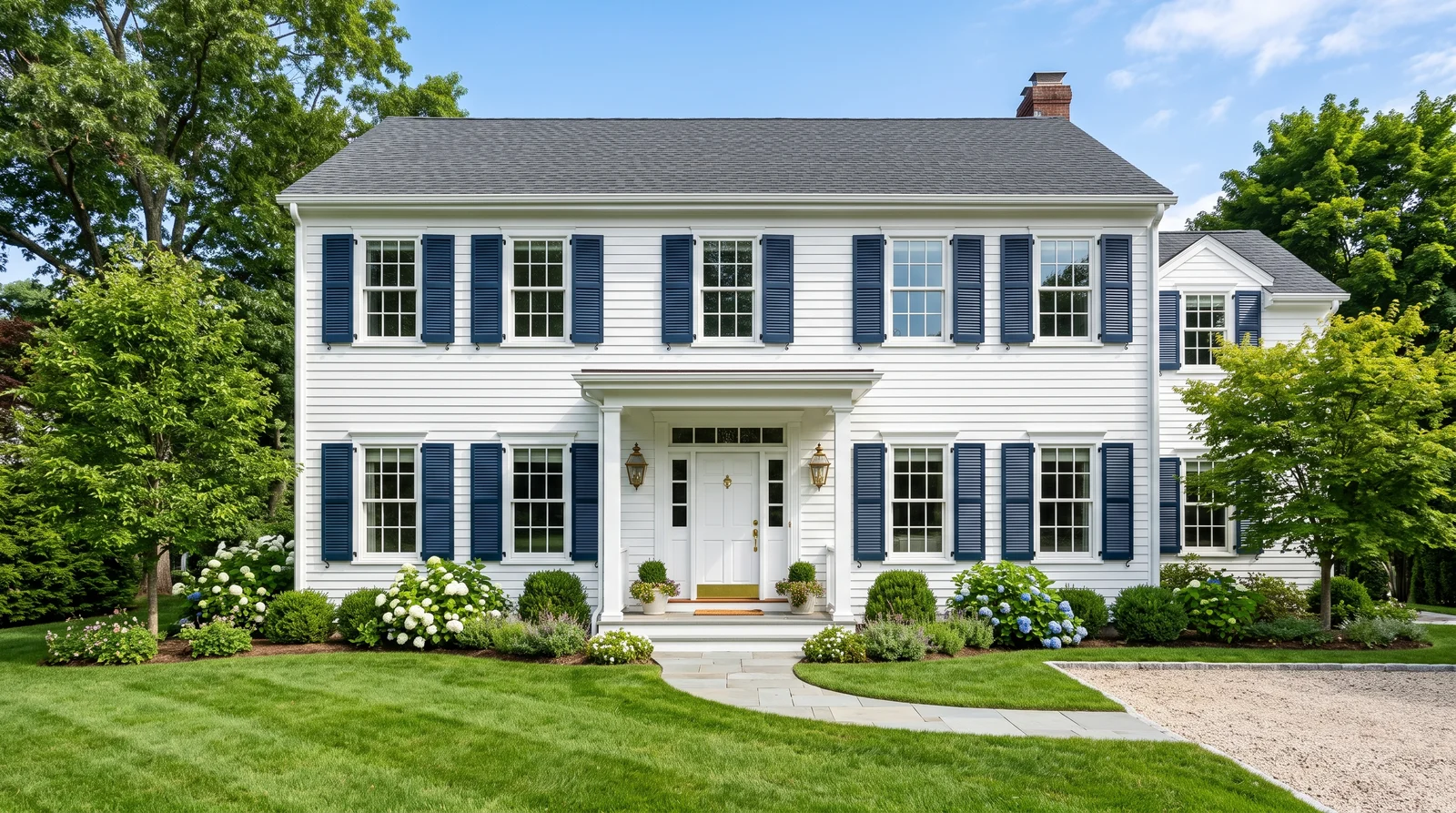
The colors that almost always work for shutters fall into four directions: black, deep blue, deep green, and gray. These read as classic, not trendy, which matters on a feature you do not want to repaint every few years. Think Tricorn Black for the crisp, timeless look, Hale Navy for warmth with restraint, Hunter Green for an earthy traditional feel, or Charcoal and Gunmetal when you want depth without going fully black.
Every color here is mixed to order. You are not stuck with one brand's deck. If you like a shade from one company but buy from another, any paint store can cross-match it on a tinting machine, so pick the color you love first and sort out the brand second.
The Best Color Directions for Shutters
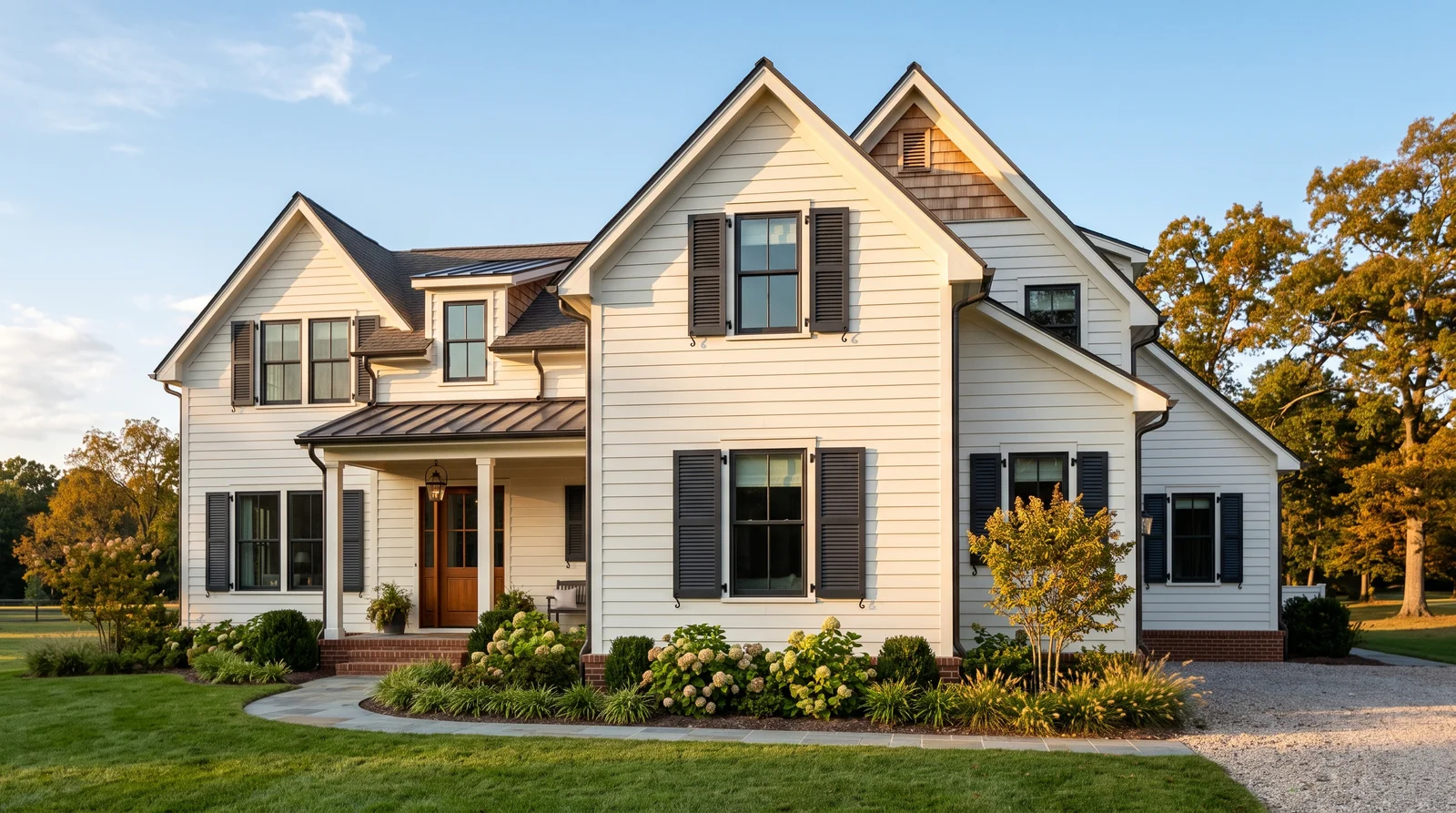
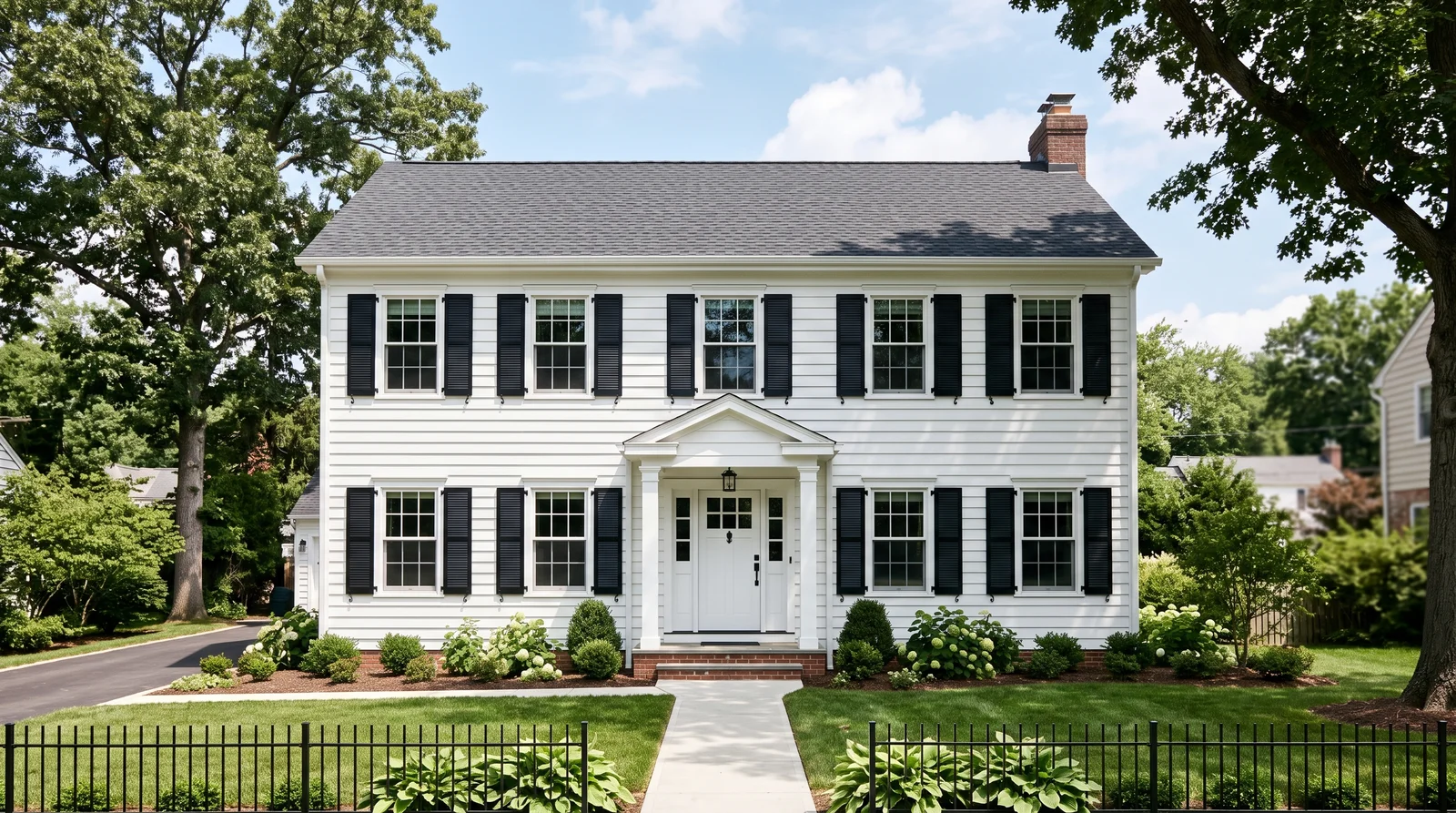
Black is the safe, sharp choice. A true near-black like Tricorn Black gives clean contrast against light or brick walls and works on almost every house style. It looks intentional rather than loud, which is exactly what you want on a detail that repeats across the front.
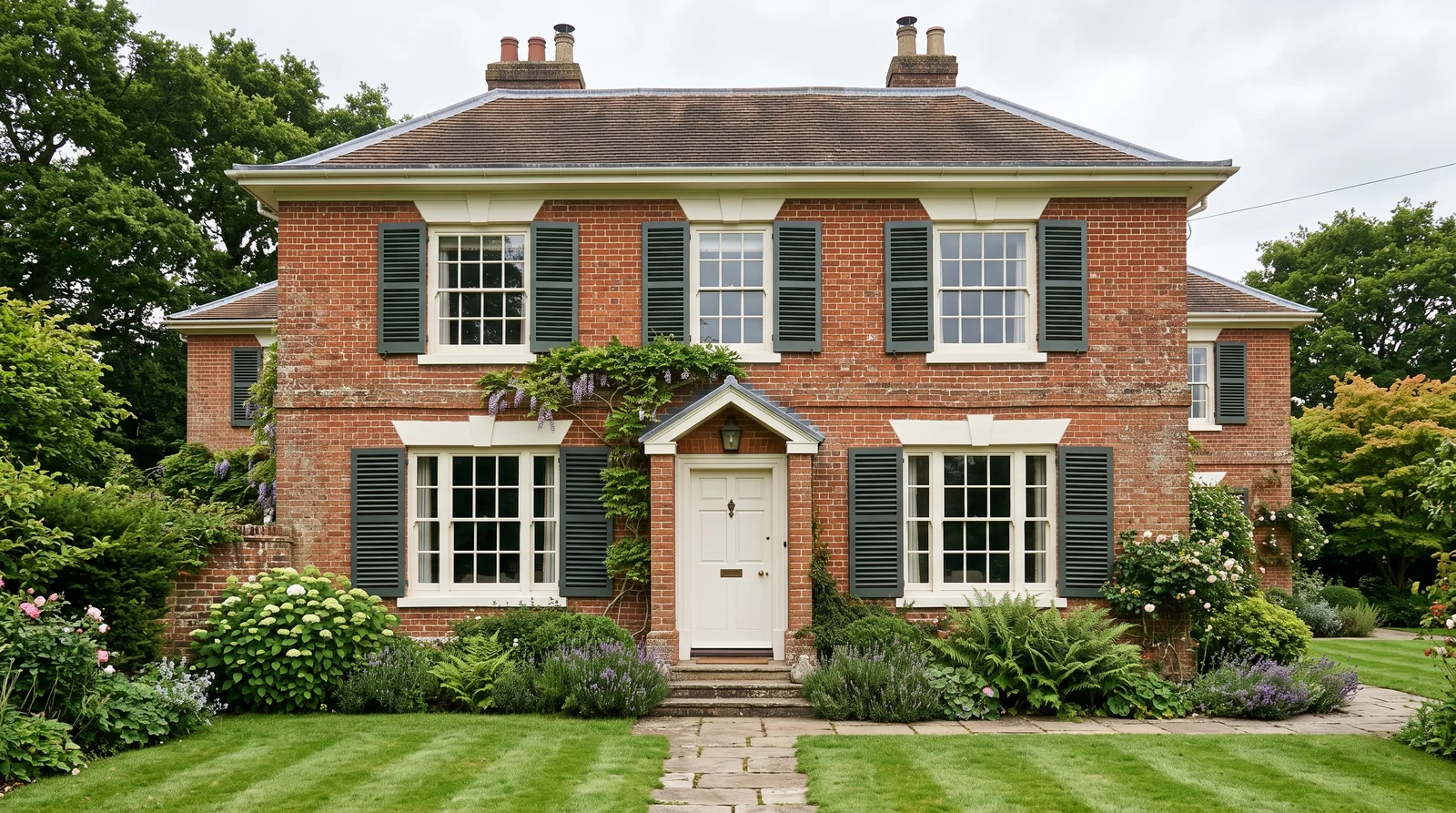
For more personality, deep blue and deep green carry mood without shouting. Hale Navy reads soft and traditional and pairs beautifully with white trim. Hunter Green leans toward older, leafy, established homes. Charcoal and Gunmetal sit between black and gray for people who want depth that feels a little softer and more modern. Oxblood is the bold outlier, a deep brick-red that adds warmth and works well on white or cream houses where you want one rich accent.
Let the Light and the Wall Color Decide
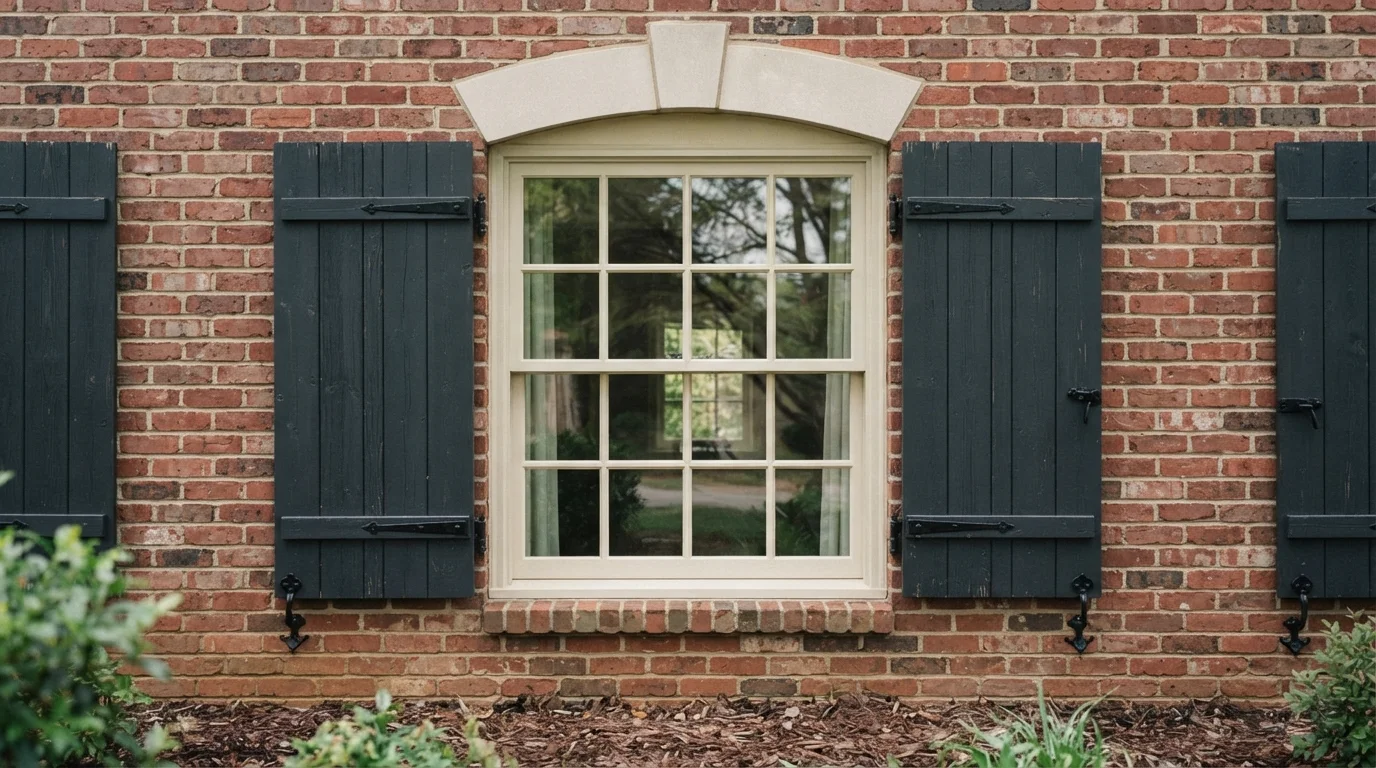
Shutters live in full daylight, so the surrounding wall color matters more than indoor lighting ever would. Against a white or light house, almost any dark shutter pops cleanly. Against brick, tan, or gray walls, you need more contrast or the shutters disappear into the background.
Direct sun also changes how a color reads through the day. Dark colors look richer in shade and can flatten out at midday, while a navy or green can shift cooler in bright noon light and warmer at dusk. Always test a sample board against your actual wall and look at it in morning, midday, and evening before you commit.
Finish and Sheen for Exterior Shutters
Shutters take a beating from sun, rain, and temperature swings, so finish is about durability, not looks alone. Satin is the usual sweet spot. It sheds water, wipes clean, and resists fading better than a flat finish while staying easy on the eyes.
Semi-gloss is the other strong option, especially on smooth or vinyl shutters where you want a crisp, almost furniture-like finish that rinses off with a hose. Skip flat exterior paint here. It holds dirt, chalks faster in sun, and makes dark colors look dull and dusty within a season or two.
Using LRV to Get the Depth Right
LRV, or Light Reflectance Value, runs from 0 (black) to 100 (white) and tells you how dark a color truly is. Almost every great shutter color sits low, usually under 15. Tricorn Black and Hunter Green are near the bottom, which is why they read as solid, grounding anchors against a lighter house.
The number also predicts how the color behaves in sun. Very low-LRV shutters (under 8) can look like flat black from across the street, hiding the navy or green undertone you paid for. If you want people to see that it is navy and not black, aim for a touch higher LRV, like a Hale Navy or Gunmetal, so the color stays readable in daylight.
Pairing Shutters With Trim, Door, and Roof
Shutters do not live alone. They should talk to the front door, the trim, and the roof. The cleanest formula is dark shutters, white or off-white trim, and a door that either matches the shutters or sits one step bolder. Black shutters with a black door and white trim is a no-fail combo.
Do not forget the roof. A gray or charcoal roof loves Charcoal, Gunmetal, or Hale Navy shutters. A brown or weathered-wood roof pairs better with Hunter Green or Oxblood, which carry warmth. Hold your sample board up near the door and against a roof shingle, not just the wall, before you decide.
Common Mistakes People Make on Shutters
The biggest mistake is choosing a color that vanishes. Dark gray shutters on a gray house, or navy that reads black against a dark brick, kill the whole point of the contrast. Hold the sample against the actual wall, not against white primer or a paint chip in your hand.
The other common errors are practical. People use leftover interior paint, which fails fast outdoors, or they skip primer and proper prep on old wood and vinyl, so the new color peels within a year. And many forget that midday sun washes out very dark colors, so they pick something too dark and end up with shutters that look like black holes. Sample, prep, and use real exterior paint, and the color will hold.
Shutters Paint Colors — Frequently Asked Questions
What color should I paint my shutters?+
For most houses, you cannot go wrong with black, deep navy, deep green, or charcoal. Black like Tricorn Black is the most universal, navy like Hale Navy adds warmth, Hunter Green suits traditional homes, and Charcoal or Gunmetal give a softer modern look. Match the color to your wall, roof, and door rather than picking in isolation.
Should shutters match the front door?+
They can, and matching shutters to the door is a clean, classic look. If you want more interest, keep the shutters and door in the same family but let one be slightly bolder, like navy shutters with a slightly deeper navy door. Just avoid having both compete as loud accents at the same time.
What sheen is best for exterior shutters?+
Satin is the go-to for most shutters because it sheds water, wipes clean, and resists fading. Semi-gloss works well on smooth or vinyl shutters if you want a crisper finish. Avoid flat exterior paint, since it holds dirt and dulls quickly in the sun.
Will dark shutters look like plain black from the street?+
They can if the color is very dark, with an LRV under about 8. From a distance and in bright sun, a deep navy or green can read as black. If you want the actual color to show, choose one with a slightly higher LRV, like Hale Navy or Gunmetal, and view a sample in daylight first.
Can I match a shutter color from one brand using paint from another?+
Yes. Every color shown here is mixed to order, so any paint store can cross-match a shade to their own exterior paint on a tinting machine. Pick the color you love first, then buy whichever brand you prefer or already trust outdoors.
Can I use leftover interior paint on shutters?+
No. Interior paint is not built for sun, rain, and temperature swings, and it will fade, chalk, or peel within a season. Use a paint labeled for exterior use, prep and prime the surface properly, and the color will last for years.