Trim Paint Colors
Top Picks for the Trim
4 editor's picksAll Trim Colors at Every Brand
102 colors · 4 familiesA representative color from every brand that makes this family — most-recognized brands first, with a second pick from the biggest names. Tap any swatch with a curated guide for full spec and cross-brand matches.
Browse by Family Hub
About Trim Paint Colors
Trim is the frame around everything else in a room. It runs along the floor, around the doors, over the windows, and up the corners, and your eye follows it whether you notice or not. Get the trim color right and the walls look cleaner, the ceilings look higher, and the whole room feels finished.
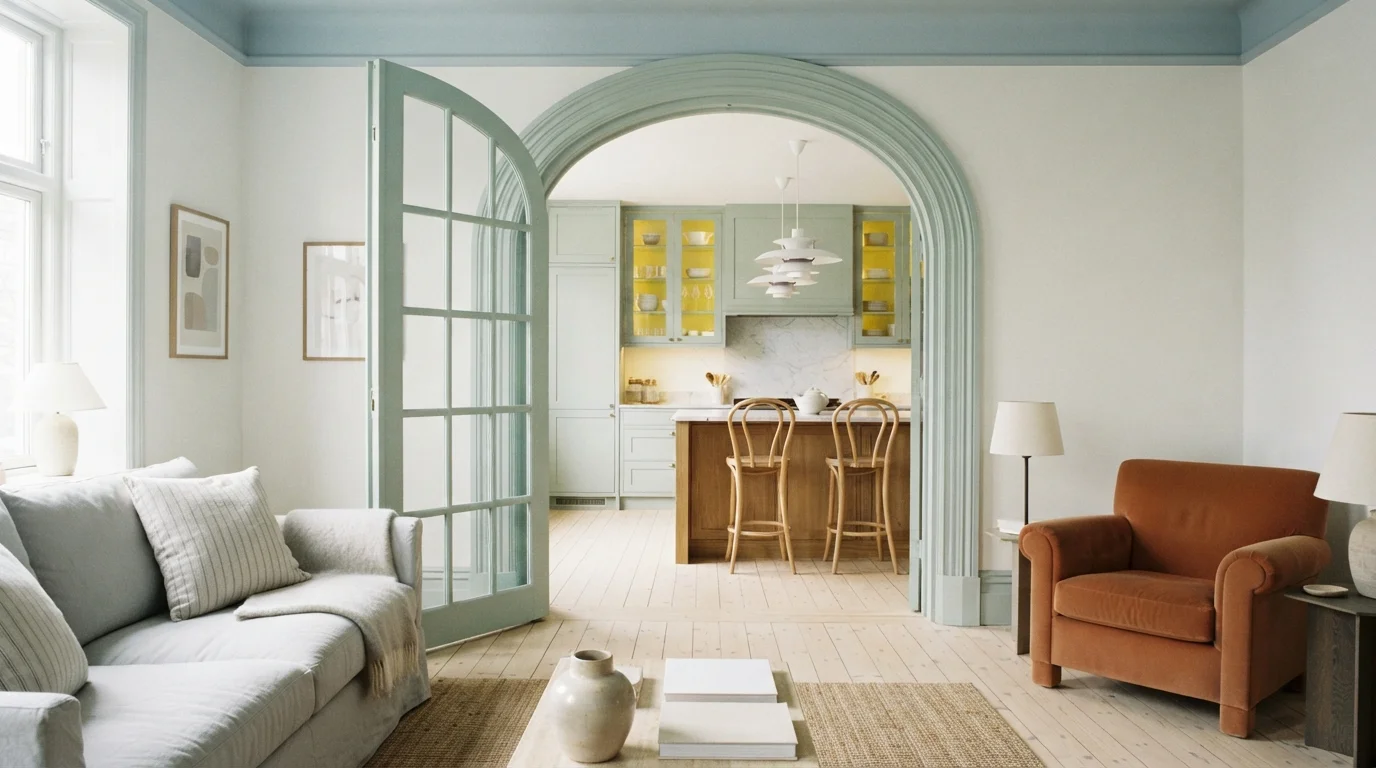
Most people reach for white, and white is still the safest, most flexible direction. But trim is also where a confident black, a soft gray, or a deep green can turn an ordinary room into something that looks designed. The trick is matching the trim color to the walls, the light, and the level of contrast you actually want.
Every color shown here is mixed to order at the paint counter, so you are not locked into one brand. If you like a shade like White Dove or Tricorn Black but buy a different brand of paint, the store can cross-match it. Pick the color you love first, then choose where to buy.
The Best Color Directions for Trim
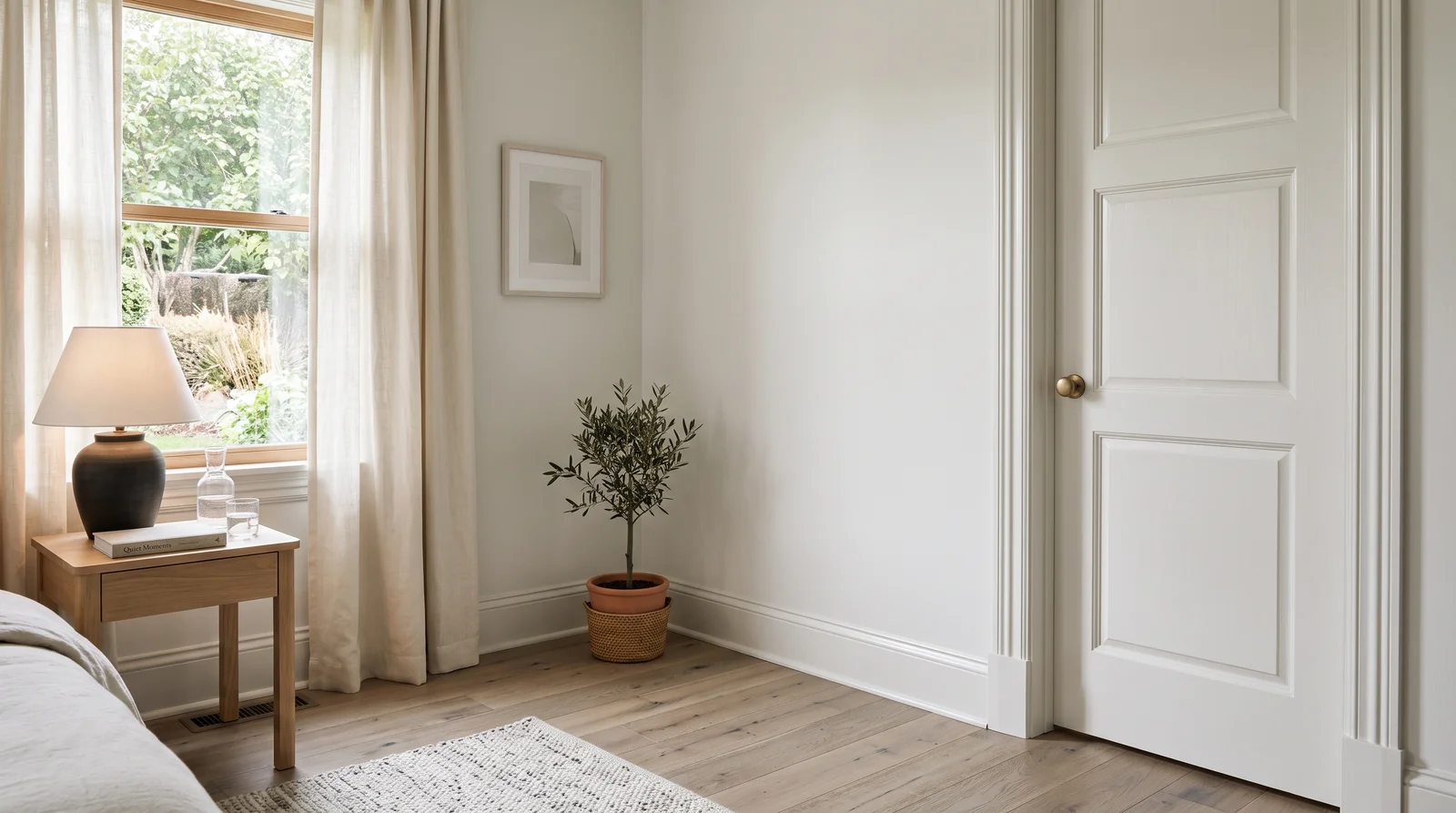
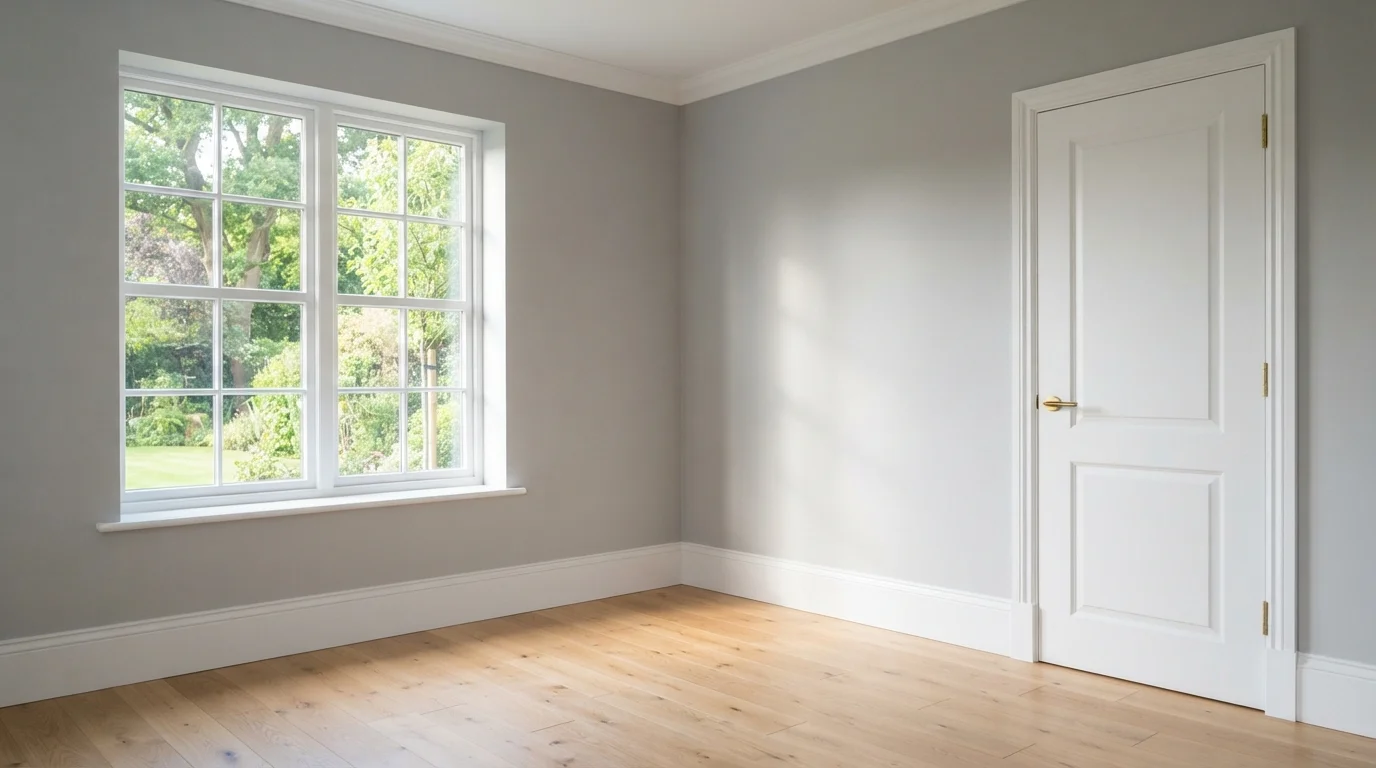
White is the default for good reason. A warm white like White Dove or Alabaster keeps things soft and inviting, while a crisp white like Chantilly Lace gives you the sharpest, cleanest edge against colored walls. If your walls are warm, lean warm; if they are cool or bright, a cleaner white holds up better.
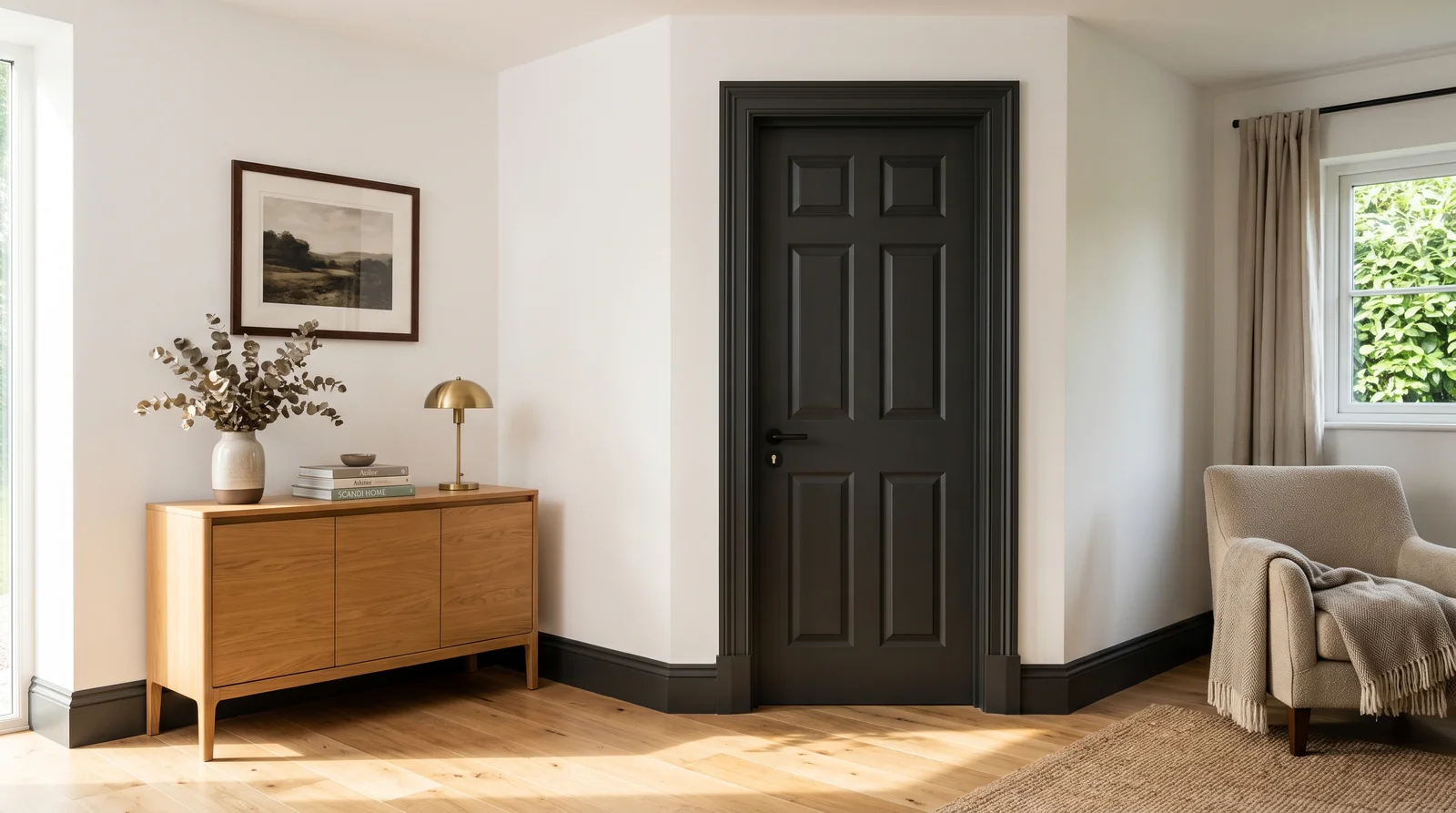
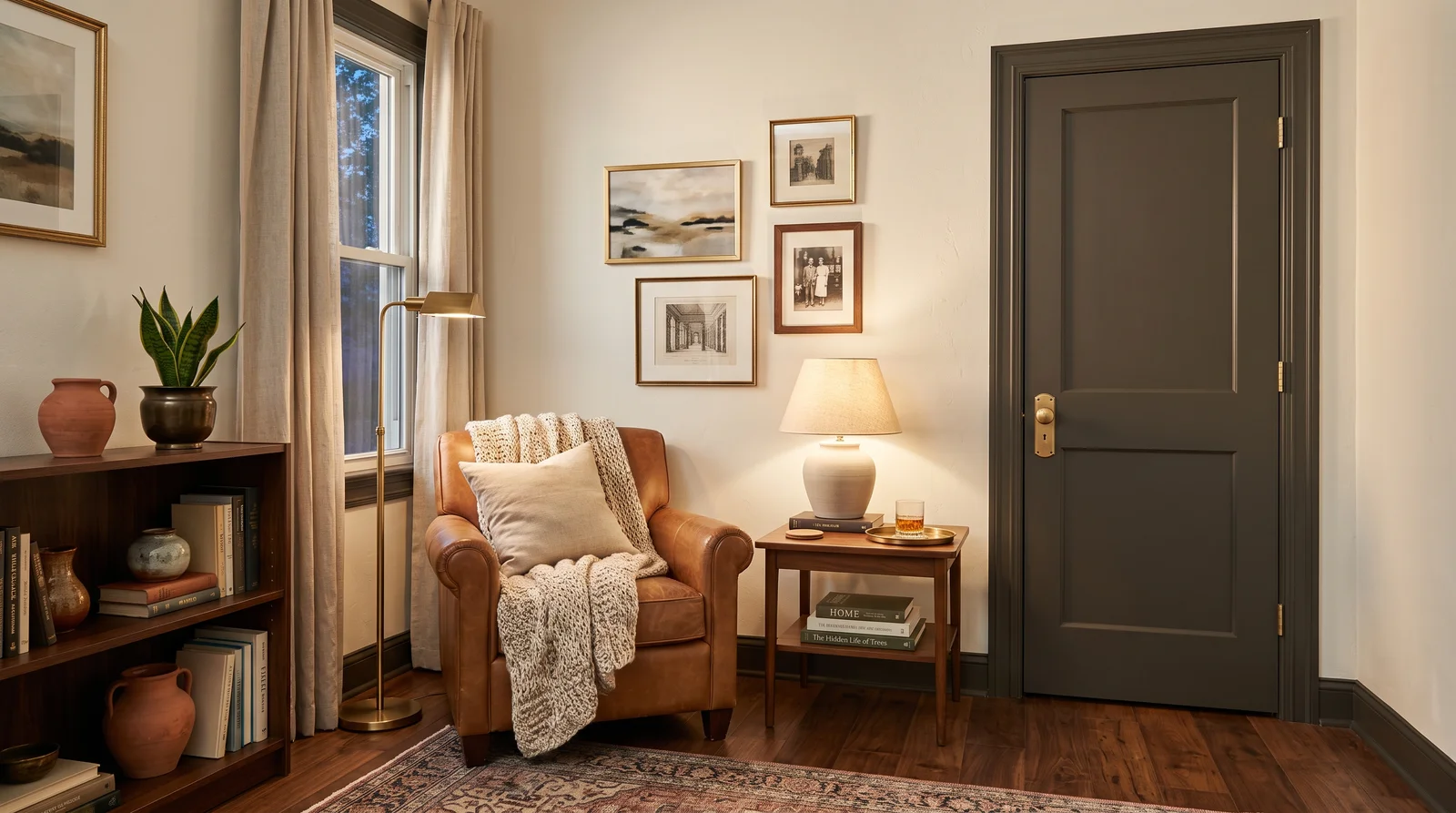
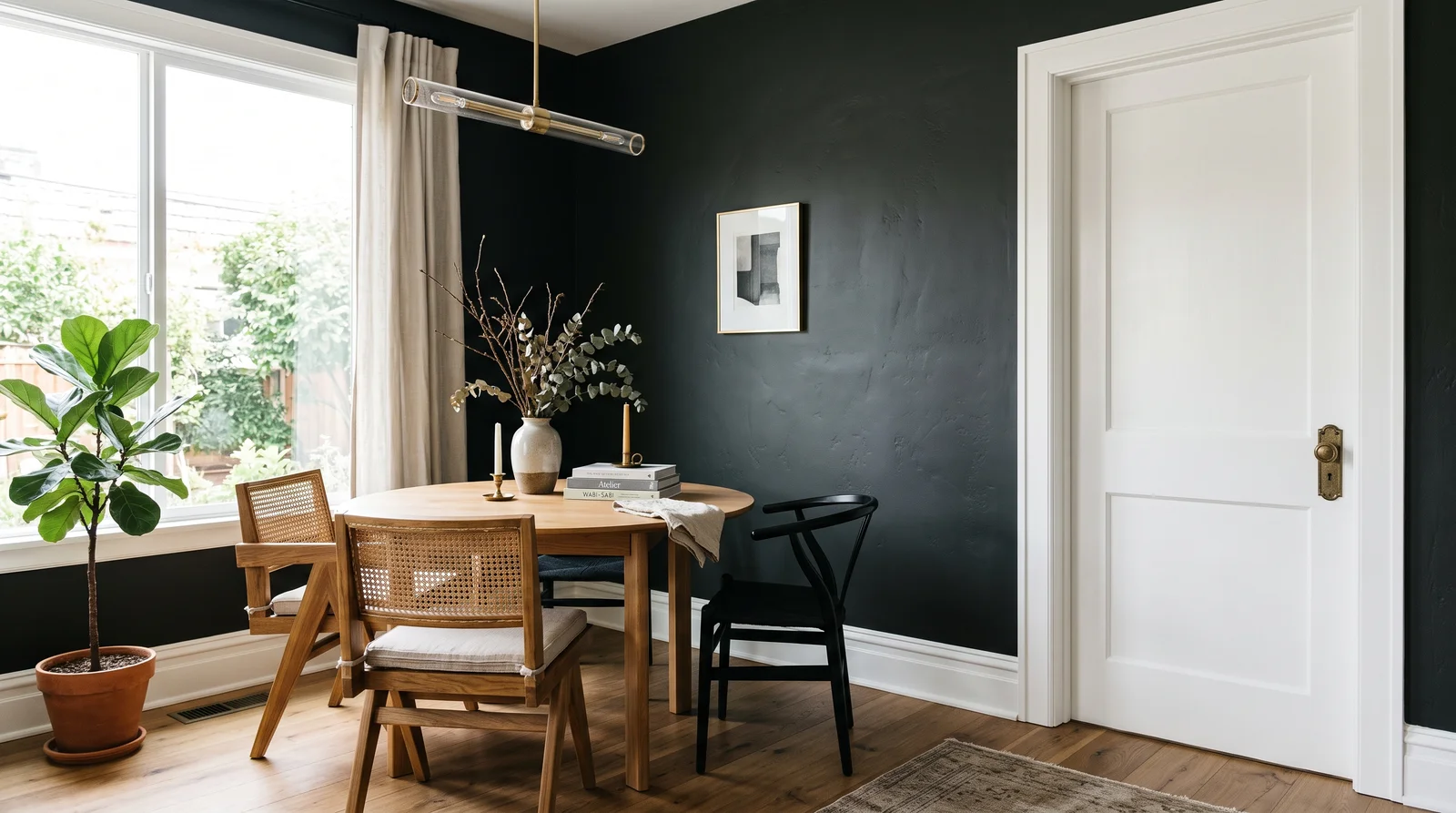
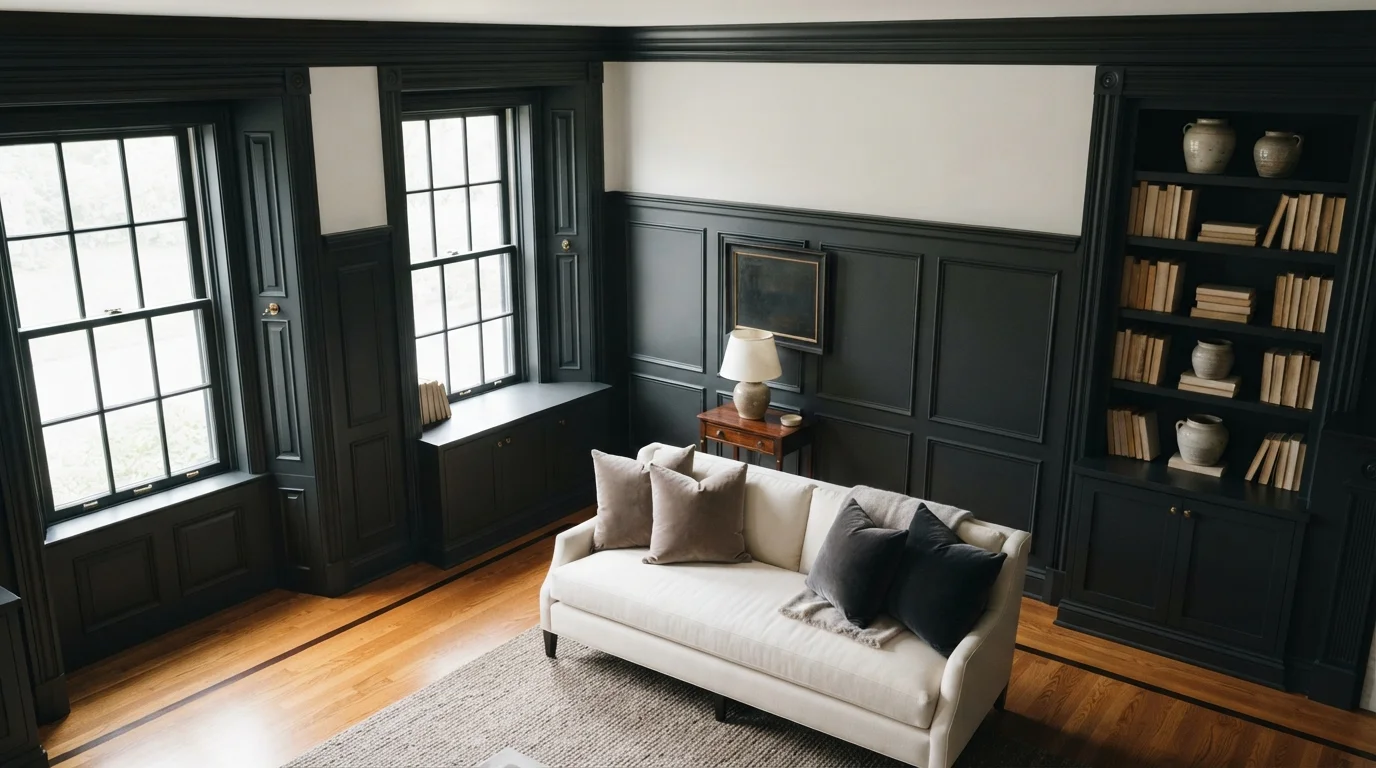
For more drama, go darker than the walls. Black trim such as Tricorn Black frames a room like a picture and makes white walls pop. A mid-tone like Charcoal feels modern without being stark, and a deep green like Hunter Green reads classic and a little traditional, especially on paneling, wainscoting, or a stair rail.
Let the Room's Light Decide
Trim shows light differently than walls because it sits at angles and catches glare. North-facing rooms stay cool and a little flat all day, so a warm white like Alabaster keeps the trim from looking gray or dingy. South-facing rooms get strong, warm light, which lets a cooler white like Chantilly Lace stay crisp instead of going yellow.
Check your choice at night under your actual bulbs. Warm bulbs can push a soft white toward cream, and cool bulbs can make a gray trim like Charcoal look almost blue. Tape a sample near a door casing and a window and look at it morning, afternoon, and after dark before you commit.
The Right Finish for Trim
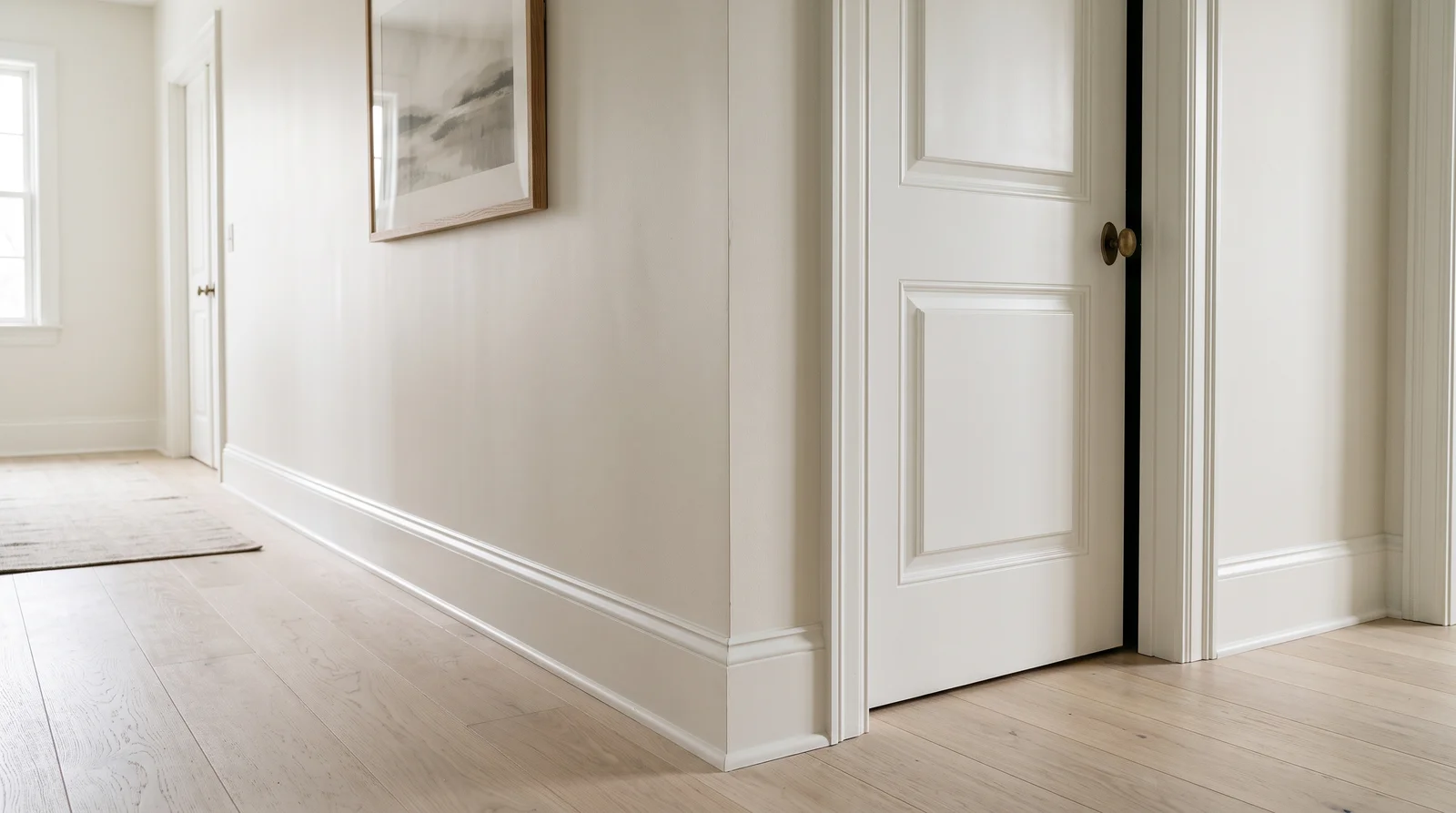
Trim takes more abuse than any other painted surface. It gets kicked, scuffed, grabbed, and wiped down, so you want a finish that can take a scrub. Semi-gloss is the classic trim choice because it wipes clean and stands up to fingerprints around doors and handrails.
Satin is a softer, lower-glare option if high shine feels too much for your space. Whichever you pick, make the trim shinier than the walls. The small step up in sheen is part of what makes trim read as trim and gives those edges their crisp, intentional line.
Using LRV to Control Contrast
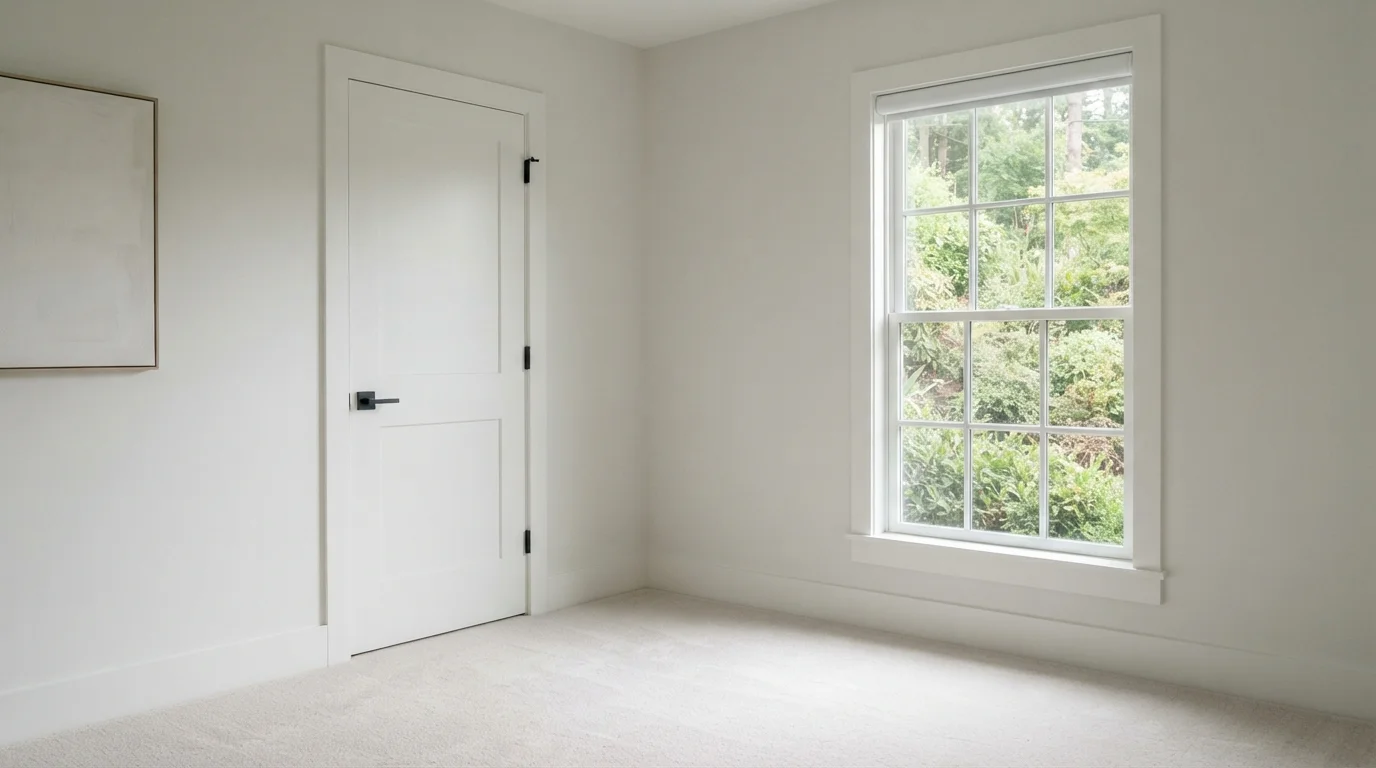
LRV is just how much light a color bounces back, from near 0 for black to near 100 for the brightest white. For trim, LRV is really about contrast with your walls. A high-LRV white like Chantilly Lace against a medium wall gives you a bright, fresh, high-contrast look that makes rooms feel larger.
Low-LRV trim does the opposite. Tricorn Black or Hunter Green next to pale walls creates a bold outline that grabs attention, while keeping trim close to the wall color makes everything feel calm and seamless. Decide whether you want the trim to stand out or quietly blend, then pick your LRV gap to match.
Pairing Trim with the Rest of the Room
Trim is the connector between your walls, ceiling, floor, and hardware, so it should agree with all of them. A warm white like White Dove pairs beautifully with warm wood floors and cream ceilings, while a cooler white suits gray floors and cool-toned walls. Keep the ceiling and trim in the same temperature family so the room does not feel pulled in two directions.
Dark trim wants something to play against. Black or charcoal trim looks sharp with white or light walls and pairs well with matte black or brass fixtures. Green trim like Hunter Green sits naturally with brass, natural wood, and warm neutrals, which is why it feels so at home in older houses and libraries.
Common Trim Painting Mistakes
The biggest mistake is using a flat or wall-grade paint on trim. It scuffs fast, shows every fingerprint, and will not wipe clean, so always step up to satin or semi-gloss. The second mistake is matching trim to walls by guessing instead of testing, which is how a white that looked clean in the can ends up reading pink or yellow on the wall.
People also forget that trim and ceiling whites should usually relate to each other. Pairing a cool blue-white trim with a warm cream ceiling makes both look slightly off. Sample on the actual trim, view it in your real light, and pick the white temperature on purpose rather than grabbing the first one labeled white.
Trim Paint Colors — Frequently Asked Questions
What is the most popular trim color?+
White is by far the most common, with soft whites like White Dove and Alabaster and crisp whites like Chantilly Lace leading the pack. White works with nearly any wall color and keeps a room feeling fresh and finished. Darker trim in black, charcoal, or green is a growing favorite when you want more drama.
Should trim be lighter or darker than the walls?+
Either works, it just depends on the mood you want. Trim lighter than the walls, usually white, gives a bright, classic, high-contrast look that most people expect. Trim darker than the walls, like Tricorn Black or Charcoal, frames the room boldly and feels more modern or dramatic.
What sheen is best for trim?+
Semi-gloss is the traditional pick because it wipes clean and resists scuffs around doors, baseboards, and handrails. Satin is a good lower-glare alternative if you find semi-gloss too shiny. The key is to make the trim a step shinier than your walls so the edges read crisp and intentional.
Can I match a trim color across different paint brands?+
Yes. Every color here is mixed to order at the paint counter, and stores can cross-match a shade like White Dove or Hunter Green into another brand's paint. Pick the color you love first, then buy whichever brand fits your budget or finish needs.
Should the trim and ceiling be the same color?+
They don't have to match exactly, but they should belong to the same temperature family so the room feels cohesive. A common, easy approach is to use the same white on both, often the trim white in a flatter sheen on the ceiling. Avoid pairing a cool white trim with a warm cream ceiling, since the mismatch makes both look off.
Does dark trim make a room look smaller?+
Not necessarily, but it does change the feel. Dark trim like black or Hunter Green draws a strong outline that makes the room feel more defined and intimate rather than airy. If you want a space to feel larger and brighter, a high-LRV white like Chantilly Lace against medium walls is the better choice.
How do I keep white trim from looking yellow or dingy?+
Match the white to your light. In warm, south-facing rooms or under warm bulbs, a cooler white like Chantilly Lace stays crisp, while in cool, north-facing rooms a warm white like Alabaster reads clean instead of gray. Always tape a sample on the actual trim and check it in daylight and at night before committing.