Sunroom Paint Colors
Top Picks for the Sunroom
4 editor's picksAll Sunroom Colors at Every Brand
103 colors · 4 familiesA representative color from every brand that makes this family — most-recognized brands first, with a second pick from the biggest names. Tap any swatch with a curated guide for full spec and cross-brand matches.
Browse by Family Hub
About Sunroom Paint Colors
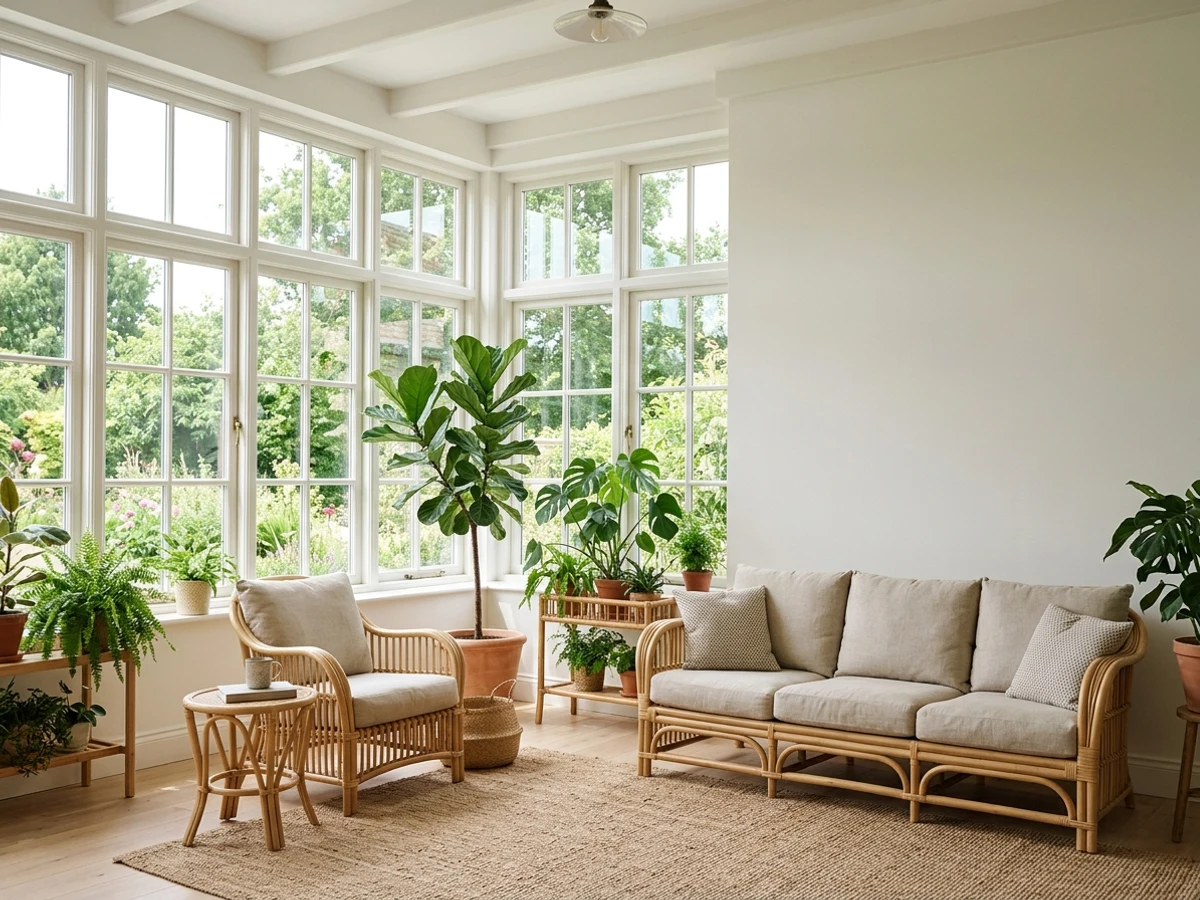
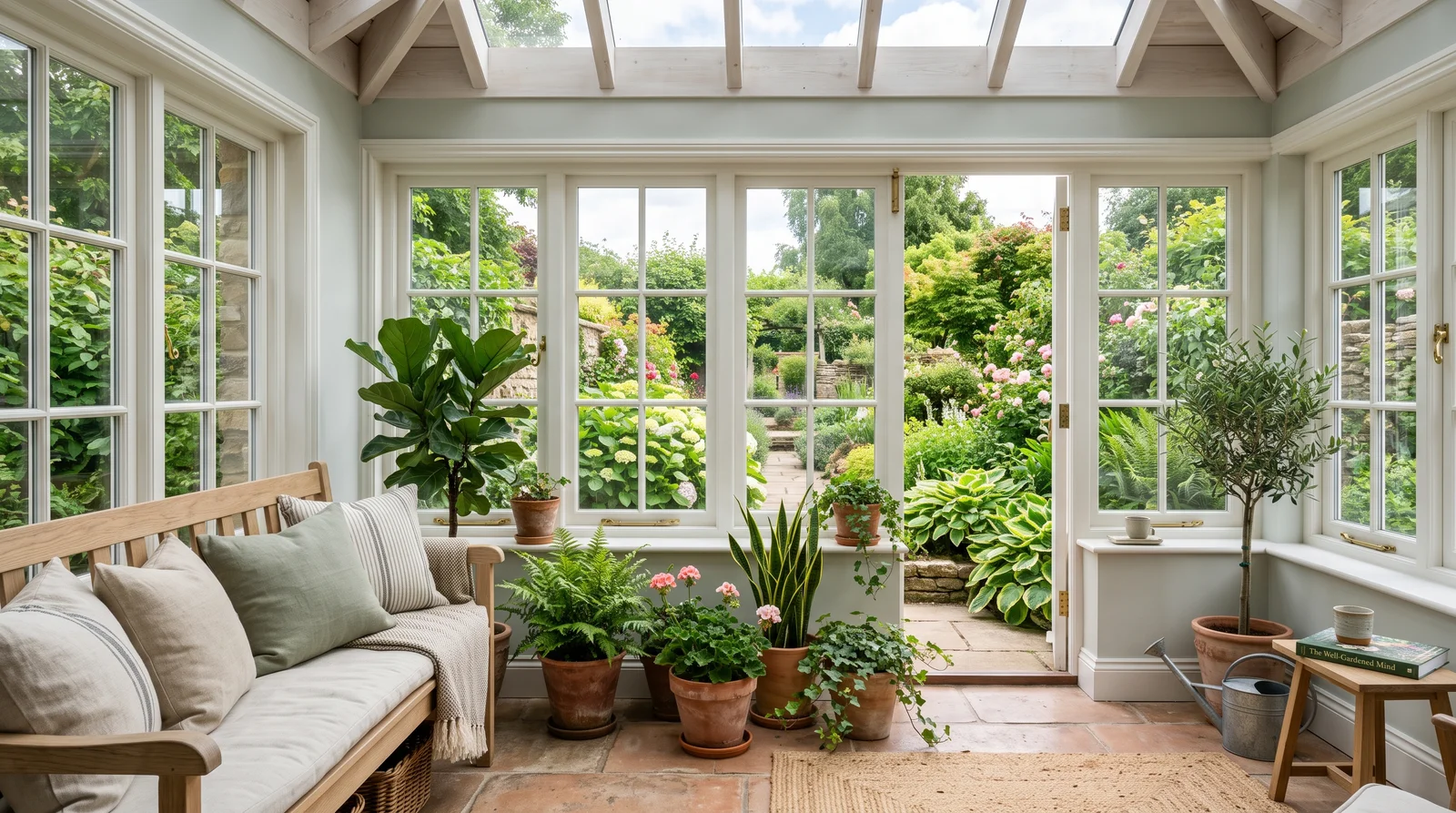
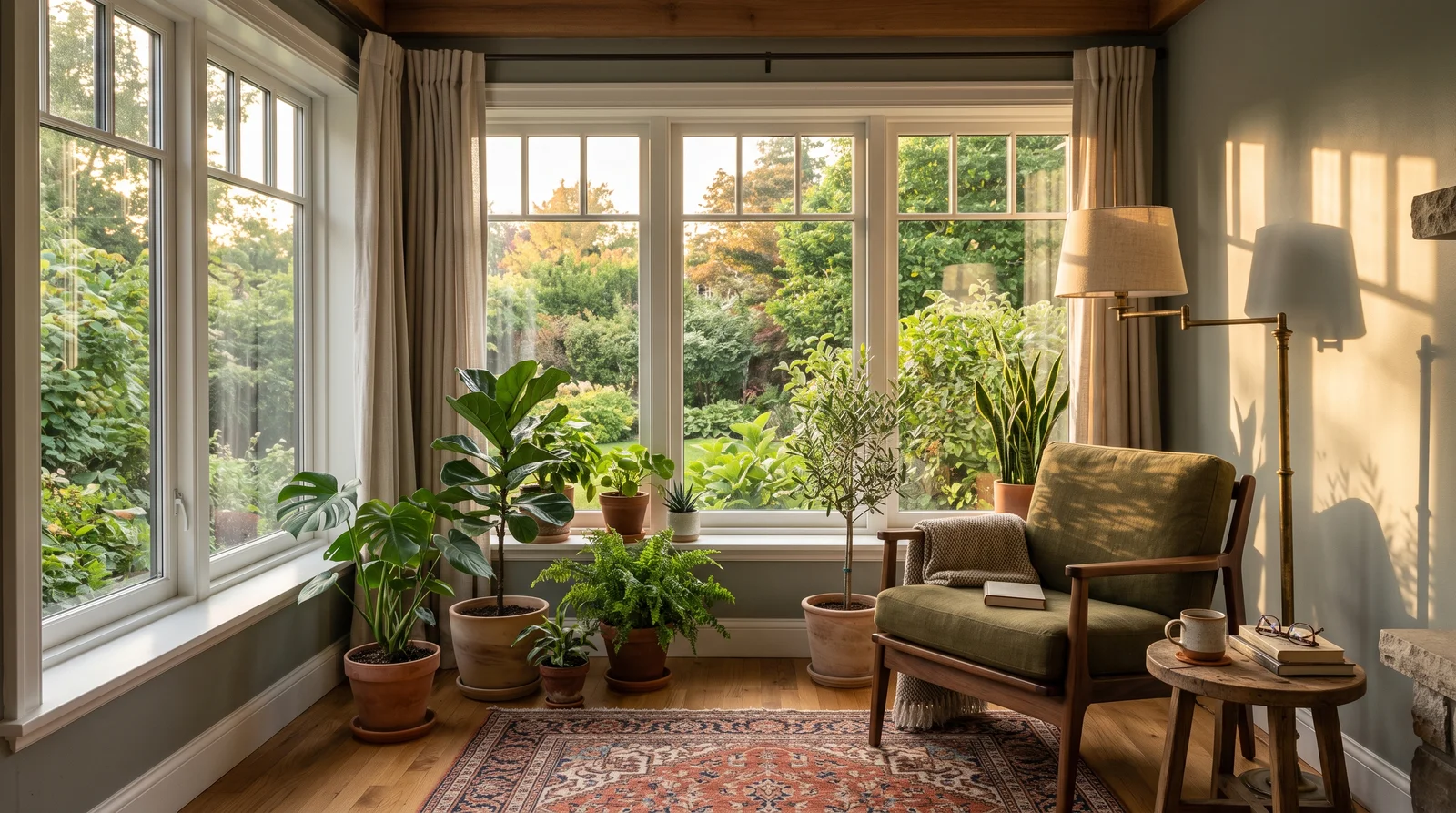
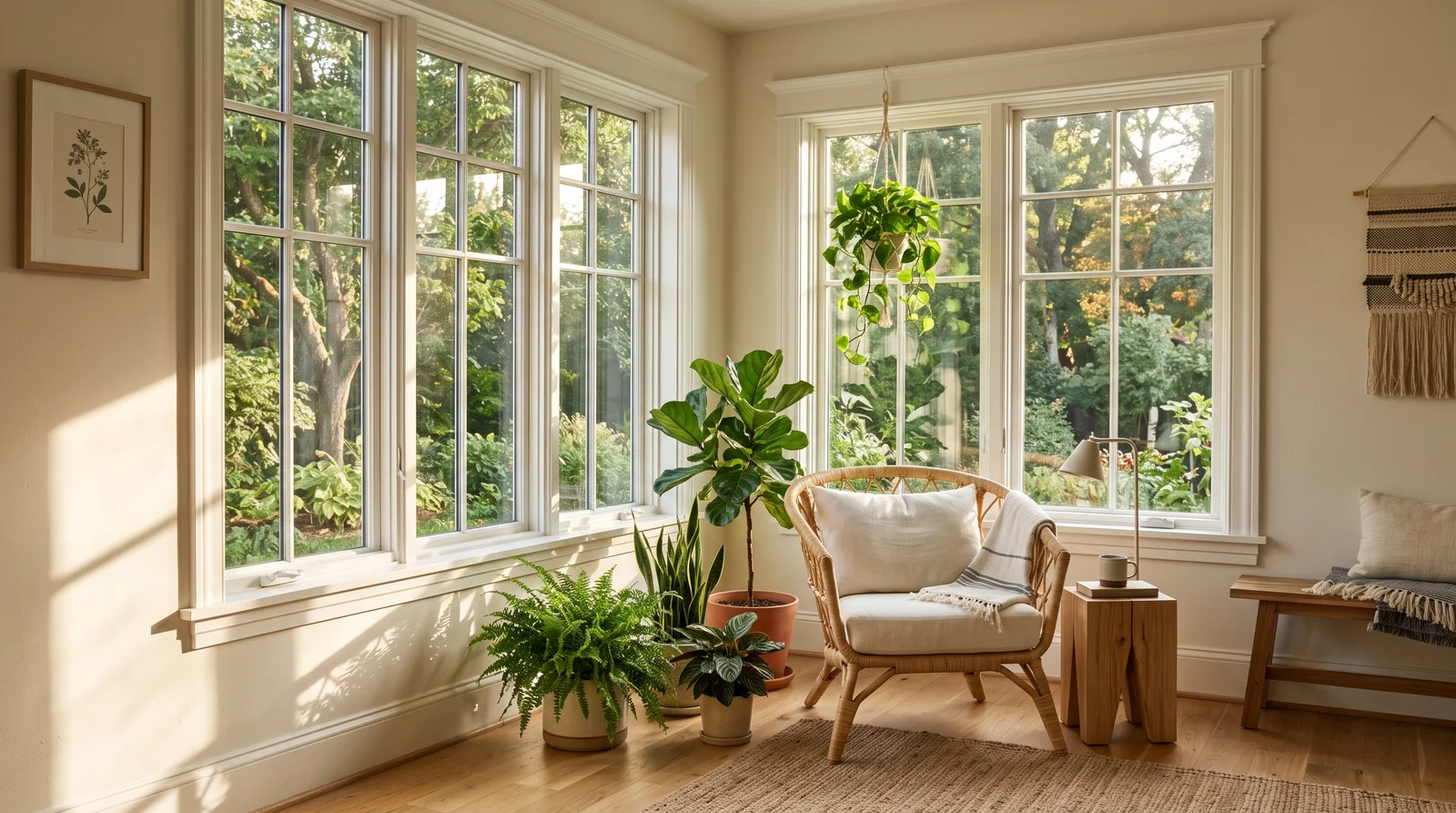
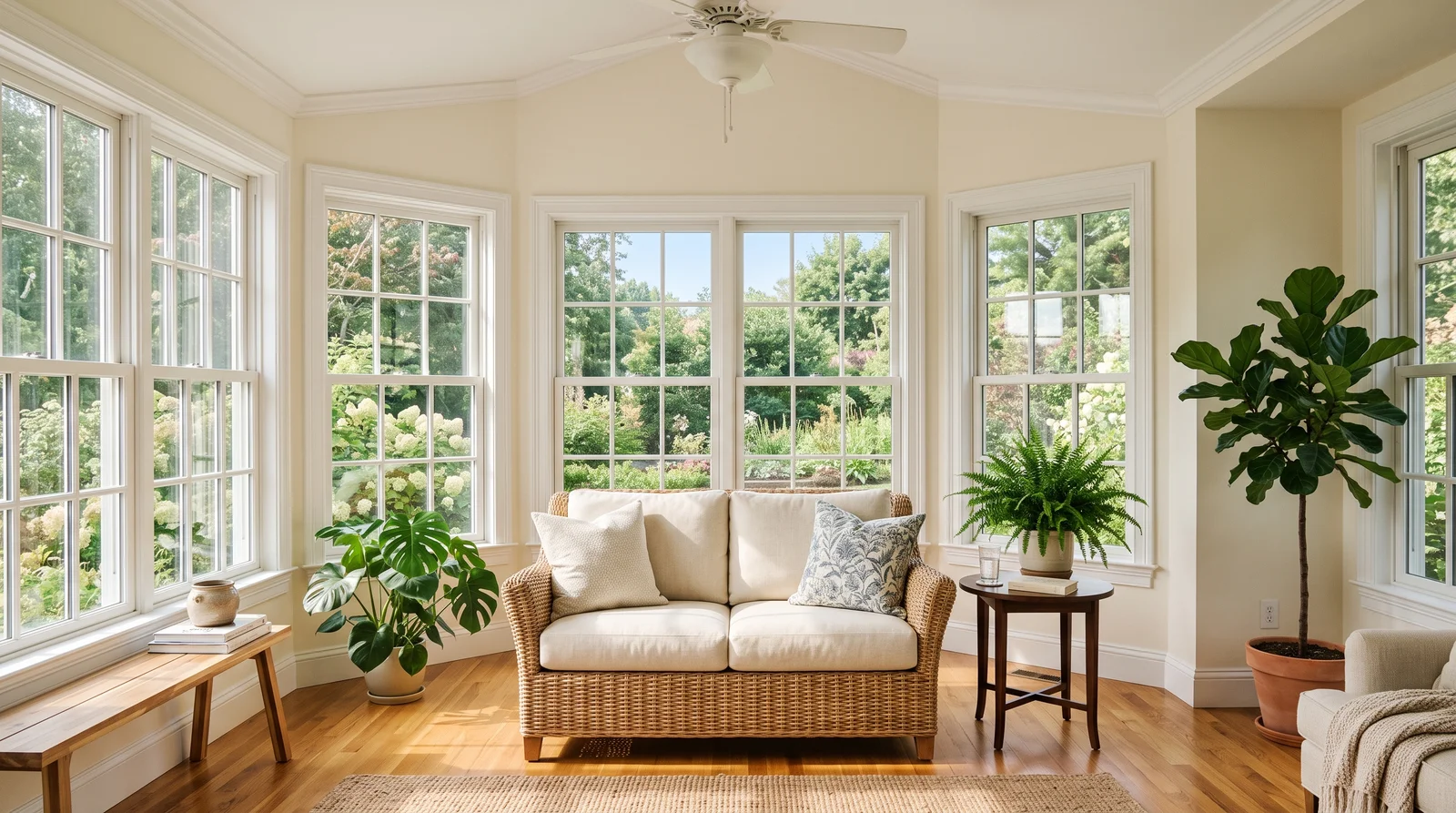
A sunroom is the one room built around light, so color works differently here than anywhere else in the house. Walls get washed with daylight all day, then go quiet and cool after dark, so the shade you fall for at noon can read completely different by evening. The colors that hold up best lean into that — soft greens, calm teals, easy blues, and clean whites that let the outdoors do the talking.
This page walks through the directions that actually fit a sunroom, how your windows steer the choice, and which finish survives heat, humidity, and glare. The example colors here — Eucalyptus, Sage, Seafoam, Alabaster, Mint, and Ice Blue — are reference points for those moods, not the only options.
One practical note before you commit to a brand: every color shown here is mixed to order at the paint counter. If you find the exact green you want under one brand's name, a store can cross-match it into another brand's paint, so you are choosing a color first and a brand second.
Best Color Directions for a Sunroom
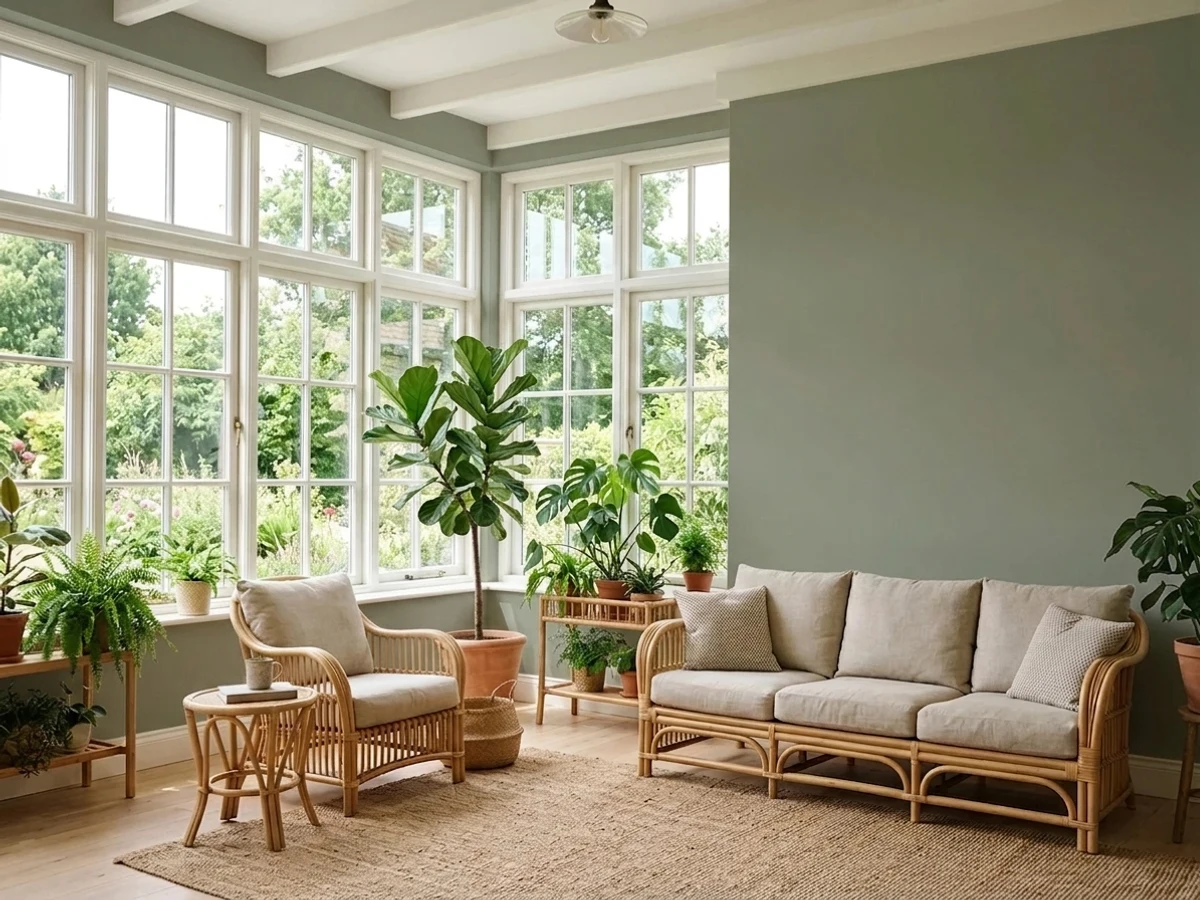
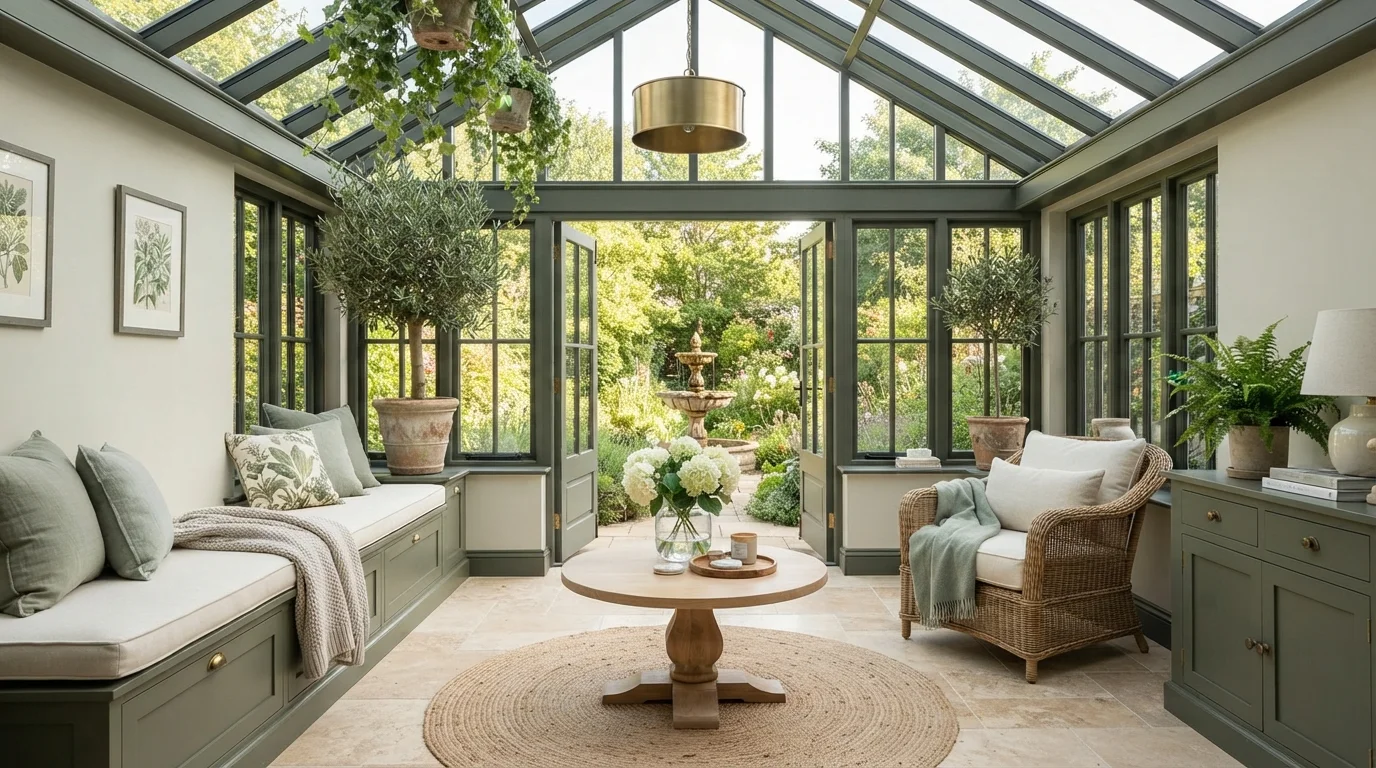
Greens are the natural fit because a sunroom is already full of plants and sky. A soft, dusty green like Sage feels grounded and restful, while a brighter Eucalyptus brings in a fresh, leafy lift that plays well with real greenery just outside the glass.
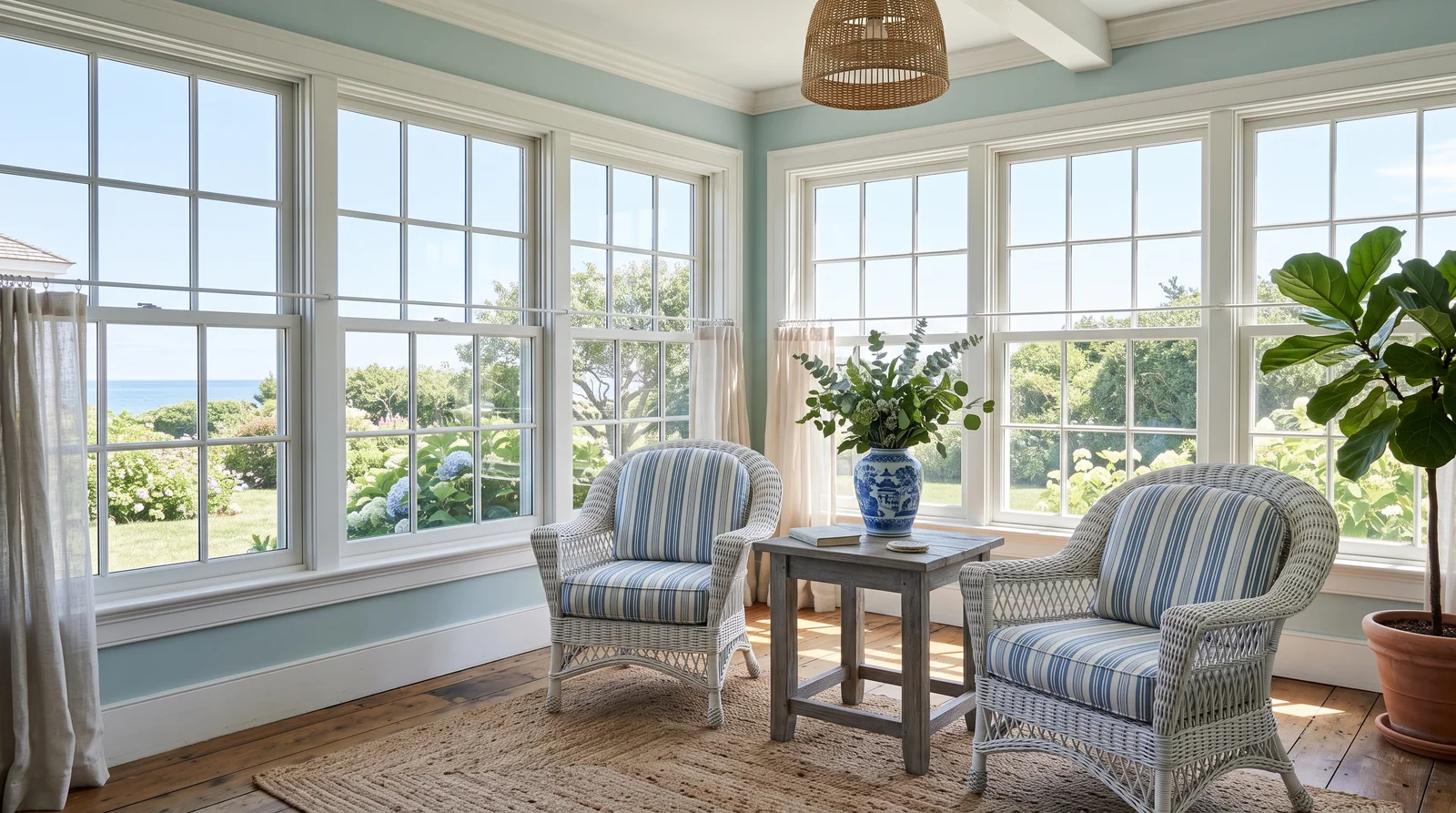
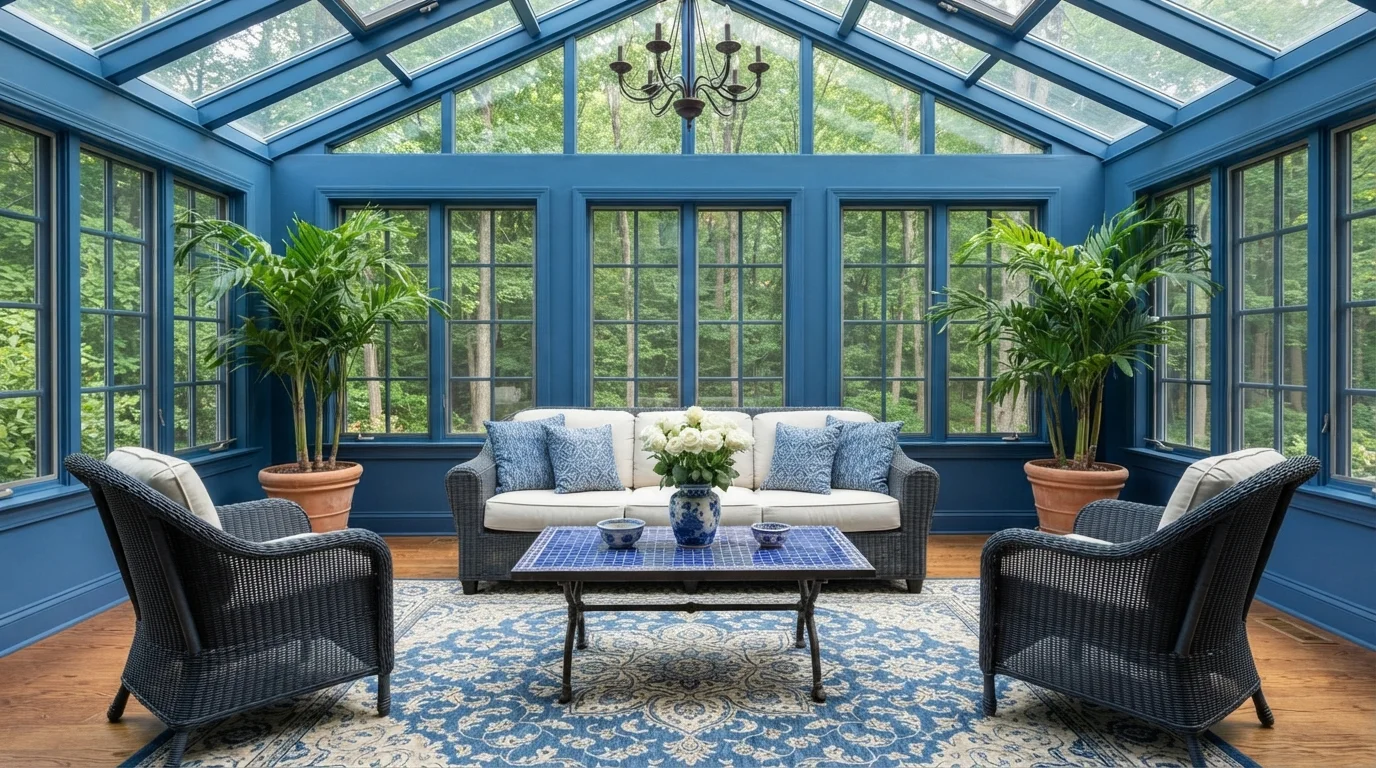
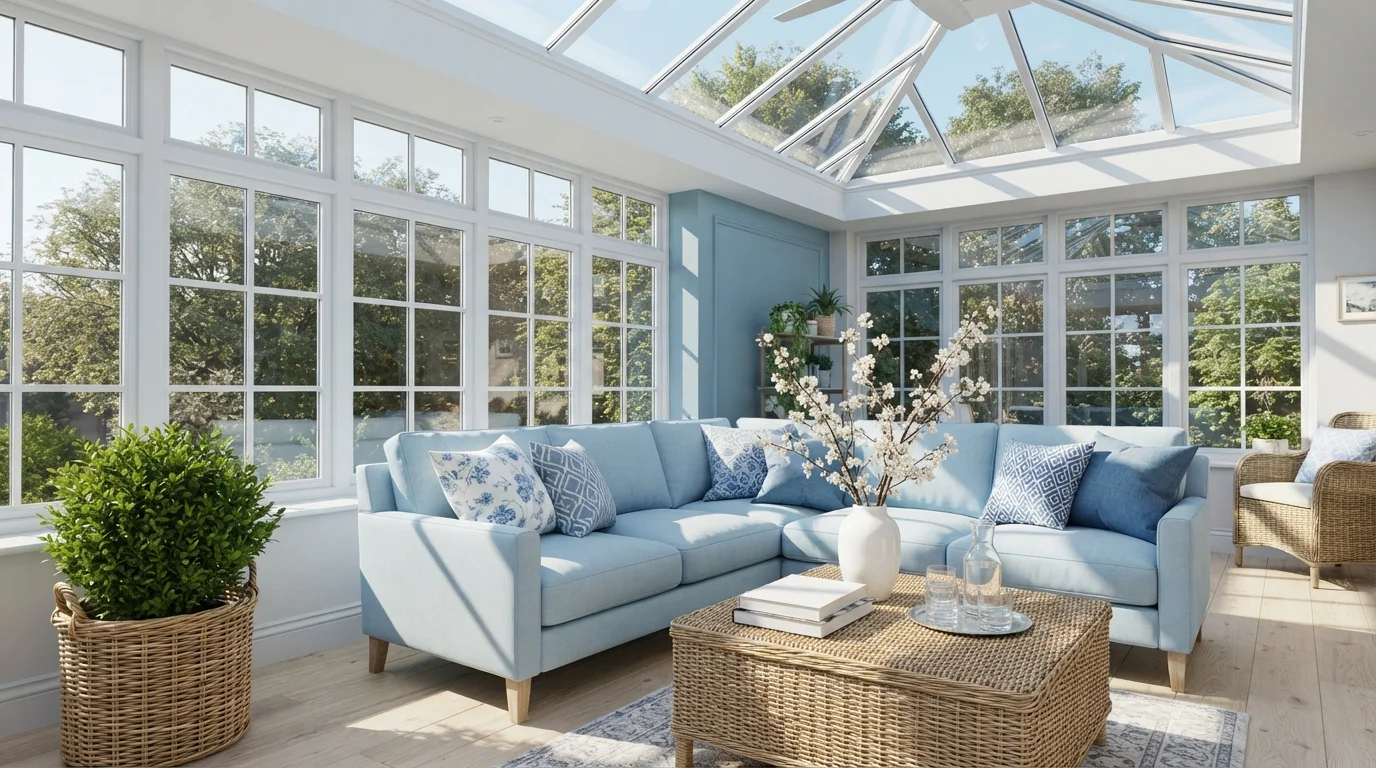
Teal and blue push the room toward calm and water. Seafoam and Mint sit between green and blue for a breezy, coastal mood, and Ice Blue keeps things airy and cool without feeling cold. If you want the walls to disappear and the view to win, a clean white like Alabaster is the safe, timeless move.
Let the Light Steer the Color
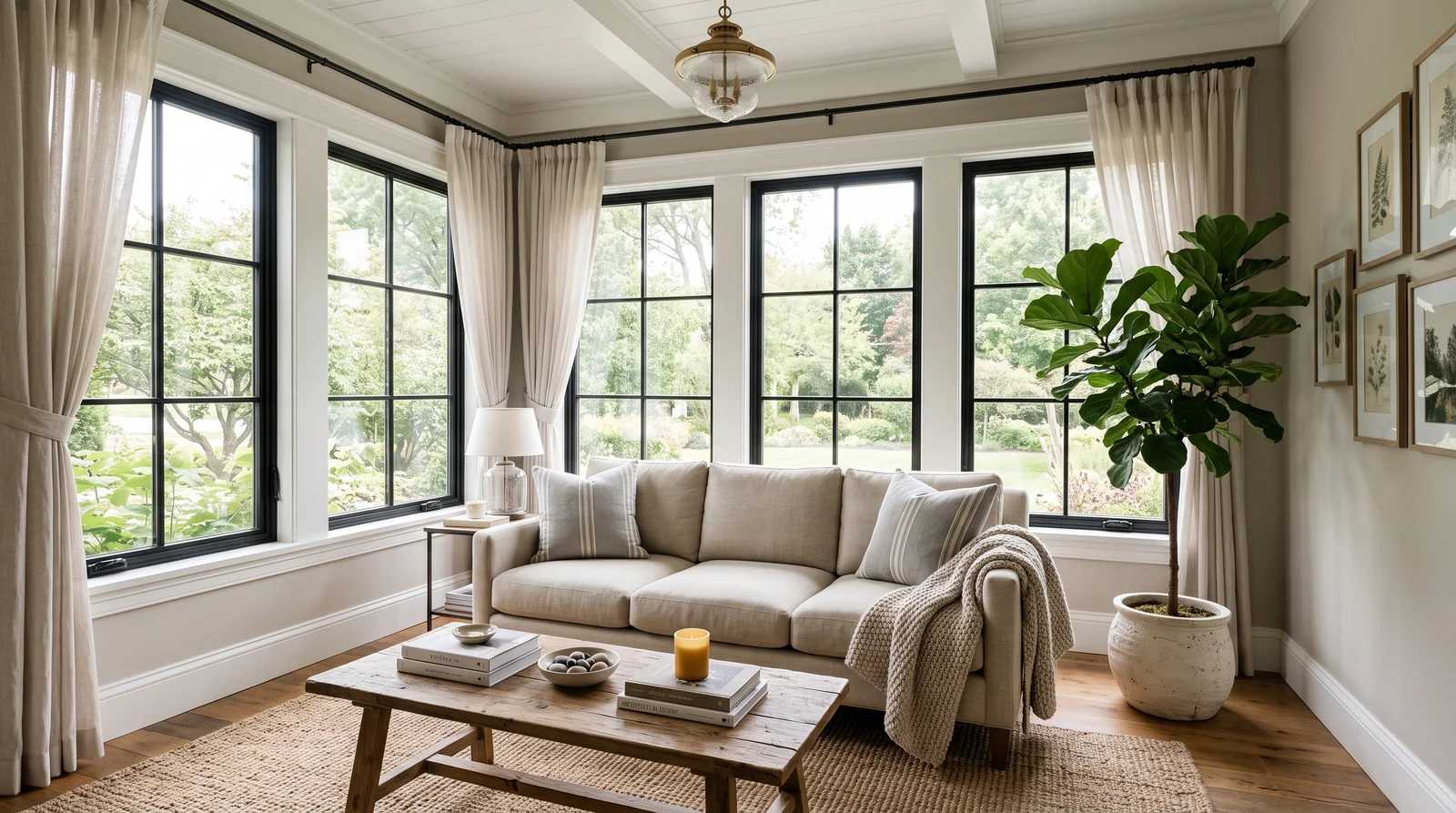
Window direction changes everything in a room this glassy. South- and west-facing sunrooms get warm, strong light, so cool greens, teals, and blues stay balanced instead of going yellow; north- and east-facing rooms get softer, bluer light, where a warmer green like Sage or a creamy white like Alabaster keeps the space from feeling chilly.
Daylight and night light pull in opposite directions. A color that glows fresh at noon can turn gray and flat under evening lamps, so always test your top pick in the same spot at morning, midday, and after dark before you buy gallons.
The Right Finish for Heat and Moisture
Sunrooms swing through heat, humidity, and sometimes splashes from plants or open windows, so the finish matters as much as the color. An eggshell or satin sheen is the sweet spot: it wipes clean, shrugs off moisture, and holds up far better than flat paint when condensation or dust builds up on the walls.
Go easy on high-gloss on big wall areas. All that glass means strong light, and a shiny wall throws glare and shows every roller mark; save semi-gloss or satin for trim and window frames where the durability helps and the shine looks intentional.
Using LRV to Set the Mood
LRV (light reflectance value) tells you how much light a color bounces back, from near 0 for black to near 100 for the brightest white. In a sunroom you usually want to lean bright — whites and pale greens or blues like Alabaster, Mint, and Ice Blue have high LRVs that keep an already sunny room open and glowing.
If your sunroom faces a lot of direct sun and feels harsh, you can dial it down. A mid-range green like Sage or Eucalyptus absorbs more light, cuts glare, and makes the room feel calmer and more like a retreat rather than a greenhouse.
Pairing Trim, Ceiling, and Floors
Most sunrooms have a lot of trim because of all the windows, so trim color is doing real work. A crisp white like Alabaster on frames and mullions sharpens the view and pairs cleanly with green or blue walls; matching the ceiling to the trim or keeping it a soft white makes the room feel taller and brighter.
Floors and furniture usually lean natural here — tile, wood, wicker, and rattan. Greens like Sage and Eucalyptus sit beautifully against warm wood and woven textures, while Seafoam, Mint, and Ice Blue look at home with white wicker, light tile, and metal fixtures for a breezier, coastal feel.
Common Sunroom Paint Mistakes
The biggest one is picking a color in a paint store and skipping a real test on the wall. Sunroom light is intense and constantly changing, so a sample that looked perfect under fluorescent lights can turn too bright, too gray, or too yellow once it is up in all that sun.
Two more to avoid: using flat paint that can't handle moisture and dust, and going too dark or too saturated, which fights the whole point of a light-filled room. When in doubt, stay lighter and cooler, and remember any color you love can be mixed to order and cross-matched between brands, so you are never locked into one paint line to get the exact shade.

Sunroom Paint Colors — Frequently Asked Questions
what are the best paint colors for a sunroom?+
Soft greens, teals, blues, and clean whites work best because they echo the outdoors and keep the room feeling light. Greens like Sage and Eucalyptus feel restful and natural, Seafoam, Mint, and Ice Blue bring a breezy coastal calm, and a white like Alabaster lets the view take over.
should a sunroom be a light or dark color?+
Usually light. A sunroom is built around natural light, so high-LRV whites and pale greens or blues keep it open and bright. You only want to go darker or more saturated if the room gets harsh, glaring sun and you are trying to calm it down into a cozier retreat.
what paint finish is best for a sunroom?+
Eggshell or satin is the sweet spot. It wipes clean, handles humidity and condensation, and resists the dust and moisture that build up in a glassy room. Skip high-gloss on big walls because all that light makes shiny surfaces glare and show flaws; save satin or semi-gloss for trim and window frames.
how does window direction affect my color choice?+
South- and west-facing sunrooms get warm, strong light, so cool greens, teals, and blues stay balanced there. North- and east-facing rooms get cooler, softer light, so a warmer green like Sage or a creamy white like Alabaster keeps the space from feeling chilly. Always test your color in the actual room at different times of day.
what color trim and ceiling go with a sunroom?+
A crisp white like Alabaster on trim and window frames sharpens the view and pairs with almost any green or blue wall. Keeping the ceiling the same soft white or matching the trim makes the room feel taller and brighter, which suits a light-filled space.
can I get the same sunroom color in any paint brand?+
Yes. Every color shown here is mixed to order at the paint counter, and a store can cross-match a shade from one brand into another brand's paint. So pick the color and finish you love first, then choose whichever paint line you prefer — you are not locked into one brand to get the exact green or blue.
what is the most common sunroom paint mistake?+
Choosing the color without testing it on the actual wall. Sunroom light is bright and changes all day, so a swatch that looked great in the store can read too yellow, too gray, or too intense once it is up. Paint a sample, then look at it morning, midday, and after dark before you commit.