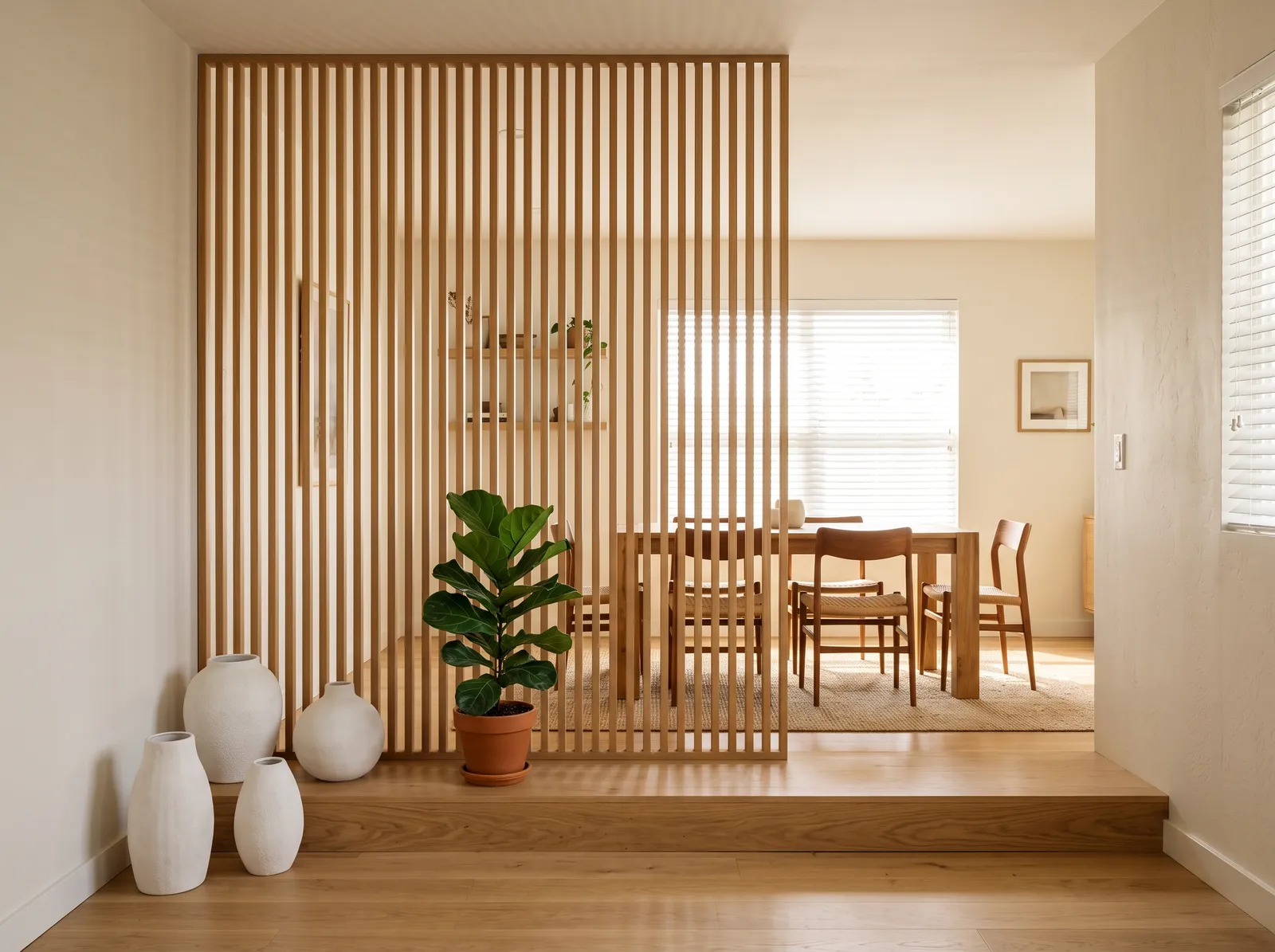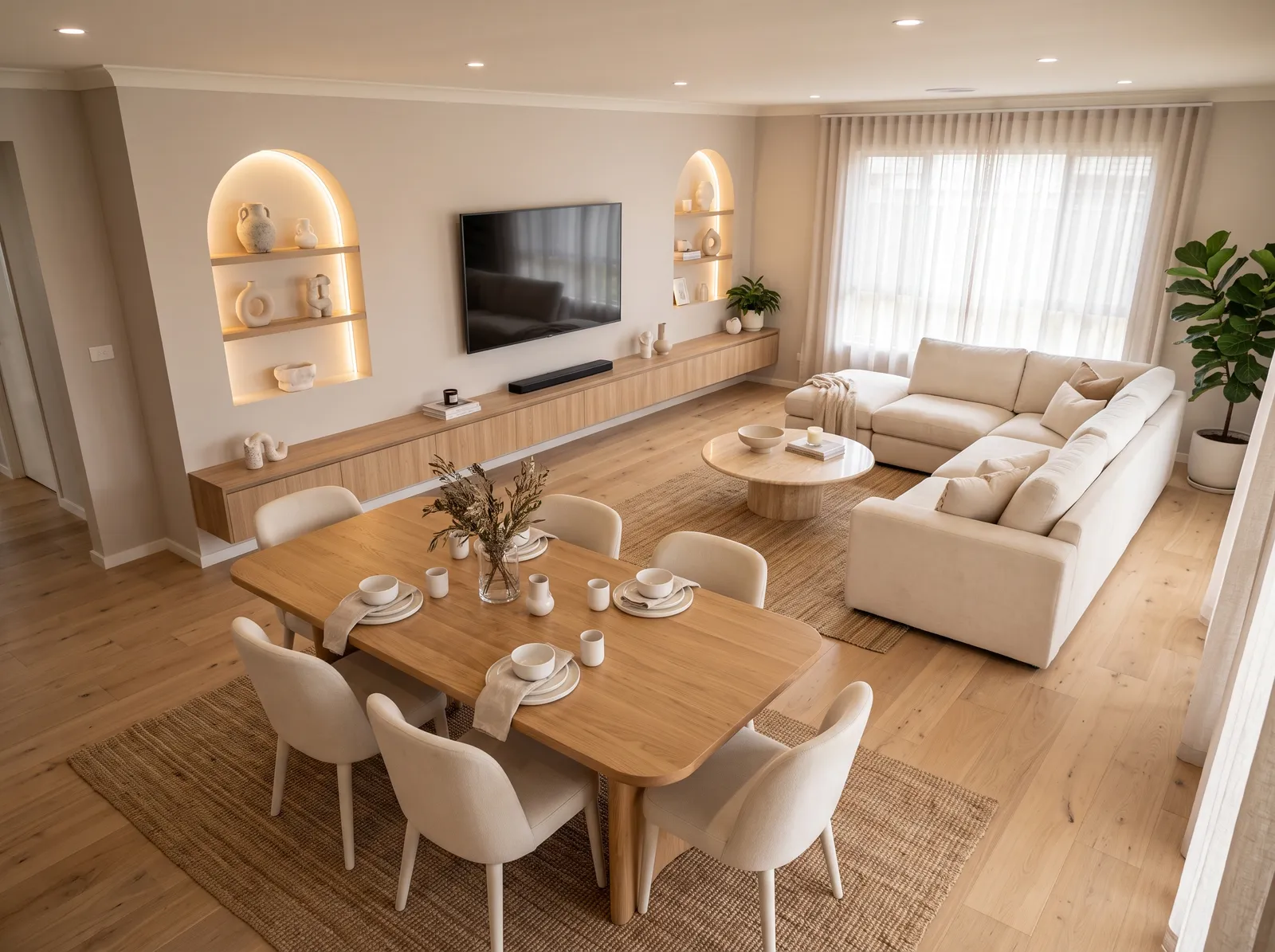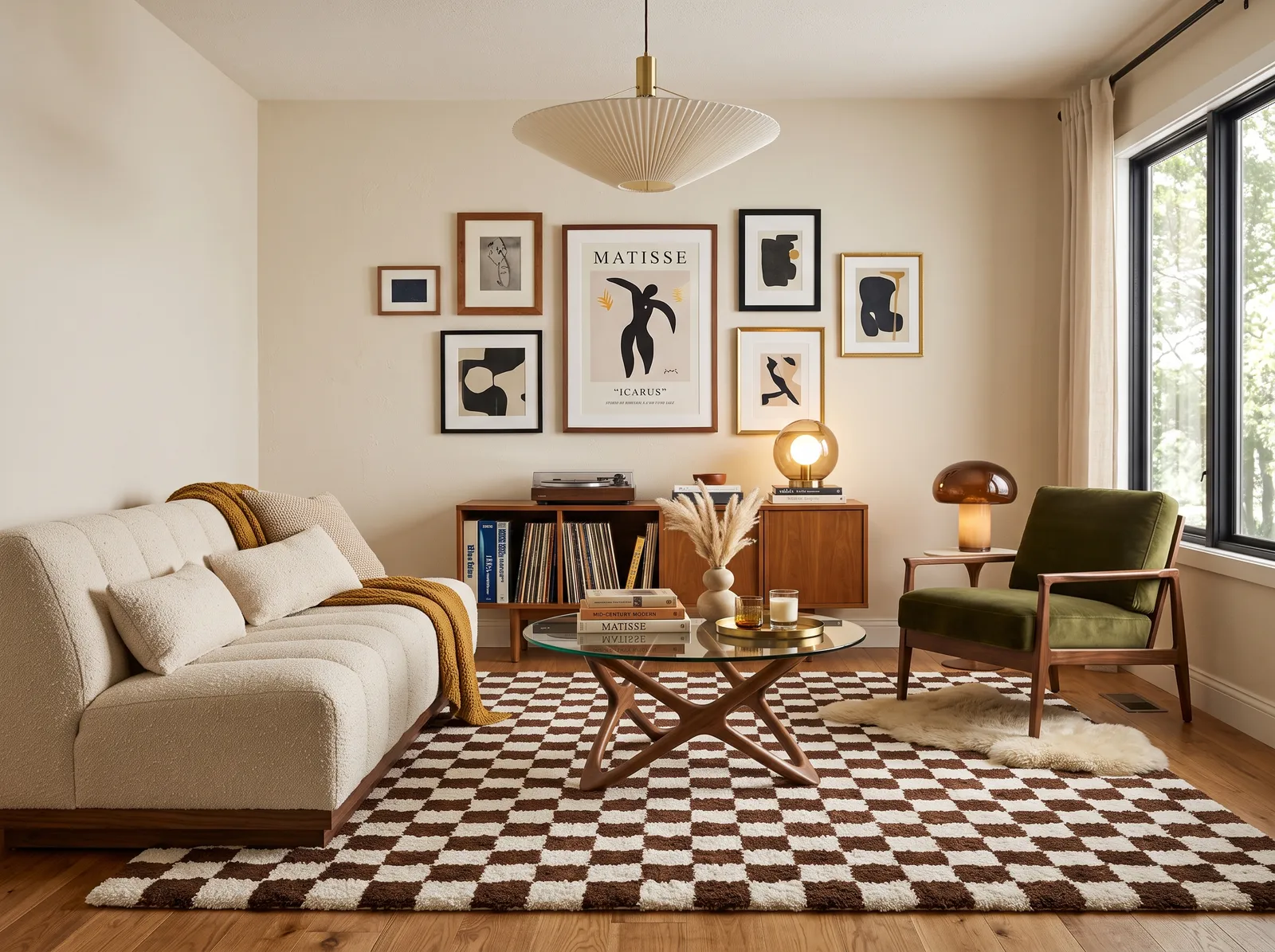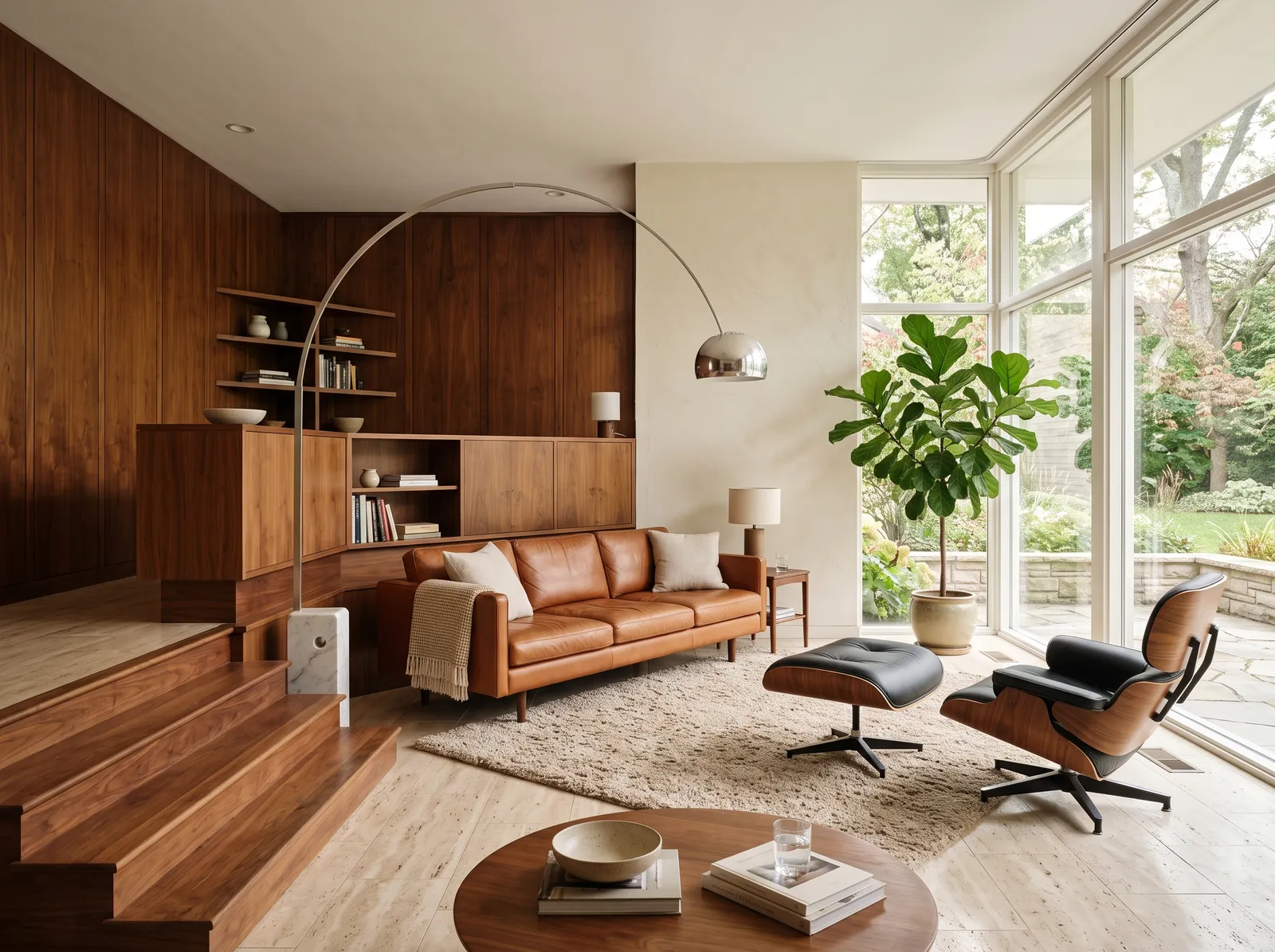
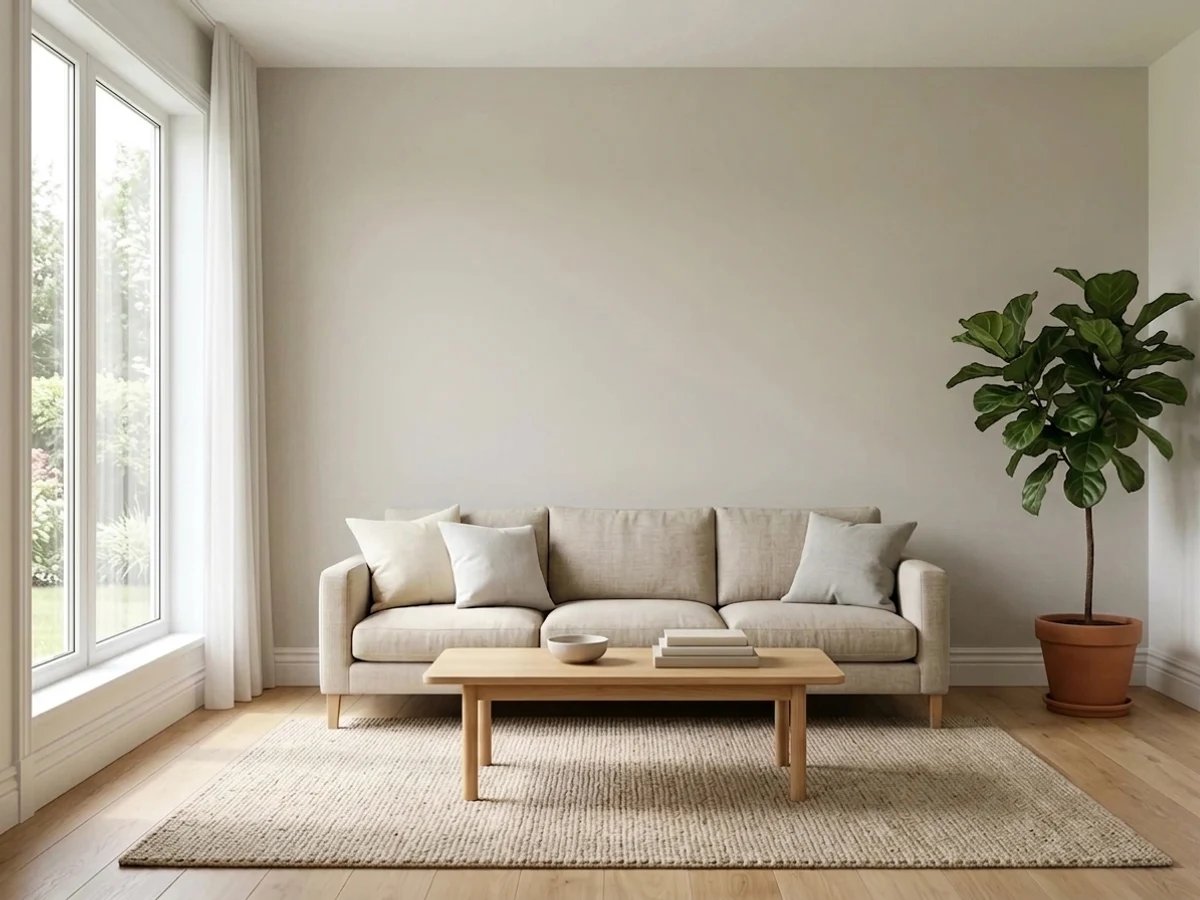
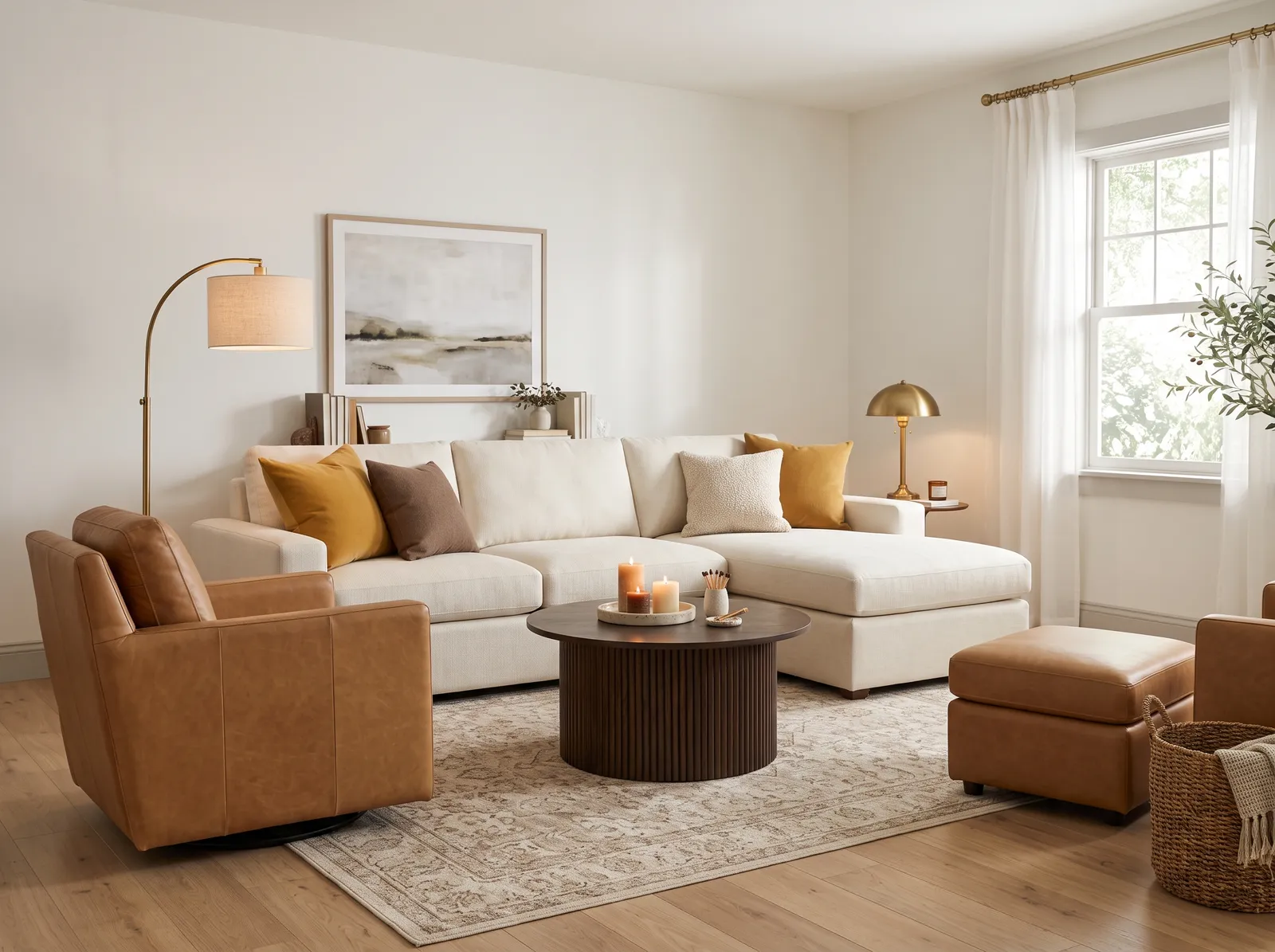
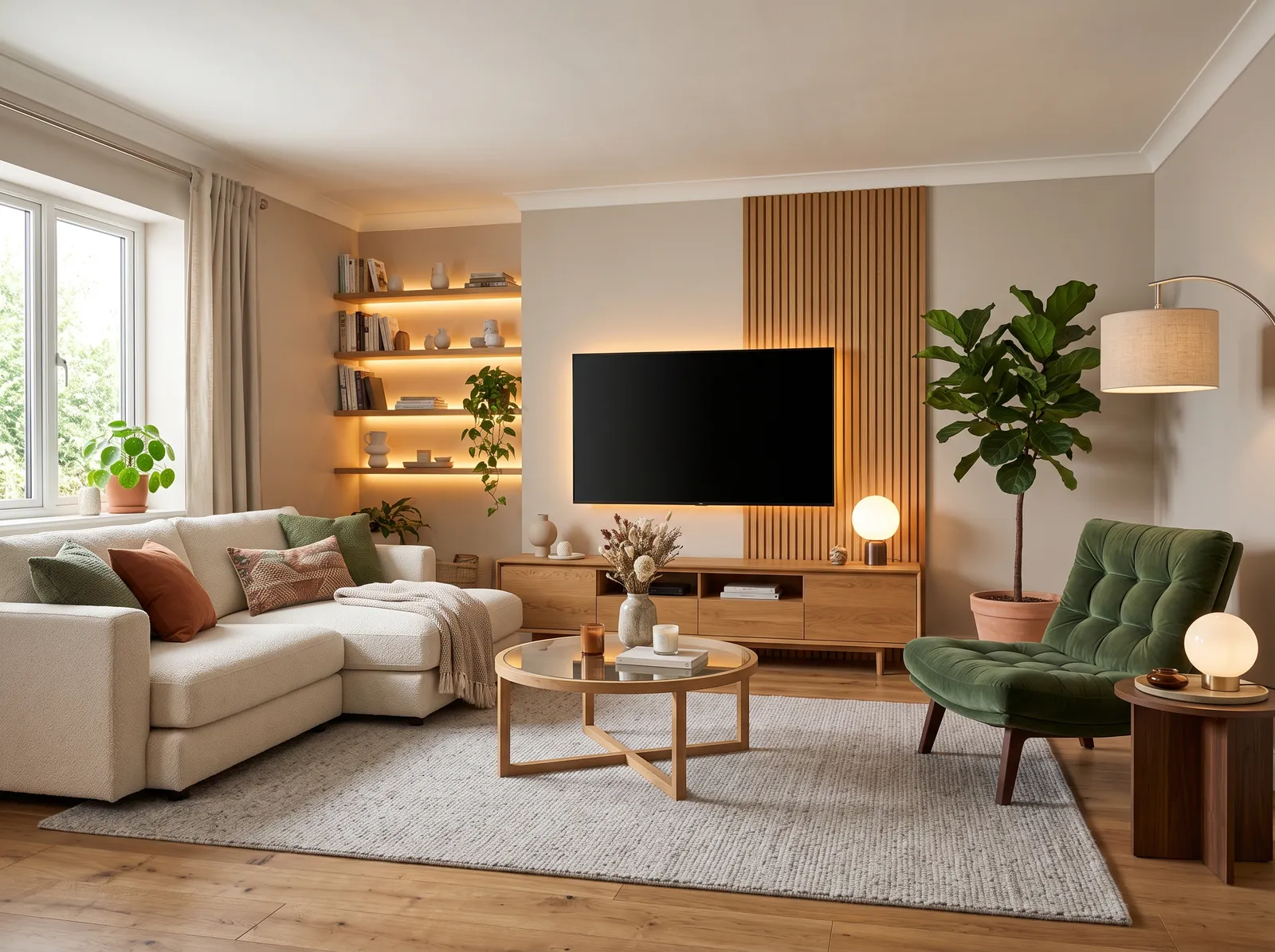
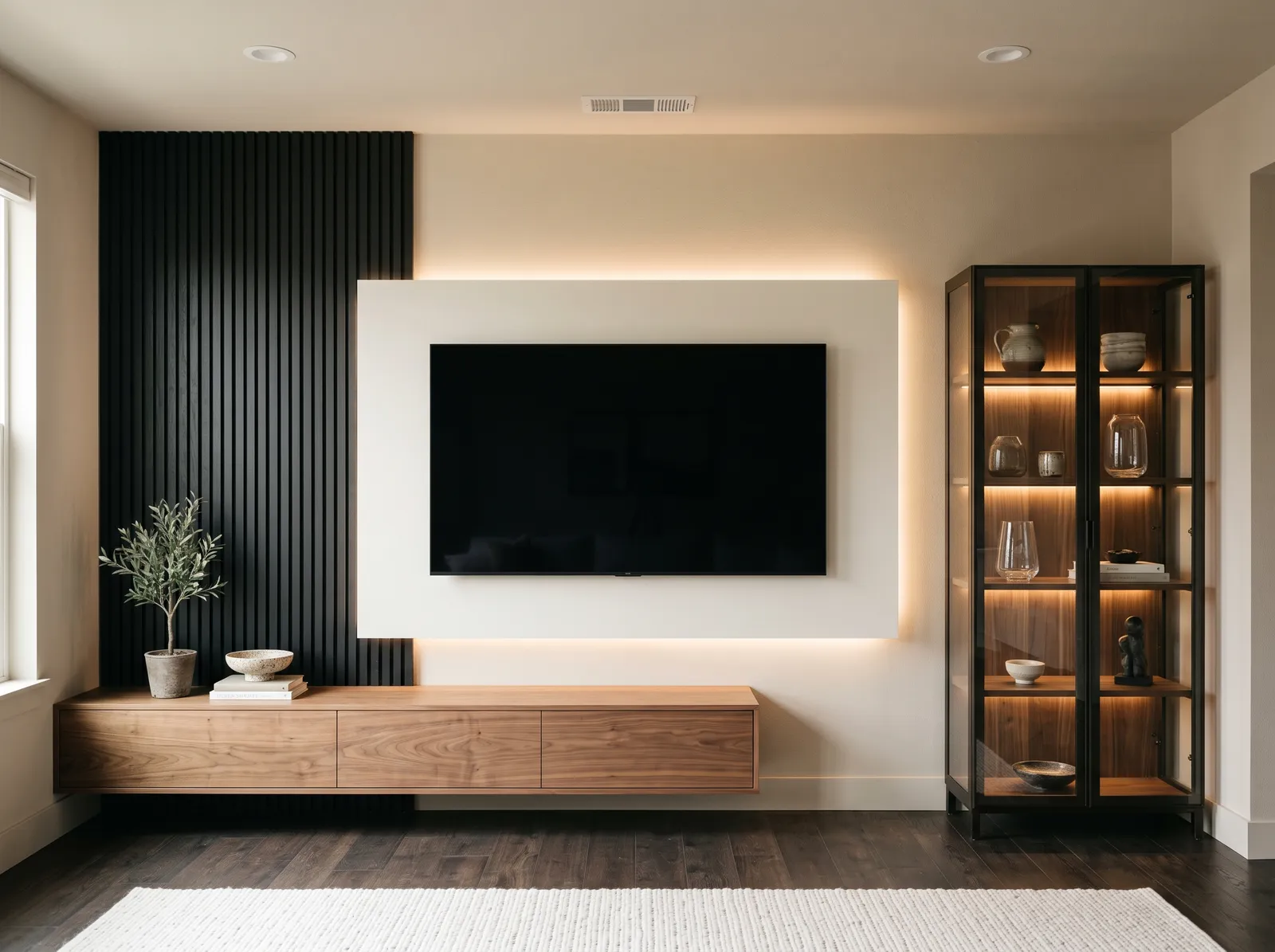
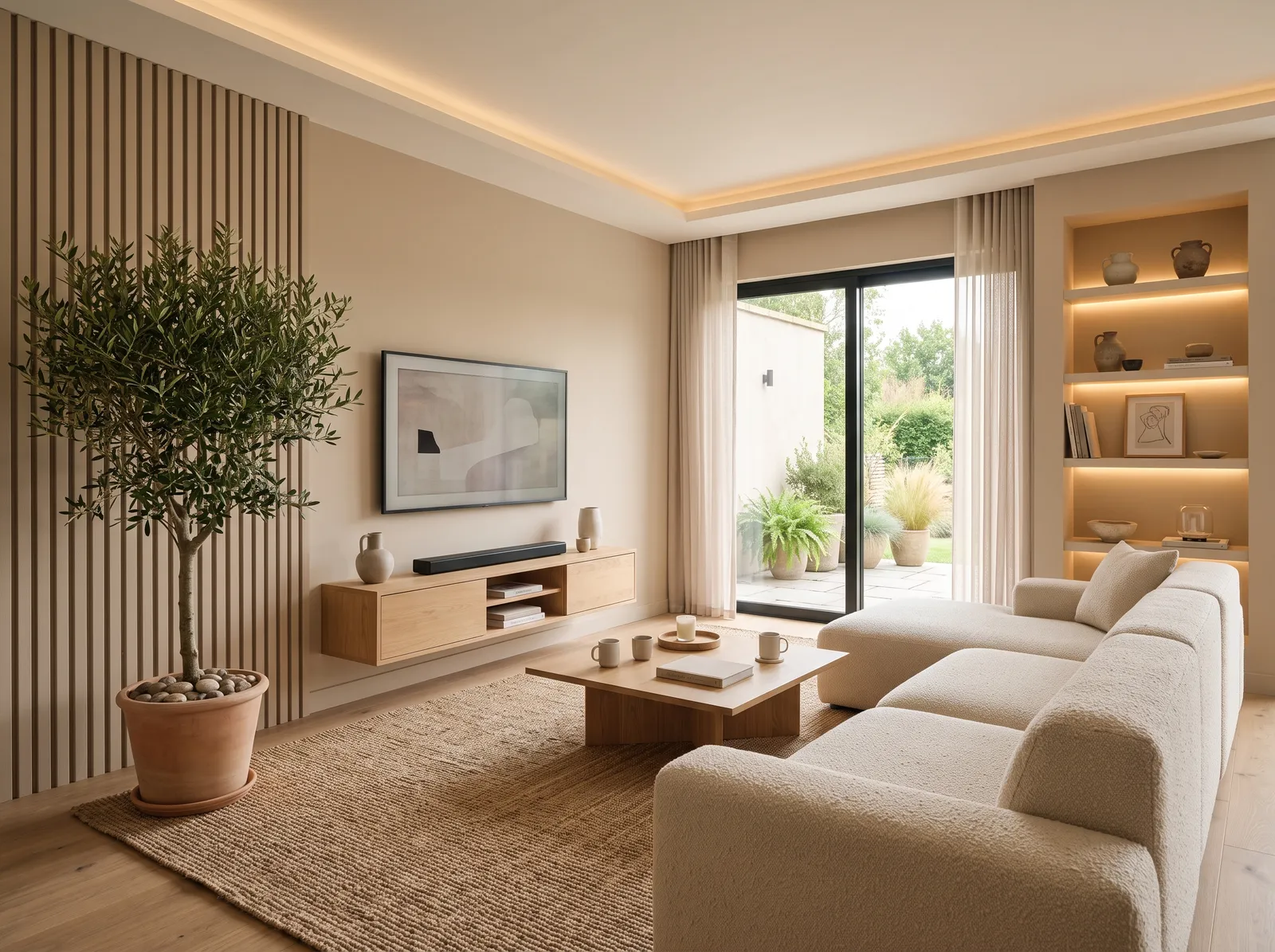
Living Room Paint Colors
Top Picks for the Living Room
4 editor's picksPalettes for the Living Room
Ready-made schemesFull, buyable color schemes built for the living room — walls, trim, and accents matched to real paint.
All Living Room Colors at Every Brand
130 colors · 5 familiesA representative color from every brand that makes this family — most-recognized brands first, with a second pick from the biggest names. Tap any swatch with a curated guide for full spec and cross-brand matches.
Browse by Family Hub
Color is half the decision. The product roundup covers which paint chemistry actually holds up in this room.
About Living Room Paint Colors
The living room is the room you live in most, so its color sets the tone for the whole home. It needs to feel welcoming when guests arrive, calm when you unwind at night, and bright enough to work during the day. That is a lot to ask from one color, which is why the best living room paint colors lean toward flexible, easy-to-live-with directions rather than bold statements.
Most people land in one of five families here: warm neutrals, soft grays, muted greens, gentle blues, and clean whites. Each one creates a different mood, and the right pick depends as much on your light and your furniture as on the color itself.
Every color on this site is mixed to order at a paint store, so you are not locked into one brand. If you fall for a shade like Revere Pewter or Hale Navy, you can take that color and have it cross-matched into almost any paint line you prefer.
The Best Color Directions for a Living Room
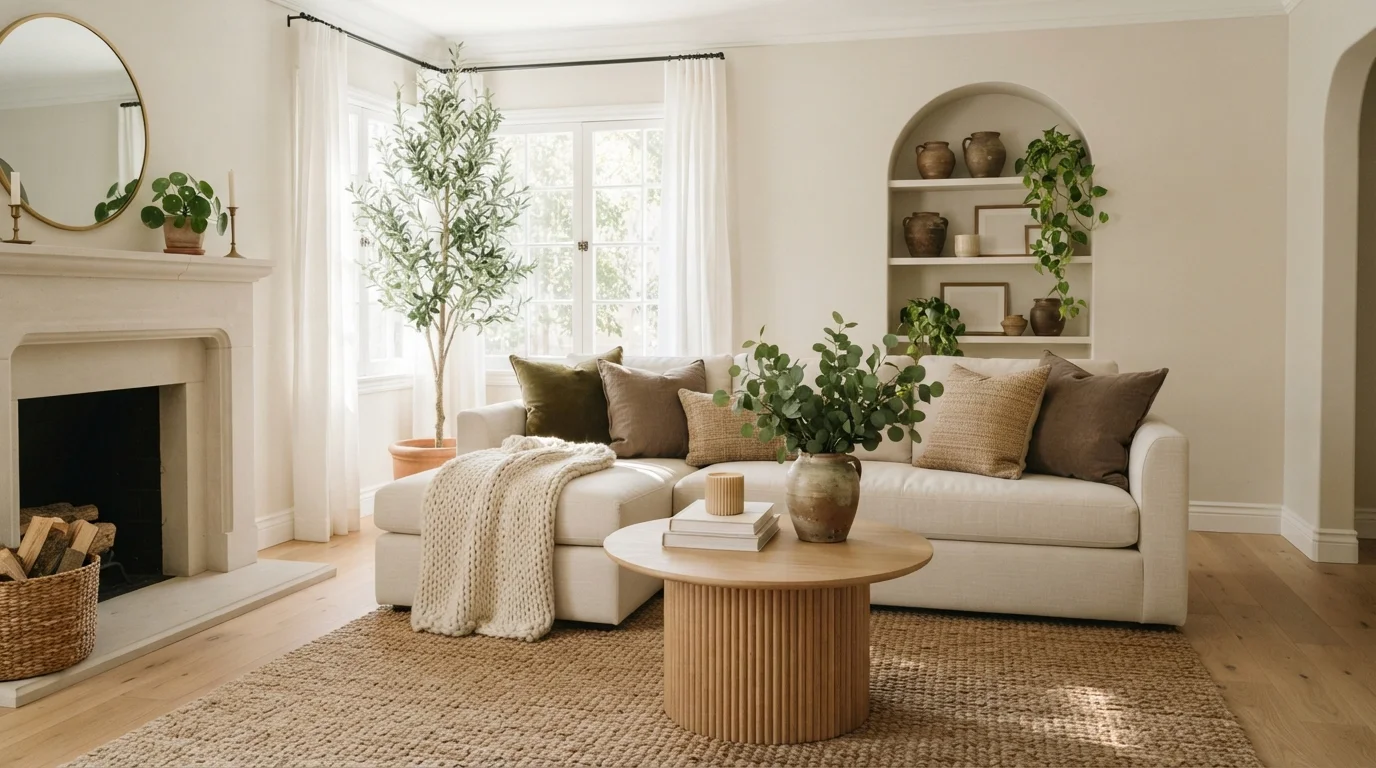
Warm neutrals like Revere Pewter and Agreeable Gray are the safest, most popular choice for a reason. They read as soft and inviting, work with wood and fabric you already own, and never feel cold. These are the colors that make a room feel finished without drawing attention to the walls themselves.
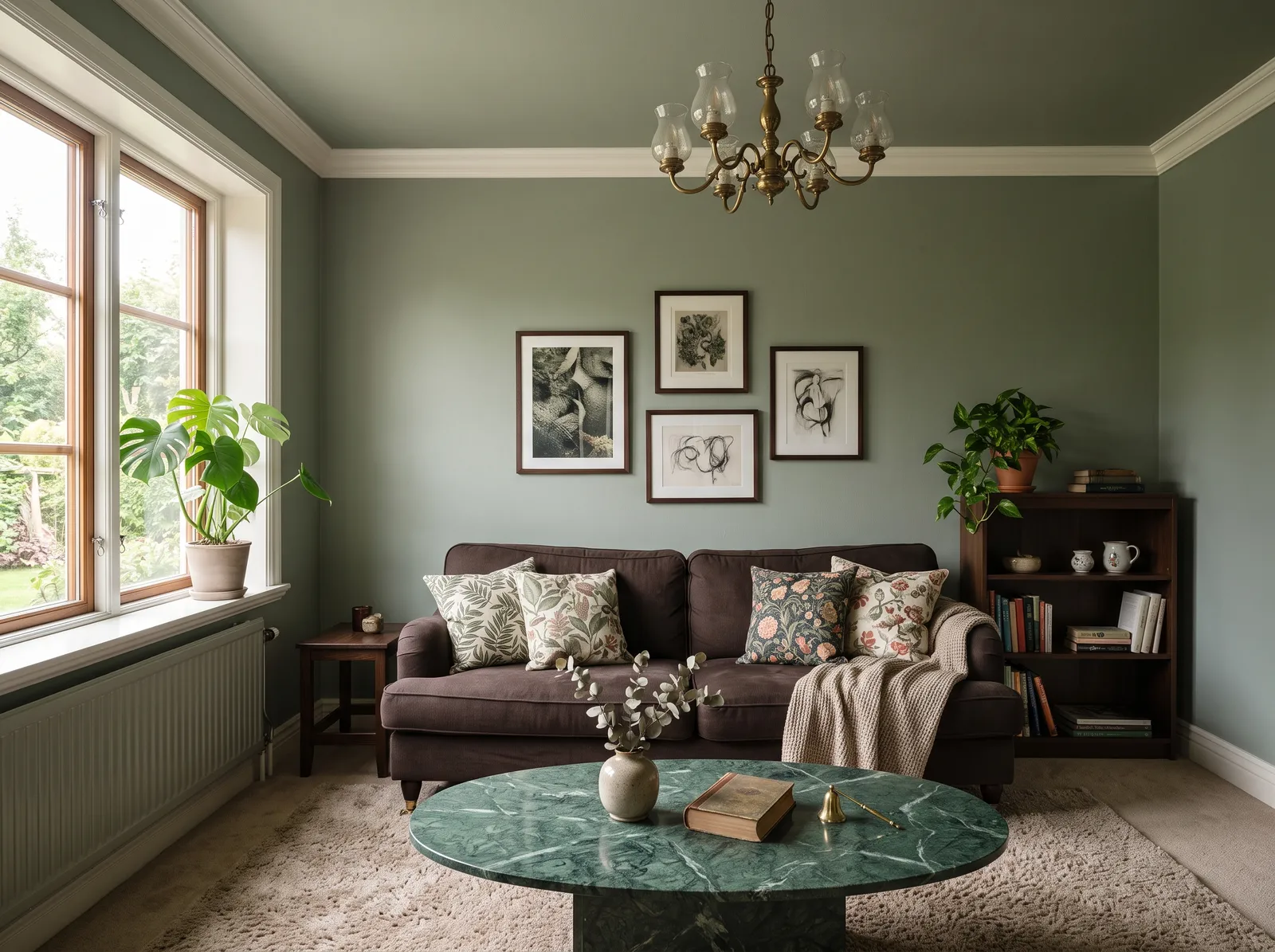
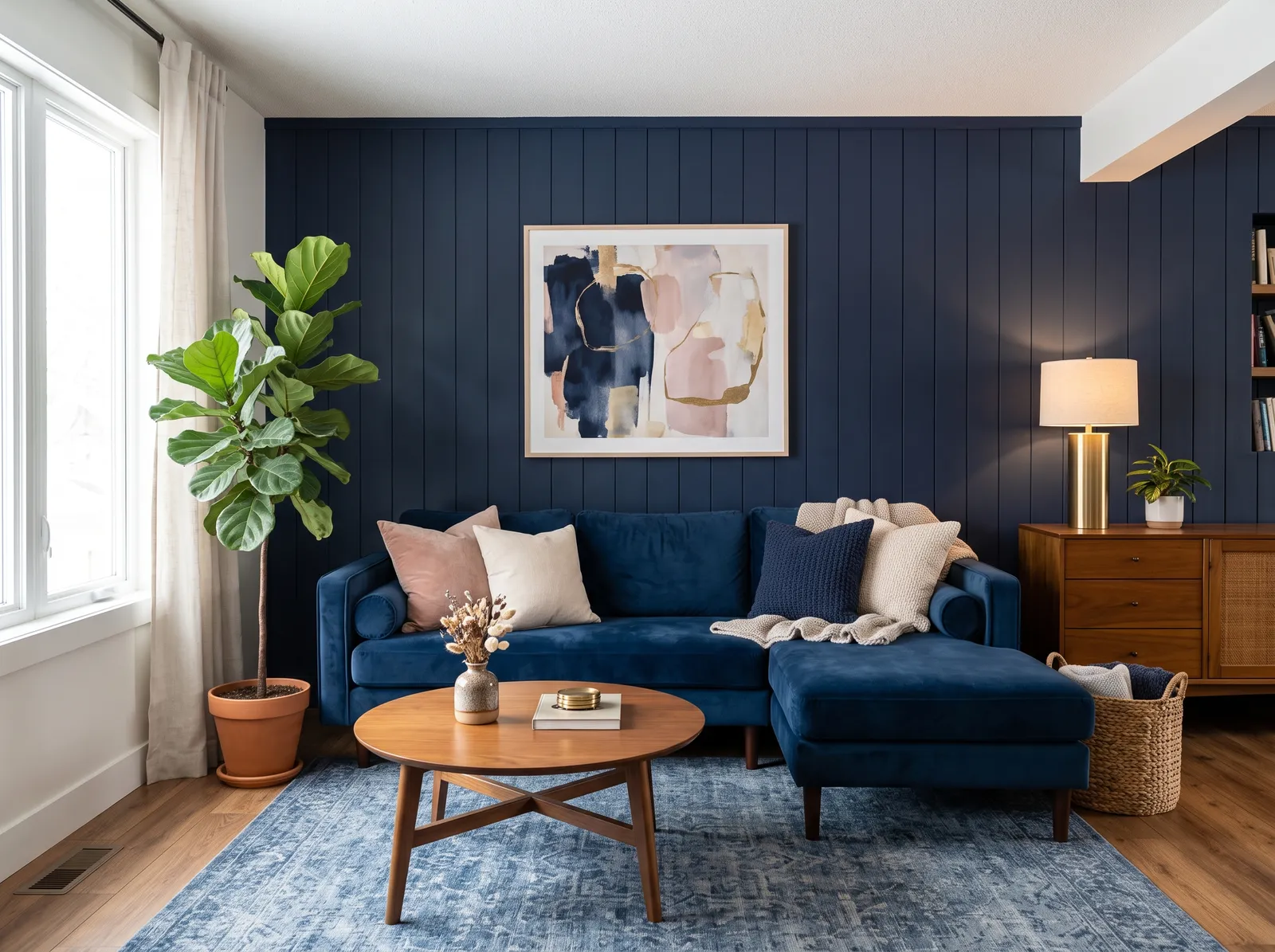
If you want more personality, a muted green like Sage brings the calm of nature indoors and pairs beautifully with natural wood. A soft blue feels restful and a little timeless, while a deep navy like Hale Navy turns a feature wall or built-ins into a quiet anchor. Clean whites like White Dove keep things open and gallery-like, which suits modern rooms and good art.
Let the Light Decide
A living room's windows change a color more than anything else. North-facing rooms get cool, flat light, so warm neutrals and greens with a little warmth in them stay friendly there, while pure grays can turn dull and chilly. South-facing rooms get strong, warm light all day, which lets you use cooler blues and crisp whites without them feeling sterile.
Day and night matter too. A color you love at noon can go gloomy under warm bulbs at night, when the living room is often used most. Always tape a sample to the wall and look at it in morning light, afternoon light, and again after dark with your lamps on before you commit.
The Right Finish for the Room
Living rooms are low-moisture and fairly low-traffic compared to kitchens or hallways, so you do not need a high-gloss, scrubbable wall. A matte or eggshell finish is the sweet spot. Matte hides wall imperfections and gives that soft, modern look most people want; eggshell adds a touch more durability and is easier to wipe down if you have kids or pets.
Save the satin and semi-gloss for trim, doors, and built-ins, where the slight shine adds contrast and stands up to bumps and fingerprints. Flatter finishes on the walls also cut glare, which keeps the room comfortable when sun pours through big windows or a TV is in the mix.
Using LRV to Set the Mood
LRV (light reflectance value) is a 0-to-100 scale of how much light a color bounces back, and it is your best tool for getting brightness right. Higher LRV colors like White Dove keep a small or dim living room feeling open and airy, which helps when you only have one or two windows. Lower LRV colors like Hale Navy soak up light and wrap the room in a cozy, lounge-like feel.
For an everyday living room that needs to feel both bright and warm, a mid-range LRV in the soft-neutral zone, where Revere Pewter and Agreeable Gray sit, is the comfortable middle ground. If you want drama, go dark on purpose and lean into it with good lighting rather than fighting it.
Pairing With Trim, Ceiling, and Floors
A simple, reliable formula: soft white trim and ceiling, a flexible wall color, and let the floor and furniture carry the warmth. A white like White Dove on trim and ceiling keeps the room feeling tall and clean against neutral or colored walls. If you want the trim to nearly disappear for a calm, seamless look, paint it the same color as the walls in a slightly higher sheen.
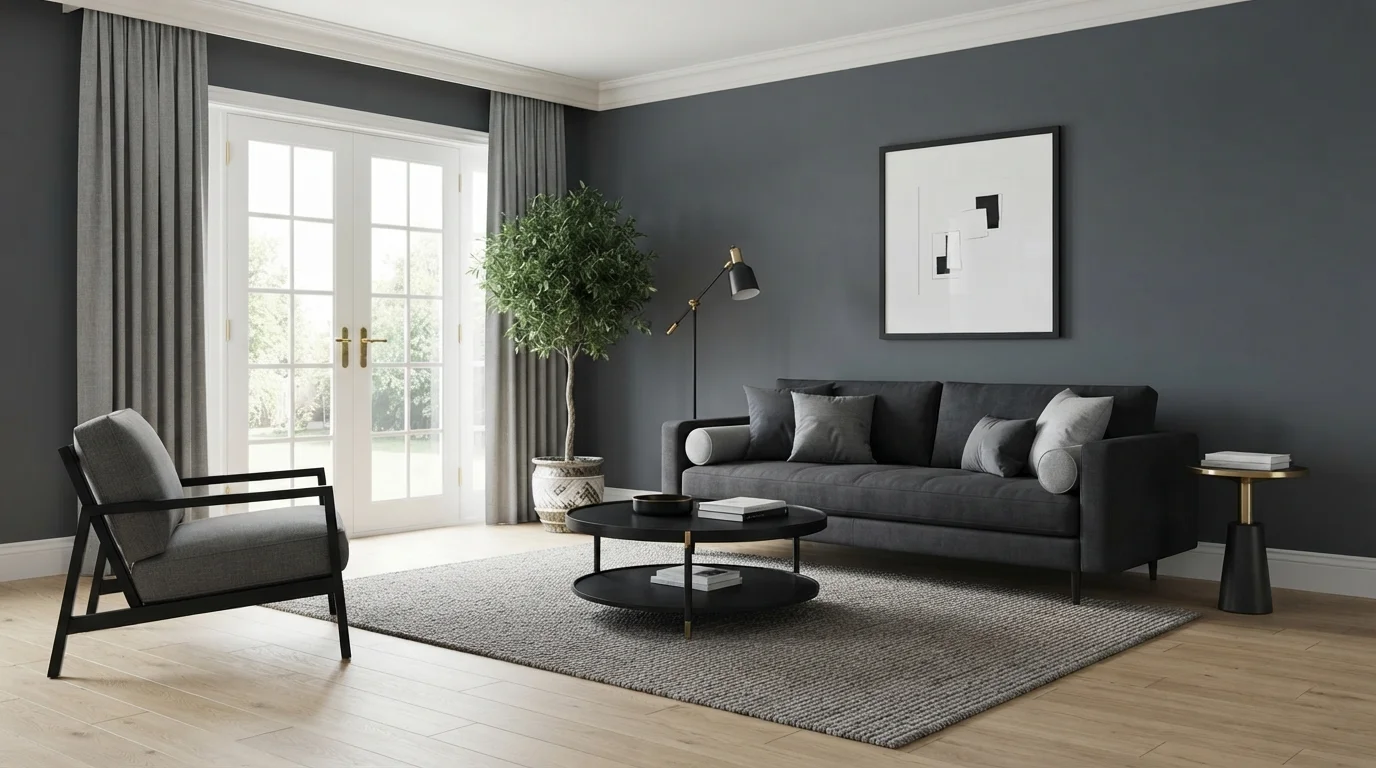
Match your color's undertone to your big pieces. Warm wood floors and tan leather love warm neutrals and greens like Sage; cooler gray floors and black metal fixtures sit better with grays, blues, and crisp whites. When the undertones agree, the whole room reads as intentional even with mismatched furniture.
Common Living Room Mistakes to Avoid
The biggest one is picking a color from a tiny chip or a screen and skipping samples on the actual wall. Living rooms are large, and color intensifies as it covers more surface, so a gray that looked soft on a chip can turn cold and heavy across a full wall. The second mistake is ignoring undertones and ending up with walls that clash with the floor or sofa you already own.
People also go too bright in finish, which throws glare across the room and highlights every dent in the drywall. And many overlook nighttime: choose a color that still feels good under your lamps, since that is when most living rooms actually get used.
Living Room Paint Colors — Frequently Asked Questions
What is the most popular living room paint color?+
Soft warm neutrals are the runaway favorites because they flatter almost any furniture and light. Revere Pewter and Agreeable Gray are two of the most reached-for examples, since they sit between warm beige and gray and never feel cold or stark.
What finish should I use on living room walls?+
Matte or eggshell is best for a living room. Matte gives a soft, modern look and hides wall flaws; eggshell adds a little durability and wipes clean more easily. Keep satin or semi-gloss for trim and doors.
How does my window direction change the color?+
North-facing rooms get cool, flat light, so warmer neutrals and greens hold up best while pure grays can look dull. South-facing rooms get warm light all day, which lets cooler blues and clean whites stay fresh without feeling cold.
Should the ceiling and trim be a different color than the walls?+
Usually yes. A soft white like White Dove on the trim and ceiling keeps the room feeling bright and tall against a colored or neutral wall. If you want a calmer, seamless look, you can paint the trim the same color as the walls in a slightly higher sheen.
Can a dark color like Hale Navy work in a living room?+
Yes, especially if you want a cozy, lounge-like feel. Dark colors have a low LRV and absorb light, so lean into it with good lamps and layered lighting rather than expecting the room to stay bright. Navy works well on a feature wall or built-ins.
Can I get one of these colors in the paint brand I already use?+
Almost always. Every color shown here is mixed to order at the paint counter, so a shade like Sage or Revere Pewter can be cross-matched into most major paint lines. You are choosing a color, not locking into one brand.
How do I make a small living room feel bigger with paint?+
Choose a higher-LRV color that reflects more light, like White Dove or a light warm neutral, and use a matte or eggshell finish to cut glare. Keeping the trim and ceiling close in tone to the walls also removes hard lines and makes the room feel more open.