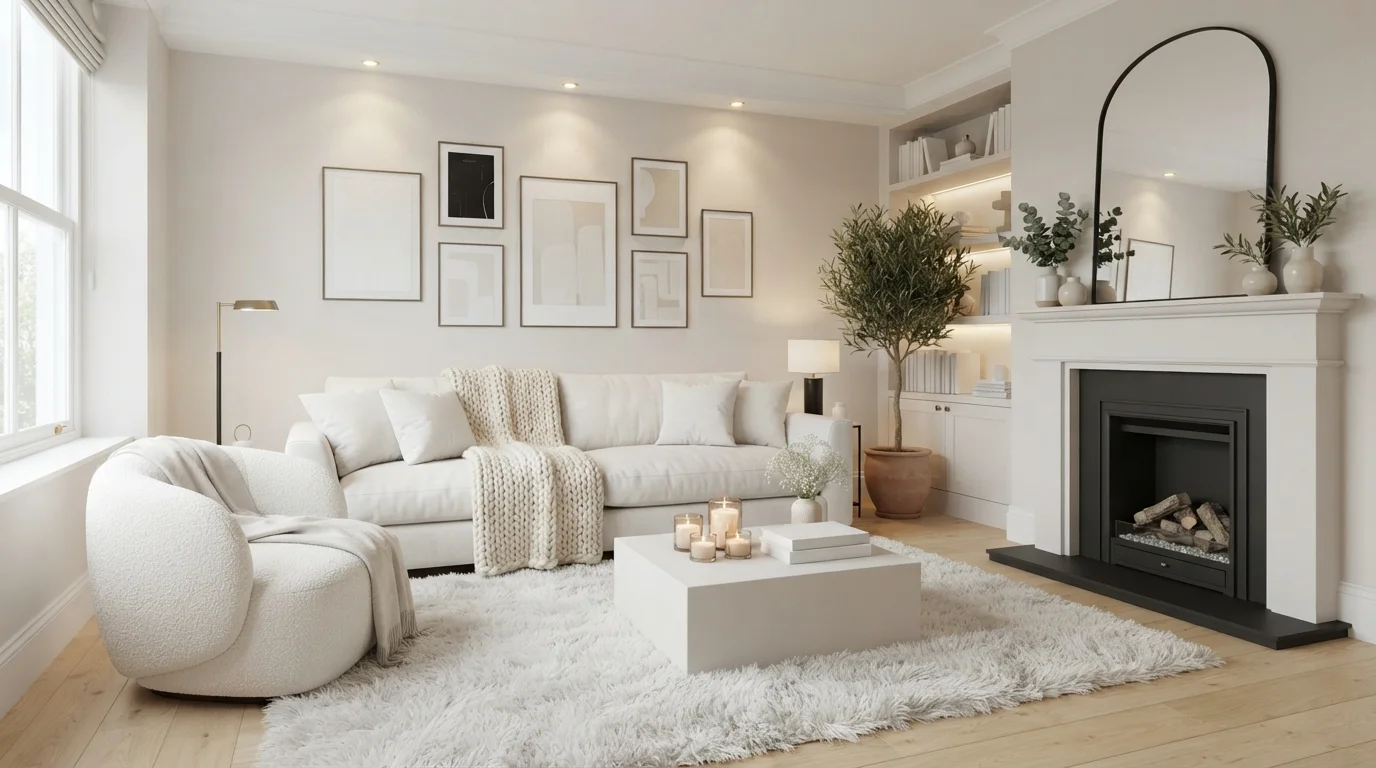
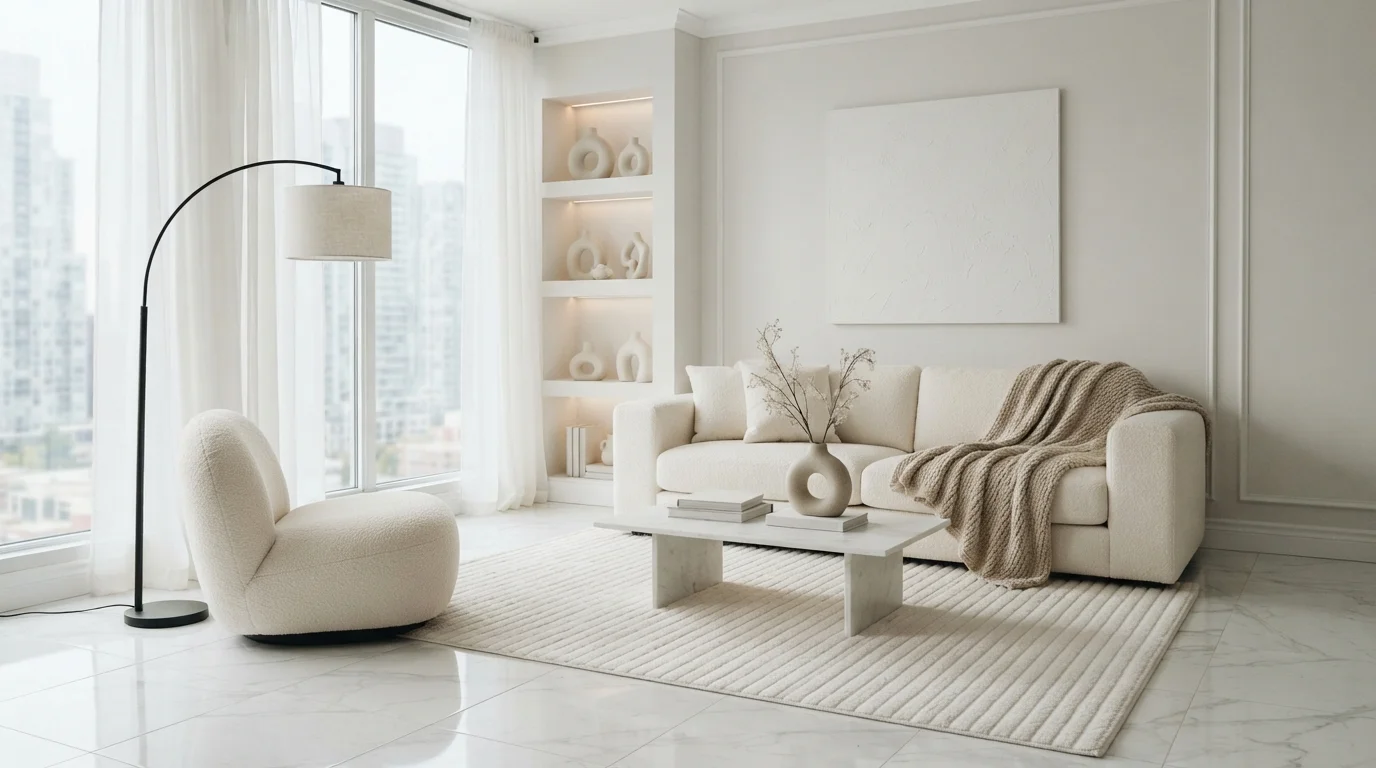
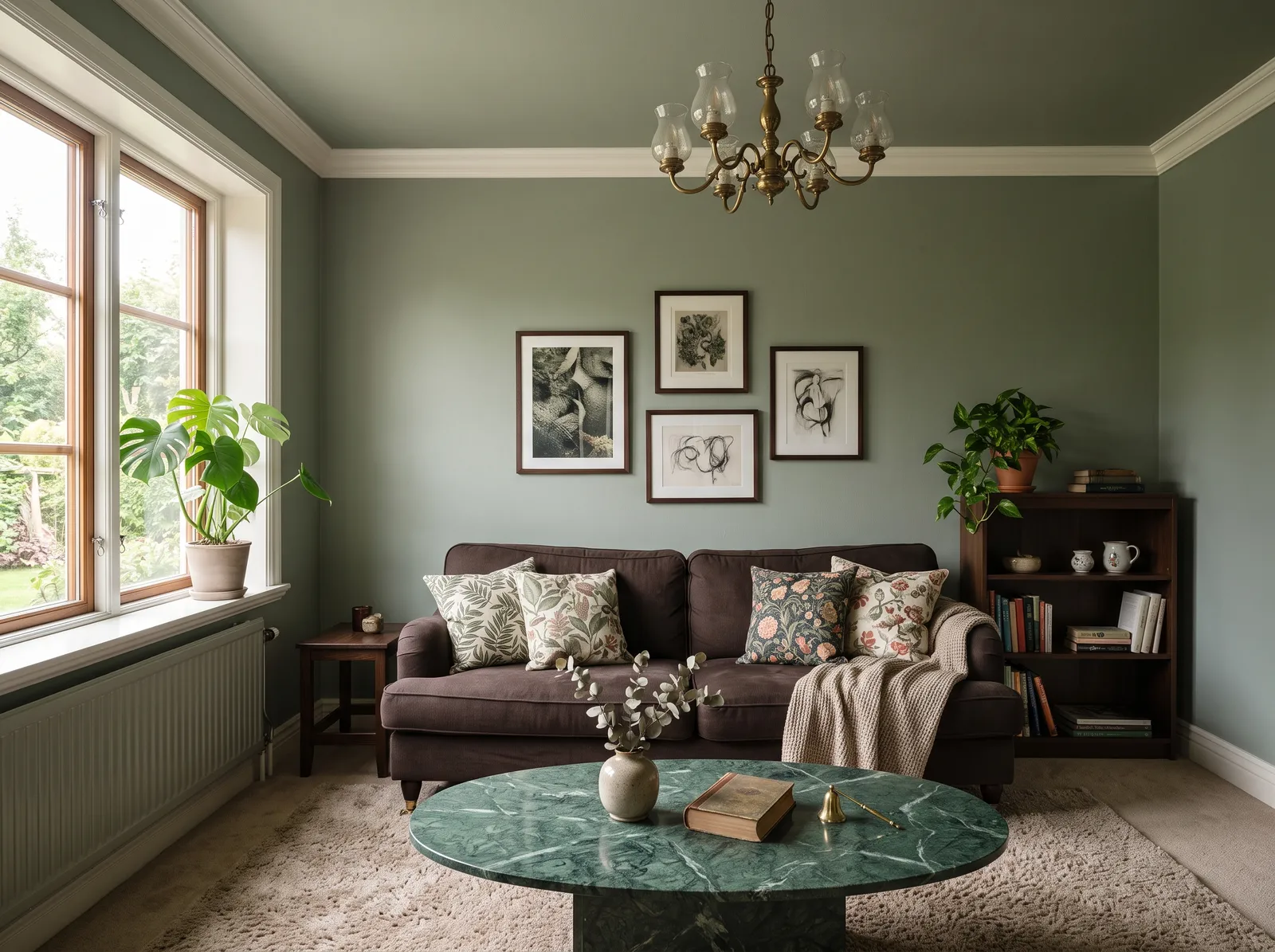
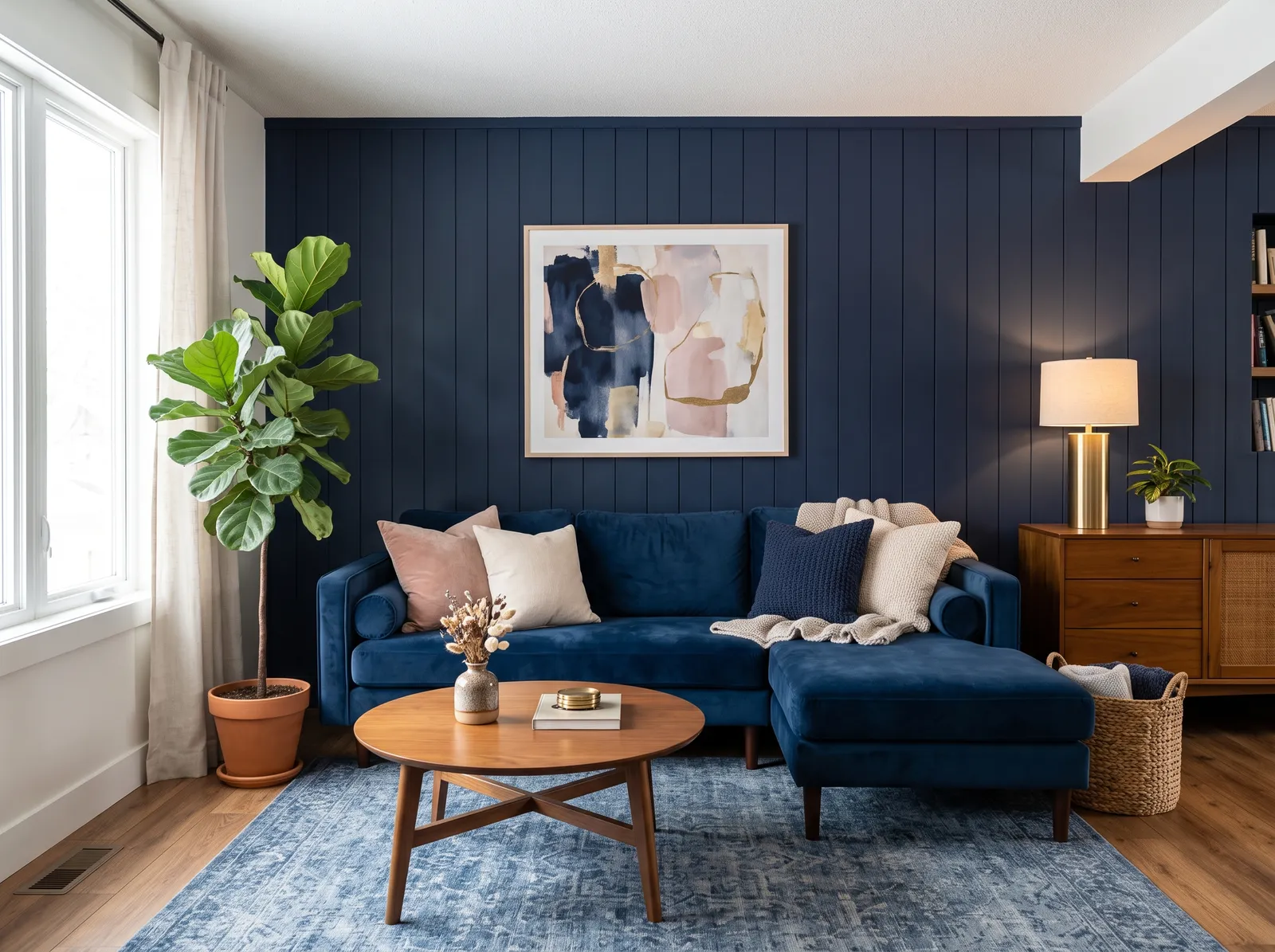
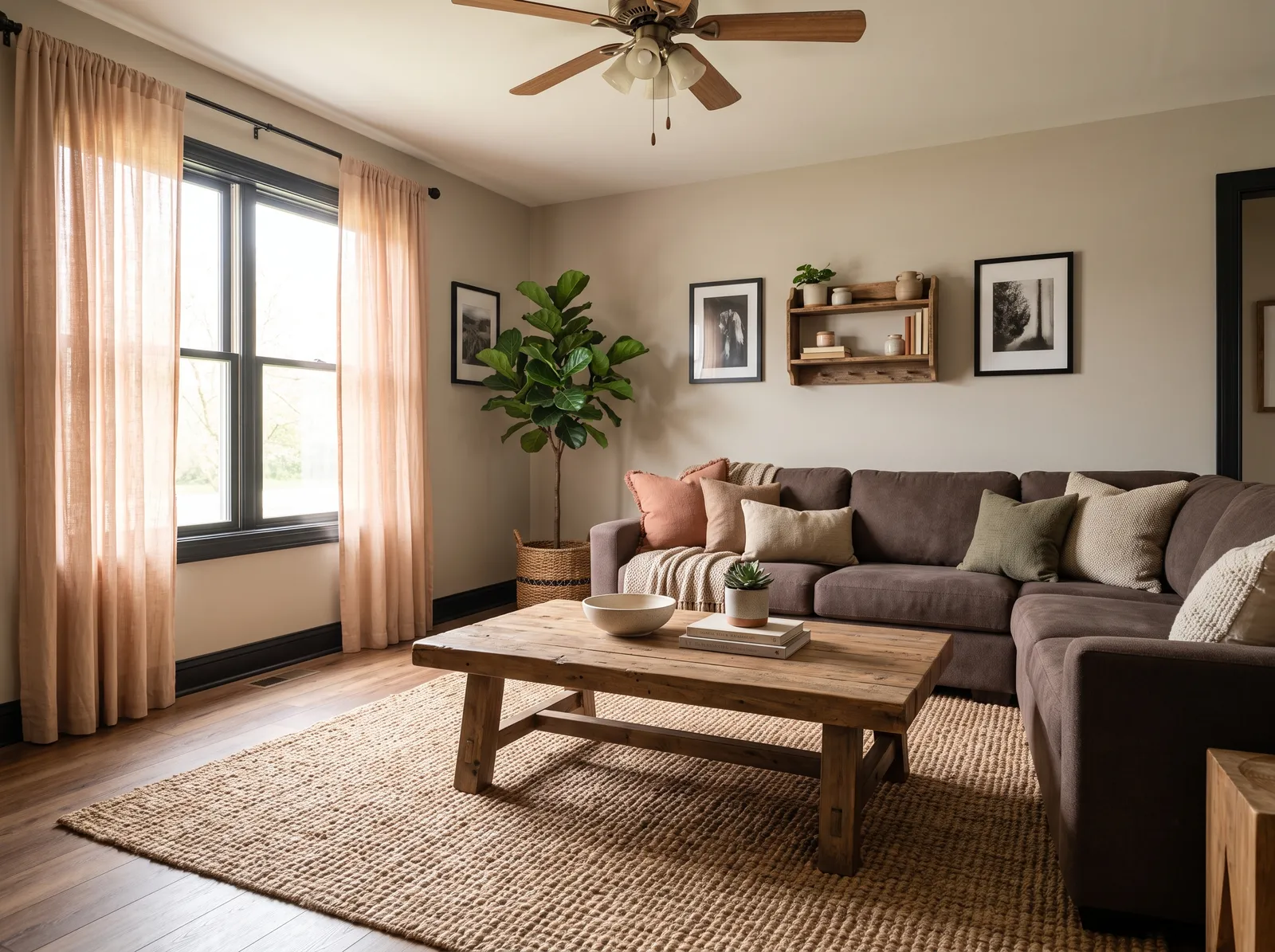
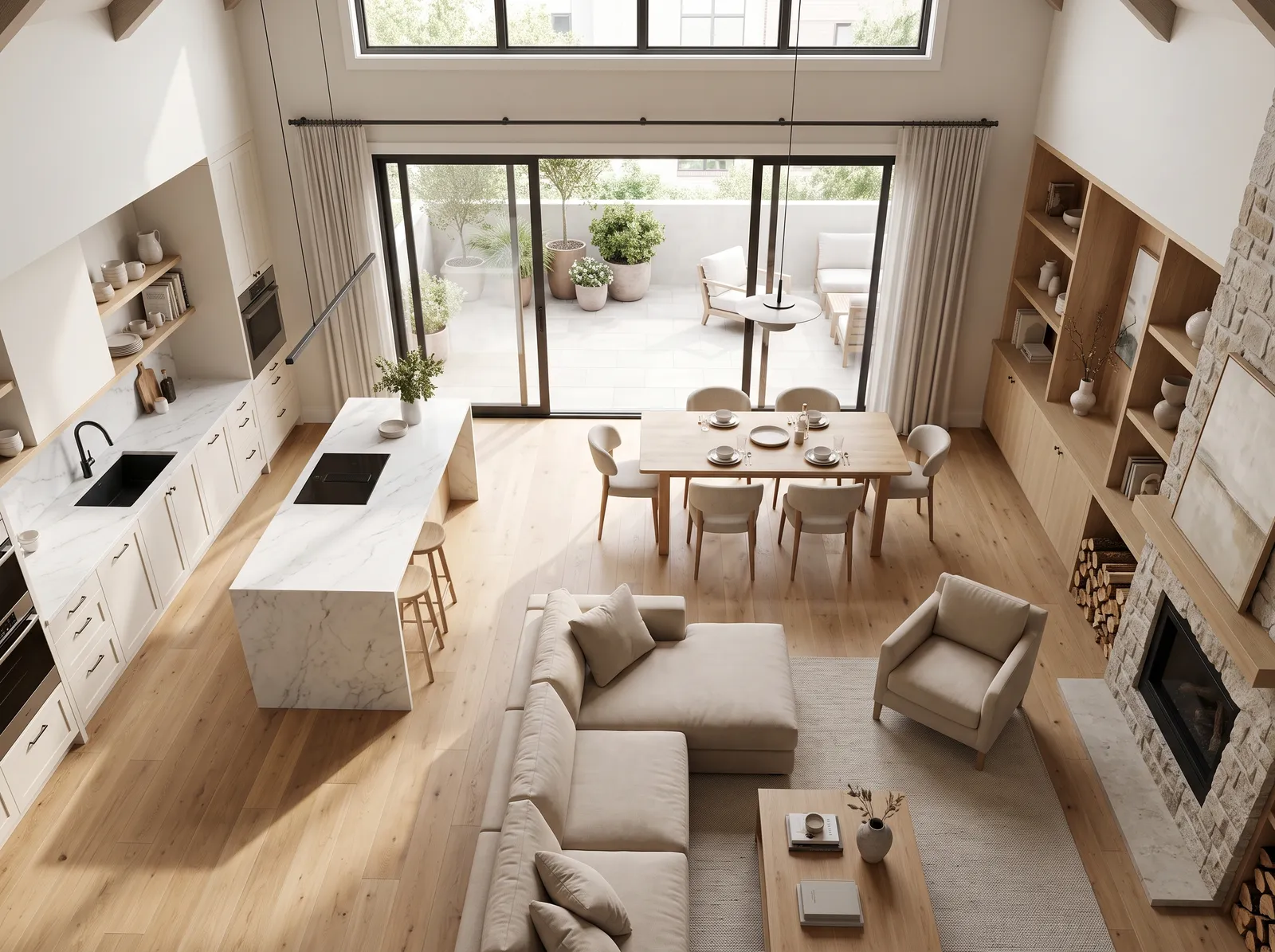
White Living Room Paint Colors
2,064 white colors that work in living rooms, drawn from the full ~30,000-color US paint deck. Below: editor's picks specific to living rooms, then 30 picks spread across the LRV range — narrow further on the brand page when you've shortlisted.
White is the hardest color to specify well. The right white shifts under daylight, north-facing rooms, and warm-LED bulbs — and most "whites" actually have a strong undertone (yellow, pink, green, or blue) that only shows up once it's on the wall. Below: the warm whites and cool whites we recommend most often, organized so you can compare them at a glance.
Editor's Picks: White for Living Rooms
4 picks30 White Picks Across the LRV Range
30 of 2,064 · sorted dark → lightLooking for more? All white → covers every brand; brand × family pages show full decks.
White Living Room Colors at Every US Brand
20 brands · up to 10 picks eachUp to 10 picks per brand spread across the white LRV range, drawn from each brand's full deck. Tap any swatch with a curated guide for full spec; tap the brand title for the brand's complete white deck.
Behr
Benjamin Moore
Dunn-Edwards
Glidden
PPG / Glidden
Valspar
Diamond Vogel
Kompozit
Hirshfield's
Sherwin-Williams
Dutch Boy
C2 Paint
Rodda
Farrow & Ball
Magnolia Home
Clare
Portola Paints
Backdrop
Rust-Oleum
Other Living Room Color Families
White Colors in Other Rooms
White Paint Colors for a Living Room
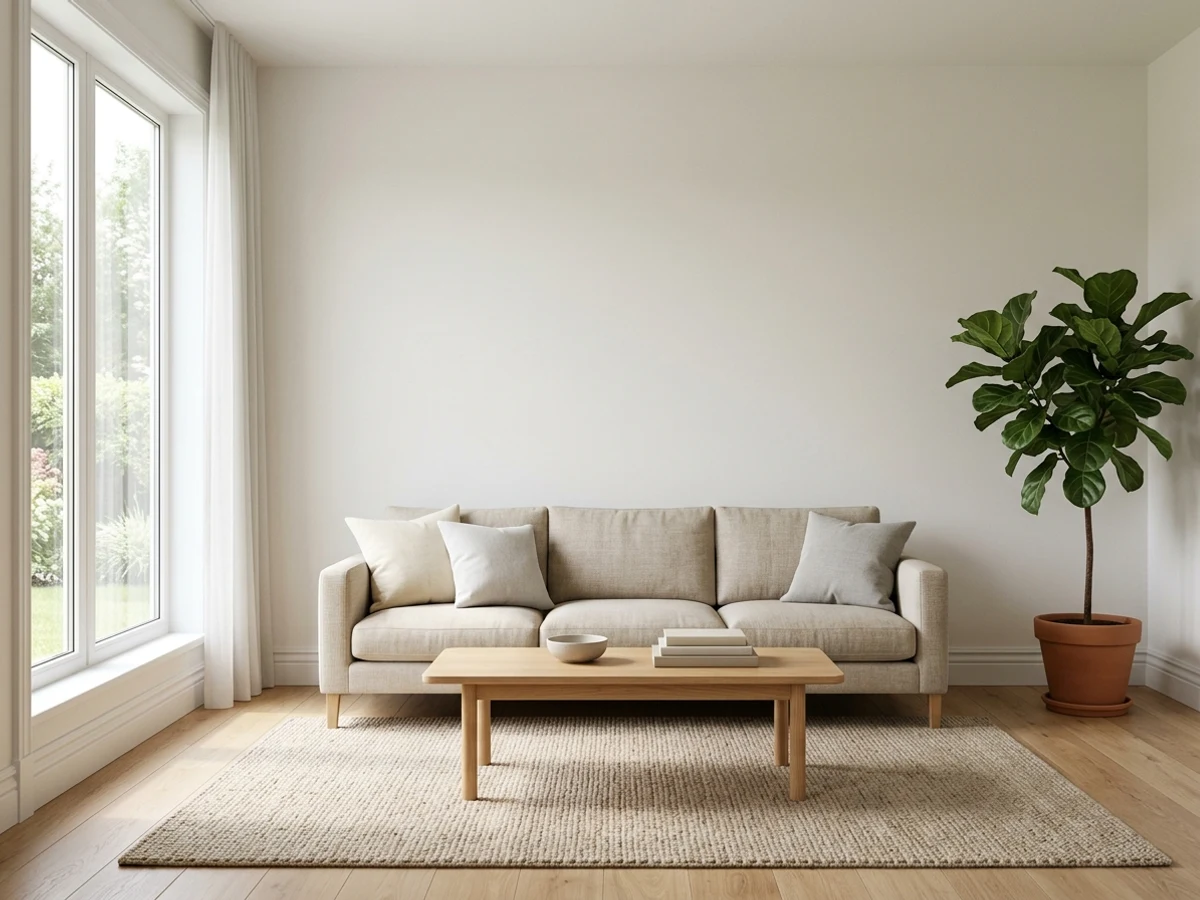
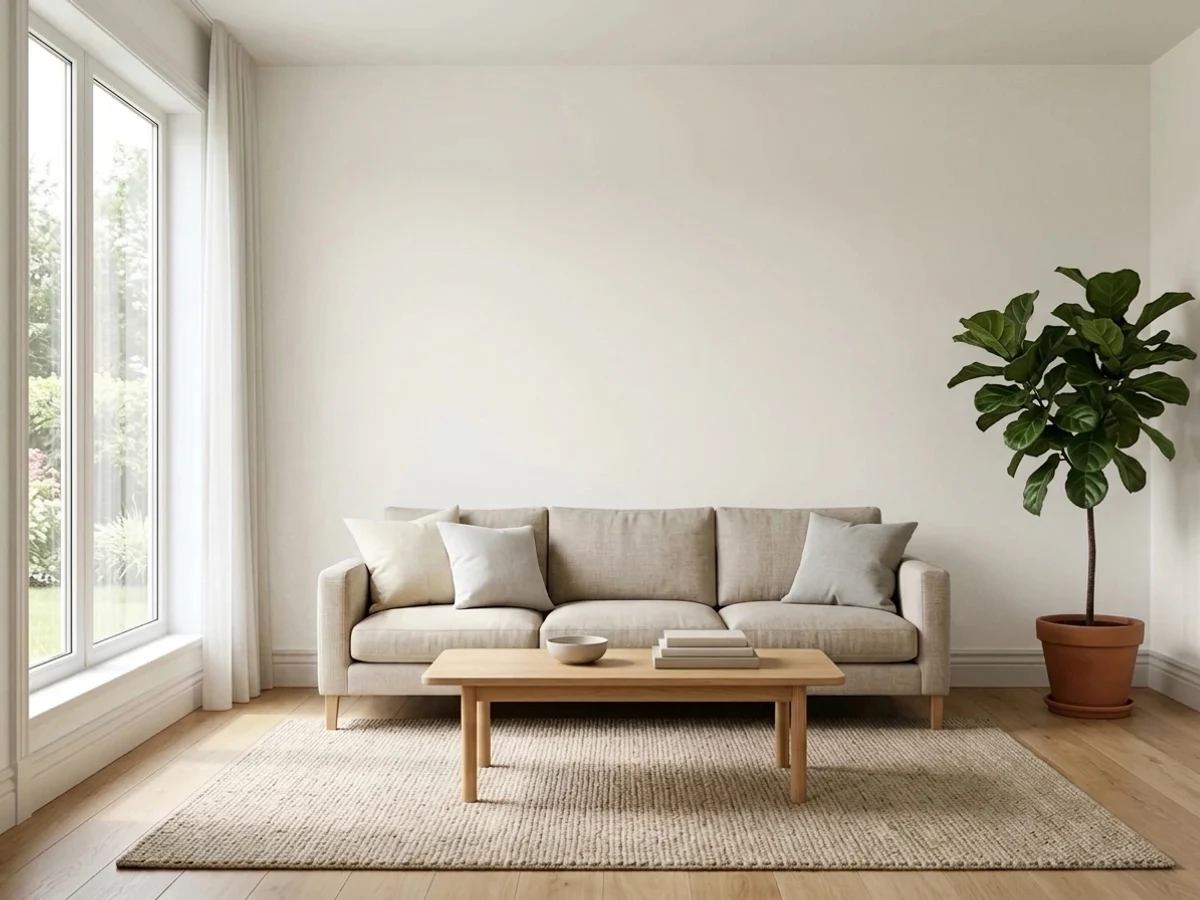
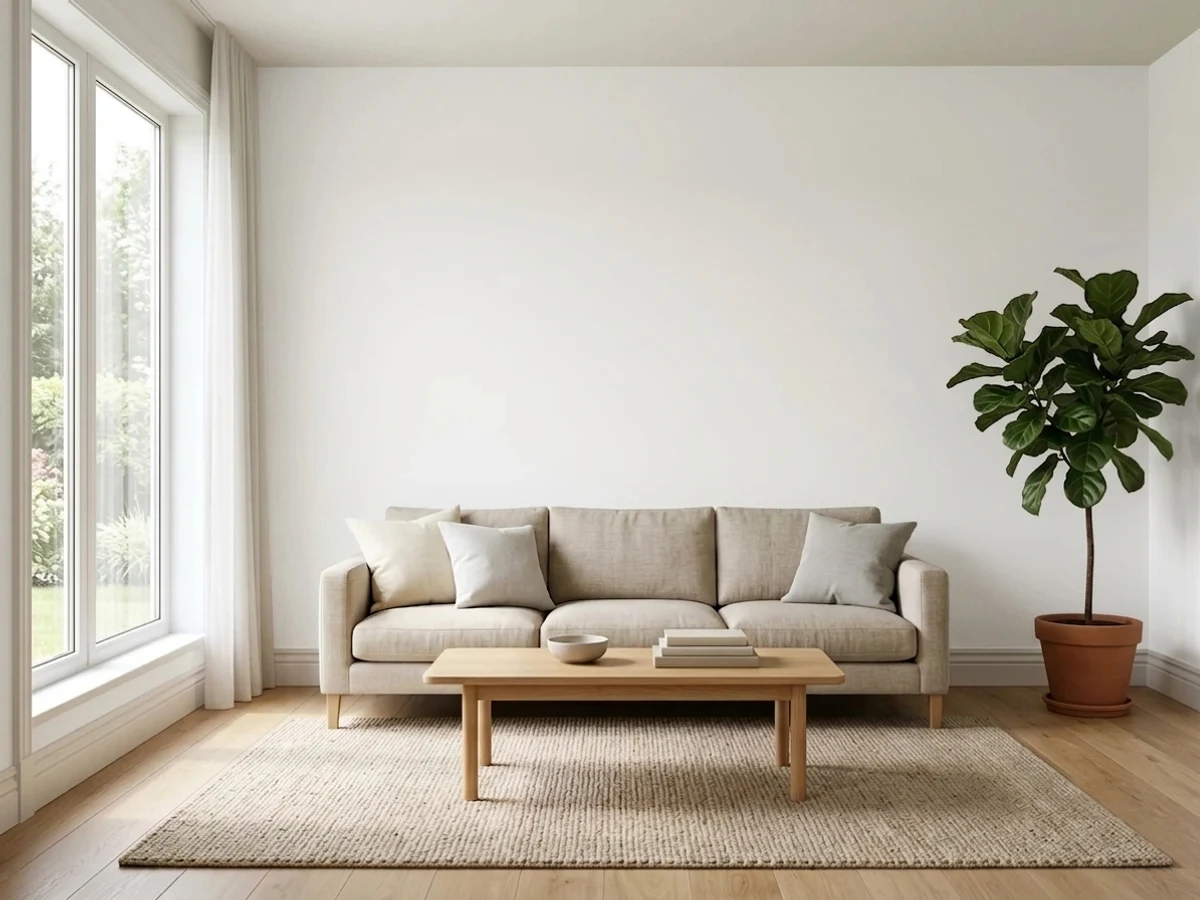
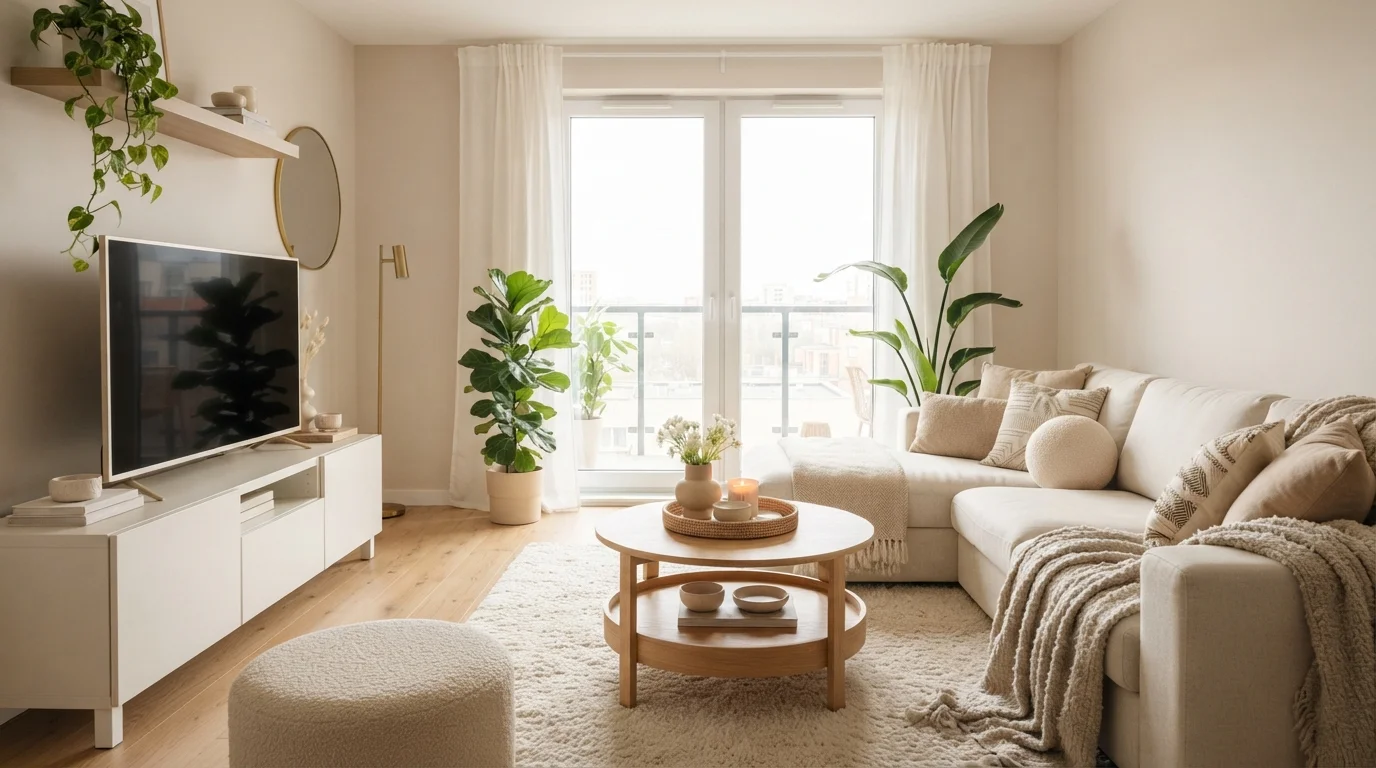
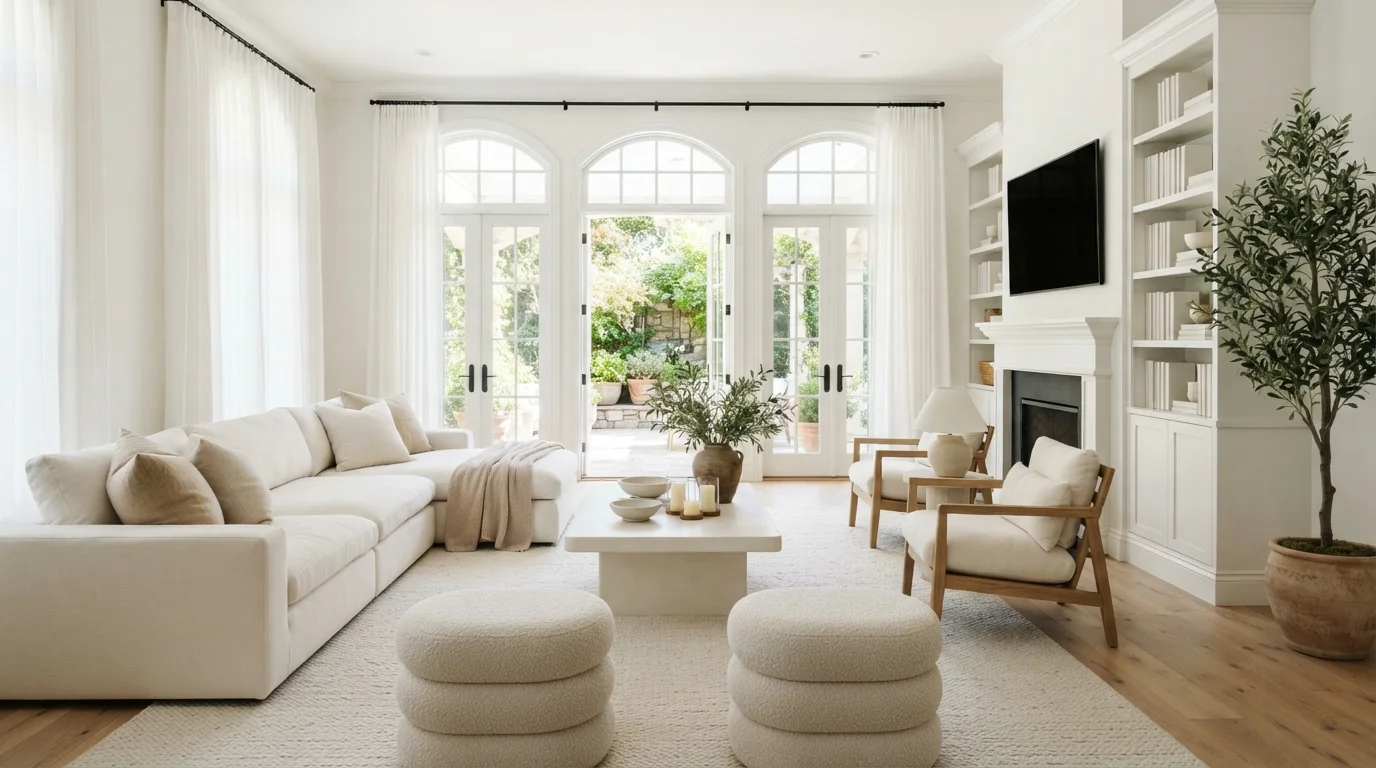
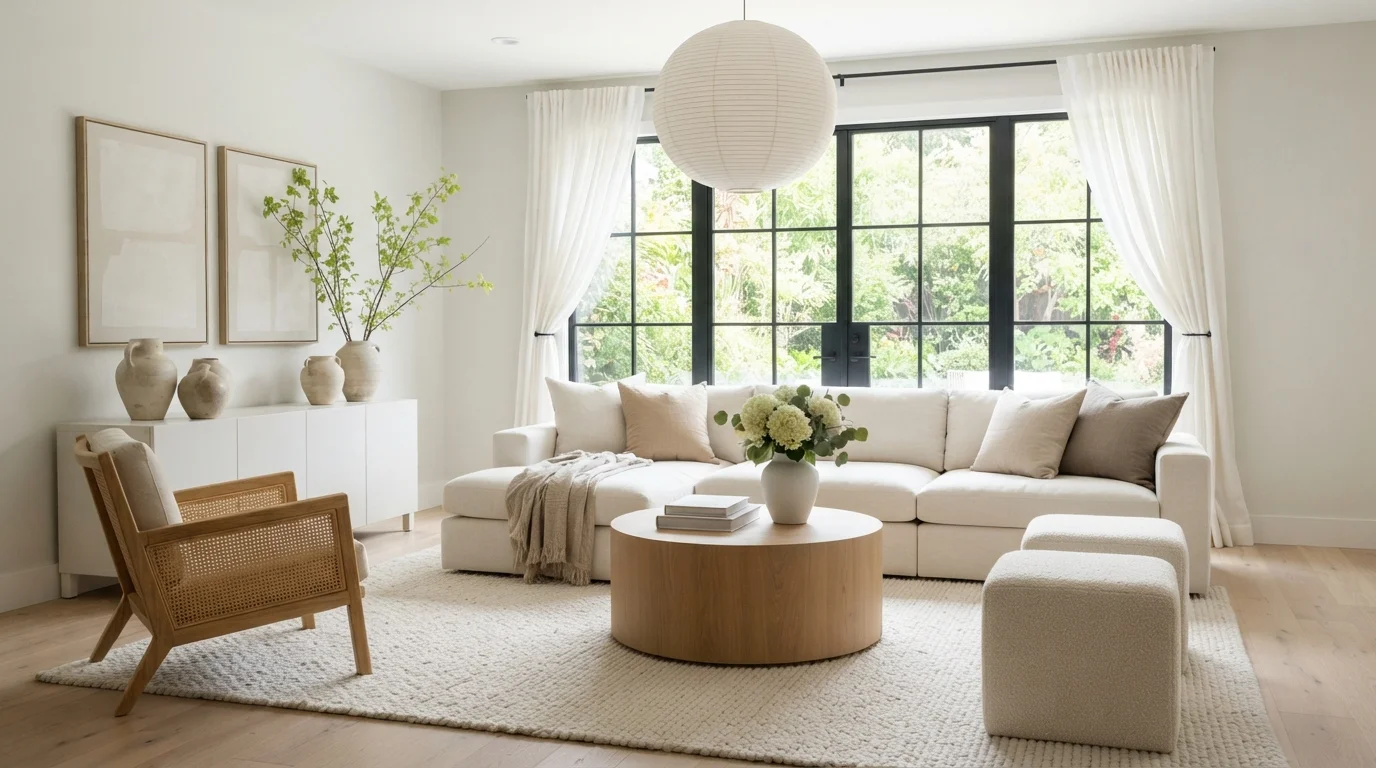
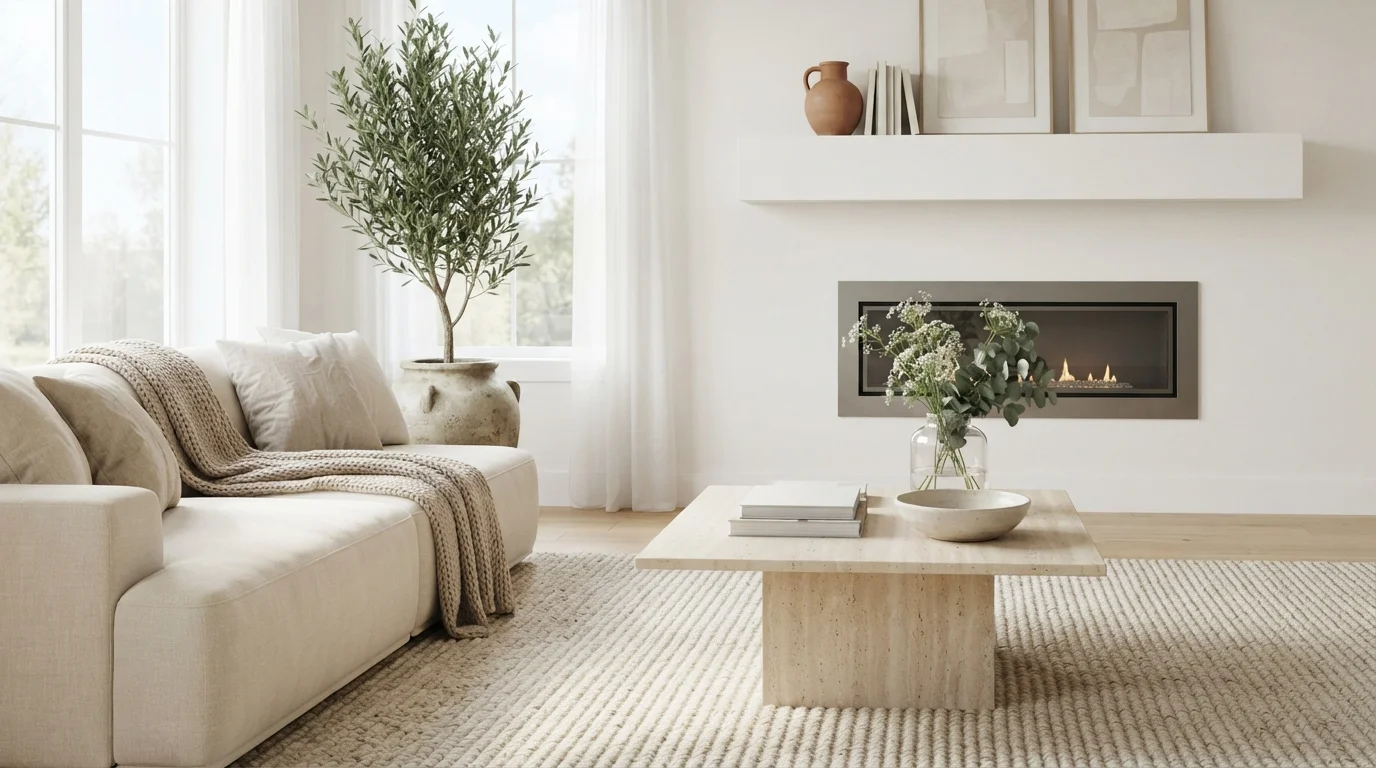
White in a living room is less about picking a "pure" white and more about picking the right white for the room you actually live in. A living room sees long stretches of daylight, then lamp light at night, and it usually holds your biggest furniture, your TV wall, and the trim and ceiling that frame everything. The white you choose has to look calm across all of that, not blown-out at noon and gray by dinner. Get the depth and undertone right and the room feels open, restful, and easy to decorate around.
This page covers white as a whole color family for the living room, not one company's product. The same soft, warm, or crisp white you like can be mixed to order in almost any major brand's paint, so you are choosing a look and a depth, not getting locked into a single label. Any swatch you see here can be cross-matched between brands, which means you can match a color you already love on your trim or a neighboring room without repainting everything.
Why White Works So Well in a Living Room
A living room is where you want light to feel generous and the space to feel bigger than it is, and white does both better than almost any other color. It bounces daylight deep into the room, keeps a small space from feeling boxed in, and gives bold furniture, art, and rugs room to stand out instead of competing with the walls. For an open layout that flows into a kitchen or hallway, a single white reads as one calm, connected space.
The thing to watch is that a living room rarely gets only one kind of light. Morning sun, afternoon glare, and warm bulbs at night each pull a white in a different direction. A white that looks clean on the chip can turn cool and flat in a north-facing room or yellow under lamps, so the goal is a white that stays pleasant through the whole day, not just at the moment you taped up the sample.
The Right Depth of White for the Room's Light
Most living rooms do best with a soft white rather than a stark, bright one. A touch of warmth keeps a big wall of white from feeling like a gallery or a doctor's office, and it reads as cozy under the lamp light you use at night. LRV, or light reflectance value, is the number that tells you how much light a white throws back on a 0 to 100 scale, and living-room whites usually land high, often in the low 80s to low 90s.
Let the room's light steer the depth. A bright, south-facing living room can carry a cooler, very high-LRV white without feeling cold, while a north-facing or shaded room usually wants a warmer white with a slightly lower LRV so it does not turn gray and dingy. If the room gets strong direct sun, a softer white in the mid-to-upper 80s cuts glare; if it is dim, push toward the brighter end to make the most of what light you have.
Picking the Finish for a Living Room
For living-room walls, a matte or eggshell finish is usually the right call. These low-sheen finishes hide the small bumps and roller marks that show up badly on a large white wall, and they soak up light instead of throwing back glare, which matters across a big room with a TV and windows. Eggshell wipes down a little more easily than a flat matte, so it is a sensible middle ground for a room that sees daily life.
Save the shinier finishes for the parts that take abuse. Trim, baseboards, built-ins, and a mantel hold up better and clean up easier in satin or semi-gloss, and the slight contrast in sheen between flat white walls and crisper white woodwork looks intentional. A living room does not face the moisture a bath or kitchen does, so washability and glare matter more here than waterproofing when you choose the sheen.
Pairing White With Trim, Ceiling, and Furnishings
The easiest, most forgiving move is to keep the trim and ceiling in the same white family as the walls, just a step crisper or brighter on the woodwork. Matching the undertone is what makes it work: a warm wall white wants a warm trim white, and a cool wall white wants a cool one, or the trim can look dirty against the walls. A ceiling in a soft white, or the wall color lightened slightly, keeps the room from feeling top-heavy.
White also sets up the rest of the room. A warm white plays nicely with wood floors, leather, brass or gold fixtures, and natural textures, leaning cozy. A cooler, cleaner white pairs better with black metal, chrome, gray stone, and crisp modern furniture. Decide which direction your furniture and fixtures already lean, then pick the white that flatters them rather than fights them.
Common Mistakes With White in a Living Room
The most common mistake is judging a white from the chip or the can lid instead of on the wall. Whites shift hard with light and with whatever sits next to them, so paint a large sample, look at it morning, afternoon, and under your evening lamps, and check it against your floor and furniture before you commit. A white that looked perfect in the store can turn pink, yellow, or gray once it is up.
The other big misses are ignoring undertone clashes and going too stark. A blue-white wall next to a creamy trim or warm wood floor will read as mismatched and a little cold, and a brilliant, low-warmth white across a whole living room can feel sterile rather than serene. Match your undertones throughout the room, and lean a half-step softer than you think you need so the space feels lived-in, not clinical.
White Living Room Paint — Frequently Asked Questions
what is the best shade of white for a living room?+
For most living rooms, a soft white with a little warmth is the safest, most flexible choice. It reads clean in daylight but stays cozy under lamp light at night, which matters in a room you use in the evening. Save the brightest, coolest whites for rooms with strong, steady daylight that can carry them.
what finish should i use for white living room walls?+
Matte or eggshell is usually best for the walls. Both hide roller marks and wall imperfections that show badly on a large white surface, and they cut glare from windows and the TV. Use satin or semi-gloss on trim, built-ins, and a mantel, where the extra durability and easy cleaning help.
how do i keep a white living room from looking cold or sterile?+
Choose a white with a touch of warmth rather than a stark, blue-leaning one, and let the room's furnishings add texture and contrast. Wood, leather, plants, and warm metals all soften white. In a north-facing or dim room especially, a warmer white keeps the space from turning gray and flat.
should the trim and ceiling match the white walls?+
Keeping them in the same white family is the most forgiving approach, with the trim a step crisper or brighter than the walls. The key is matching undertones, since a cool trim against a warm wall, or the reverse, can look dirty. A soft white ceiling keeps the room feeling open without drawing attention upward.
what does LRV mean and what should i look for in a white?+
LRV is light reflectance value, a 0 to 100 scale of how much light a color bounces back. Living-room whites usually fall high, often in the low 80s to low 90s. Lean toward the brighter end in a dim room to gain light, and a softer, slightly lower LRV in a sunny room to cut glare.
can i match a white from another brand for my living room?+
Yes. Every color shown here is mixed to order, so a paint store can tint the white you like into its own base. That means you can cross-match a white you already have on your trim, ceiling, or an adjoining room without being tied to one brand's product line.