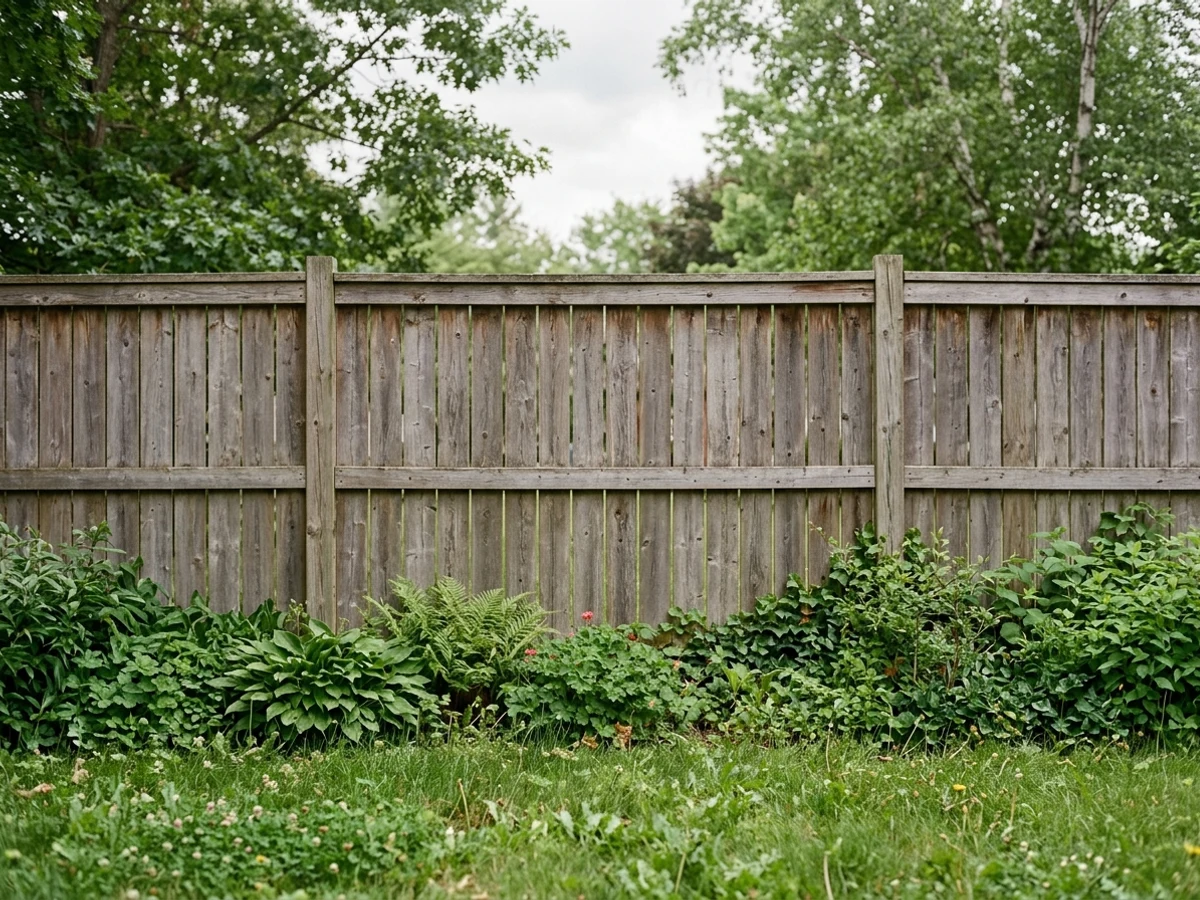
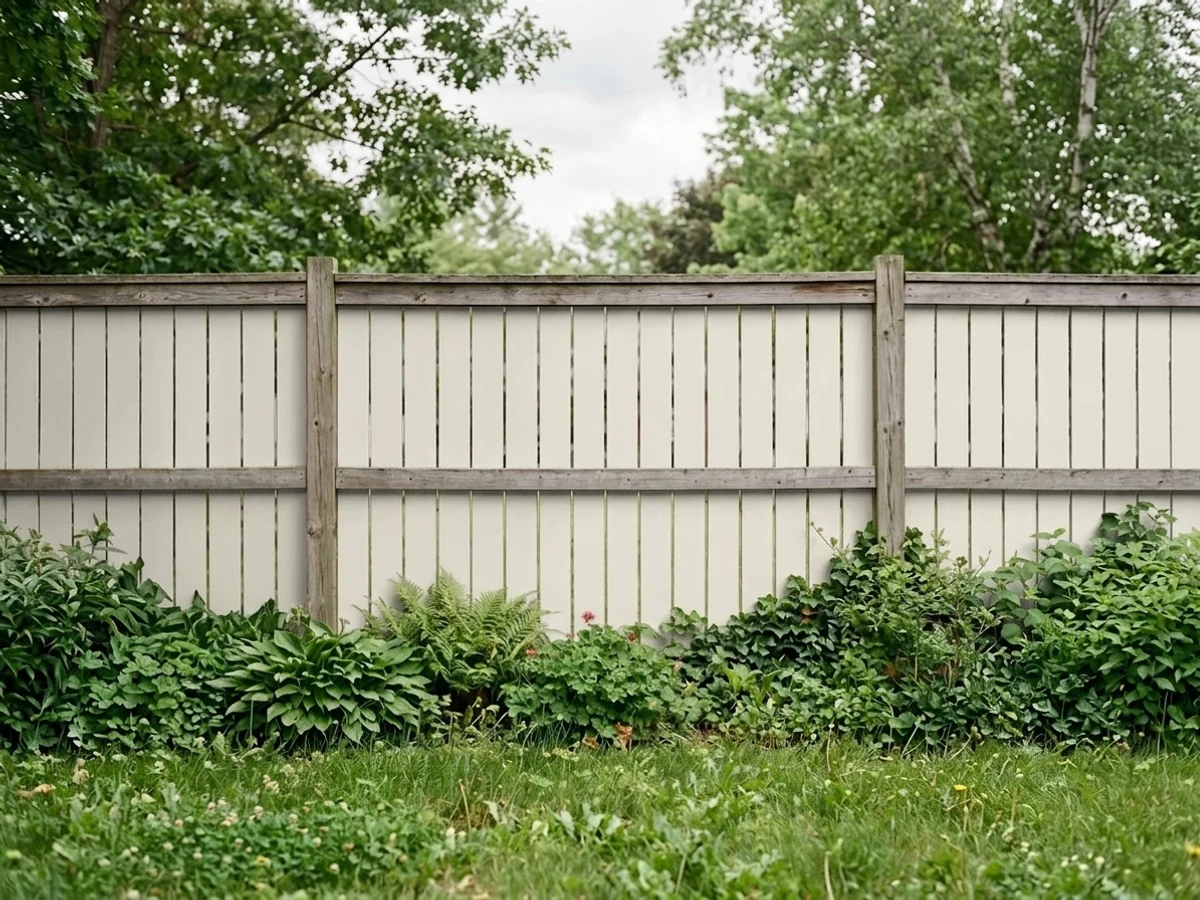
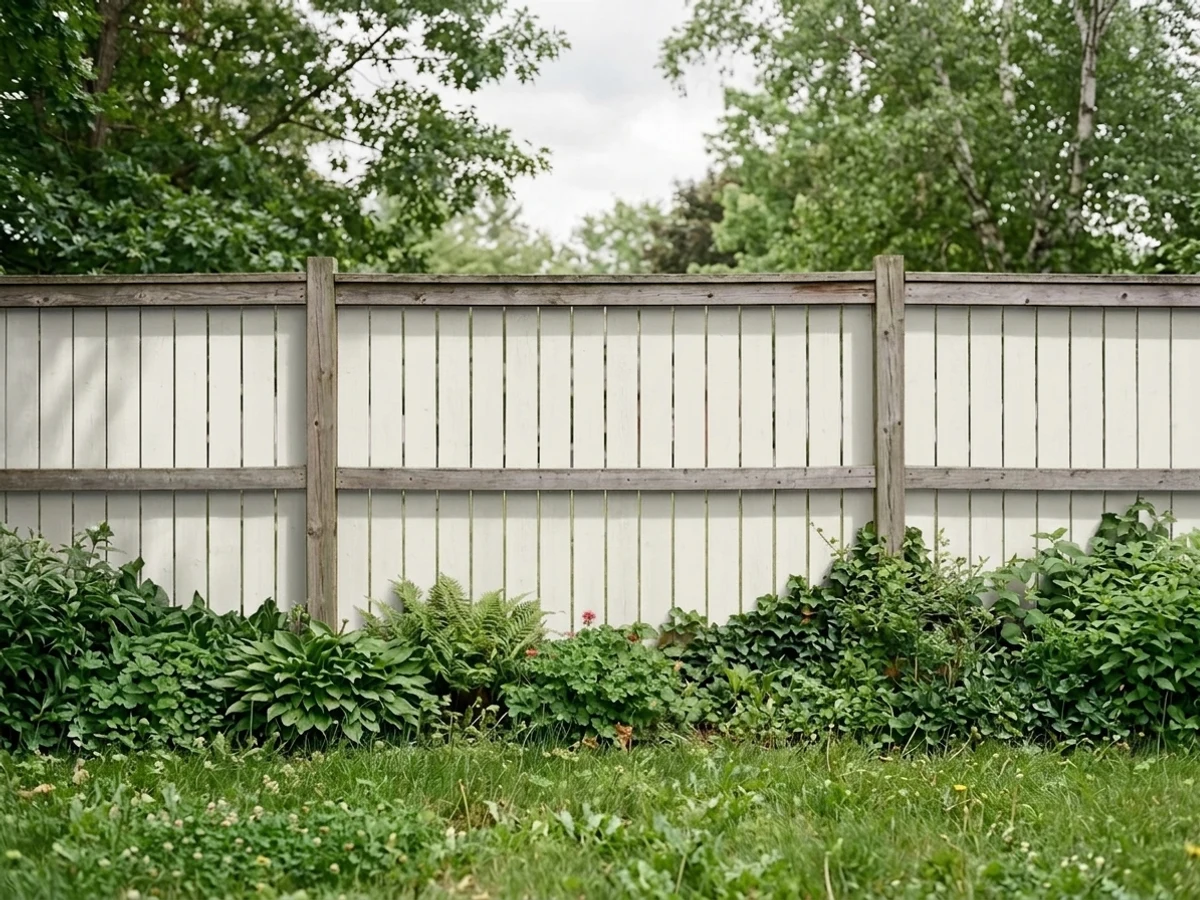
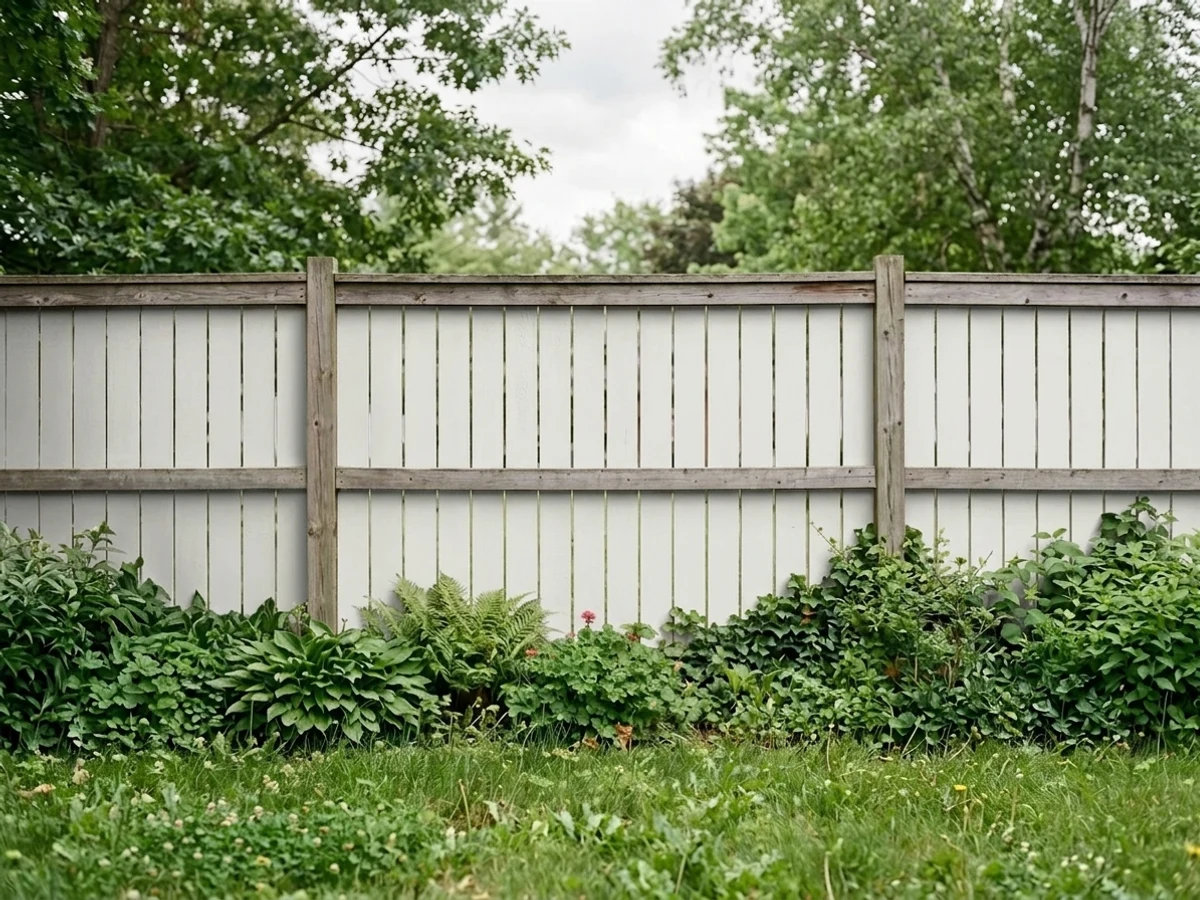
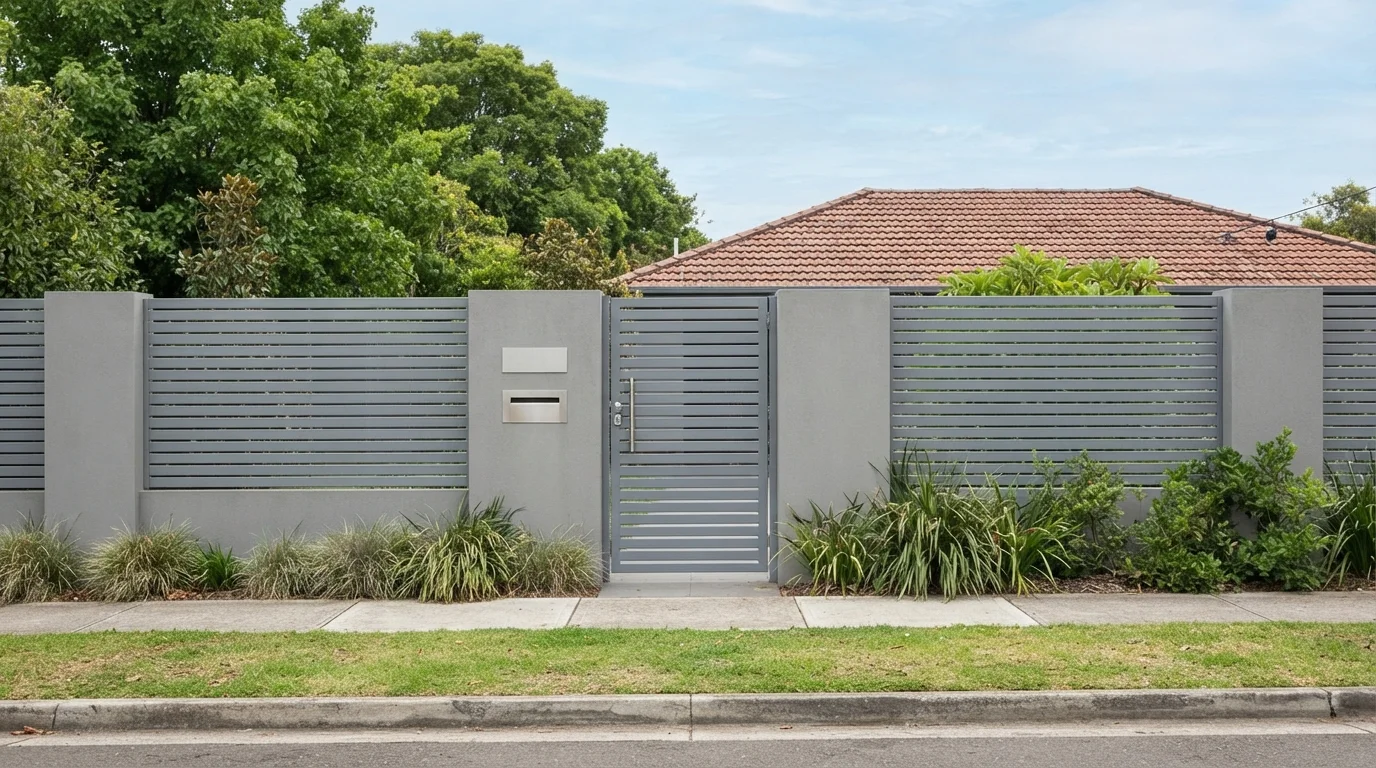
White Fence Paint Colors
2,064 white colors that work in fences, drawn from the full ~30,000-color US paint deck. Below: editor's picks specific to fences, then 30 picks spread across the LRV range — narrow further on the brand page when you've shortlisted.
White is the hardest color to specify well. The right white shifts under daylight, north-facing rooms, and warm-LED bulbs — and most "whites" actually have a strong undertone (yellow, pink, green, or blue) that only shows up once it's on the wall. Below: the warm whites and cool whites we recommend most often, organized so you can compare them at a glance.
Editor's Picks: White for Fences
4 picks30 White Picks Across the LRV Range
30 of 2,064 · sorted dark → lightLooking for more? All white → covers every brand; brand × family pages show full decks.
White Fence Colors at Every US Brand
20 brands · up to 10 picks eachUp to 10 picks per brand spread across the white LRV range, drawn from each brand's full deck. Tap any swatch with a curated guide for full spec; tap the brand title for the brand's complete white deck.
Behr
Benjamin Moore
Dunn-Edwards
Glidden
PPG / Glidden
Valspar
Diamond Vogel
Kompozit
Hirshfield's
Sherwin-Williams
Dutch Boy
C2 Paint
Rodda
Farrow & Ball
Magnolia Home
Clare
Portola Paints
Backdrop
Rust-Oleum
Other Fence Color Families
White Colors in Other Rooms
White Paint Colors for a Fence
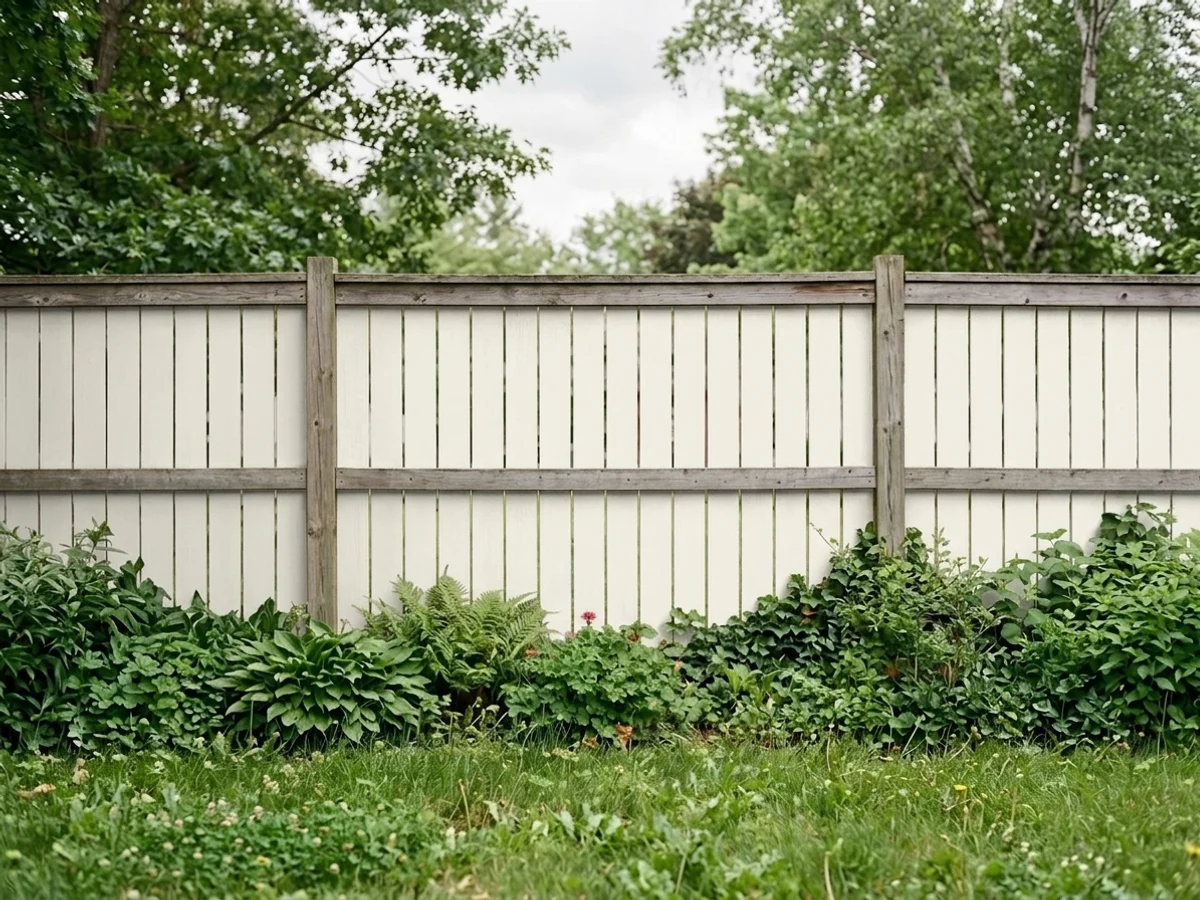
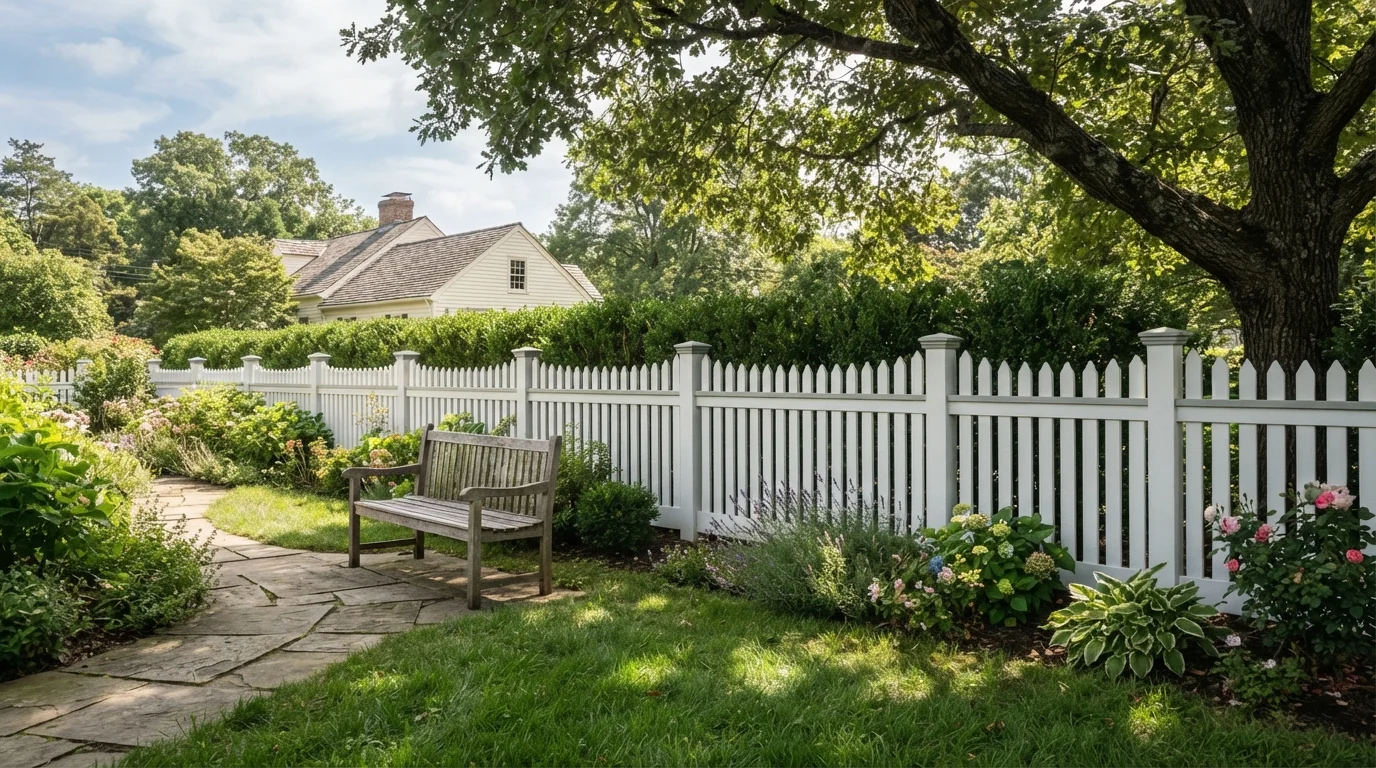
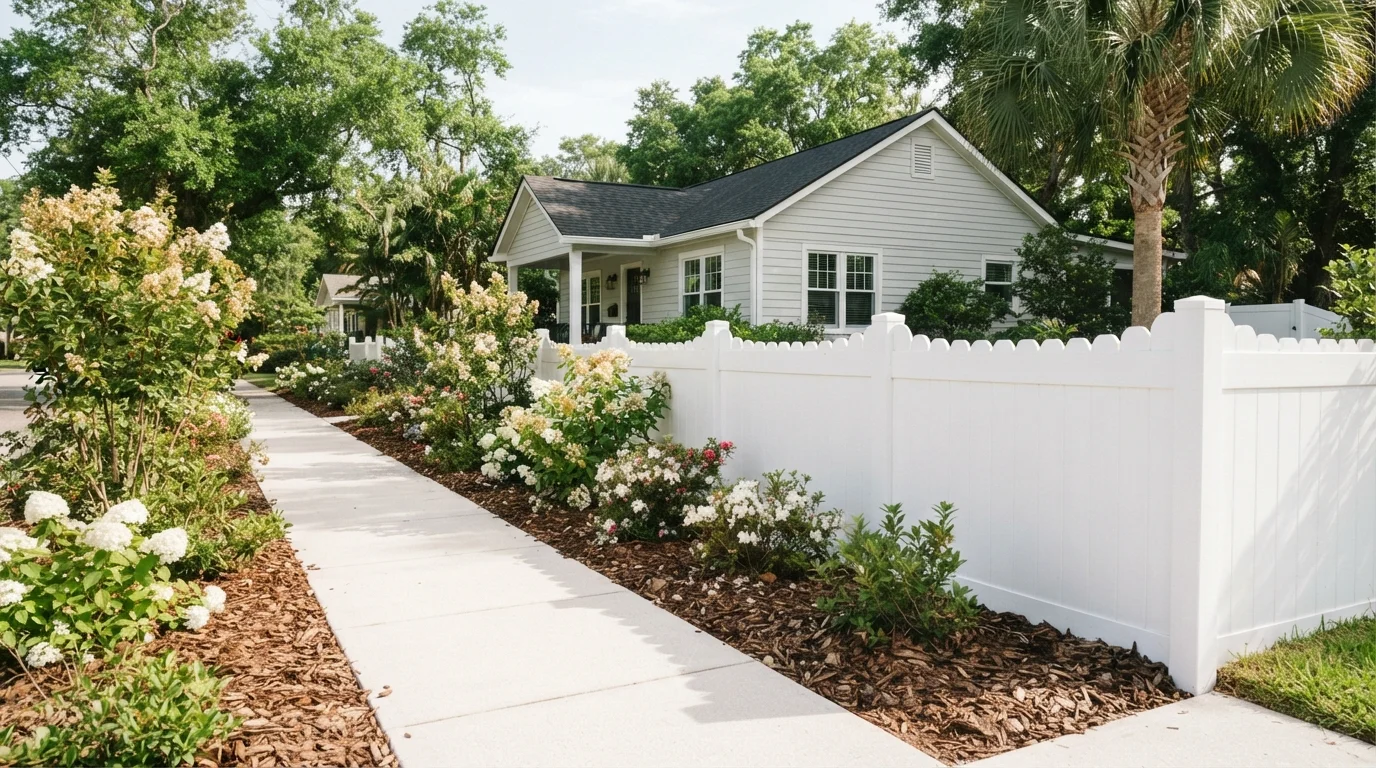
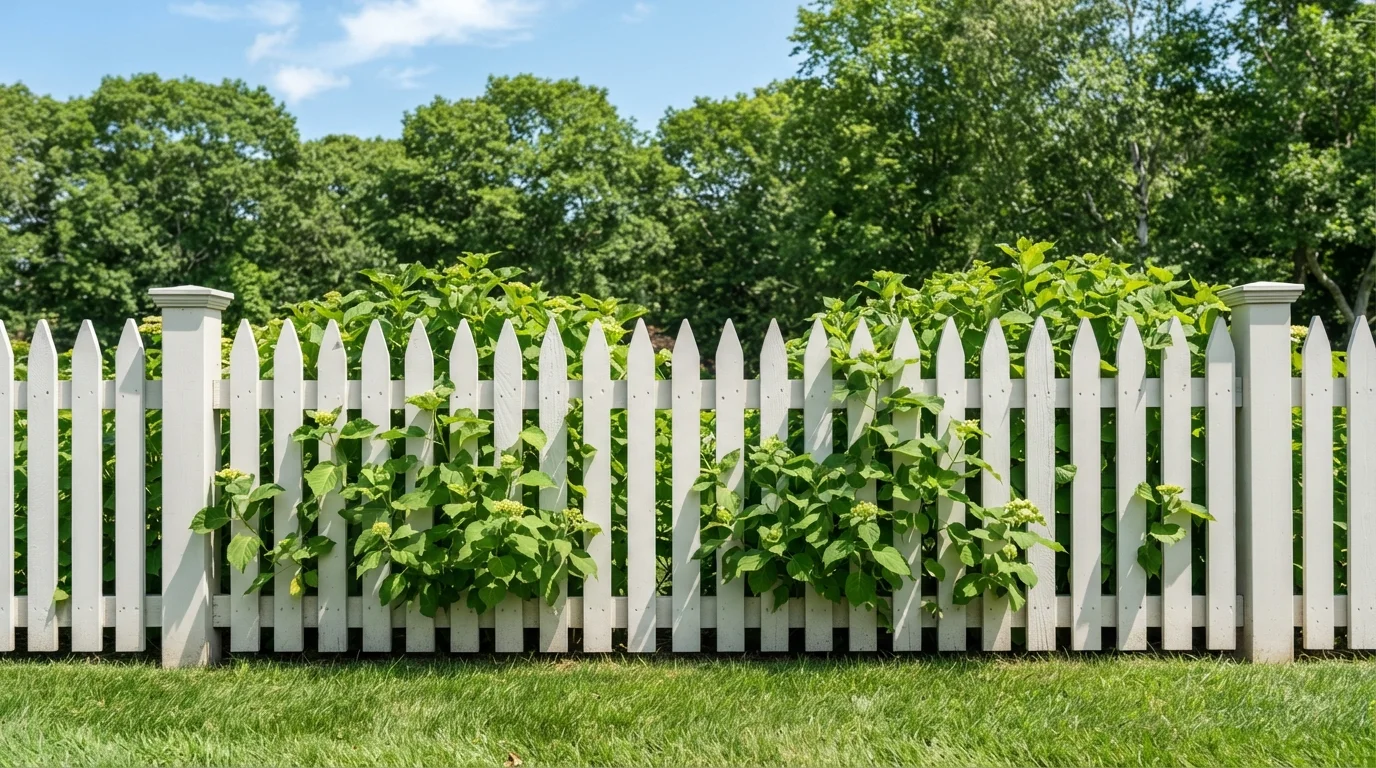
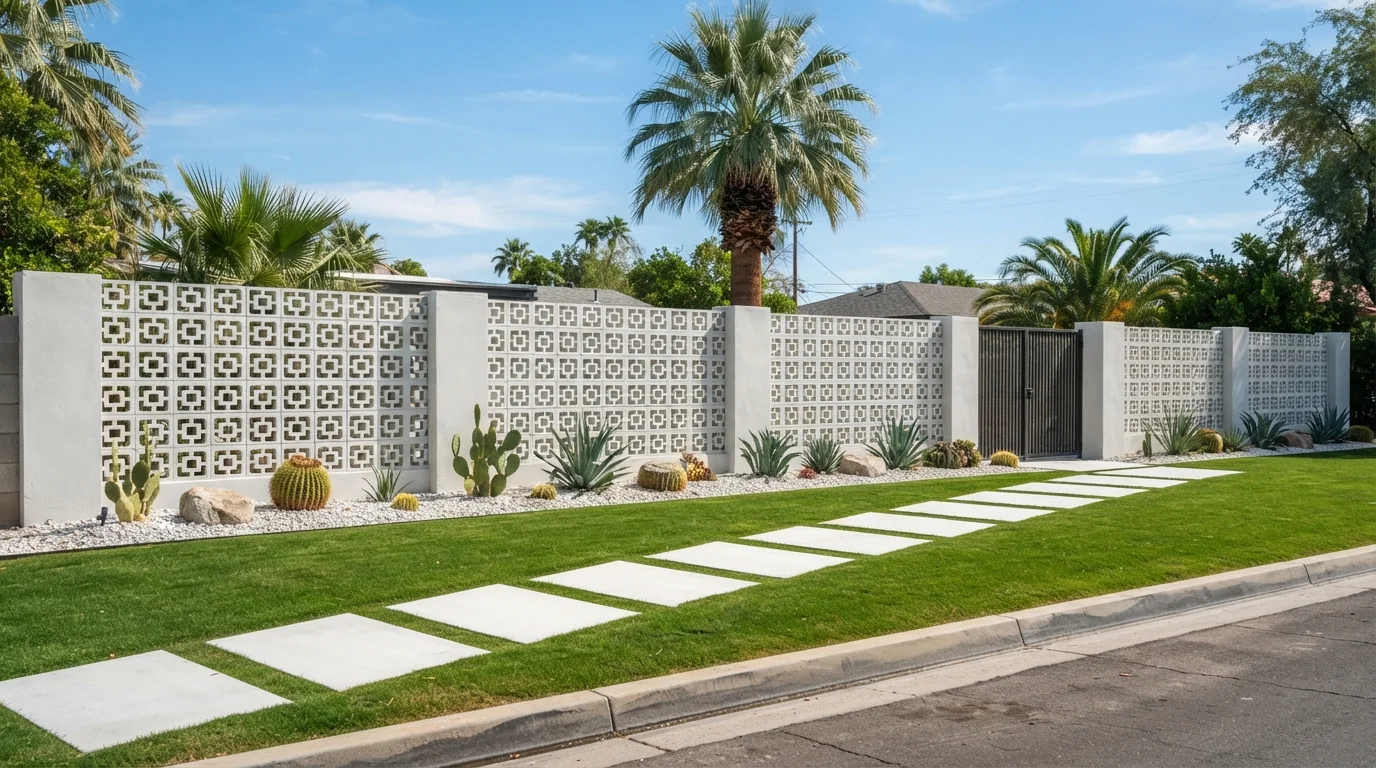
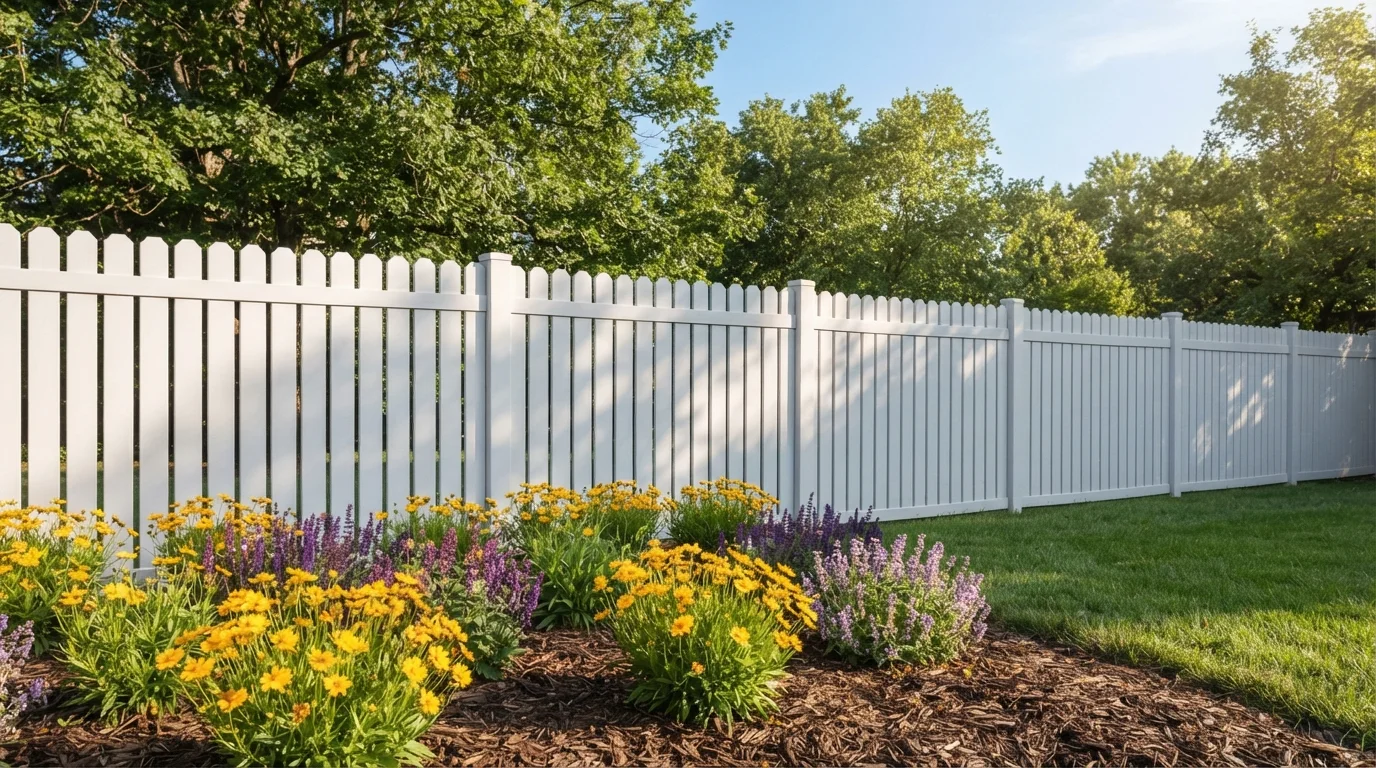
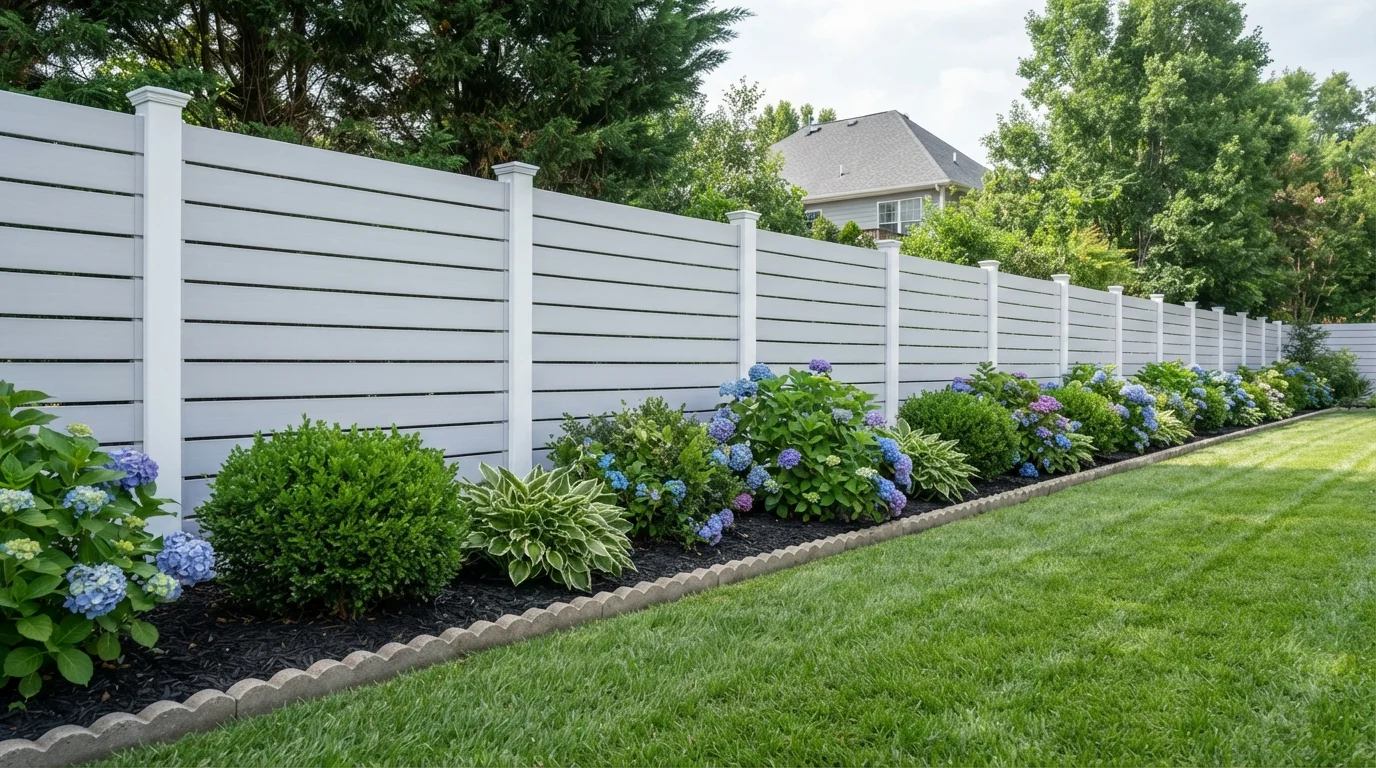
White on a fence reads as crisp and intentional, the kind of clean line that makes a yard look cared for. It is the classic look for a picket fence out front, and it also works on board fences, ranch rails, and privacy panels when you want the boundary to feel light instead of heavy. The catch is that a fence lives outside full time, so the white you pick has to survive sun, rain, and the dust that blows up off the ground.
This page is about choosing white specifically for a fence, not white in general. We will talk about which depth of white holds up against bright sky, what sheen actually lasts on wood or metal outdoors, how to tie the fence to your trim and house, and the mistakes that turn a fresh white fence gray and grimy within a season. Every swatch you see here is mixed to order at a paint counter, so you can take a white you like from one brand and have it color-matched in another.
Why White Works On A Fence
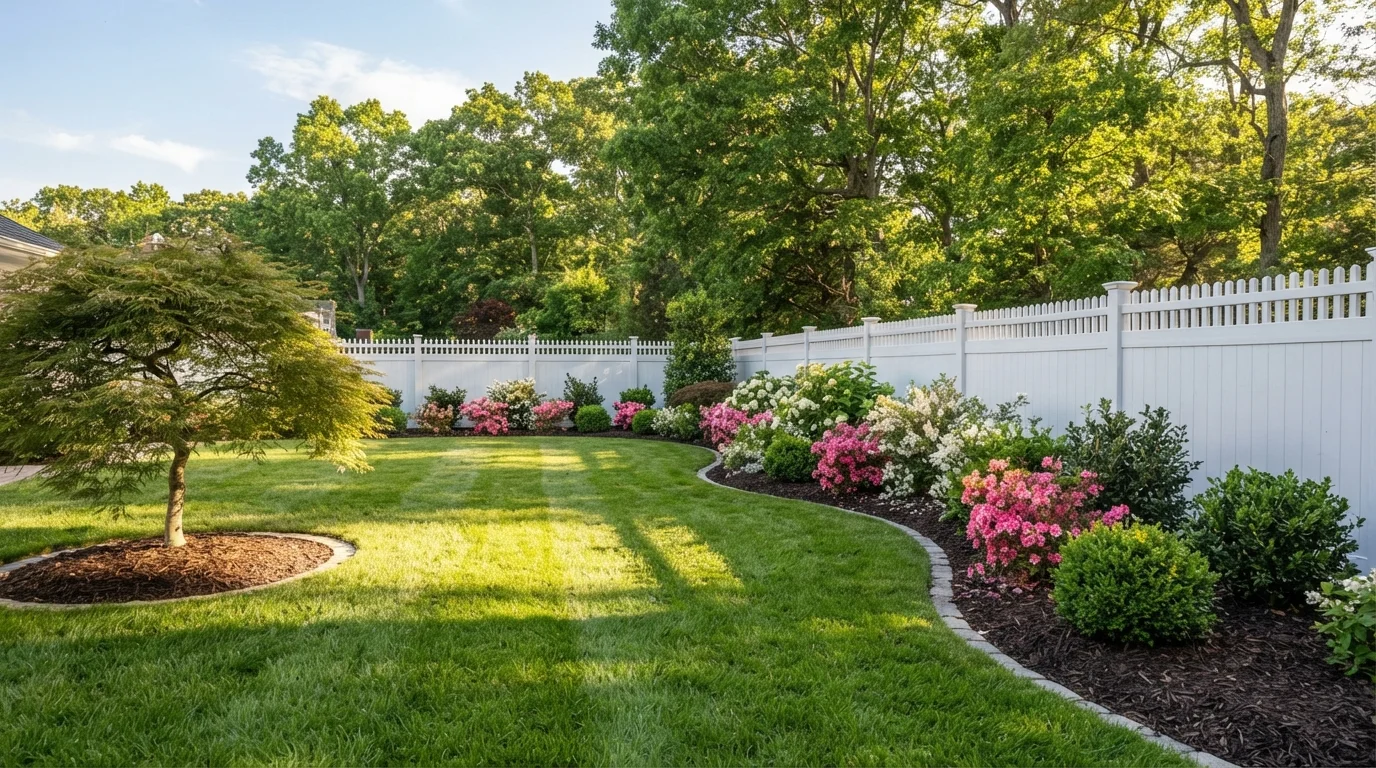
White is the default fence color for a reason. It frames a yard, brightens a property line, and reads as tidy from the curb, which is why painted picket fences have looked right for a century. Against green grass and shrubs, a white fence makes the planting pop instead of competing with it.
The thing to watch is that a fence sits low and close to the ground, so it catches splashing rain, mud, mower clippings, and dust more than any wall on your house. White shows every bit of that. Choosing white for a fence is less about the shade looking good on day one and more about picking a white and a finish that you can hose off and keep looking fresh.
The Right Depth Of White For Outdoor Light
Outside, white is hit with the strongest, most direct light it will ever see. A bright pure white with a very high LRV (in the low-to-mid 90s) can glare in full afternoon sun and look almost blinding against a dark fence backdrop. Most fences look better in a soft or warm white with an LRV in the mid-to-high 80s, which keeps the clean look without the harsh shine.
Let the setting steer you. A fence in full sun reads brighter than the chip, so a slightly softer white balances out. A fence shaded by trees or sitting against a north-facing wall goes flat and cool, so a white with a faint warm or cream undertone keeps it from looking gray and dingy.
Choosing The Right Sheen For A Fence
Sheen matters more outdoors than the exact shade. A flat finish hides surface flaws on rough fence wood but holds dirt and is hard to scrub clean, which is the wrong trade for something at splash height. A satin or low-gloss exterior finish is the sweet spot for most fences: it sheds water, wipes down easily, and resists the mildew that loves damp shaded boards.
Go higher in gloss only with care. A semi-gloss looks sharp on a formal picket fence or a metal fence and cleans up the easiest, but on a long stretch of fence in direct sun the shine can throw glare and highlight every dent and brush mark. Whatever sheen you choose, use a paint rated for exterior use; interior white will chalk and fail fast on a fence.
Pairing White With Your House And Hardware
A white fence should talk to the house, not float on its own. The easiest win is matching the fence to the home's trim white so the boundary feels like part of the property. If the house is a saturated color, a fence in the same white as the window and door trim ties the whole lot together.
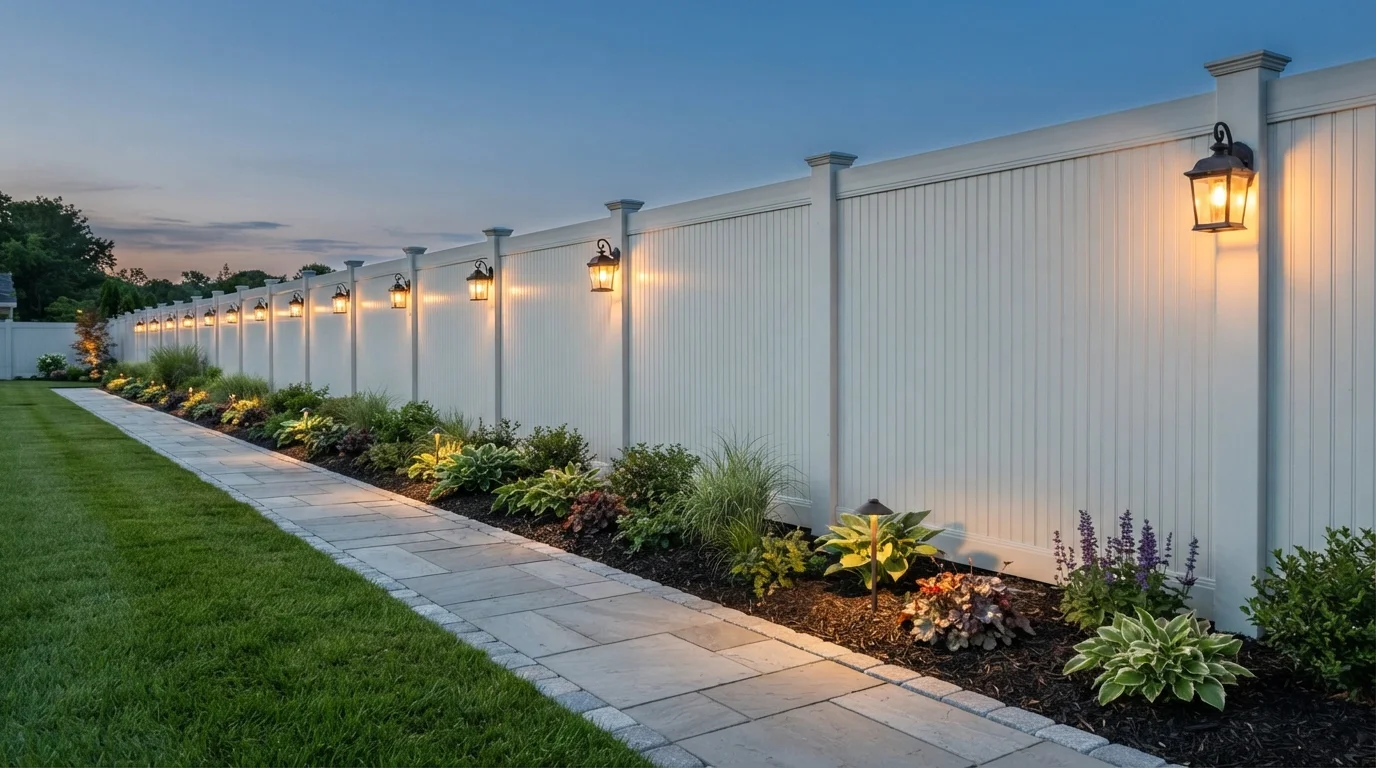
For hardware and accents, black hinges, latches, and post caps give a white fence a clean, classic contrast that stays sharp from the street. Warm metals like aged brass or oil-rubbed bronze read softer and pair well with a warm white. Gateposts, finials, and a matching white mailbox or arbor can carry the same white through the yard so it all looks intentional.
Common White-Fence Mistakes To Avoid
The biggest mistake is treating white as one color. A cool, blue-leaning white can look icy and stark outdoors, while too-warm a white can read yellow and dirty next to a crisp white house. Always test a brushout on an actual fence board and look at it in full daylight before committing the whole run.
The other common misses are practical. Skipping primer or a stain-blocking base coat on bare or knotty wood lets tannins and knots bleed through and yellow your white within weeks. Using a flat interior-grade paint at ground level guarantees a gray, grubby fence by the next rainy stretch. Pick exterior paint, prime properly, and choose a sheen you can actually clean.
White Fence Paint — Frequently Asked Questions
What is the best shade of white for a fence?+
A soft or warm white with an LRV in the mid-to-high 80s works for most fences. It keeps the crisp look without the harsh glare a near-pure bright white throws in direct outdoor sun. Save the very brightest whites for shaded fences that need the extra lift.
What sheen should I use on a fence?+
Satin or low-gloss exterior paint is the best all-around choice. It sheds rain, wipes clean, and resists mildew on damp boards. Semi-gloss cleans up even easier and suits formal picket or metal fences, but it can glare and show flaws on long sunny runs.
Will a white fence get dirty fast?+
A fence sits low to the ground, so it catches mud, splashing rain, dust, and clippings more than any wall on your house, and white shows all of it. The fix is a washable satin or semi-gloss exterior finish and an occasional rinse with a hose. White stays fresh on a fence when you can actually clean it.
Do I need primer before painting a fence white?+
Yes, especially on bare, weathered, or knotty wood. A stain-blocking exterior primer keeps tannins and knots from bleeding through and yellowing your white within weeks. Priming also helps the topcoat bond and last much longer outdoors.
What color hardware looks best on a white fence?+
Black hinges, latches, and post caps give a clean, classic contrast that reads sharp from the street. Aged brass or oil-rubbed bronze looks softer and pairs nicely with a warm white. Match a white mailbox, arbor, or gateposts to the fence to tie the yard together.
Can I match a white from one brand at a different store?+
Yes. Every white shown here is mixed to order at the paint counter, and a fence white from one brand can be color-matched into another brand's exterior paint. Pick the white you like, then have it matched in the exterior product and sheen you want for outdoor use.