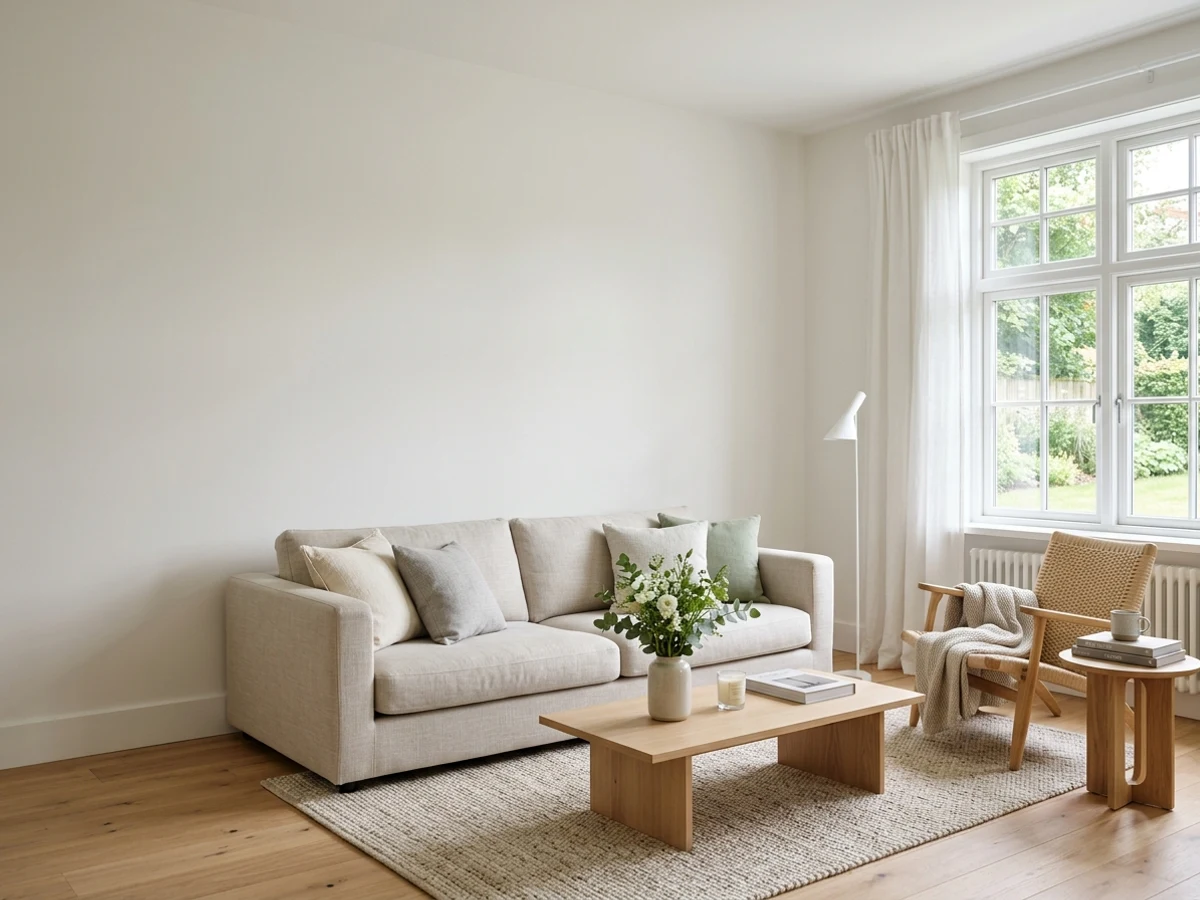
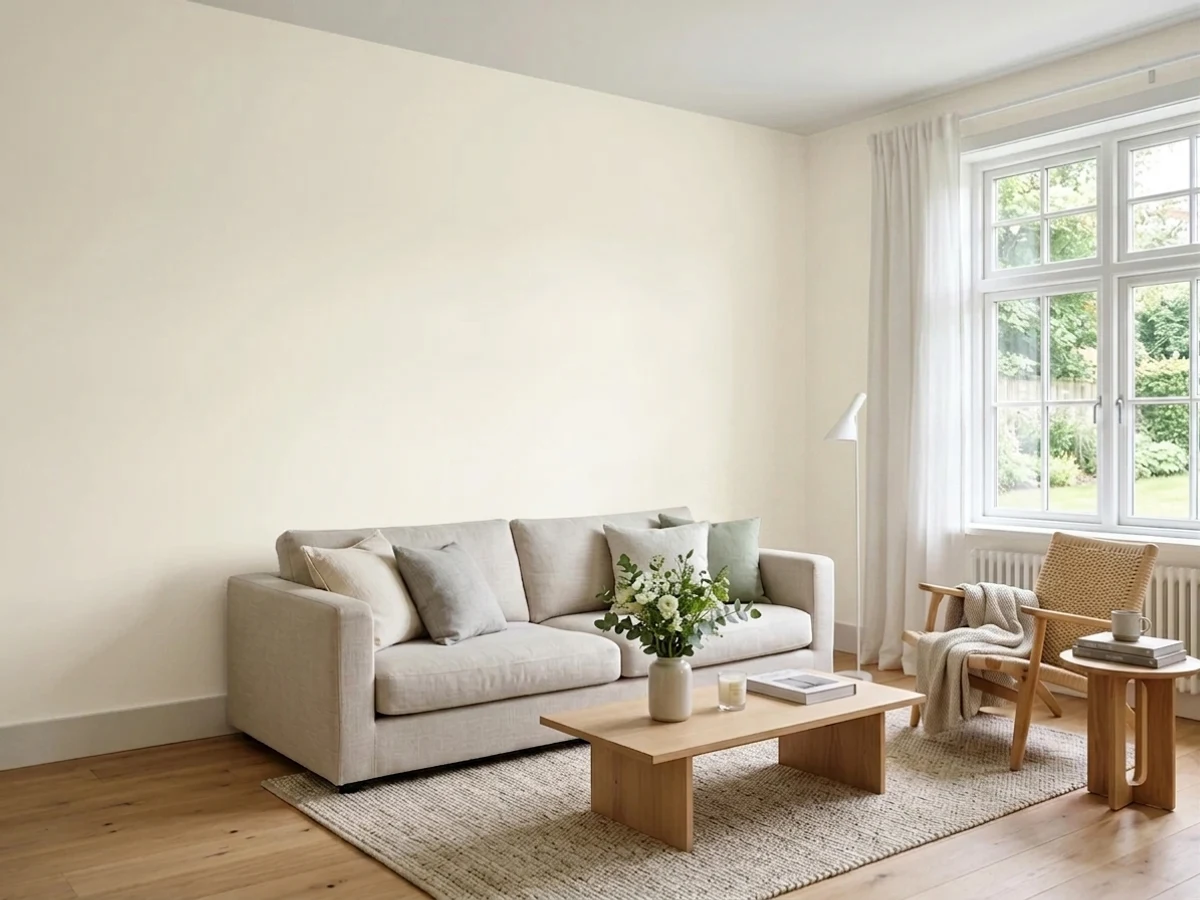
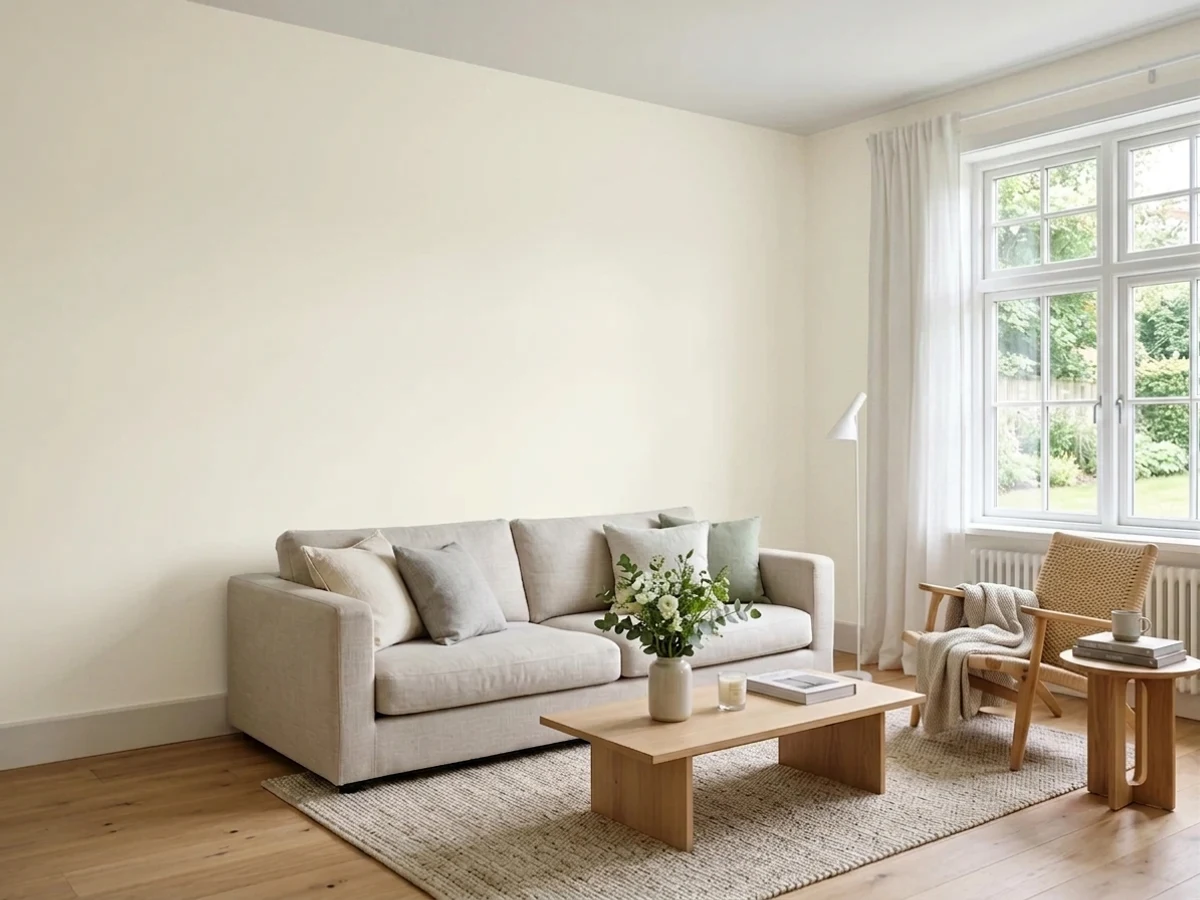
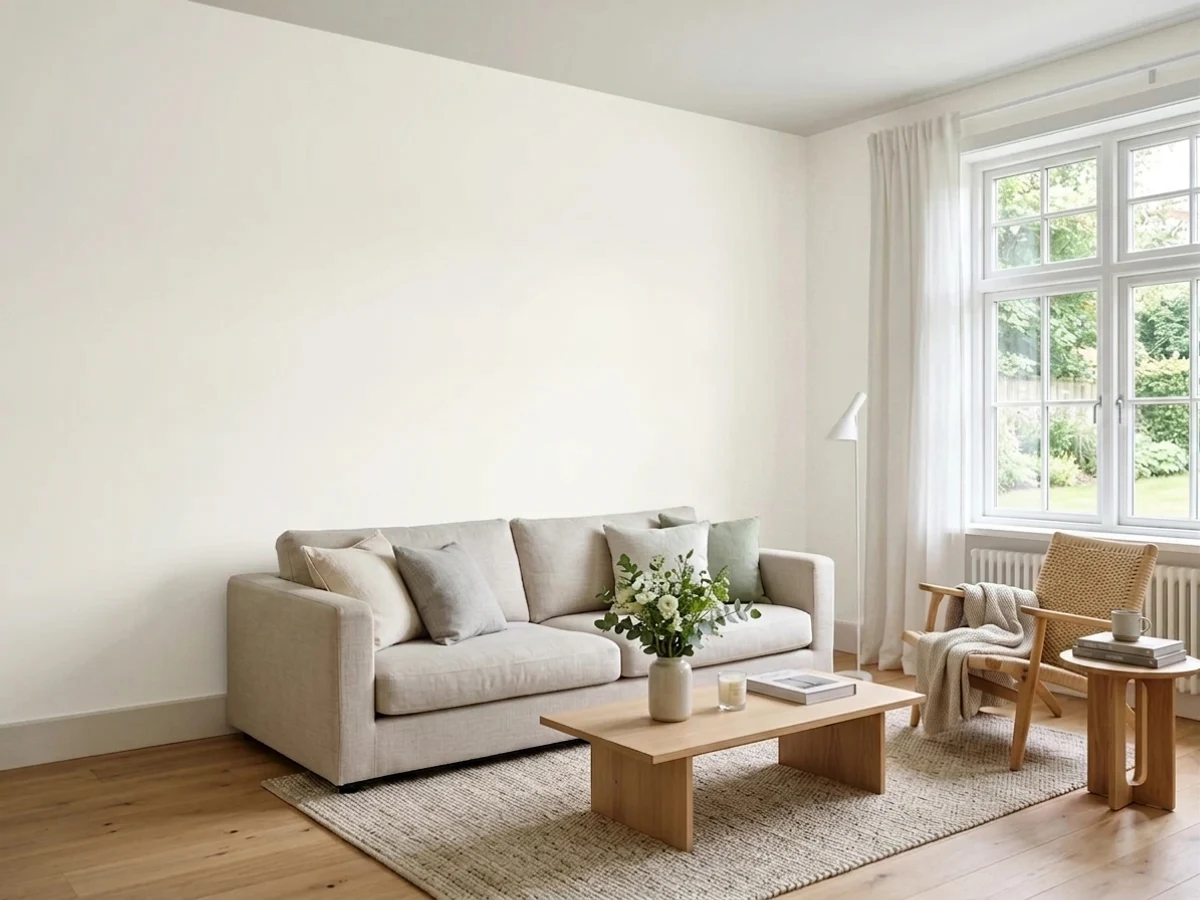
White Trim Paint Colors
2,064 white colors that work in trims, drawn from the full ~30,000-color US paint deck. Below: editor's picks specific to trims, then 30 picks spread across the LRV range — narrow further on the brand page when you've shortlisted.
White is the hardest color to specify well. The right white shifts under daylight, north-facing rooms, and warm-LED bulbs — and most "whites" actually have a strong undertone (yellow, pink, green, or blue) that only shows up once it's on the wall. Below: the warm whites and cool whites we recommend most often, organized so you can compare them at a glance.
Editor's Picks: White for Trims
4 picks30 White Picks Across the LRV Range
30 of 2,064 · sorted dark → lightLooking for more? All white → covers every brand; brand × family pages show full decks.
White Trim Colors at Every US Brand
20 brands · up to 10 picks eachUp to 10 picks per brand spread across the white LRV range, drawn from each brand's full deck. Tap any swatch with a curated guide for full spec; tap the brand title for the brand's complete white deck.
Behr
Benjamin Moore
Dunn-Edwards
Glidden
PPG / Glidden
Valspar
Diamond Vogel
Kompozit
Hirshfield's
Sherwin-Williams
Dutch Boy
C2 Paint
Rodda
Farrow & Ball
Magnolia Home
Clare
Portola Paints
Backdrop
Rust-Oleum
Other Trim Color Families
White Colors in Other Rooms
White Paint Colors for a Trim
White on trim is the quiet workhorse of a paint job. It frames your windows, doors, and baseboards, and it sets the line where your wall color stops and your room begins. Trim takes more bumps, scuffs, and fingerprints than almost any other surface in the house, so the white you pick has to look clean and also hold up to real life.
The good news is that white trim is forgiving and almost always works. The catch is that "white" covers a huge range, from bright paper-white to soft warm cream, and the wrong one can make your walls look dingy or your trim look gray. This page walks through how to pick the right white for trim, the right sheen, and how to pair it with your walls, ceiling, and hardware. Every white shown here is mixed to order at the store, so you can match the exact shade across brands.
Why White Works So Well on Trim
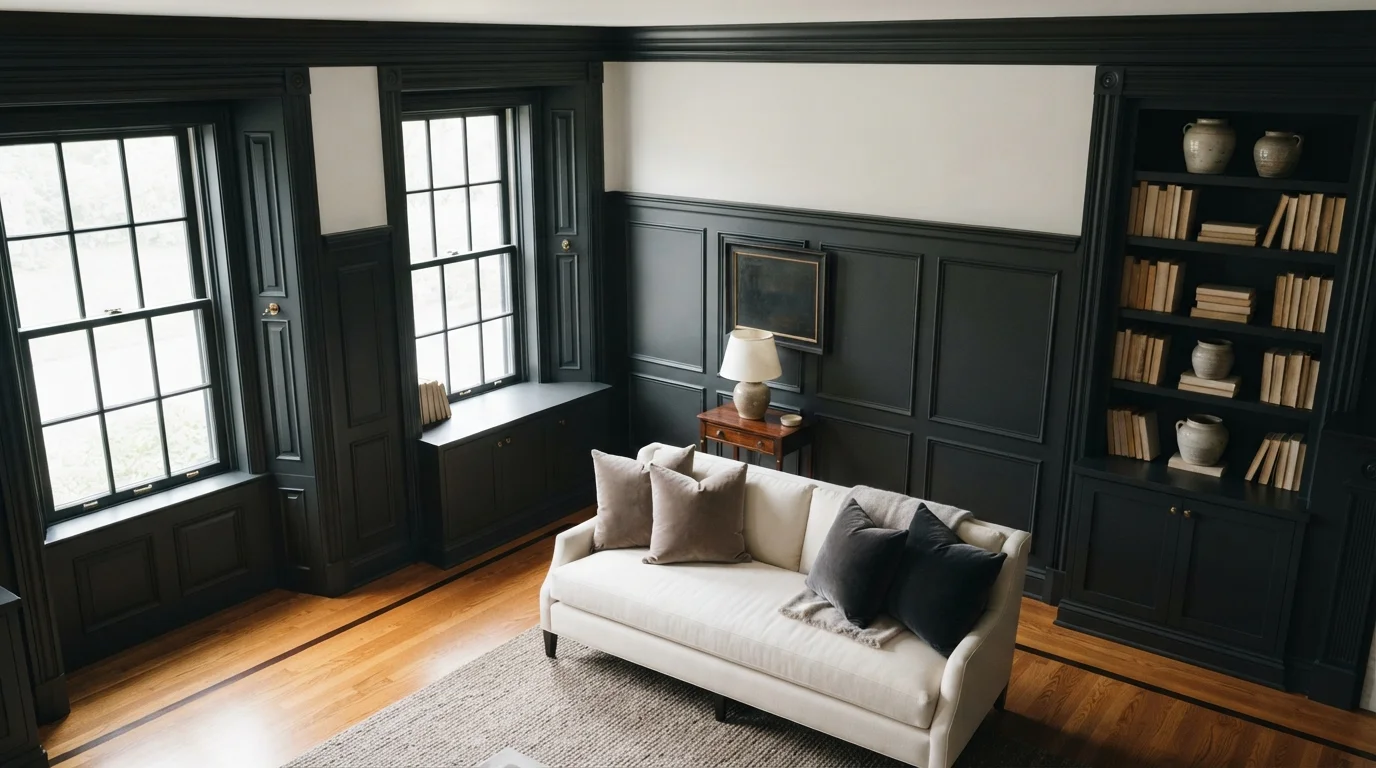
Trim is meant to be a frame, not the main event. White does that job better than any other color because it gives your eye a clean edge between the wall and the woodwork, which makes rooms feel finished and a little taller. It also reflects light back into the room, so dark hallways and small rooms feel brighter without changing the wall color at all.
The one thing to watch is undertone. A true bright white next to a warm or creamy wall can read cold and bluish, while a soft white next to a crisp gray wall can look dirty. Trim white should agree with the wall, not fight it.
The Right Depth of White for Trim
For trim, most people want a white that is bright and clean but not stark. In paint terms, look at the LRV (light reflectance value), which runs from 0 (black) to 100 (pure white). Trim whites usually land in the high 80s to mid 90s, bright enough to pop against the wall but not so blinding that every fingerprint shows.
Let the room's light steer how warm or cool you go. North-facing rooms and rooms with cool LED bulbs make white look bluer, so a slightly warm white keeps it from going icy. South- and west-facing rooms with strong warm sun can handle a cleaner, cooler white without it ever feeling cold.
Picking the Right Sheen for Trim
Trim is the one place where a higher sheen earns its keep. Semi-gloss is the classic choice because it wipes clean, stands up to scuffs from shoes and furniture, and gives the woodwork a crisp, defined edge. Satin is a softer step down if you want less shine and a more modern, low-key look.
Skip flat and matte on trim. They mark up fast, they are hard to clean, and they make the woodwork blend into the wall instead of framing it. The slight glare from semi-gloss is exactly what tells your eye "this is the trim."
Pairing White Trim With Walls, Ceiling, and Hardware
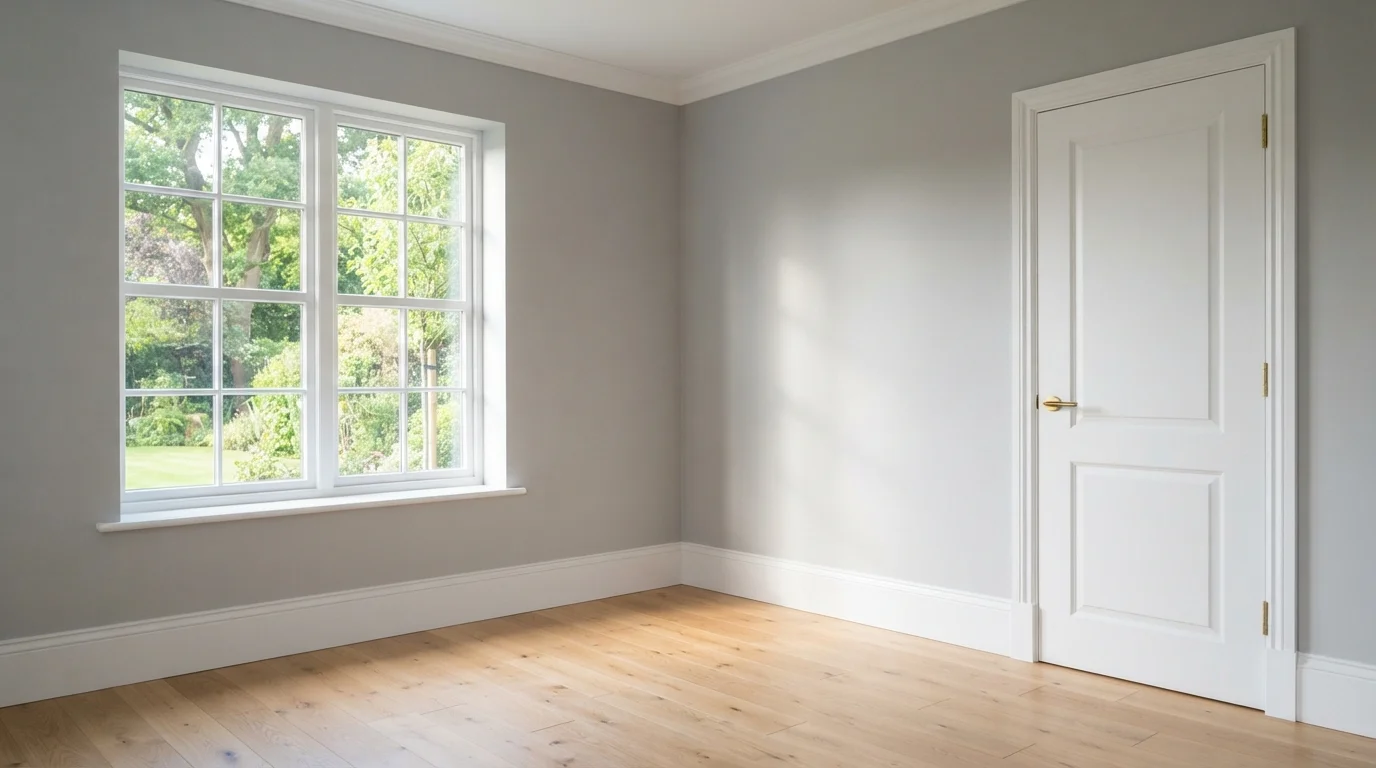
The simplest, most reliable move is to match your trim white to your ceiling white so the room reads as one clean envelope. If you want more contrast, keep the trim a touch brighter and cleaner than the wall color and let the wall do the talking. With colored walls, a warm white trim softens the whole room while a crisp white trim sharpens it.
Hardware and fixtures matter too. Warm whites sit beautifully next to brass, brushed gold, and wood tones, while cooler whites pair cleanly with chrome, nickel, and matte black. Pick the trim white that flatters the metals you already have rather than the other way around.
Common Mistakes With White Trim
The biggest mistake is ignoring undertone and grabbing whatever white is on hand. A leftover ceiling white or a builder white can clash badly with new wall color and make the trim look gray or yellow. Always hold a sample against the actual wall color and the actual light in the room before you commit.
The second mistake is using a flat or wall-grade paint on trim, which scuffs and yellows over time. The third is assuming all whites are interchangeable between brands. They are not, but any white you like can be color-matched and mixed to order at the store, so you can keep one exact trim white even if your wall paint comes from a different brand.
White Trim Paint — Frequently Asked Questions
what is the best white for trim?+
A bright, clean white in the high 80s to mid 90s LRV is the safe choice for most homes. Go slightly warm if your light is cool or north-facing, and a touch cooler if you have strong warm sun. The most important step is to test it against your actual wall color and room light, since the wall's undertone changes how the trim reads.
should trim be a different white than the walls?+
Usually yes, at least slightly. Keeping the trim a bit brighter and cleaner than the wall gives the room a crisp frame and makes the wall color stand out. If your walls are also white, you can match trim and wall and just change the sheen so the trim still reads as separate.
what sheen should I use on white trim?+
Semi-gloss is the classic trim sheen because it wipes clean and holds up to scuffs and bumps. Satin is a good lower-shine alternative if you want a softer, more modern look. Avoid flat and matte on trim, since they mark easily and make the woodwork blend into the wall.
does white trim look good with warm or cool wall colors?+
Both, as long as the undertones agree. A warm white trim softens warm and earthy walls and pairs nicely with brass and wood. A cooler, crisper white trim sharpens cool grays and blues and works with chrome, nickel, and black hardware.
why does my white trim look dingy or gray?+
It is almost always an undertone clash with the wall color or the light. A cool white can look gray next to a warm wall, and a warm white can look yellow next to a cool wall. Try a slightly different white and view it in the room at different times of day before repainting everything.
can I match the same white trim across different paint brands?+
Yes. Every white shown here is mixed to order at the paint store, and a shade you like can be color-matched between brands. That means you can keep one exact trim white even if your wall paint or your store happens to be a different brand.