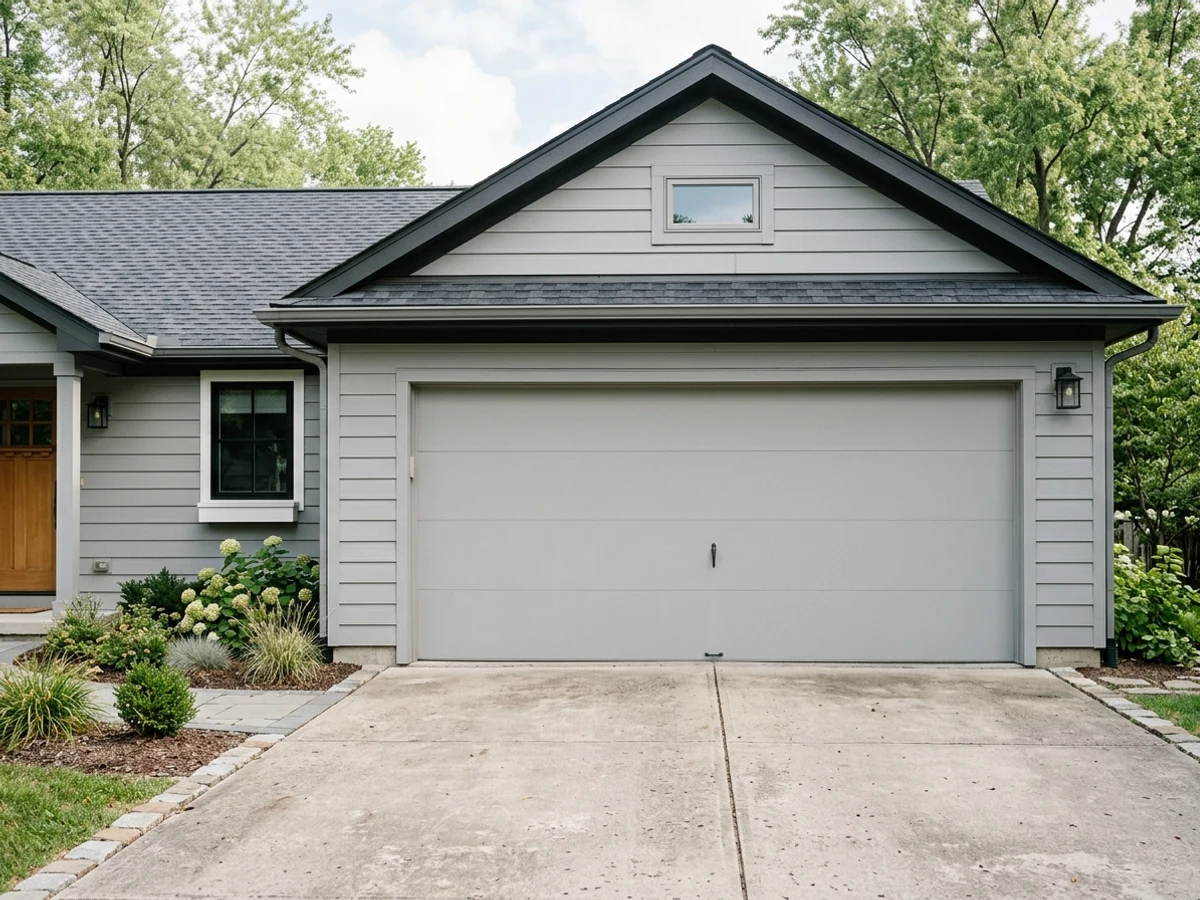
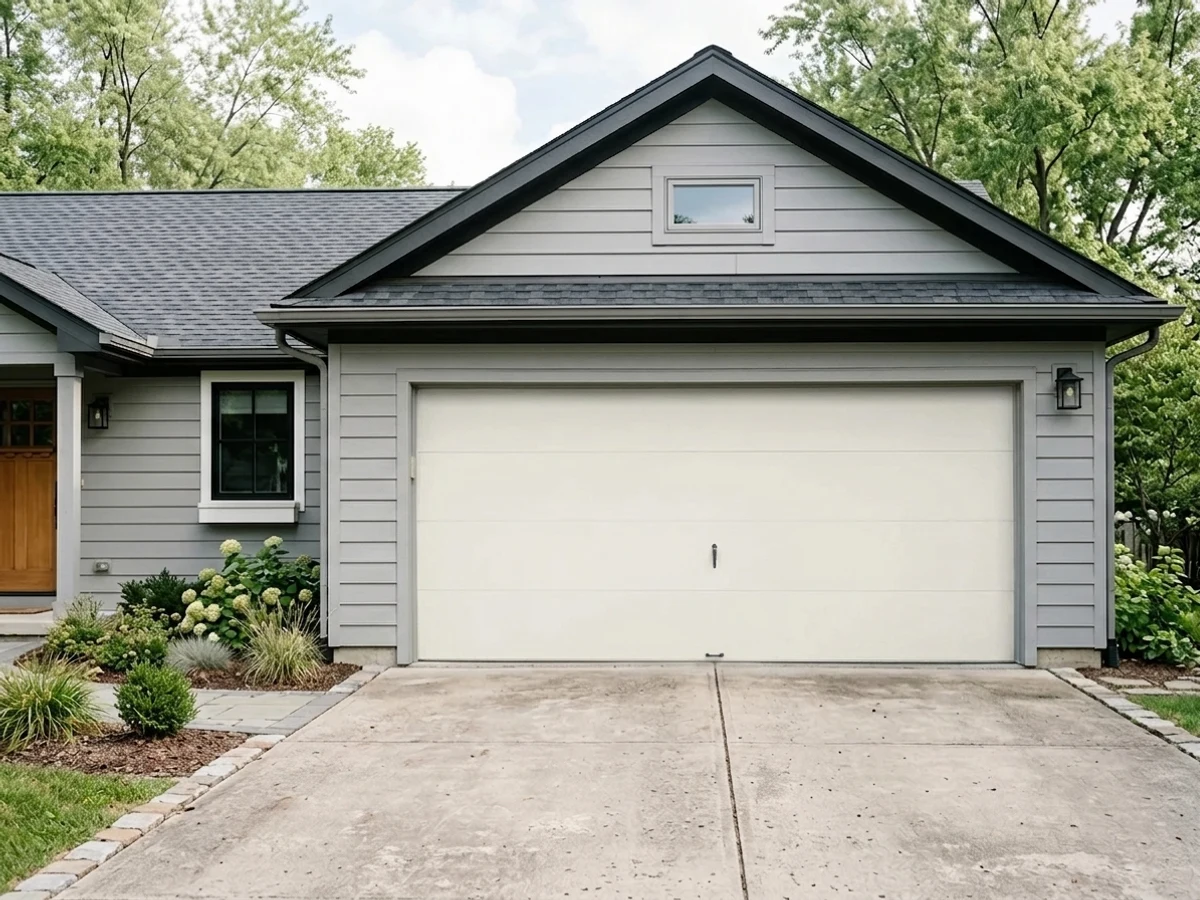
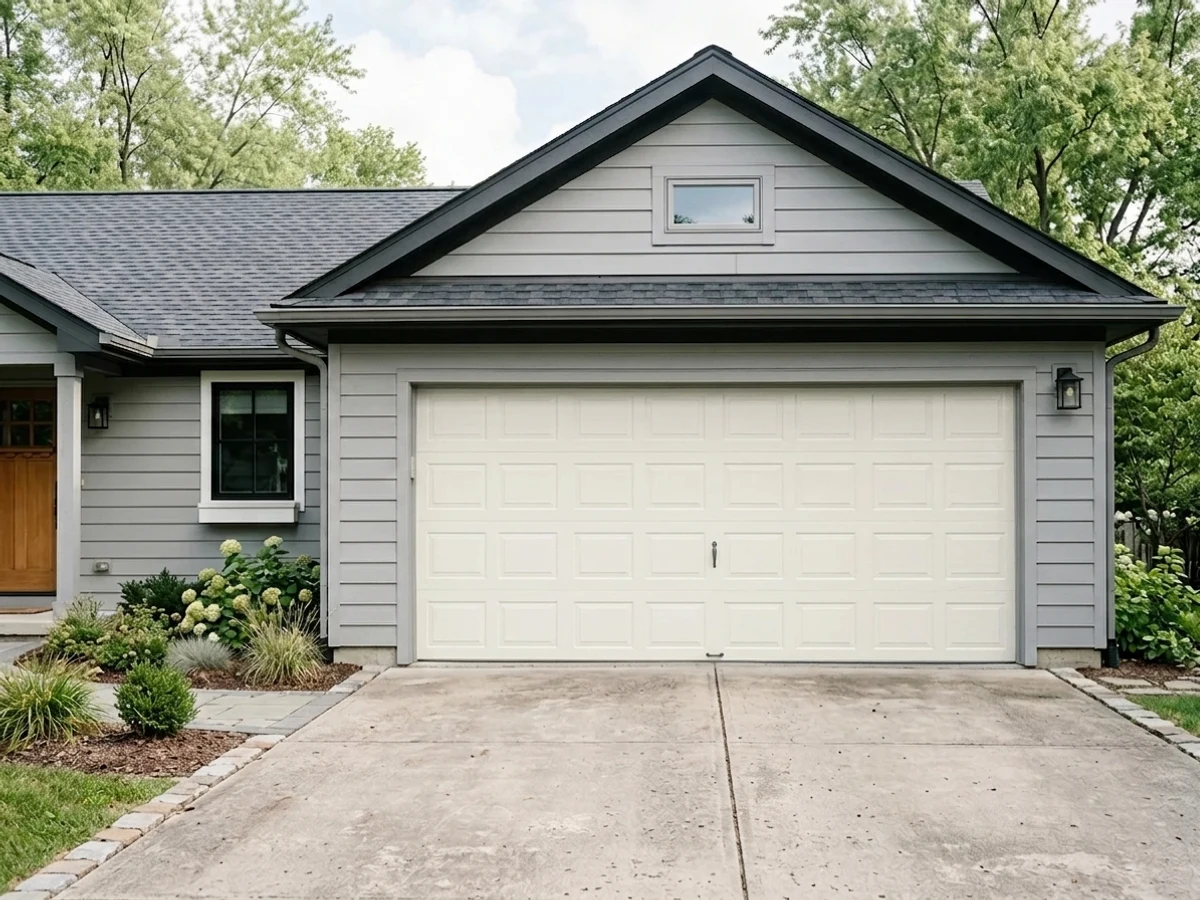
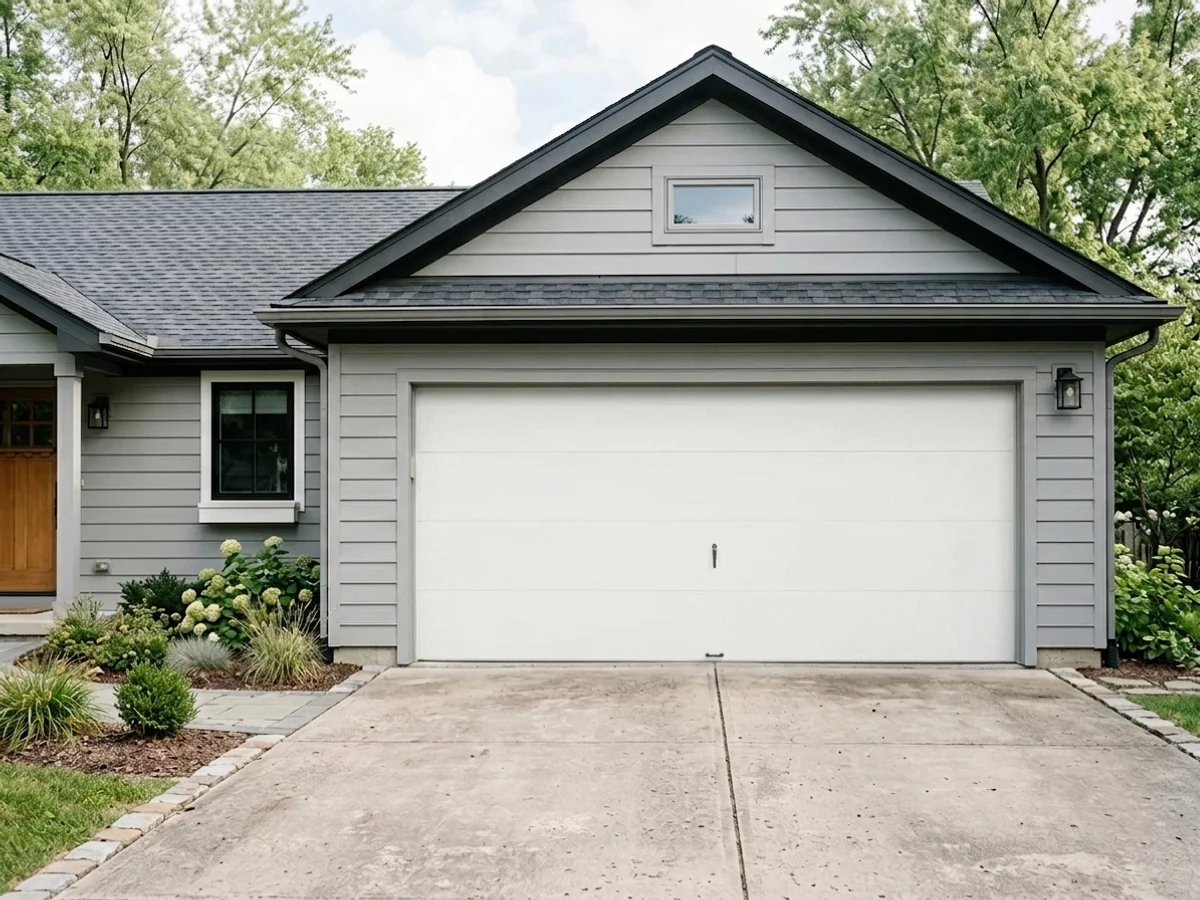
White Garage Door Paint Colors
2,064 white colors that work in garage doors, drawn from the full ~30,000-color US paint deck. Below: editor's picks specific to garage doors, then 30 picks spread across the LRV range — narrow further on the brand page when you've shortlisted.
White is the hardest color to specify well. The right white shifts under daylight, north-facing rooms, and warm-LED bulbs — and most "whites" actually have a strong undertone (yellow, pink, green, or blue) that only shows up once it's on the wall. Below: the warm whites and cool whites we recommend most often, organized so you can compare them at a glance.
Editor's Picks: White for Garage Doors
4 picks30 White Picks Across the LRV Range
30 of 2,064 · sorted dark → lightLooking for more? All white → covers every brand; brand × family pages show full decks.
White Garage Door Colors at Every US Brand
20 brands · up to 10 picks eachUp to 10 picks per brand spread across the white LRV range, drawn from each brand's full deck. Tap any swatch with a curated guide for full spec; tap the brand title for the brand's complete white deck.
Behr
Benjamin Moore
Dunn-Edwards
Glidden
PPG / Glidden
Valspar
Diamond Vogel
Kompozit
Hirshfield's
Sherwin-Williams
Dutch Boy
C2 Paint
Rodda
Farrow & Ball
Magnolia Home
Clare
Portola Paints
Backdrop
Rust-Oleum
Other Garage Door Color Families
White Colors in Other Rooms
White Paint Colors for a Garage Door
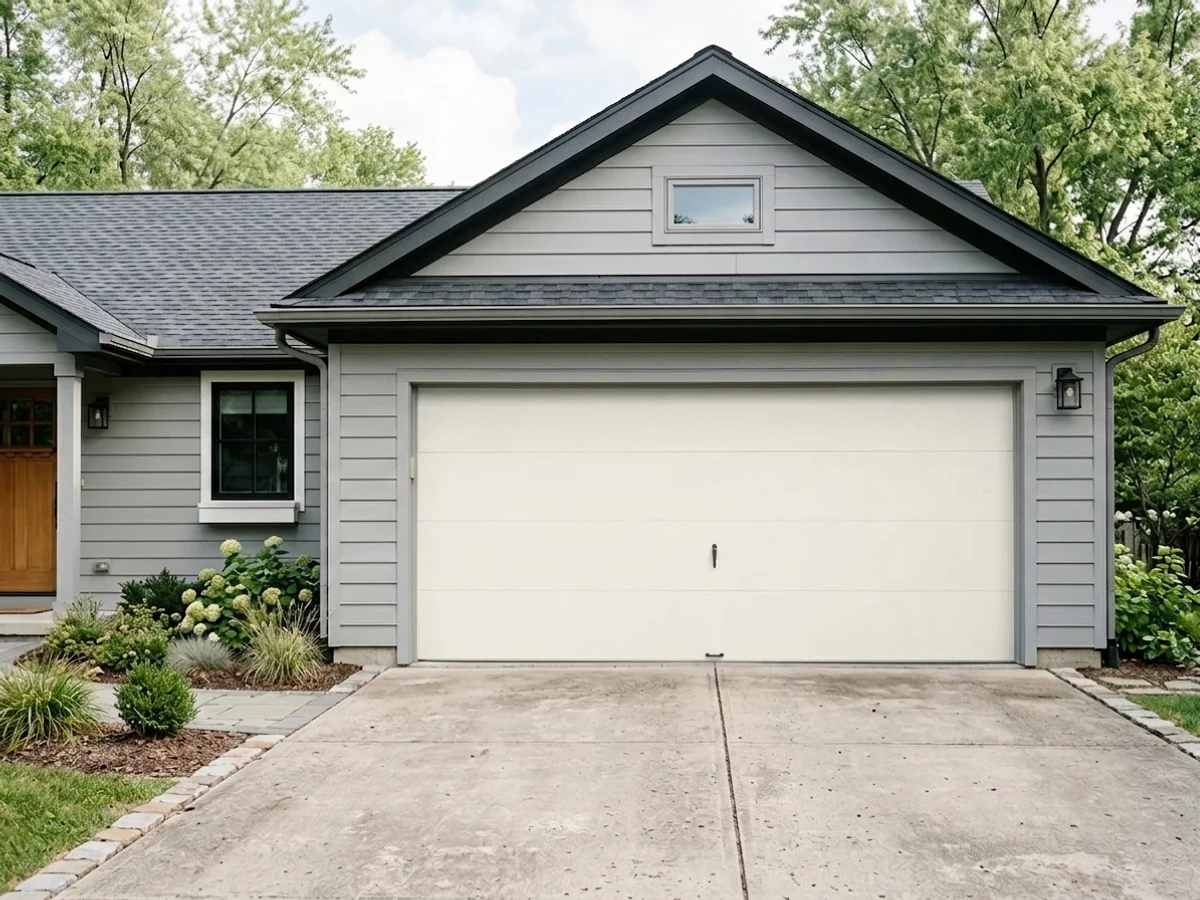
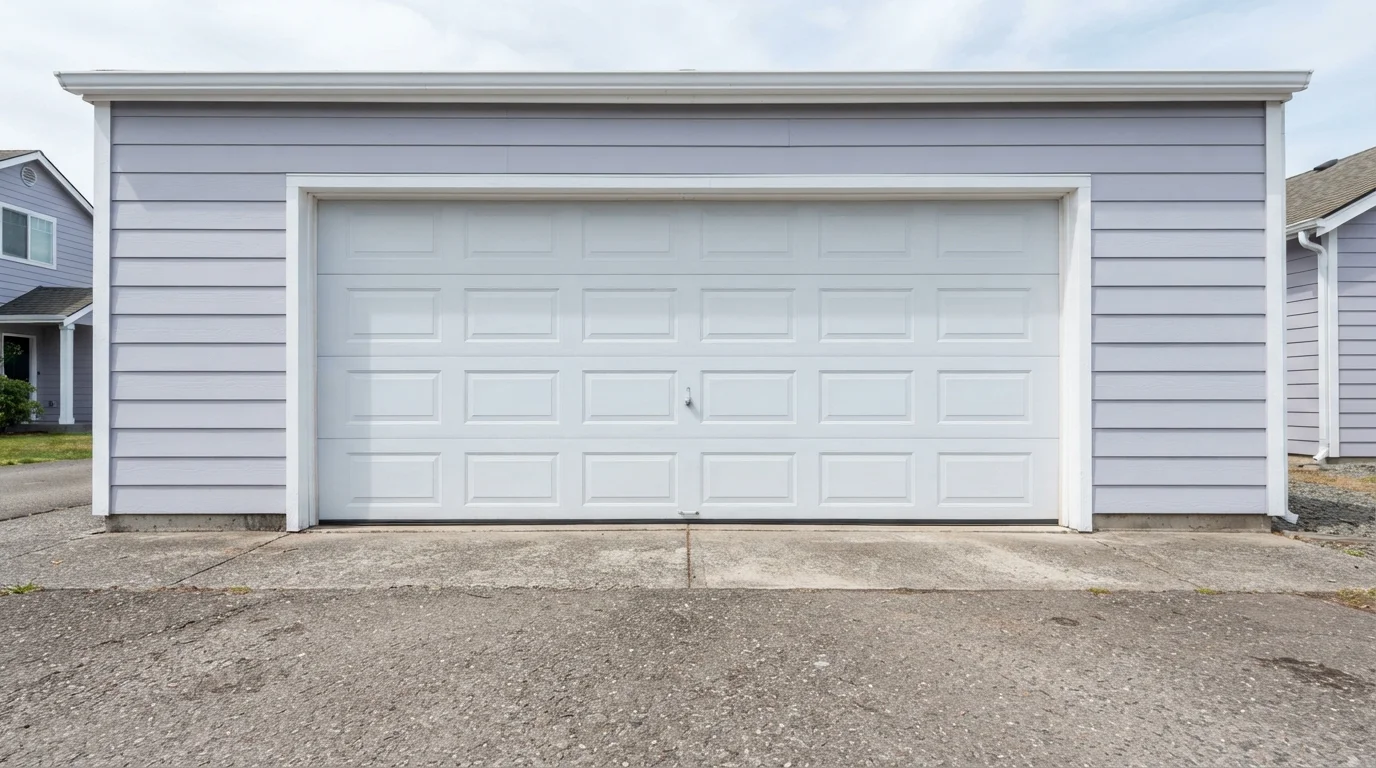
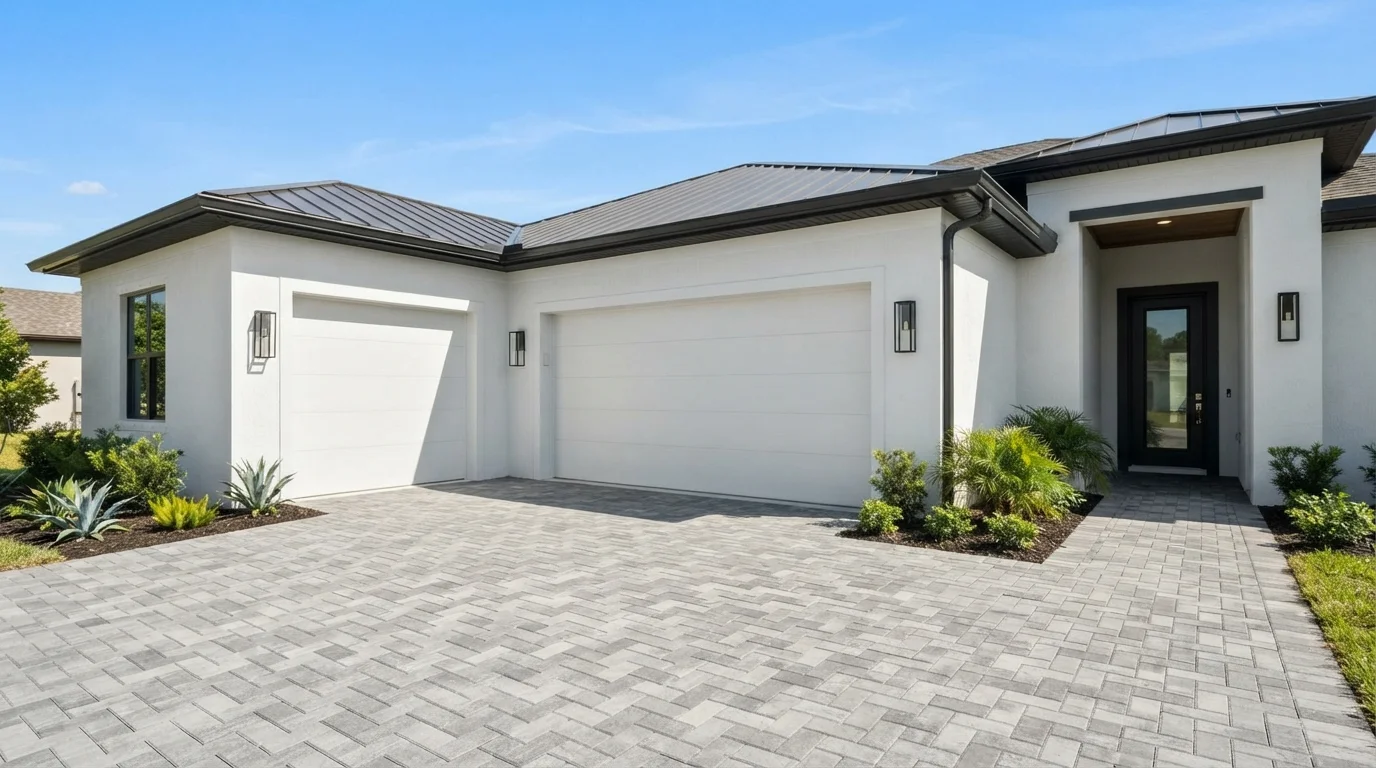
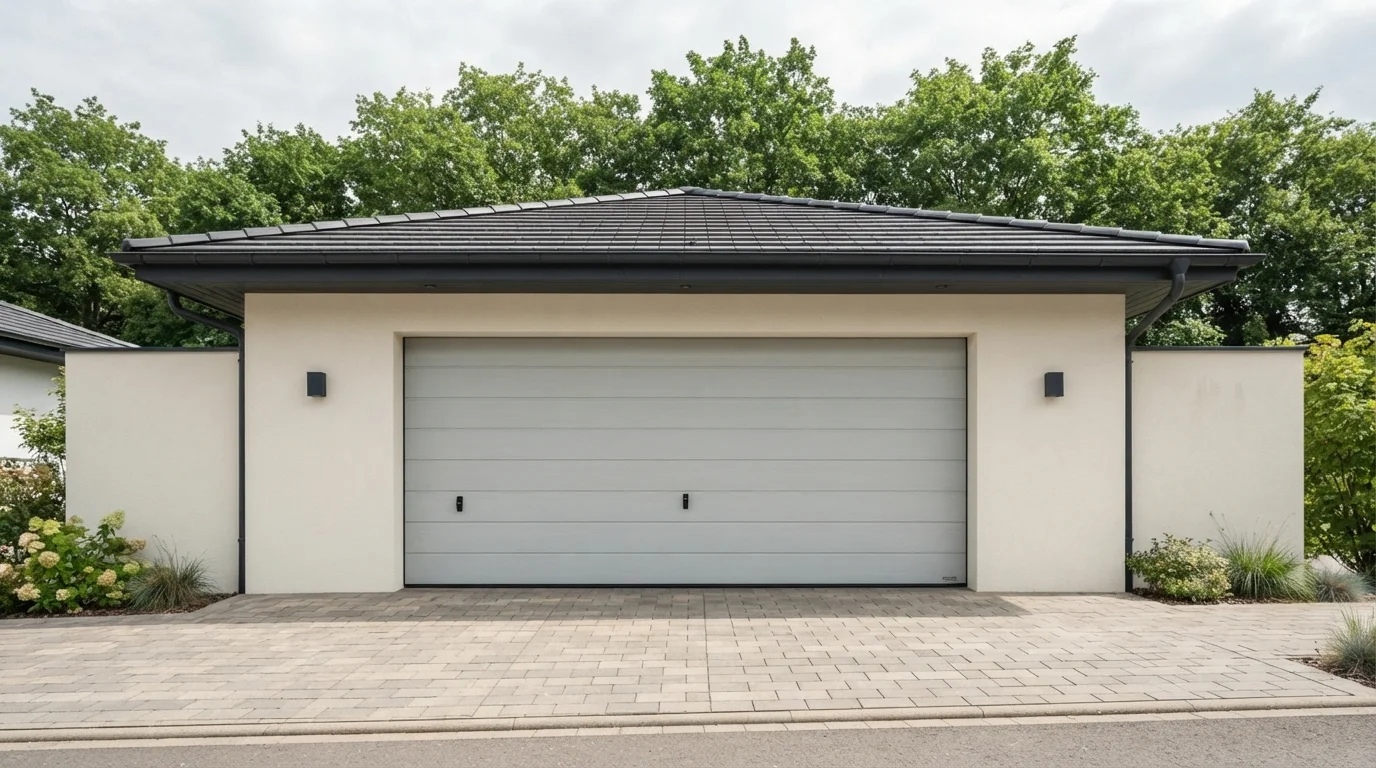
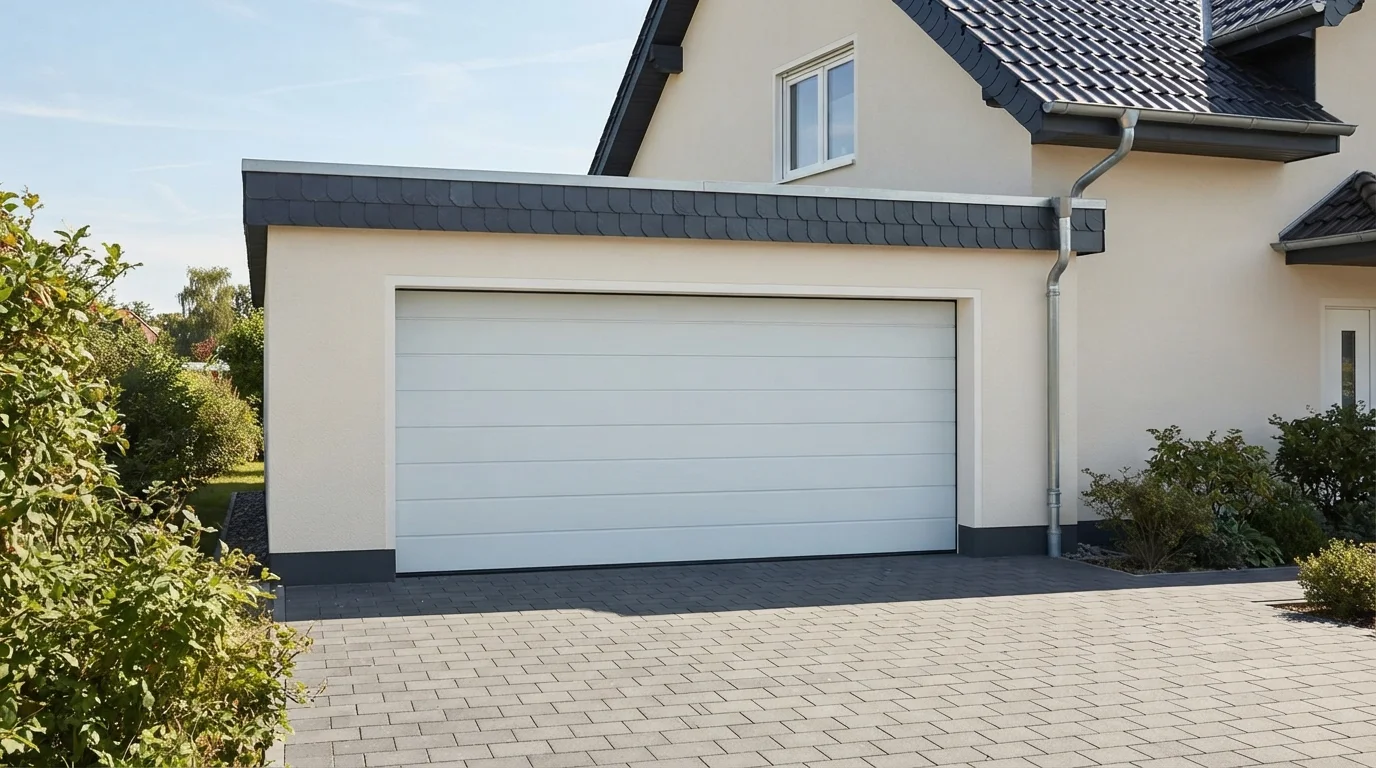
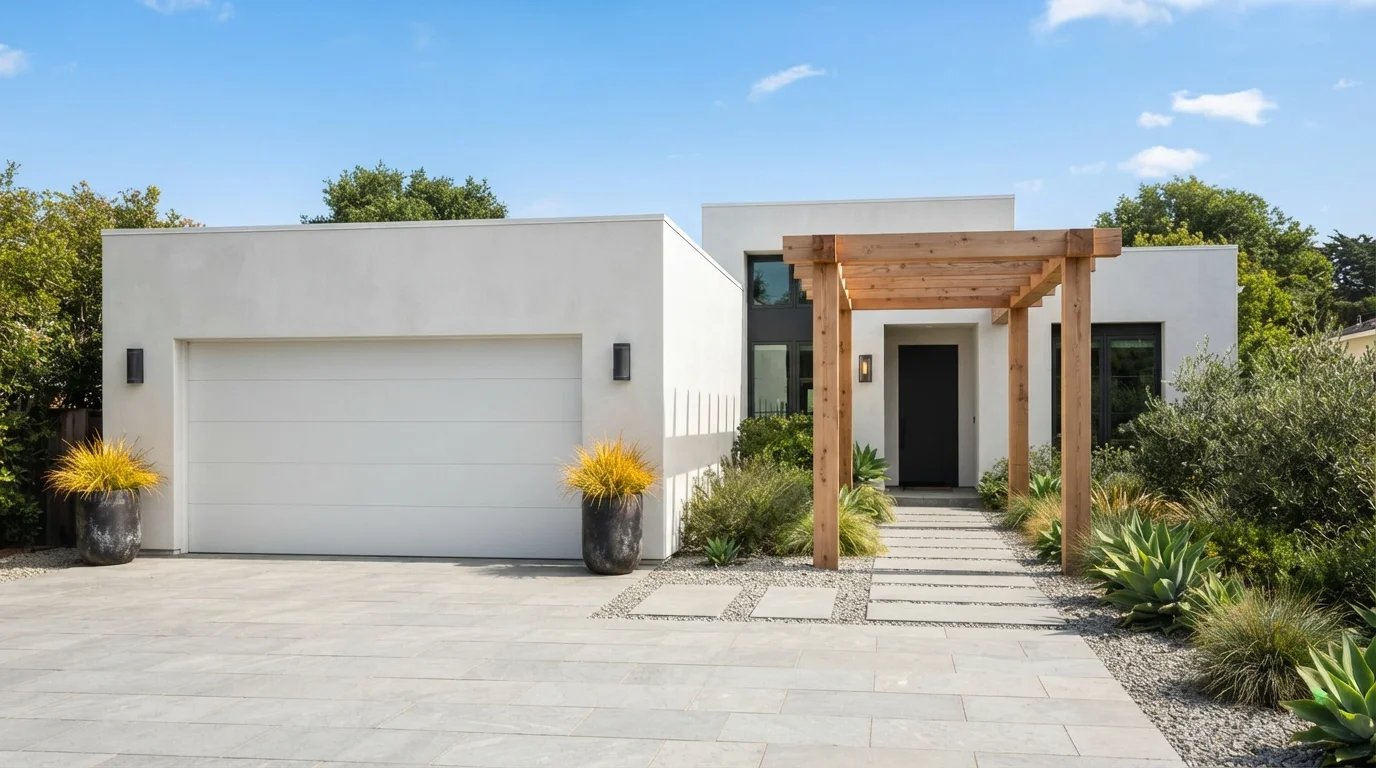
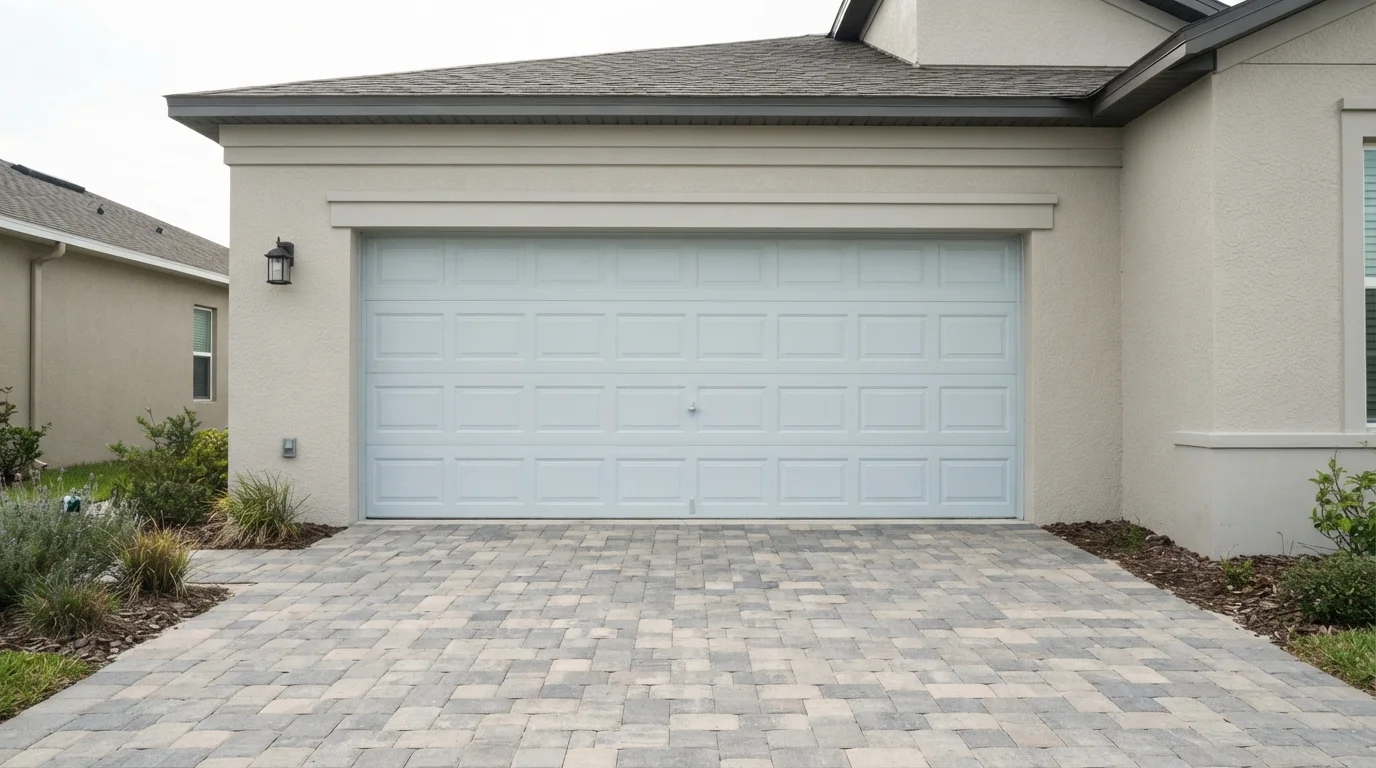
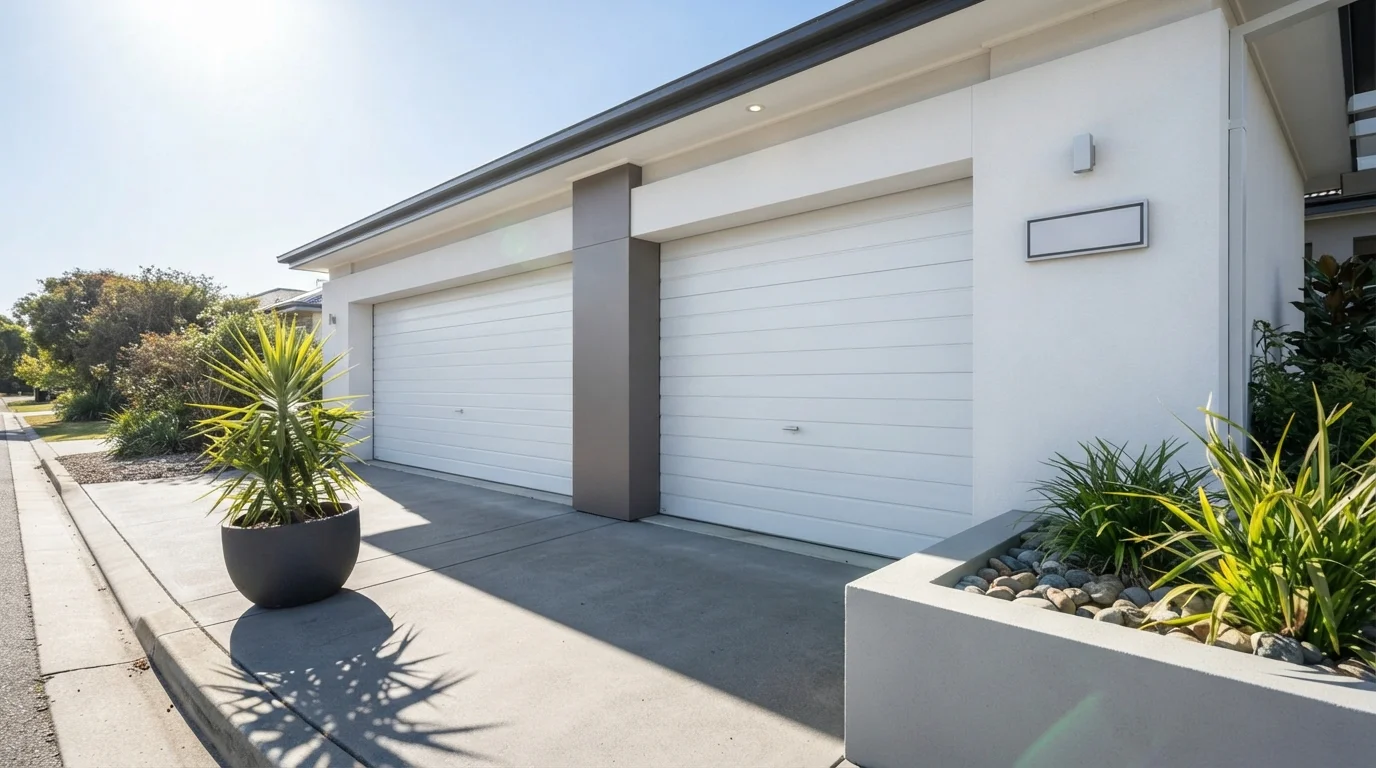
A white garage door is one of the highest-stakes white surfaces on a house. It sits in full view from the street, takes direct sun for hours, and reflects every speck of dirt and every brush mark back at you. White makes the door look clean and crisp and helps a home feel bigger and brighter from the curb, but the exact white you choose has to survive weather, hide dust, and still look right next to your siding and trim.
This page is about choosing white specifically for a garage door, not white in general. The shade, the depth, and the sheen all matter more here than they would on an interior wall. Below we cover which whites hold up outside, how your light and surroundings steer the pick, the finish that actually lasts, and the mistakes that make a fresh white door look tired fast. Every white shown here is mixed to order at the store and can be cross-matched between brands, so you can match a door to trim you already love no matter who made the original.
Why White Works On A Garage Door
White reads as clean, classic, and intentional on a garage door, and it's the safest choice if you want the door to blend with white trim instead of becoming a giant focal point. A big door panel is the largest single color block on most front elevations, so a calm white keeps it from fighting the rest of the house. It also bounces light, which makes a driveway and entry feel brighter and more welcoming.
The thing to watch is that white shows everything. Road dust, pollen, water streaks, and tire grit all stand out against a bright door, and full sun magnifies any flaw in the surface or the paint job. White on a garage door is worth it, but only if you pick a tougher exterior shade and a finish built to be wiped down.
The Right Depth Of White For This Spot
For a garage door facing weather and sun, a soft or warm white usually beats a stark bright white. A white with a touch of warmth or a hint of gray hides dust and water spots far better and won't glare painfully when the afternoon sun hits it head on. Pure brilliant whites can look harsh and clinical outdoors and tend to show grime the fastest.
Let light steer the depth using LRV, the number that says how much light a color reflects. A door in strong, direct sun does well with an LRV in the low-to-mid 80s so it doesn't blind you or wash out; a north-facing or shaded door can take a brighter white in the high 80s to keep it from going dull and gray. Pull the door's white slightly softer than your trim if you want them to relate without looking like a mismatch.
The Finish That Holds Up Outside
Skip flat on a garage door. You want a satin or low-gloss exterior finish because it sheds water, resists dirt, and wipes clean when road spray and handprints land on it. Flat and matte soak up grime and can't be scrubbed without leaving marks, which is the opposite of what a door this exposed needs.
Don't jump all the way to high gloss either. A very shiny door throws hard glare in direct sun and broadcasts every dent, dimple, and panel seam. Satin is the sweet spot: enough sheen to clean and protect, not so much that it spotlights the door's texture or blinds the neighbors.
Pairing White With Trim, Siding, And Hardware
The easiest, most timeless look is matching the door white to the house trim or pulling it one shade softer, so the door reads as part of the trim family rather than an afterthought. Against darker siding a clean white door pops crisply; against light or white siding, give the door a slightly different white or add contrast through the surrounding trim so it doesn't disappear into one flat block.
Hardware and accents change the read of the white. Black handles, hinges, or carriage-style straps look sharp and modern against a warm white, while oil-rubbed bronze or brushed fixtures lean traditional. Tie the door white loosely to your front door and shutters too, so the whole front of the house feels planned instead of pieced together.
Common Mistakes With A White Garage Door
The biggest mistake is reaching for the brightest, whitest white you can find. It looks great on the lid of the can and harsh on the actual door, and it shows dirt within weeks. The second mistake is using an interior or flat paint outside, which fades, chalks, and stains because it was never built for sun and rain.
People also forget to test the white on the real door before committing. A white that looks perfect on a sample card can turn cold, blue, or gray once it's a large panel in your specific light. Brush a sample on the door, look at it morning and late afternoon, and check it next to your trim before you paint the whole thing. Remember any white you like can be color-matched to the brand and product you actually want, so you're never locked into one company's version.
White Garage Door Paint — Frequently Asked Questions
What is the best shade of white for a garage door?+
A soft or warm white usually wins on a garage door because it hides dust and water spots and won't glare in direct sun. Save the starkest bright whites for shaded, north-facing doors where a little extra brightness helps. Match or slightly soften your trim white so the door looks intentional.
What sheen should I use on a white garage door?+
Satin or low-gloss exterior paint is the right call. It sheds water, resists dirt, and wipes clean, while flat soaks up grime and high gloss throws glare and shows every dent. Satin gives you durability without spotlighting the door's texture.
Will a white garage door show dirt?+
Yes, white shows road dust, pollen, and water streaks more than darker colors, which is exactly why the shade and finish matter. A slightly warm or greige-leaning white in a wipeable satin finish hides grime far better and cleans up with a quick wash. A plain hose-down a few times a season usually keeps it looking fresh.
What LRV should a white garage door have?+
LRV measures how much light a color reflects. For a door in strong direct sun, a white in the low-to-mid 80s avoids harsh glare and washout; a shaded or north-facing door can take a brighter white in the high 80s so it doesn't go dull. Let the door's actual light decide rather than picking the brightest option by default.
Should my garage door white match my trim?+
Matching the trim white or pulling the door one shade softer is the most timeless look, since it ties the door into the trim family instead of letting it stand out awkwardly. If your siding is also light, add contrast through surrounding trim or a slightly different white so the door doesn't vanish into one flat block. Tie it loosely to your front door and shutters for a planned look.
Can I match a white from another brand for my garage door?+
Yes. Every white shown here is mixed to order at the store, and any color can be cross-matched between brands. That means you can match a door to trim you already love or to a favorite white from a different company, then have it mixed in the exterior product and finish you actually want.