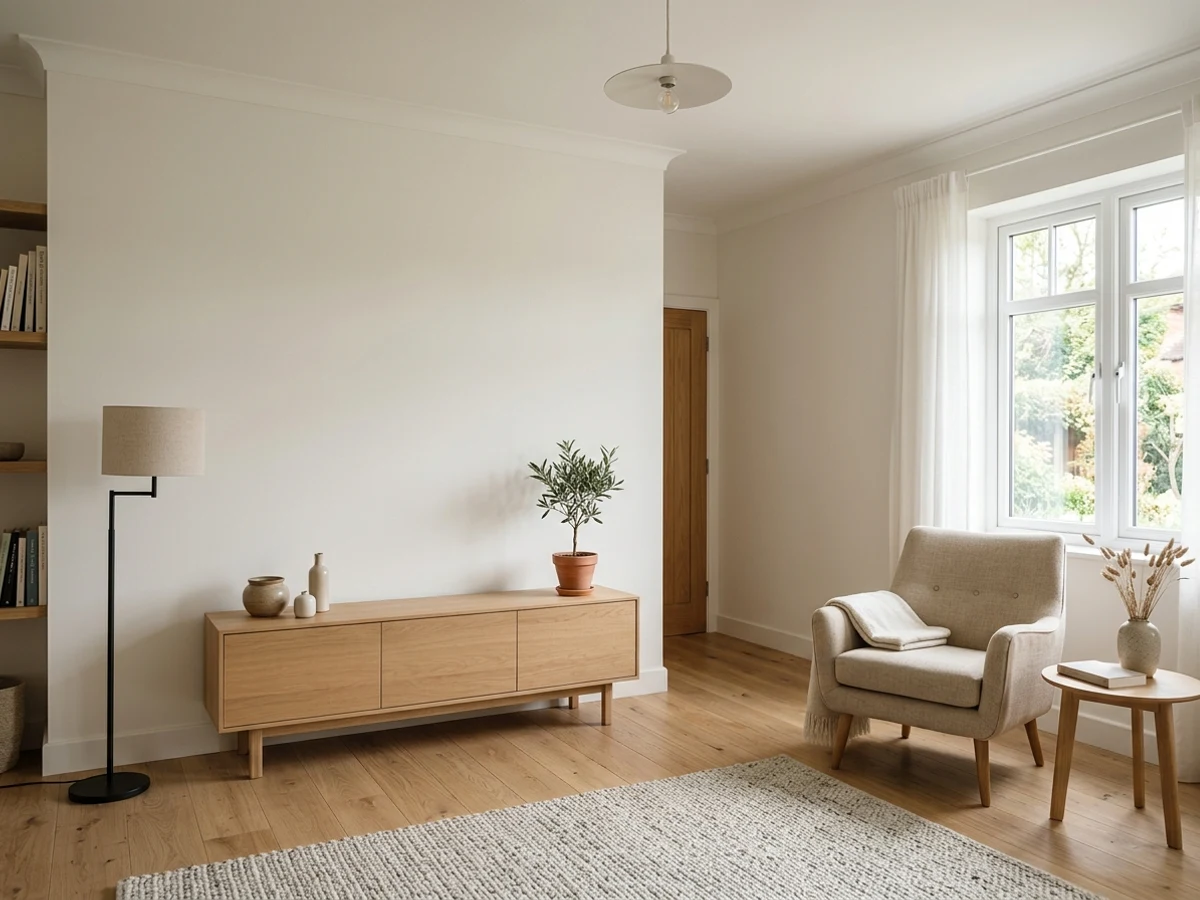
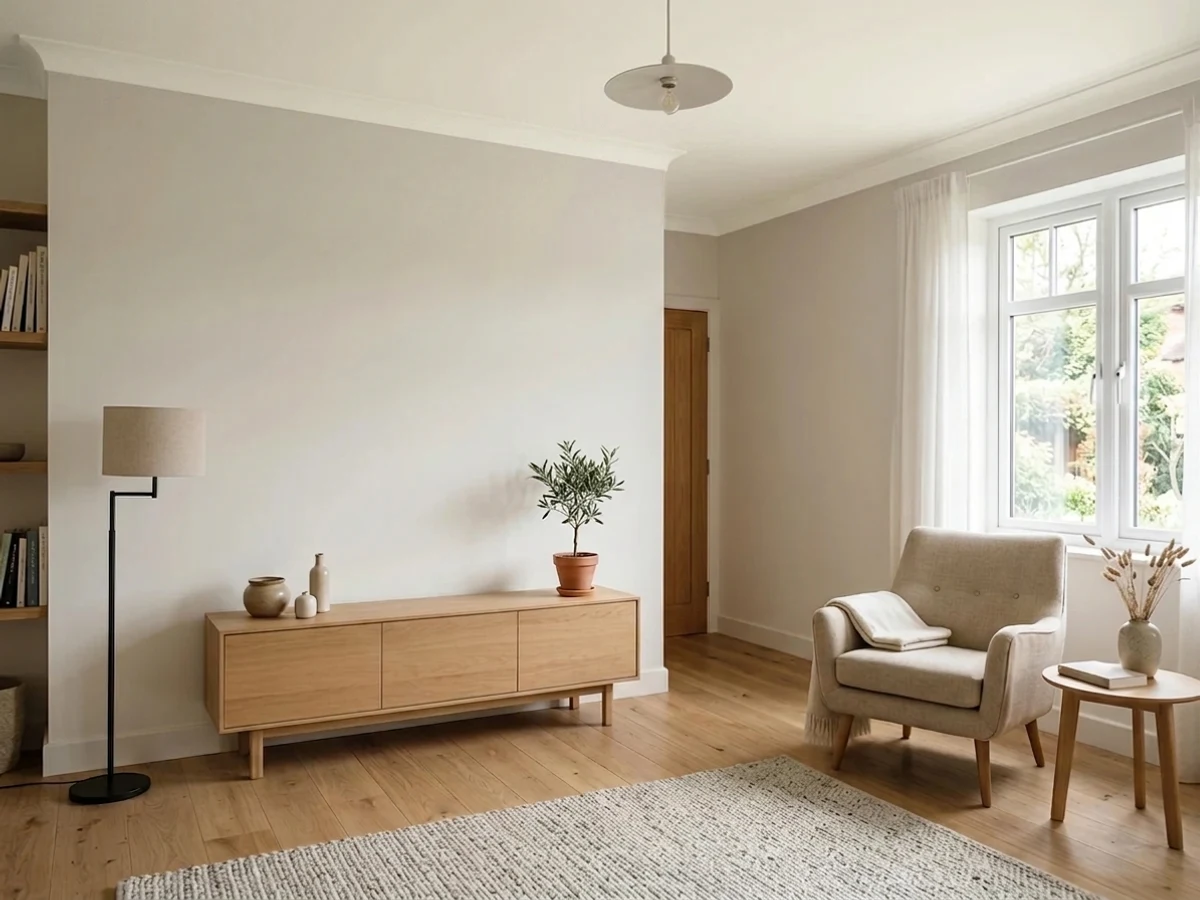
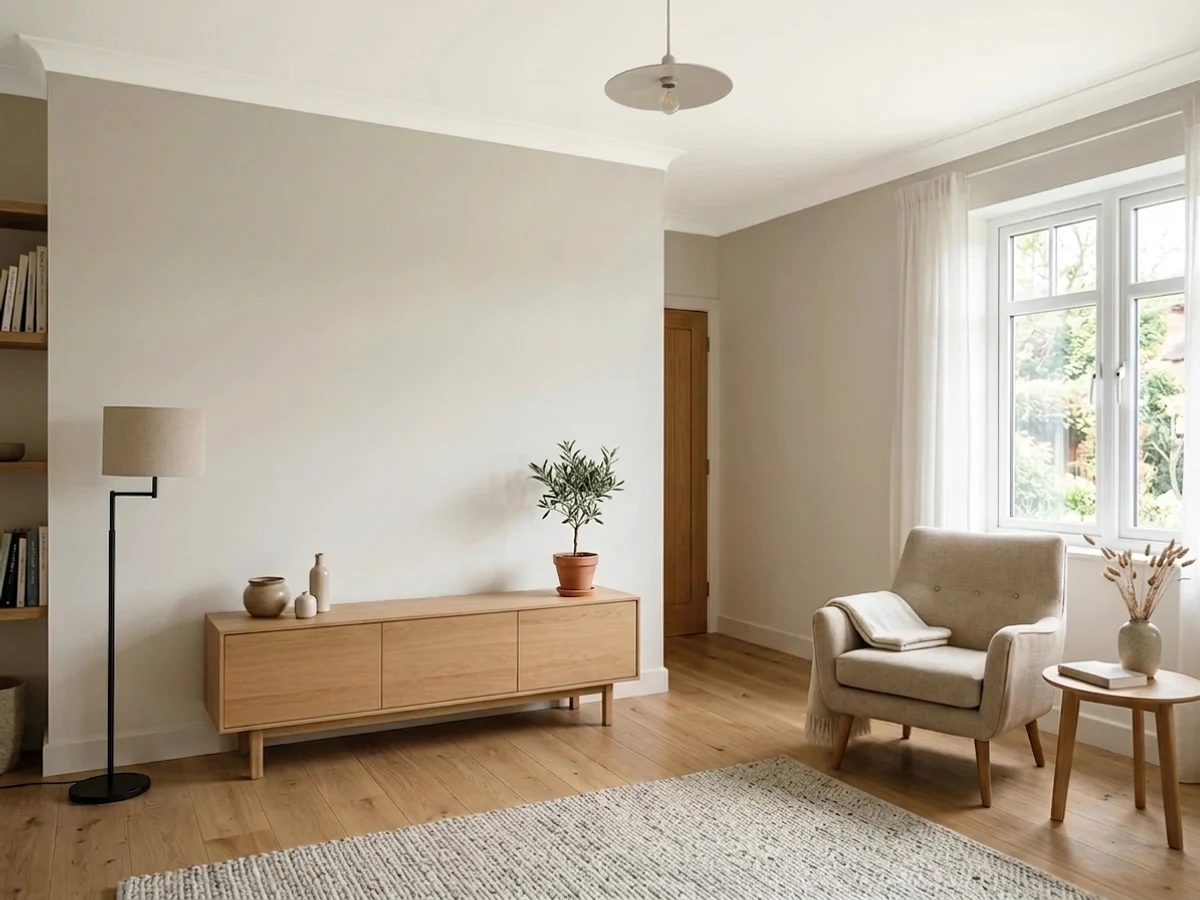
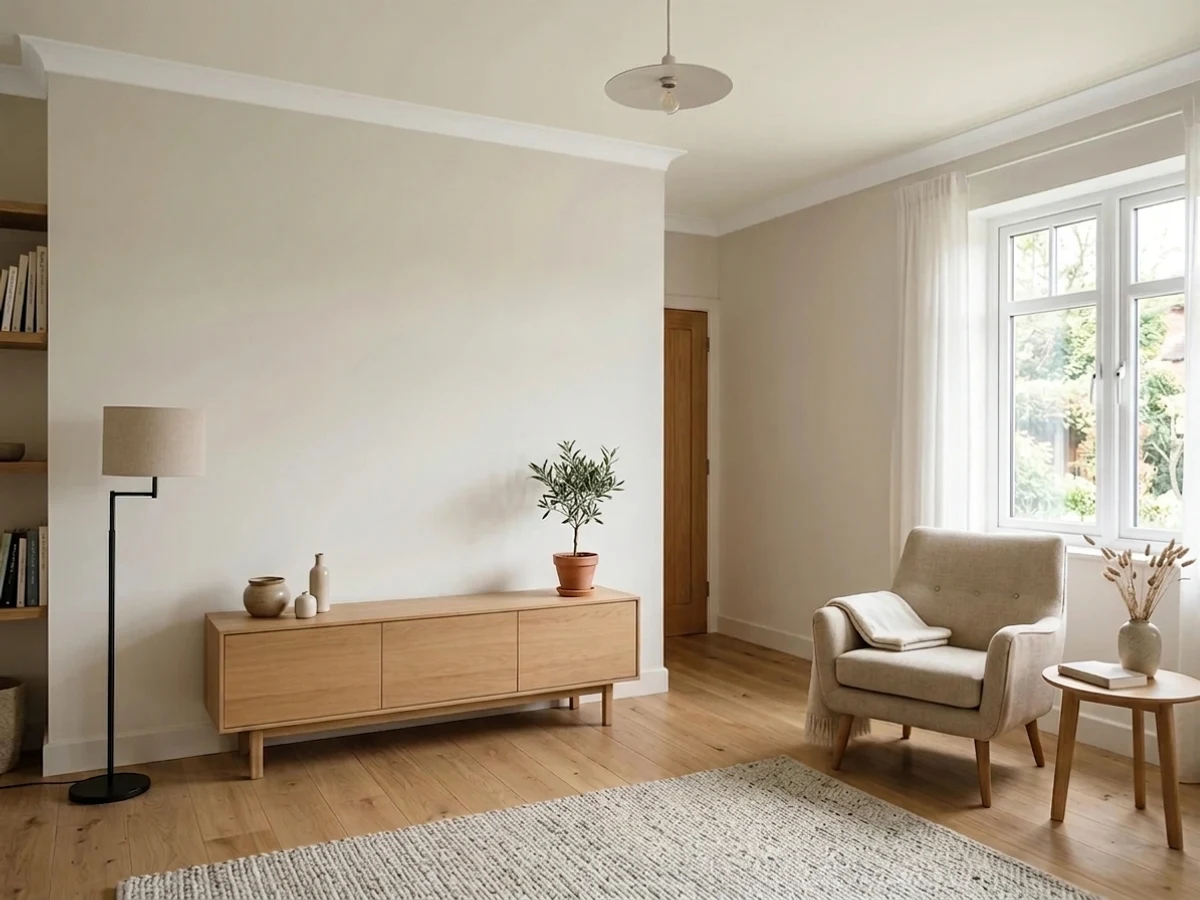
White Ceiling Paint Colors
2,064 white colors that work in ceilings, drawn from the full ~30,000-color US paint deck. Below: editor's picks specific to ceilings, then 30 picks spread across the LRV range — narrow further on the brand page when you've shortlisted.
White is the hardest color to specify well. The right white shifts under daylight, north-facing rooms, and warm-LED bulbs — and most "whites" actually have a strong undertone (yellow, pink, green, or blue) that only shows up once it's on the wall. Below: the warm whites and cool whites we recommend most often, organized so you can compare them at a glance.
Editor's Picks: White for Ceilings
4 picks30 White Picks Across the LRV Range
30 of 2,064 · sorted dark → lightLooking for more? All white → covers every brand; brand × family pages show full decks.
White Ceiling Colors at Every US Brand
20 brands · up to 10 picks eachUp to 10 picks per brand spread across the white LRV range, drawn from each brand's full deck. Tap any swatch with a curated guide for full spec; tap the brand title for the brand's complete white deck.
Behr
Benjamin Moore
Dunn-Edwards
Glidden
PPG / Glidden
Valspar
Diamond Vogel
Kompozit
Hirshfield's
Sherwin-Williams
Dutch Boy
C2 Paint
Rodda
Farrow & Ball
Magnolia Home
Clare
Portola Paints
Backdrop
Rust-Oleum
Other Ceiling Color Families
White Colors in Other Rooms
White Paint Colors for a Ceiling
White on a ceiling is the most common choice in any home, and for good reason. A ceiling rarely gets touched, it sits above your line of sight, and a clean white overhead reflects light back down so the whole room feels taller and brighter. But "white" hides a lot of choices, and the wrong one can read gray, dingy, or stark depending on how the light hits it all day.
This page is about white specifically for a ceiling, not white in general. The shade you want, the sheen you want, and the way it pairs with your walls and trim all change once you put the paint over your head. Every color shown here is mixed to order at the paint counter, so you can match the same white across brands or carry the exact shade you like from one product line to another.
Why White Just Works Overhead
A ceiling is the one surface in a room you almost never look at directly, so it should disappear and quietly do its job. White does that better than any other color because it bounces daylight and lamp light back down into the room instead of soaking it up. That extra reflected light makes the space feel bigger and the walls feel cleaner.
The catch is that ceilings sit in shadow. Walls block direct light from reaching the ceiling, so a white that looks bright on a sample card can look slightly gray once it is up there. That shadow effect is exactly why ceiling white tends to be chosen at the brightest, simplest end of the white range.
How Bright a White and Reading LRV
LRV (Light Reflectance Value) is a 0-to-100 scale of how much light a color reflects. For a ceiling, you usually want a high number, often in the 80s or 90s, because the ceiling already loses light to shadow and you want to win some of it back. A very bright white keeps the room from feeling closed in.
There is a balance, though. In a room flooded with sun, the brightest possible white overhead can throw glare and feel cold. In a darker room, or a room with low or sloped ceilings, lean toward the highest LRV you can get so the surface reads as clean and open instead of dull.
Let the Room's Light Steer the Undertone
Every white has a slight lean, warm (toward cream or yellow) or cool (toward blue or gray). The light in your room decides which way that lean shows up. North-facing rooms and rooms with cool LED bulbs make a cool white look icy and a touch gray on the ceiling, so a softer warm-leaning white often looks cleaner there.
South- and west-facing rooms get warm light, which can push a warm white toward yellow overhead. In those rooms a crisp, near-neutral white holds its color better. The simplest move is to paint a test patch on the actual ceiling and look at it morning, midday, and night before you commit.
The Right Sheen for a Ceiling
Flat or matte is the standard for a ceiling, and it is the right call almost every time. A flat finish hides drywall seams, roller marks, and small imperfections that shinier paints would highlight, and it kills glare so light spreads evenly instead of bouncing back as a hot spot. Since a ceiling rarely needs scrubbing, you give up very little by skipping a glossier finish.
Kitchens and bathrooms are the exception. Those ceilings deal with steam, grease, and moisture, so a slightly higher sheen or a paint built for damp rooms resists mildew and wipes down better. Even there, keep it on the low end of shiny so the surface does not glare under overhead lighting.
Pairing the Ceiling with Walls, Trim, and Fixtures
The classic look is a ceiling white that is a touch brighter and cooler than the walls, with trim that ties the two together. If your trim is a soft white, picking a ceiling white in the same family keeps the room from looking patchy where the wall meets the top edge. Matching the ceiling to the trim color is a clean, easy default.
Fixtures matter too. Warm brass or wood beams look best against a white with a little warmth, while chrome, nickel, and cool LED downlights pair with a crisper white. Because any white here is mixed to order, you can carry your exact trim white up onto the ceiling, or fine-tune a shade brighter, without hunting for a perfect off-the-shelf match across brands.
White Ceiling Paint — Frequently Asked Questions
Should the ceiling be the same white as the walls?+
Usually not exactly. Most people go a shade or two brighter on the ceiling than the walls so it reflects more light and feels higher. If you do want a seamless look, using the same white everywhere works fine, just keep the ceiling in flat sheen so it does not stand out.
What sheen is best for a ceiling?+
Flat or matte for almost every room. It hides imperfections and stops glare from your overhead lights. Use a slightly higher sheen or a moisture-rated paint only in bathrooms and kitchens, where steam and grease mean the ceiling may need an occasional wipe.
Why does my white ceiling look gray?+
Ceilings sit in shadow because the walls block light from reaching them, so even a bright white can read gray up there. Choosing a white with a higher LRV, and in cool rooms one with a slight warm lean, usually fixes it. A flat finish also helps the color look more even.
What LRV should I look for in a ceiling white?+
Lean high, often in the 80s or 90s, because the ceiling already loses brightness to shadow. A high LRV keeps the room feeling open and the surface looking clean. In very sunny rooms you can drop slightly to avoid glare and a cold feel.
What are the most common mistakes with white on a ceiling?+
The big ones are picking a white that is too cool for a low-light room (it reads gray), using too much sheen (it shows every flaw and glares), and judging the color off a card instead of testing it overhead. Skipping a test patch on the actual ceiling causes most surprises.
Can I match my ceiling white across different paint brands?+
Yes. Every white shown here is mixed to order at the counter, and the same shade can be cross-matched between brands. So if you like a particular ceiling white, you can carry that exact color into whichever brand's paint line you prefer.