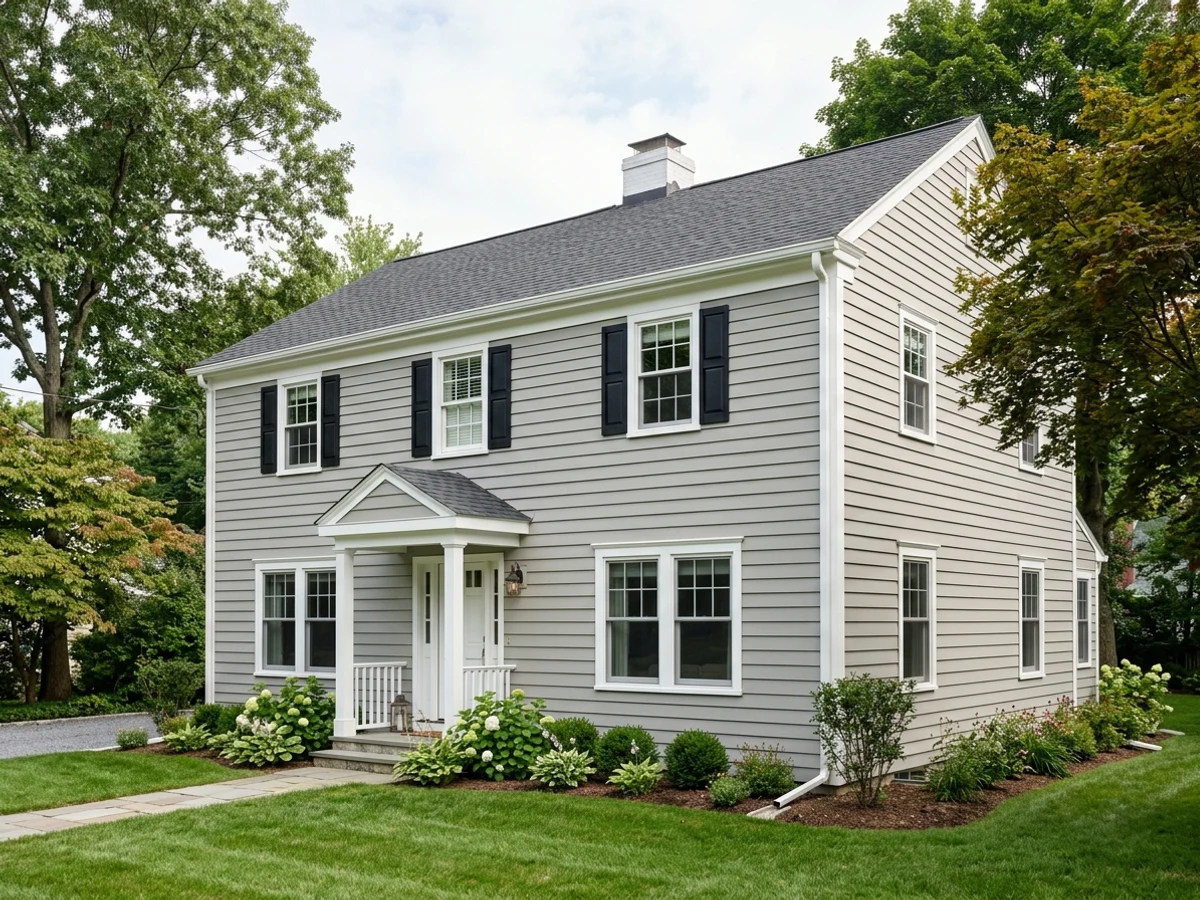
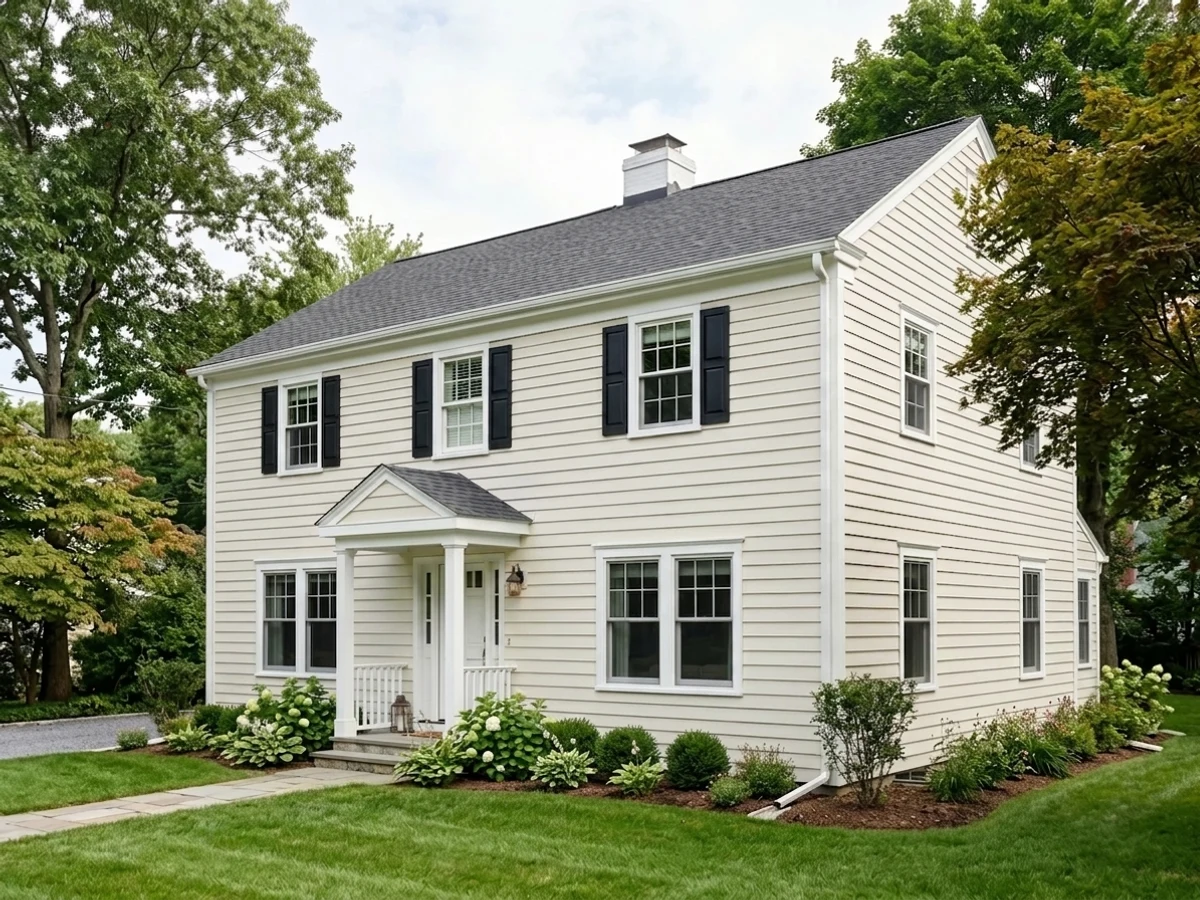
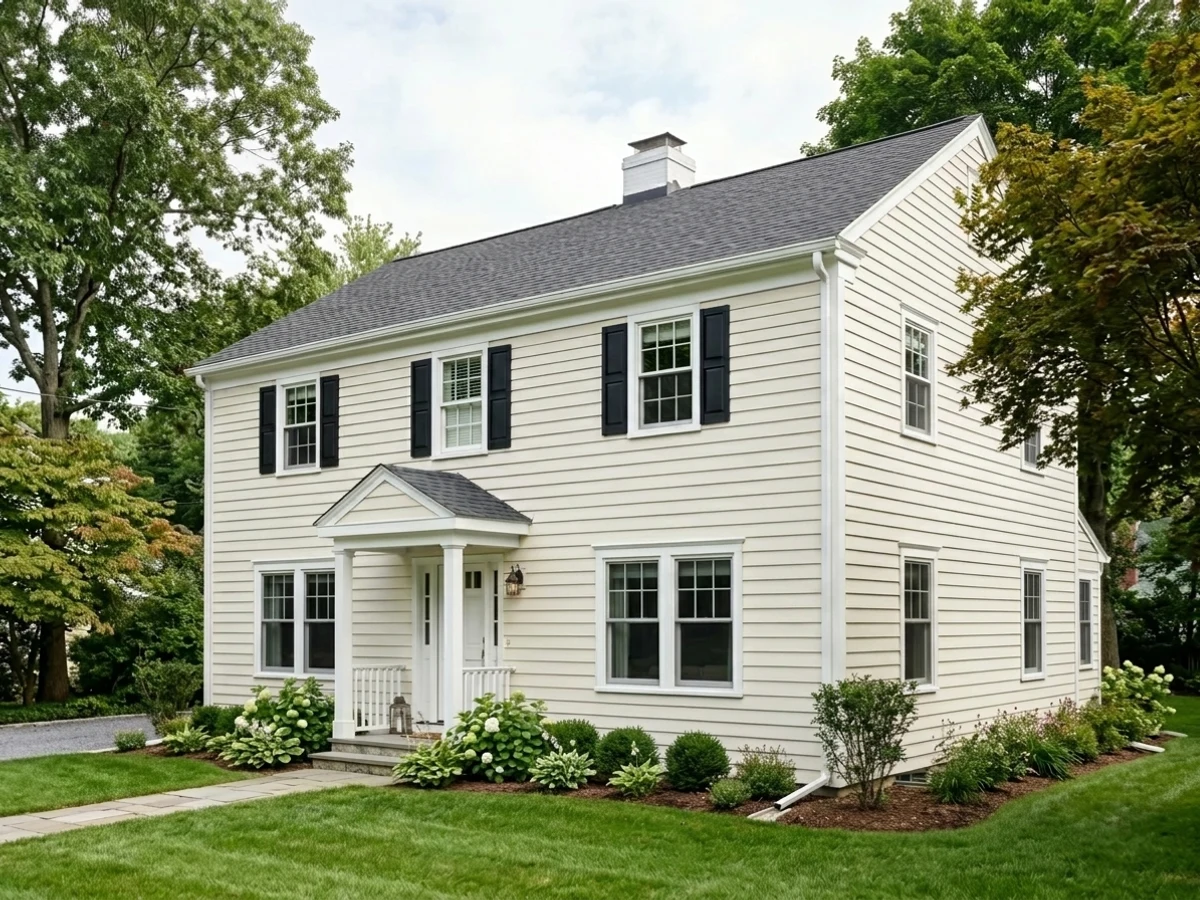
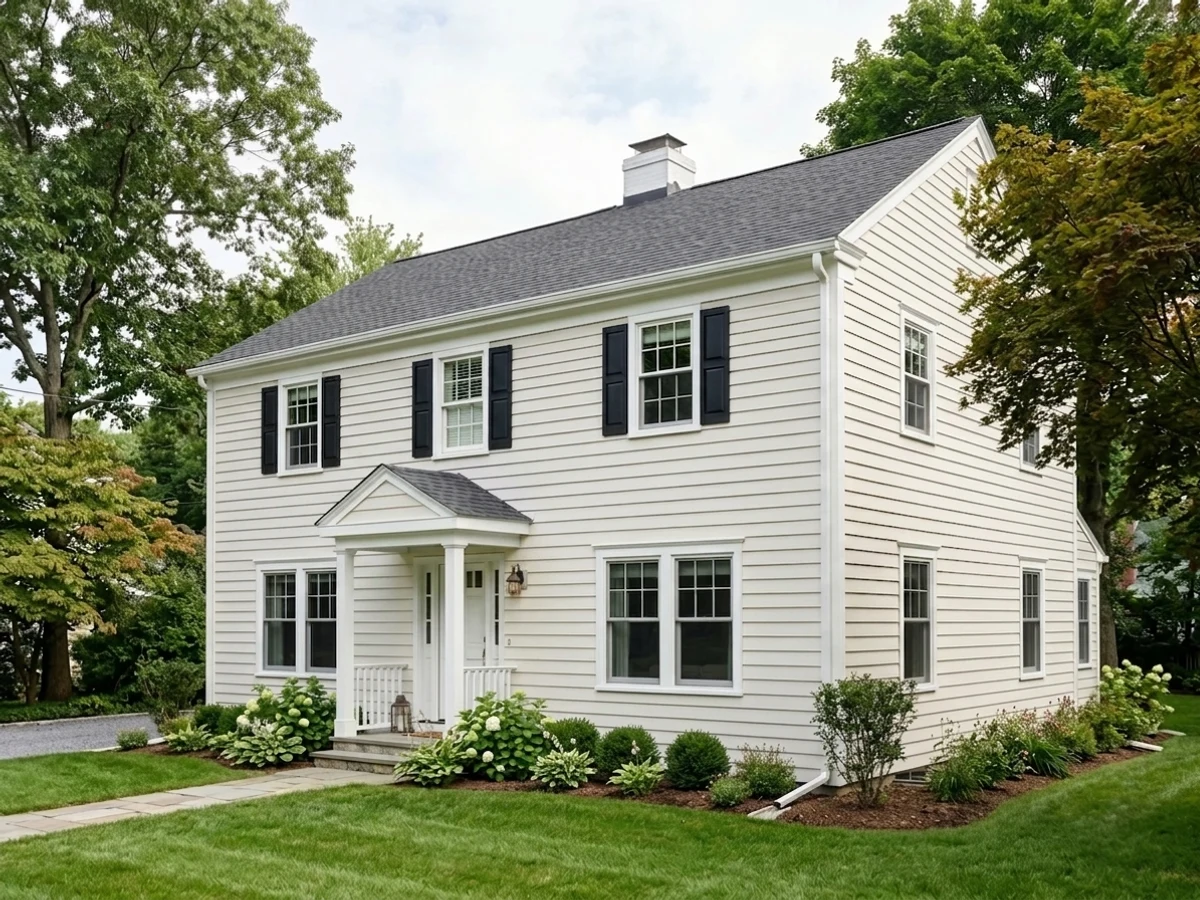
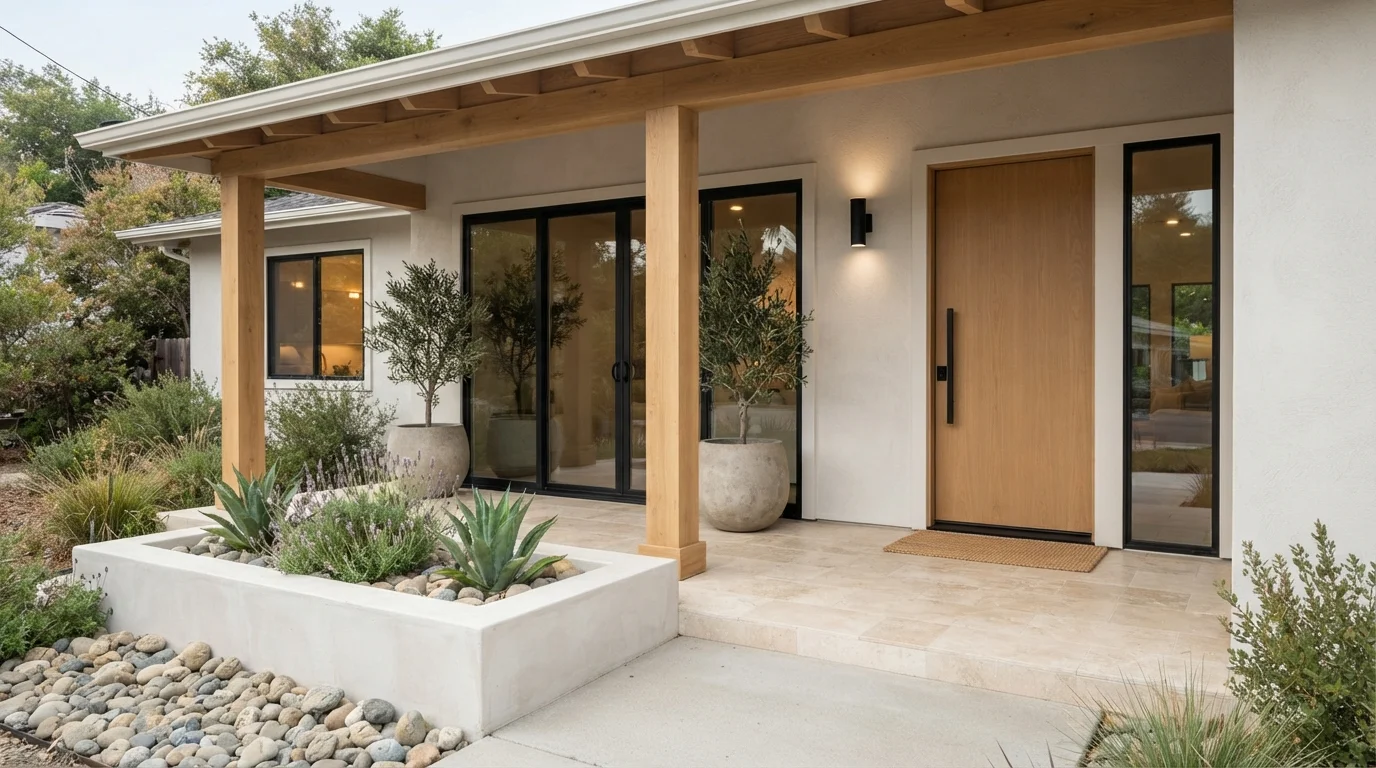
White Exterior Paint Colors
2,064 white colors that work in exteriors, drawn from the full ~30,000-color US paint deck. Below: editor's picks specific to exteriors, then 30 picks spread across the LRV range — narrow further on the brand page when you've shortlisted.
White is the hardest color to specify well. The right white shifts under daylight, north-facing rooms, and warm-LED bulbs — and most "whites" actually have a strong undertone (yellow, pink, green, or blue) that only shows up once it's on the wall. Below: the warm whites and cool whites we recommend most often, organized so you can compare them at a glance.
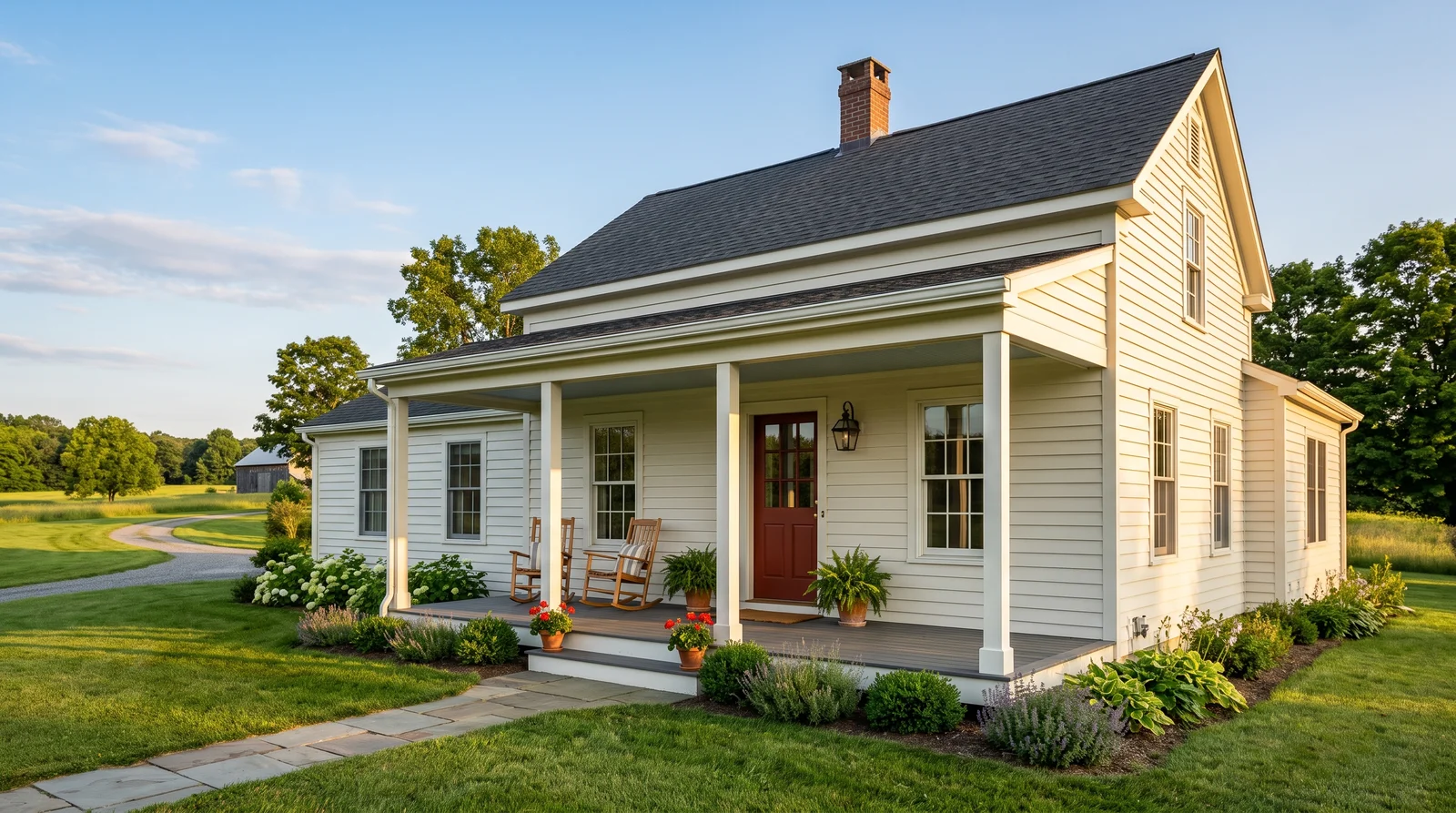
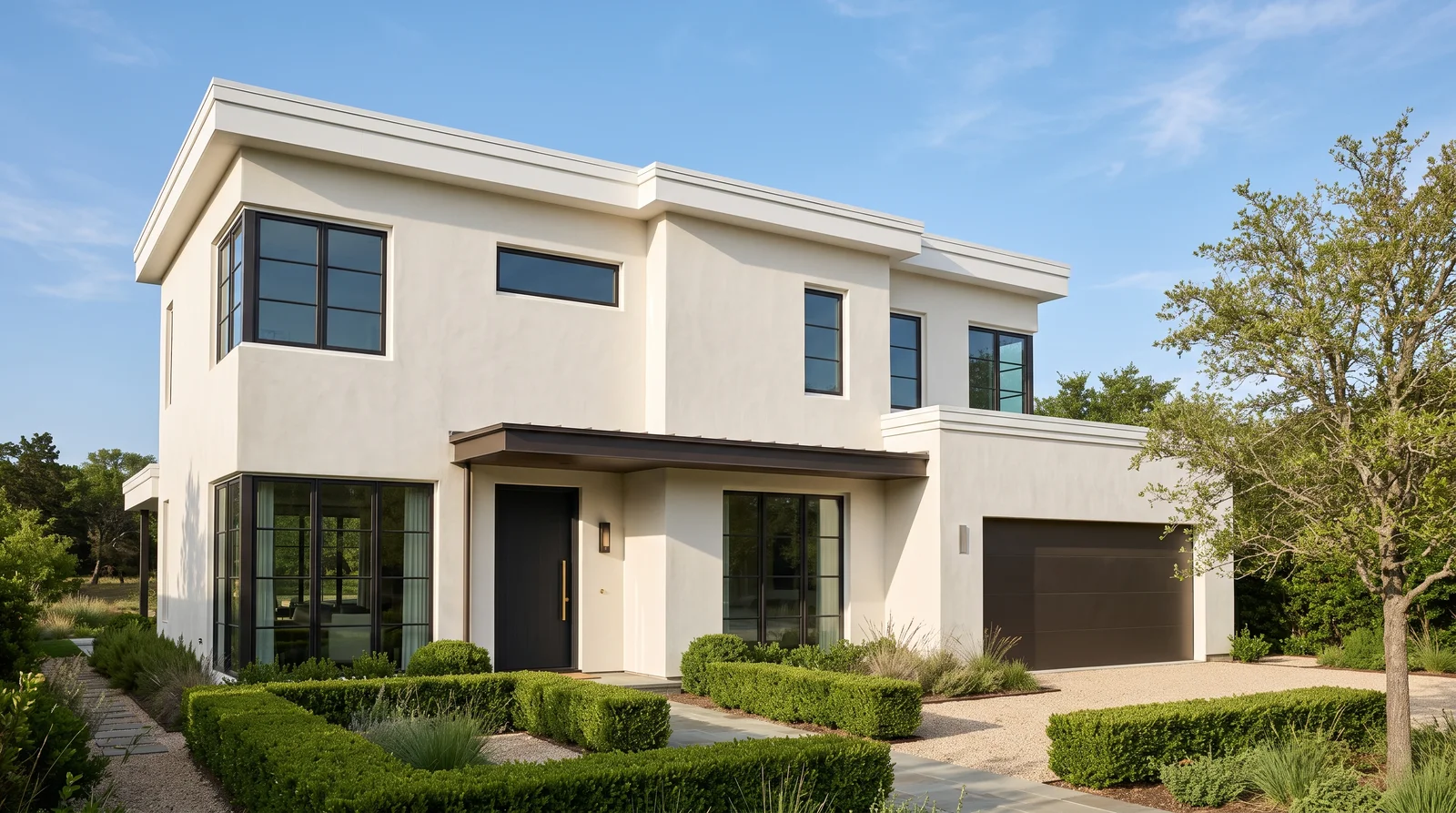
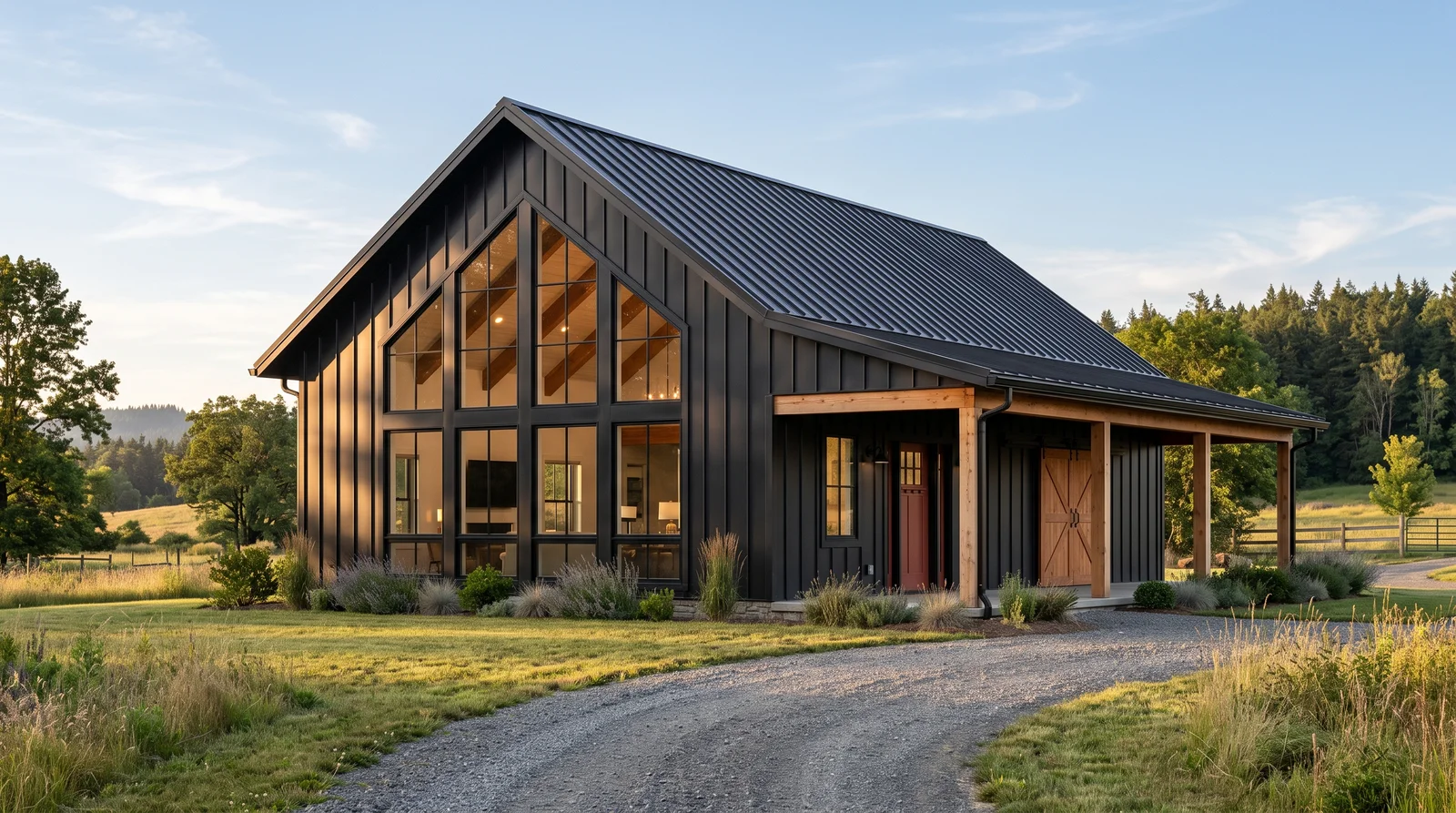
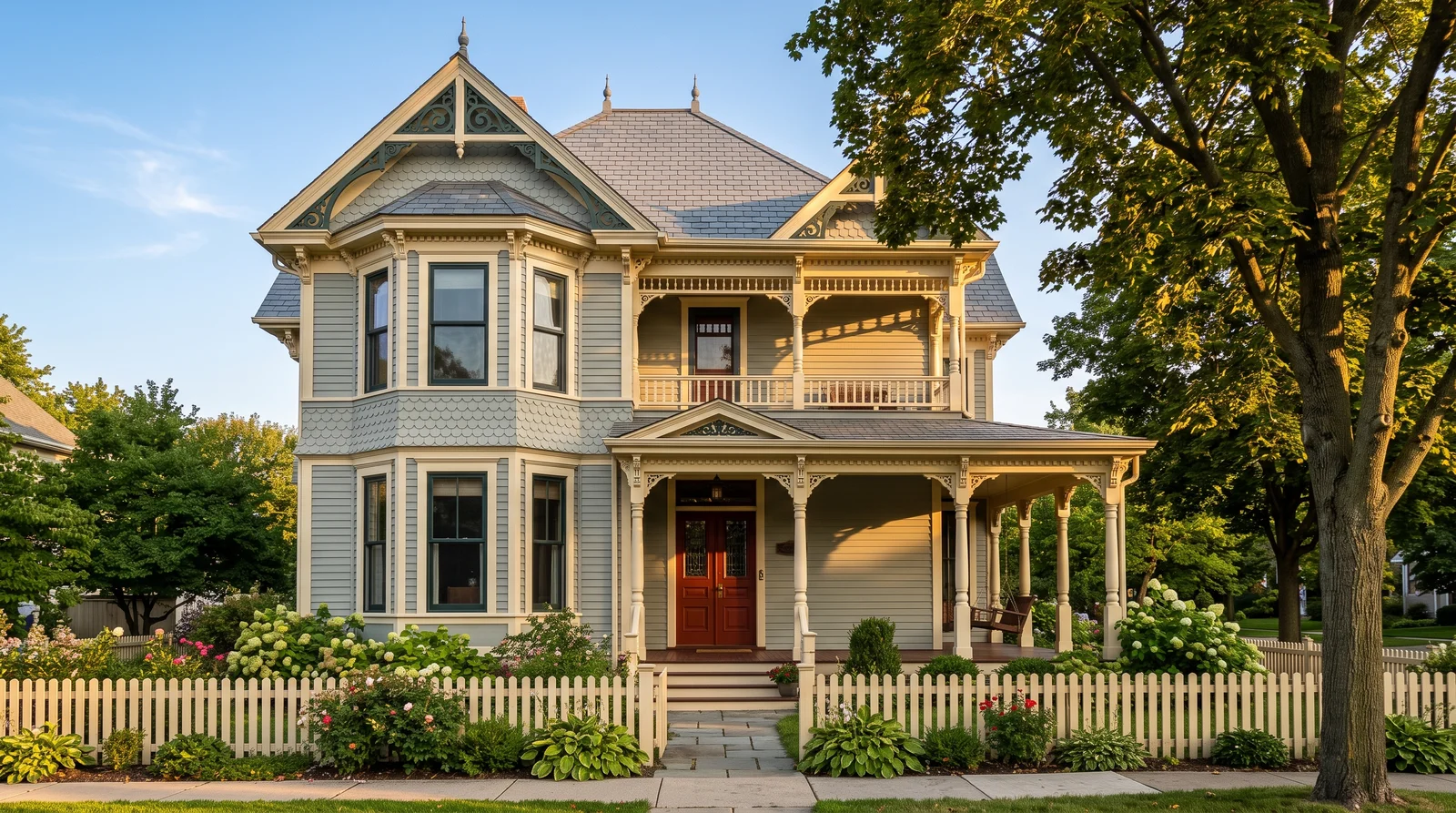
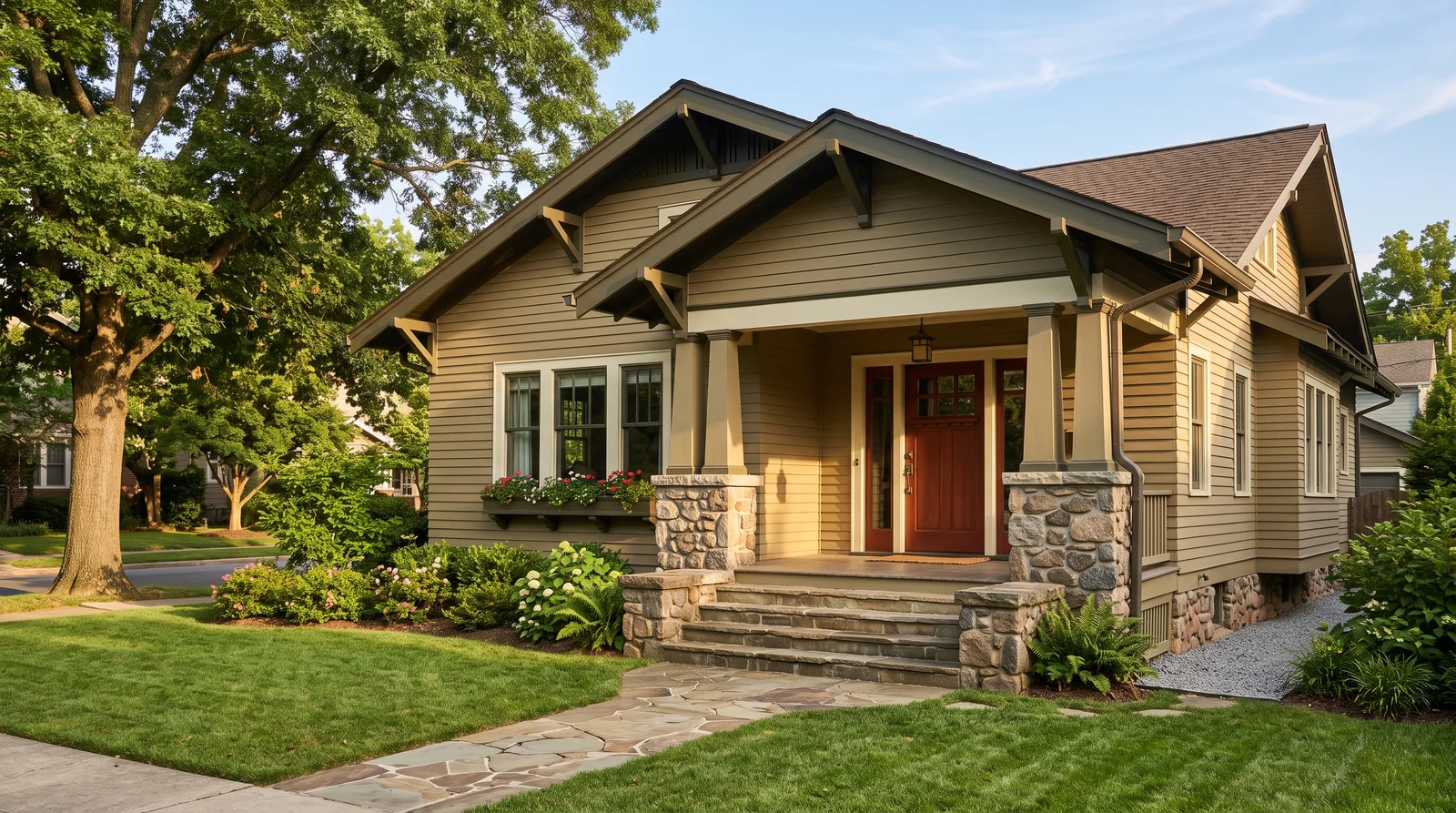
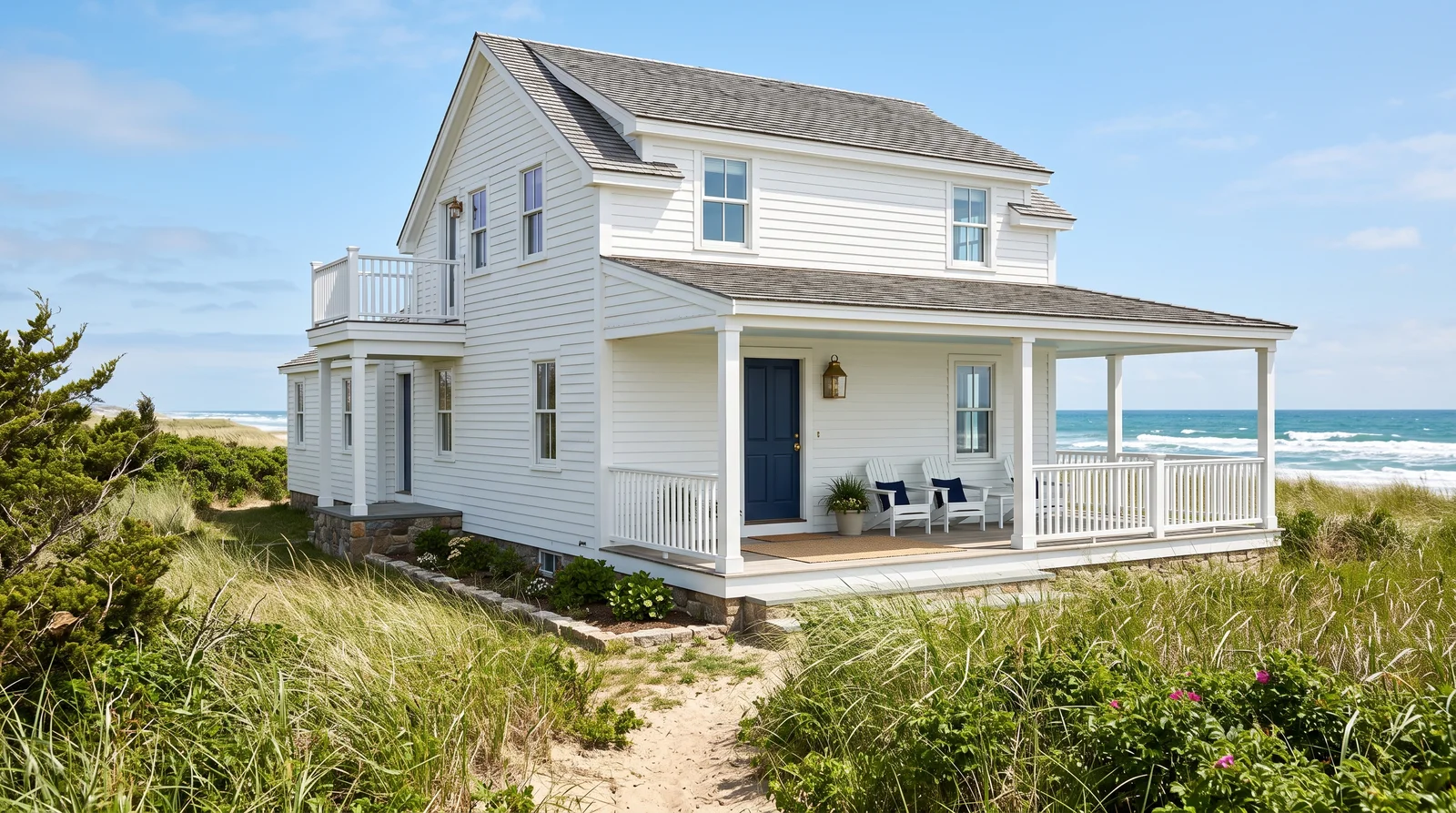
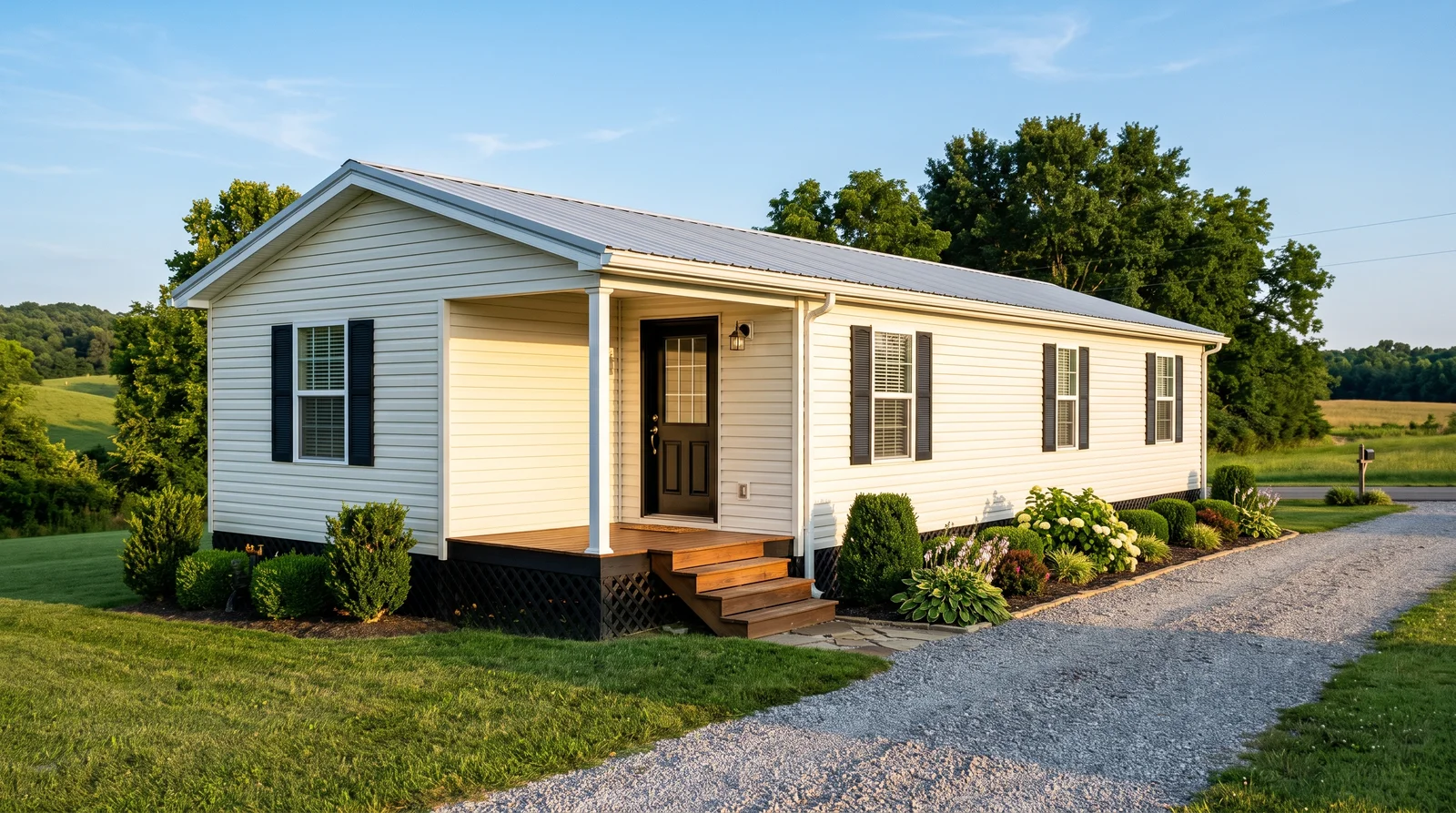
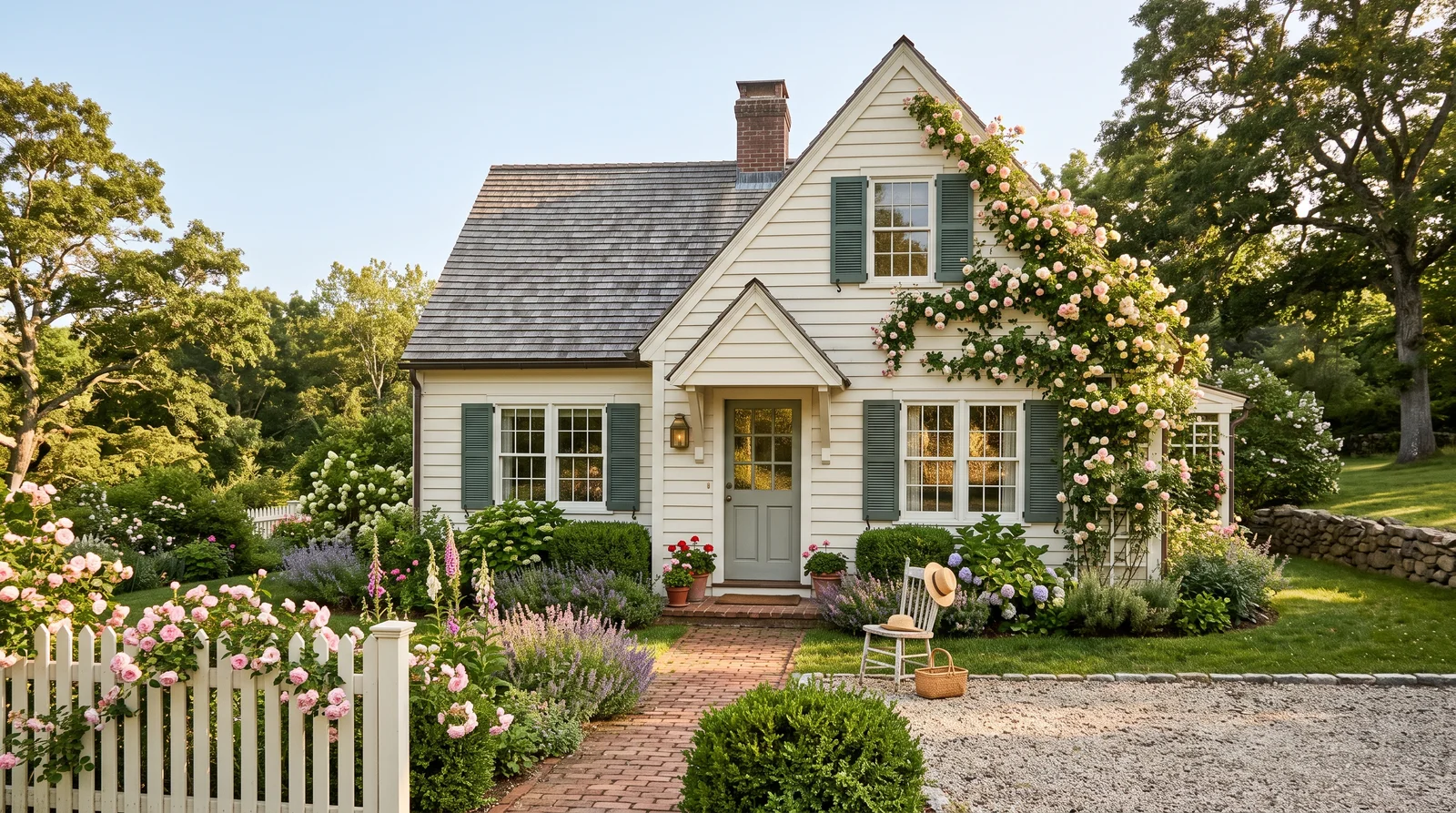
Editor's Picks: White for Exteriors
4 picks30 White Picks Across the LRV Range
30 of 2,064 · sorted dark → lightLooking for more? All white → covers every brand; brand × family pages show full decks.
White Exterior Colors at Every US Brand
20 brands · up to 10 picks eachUp to 10 picks per brand spread across the white LRV range, drawn from each brand's full deck. Tap any swatch with a curated guide for full spec; tap the brand title for the brand's complete white deck.
Behr
Benjamin Moore
Dunn-Edwards
Glidden
PPG / Glidden
Valspar
Diamond Vogel
Kompozit
Hirshfield's
Sherwin-Williams
Dutch Boy
C2 Paint
Rodda
Farrow & Ball
Magnolia Home
Clare
Portola Paints
Backdrop
Rust-Oleum
Other Exterior Color Families
White Colors in Other Rooms
White Paint Colors for a Exterior
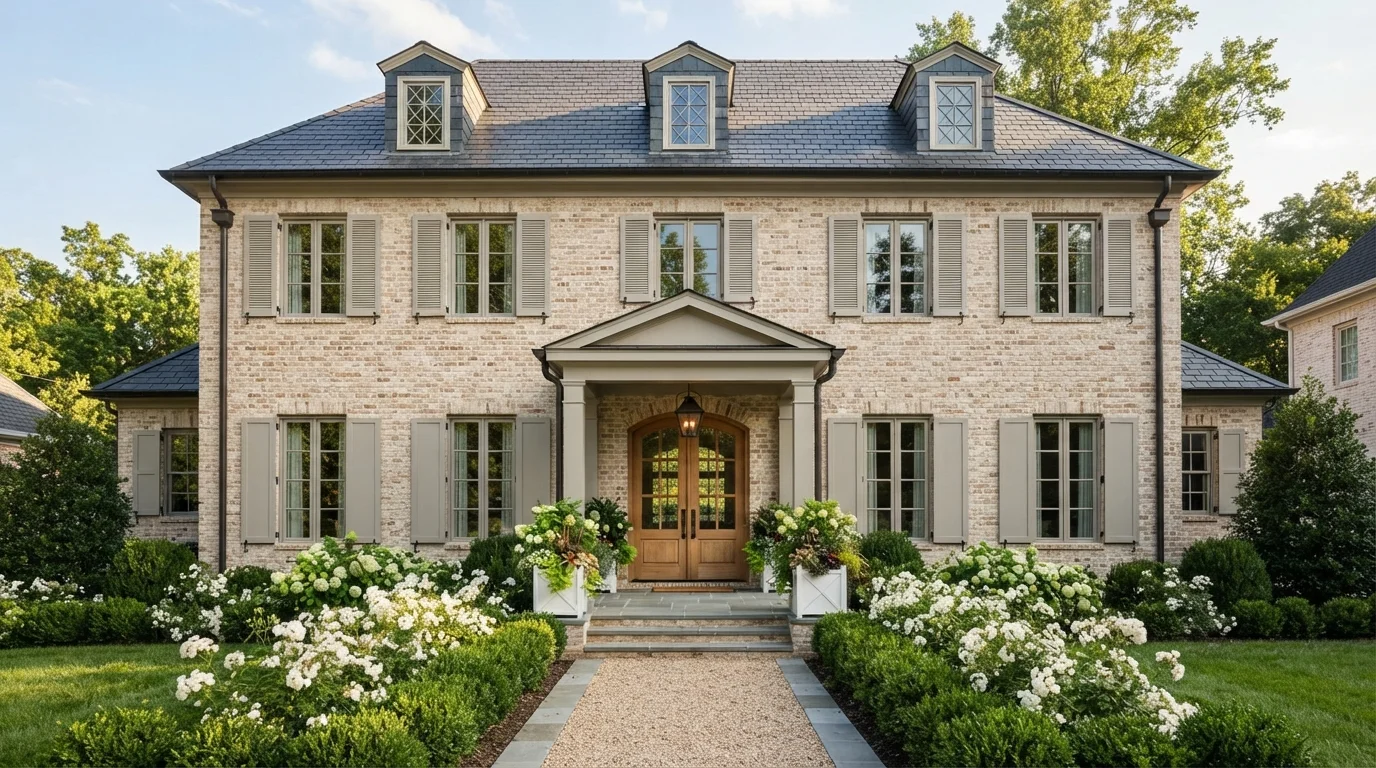
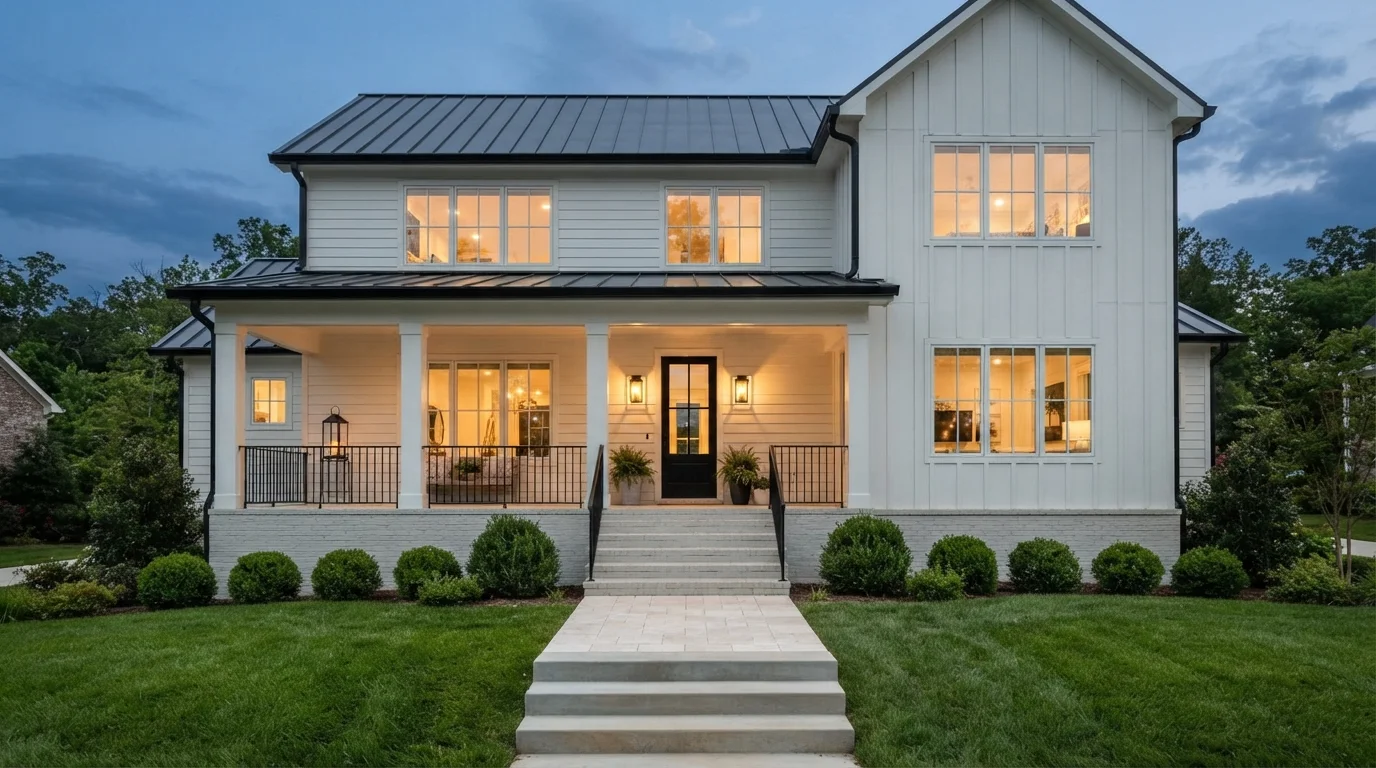
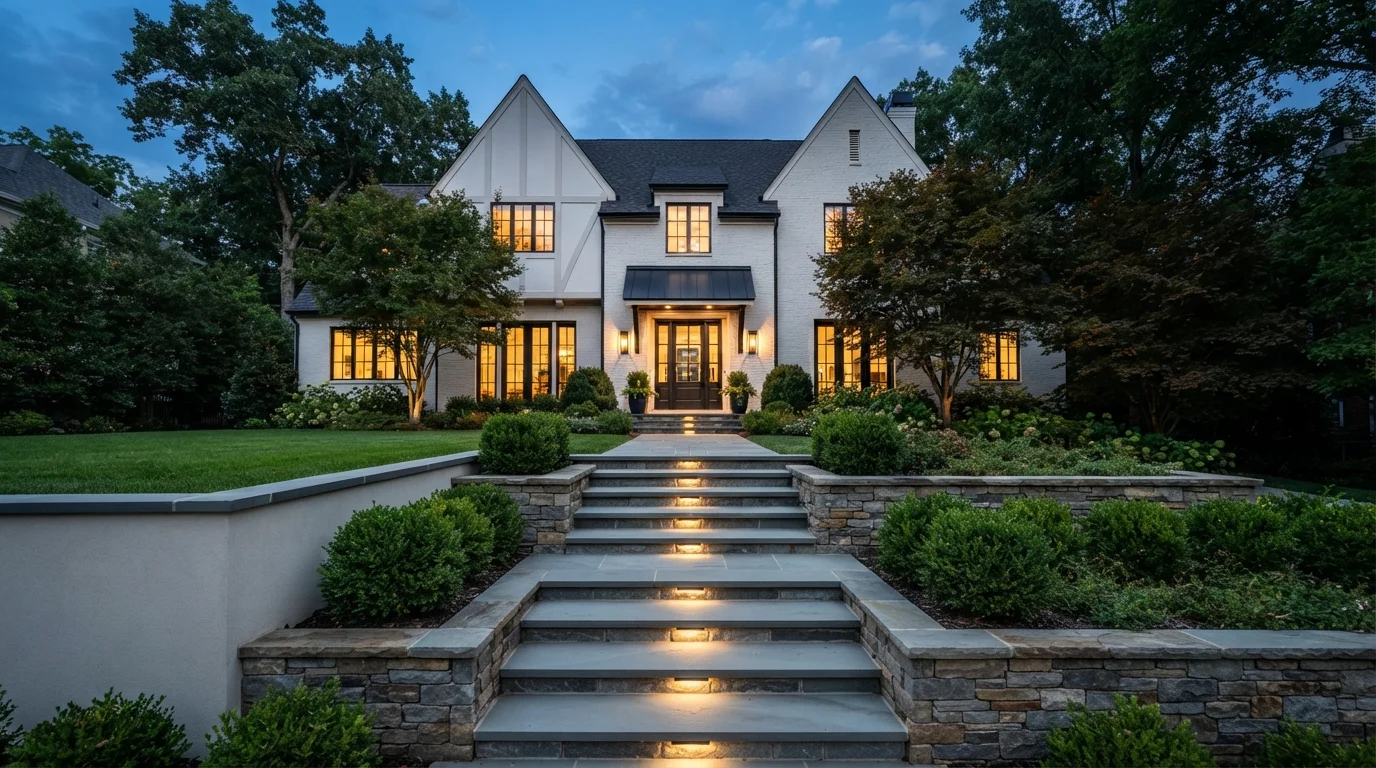
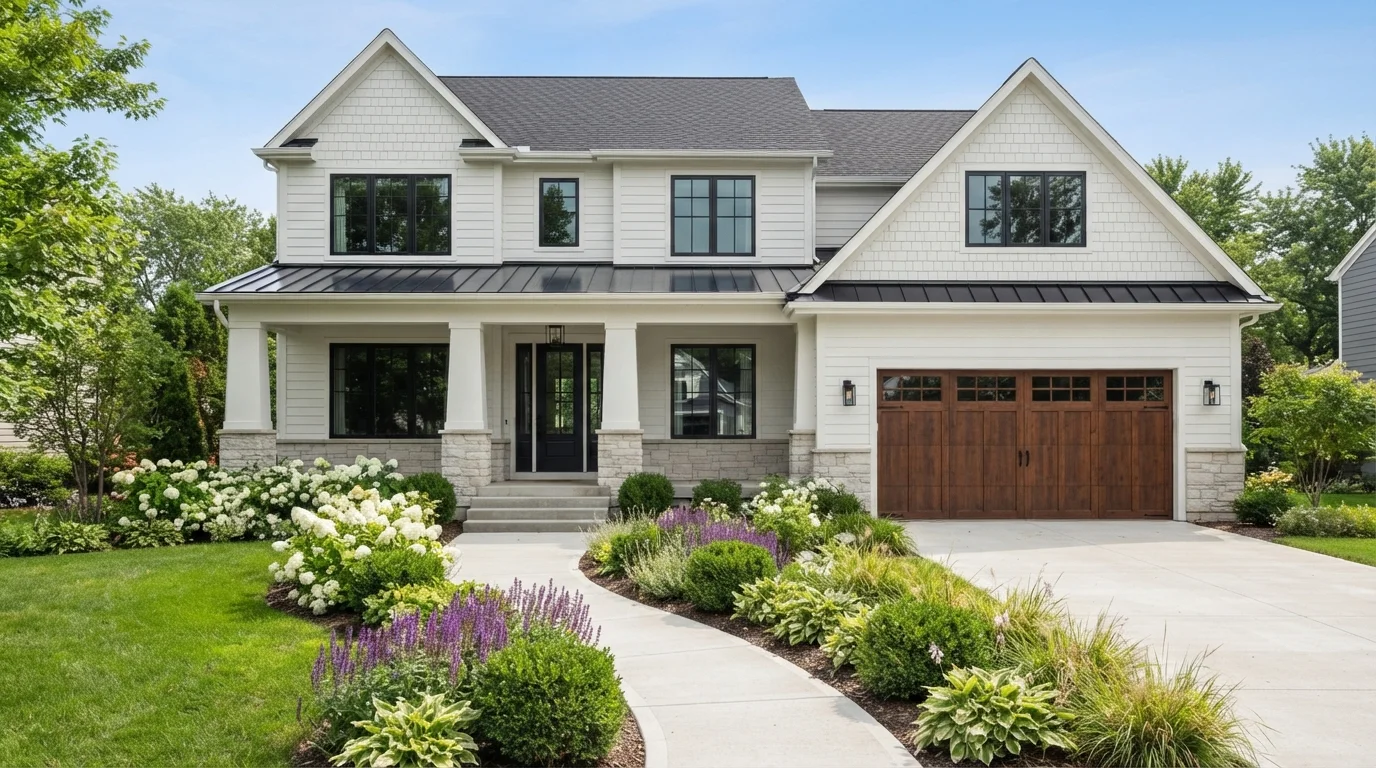
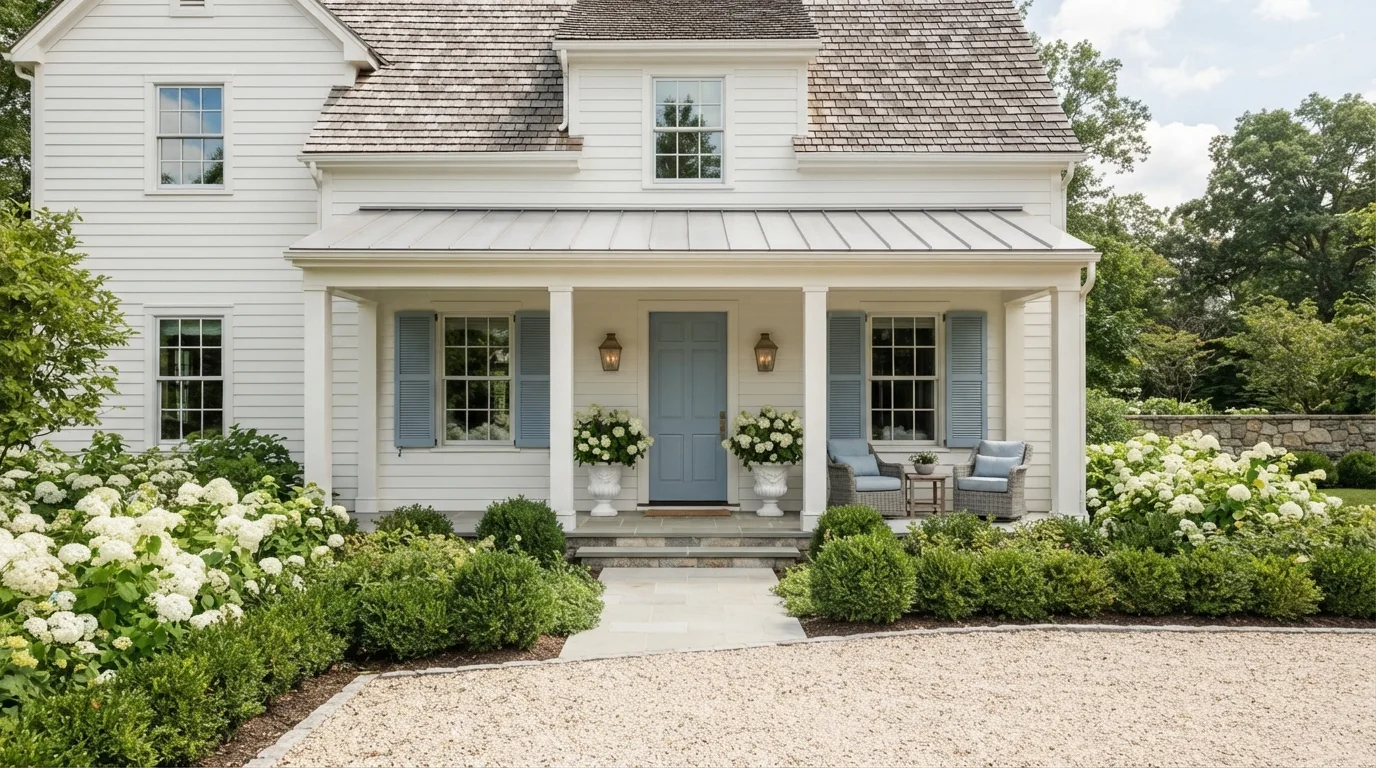
White is the most enduring choice a homeowner can make for an exterior, and it works for a reason. Out in full sun, white reflects heat instead of soaking it up, it reads clean against any roof or landscape, and it makes trim, doors, and shadow lines stand out crisply. It also flatters almost every architectural style, from a farmhouse to a colonial to a flat-roofed modern box.
The catch is that white outside behaves very differently than white inside. Direct sun blows out subtle whites until they look stark or washed out, while overcast skies and tree cover can pull a warm white toward dingy. Choosing the right depth of white, the right finish, and the right trim relationship is what separates a fresh-looking house from one that looks chalky or cold. This page walks through how to make white work on an exterior specifically, and every white shown here can be mixed to order at a paint counter and cross-matched between brands.
Why White Works So Well Outside
White is the safest high-impact color you can put on a house. It reflects sunlight, which keeps walls cooler and slows the fading that hammers darker exterior colors over years of UV exposure. It also reads as well-kept and timeless, which matters for curb appeal and resale in a way trendier colors do not.
The other reason white earns its place outside is contrast. A white field lets your trim, front door, shutters, and roofline do the talking, so the architecture itself becomes the design. On a house with good bones, that clarity is hard to beat.
Picking the Right Depth of White for Your Light
Pure bright whites have an LRV in the low-to-mid 80s and up, and outside they can glare and flatten detail in strong sun. For most exteriors, a soft or warm white in the 70s to low 80s holds up better. It still reads white from the curb but keeps enough body to show shadow lines and texture rather than washing out at midday.
Let the light steer the undertone. A house in harsh, sun-drenched exposure can take a slightly warmer, creamier white so it does not look clinical, while a home shaded by trees or under frequent gray skies does better with a cleaner, cooler white that will not turn yellow or dingy. Always test a large sample on the actual wall and look at it morning, noon, and dusk before committing.
The Right Finish for an Exterior White
Sheen matters more outside than the exact shade. For the main body of the house, a flat or low-sheen exterior paint hides surface imperfections, cuts glare on big sunlit walls, and looks more natural on siding. Modern flat exterior products are formulated to resist dirt and shed water, so you no longer have to trade washability for a soft look.
Step the sheen up where you need durability. A satin or low-luster finish suits trim, fascia, and doors, where it sheds dirt and stands up to rain and hand contact, and the slight contrast in sheen between body and trim adds subtle definition. Save semi-gloss for the front door and small accents, since high gloss on a full white wall magnifies every dent and lap mark in direct light.
Pairing White With Trim, Roof, and Fixtures
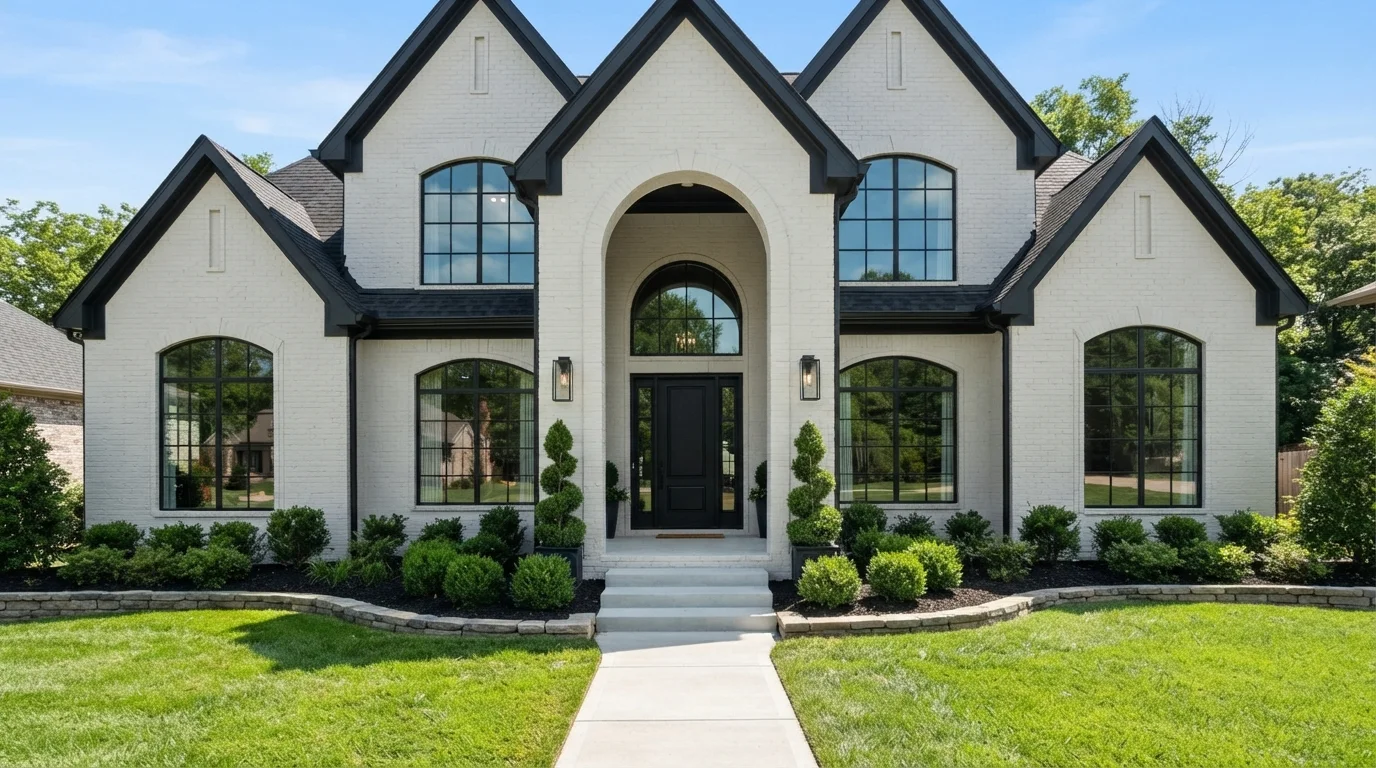
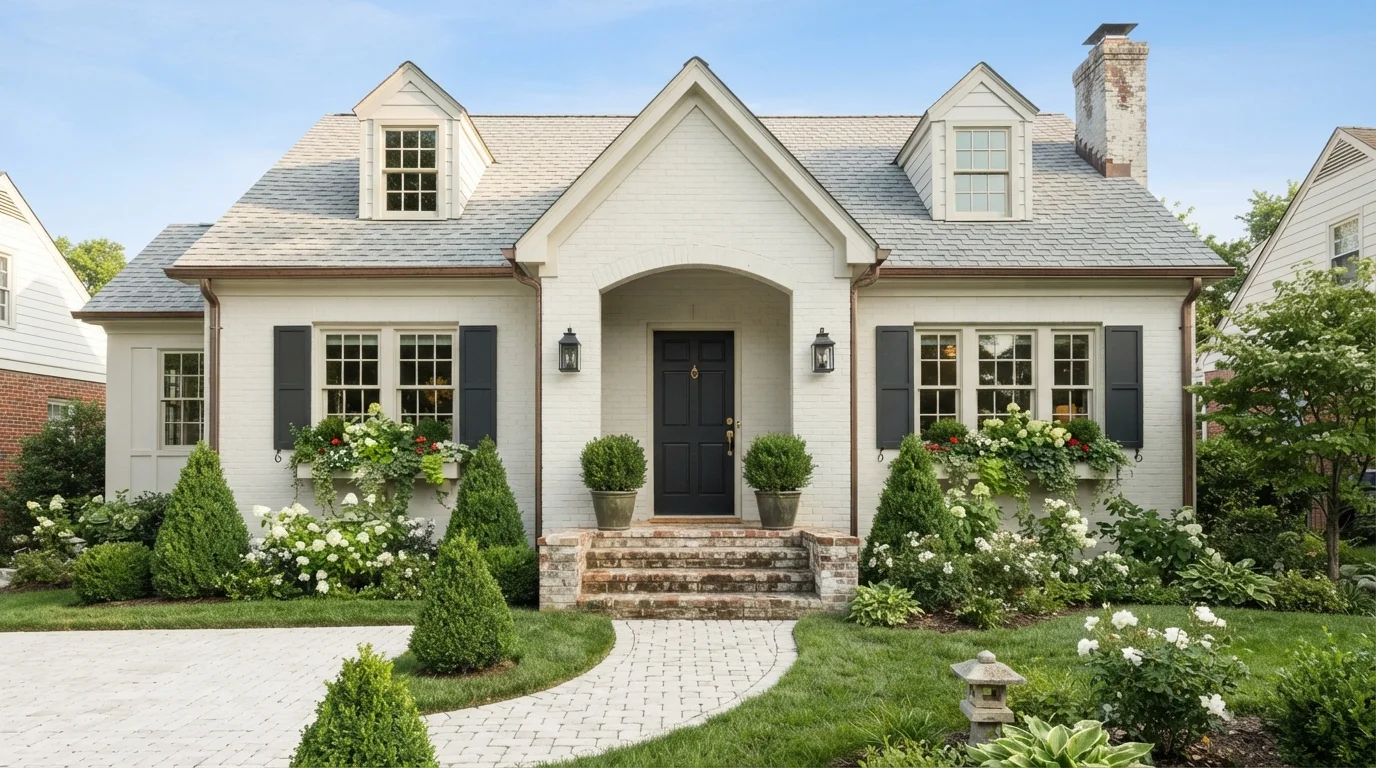
White rarely goes on a house alone, and the pairings are what give it character. A classic white-on-white look uses a brighter, cooler white for trim against a softer body white, which keeps the house from looking flat. For more contrast, a charcoal, black, or deep bronze on the trim, sashes, and gutters frames the white crisply and reads sharp and current.
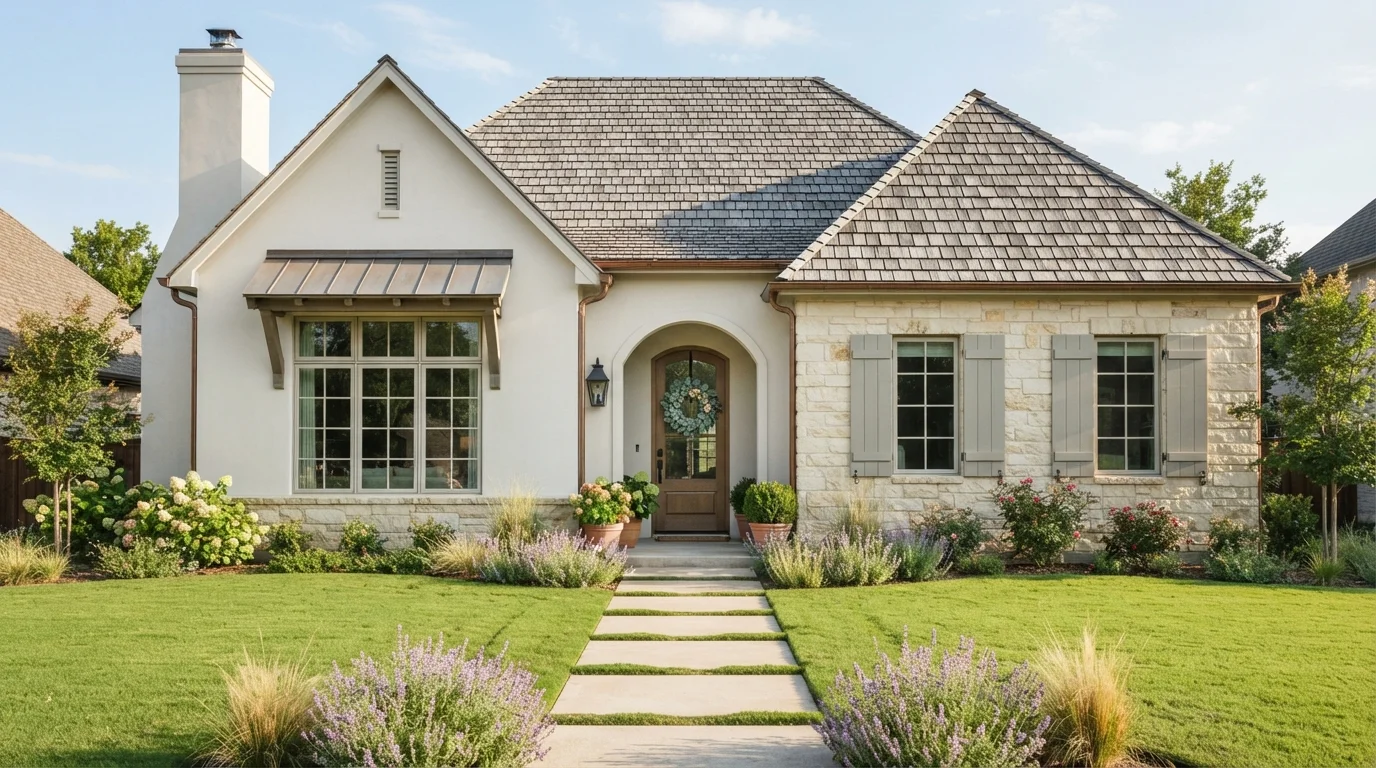
Don't choose your white in isolation from the fixed elements. Your roof, stone, brick, and even the undertone of your windows all push white warm or cool, so a white that fights a gray roof or a red-brick base will look off no matter how nice the swatch is. Pull warm whites toward warm-toned roofs and stone, and lean cooler where the fixed materials are gray, black, or blue-toned.
Common Mistakes With White Exteriors
The biggest mistake is judging a white from a small chip indoors. Outside the same paint will look at least a shade lighter and brighter in sun, so what seems like a gentle cream on the card can read as flat bright white on the house. Test big, on the real wall, in real daylight.
The second mistake is ignoring undertone next to fixed materials and then fighting yellowing or graying after the fact. A warm white can go buttery or dingy against cool gray stone, and a stark cool white can look cold and bluish under overcast skies. The fix is matching the white's temperature to your roof, masonry, and regional light before you buy gallons.
White Exterior Paint — Frequently Asked Questions
Is white a good color for a house exterior?+
Yes, white is one of the most reliable exterior choices. It reflects heat and UV, looks clean and timeless against any roof or landscape, and makes your trim and front door stand out. The key is choosing a white with enough warmth or body so it doesn't glare in full sun.
What LRV should an exterior white be?+
For most homes a soft or warm white in the LRV 70s to low 80s works best outside. That range still reads clearly as white from the curb but keeps enough depth to show shadow lines and texture, instead of washing out flat at midday like the brightest whites in the high 80s and up.
What sheen is best for white exterior siding?+
A flat or low-sheen finish is best for the main body. It hides surface flaws, cuts glare on large sunlit walls, and looks natural on siding, and today's exterior flats still shed water and clean up well. Step up to satin on trim and doors for extra durability.
Should exterior trim be a different white than the body?+
It can be, and it usually looks better. A slightly brighter, cooler white on the trim against a softer body white keeps the house from looking flat. If you want more contrast, a charcoal, black, or bronze trim frames a white body crisply and reads modern.
Why does my white house look yellow or dingy?+
Usually it's the undertone reacting to your light and fixed materials. A warm white can go buttery in shade or against cool gray stone, while constant overcast light dulls it. Choosing a white whose temperature matches your roof, masonry, and regional light prevents this.
Can I match an exterior white across paint brands?+
Yes. Every white shown here is mixed to order at the paint counter, and the same shade can be cross-matched between brands. So if you like a particular white but prefer another brand's exterior paint line, you can carry that color over and have it tinted to match.