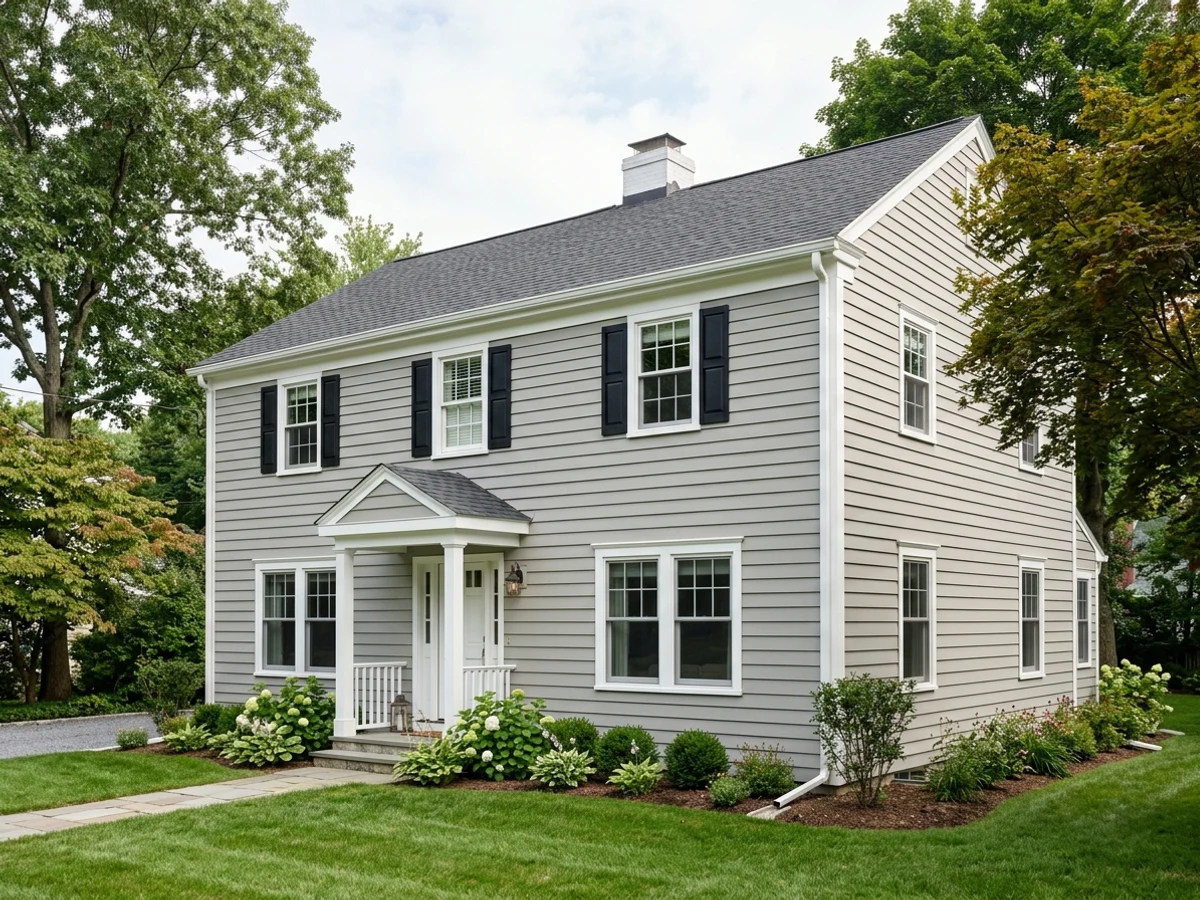
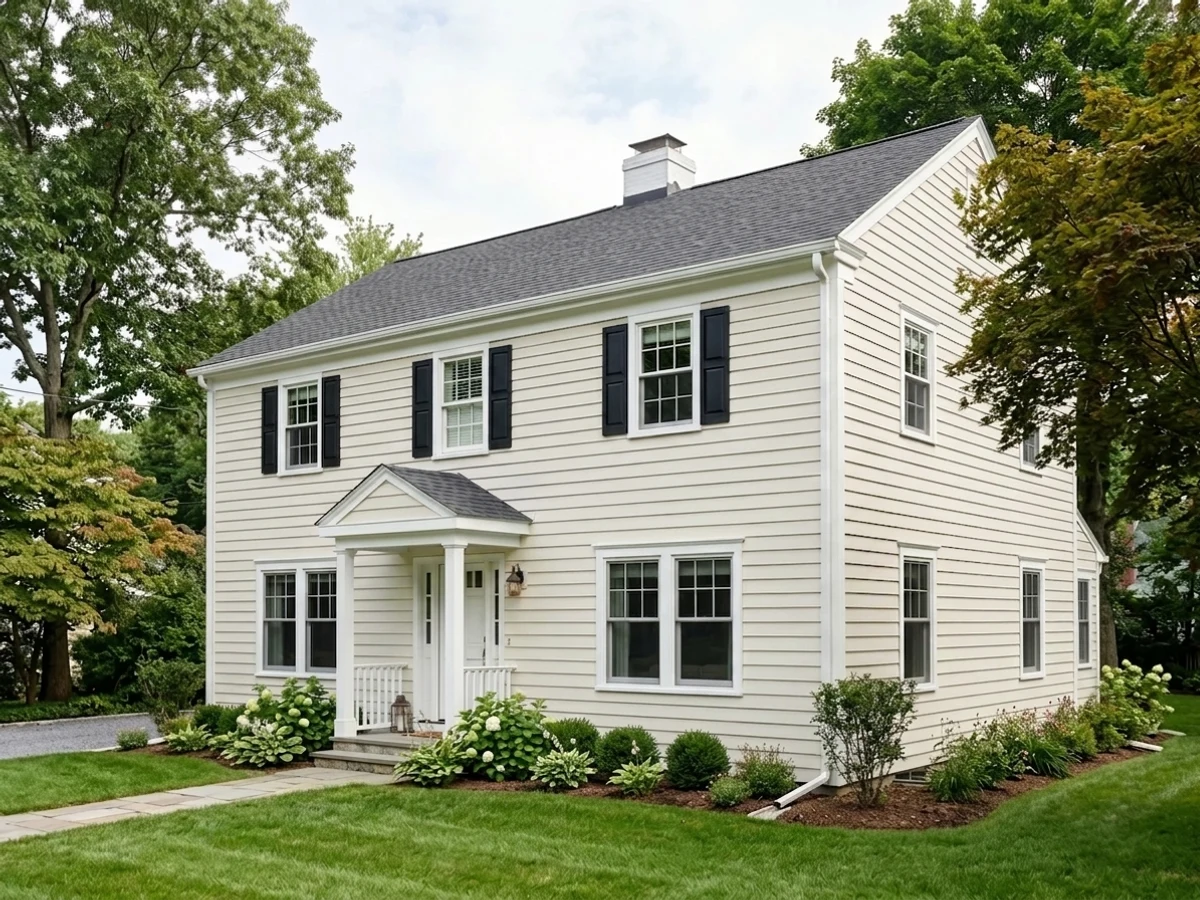
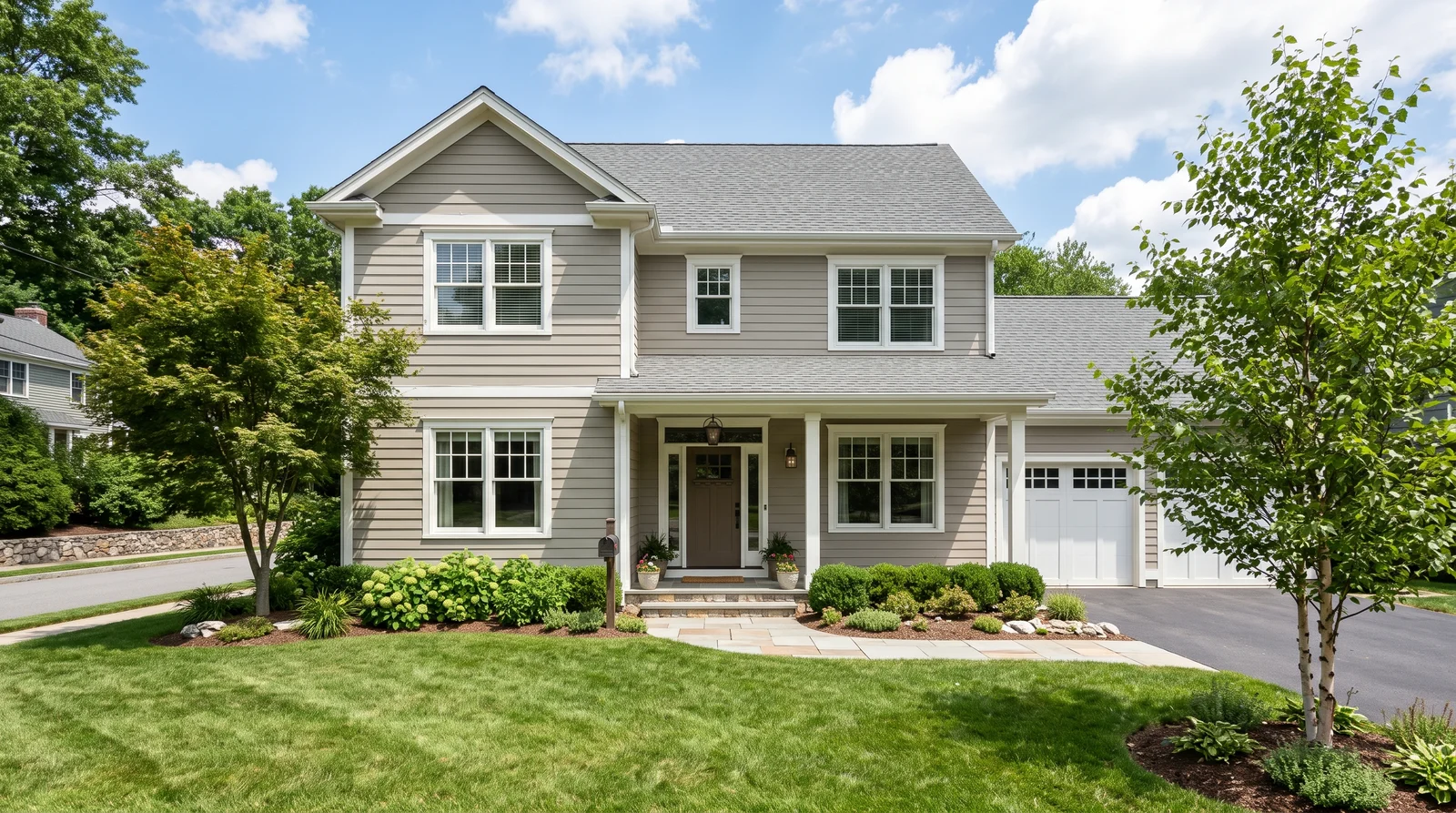
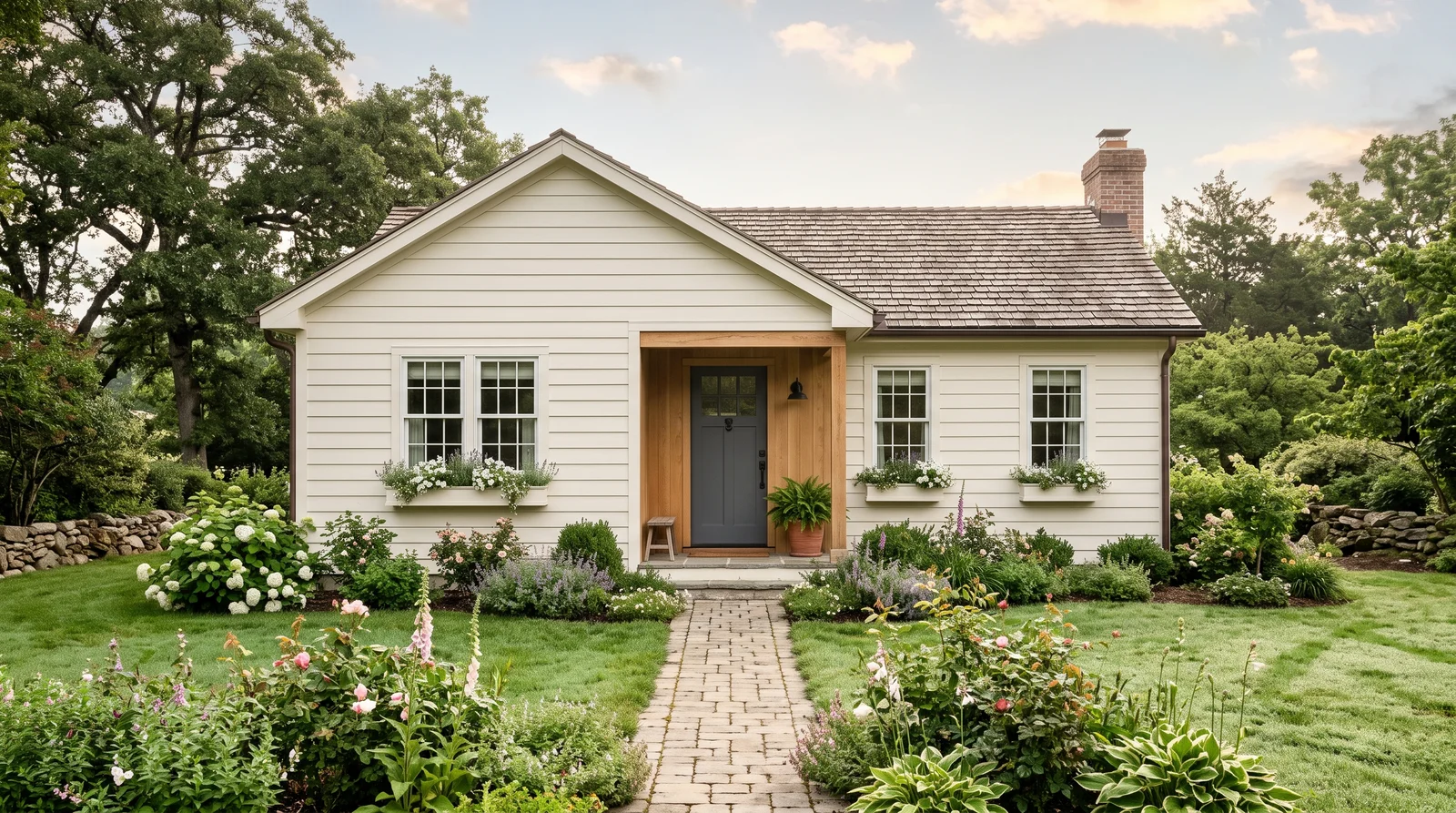
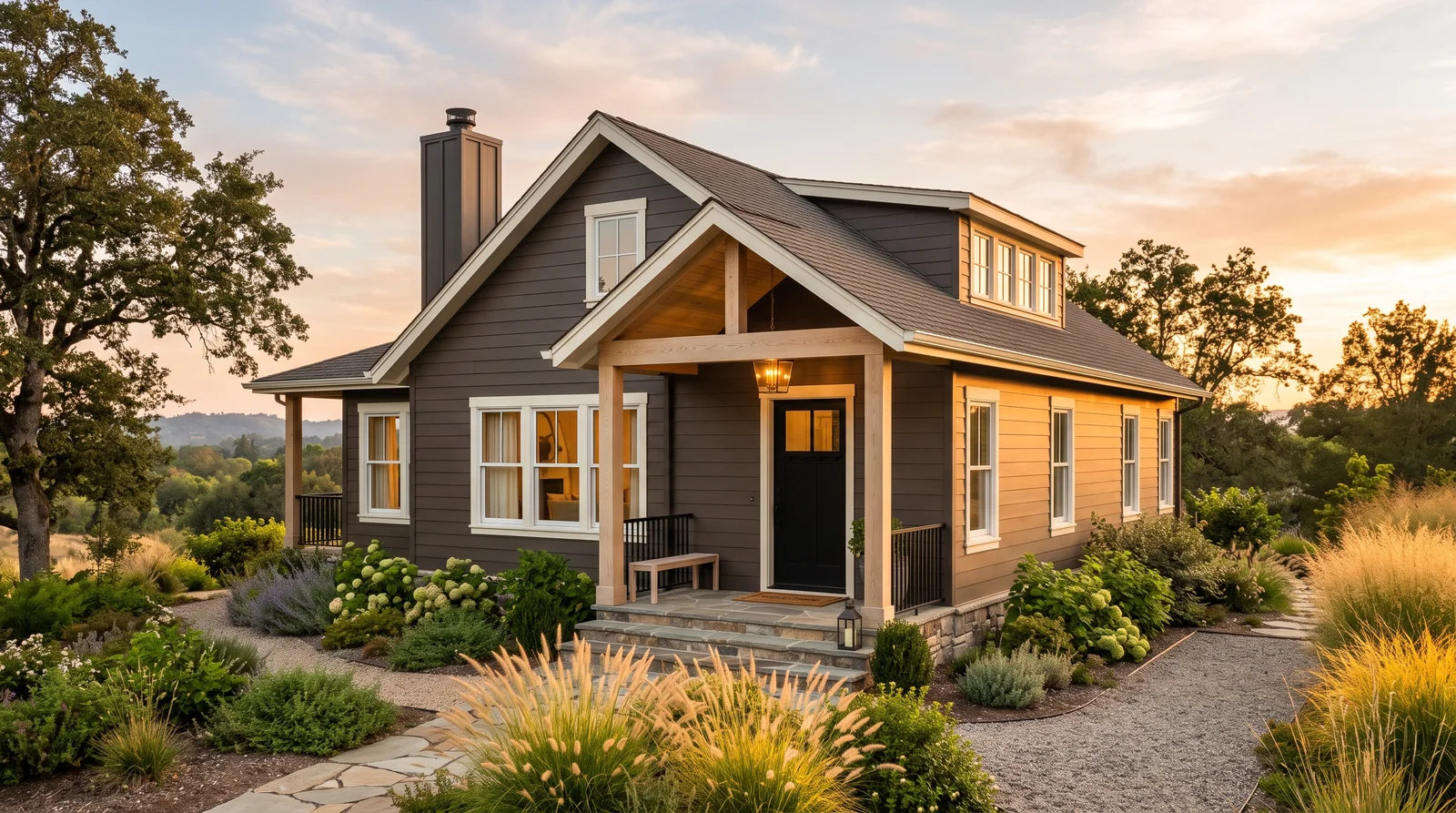
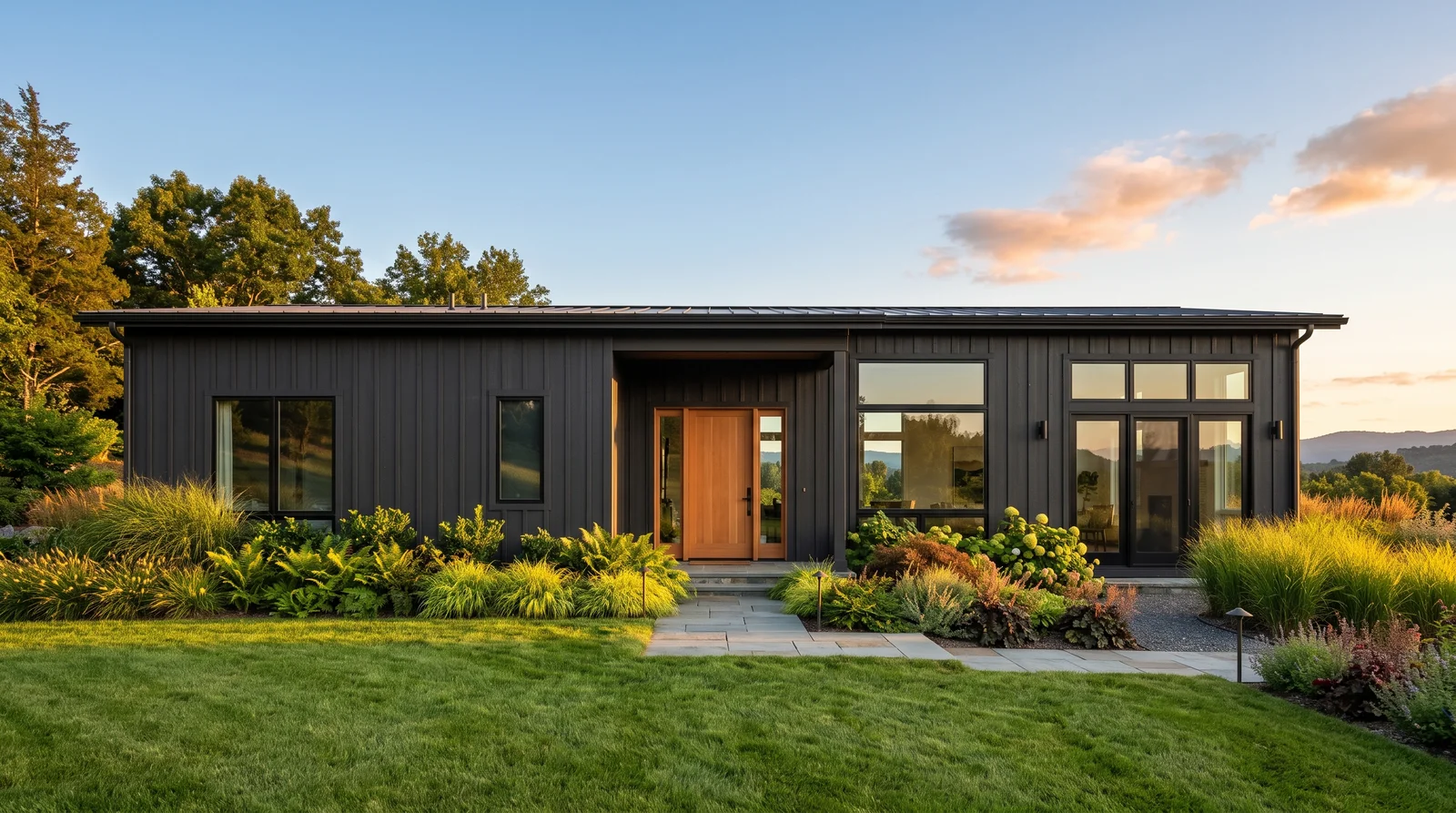
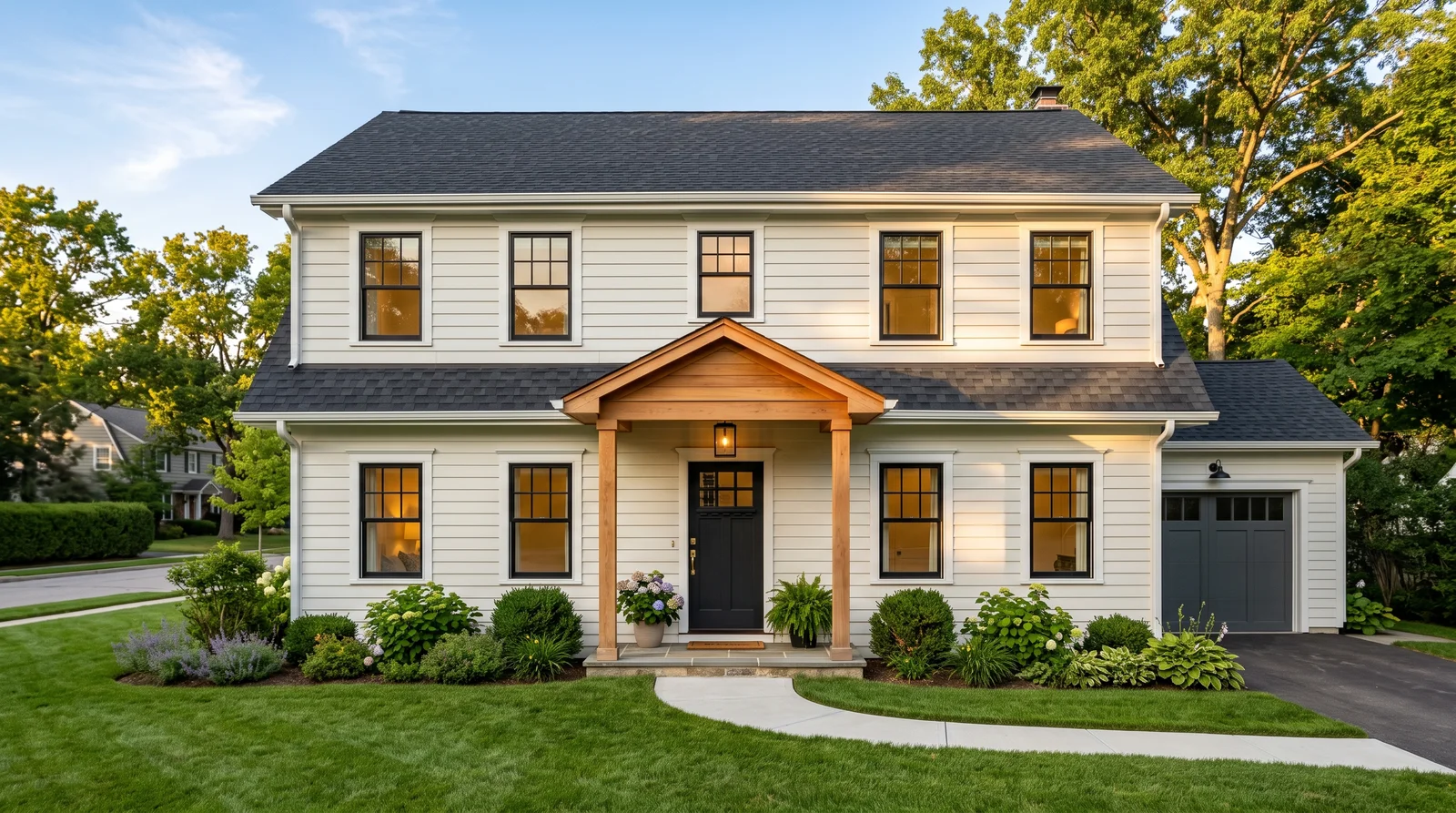
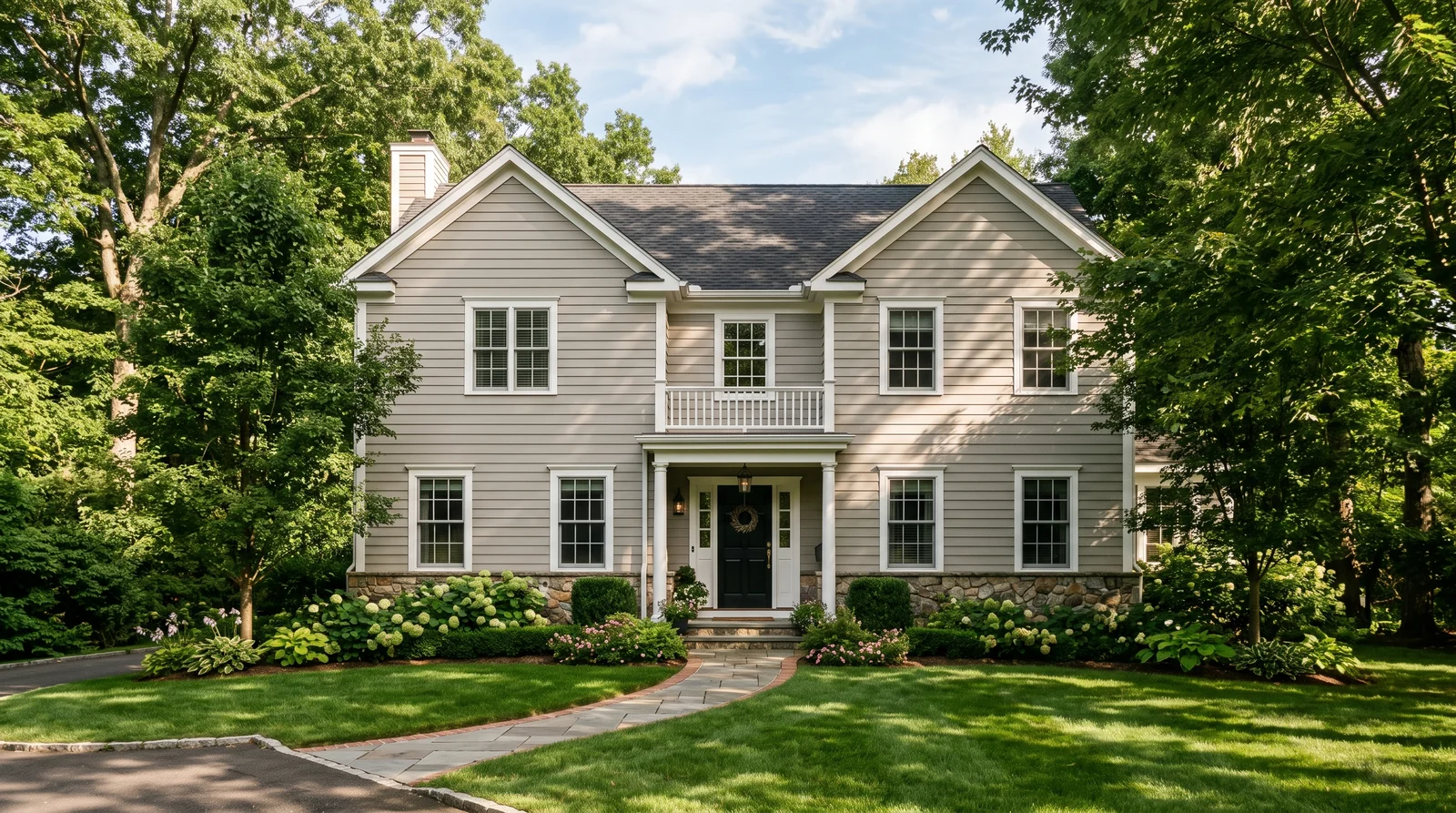
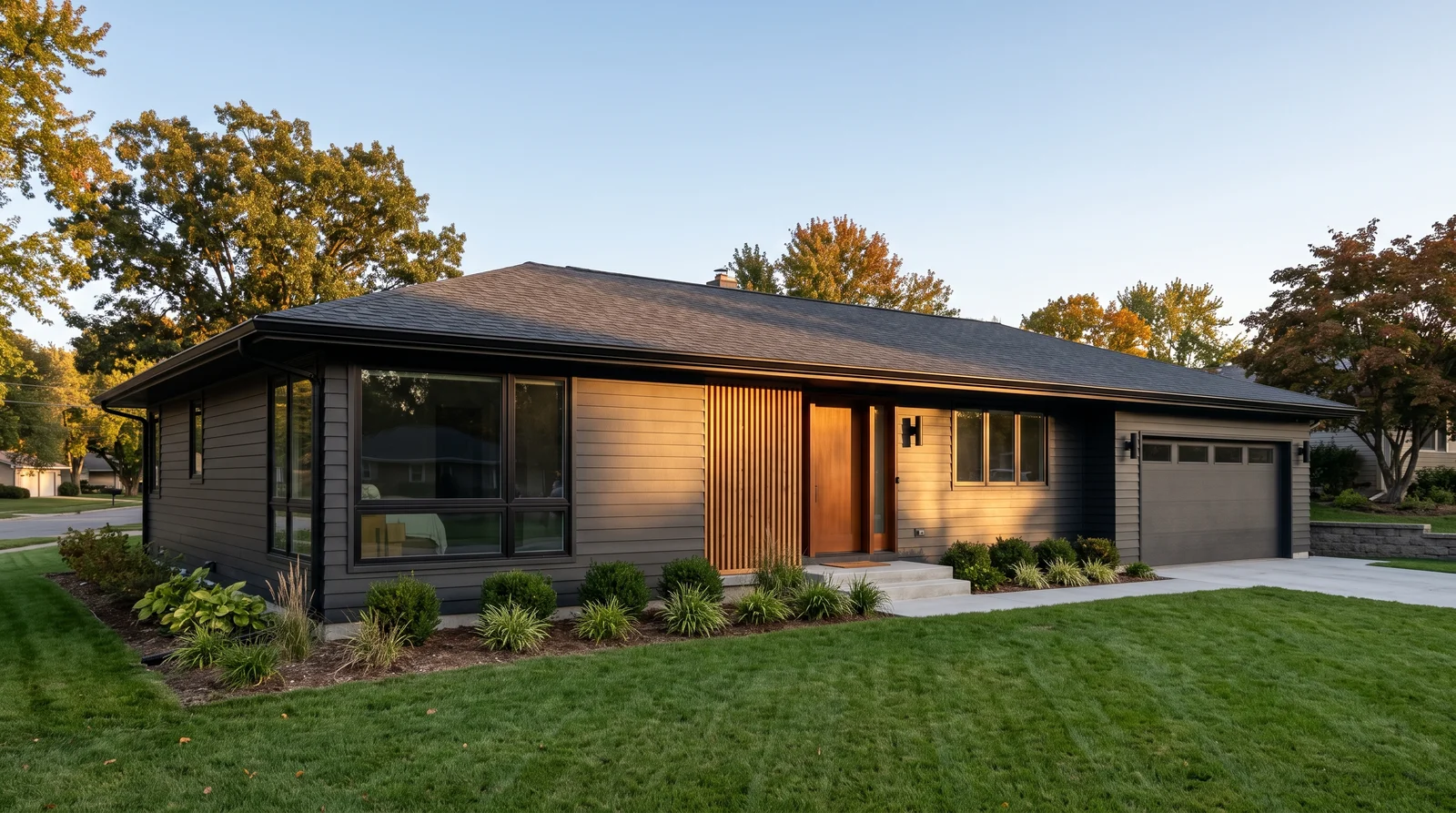
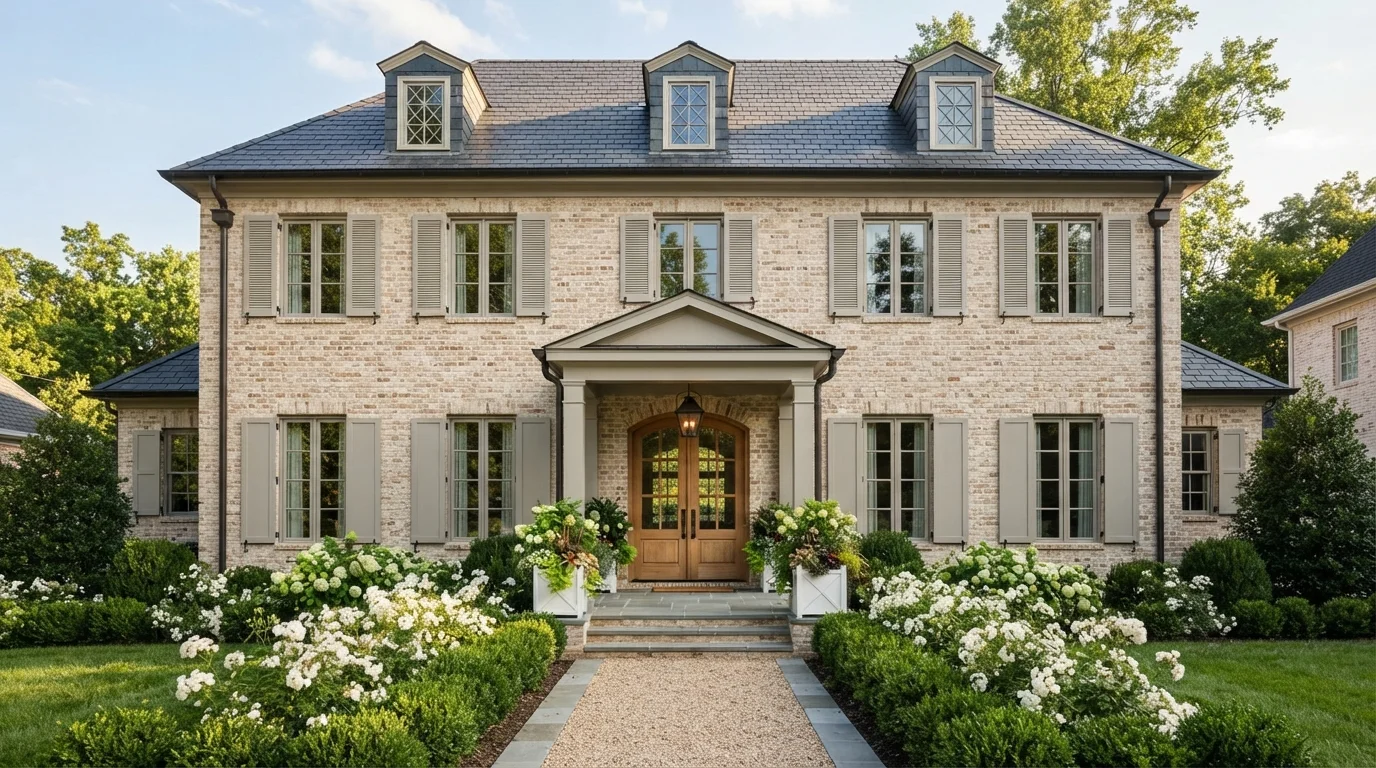
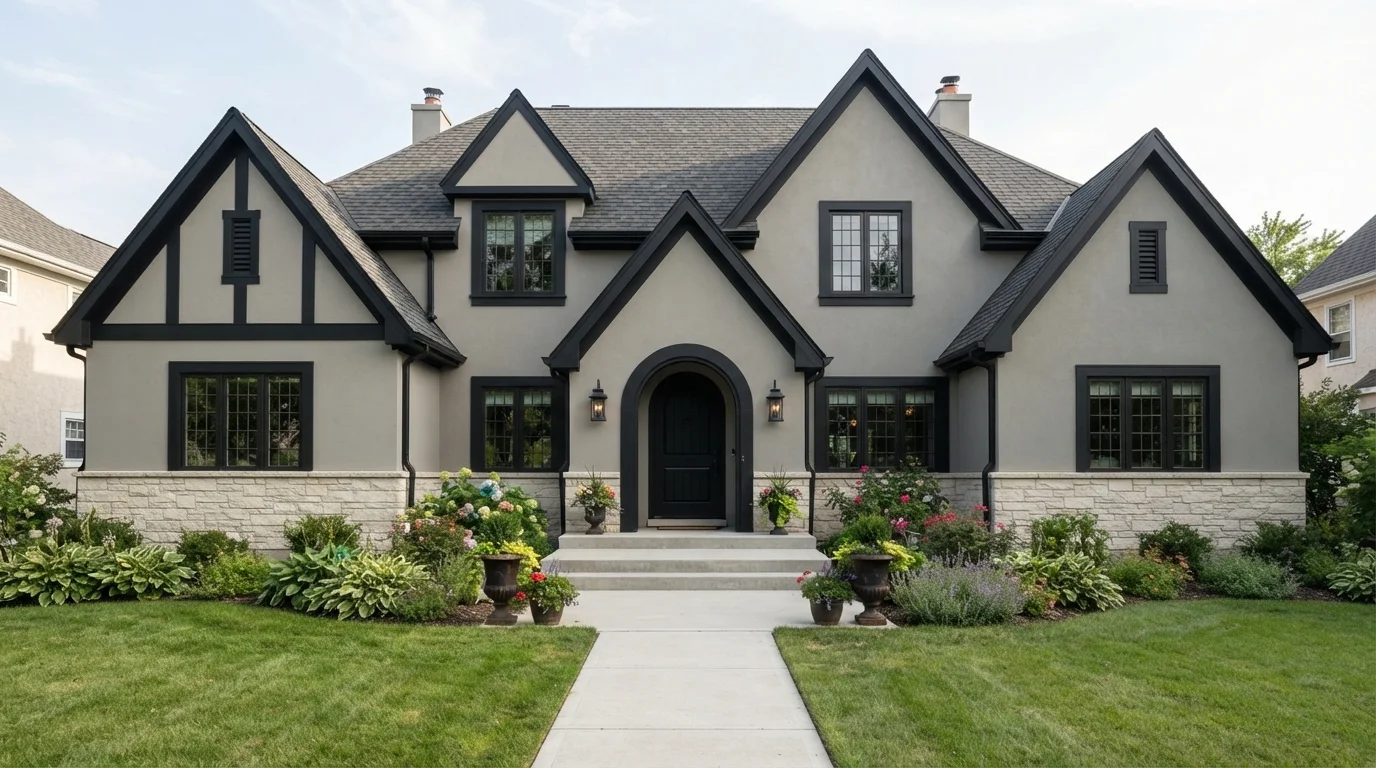
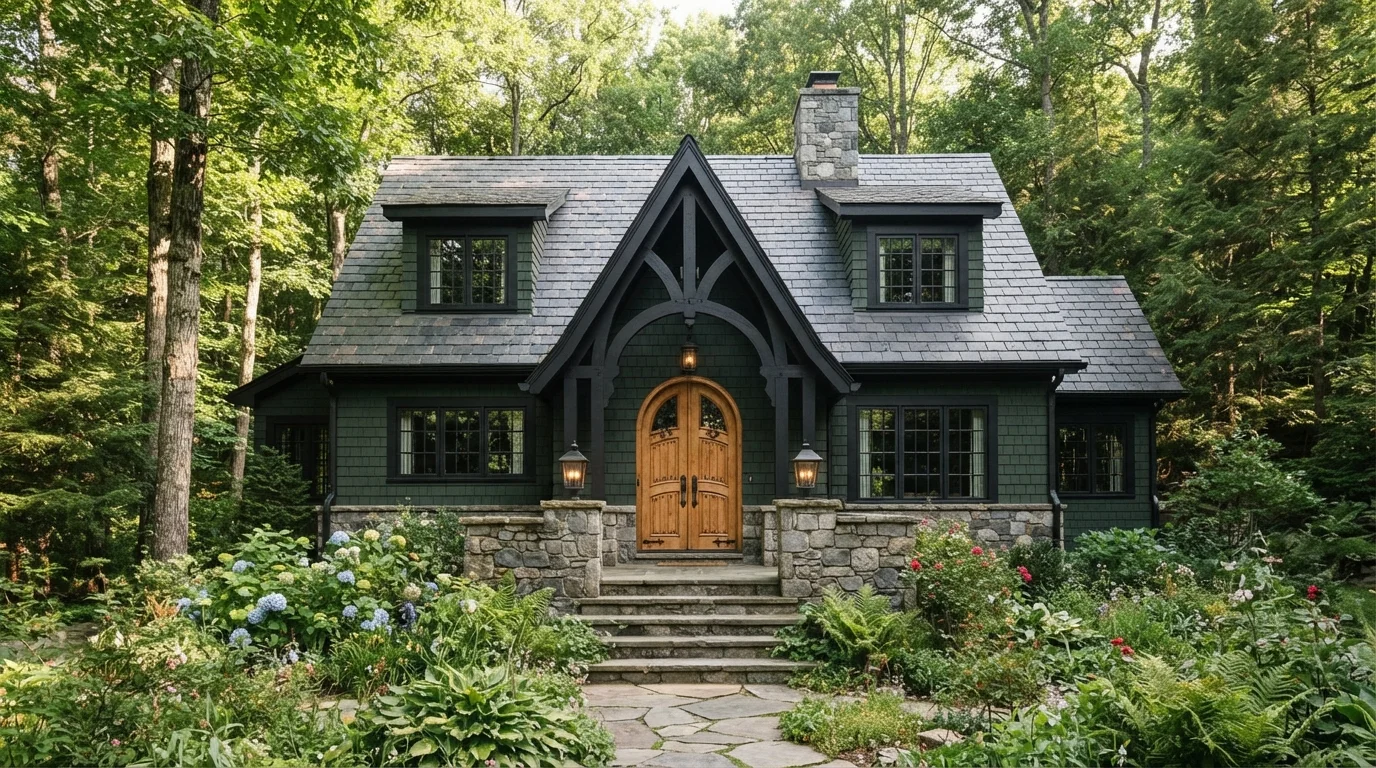
Exterior Paint Colors
Top Picks for the Exterior
4 editor's picksPalettes for the Exterior
Ready-made schemesFull, buyable color schemes built for the exterior — walls, trim, and accents matched to real paint.
All Exterior Colors at Every Brand
130 colors · 5 familiesA representative color from every brand that makes this family — most-recognized brands first, with a second pick from the biggest names. Tap any swatch with a curated guide for full spec and cross-brand matches.
Browse by Family Hub
Color is half the decision. The product roundup covers which paint chemistry actually holds up in this room.
About Exterior Paint Colors
Picking exterior paint colors is the highest-stakes color choice you'll make, because the whole world sees it and you live with it for a decade or more. The good news: a small set of color directions look right on almost any house, and the rest comes down to your light, your fixed materials, and your finish. This page walks you through whites, grays, greens, blues, and warm neutrals so you can land on a color you'll still like in five years.
Every color shown here is mixed to order at a paint counter, so a shade you love from one brand can usually be cross-matched into another. That means you can chase the exact look you want without being locked to a single label.
We'll lean on a few real examples along the way so the advice stays concrete: Alabaster, Repose Gray, Sage, Hale Navy, Dirty Chai, and Dove Gray. Use them as anchors, not rules.
The Best Color Directions for a Home Exterior
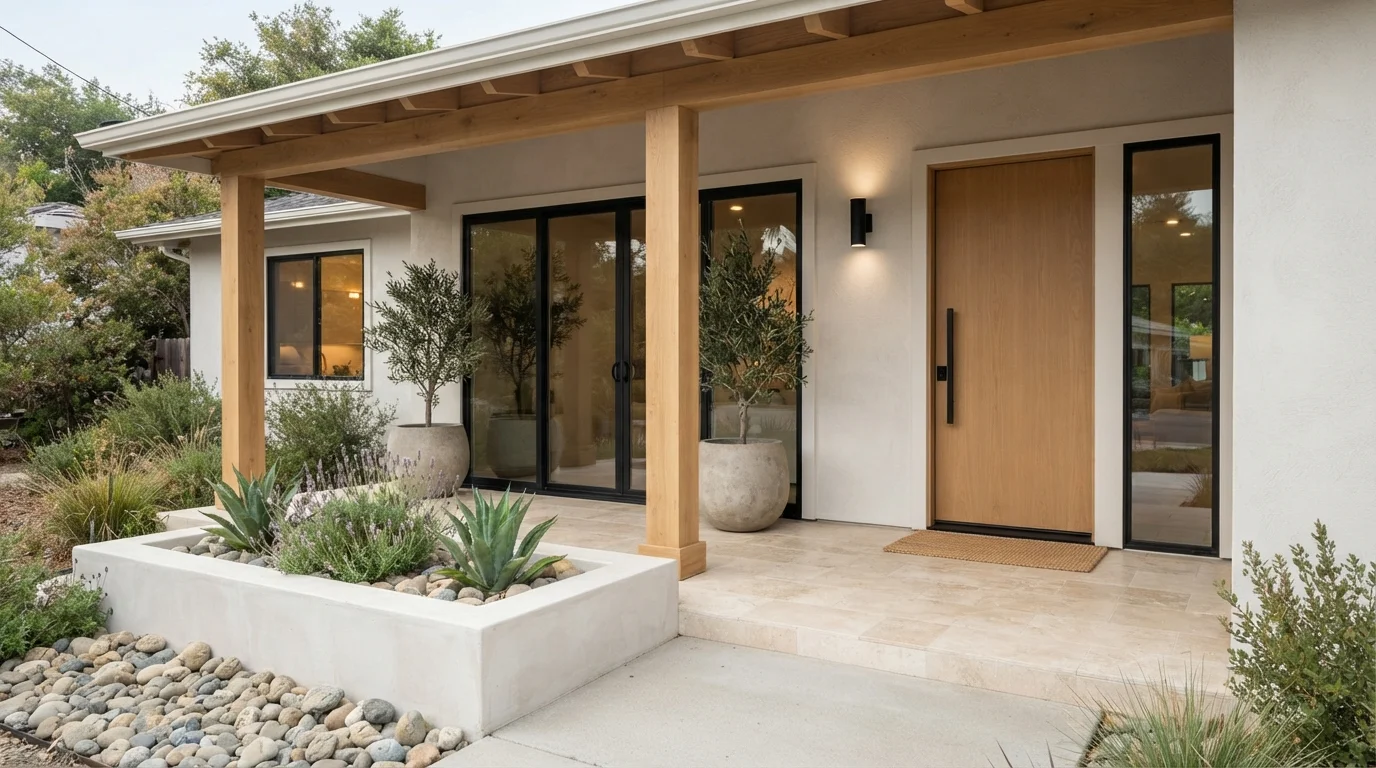
Whites and warm off-whites like Alabaster make a house feel clean, classic, and bigger, and they sit comfortably on everything from farmhouses to colonials. Grays such as Repose Gray and Dove Gray read modern and calm without going cold, and they hide dirt and weathering better than pure white. Greens like Sage feel grounded and natural, blending a house into trees and landscaping instead of fighting it.
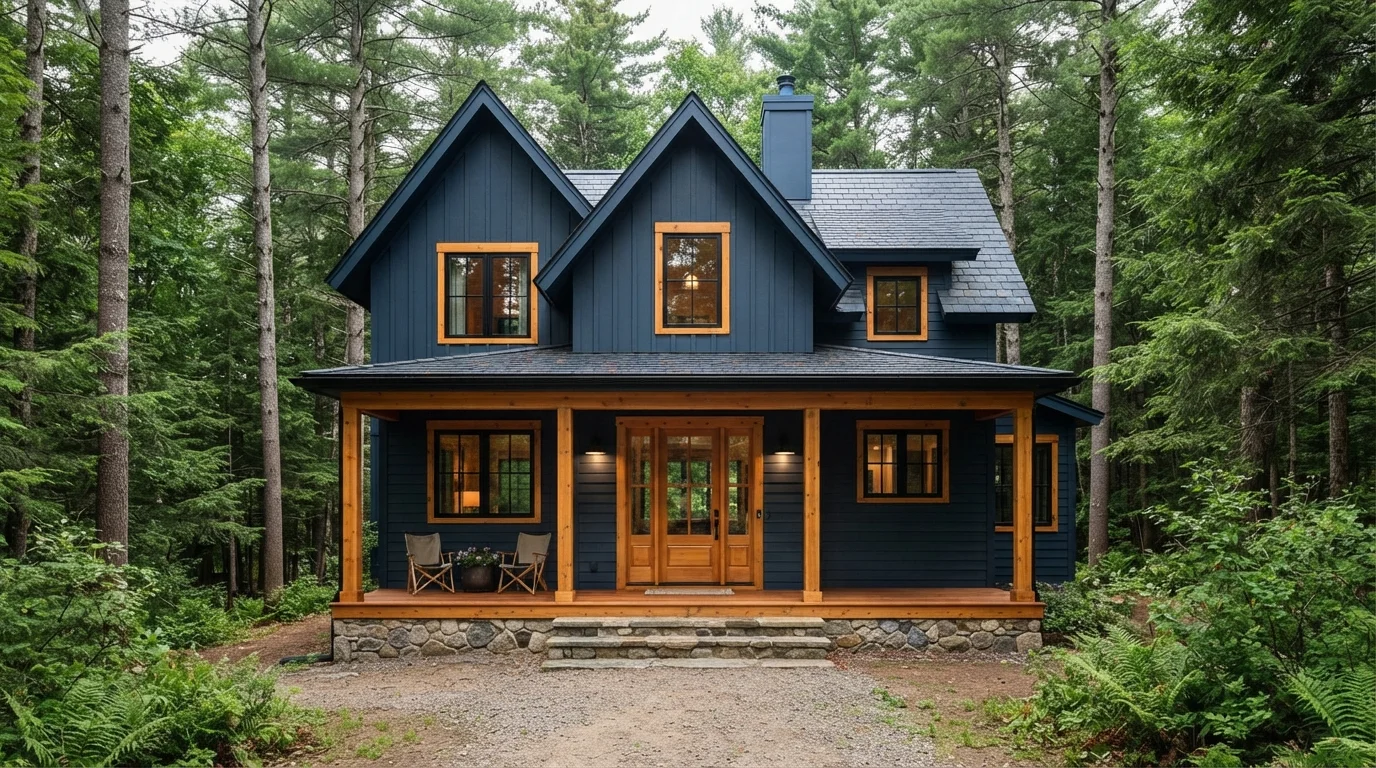
Blues are the easiest way to add real personality. A deep navy like Hale Navy on the body or the front door looks confident and timeless, while a soft warm neutral like Dirty Chai gives you the depth of a darker color with a cozier, earthier mood. When in doubt, pick the direction that flatters your roof and stone, then choose the exact shade second.
Let Your Light and Setting Steer the Color
Exterior color shifts more than any interior color because the sun moves all day. A shade that looks soft and warm at 9 a.m. can look bright and washed out at noon and almost gray at dusk, so always test on the actual wall and look at it morning, midday, and evening. North-facing walls and shaded, tree-heavy lots stay cooler and dimmer, which can push grays toward blue and make dark colors feel heavy; warmer shades like Alabaster or Dirty Chai hold up better there.
Full-sun, south-facing fronts wash colors lighter, so a gray like Repose Gray will look paler outside than it did on the chip, and you may want to go a step deeper. Also look at your neighbors and your surroundings: a green like Sage sings next to greenery, while a navy like Hale Navy pops against snow or pale stone.
The Right Finish for Exterior Paint
For the main body of the house, a flat or low-sheen exterior paint is the standard choice because it hides surface flaws, lap marks, and the small dings every wall has. Modern exterior flats are formulated to resist dirt and fading, so you don't sacrifice durability to avoid shine. Glossier finishes on a big wall in direct sun will spotlight every bump and waviness, which is rarely what you want.
Save the shine for the parts that take abuse and benefit from contrast. Trim, doors, and shutters look great and clean up easier in satin or semi-gloss, and that little step up in sheen makes white trim like Alabaster crisp against a body color. A front door in Hale Navy with a satin or gloss finish reads intentional and wipes clean after a season of hands and weather.
Using LRV to Control How Light or Heavy the House Reads
LRV (Light Reflectance Value) runs from 0 (black) to 100 (pure white) and tells you how much light a color bounces back. Outside, higher-LRV colors like Alabaster and Dove Gray keep a house feeling light, fresh, and larger, and they stay cooler in hot sun. Lower-LRV colors like Hale Navy and Dirty Chai add drama and make a house feel solid and substantial, but they absorb heat and show fading sooner.
A practical rule: a smaller house or one in heavy shade usually looks best lighter, while a larger house or one with great light can carry a deeper color. Sage and Repose Gray sit in the comfortable middle, giving you color and depth without going so dark that the house disappears at dusk.
Pairing Body, Trim, Roof, and Hardscape
Start with what you can't change: your roof, brick, stone, and any permanent paving. Those have undertones, and your paint either agrees with them or fights them. A warm-toned roof loves warm neutrals like Dirty Chai or a greige like Repose Gray, while a cool gray roof pairs cleanly with Dove Gray or a true gray body.
For trim, most houses look best with a clean white like Alabaster framing a colored body, which is why white trim over Sage or Hale Navy is such a reliable combination. Keep it to two or three colors total: body, trim, and one accent for the door or shutters. Match metal fixtures, house numbers, and lighting to that accent so the whole front of the house feels pulled together instead of busy.
The Most Common Exterior Color Mistakes
The biggest mistake is judging color from a tiny chip indoors. Exterior color always looks lighter and brighter outside, so people end up surprised when their soft gray turns nearly white in the sun; buy a sample, paint a large board or section, and live with it for a few days. The second mistake is ignoring fixed materials and ending up with a body color that clashes with the roof or brick.
Going too dark without thinking about heat and fading is another trap, especially with bold colors like Hale Navy on a large sunny wall. And using too many colors makes even a nice house look chaotic, so resist the urge to give every architectural detail its own shade. Pick a clear direction, keep the palette tight, and remember any of these colors can be cross-matched between brands if your favorite store carries a different line.
Exterior Paint Colors — Frequently Asked Questions
How many colors should an exterior have?+
For most houses, three is the sweet spot: a body color, a trim color, and one accent for the door or shutters. A two-color scheme (body plus trim) looks clean and classic, while four or more usually starts to feel busy. Keep details like fascia and gutters tied to the trim or body so they don't read as extra colors.
Will a gray like Repose Gray look the same outside as on the chip?+
No. Outdoor light is far brighter than indoor light, so a gray like Repose Gray will look noticeably lighter and sometimes cooler on the actual wall. Always test a large painted sample on the house and check it in morning, midday, and evening light before committing. If it looks too pale outside, step down to the next deeper shade.
What sheen is best for exterior walls?+
A flat or low-sheen finish is best for the main body because it hides surface flaws and resists glare on big sunlit walls. Modern exterior flats are still durable and washable, so you don't lose protection. Step up to satin or semi-gloss only on trim, doors, and shutters, where the extra shine adds crispness and cleans up easily.
Is a dark exterior color a bad idea?+
Not at all, but use it with eyes open. Deep colors like Hale Navy or Dirty Chai look striking and substantial, especially on a larger house with good light. The trade-offs are more absorbed heat and faster fading on sun-baked walls, so they often work best as an accent, on a shaded elevation, or on a home that can carry the weight visually.
How do I pick a color that works with my roof and brick?+
Treat the roof, brick, and stone as fixed colors with their own undertones, then choose paint that agrees with them. Warm-toned materials pair with warm neutrals or greige like Repose Gray and Dirty Chai, while cool gray materials pair with true grays like Dove Gray. Hold large samples up next to the actual material in daylight to confirm they don't clash.
Can I match an exterior color across different paint brands?+
Yes. Every color shown here is mixed to order at the paint counter, and a shade you love from one brand can usually be cross-matched into another brand's line. Bring the color name or a sample to the store and ask them to match it. This lets you keep the exact look while using whatever paint your store carries.
Which color makes a small house look bigger?+
Lighter, higher-LRV colors like Alabaster or Dove Gray make a small house feel larger and more open because they reflect more light. Pairing a light body with crisp white trim and keeping the palette simple adds to that effect. Very dark colors can make a small house feel more compact, so save those for accents like the front door.