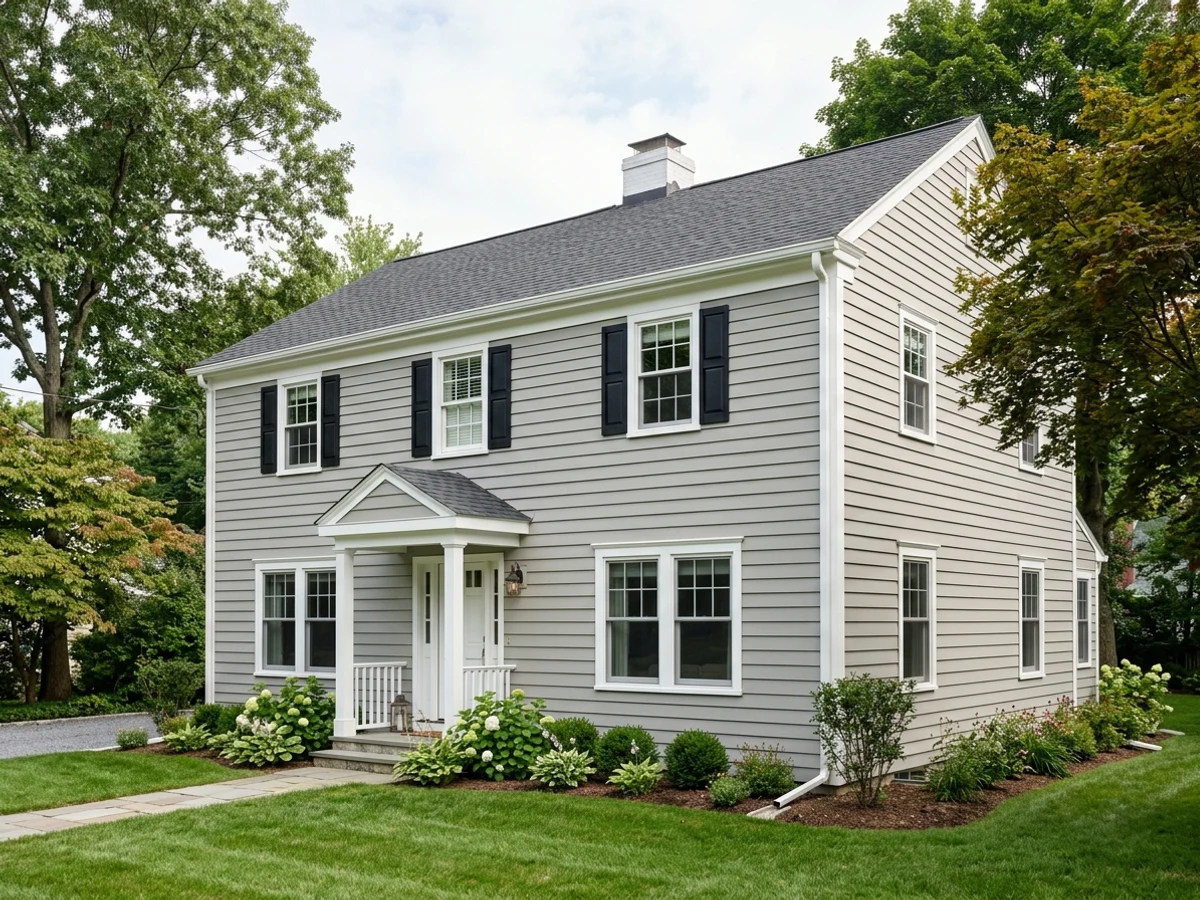
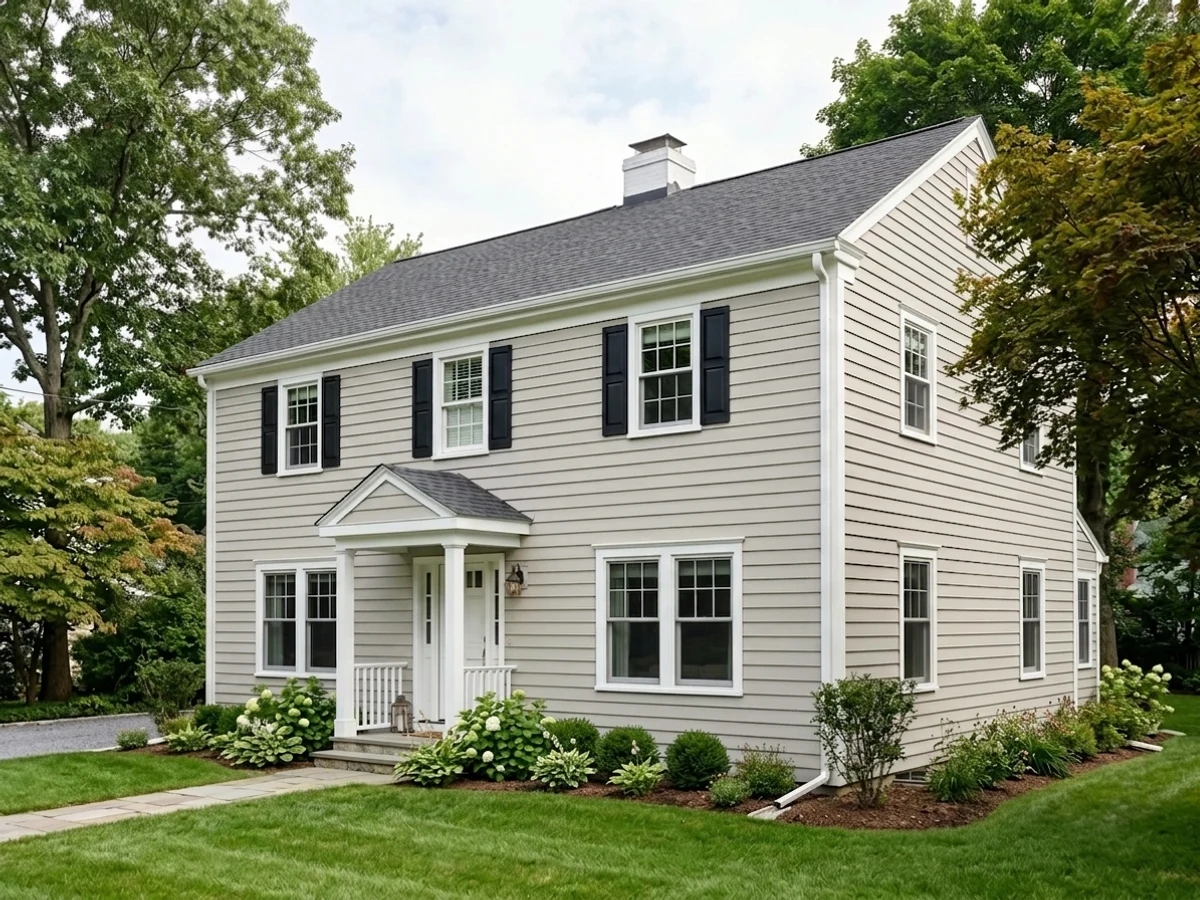
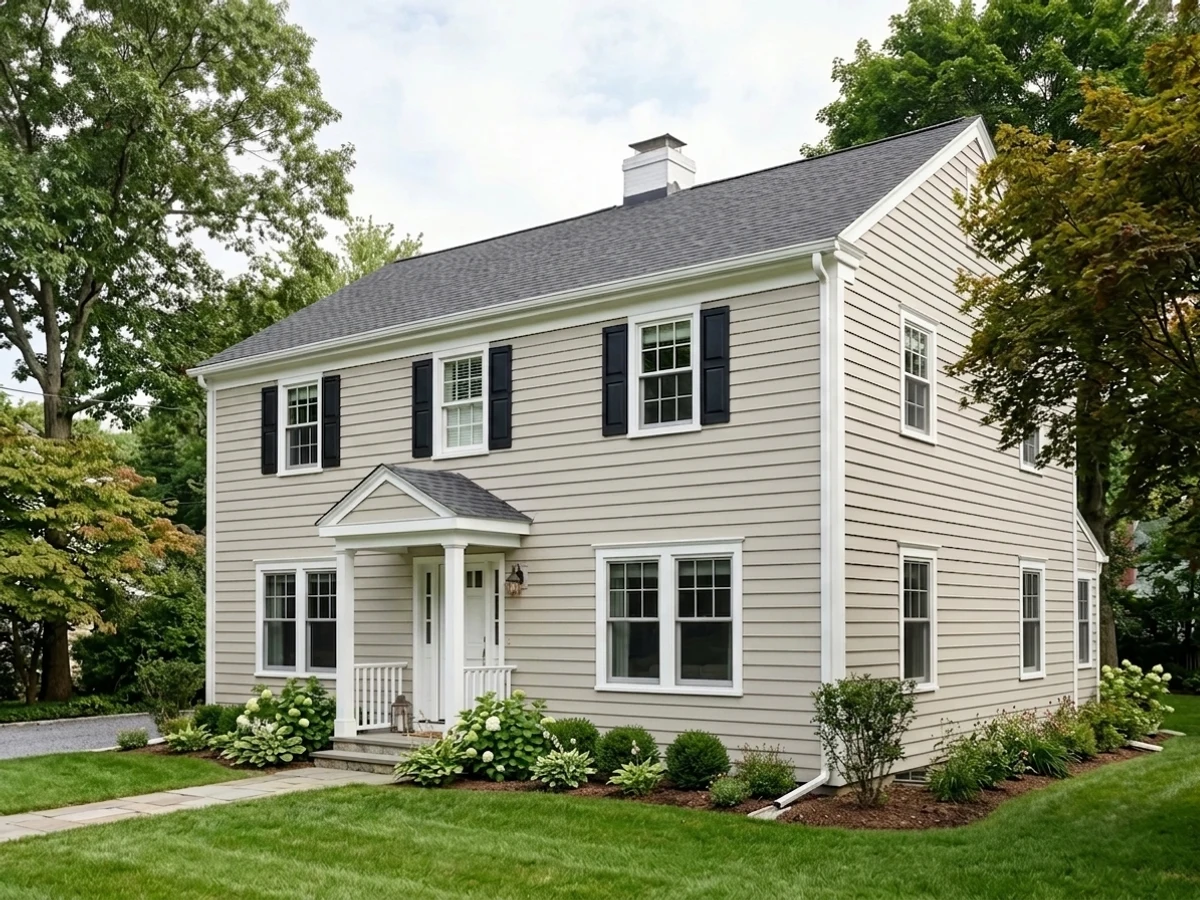
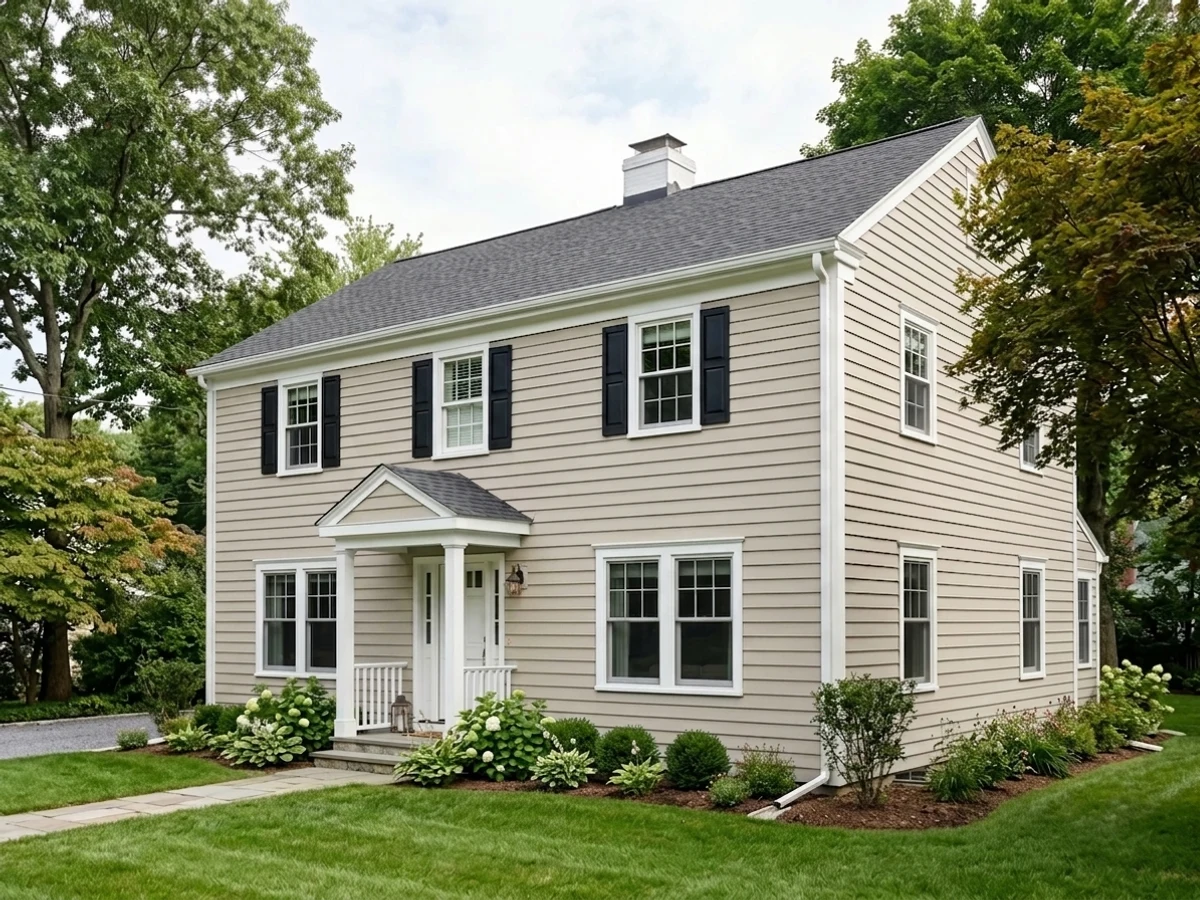
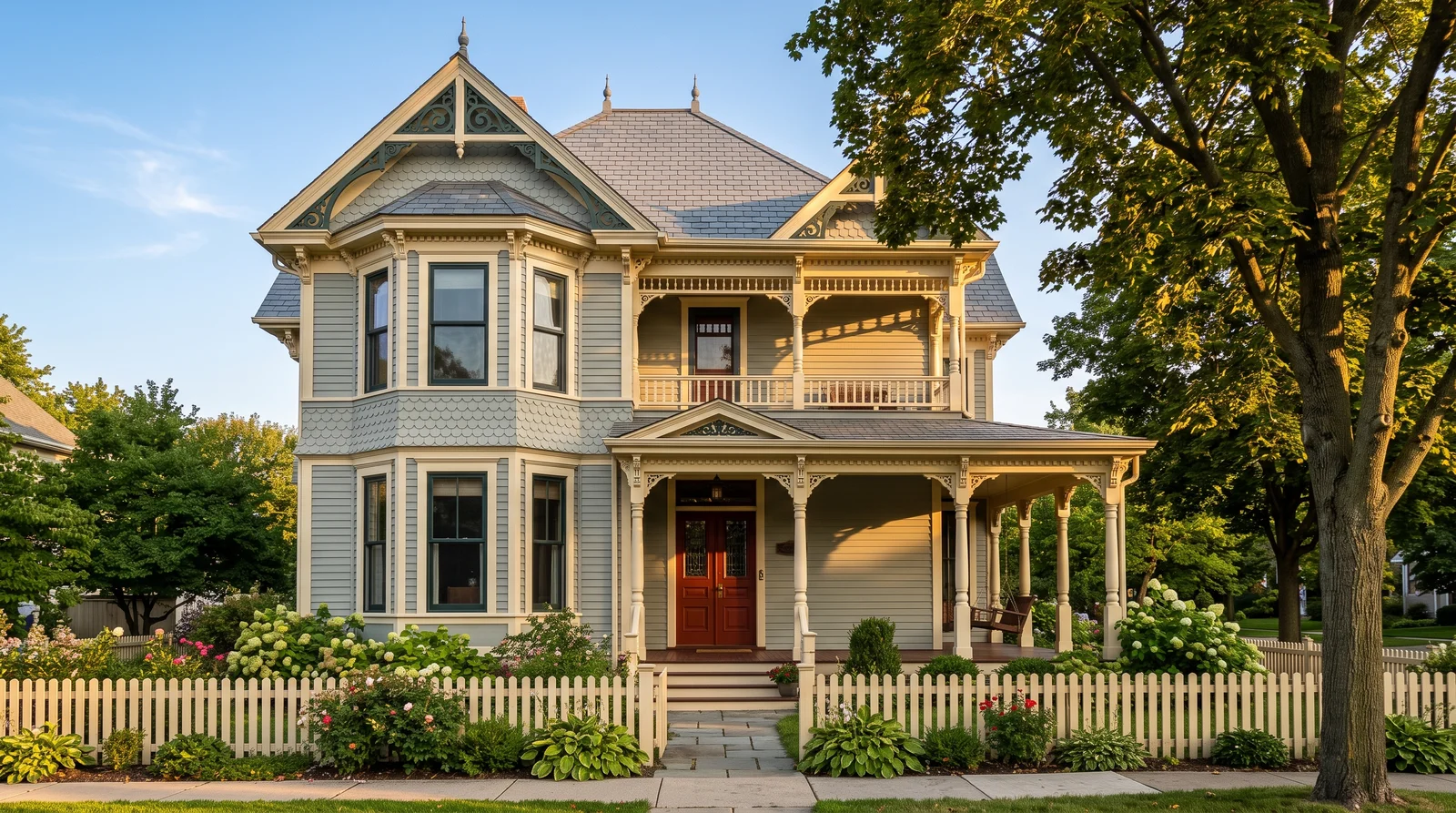
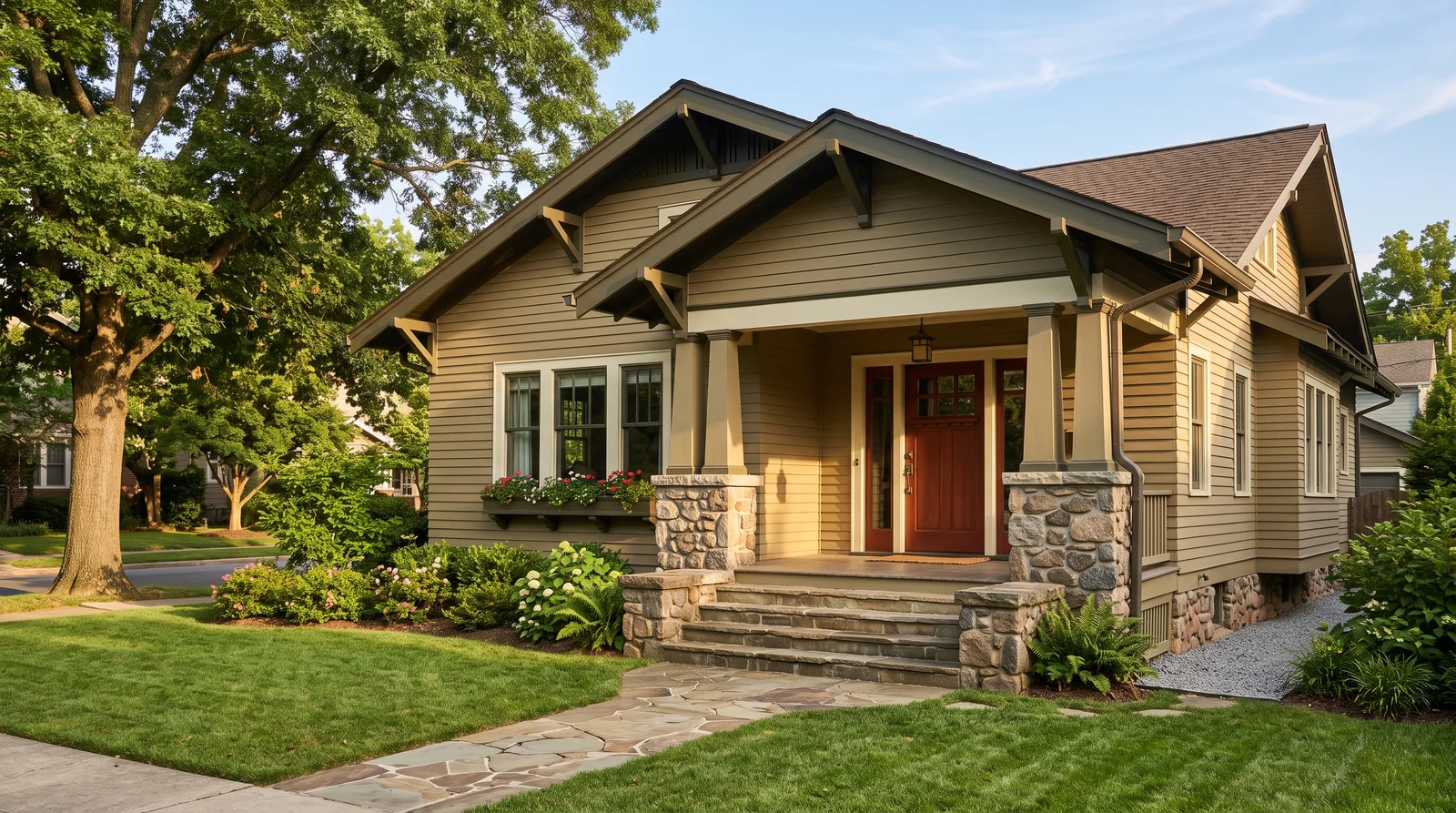
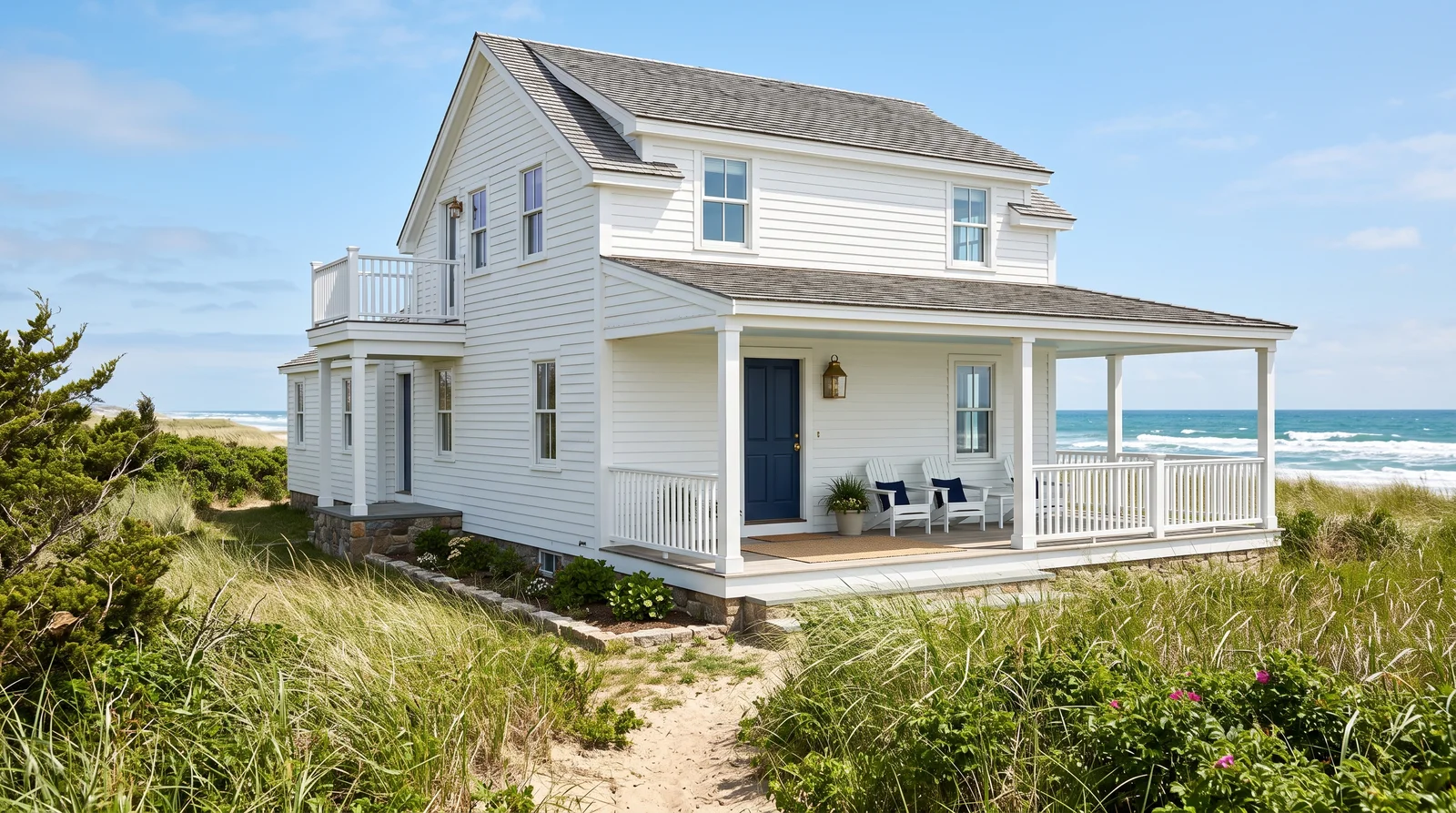
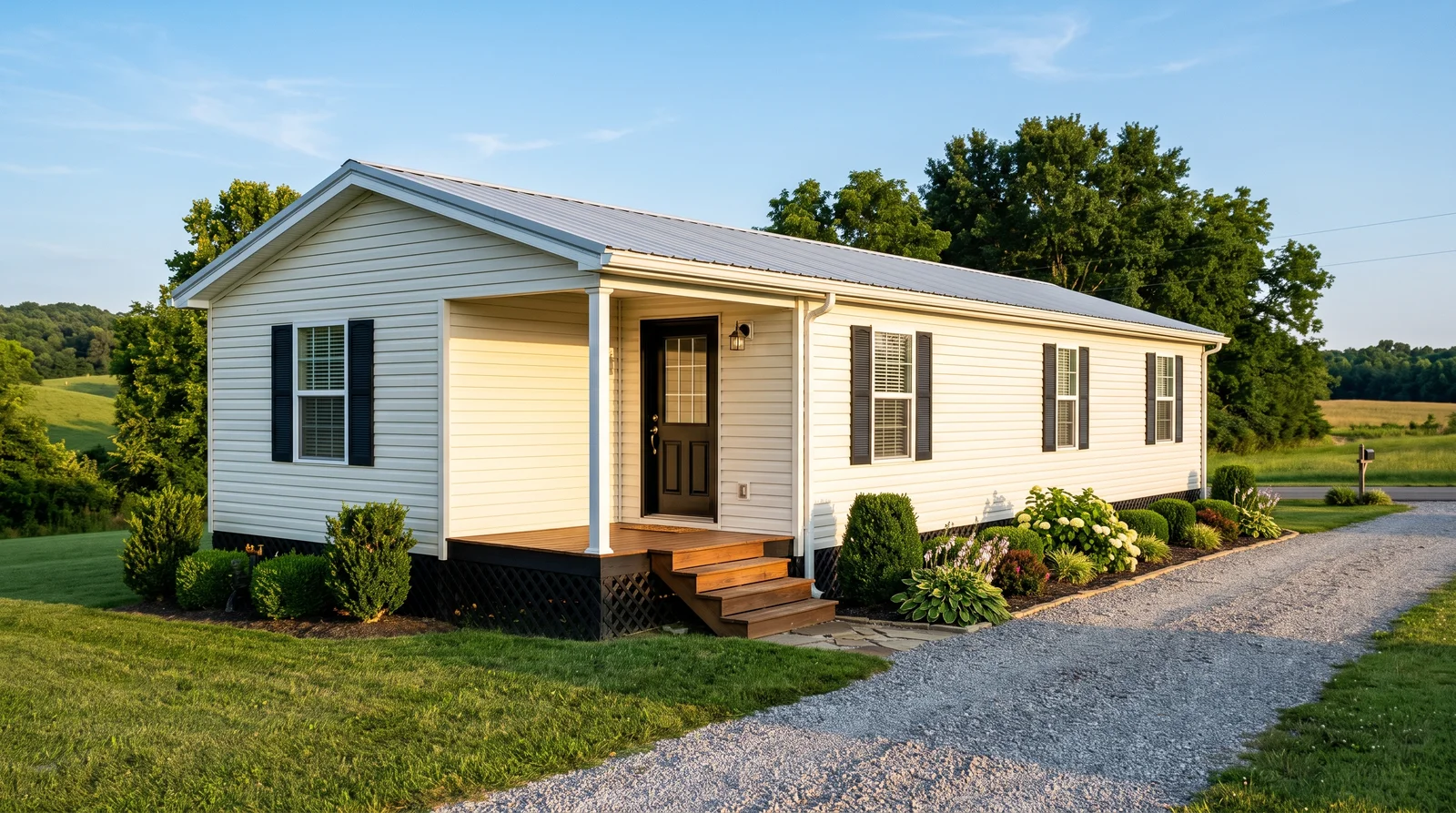
Neutral Exterior Paint Colors
4,152 neutral colors that work in exteriors, drawn from the full ~30,000-color US paint deck. Below: editor's picks specific to exteriors, then 30 picks spread across the LRV range — narrow further on the brand page when you've shortlisted.
Neutrals are the colors that aren't quite gray and aren't quite tan — the warm, low-saturation in-between bucket where greige, taupe, mushroom, bone, and accessible beige all live. They've replaced cool grays as the default safe wall color of the late 2020s, particularly in open-plan homes where one color flows through multiple rooms.
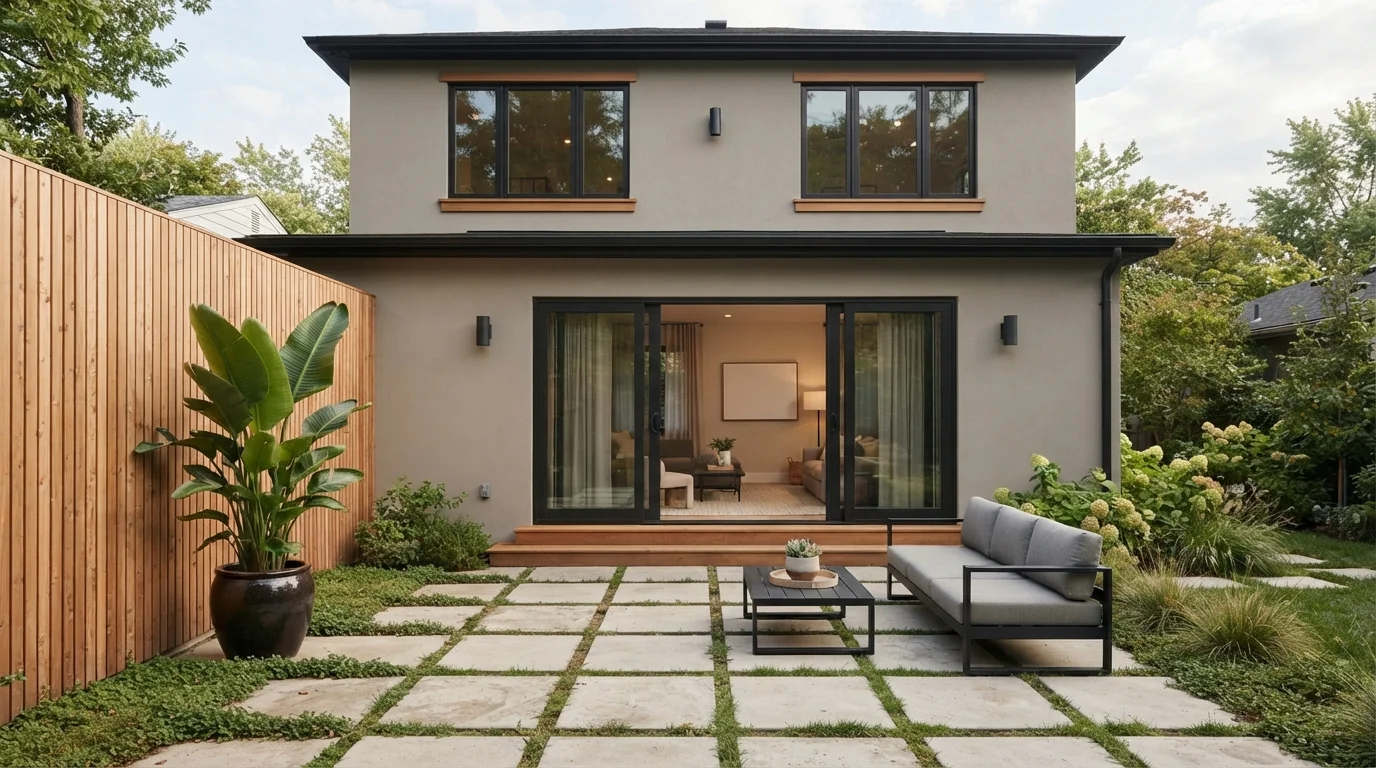
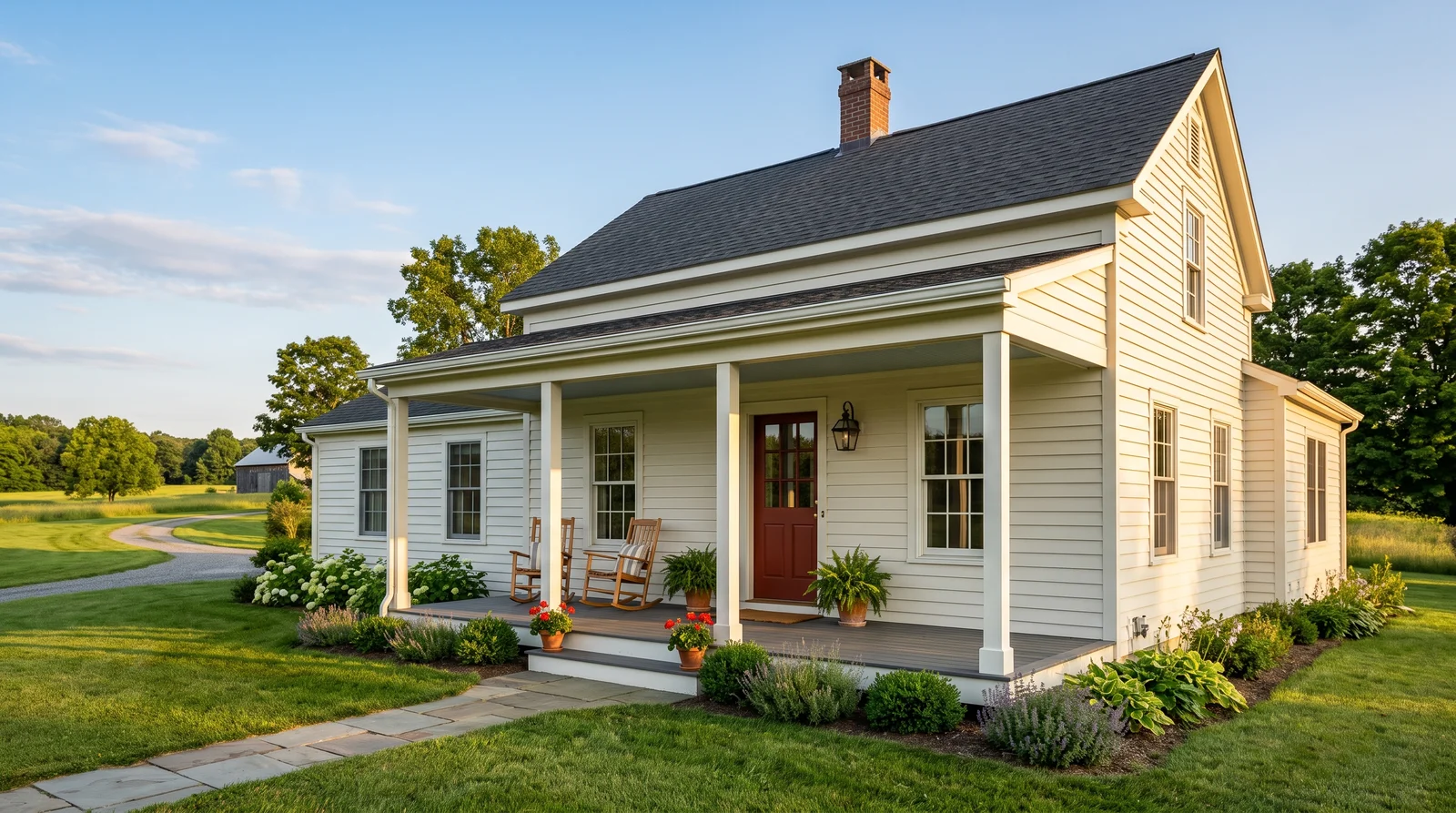
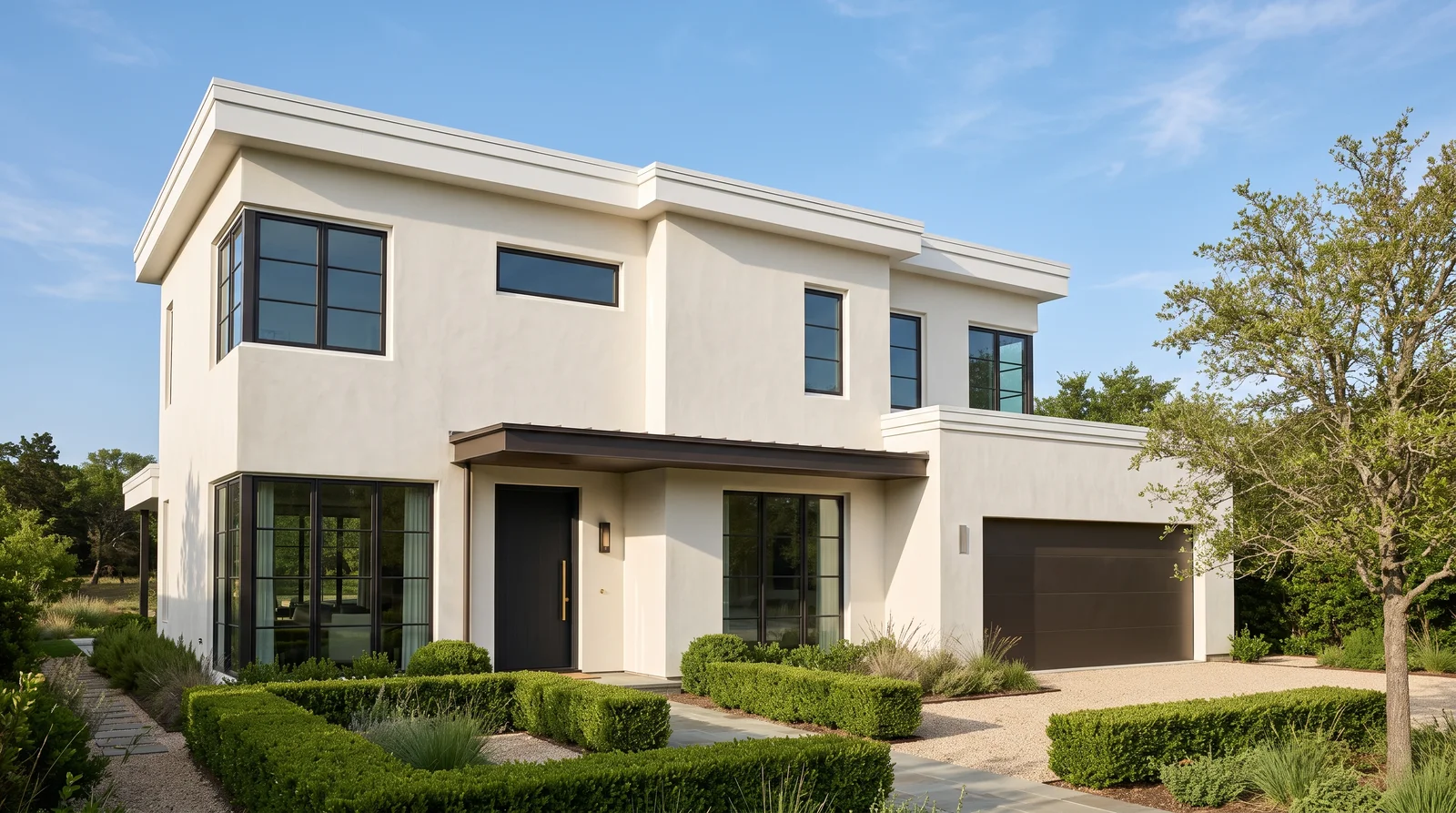
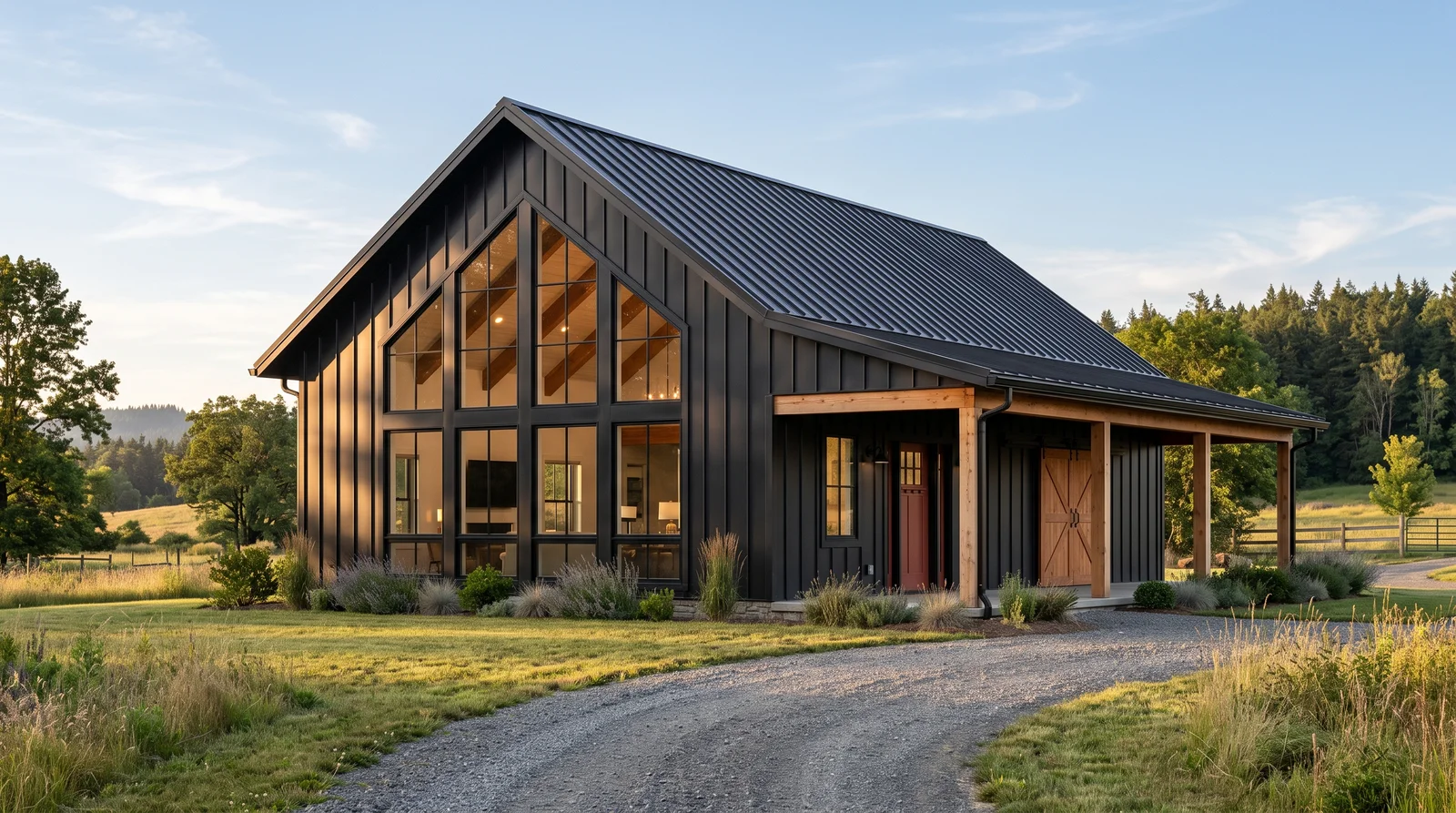
Editor's Picks: Neutral for Exteriors
4 picks30 Neutral Picks Across the LRV Range
30 of 4,152 · sorted dark → lightLooking for more? All neutral → covers every brand; brand × family pages show full decks.
Neutral Exterior Colors at Every US Brand
21 brands · up to 10 picks eachUp to 10 picks per brand spread across the neutral LRV range, drawn from each brand's full deck. Tap any swatch with a curated guide for full spec; tap the brand title for the brand's complete neutral deck.
Behr
Benjamin Moore
Glidden
Sherwin-Williams
Valspar
PPG / Glidden
HGTV Home by Sherwin-Williams
Dunn-Edwards
Diamond Vogel
Hirshfield's
Kompozit
Dutch Boy
C2 Paint
Rodda
Farrow & Ball
Magnolia Home
Portola Paints
Clare
Annie Sloan
Backdrop
Rust-Oleum
Other Exterior Color Families
Neutral Colors in Other Rooms
Neutral Paint Colors for a Exterior
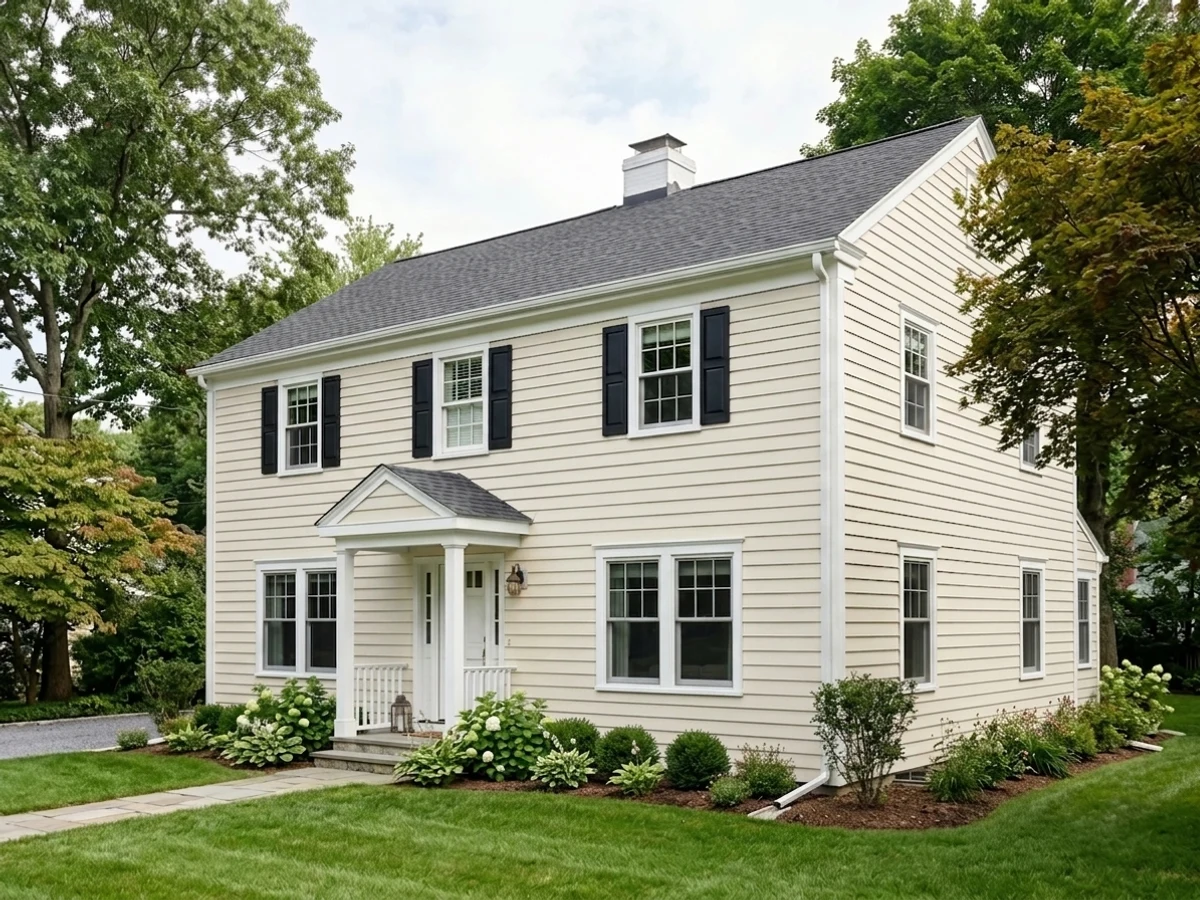
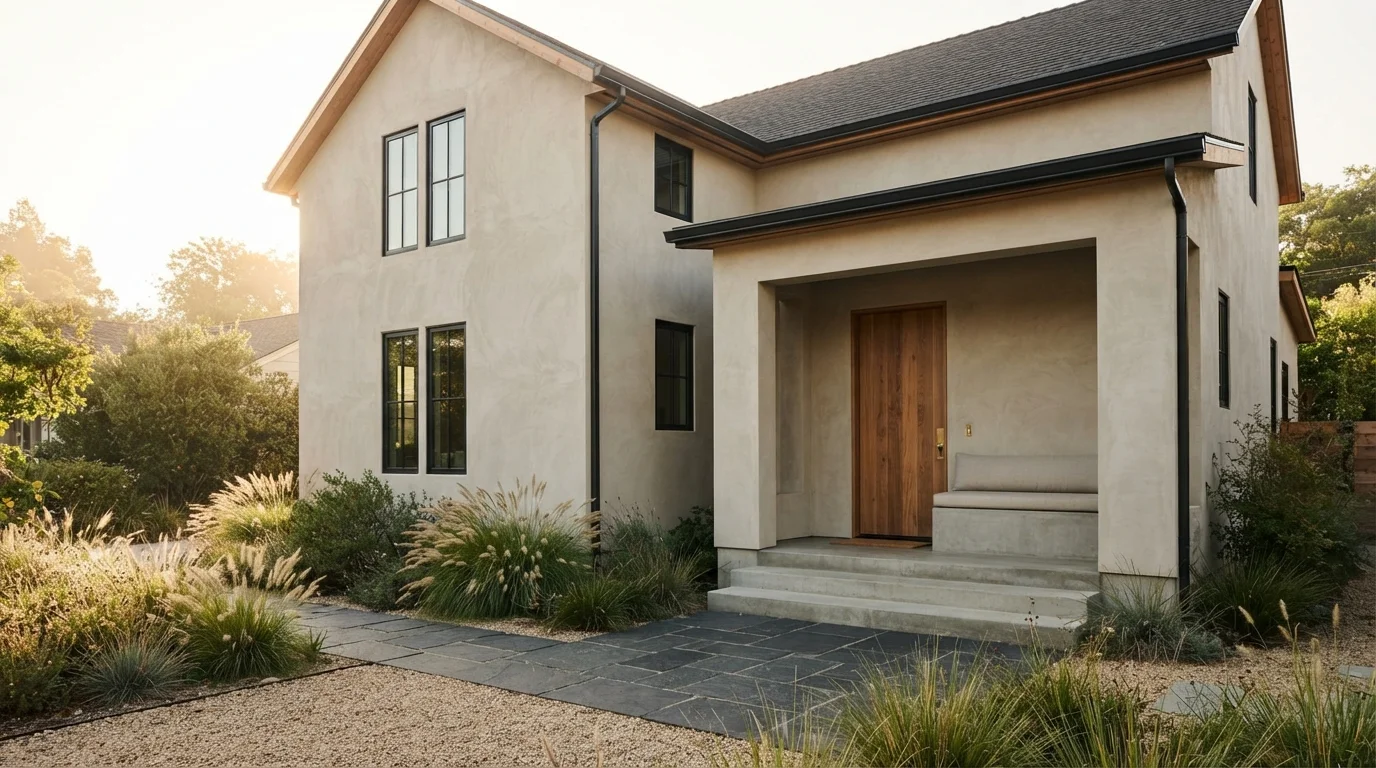
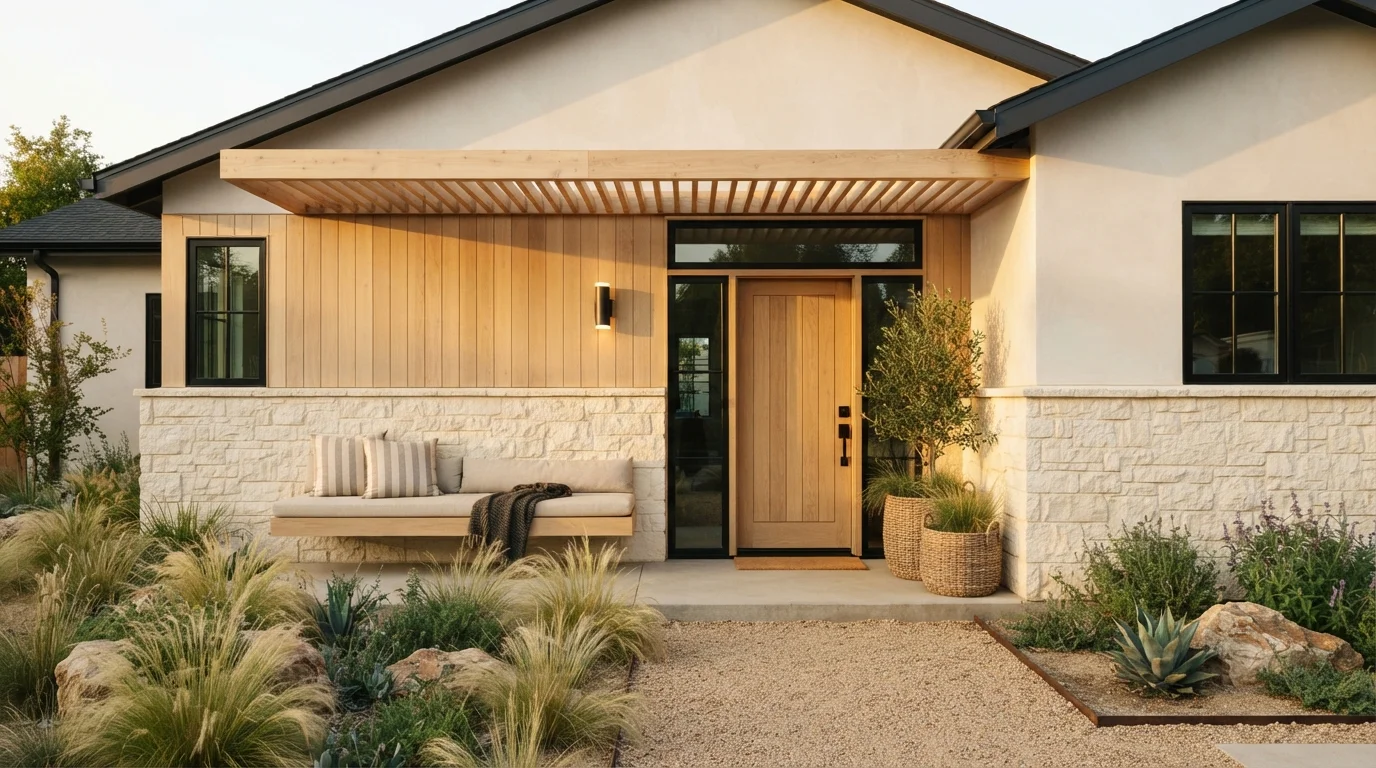
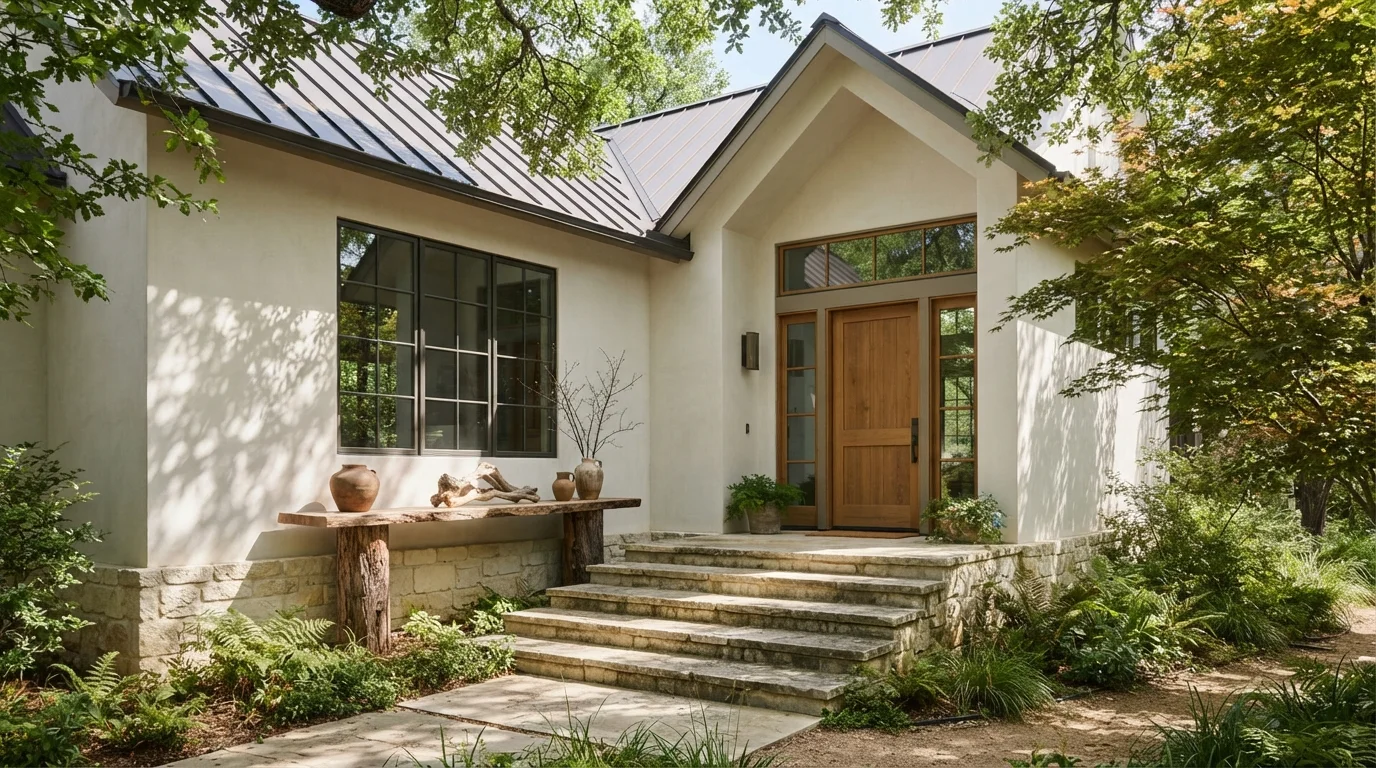
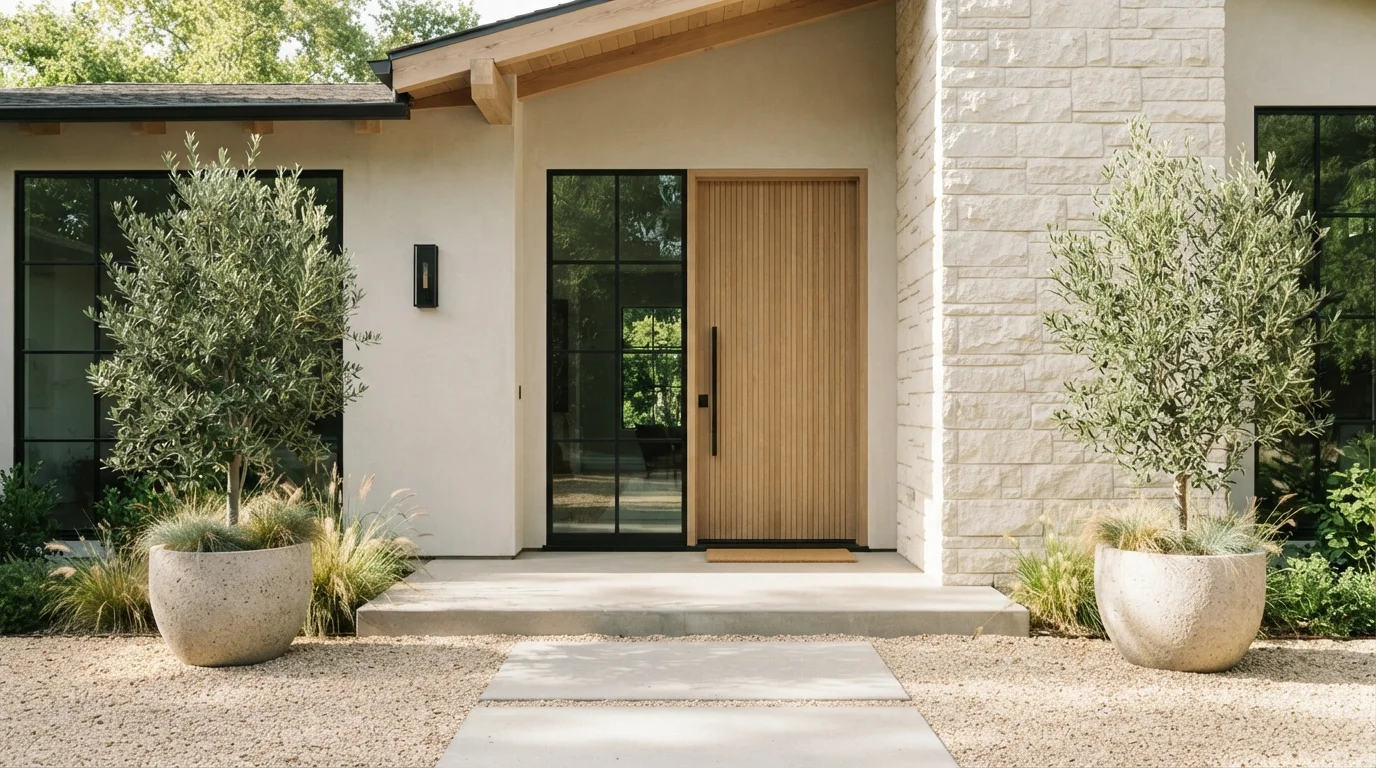
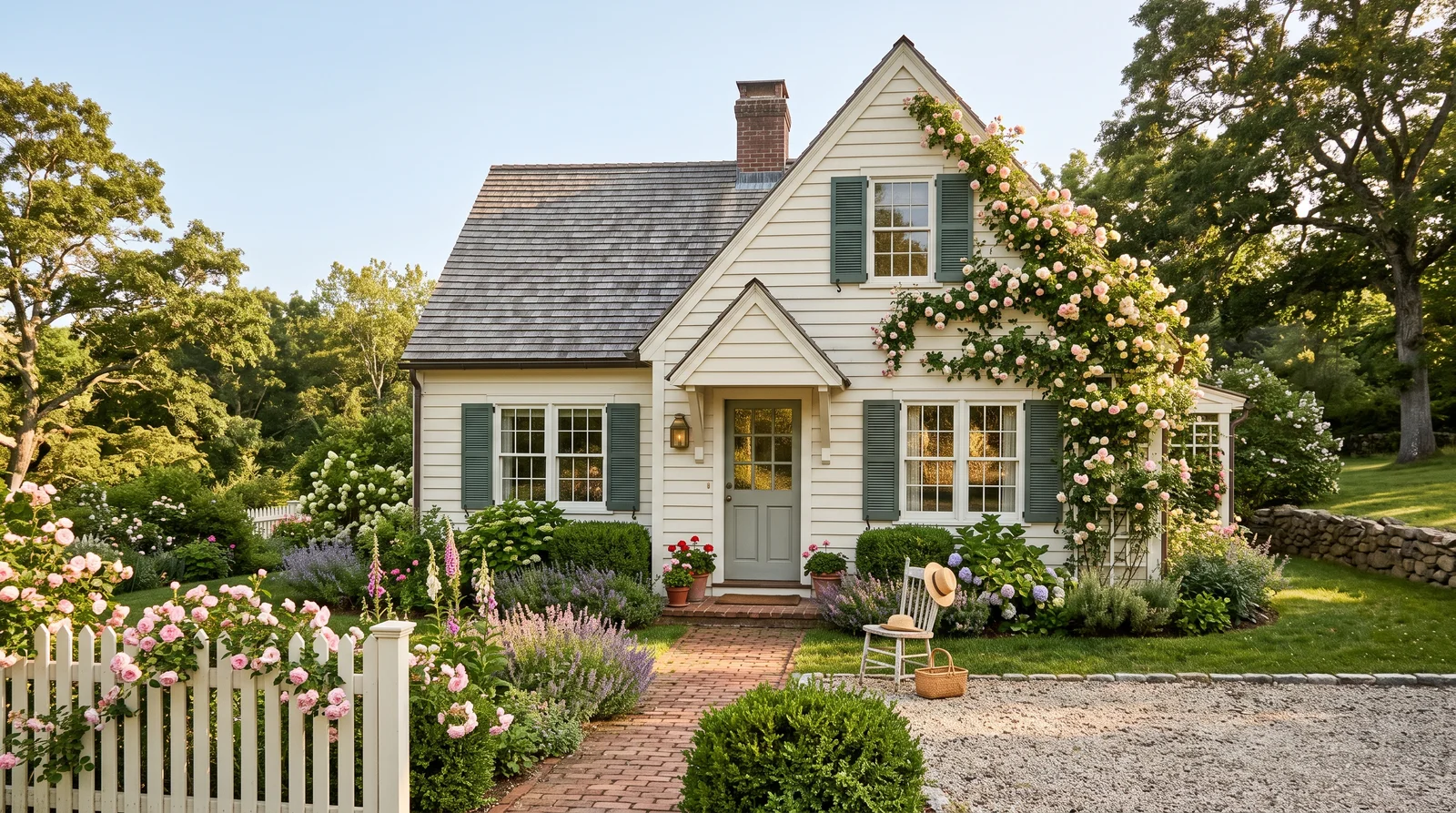
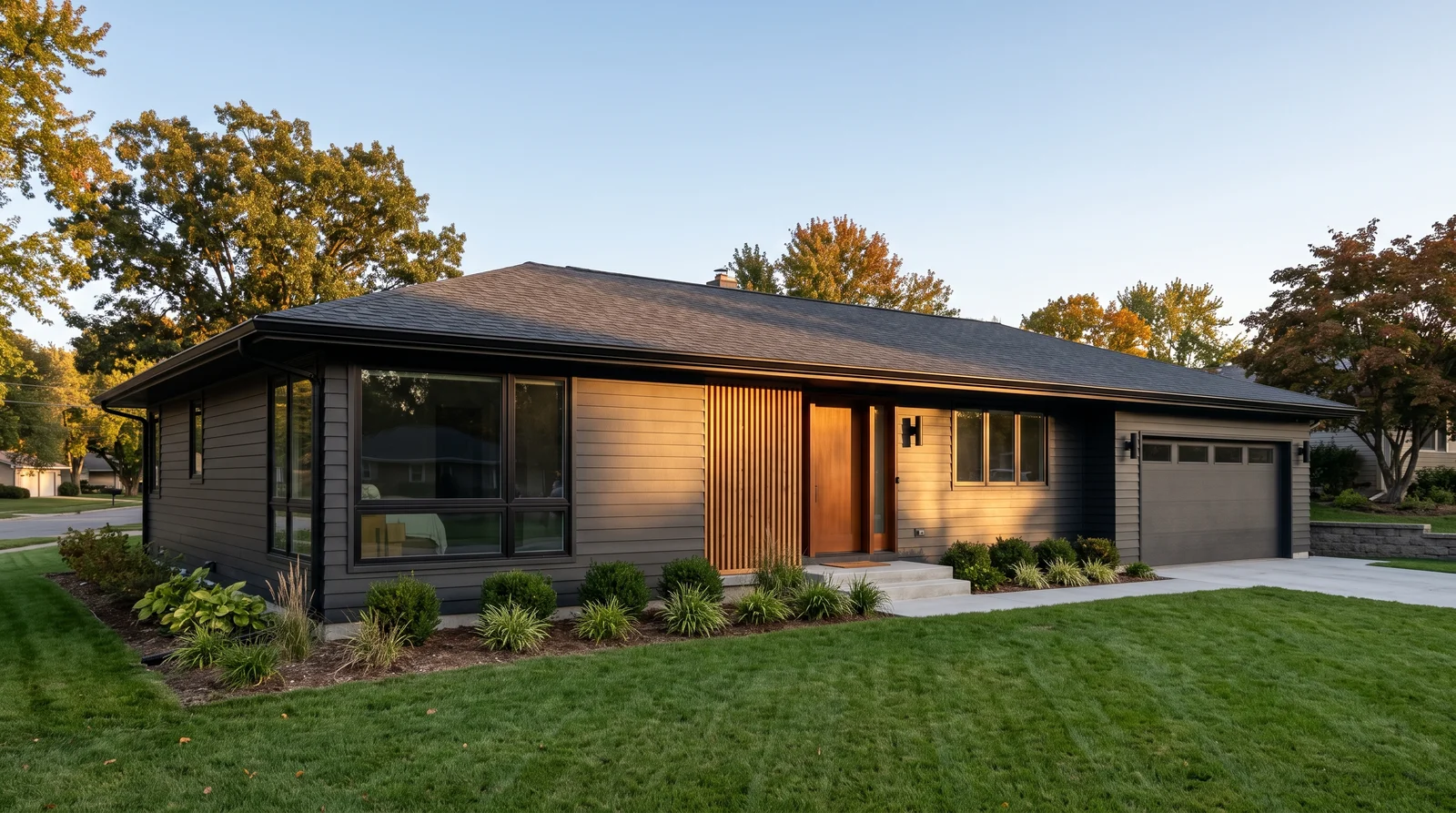
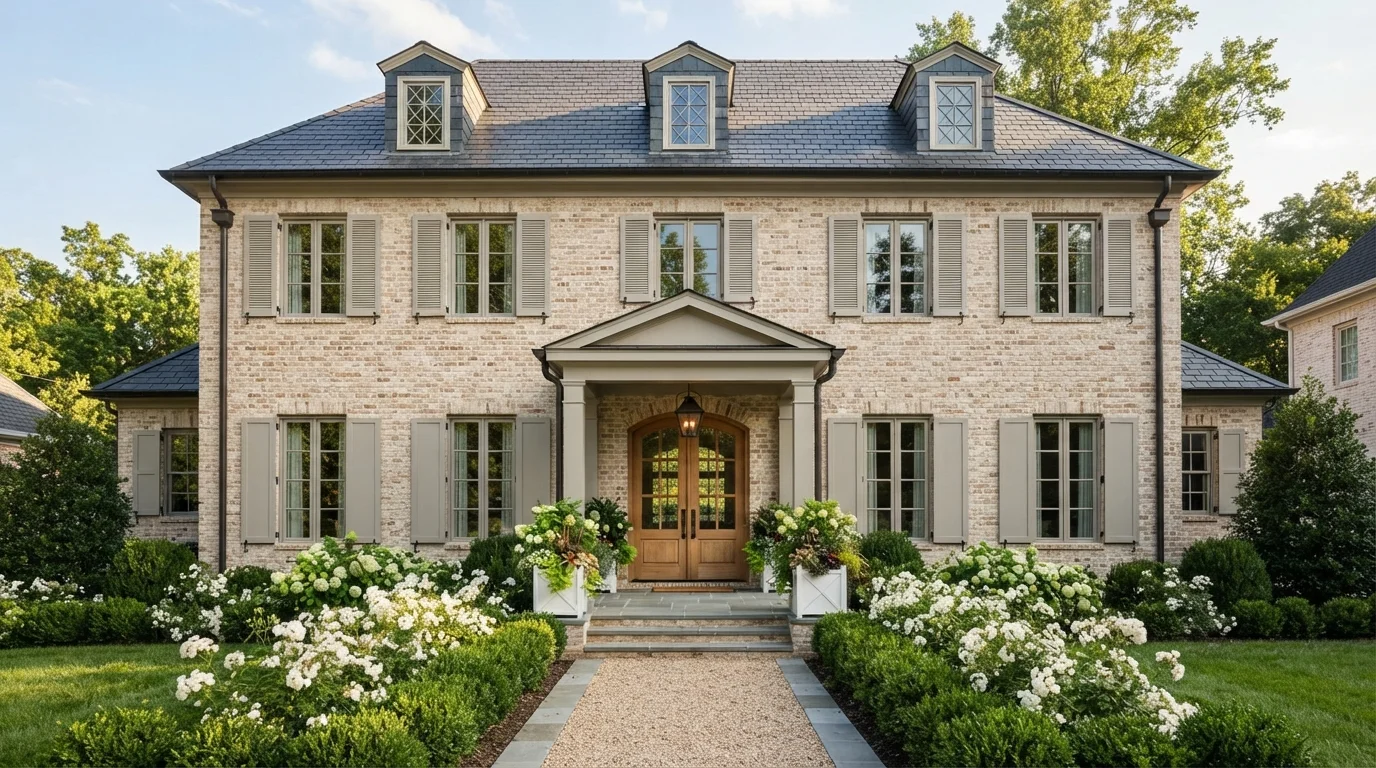
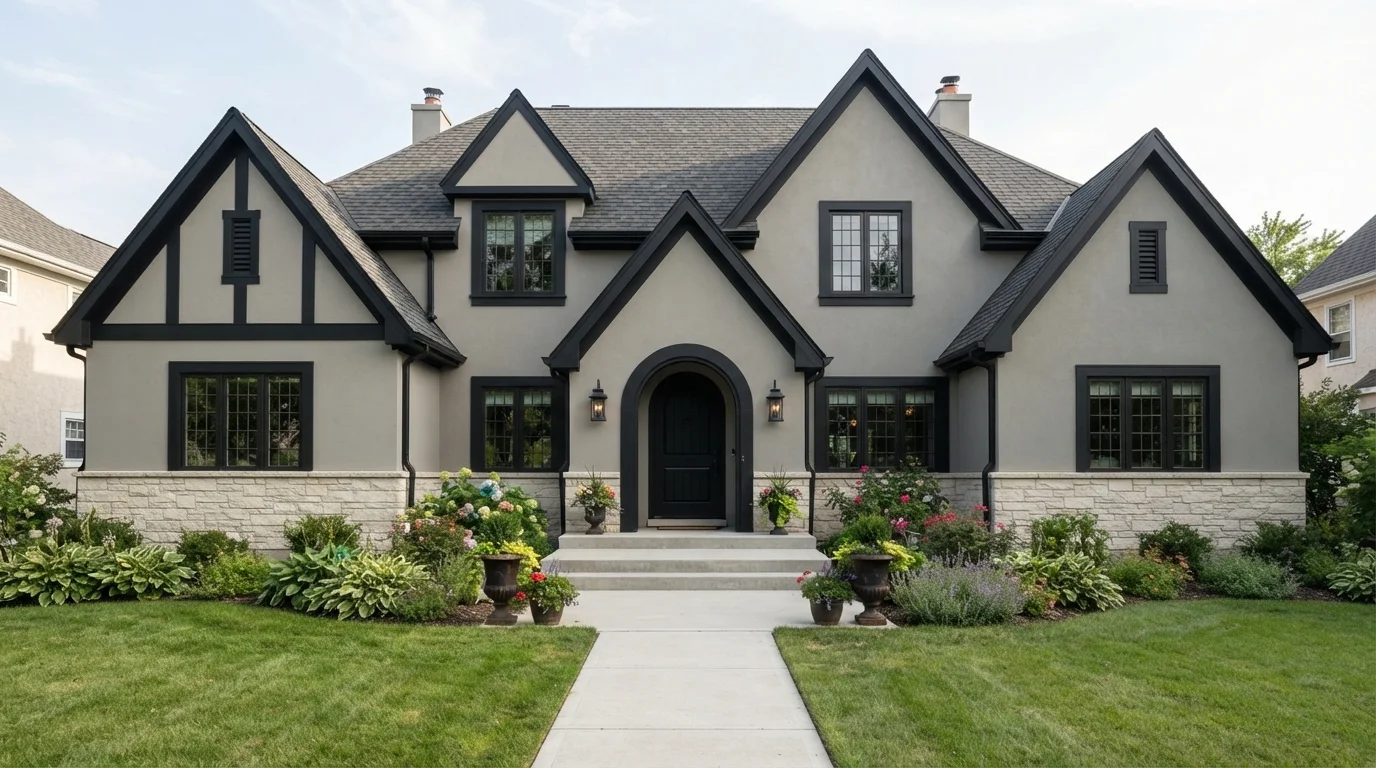
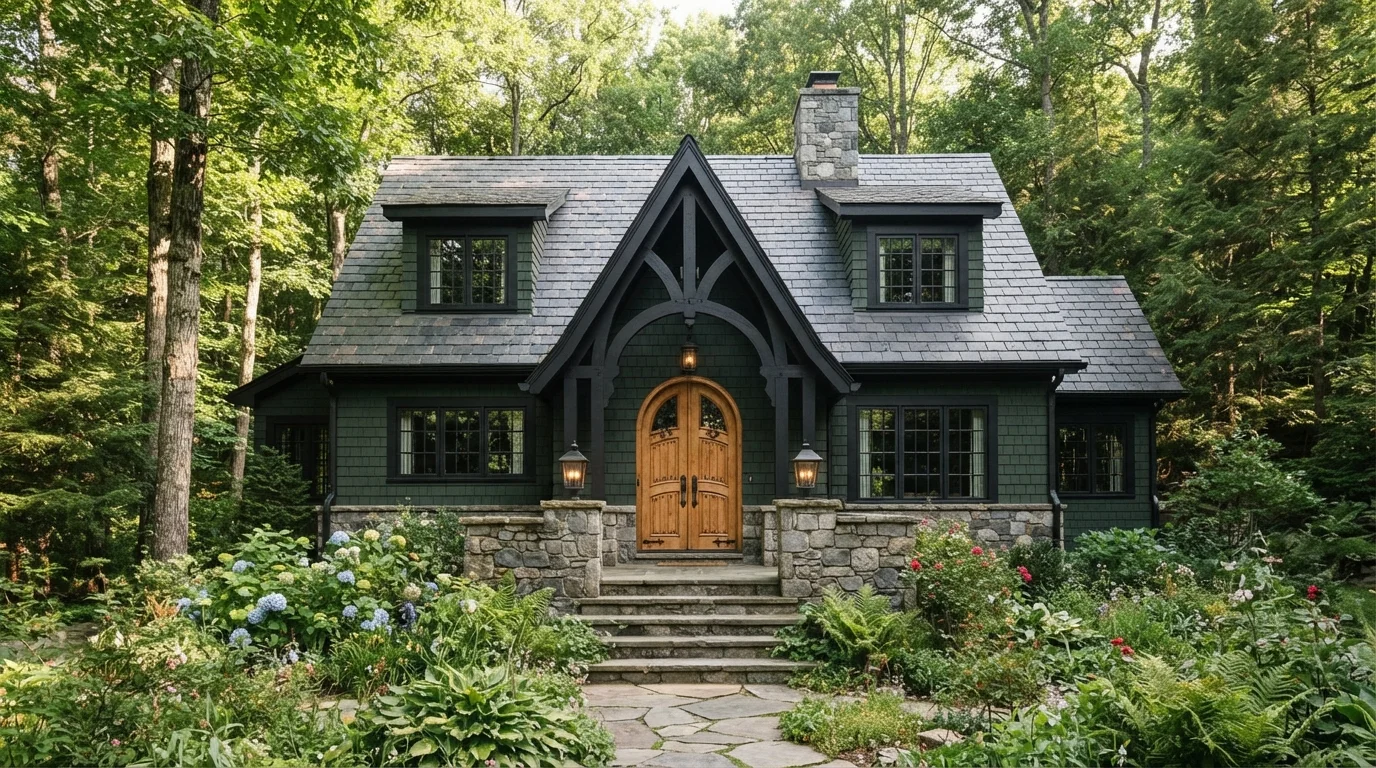
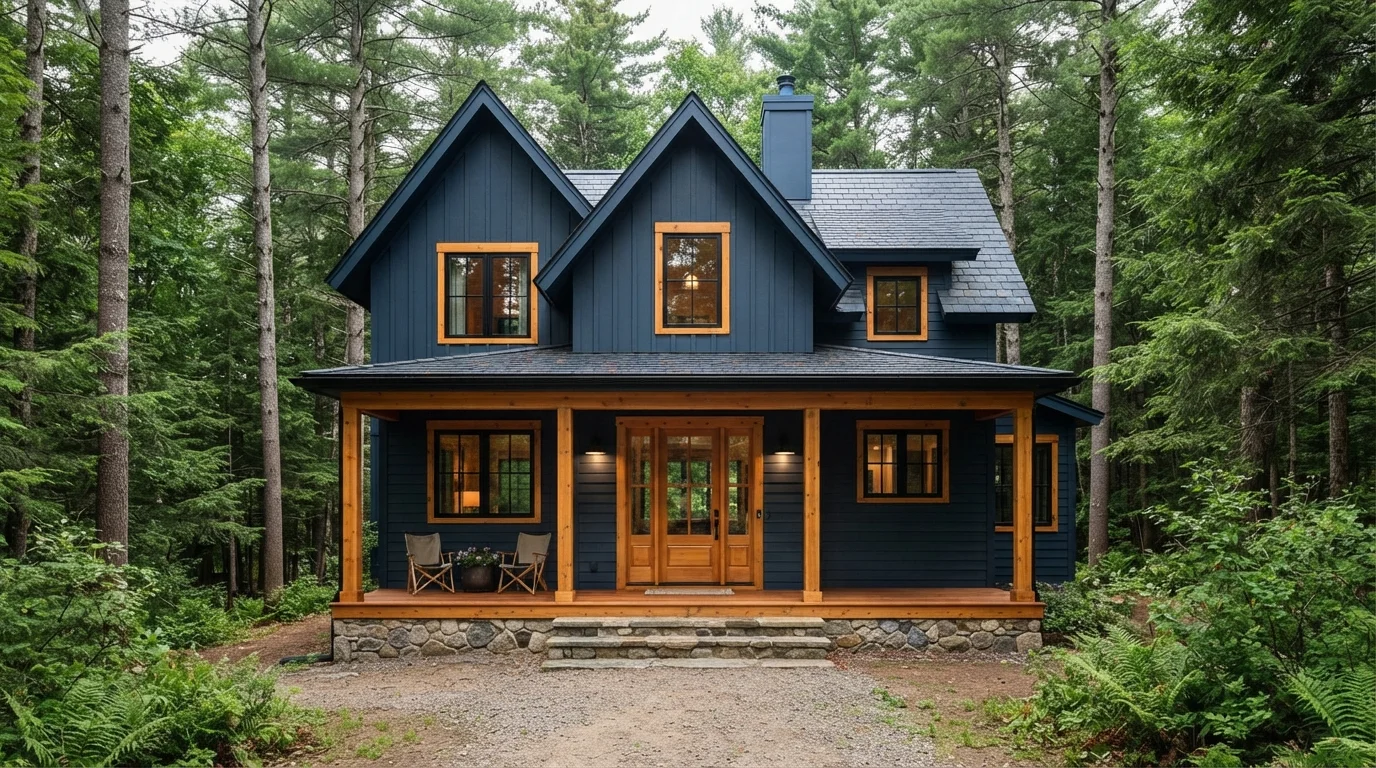
Neutral is the safest, smartest place to start when you paint the outside of a house, and that is true for almost any home and almost any street. A neutral body color reads as calm and finished from the curb, plays nicely with brick, stone, and roofing you cannot change, and tends to hold its value when you sell. The trick outside is that "neutral" has to survive full sun, weather, and the colors of everything around it, so the right pick is rarely the lightest chip on the rack.
The big difference between an exterior and an indoor wall is that the outside has no control over its light. The sun moves all day, the color shifts from morning to evening, and a shade that looked perfectly gray indoors can flash green, pink, or purple against the sky. This page is about choosing a neutral that stays neutral outside, picking a depth that suits your home's exposure, and pairing it with trim, roof, and stone so the whole house looks intentional.
Why Neutral Is the Right Call Outside
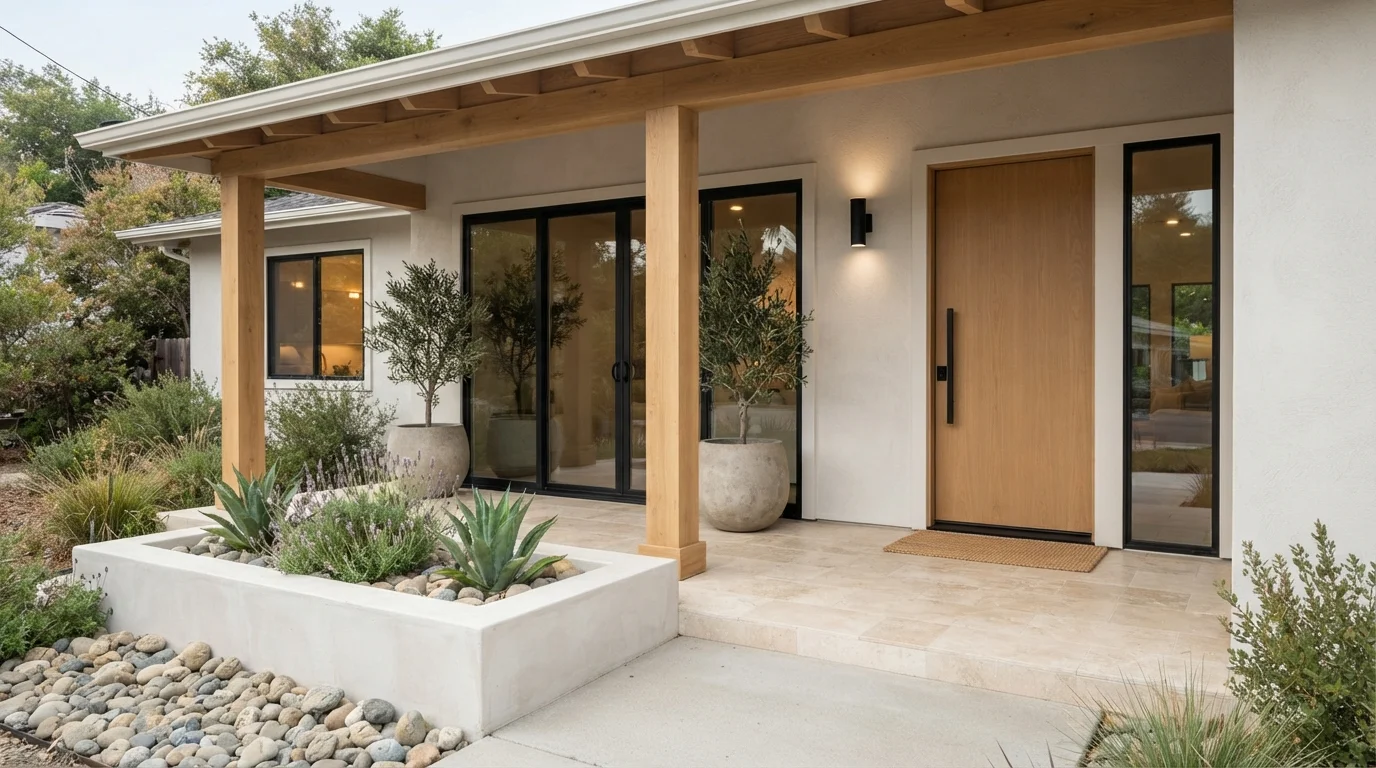
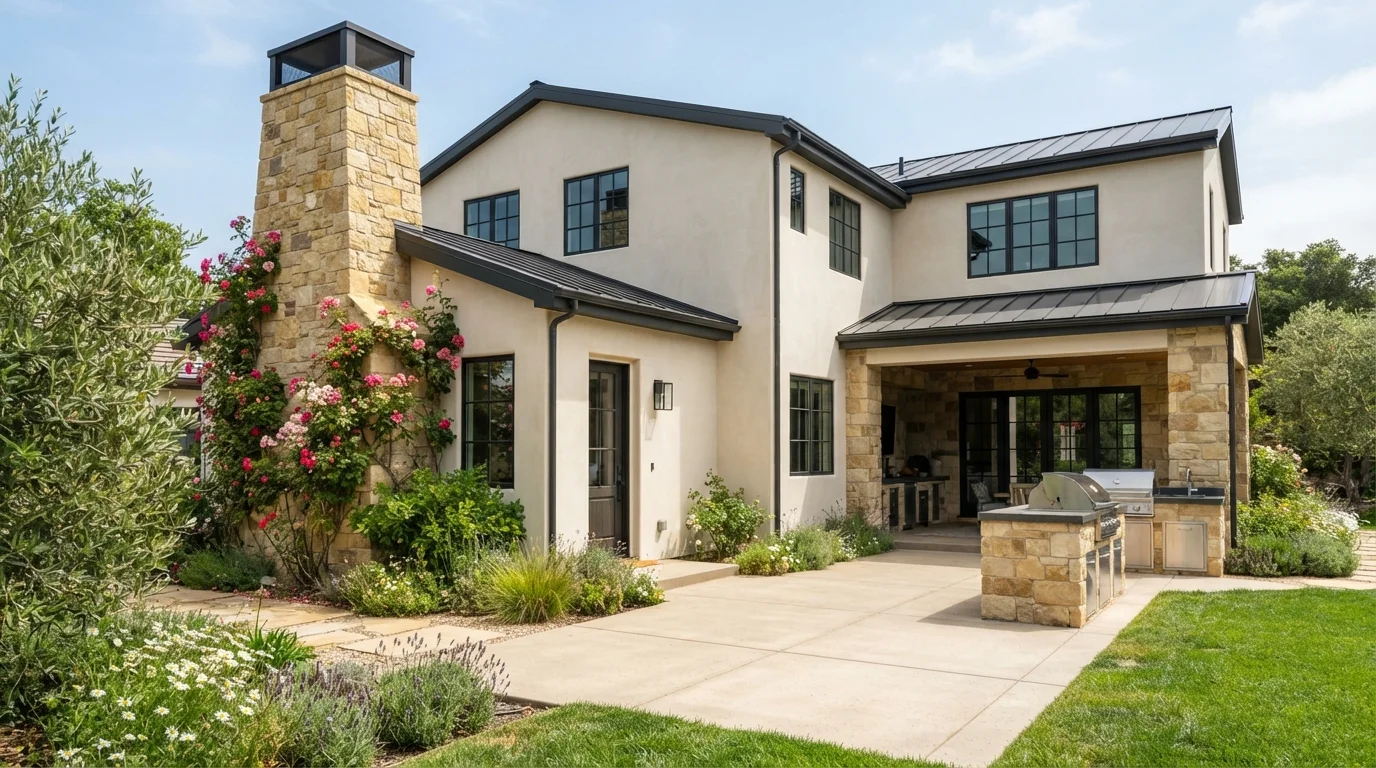
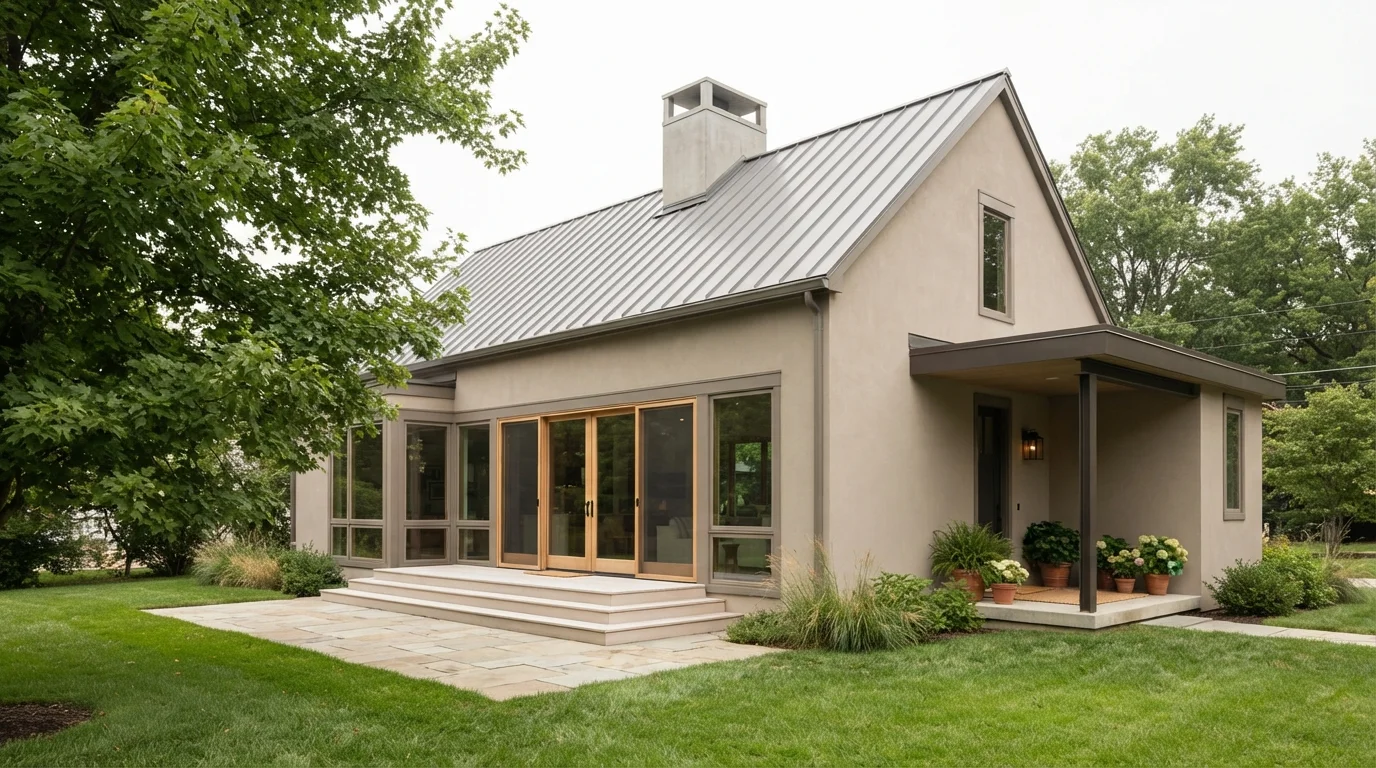
A neutral body color is the one choice that works with things you cannot easily change: the roof shingles, the stone foundation, the brick chimney, the neighbor's house ten feet away. Strong colors fight those fixed elements, while a good greige, warm white, taupe, or soft gray steps back and lets them belong together. That is also why neutrals tend to be the easiest to sell later.
The other reason is light. Outside, a color is lit by raw sun and open sky, which is far brighter and bluer than any lamp indoors. Neutrals handle that punishing light better than saturated colors, which can look garish at noon and muddy at dusk. A neutral simply has less to go wrong.
Picking the Right Depth and Watching Undertones
Exteriors almost always need a neutral a few steps deeper than you expect. Bright open sun washes color out, so a chip that looks like a comfortable mid-tone indoors can read nearly white on a sunny wall. Aim for a body color in the LRV 45 to 60 range for a soft, livable neutral, and drop into the 30s if you want a grounded, modern look that hides dirt. Save the very high LRVs, 70 and up, for trim and accents rather than the whole house.
Undertones are where neutrals go wrong outside. Cool grays can flash blue or even purple against the sky, and a "warm" beige can turn pink or yellow in late-day sun. Always test a large sample on more than one wall and look at it at morning, midday, and evening, because a north wall and a south wall will not agree. Hold the sample near your roof and stone too, since those decide which undertone is going to show.
The Right Finish for an Exterior
Outside you want a finish that sheds water, resists fading, and can be rinsed clean, which is why exterior body coats almost always live in the flat-to-low-luster range. A flat or matte hides surface flaws on older siding and kills glare on a big sunny wall, while a low-sheen satin or eggshell gives a touch more washability and is a good choice for smooth siding or homes near dust and pollen. Going too glossy on the body is the most common finish mistake, because shine exaggerates every dent, lap mark, and ripple in the sun.
Trim and doors are the place to step up the sheen. A satin or semi-gloss on trim, shutters, and the front door wipes clean, stands up to hands and weather, and gives the eye a crisp edge against the softer body. Keep the body quiet and let the trim do the shining.
Pairing Neutral With Trim, Roof, and Stone
The fastest way to make a neutral exterior look designed is to control the contrast between body and trim. Warm whites and soft creams are the most forgiving trim partners for a neutral body, while a crisp clean white reads more modern and a deeper trim feels traditional. For a calm, current look, keep the trim only a few shades off the body; for classic curb appeal, go for clear light-against-deep contrast.
Let the permanent materials lead. If your roof and stone lean warm, choose a neutral with a warm or greige base so nothing clashes; if they lean cool or gray, a cooler neutral will sit better. The front door and any shutters are where a bit of color is welcome, and a deeper or richer accent there reads as a deliberate choice rather than a whole-house gamble.
Common Mistakes to Avoid
The top mistake is judging the color off a tiny chip held at the store or against an indoor wall, then being shocked when the whole house goes too light, too cool, or flashes an undertone in the sun. The fix is simple: paint a large sample, ideally two coats, on a few sides of the actual house and live with it for a couple of days before you commit. The wall, the light, and the surrounding materials change everything.
The other frequent misses are matching the body too closely to a gray or beige roof so the house looks washed out, picking a chilly gray that goes blue against the sky, and choosing a sheen that is too high so glare and flaws take over. Any neutral you see here is mixed to order at the paint counter and can be cross-matched between brands, so if you find the perfect shade in one line you are not locked in, you can get the same color wherever you prefer to buy.
Neutral Exterior Paint — Frequently Asked Questions
What is the best neutral paint color for a house exterior?+
There is no single best one, because the right neutral depends on your roof, stone, and how much sun the house gets. As a rule, a warm greige or soft taupe in the LRV 45 to 60 range flatters most homes, with the undertone chosen to match your fixed materials. Test a large sample on the actual house before deciding.
What LRV should an exterior neutral be?+
For a soft, livable body color, aim for an LRV around 45 to 60. Drop into the 30s for a grounded, modern look that hides dirt better, and save LRVs of 70 and up for trim and accents rather than the whole wall. Remember that bright sun makes any color read lighter than the chip suggests.
What sheen should I use on exterior siding?+
Use a flat or low-luster finish on the body. It hides surface flaws, cuts glare on big sunny walls, and still sheds water on modern exterior paints. Save satin and semi-gloss for trim, shutters, and the front door, where the extra durability and crispness are worth it.
Why does my gray exterior look blue or purple?+
Cool grays often have a blue or violet undertone that the open sky amplifies, so the color flashes outside even when it looked neutral indoors. The fix is to choose a gray with a slightly warm or greige base, or to test several grays on the actual walls at different times of day. The bright outdoor light pulls undertones forward far more than indoor lighting does.
How should I pair trim with a neutral body color?+
Match the contrast to the look you want: keep trim only a few shades off the body for a calm, current feel, or go light-against-deep for classic curb appeal. Warm whites and soft creams are the most forgiving trim partners for a neutral body. Then add color only at the front door or shutters so it reads as intentional.
Can I get the same neutral color from different paint brands?+
Yes. Every color shown here is mixed to order at the paint counter, and the same shade can be cross-matched between brands. So if you find the perfect neutral in one brand's line, you can have it matched wherever you prefer to buy your paint.