Neutral Deck Paint Colors
4,152 neutral colors that work in decks, drawn from the full ~30,000-color US paint deck. Below: editor's picks specific to decks, then 30 picks spread across the LRV range — narrow further on the brand page when you've shortlisted.
Neutrals are the colors that aren't quite gray and aren't quite tan — the warm, low-saturation in-between bucket where greige, taupe, mushroom, bone, and accessible beige all live. They've replaced cool grays as the default safe wall color of the late 2020s, particularly in open-plan homes where one color flows through multiple rooms.
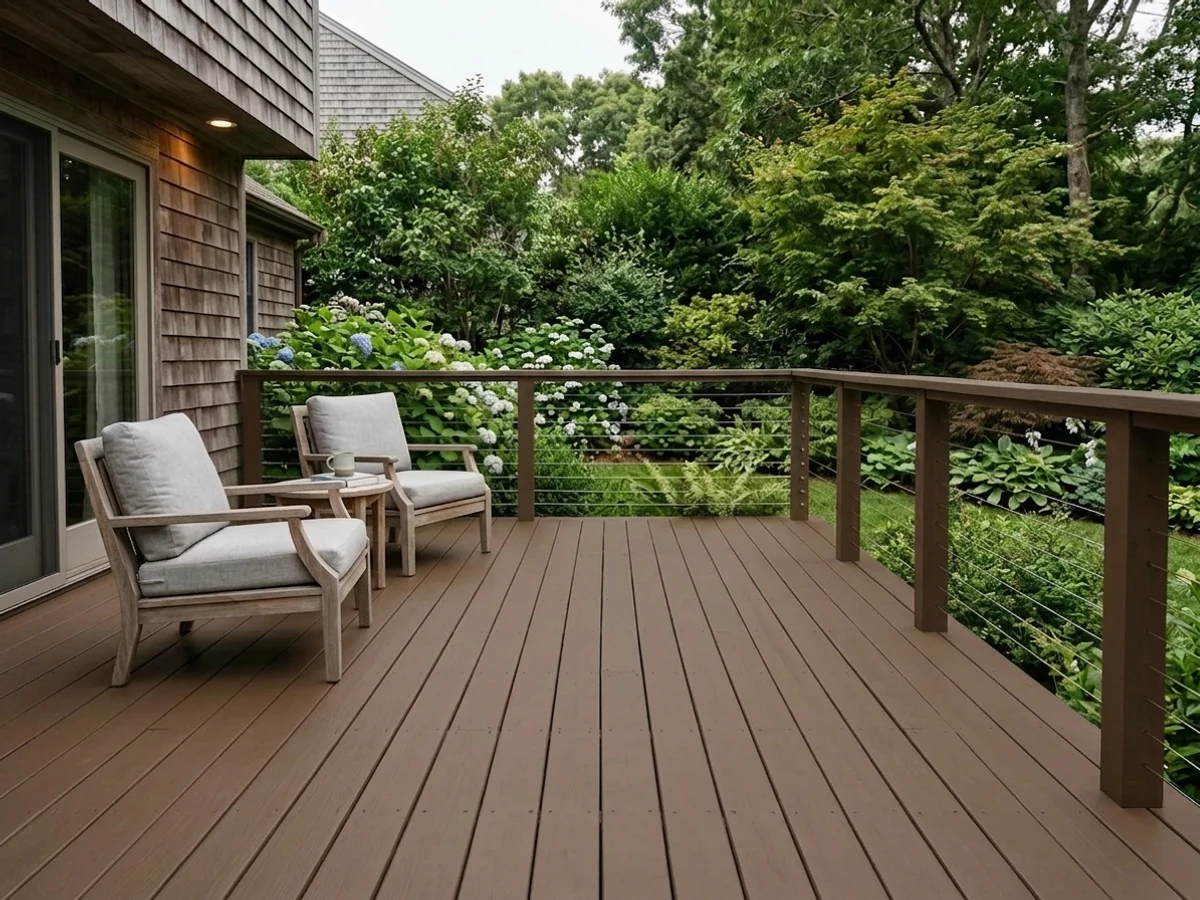
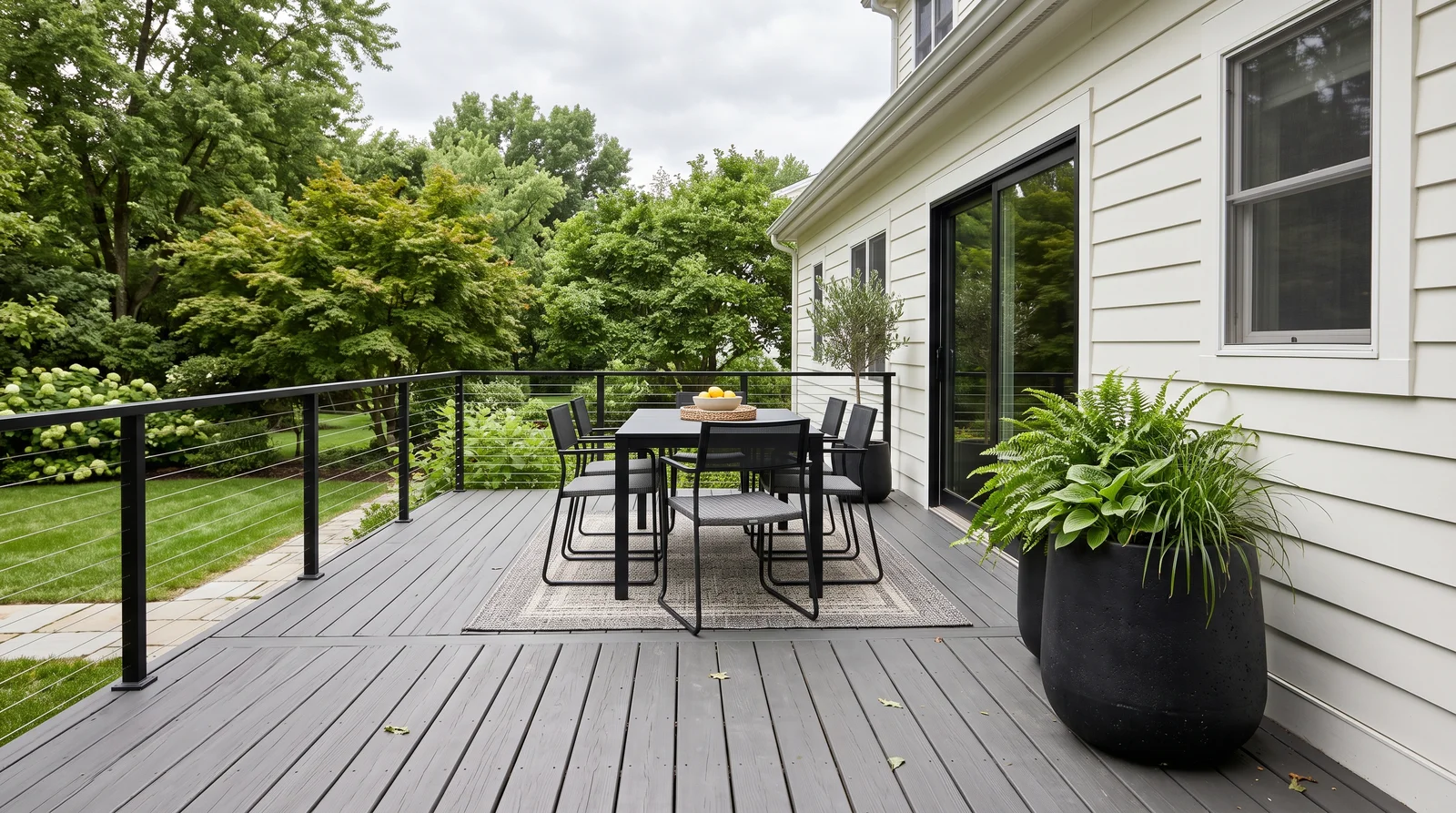
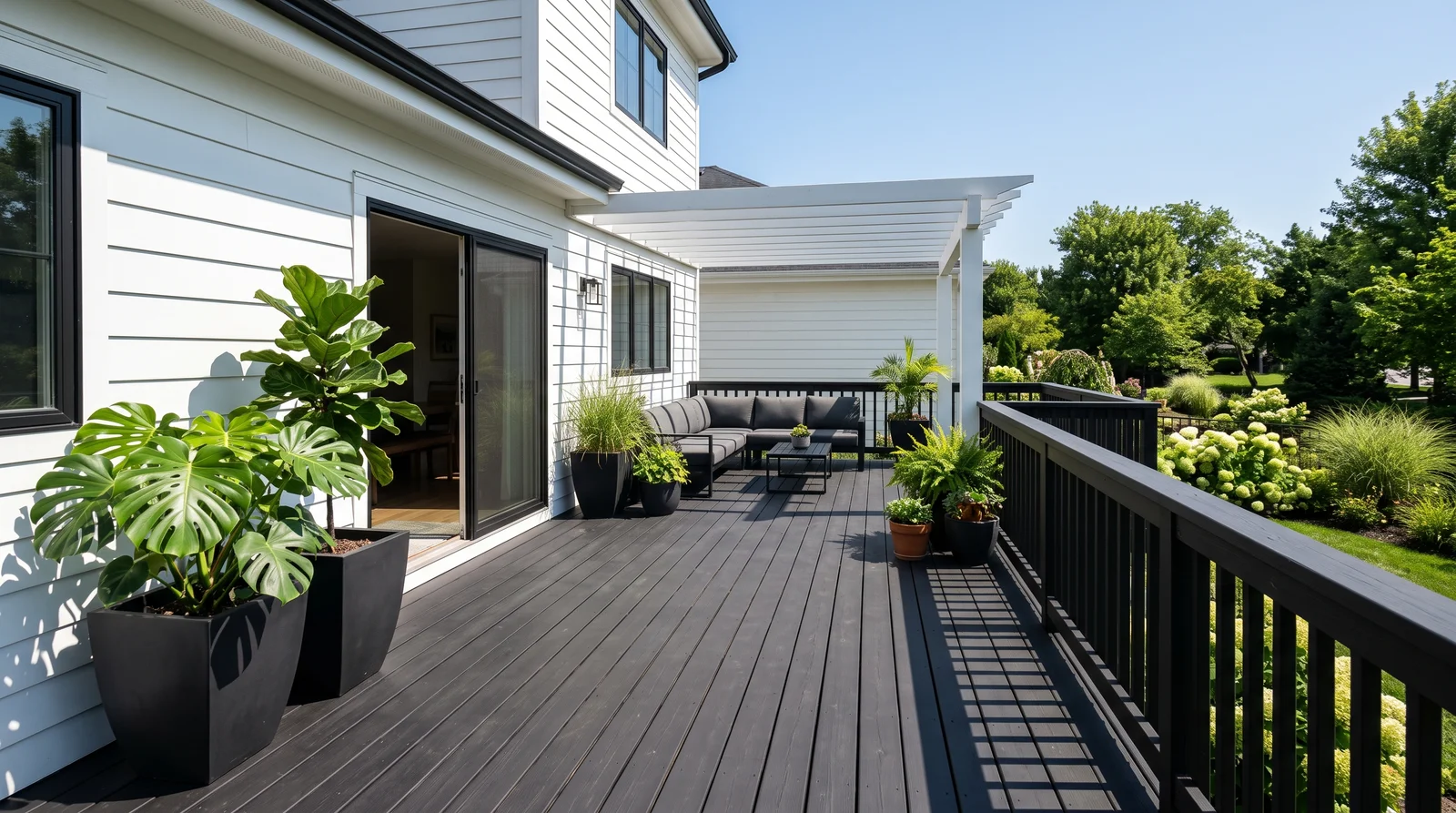
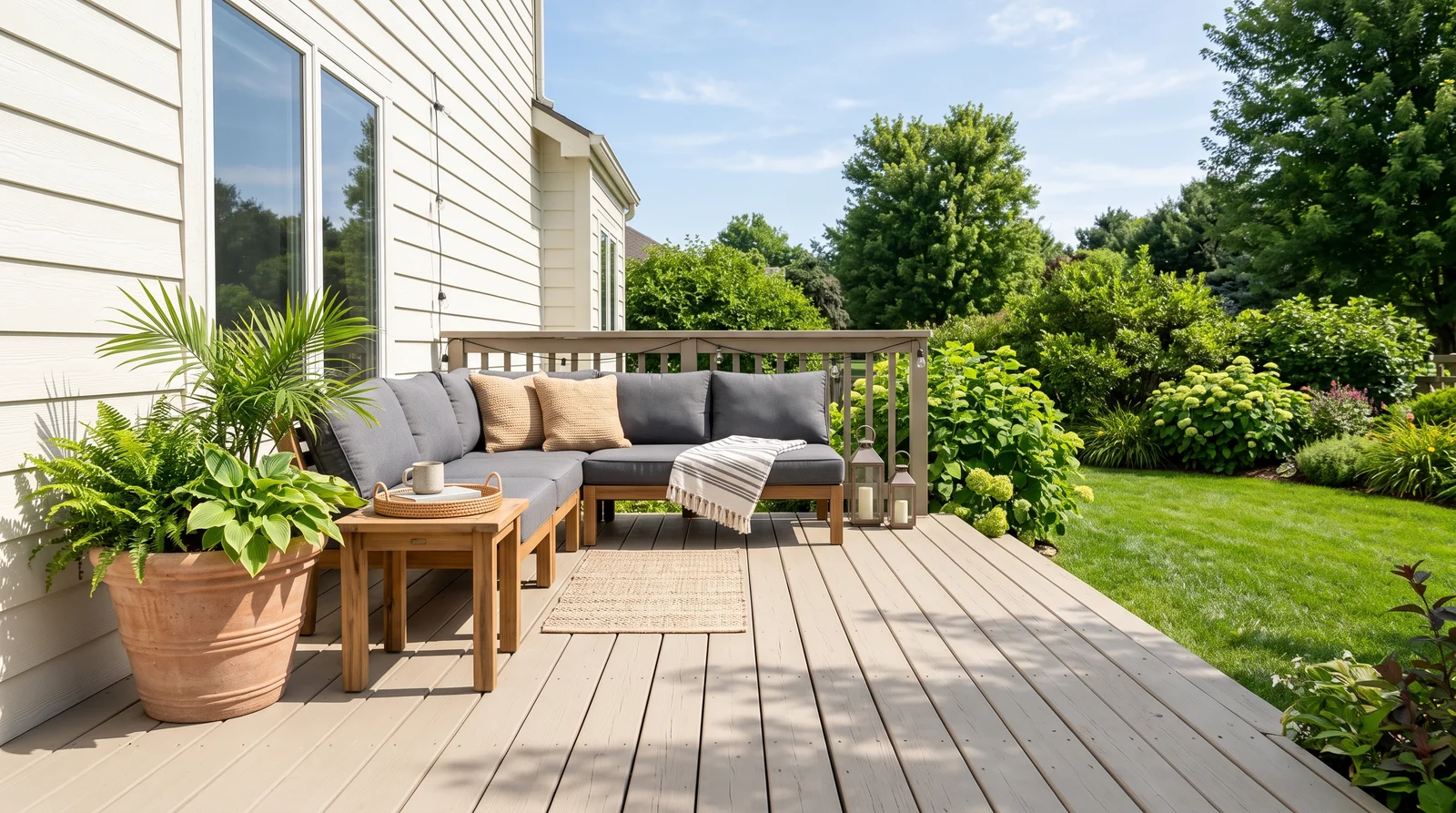
Editor's Picks: Neutral for Decks
4 picks30 Neutral Picks Across the LRV Range
30 of 4,152 · sorted dark → lightLooking for more? All neutral → covers every brand; brand × family pages show full decks.
Neutral Deck Colors at Every US Brand
21 brands · up to 10 picks eachUp to 10 picks per brand spread across the neutral LRV range, drawn from each brand's full deck. Tap any swatch with a curated guide for full spec; tap the brand title for the brand's complete neutral deck.
Behr
Benjamin Moore
Glidden
Sherwin-Williams
Valspar
PPG / Glidden
HGTV Home by Sherwin-Williams
Dunn-Edwards
Diamond Vogel
Hirshfield's
Kompozit
Dutch Boy
C2 Paint
Rodda
Farrow & Ball
Magnolia Home
Portola Paints
Clare
Annie Sloan
Backdrop
Rust-Oleum
Other Deck Color Families
Neutral Colors in Other Rooms
Neutral Paint Colors for a Deck
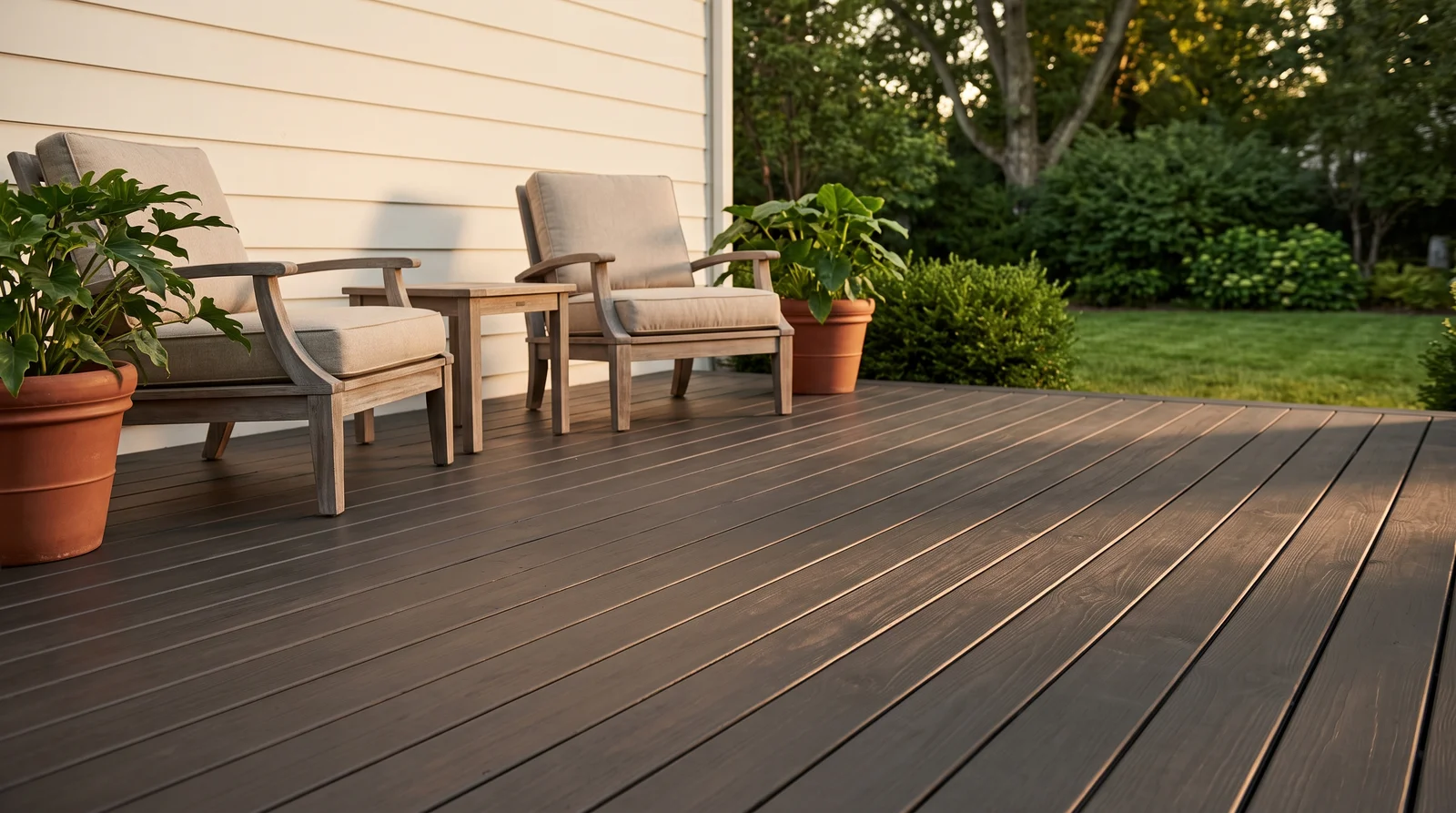
A deck lives outside, so neutral here has a harder job than neutral inside the house. It sits in full sun, soaks up rain, gets walked on in muddy boots, and has to look right next to grass, brick, siding, and sky. A soft greige, warm tan, or muted gray reads as calm and grounded against all of that, which is exactly why neutrals are the safe, good-looking choice for deck boards and railings.
The trick is picking the right neutral for the way your deck faces the light and choosing a finish built to survive weather and foot traffic. Every color you see on this page is mixed to order at a paint counter, so you can match a shade you like across brands and carry the same neutral onto the boards, the rails, and the trim without hunting for one exact product.
Why Neutral Just Works on a Deck
A deck is a hardworking surface that has to play nice with everything around it. Neutrals like warm gray, greige, tan, and soft stone don't fight your siding, your landscaping, or the natural wood tones nearby, and they hide the dust, pollen, and light dirt that constantly land on outdoor boards.
There's a practical bonus too. A mid-tone neutral shows fewer footprints, water spots, and scuffs than either a stark white or a near-black deck, so it stays looking clean between washes. That's a real advantage on a floor you actually live on all summer.
Picking the Right Depth for Your Deck's Light
Outdoor light is brighter and bluer than anything indoors, so a neutral that looked perfect on a tiny chip can wash out pale or read flat once it's underfoot in full sun. For deck floors, a mid-depth neutral with an LRV in the rough 30 to 55 range usually holds up best. It has enough body to look intentional in harsh light without baking to a glaring near-white.
Let the exposure steer the undertone. A south- or west-facing deck takes a ton of warm sun, so a slightly cooler greige keeps it from going orange. A shaded or north-facing deck under trees can look dull and cold, so a warmer tan or sandy neutral brings it back to life.
The Right Finish for Boards That Live Outside
A deck finish is about survival first and looks second. You want a product made for exterior floors or porches, with a low-sheen or satin look rather than gloss. Flat hides imperfections but a touch of satin sheds water and cleans up better, and low sheen also cuts the harsh glare that a glossy floor throws back at you in afternoon sun.
Moisture and UV are the real enemies. Pick a coating rated for foot traffic and weather, prep the boards properly, and the same neutral will hold its color far longer. On railings and posts you can step up the sheen slightly, since those don't take the wear the floor does and a little more sheen wipes clean faster.
Pairing the Neutral With Rails, Trim, and Furniture
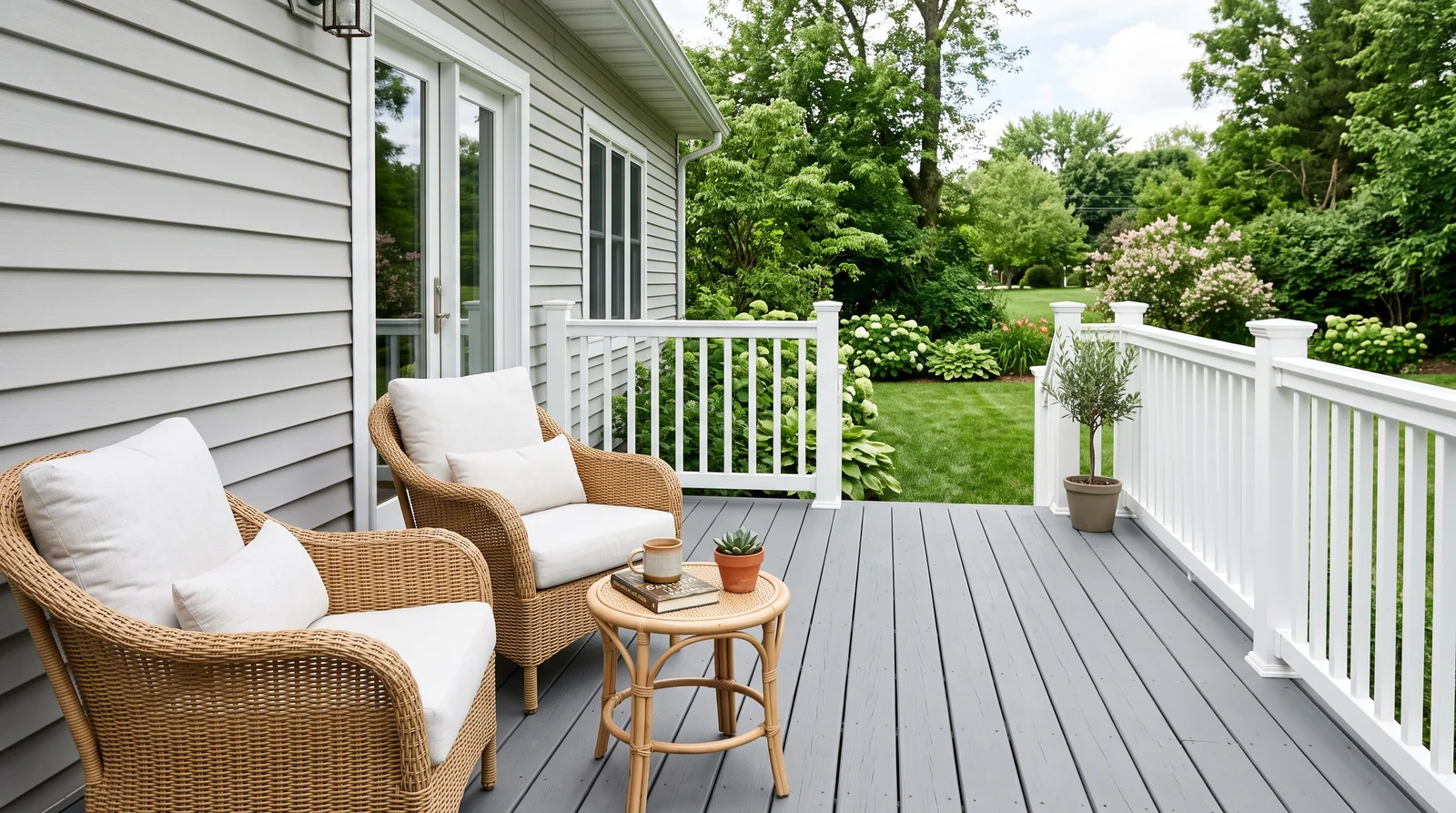
The easiest deck color scheme keeps the boards one neutral and the railings a shade lighter or darker from the same family. A soft greige floor with crisp off-white rails feels fresh, while the reverse, light boards with a deeper charcoal-gray rail, looks sharp and modern.
From there, let your fixed materials lead. Tie the deck neutral to your siding or the house trim so the whole back of the home reads as one project. Then warm metals, teak or natural-wood furniture, and a few outdoor textiles in muted tones finish it without anything clashing.
The Mistakes That Trip People Up
The most common one is testing the color indoors or on a vertical sample. Deck neutrals must be judged outside, painted on a spare board, and looked at flat on the ground in both morning and afternoon light. The second mistake is going too pale, which glares in sun and shows every smudge.
The other big one is using an indoor or wall paint outside, or skipping the prep. A deck neutral is only as good as the coating under it, so use an exterior floor or porch product and clean and dry the boards first. And remember any neutral you like here can be matched across brands at the counter, so you're never stuck with one company's version of the shade.
Neutral Deck Paint — Frequently Asked Questions
What is the best neutral color for a deck?+
A mid-tone warm gray, greige, or sandy tan is the safest, best-looking choice for most decks. These shades hide dirt and footprints, play well with siding and landscaping, and don't glare in the sun the way a stark white floor does. Match the undertone to your light, cooler for sunny decks, warmer for shaded ones.
What LRV should I look for in a deck neutral?+
Aim for an LRV in roughly the 30 to 55 range for deck floors. That's dark enough to look solid and intentional in bright outdoor light, but light enough to stay comfortable and not soak up heat the way a very dark floor does. Save the very pale neutrals for railings and trim where glare and dirt matter less.
What finish or sheen works best on a deck?+
Use a low-sheen to satin exterior floor or porch product, not a wall paint and not a high gloss. Satin sheds water and cleans up better than flat, while staying matte enough to cut glare from direct sun. You can use a slightly higher sheen on railings and posts since they don't take foot traffic.
How do I pair the deck color with my railings and house?+
Keep the boards one neutral and take the railings a step lighter or darker from the same family for an easy, cohesive look. Then tie the whole thing to your siding or house trim so the deck reads as part of the home. Natural-wood furniture and warm metal accents finish it without clashing.
Why does my deck neutral look different than the chip?+
Outdoor light is far brighter and bluer than indoor light, so a neutral can wash out pale or shift undertone once it's flat on the ground in full sun. Always test the color on a spare board outside and look at it in both morning and afternoon light before committing. That's the single best way to avoid a surprise.
Can I get the same deck neutral in any paint brand?+
Yes. Every color shown here is mixed to order at the paint counter, so a shade you like can be cross-matched between brands. That means you can pick the neutral you love and still buy the exterior floor product or brand you prefer for the actual coating.