Deck Paint Colors
Top Picks for the Deck
4 editor's picksAll Deck Colors at Every Brand
78 colors · 3 familiesA representative color from every brand that makes this family — most-recognized brands first, with a second pick from the biggest names. Tap any swatch with a curated guide for full spec and cross-brand matches.
Browse by Family Hub
Color is half the decision. The product roundup covers which paint chemistry actually holds up in this room.
About Deck Paint Colors
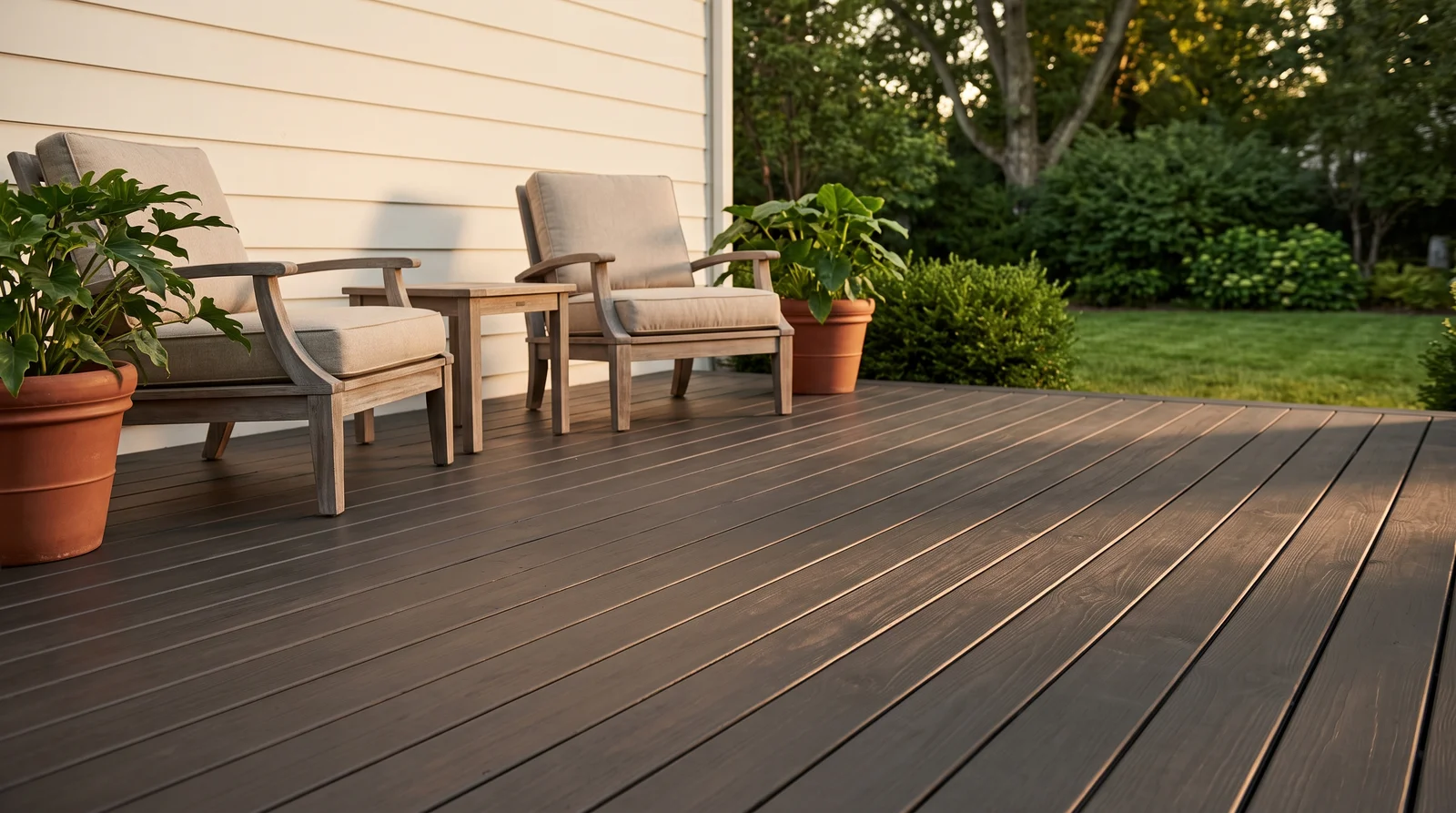
A deck color sets the whole mood of your outdoor space, and it has a harder job than any color inside your home. It sits in full sun, takes rain and snow, and gets walked on every day. So picking a deck color is part looks and part durability, and the best choices balance both.
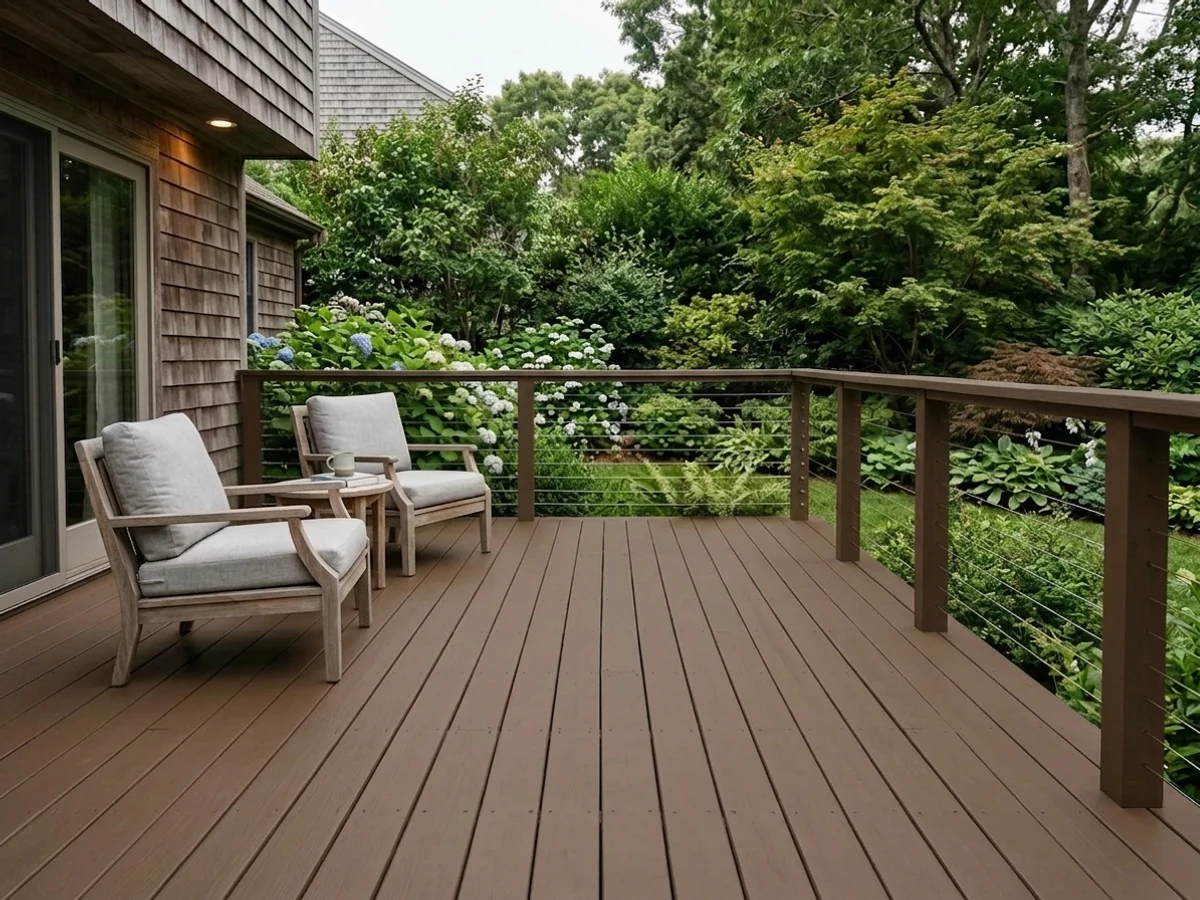
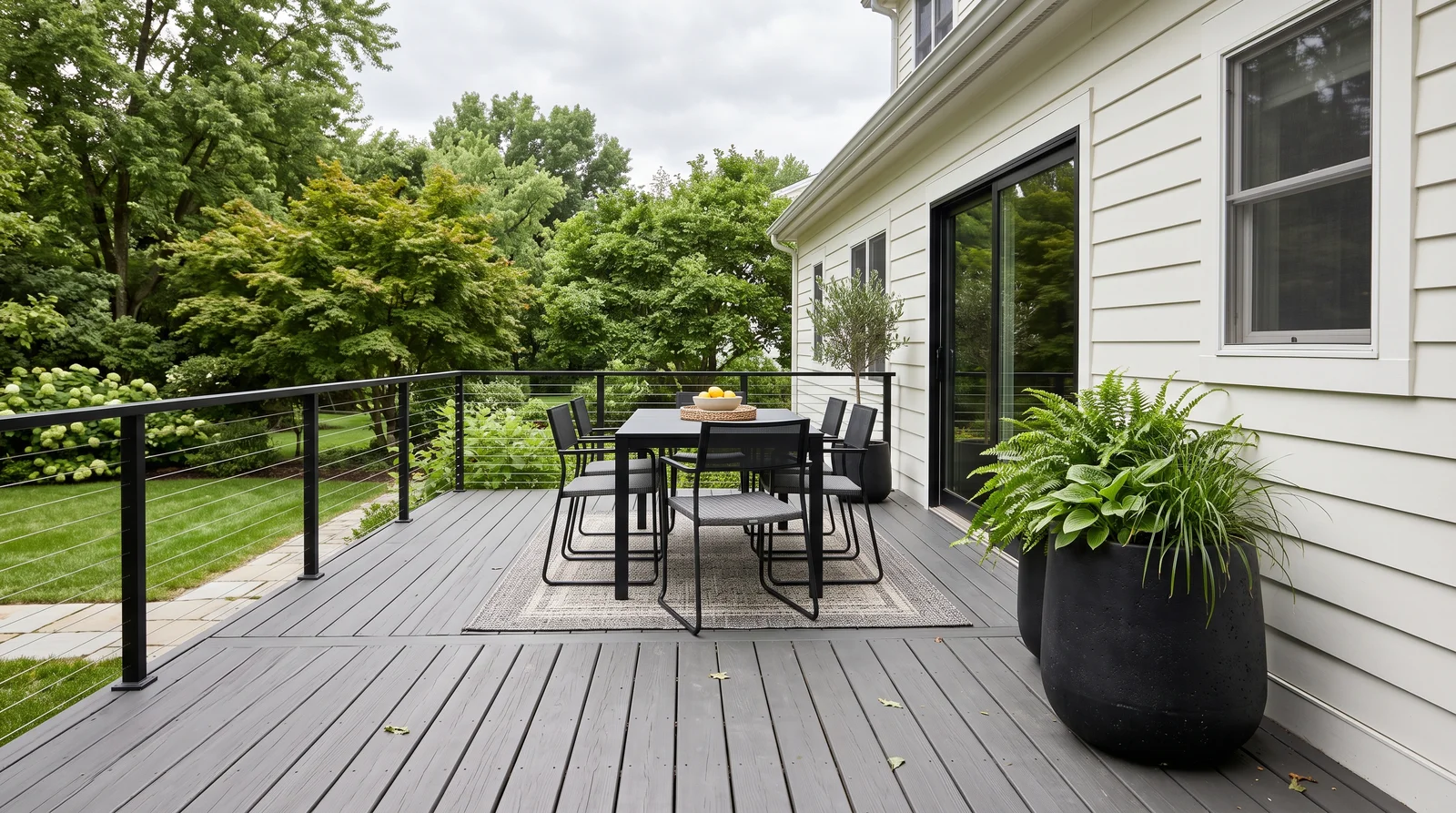
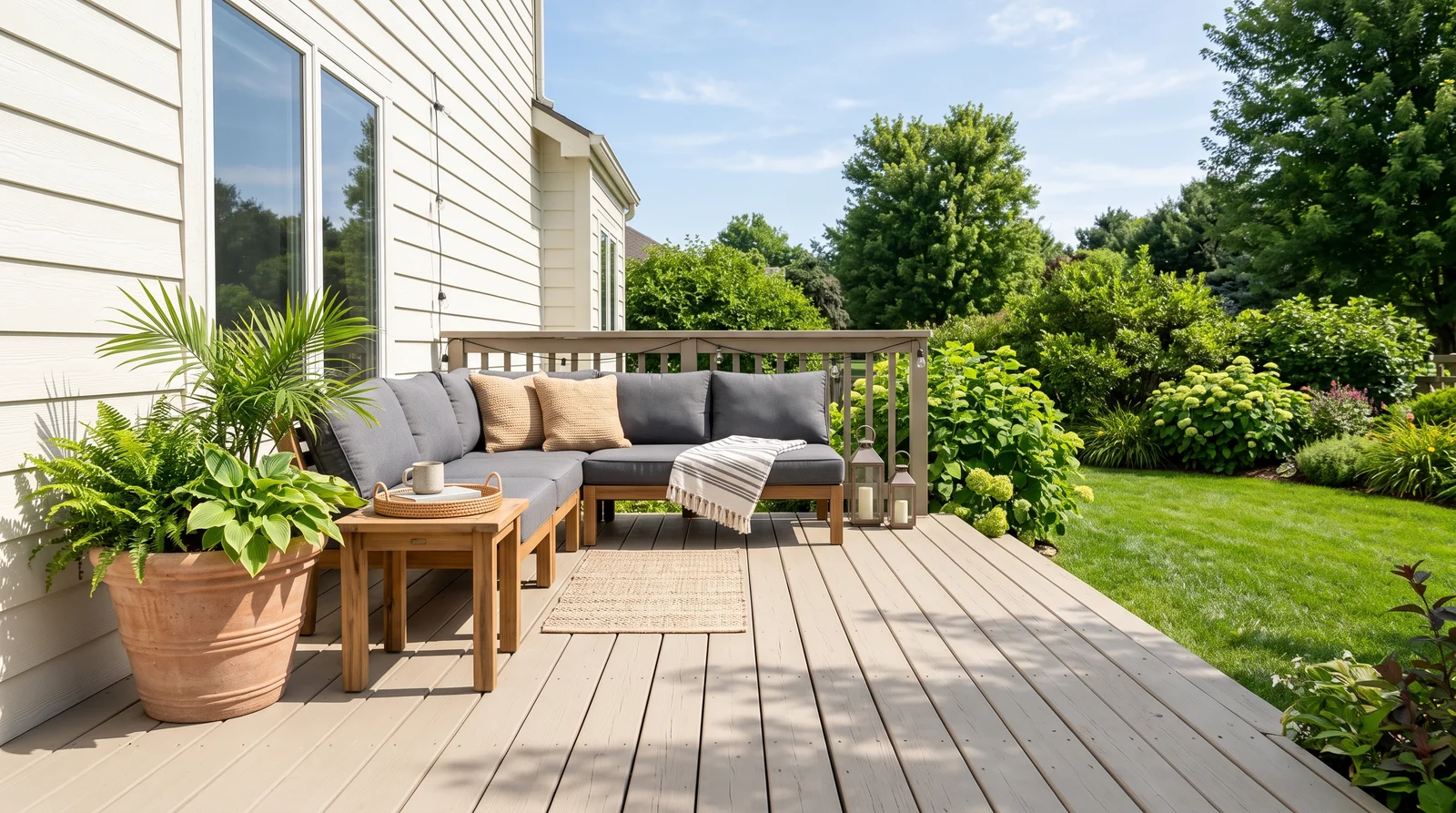
For most decks, three color directions do the heavy lifting: warm browns, cool grays, and soft neutrals. Browns like Saddle Brown, Walnut, and Espresso feel natural and tie into wood tones. Grays like Gauntlet Gray and Dove Gray read clean and modern. Neutrals like Stonish Beige sit quietly between the two and go with almost anything.
Every color shown here is mixed to order at the paint counter, so you are not locked into one brand. If you find the exact shade you want under one brand's name, a good store can cross-match it into another brand's deck or porch paint. That means you can chase the color you love and still buy the formula that holds up best on a horizontal, weather-beaten surface.
Best Color Directions for a Deck
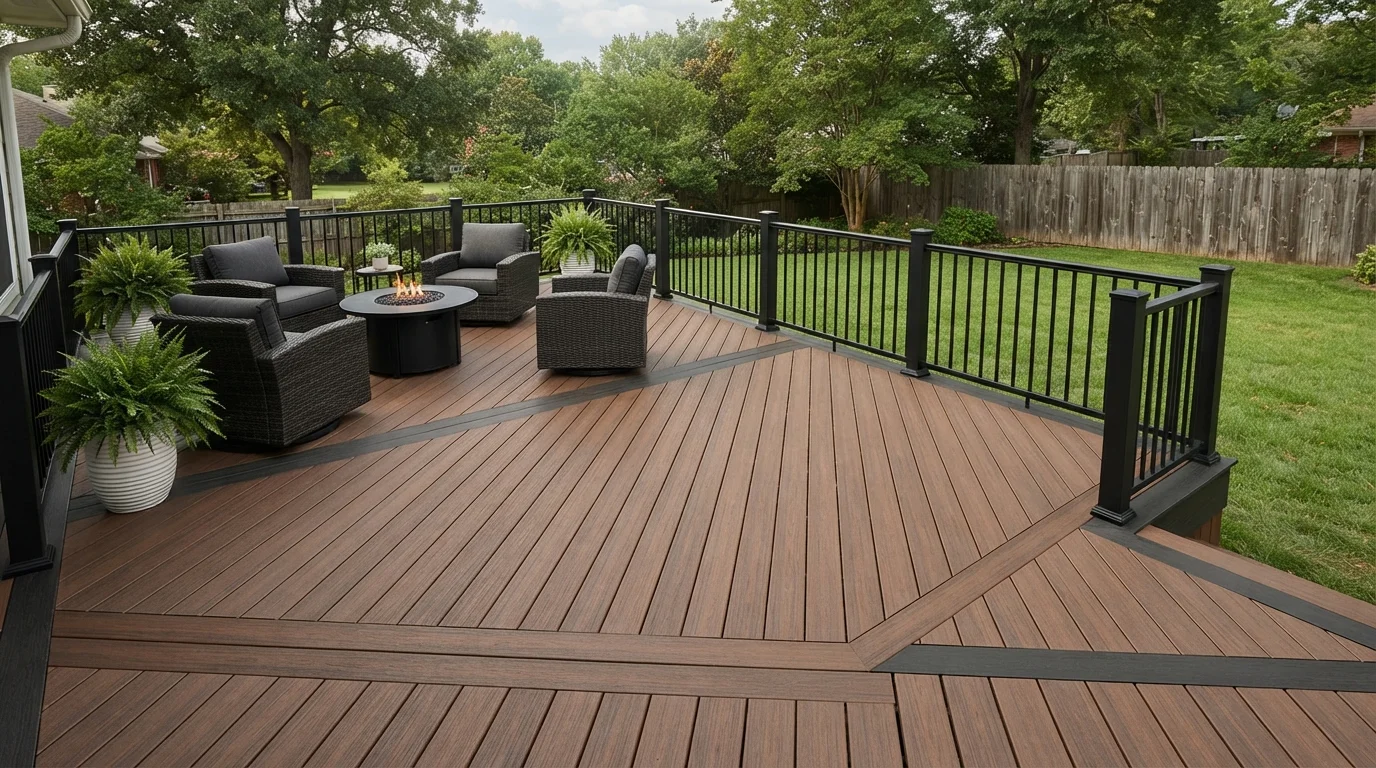
Warm browns are the safe, classic choice. Saddle Brown and Walnut keep a natural wood feeling without the upkeep of stain, and they hide dirt, pollen, and foot traffic well. Espresso goes darker and richer, which looks great on a modern deck but shows dust and shows more heat in full sun.
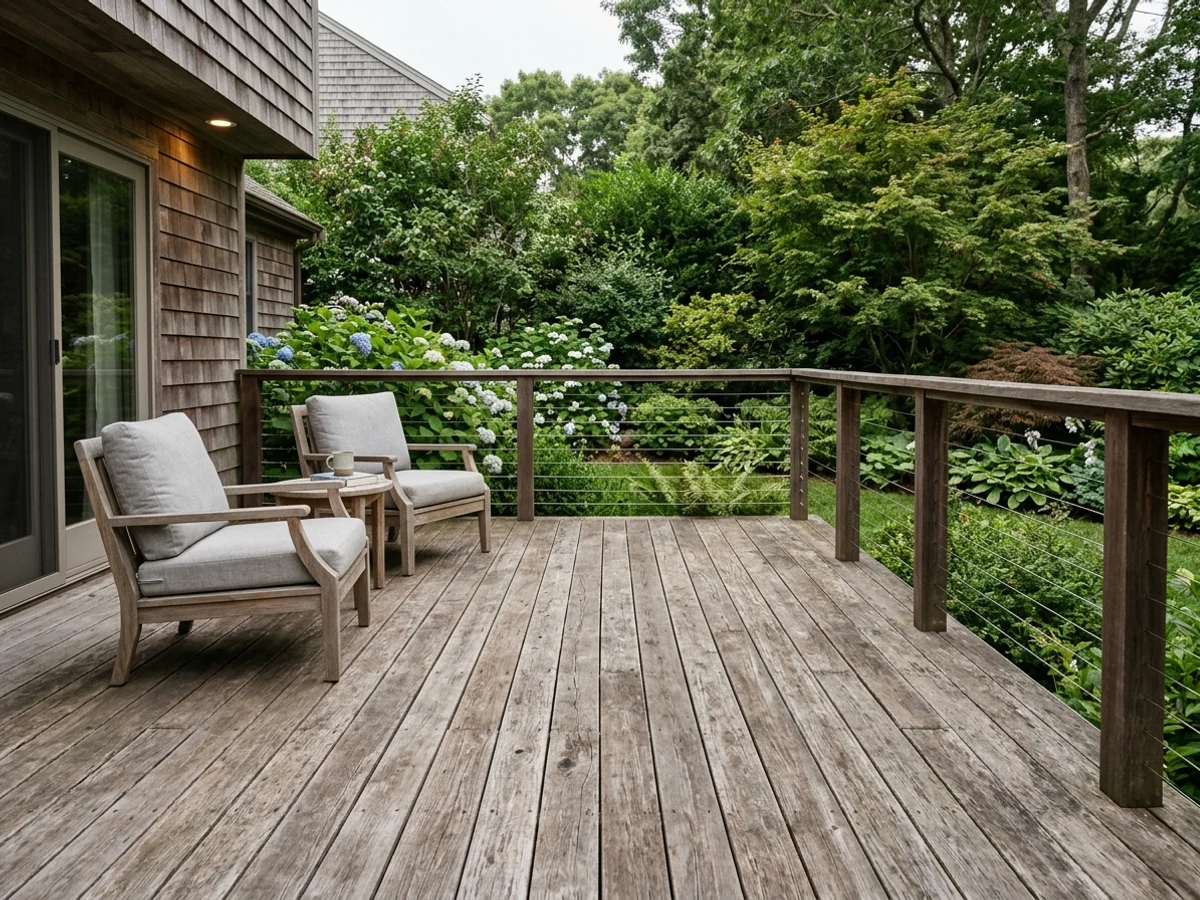
Grays have taken over a lot of new builds for good reason. Gauntlet Gray is a deep, grounded gray that pairs with almost any house color, while Dove Gray is lighter and airier for a relaxed, coastal feel. If you want something in between brown and gray, Stonish Beige is a warm neutral that flatters both wood railings and white trim.
Let the Sun Steer Your Choice
A deck lives in changing light all day, so test your color outdoors, not under a store light. A north-facing or shaded deck stays cooler and grayer, so warm tones like Saddle Brown or Stonish Beige keep it from feeling dull. A south- or west-facing deck bakes in direct sun, which washes light colors out and makes dark colors fade faster and run hot underfoot.
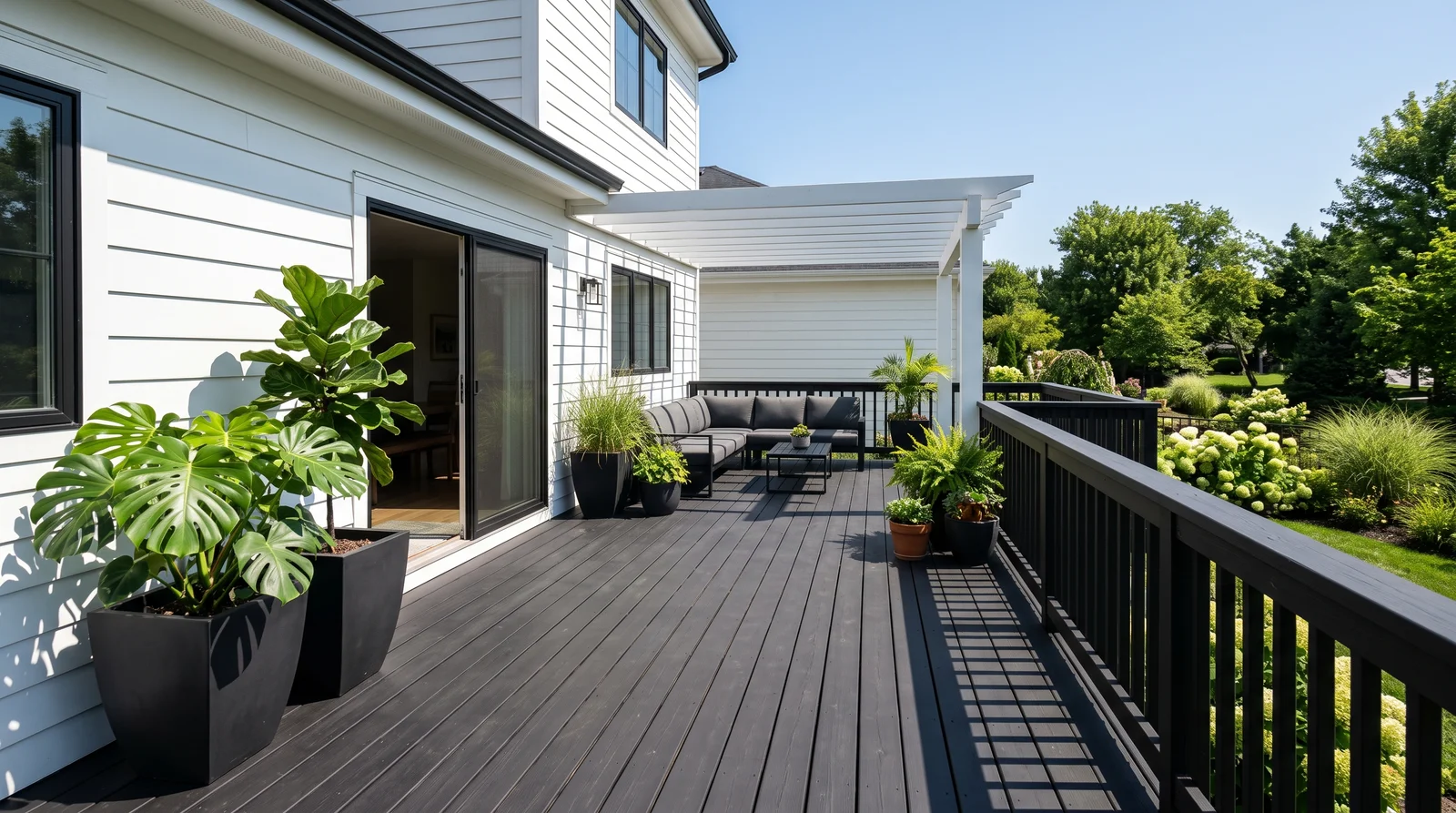
Look at your sample at three times: bright midday, late afternoon, and after dark with your porch lights on. Warm browns glow under evening lights, while cool grays can look flat at night. Dark colors like Espresso soak up heat and can get uncomfortable for bare feet on a sunny deck, so save the darkest shades for shaded or covered areas.
Pick the Right Finish for a Deck
A deck floor needs a finish that grips, sheds water, and survives scrubbing. Go with a flat or low-sheen deck and porch paint, not a glossy one. Flat and satin hide surface flaws, cut glare from the sun, and give a little texture so the boards are not slippery when wet.
Gloss looks sharp on a railing but is a mistake on the floor, because it shows every scratch and turns slick in rain. Many deck paints also let you add a fine anti-slip grit, which is worth it on stairs and around a pool or hot tub. Whatever you choose, use a product made for floors and decks so it can flex with the wood as it swells and shrinks through the seasons.
Using LRV to Keep Your Deck Cool or Cozy
LRV is light reflectance value, a number from 0 to 100 that tells you how much light a color bounces back. High-LRV colors like Dove Gray and Stonish Beige reflect more light, so they stay cooler underfoot, brighten a shady deck, and feel open and airy. Lower-LRV colors like Gauntlet Gray, Walnut, and Espresso absorb more light, look cozy and grounded, but get hotter in direct sun.
For a sunny, exposed deck, lean toward middle or higher LRV so the surface does not turn into a hot plate in July. For a covered porch or a shaded deck under trees, a darker, lower-LRV color adds warmth and richness without the heat penalty. Matching your deck a step or two darker than your siding usually grounds the space and hides dirt better than a pale floor.
Pairing Deck Color With Rails, Siding, and Furniture
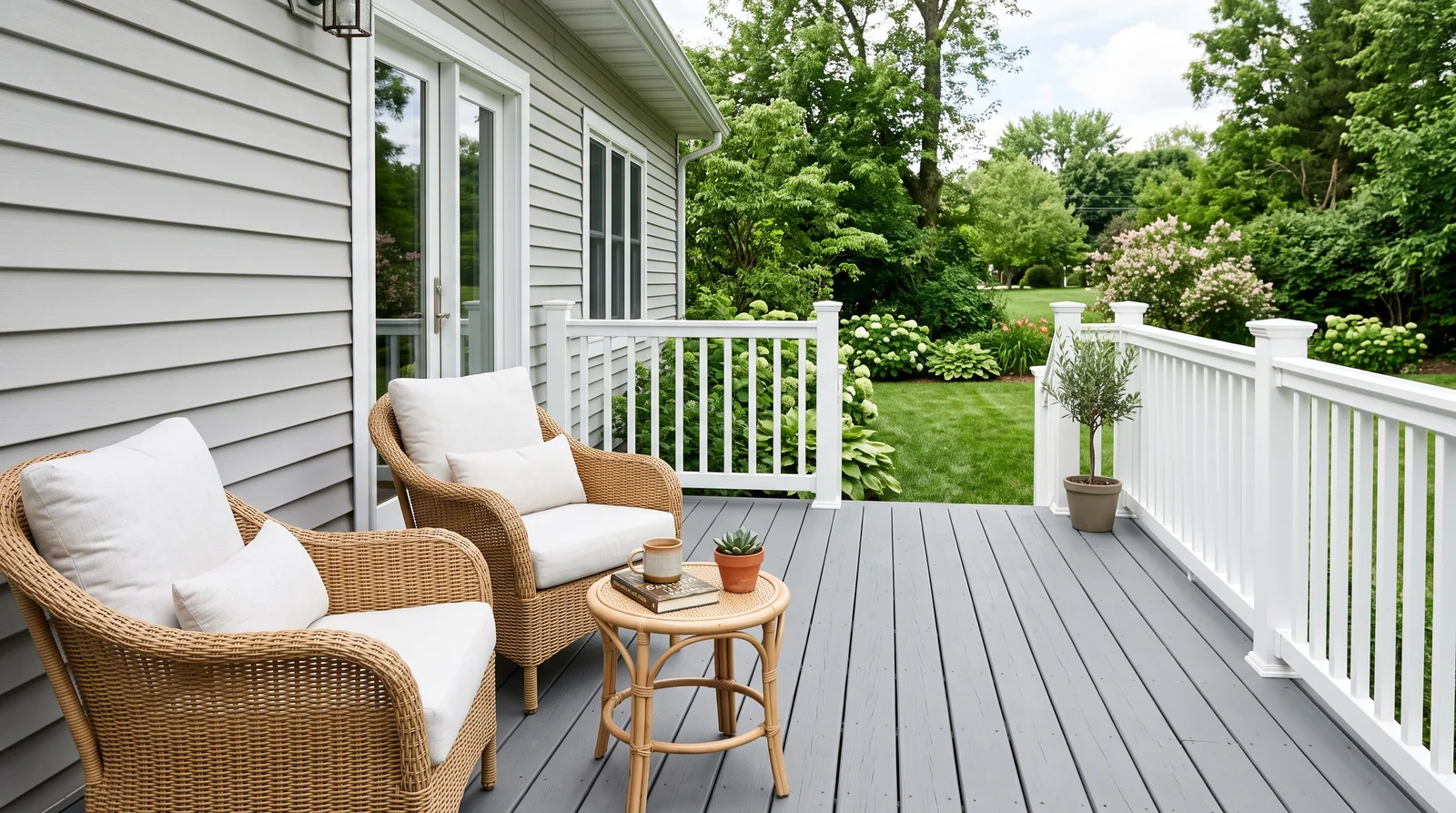
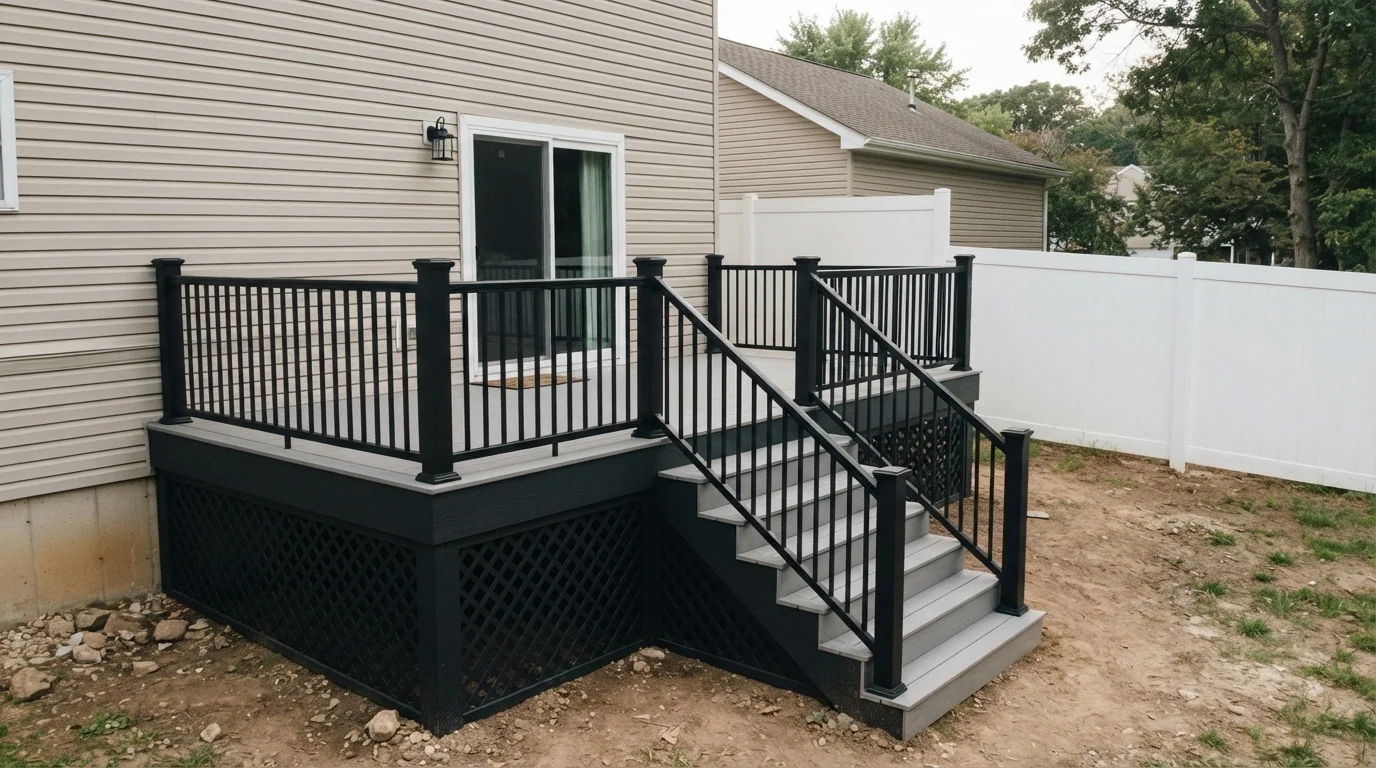
The deck floor is your base, so build the rest around it. White or off-white railings and trim pop against a brown floor like Walnut or Saddle Brown and keep the look crisp. Against a gray floor like Gauntlet Gray, both white and natural wood railings look clean and current.
Think about the house siding and your outdoor furniture too. A warm neutral like Stonish Beige bridges a brick or tan house with green plants and wood furniture. Cool grays like Dove Gray sit best with white trim, black fixtures, and gray or navy cushions. A simple rule: keep the floor the quietest surface and let railings, planters, and cushions add the color.
Common Deck Painting Mistakes to Avoid
The biggest mistake is skipping prep. A deck must be clean, dry, and stripped of any old peeling finish, or fresh paint will lift within a season. Painting damp wood or painting right before rain traps moisture and causes peeling and bubbling.
The second common mistake is choosing color from a tiny chip indoors. Decks read lighter and shinier outside, and full sun changes everything. Other traps: picking too-dark a color on a sunny deck so it overheats, using interior or wall paint instead of a real deck and porch product, and forgetting that a glossy finish gets slippery when wet. Always brush a sample on a hidden board and live with it for a couple of days before you commit.
Deck Paint Colors — Frequently Asked Questions
What is the best color for a deck?+
There is no single best color, but warm browns, cool grays, and soft neutrals are the most reliable. Browns like Saddle Brown and Walnut feel natural and hide dirt, grays like Gauntlet Gray and Dove Gray look modern and clean, and a neutral like Stonish Beige goes with almost any house. Match the floor a shade darker than your siding for a grounded, easy-to-maintain look.
What sheen should I use on a deck floor?+
Use a flat or low-sheen deck and porch paint, not a glossy one. Flat and satin finishes hide flaws, cut sun glare, and stay less slippery when wet. Gloss shows every scratch and gets dangerously slick in the rain, so keep any gloss for railings, never the floor.
Do dark deck colors get too hot in the sun?+
Yes, darker colors like Espresso and Walnut absorb more heat and can get uncomfortable for bare feet on a sunny deck. They also tend to fade faster in direct sun. Save the darkest shades for shaded or covered decks, and pick a middle or higher LRV color for an exposed, south- or west-facing deck.
What color should I paint my deck railings?+
Build the railing color off your floor. White or off-white railings pop against a brown floor and keep the look crisp, while both white and natural wood look clean against a gray floor. Keep the floor the quietest surface and let the railings, planters, and cushions carry the brighter color.
What is the most common mistake people make painting a deck?+
Skipping prep. The deck must be clean, fully dry, and free of any peeling old finish, or fresh paint will lift within a season. Never paint damp wood or paint right before rain, since trapped moisture causes peeling and bubbles.
Can I match a deck color from one brand using a different brand's paint?+
Yes. Every color shown here is mixed to order at the paint counter, so a good store can cross-match a shade you like into another brand's deck or porch formula. That lets you choose the exact color you want while buying the product that holds up best outdoors.
How do I test a deck color before committing?+
Brush a real sample onto a hidden board outdoors and live with it for a couple of days. Check it in bright midday sun, late afternoon, and after dark with your lights on, since deck colors look lighter and shinier outside than they do on a chip indoors.