Fence Paint Colors
Top Picks for the Fence
4 editor's picksAll Fence Colors at Every Brand
127 colors · 5 familiesA representative color from every brand that makes this family — most-recognized brands first, with a second pick from the biggest names. Tap any swatch with a curated guide for full spec and cross-brand matches.
Browse by Family Hub
About Fence Paint Colors
A fence is one of the most visible things you paint, and it sits outside in full weather all year. So the color has to do two jobs at once. It has to look right next to your house and yard, and it has to hold up to sun, rain, and dirt without looking tired after one season.
The good news is that fences forgive bold choices better than walls do. A fence is a long, simple shape with lots of repeating boards, so a strong color reads as confident rather than busy. The five directions that almost always work are white, black, brown, green, and gray. Each one sends a different message, from crisp and tidy to quiet and natural.
This page walks through how to pick among them, how your light and surroundings should steer the call, and which finish actually survives outdoors. Every color shown here, like Snow, Tricorn Black, Saddle Brown, Hunter Green, Gauntlet Gray, or Walnut, is mixed to order at the store, so you are never locked into one brand to get the shade you want.
The Best Color Directions for a Fence
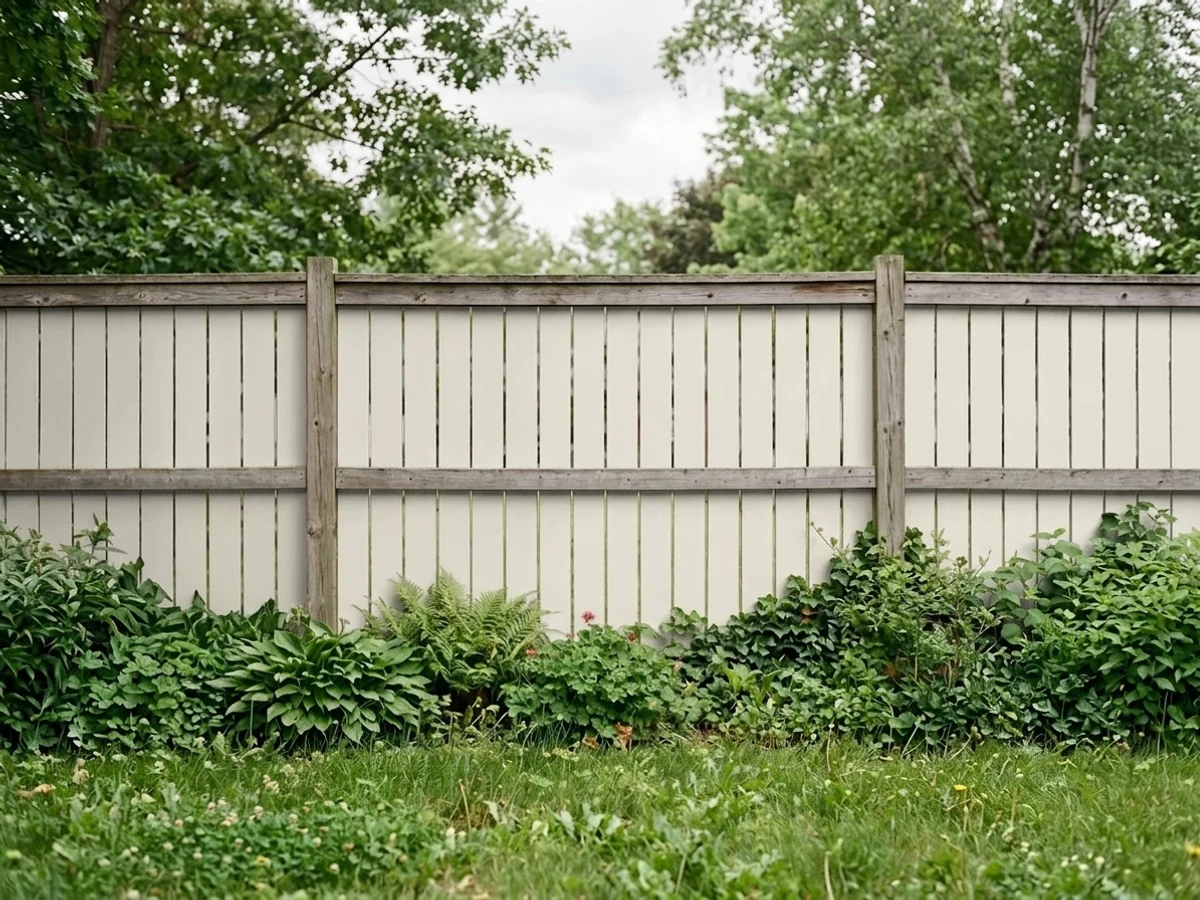
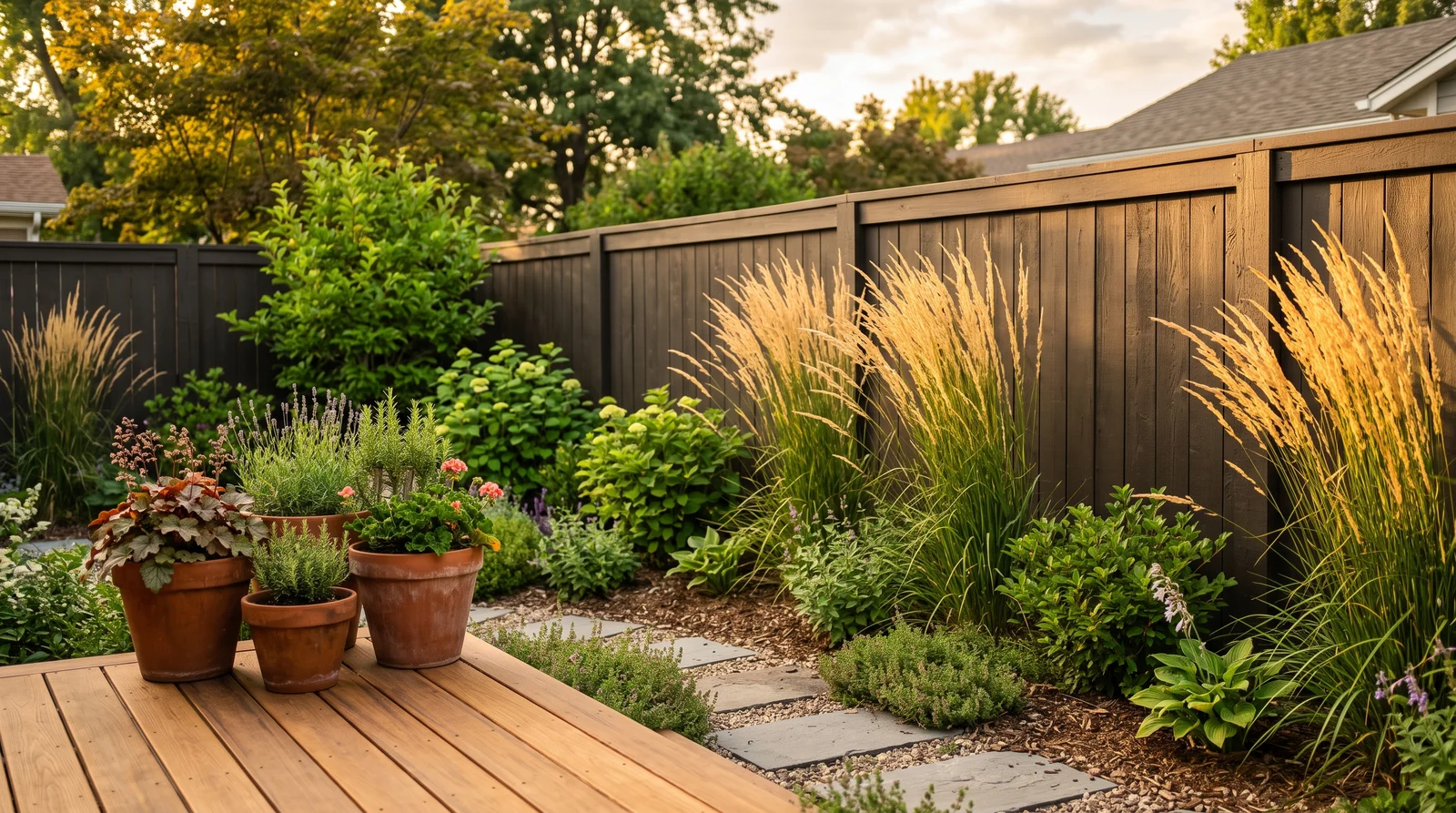
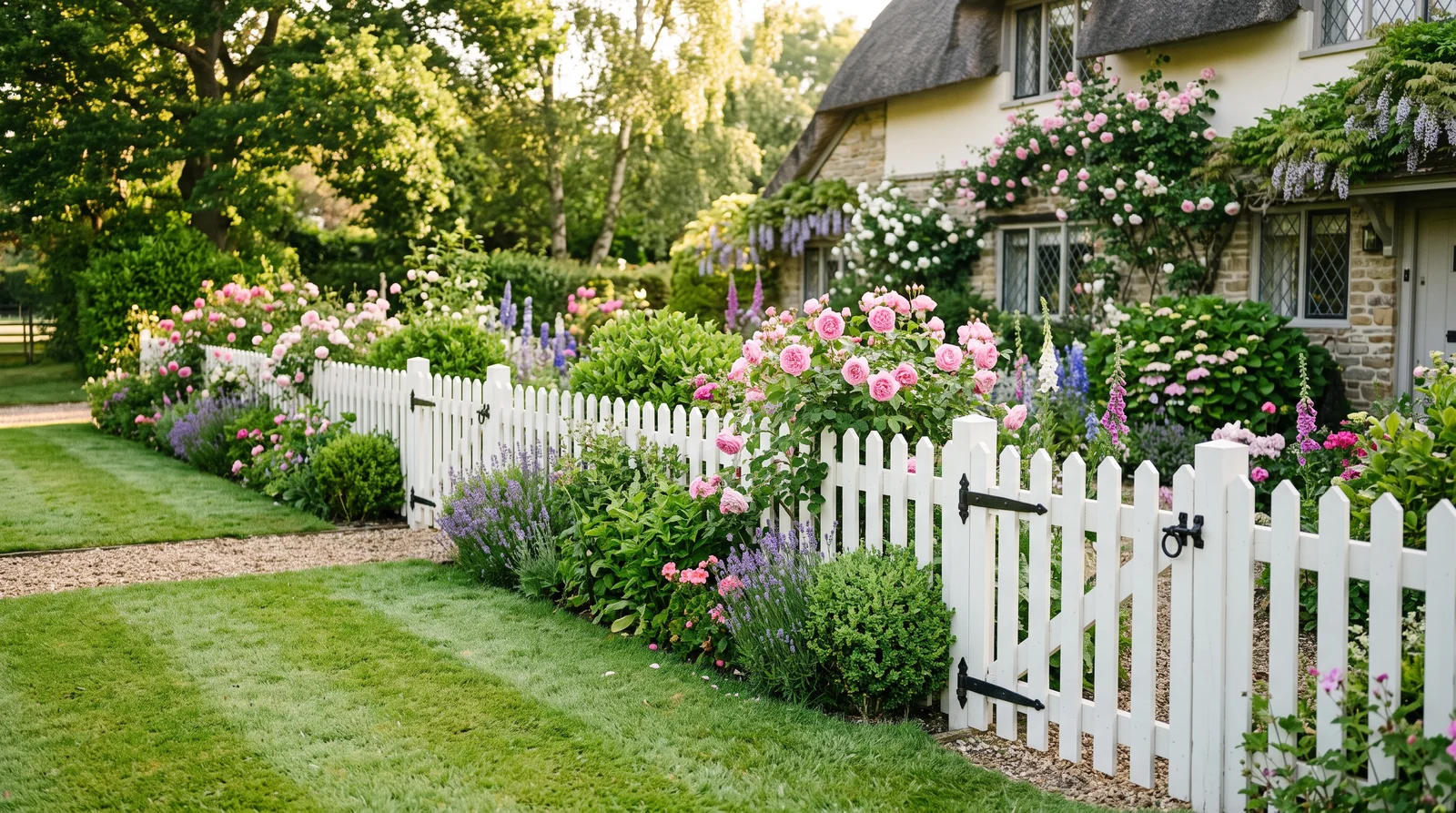
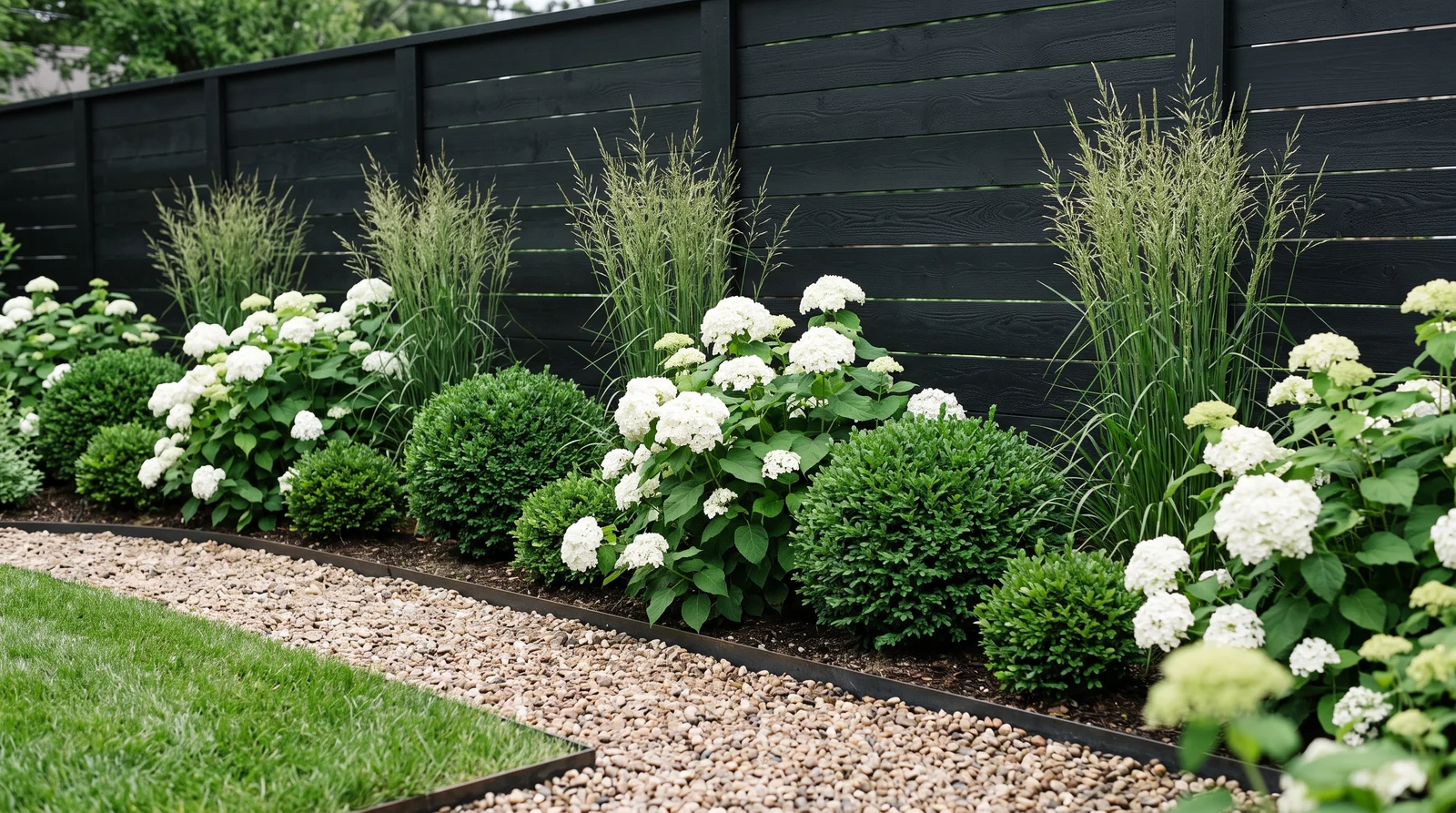
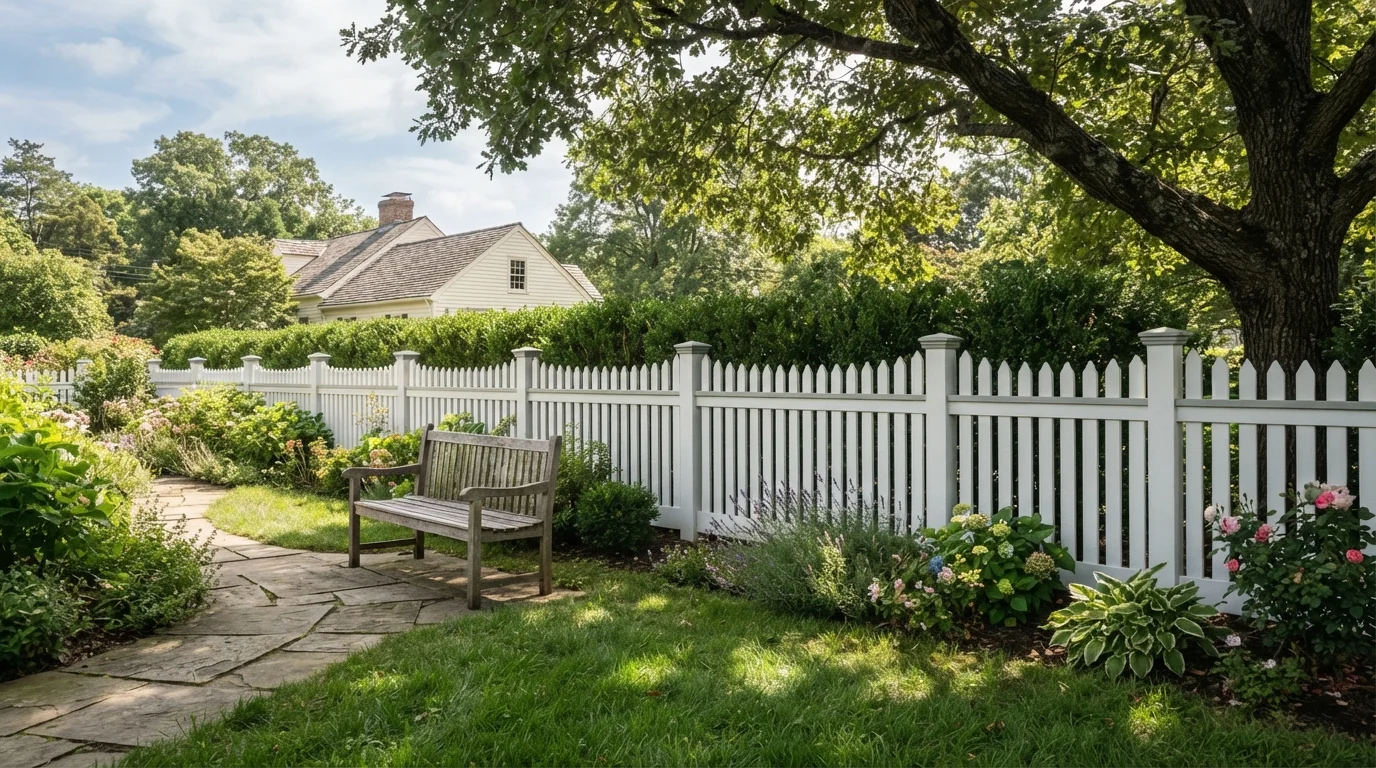
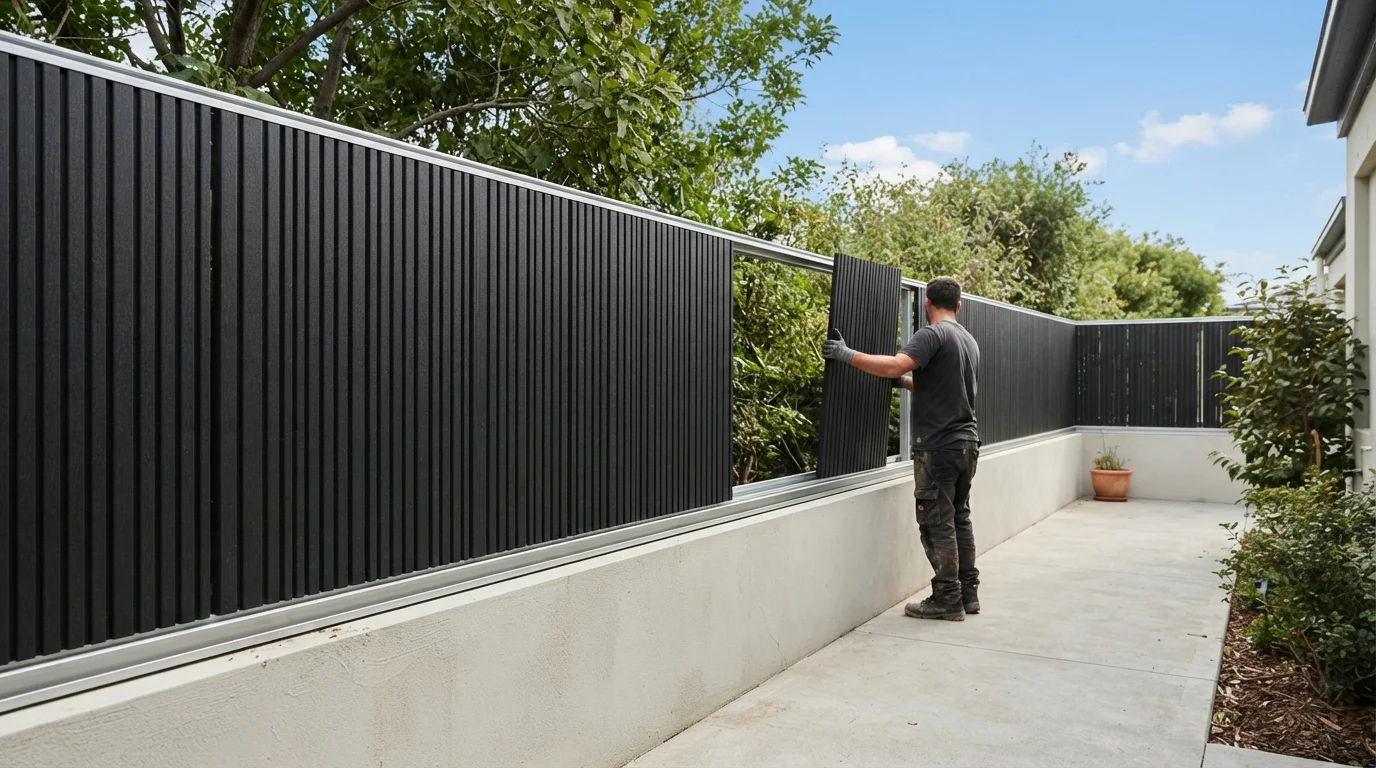
White makes a fence look clean and classic. A bright white like Snow brightens a yard and pairs with almost any house, but it shows dirt and mildew fastest, so plan to wash it. Black, like Tricorn Black, does the opposite. It recedes, makes plants and flowers pop in front of it, and hides grime well, which is why a dark fence often looks sharp for years with little fuss.
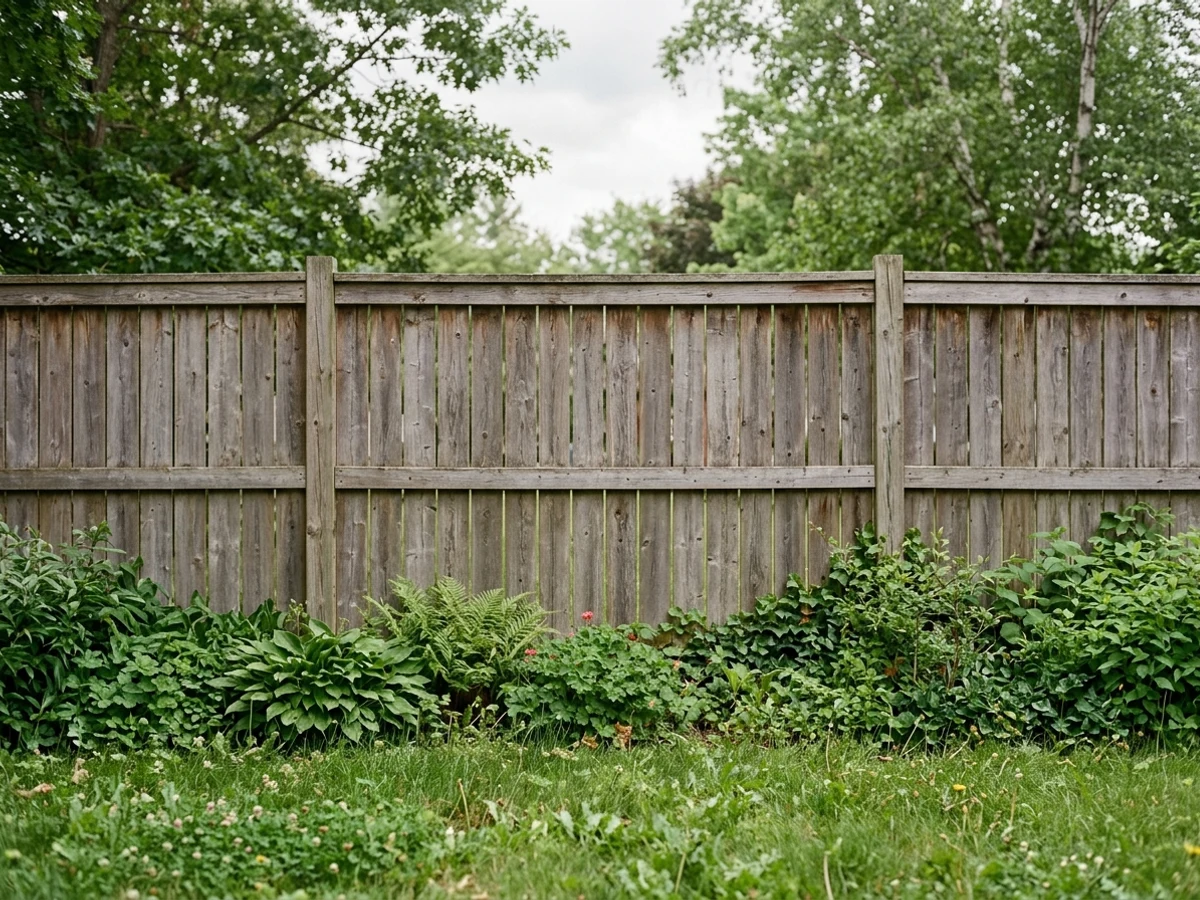
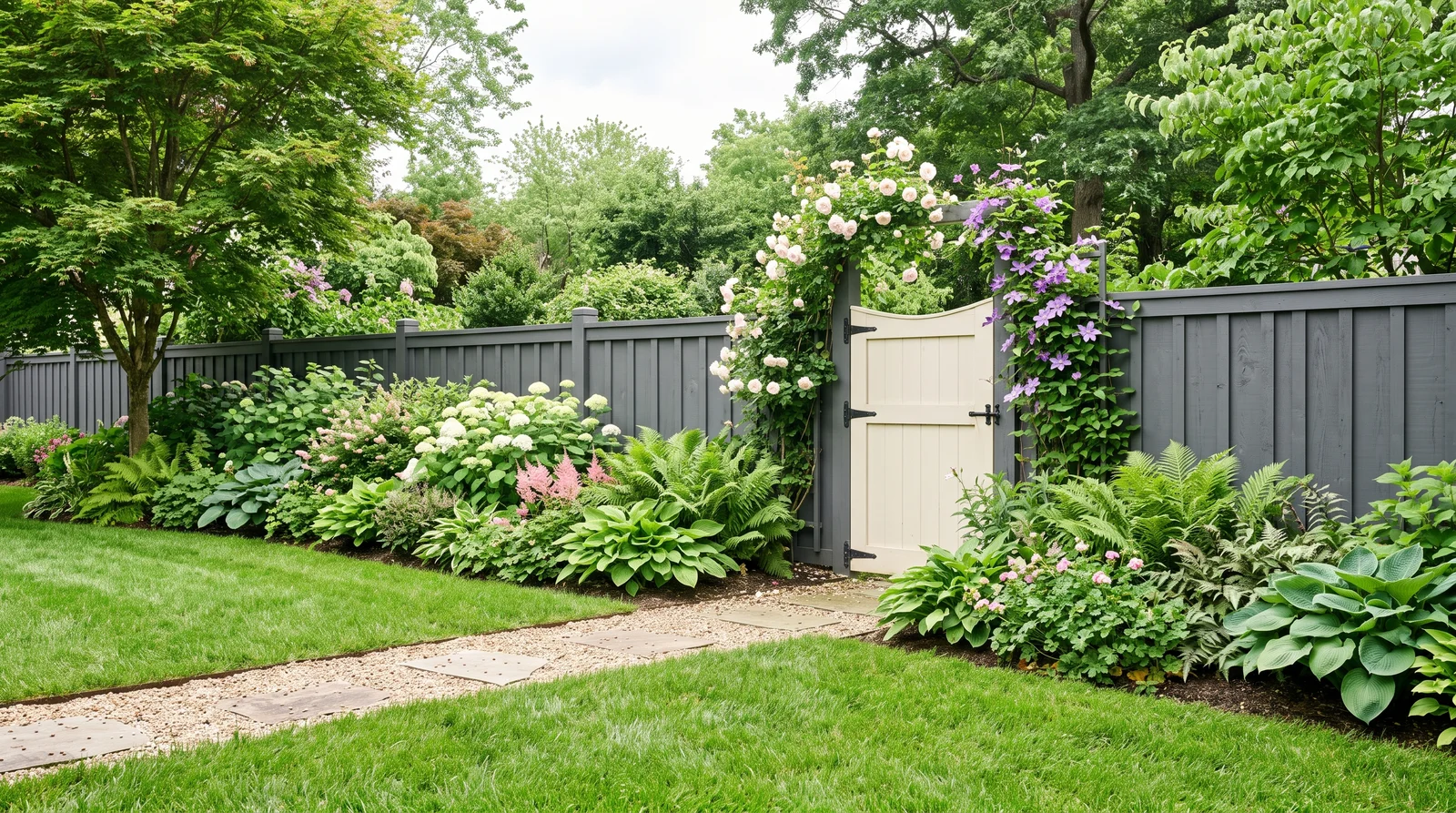
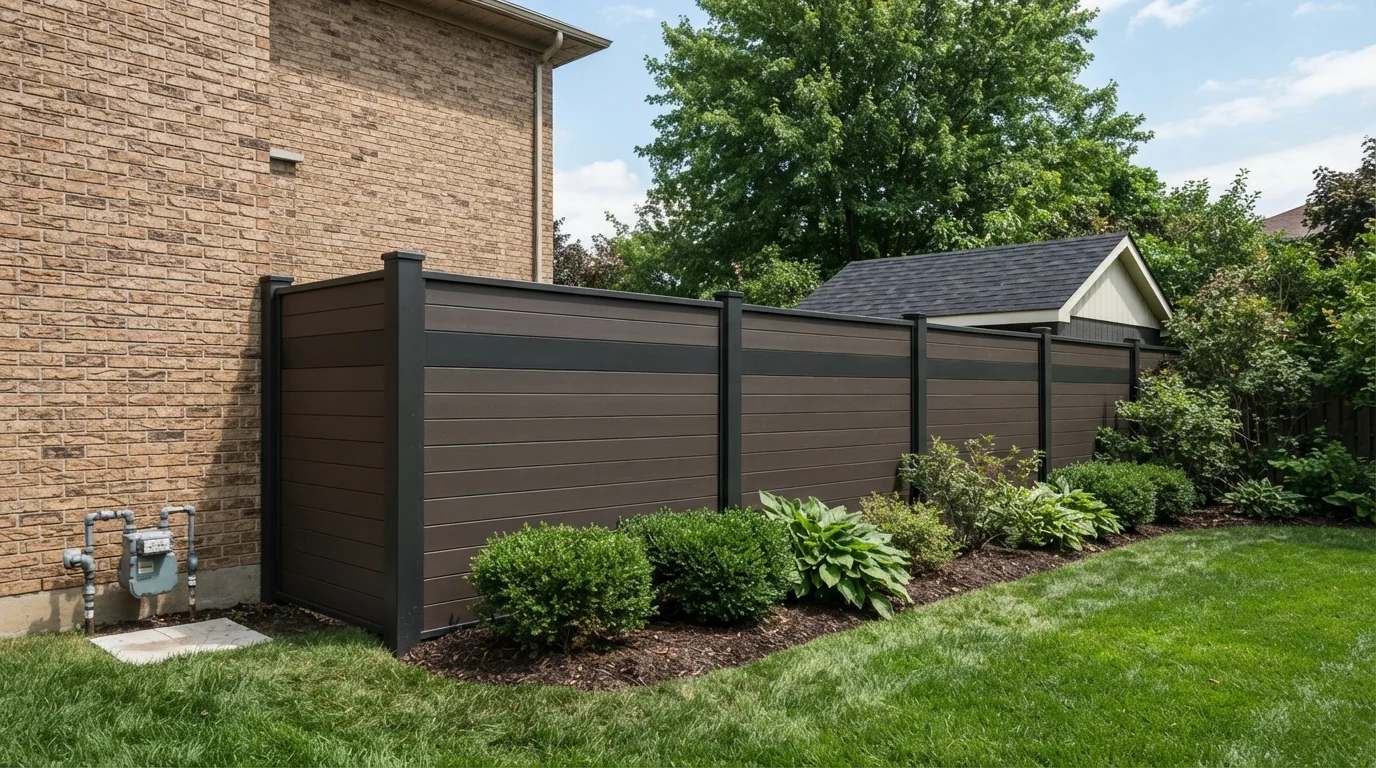
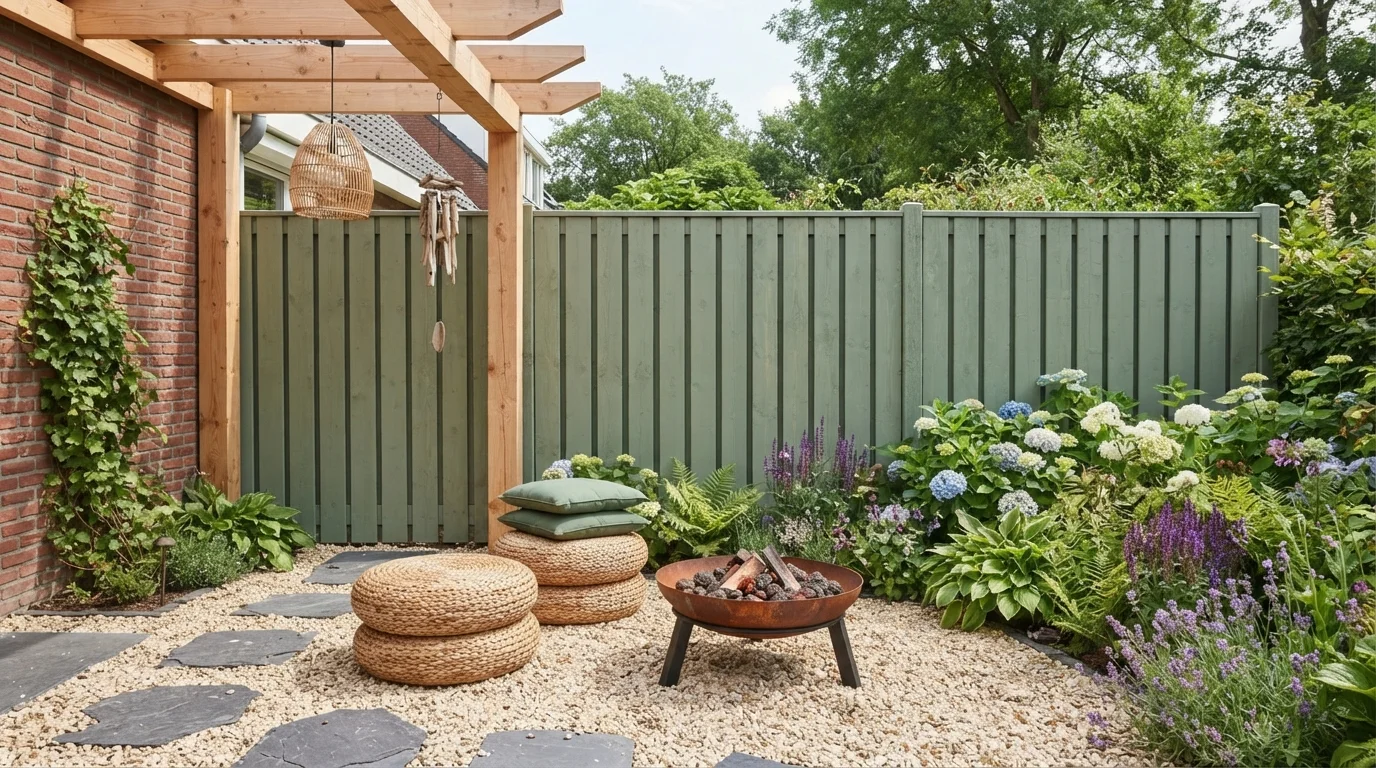
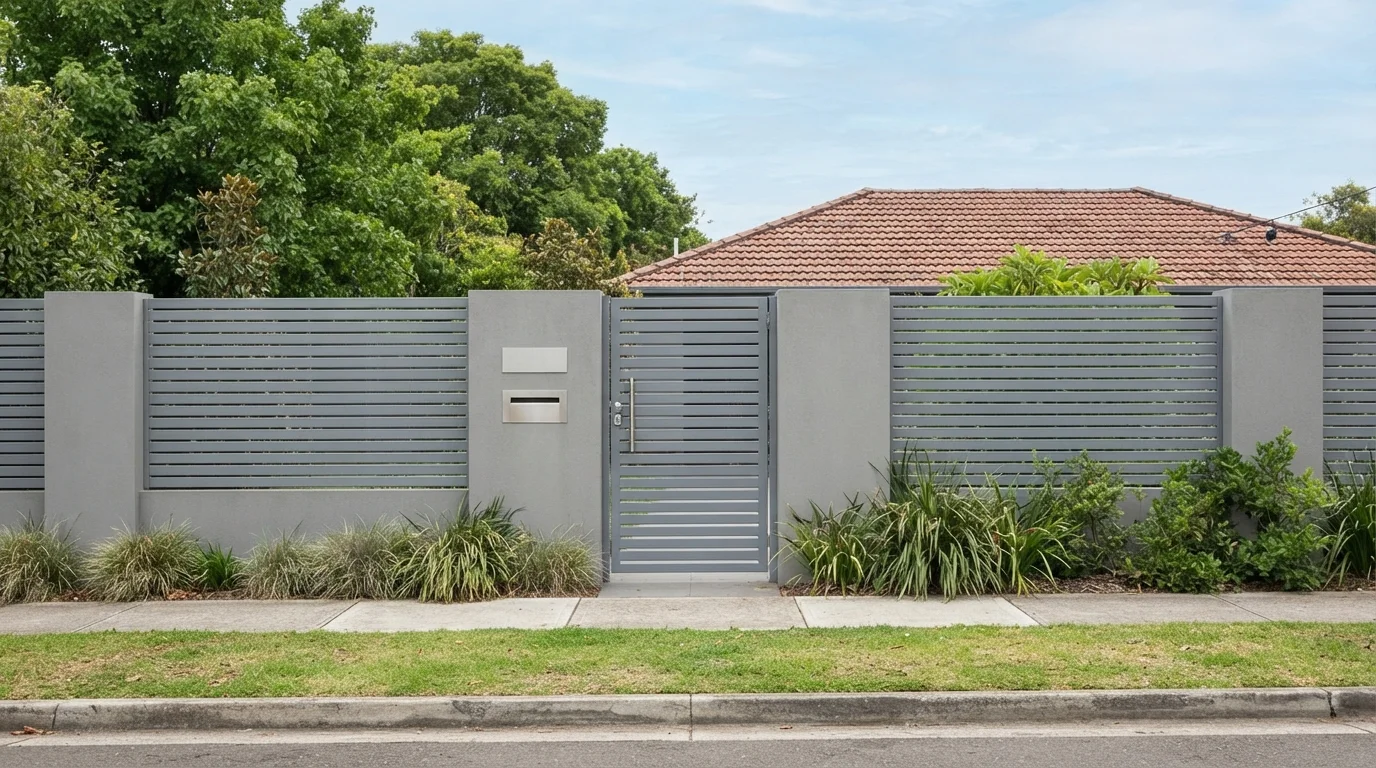
Brown and green keep a fence feeling natural and low-key. A warm brown like Saddle Brown or a deeper Walnut reads like stained wood and blends into trees and mulch. A true green like Hunter Green almost disappears into a garden, which is exactly what many people want from a back fence. Gray, like Gauntlet Gray, is the easy middle. It is modern, neutral, and forgiving of dust and pollen between cleanings.
Let Your Light and Yard Steer the Choice
A fence in full sun all day will look lighter and a bit washed out, so a mid-tone or dark color often holds its character better than a pale one. A fence in shade or under trees gets less light, so a dark green or brown can start to look like a flat wall of nothing. In those spots a lighter gray or even white keeps the yard from feeling closed in.
Think about morning versus evening too. East-facing fences glow in the morning and go quiet by afternoon, while west-facing fences take the harsh late sun that fades color fastest. Look at any sample on the actual fence at a few times of day before you commit, because a color that looks great at noon can feel cold at dusk.
The Right Finish for Outdoor Wood
For a fence, a flat or low-sheen exterior finish is usually the smart pick. Flat hides the small dents, knots, and uneven grain of fence boards, and it does not throw glare back at you in bright sun the way a glossy finish would. The trade-off is that flat is a little harder to scrub, so it suits fences you can hose down rather than ones that get hand-marks.
If your fence sits where it gets splashed, touched, or grimy often, step up to a satin or low-luster exterior paint. It cleans more easily and sheds water a touch better. Whatever the sheen, use a paint made for exterior wood or an exterior fence and siding stain, since interior paint will not survive the weather.
Using LRV to Keep the Yard Bright or Calm
LRV is just how much light a color bounces back, from near 0 for black to near 100 for white. A high-LRV fence like Snow makes a small yard feel bigger and brighter and reflects light onto nearby plants and patios. That brightness is great for a tight space but can feel stark against a colorful garden.
A low-LRV fence like Tricorn Black or Hunter Green soaks up light and quietly frames everything in front of it. This makes flowers, furniture, and greenery stand out, and it makes a large yard feel more grounded and private. Mid-LRV grays and browns like Gauntlet Gray, Saddle Brown, and Walnut sit in between and are the safest bet if you are not sure.
Pairing the Fence with the House and Yard
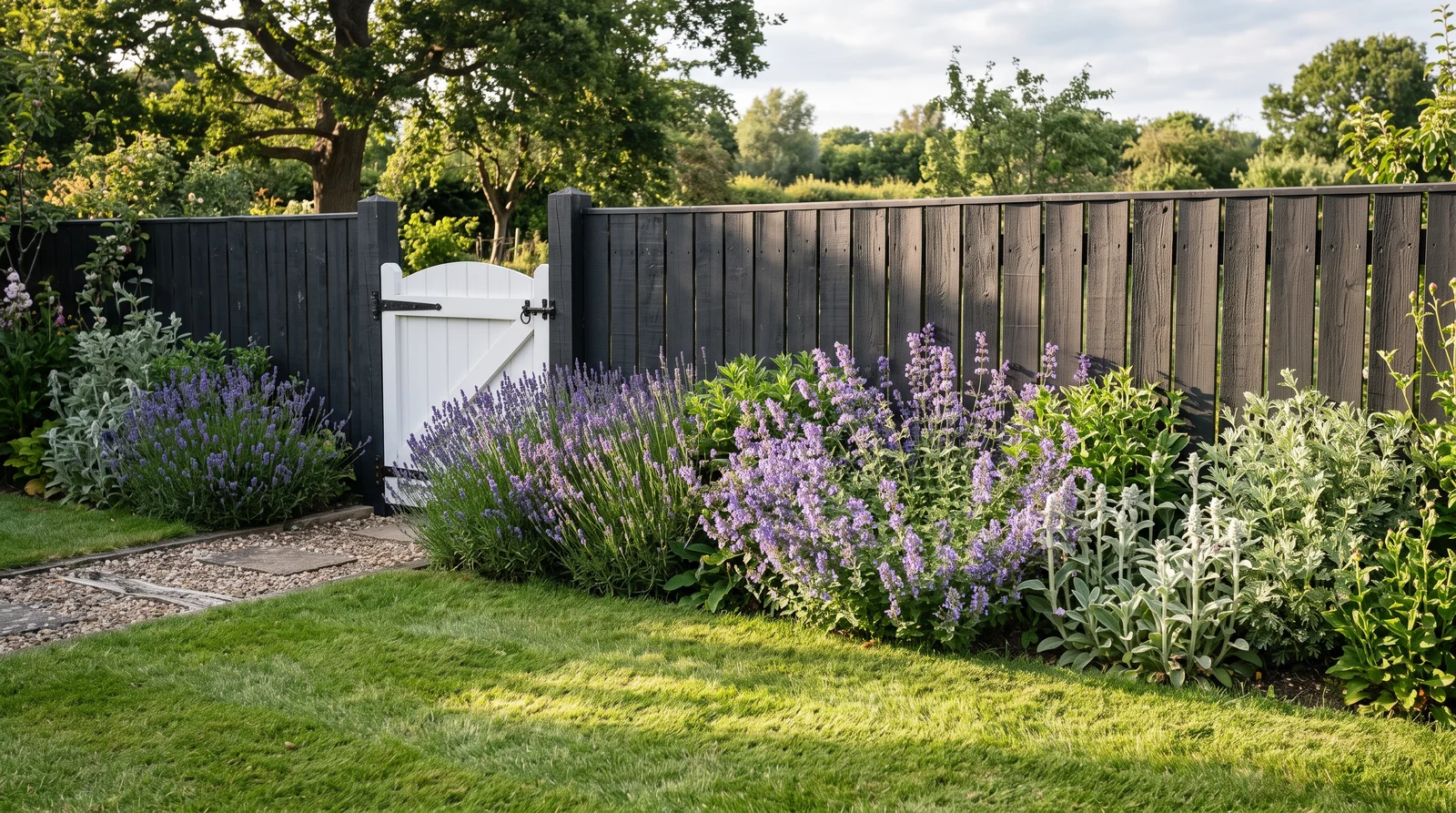
Your fence should talk to your house, not fight it. A simple rule that almost always works is to match the fence to the home's trim or its main siding color, or to go one clear shade darker. A white house with black trim looks tidy with a black fence, and a brown or gray house calms down with a fence in the same family.
Don't forget the things around the fence. Match or echo gate hardware, deck stain, and any outdoor furniture so the yard feels like one plan. Greens like Hunter Green love living plants next to them, dark colors make pavers and gravel look intentional, and a warm brown like Walnut ties into wood decks and mulch beds.
Common Fence Painting Mistakes to Avoid
The biggest mistake is skipping prep. Paint on a dirty, damp, or peeling fence will flake within a season, so clean it, let it dry fully, and prime bare or weathered wood first. The second mistake is using interior or all-purpose paint instead of an exterior product built for sun and rain.
People also pick a color off a tiny chip indoors, then hate it once it is on a huge sunlit fence, where it always reads lighter and brighter. Test a real sample outside first. Finally, going too glossy is a common regret, since high sheen shows every imperfection in rough fence wood and glares in the sun.
Fence Paint Colors — Frequently Asked Questions
What is the most popular color to paint a fence?+
Black, white, and natural browns are the most common, with gray close behind. Black, like Tricorn Black, hides dirt and makes plants pop, white like Snow looks crisp and classic, and browns like Saddle Brown or Walnut keep the wood feeling natural. Any of these is a safe, timeless choice.
Should a fence be lighter or darker than the house?+
Most fences look best matching the house's trim or main color, or going one shade darker. A darker fence recedes and makes the yard feel calm and private, while a lighter fence stands out more and brightens a small space. Pick based on whether you want the fence to disappear or to be a feature.
What sheen should I use on a fence?+
A flat or low-sheen exterior finish is usually best. Flat hides the rough grain and dents of fence boards and avoids glare in the sun. If your fence gets touched or dirty often and you want to scrub it, step up to a satin or low-luster exterior paint instead.
Does a dark fence make my yard look smaller?+
It can make a small yard feel a bit more enclosed, but it also makes plants, furniture, and pavers stand out and feel intentional. In a large yard, a dark color like Hunter Green or Tricorn Black looks grounded and private. In a tight space, a lighter gray or white keeps things feeling open.
Can I get the same fence color from any paint brand?+
Yes. The colors shown here are mixed to order at the store, and a shade like Gauntlet Gray or Saddle Brown can be cross-matched between brands. So you can choose the color you love first, then pick whichever exterior paint or fence stain you prefer.
How do I keep a white fence from looking dirty?+
A high-LRV white like Snow shows dust, mildew, and splashes faster than darker colors. Plan to rinse or wash it a couple of times a year, and choose a satin or low-luster finish so it cleans more easily. If low upkeep matters most, a gray or brown will hide grime far better.
Why does my fence color look different than the paint chip?+
Outdoor light is much stronger than indoor light, so any color reads lighter and brighter on a big sunlit fence than it does on a small chip indoors. Always test a real sample on the actual fence and look at it in morning, midday, and evening light before you commit.