Green Fence Paint Colors
2,263 green colors that work in fences, drawn from the full ~30,000-color US paint deck. Below: editor's picks specific to fences, then 30 picks spread across the LRV range — narrow further on the brand page when you've shortlisted.
Green has quietly replaced grey as the safe-but-interesting wall color of the late 2020s. Sage Green, the soft grey-green that became the de facto fallback, anchors the family — but the broader green palette runs from olive (warm, earthy, faintly yellow) to forest (deep blue-green) to emerald (saturated jewel tone).
Editor's Picks: Green for Fences
4 picks30 Green Picks Across the LRV Range
30 of 2,263 · sorted dark → lightLooking for more? All green → covers every brand; brand × family pages show full decks.
Green Fence Colors at Every US Brand
19 brands · up to 10 picks eachUp to 10 picks per brand spread across the green LRV range, drawn from each brand's full deck. Tap any swatch with a curated guide for full spec; tap the brand title for the brand's complete green deck.
Behr
Benjamin Moore
Glidden
Valspar
Dunn-Edwards
PPG / Glidden
Sherwin-Williams
Dutch Boy
Hirshfield's
Diamond Vogel
Kompozit
C2 Paint
Farrow & Ball
Magnolia Home
Clare
Rodda
Annie Sloan
Backdrop
Other Fence Color Families
Green Colors in Other Rooms
Green Paint Colors for a Fence
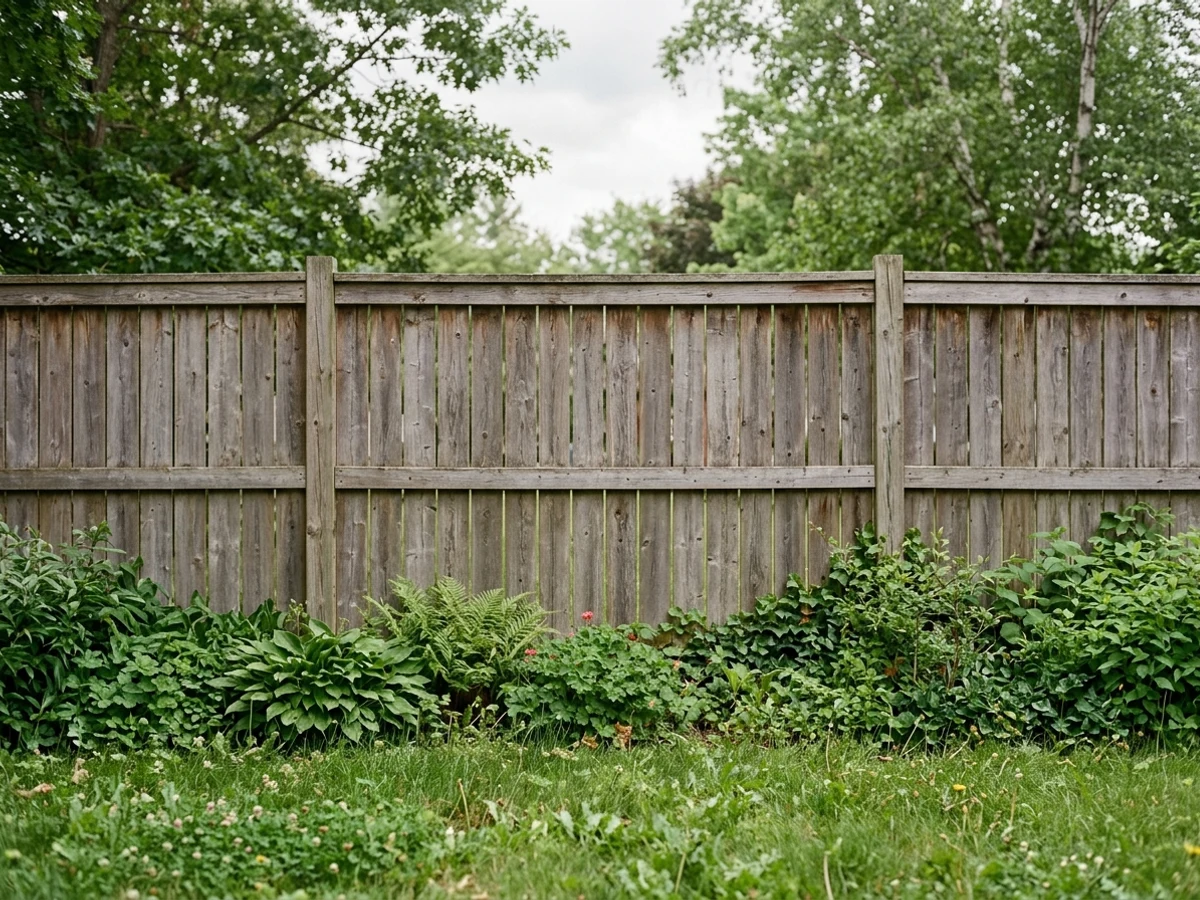
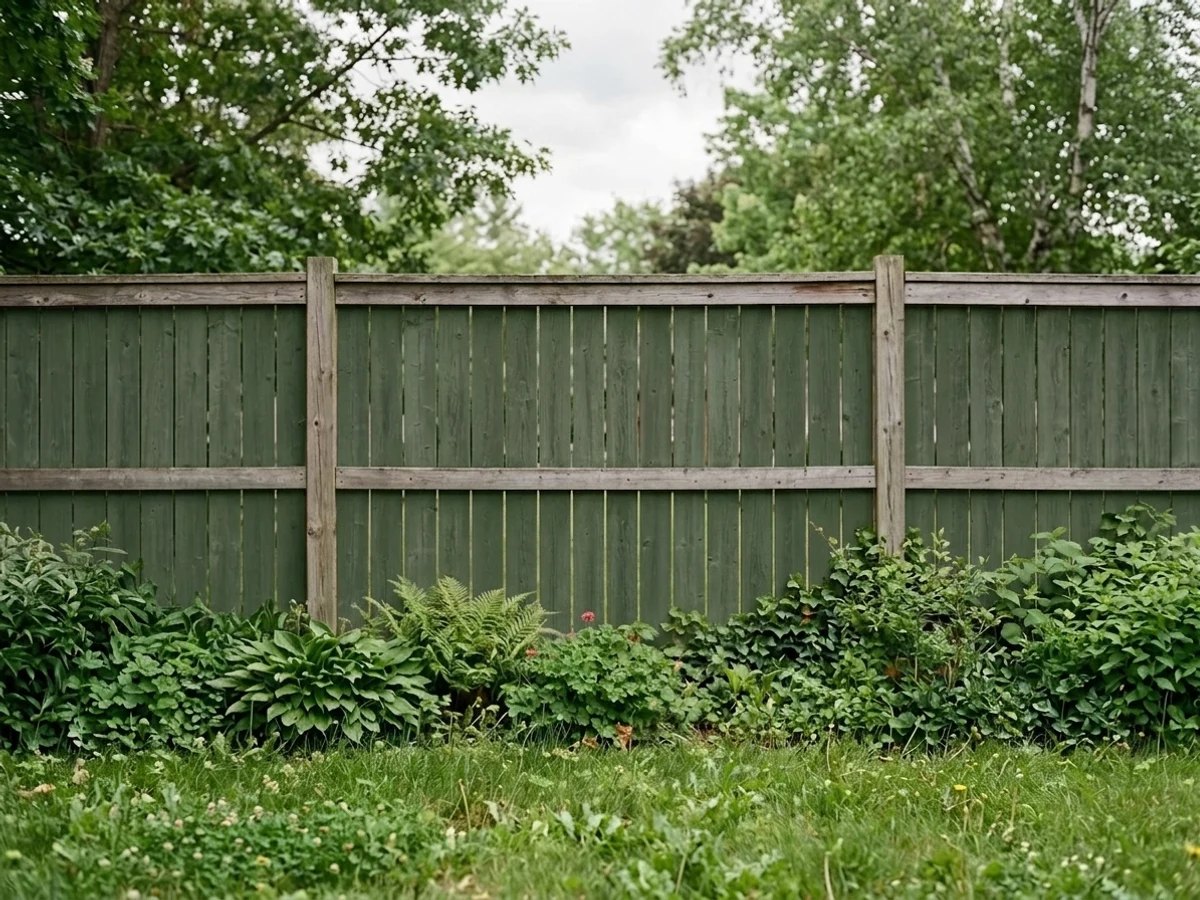
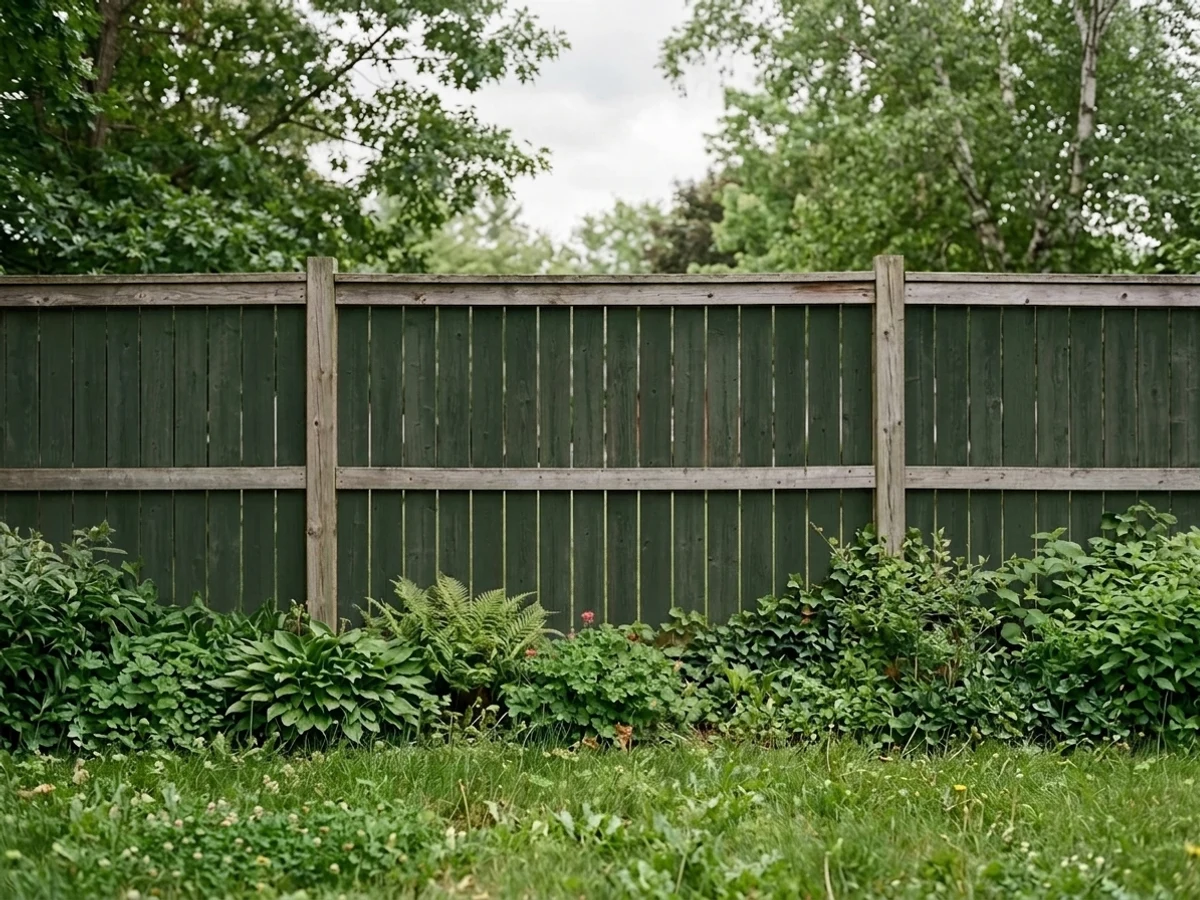
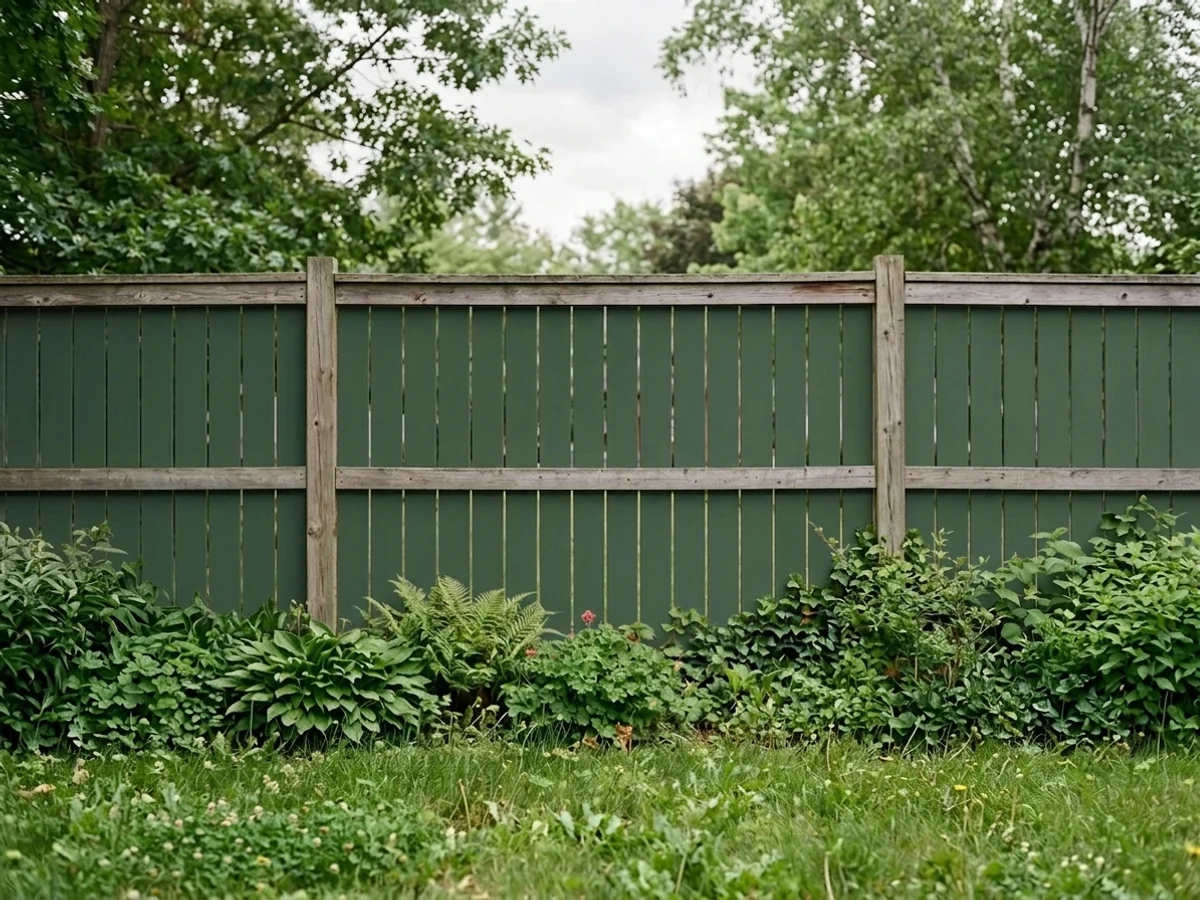
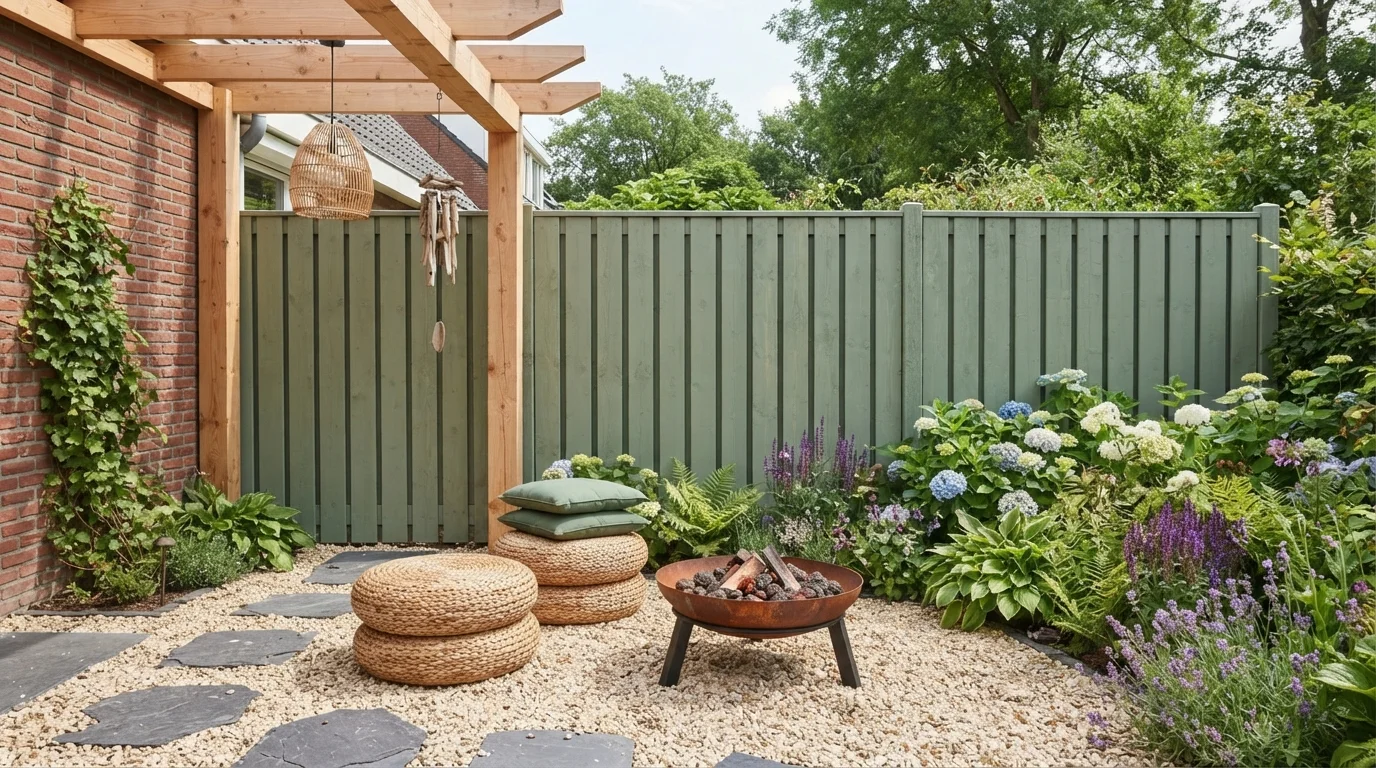
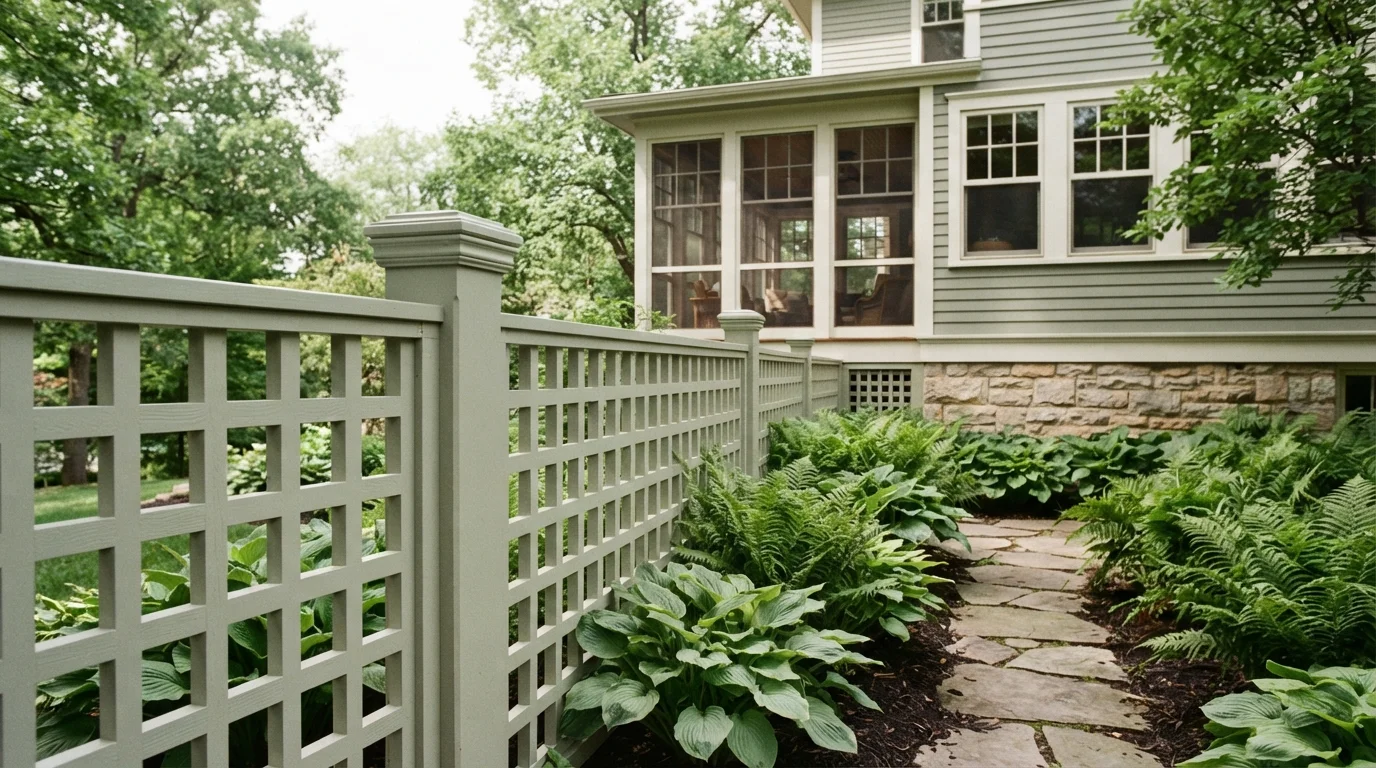
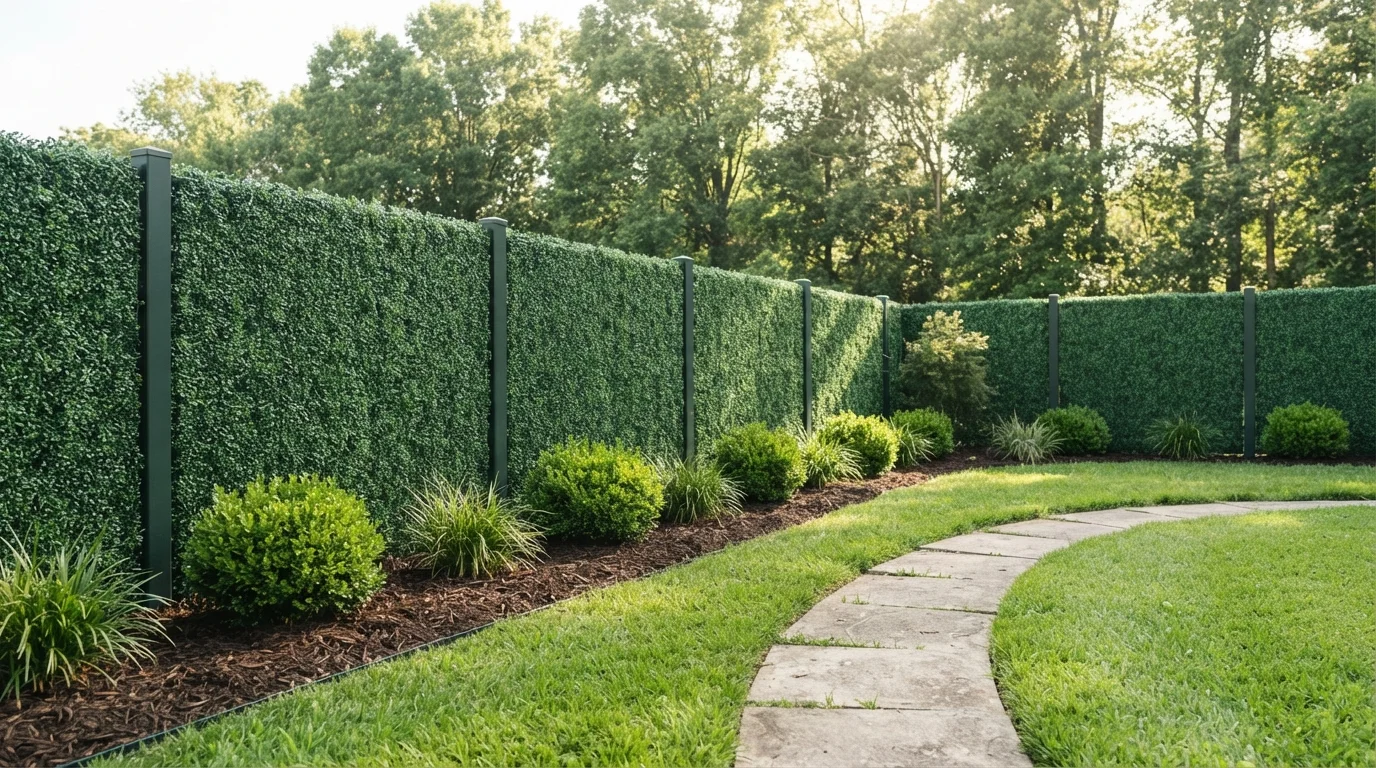
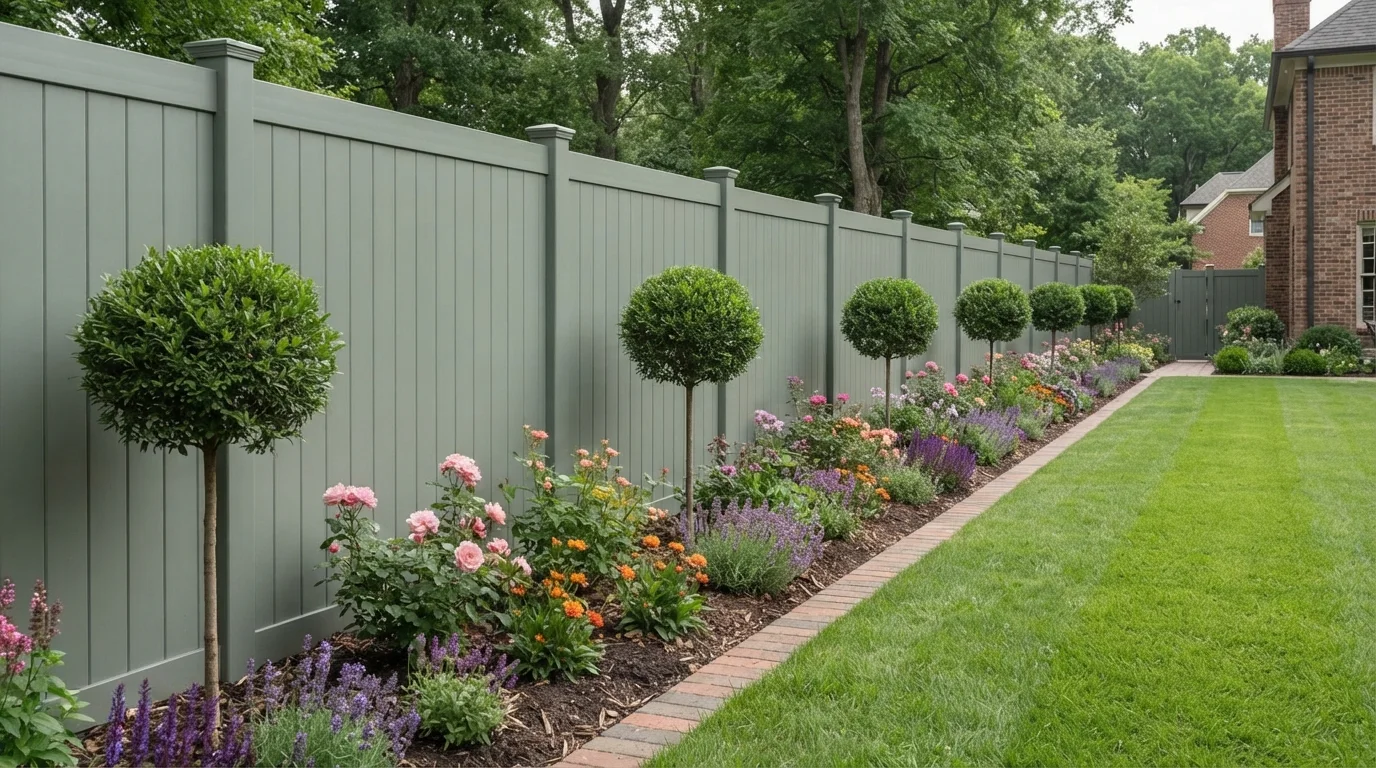
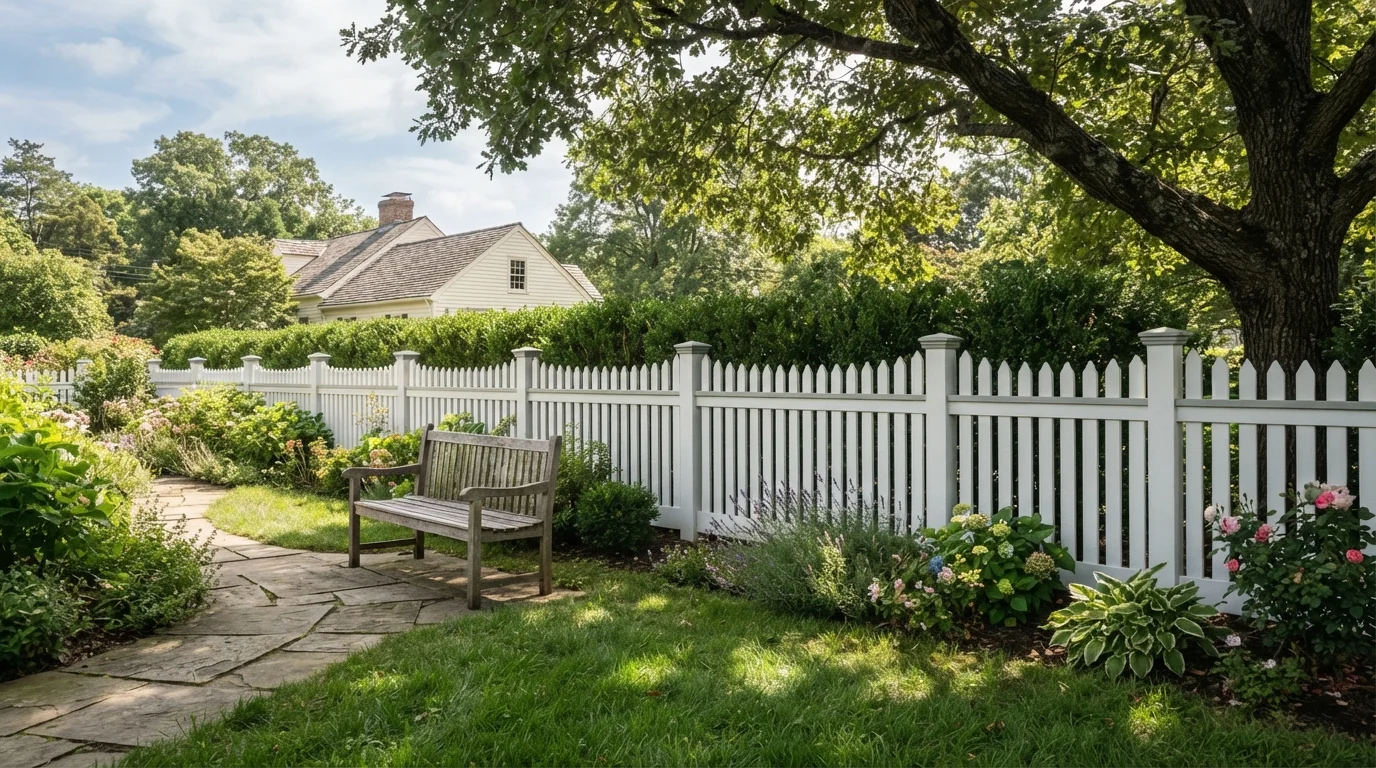
Green is one of the few colors that actually belongs on a fence. A fence sits in the open all day, surrounded by grass, leaves, hedges, and sky, so a green panel reads as part of the yard instead of a wall cutting through it. The right green can make a fence almost disappear into the planting, or it can give the boundary a calm, gardenlike presence that beige and gray never quite manage outdoors.
The catch is that a fence is a hard place for paint. It bakes in direct sun, soaks up rain and sprinkler spray, and shows every bit of green that goes chalky or splotchy from across the yard. So choosing green here is less about the prettiest chip and more about a depth and finish that holds up outside and still looks good next to living plants. Every green shown on this page is mixed to order at the paint counter, and the same shade can be matched across brands, so you can pick the green you want and buy it in whatever exterior line you trust.
Why Green Works on a Fence
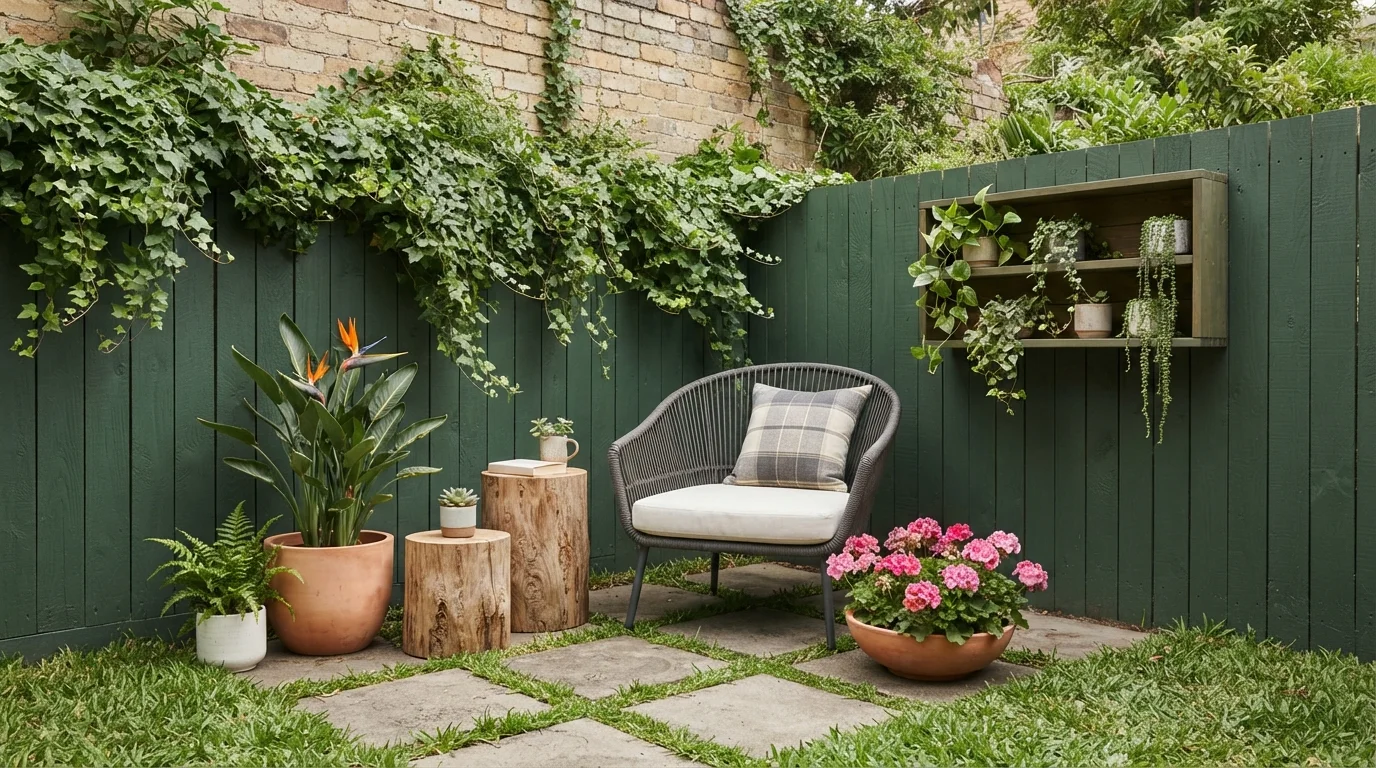
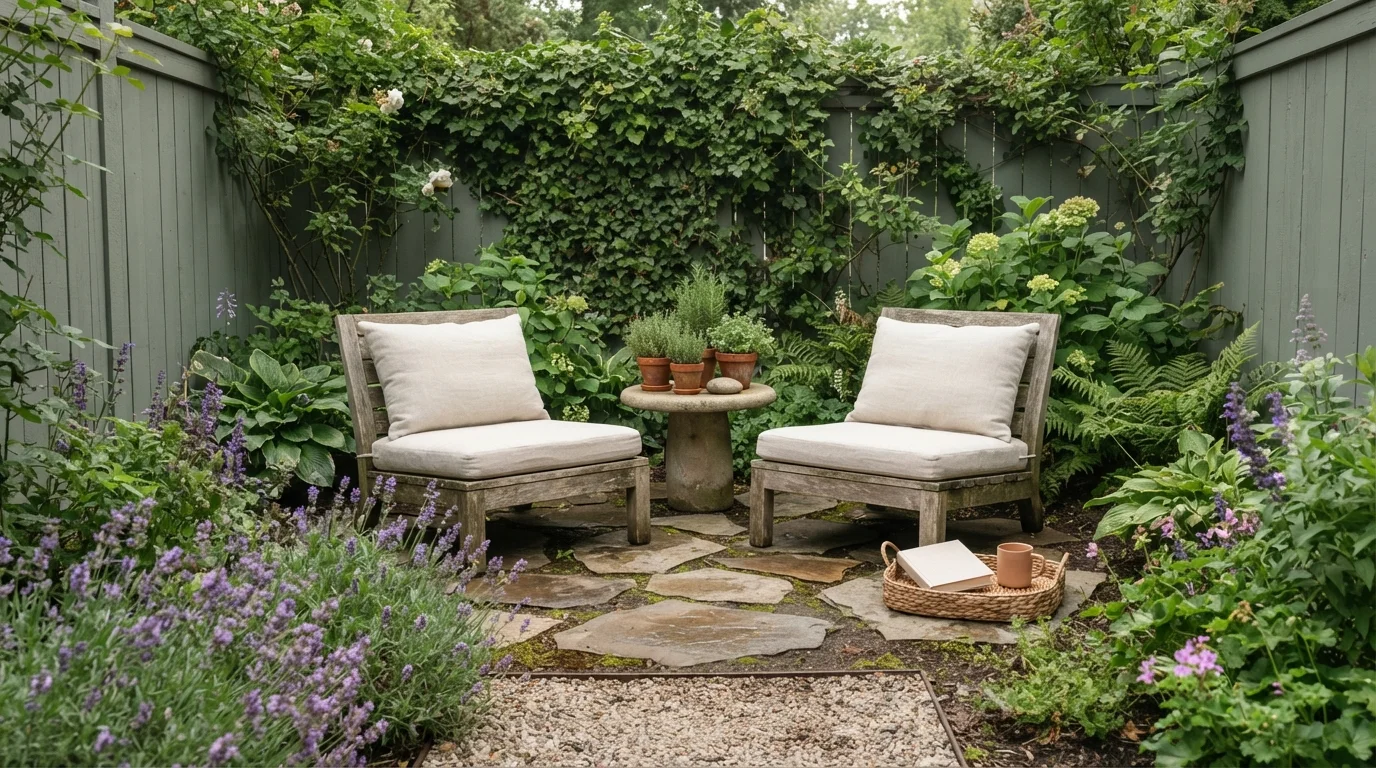
A fence is the one outdoor surface that's always seen against nature, and green is the color nature is already wearing. A muted sage or olive blends a fence into shrubs and lawn so the yard feels bigger and the boundary feels softer. A deeper forest or hunter green does the opposite in a good way, framing beds and climbing plants like a backdrop in a garden.
Green also hides the things a fence collects. Pollen, dust, faint mildew shadows, and grass splatter all sit in the green family, so they show far less on a green fence than on white or black. That alone can buy you a year or two between repaints.
Picking the Right Depth of Green for Outdoor Light
Outdoors there is no ceiling and no walls to bounce light, so a fence gets hit with the full, flat strength of the sun. That makes every green read at least a shade or two lighter and brighter than it does on the chip indoors. A green that looks rich and earthy in the store can turn flat and minty across the yard at noon.
LRV (light reflectance value, a 0–100 scale of how much light a color bounces) is the simplest way to steer this. Greens in the 10–30 LRV range, like forest, hunter, and deep olive, stay grounded in strong sun and don't glare. Sages and soft greens in the 35–55 range work too, but lean toward the grayer, dustier versions so full daylight doesn't wash them out to pale mint. If your fence is shaded by trees most of the day, you can go a touch lighter than you think, because shade mutes and cools the color.
The Right Finish for a Fence
A fence lives in weather, so the finish matters more than the exact green. For wood fences, a flat or low-sheen exterior finish is usually best: it hides the grain texture, the dents, and the slight unevenness of old boards, and it doesn't throw glare when the sun rakes across it in the morning and evening. Flat also feels right next to plants, which are matte, not shiny.
The trade-off is washability. A satin or low-luster exterior sheds dirt and sprinkler spray and wipes down more easily, which helps on a fence near a lawn or a dog run. For metal or vinyl fences, lean satin for that reason. Whatever the sheen, use a paint made for exterior use, because a fence needs the flexibility and mildew resistance that interior paint simply doesn't have.
Pairing Green With Posts, Caps, Gates, and Hardware
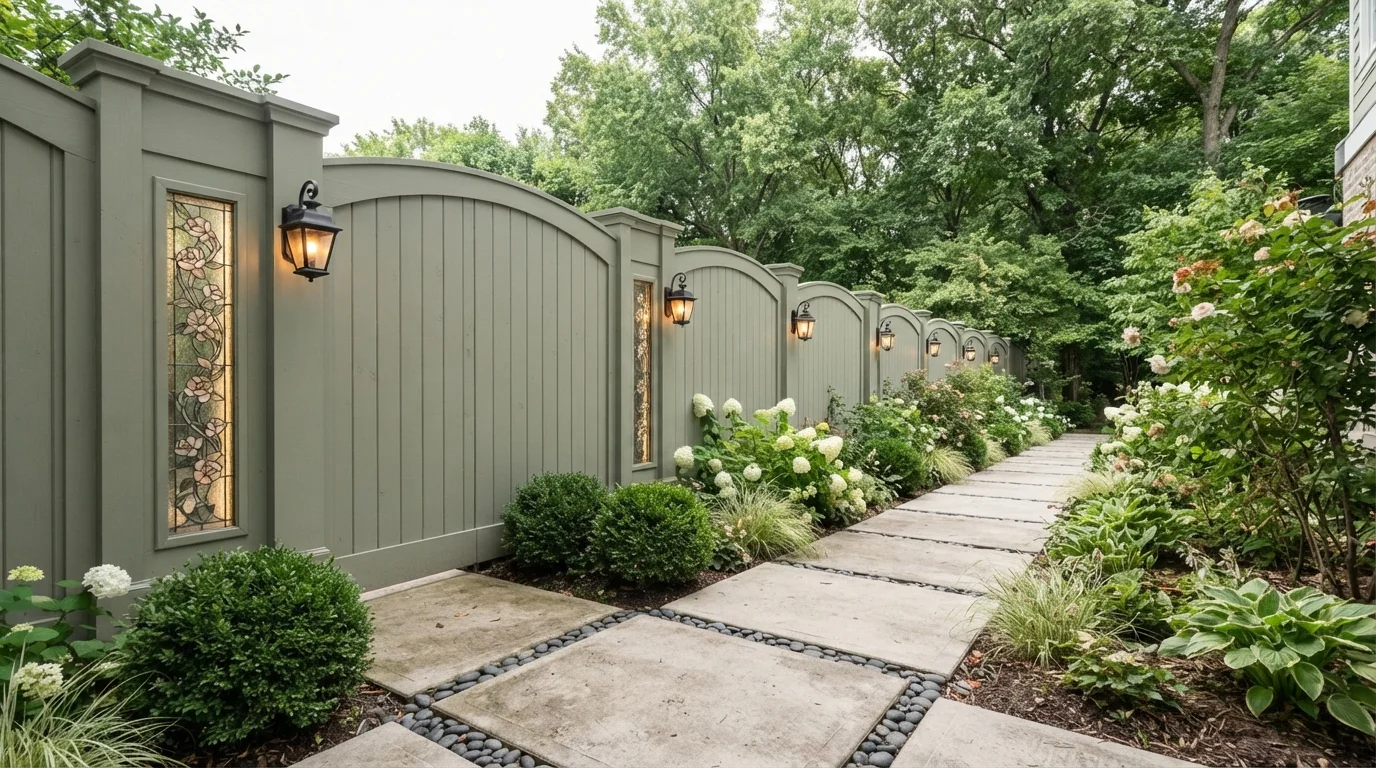
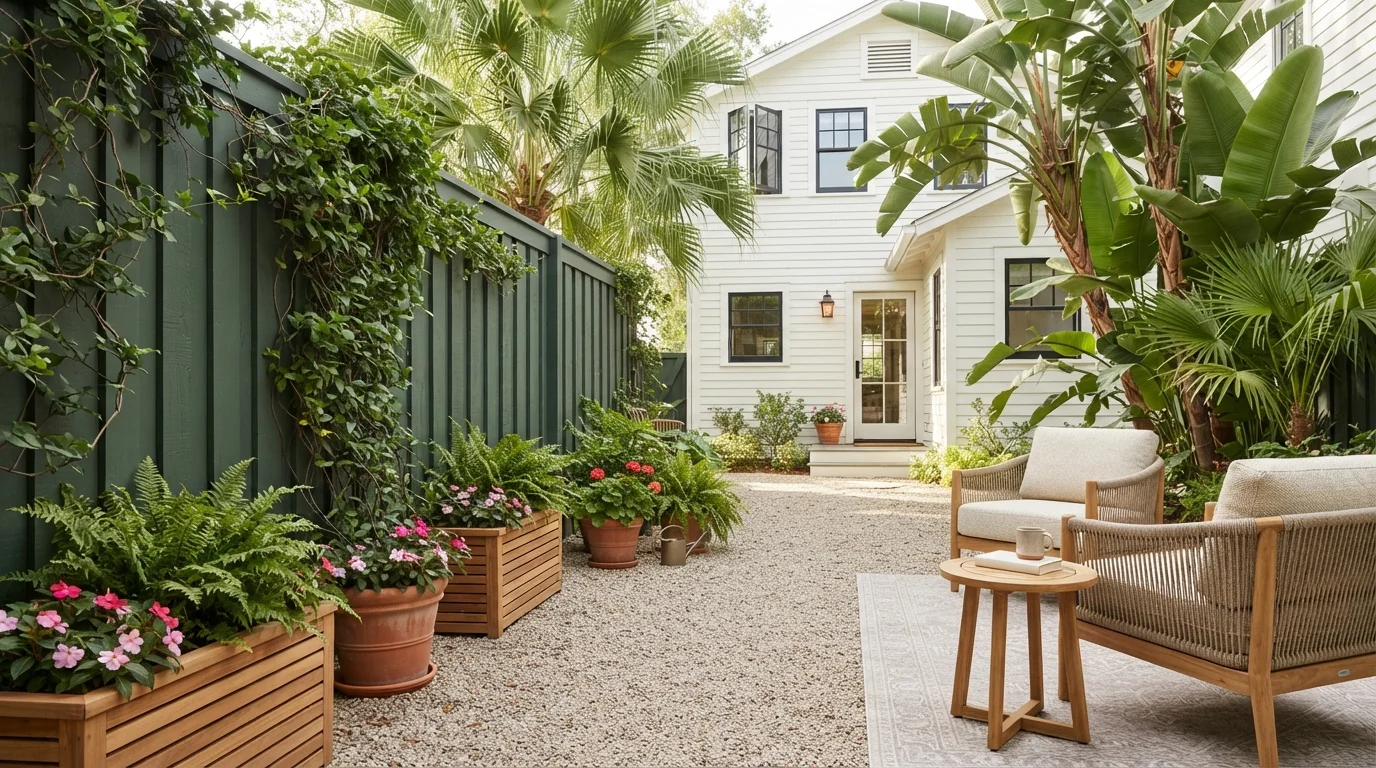
Most fences have more than one part, and green gives you an easy way to handle them. Painting the whole fence one green and leaving the post caps, gate frame, or top rail in a crisp white or soft cream gives a clean, trimmed look without much extra work. A near-black or deep charcoal on the same accents reads more modern and makes a mid-tone green look intentional rather than accidental.
Think about what the fence sits next to as well. A green fence usually backs up to a house, a deck, or planting beds, so pull the green toward the undertone of those. Warm olive and sage sit well beside brick, stone, and natural wood decking, while cooler forest and pine greens pair cleanly with white houses, black metal fixtures, and gray hardscape. Black hinges, latches, and handles disappear nicely against any darker green.
Common Mistakes With Green on a Fence
The biggest one is going too bright or too yellow. A green that pops on the chip can look like a highlighter line across the yard once it's up in full sun and surrounded by real, muted plant greens that it now clashes with. Almost always you want a grayer, dustier, more grounded green than the one that first catches your eye.
The other common misses are practical. Skipping a real exterior primer on bare or weathered wood lets green soak in unevenly and fade fast, and trying to brush a deep green over a much lighter old fence in one coat leaves a blotchy, streaky finish. Test a board in the actual spot, look at it morning, midday, and evening, and plan on two coats so the color stays even all the way down the fence line.
Green Fence Paint — Frequently Asked Questions
what shade of green is best for a fence?+
For most yards, a grayed-down green works best: sage, olive, or a deep forest green. These sit naturally next to real plants and don't glare in sun. Skip bright or yellow-leaning greens for a fence, since full daylight pushes them even brighter and they tend to clash with the muted greens of the actual garden around them.
what sheen should I use to paint a fence green?+
A flat or low-sheen exterior finish is the usual pick for wood fences. It hides the rough grain and dents and doesn't throw glare when sun rakes across the boards. If the fence is near a lawn, sprinklers, or pets, a satin or low-luster sheds dirt and wipes down more easily. For metal or vinyl fences, lean satin. Always use a paint rated for exterior use.
will a green fence fade in the sun?+
Any color fades outdoors, but a good exterior paint with quality pigment holds up well, and green hides early fading better than most. Deeper greens in the 10–30 LRV range stay grounded longest in strong sun. The real fade-fighters are simple: a proper exterior primer on bare wood and two full coats so the color is even and built up enough to last.
what colors go with a green fence?+
Keep accents simple. White or soft cream on the post caps, gate, or top rail gives a clean trimmed look, while near-black or charcoal reads more modern. Black hinges, latches, and handles disappear nicely against a darker green. Match the green's undertone to what it sits beside: warm olive next to brick, stone, and wood; cooler forest green next to a white house and gray hardscape.
do I have to use a specific brand's green for a fence?+
No. Every green shown here is mixed to order at the paint counter, and the same shade can be matched across brands. So you can choose the exact green you like, then buy it in whatever exterior fence-grade line you trust. Pick the shade and finish first; the brand is just where you have it tinted.
how do I keep a green fence from looking blotchy?+
Two things cause blotchy fences: an uneven surface and too few coats. Prime bare or weathered wood with a real exterior primer so the green soaks in evenly, and never try to cover a much lighter old fence in a single pass of deep green. Plan on two full coats, and test a sample board in the actual spot before committing so you can see it morning, midday, and evening.