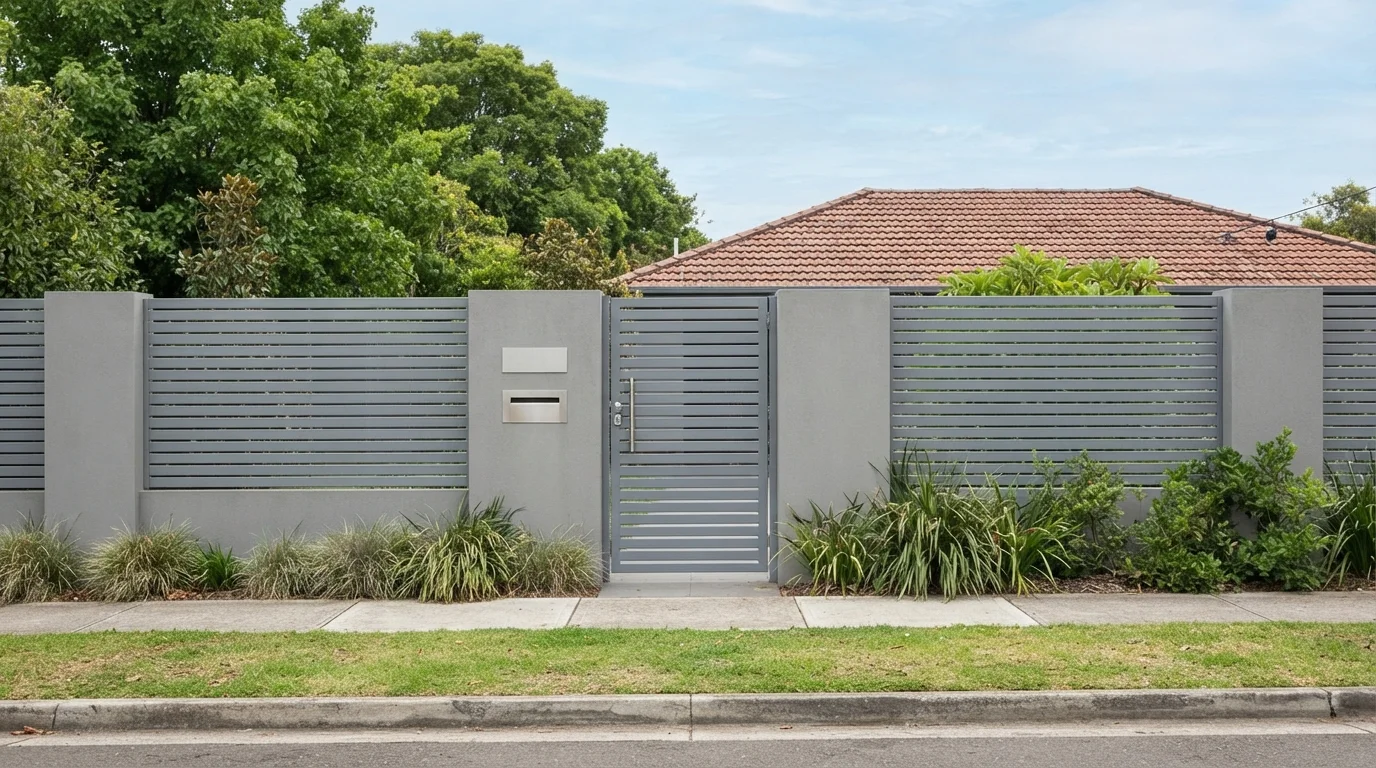
Black Fence Paint Colors
268 black colors that work in fences, drawn from the full ~30,000-color US paint deck. Below: editor's picks specific to fences, then 30 picks spread across the LRV range — narrow further on the brand page when you've shortlisted.
True black on a wall almost always looks heavier than you expected. The picks below — the "designer blacks" — sit just shy of pure black, with subtle blue, brown, or green undertones that keep them from reading like a void.
Editor's Picks: Black for Fences
4 picks30 Black Picks Across the LRV Range
30 of 268 · sorted dark → lightLooking for more? All black → covers every brand; brand × family pages show full decks.
Black Fence Colors at Every US Brand
21 brands · up to 10 picks eachUp to 10 picks per brand spread across the black LRV range, drawn from each brand's full deck. Tap any swatch with a curated guide for full spec; tap the brand title for the brand's complete black deck.
Behr
Benjamin Moore
Sherwin-Williams
Valspar
Dunn-Edwards
Hirshfield's
Kompozit
Dutch Boy
Glidden
C2 Paint
Rodda
PPG / Glidden
Magnolia Home
Diamond Vogel
Portola Paints
Farrow & Ball
Backdrop
Annie Sloan
Rust-Oleum
Clare
Other Fence Color Families
Black Colors in Other Rooms
Black Paint Colors for a Fence
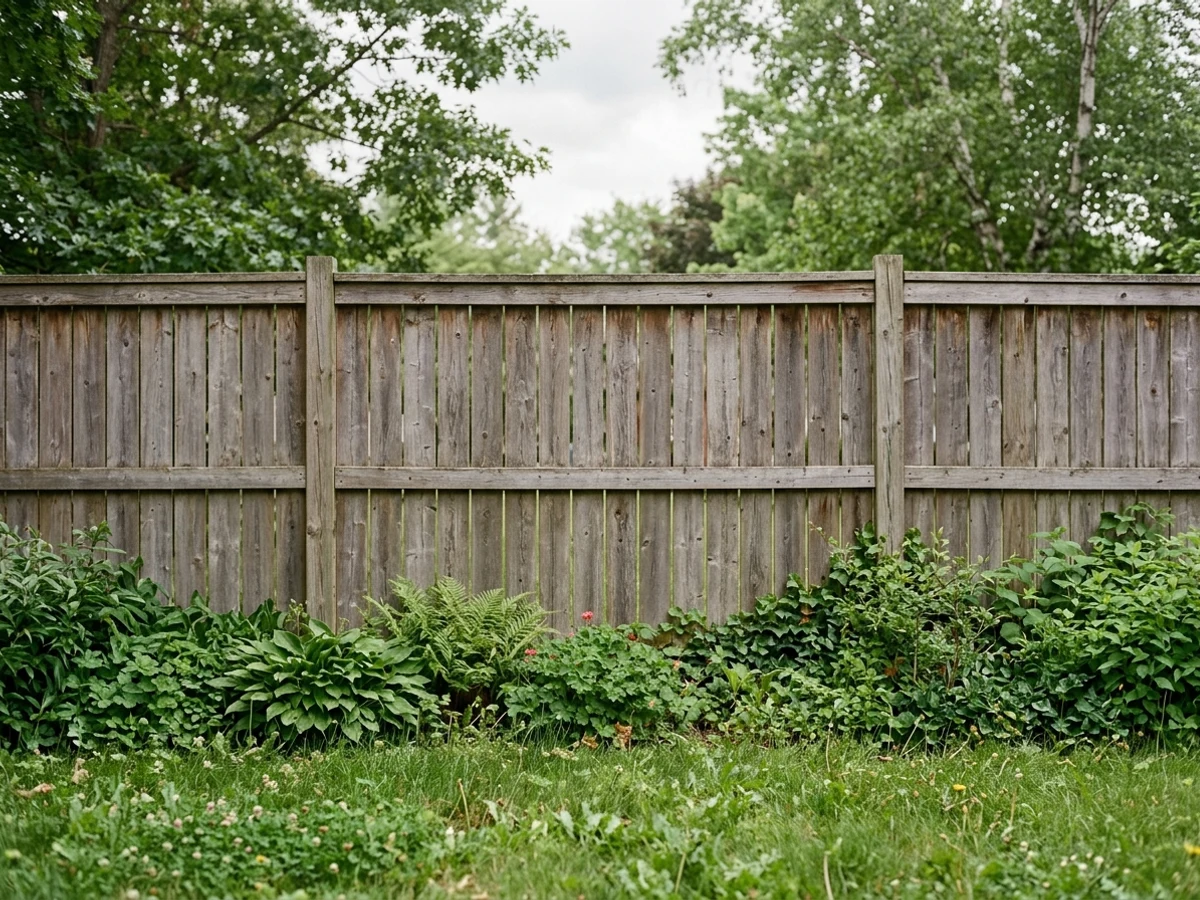
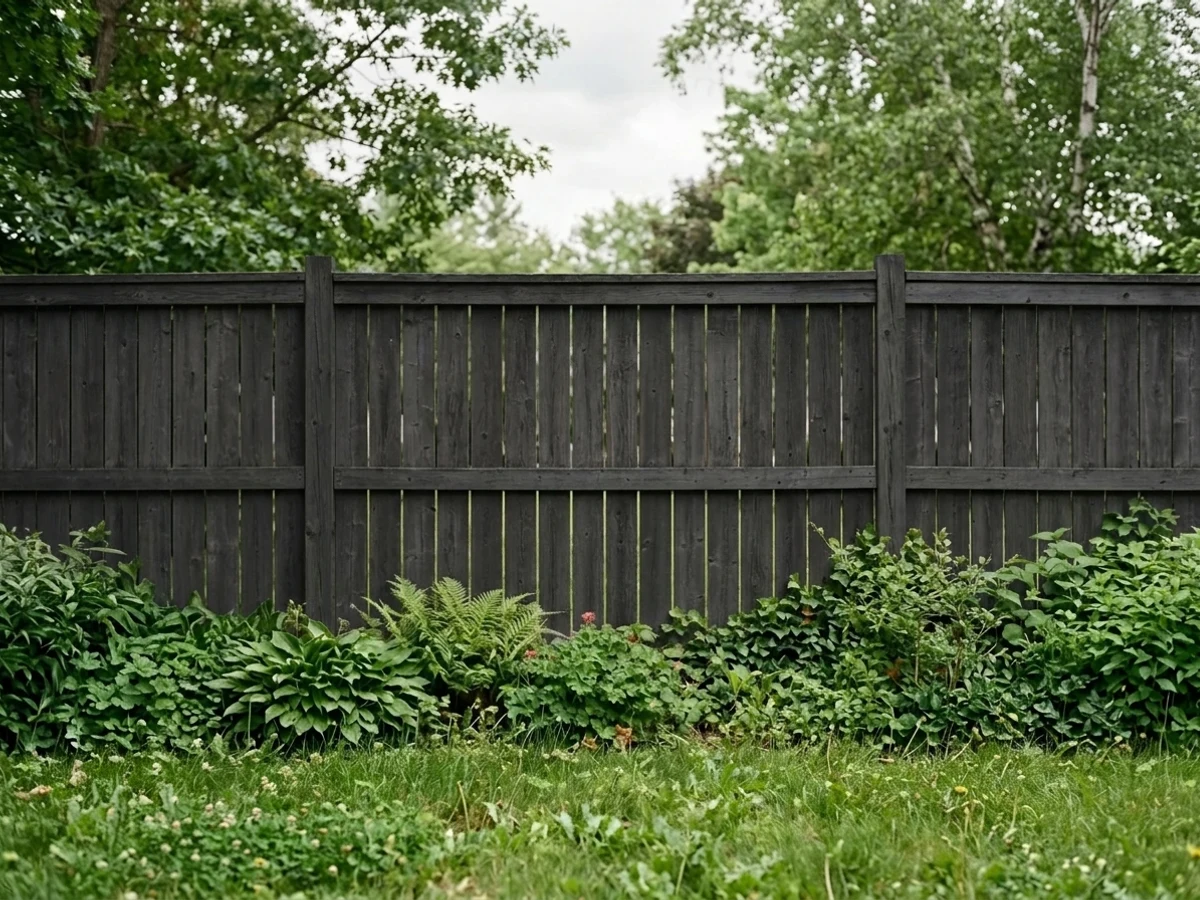
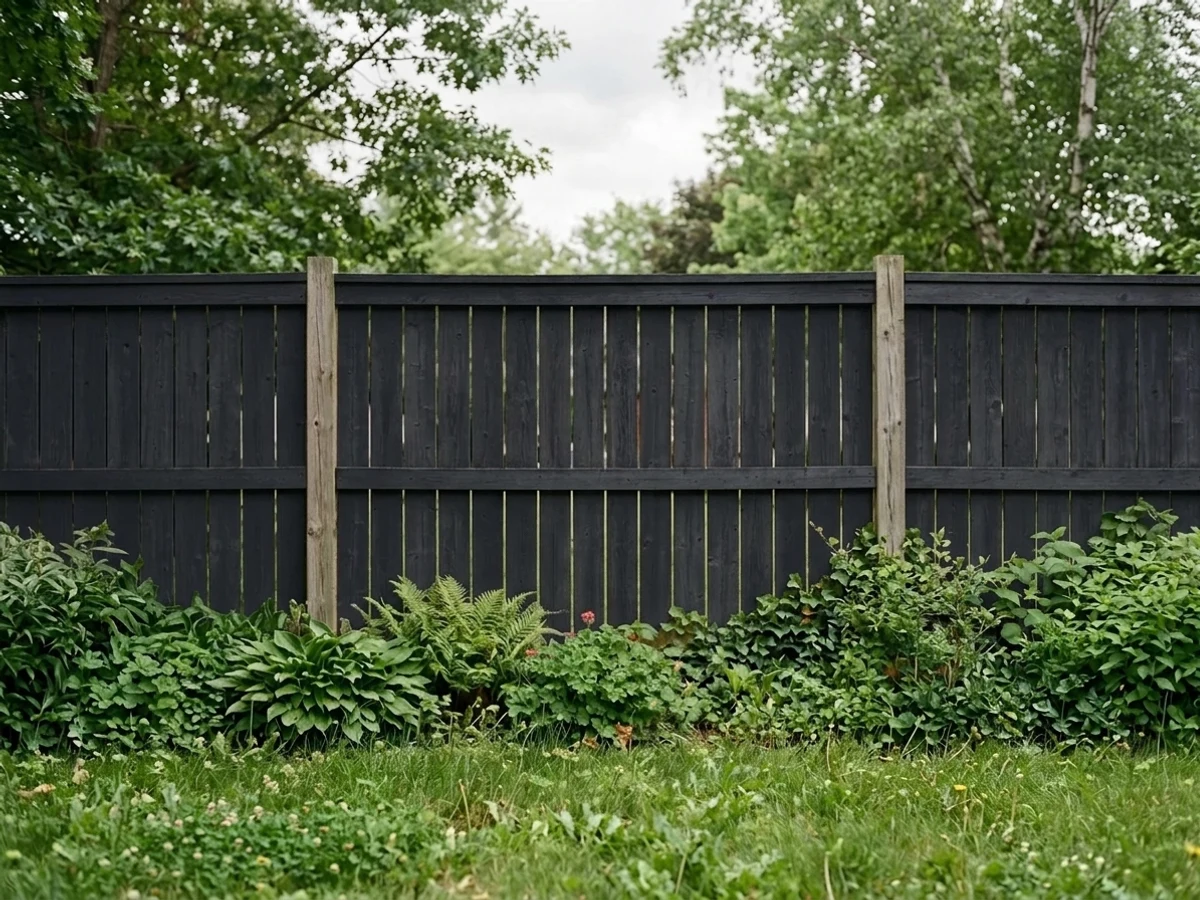
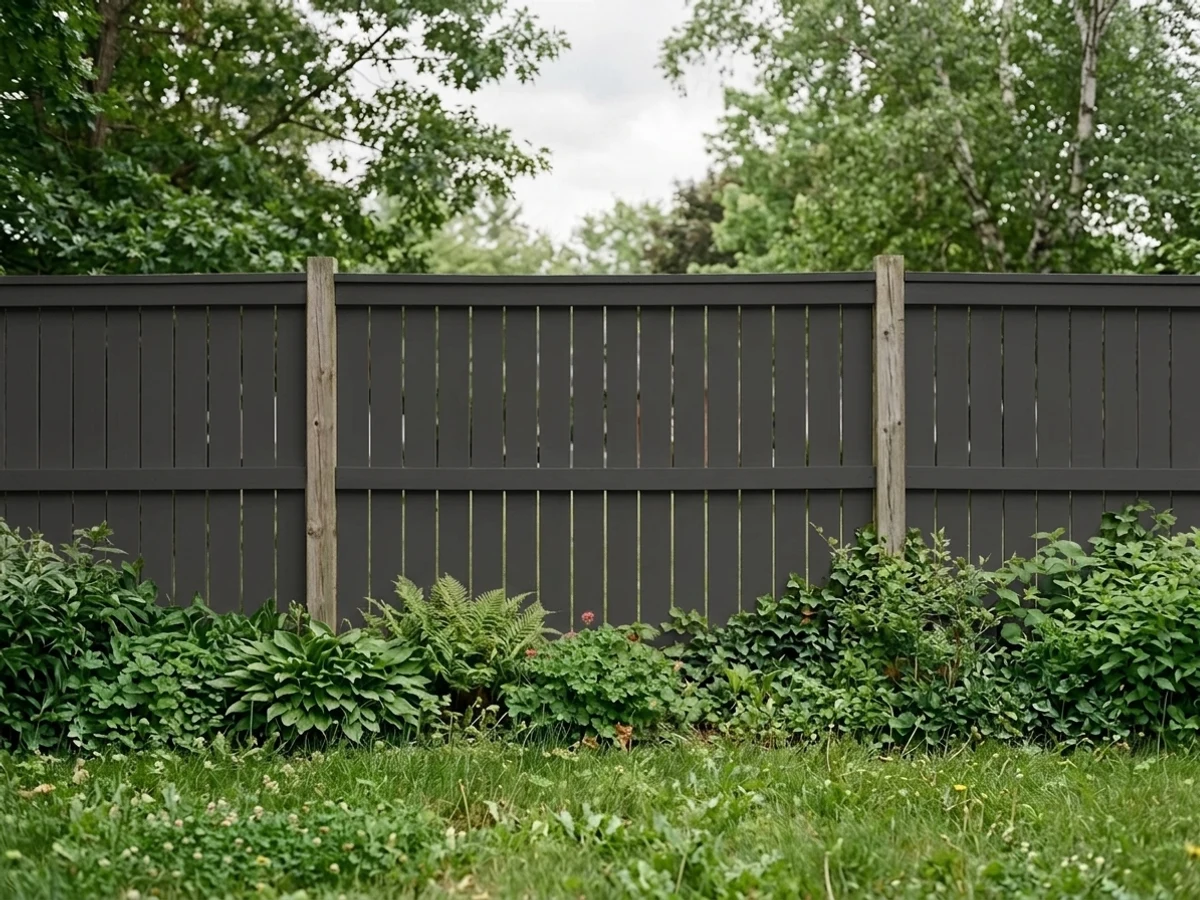
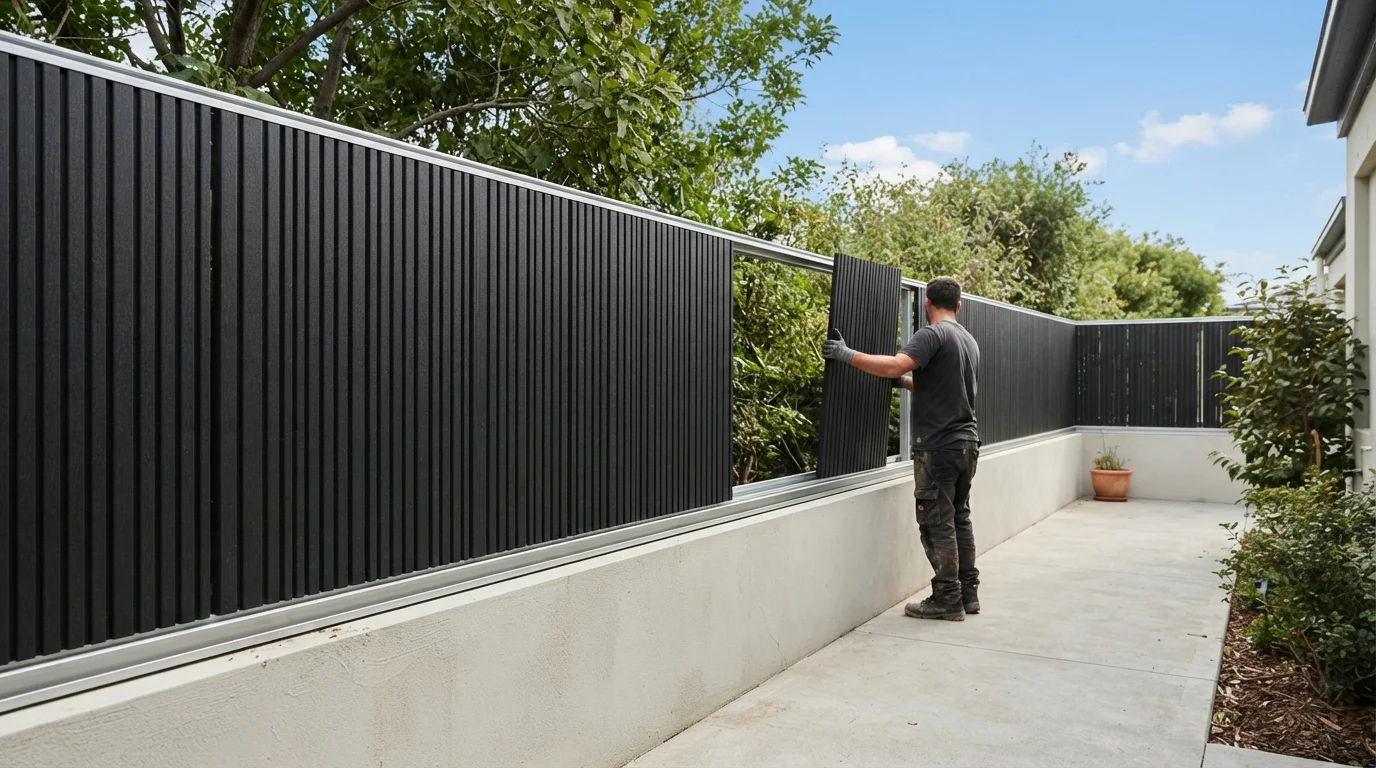
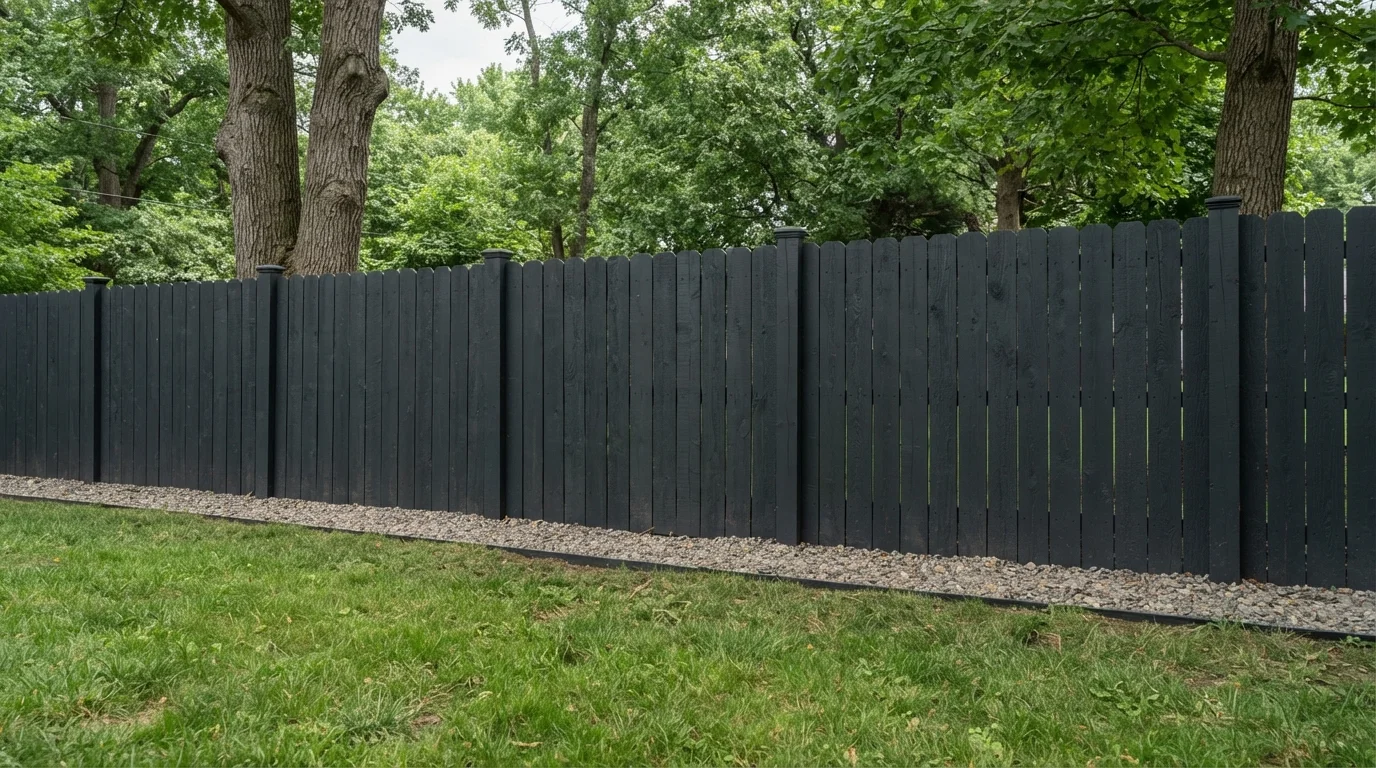
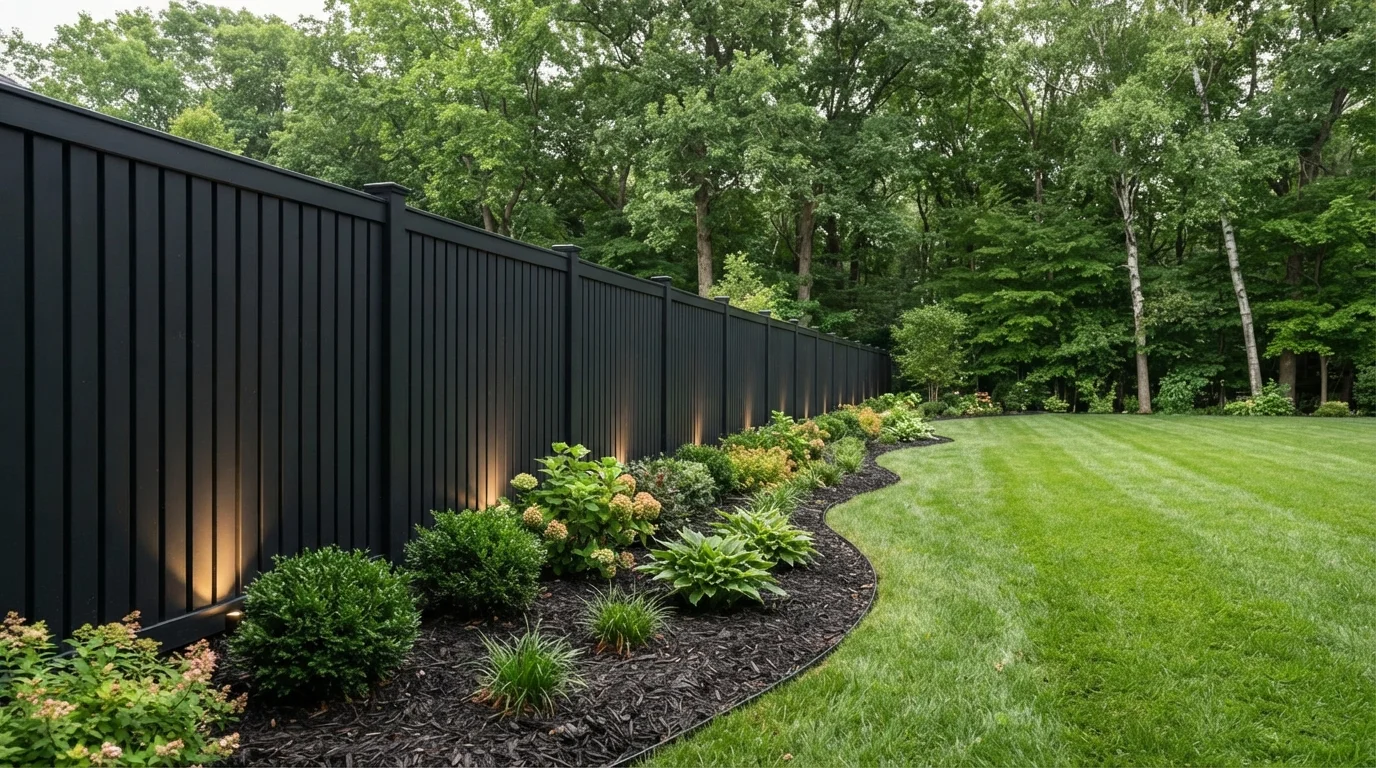
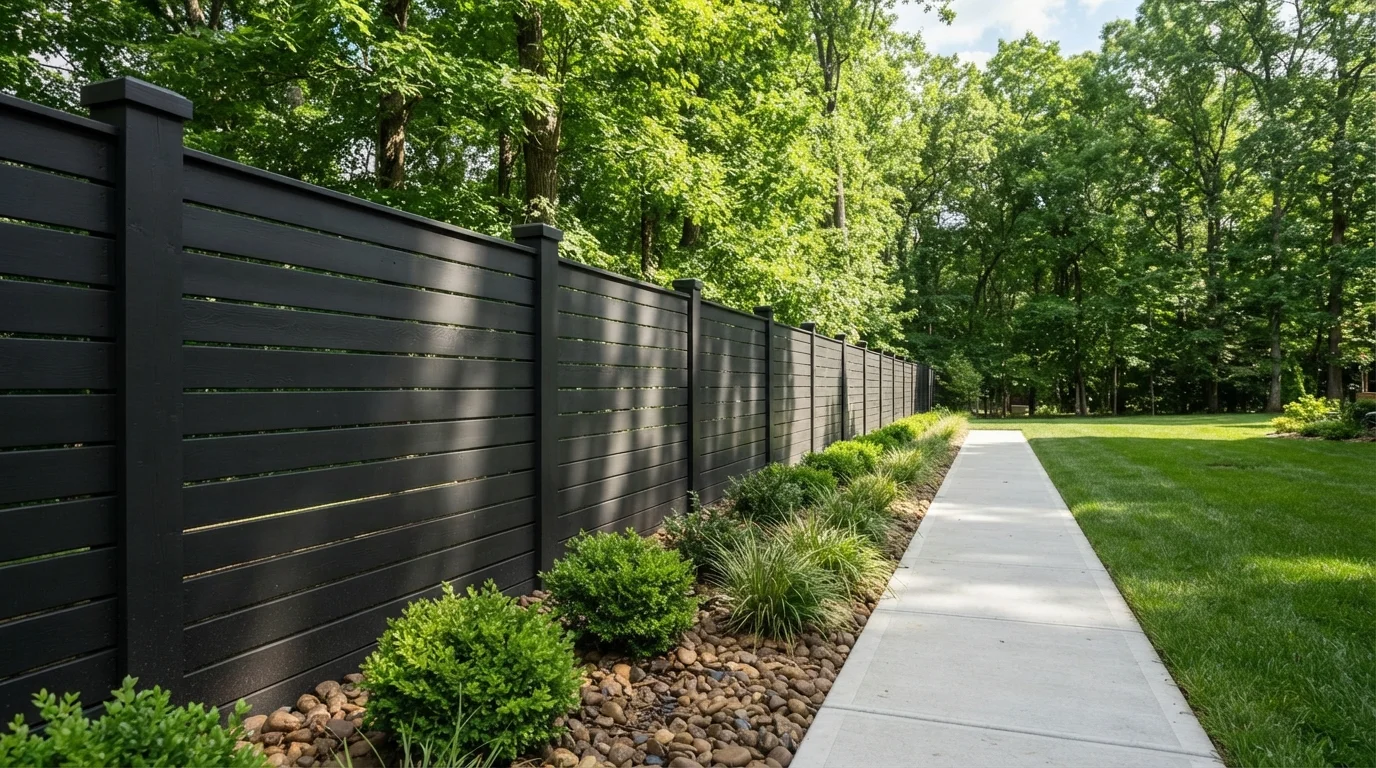
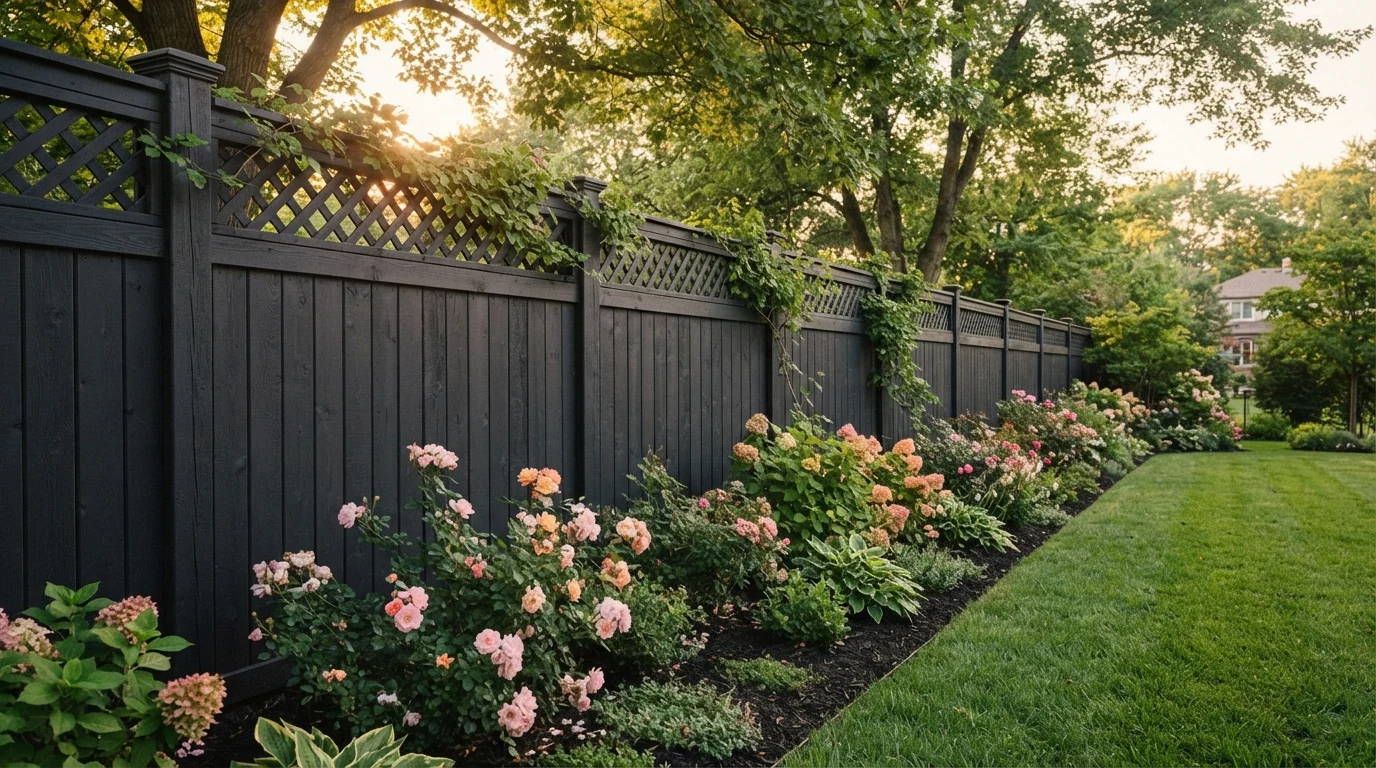
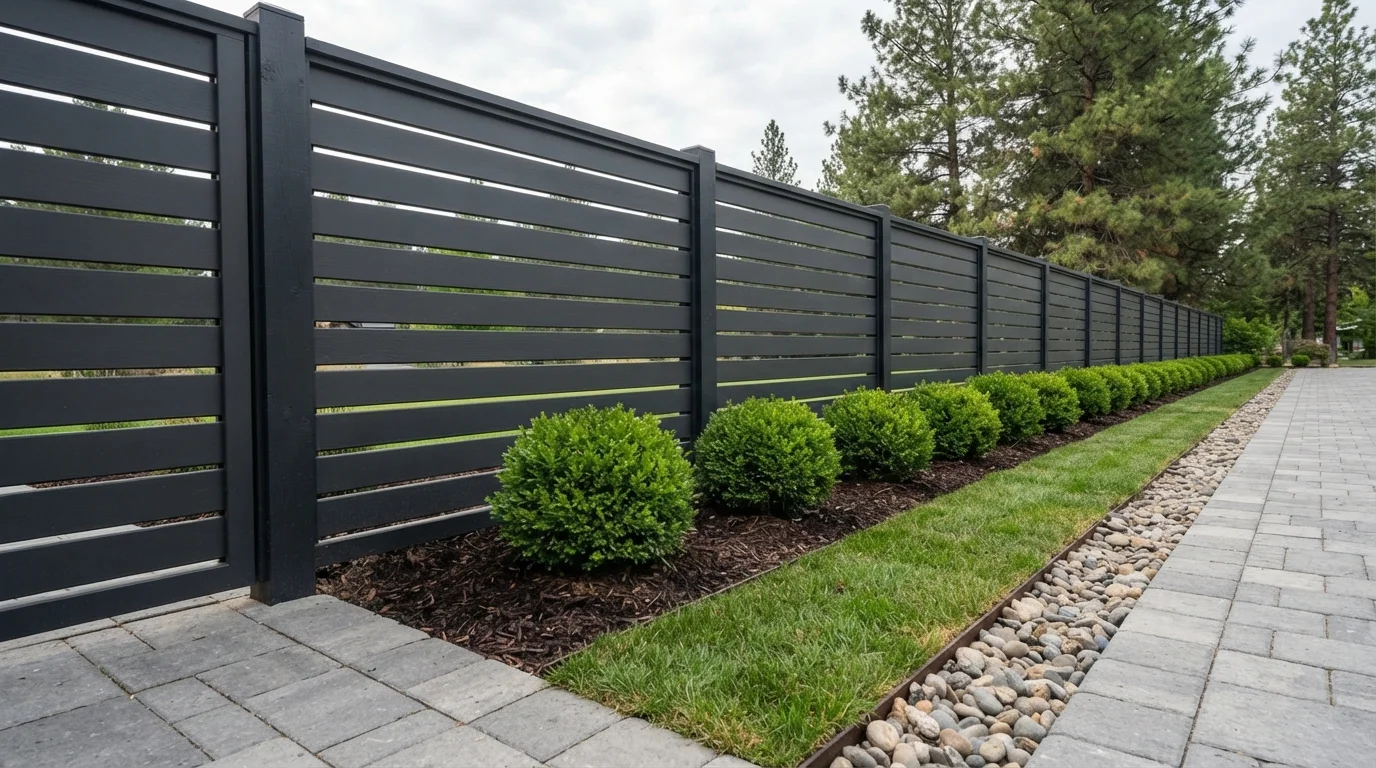
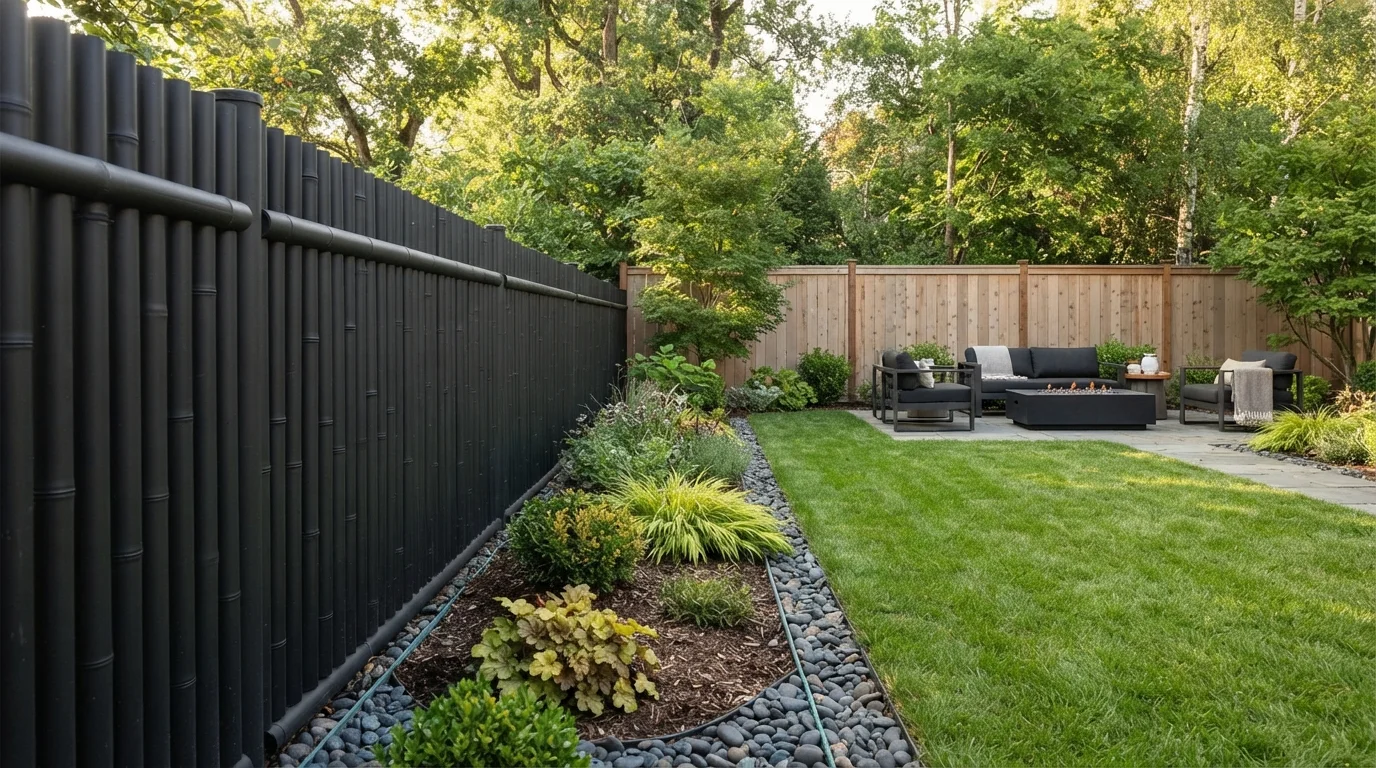
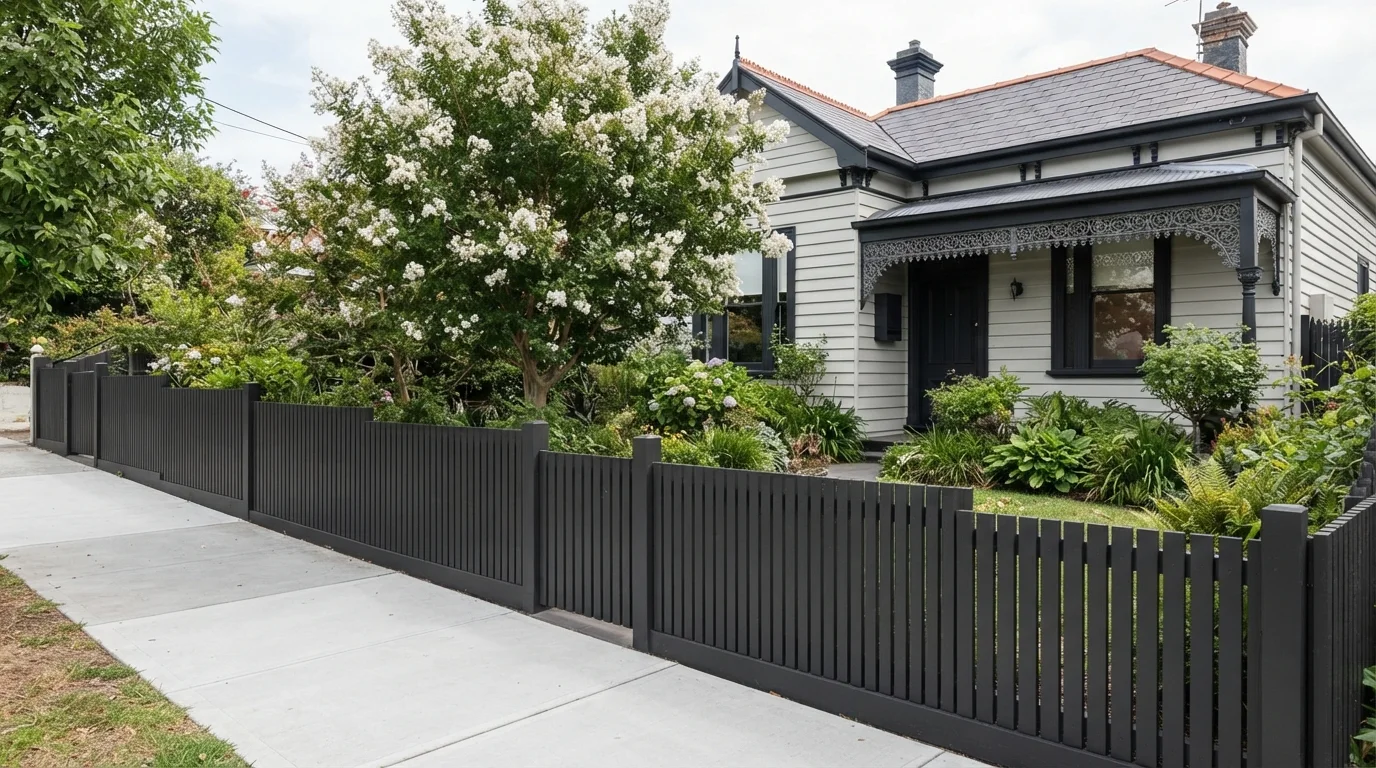
Black is one of the most striking ways to finish a fence, and it has quietly become a go-to for homeowners who want their yard to feel modern and intentional. A black fence reads as a clean backdrop. It makes green plants, flowers, and fence-line landscaping pop, and it hides the dirt, scuffs, and weathering that show up fast on a lighter fence. From the street it looks crisp and a little upscale, which is part of why so many new builds and renovations lean this way.
The catch is that a fence lives outside all day, every day. It bakes in full sun, soaks up rain, and takes spray from sprinklers and dirt from the yard. Black absorbs heat and shows fading, chalking, and dust differently than any other color, so the depth of black you pick and the finish you put on it matter more here than they would indoors. Every black on this page is mixed to order at the paint counter and can be cross-matched between brands, so you are choosing the look first and the brand second.
Why Black Works On A Fence
A fence is a long, repetitive surface, and black simplifies it. Instead of seeing every board and rail, the eye reads one solid line, which makes a yard feel calmer and more designed. Black also recedes, so a black fence can make a small yard feel larger and push the focus onto your plants, lawn, and patio.
The thing to watch is heat. Black absorbs sunlight and runs hotter than any other fence color, which can be hard on the surface over years of full sun. It also shows pollen, dust, and water spots more than mid-tone colors do. None of this is a dealbreaker, but it means a black fence rewards a good surface, a quality exterior product, and the occasional rinse with a hose.
Choosing The Right Depth Of Black
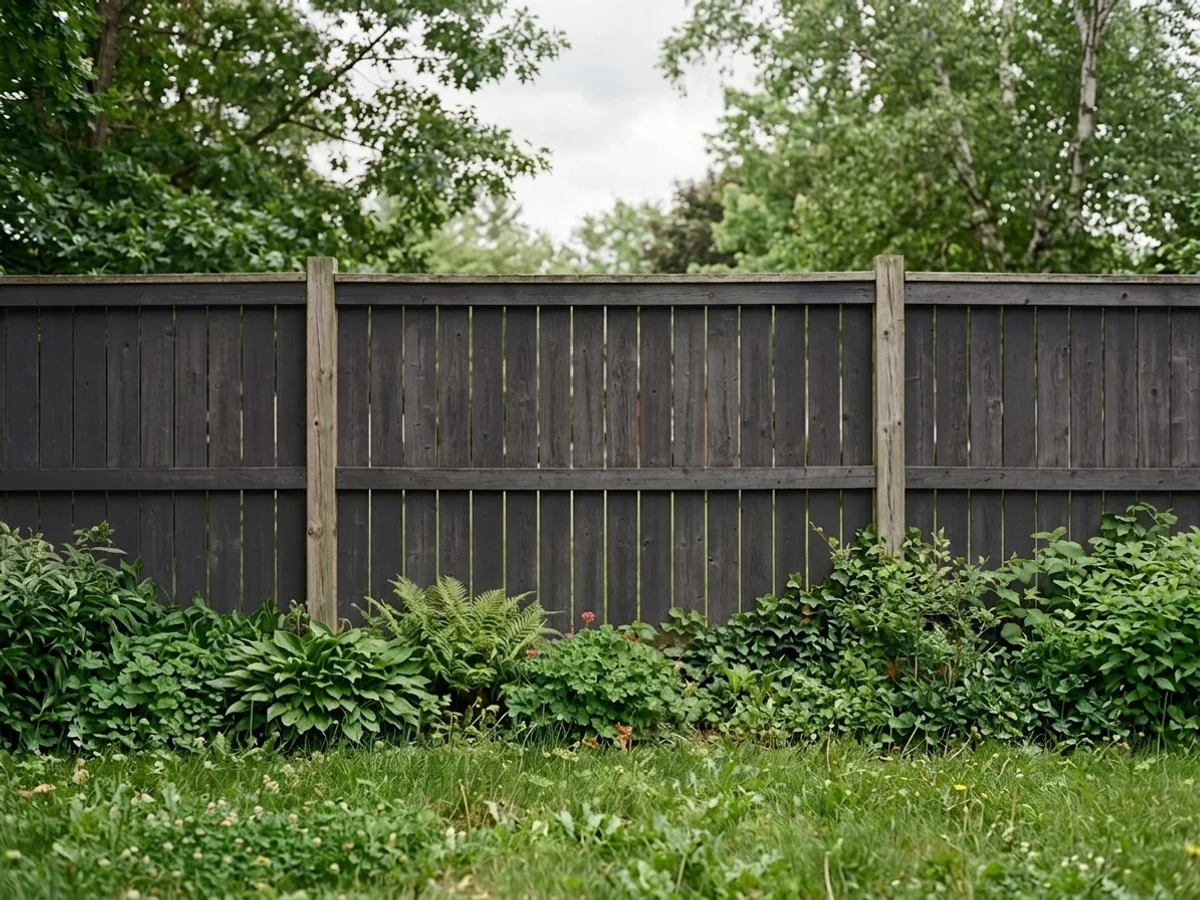
Most fences look best in a deep, slightly warm or soft black rather than a pure jet black. A true black with an LRV near 3 to 4 can look flat and harsh in bright outdoor light, and it shows every speck of dust. A near-black with an LRV around 5 to 8, or one with a faint brown, green, or charcoal undertone, holds depth in full sun and softens the look so the fence reads rich instead of stark.
Let your light steer the choice. A fence in blazing all-day sun can carry a very deep black without looking like a void, while a shaded or north-facing fence will make almost any black look darker and heavier, so you can ease up a shade. Look at the swatch outdoors, against your house and greenery, before you commit.
The Right Finish For A Fence
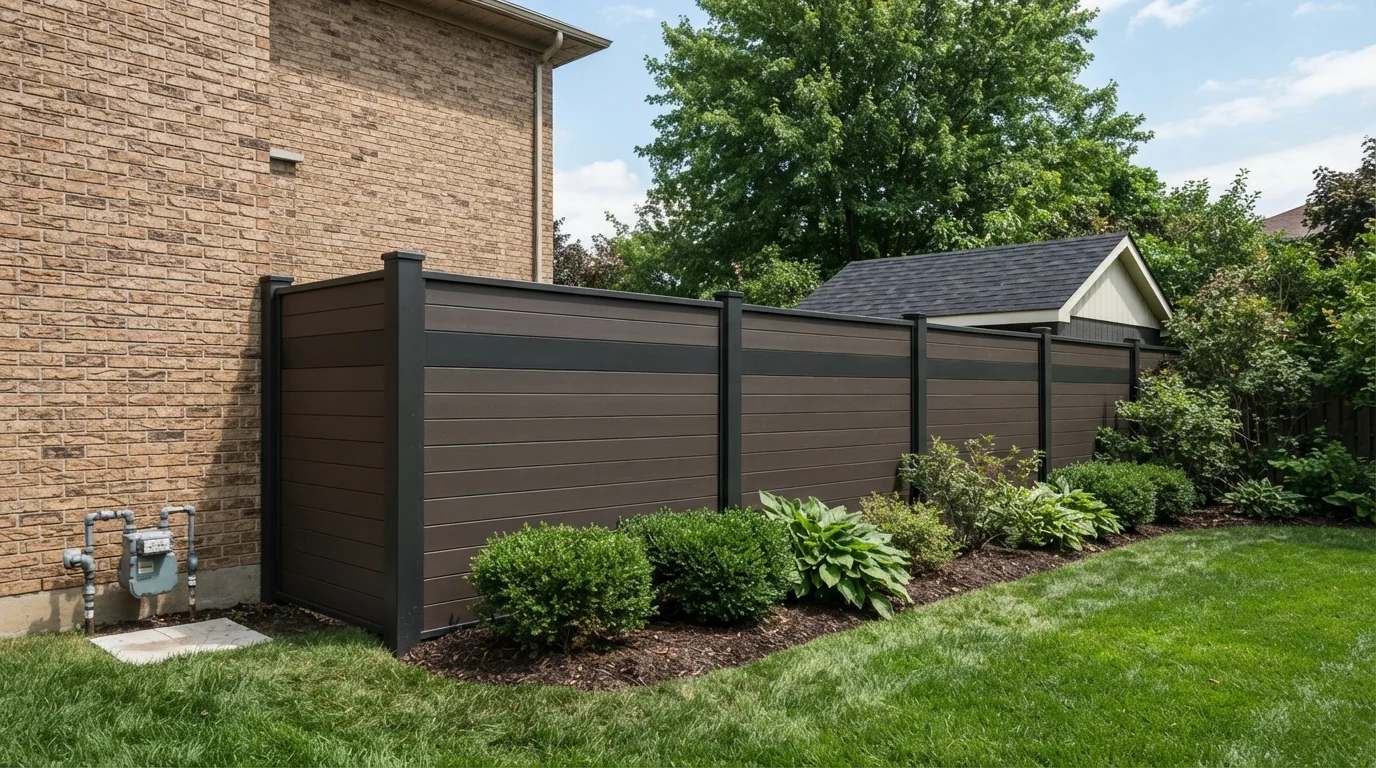
For a fence, skip high gloss. A glossy black fence catches sun and throws glare, and it spotlights every dent, knot, and uneven board along a long run. A flat or matte finish gives the deepest, most modern look and hides surface flaws, which is why it is so popular on black fences.
The tradeoff is cleanability. Flat holds dirt a little more and is harder to wash, so if your fence sits near a driveway, sprinklers, or kids and dogs, a low-sheen or satin exterior finish is the smart middle ground. It still looks soft, sheds water better, and lets you rinse off dust and mildew without leaving marks. Whichever sheen you pick, use a product rated for exterior use so it stands up to UV and moisture.
Pairing Black With The Rest Of The Yard
Black is a backdrop color, so let everything around the fence supply the contrast. Green plants, warm wood gates, stone, and gravel all look great against black, and a black fence is a clean stage for white or light-colored flowers planted along it. If your house trim, shutters, or gutters are already black or charcoal, a black fence ties the whole property together.
For hardware and details, match the metal to the mood. Black hinges, latches, and post caps disappear into the fence for a seamless look, while brass, copper, or galvanized hardware reads as an intentional accent. If you have a gate you want to highlight, a slightly different sheen or a natural wood panel against the black gives it a quiet focal point without adding a clashing color.
Common Mistakes To Avoid
The biggest mistake is going too glossy, which turns a sophisticated fence into a glare-heavy eyesore and reveals every flaw in the wood. The second is using an interior or general-purpose black instead of a true exterior product, which leads to early fading, chalking, and peeling once the sun and rain go to work.
The other common slip is skipping prep. Black shows lap marks, missed spots, and uneven coverage more than light colors, so a clean, dry, primed surface and full even coats matter. And don't judge the color from a tiny chip indoors; a black that looks perfect in the garage can read flat or too dark across a long sunlit fence.
Black Fence Paint — Frequently Asked Questions
Will a black fence get too hot in the sun?+
Yes, a black fence runs hotter than a lighter one because dark colors absorb more sunlight. For a wood or vinyl fence in full sun this is mostly a durability and longevity factor rather than a safety one. Use a quality exterior product rated for UV exposure, and a slightly softened near-black handles heat and fading better than a pure jet black.
What sheen should I use on a black fence?+
Flat or matte gives the deepest, most modern black and hides surface flaws best, but it is harder to clean. A low-sheen or satin exterior finish is the better all-around pick because it still looks soft, sheds water, and lets you rinse off dust and mildew. Avoid high gloss, since it throws glare and highlights every dent and knot.
Should I pick a pure black or a near-black for a fence?+
A near-black usually looks better outdoors. A pure jet black with a very low LRV can look flat and harsh in bright sun and shows every speck of dust. A deep black with an LRV around 5 to 8, or one with a faint charcoal, brown, or green undertone, holds richness in full light and reads more expensive.
Does a black fence show dirt more than other colors?+
It shows different dirt. Black hides mud, scuffs, and dark grime well, but it shows pollen, dust, water spots, and mildew more than a mid-tone color. A periodic rinse with a hose keeps it looking sharp, and a satin or low-sheen finish makes that cleaning easier than a flat one.
What colors go well with a black fence?+
Black is a backdrop, so let the surroundings add contrast. Green plants, warm wood gates, stone, and gravel all stand out beautifully against it, and white or light flowers planted along the fence really pop. Black also coordinates naturally with black or charcoal house trim, shutters, and gutters.
Can I match the same black across different paint brands?+
Yes. Every black shown here is mixed to order at the paint counter, and the same shade can be cross-matched between brands. That means you can choose the exact look you want first, then have it tinted in whichever brand's exterior fence product you prefer.