Jasper
A near-black green reviewed honestly: the direct light that proves it's actually green, the shade that turns it flat black, and where it earns its keep.

Jessica has spec'd whites and neutrals for more than 300 rooms and keeps a sample wall of painted drawdowns in her studio. Every color review is checked against real reader rooms in the comments and re-tested when a formula changes. About the testing process →

- 1Jasper4
- 2Oyster Catch9
The Fast Verdict
Jasper is what happens when a paint chip lies a little: on the fan deck it looks black, and in a dim room it stays black. Give it real sun — on a front door, an exterior wall, a kitchen island under a window — and the green comes forward, dense and mineral, closer to a jewel than a hue. At LRV 4 it is not a color for the timid or the north-facing; it is a small-dose, high-payoff color that needs light to do its one real trick.
Front doors and shutters in real sun · kitchen islands and cabinets · small powder rooms with good light · built-ins and bookshelves that want depth without going flat black
You want it to read green from across the room, not just up close · your exterior wall or door sits in permanent shade · you're painting four walls of a room with only north light · you actually want a true black with zero color argument
- Reads as a genuine, jewel-dark green in real sun — more interesting than flat black
- Bold on a front door or shutters without tipping into a loud color
- Kitchen islands and built-ins take it beautifully near good light
- Deep enough (LRV 4) to disappear into black where you want drama, not detail
- Pairs easily with brass, walnut, white trim and stone
- Reads essentially black in shade or dim rooms — the green is not guaranteed
- Too dark and light-dependent for a default whole-room wall color
- A shaded exterior facade and a sunny one can look like two different colors
- Buyers hoping for a true, consistent black will find it inconsistent
What Color Is Jasper, Really?
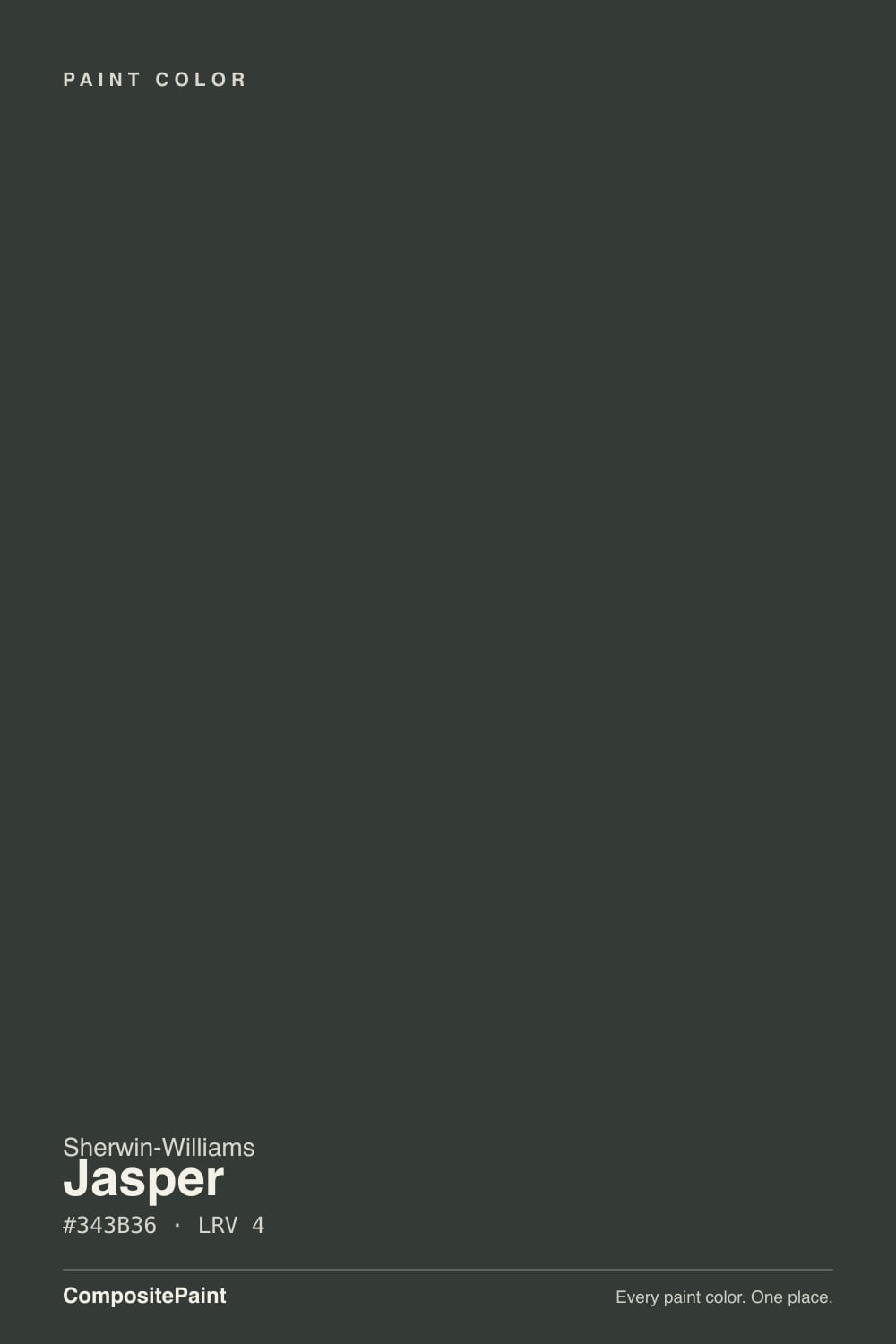
A near-black green with a cool, blue-gray edge — deep, mineral, closer to a polished stone than a garden green. Sherwin-Williams puts it at LRV 4, which is darker than most "dark greens" on the market; it sits in the same depth range as a true black, and that is the whole story of how this color behaves. It is not a color you pick to make a room feel green. It is a color you pick to make a door, an island, or a bookcase feel bottomless.
The undertone shifts with the light, and both readings are honest. In shade or under cool artificial light it reads essentially black — open the can and most people call it black before they call it green. Direct sun, especially warm afternoon light, pulls a clear, deep forest-green out of it, with a faint blue-gray cast that keeps it from looking like a Christmas-tree green. That range — black in shadow, green in sun — is Jasper's whole personality, and it is the single fact every buyer needs before they commit a whole surface to it.
Undertone in one line: green with a cool, blue-leaning gray backbone — never warm, never yellow-green. If your sample reads pure black all day, your spot doesn't get enough direct light for this color to do its job; if it reads warm olive, that's a reflection from something nearby, not the paint.
Where It Shines
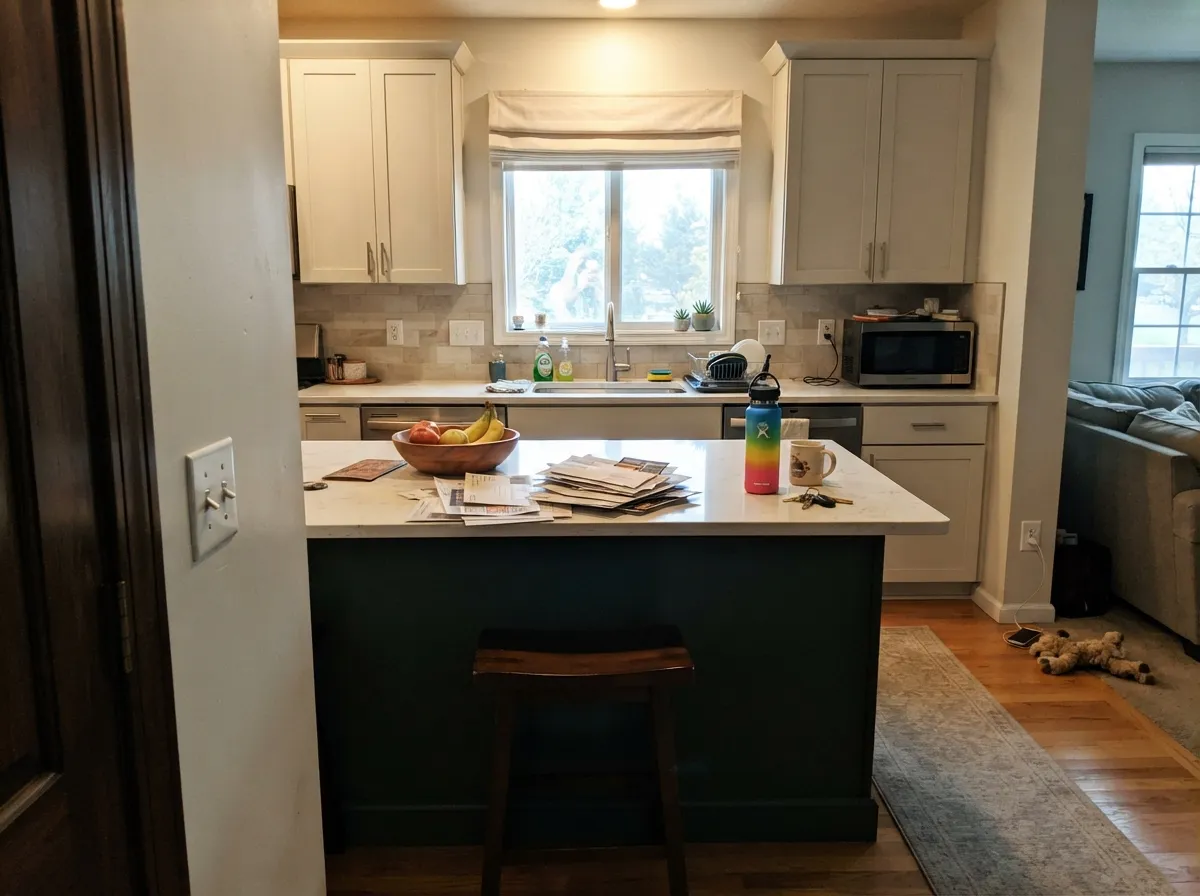
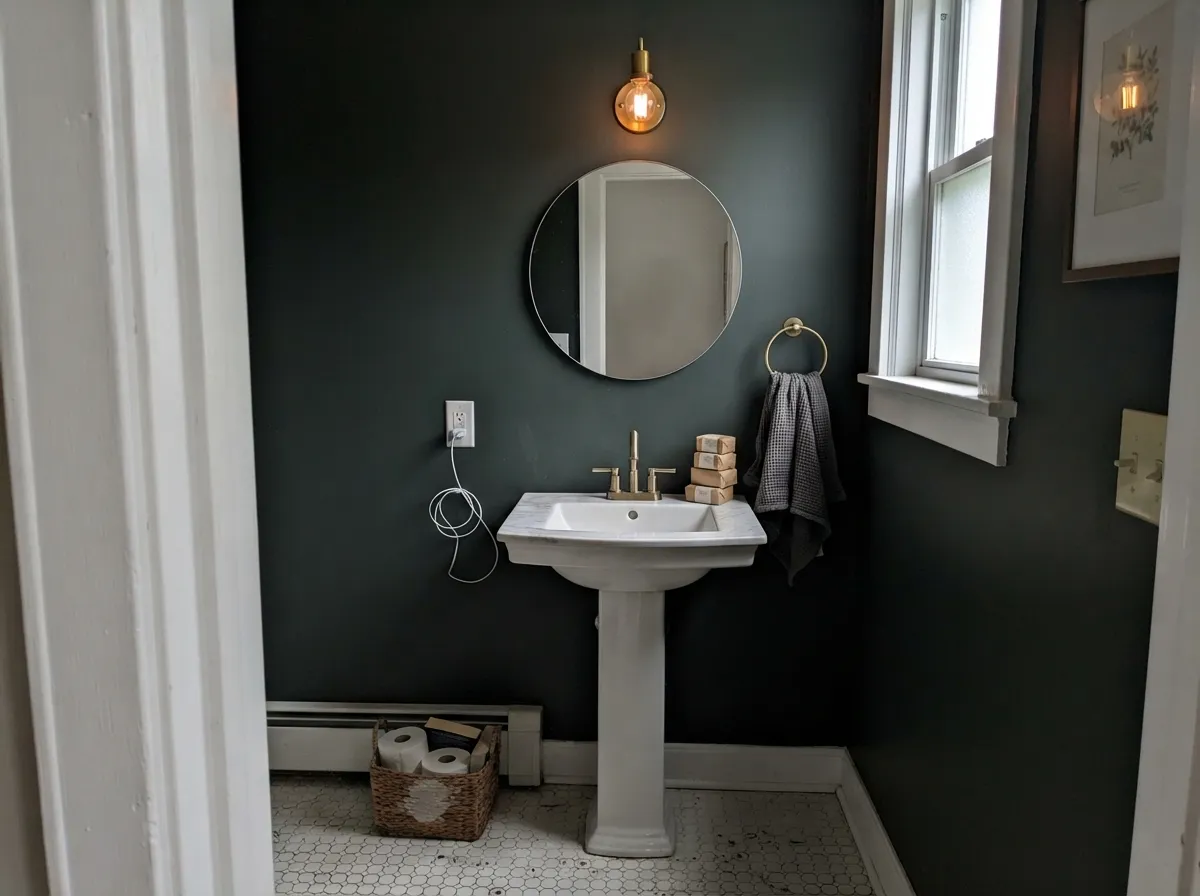
Full sun is where Jasper earns its reputation. A front door or a run of exterior shutters in direct light shows the green clearly against white or stone siding, with the same bold-yet-refined presence people reach for Tricorn Black to get — except Jasper has a color underneath it that black never will. Indoors, it is a small-dose color: a kitchen island under a window, a powder room with a real light source, a run of built-ins near a lamp. Pair it with brass, walnut, or ivory and ivory-adjacent neutrals and it reads expensive rather than heavy.
Where It Fails
Almost every disappointed review of Jasper comes down to one of three light problems, and all three are predictable before the first coat goes on. None of them are the paint's fault — but if your space matches one, this is not your green, and a bigger sample will only confirm it.
A north-facing exterior door, or any spot that never gets direct sun, keeps Jasper looking like flat, characterless black year-round. The green needs sun to show up — no sun, no green. If your door or wall is permanently shaded, you are buying a black door, not a green one; budget accordingly, or pick a genuine black like Tricorn Black and stop wishing for green.
The mirror-image mistake: buyers who like that it "looks black on the chip" are sometimes surprised when strong sun reveals it as green. If you want a color with zero temperature argument in any light, Jasper is not that color — Tricorn Black or Iron Ore hold their story in every room. Jasper only makes sense if you're fine with the green showing up sometimes.
At LRV 4, four walls in a room with only overhead light or one small window becomes a genuine black hole after dark — furniture and art disappear into it. This is a door, an island, an accent-wall or a well-lit small room color, not a default choice for a family room or a bedroom that only gets lamp light.
Room by Room
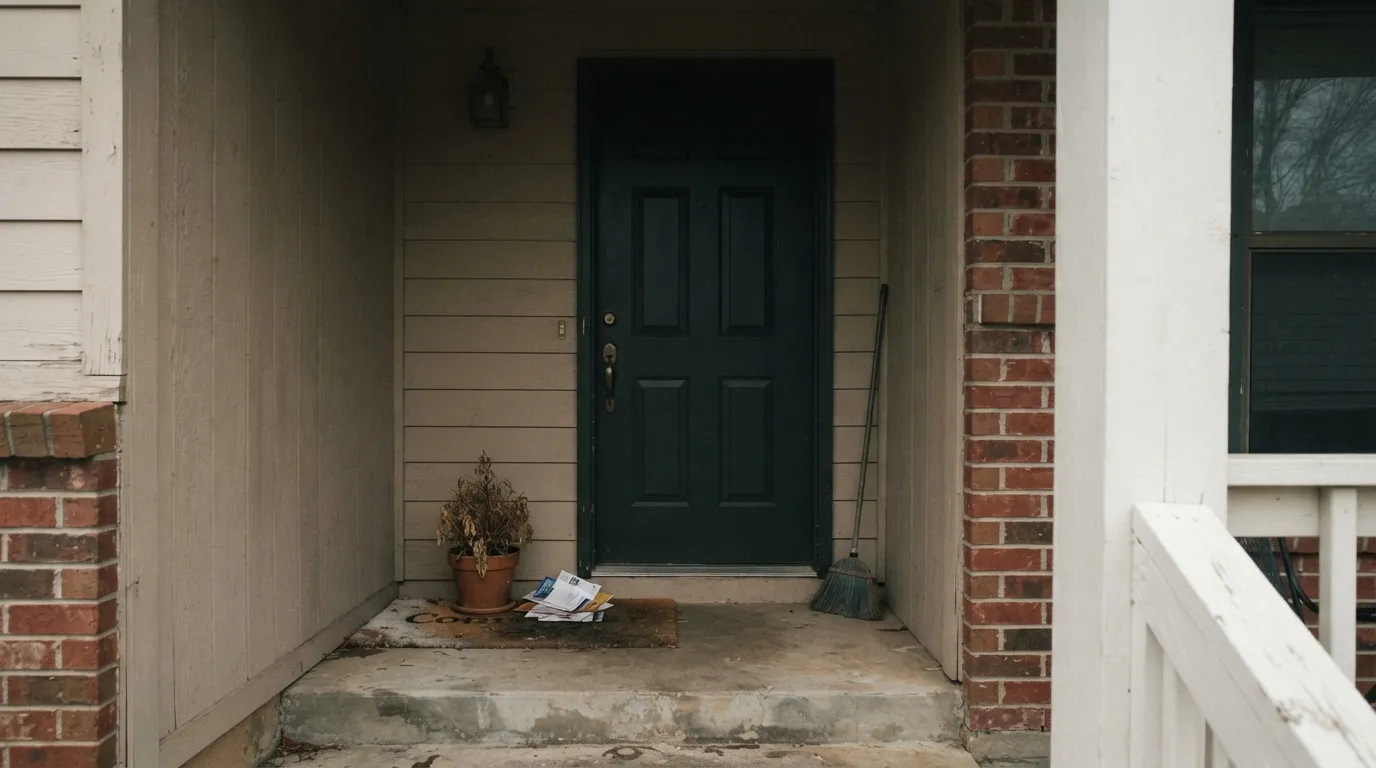
In real sun it reads as a confident, jewel-dark green against white siding, red brick, or stone — bolder than a safe navy, less flat than true black. Semi-gloss exterior enamel; expect it to look nearly black in the shade of the porch overhang and green everywhere the sun reaches.
Excellent as an island or a run of lower cabinets under good task lighting, paired with a lighter perimeter (Alabaster, Worldly Gray) and brass or unlacquered hardware. A full kitchen of Jasper cabinets in a dim room reads as black cabinetry, not green — decide which one you're actually buying.
A powder room with a window or a strong fixture is the classic small-room jewel-box move: four walls of Jasper with a marble top and brass fixtures looks custom. Skip it in a windowless interior powder room with only a single overhead can light — it will just read black.
Bookshelves and built-ins next to a lamp or a window take Jasper beautifully; the depth makes books and objects pop forward. Push the shelving into a dark corner and the effect is lost — it just recedes to black.
One wall, in a spot that gets real daylight, works as a deep, grounding accent behind a sofa or a media wall. Four walls of Jasper in a typical living room with mixed evening lighting is a heavier commitment than most people expect from a "green."
As a full-body exterior color it works on a shaded, sheltered facade where a near-black reads intentional, but walk the house at different times of day first — the sunny side will look clearly green while the shaded side looks black, and that split can read like two different paint jobs if you weren't expecting it.
Your Light Is the Risk
Full sun on a door, siding or window-lit surface pulls the green out clearly — deep, mineral, unmistakably a color and not a black.
Without direct light Jasper settles into flat black. Fine if that's what you want; a letdown if you were buying it for the green.
A sun-facing surface can visibly swing from near-black in early morning shadow to clear forest-green by midday, then back to black-adjacent at dusk.
2700K lamps close by warm it slightly and keep some green visible up close; cool LEDs and distance from any lamp read it as plain black at night.
Most complaints about Jasper are a light mismatch. Upload a photo of your actual room and see it on your walls — then ask for the same wall in north light or evening lamps before you buy a single sample.
Need It From Another Brand?
Any paint counter can custom-tint Sherwin-Williams SW 6216 directly. If you would rather stay in one brand's own deck, these are the closest stock matches, measured as ΔE2000. Under 2 is a difference you will not see on the wall.
| Brand | Closest color | ΔE | LRV | |
|---|---|---|---|---|
| Behr | Stealth Jet780F-7 · Behr | 1.3 | 4 | Color page → |
| Benjamin Moore | Waller GreenCW-510 · Benjamin Moore | 2.2 | 6 | Color page → |
| Valspar | Aged Pine6011-5 · Valspar | 3.9 | 4 | Color page → |
| Dutch Boy | Rugged Green424-7DB · Dutch Boy | 0.0 | 4 | Color page → |
| HGTV Home by Sherwin-Williams | JasperHGSW 3291 · HGTV Home by Sherwin-Williams | 0.0 | 4 | Color page → |
| Backdrop | After HoursBD-AH · Backdrop | 2.8 | 6 | Color page → |
Similar Sherwin-Williams Colors
The nearest shades to Jasper within Sherwin-Williams's own range, ranked by perceptual color distance — useful when you want the same look a touch lighter, darker, or warmer.
WCAG 2.1: AA is 4.5 : 1 for normal text, 3 : 1 for large text, AAA is 7 : 1.
Jasper vs the Colors You're Also Considering
Every Jasper sample board has the same rivals on it. The numbers show the real lightness gap — then it comes down to which risk you would rather live with.
Pick this for the color argument — Jasper actually shows green in real light, Iron Ore never does.
Sherwin-Williams SW 7069 · LRV 6Iron OrePick this if you want a near-black that works as a default across a whole house, not just a door or an island — Iron Ore never depends on sunlight to look right.
Pick this if you're already buying Sherwin-Williams for the rest of the house and want to stay in one deck.
Benjamin Moore PM-11 · LRV 4Essex GreenPick this if your painter works in Benjamin Moore — it's the same near-black exterior-classic idea from the other major brand.
Within Sherwin-Williams the near-black greens sit very close together. Rookwood Shutter Green SW 2809 at LRV 4, hex #303B39, is a touch cooler and more teal than Jasper's #343B36. Night Watch SW 9680 at LRV 4 is darker and quieter, and Black of Night SW 6993 at LRV 4 leans slightly blue instead of green. Roycroft Bottle Green SW 2847 at LRV 5 is the most openly green of the group.
Across brands, Dutch Boy Rugged Green 424-7DB and HGTV Home by Sherwin-Williams Jasper HGSW 3291 share the same hex #343B36 at LRV 4, so they are the same color in practice. Behr Stealth Jet 780F-7 at LRV 4 has a deltaE of 1.28, which is visually identical in normal room light. Benjamin Moore Waller Green CW-510 at LRV 6 is very close, so sample first. Valspar Aged Pine 6011-5 at LRV 4 is close but visibly different side by side, reading more olive.
Jasper Coordinating Colors
Jasper works as an accent, not a backdrop, so the rule is simple: give it a lighter neutral to sit against and let brass or warm metals do the rest. It pairs cleanly with warm and cool whites alike, holds its own next to other near-blacks without fighting them, and looks intentional beside a warm greige. These are the partners that keep showing up in rooms that work:
Is Jasper Actually Green, or Just a Black With a Name?
This is the single most common question about the color, and the honest answer is: it's both, and which one you get depends entirely on light. At LRV 4, Jasper sits in true near-black territory — darker than most colors sold as "dark green." Open the can, or look at it under an overhead light, and most people call it black without hesitating.
Put it in direct sun — a front door that actually gets afternoon light, an exterior wall that faces the street, a kitchen island under a skylight — and the story changes. A cool, mineral, jewel-dark green comes forward, distinct enough that it reads as a genuine color choice rather than "trying to be black." Neither reading is wrong; they're the same paint being honest about different light. The buyers who end up disappointed are the ones who only ever saw the chip indoors and expected the sunlit version on a shaded door, or vice versa.
Jasper With Wood Tones and Metals
Because it functions as a near-black more often than a loud green, Jasper is unusually easy to pair with wood. Walnut, white oak, and butcher block all sit comfortably against it — the depth grounds a lighter wood without competing with its grain the way a true saturated color would.
Metals are where it gets interesting: unlacquered or antique brass warms it and nudges the perception toward green, since brass and green share a slightly warm, earthy register. Matte black hardware nearby reads as a near-match rather than a contrast, which is useful if you want the door or the island to feel like one dark object rather than color-plus-hardware. Polished chrome and bright nickel are the only common metals that sit a little coldly against it.
Three Ready Palettes Built on Jasper
A color is never alone on the wall. These are complete combinations in the 60-30-10 pattern, with the reason each one holds together. Every one opens in the visualizer.
Crisp white siding gives Jasper the contrast and the sunlight-bounce it needs to read green at the door, while Iron Ore shutters stay a true near-black so the two dark accents don't compete for the same job.
Try this palette in your roomA light-to-mid perimeter keeps the room bright and gives the island window light to work with, so the Jasper cabinetry reads as deep green rather than a black box in the middle of the kitchen.
Try this palette in your roomA small room with a real light source is where a near-black green pays off fastest — White Dove trim keeps the edges soft, and Iron Ore hardware keeps the near-blacks in the room reading as one deliberate family instead of two different darks.
Try this palette in your roomJasper FAQ
Is Jasper black or green?
Both, depending on light. In shade or dim rooms it reads essentially black; in direct sun it clearly shows a deep, cool-leaning green. That range is the whole personality of the color — buy it expecting both readings, not just one.
What is the LRV of Jasper?
4 — a near-black depth, darker than most colors marketed as "dark green." At that depth it behaves like a black in low light and needs real sun to show its color.
Is Jasper good for kitchen cabinets?
Yes, especially as an island or a run of lower cabinets with a lighter perimeter and good task lighting. A full kitchen of Jasper cabinets in a room without much natural light will simply read as black cabinetry.
Does Jasper work on a front door or shutters?
It's one of its best jobs. In real sun it shows green against white siding, brick, or stone; in a shaded porch it looks nearly black. Both are attractive — just know which one you'll actually be looking at most of the day.
What trim white goes with Jasper?
A warm white like White Dove or a clean white like Extra White or Alabaster both work — the near-black holds its own against either temperature. Avoid a stark cool white if you're also using Iron Ore or another near-black nearby; keep the whites consistent so the darks read as one coordinated set.
Can I use Jasper on all four walls of a room?
Only if the room gets real daylight or you're comfortable with a genuinely dark, moody space after dark. In a typical room lit mainly by lamps at night, four walls of LRV 4 reads as a black room, not a green one — most people are happier using it as a door, an island, or one accent wall.
Have you painted with Jasper?
Rate it — one tap helps the next reader decide.
Ask a Question