Gray Fence Paint Colors
3,425 gray colors that work in fences, drawn from the full ~30,000-color US paint deck. Below: editor's picks specific to fences, then 30 picks spread across the LRV range — narrow further on the brand page when you've shortlisted.
Gray is the most-recommended neutral in American interiors — the safe choice that anchors a room without committing to a strong color. The "true" grays here lean cool (blue or violet undertone) or stay almost dead-neutral. The warm-leaning grays (taupe, mushroom, greige) live in the Neutral family next door because they read closer to beige than to true gray on the wall.
Editor's Picks: Gray for Fences
4 picks30 Gray Picks Across the LRV Range
30 of 3,425 · sorted dark → lightLooking for more? All gray → covers every brand; brand × family pages show full decks.
Gray Fence Colors at Every US Brand
21 brands · up to 10 picks eachUp to 10 picks per brand spread across the gray LRV range, drawn from each brand's full deck. Tap any swatch with a curated guide for full spec; tap the brand title for the brand's complete gray deck.
Behr
Glidden
Valspar
Benjamin Moore
PPG / Glidden
Sherwin-Williams
Dunn-Edwards
Dutch Boy
Diamond Vogel
Hirshfield's
Kompozit
C2 Paint
Rodda
Magnolia Home
Farrow & Ball
Clare
Portola Paints
Annie Sloan
Backdrop
Rust-Oleum
Other Fence Color Families
Gray Colors in Other Rooms
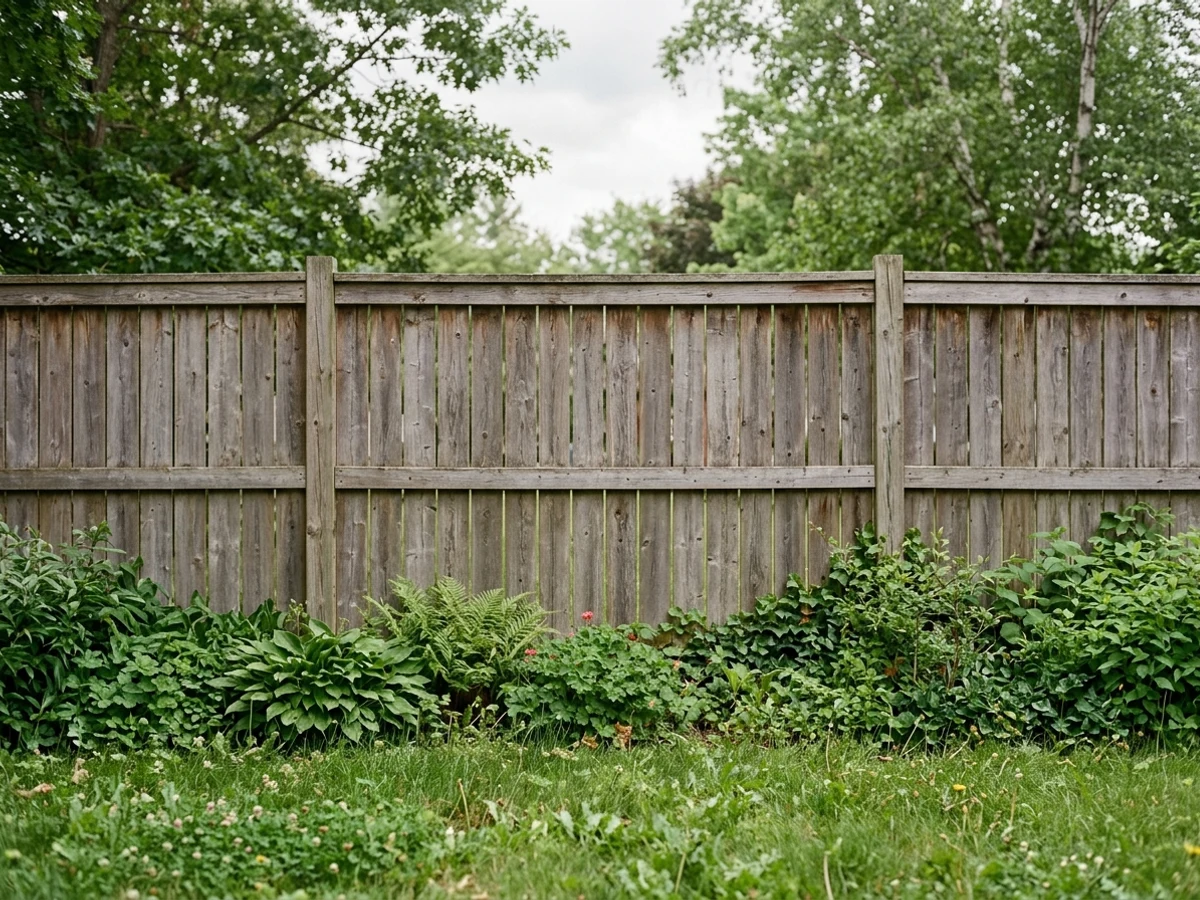
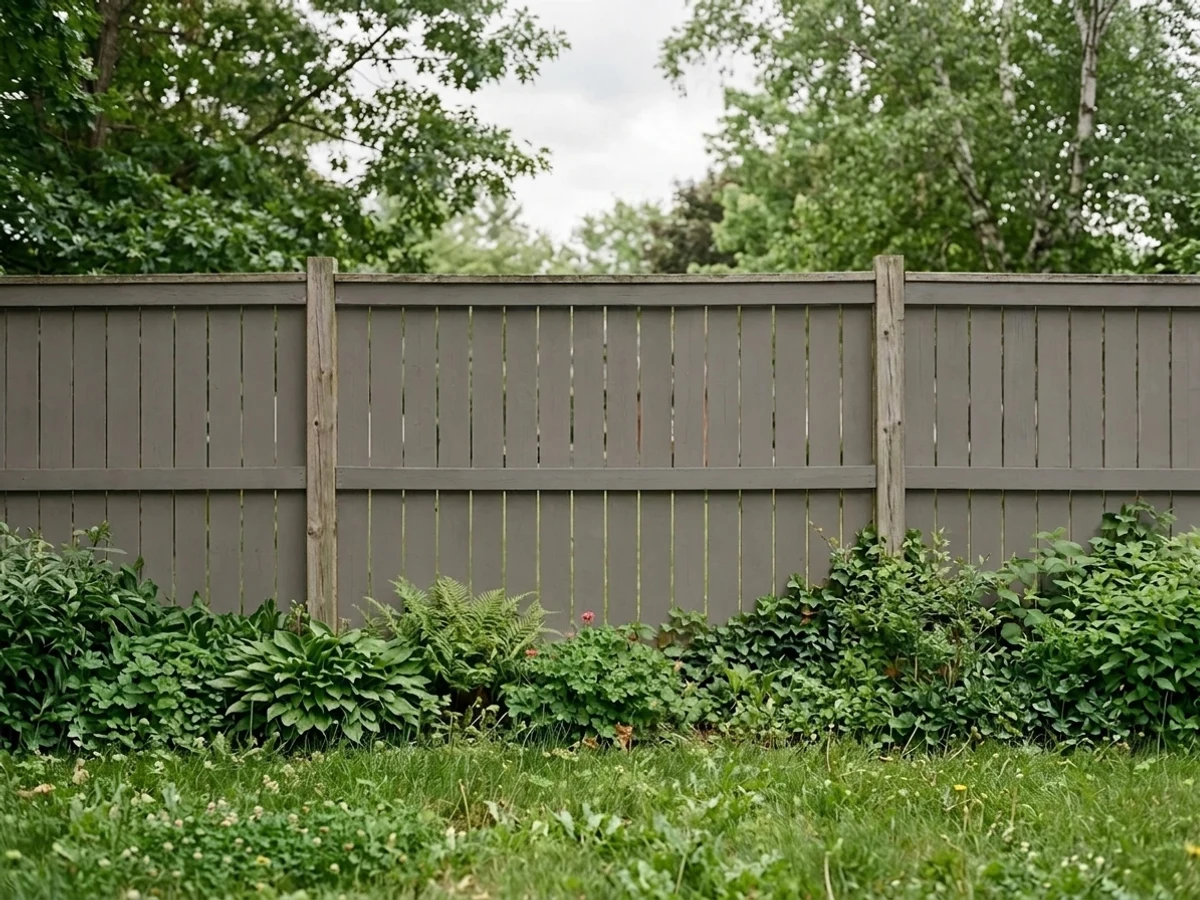
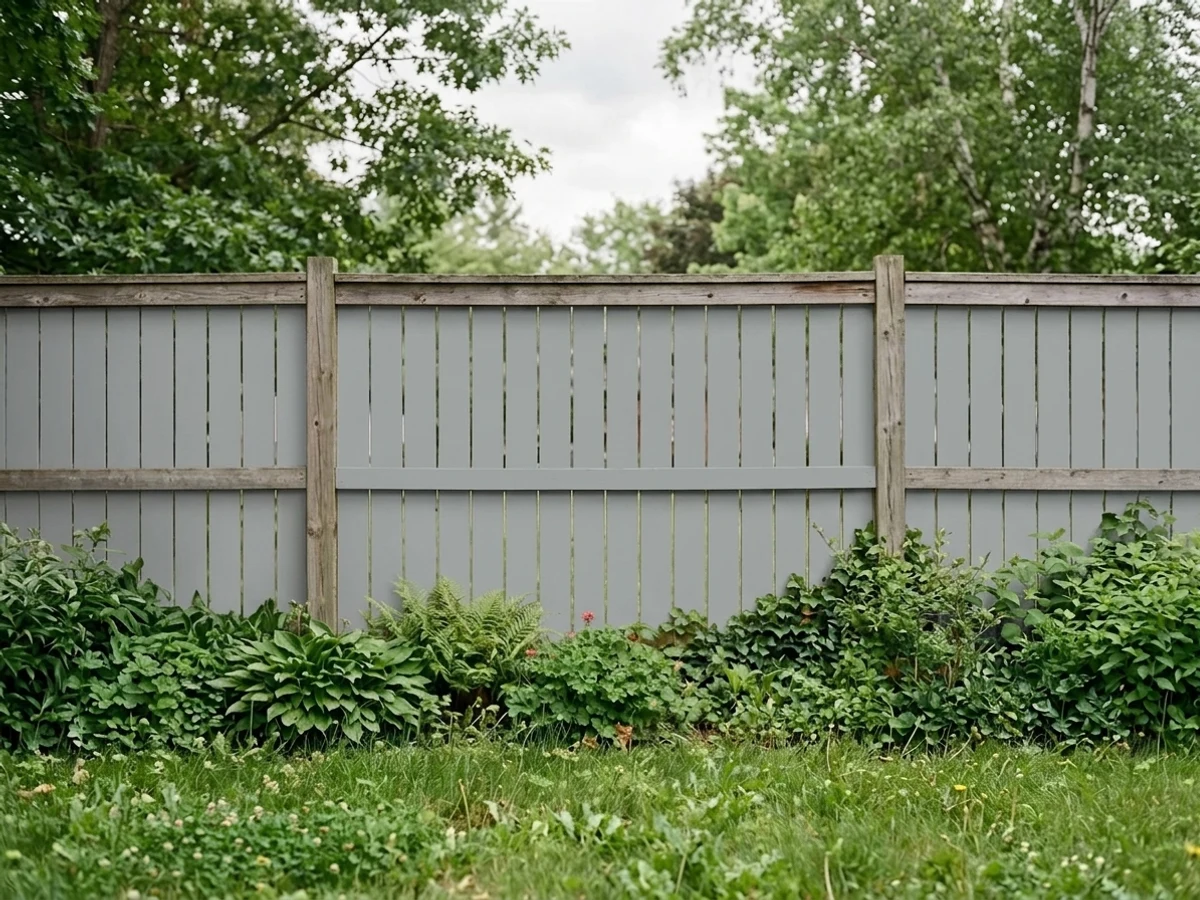
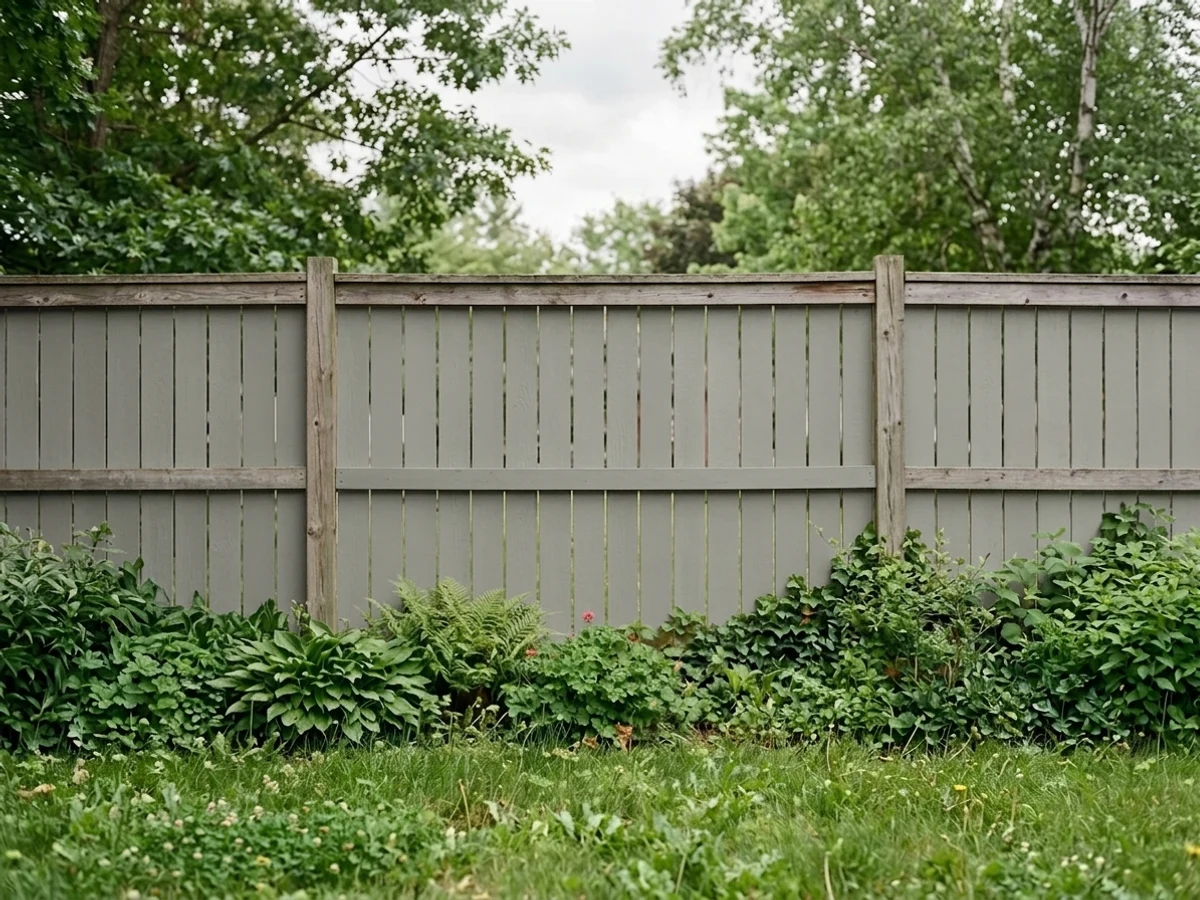
Gray Paint Colors for a Fence
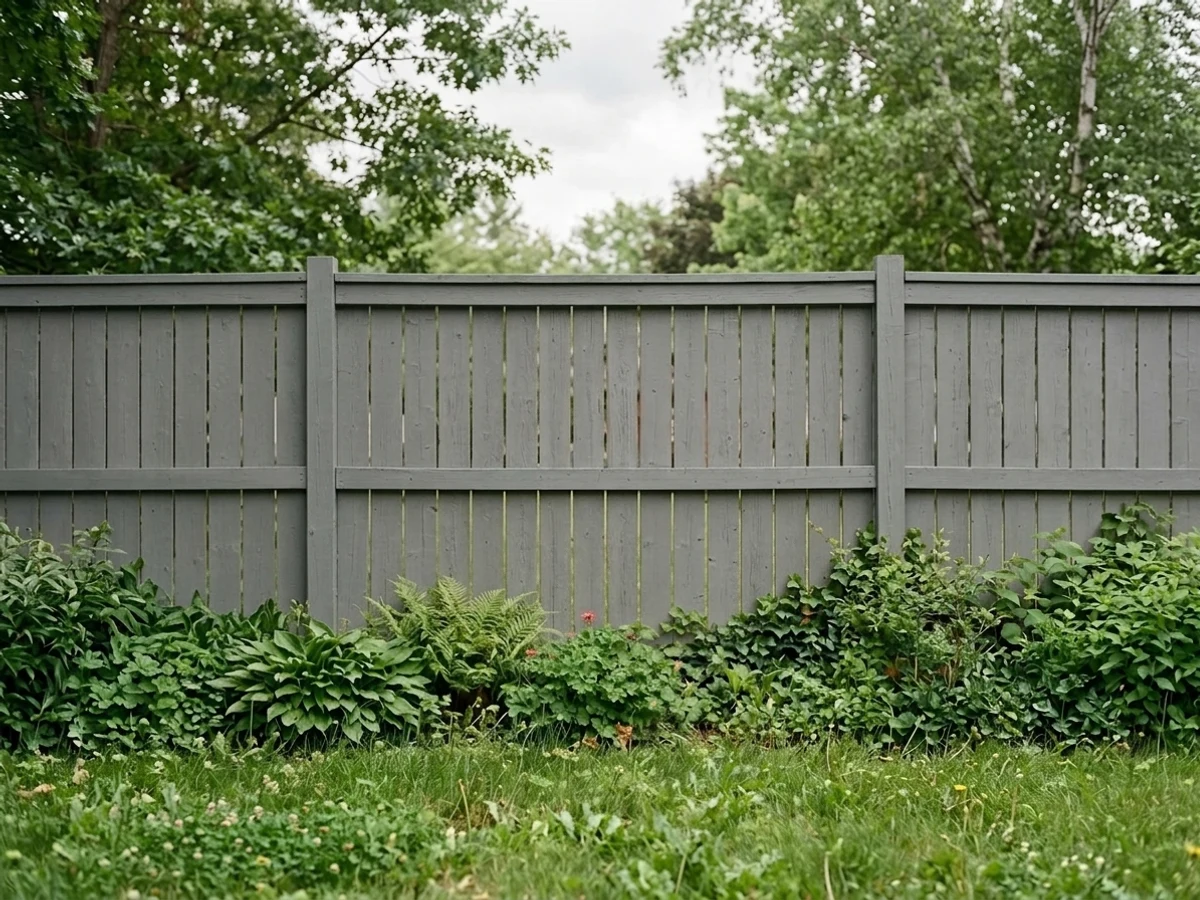
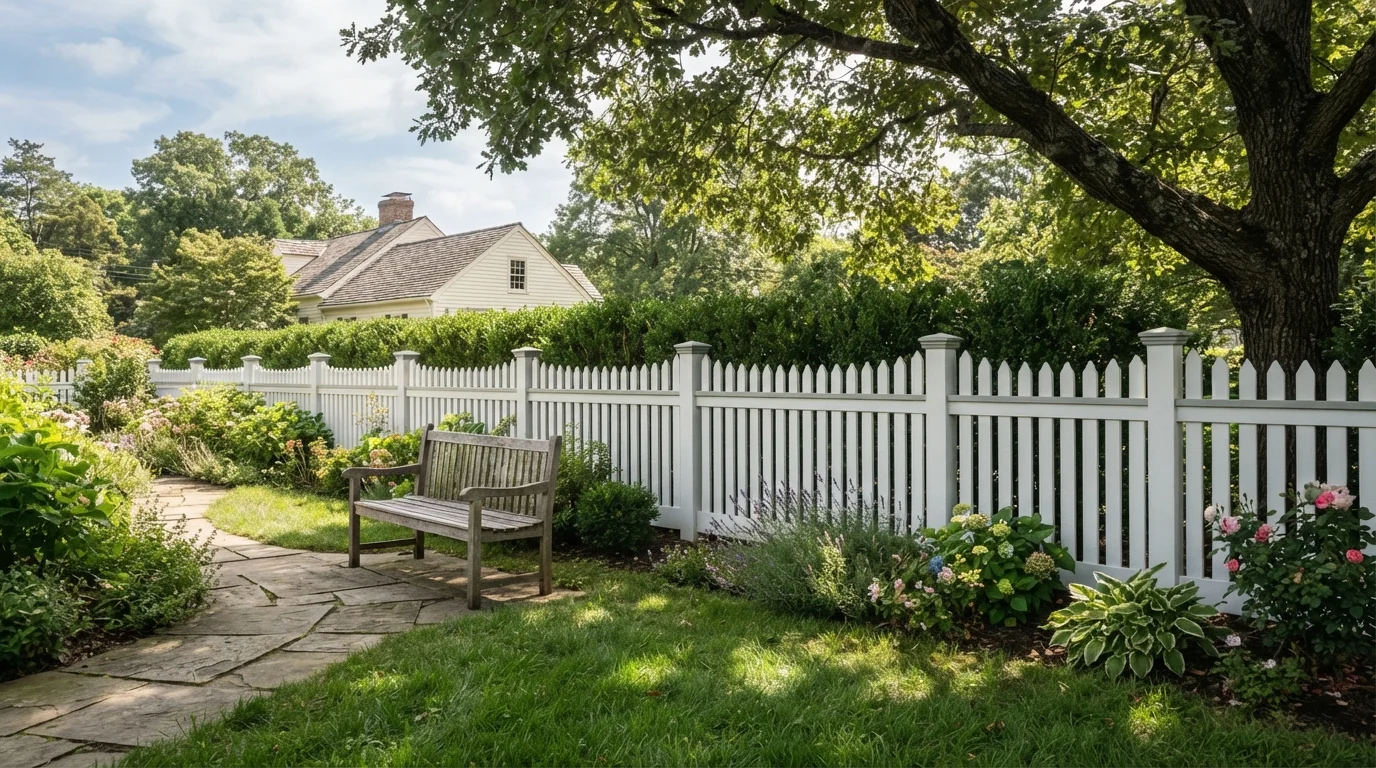
A fence is one of the largest surfaces on your property, and it sits in full view from the street, the yard, and your neighbor's side too. Gray is a smart choice here because it reads as intentional and calm without trying to compete with the house or the landscaping. Unlike a bright stain or a stark white, gray hides dust, pollen, and water spotting between cleanings, and it ages gracefully instead of looking dingy.
The trick with gray on a fence is that it lives outdoors all day, so the sun, the surrounding greenery, and the time of day all push the color around. A gray that looks soft and warm on a chip can flatten out to cold steel under a midday sky, or pick up a slight green or blue cast next to a lawn. Below we cover how to pick the right depth of gray, the finish that holds up to weather, and the pairings and mistakes that matter most when gray goes on a fence.
Why Gray Works on a Fence
Gray is the rare neutral that recedes instead of demanding attention. On a long run of fence, a louder color draws the eye and can make the yard feel smaller, while gray quietly frames the space and lets plants, flowers, and the house itself stand out. It also reads as modern and maintained, which is part of why it has become the go-to alternative to natural wood tone and basic white.
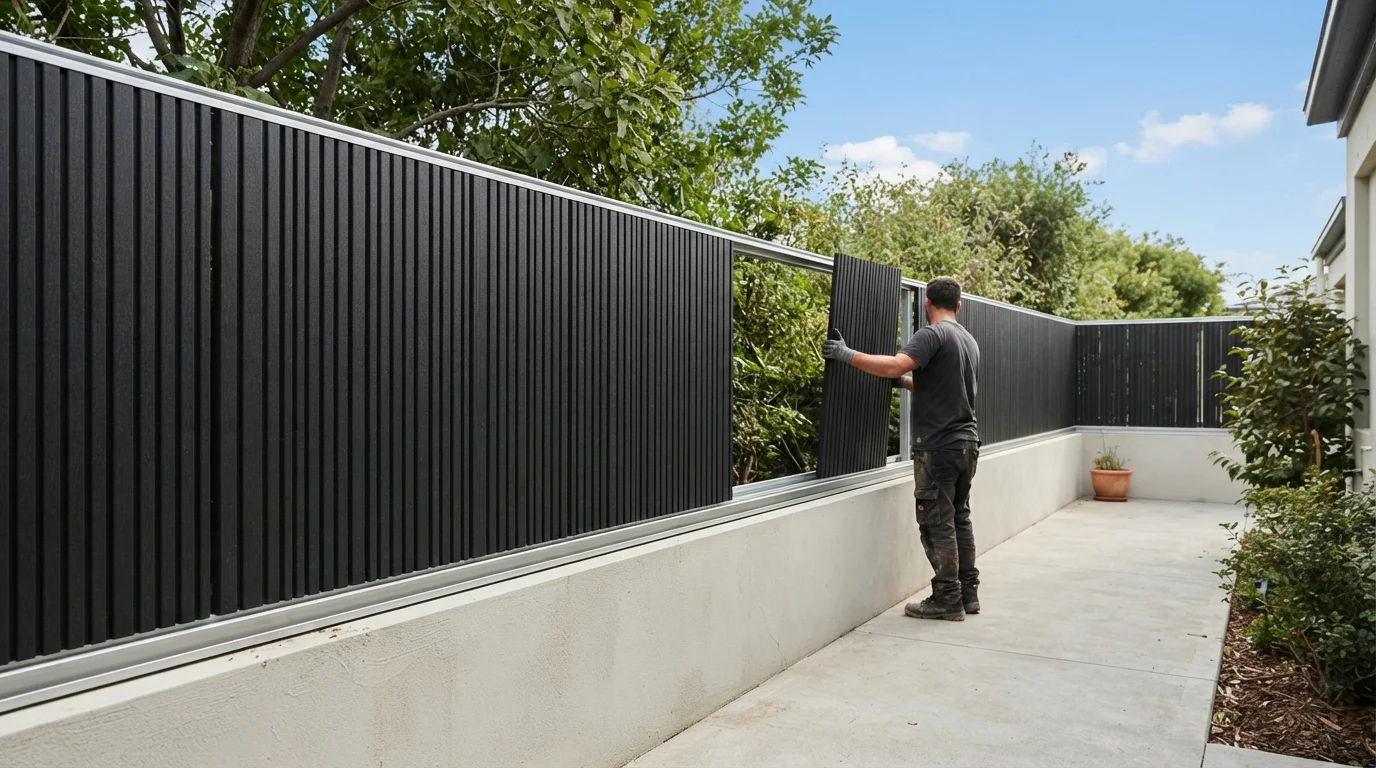
There is a practical side too. A fence takes constant abuse from rain, sprinklers, mud splash, and airborne dust, and gray hides all of that far better than white or a pale stain. It also disguises the small color shifts that happen as a coating weathers, so the fence keeps looking even years longer between repaints.
Picking the Right Depth of Gray
Light is the deciding factor outdoors, and the number to watch is LRV (Light Reflectance Value), which runs from 0 for black to 100 for pure white. Fences get hit with far more direct sun than any interior wall, and bright light washes pale colors out, so a soft gray that looks perfect indoors can vanish into near-white on a sunny fence. For most fences a mid-tone gray in the roughly 30 to 55 LRV range holds its color and still feels light and friendly.
If your fence sits in heavy shade from trees or the house, you can go a touch lighter, since shade darkens and cools a color and a deeper gray can turn gloomy. In open, sun-blasted yards, lean toward the lower end of that range or even into charcoal, which stays rich and reads as a clean backdrop for green plantings. Greenery reflects onto the fence and can nudge a gray cooler, so a gray with a hint of warmth often looks more balanced than a stark blue-gray next to a lawn.
The Right Finish for a Fence
Sheen matters more outdoors than people expect. A flat or low-sheen finish is usually the best call for a fence because it hides the rough, uneven texture of wood and avoids the harsh glare a glossy surface throws back in full sun. Flat also masks lap marks and surface imperfections on long boards, which a shinier finish would highlight.
The tradeoff is that flatter finishes can be slightly harder to wipe clean, so on a fence near a driveway, pool, or play area you may want a satin or low-luster exterior product for easier washability. Whatever the sheen, the real durability comes from using a true exterior-grade coating built to flex with the wood and resist moisture, mildew, and UV fade. An interior gray, no matter how nice the color, will not survive a season on a fence.
Pairing Gray With the Rest of the Yard
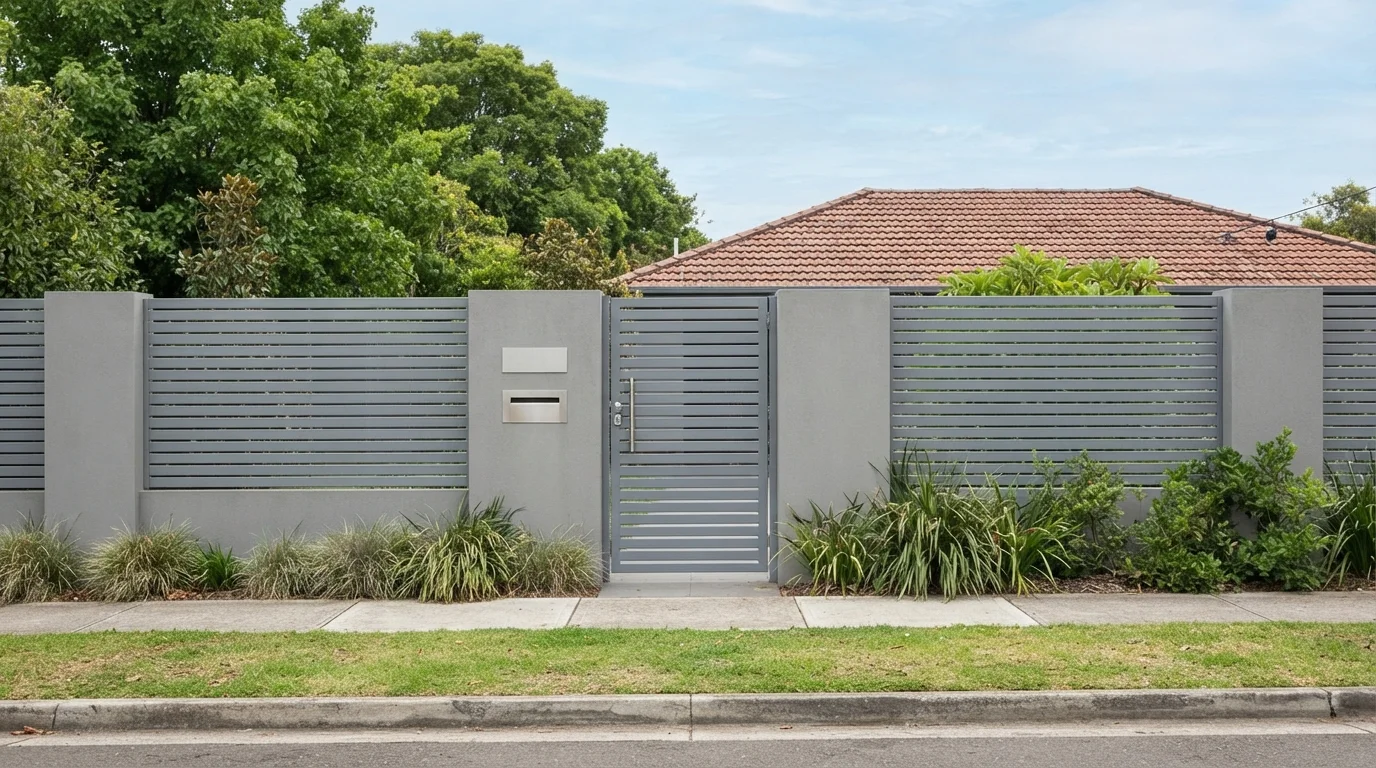
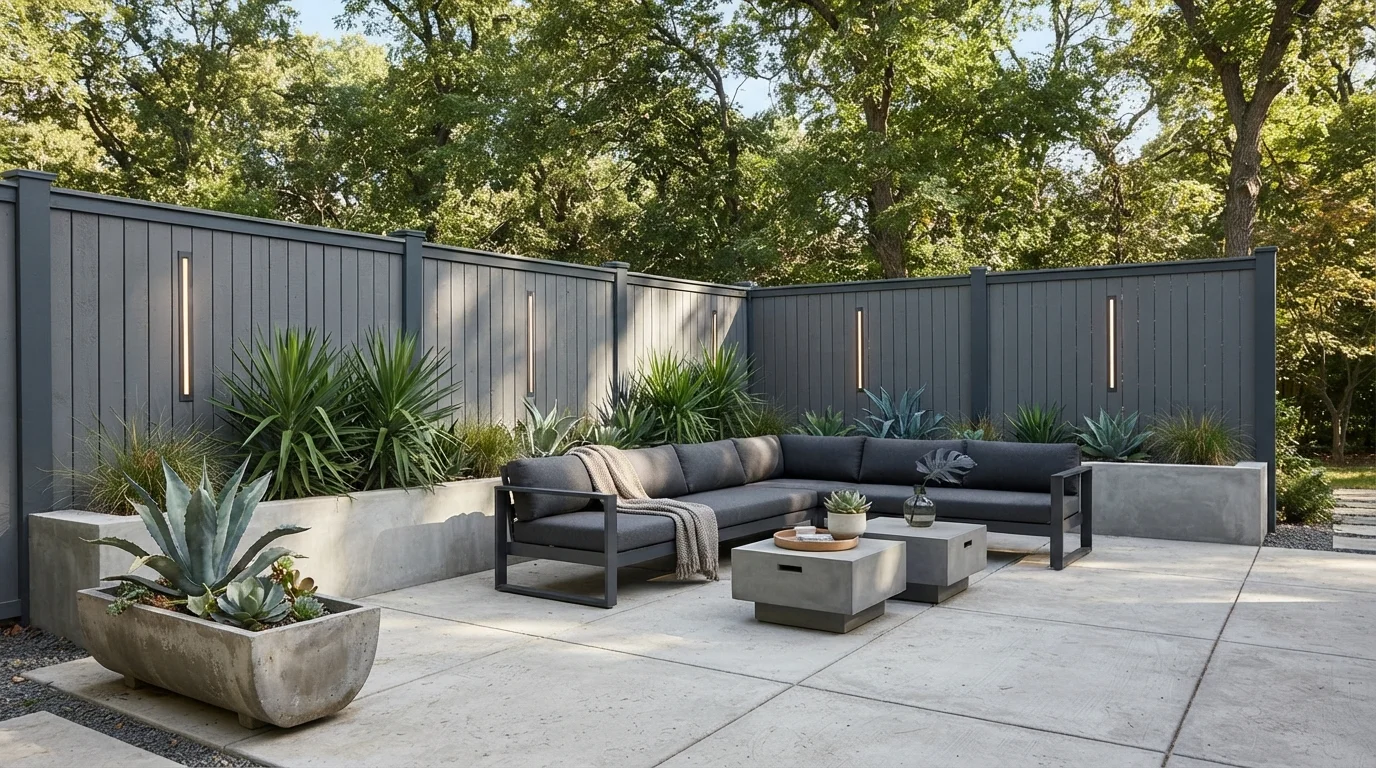
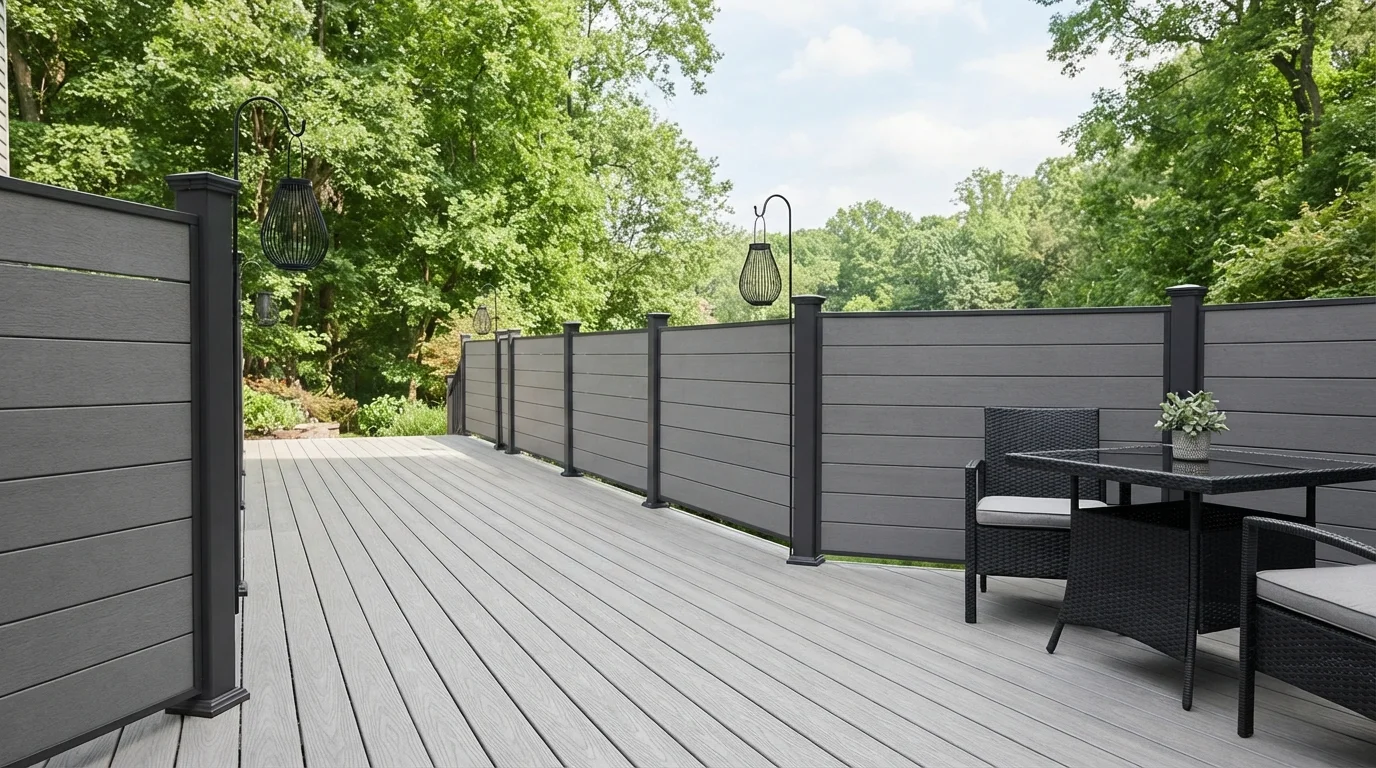
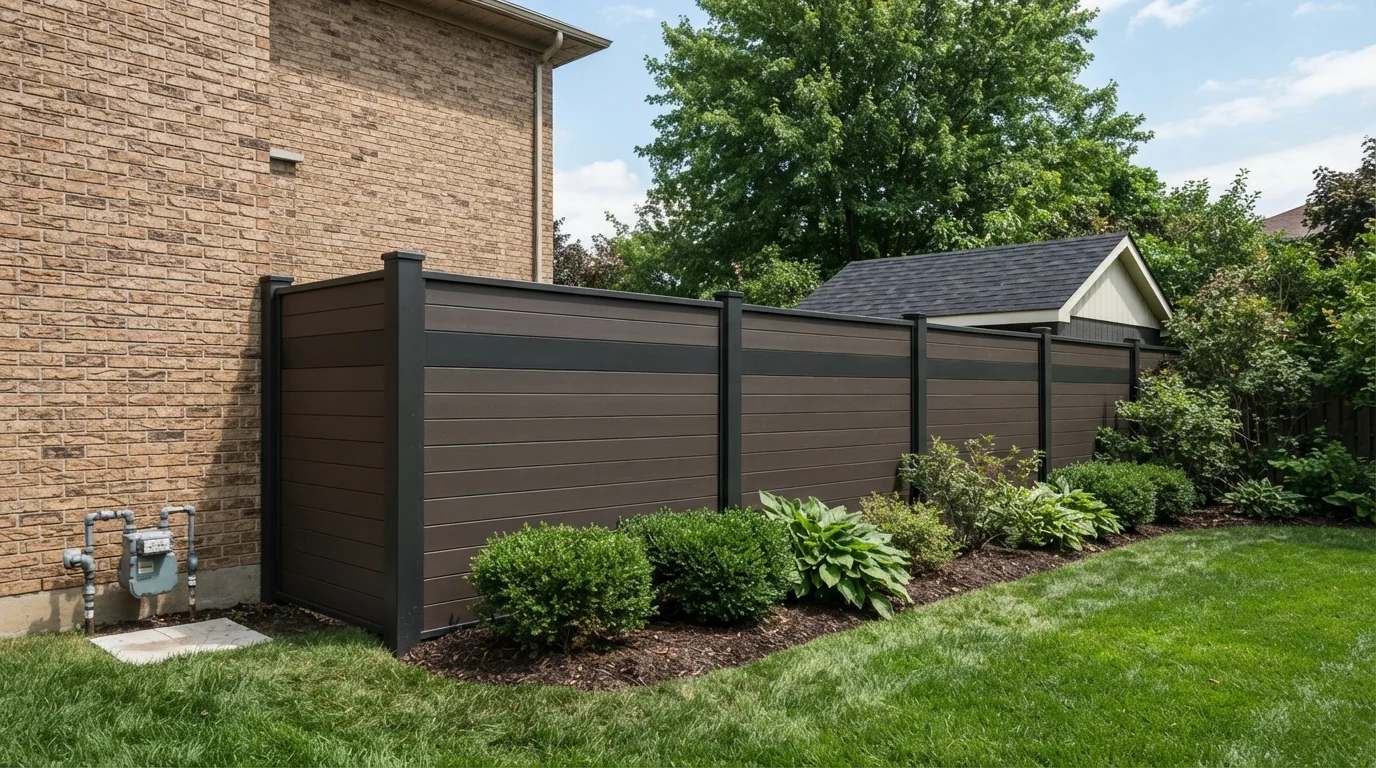
A fence does not stand alone, so match the gray to the fixed elements around it. The house siding and trim are the big ones: a cool gray fence pairs cleanly with white or crisp trim and modern black hardware, while a warmer gray sits more naturally beside brick, tan stone, or a beige house. Gate hardware, post caps, and any metal accents in black or dark bronze read as deliberate against gray and pull the whole fence line together.
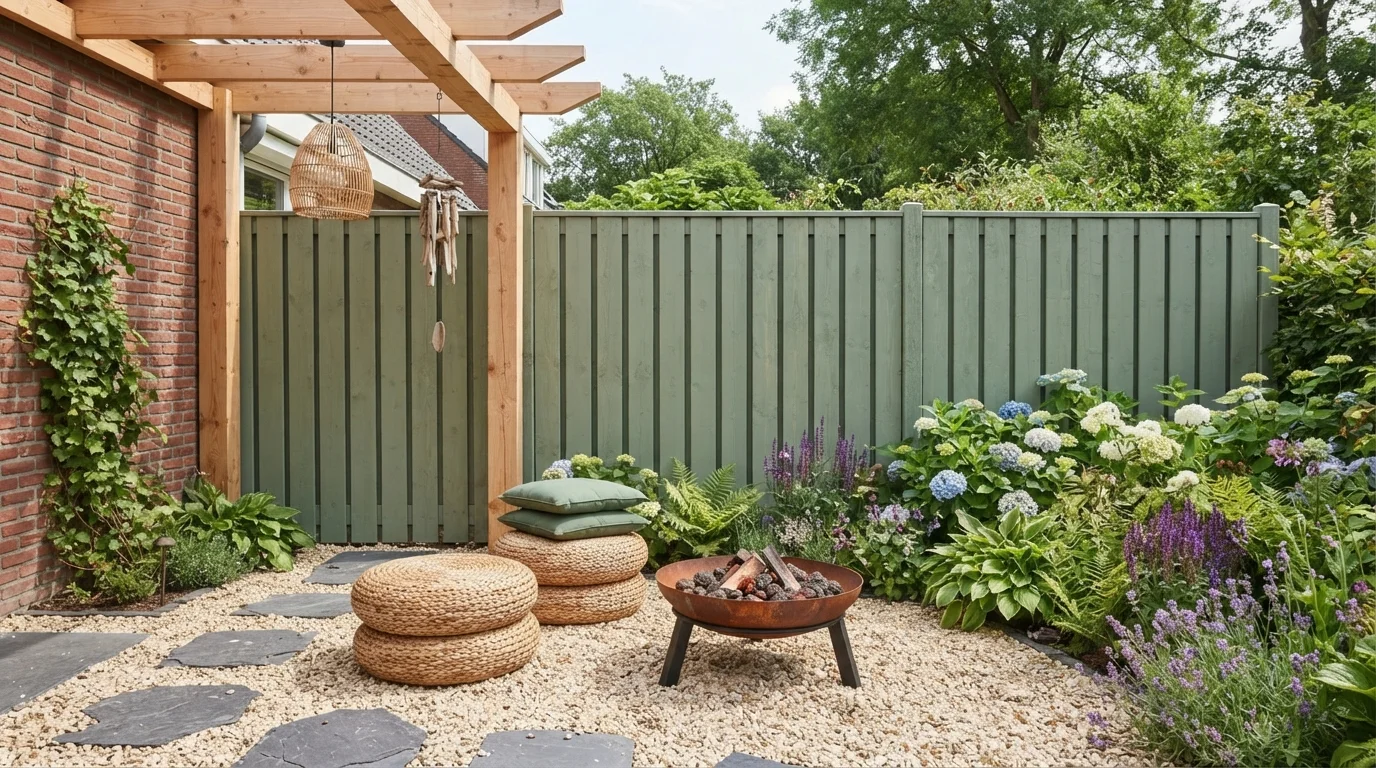
Think about the planting plan too, since the fence is usually the backdrop for it. Gray makes green foliage, blooms, and warm-toned wood furniture pop, and it works as a neutral stage for climbing plants or a vegetable bed. If the deck, pergola, or outdoor furniture is a specific tone, choose a gray that either echoes it or stays neutral enough not to fight it.
Common Mistakes to Avoid
The biggest mistake is judging the color from a small chip indoors. Gray shifts hard outside, so paint a large sample board, set it against the actual fence, and look at it in morning sun, midday glare, and evening shade before committing. The second common error is going too light: pale grays bleach out and show every streak of dirt, while a mid-tone holds up visually and stays cleaner-looking.
The other trap is undertone. A gray that leans heavily blue or purple can clash with green grass and warm brick and end up looking cold or off. Skipping proper prep and an exterior-grade coating is the final mistake, because even the perfect gray will peel, fade, or grow mildew within a year if it is not built and applied for outdoor wood.
Gray Fence Paint — Frequently Asked Questions
What is the best shade of gray for a fence?+
A mid-tone gray, roughly in the 30 to 55 LRV range, works for most fences because it holds its color in full sun and still feels light. Go lighter only if the fence sits in heavy shade, and lean toward charcoal in very sunny, open yards where a deeper gray stays rich.
What finish should I use on a gray fence?+
A flat or low-sheen exterior finish is usually best because it hides the rough texture of fence boards and avoids glare in direct sun. If the fence is near a driveway, pool, or kids' play area where it gets splashed, a satin or low-luster finish wipes cleaner.
Will a gray fence show dirt and water spots?+
Far less than white or a pale stain. A mid-tone gray hides dust, pollen, mud splash, and water spotting between cleanings, which is one of the main reasons it has become so popular for outdoor wood.
What color trim or hardware goes with a gray fence?+
Crisp white pairs well with a cool gray, while warmer grays sit nicely beside brick or stone. Black or dark bronze gate hardware and post caps read as deliberate against any gray and tie the fence line together.
Why does my gray fence look blue or different outside?+
Outdoor light and surroundings change how gray reads. Bright sun washes it lighter, shade pushes it darker and cooler, and reflected green from a lawn can nudge it bluer. Always test a large sample on the actual fence in different light before painting.
Can I match a gray from one brand on a different brand's paint?+
Yes. Every gray shown here is mixed to order at the paint counter, and a color from one brand can be cross-matched into another brand's exterior product. That lets you pick the gray you love and still use the coating best suited for a fence.