Brown Fence Paint Colors
1,766 brown colors that work in fences, drawn from the full ~30,000-color US paint deck. Below: editor's picks specific to fences, then 30 picks spread across the LRV range — narrow further on the brand page when you've shortlisted.
Brown is in. Pantone naming Mocha Mousse the 2025 Color of the Year confirmed what designers had been spec'ing for two years already — a return to warm, grounded earth tones after a decade of cool greys. The family runs from milky lattes (light, near-cream) through mid-tone taupes and mochas to deep espresso and cocoa at the saturated end.
Editor's Picks: Brown for Fences
4 picks30 Brown Picks Across the LRV Range
30 of 1,766 · sorted dark → lightLooking for more? All brown → covers every brand; brand × family pages show full decks.
Brown Fence Colors at Every US Brand
19 brands · up to 10 picks eachUp to 10 picks per brand spread across the brown LRV range, drawn from each brand's full deck. Tap any swatch with a curated guide for full spec; tap the brand title for the brand's complete brown deck.
Behr
Benjamin Moore
Valspar
Glidden
Dunn-Edwards
Sherwin-Williams
PPG / Glidden
Hirshfield's
Kompozit
Dutch Boy
Diamond Vogel
C2 Paint
Rodda
Farrow & Ball
Portola Paints
Magnolia Home
Backdrop
Annie Sloan
Other Fence Color Families
Brown Colors in Other Rooms
Brown Paint Colors for a Fence
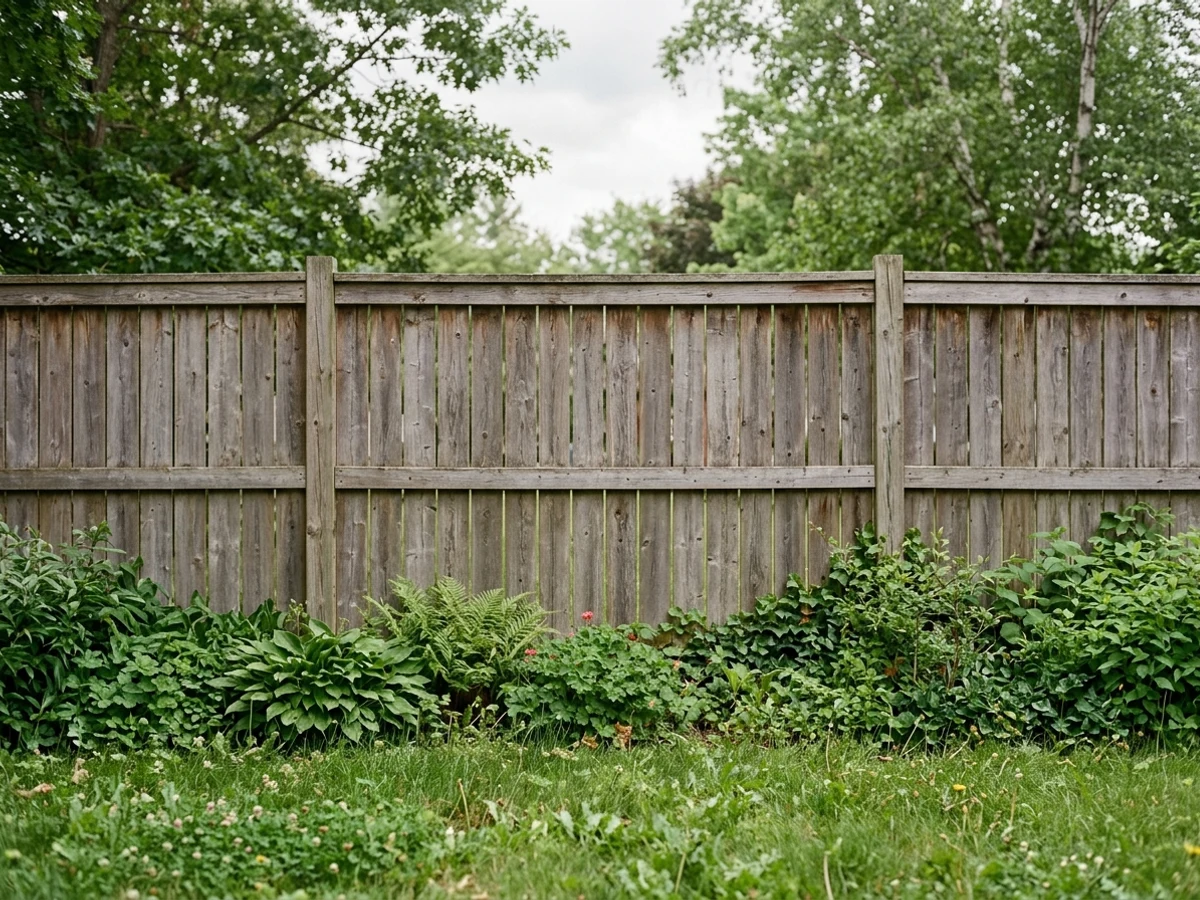
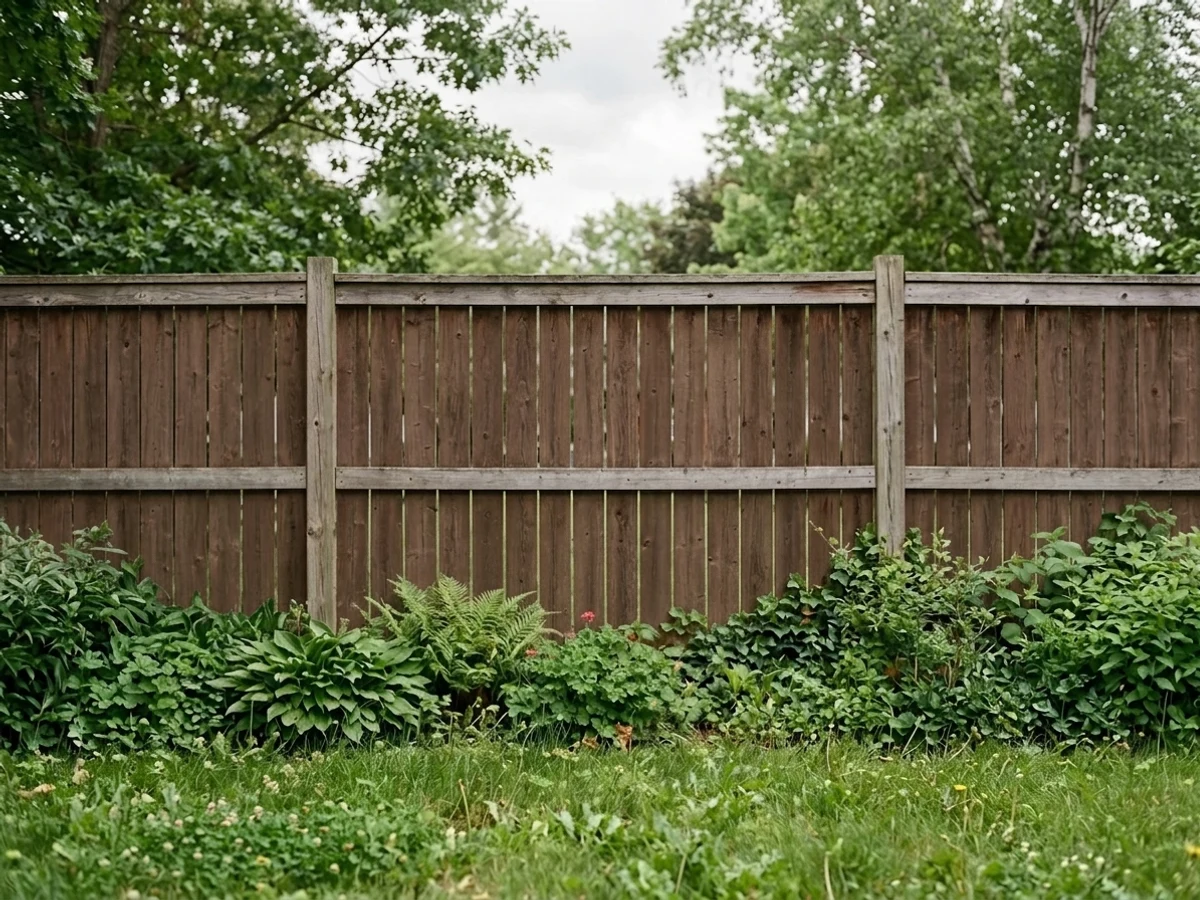
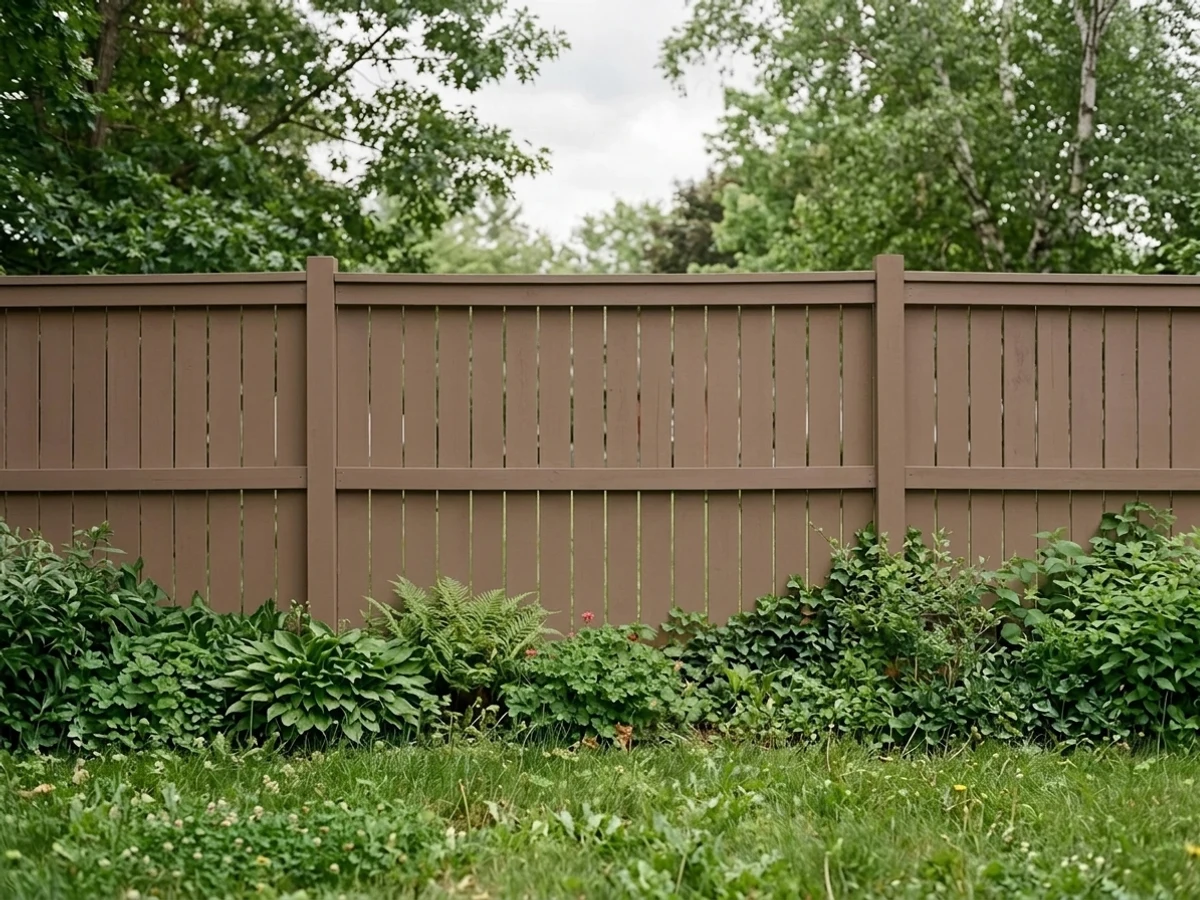
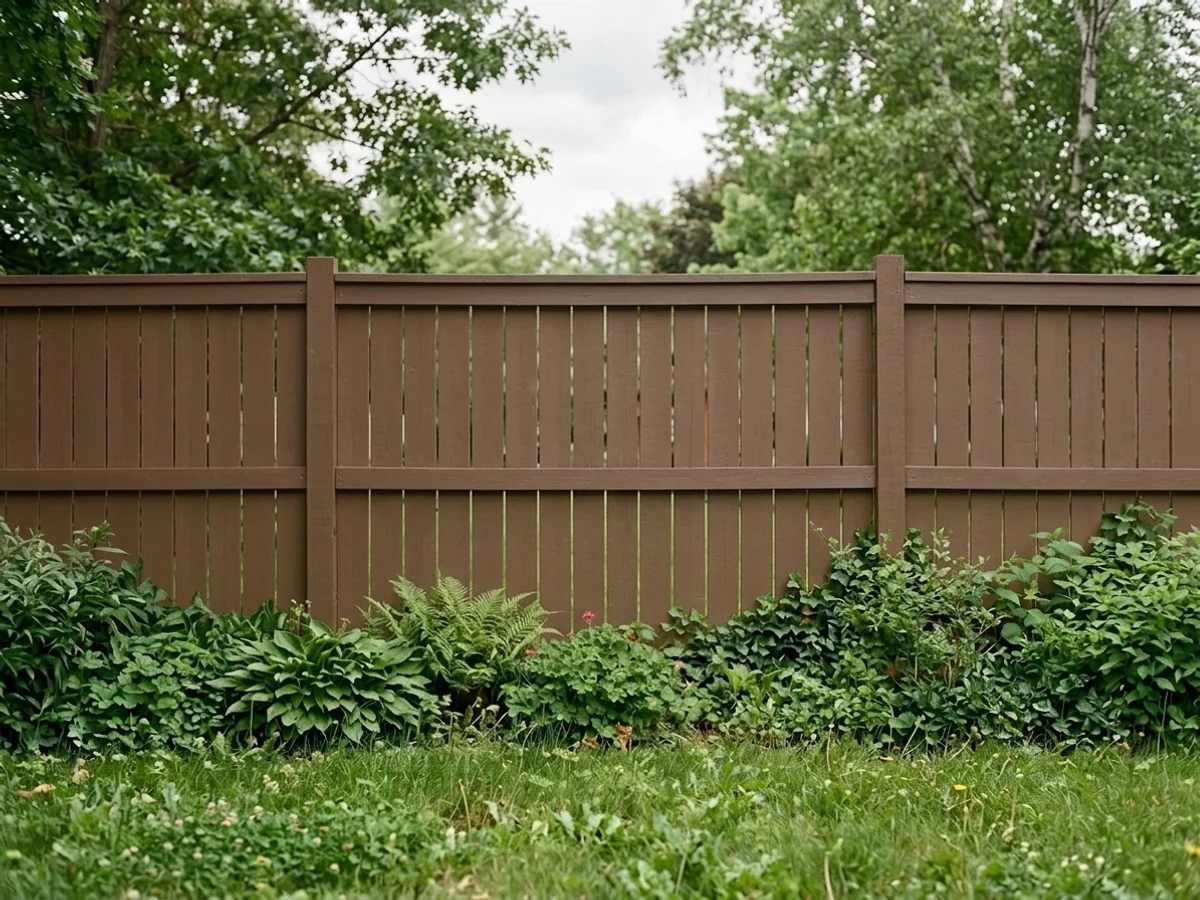
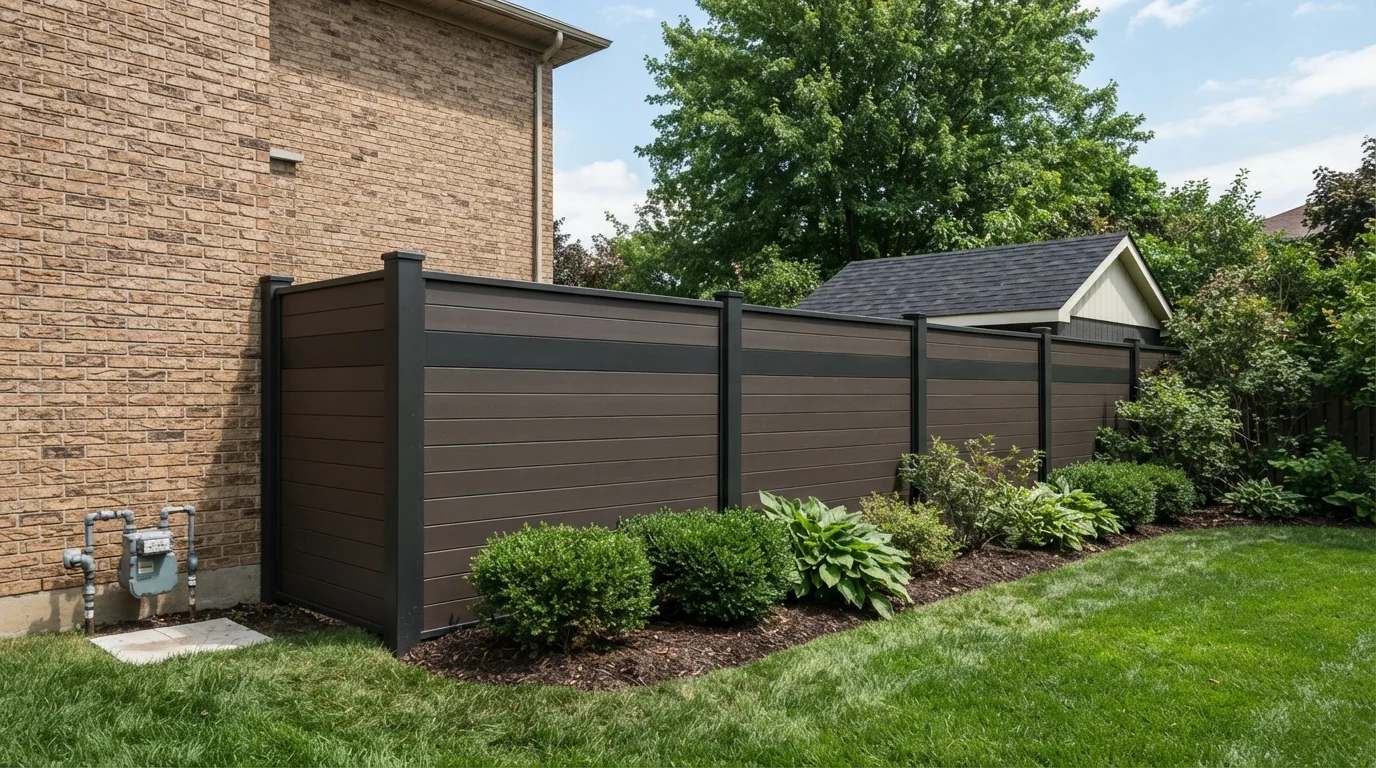
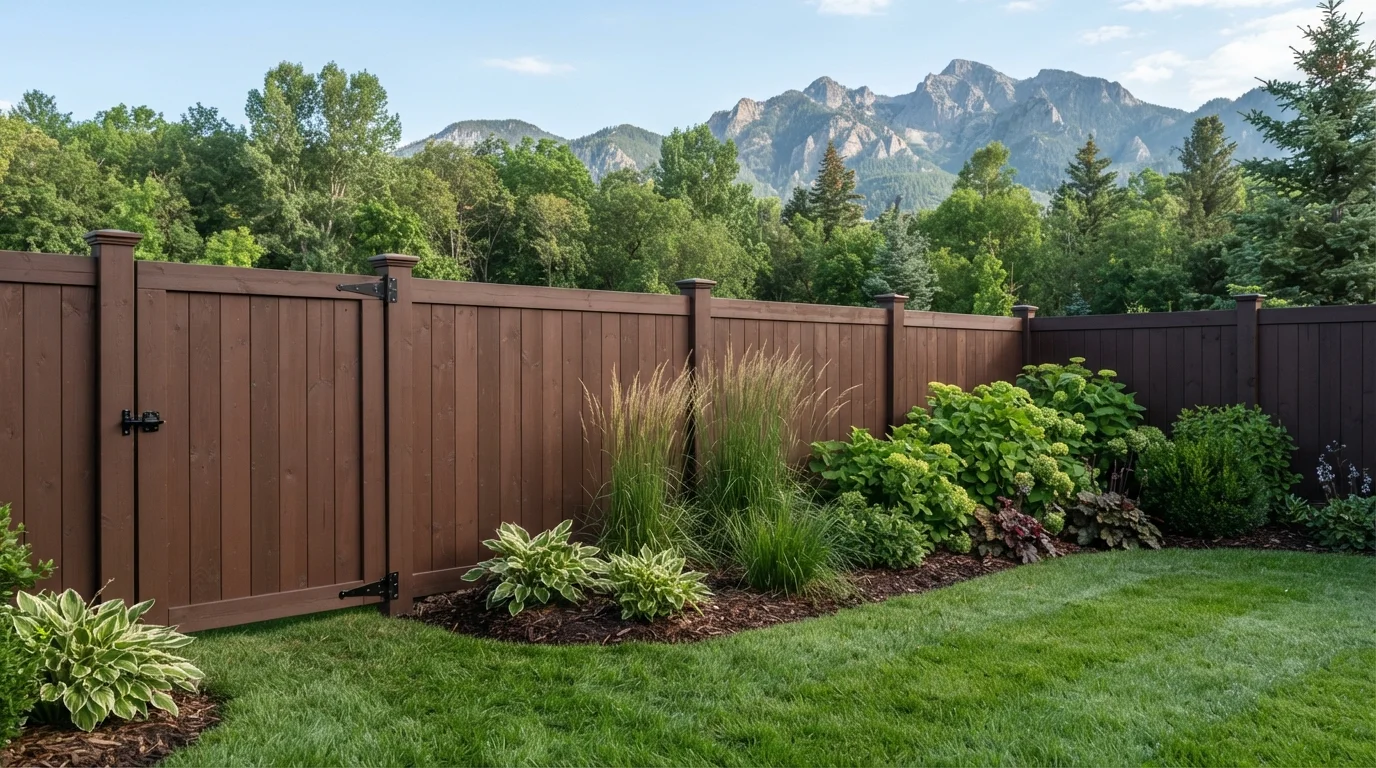
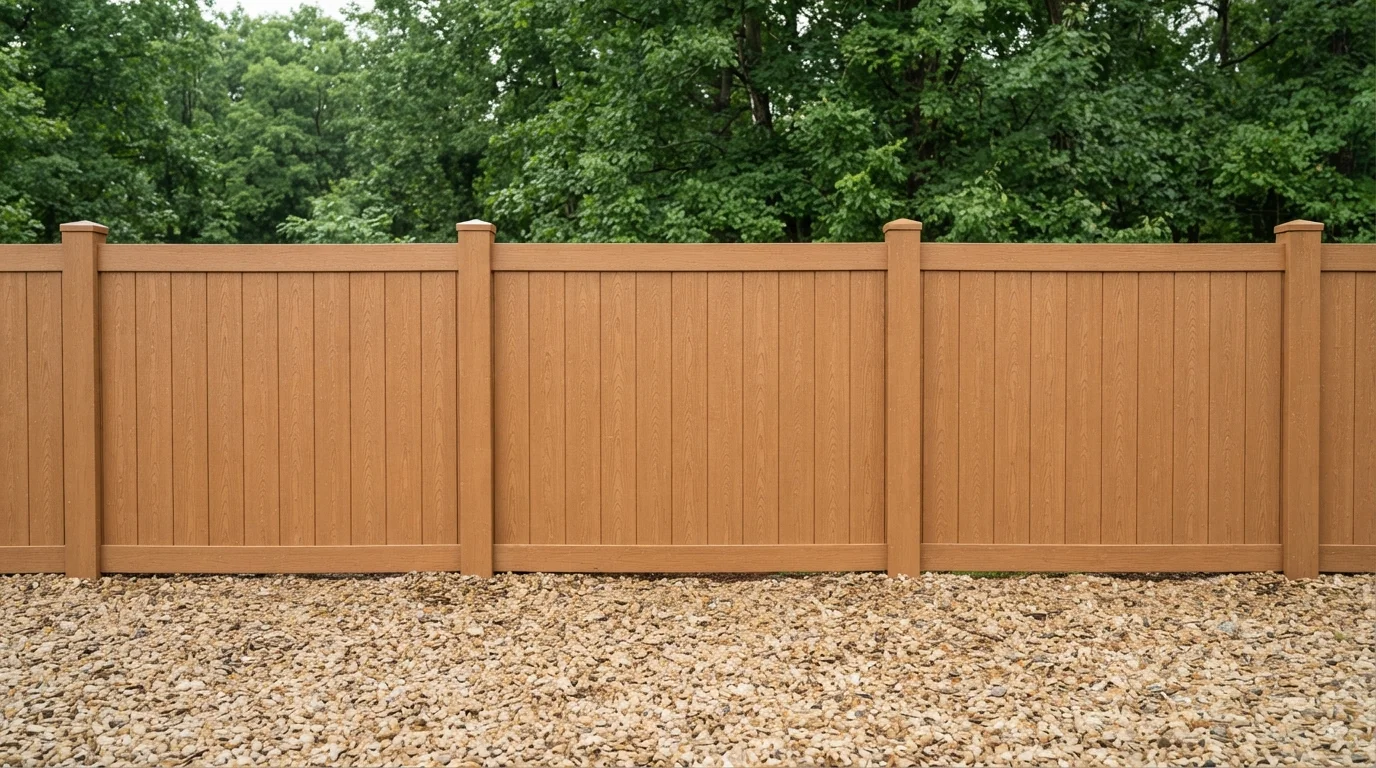
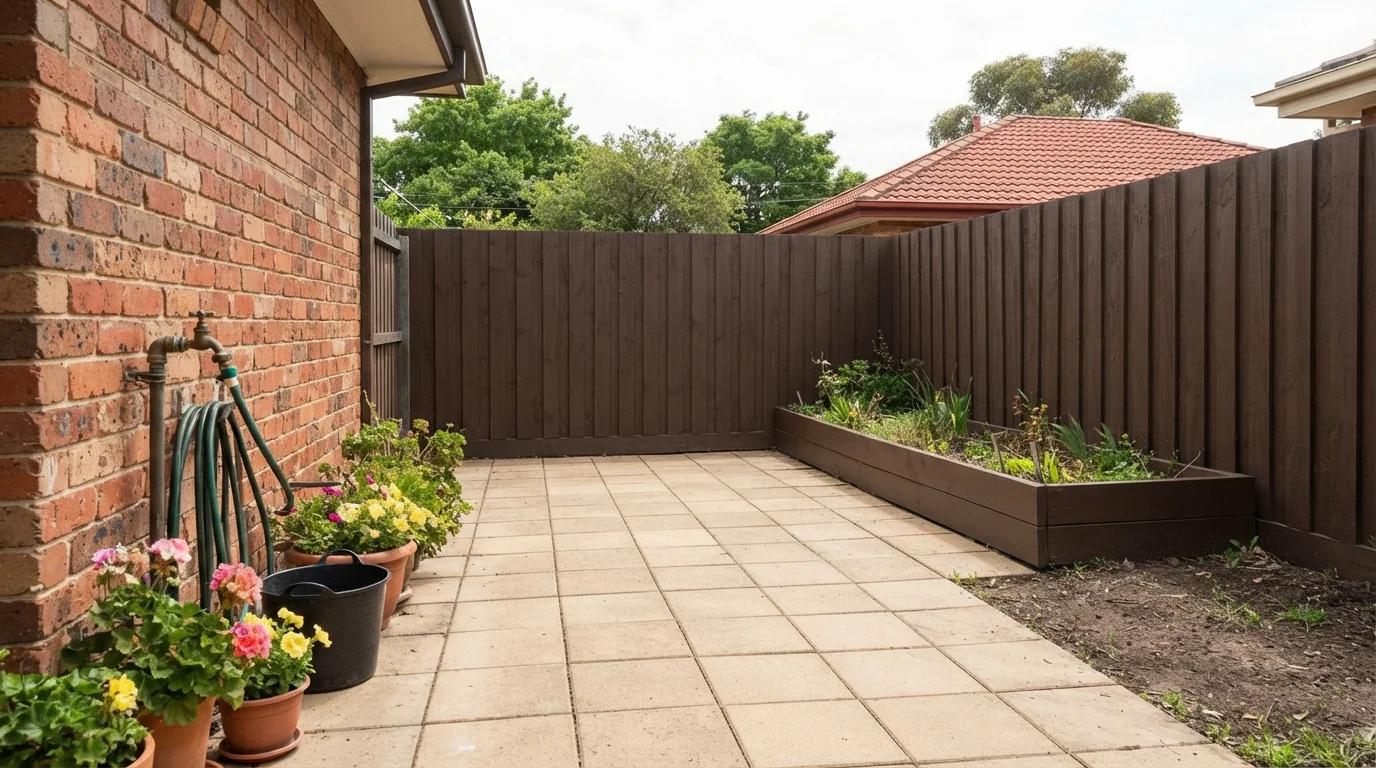
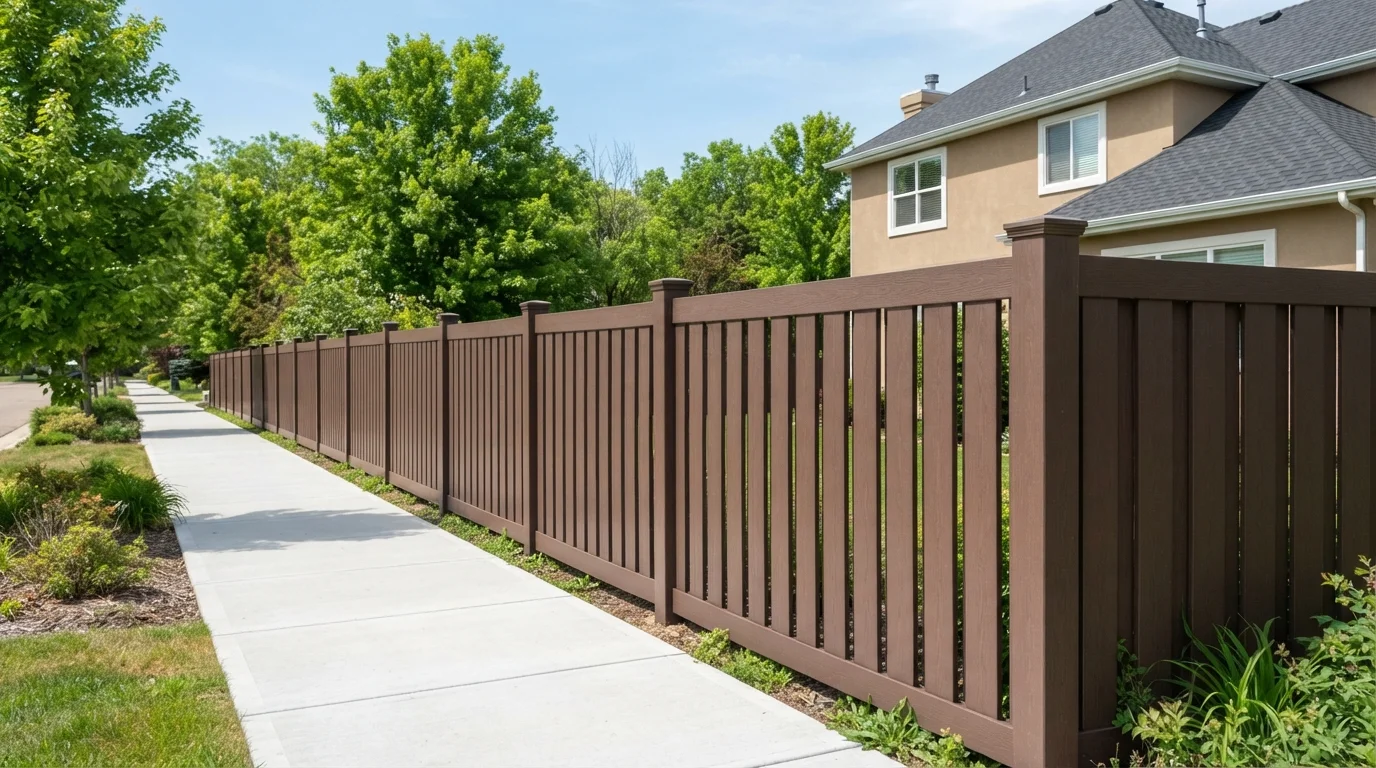
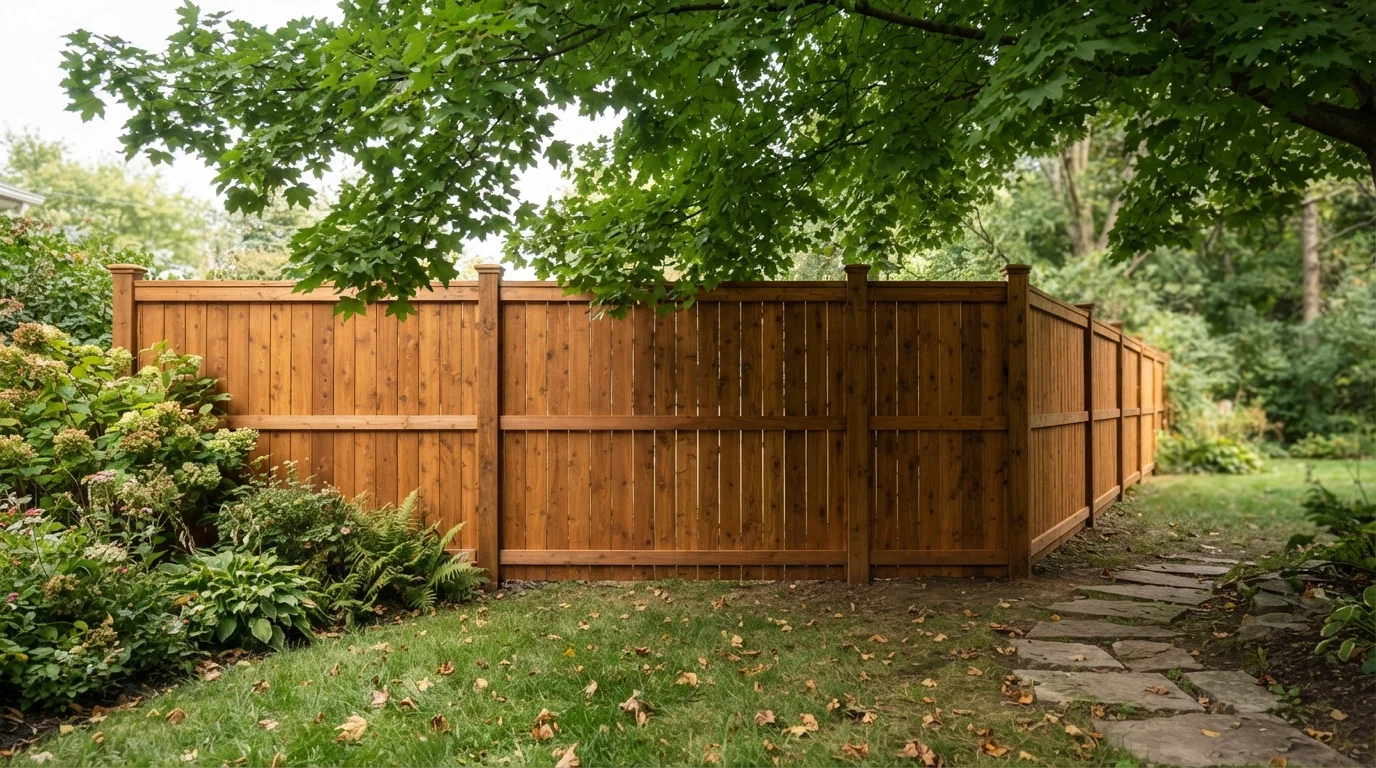
Brown is the most natural color a fence can wear. It reads like wood even when it covers a wood-grain board that has gone gray, and it sits quietly against grass, mulch, and bare dirt instead of fighting them. For a fence — a surface that lives outside in full sun, rain, and yard splatter all year — brown also hides the dust, pollen, and mud splash that would scream on a white or pale gray board.
This page is about brown for one job: a fence. We will walk through which depth of brown holds up outdoors, how the light around your yard pushes the color warmer or cooler, what sheen survives weather without going glary, and how to pair the fence with your trim, gates, and house. Every brown you see here is mixed to order at a paint counter and can be cross-matched between brands, so you are choosing a color and a shade, not locking yourself to one company.
Why Brown Just Works On A Fence
A fence frames the whole yard, so its color either disappears into the landscape or competes with it. Brown disappears in the good way. It echoes the wood, bark, and soil already around it, which makes the fence feel like part of the yard instead of a painted wall.
Brown is also forgiving outdoors. A fence collects mud splash at the base, pollen across the rails, and a film of road or yard dust over a season. On brown, all of that blends in between cleanings, where the same grime would leave obvious streaks on a light fence.
Picking The Right Depth With LRV
LRV (Light Reflectance Value) runs from 0 (black) to 100 (pure white) and tells you how much light a color bounces back. For a fence, mid-to-deep browns in roughly the 8 to 25 LRV range tend to look best — they read as rich, settled wood and they camouflage dirt. Very dark browns under about 8 LRV look dramatic but soak up heat and can show fading sooner on the sunny side.
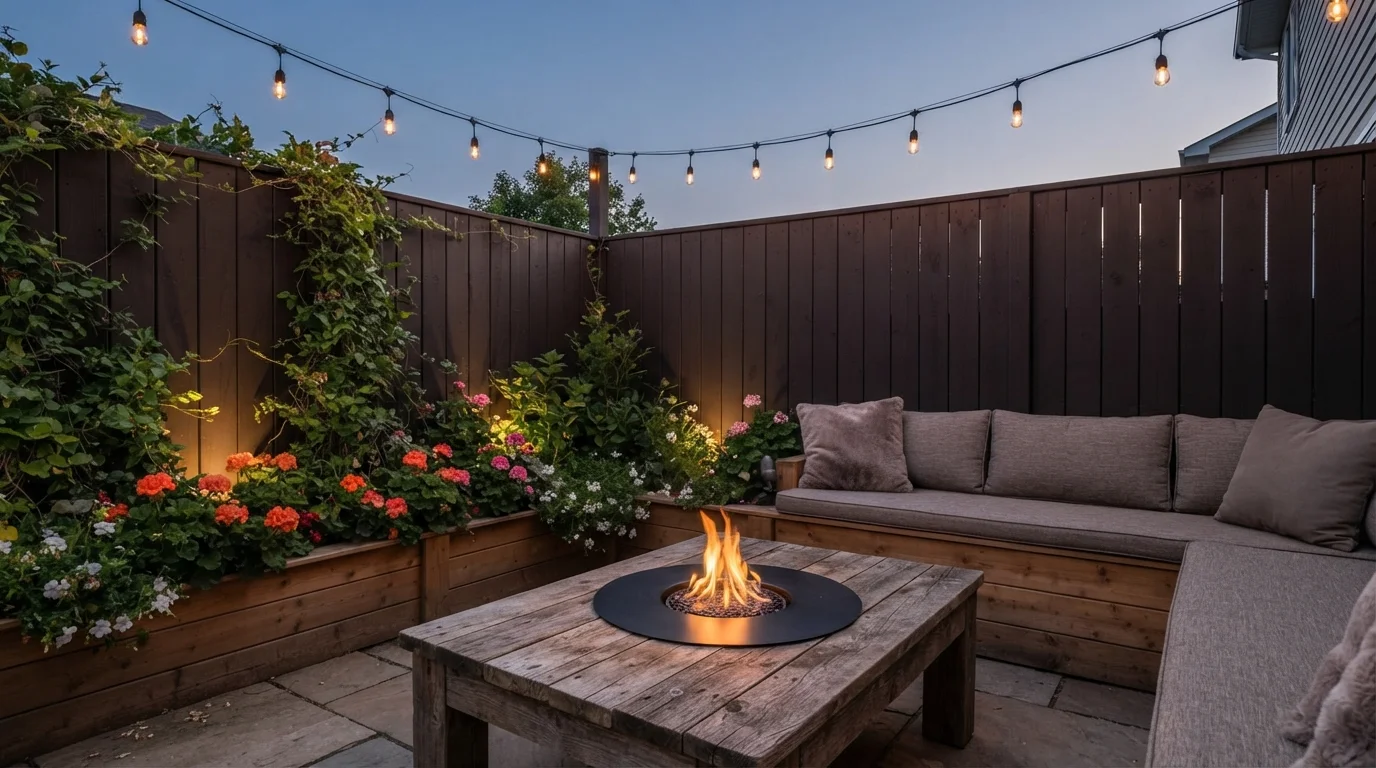
Let your yard's light steer the shade. A fence in full afternoon sun will look one to two steps lighter and warmer than the swatch, so a deeper brown often lands right. A fence shaded by trees or a north-facing run reads cooler and flatter, so a warmer, slightly lighter brown keeps it from going muddy. Always test a brushed-out sample on the actual boards and look at it morning and evening before you commit.
The Right Sheen For Outdoor Wood And Metal
Skip high gloss on a fence. A long sunlit run of glossy brown throws hard glare and shows every brush lap and board imperfection. A flat or matte exterior finish hides surface flaws and looks the most like natural wood, but it holds onto dirt and is harder to scrub.
For most fences, a low-sheen exterior product — satin or a soft eggshell rated for outdoor use — is the sweet spot. It sheds water and pollen, wipes down without fuss, and keeps just enough softness to avoid glare. Whatever the sheen, the bigger durability decision is using an exterior-grade coating built for sun and moisture; that, more than the shine level, is what keeps brown from chalking and fading.
Pairing Brown With Trim, Gates, And The House
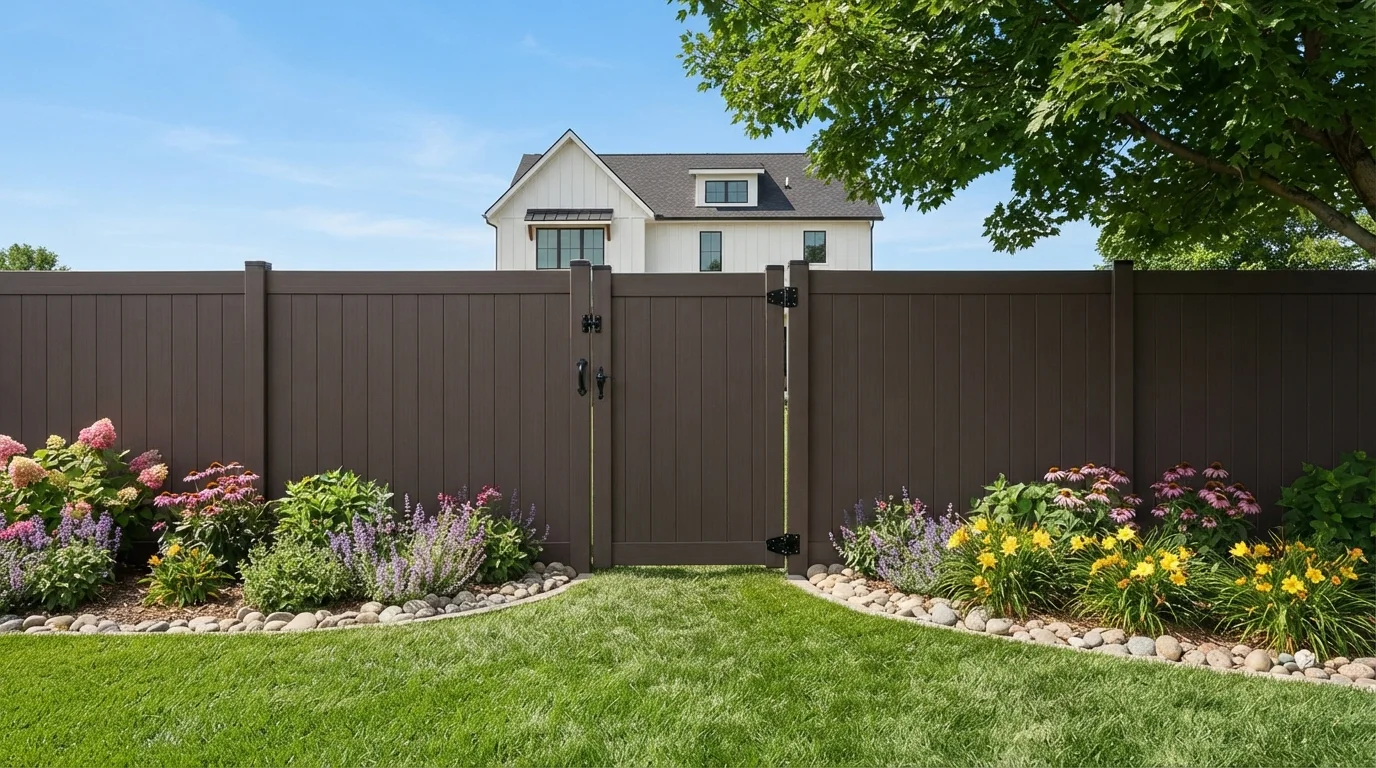
A fence rarely stands alone — it meets a gate, post caps, maybe a pergola or arbor, and it sits in view of your house. The easiest, cleanest look is keeping the whole fence one brown and letting the gate read as the same color, so the run feels continuous rather than chopped up. If you want the gate to stand out, a crisp black or a deep charcoal on hardware and the gate frame looks intentional against brown.
For the wider picture, match the fence's warmth to your house. A warm, red-leaning brown sings next to brick, terracotta, and beige stucco, while a cooler, grayer brown sits better against gray or blue-gray siding. Greenery flatters almost any brown, so you mainly need the fence to agree with the built surfaces it shares a sightline with.
The Most Common Brown-Fence Mistakes
The biggest mistake is judging brown off a tiny chip indoors. Brown shifts hard outside — full sun warms and lightens it, shade cools and dulls it — so a color that looked rich on the chip can land flat or muddy on the boards. Brush a real sample onto the fence and view it across a full day.
The other common misses are going too dark on a hot, sunny fence where heat and fading hit hardest, skimping on surface prep so the coating peels at the ground line, and using an interior or general-purpose paint that was never made for weather. Clean and dry the wood, prime bare or weathered spots, and use an exterior coating so the brown stays put.
Brown Fence Paint — Frequently Asked Questions
What shade of brown is best for a fence?+
A mid-to-deep brown usually wins on a fence. It looks like rich, natural wood, hides mud splash and pollen between cleanings, and holds up visually in full yard light. Save the very darkest browns for shaded runs or accent gates, since deep colors soak up more heat and can fade faster on the sunny side.
What LRV should I look for in a fence brown?+
Roughly 8 to 25 LRV is the comfortable range for a fence. That keeps the brown deep enough to read as wood and disguise dirt, without dropping so dark that it bakes in the sun and shows fading. A full-sun fence reads lighter and warmer than the chip, so lean to the deeper end; a shaded fence reads cooler, so lean slightly lighter and warmer.
What sheen should I use on a brown fence?+
A low sheen like satin or a soft exterior eggshell is the practical choice. It sheds water and pollen, wipes clean, and avoids the harsh glare a glossy fence throws in direct sun. Flat looks the most like raw wood but holds dirt and is harder to scrub, and high gloss highlights every board flaw.
What color should the gate and trim be with a brown fence?+
The simplest look keeps the gate and posts the same brown so the run reads as one continuous fence. If you want the gate to pop, a deep black or charcoal on the frame and hardware looks crisp and intentional against brown. Match the fence's warmth to your house — warm brown with brick and beige, cooler brown with gray siding.
Can I get the same fence brown in any paint brand?+
Yes. Every brown shown here is mixed to order at a paint counter, and the same shade can be cross-matched across brands. You pick the color and depth you want, then have it mixed into whichever exterior-grade product you trust — the formula gets matched, not the label.
How do I keep a brown fence from fading?+
Use an exterior-grade coating made for sun and moisture, since that does more for fade resistance than the sheen does. Avoid the very darkest browns on the hottest, sunniest runs where heat and UV are worst. And prep matters — clean, dry, and prime the wood so the color bonds and stays put instead of chalking or peeling at the base.