Brown Accent Wall Paint Colors
1,766 brown colors that work in accent walls, drawn from the full ~30,000-color US paint deck. Below: editor's picks specific to accent walls, then 30 picks spread across the LRV range — narrow further on the brand page when you've shortlisted.
Brown is in. Pantone naming Mocha Mousse the 2025 Color of the Year confirmed what designers had been spec'ing for two years already — a return to warm, grounded earth tones after a decade of cool greys. The family runs from milky lattes (light, near-cream) through mid-tone taupes and mochas to deep espresso and cocoa at the saturated end.
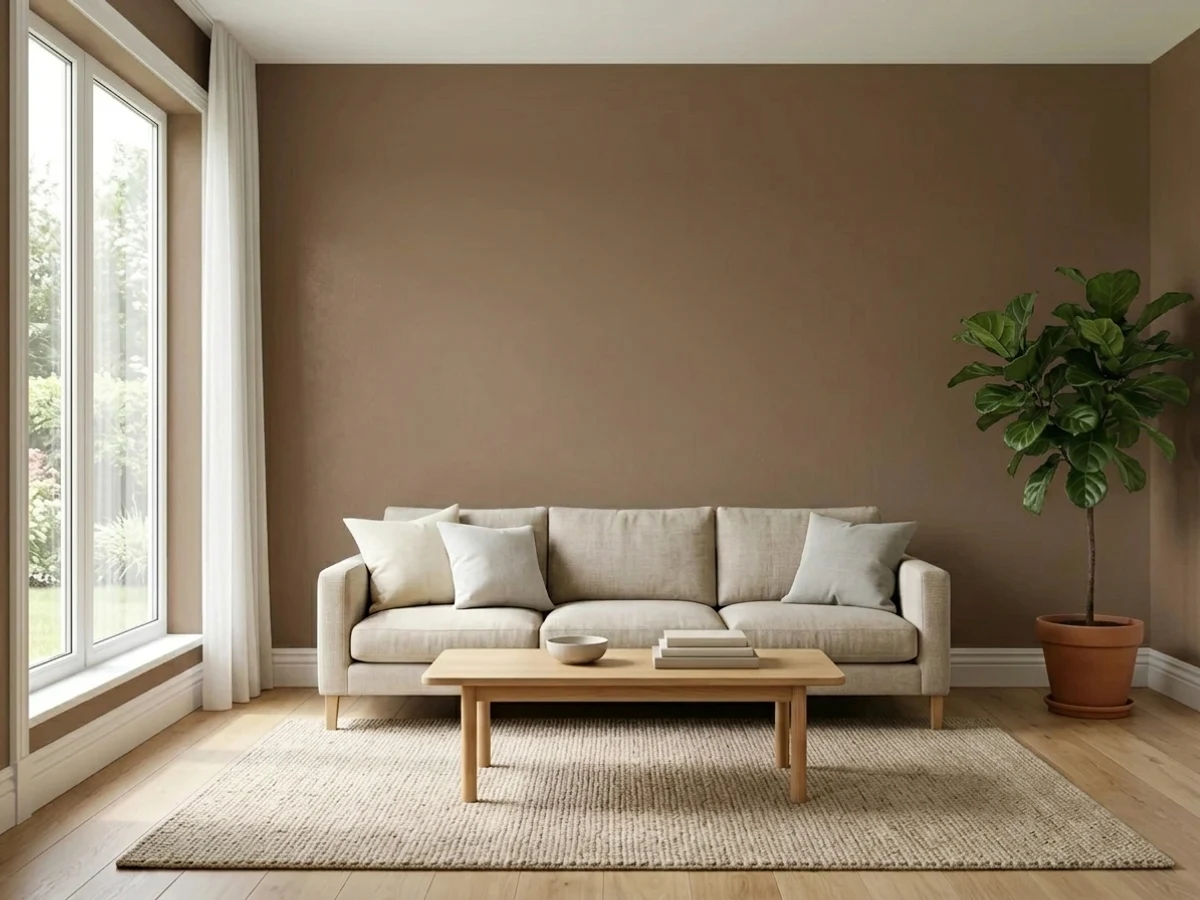
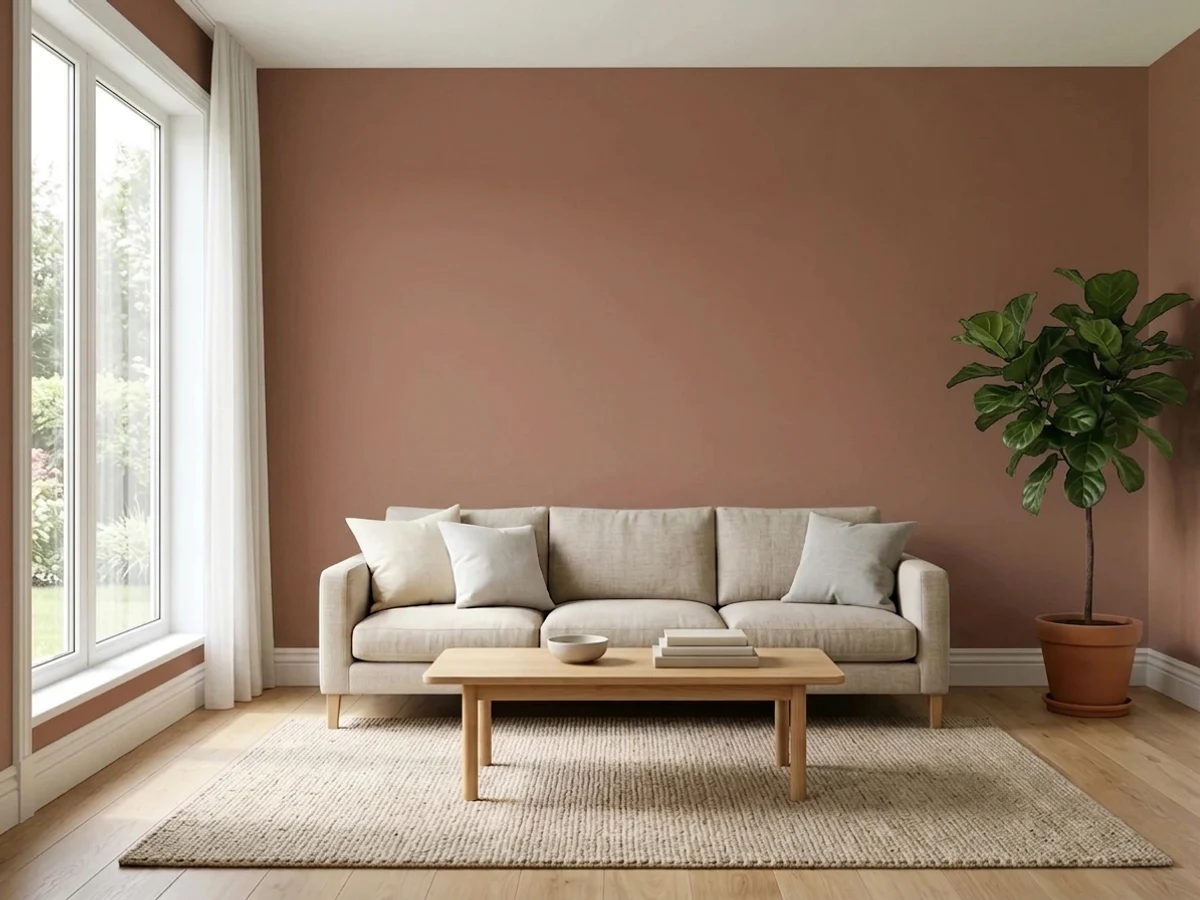
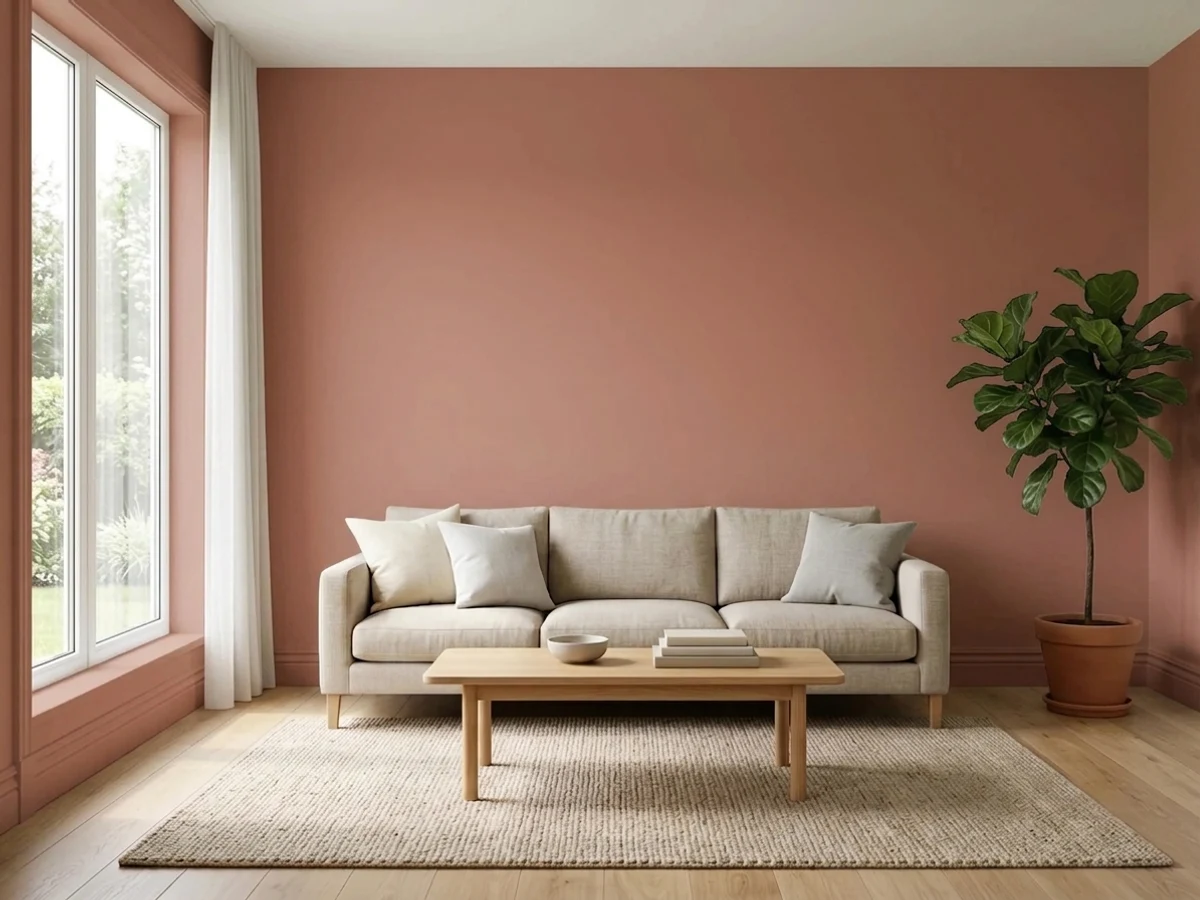
Editor's Picks: Brown for Accent Walls
4 picks30 Brown Picks Across the LRV Range
30 of 1,766 · sorted dark → lightLooking for more? All brown → covers every brand; brand × family pages show full decks.
Brown Accent Wall Colors at Every US Brand
19 brands · up to 10 picks eachUp to 10 picks per brand spread across the brown LRV range, drawn from each brand's full deck. Tap any swatch with a curated guide for full spec; tap the brand title for the brand's complete brown deck.
Behr
Benjamin Moore
Valspar
Glidden
Dunn-Edwards
Sherwin-Williams
PPG / Glidden
Hirshfield's
Kompozit
Dutch Boy
Diamond Vogel
C2 Paint
Rodda
Farrow & Ball
Portola Paints
Magnolia Home
Backdrop
Annie Sloan
Other Accent Wall Color Families
Brown Colors in Other Rooms
Brown Paint Colors for a Accent Wall
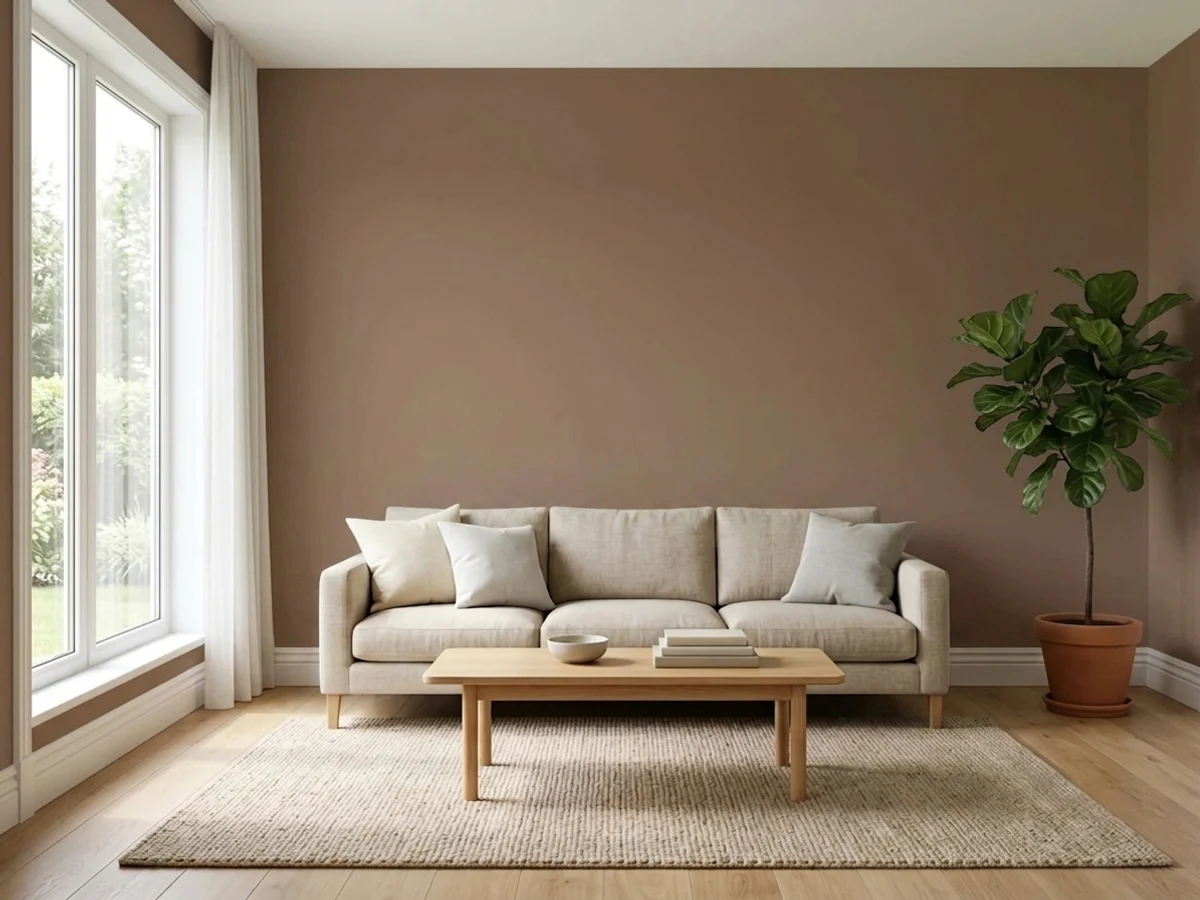
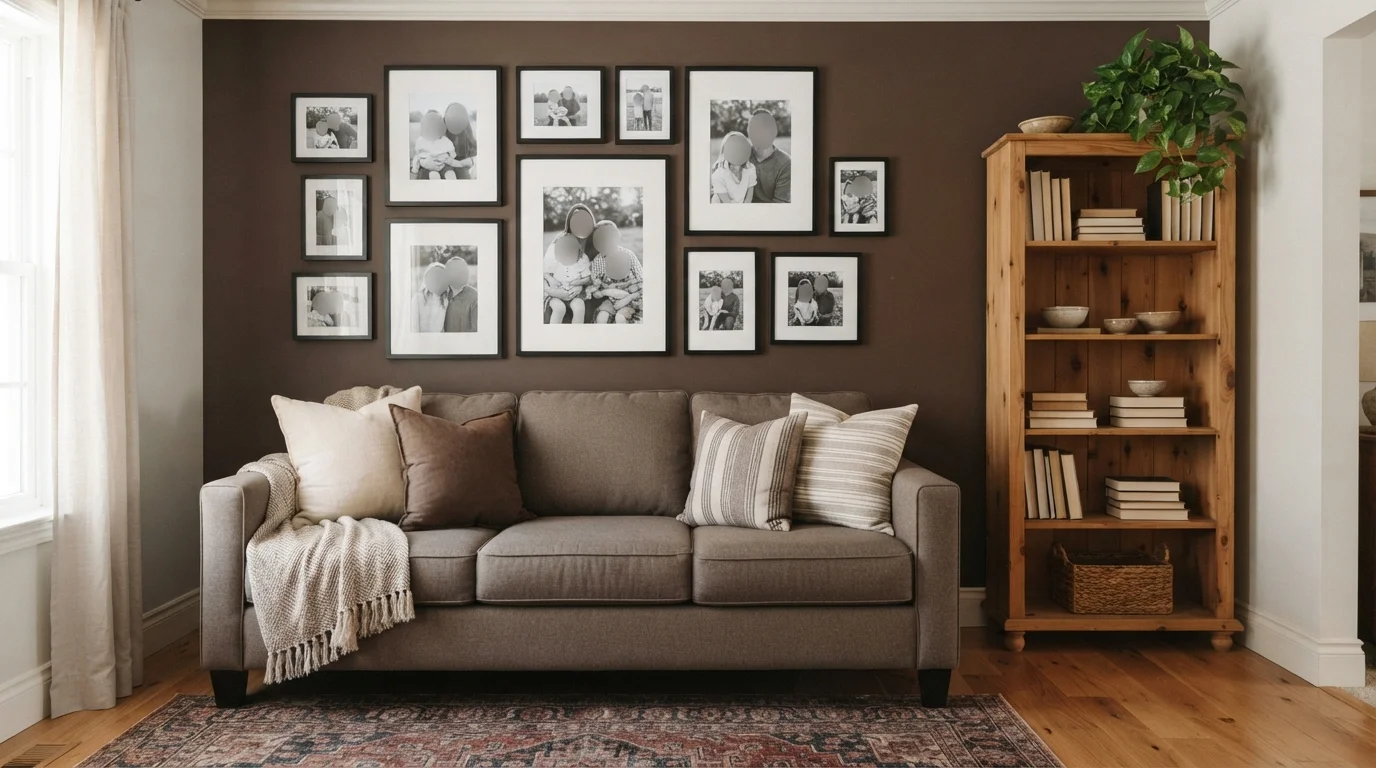
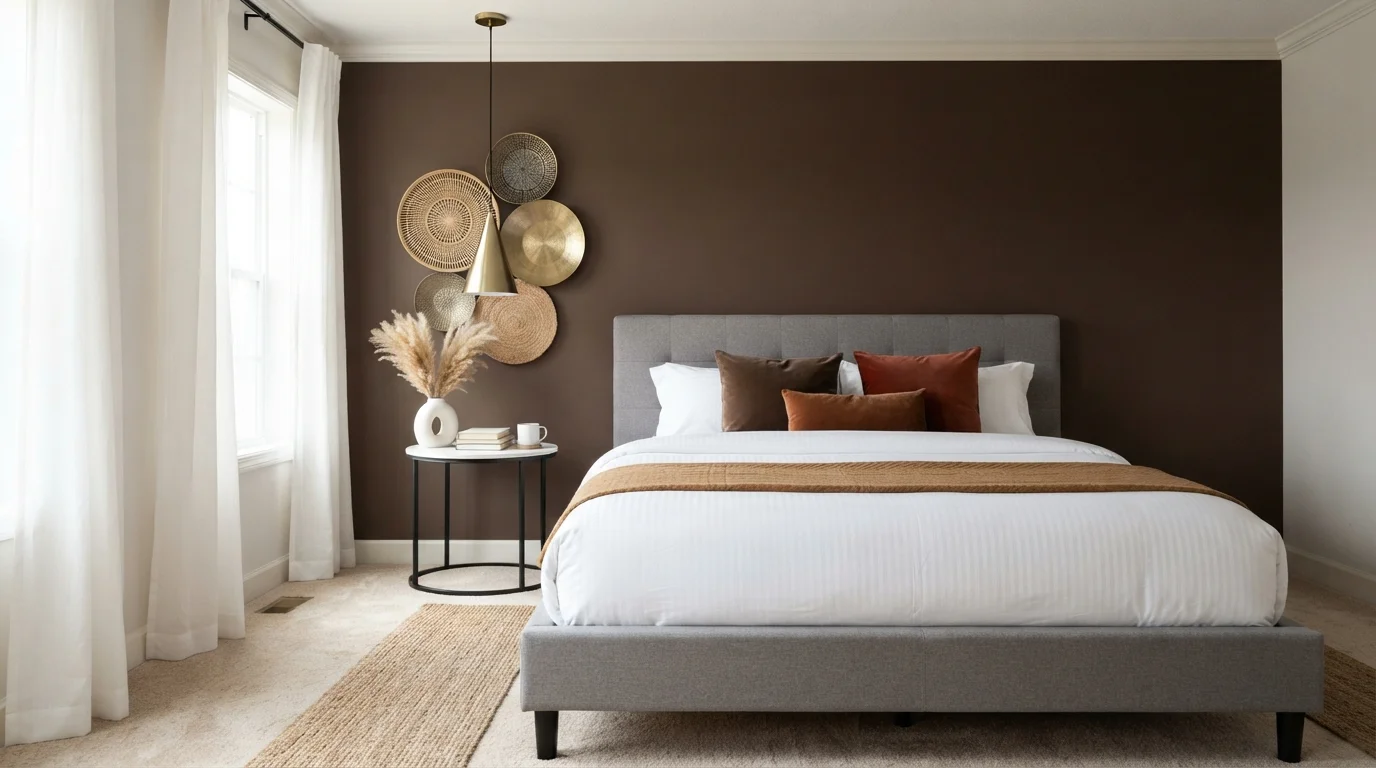
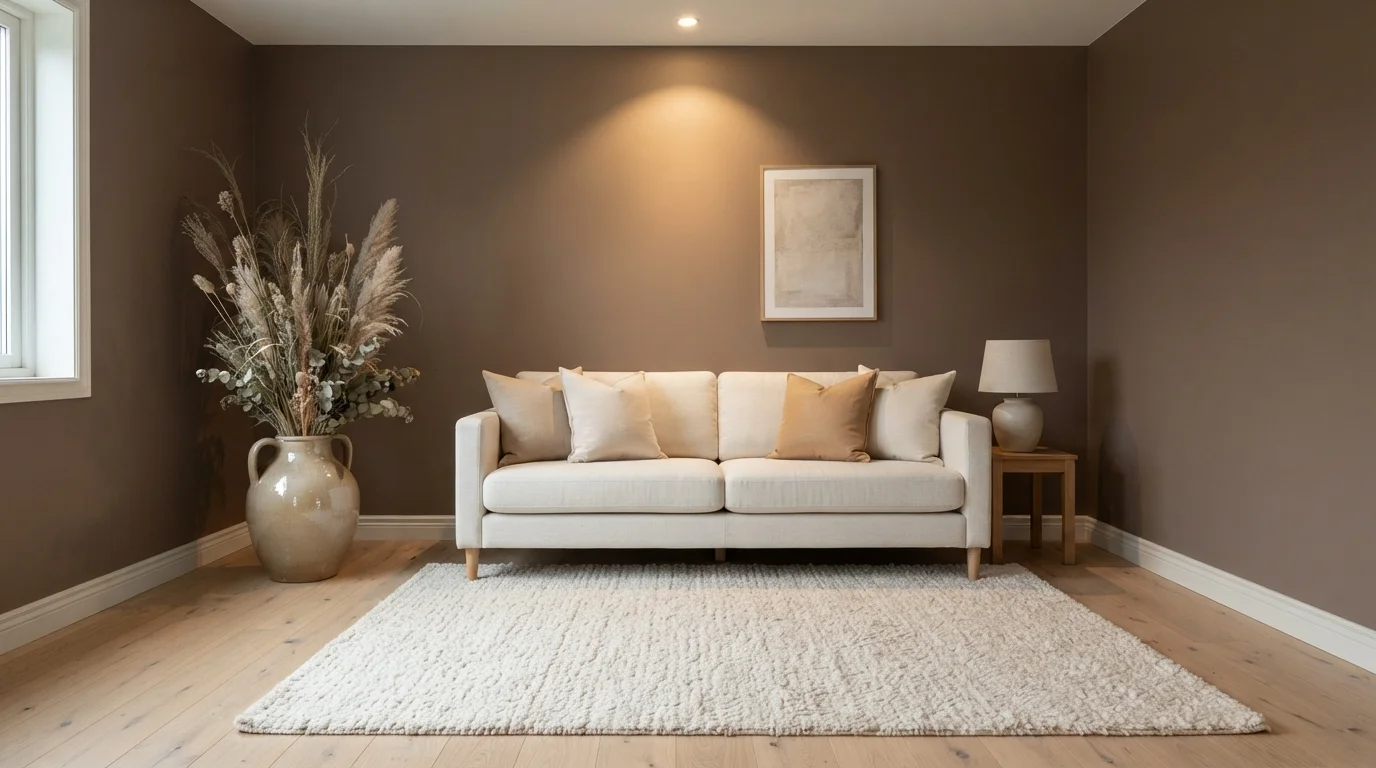
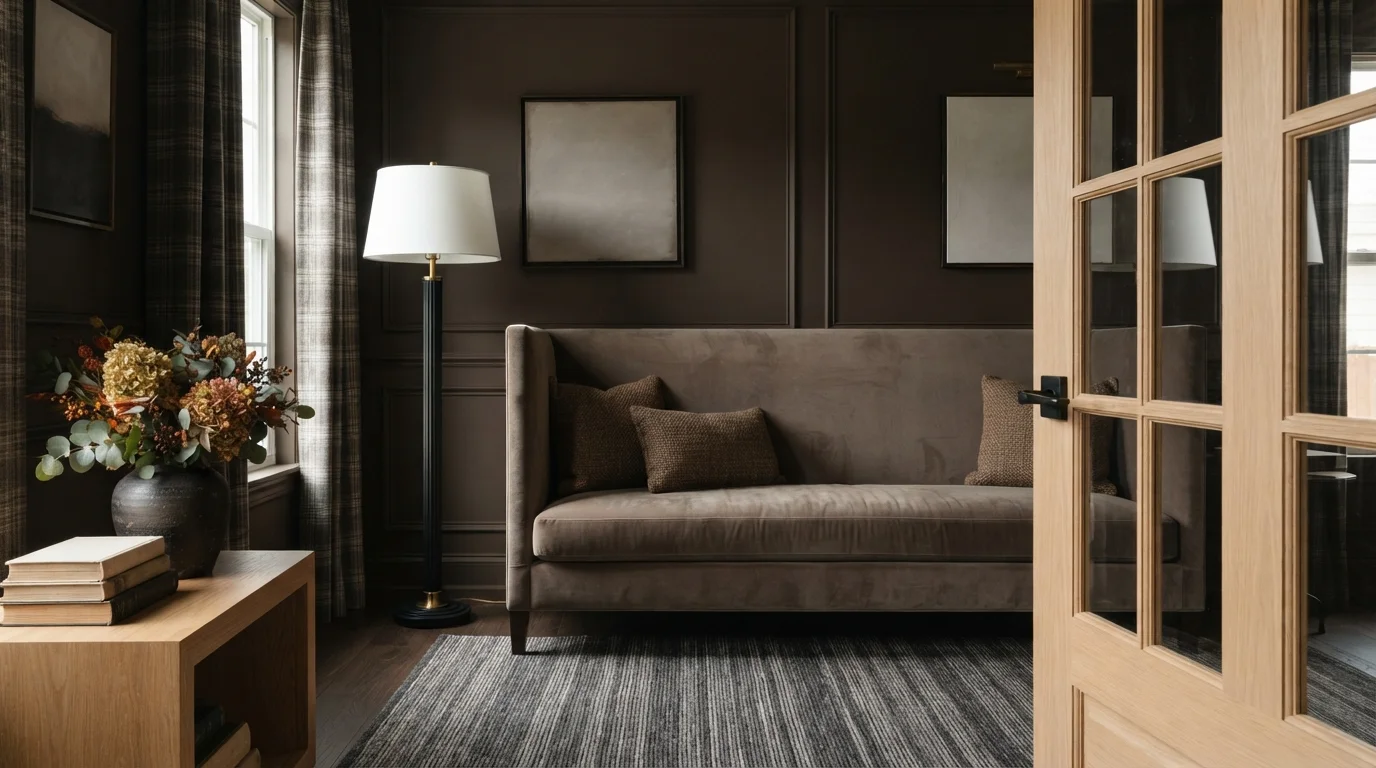
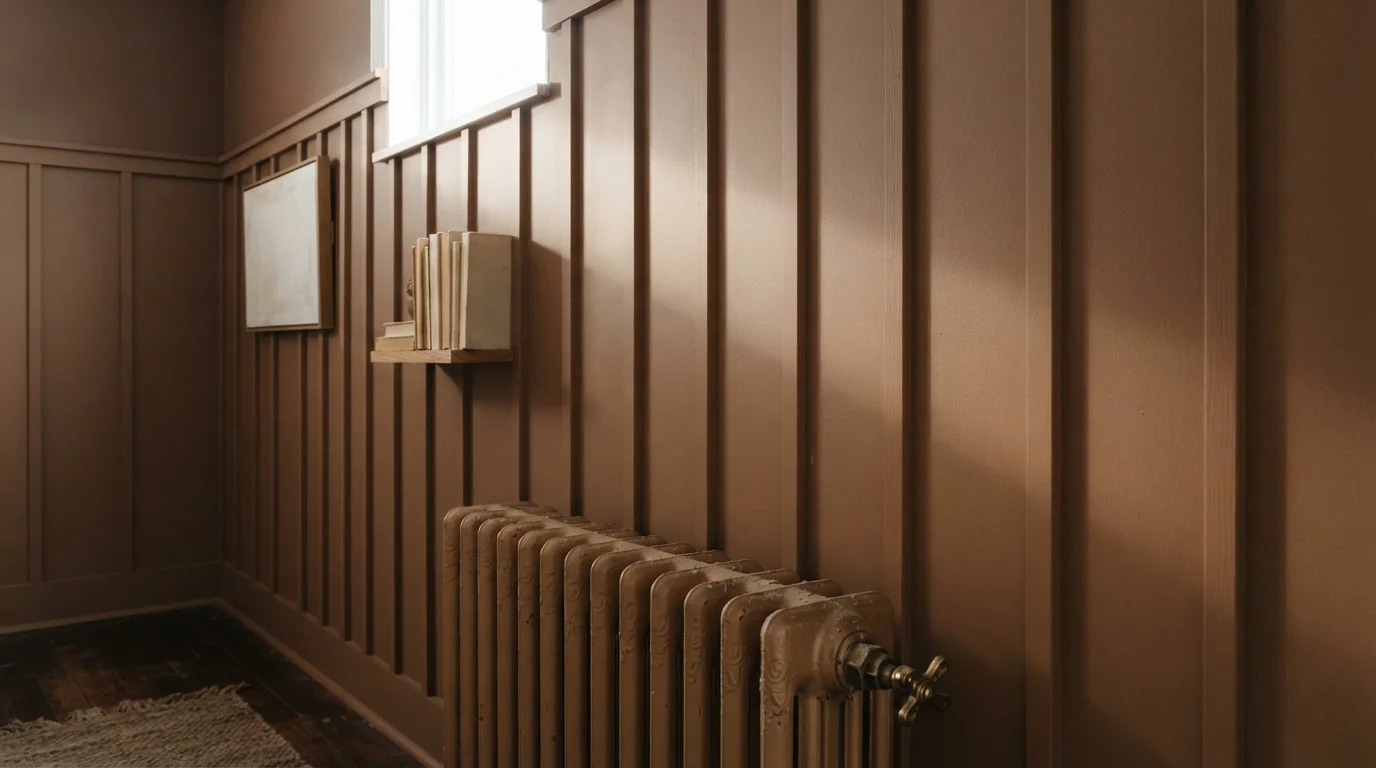
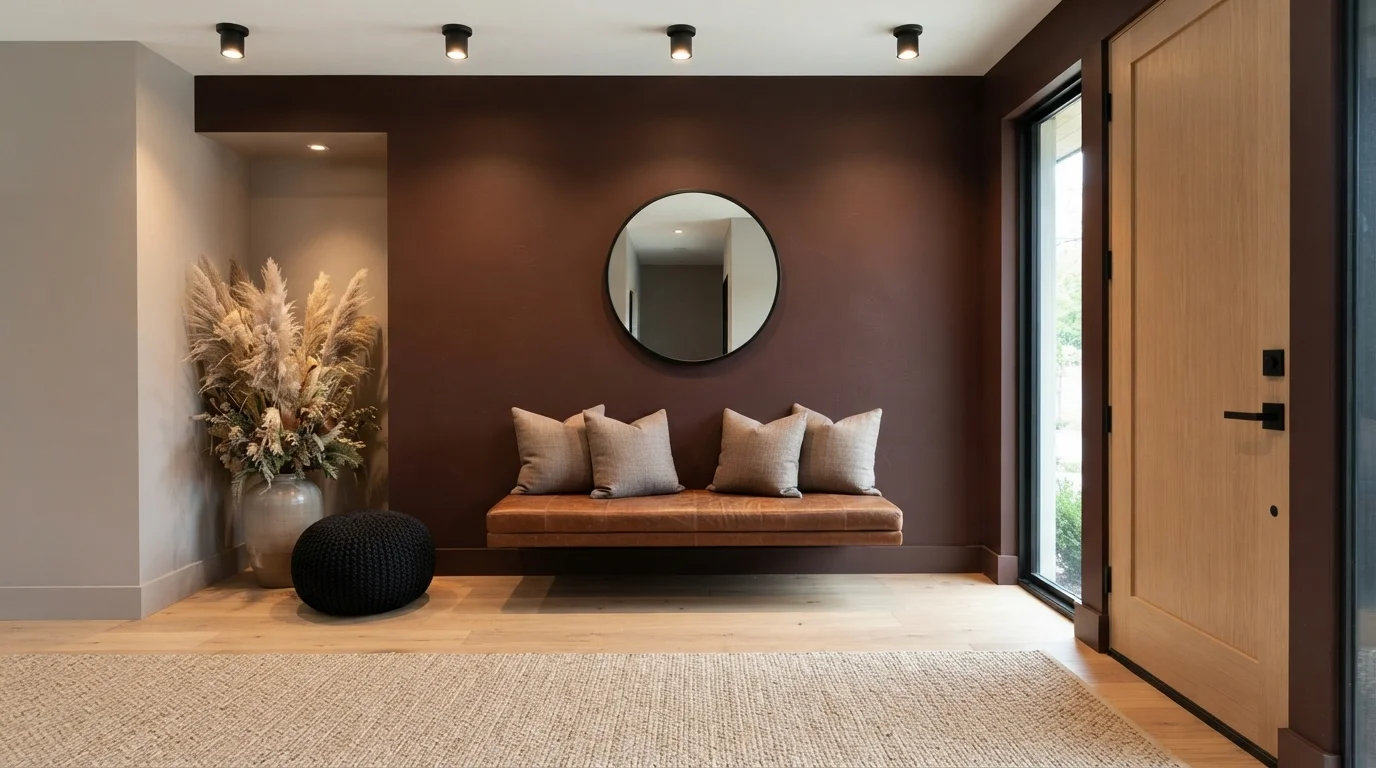
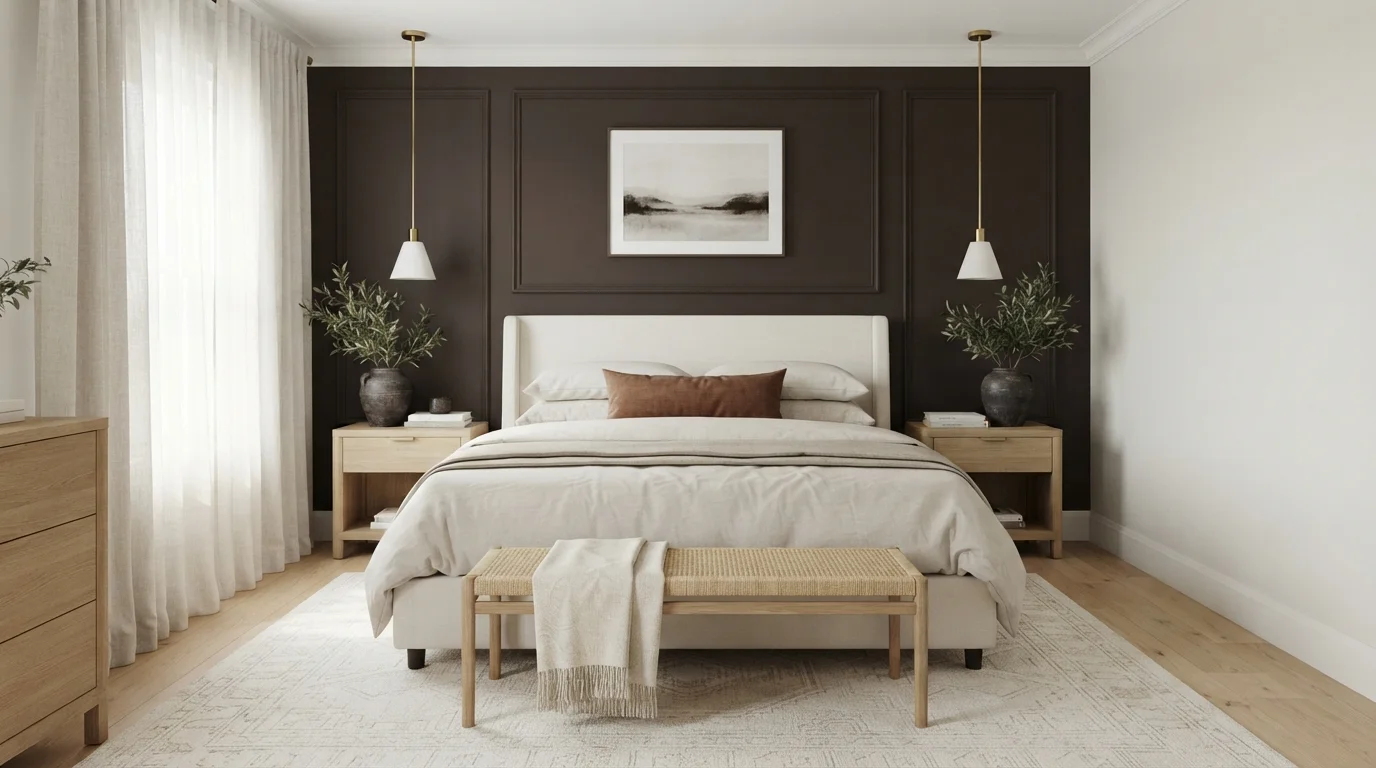
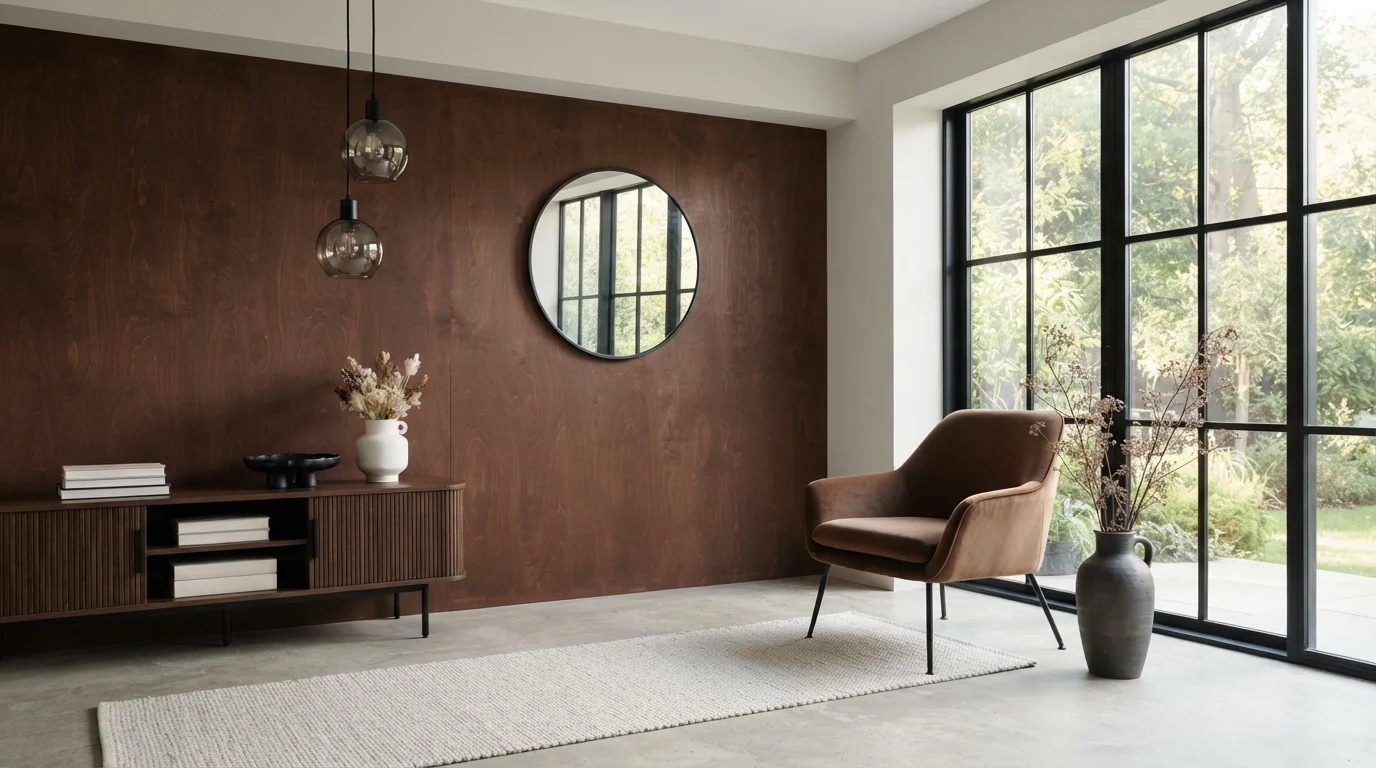
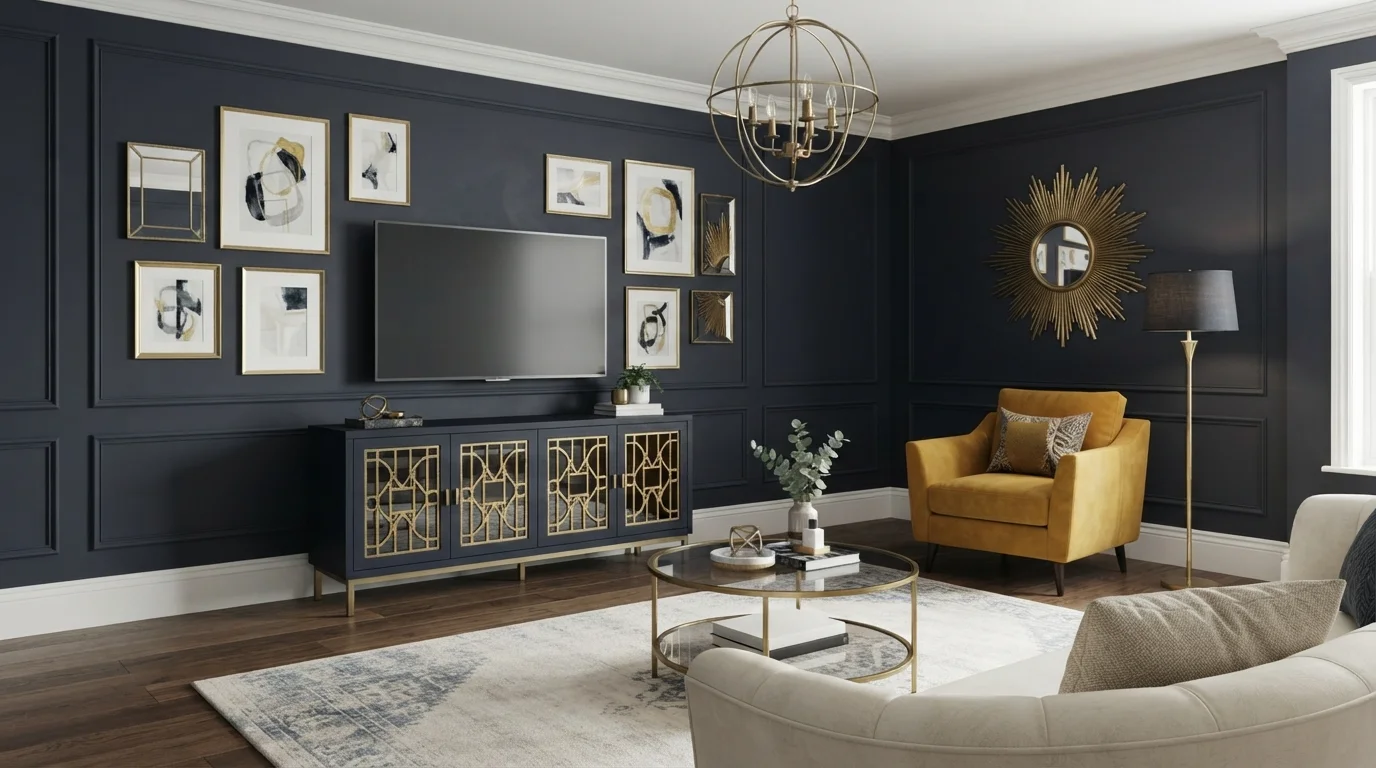
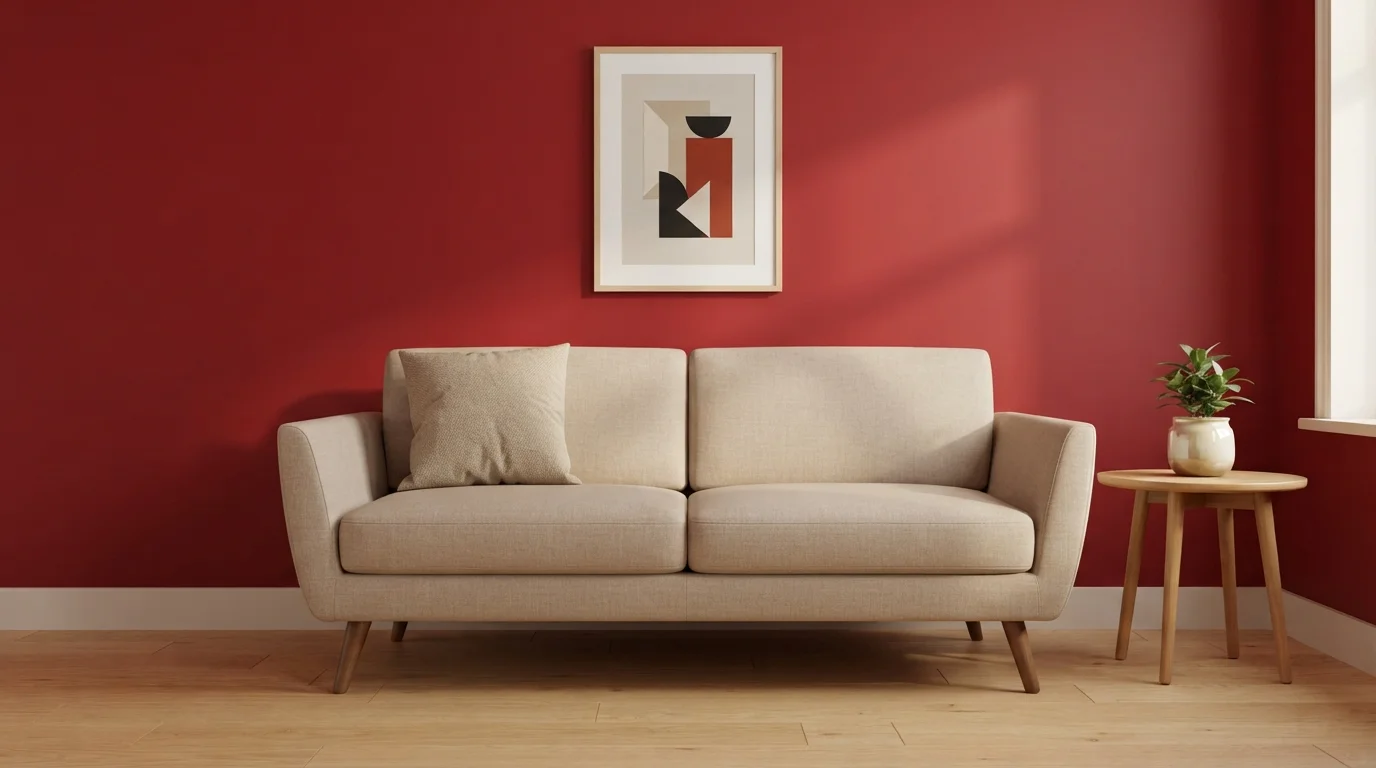
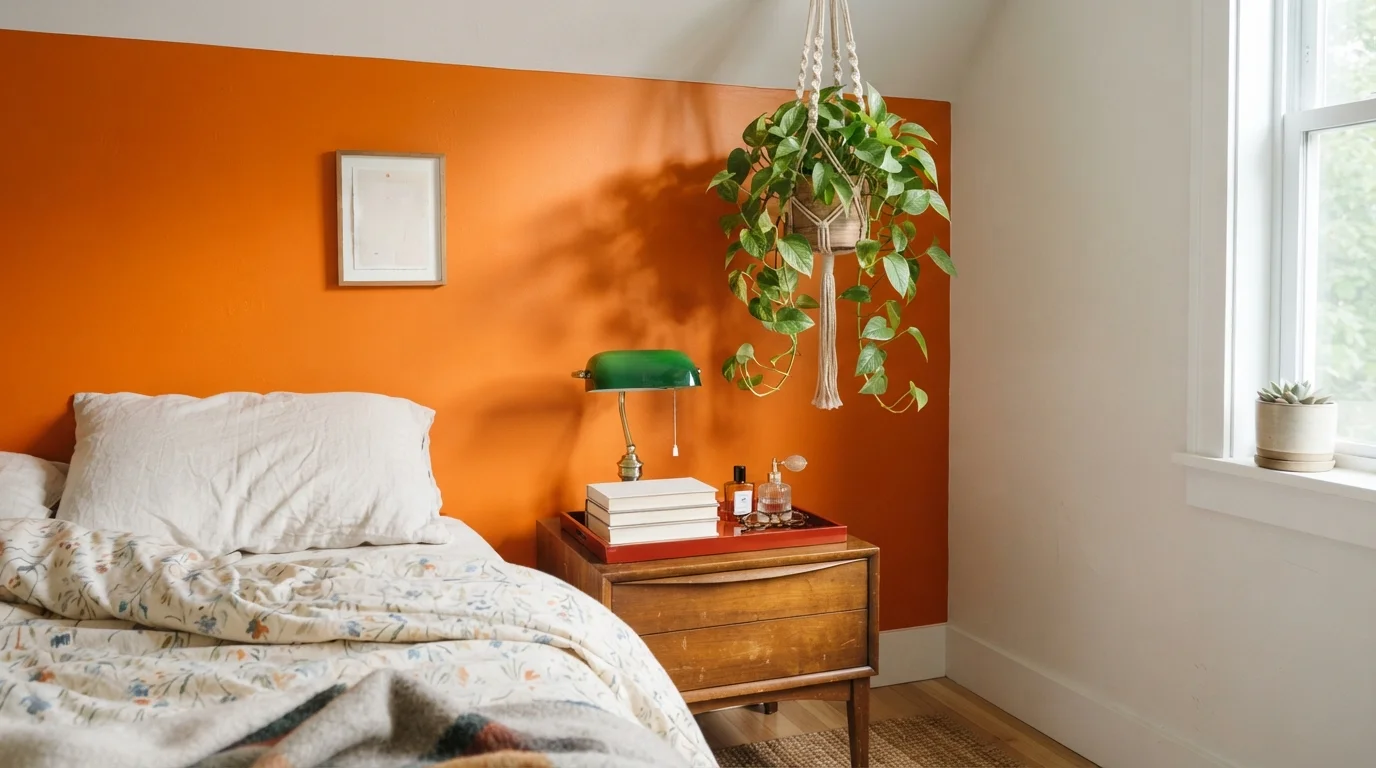
Brown is one of the best colors for an accent wall because it adds weight and warmth without going dark on the whole room. One wall of brown — behind a bed, around a fireplace, on the wall a sofa sits against — gives a space a clear focal point and a grounded, lived-in feel. Because only one surface carries the color, you can go richer and deeper than you ever would on four walls, and the three lighter walls keep the room open.
The trick with a brown accent wall is picking the right depth and undertone for your light, then letting the trim and the other walls do the contrast work. Every color shown here is mixed to order at the paint counter, so you can take any shade you like and have it matched across brands — the swatch is the starting point, not a lock-in.
Why Brown Works on an Accent Wall
An accent wall lives or dies on contrast, and brown gives you that without the harshness of black or charcoal. Set a warm, deep brown against soft white or greige walls and the eye goes straight to it — it reads as intentional, not like you ran out of paint. Brown also plays well with wood, leather, brick, and brass, which is why it grounds a room instead of fighting it.
The one thing to watch is muddiness. Brown can fall flat if the wall gets no natural light and the rest of the room is also warm and dim. Pick the wall that gets some light or sits behind a real focal point — a bed, a fireplace, a media unit — so the color has a job to do.
Choosing the Right Depth With LRV
On an accent wall you have room to commit, so most browns in the LRV 8 to 25 range work well — deep enough to stand apart from the other walls, not so dark they swallow the corner. A milk-chocolate or coffee brown around LRV 15 to 22 is the safe, flattering middle that suits almost any room. Go lower, toward LRV 8 to 12, only on a wall that catches light, or it will turn into a dark void.
If the room is bright and the other walls are crisp white, you can push darker because the contrast carries it. In a dim room, stay on the lighter, warmer end and lean toward a brown with a hint of red or caramel so it glows instead of going gray.
Reading Your Room's Light
Light decides which brown to trust. North-facing and low-light rooms pull warmth out of paint and can make a cool, taupe-leaning brown look gray and sad — there, choose a brown with red, gold, or caramel under it. South and west light is warm and forgiving, so a true neutral or even a slightly cool brown stays rich without going orange.
Always test a big sample directly on the wall you plan to paint, not the wall across the room. Look at it in morning light, at midday, and under your evening lamps, because an accent wall is often the wall you stare at most after dark.
Picking the Finish for an Accent Wall
For most accent walls, eggshell or matte is the right call. A flat or matte finish hides wall flaws and makes a deep brown look velvety and expensive — exactly the mood you want on a feature wall. Matte also kills glare, which matters when one dark wall faces a window or a TV.
Step up to eggshell if the wall sees hands, chair backs, or kids, since it wipes down better than flat. Save satin and semi-gloss for a bathroom accent wall or a fireplace surround where moisture or heat means you need the extra washability — on a bedroom or living-room feature wall, gloss just throws unwanted shine.
Pairing Brown With Trim and the Rest of the Room
The cleanest look is a warm white trim against the brown wall — it sharpens the edge and keeps the brown from feeling heavy. Match that trim color on the baseboards and any window casing so the accent wall frames neatly. Keep the other three walls light: soft white, warm greige, or a pale tan in the same family pulls the whole room together.
For the extras, brown loves brass, aged bronze, and natural wood, while leather, jute, and cream textiles soften it. If the wall holds a fireplace or built-ins, let the cabinetry stay lighter or wood-toned so the brown reads as the star and everything else supports it.
Brown Accent Wall Paint — Frequently Asked Questions
Is brown too dark for an accent wall?+
Not on a single wall. Because the other three walls stay light, even a deep brown keeps the room open while giving you a strong focal point. Just pick a wall with some light or a real feature like a bed or fireplace so the color has somewhere to land.
Which wall should I paint brown?+
Choose the wall your eye already goes to — behind the bed, the sofa wall, or the fireplace wall. Avoid a wall broken up by lots of doors or windows, since brown looks best as one solid, uninterrupted surface.
What finish is best for a brown accent wall?+
Matte or eggshell. Matte gives deep brown a rich, velvety look and hides wall flaws and glare. Use eggshell if the wall gets touched a lot, and step up to satin only for a bathroom or fireplace accent wall where you need washability.
What color trim goes with a brown accent wall?+
A warm white trim is the easiest and cleanest choice — it crisps up the edge and keeps the brown from feeling heavy. Carry that same white onto the baseboards and casings, and keep the other walls a light, warm neutral.
How do I keep a brown accent wall from looking muddy?+
Pick a brown with a warm undertone — red, gold, or caramel — especially in a low-light room, and test a big sample on the actual wall at different times of day. Keep the surrounding walls light so the brown reads as a deliberate accent rather than a dark, flat patch.
Can I match a brown I like across different paint brands?+
Yes. Every color shown here is mixed to order at the paint counter, so you can take any shade and have it cross-matched between brands. The swatch is your starting point — bring the one you like and the store can tint it in the brand and finish you want.