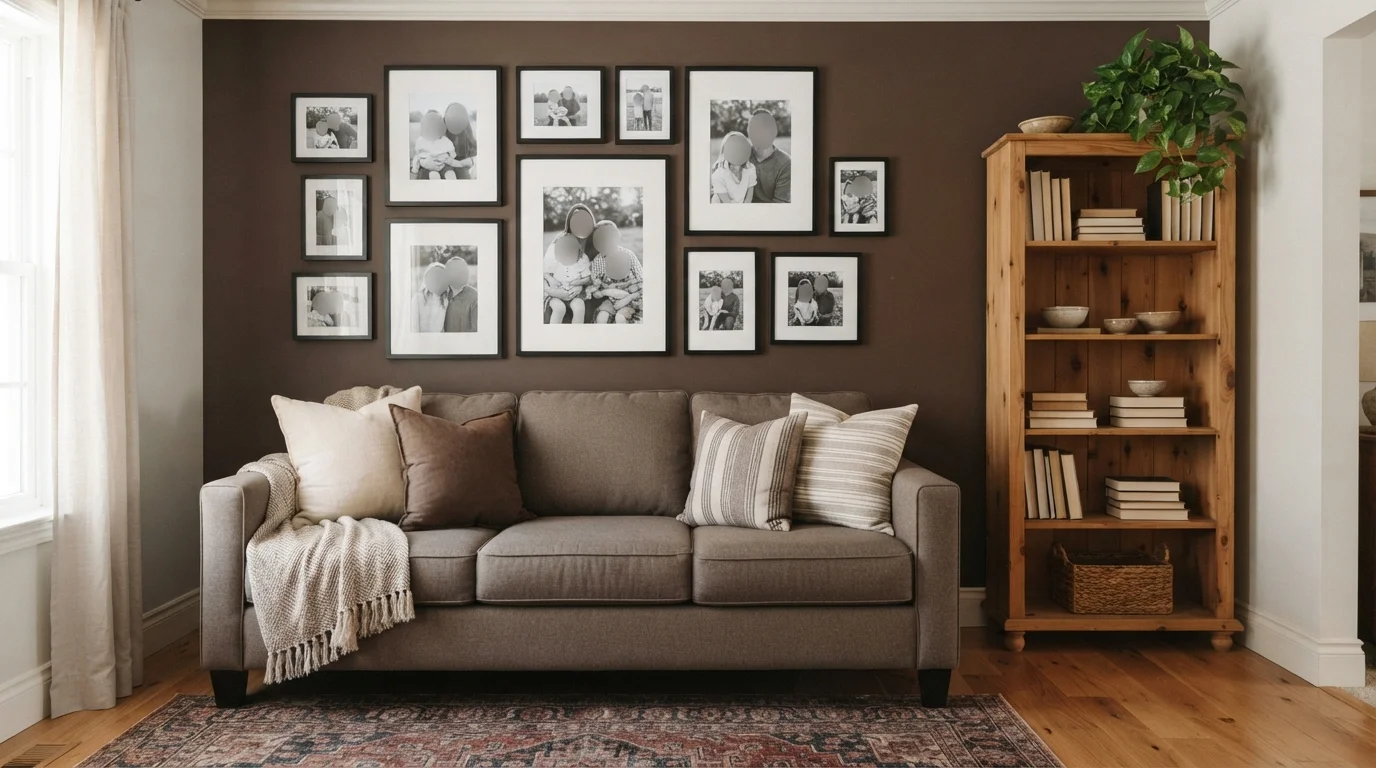
Green Accent Wall Paint Colors
2,263 green colors that work in accent walls, drawn from the full ~30,000-color US paint deck. Below: editor's picks specific to accent walls, then 30 picks spread across the LRV range — narrow further on the brand page when you've shortlisted.
Green has quietly replaced grey as the safe-but-interesting wall color of the late 2020s. Sage Green, the soft grey-green that became the de facto fallback, anchors the family — but the broader green palette runs from olive (warm, earthy, faintly yellow) to forest (deep blue-green) to emerald (saturated jewel tone).
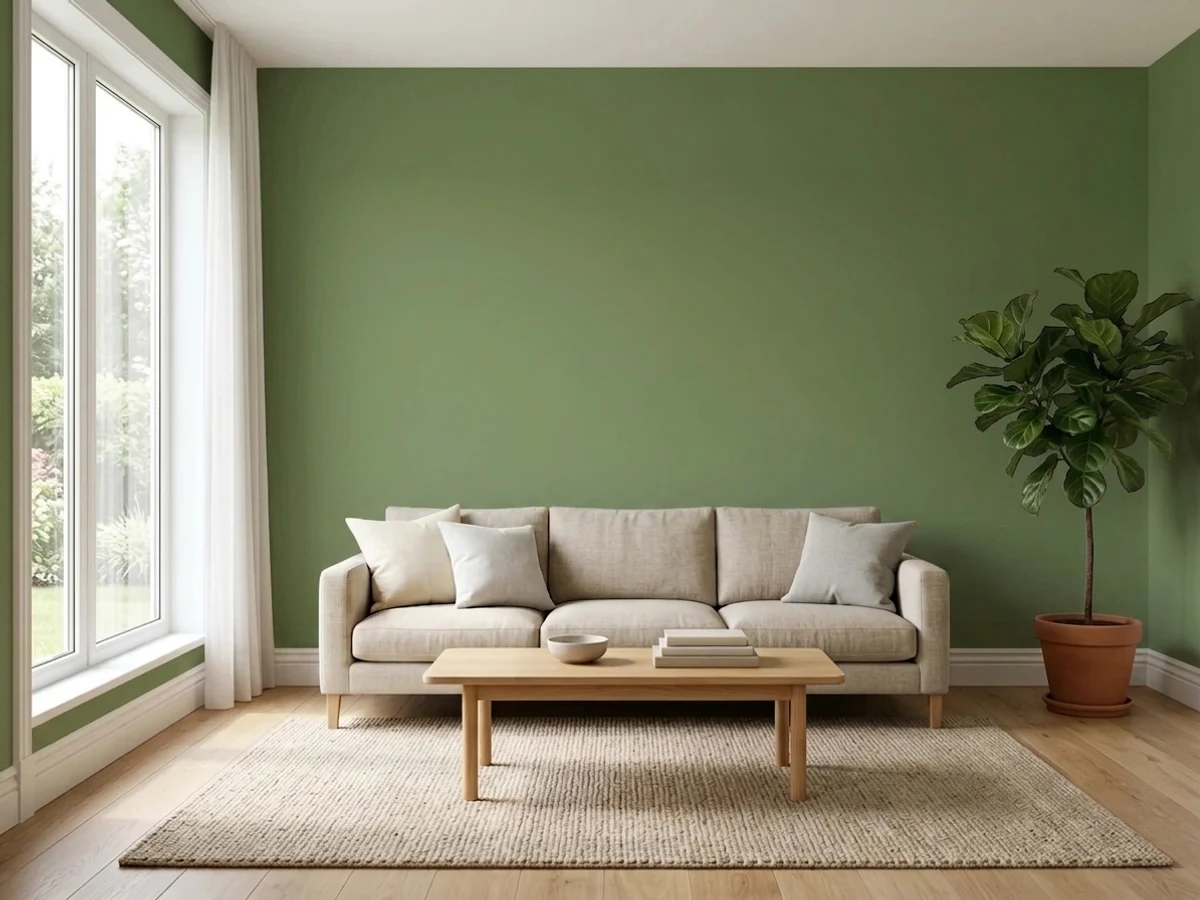
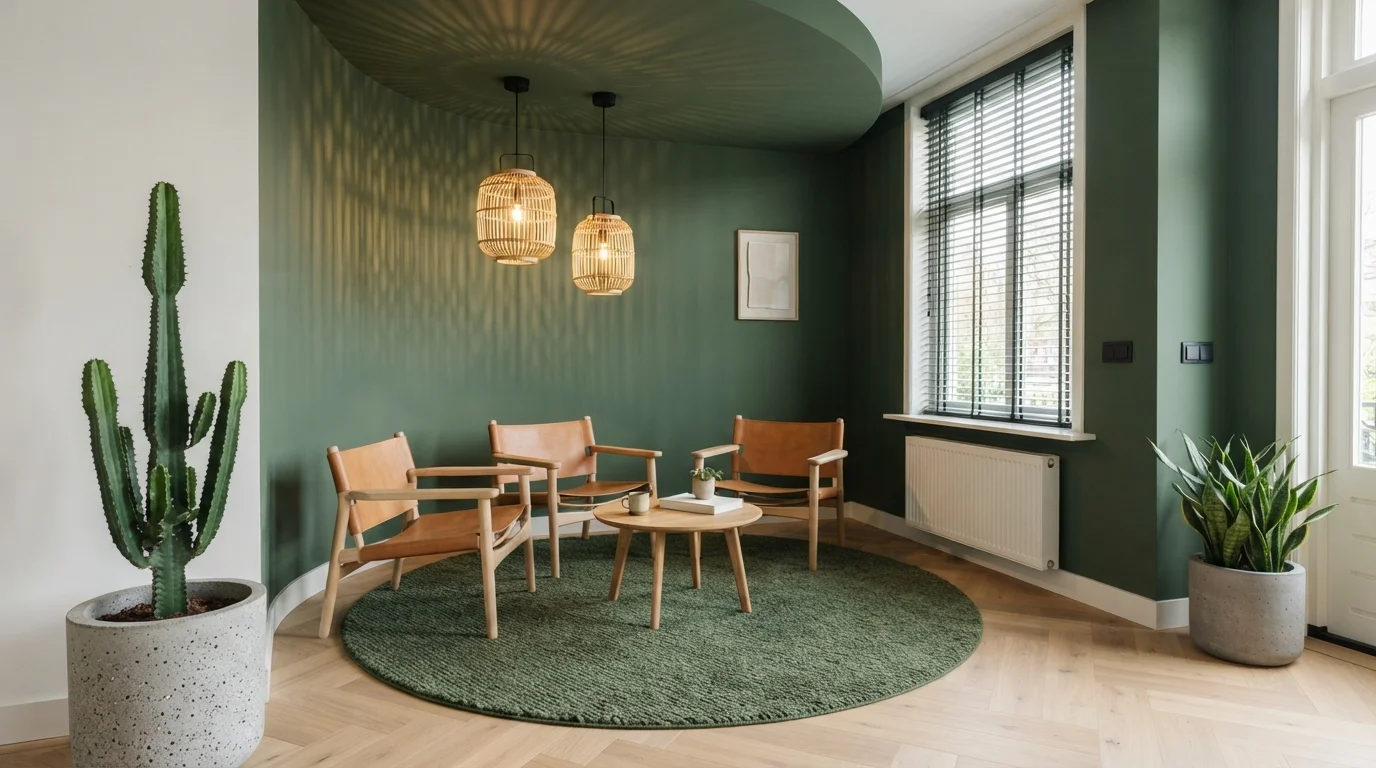
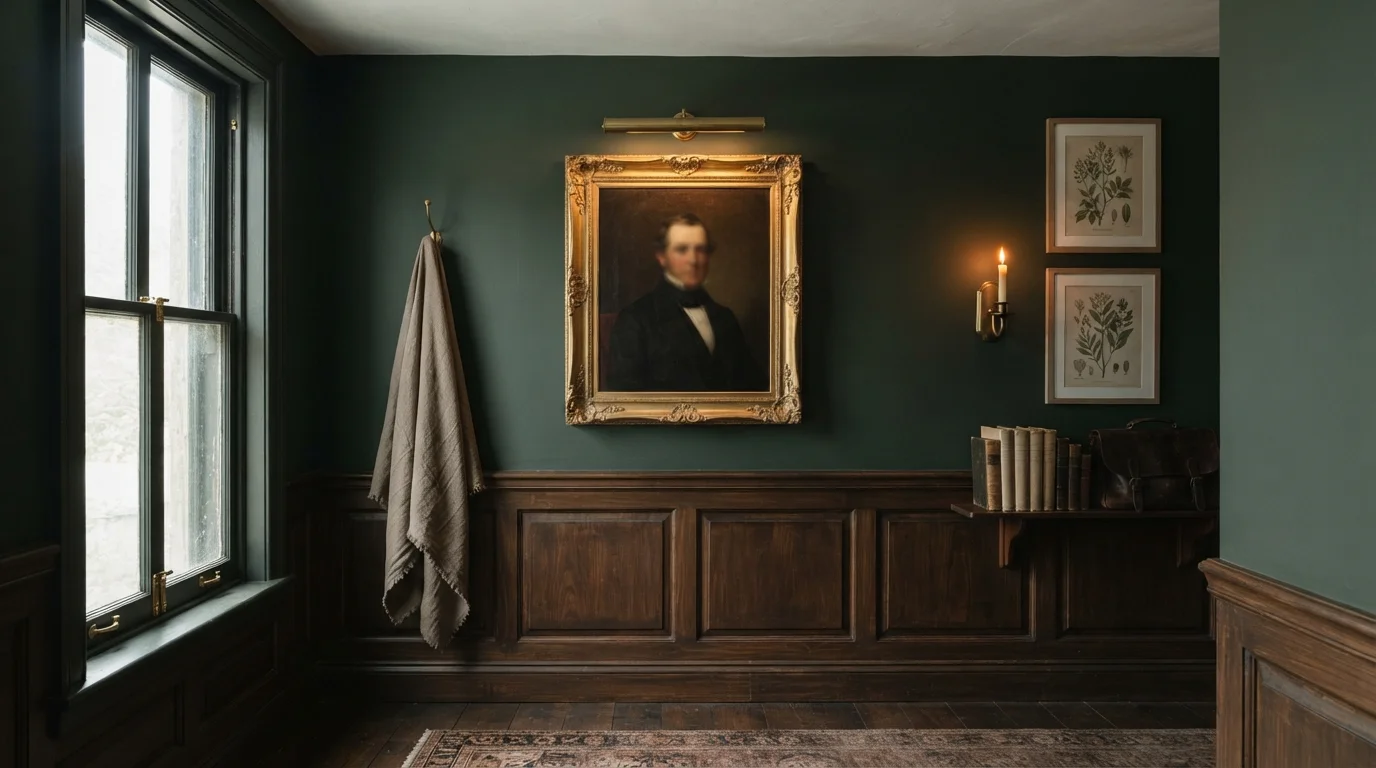
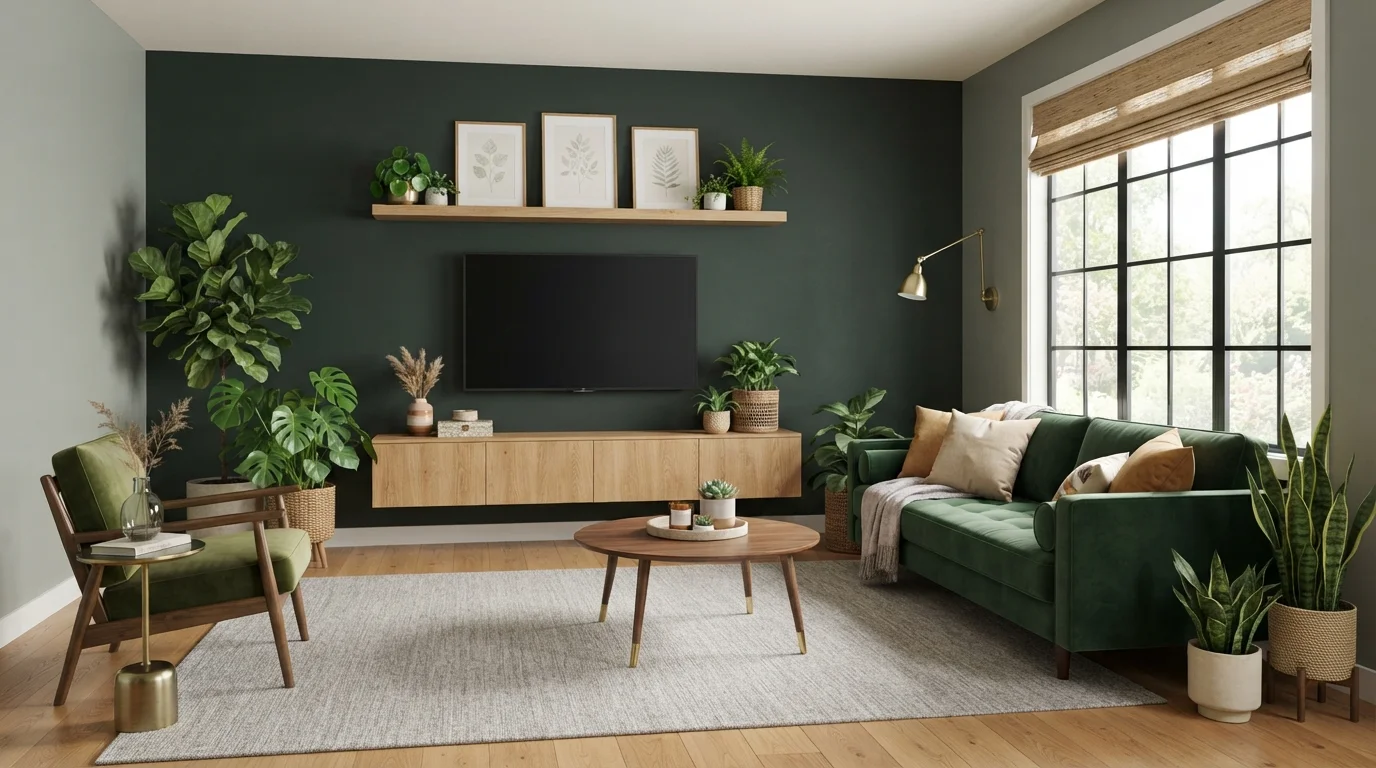
Editor's Picks: Green for Accent Walls
4 picks30 Green Picks Across the LRV Range
30 of 2,263 · sorted dark → lightLooking for more? All green → covers every brand; brand × family pages show full decks.
Green Accent Wall Colors at Every US Brand
19 brands · up to 10 picks eachUp to 10 picks per brand spread across the green LRV range, drawn from each brand's full deck. Tap any swatch with a curated guide for full spec; tap the brand title for the brand's complete green deck.
Behr
Benjamin Moore
Glidden
Valspar
Dunn-Edwards
PPG / Glidden
Sherwin-Williams
Dutch Boy
Hirshfield's
Diamond Vogel
Kompozit
C2 Paint
Farrow & Ball
Magnolia Home
Clare
Rodda
Annie Sloan
Backdrop
Other Accent Wall Color Families
Green Colors in Other Rooms
Green Paint Colors for a Accent Wall
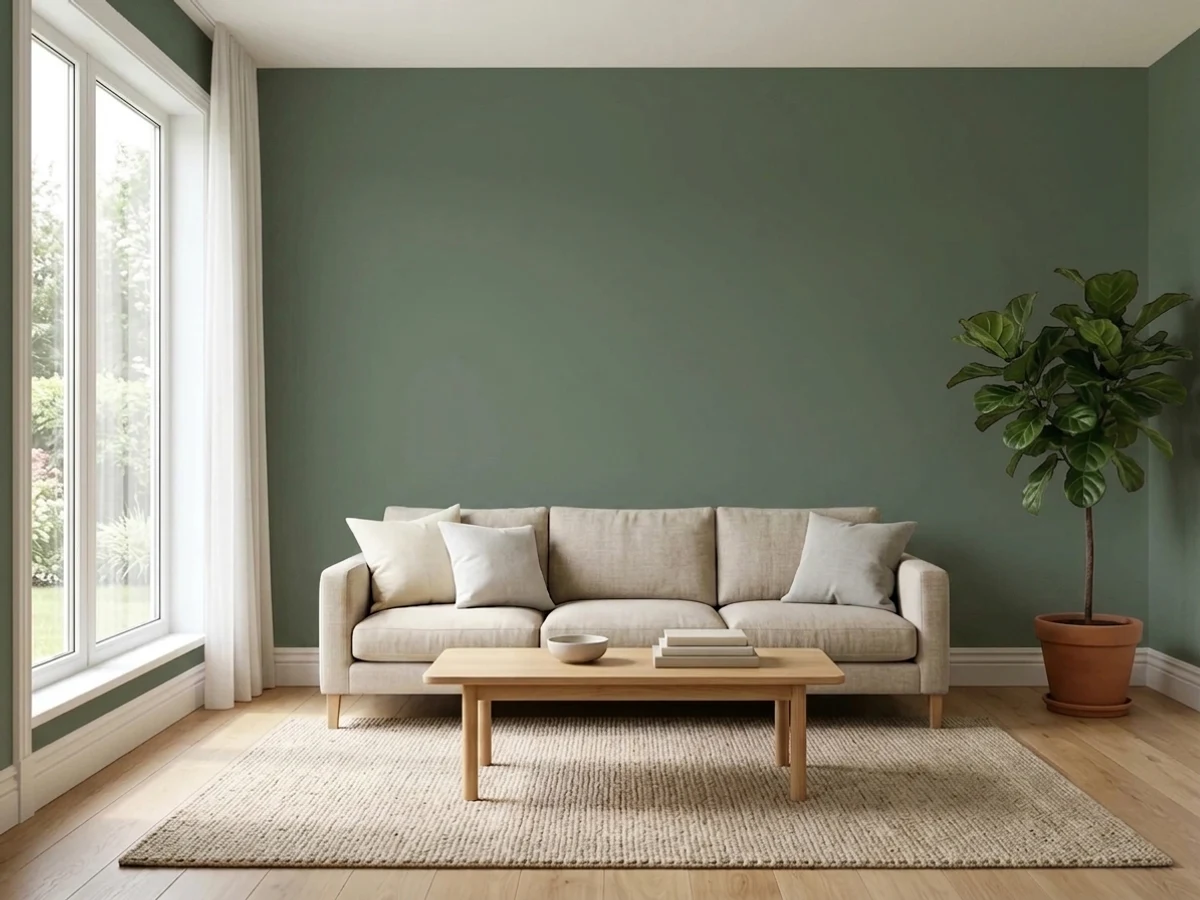
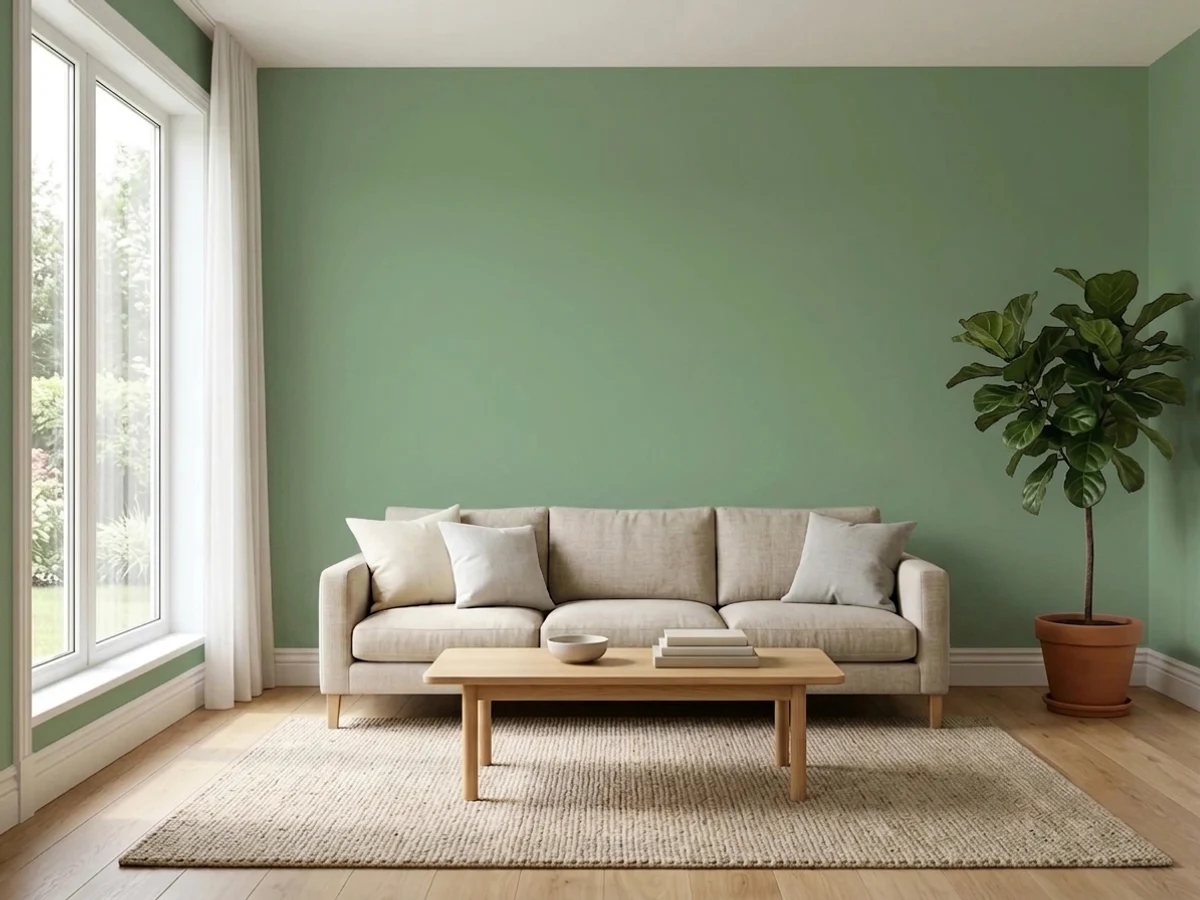
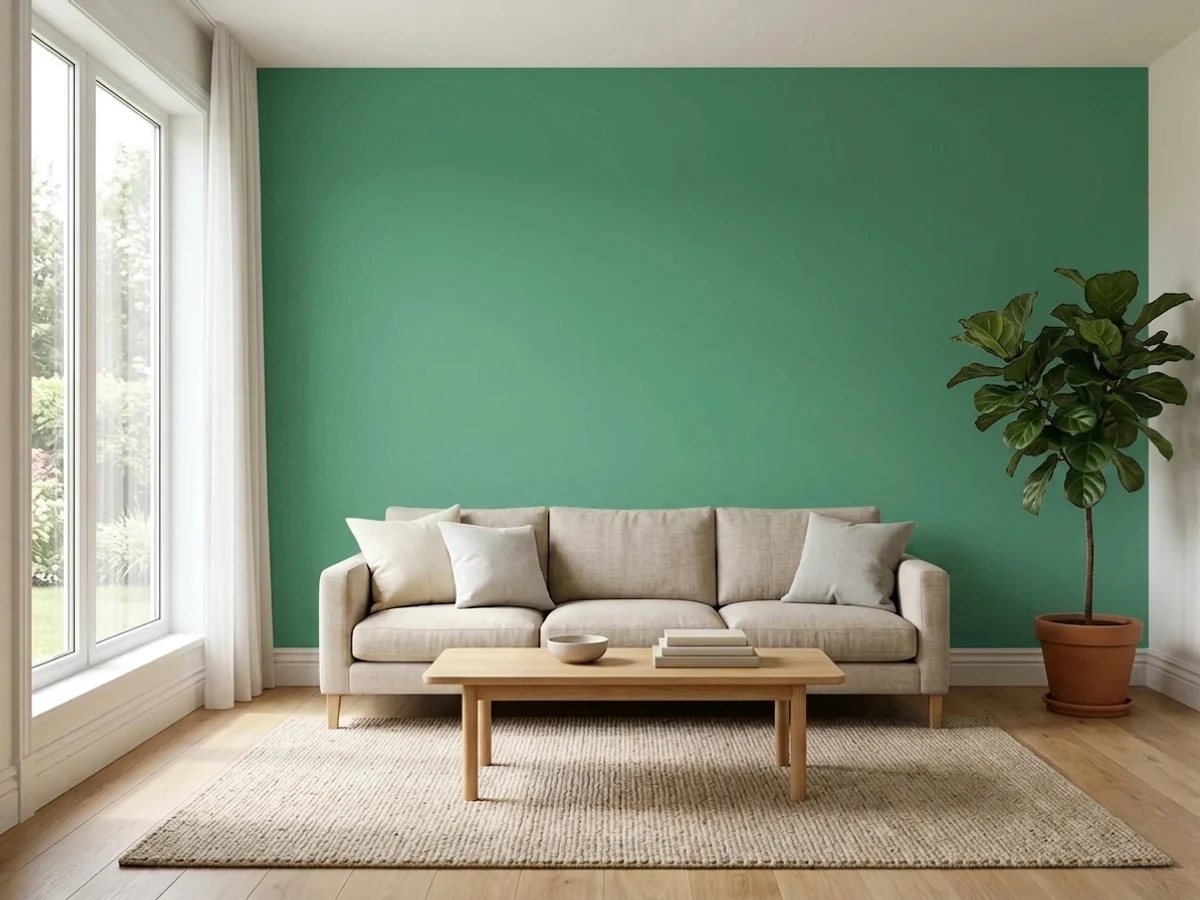
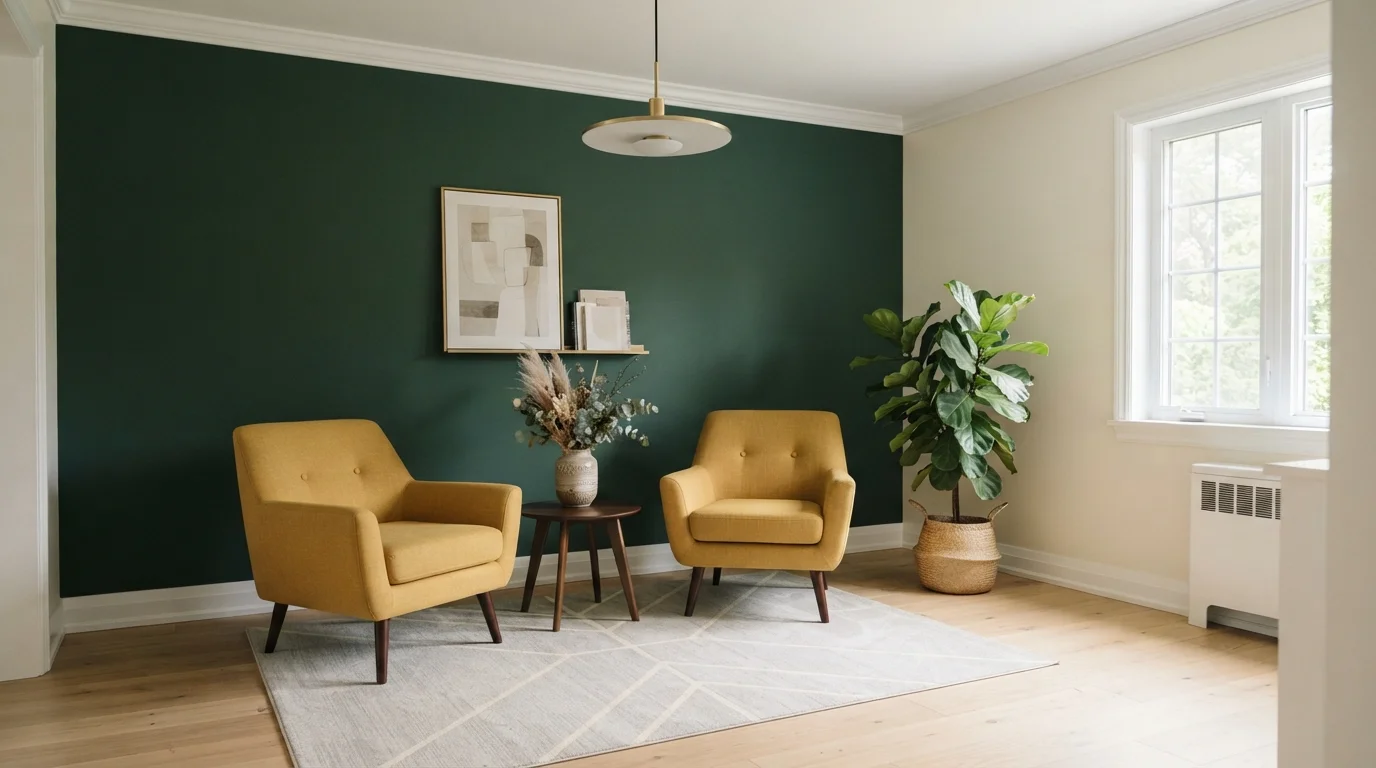
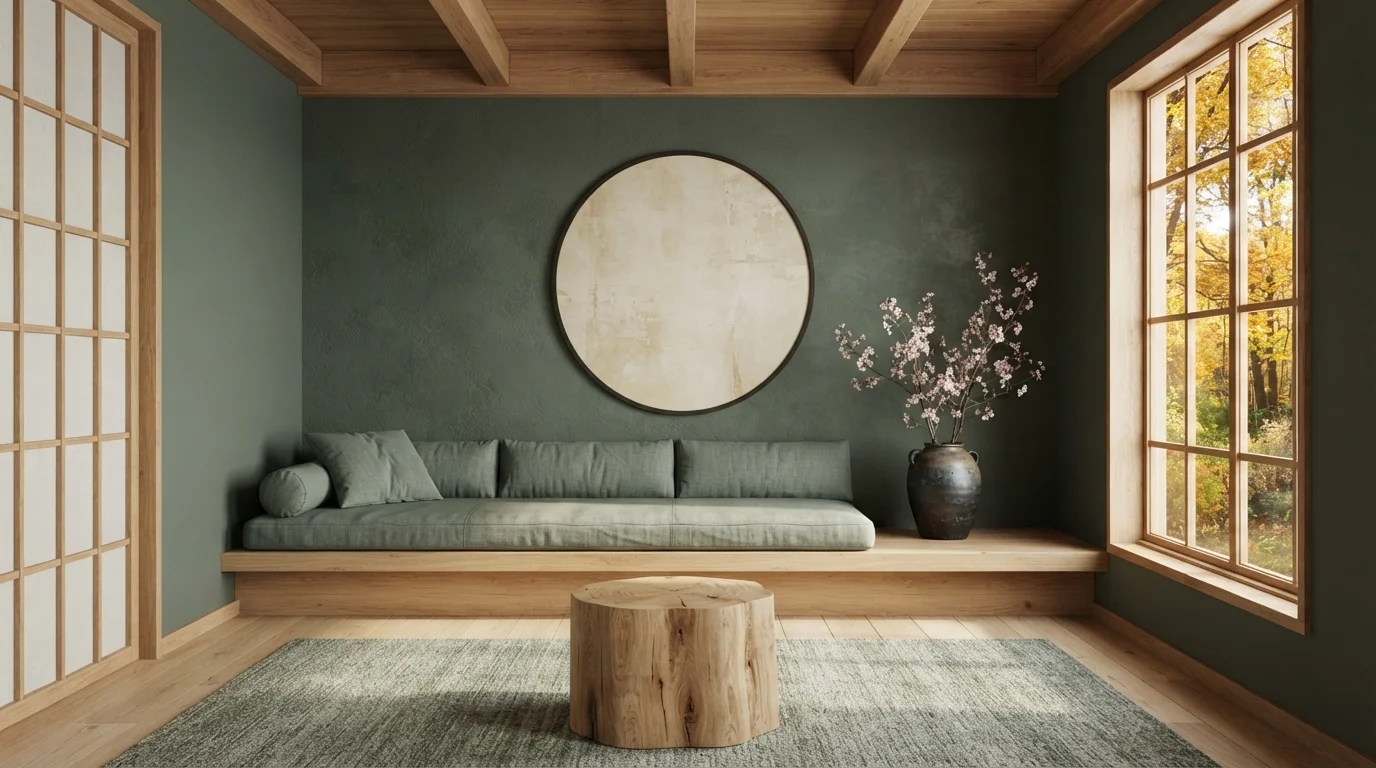
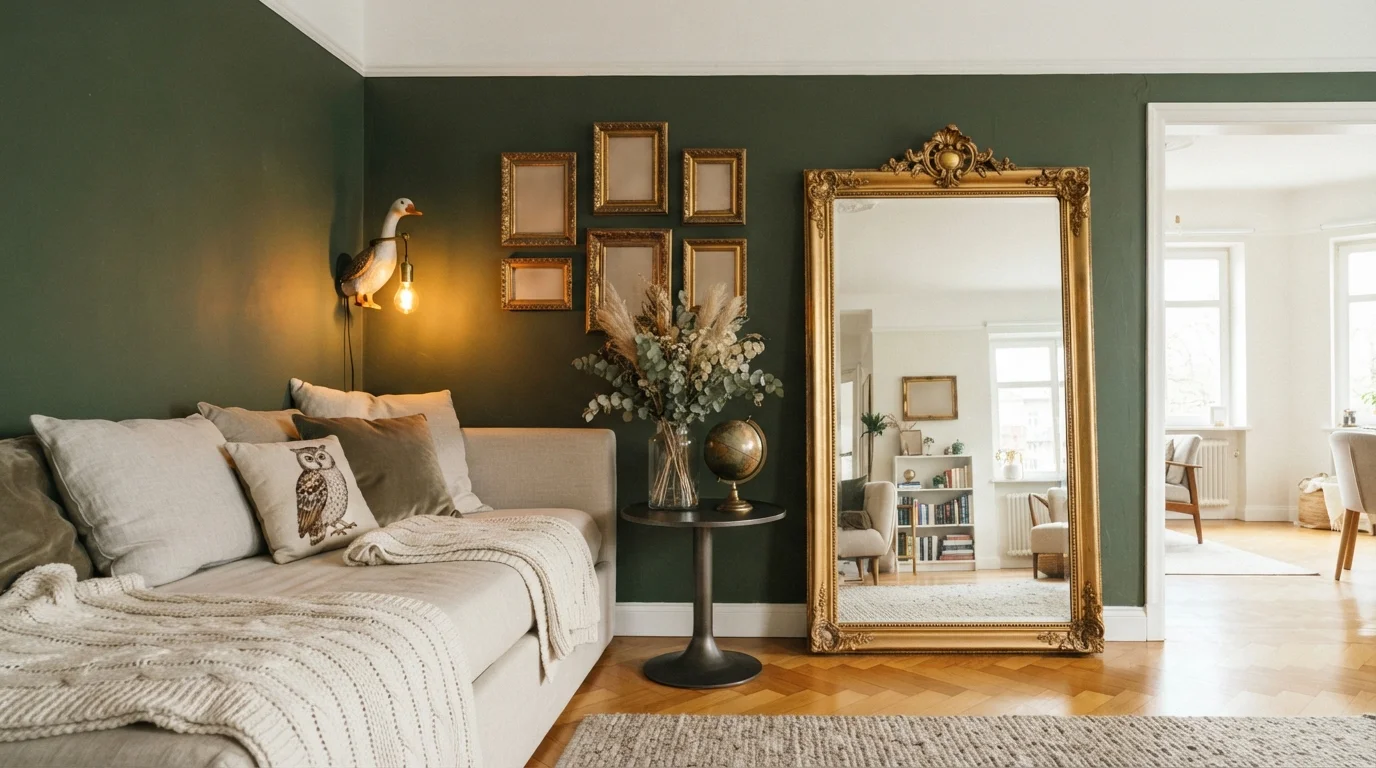
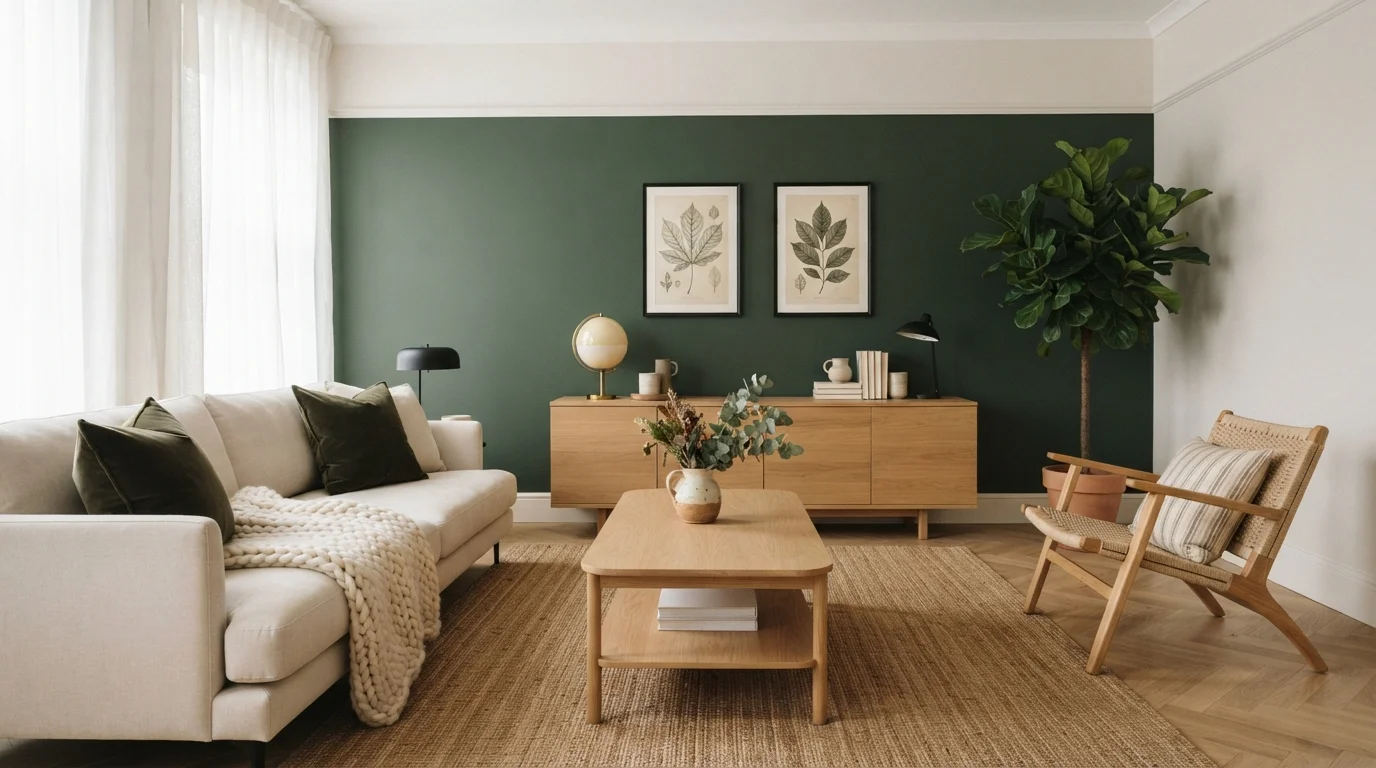
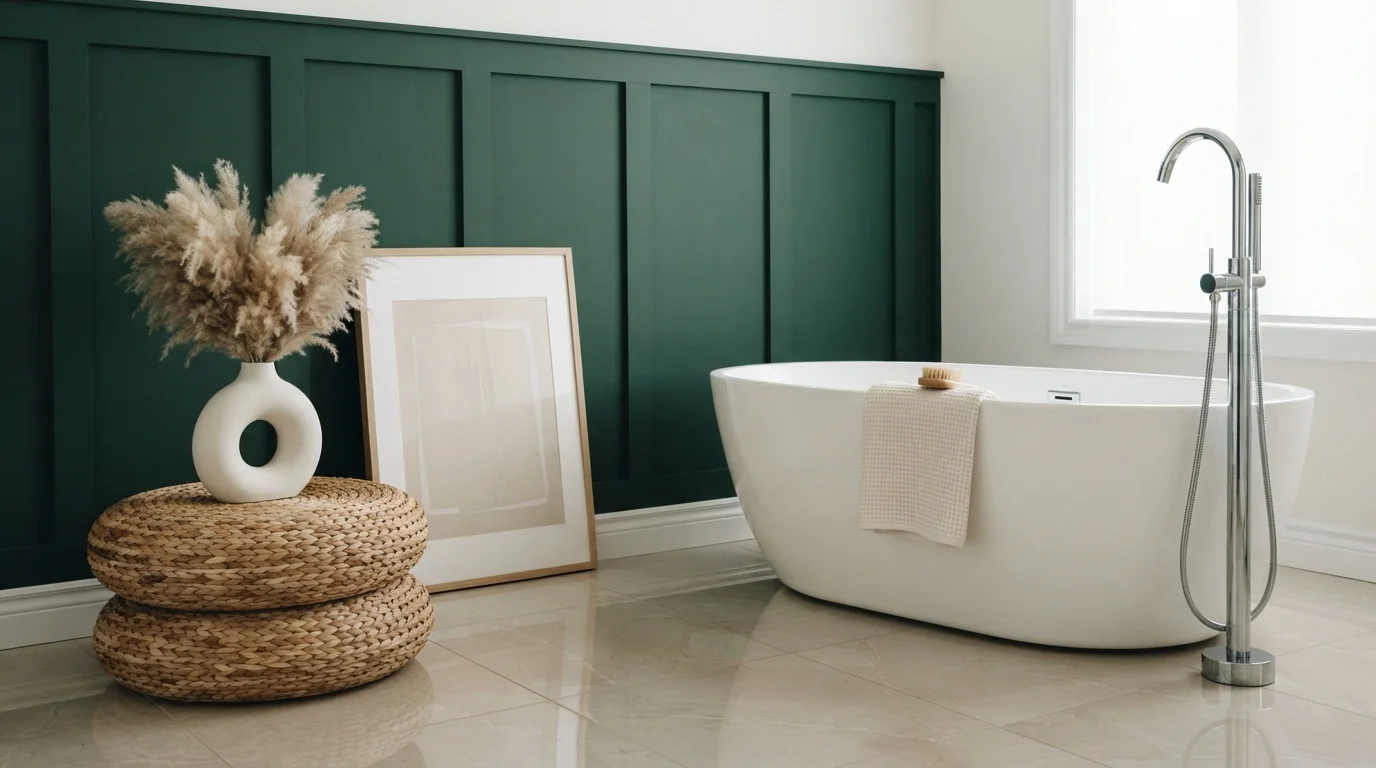
An accent wall is the one place in a room where you can go bolder than you ever would on all four walls, and green is one of the safest bold choices you can make. It reads calm and natural instead of loud, so a single green wall adds depth without taking over the space. Because you are only painting one wall, you can pick a richer, more saturated green than you would dare to use everywhere.
The trick is choosing a green that fits the wall you picked and the light it gets, then matching the finish and the trim around it. Every green you see here is mixed to order at a paint counter, so the color you like in one brand can almost always be cross-matched into another. That means you can shop on price, availability, or the exact shade, not just the label.
Why Green Works on an Accent Wall
Green sits in the middle of the color wheel, so it feels grounded rather than jumpy. On an accent wall that means it draws the eye to one spot without making the whole room feel busy, which is exactly the job an accent wall is supposed to do.
It also plays well with the stuff most rooms already have. Wood tones, greenery, and warm neutrals all sit comfortably next to green, so the wall looks intentional instead of random. Pick the wall the eye lands on first, usually the one behind a bed, a sofa, or a fireplace, and let the green do the framing.
How to Pick the Right Depth of Green
Light decides almost everything. A wall that gets strong daylight can handle a deep, moody green and still feel alive, while a darker corner of the room will swallow a deep shade and turn it flat. In a low-light spot, lean toward a softer green with more life in it.
LRV, the light reflectance value, is the easiest number to steer by. A green in the 10 to 25 range gives you that dramatic, enveloping accent wall, while a green in the 35 to 55 range stays clearly green but keeps the room feeling open. If the wall is the focal point in a bright room, go darker; if it is the only wall with light, stay in the mid range.
Choosing the Finish
For most accent walls, an eggshell or satin finish is the sweet spot. It has just enough sheen to make a deep green look rich, but not so much that it throws glare or shows every roller mark and wall flaw. Flat or matte is the better call on a deep, dramatic green because it hides imperfections and makes the color look velvety.
Save higher gloss for accent walls that take abuse or moisture, like one in an entryway or a bathroom, where you want to wipe it down. The deeper the green and the more light hitting the wall, the more a shiny finish will fight you, so when in doubt go one step flatter.
Pairing Trim, Ceiling, and the Rest of the Room
The simplest, most reliable move is to keep the trim and ceiling a clean off-white. White trim frames the green wall like a picture and keeps the accent feeling crisp instead of heavy. If your green leans warm and earthy, a creamy white trim suits it; if it leans cool and blue-green, a cooler white looks sharper.
The other three walls should be quiet. A soft neutral, a greige, or a very pale tint of the same green lets the accent wall stay the star. For furniture and metals, warm woods and brass flatter warmer greens, while black, chrome, and lighter woods sharpen cooler greens.
Common Mistakes to Avoid
The biggest miss is choosing the wrong wall. An accent wall works when it has something to frame and a clear sightline; pick a wall broken up by doors and windows and the effect falls apart. Pick the solid wall the room naturally points to.
The second is skipping the sample step. Green shifts hard between daylight and lamplight, and a chip that looked perfect in the store can turn gray, yellow, or too blue on your actual wall. Paint a large swatch, live with it for a day, and check it morning and night before you commit.
Green Accent Wall Paint — Frequently Asked Questions
Is green too bold for an accent wall?+
No, green is one of the easier bold colors to live with. It reads as calm and natural, so even a deep green wall feels restful rather than loud, which makes it a forgiving choice for a first accent wall.
How dark should my green accent wall be?+
Let the light decide. In a bright room you can go deep, with an LRV around 10 to 25 for real drama; in a darker room, stay in the mid range around 35 to 55 so the wall does not look flat and muddy.
What finish is best for a green accent wall?+
Eggshell or satin works for most walls because it looks rich without heavy glare. Choose flat or matte for a deep, dramatic green to hide flaws, and step up to satin or semi-gloss only where the wall needs to be wiped clean.
What trim color goes with a green accent wall?+
A clean off-white trim is the most reliable pairing and frames the wall nicely. Match the white to your green's temperature: a creamy white for warm, earthy greens and a cooler white for blue-leaning greens.
What about the other three walls?+
Keep them quiet so the green stays the focus. A soft neutral, a light greige, or a very pale tint of the same green all work well, while another strong color competes with the accent wall and cancels the effect.
Can I match this green across different paint brands?+
Yes. Every green shown here is mixed to order at the paint counter, so a shade you like in one brand can almost always be cross-matched into another. You can shop on price or availability and still get the same color on your wall.