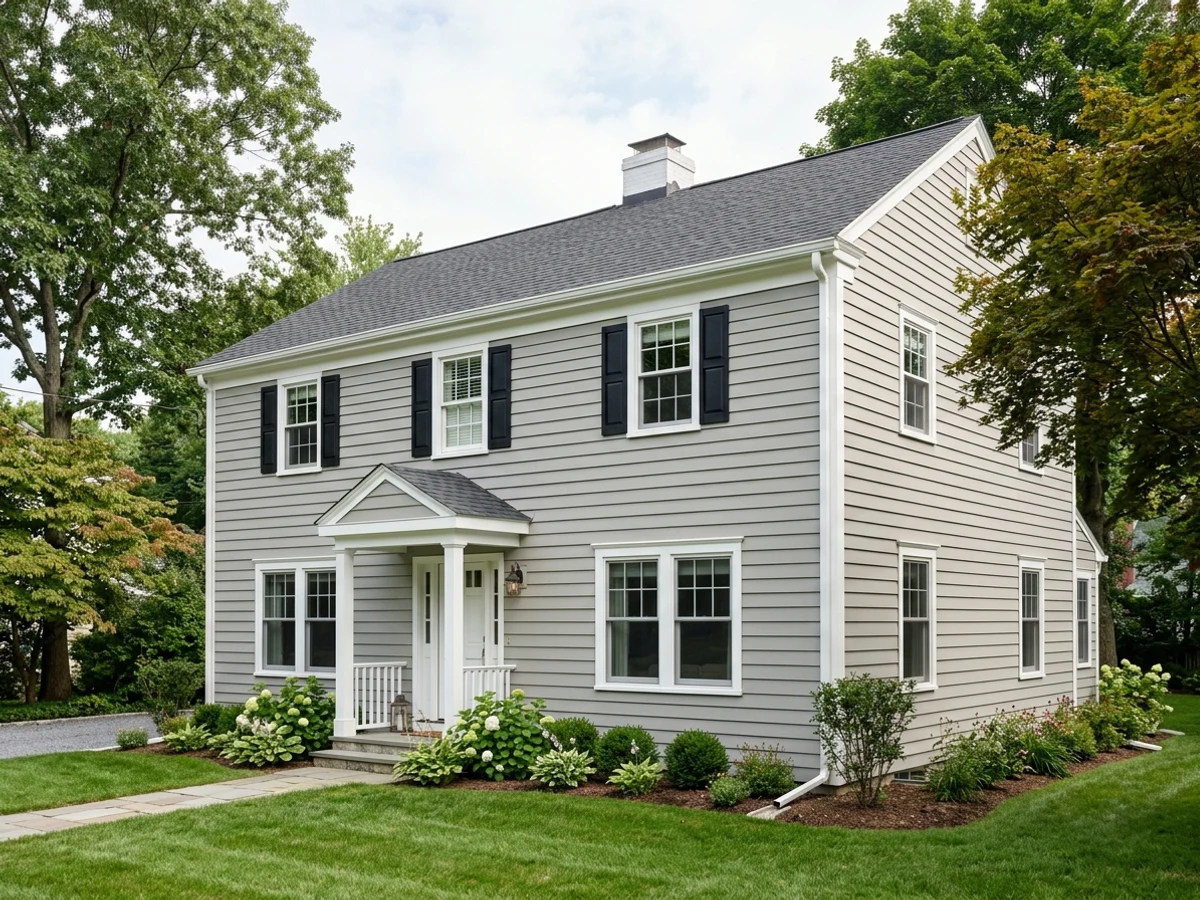
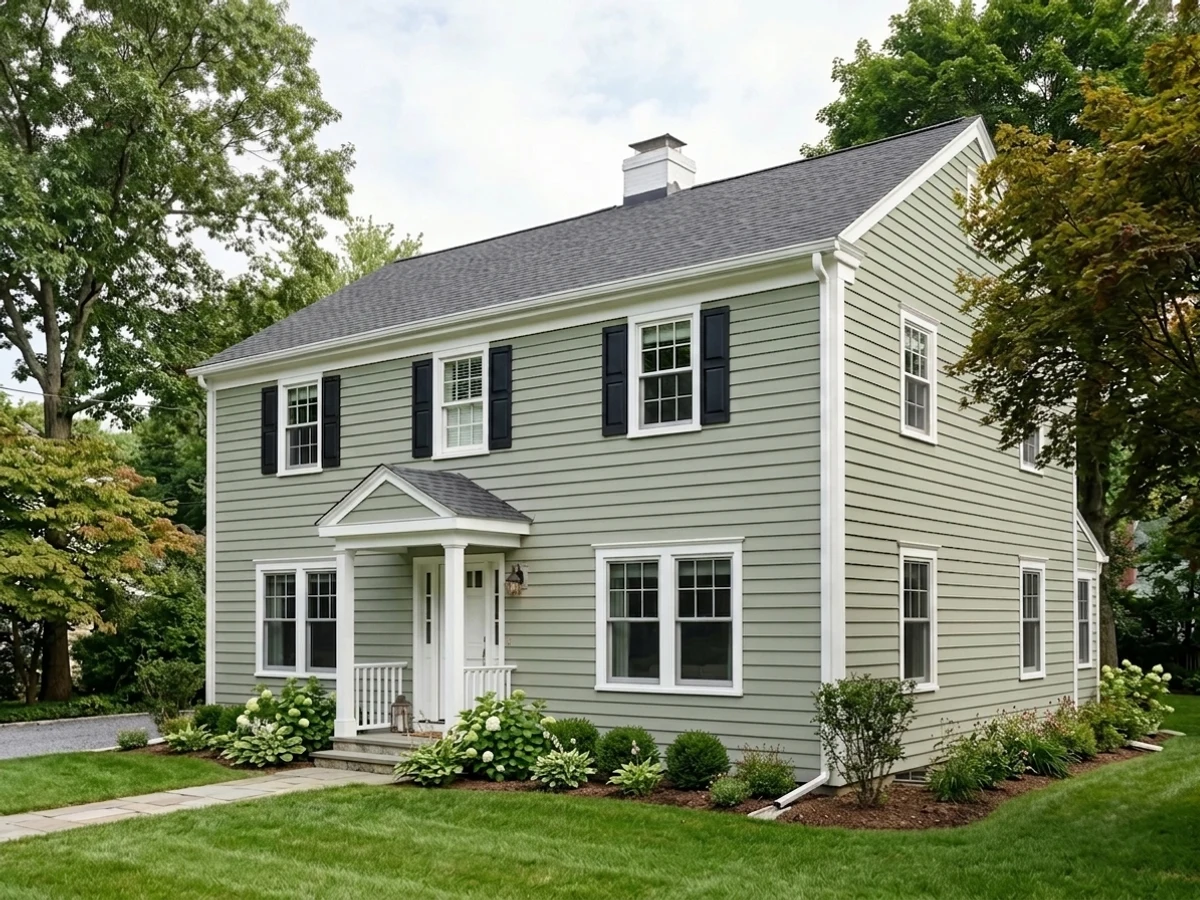
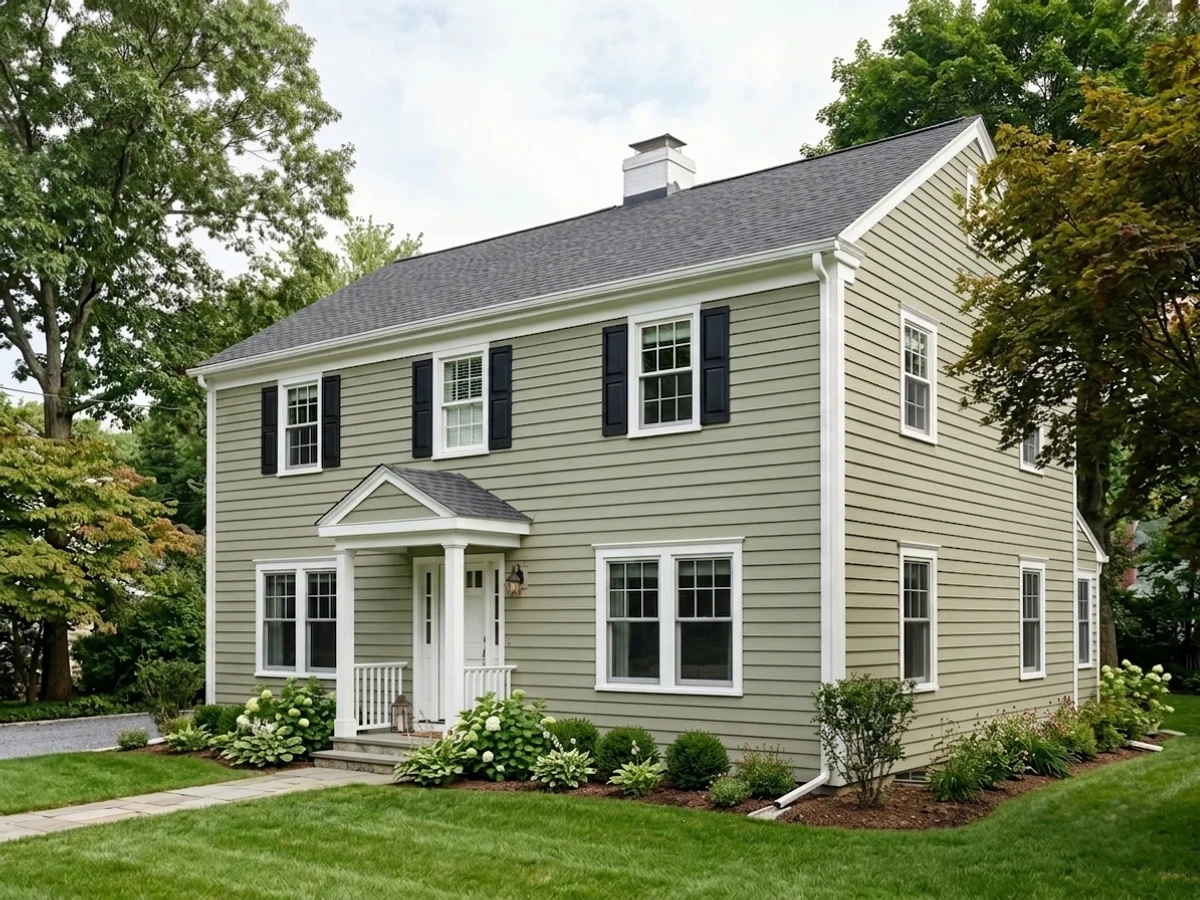
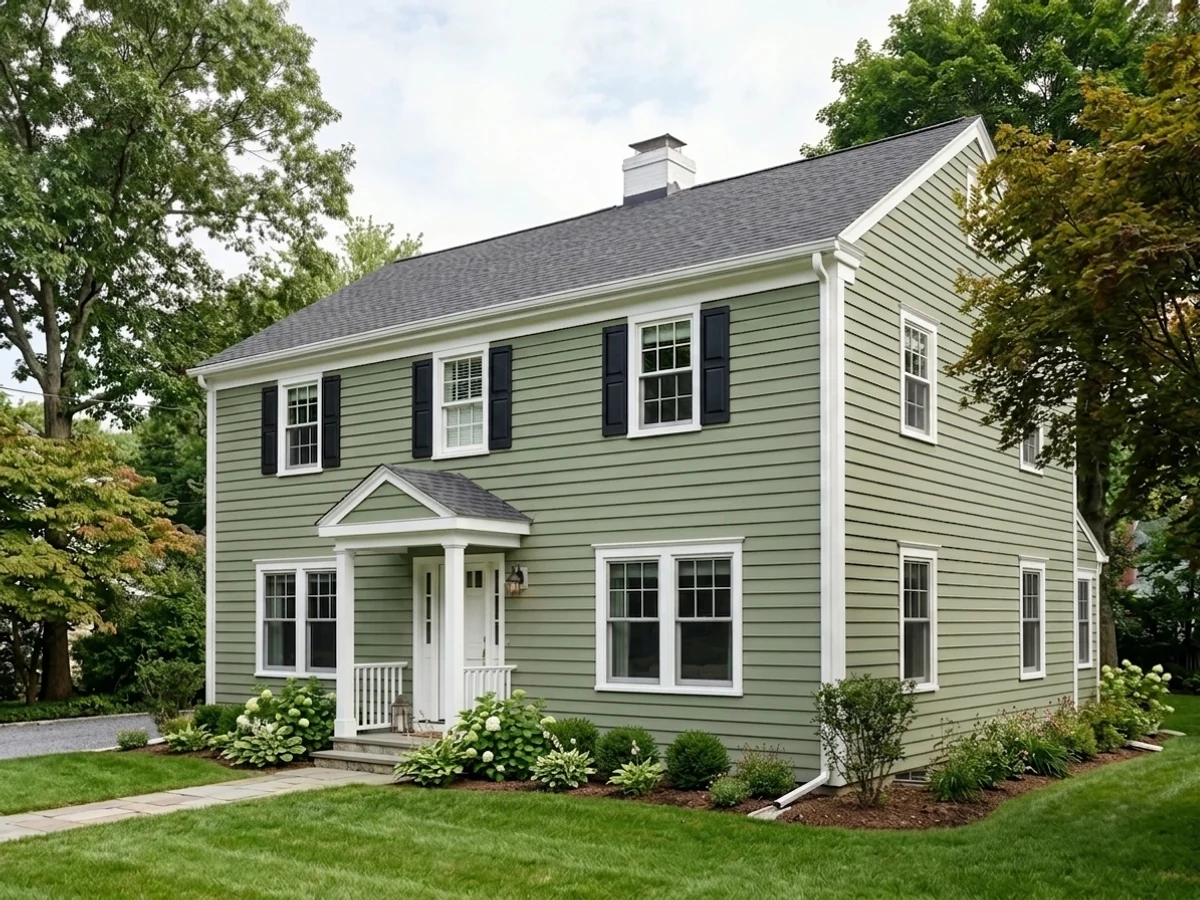
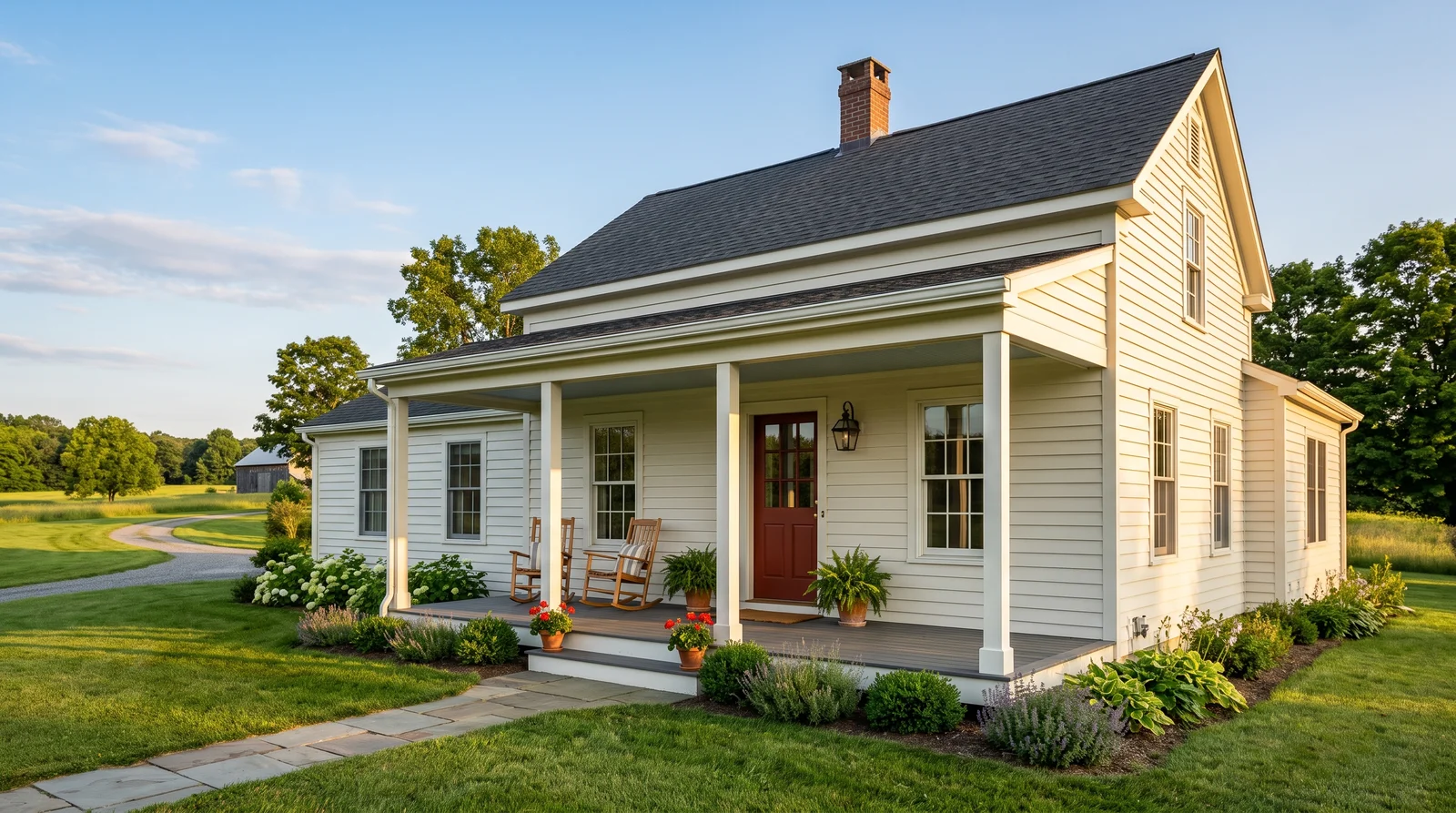
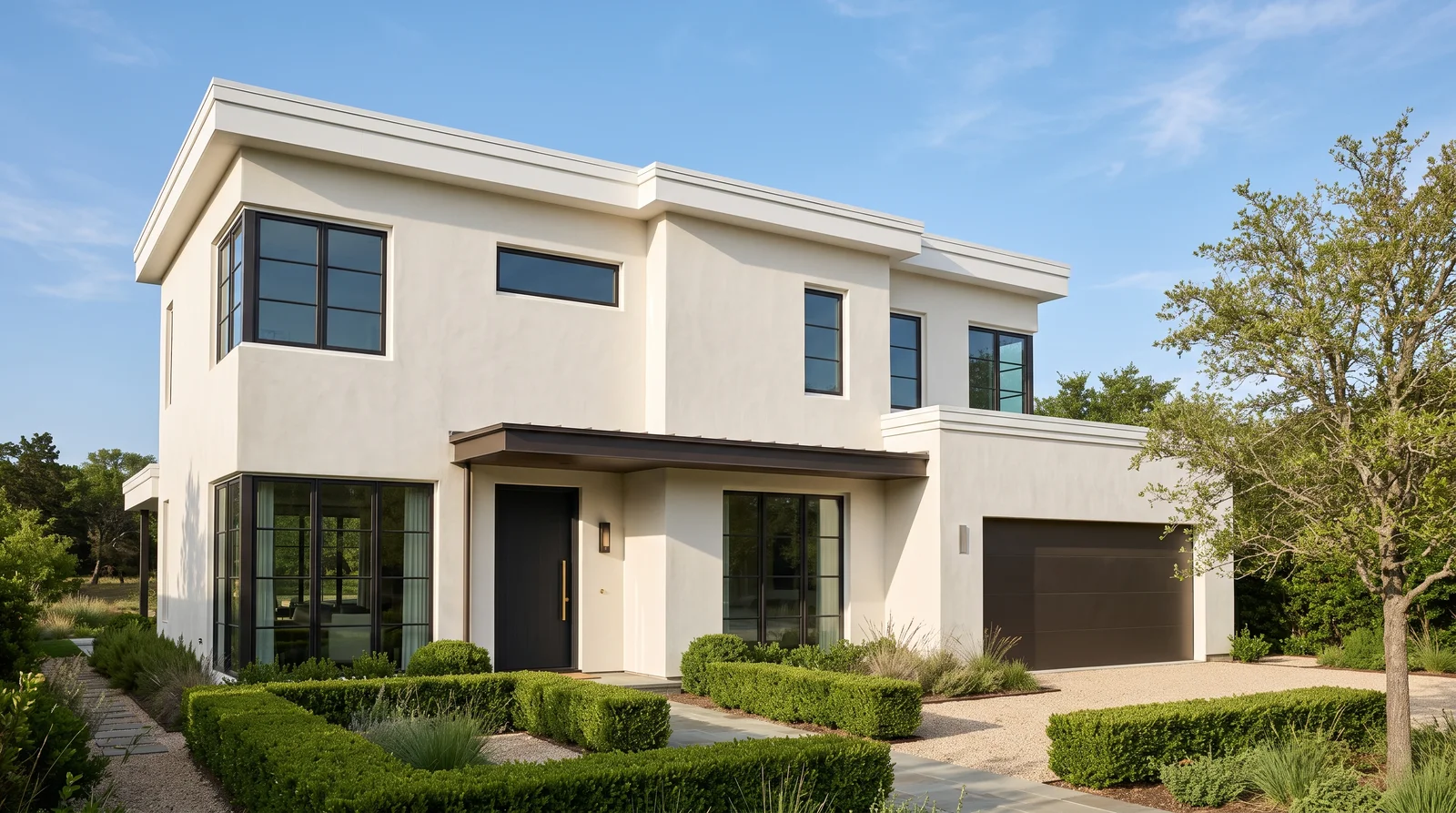
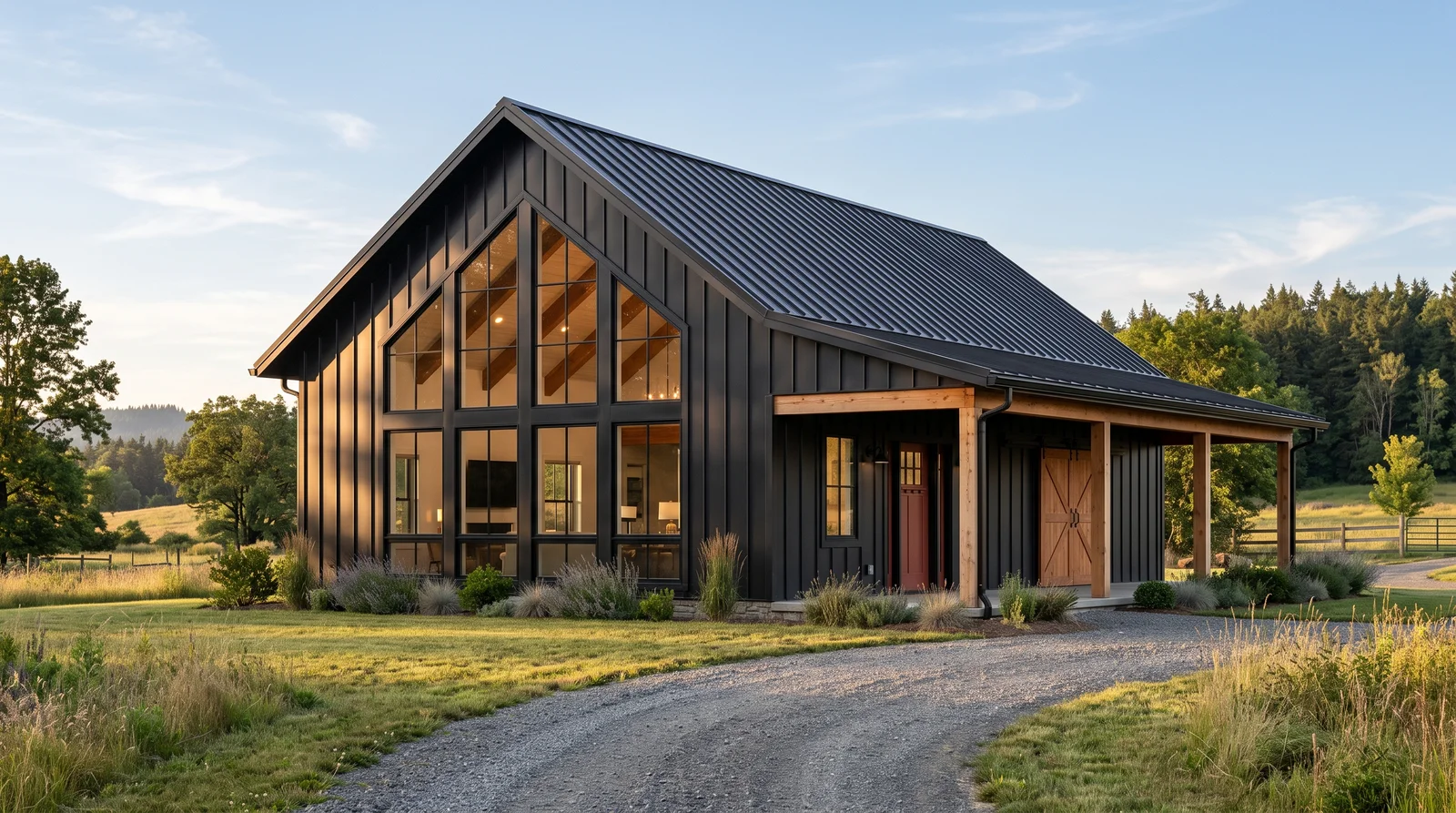
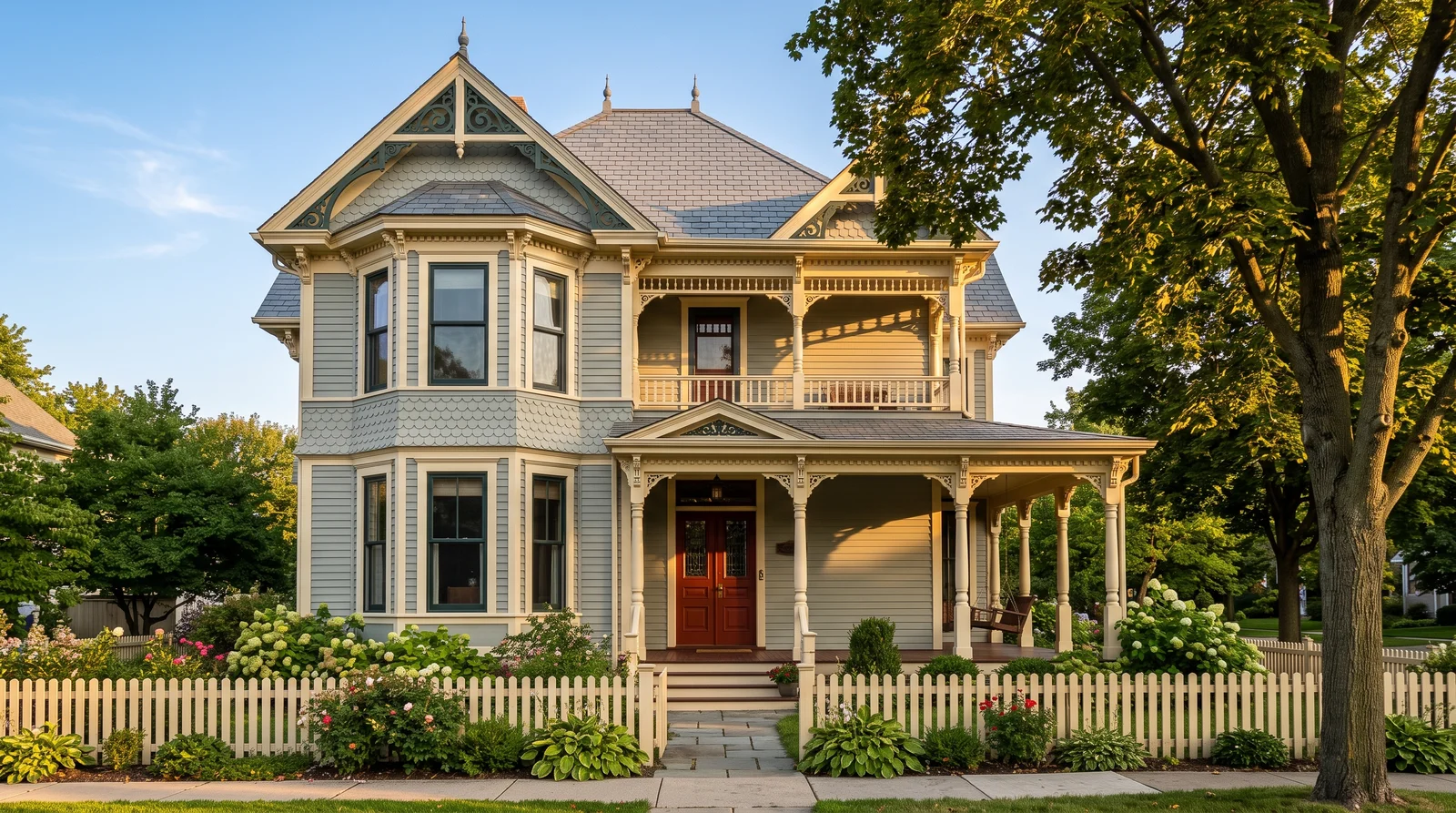
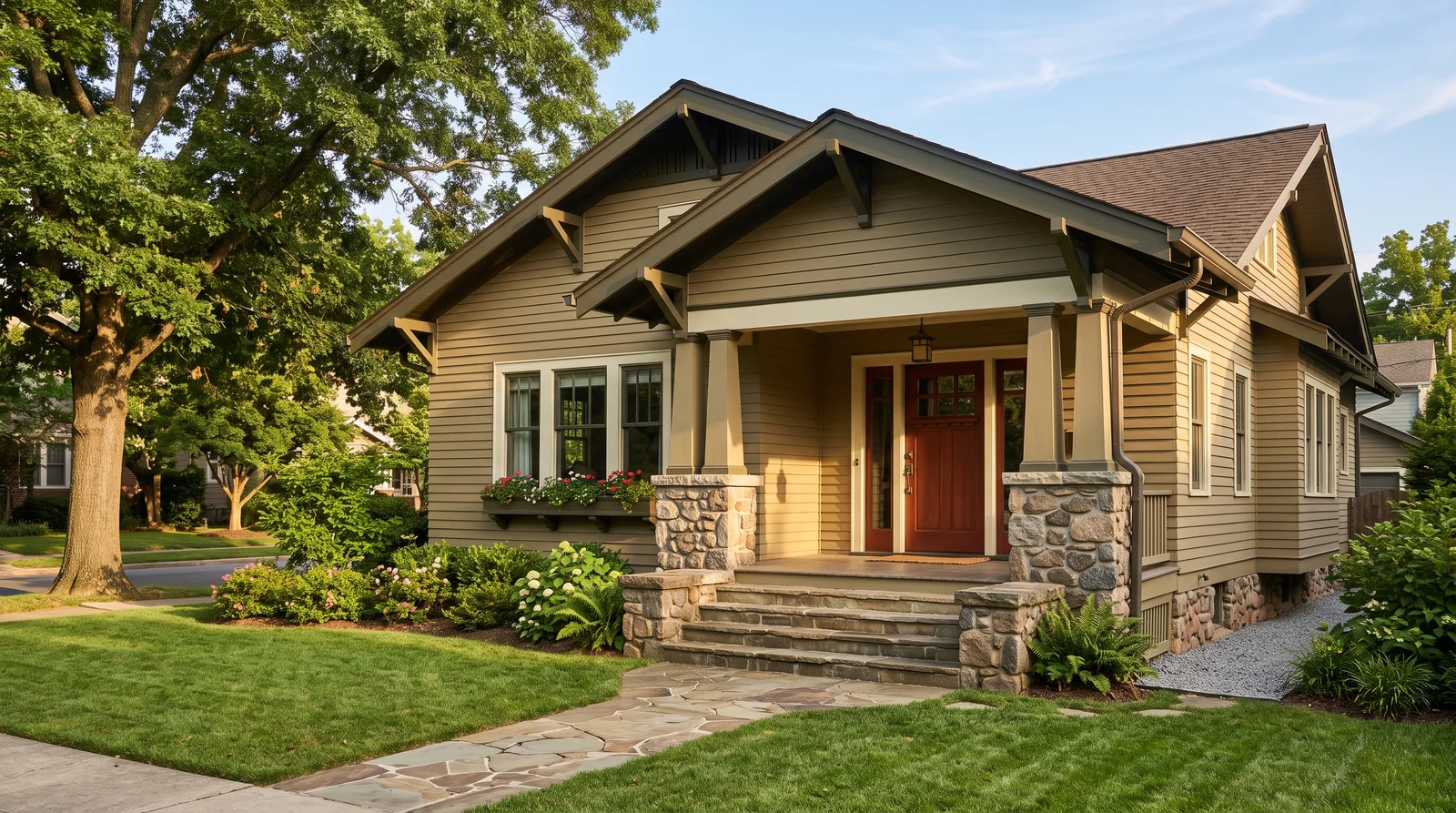
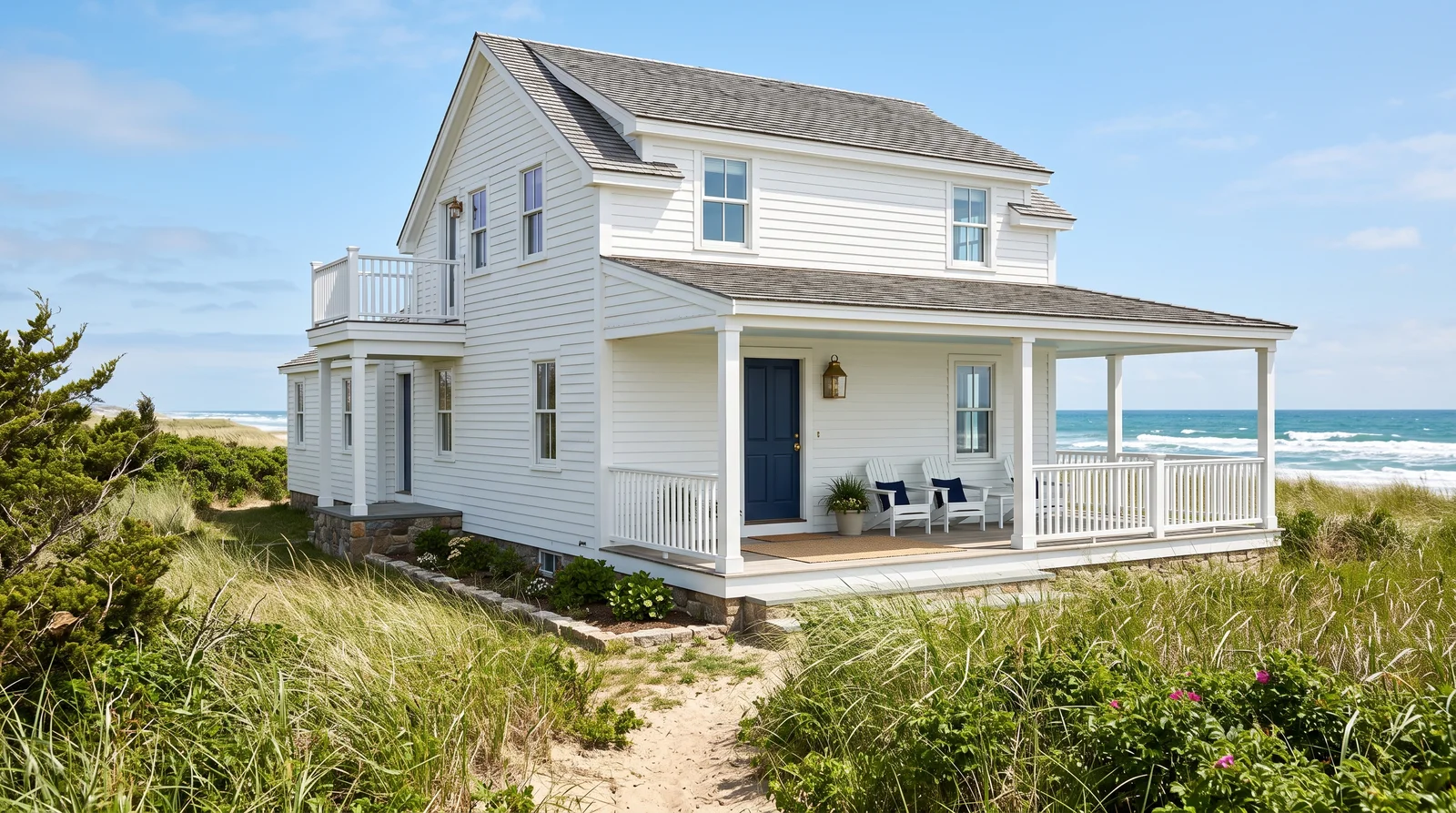
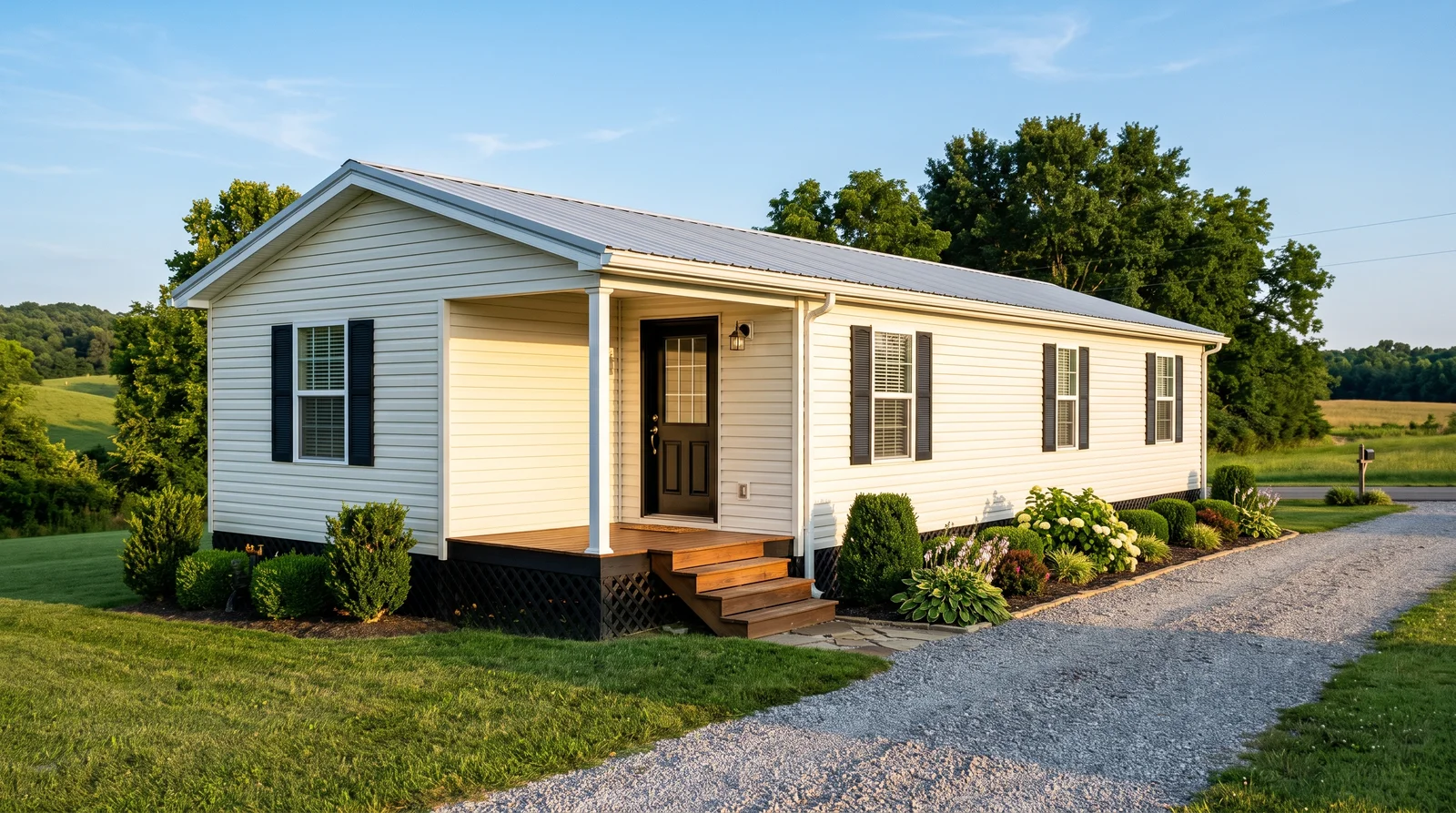
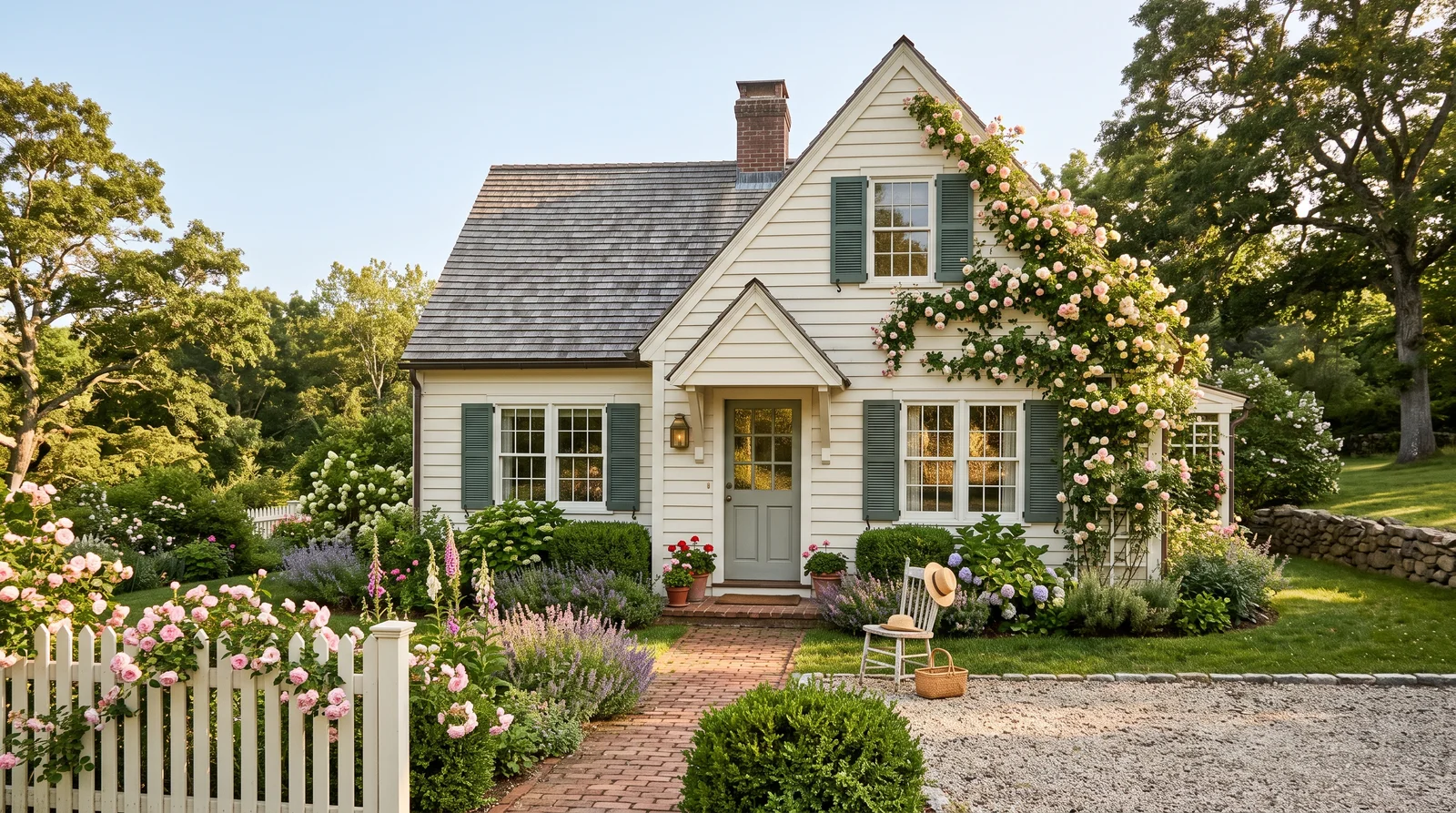
Green Exterior Paint Colors
2,263 green colors that work in exteriors, drawn from the full ~30,000-color US paint deck. Below: editor's picks specific to exteriors, then 30 picks spread across the LRV range — narrow further on the brand page when you've shortlisted.
Green has quietly replaced grey as the safe-but-interesting wall color of the late 2020s. Sage Green, the soft grey-green that became the de facto fallback, anchors the family — but the broader green palette runs from olive (warm, earthy, faintly yellow) to forest (deep blue-green) to emerald (saturated jewel tone).
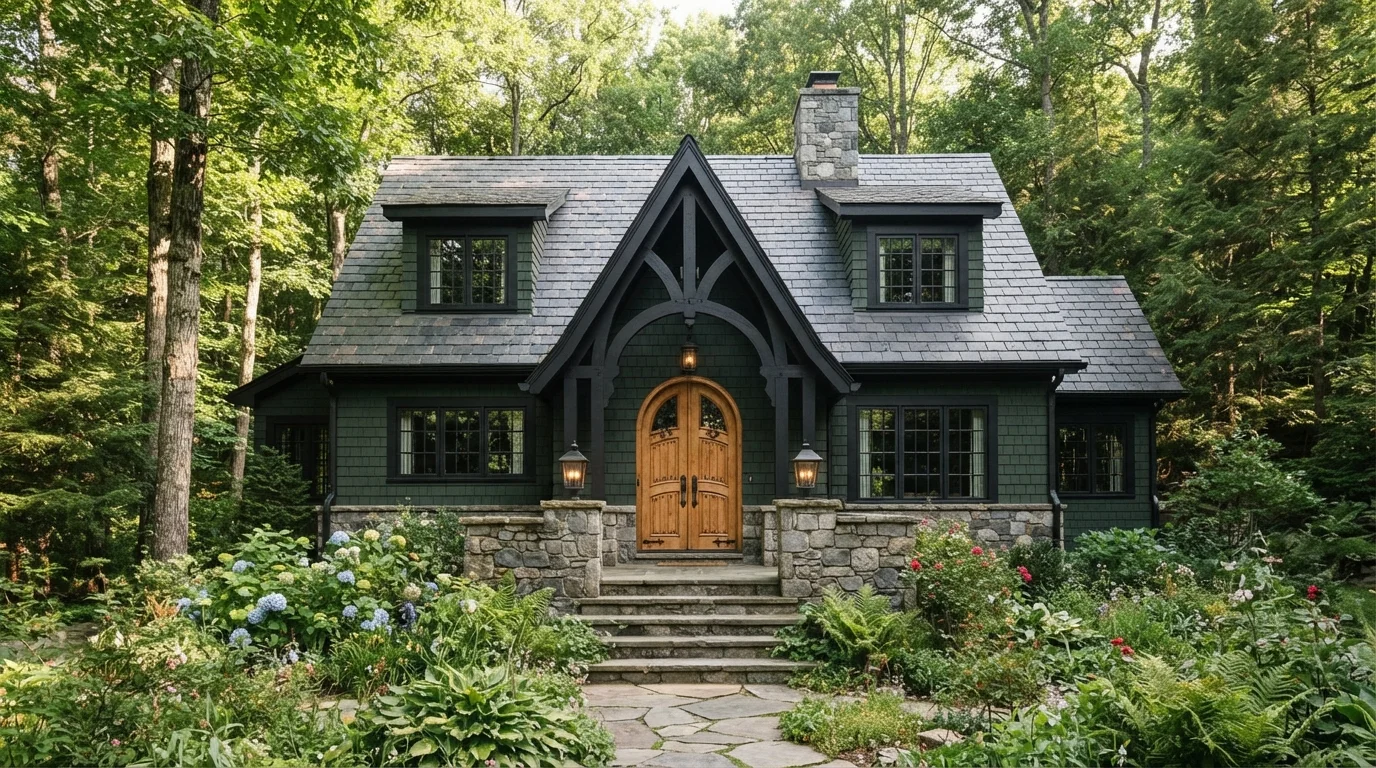
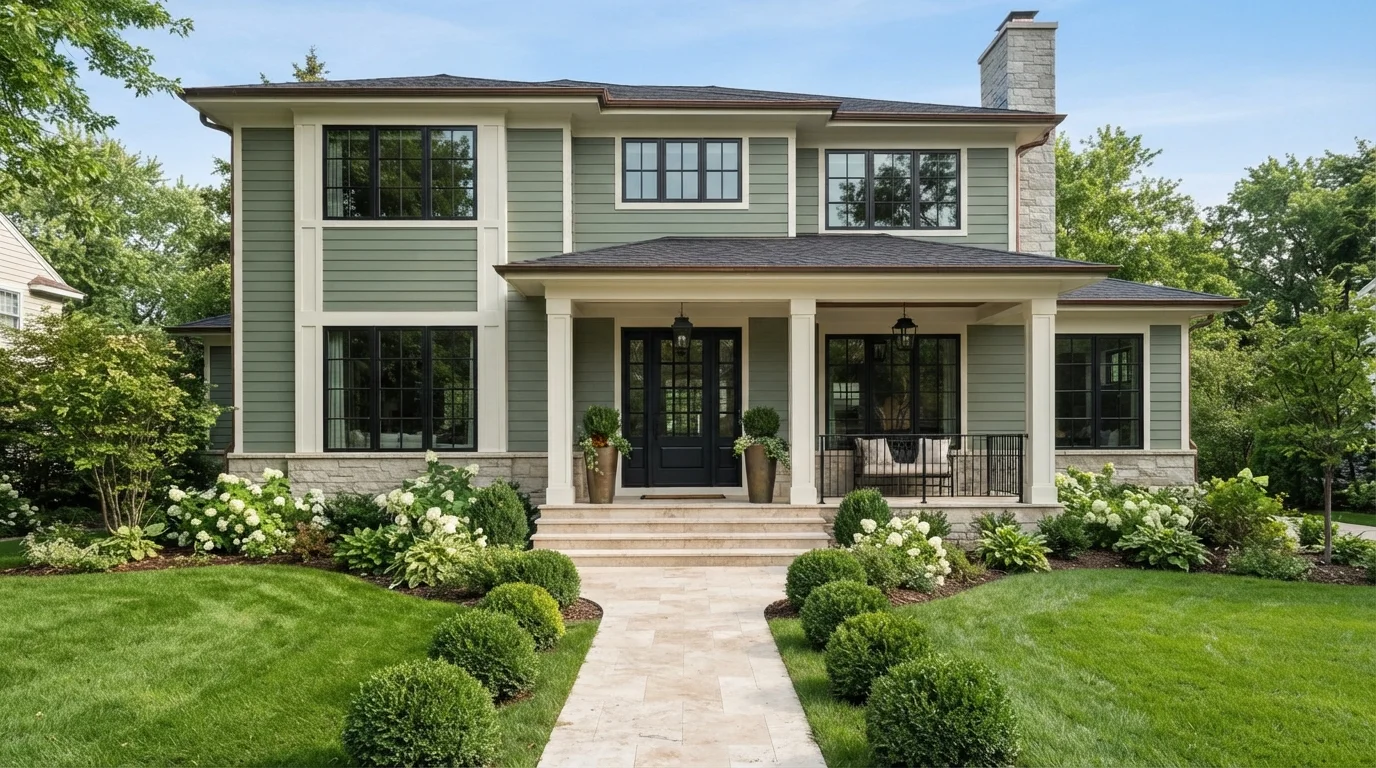
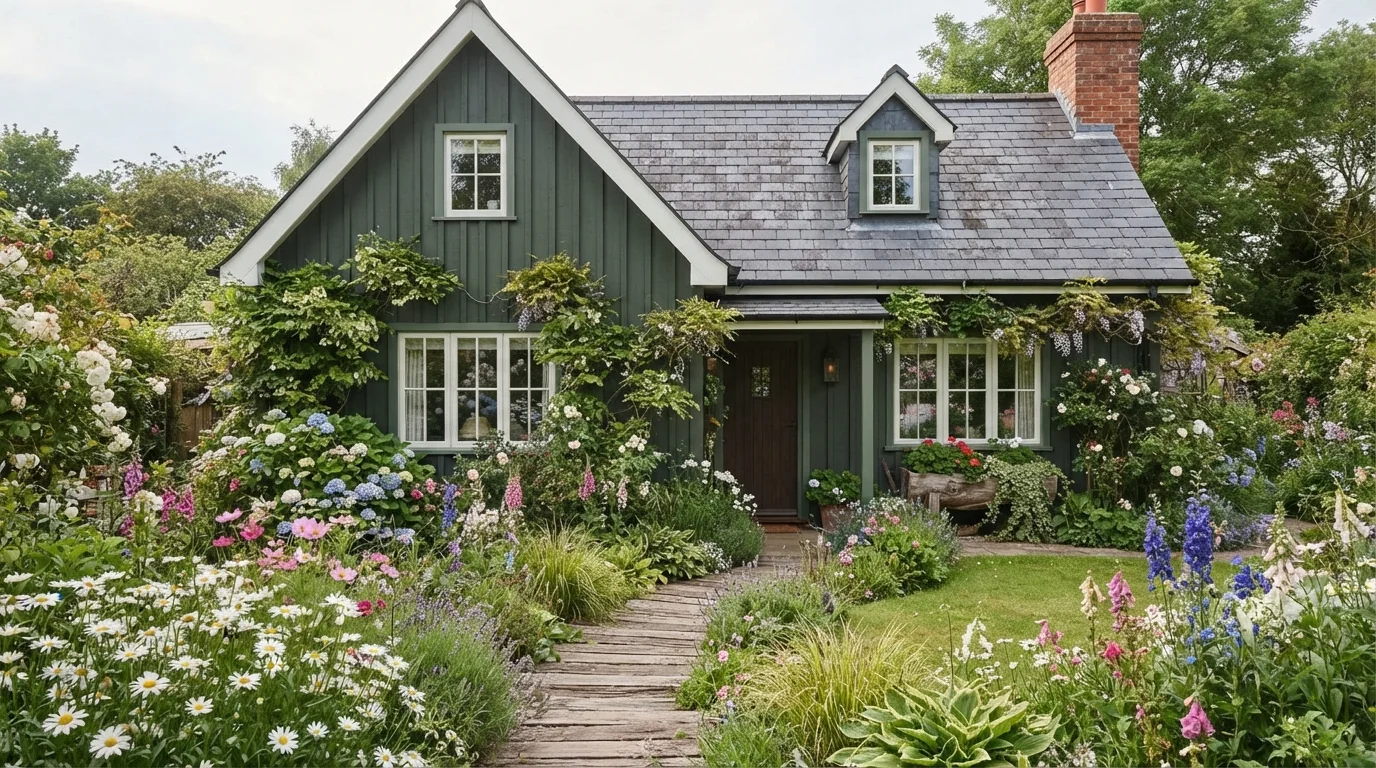
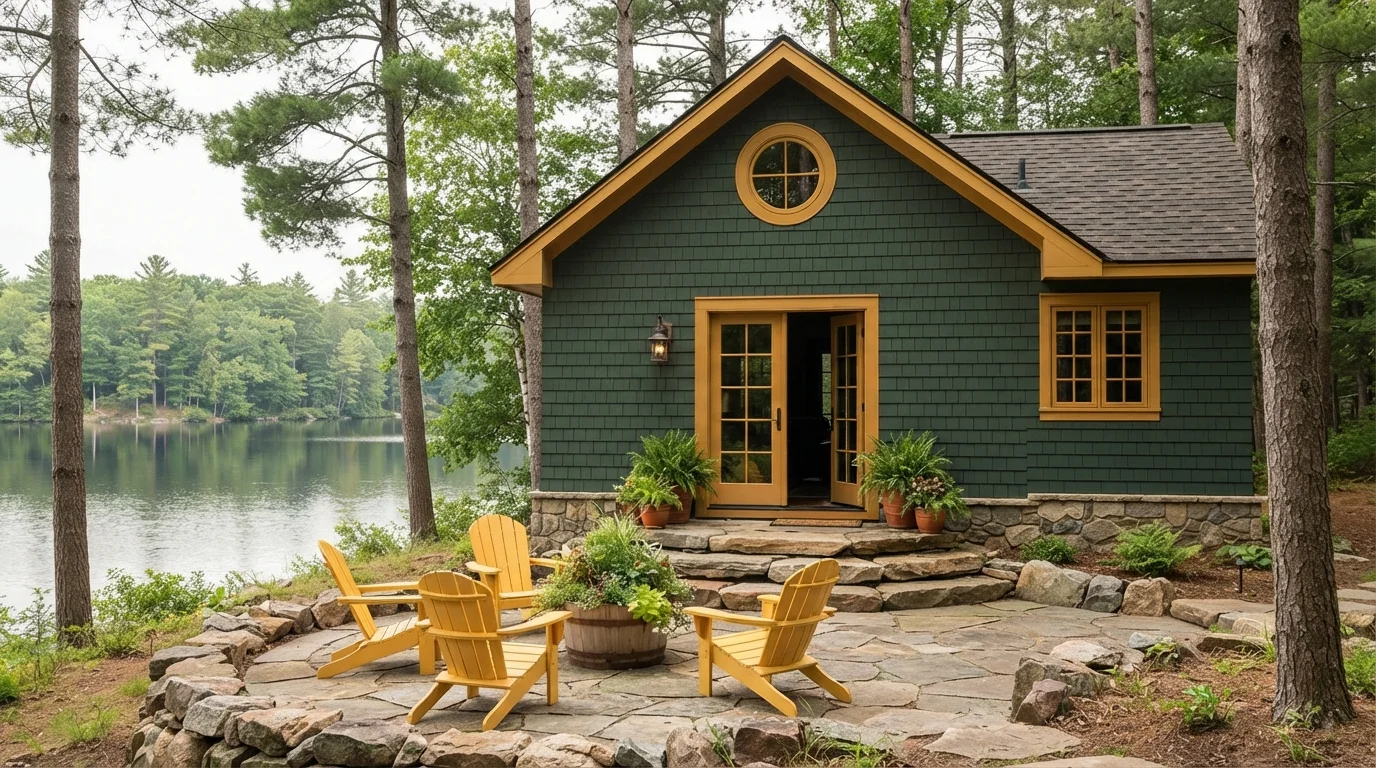
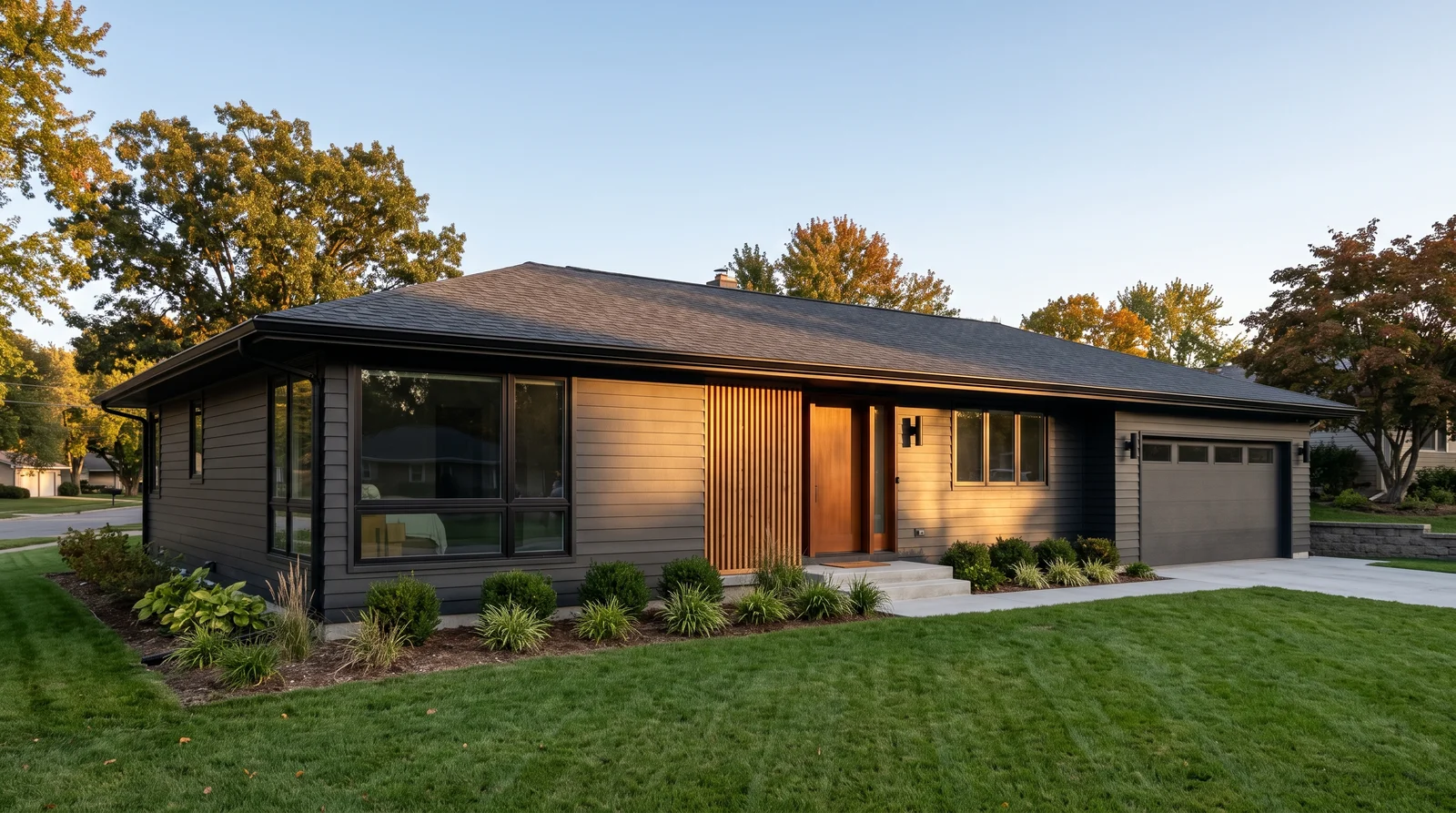
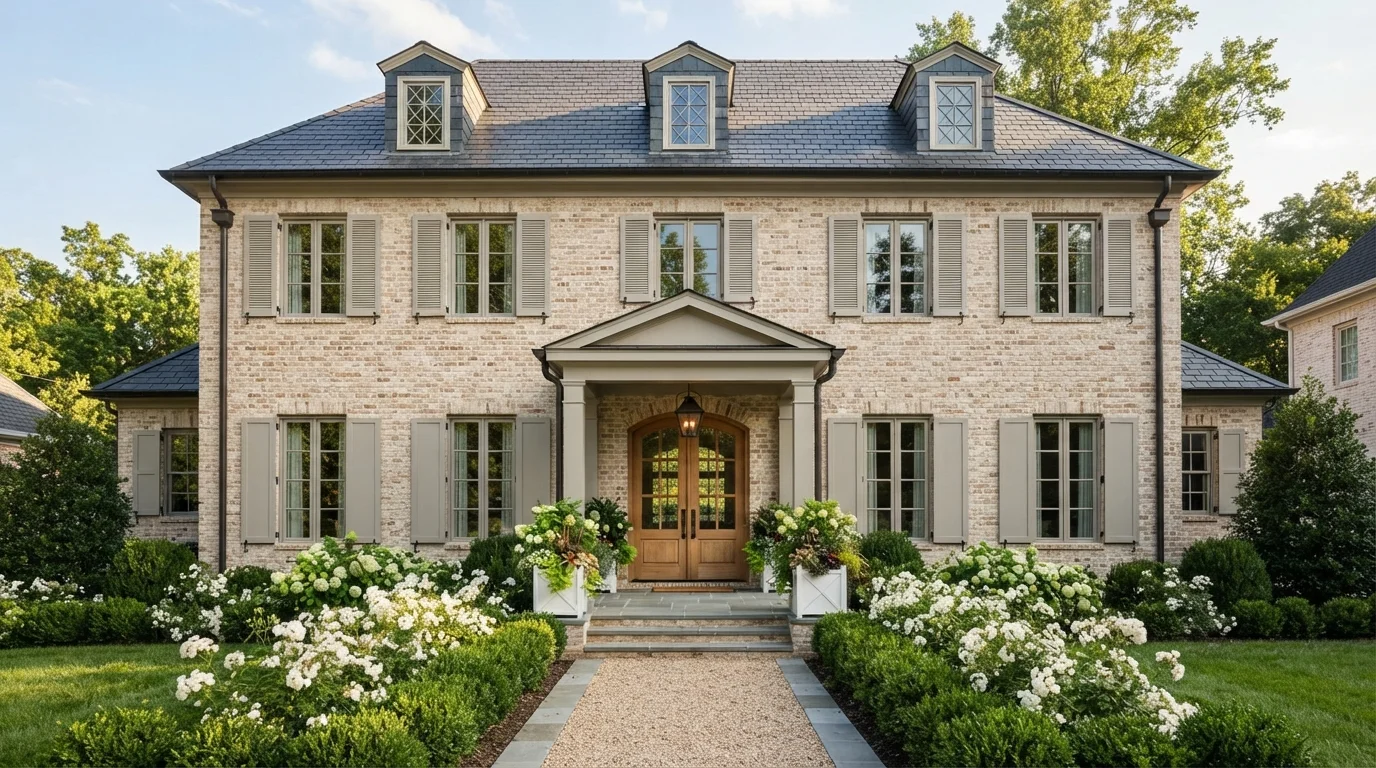
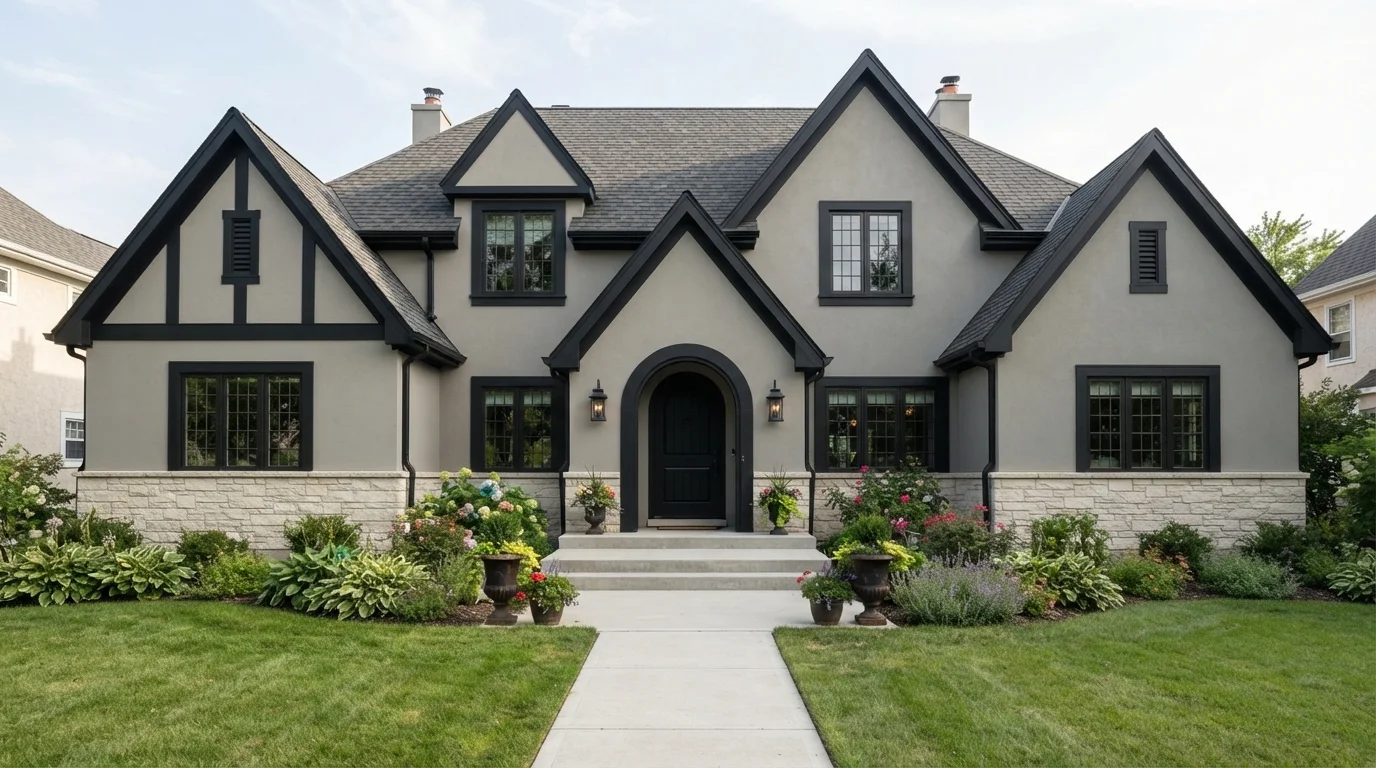
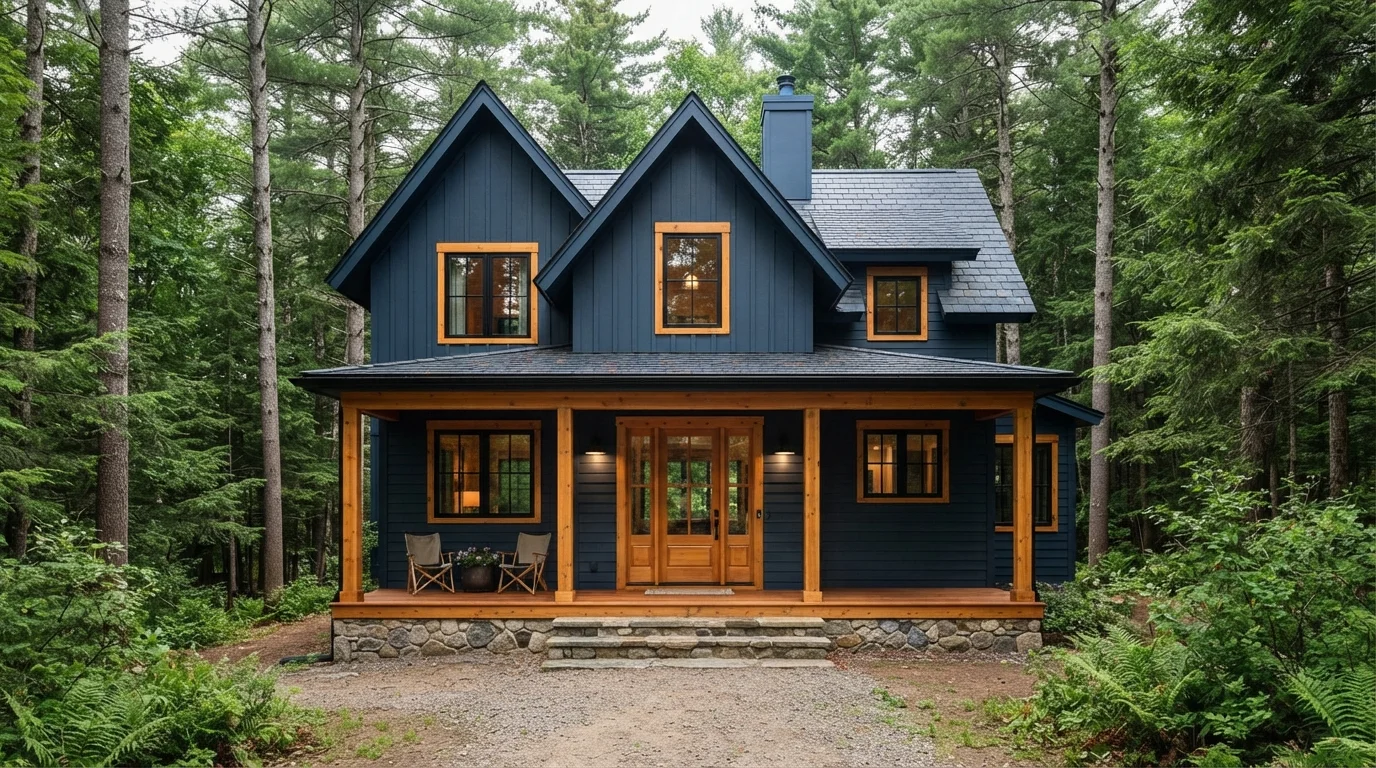
Editor's Picks: Green for Exteriors
4 picks30 Green Picks Across the LRV Range
30 of 2,263 · sorted dark → lightLooking for more? All green → covers every brand; brand × family pages show full decks.
Green Exterior Colors at Every US Brand
19 brands · up to 10 picks eachUp to 10 picks per brand spread across the green LRV range, drawn from each brand's full deck. Tap any swatch with a curated guide for full spec; tap the brand title for the brand's complete green deck.
Behr
Benjamin Moore
Glidden
Valspar
Dunn-Edwards
PPG / Glidden
Sherwin-Williams
Dutch Boy
Hirshfield's
Diamond Vogel
Kompozit
C2 Paint
Farrow & Ball
Magnolia Home
Clare
Rodda
Annie Sloan
Backdrop
Other Exterior Color Families
Green Colors in Other Rooms
Green Paint Colors for a Exterior
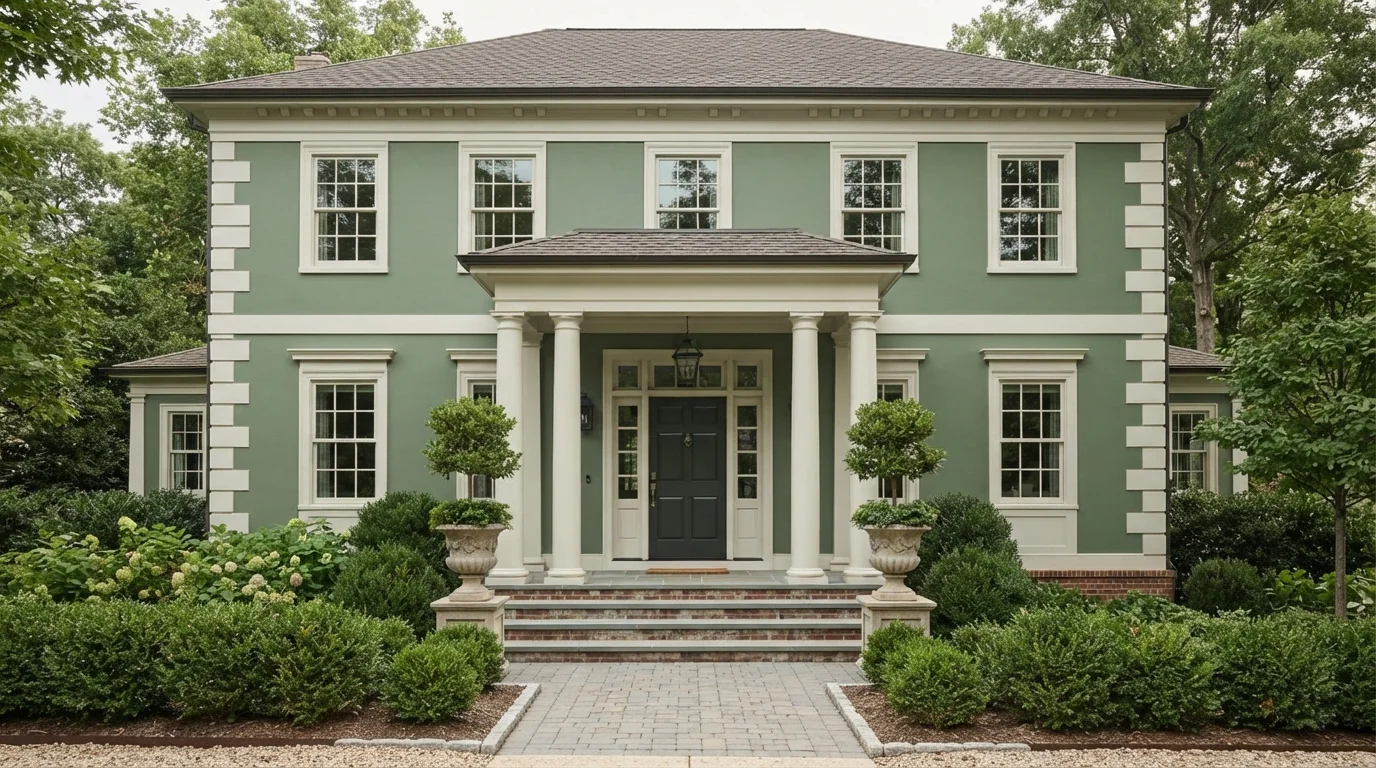
Green is one of the few colors that already lives outside. Trees, grass, hedges, and moss surround most homes, so a green exterior reads as natural instead of bold. That built-in connection to the landscape is exactly why green works so well on a house and why it almost never looks like a mistake when you get the depth right.
The catch with exteriors is that they live under full sun, open shade, and changing weather all day. A green that looks calm on a small chip can turn lime-bright at noon or muddy under storm clouds. The trick is choosing a depth of green that holds steady in real outdoor light, then backing it with the right finish and trim. Every green you see here is mixed to order at a paint counter, so you can carry the same shade across brands without hunting for one exact label.
Why Green Works on an Exterior
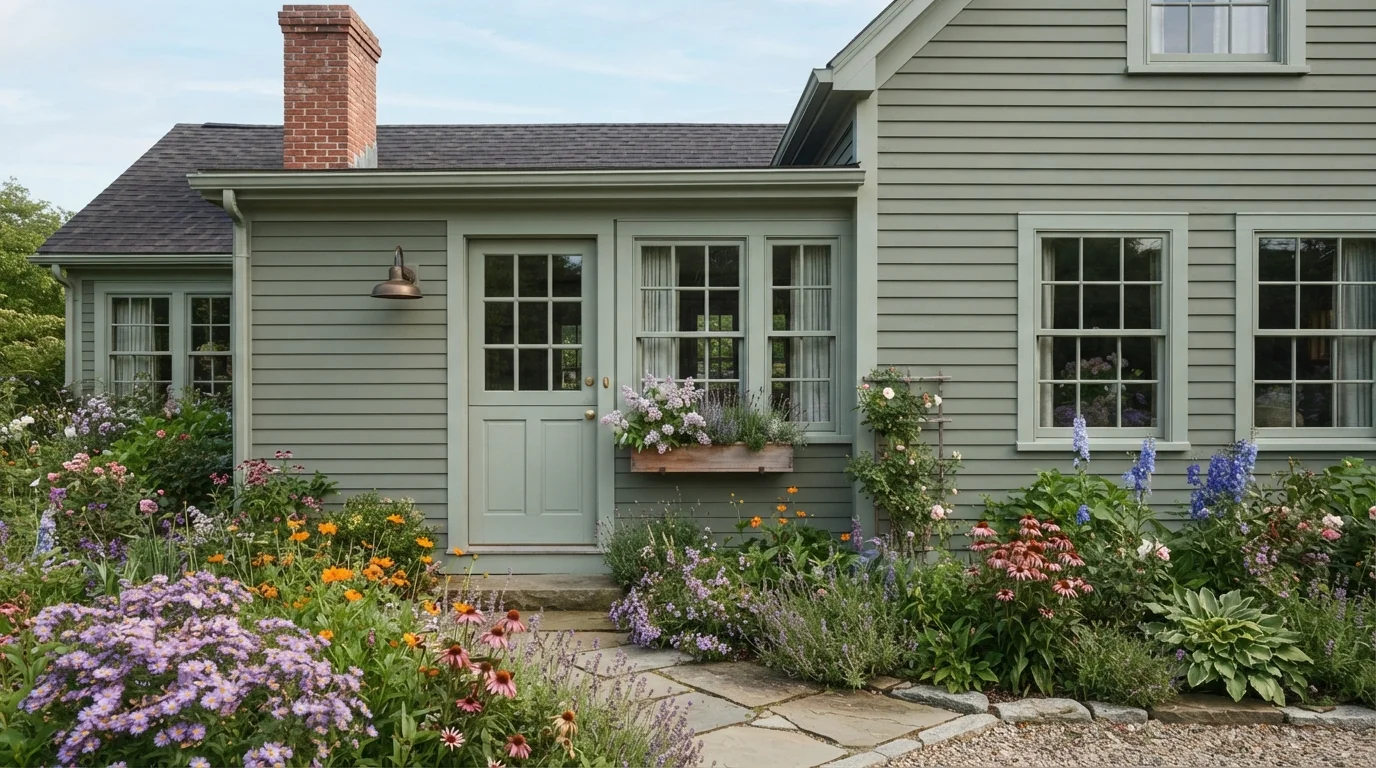
Green is the one color the eye expects to see on a house in a yard. It sits next to the leaves, lawn, and shade trees already there, so it blends into the setting instead of fighting it. That makes a green house feel rooted and intentional, whether it's a deep forest tone on a cabin or a soft sage on a cottage.
What to watch is undertone. Greens can lean yellow, blue, or gray, and outdoor light pushes those undertones harder than indoor light does. A green with a touch of gray or blue stays sophisticated; a green that leans heavily yellow can read like split pea or olive drab against real foliage. Always judge it outside, on a real wall, before you commit.
The Right Depth of Green and How Light Steers It
Depth is measured by LRV, the light reflectance value, which runs from 0 (black) to 100 (white). For exteriors, mid-to-deep greens in roughly the 10 to 30 LRV range read as the classic, grounded house colors, while softer sages and sea greens around 40 to 55 feel light and current without going pale.
Light does the steering here. A north-facing wall or a shaded, tree-covered lot stays cool and dim, so a deep green can go almost black and a pale green can turn gray and lifeless; lean a step lighter or warmer there. A south- or west-facing wall in full sun washes color out and amplifies yellow, so a green that looked safe on the chip can glow brighter outside. Test the same green on the sunniest and shadiest sides of the house, because the sun changes it more than the brand ever will.
The Right Finish for an Exterior
Exterior paint takes the full beating of sun, rain, dirt, and temperature swings, so finish matters as much as color. For the main body of the house, a flat or low-sheen (matte or eggshell) finish is the standard choice. It hides surface flaws on siding, doesn't throw glare back at you in bright sun, and a quality exterior paint at this sheen still sheds water and resists fading.
Save the higher sheen for the parts that need to take abuse and get touched. A satin or semi-gloss on the trim, door, and shutters wipes clean of pollen, cobwebs, and rain spotting, and the slight shine frames the green body nicely. The contrast in sheen, not just color, is part of what makes a green exterior look finished rather than flat all over.
Pairing Green With Trim, Doors, and Roof
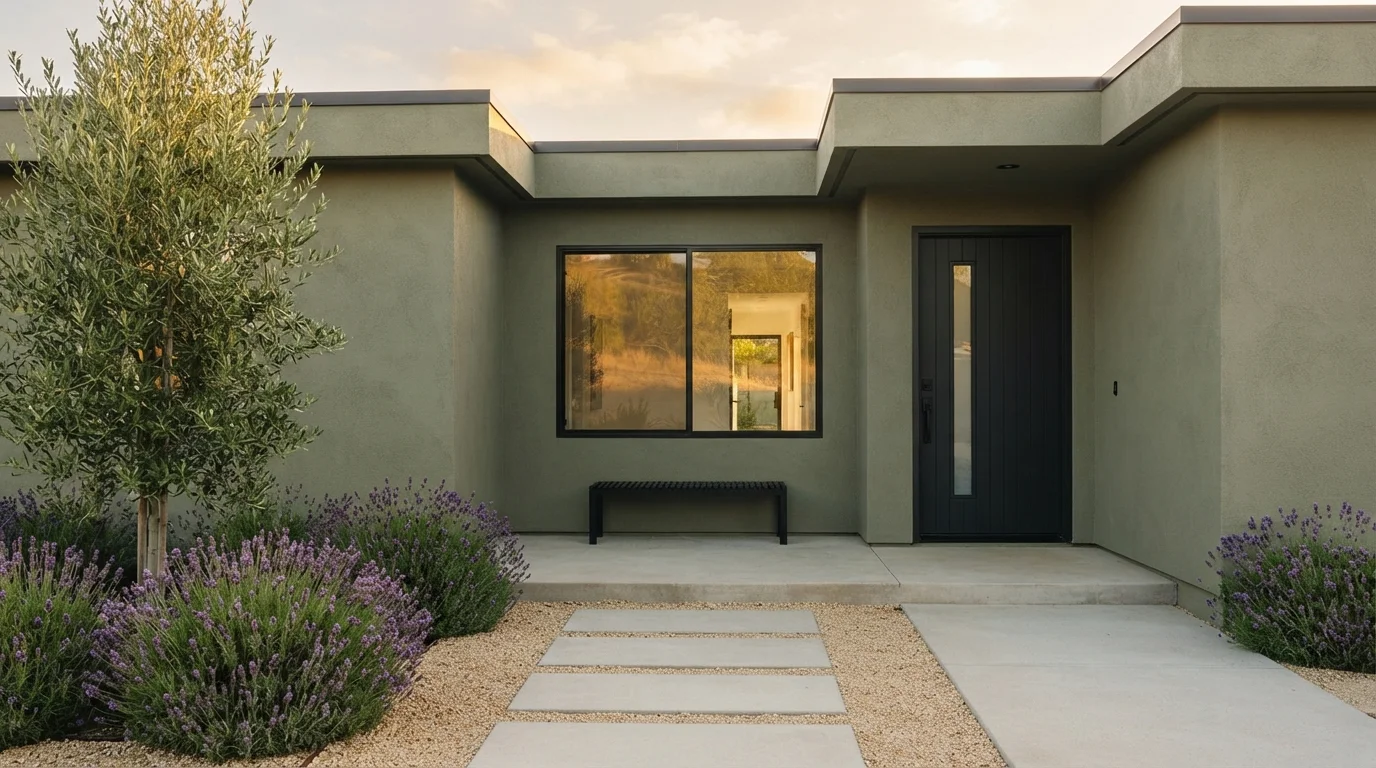
Green is flexible, but the trim sets the whole mood. Crisp white or near-white trim keeps a green house bright and traditional and is the safe, classic move. A creamy off-white softens it toward farmhouse or cottage, while a deep charcoal or near-black trim turns the same green moody and modern. Pick the trim direction first, because it changes how dark or light the green needs to be.
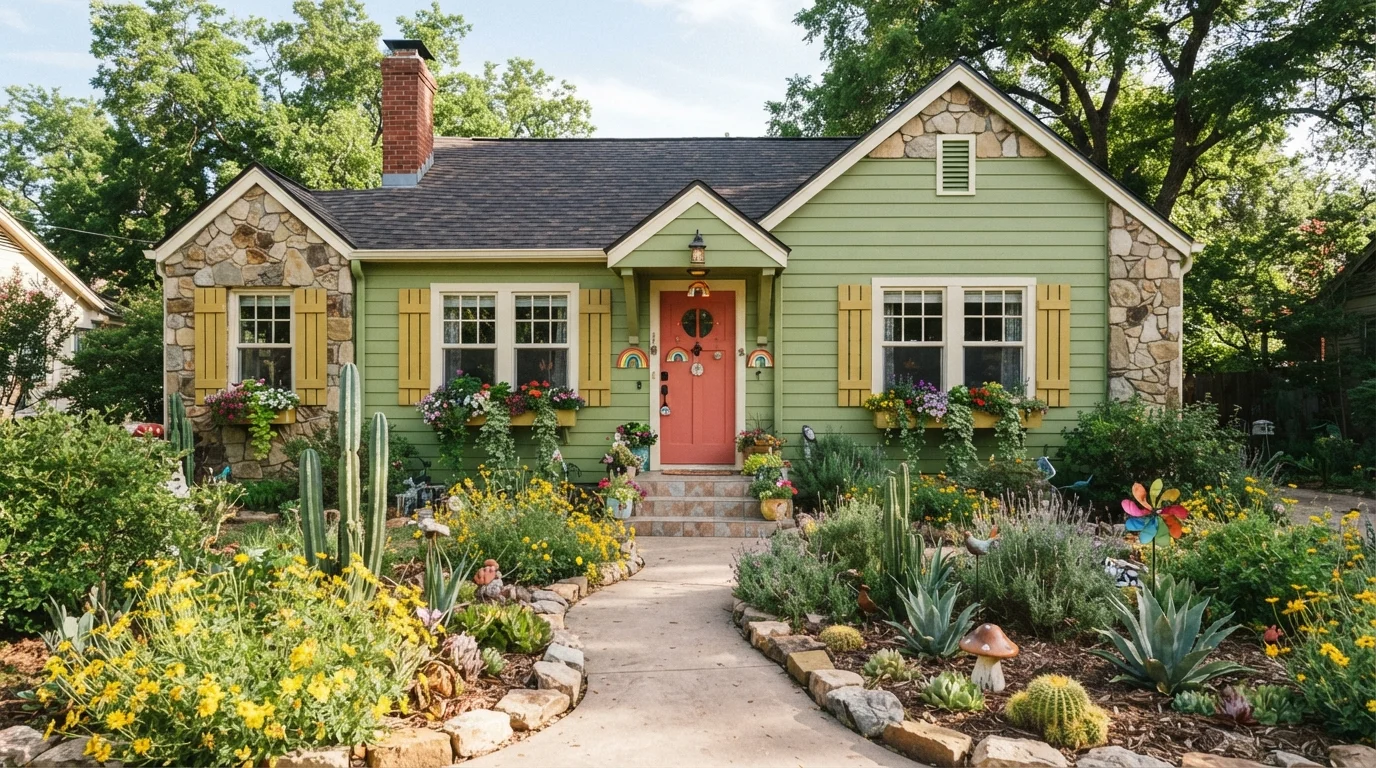
For the front door, green loves warm contrast. A natural wood door, a warm taupe, or even a muted terracotta or mustard door reads beautifully against green siding. Tie the choice to the fixed elements you can't repaint, especially the roof, stone, and brick. A green with the same undertone as a warm-toned roof or a gray-green that echoes a slate roof will look planned instead of accidental.
Common Mistakes With Green Exteriors
The biggest mistake is choosing green from a tiny chip indoors. Outdoor light multiplies the undertone, so a chip that looks like a calm sage can turn bright, yellow, or gray once it's on a full sunlit wall. Always paint a large sample board, move it to every side of the house, and look at it morning, midday, and evening before buying gallons.
The other common trap is matching green too closely to the surrounding plants, which makes the house disappear into the hedge, or going so saturated that it looks artificial next to natural foliage. Pick a green that's clearly a shade darker, lighter, or grayer than your landscape so the house reads as its own thing. If you find a green you love in one brand, you don't have to settle for that store's version, since the exact shade can be mixed to order and cross-matched at most paint counters.
Green Exterior Paint — Frequently Asked Questions
What shade of green is best for a house exterior?+
Mid-to-deep greens with a touch of gray or blue are the most reliable for exteriors because they stay grounded and don't go lime-bright in sun. Deeper greens around 10 to 30 LRV read classic and rich, while soft sages around 40 to 55 LRV feel light and current. The best choice depends on your light and trim, so test it outdoors first.
What finish should I use for green exterior paint?+
Use a flat or low-sheen finish on the main body of the house. It hides siding flaws and avoids glare in bright sun while still shedding water. Step up to satin or semi-gloss on trim, shutters, and the front door so those surfaces wipe clean and frame the green body.
What trim color goes with a green exterior?+
Crisp white or near-white trim is the classic, brightening choice and works with almost any green. Creamy off-white leans cottage or farmhouse, while charcoal or near-black trim makes the same green feel modern and moody. Choose the trim direction before finalizing the green, since it changes how light or dark the green should be.
Why does my green look different outside than on the chip?+
Outdoor light is far stronger and changes through the day, so it exaggerates a green's undertone. Full sun washes color out and pushes it yellow and brighter, while shade and north-facing walls cool it down and can make it look gray. Always test a large sample on the actual house, on different sides, at different times of day.
What door color pairs well with green siding?+
Green pairs best with warm contrast at the door. Natural wood, warm taupe, muted terracotta, or a soft mustard all look great against green siding. Tie the door choice to fixed elements like the roof, stone, or brick so the whole exterior feels coordinated.
Can I get the same green from any paint brand?+
Yes. Every green shown here is mixed to order at a paint counter, and a color can be cross-matched between brands. So if you fall in love with a specific green, you can have it mixed in the line or store that's most convenient for you rather than chasing one exact label.