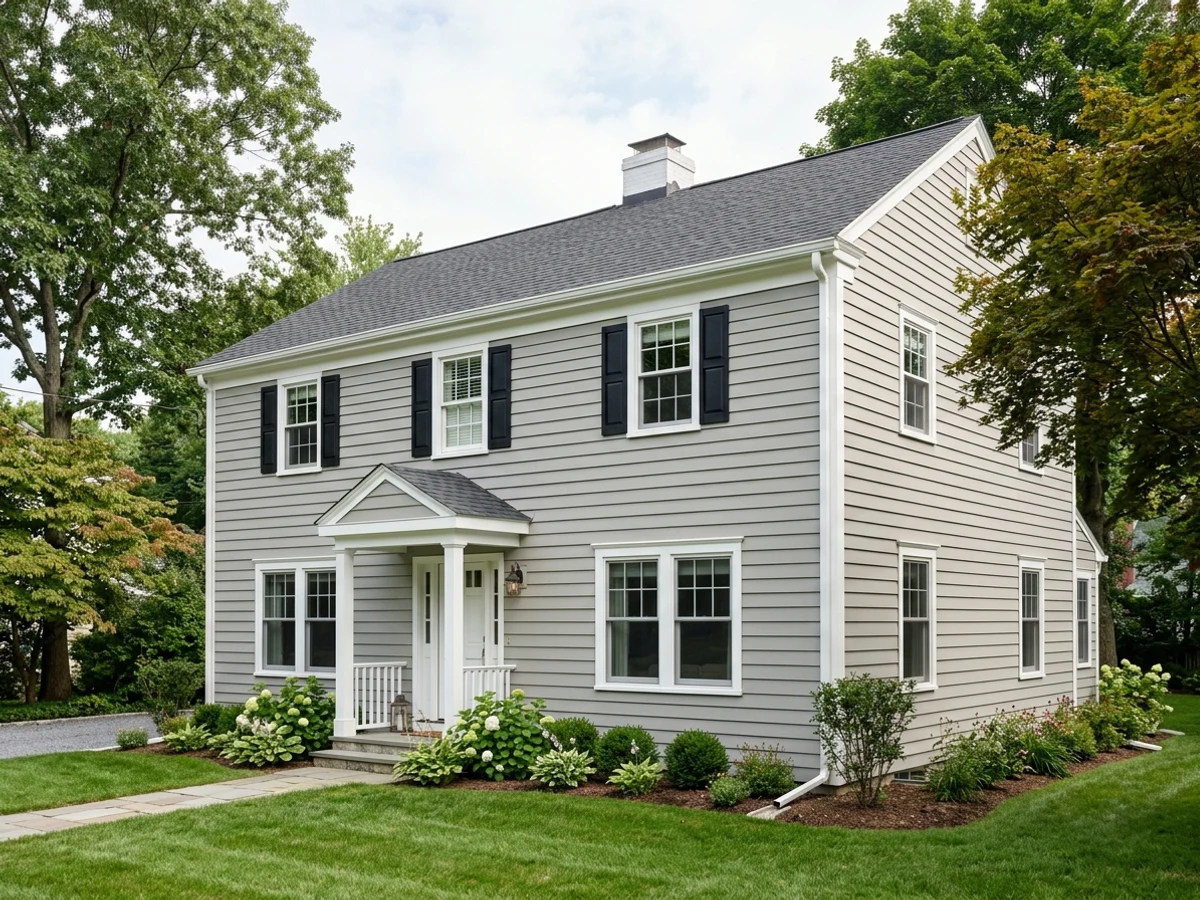
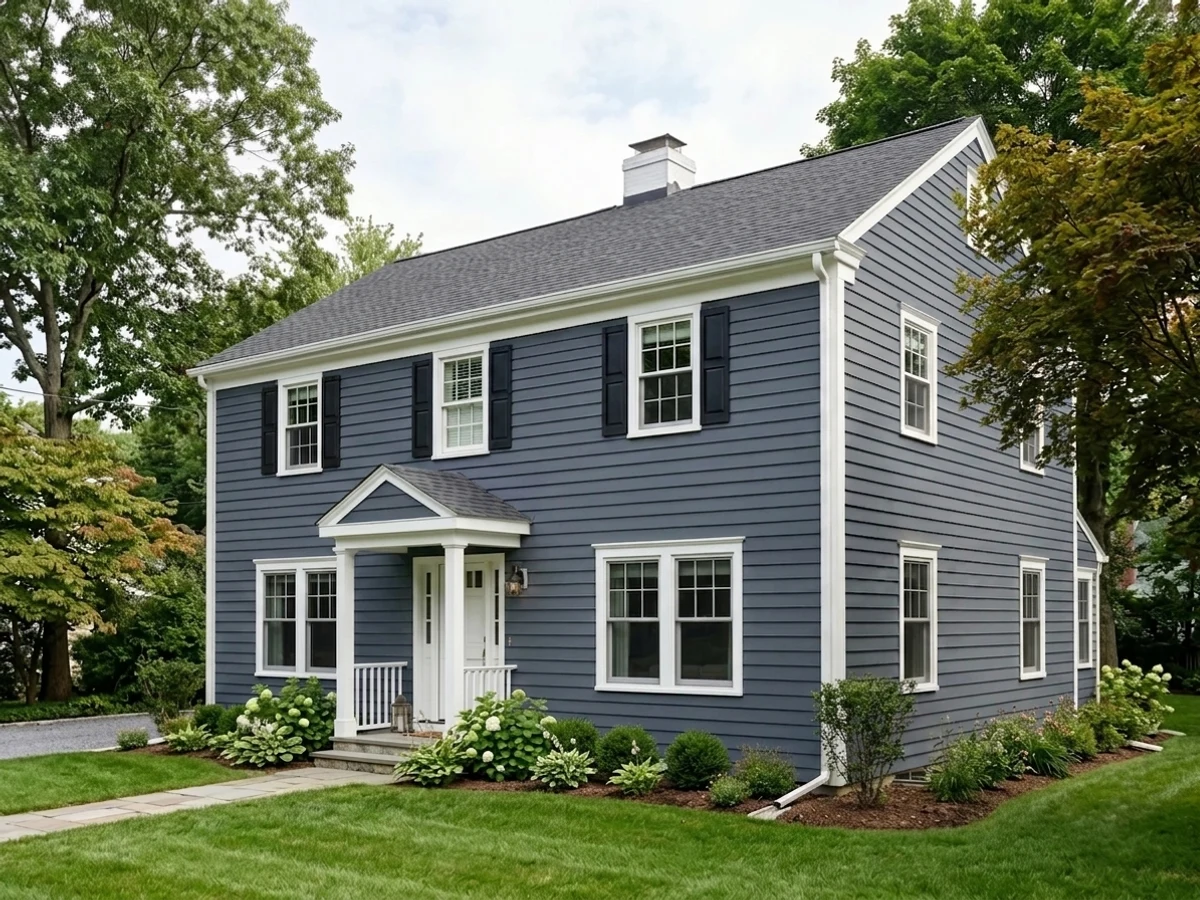
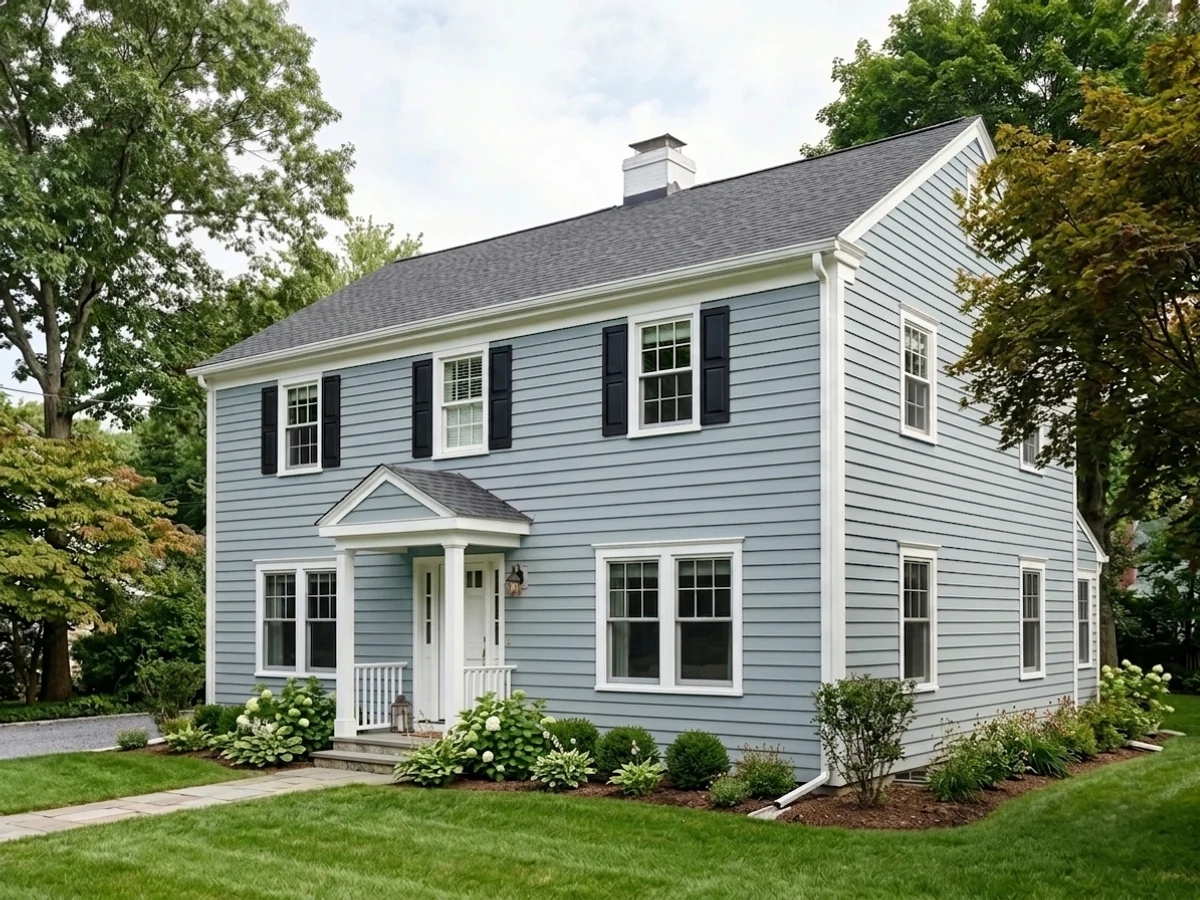
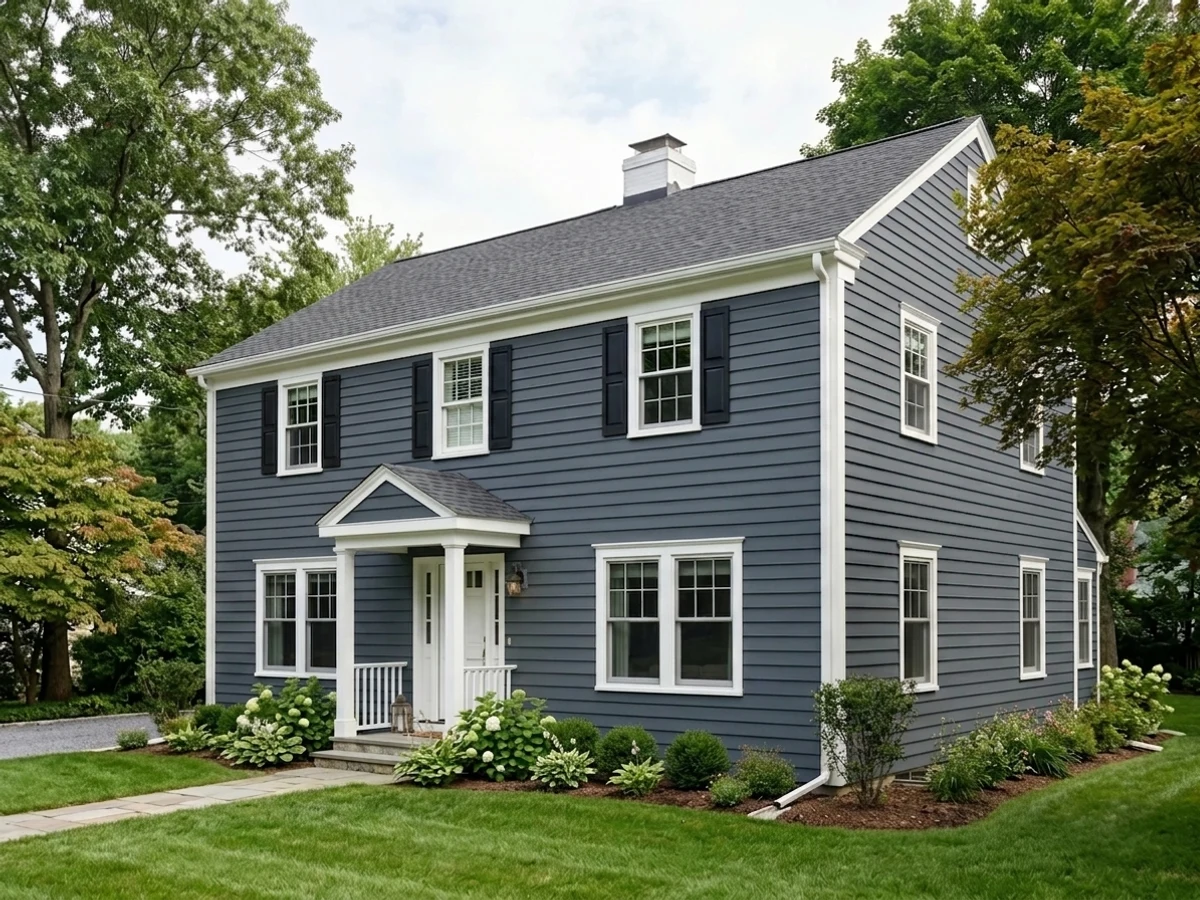
Blue Exterior Paint Colors
1,741 blue colors that work in exteriors, drawn from the full ~30,000-color US paint deck. Below: editor's picks specific to exteriors, then 30 picks spread across the LRV range — narrow further on the brand page when you've shortlisted.
Blue is the most popular color for accent walls, kitchen islands, and front doors — and also the family with the widest spread, from pale dove-blues that read almost grey, to inky near-black navies, to saturated cobalts that read almost royal. Teal-leaning blues (the green-blue overlap) live next door in the Teal family.
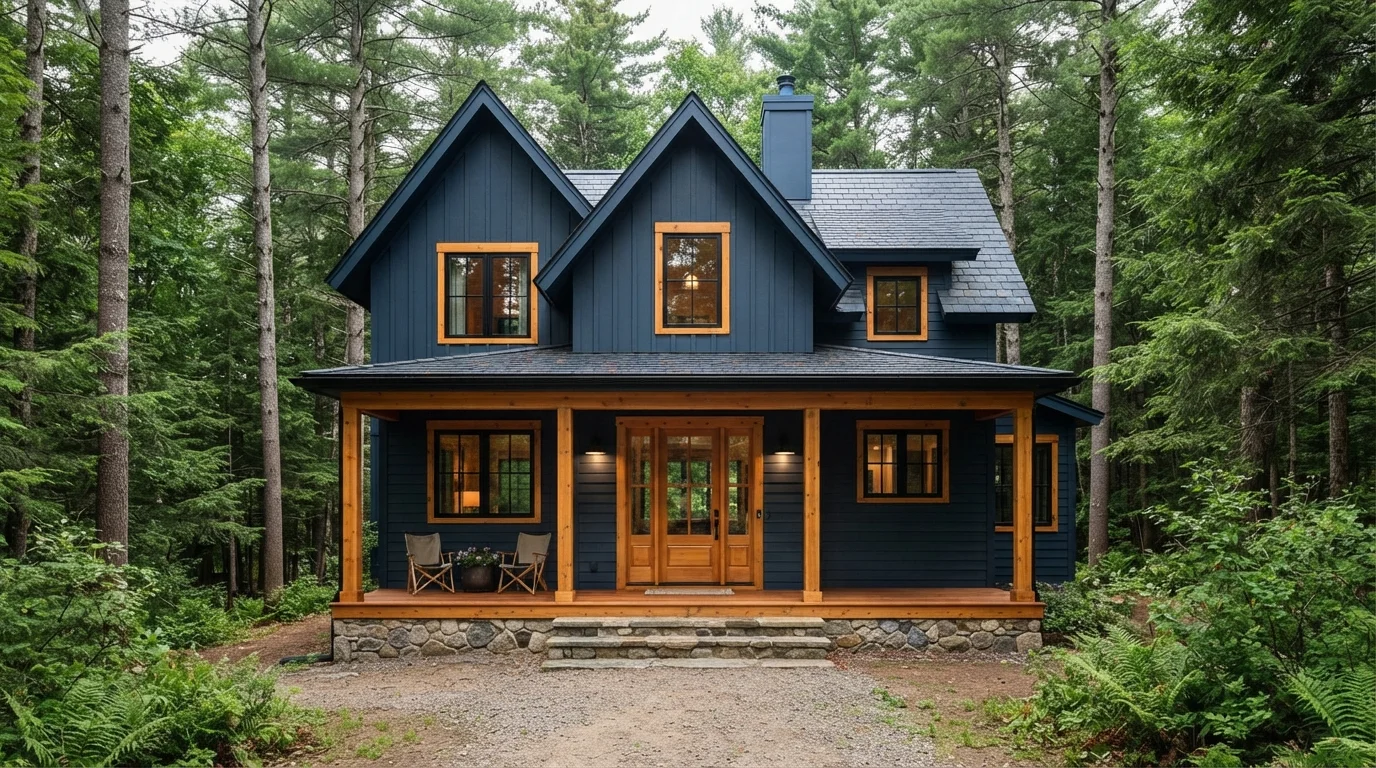
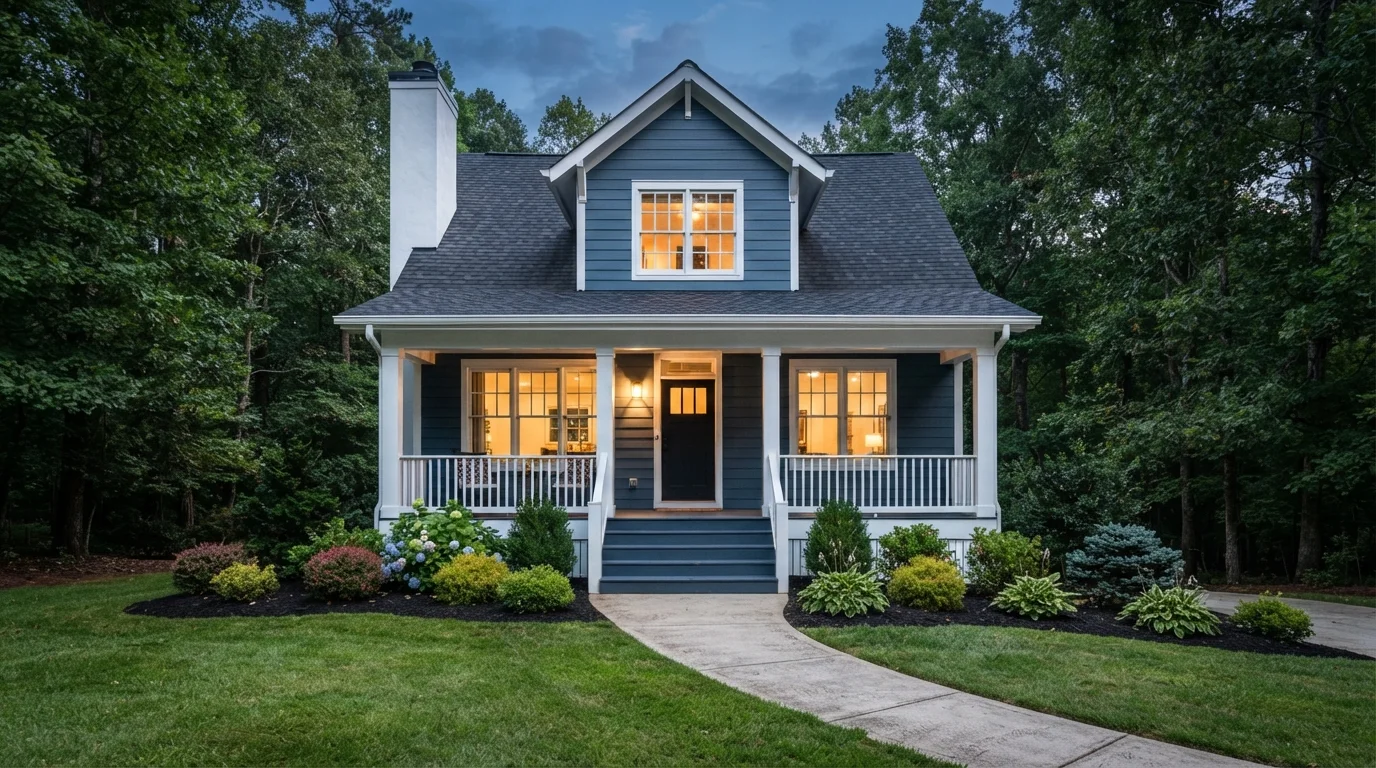
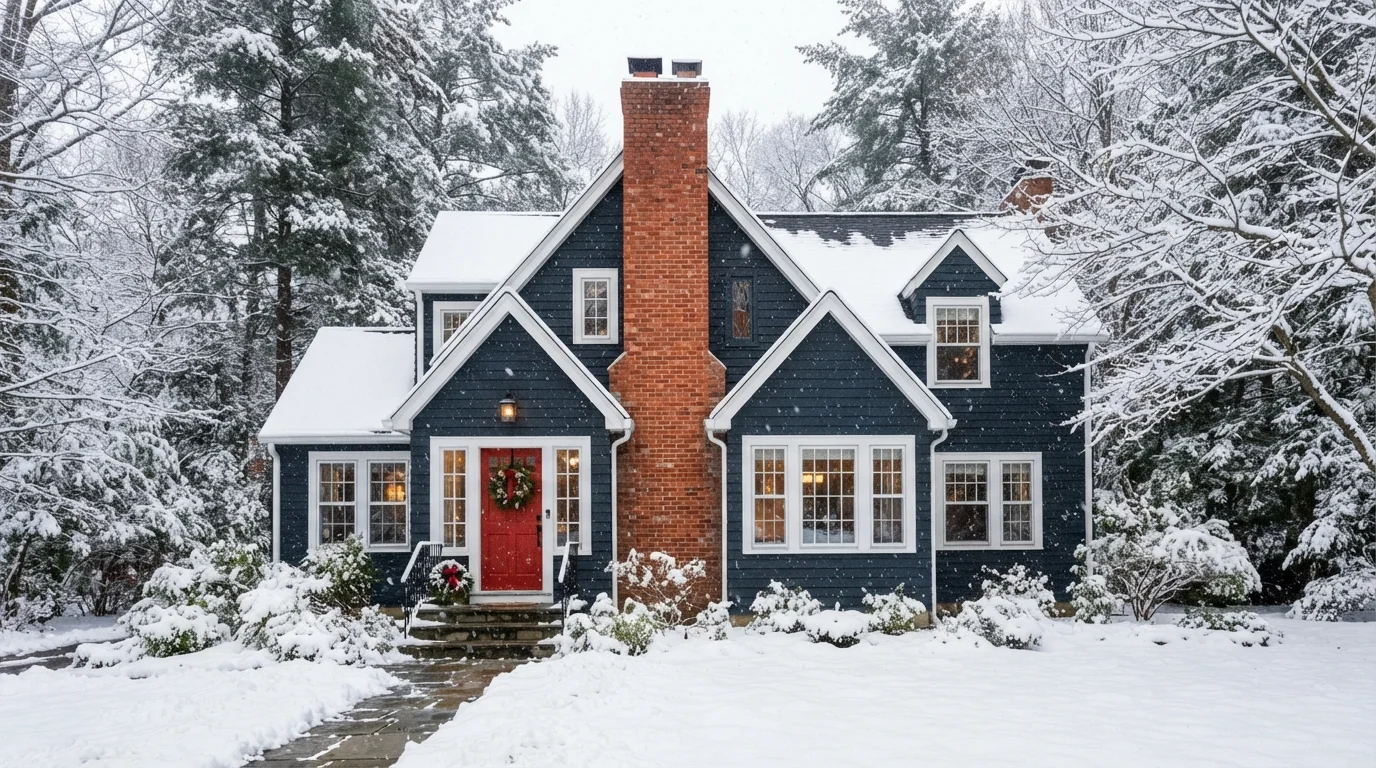
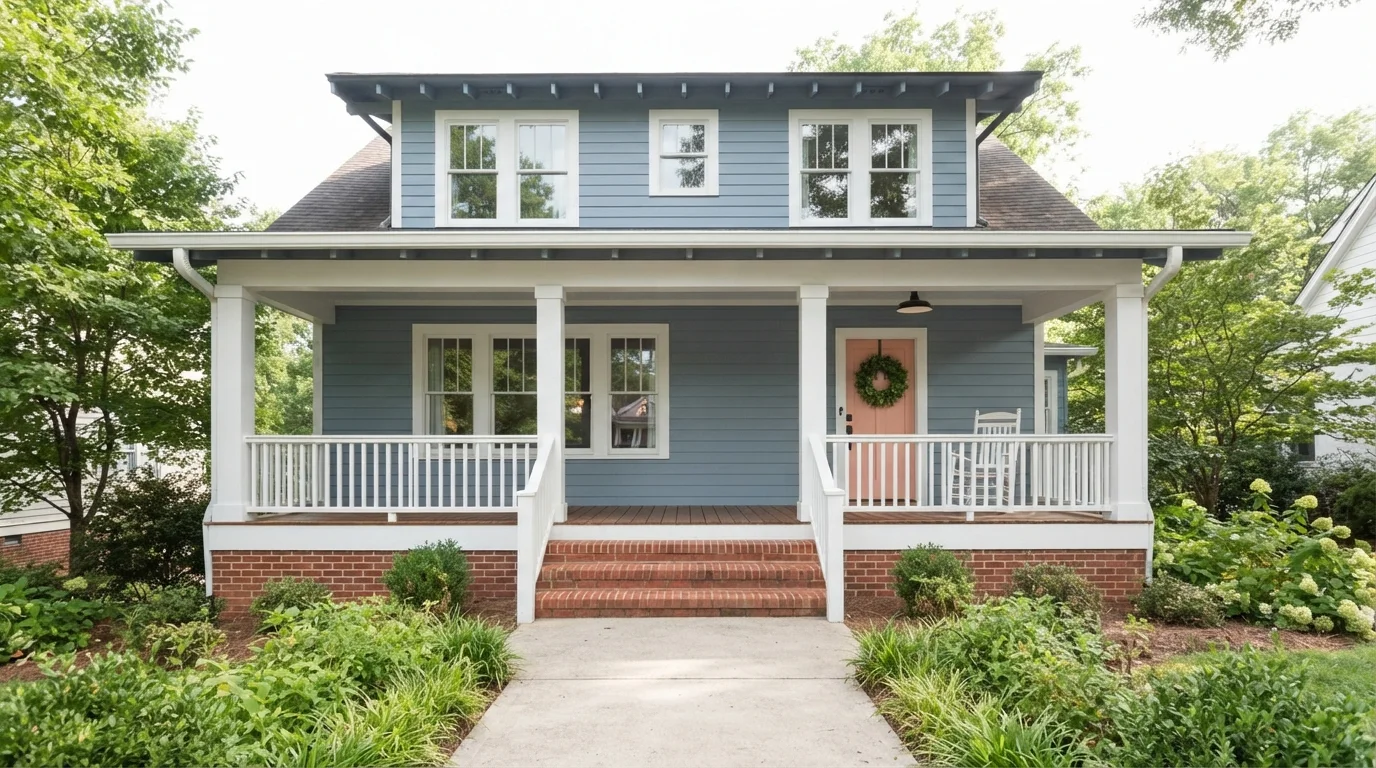
Editor's Picks: Blue for Exteriors
4 picks30 Blue Picks Across the LRV Range
30 of 1,741 · sorted dark → lightLooking for more? All blue → covers every brand; brand × family pages show full decks.
Blue Exterior Colors at Every US Brand
21 brands · up to 10 picks eachUp to 10 picks per brand spread across the blue LRV range, drawn from each brand's full deck. Tap any swatch with a curated guide for full spec; tap the brand title for the brand's complete blue deck.
Behr
Valspar
Glidden
Benjamin Moore
PPG / Glidden
Dunn-Edwards
Sherwin-Williams
Dutch Boy
Hirshfield's
Diamond Vogel
Kompozit
C2 Paint
Portola Paints
Magnolia Home
Rodda
Farrow & Ball
Backdrop
Annie Sloan
Clare
Rust-Oleum
Other Exterior Color Families
Blue Colors in Other Rooms
Blue Paint Colors for a Exterior
Blue is one of the few colors that looks at home on almost any house, and the exterior is where it gets to breathe. Outside, blue reads against sky, trees, and changing daylight all day long, so the same color can shift from soft and gray at dawn to clear and bright at noon. That outdoor light is the whole game with exterior blue: it almost always looks lighter and a little washed-out on the wall than it did on the chip in your hand.
This page is about choosing blue specifically for the outside of your home: the body, the trim, the door, or all three. Because every color shown here is mixed to order at the paint counter, you are not locked into one brand. Pick the blue you like, and it can be cross-matched into whichever brand's exterior paint you trust most.
Why Blue Works So Well Outside
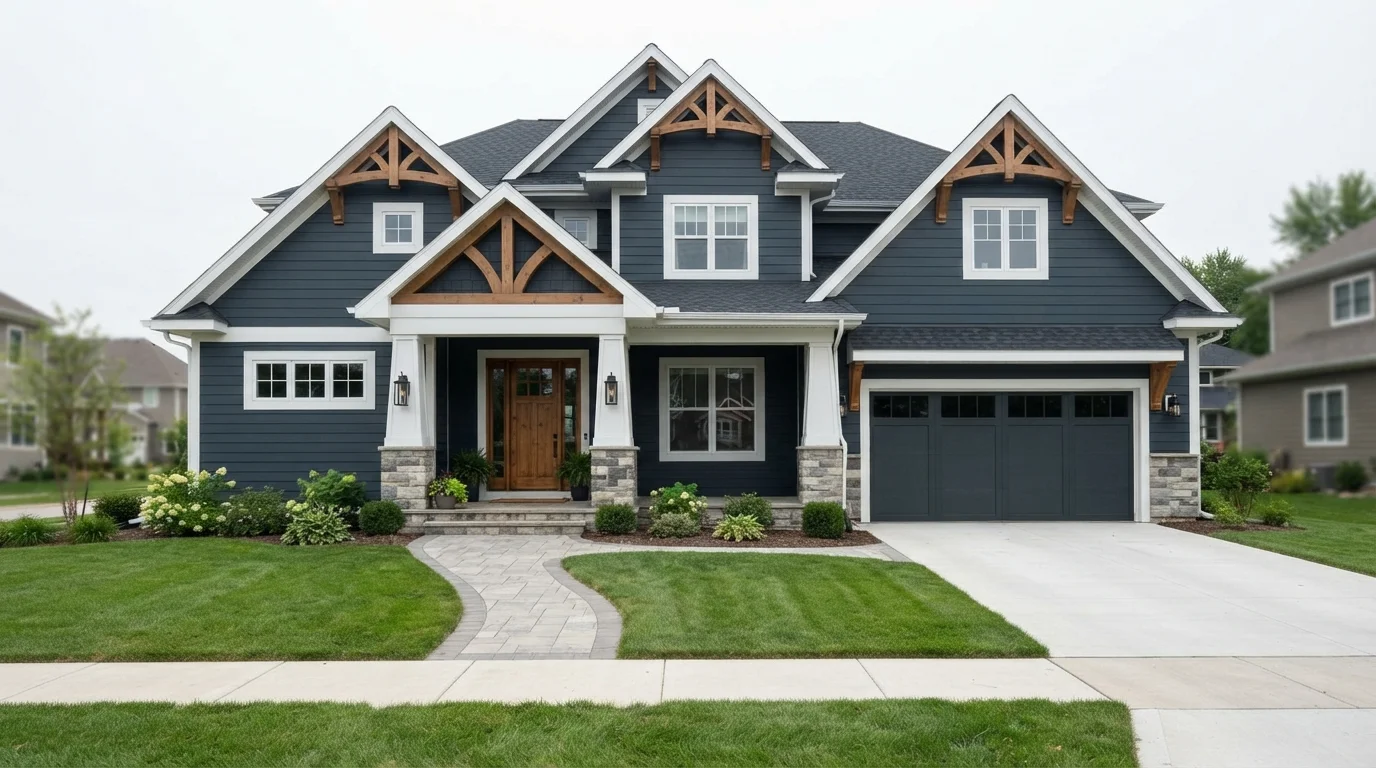
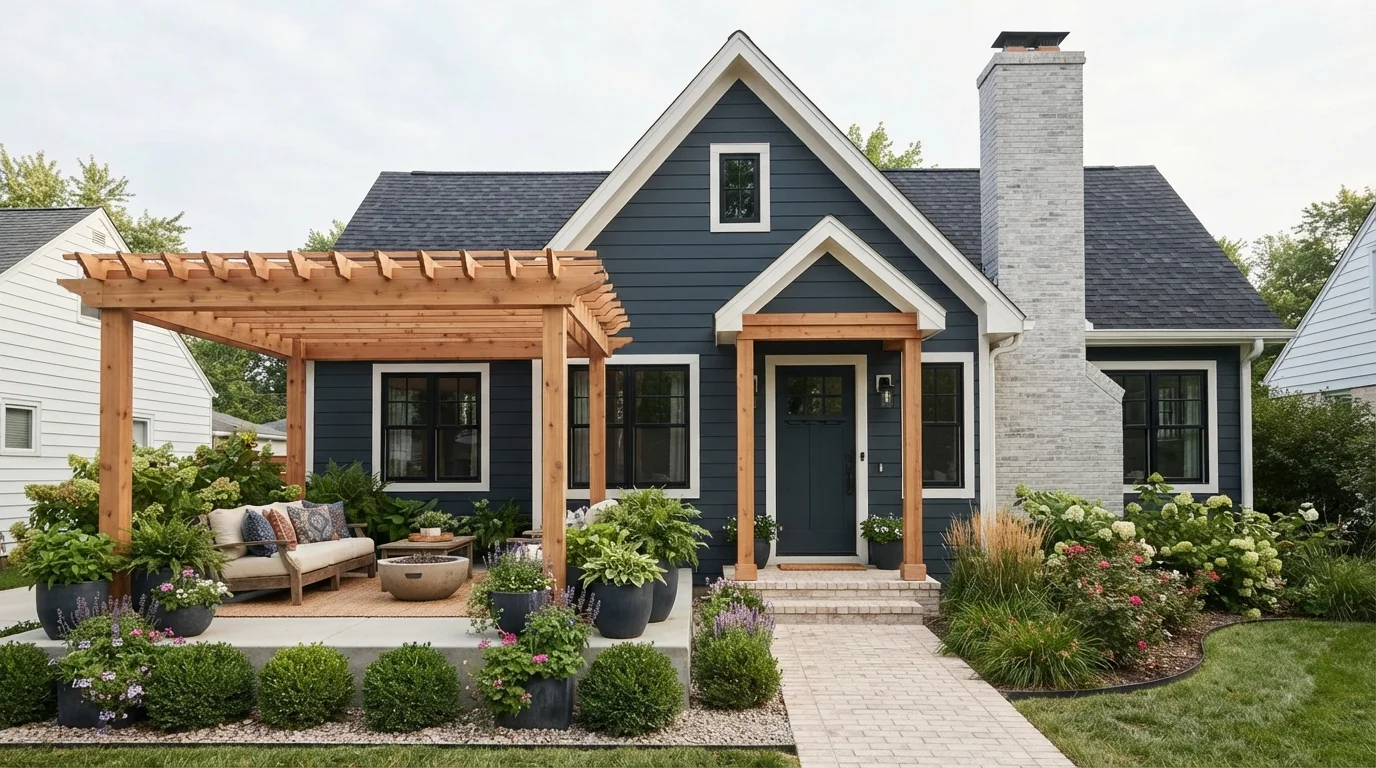
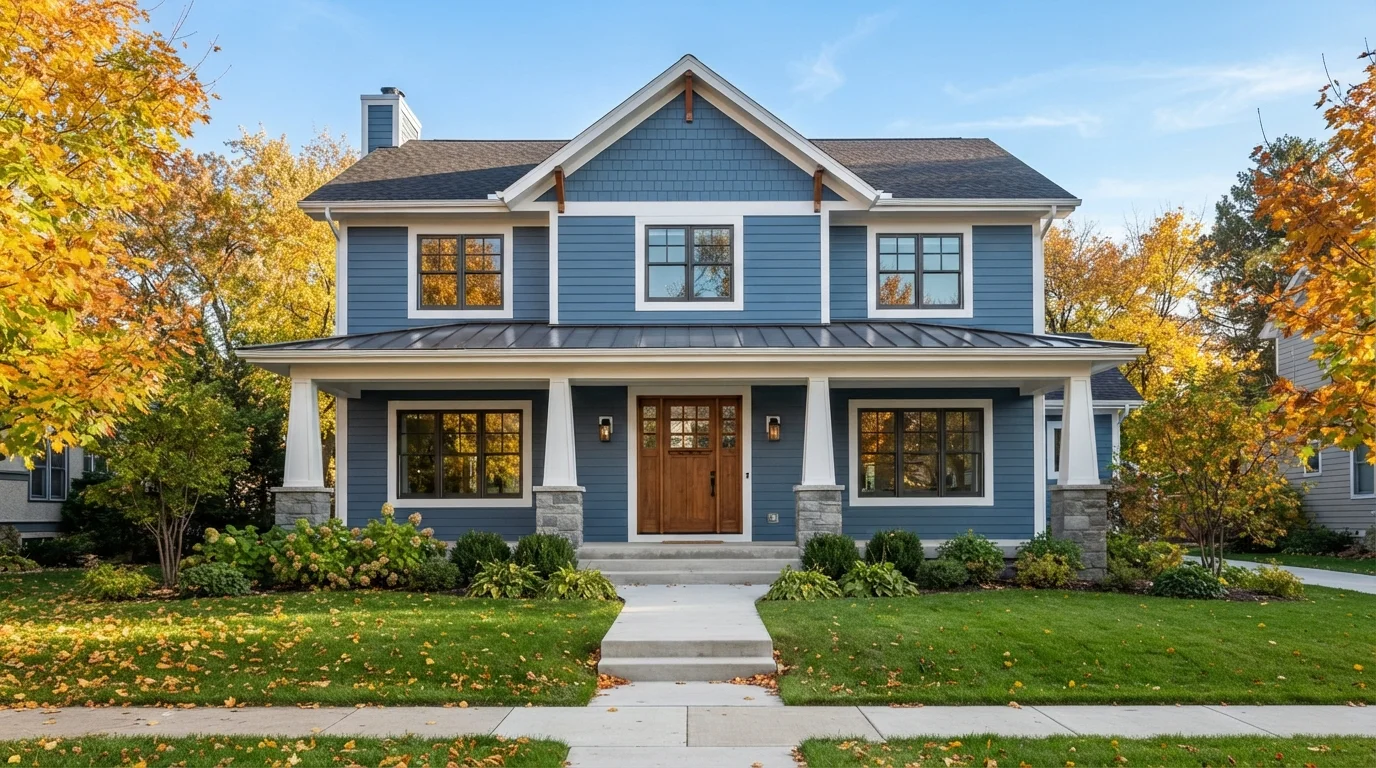
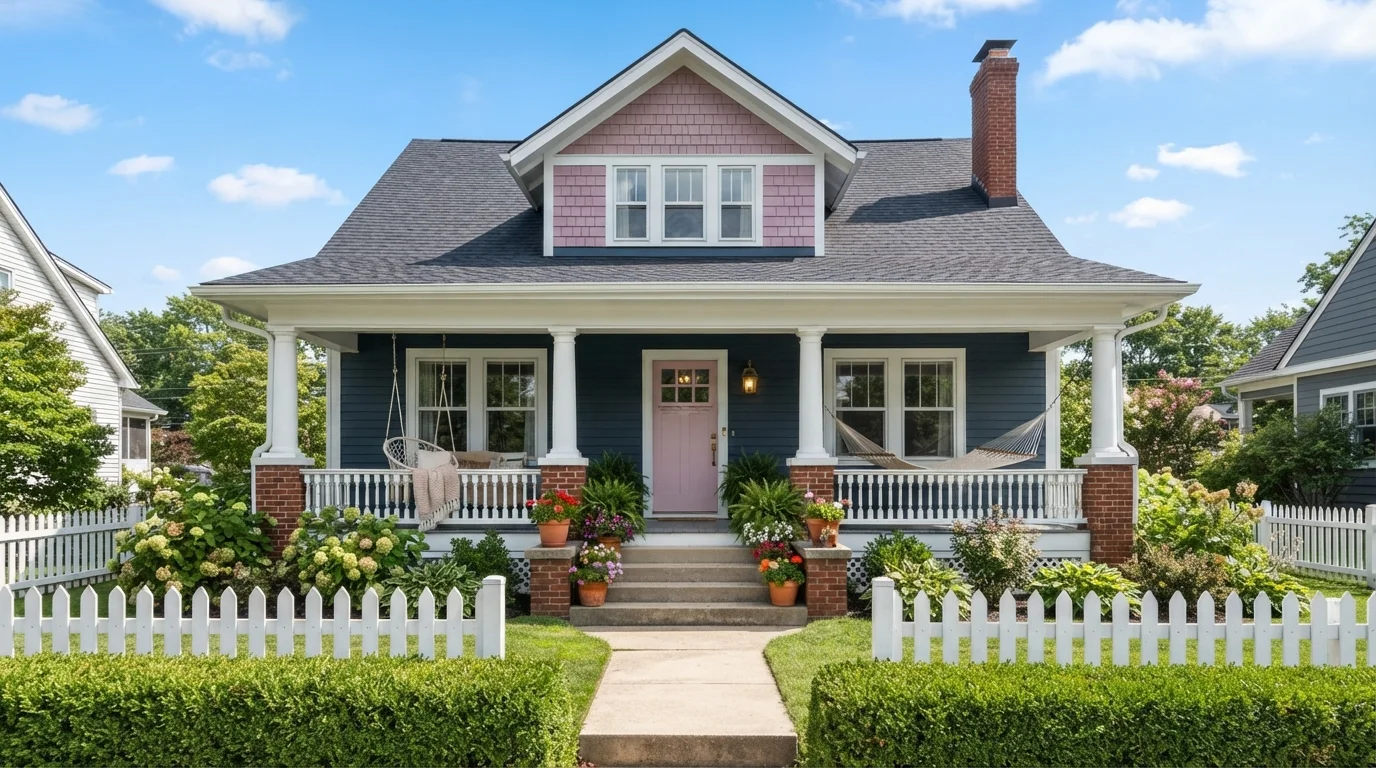
Blue is the one bold color that rarely fights with nature. It sits comfortably under a real sky, plays off green landscaping, and feels classic on everything from a cottage to a coastal home to a craftsman. That is why slate, navy, and soft gray-blues have stayed in style on house exteriors for decades.
The thing to watch is undertone. A blue with a green lean reads coastal and calm, while a blue with a purple lean can turn cold or even look gray-violet in shade. Always test your blue on the actual wall, on at least two sides of the house, and look at it in morning and evening light before you commit a whole exterior to it.
Picking the Right Depth of Blue
For most exteriors, a deep-to-medium blue (think LRV in the roughly 8 to 25 range) gives you the richest, most confident result. Light bounces off a full house, so a blue that looks almost too dark on a small chip often lands as a perfect medium tone once it covers the whole body. Very pale blues (LRV above 55) can wash out to near-white in strong sun and lose their character.
Let the house's exposure guide you. A north-facing or shaded front holds onto blue's cooler, grayer side, so you can push a touch warmer or lighter to keep it from going flat. A south-facing wall in full sun will lift the color and gray it out, so a slightly deeper, more saturated blue usually holds up better there.
The Right Finish for an Exterior
Outside, finish is about survival, not just looks. Most exterior body paint should be a flat, low-sheen, or satin finish: these hide surface flaws on siding and stand up to weather without throwing harsh glare in direct sun. Higher gloss on a large blue wall will spotlight every dent, lap mark, and bit of patched siding.
Save the shine for the parts that take abuse and want definition. Trim, railings, and the front door do well in satin or semi-gloss because those areas need to shed water, get wiped down, and read crisp against the body color. A blue front door in semi-gloss, for example, looks intentional and is easy to clean.
Pairing Blue With Trim, Doors, and Roof
The safest and most timeless move is blue body with crisp white or warm off-white trim. That contrast is what makes blue read as a deliberate color choice rather than a faded surface. If pure white feels too stark, a soft greige or creamy white softens the whole house without muddying the blue.
Don't forget the fixed elements you are not painting. Your roof, stone, brick, and even window frames carry undertones that either agree with your blue or quietly clash with it. A gray-blue sits beautifully with a charcoal or black roof, while a warmer blue gets along better with brown or weathered shingle tones; a black or natural-wood front door is the easiest accent against almost any blue body.
Common Mistakes With Exterior Blue
The biggest mistake is judging blue from a small chip indoors. Outdoor light and full-house scale make blue look lighter and grayer, so people pick too pale a shade and end up with a body that looks washed out or dingy. Go a step deeper than feels comfortable on the chip.
The second trap is ignoring undertone against fixed materials. A blue that leans purple can look cold next to warm brick, and a too-bright primary blue can read juvenile on a large facade. Test big samples (at least 2 by 2 feet) next to your roof, stone, and trim, and live with them for a few days before buying gallons.
Blue Exterior Paint — Frequently Asked Questions
What shade of blue is best for a house exterior?+
For the main body, a medium-to-deep blue with an LRV roughly between 8 and 25 tends to look best, because outdoor light and full-house scale lift the color and can wash out anything too pale. Gray-blues and navy are the most forgiving and timeless. Save the brightest, lightest blues for accents like a door rather than the whole house.
What finish should I use for blue exterior paint?+
Use a flat, low-sheen, or satin finish on the body so it hides siding flaws and avoids harsh glare in direct sun. Step up to satin or semi-gloss on trim, railings, and the front door, where you want easy cleaning, water resistance, and crisp definition against the body color.
Will blue fade or look different outside than on the chip?+
Yes. Outdoor light makes blue look lighter and grayer than it does on a small chip indoors, and full sun on a south-facing wall lifts and grays it even more. Always test a large sample on the actual house, on more than one side, and view it in both morning and evening light before committing.
What trim color goes with a blue exterior?+
Crisp white or a warm off-white is the classic, can't-miss pairing, giving blue the contrast it needs to look deliberate. If white feels too stark, a soft greige or creamy white still works without muddying the blue. A black or natural-wood front door makes an easy accent.
How do I keep blue from looking too cold on my house?+
Choose a blue that leans slightly green or gray rather than purple, since purple-leaning blues turn cold and flat in shade. Warmer trim, wood, or stone elements also help balance it. North-facing and shaded walls read cooler, so lean a touch warmer there.
Can I match a blue I like across different paint brands?+
Yes. Every color shown here is mixed to order at the paint counter, so you are not tied to one brand. Pick the blue you like and have it cross-matched into whichever brand's exterior paint you prefer, which lets you choose the color and the paint quality separately.