Blue Kitchen Cabinet Paint Colors
1,741 blue colors that work in kitchen cabinets, drawn from the full ~30,000-color US paint deck. Below: editor's picks specific to kitchen cabinets, then 30 picks spread across the LRV range — narrow further on the brand page when you've shortlisted.
Blue is the most popular color for accent walls, kitchen islands, and front doors — and also the family with the widest spread, from pale dove-blues that read almost grey, to inky near-black navies, to saturated cobalts that read almost royal. Teal-leaning blues (the green-blue overlap) live next door in the Teal family.
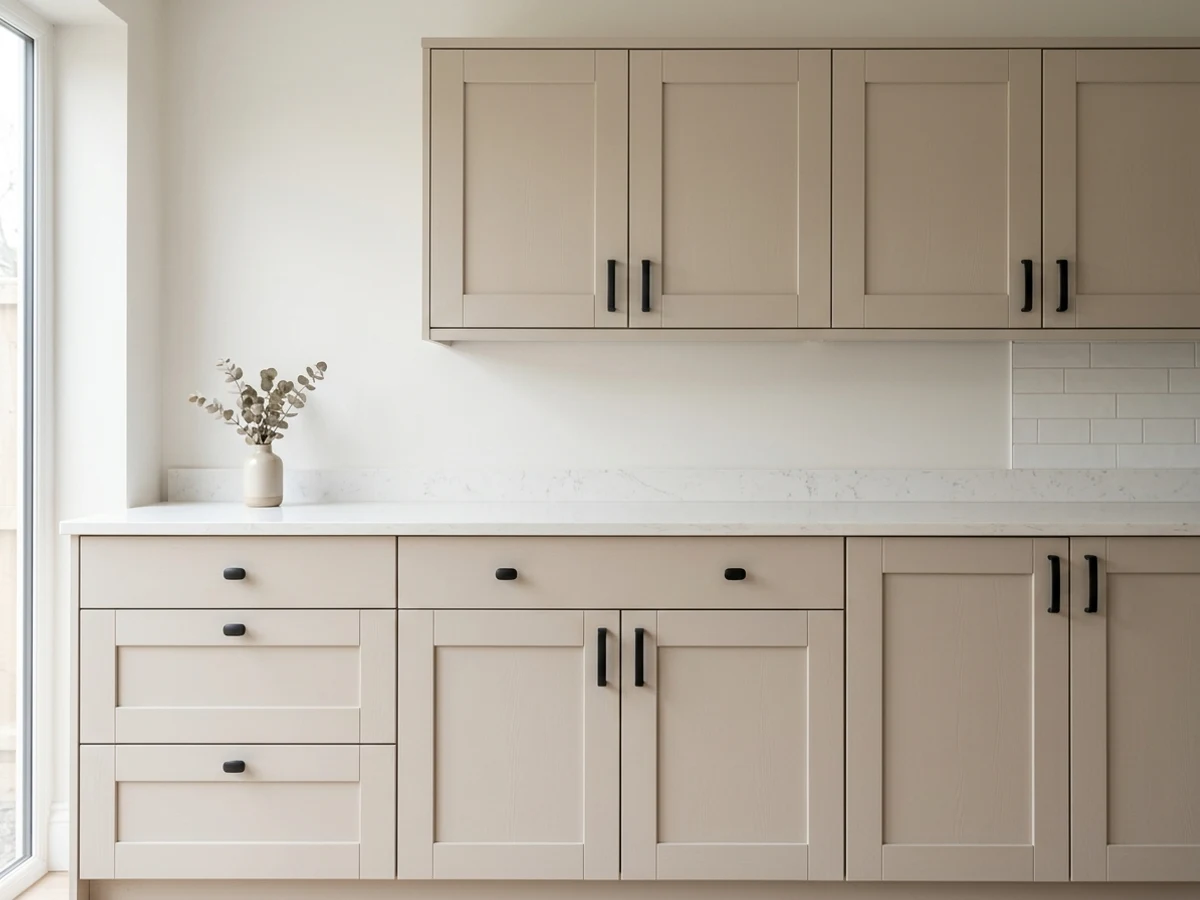
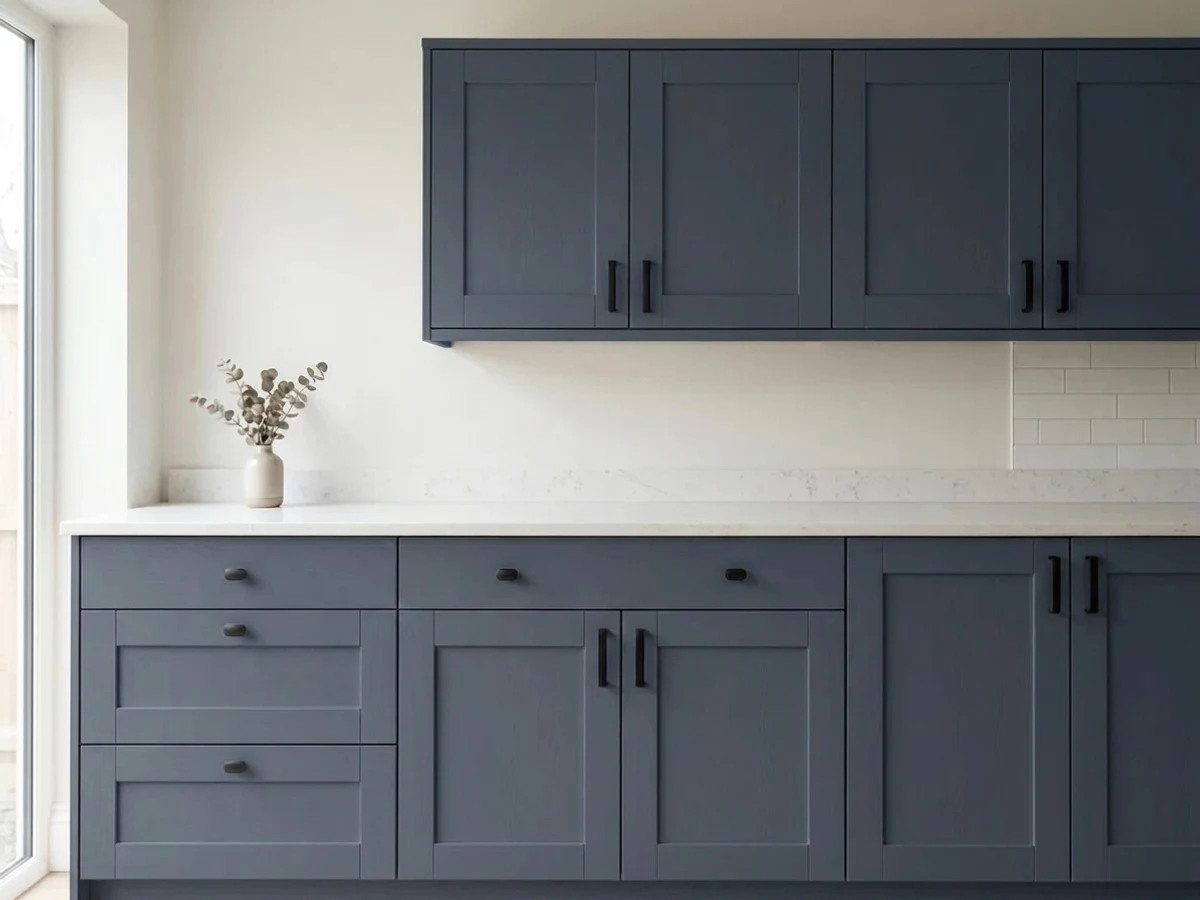
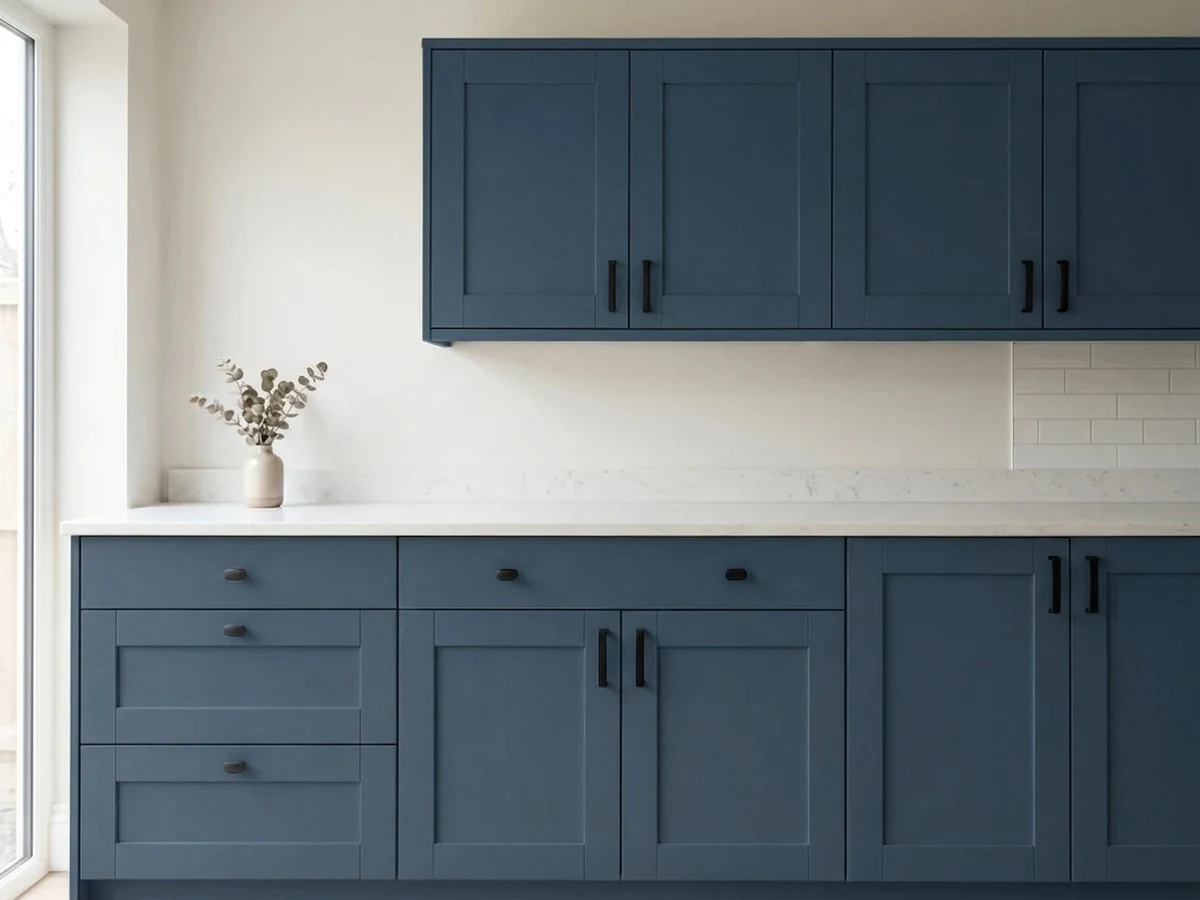
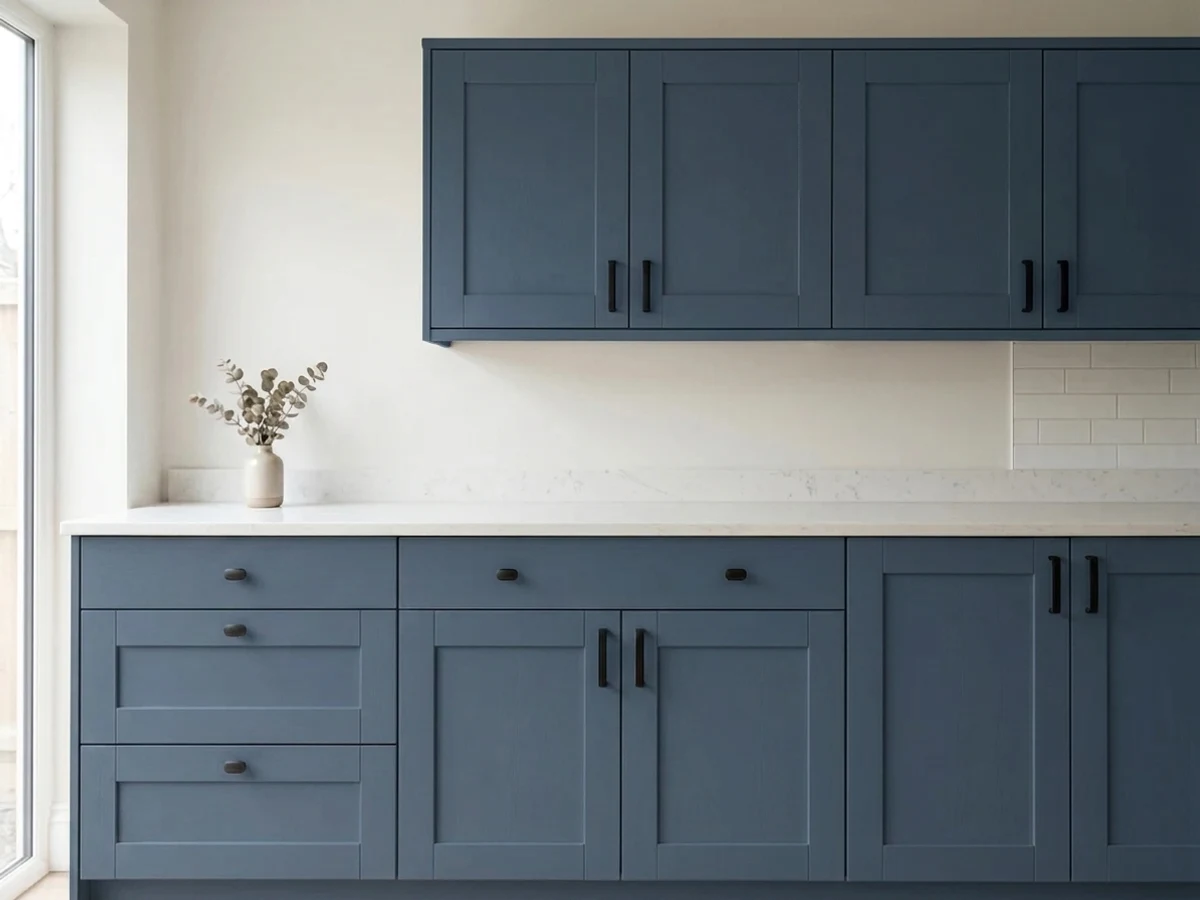
Editor's Picks: Blue for Kitchen Cabinets
4 picks30 Blue Picks Across the LRV Range
30 of 1,741 · sorted dark → lightLooking for more? All blue → covers every brand; brand × family pages show full decks.
Blue Kitchen Cabinet Colors at Every US Brand
21 brands · up to 10 picks eachUp to 10 picks per brand spread across the blue LRV range, drawn from each brand's full deck. Tap any swatch with a curated guide for full spec; tap the brand title for the brand's complete blue deck.
Behr
Valspar
Glidden
Benjamin Moore
PPG / Glidden
Dunn-Edwards
Sherwin-Williams
Dutch Boy
Hirshfield's
Diamond Vogel
Kompozit
C2 Paint
Portola Paints
Magnolia Home
Rodda
Farrow & Ball
Backdrop
Annie Sloan
Clare
Rust-Oleum
Other Kitchen Cabinet Color Families
Blue Colors in Other Rooms
Blue Paint Colors for a Kitchen Cabinet
Blue is one of the easiest colors to love on a cabinet and one of the easiest to get wrong. A cabinet is a small, contained surface that you touch and open all day, so the color reads more concentrated than it would on a wall, and every fingerprint and scuff shows. That means the depth of blue you pick and the finish you put it in matter more here than almost anywhere else in the house.
The good news is that a cabinet is a low-risk place to commit to color. You are painting a fraction of the square footage of a room, so a confident blue feels like a choice instead of a gamble. This page walks through which blues actually hold up on cabinetry, how the light around the cabinet steers the shade, and what to pair it with so the finished piece looks built that way rather than painted over a weekend.
Why Blue Works on a Cabinet
Blue suits a cabinet because cabinetry is usually the anchor in a room, not the backdrop. A blue cabinet gives the eye something solid to land on while the walls and ceiling stay quiet, which is exactly the role a cabinet is meant to play. Unlike a full wall of blue, a cabinet keeps the color contained, so even a deep, saturated tone feels grounded instead of overwhelming.
The thing to watch is undertone. Blue can lean green, gray, purple, or true, and on a small painted box that undertone gets amplified next to the wood, stone, or metal around it. Hold your sample against the actual countertop, floor, and hardware before you commit, because the blue that looks perfect on a chip can turn cold or muddy once it sits next to the real materials.
The Right Depth of Blue for the Light
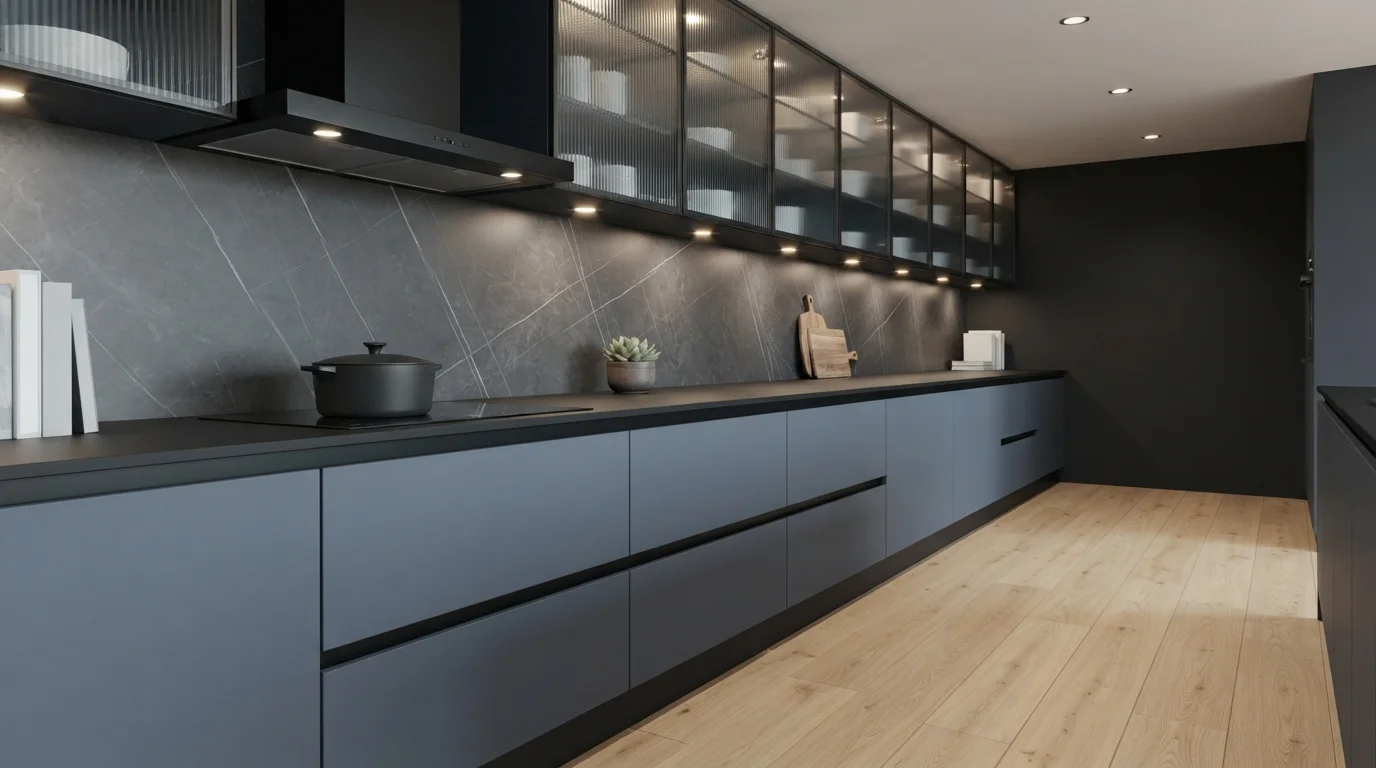
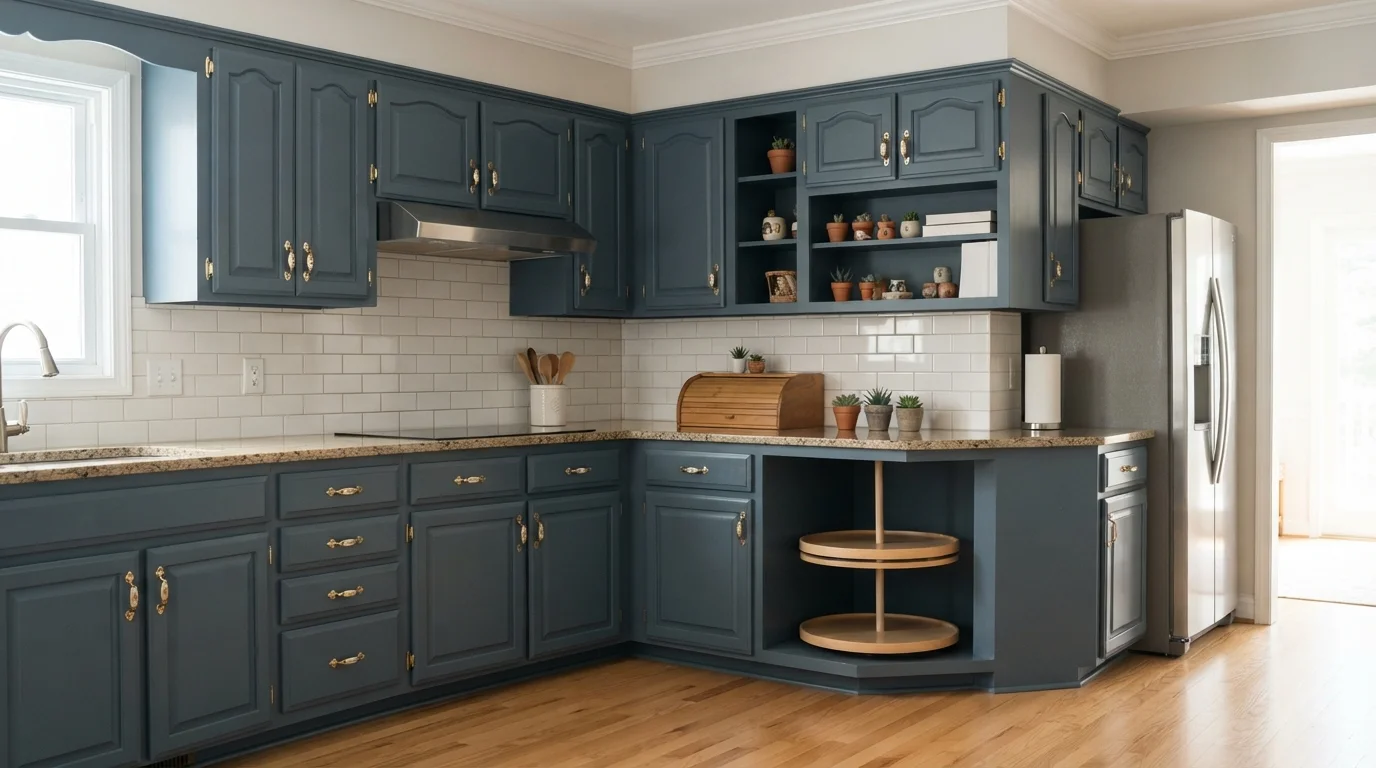
Light decides how dark you can go. In a cabinet that sits in a bright, sun-filled spot, a deep navy or a rich mid-tone blue (an LRV roughly in the teens to high single digits) reads as crisp and intentional, and the daylight keeps it from feeling heavy. In a darker corner or a room with little natural light, that same deep blue can flatten into near-black, so a softer slate or a chalky mid-blue in the 25 to 45 LRV range usually holds its color better.
LRV, or light reflectance value, is just a 0-to-100 scale of how much light a color bounces back. Lower numbers absorb light and feel moody; higher numbers stay airy. For a cabinet, think about how the door looks when it is closed and shaded, not just when the light hits it, because that is how you will see it most of the day.
Finish and Sheen That Hold Up
A cabinet gets handled constantly, so skip flat and matte finishes that mark up and cannot be wiped clean. A satin gives you a soft glow with enough washability for daily use, while a semi-gloss is the most durable and the easiest to scrub, which is why it is the traditional choice for doors and drawer fronts. Deeper blues especially benefit from a little sheen, since it adds depth and keeps the color from looking dull or dusty.
If the cabinet lives somewhere humid or near a sink, lean toward semi-gloss for moisture resistance and easy cleanup. The trade-off is glare: higher sheen shows every roller mark, brush stroke, and dust nib, so surface prep and a smooth application matter as much as the product you choose. On a large flat door, a satin often photographs and reads better than a hard gloss that throws reflections.
Pairing Blue Cabinetry With Everything Around It
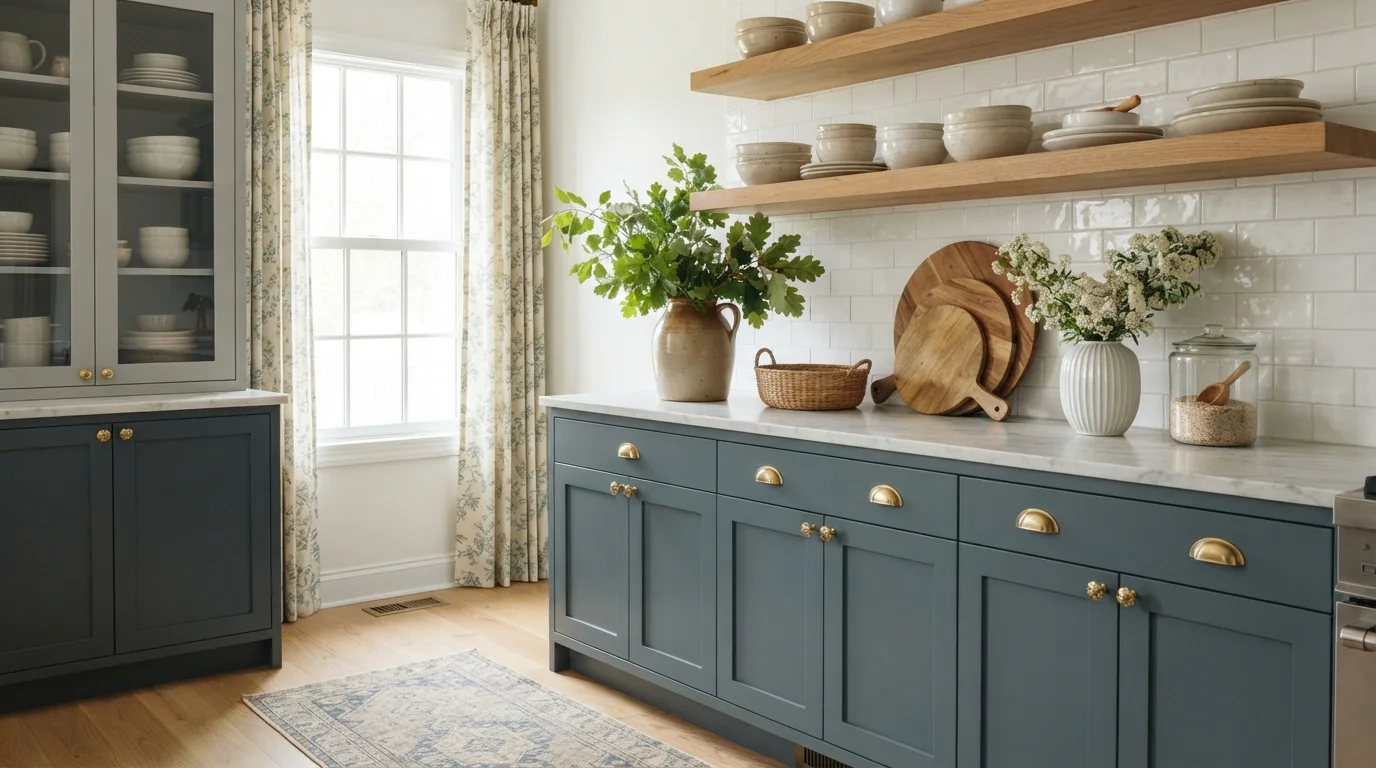
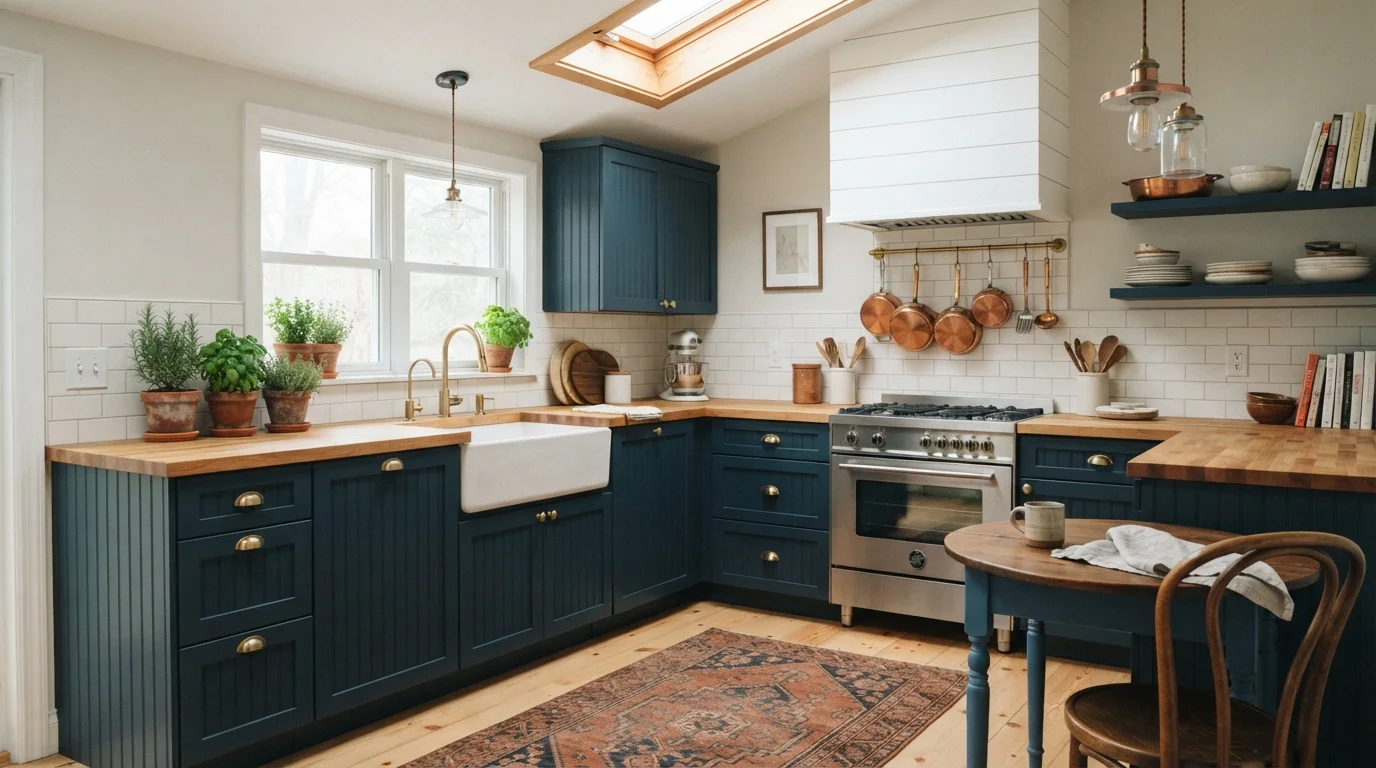
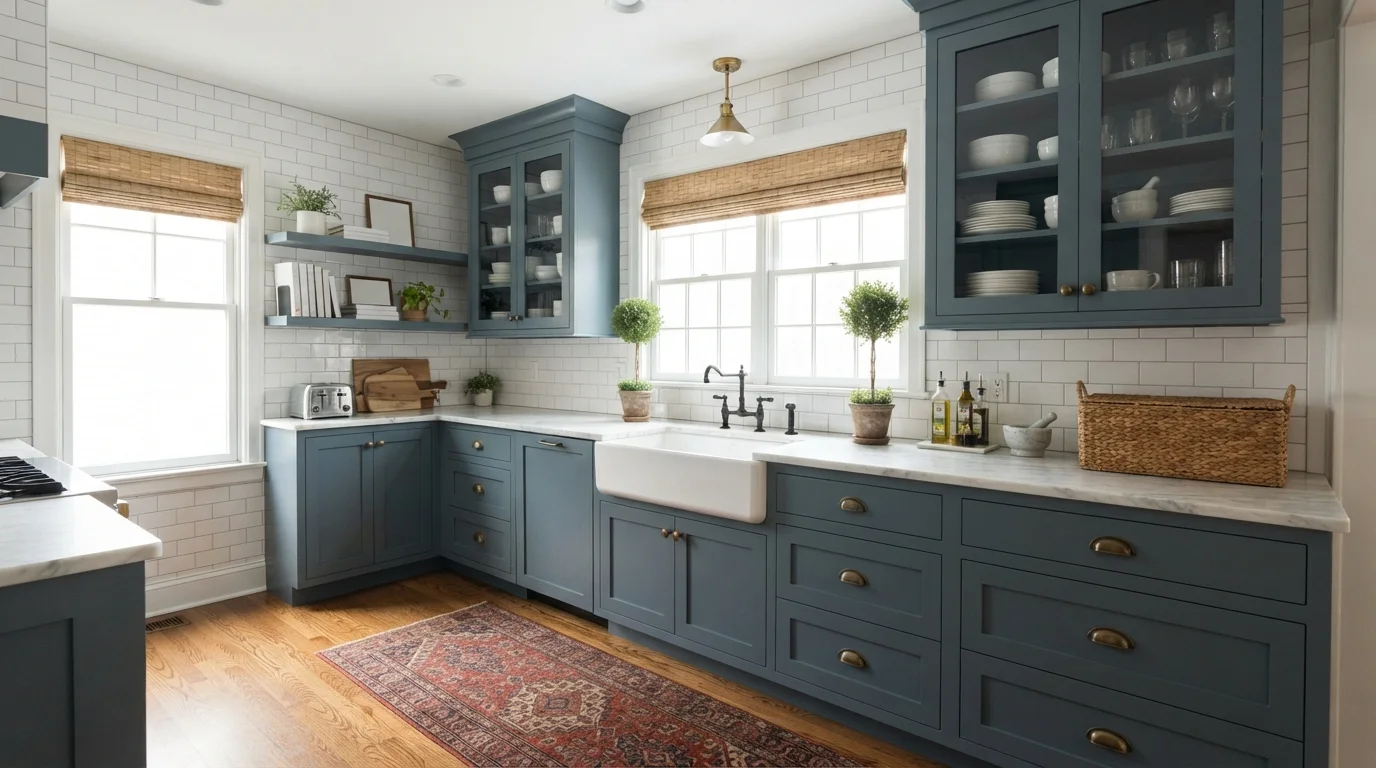
Blue is friendliest next to warm and neutral materials. Crisp white or soft off-white trim and walls let the blue stay the star, while a warm wood top, brass or aged-bronze hardware, and natural stone keep a deep blue from feeling cold. If everything around the cabinet is also cool, the room can tip clinical, so add at least one warm note to balance it.
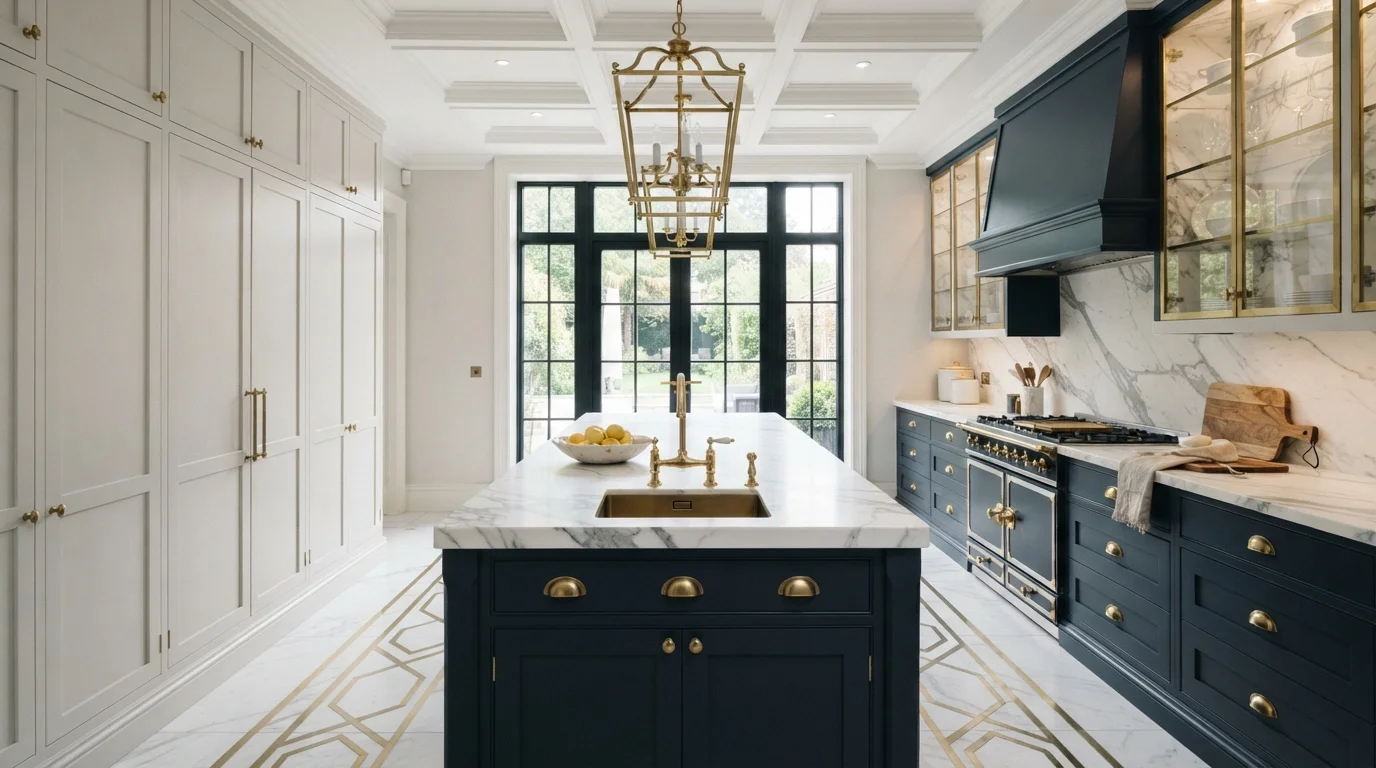
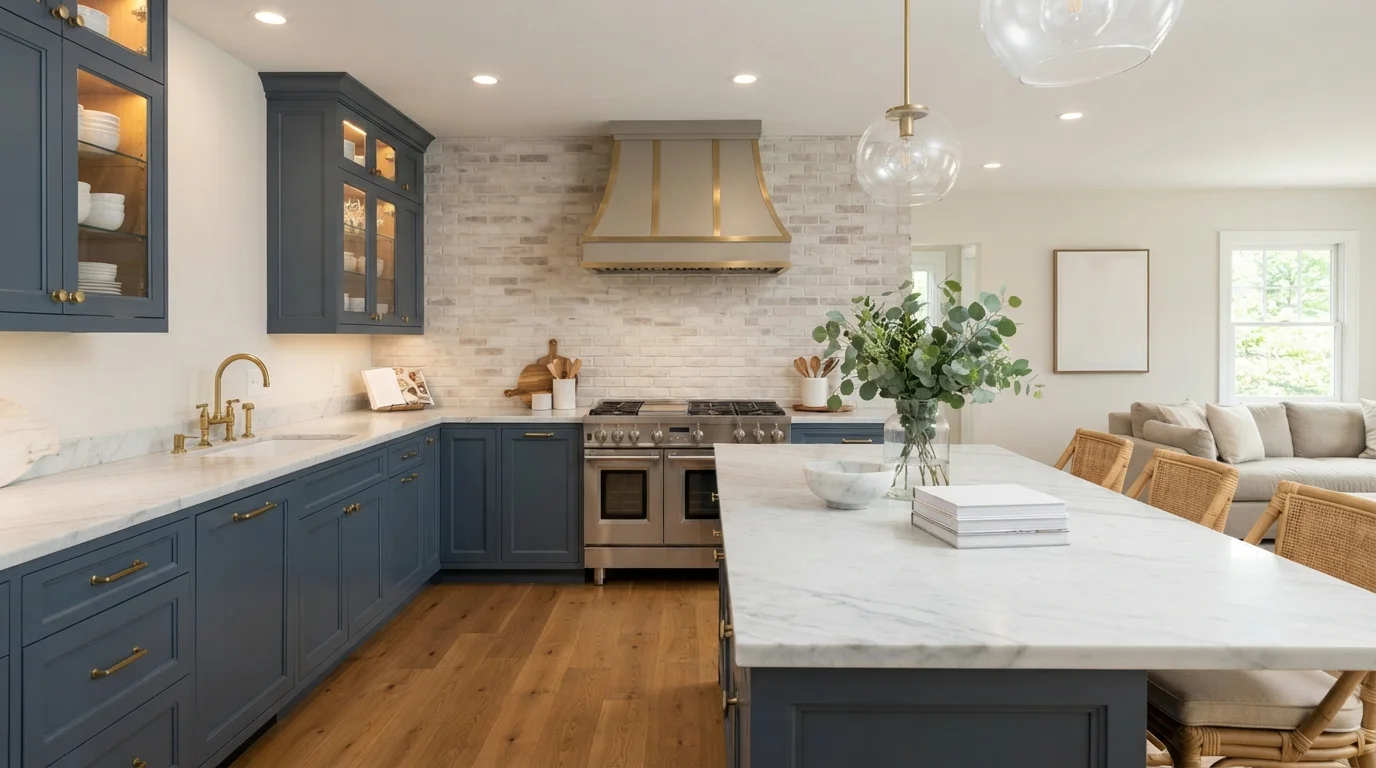
Keep the ceiling and trim quiet so the cabinet leads. A clean white above and around a blue cabinet gives it room to breathe. For hardware, brass and gold flatter most blues, matte black gives a sharper modern edge, and polished nickel or chrome keeps things cool and crisp; pick the metal first if you already own the fixtures, then let the blue play off it.
Common Mistakes to Avoid
The biggest mistake is choosing the blue from a tiny chip under store lighting and never testing it on the cabinet itself. Paint a sample door or a large board and live with it for a couple of days, checking it in morning light, afternoon light, and lamplight before you buy gallons. The second mistake is going too dark in a space that cannot carry it, which turns a handsome navy into a black hole.
Other common slips: using a flat finish that smudges within a week, skipping primer or proper sanding so the paint chips off the doors, and ignoring undertone so the blue clashes with a warm-toned floor or countertop. Take your time on prep and testing, because a cabinet is the one surface where shortcuts show up fast.
Blue Kitchen Cabinet Paint — Frequently Asked Questions
What is the best shade of blue for a cabinet?+
It depends on your light. In a bright space, a deep navy or rich mid-blue looks crisp and intentional. In a darker spot, a softer slate or chalky mid-blue holds its color better and won't read as near-black. Always test a sample on the actual cabinet before committing.
What finish should I use on a blue cabinet?+
Use satin or semi-gloss. Satin gives a soft glow with good washability, and semi-gloss is the most durable and easiest to scrub, which suits doors and drawers that get handled all day. Avoid flat or matte, since they mark up and can't be wiped clean.
Will a dark blue cabinet make the room feel smaller?+
Not usually, because a cabinet is a contained surface rather than a full wall. A deep blue cabinet acts as an anchor while the walls and ceiling stay light, which actually adds depth. Keep the trim and surrounding walls pale so the blue reads as a feature, not a weight.
What hardware and trim go with a blue cabinet?+
Brass and gold flatter most blues, matte black adds a sharp modern edge, and polished nickel or chrome keeps things cool and crisp. Pair the cabinet with white or soft off-white trim, and add a warm note like a wood top or stone so a deep blue doesn't feel cold.
How does LRV help me pick a blue for a cabinet?+
LRV is a 0-to-100 scale of how much light a color reflects. Lower numbers absorb light and feel moody, higher numbers stay airy. For a cabinet in low light, a blue around 25 to 45 LRV keeps its color, while a bright space can carry a deep blue in the single digits to teens.
Can I get the same blue across different paint brands?+
Yes. Every color shown here is mixed to order at the store, and a blue from one brand can be cross-matched into another brand's paint. So you can pick the shade you love, then have it tinted in the line and finish that works best for your cabinet.