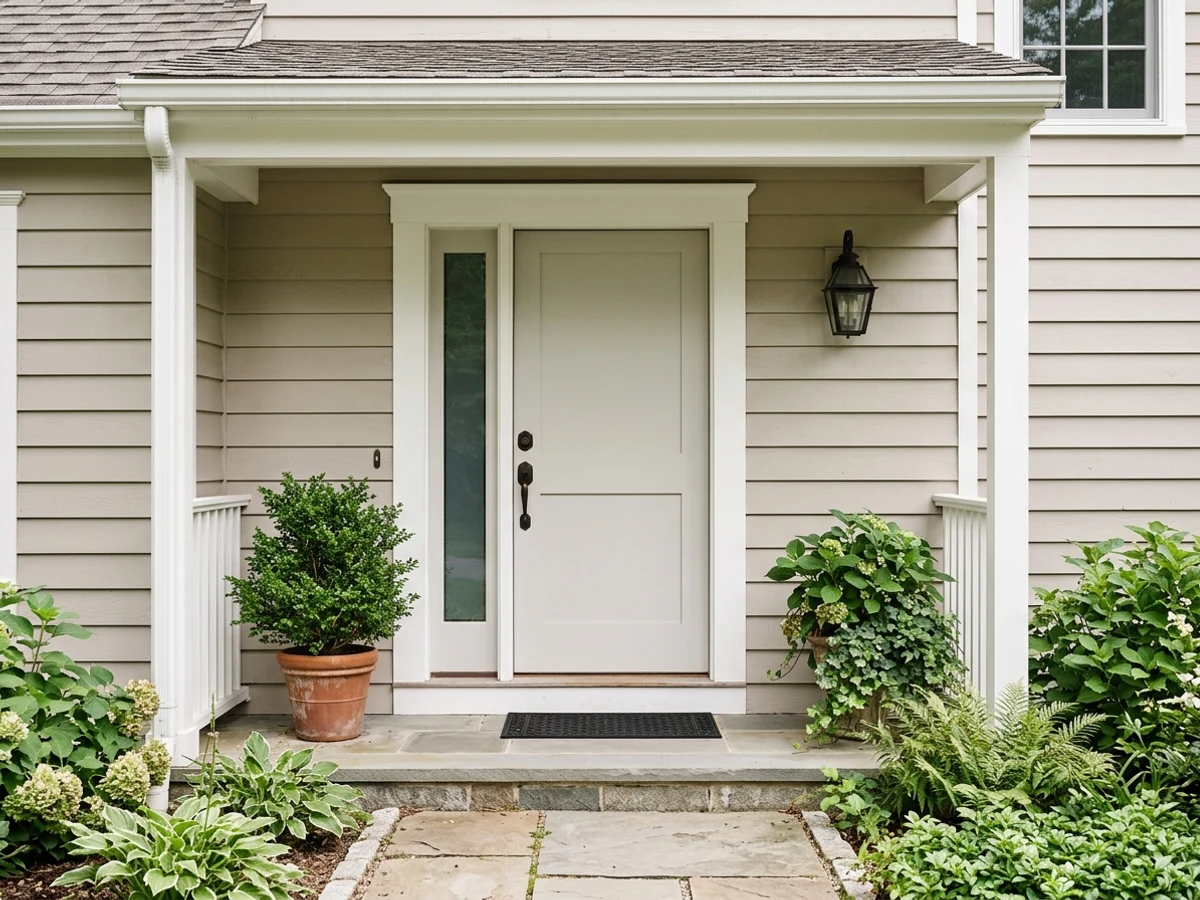
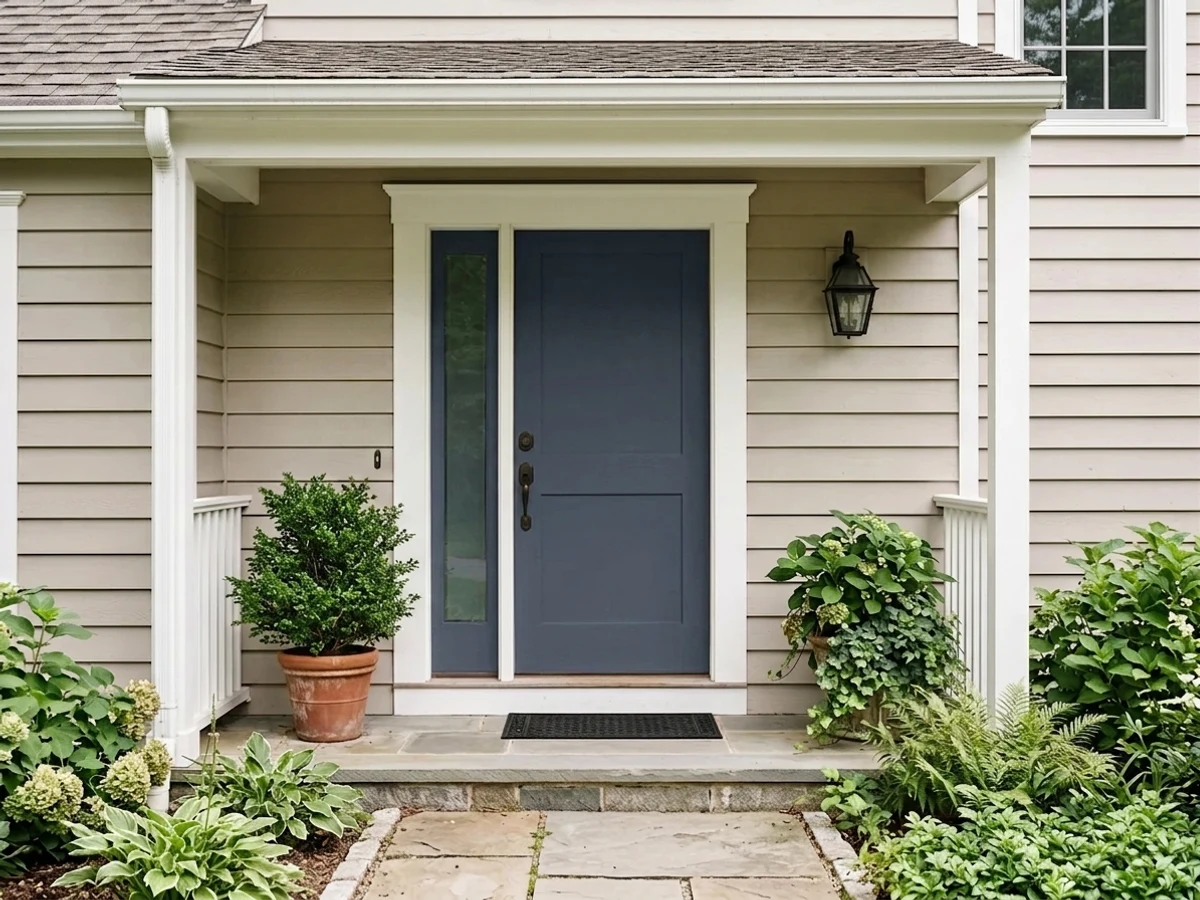
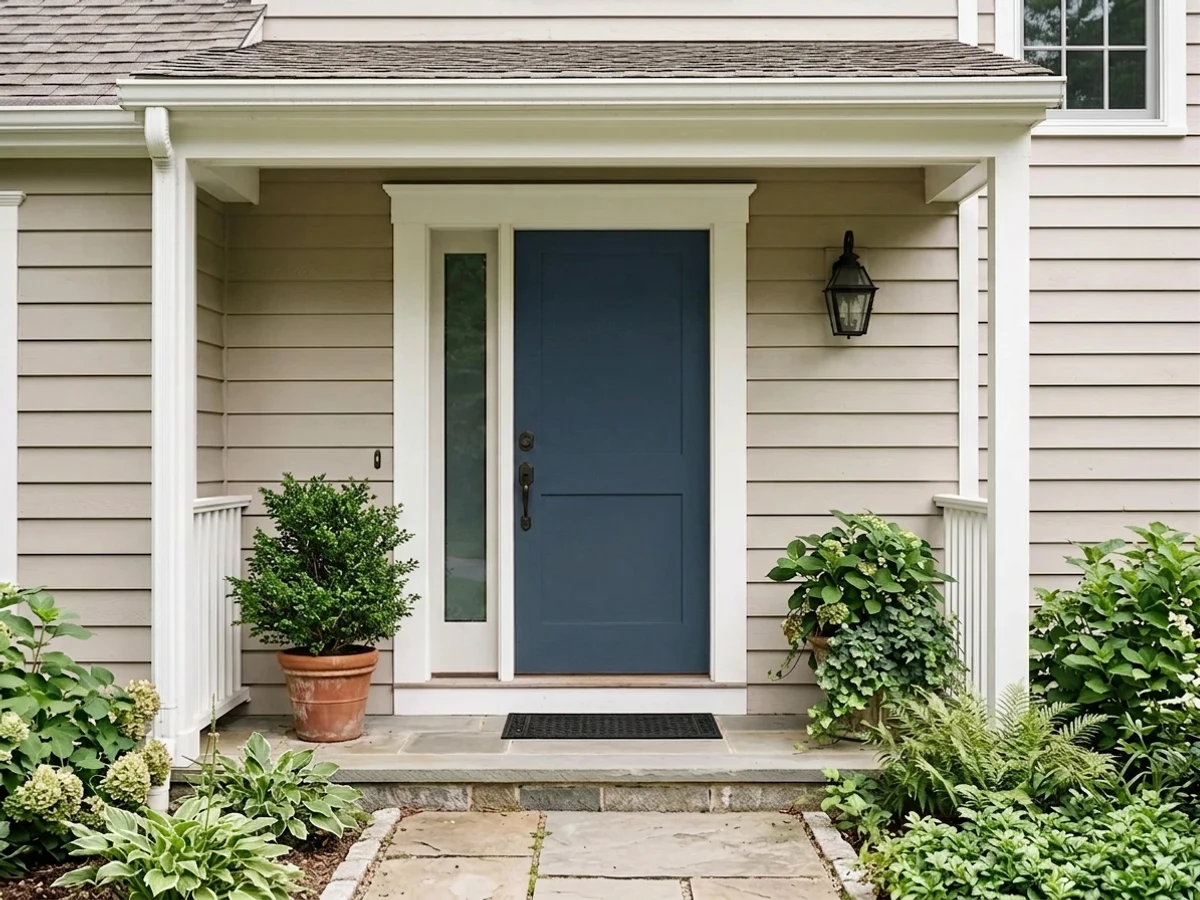
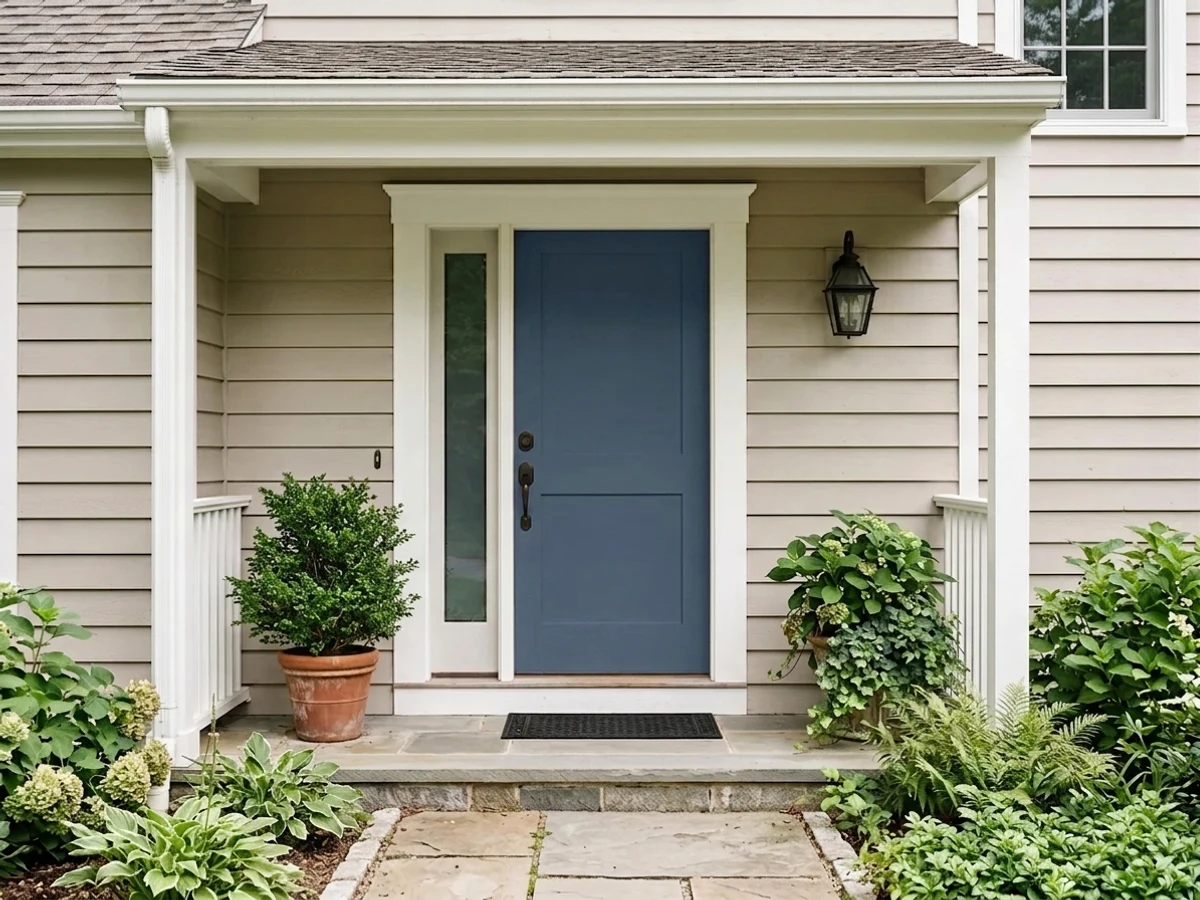
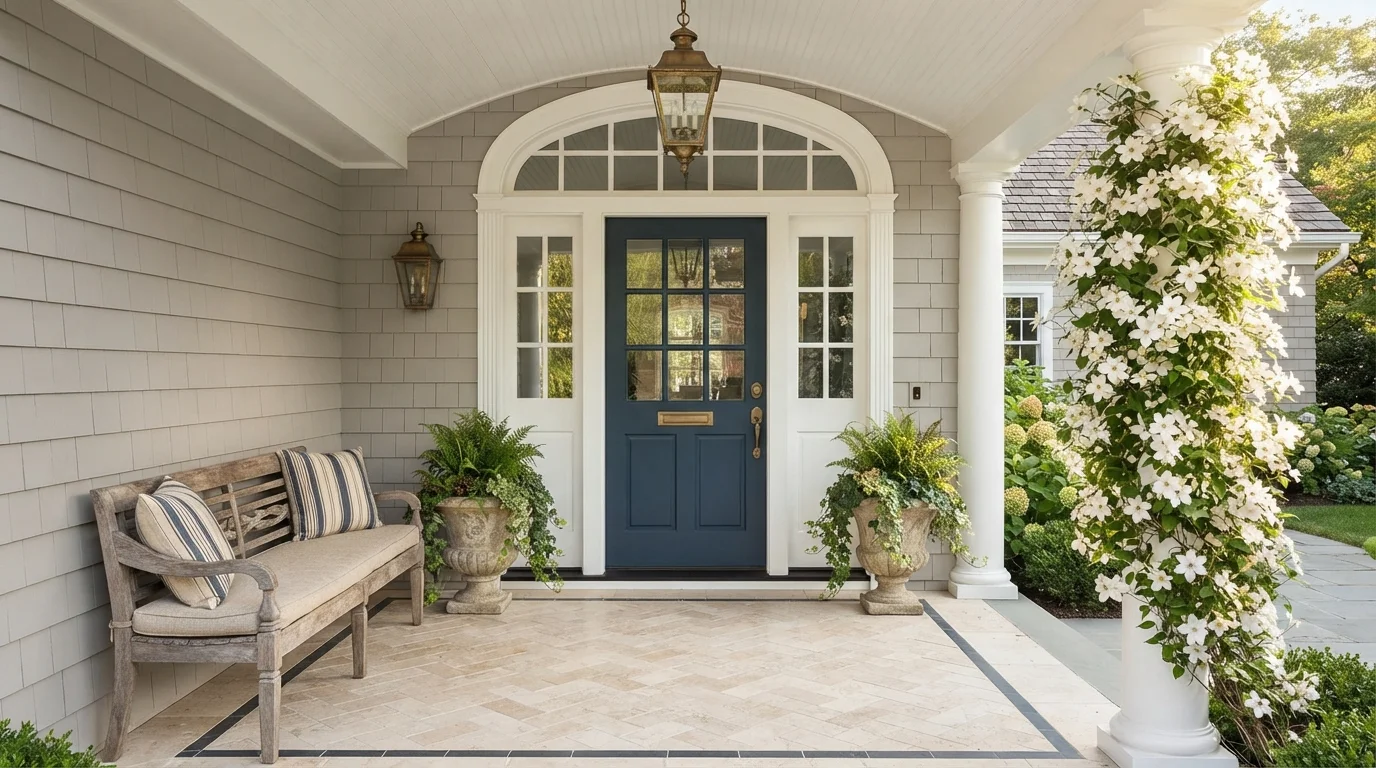
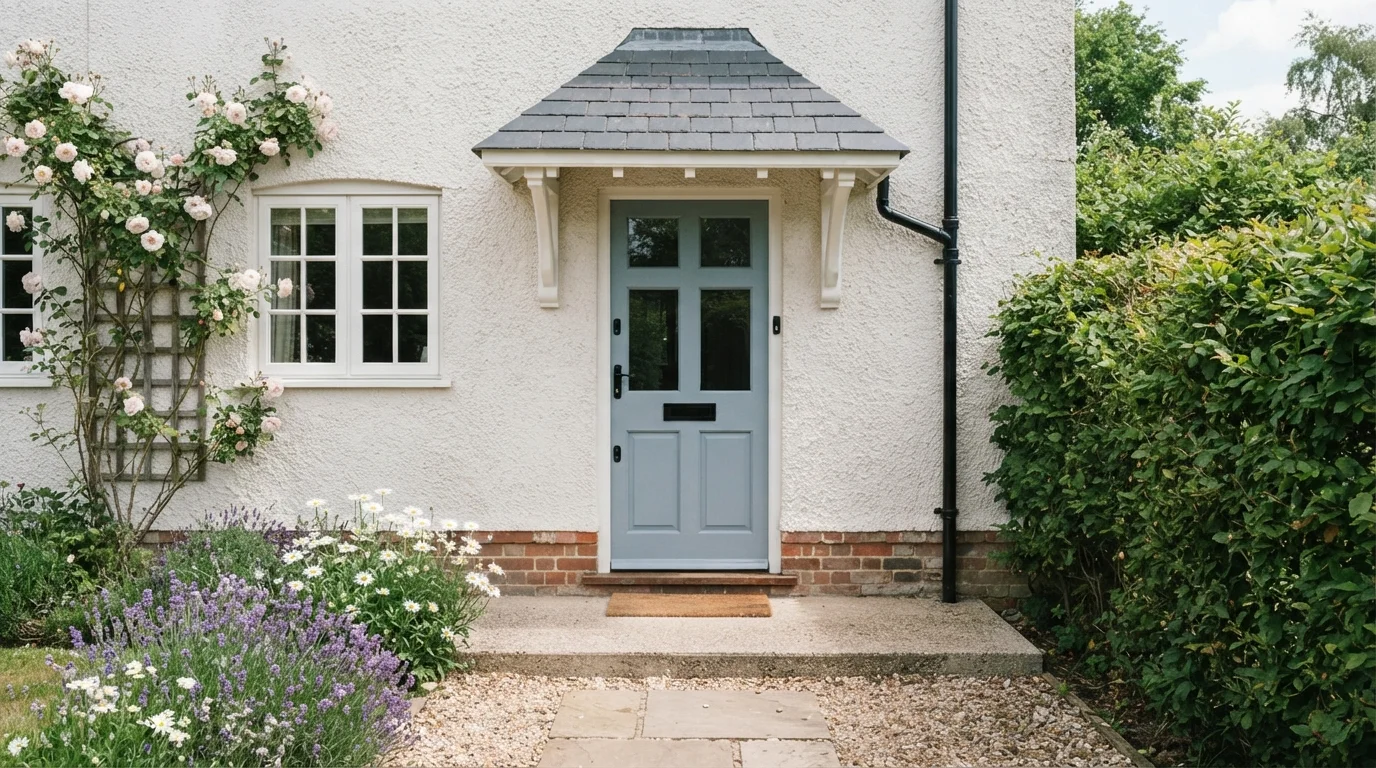
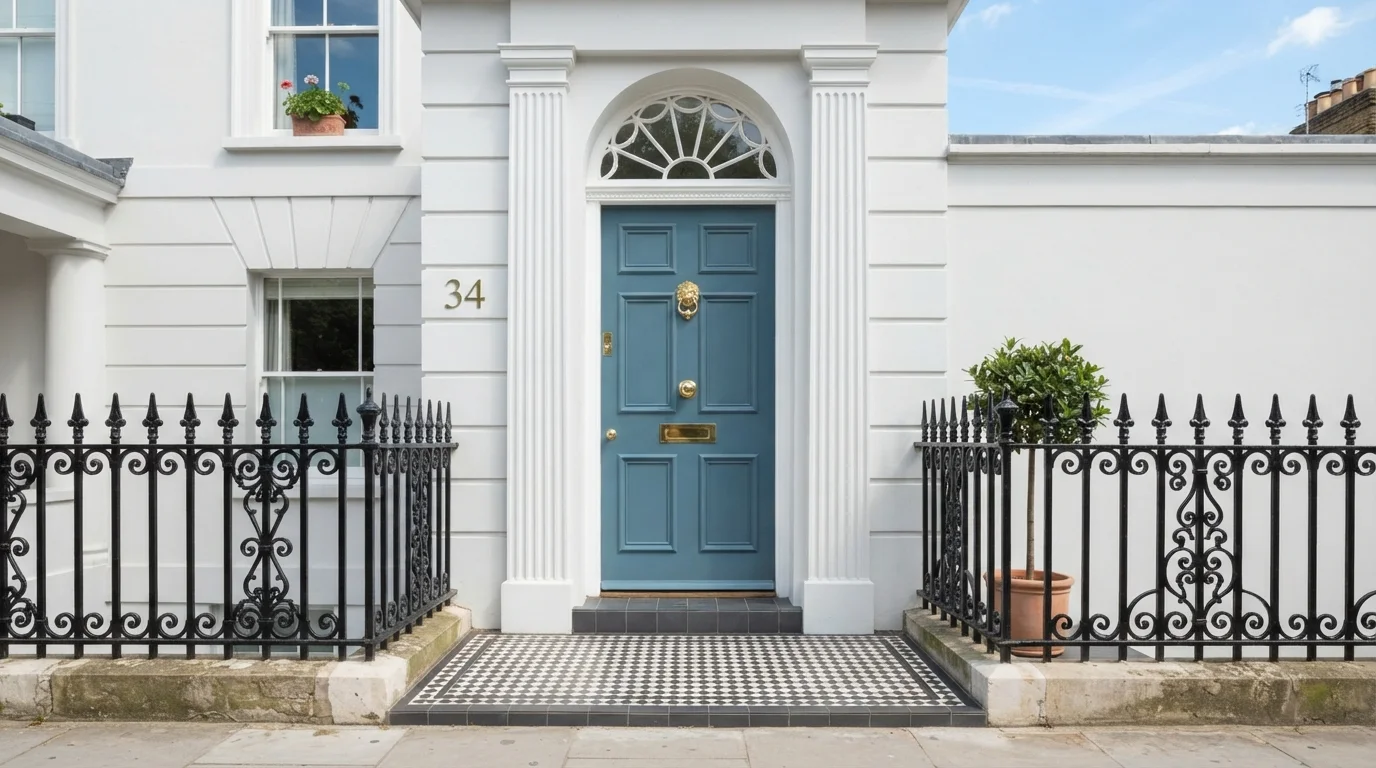
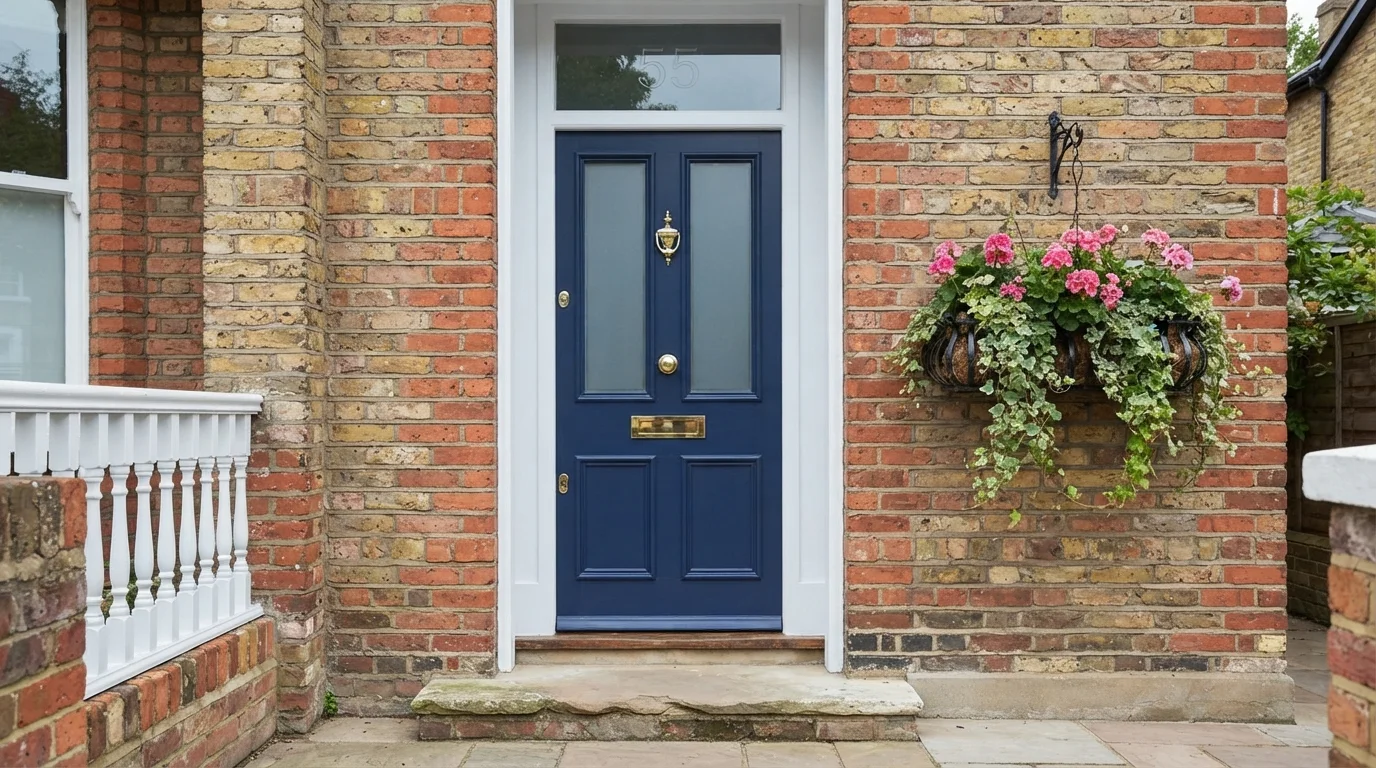
Blue Front Door Paint Colors
1,741 blue colors that work in front doors, drawn from the full ~30,000-color US paint deck. Below: editor's picks specific to front doors, then 30 picks spread across the LRV range — narrow further on the brand page when you've shortlisted.
Blue is the most popular color for accent walls, kitchen islands, and front doors — and also the family with the widest spread, from pale dove-blues that read almost grey, to inky near-black navies, to saturated cobalts that read almost royal. Teal-leaning blues (the green-blue overlap) live next door in the Teal family.
Editor's Picks: Blue for Front Doors
4 picks30 Blue Picks Across the LRV Range
30 of 1,741 · sorted dark → lightLooking for more? All blue → covers every brand; brand × family pages show full decks.
Blue Front Door Colors at Every US Brand
21 brands · up to 10 picks eachUp to 10 picks per brand spread across the blue LRV range, drawn from each brand's full deck. Tap any swatch with a curated guide for full spec; tap the brand title for the brand's complete blue deck.
Behr
Valspar
Glidden
Benjamin Moore
PPG / Glidden
Dunn-Edwards
Sherwin-Williams
Dutch Boy
Hirshfield's
Diamond Vogel
Kompozit
C2 Paint
Portola Paints
Magnolia Home
Rodda
Farrow & Ball
Backdrop
Annie Sloan
Clare
Rust-Oleum
Other Front Door Color Families
Blue Colors in Other Rooms
Blue Paint Colors for a Front Door
A blue front door is one of the easiest ways to give a house a fresh, welcoming face without touching anything else. Blue reads as friendly and calm, it photographs well from the street, and it works on almost every architectural style — from a white cottage to a brick colonial to a gray modern build. Because the door is small and framed by trim, you can go bolder here than you would on a whole wall and still keep the house looking timeless.
The trick is matching the right depth of blue to your light and your siding, then choosing a finish that can survive sun, rain, and hands all day long. Below is what actually matters when you put blue on a front door, plus how to pair it and the mistakes to skip. Every blue you see on this page is a real, mixable color — any paint store can tint it to order, and you can cross-match the same shade between brands if your favorite isn't from the line you planned to buy.
Why Blue Works on a Front Door
A front door is a small canvas with a big job. Blue hits a sweet spot that few other colors do — it feels classic and a little personal at the same time, so it stands out without looking like you tried too hard. It also plays nicely with the most common siding and roof colors in the US, including white, gray, beige, and brick red.
The one thing to watch is that a door is seen up close and from far away. A blue that looks rich on the porch can flatten into a dull blob from the curb, or a soft blue can wash out in bright sun. Pick a shade that still reads clearly as the blue you want from across the street, not just on the swatch in your hand.
The Right Depth of Blue for Your Light
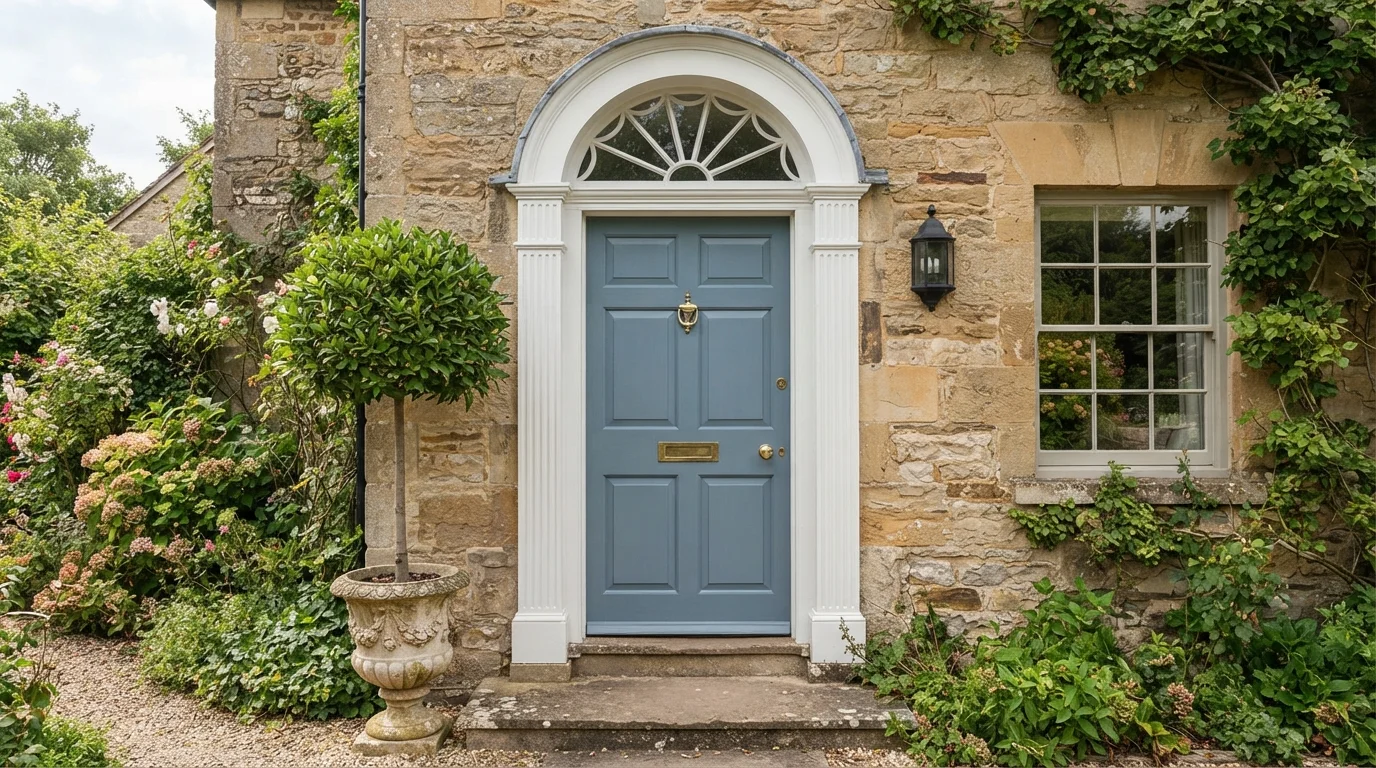
For most homes, a medium to deep blue is the safest bet on a front door. Deeper shades — think navy, slate, and dusty denim tones — hold their color in full sun and give the door real presence against light siding. Softer, paler blues can look charming on a shaded or covered porch but tend to fade and gray out under harsh midday light.
LRV (light reflectance value) tells you how light or dark a color is on a 0–100 scale, and it's your best guide here. Blues in the roughly 8–25 LRV range give that crisp, saturated front-door look, while anything above about 40 starts acting like a pale accent that can disappear from a distance. A north-facing or shaded entry can take a slightly lighter, warmer blue since it won't get blasted by sun, but a south- or west-facing door in strong light usually wants a deeper blue with a touch of gray to keep it from going neon.
The Best Finish for a Front Door
A front door takes more abuse than almost any other painted surface in the house — sun, rain, temperature swings, and constant touching. For that reason, satin or semi-gloss is the standard choice. They shed water, wipe clean with a damp cloth, and resist the fading and chalking that flat and matte finishes suffer outdoors.
Semi-gloss gives the most durable, easiest-to-clean surface and a crisp shine that suits traditional and panel doors. Satin is a great middle ground if you want a slightly softer look with most of the toughness. Skip flat and eggshell on an exterior door entirely — they hold dirt, streak in the rain, and can't be scrubbed without burnishing. One caution with deep blues in high gloss: the darker the color and the higher the shine, the more every dent, brush mark, and bit of sun glare shows, so a deep navy often looks best in satin or semi-gloss rather than full gloss.
Pairing Blue With Trim, Hardware, and Siding
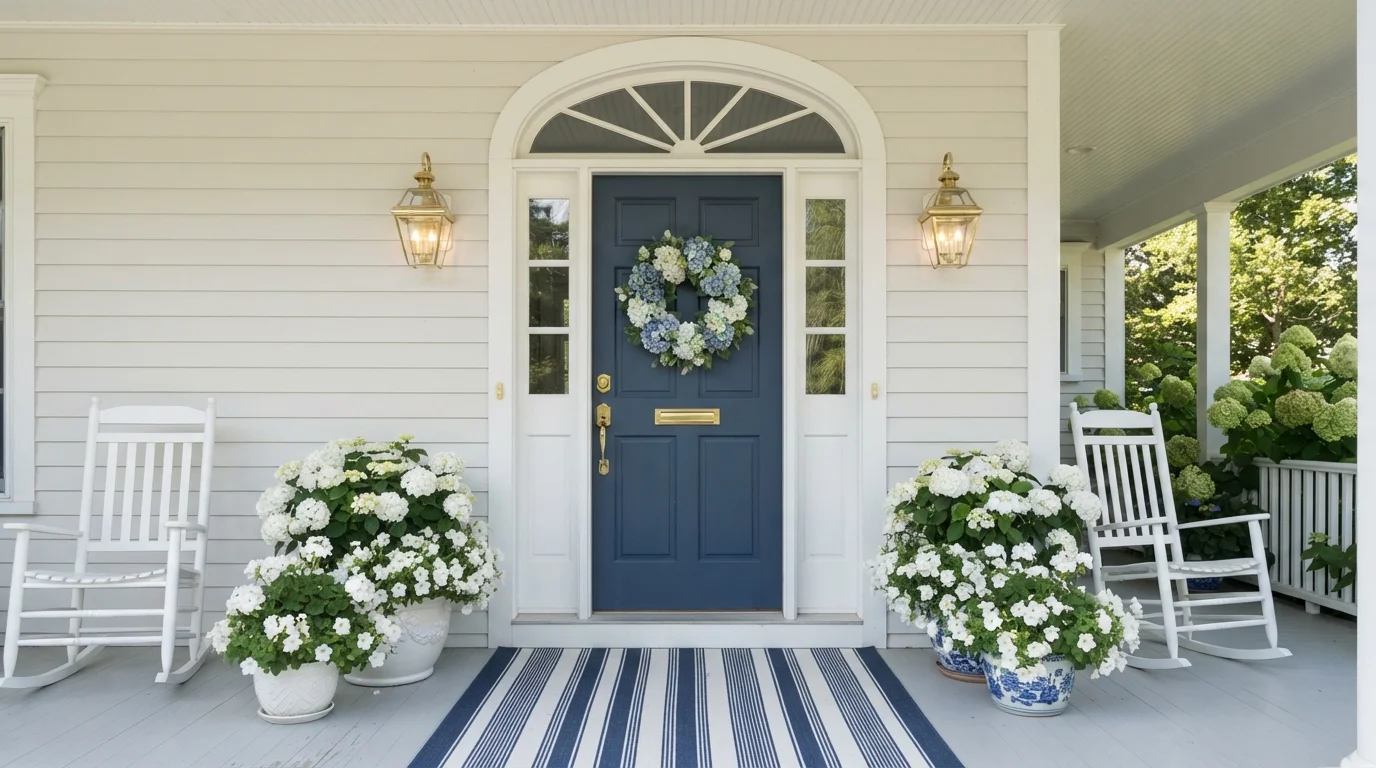
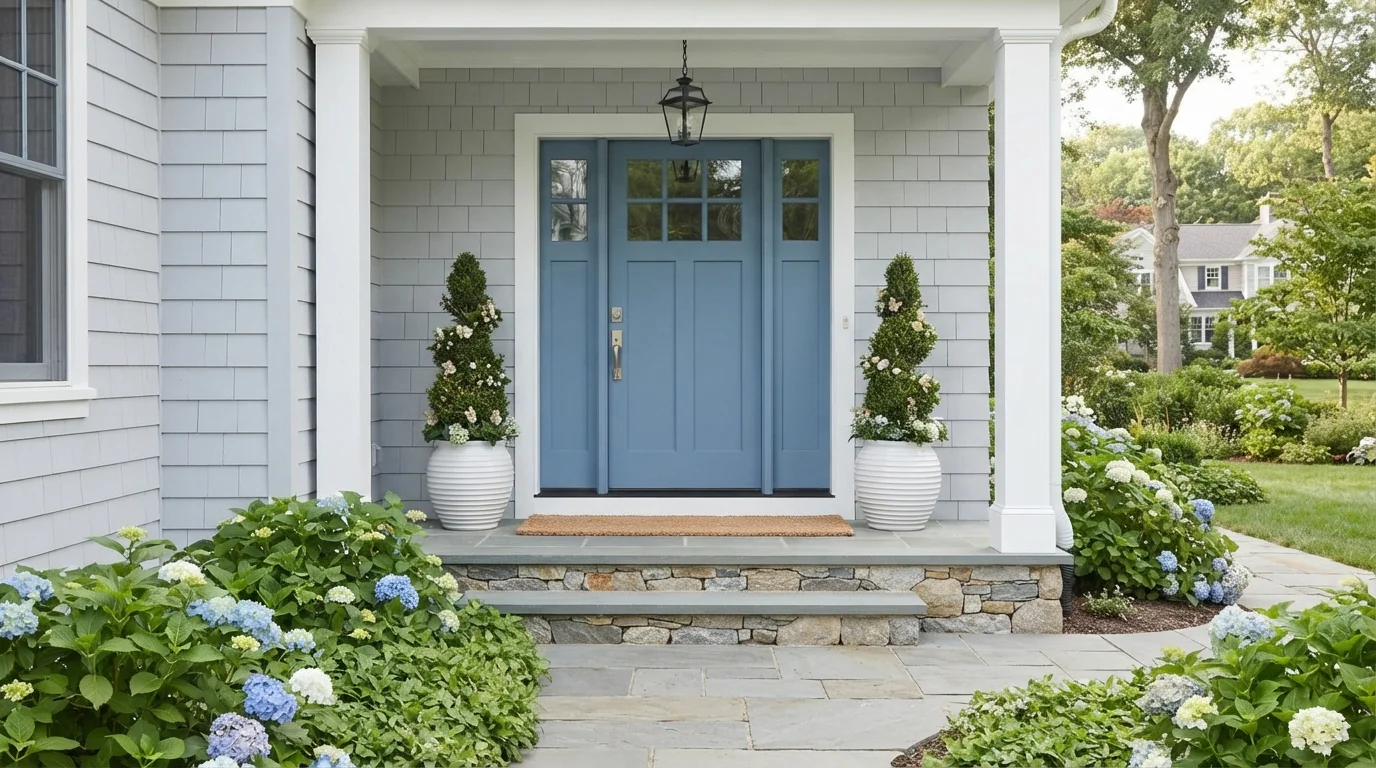
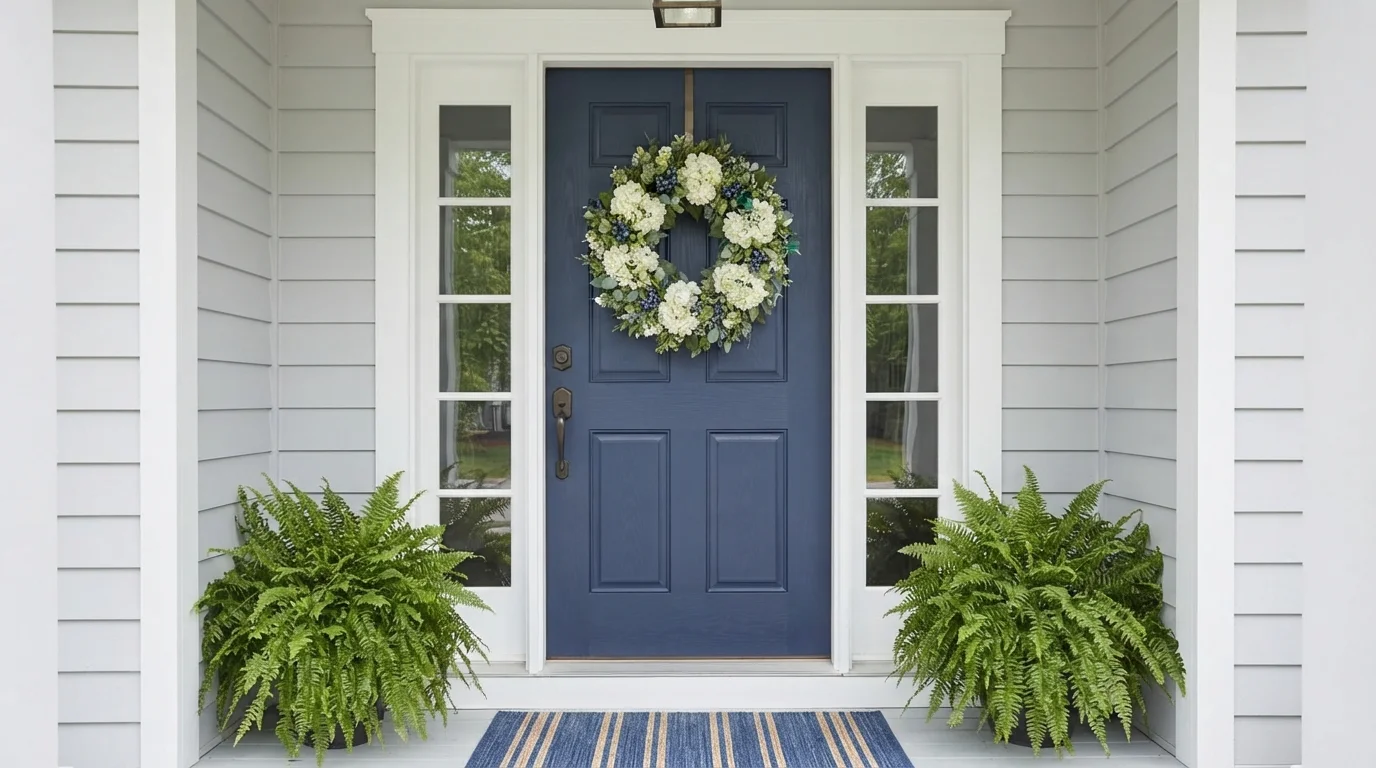
Crisp white trim is the most reliable partner for a blue door — it frames the color and makes both the blue and the trim look cleaner. Against gray siding, a blue door adds warmth and a focal point; against beige or brick, a navy or slate blue grounds the whole entry. If your siding is already a cool color, lean toward a blue with a little more warmth or depth so the door doesn't blend in.
Hardware is where a blue door gets its personality. Black hardware reads modern and graphic, oil-rubbed bronze feels traditional and warm, and brass or satin gold adds a dressy, classic touch that looks especially good on navy. Carry that metal through to the porch light, house numbers, and mailbox so the entry looks intentional. A natural wood or jute doormat and a few greens in planters finish the picture without competing with the door.
Common Mistakes to Avoid
The most common miss is picking a blue that's too bright or too pale for the spot. A primary, electric blue can look cartoonish on a house, and a soft baby blue often fades to nothing in the sun — a slightly grayed or deeper blue almost always wears better. Always test a sample on the actual door and look at it in morning, midday, and evening light before committing.
The other big mistakes are practical. Painting over bare or glossy surfaces without cleaning, sanding, and priming leads to peeling within a season, especially on a sun-baked door. People also forget to check undertones — a blue can pull green, purple, or teal depending on the light, and it should agree with your siding and trim, not fight them. Since every color here is mixed to order, grab a sample and cross-match it across brands if needed, rather than guessing from a screen.
Blue Front Door Paint — Frequently Asked Questions
Is blue a good color for a front door?+
Yes. Blue is one of the most popular and forgiving front-door colors because it feels welcoming, looks timeless, and pairs well with white, gray, beige, and brick. A medium-to-deep blue gives the most presence; just avoid shades that are too bright or too pale for outdoor light.
What shade of blue is best for a front door?+
For most homes, a medium to deep blue like navy, slate, or dusty denim works best because it holds its color in sunlight and reads clearly from the street. Look for a blue in roughly the 8–25 LRV range. Save the softer, paler blues for shaded or covered entries where they won't wash out.
What finish should I use on a blue front door?+
Use satin or semi-gloss. Both shed water, wipe clean, and stand up to sun and rain far better than flat or eggshell. Semi-gloss is the most durable and easiest to clean, while satin gives a slightly softer look. With deep navy blues, satin or semi-gloss usually looks better than full gloss, which highlights every mark and glare.
What trim and hardware colors go with a blue front door?+
Crisp white trim is the most reliable choice and frames the blue cleanly. For hardware, black looks modern, oil-rubbed bronze feels traditional, and brass or satin gold adds a dressy touch that suits navy especially well. Match your porch light, house numbers, and mailbox to the same metal for a pulled-together entry.
Why does my blue door look different outside than on the sample?+
Outdoor light changes how a blue reads — strong sun can make it look brighter or grayer, and shade can deepen it. Blues also carry undertones that pull green, purple, or teal in different light. Always test a sample on the actual door and check it in morning, midday, and evening before deciding.
Can I get the same blue from a different paint brand?+
Yes. Every color shown here is mixed to order at the store, so you're not locked into one brand. If you love a blue from one line but prefer to buy another brand's paint, the same shade can be cross-matched and tinted for you. Bring the color reference and ask the counter to match it.