Green Front Door Paint Colors
2,263 green colors that work in front doors, drawn from the full ~30,000-color US paint deck. Below: editor's picks specific to front doors, then 30 picks spread across the LRV range — narrow further on the brand page when you've shortlisted.
Green has quietly replaced grey as the safe-but-interesting wall color of the late 2020s. Sage Green, the soft grey-green that became the de facto fallback, anchors the family — but the broader green palette runs from olive (warm, earthy, faintly yellow) to forest (deep blue-green) to emerald (saturated jewel tone).
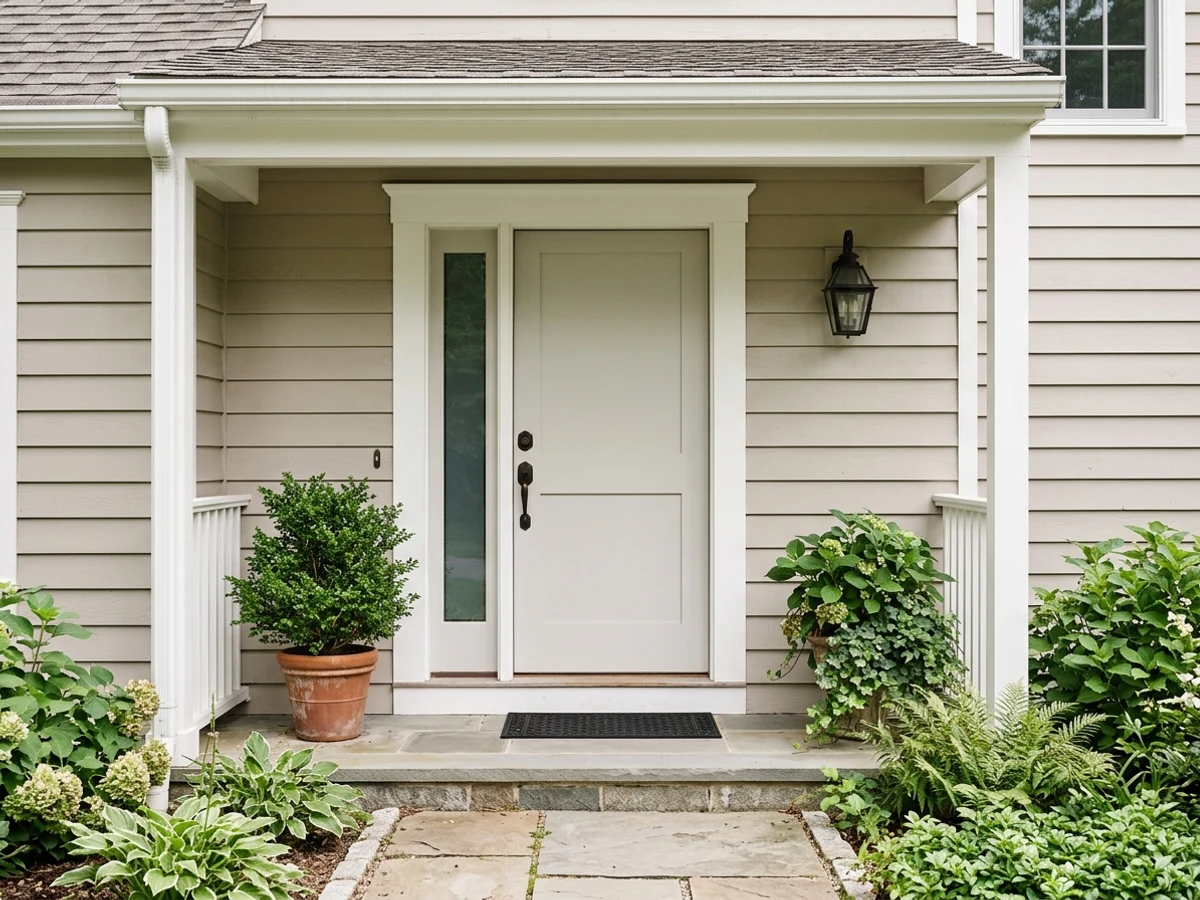
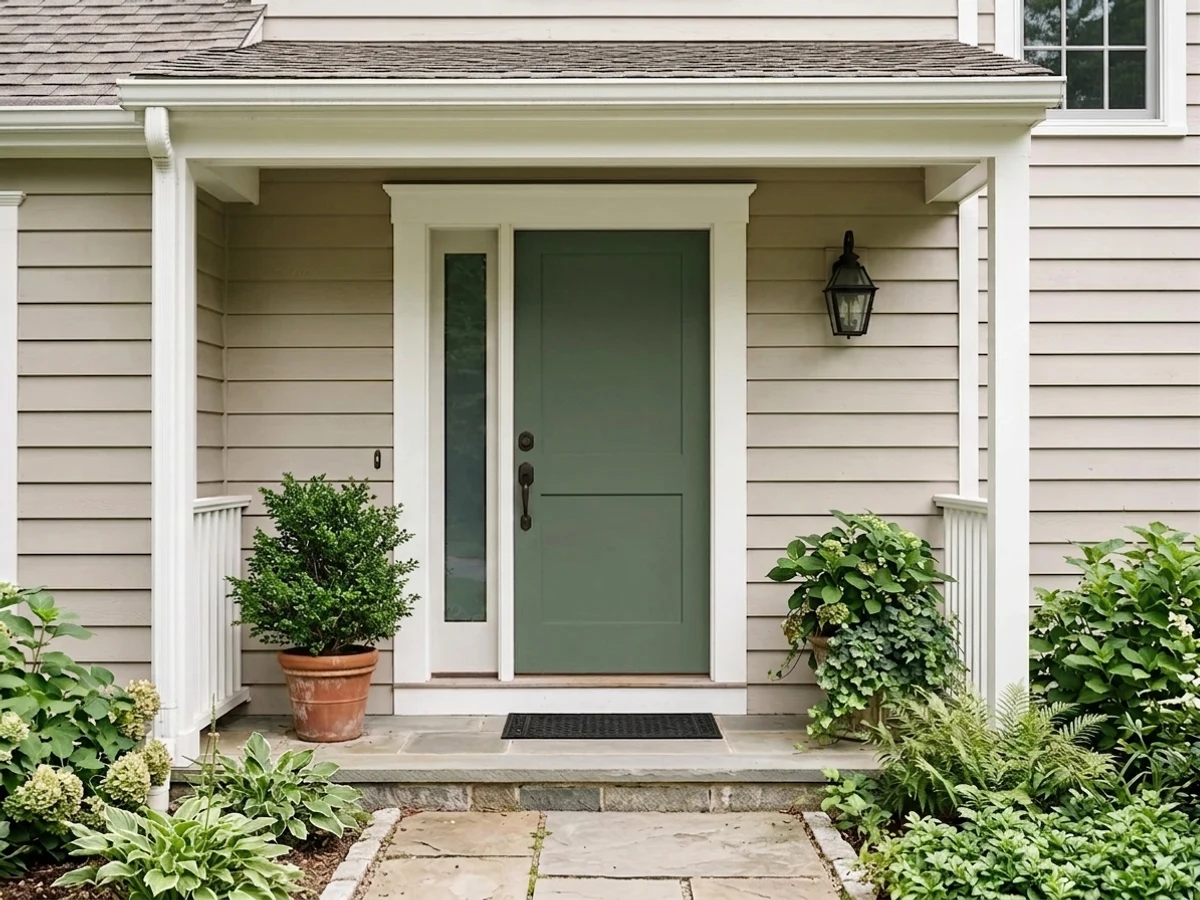
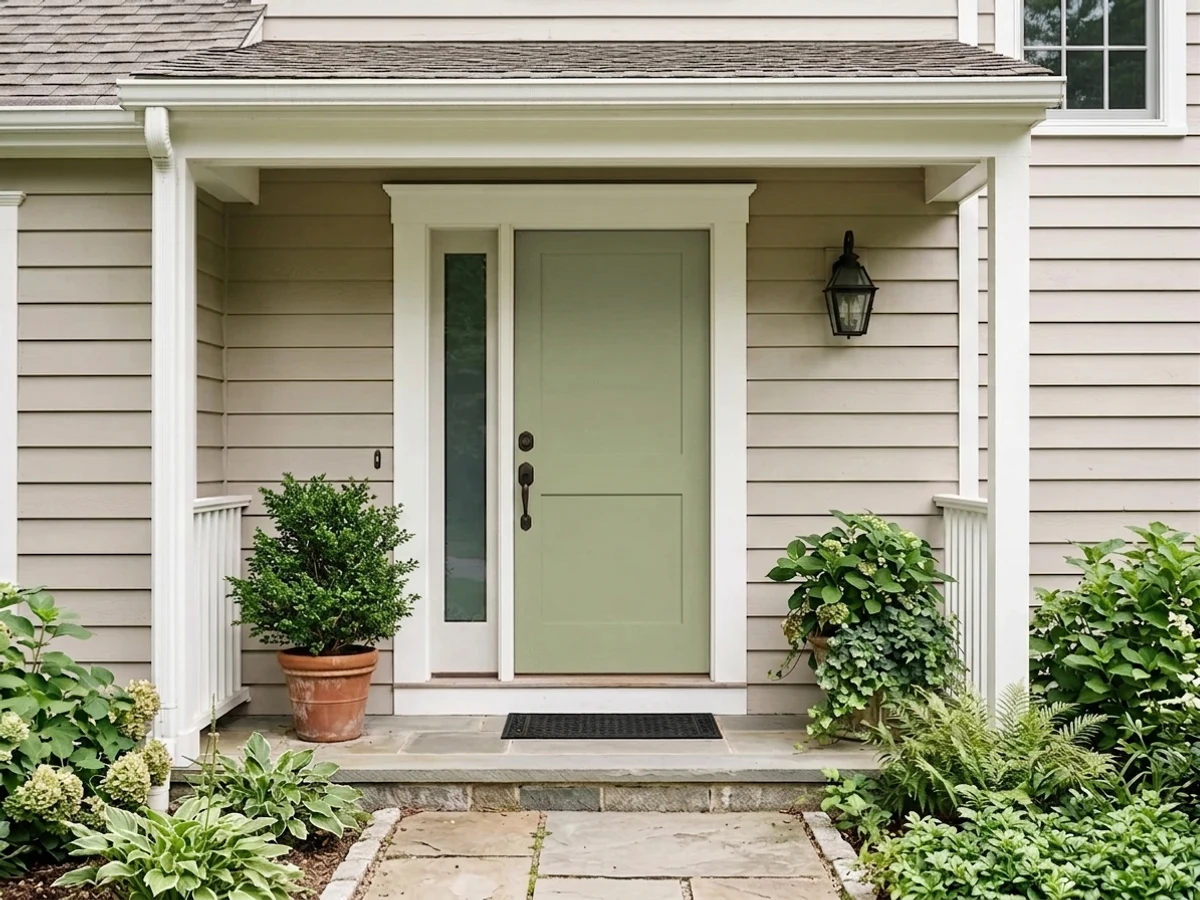
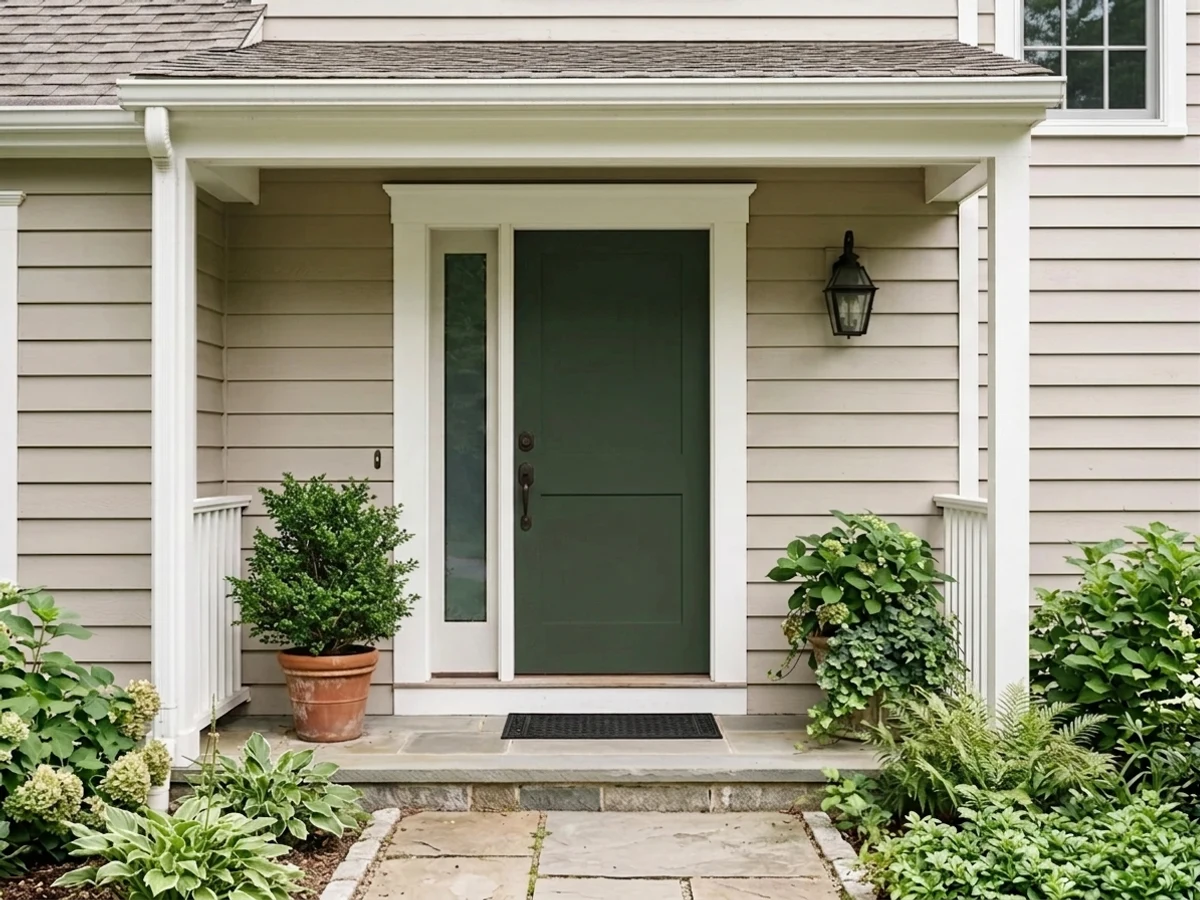
Editor's Picks: Green for Front Doors
4 picks30 Green Picks Across the LRV Range
30 of 2,263 · sorted dark → lightLooking for more? All green → covers every brand; brand × family pages show full decks.
Green Front Door Colors at Every US Brand
19 brands · up to 10 picks eachUp to 10 picks per brand spread across the green LRV range, drawn from each brand's full deck. Tap any swatch with a curated guide for full spec; tap the brand title for the brand's complete green deck.
Behr
Benjamin Moore
Glidden
Valspar
Dunn-Edwards
PPG / Glidden
Sherwin-Williams
Dutch Boy
Hirshfield's
Diamond Vogel
Kompozit
C2 Paint
Farrow & Ball
Magnolia Home
Clare
Rodda
Annie Sloan
Backdrop
Other Front Door Color Families
Green Colors in Other Rooms
Green Paint Colors for a Front Door
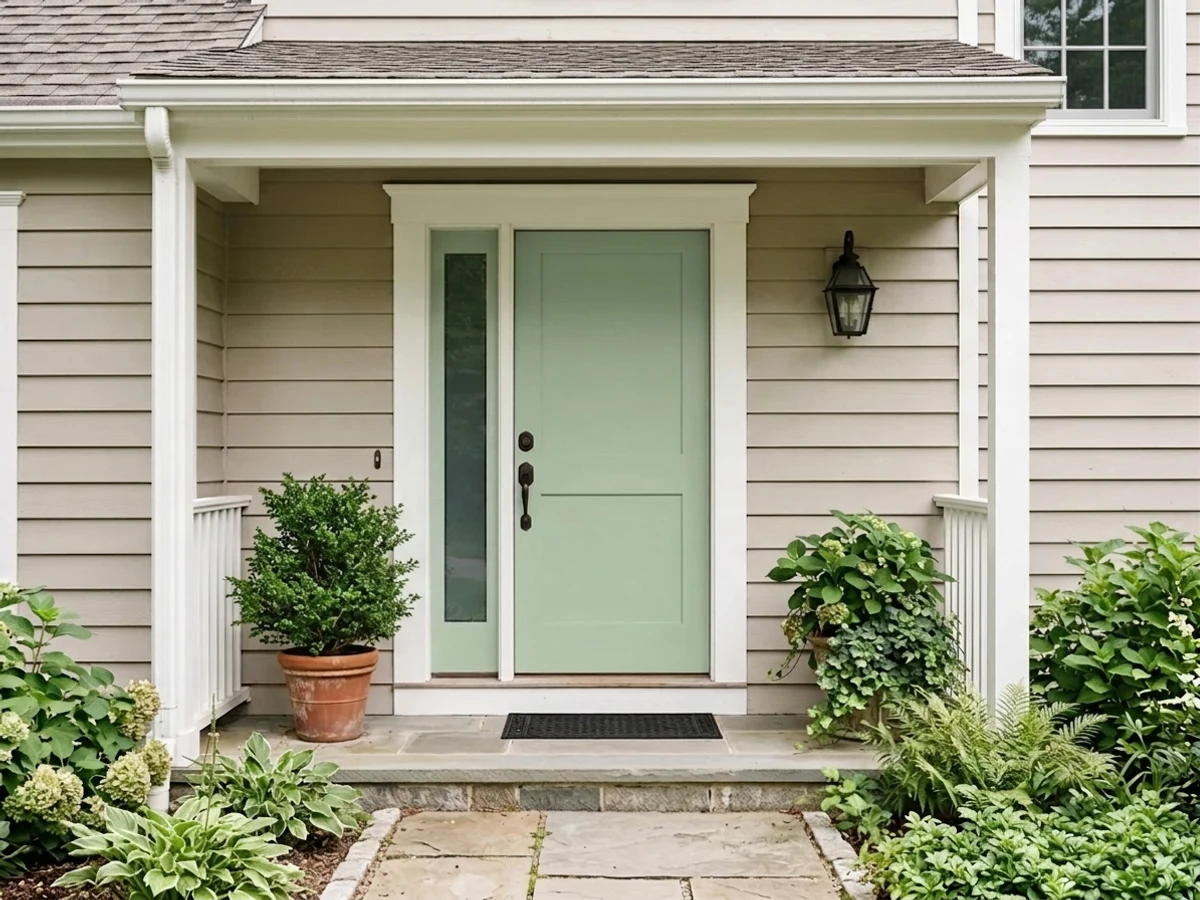
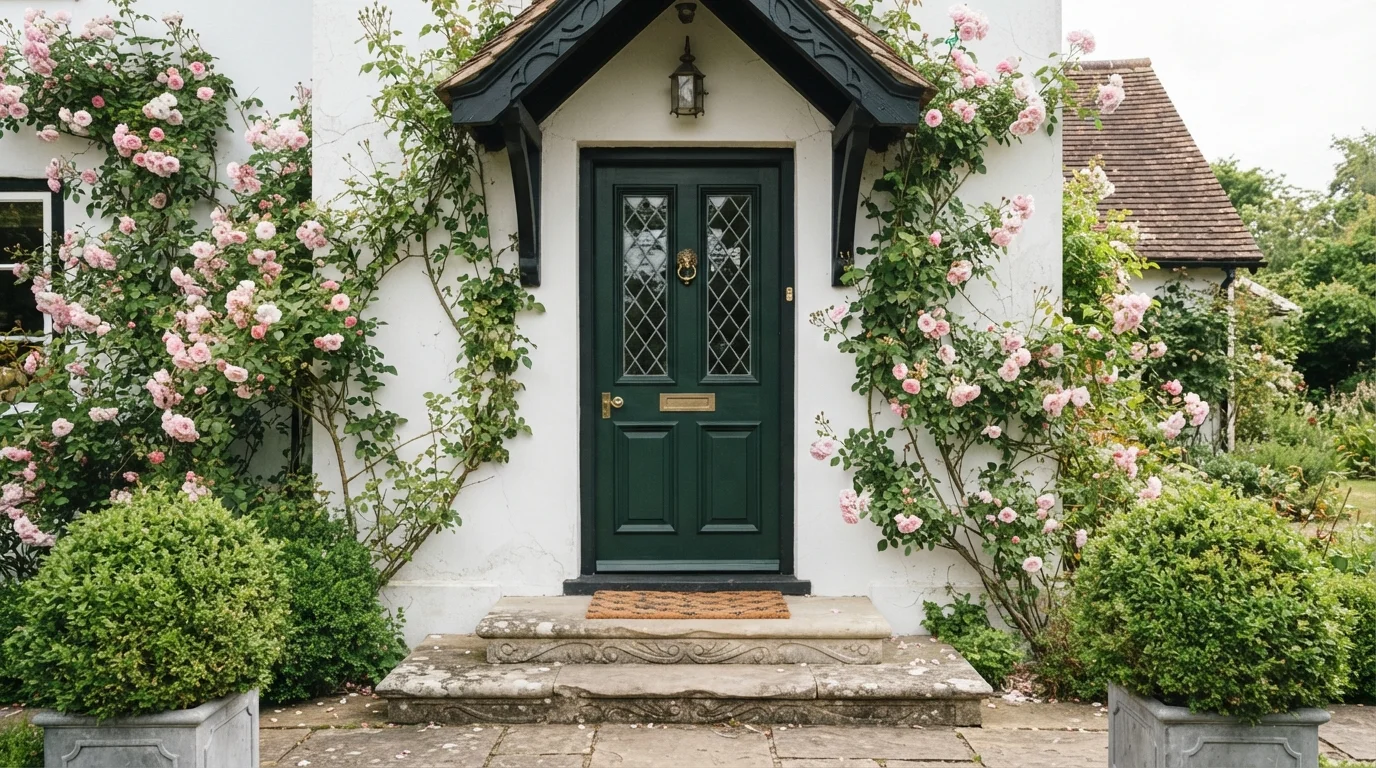
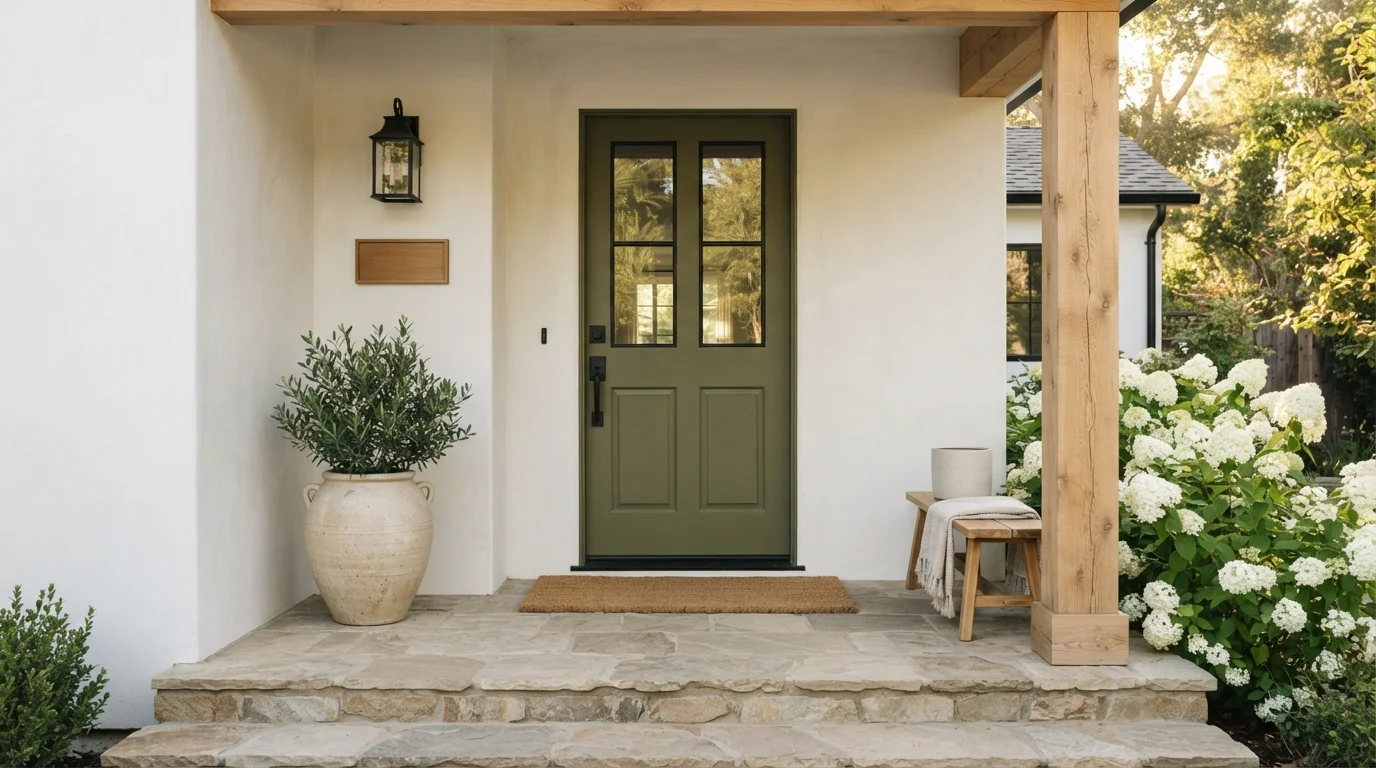
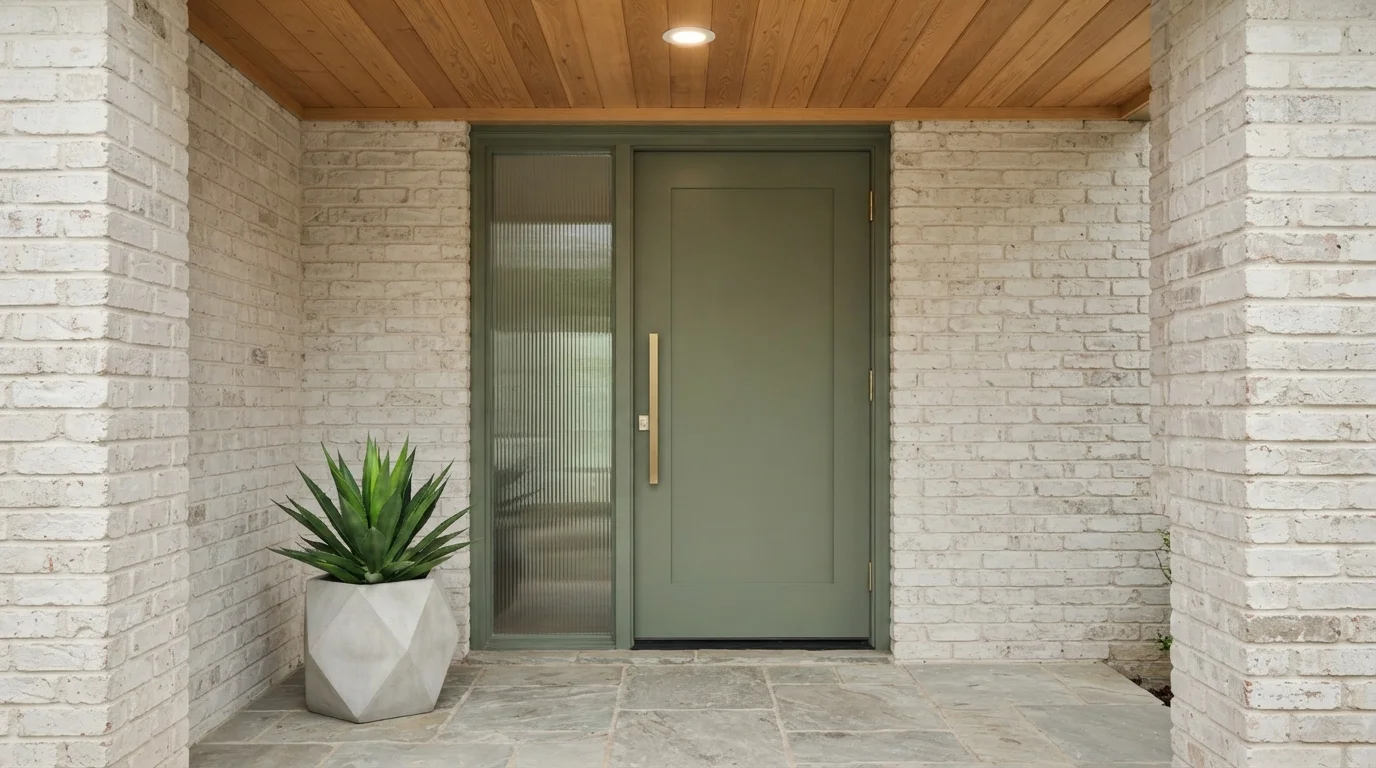
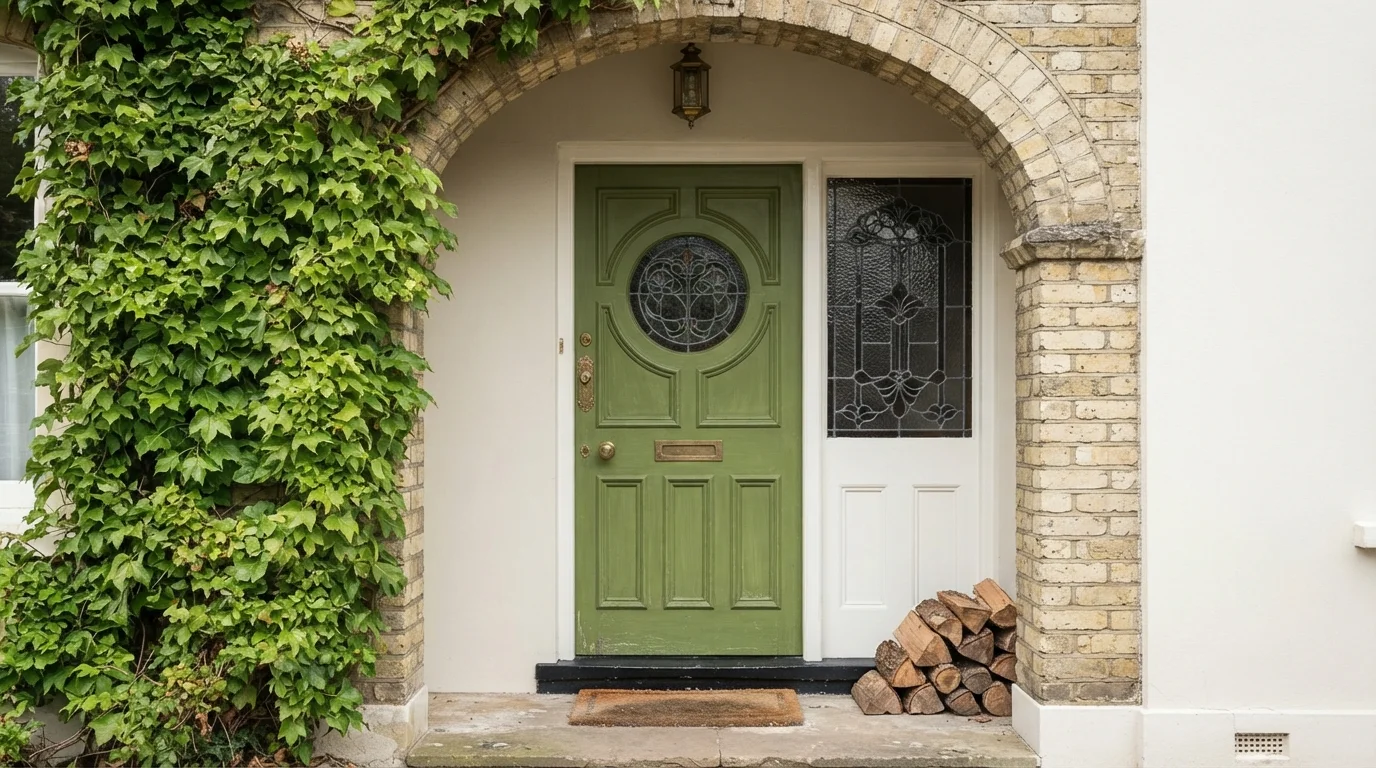
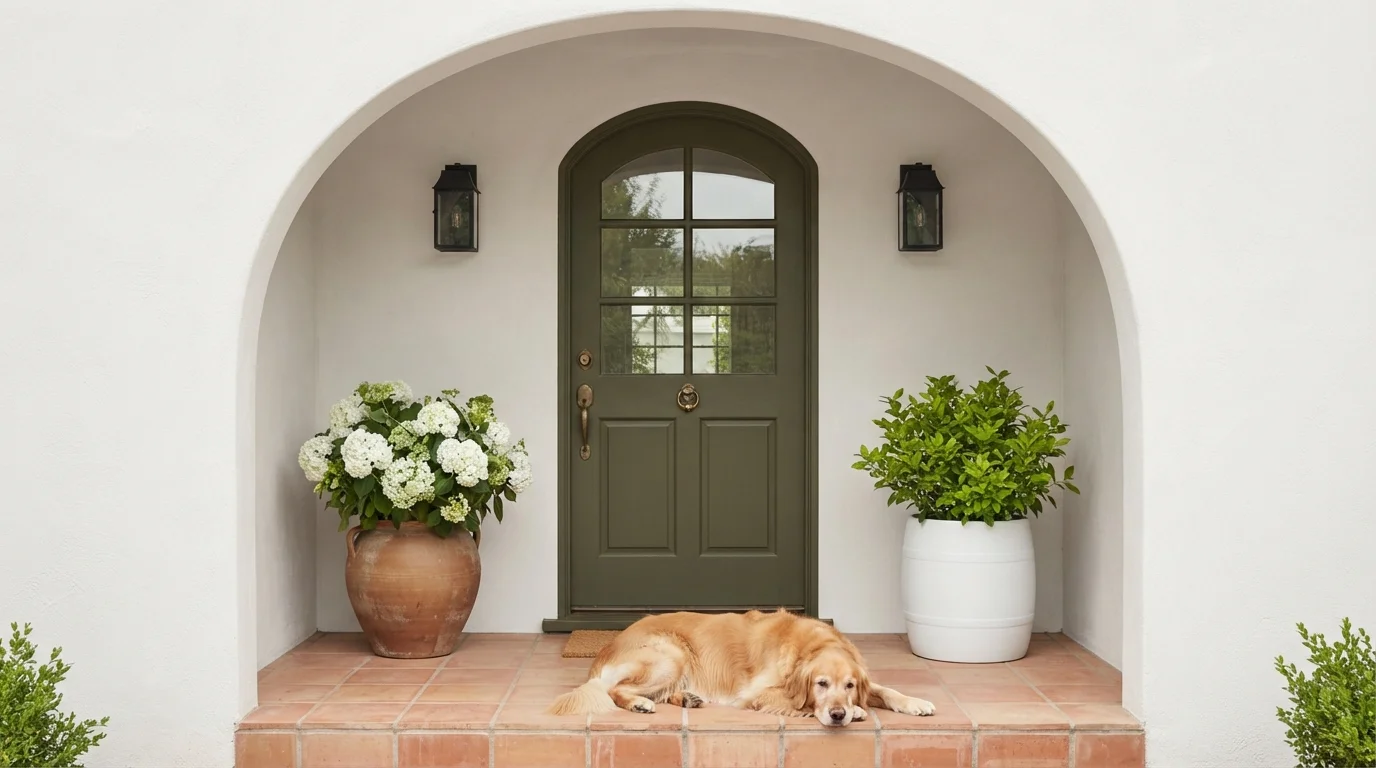
A green front door is one of the easiest ways to make a house feel welcoming without looking trendy or loud. Green sits right between warm and cool, so it plays nicely with brick, stone, wood, and almost any siding color. It reads as natural and grounded, which is exactly the mood most people want at the entrance to a home.
The catch is that "green" covers a huge range, from soft sage to deep forest to a near-black olive. The right one depends on how much sun the door gets, what your siding and trim are doing, and how bold you actually want to be. This page walks through how to pick a green that looks intentional on a front door, what sheen holds up outdoors, and the small mistakes that make a good color look off.
Why Green Works on a Front Door
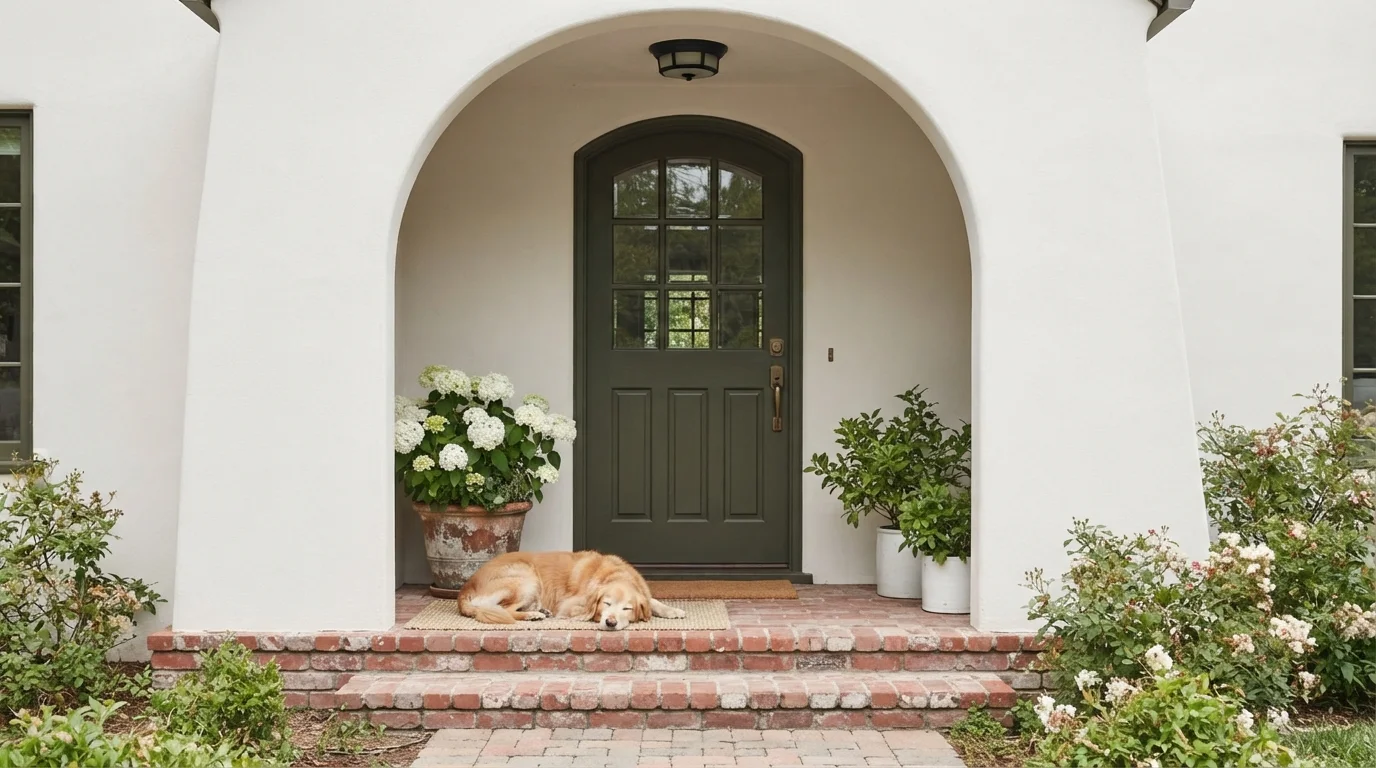
Green is the color of the outdoors, so it already belongs at the threshold between the yard and the house. It feels calm and rooted rather than attention-seeking, which is why it works on everything from a cottage to a modern build. Deeper greens read as classic and confident, while softer greens feel relaxed and friendly.
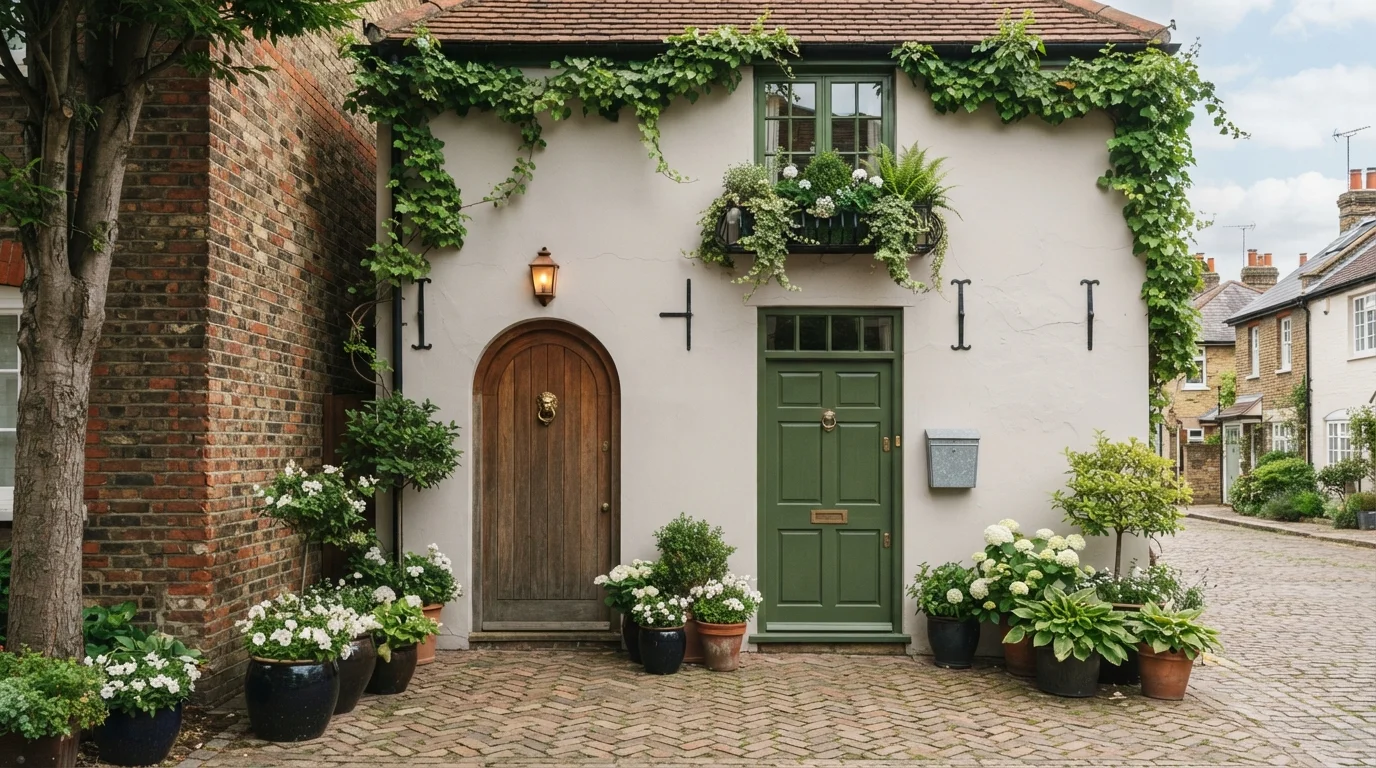
It also pairs with more materials than most door colors. Green flatters red brick, gray stone, white clapboard, and natural wood without fighting any of them. If your house already has a lot going on, a green door tends to settle the whole front rather than add noise.
Picking the Right Depth and Reading the Light
Use LRV (light reflectance value, a 0–100 scale where higher is brighter) to judge how a green will actually land. A door is a small surface surrounded by siding, so you can go darker than you would on a wall. Deep greens in the 5–20 LRV range look rich and substantial, while sages and softer greens in the 30–55 range feel light and approachable.
Light steers the undertone hard on a door. A door in full sun looks lighter and pulls out yellow, so a sage can drift toward lime by midday. A north-facing or shaded entry mutes everything and can make a mid-green look gray, so go a step warmer or deeper than the chip suggests.
The Right Sheen for an Exterior Door
A front door takes weather, hands, and direct sun, so skip flat. Satin is the safe default: it sheds water, wipes clean, and hides minor surface flaws. Semi-gloss is the more traditional choice and gives that crisp, slightly polished look, plus it's the easiest to scrub around the handle and kick area.
Gloss can look beautiful on a green door but it shows every dent and brush mark, and it throws glare in strong afternoon sun. If your door faces west and bakes, lean toward satin to keep the surface calm. Whatever you choose, use an exterior-rated paint so the color holds up against UV fade and moisture.
Pairing Green With Trim, Hardware, and the House
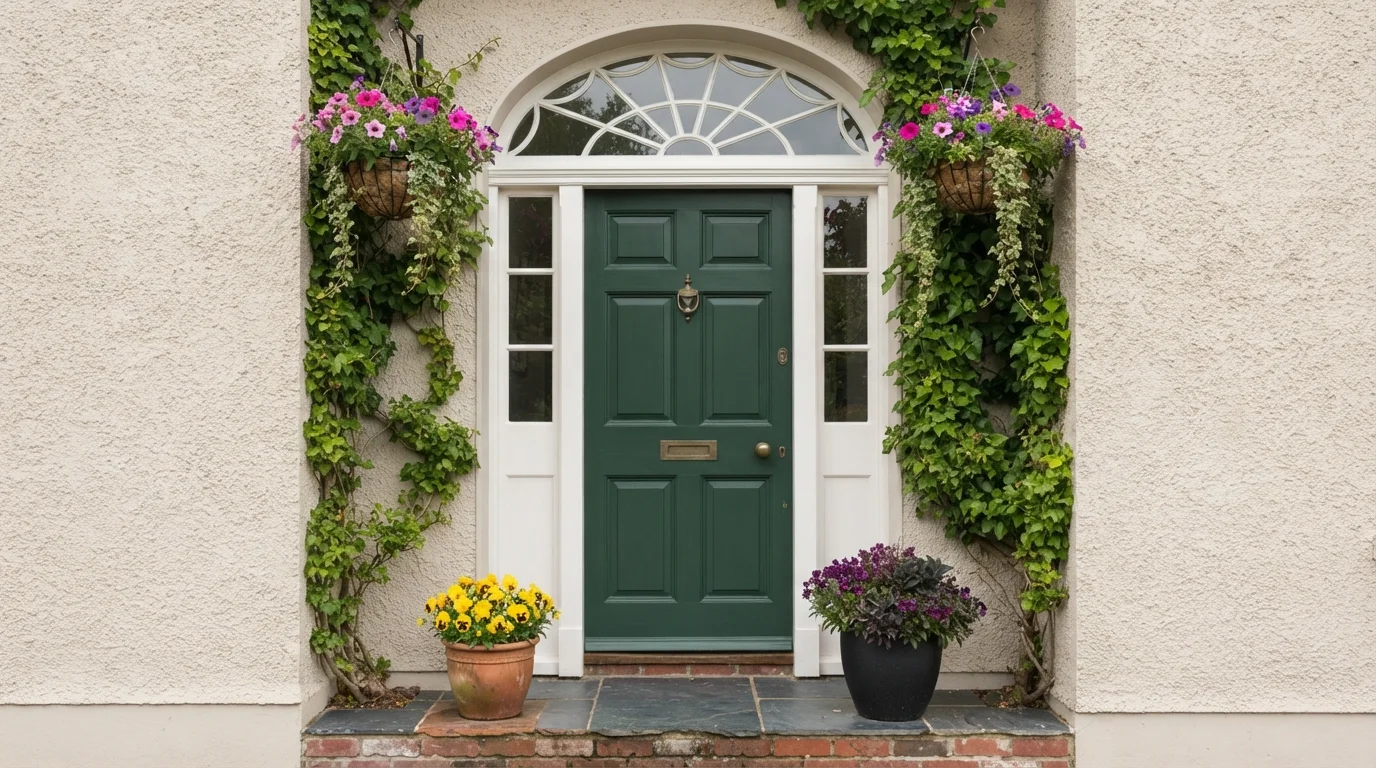
Crisp white trim is the most reliable frame for a green door and makes the color pop without effort. Warm off-white or creamy trim softens the look and suits sage and olive greens. If your trim is dark or natural wood, a deep green reads as quiet and elegant rather than high-contrast.
Hardware is where green really earns its keep. Black hardware looks sharp and modern against almost any green. Oil-rubbed bronze and aged brass feel warm and traditional, especially with olive and forest tones, while polished brass adds a confident, classic touch. Tie the door to the porch with a doormat, planters, or a light fixture in one of those same metals so the entry looks pulled together.
Common Mistakes With a Green Front Door
The biggest miss is judging green from a paper chip indoors. Bring a large sample, paint a board, and prop it against the actual door in morning and afternoon light before you commit. A green that looks perfect in the store can turn lime or gray once it's outside.
The other traps are sheen and undertone clashes. Too much gloss in harsh sun reads cheap and shows every flaw, while flat won't survive the weather. And watch the undertone against your house: a yellow-leaning green can fight cool gray siding, while a blue-leaning green can look cold next to warm brick. Any green here is mixed to order, so once you find the shade you love you can match it across brands and dial the exact tone you want.
Green Front Door Paint — Frequently Asked Questions
What shade of green is best for a front door?+
It depends on the look you want and the light the door gets. Deep forest and olive greens feel classic and confident and work well in shade, while sage and softer greens feel relaxed and friendly in sunnier spots. Since a door is a small surface, you can go darker than you'd dare on a wall.
What sheen should I use on a green front door?+
Satin or semi-gloss. Satin sheds water and wipes clean with a softer look, while semi-gloss gives a crisp, traditional finish that's easy to scrub around the handle. Avoid flat, since it won't hold up to weather, and be careful with full gloss on a sun-baked door because it shows flaws and throws glare.
Does a green door get too dark in the shade?+
It can. A shaded or north-facing entry mutes color and can make a mid-green look gray or flat. If your door doesn't get much direct sun, go a step warmer or slightly lighter than the chip looks, or choose a green with a touch of yellow in it to keep it from going cold.
What trim and hardware colors go with a green door?+
Crisp white trim makes green pop, while warm off-white softens sage and olive tones. For hardware, black looks modern and sharp, aged brass and oil-rubbed bronze feel warm and traditional, and polished brass adds a classic touch. Repeat that same metal in your light fixture or planters to tie the entry together.
How do I test a green before painting the whole door?+
Paint a sample board or a hidden section and look at it on the actual door at different times of day. Green shifts a lot between morning and afternoon light, and a chip viewed indoors will lie to you. Check it in both direct sun and shade before you commit to the full coat.
Can I match a green I like across different paint brands?+
Yes. Every green shown here is mixed to order at the paint counter, so you're not locked into one brand. If you find the exact tone you want, it can be cross-matched between brands, which lets you pick the green you love and still buy the paint line you prefer.