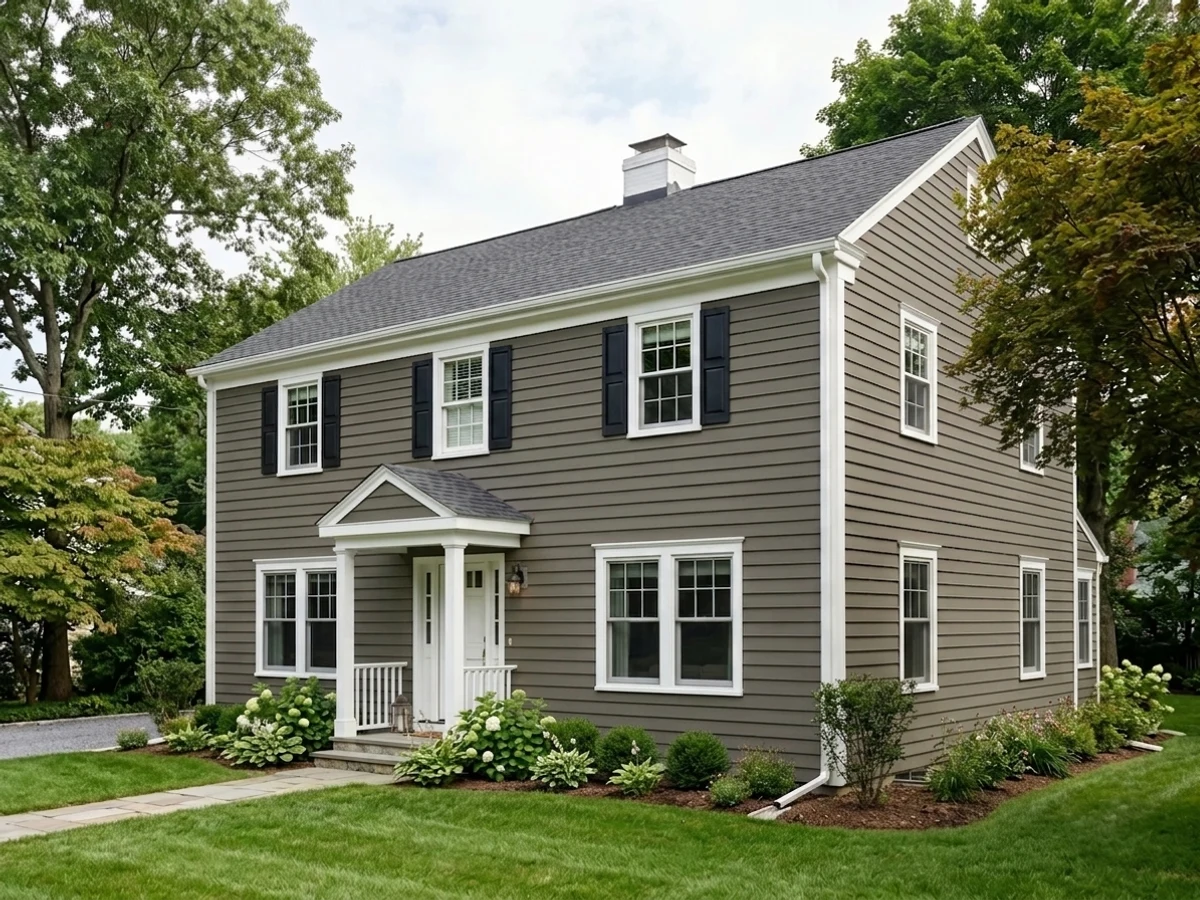
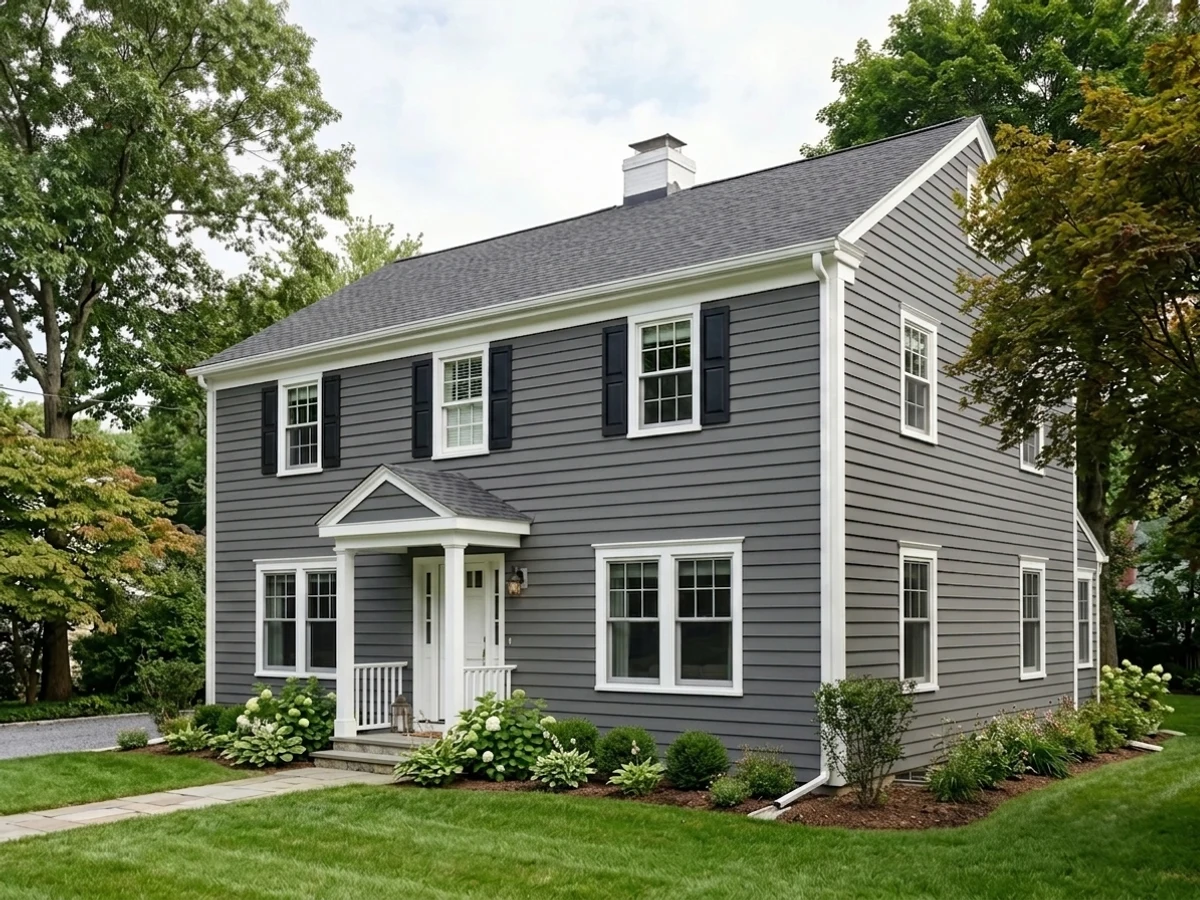
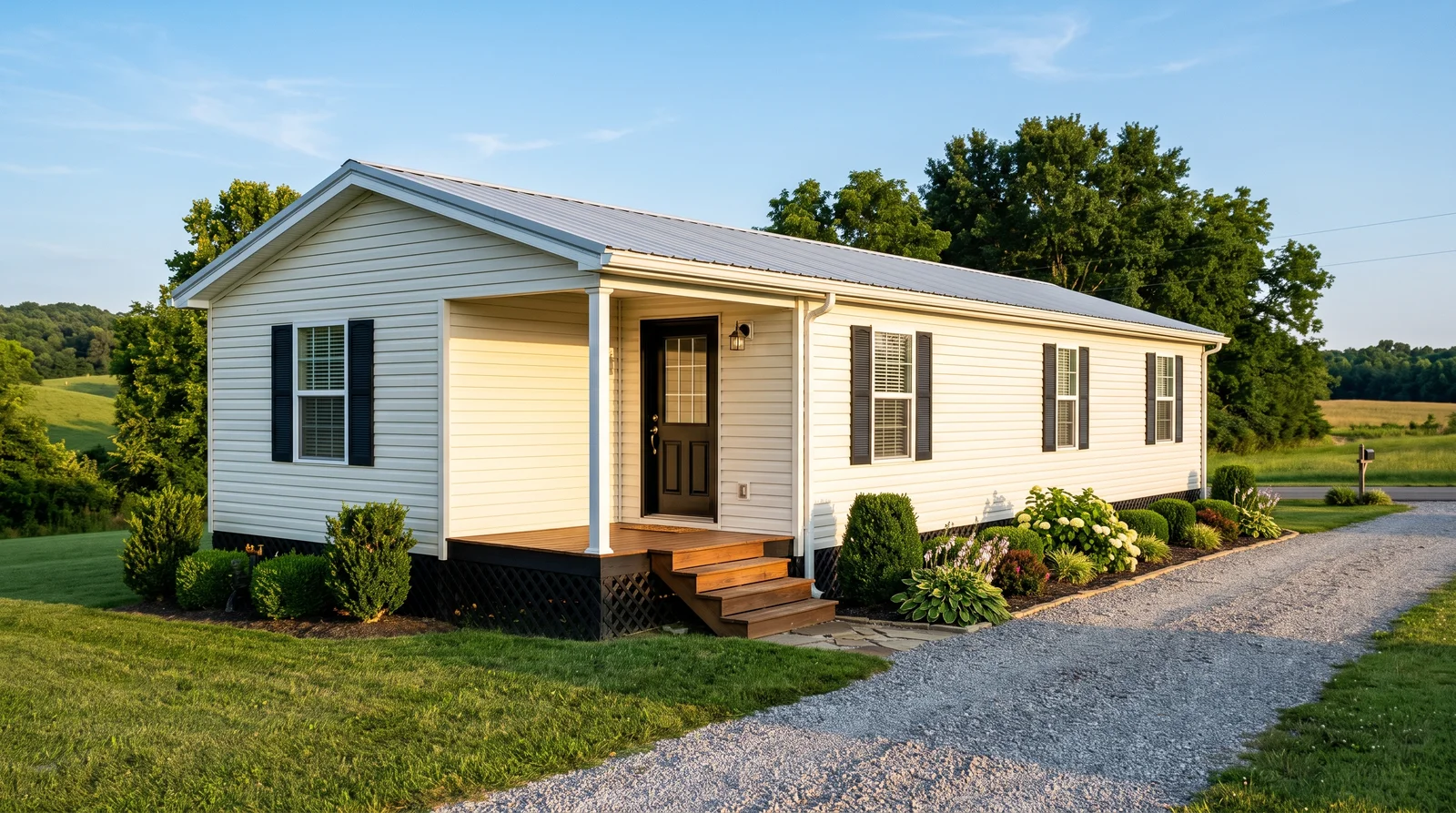
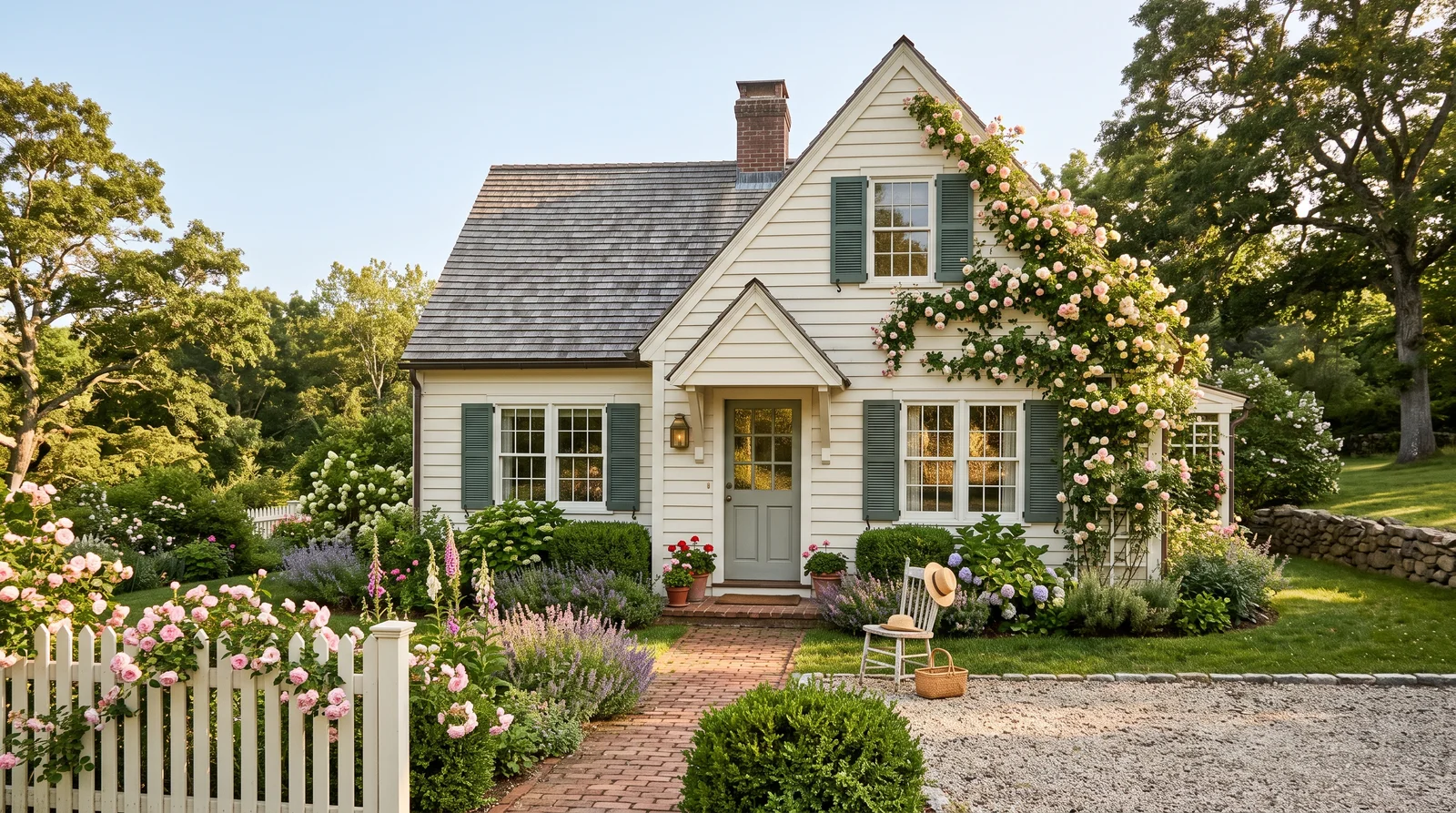
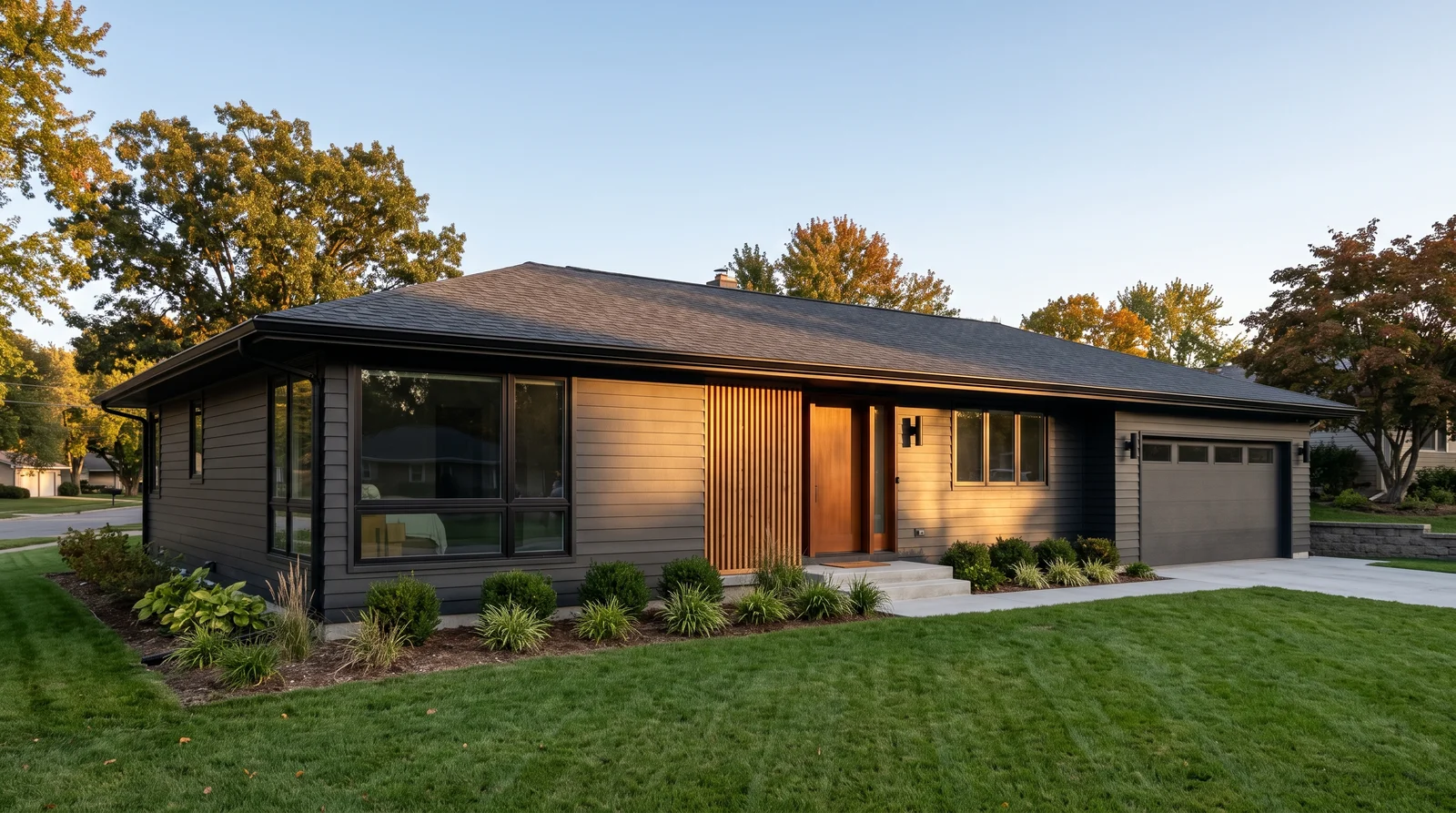
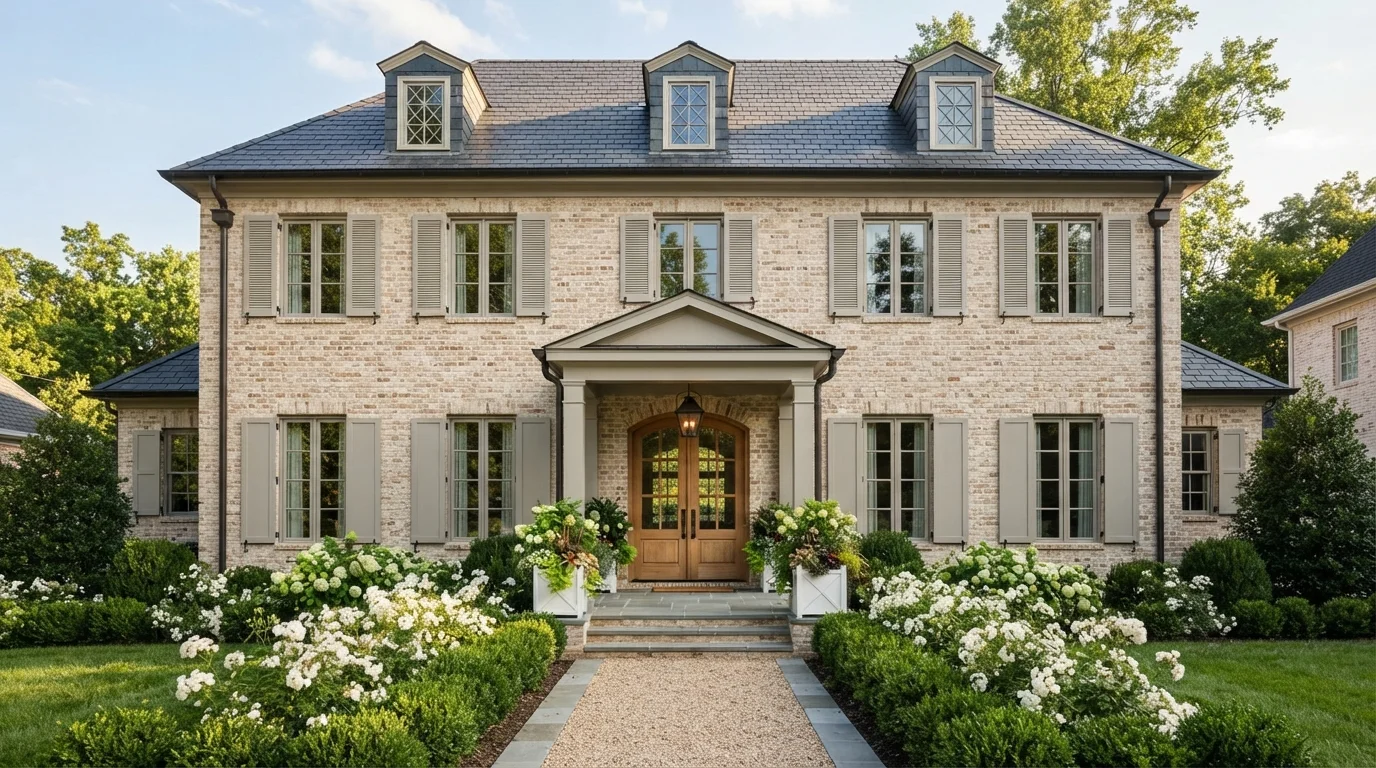
Gray Exterior Paint Colors
3,425 gray colors that work in exteriors, drawn from the full ~30,000-color US paint deck. Below: editor's picks specific to exteriors, then 30 picks spread across the LRV range — narrow further on the brand page when you've shortlisted.
Gray is the most-recommended neutral in American interiors — the safe choice that anchors a room without committing to a strong color. The "true" grays here lean cool (blue or violet undertone) or stay almost dead-neutral. The warm-leaning grays (taupe, mushroom, greige) live in the Neutral family next door because they read closer to beige than to true gray on the wall.
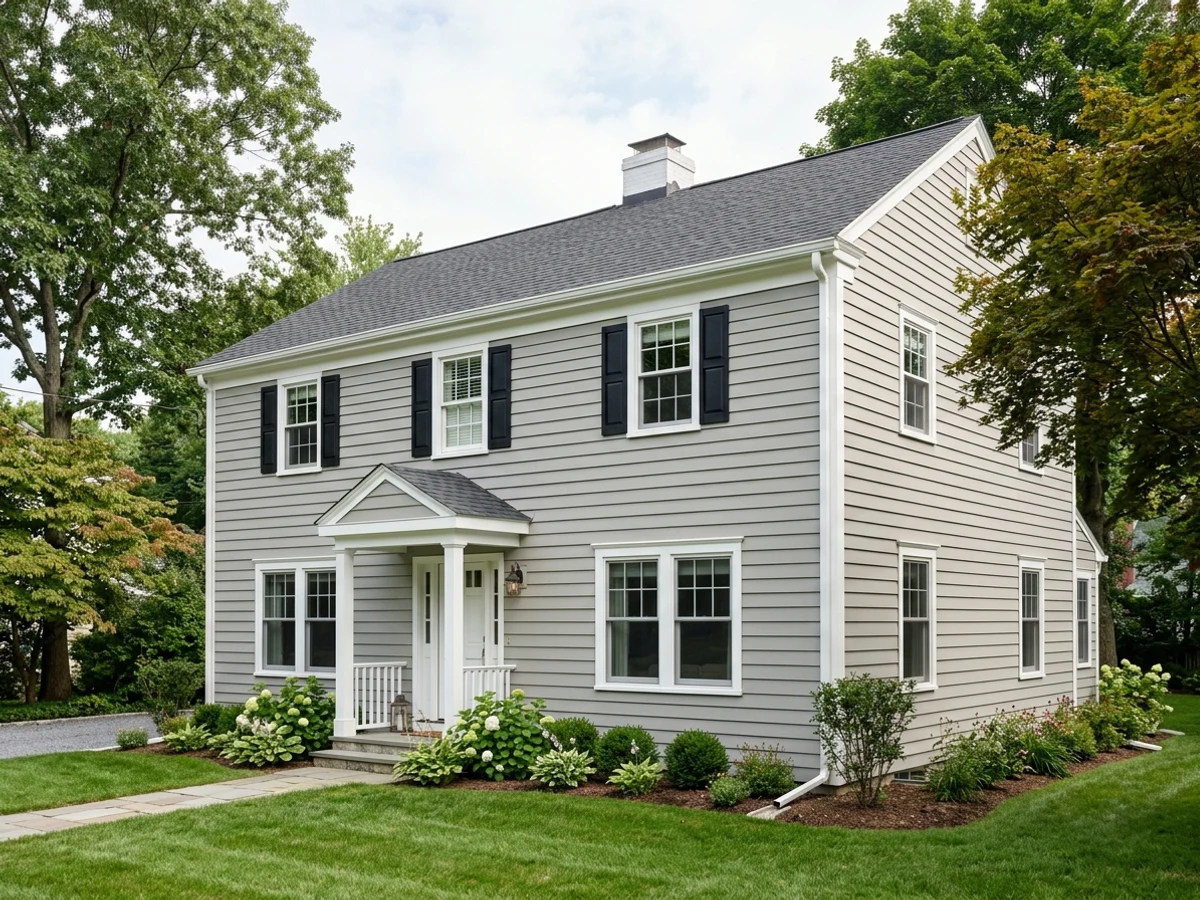
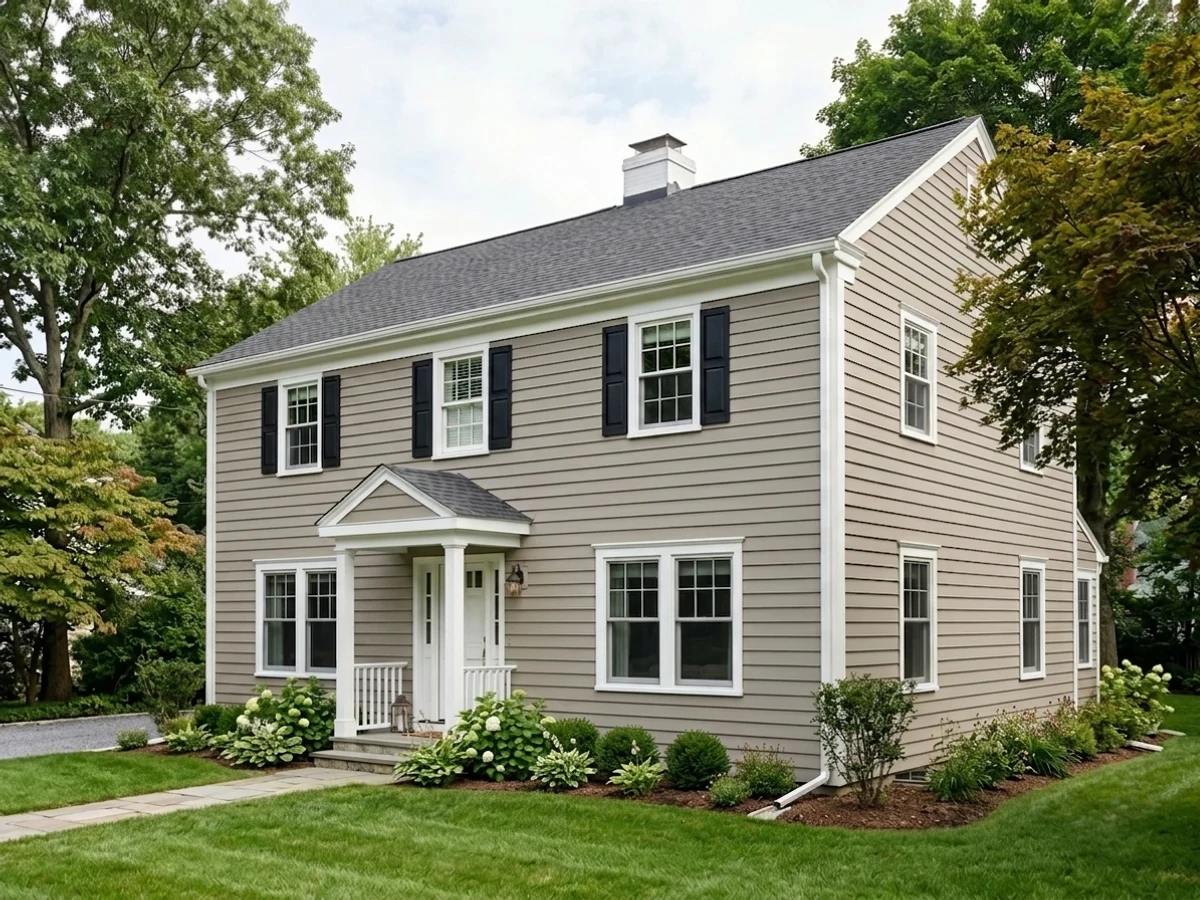
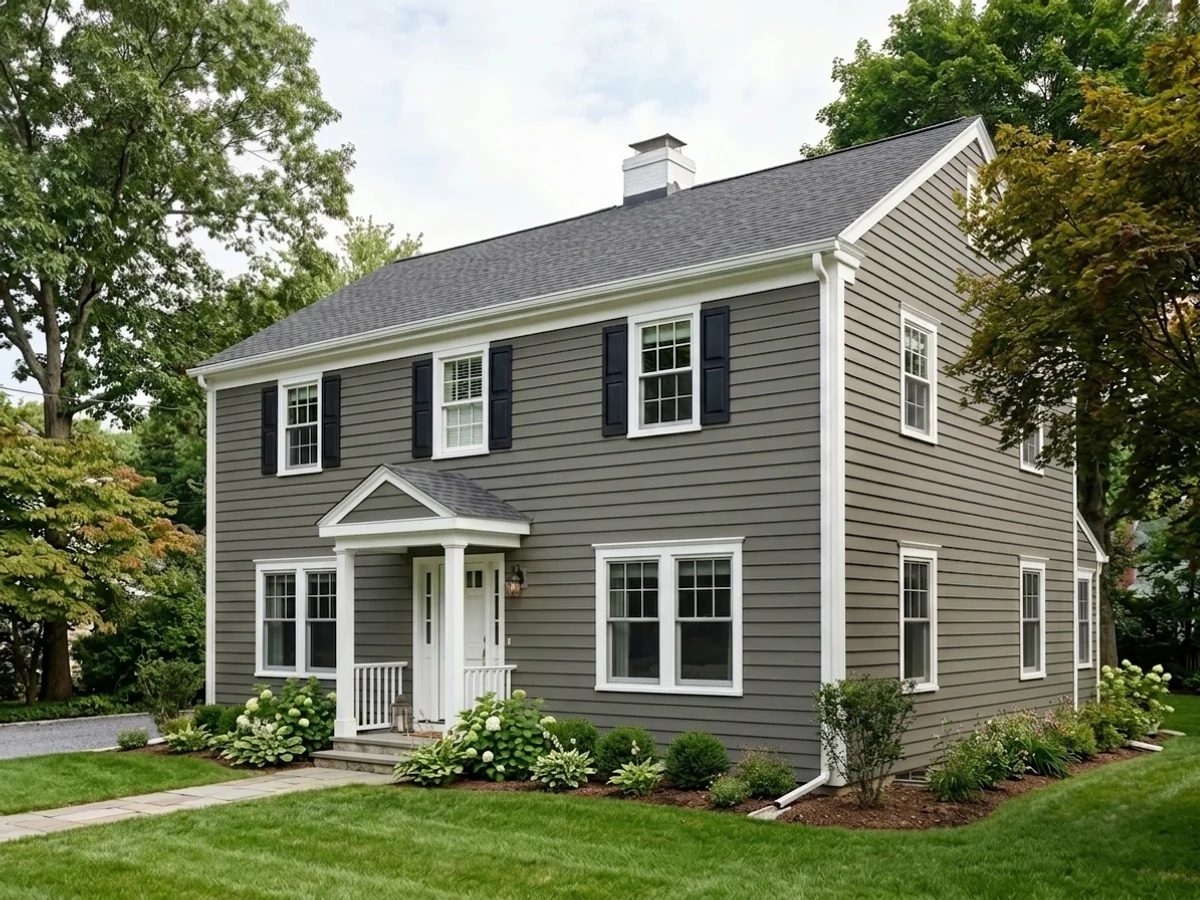
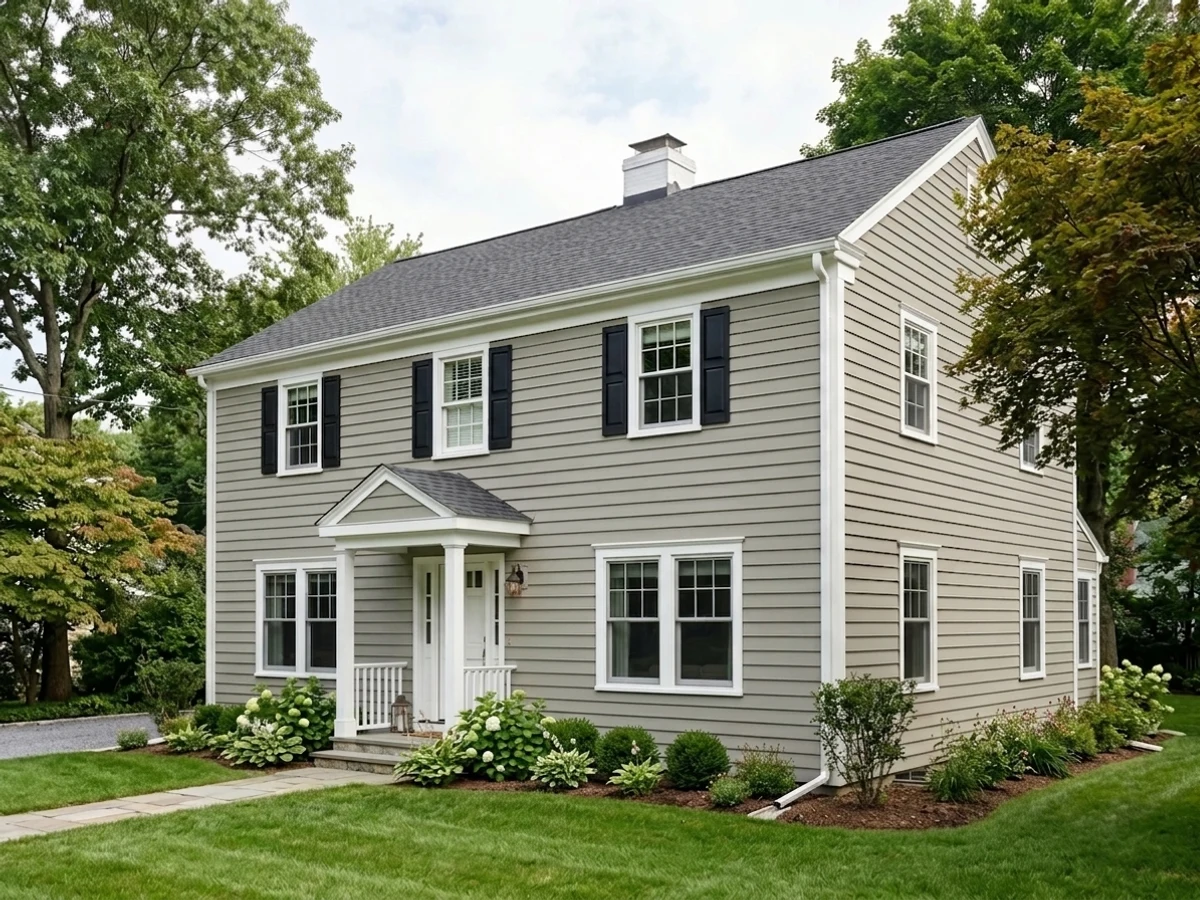
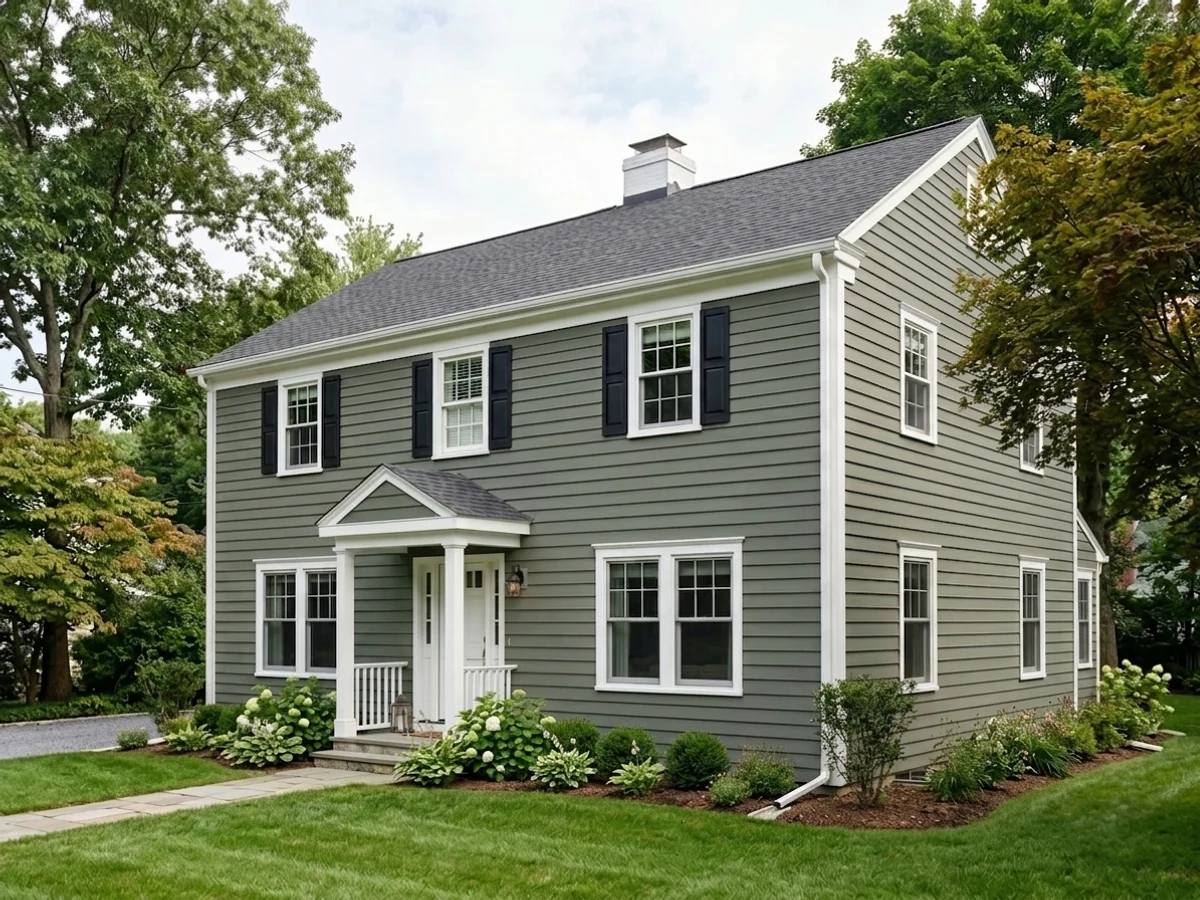
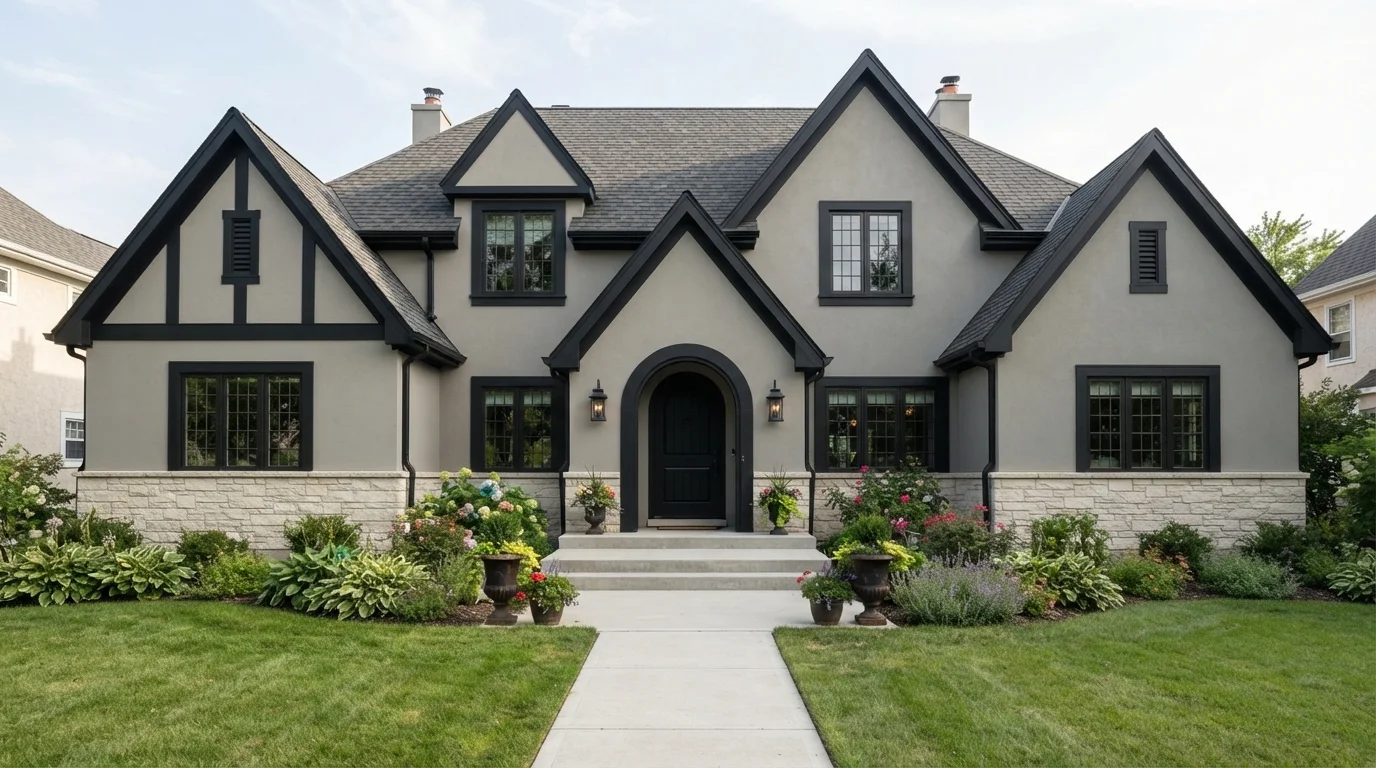
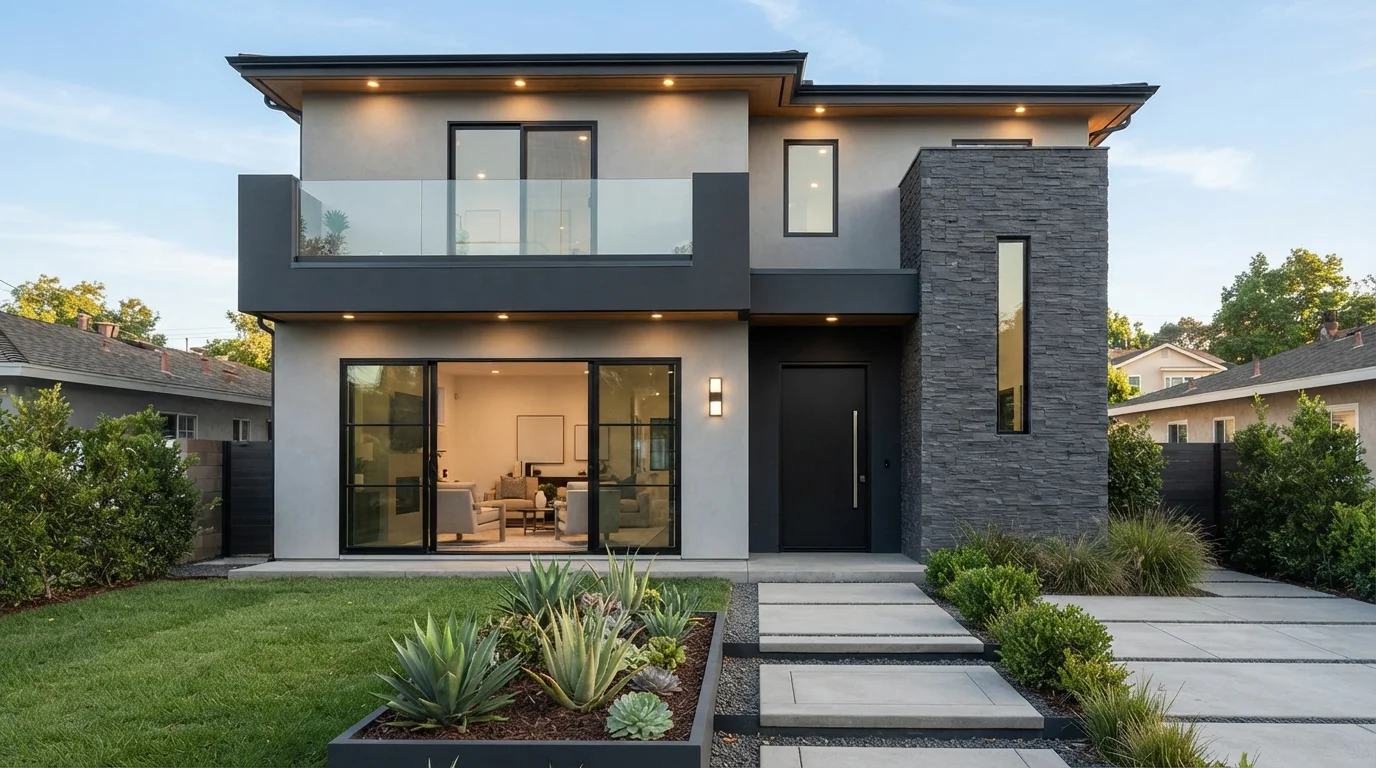
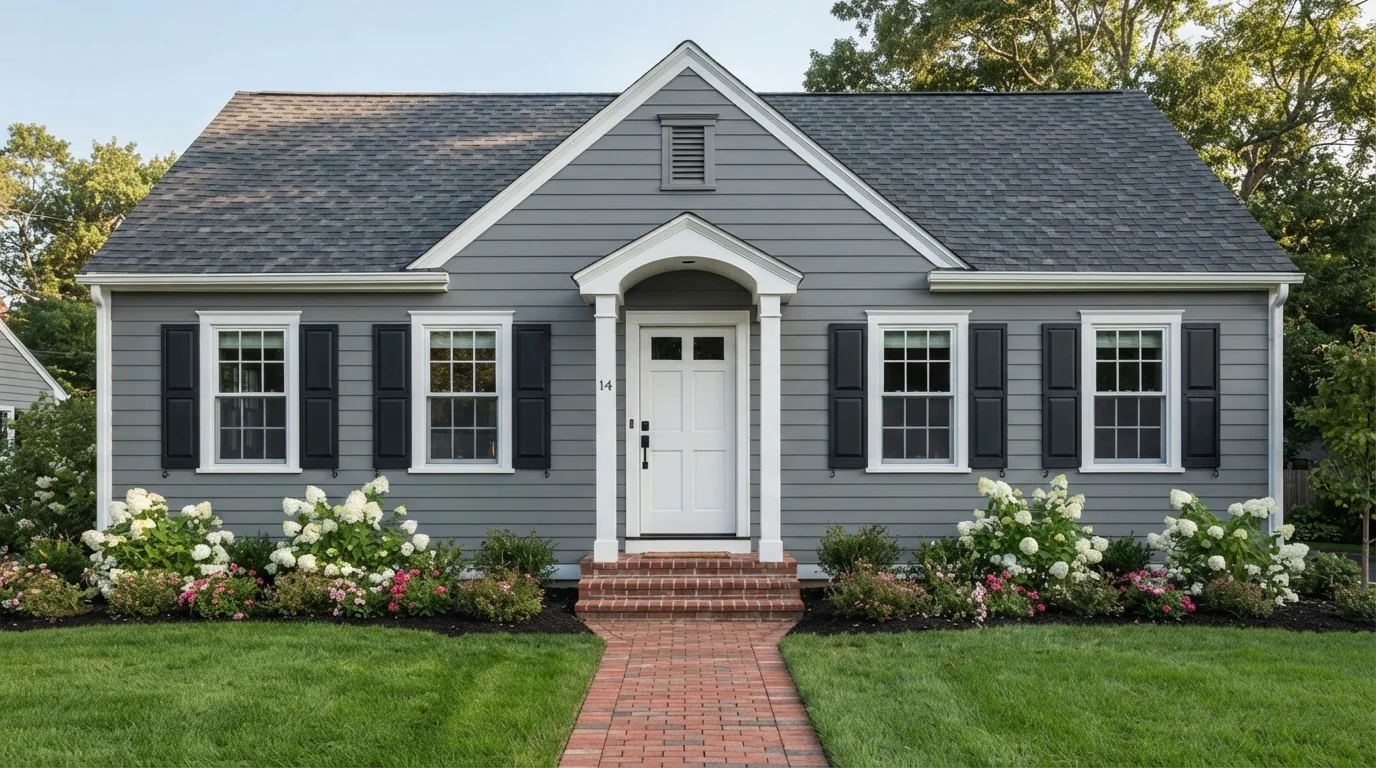
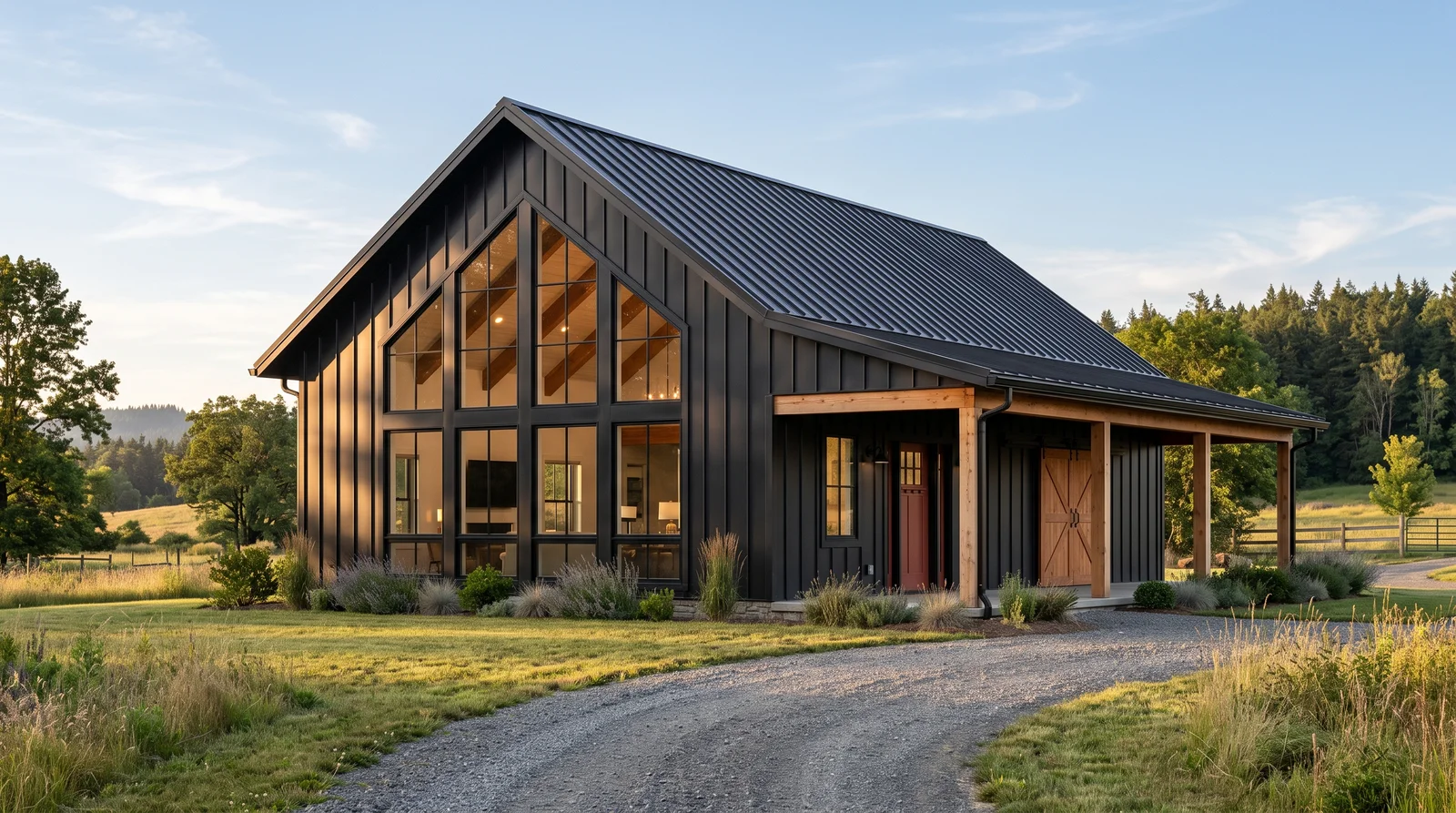
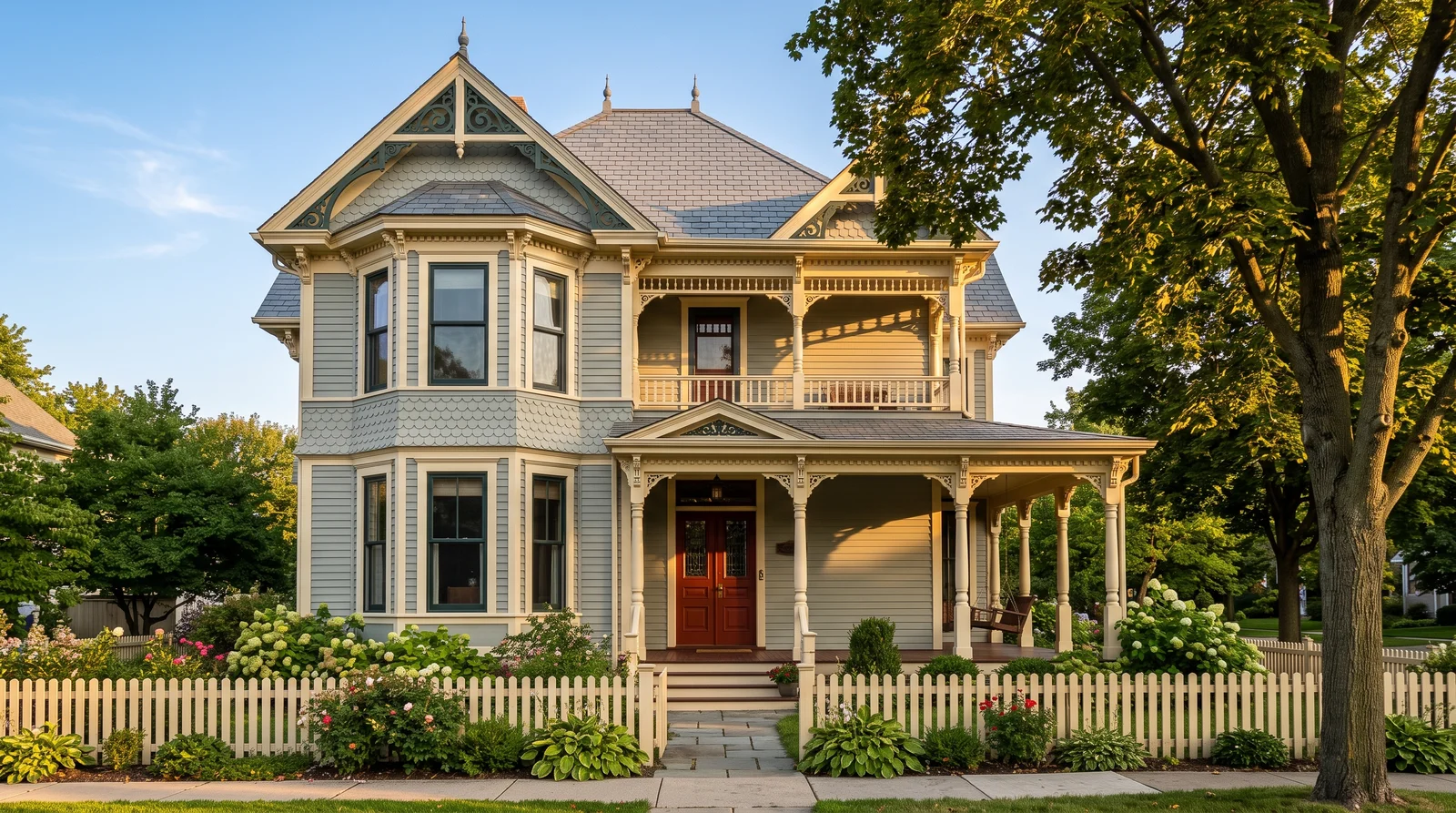
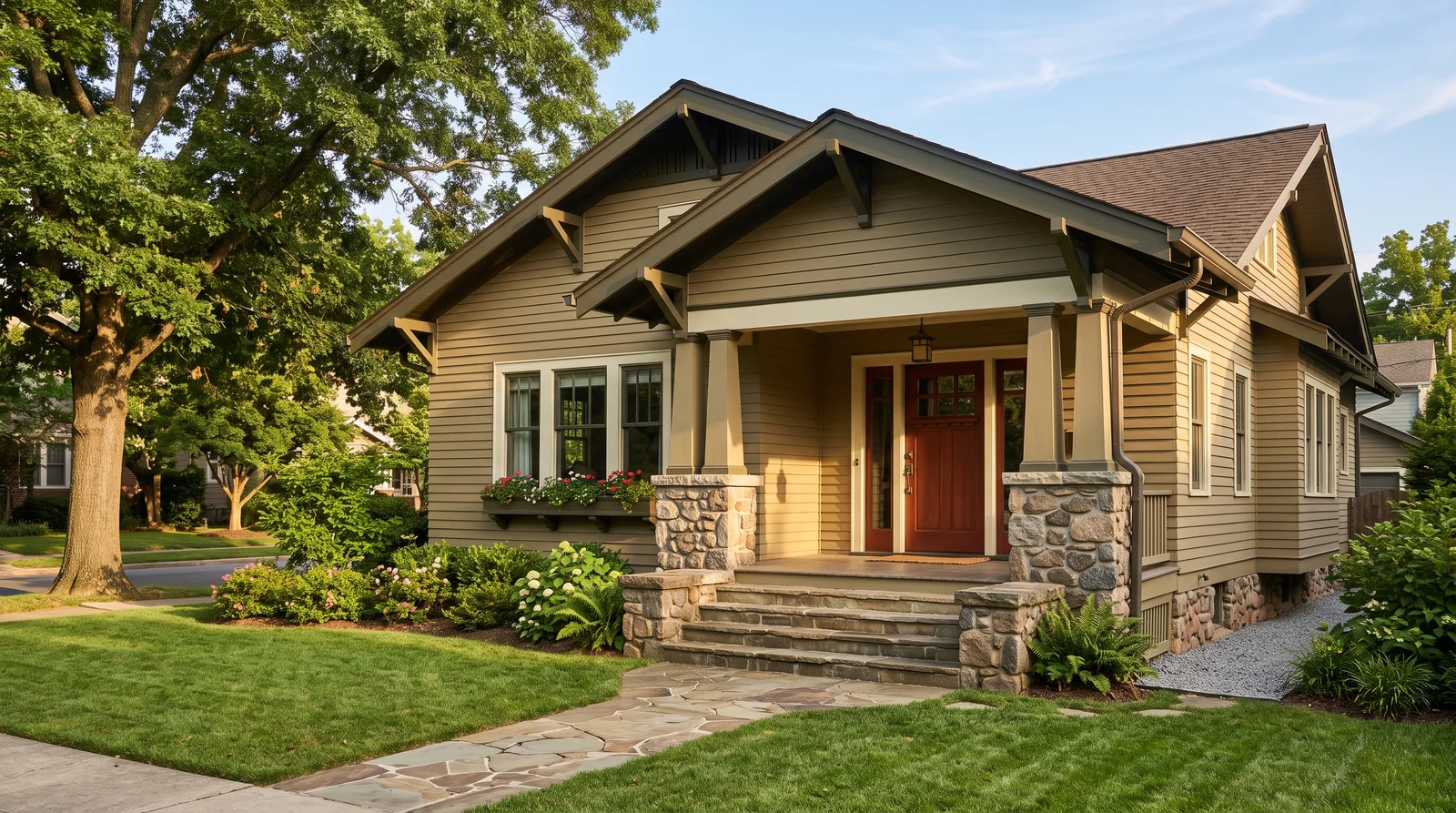
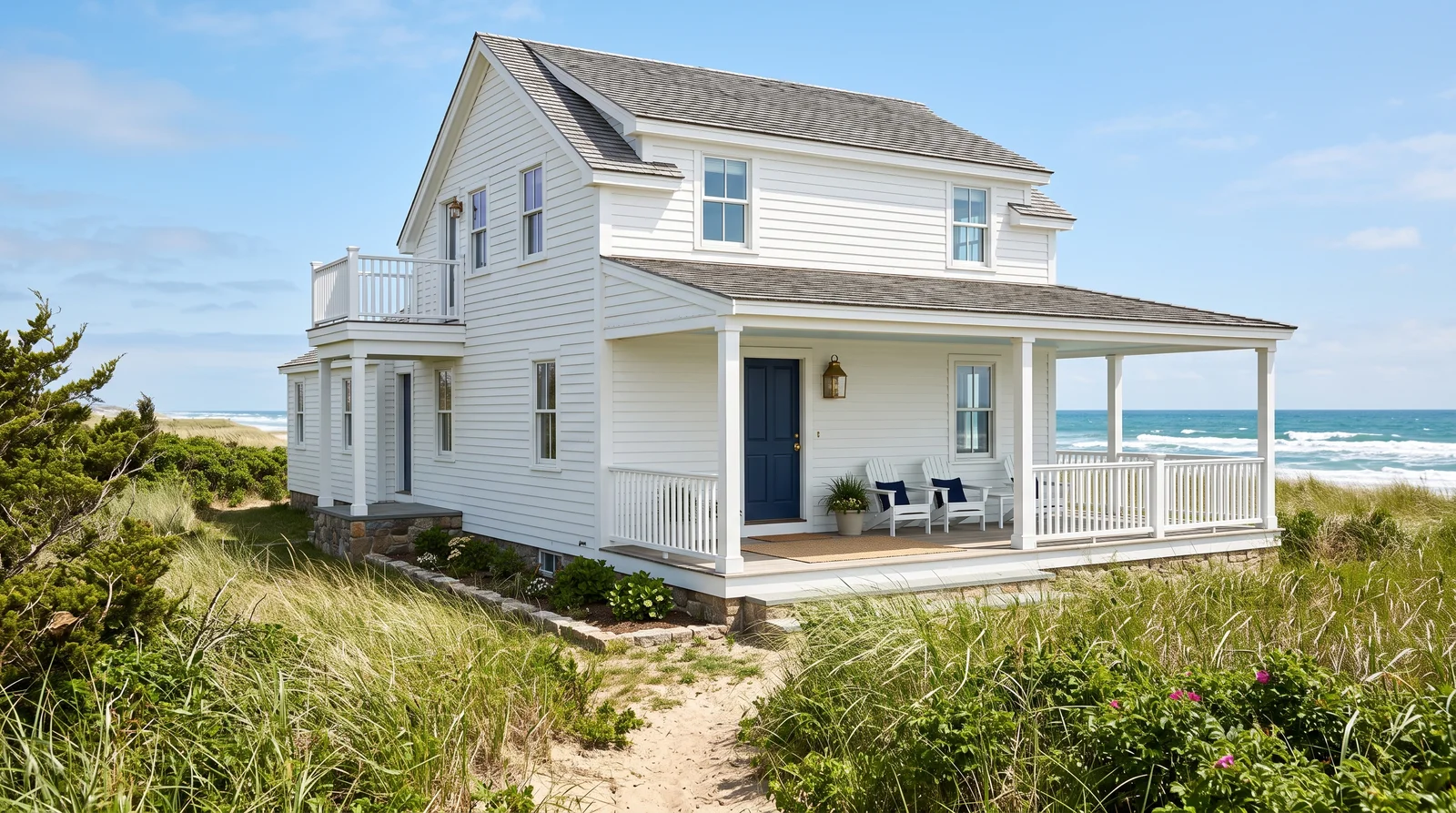
Editor's Picks: Gray for Exteriors
4 picks30 Gray Picks Across the LRV Range
30 of 3,425 · sorted dark → lightLooking for more? All gray → covers every brand; brand × family pages show full decks.
Gray Exterior Colors at Every US Brand
21 brands · up to 10 picks eachUp to 10 picks per brand spread across the gray LRV range, drawn from each brand's full deck. Tap any swatch with a curated guide for full spec; tap the brand title for the brand's complete gray deck.
Behr
Glidden
Valspar
Benjamin Moore
PPG / Glidden
Sherwin-Williams
Dunn-Edwards
Dutch Boy
Diamond Vogel
Hirshfield's
Kompozit
C2 Paint
Rodda
Magnolia Home
Farrow & Ball
Clare
Portola Paints
Annie Sloan
Backdrop
Rust-Oleum
Other Exterior Color Families
Gray Colors in Other Rooms
Gray Paint Colors for a Exterior
Gray is the safest big swing you can take on a house exterior. It reads as modern without being trendy, it hides road dust and pollen better than crisp white, and it lets your roof, stone, and landscaping do the talking. The catch is that gray behaves very differently outdoors than it does on an interior wall, because there's far more light hitting it and that light changes all day.
This page is about gray specifically as an exterior color: how full sun and open sky pull the undertone in directions you didn't pick, which depth of gray actually holds up against a big sky, and how to handle trim, the roof, and stone so the whole house looks intentional. Every gray shown here is mixed to order at the paint counter, so you can take a shade you like from one brand and have it cross-matched to whatever brand your painter prefers.
Why Gray Works On An Exterior
Outside, gray does two jobs at once. It looks current and clean from the curb, and it quietly downplays the things you can't change, like a dated roof color or a busy stone wall. A gray body lets a sharp white trim and a dark front door carry the personality, which is exactly the look most buyers respond to.
The thing to watch is that exterior gray almost never stays neutral. Open daylight is cooler and stronger than indoor light, so a gray that looked perfectly balanced on a chip can swing noticeably blue, green, or purple once it's on all four walls in the sun. The fix is simple: test it big and outdoors before you commit.
The Right Depth Of Gray For A House, By LRV
LRV (Light Reflectance Value, 0 is black and 100 is pure white) tells you how light or dark a color reads, and outdoors it matters even more because sunlight exaggerates everything. A mid-tone gray in the 35 to 55 LRV range is the sweet spot for most houses. It's dark enough to look deliberate and rich, but light enough that it won't bake in full sun or make a small house feel heavy.
Let the exposure steer you. A house that faces strong south or west sun will read one to two shades lighter than the chip, so you can go a little deeper, often in the 30s. A shaded, north-facing, or tree-covered home gets flatter, cooler light, so a too-light gray can look dingy and gray-brown grays or warm 'greige' tones hold up better there. Charcoal grays under 20 LRV look stunning on the right house but show chalking and fade faster, so plan for it.
Finish And Sheen That Survive The Weather
Exterior gray lives or dies on the sheen, because the body of a house takes sun, rain, and temperature swings that no interior wall ever sees. For the main field of siding, a flat or low-lustre (matte) finish is the standard choice. It hides surface imperfections, lap marks, and patched spots, and on a large gray wall it avoids the cheap, plasticky glare you'd get from anything shinier.
Step up the sheen only where you need durability. Trim, doors, shutters, and railings take a satin or semi-gloss so they shed water, wipe clean, and frame the gray with a little crispness. Use a true exterior-grade paint, not interior product carried outside, since exterior formulas are built to flex with heat and resist mildew, which matters most on cooler, darker grays in shaded or damp spots.
Pairing Gray With Trim, Roof, Stone, And The Front Door
The single most important pairing outdoors is gray against the roof. Match the undertone, not the color: a cool blue-gray body wants a cool gray or black roof, while a warm greige body sits better under a brown or weathered-wood roof. Fighting undertones here is the fastest way to make an expensive paint job look off.
For trim, crisp white is the classic high-contrast move, but a soft warm white keeps a warm gray from looking cold. Stone and brick already carry strong undertones, so pull your gray toward them rather than against them. Then let the front door be the one bold note, deep navy, black, or a saturated color, since a restrained gray house can carry a brave door beautifully.
Common Mistakes With Exterior Gray
The biggest mistake is choosing gray from a tiny chip indoors. Outdoor light is far cooler and brighter, so the color shifts, and undertones you never noticed take over the whole house. Always paint a large sample board, move it around the house, and look at it in morning and late-day light before buying gallons.
The other classic errors are going too light and too cool. A pale, icy gray reads as faded or unfinished on a big exterior and shows every drip and water stain. Cool grays also clash with warm-toned brick, stone, and brown roofs, which most homes have, so when in doubt lean slightly warm. And remember every gray here is mixed to order, so once you find the right one you can have it matched across brands to keep cost or availability from forcing a compromise.
Gray Exterior Paint — Frequently Asked Questions
What is the best shade of gray for a house exterior?+
A balanced mid-tone gray in roughly the 35 to 55 LRV range works for most homes. It looks rich and intentional without baking in the sun or looking faded. If your house gets strong all-day sun you can go a bit deeper, and if it sits in shade lean slightly warm so it doesn't read cold or dingy.
Why does my gray look blue, green, or purple outside?+
Outdoor daylight is much cooler and stronger than indoor light, so it amplifies whatever undertone the gray already has. A gray that looked neutral on a chip can clearly shift blue, green, or purple across a full wall in the sun. The only reliable way to catch this is to test a large sample on the actual house in different light before committing.
What sheen should I use for gray exterior siding?+
Use a flat or low-lustre finish on the main body of the house. It hides surface flaws and lap marks and avoids the harsh glare you get from glossier paint on a big wall. Save satin or semi-gloss for trim, doors, shutters, and railings, where you want easy cleaning and water to run off.
What trim color goes with a gray house?+
Crisp white trim gives the cleanest, most classic contrast on cooler grays. If your gray is warm or greige, a soft warm white keeps the whole house from looking cold. Match the trim's warmth to the body so the two don't fight each other.
Does gray exterior paint fade faster than other colors?+
Deeper and darker grays, especially charcoals under about 20 LRV, can show chalking and fade sooner because they absorb more sun. Mid-tone grays hold up well. A quality exterior-grade paint and a sheen suited to each surface will slow fading and keep the color even over time.
Can I match a gray I like from one brand to another?+
Yes. Every gray shown here is mixed to order at the paint counter, so a shade from one brand can be cross-matched and tinted in another brand's base. That lets you pick the gray you actually want and still use whatever paint line your painter prefers or what's available locally.