Gray Shutters Paint Colors
3,425 gray colors that work in shutterss, drawn from the full ~30,000-color US paint deck. Below: editor's picks specific to shutterss, then 30 picks spread across the LRV range — narrow further on the brand page when you've shortlisted.
Gray is the most-recommended neutral in American interiors — the safe choice that anchors a room without committing to a strong color. The "true" grays here lean cool (blue or violet undertone) or stay almost dead-neutral. The warm-leaning grays (taupe, mushroom, greige) live in the Neutral family next door because they read closer to beige than to true gray on the wall.
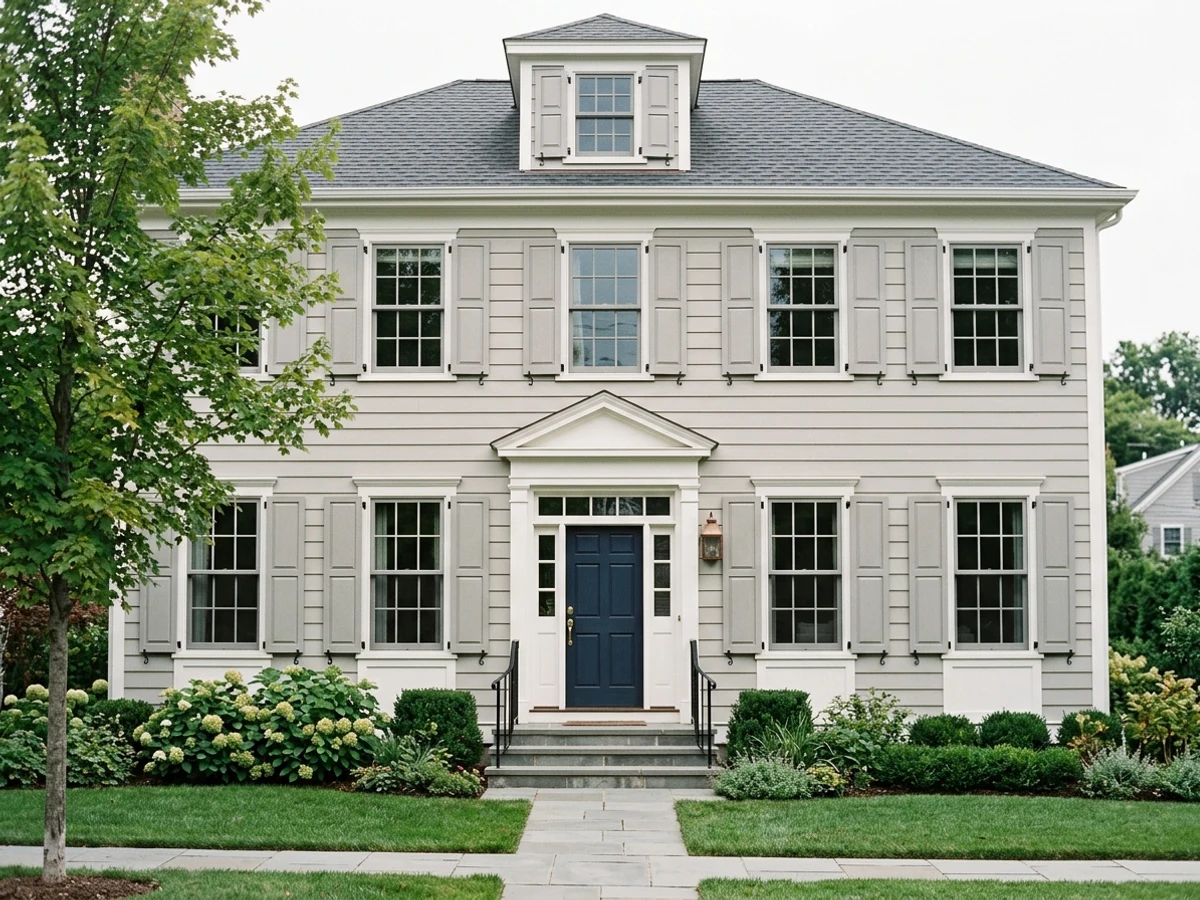
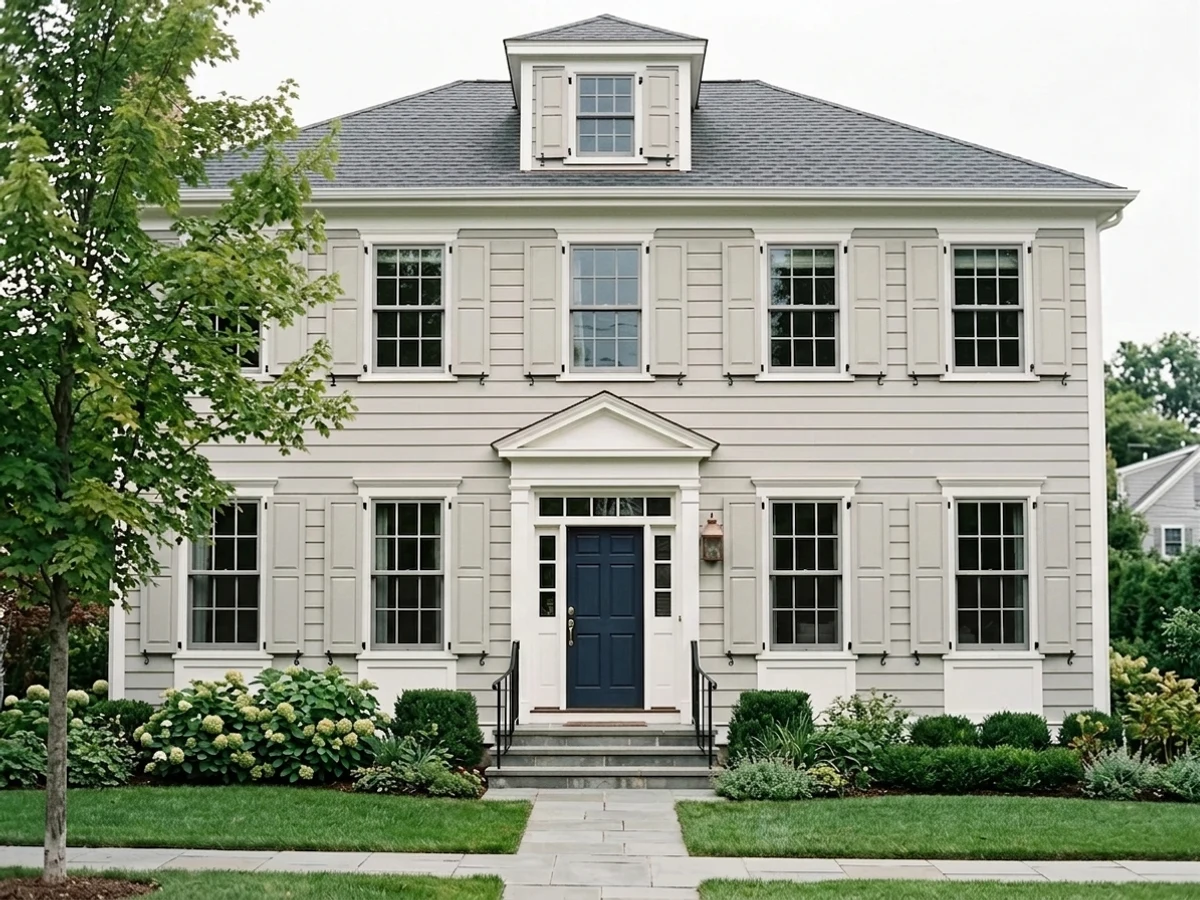
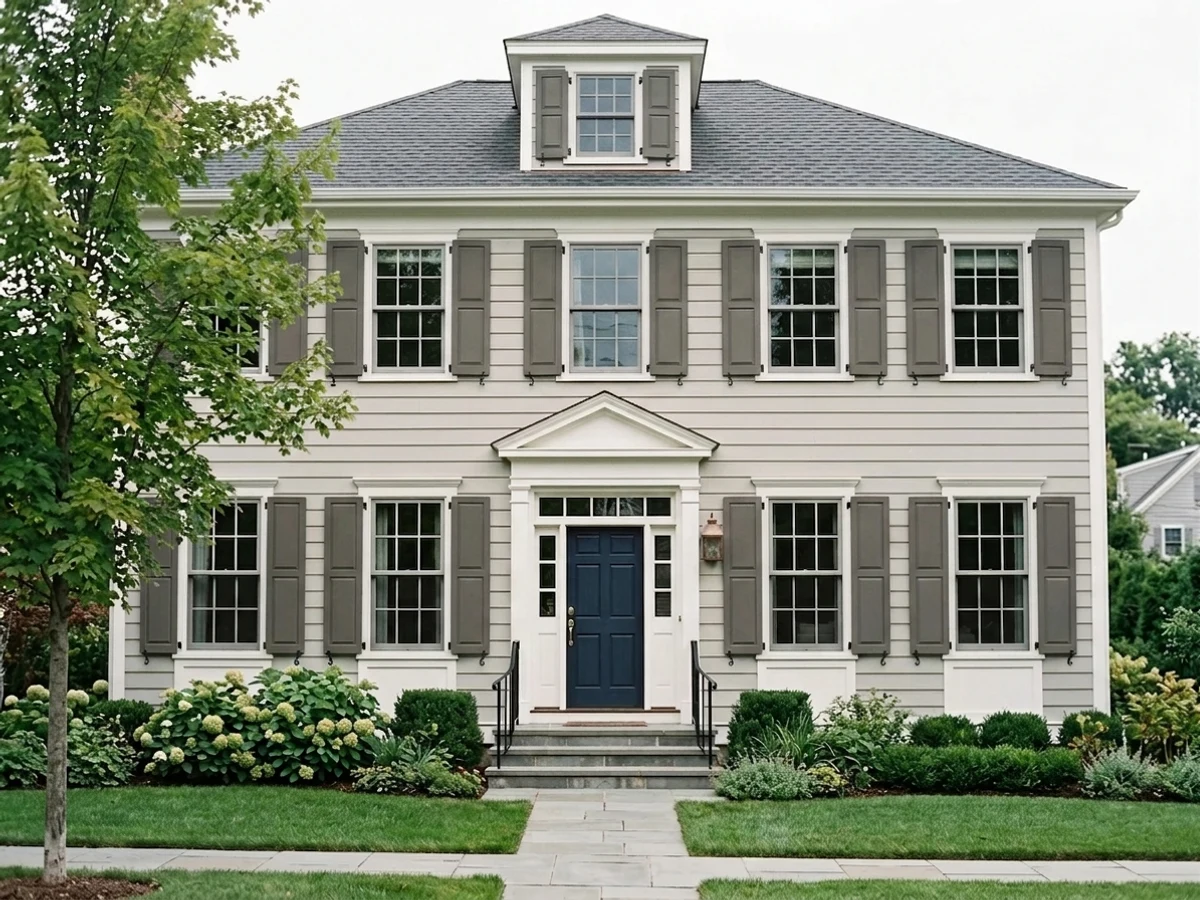
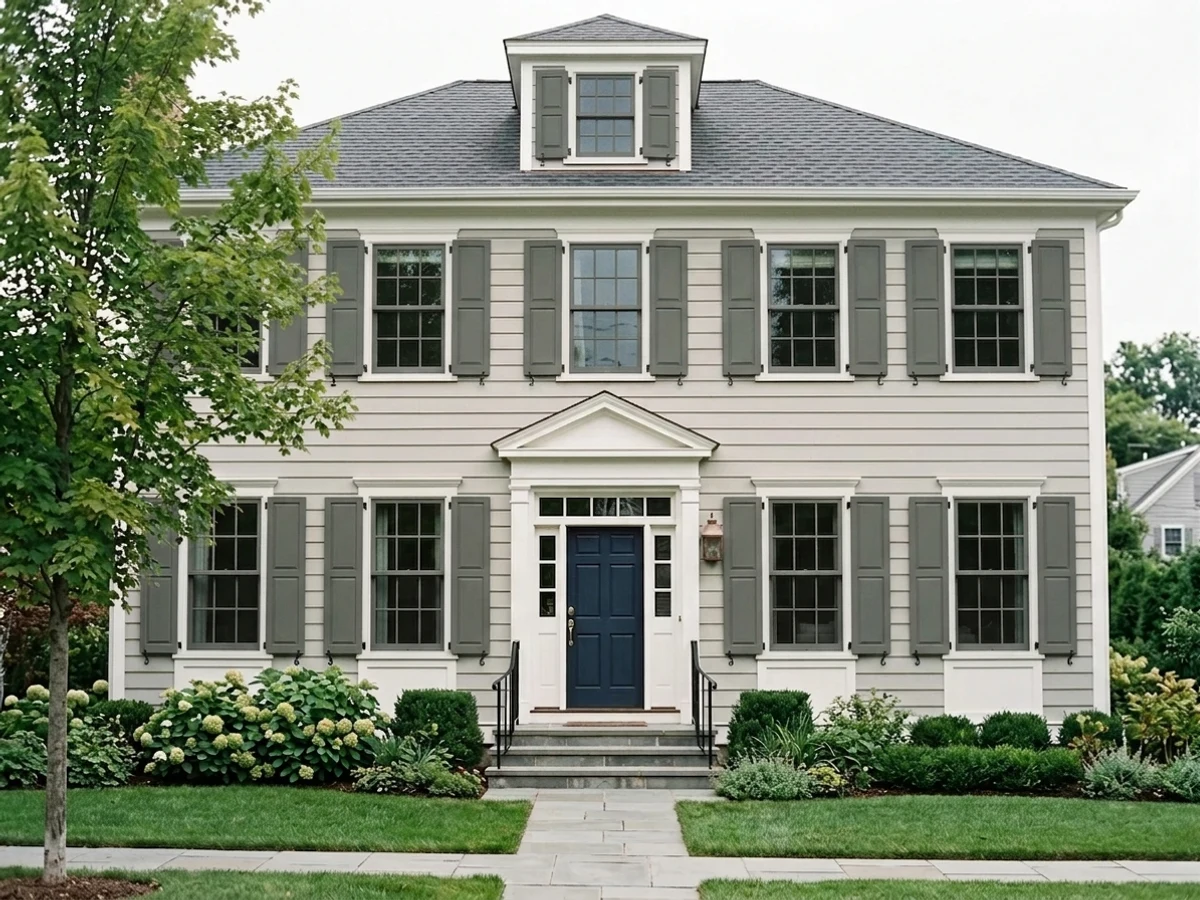
Editor's Picks: Gray for Shutterss
4 picks30 Gray Picks Across the LRV Range
30 of 3,425 · sorted dark → lightLooking for more? All gray → covers every brand; brand × family pages show full decks.
Gray Shutters Colors at Every US Brand
21 brands · up to 10 picks eachUp to 10 picks per brand spread across the gray LRV range, drawn from each brand's full deck. Tap any swatch with a curated guide for full spec; tap the brand title for the brand's complete gray deck.
Behr
Glidden
Valspar
Benjamin Moore
PPG / Glidden
Sherwin-Williams
Dunn-Edwards
Dutch Boy
Diamond Vogel
Hirshfield's
Kompozit
C2 Paint
Rodda
Magnolia Home
Farrow & Ball
Clare
Portola Paints
Annie Sloan
Backdrop
Rust-Oleum
Other Shutters Color Families
Gray Colors in Other Rooms
Gray Paint Colors for a Shutters
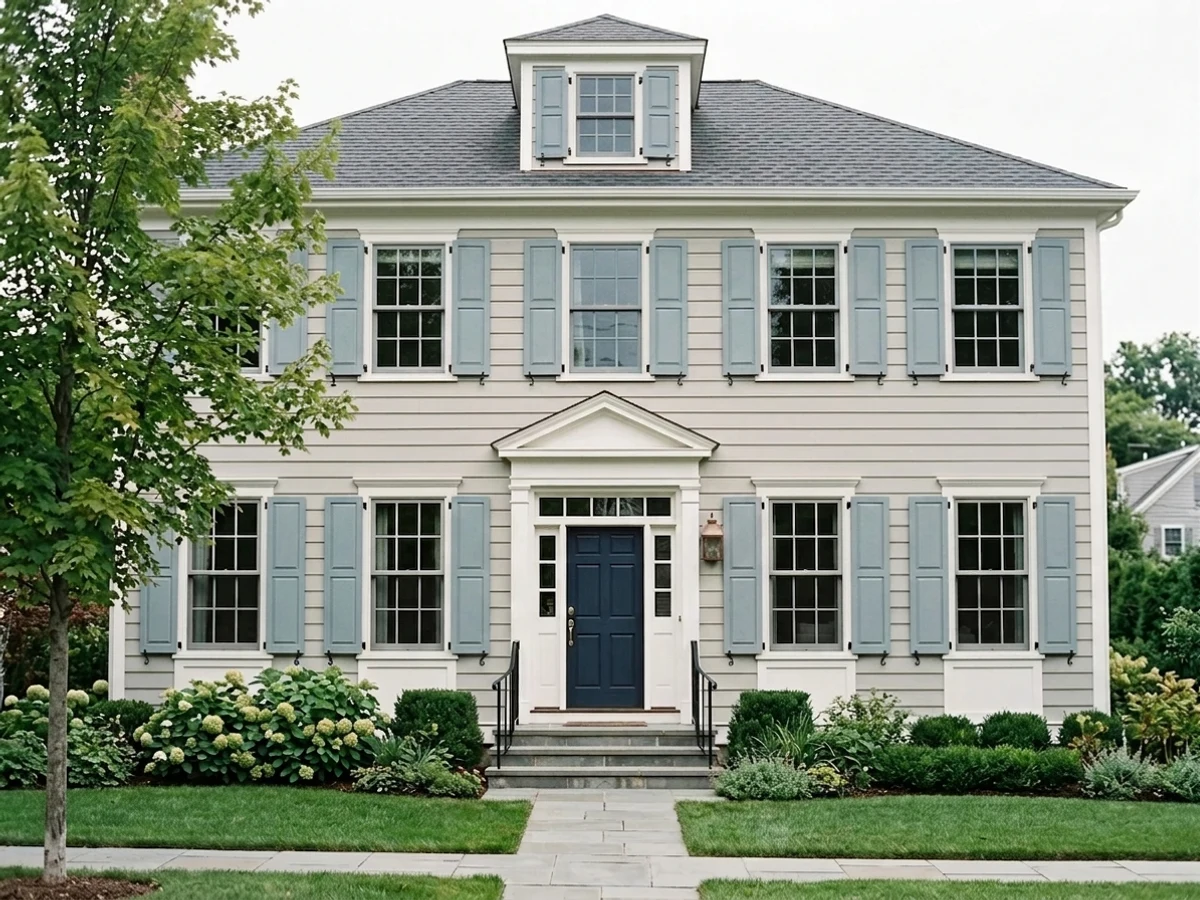
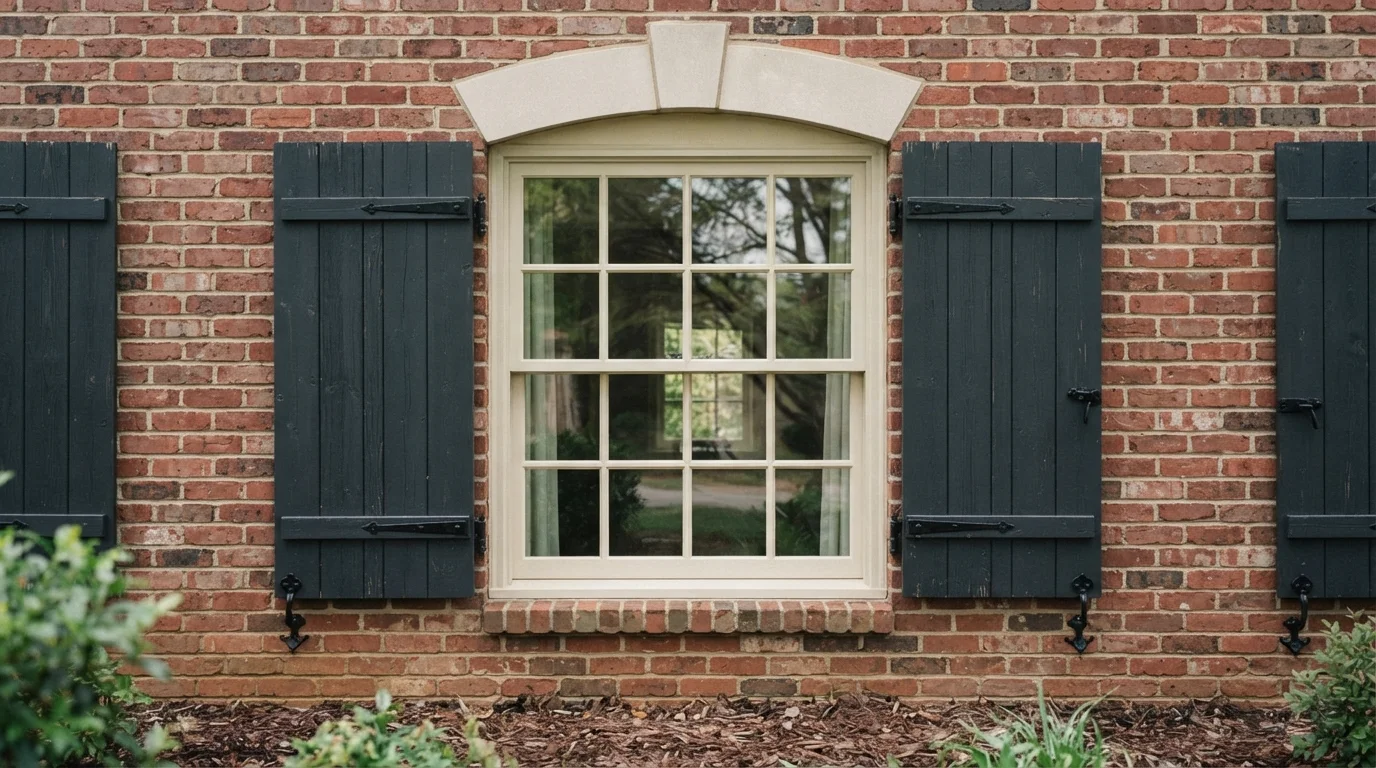
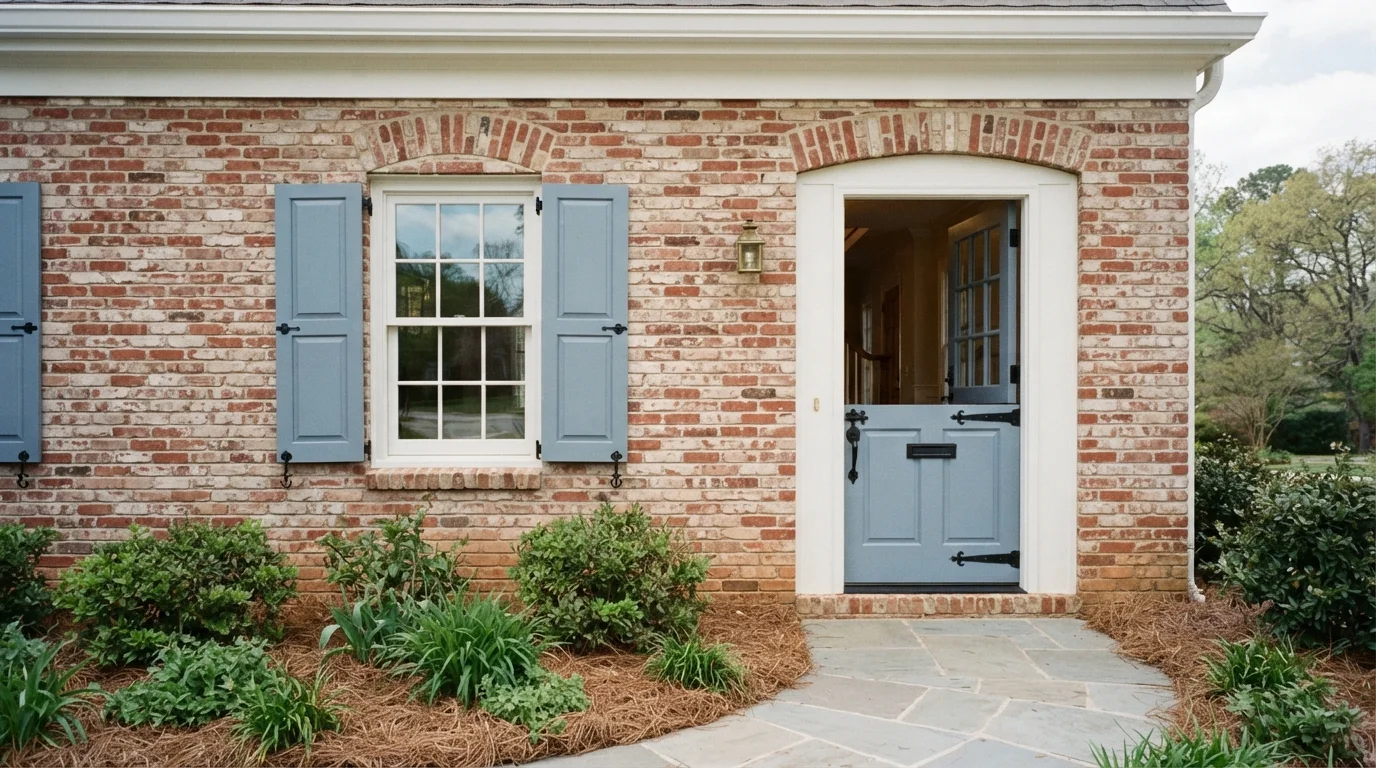
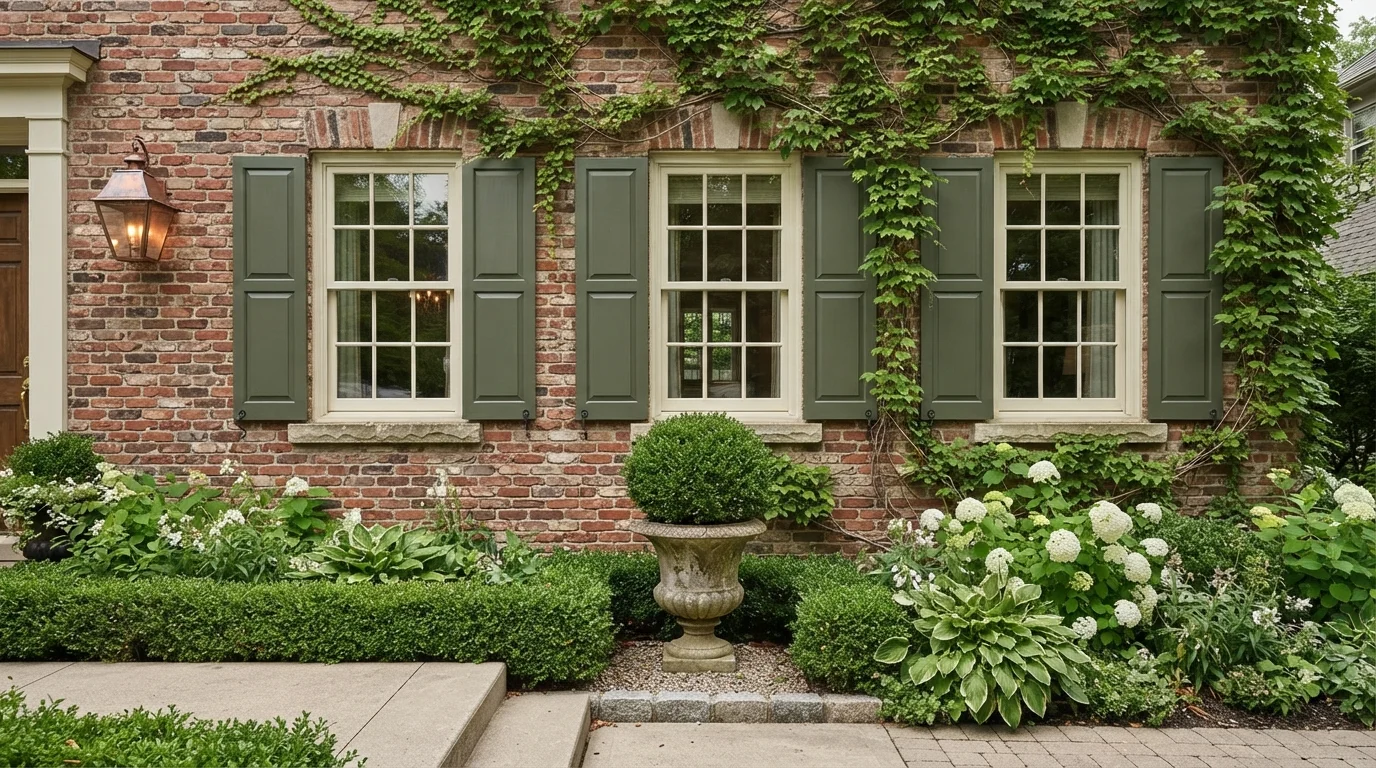
Shutters are one of the few places on a house where gray almost always works. It reads as quiet and finished without being as expected as white or as heavy as black, and it pairs cleanly with brick, stone, siding, and trim in almost any color. Because shutters are small relative to the wall behind them, gray gives you contrast and definition without shouting, which is exactly what most exteriors want.
The trick with gray on shutters is depth and undertone, not the idea of gray itself. The same swatch can look soft and silvery on a north-facing wall and almost charcoal in full afternoon sun, so the right pick depends on your light, your siding color, and how much contrast you actually want. The good news is that any gray you see here is mixed to order, so you can match a shade you like across brands and get the exact same color in the exterior-grade finish your shutters need.
Why Gray Works On Shutters
Shutters are an accent, not a field color, so they can carry a deeper or moodier gray than you would ever put on the whole house. A gray shutter frames the windows and adds rhythm across the facade, and it ties together mixed materials like stone, brick, and painted siding far more easily than a strong color does. That neutrality is the whole point: gray reads as intentional and calm from the curb.
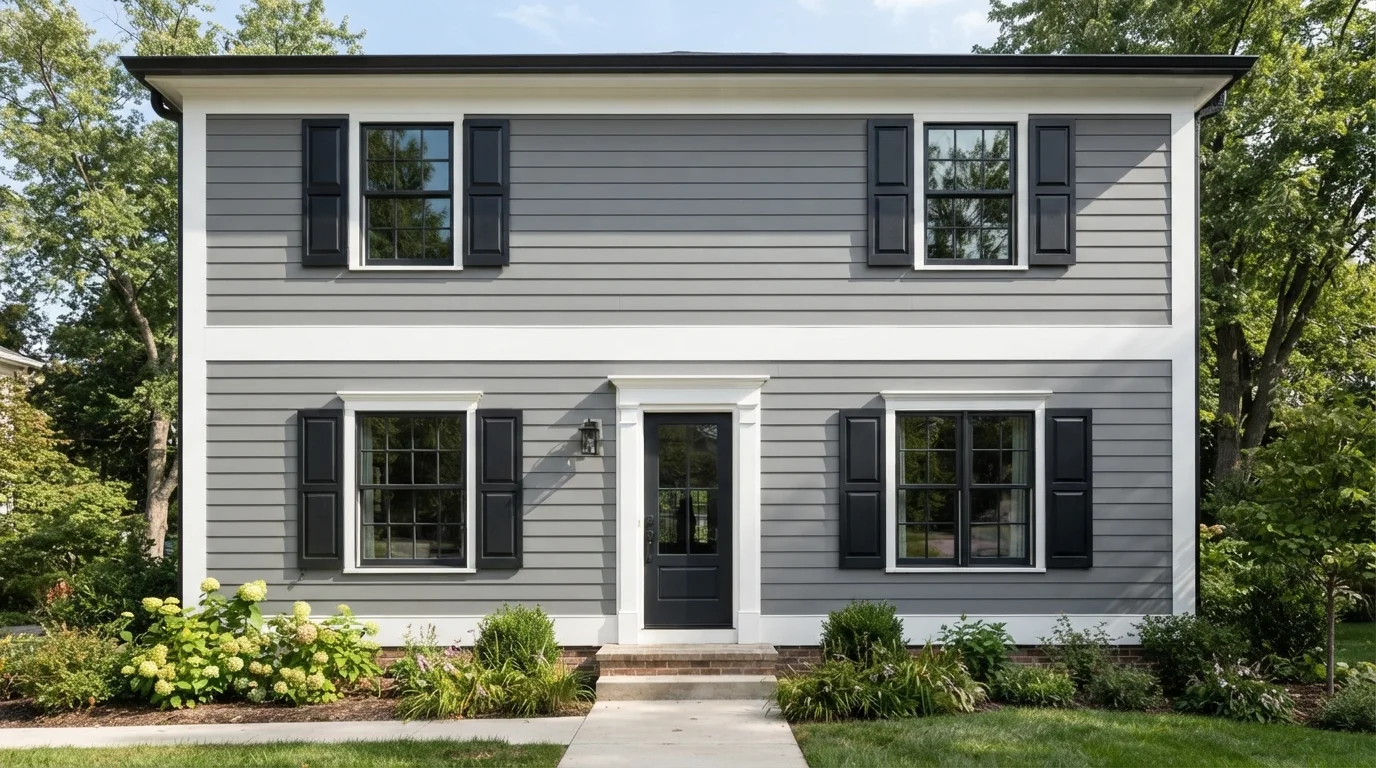
The one thing to watch is contrast. Gray shutters against gray or greige siding can disappear into the wall and lose the framing effect you wanted. If your siding is already cool and muted, you usually need to go several steps darker on the shutters, or shift toward charcoal, so the windows still read as defined.
Picking The Right Depth Of Gray For Your Light
Use LRV (light reflectance value, 0 for black up to 100 for white) to judge how a gray will actually behave outside. Most shutter grays live in the LRV 8 to 30 range. Down near 8 to 15 you get charcoal that almost reads black in shade and crisply frames lighter siding; up around 20 to 30 you get a true mid-gray that stays soft and shows more of its undertone in direct sun.
Light steers the choice hard outdoors. Full southern and western exposure floods shutters with light and can wash a mid-gray out to nearly nothing, so those walls usually want a deeper pick. Shaded, north-facing, or tree-covered fronts make grays read darker and cooler than the swatch, so a too-dark shutter there can turn into a black hole against the house.
The Right Finish For Exterior Shutters
Shutters take sun, rain, and dust, so finish matters as much as color. A satin or low-luster exterior finish is the sweet spot: it sheds water, wipes clean, and holds up to UV far better than a flat, which can chalk and streak on a vertical surface that gets weathered. Save high-gloss for front doors and the occasional formal look, since gloss on a large shutter shows every surface flaw and can glare in direct sun.
Use a paint formulated for exterior trim and accents, not a wall paint, and follow the maker's prep for the shutter material. Vinyl, wood, and composite shutters each want their own primer or bonding step, and darker grays in particular need a product rated to handle heat buildup since deep colors absorb more sun.
Pairing Gray Shutters With Siding, Trim, And Hardware
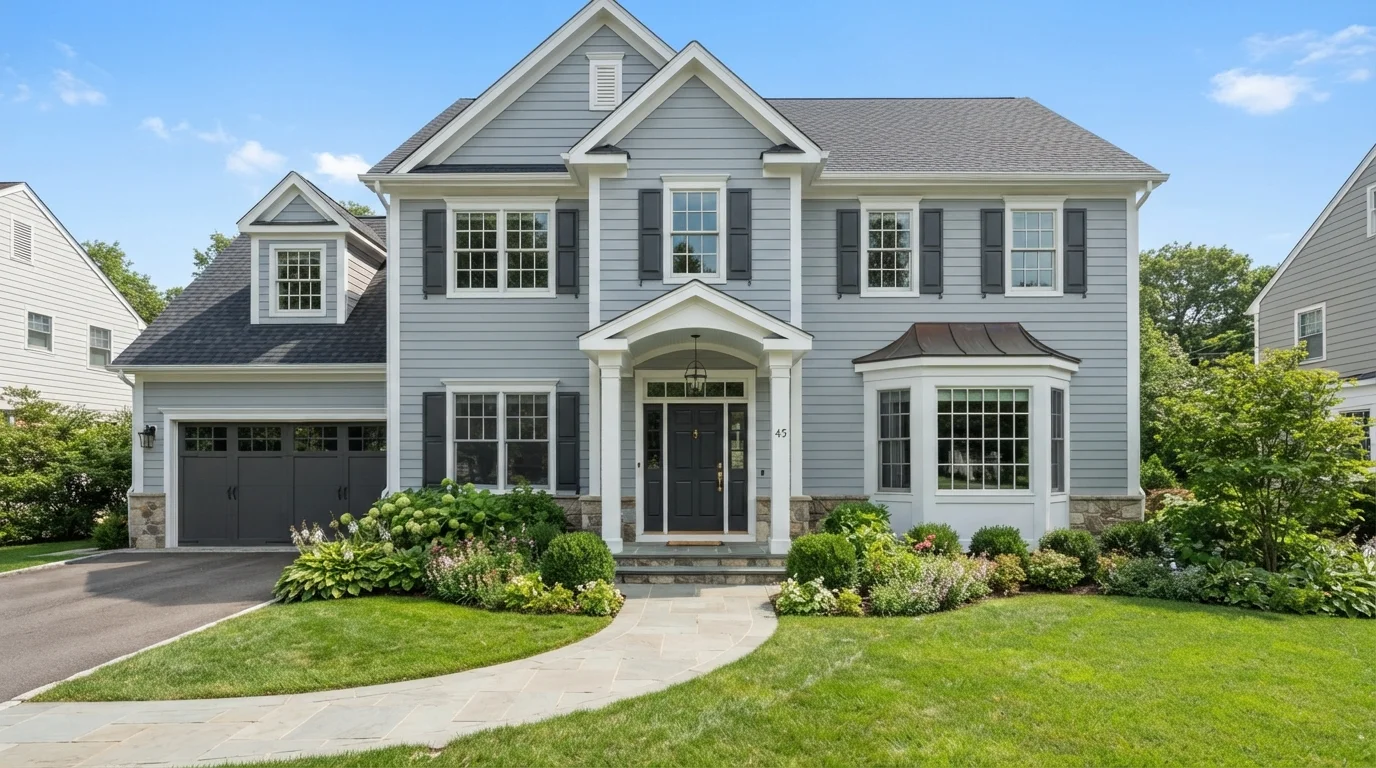
The cleanest combinations key the shutter gray to the siding's temperature. Warm, creamy, or beige siding pairs beautifully with a slightly warm or true gray, while cool white or blue-gray siding wants a cleaner, cooler shutter so the undertones do not fight. White or off-white trim around the windows lets gray shutters pop, which is the classic, safe move.
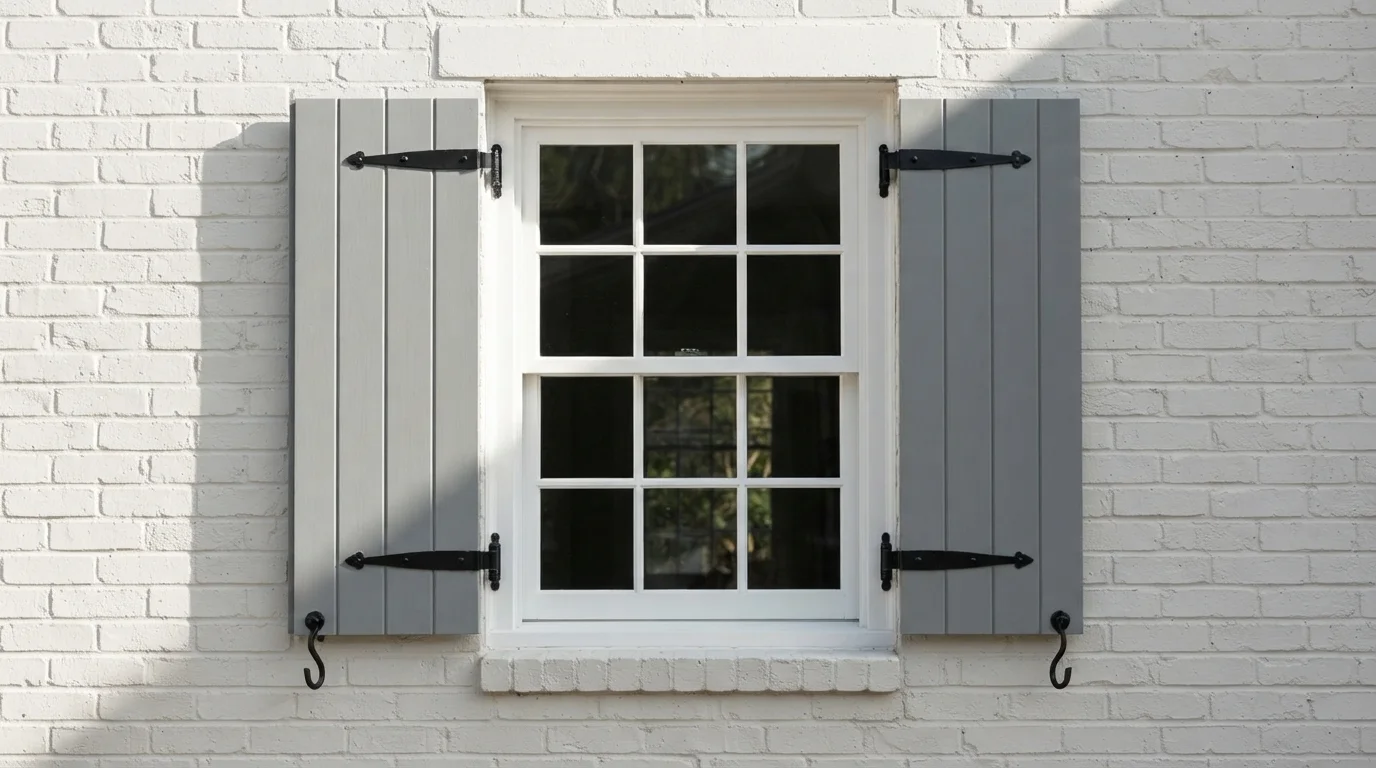
Hardware and accents are where gray earns its keep. Black or oil-rubbed bronze shutter hardware, lantern-style light fixtures, and a deeper or contrasting front door all sit naturally against gray. If your roof has a strong color, pull a gray that shares its temperature so the whole exterior feels coordinated rather than assembled from parts.
Common Mistakes With Gray Shutters
The biggest mistake is matching the swatch to the siding instead of contrasting it. Without enough difference in depth, gray shutters blend into the wall and the windows lose their frame, so always check the gap in LRV between siding and shutter before you commit. The second mistake is ignoring undertone: a gray with a blue or purple lean can clash with a warm brick or a tan roof and look cold and off.
People also forget to test outside and at scale. A chip judged indoors or in the store will read lighter and warmer than the same gray on a sunlit, weathered facade, so paint a sample board and prop it against the actual shutters across a full day. And because any gray here is mixed to order, you can fine-tune a half-step lighter or warmer and still match it across brands once you find the one that holds up in your light.
Gray Shutters Paint — Frequently Asked Questions
What shade of gray looks best on shutters?+
For most homes, a mid-to-deep gray in the LRV 8 to 30 range works best. Charcoal grays near the low end frame light siding crisply, while a true mid-gray stays softer and shows more of its undertone. The right depth depends mostly on your siding color and how much sun the front of the house gets.
Should gray shutters be lighter or darker than the siding?+
Almost always darker. Shutters are meant to frame the windows, and that only works if there is a clear difference in depth between the shutter and the wall behind it. If your siding is already gray or greige, go several steps deeper or shift toward charcoal so the shutters still read.
What sheen should I use on exterior shutters?+
A satin or low-luster exterior finish is the best all-around choice. It sheds water, wipes clean, and resists fading and chalking better than flat on a weathered vertical surface. Skip high-gloss unless you want a formal look, since gloss glares in sun and shows every imperfection.
Do gray shutters work with a colored front door?+
Yes, and that is one of gray's best traits. Because gray is neutral, it lets a bolder front door be the focal point without competing. Just keep the temperatures friendly: a warm gray with a warm-toned door, or a cool gray with a cooler door, so nothing clashes.
Why do my gray shutters look different than the swatch?+
Outdoor light changes everything. Direct southern and western sun washes grays lighter and warmer, while shade and north-facing walls make them read darker and cooler. Always test a sample board against the actual shutters across a full day before committing.
Can I match a gray I like across different paint brands?+
Yes. Every gray shown here is mixed to order, so a shade you like can be cross-matched between brands and produced in an exterior-grade finish for shutters. That lets you pick the color you want and still get it in the right product for the job.