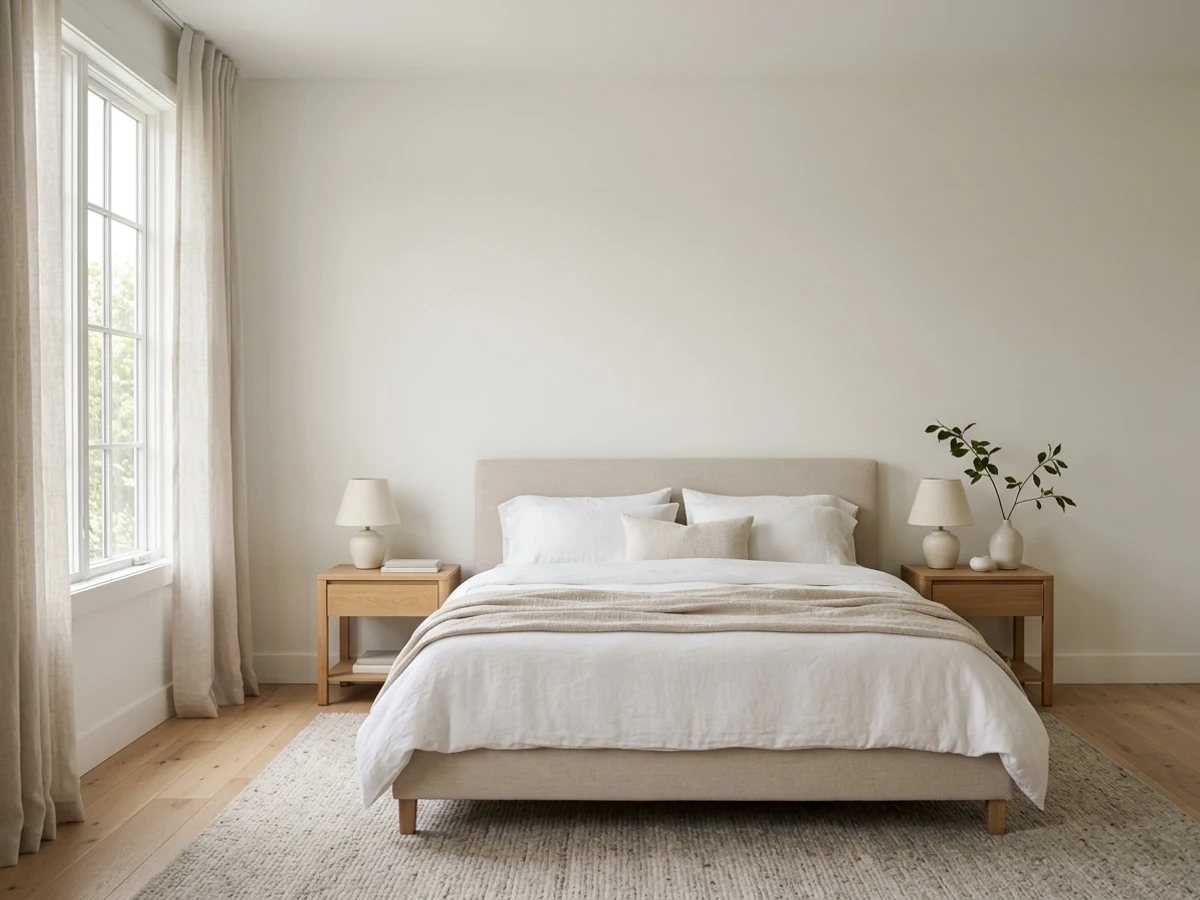
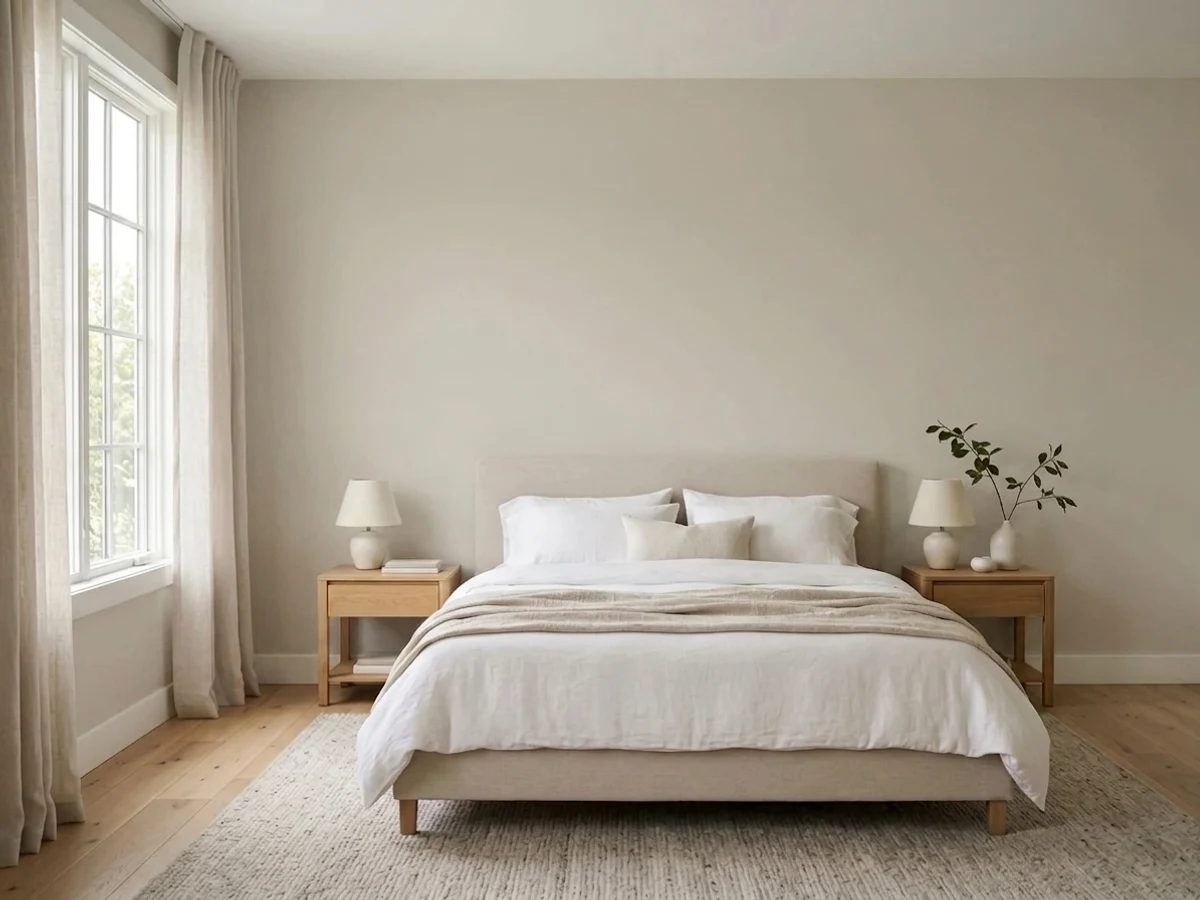
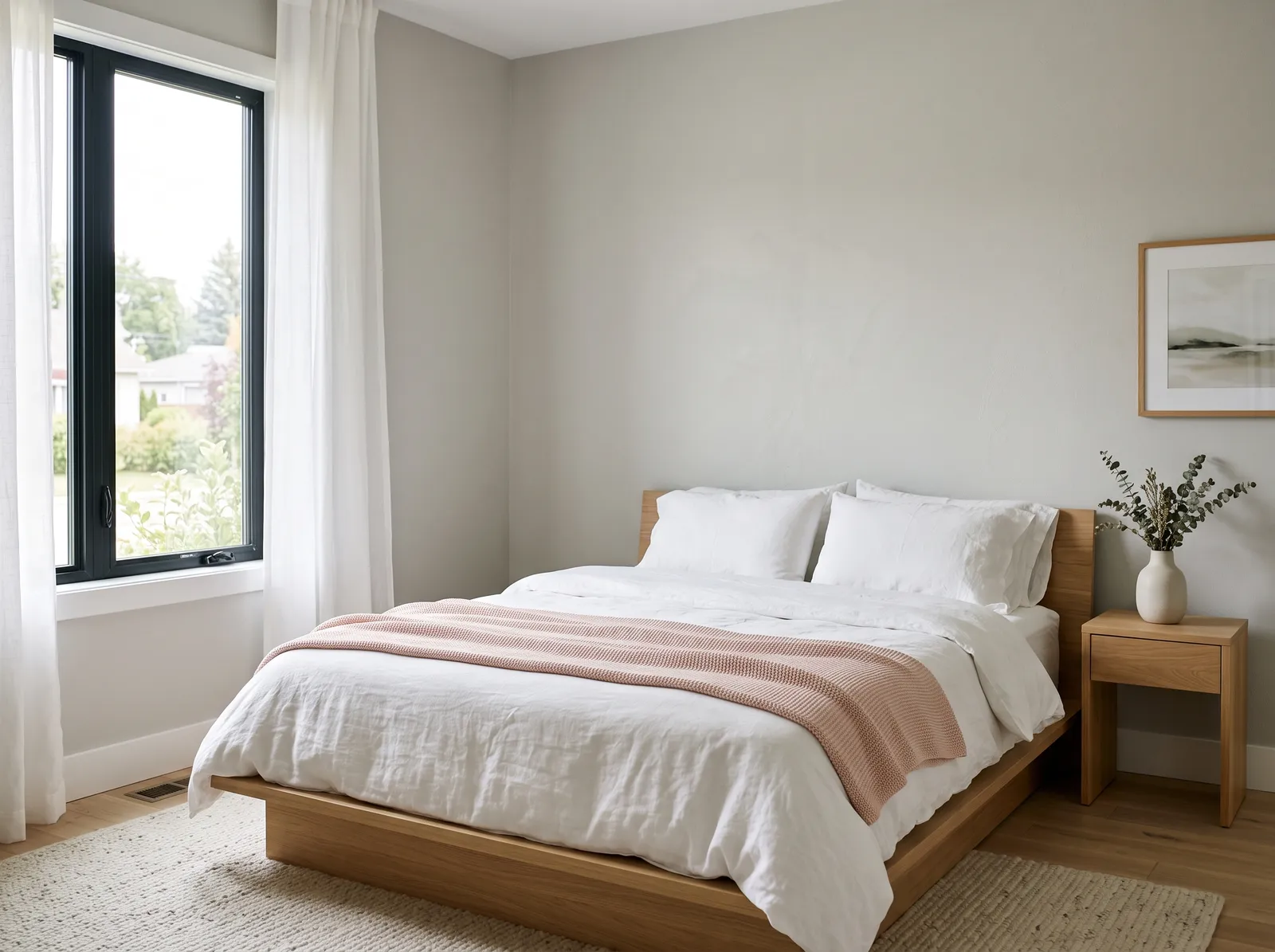
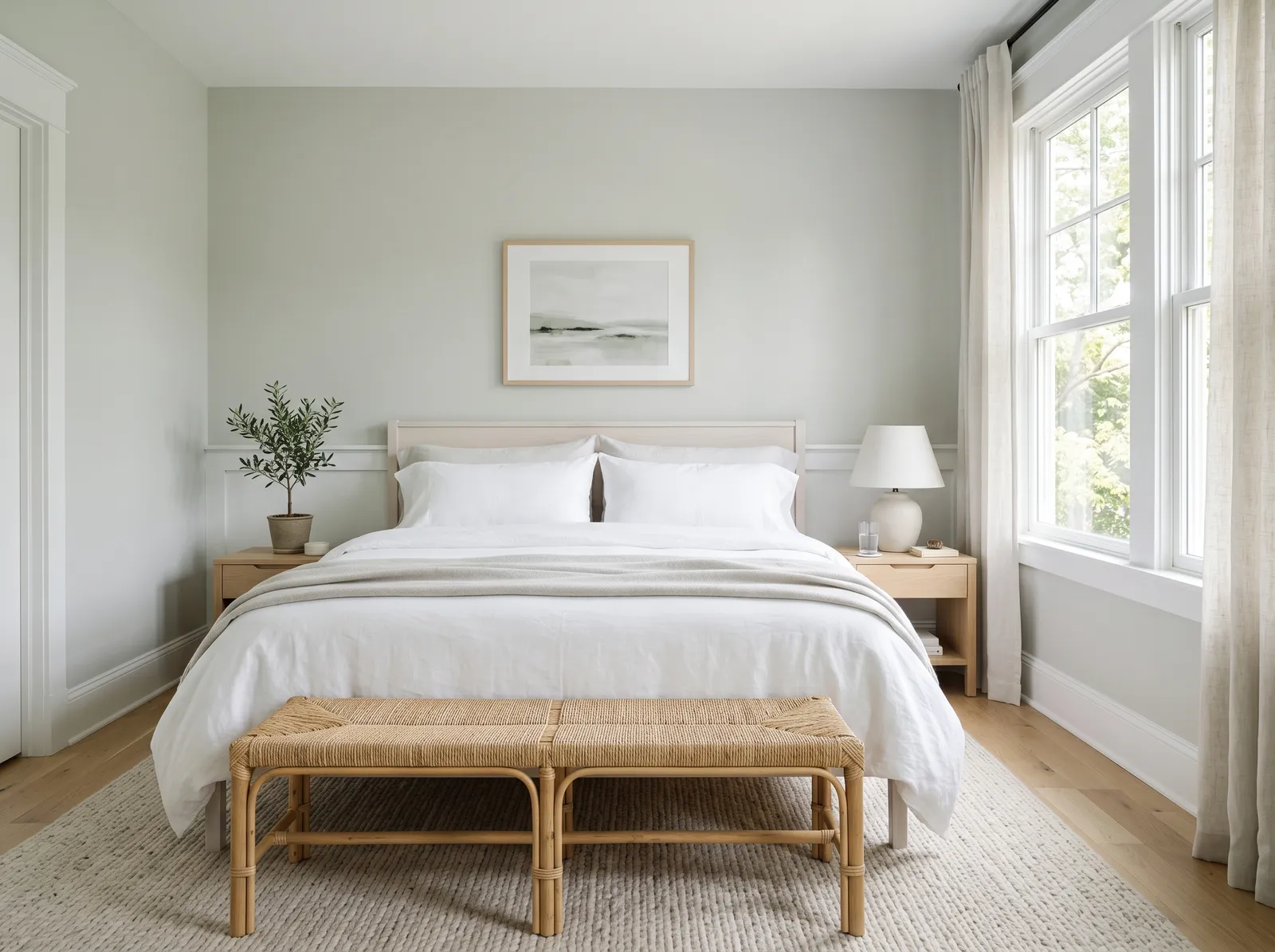
Gray Bedroom Paint Colors
3,425 gray colors that work in bedrooms, drawn from the full ~30,000-color US paint deck. Below: editor's picks specific to bedrooms, then 30 picks spread across the LRV range — narrow further on the brand page when you've shortlisted.
Gray is the most-recommended neutral in American interiors — the safe choice that anchors a room without committing to a strong color. The "true" grays here lean cool (blue or violet undertone) or stay almost dead-neutral. The warm-leaning grays (taupe, mushroom, greige) live in the Neutral family next door because they read closer to beige than to true gray on the wall.
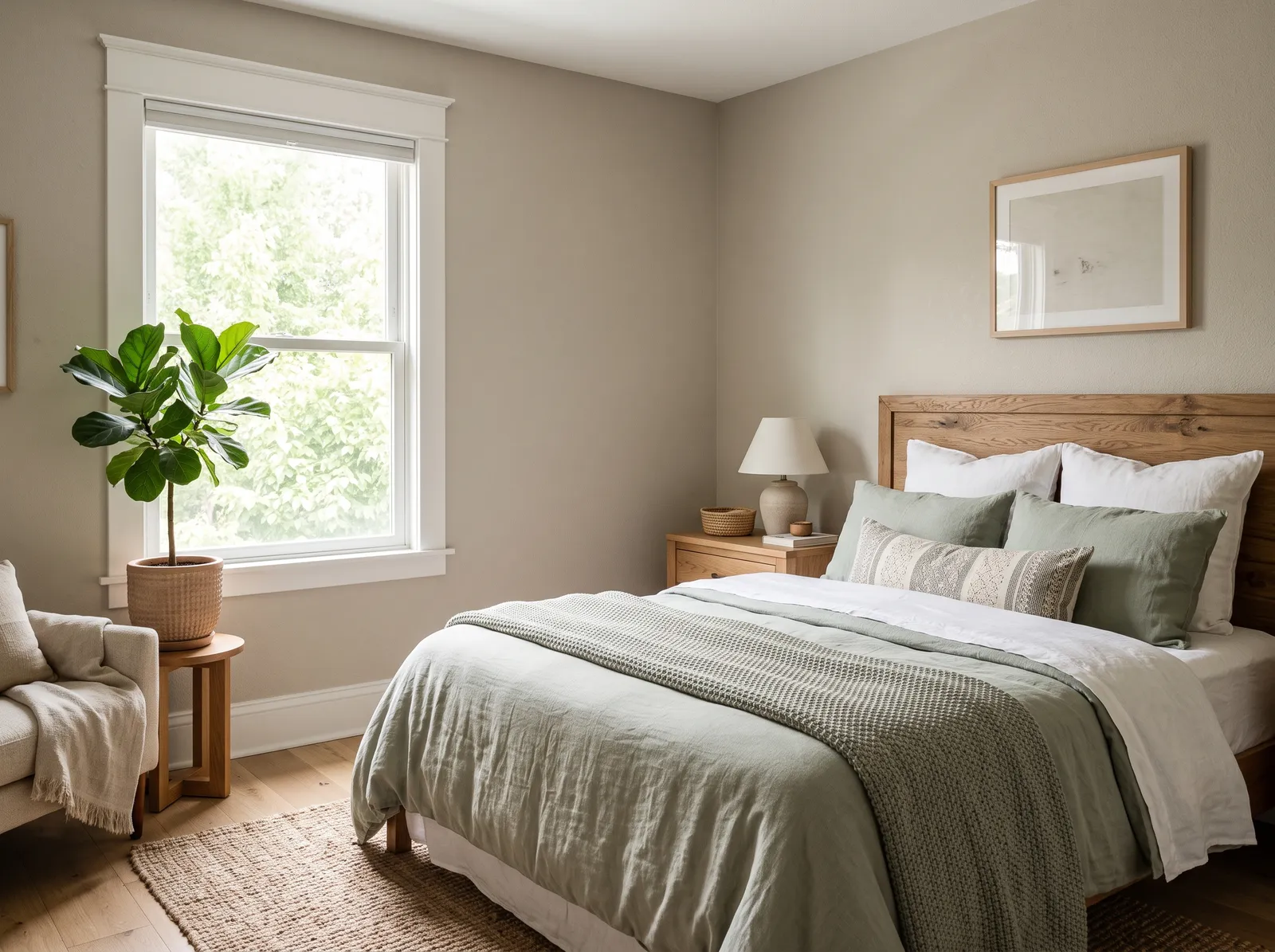
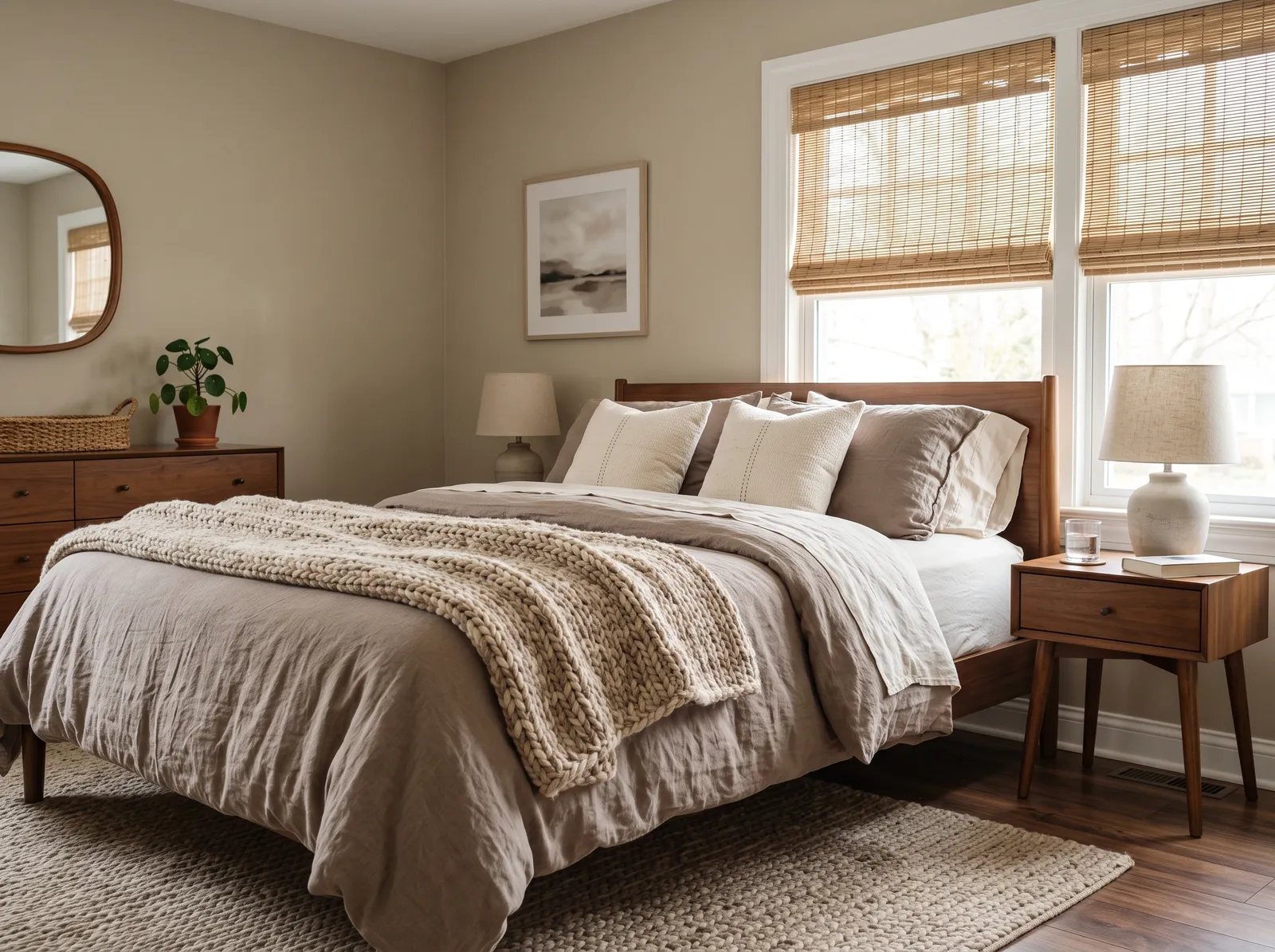
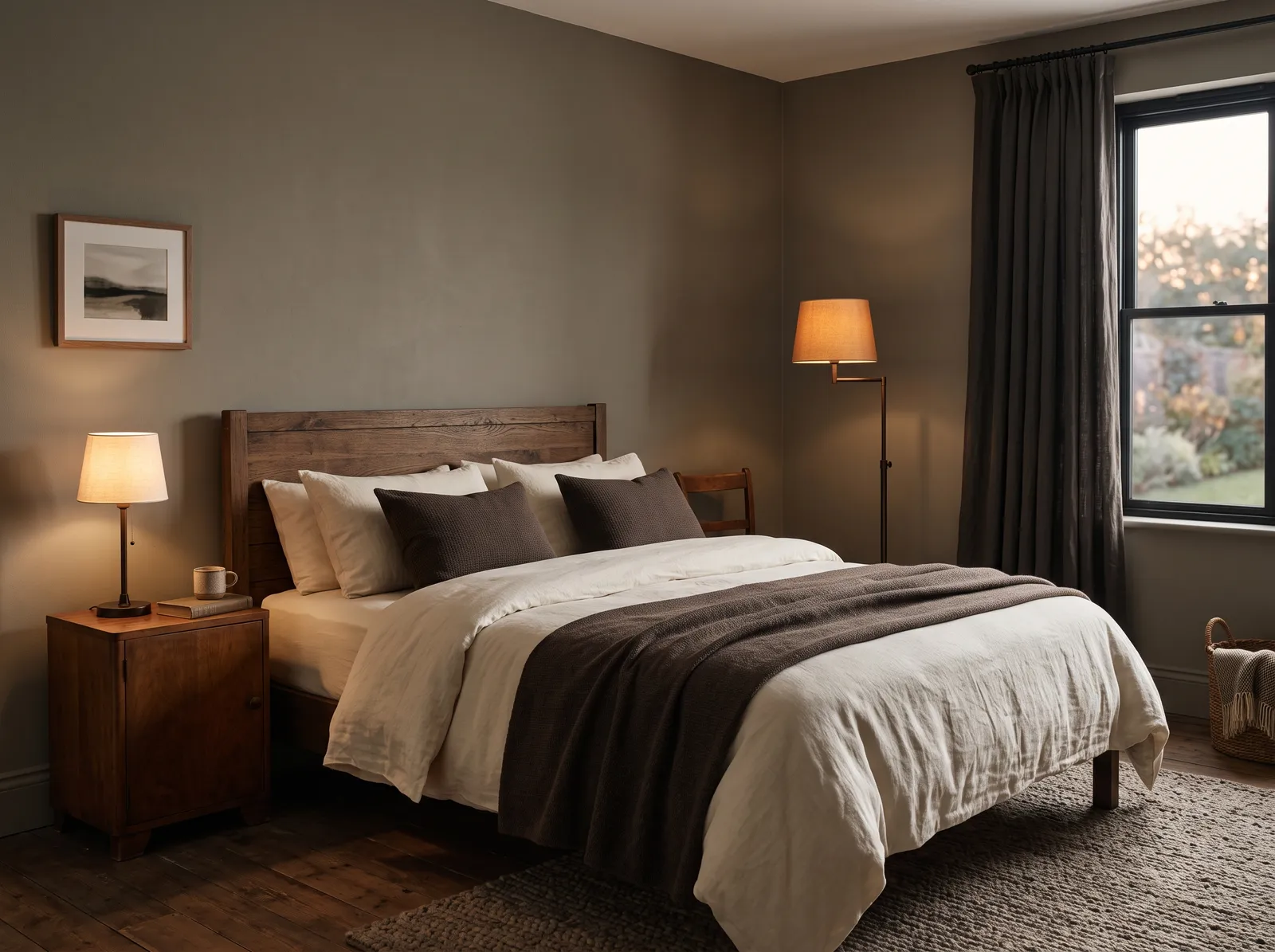
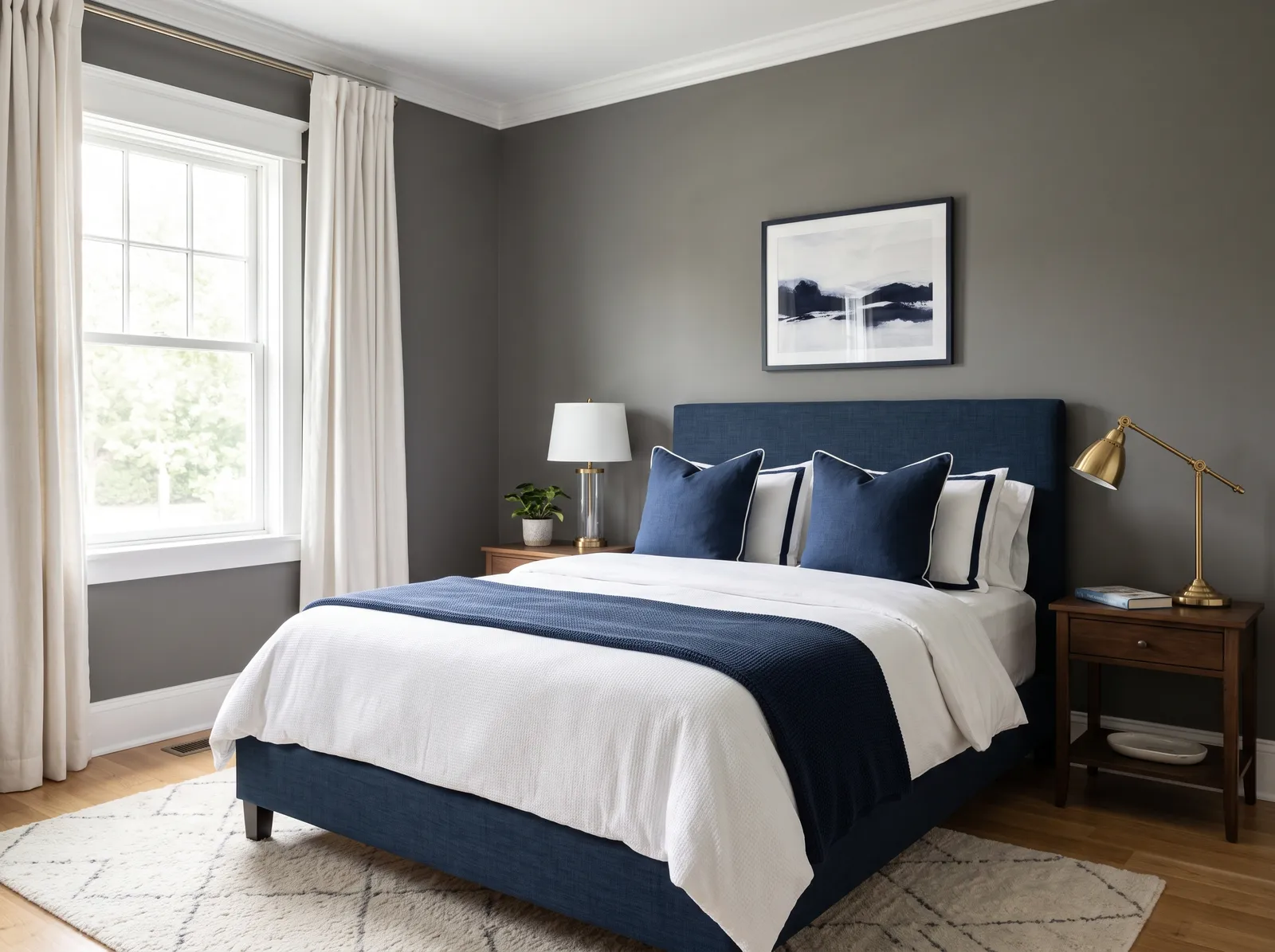
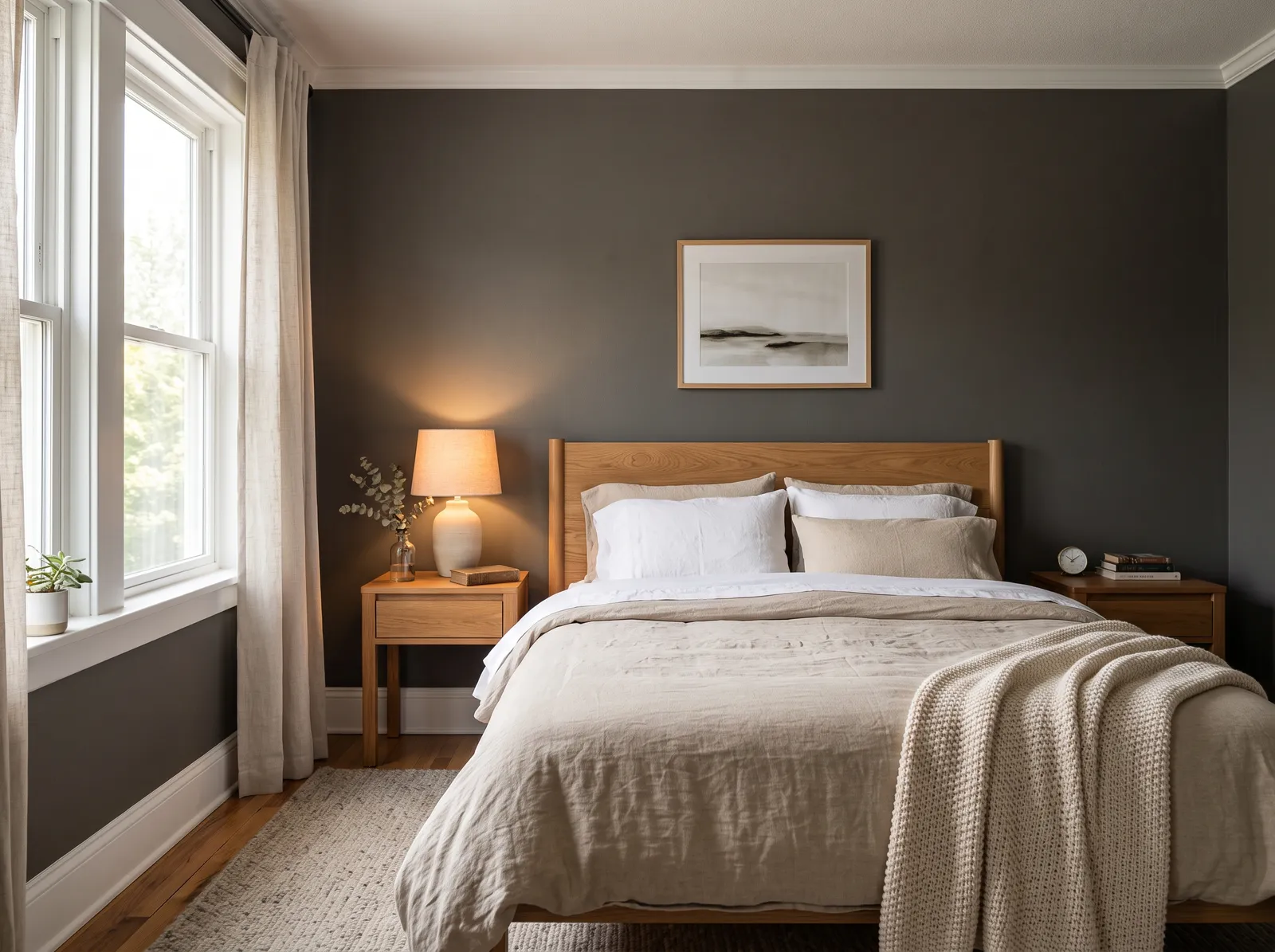
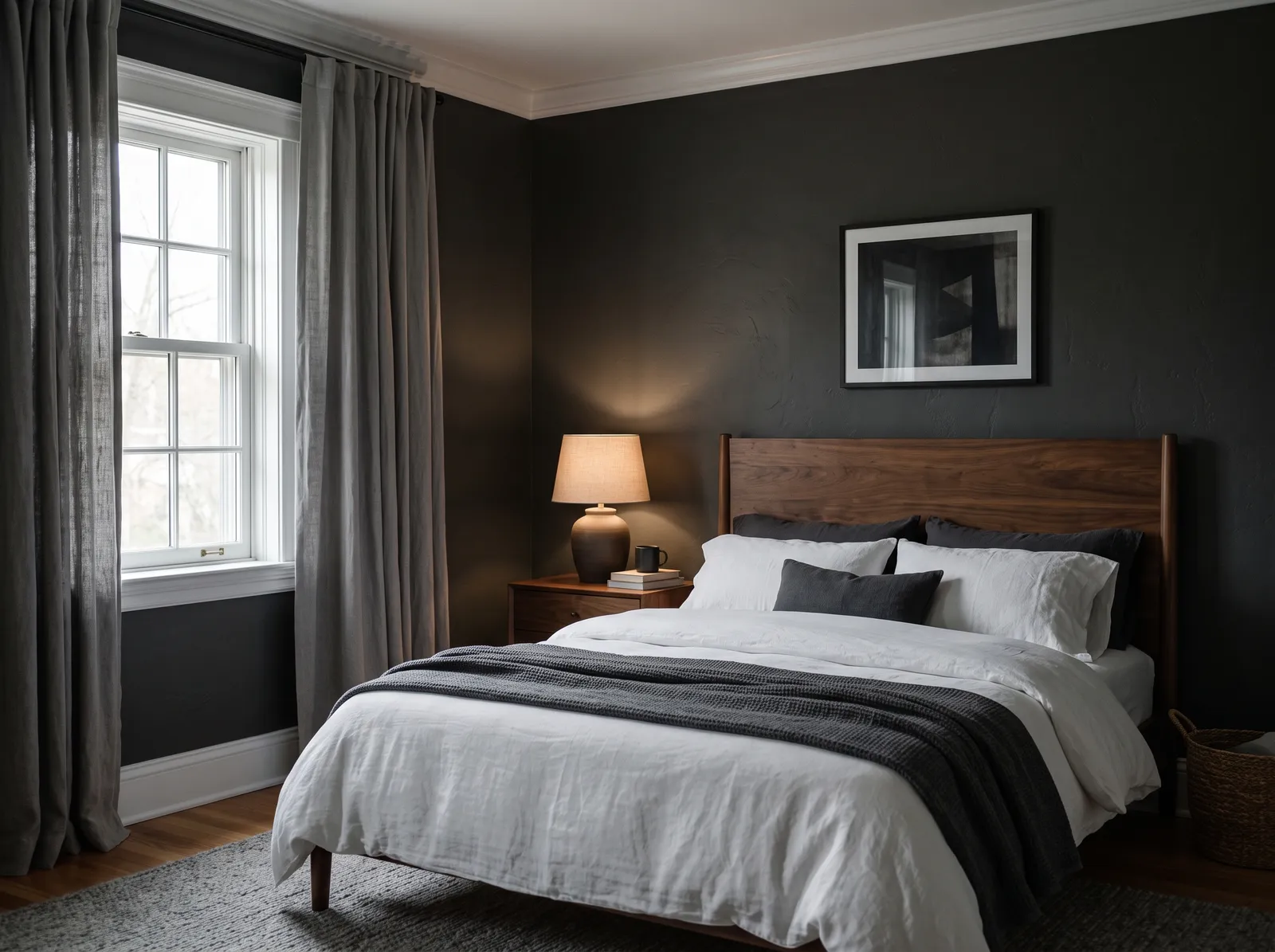
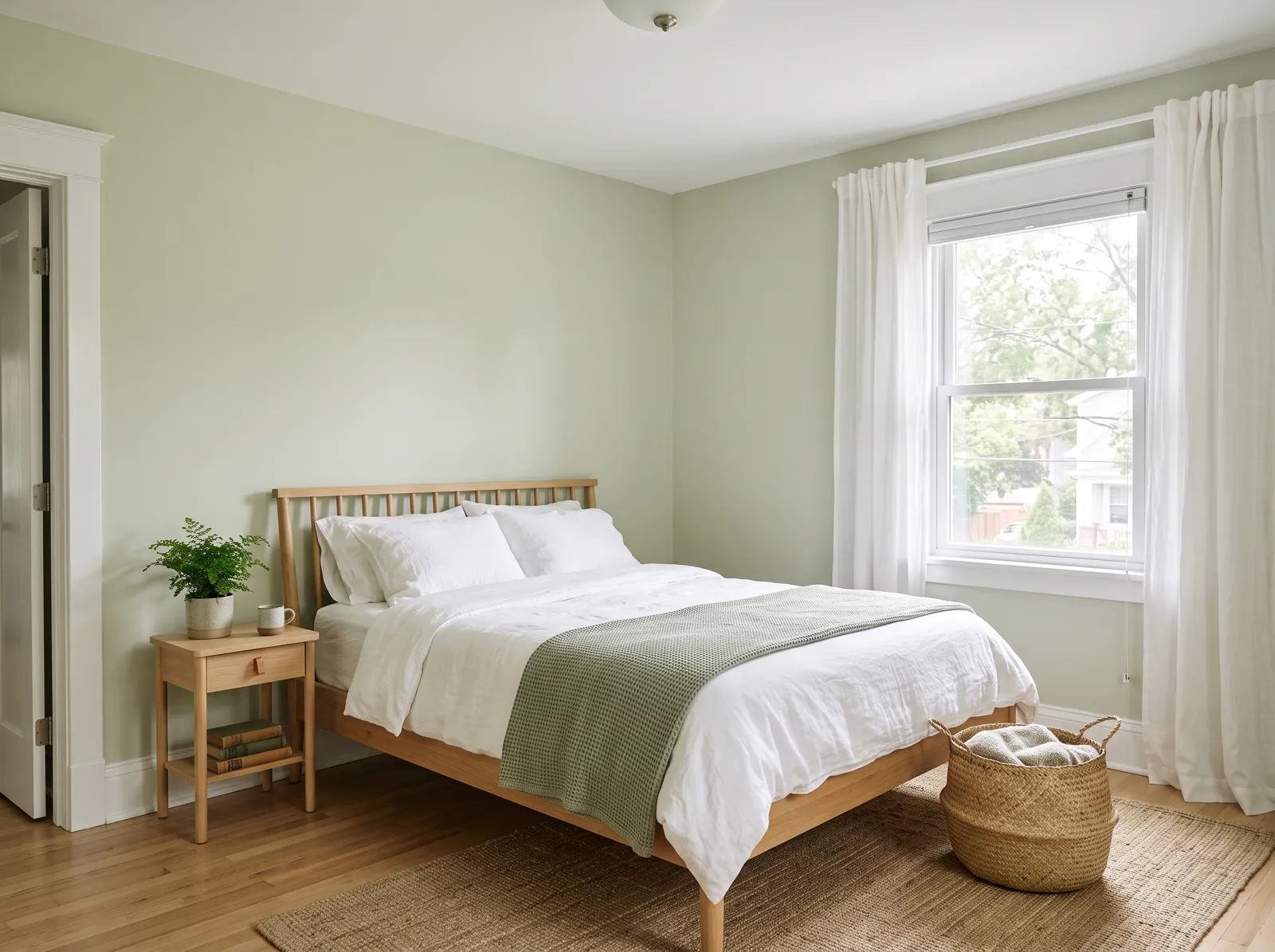
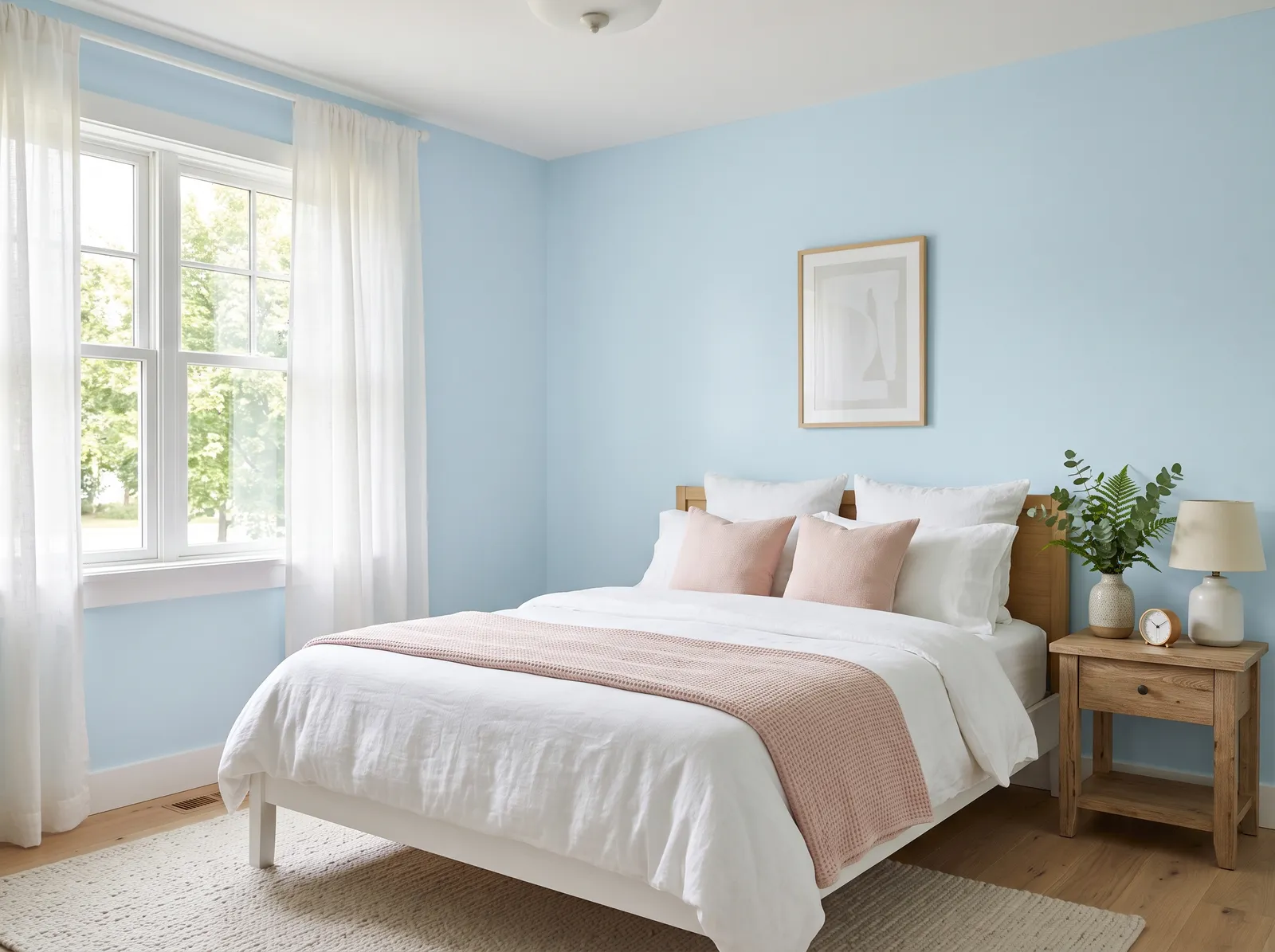
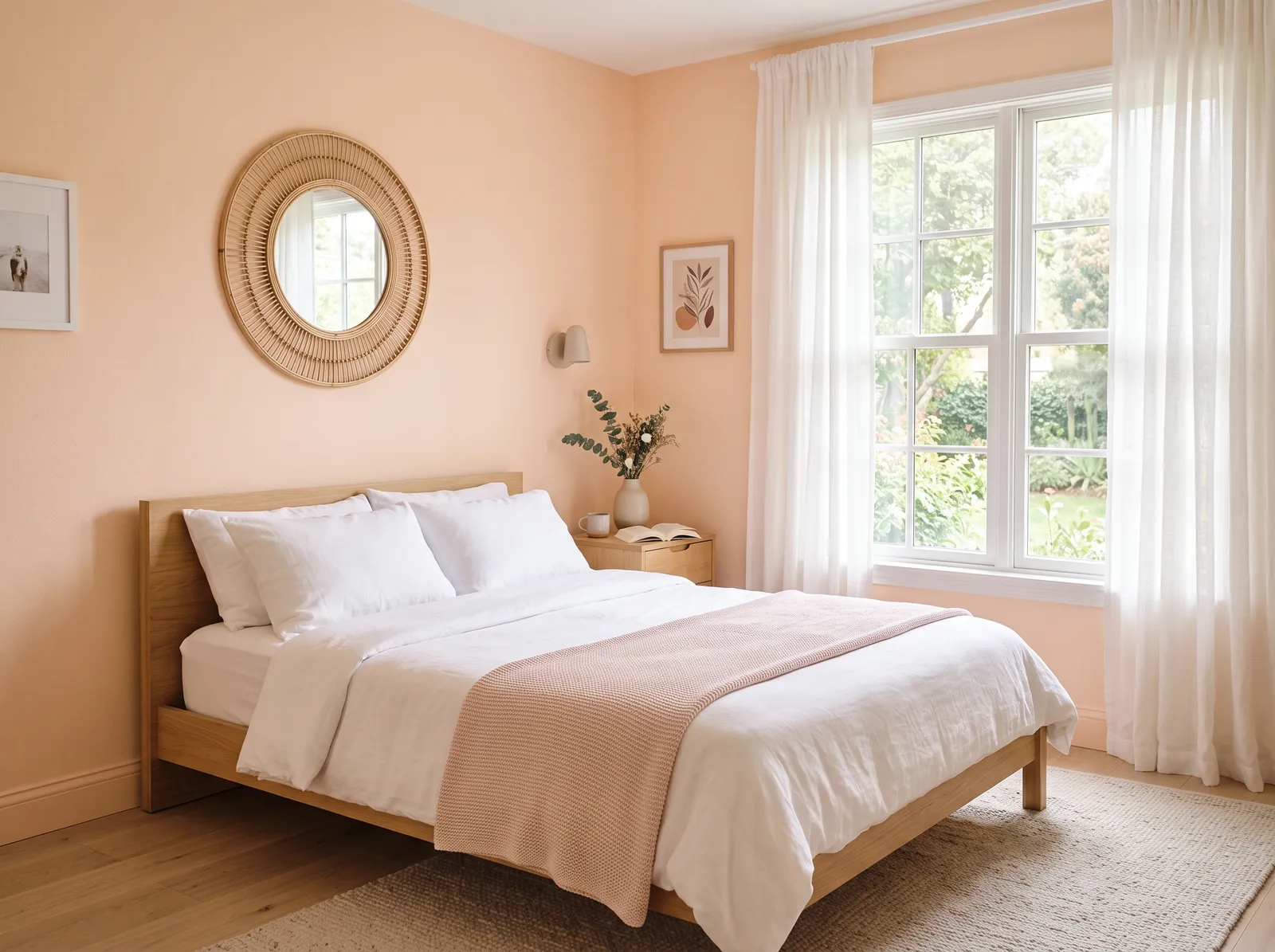
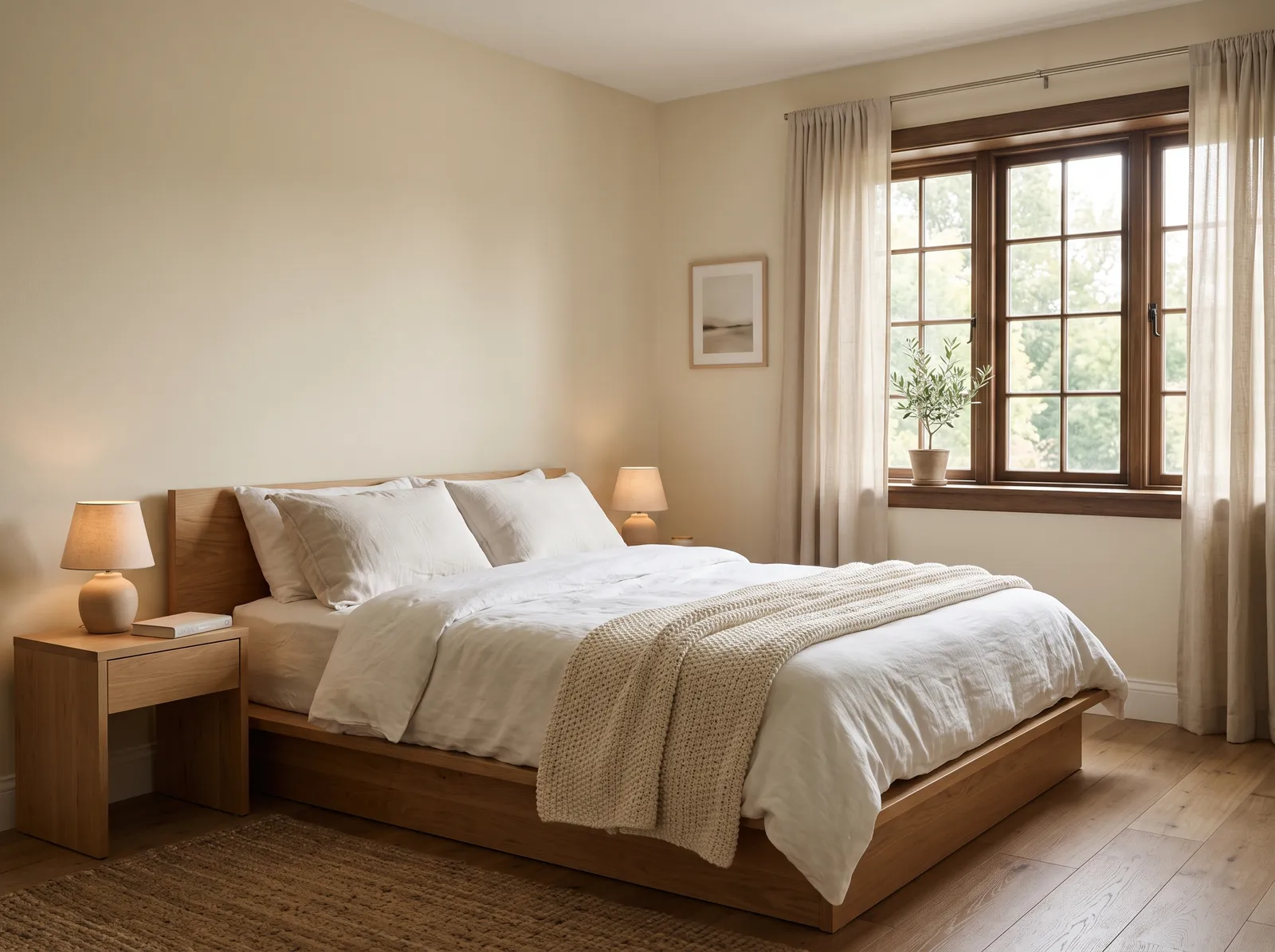
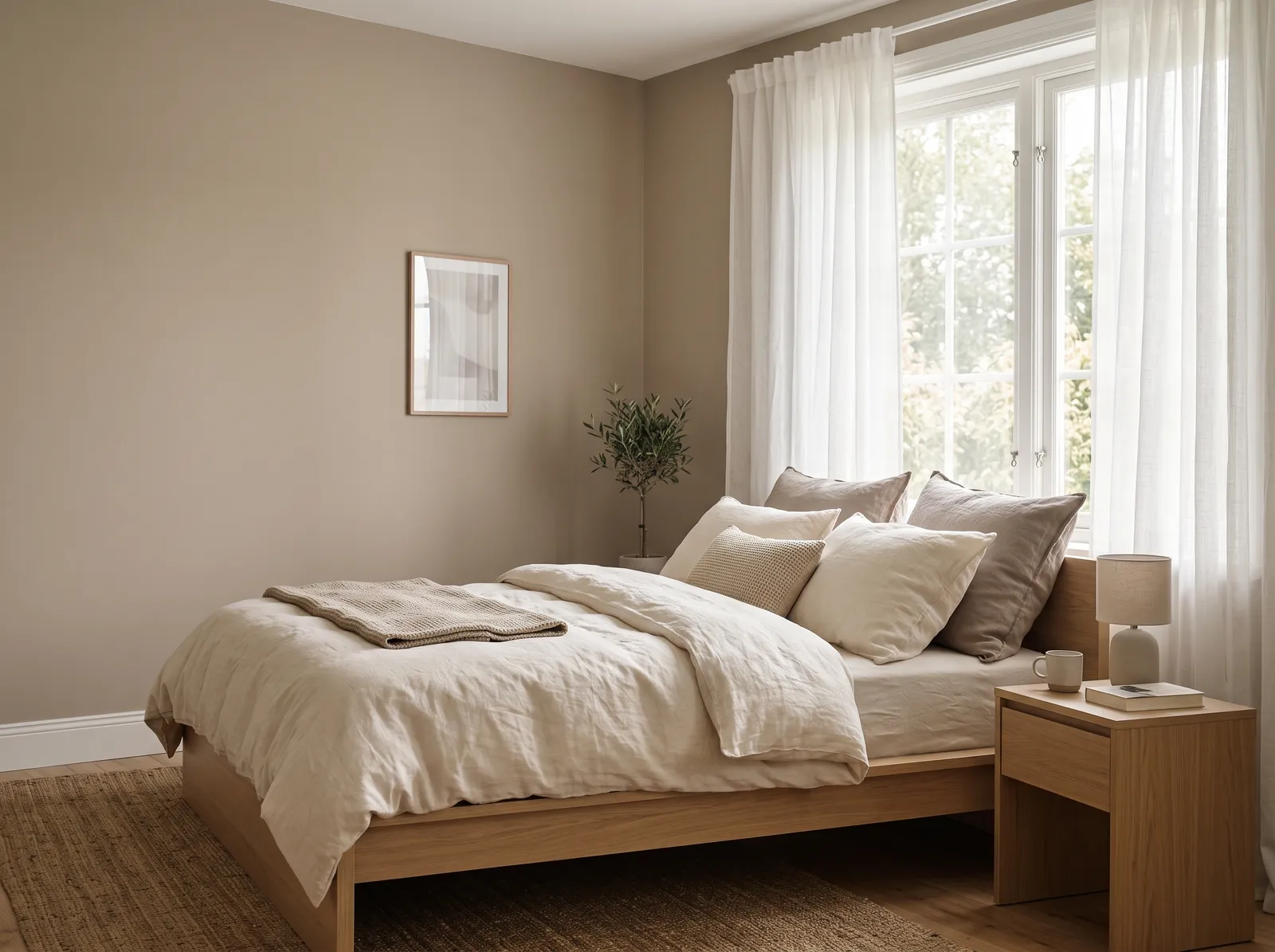
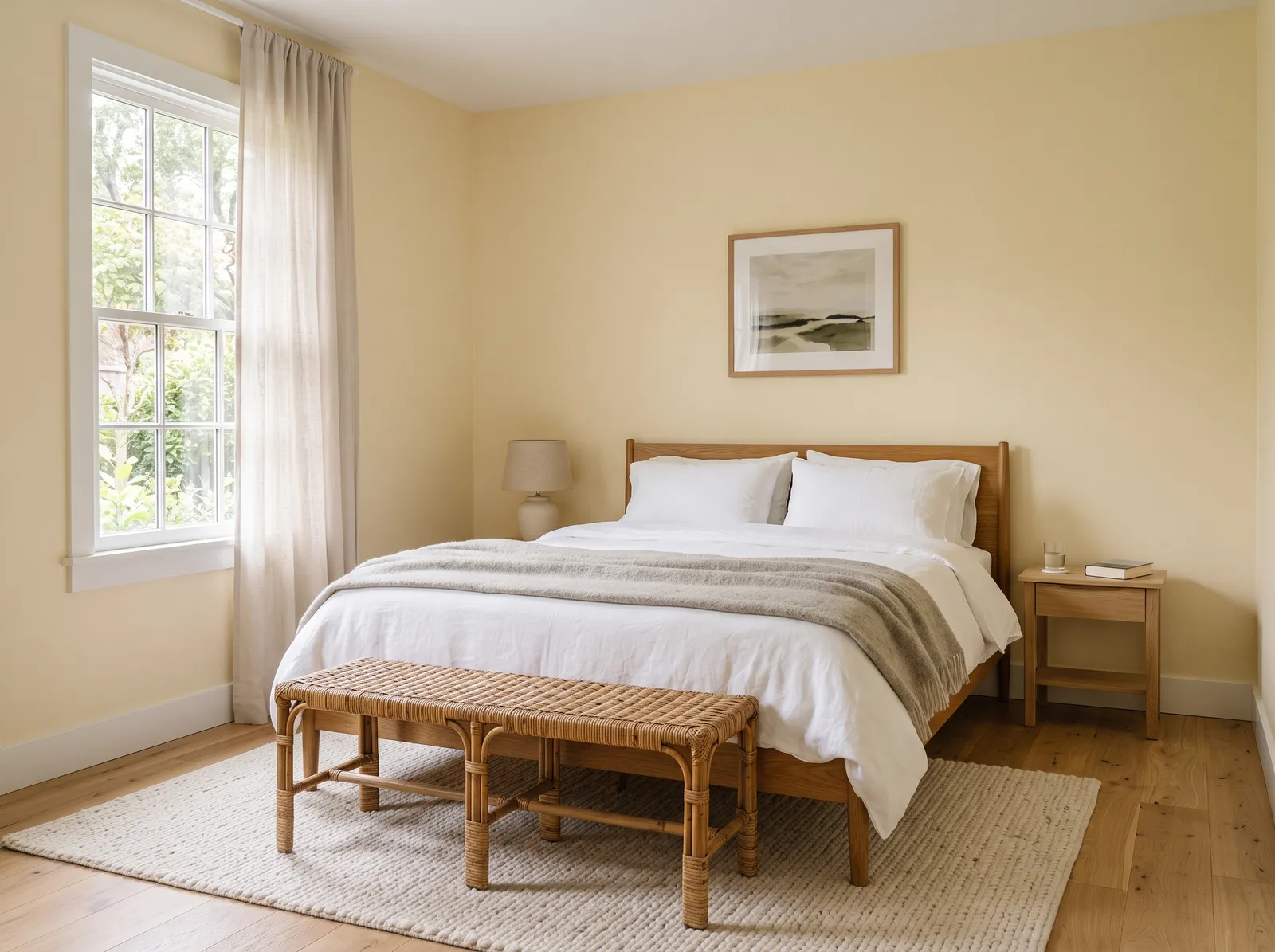
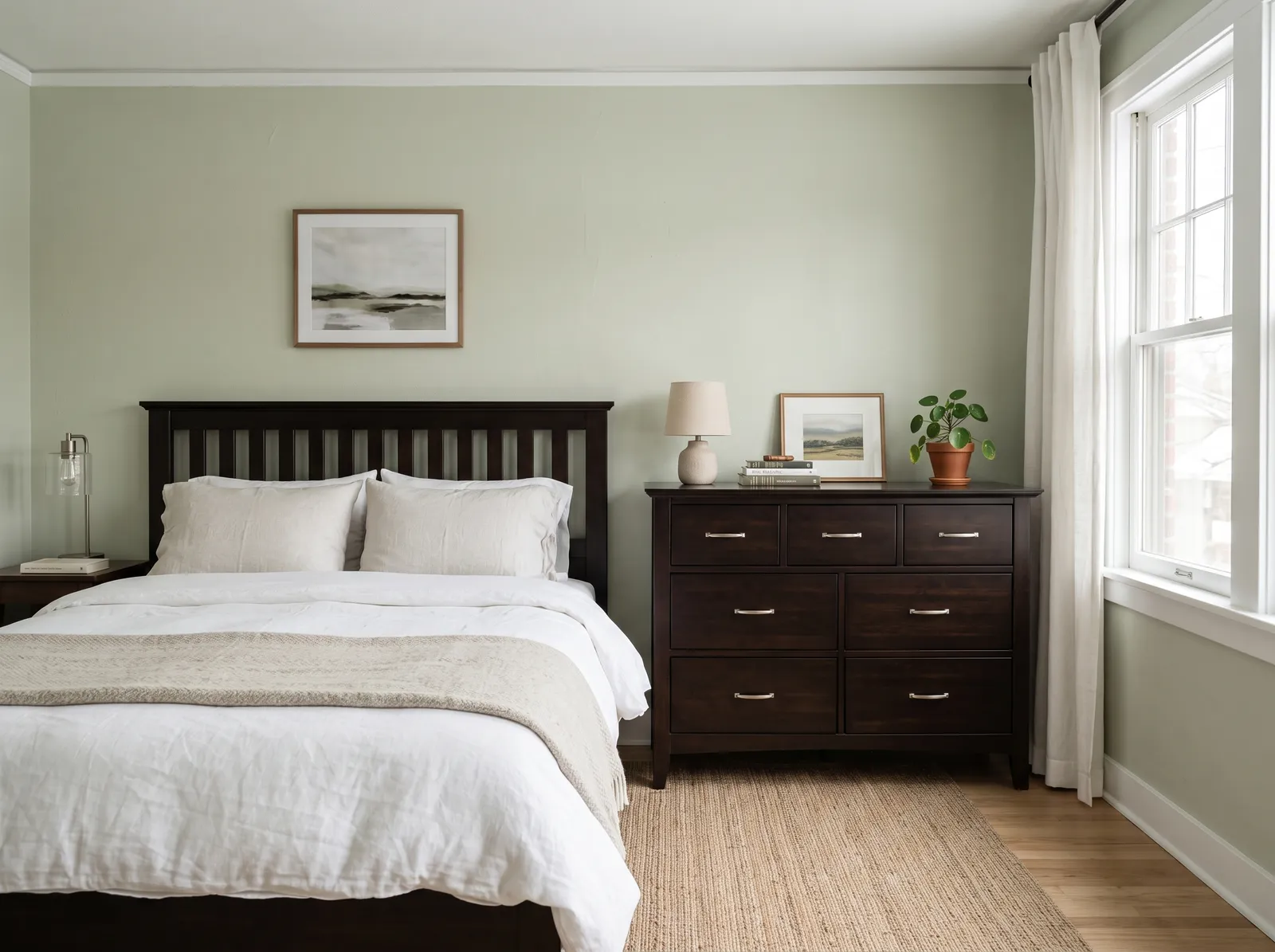
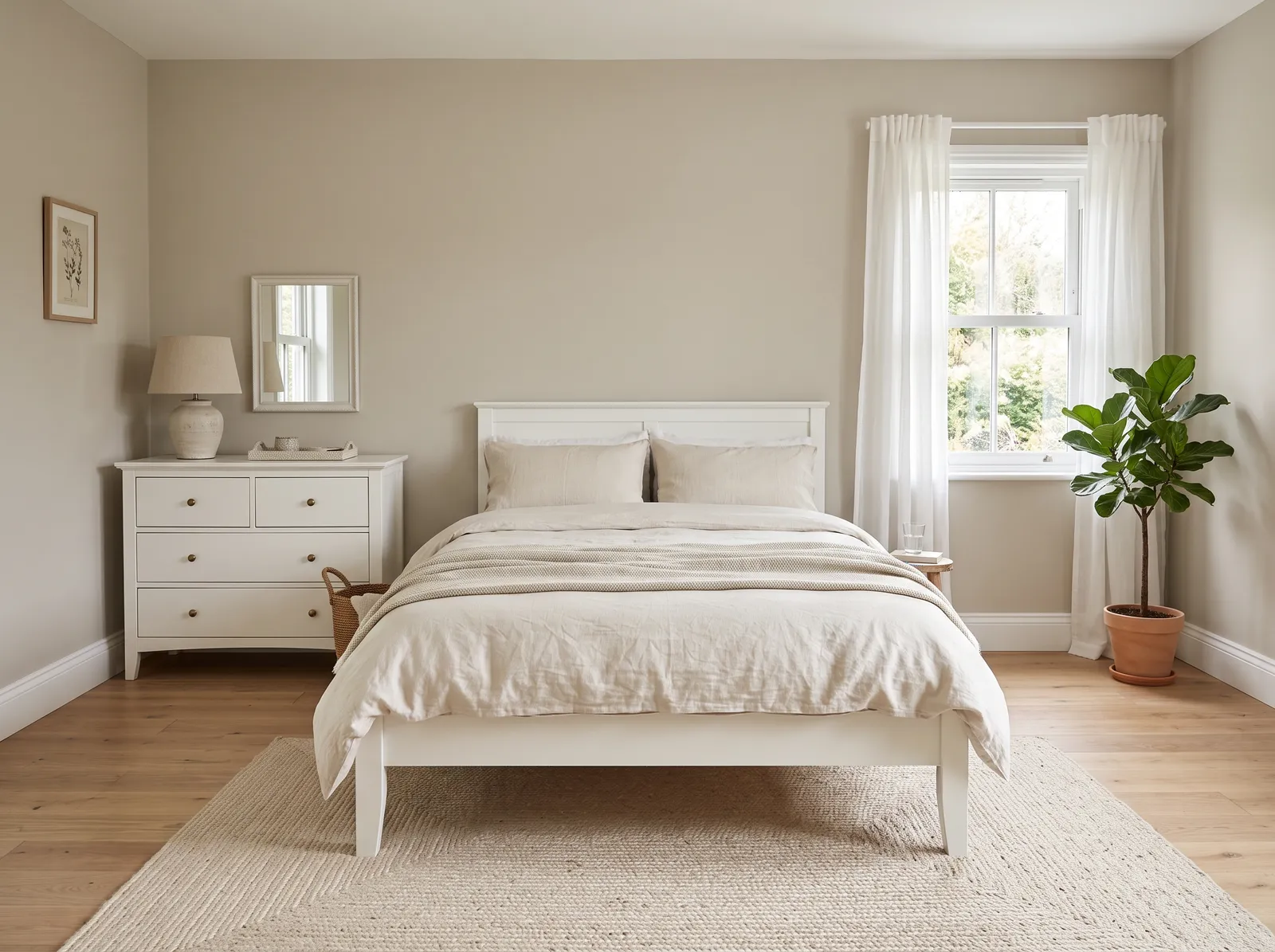
Editor's Picks: Gray for Bedrooms
4 picks30 Gray Picks Across the LRV Range
30 of 3,425 · sorted dark → lightLooking for more? All gray → covers every brand; brand × family pages show full decks.
Gray Bedroom Colors at Every US Brand
21 brands · up to 10 picks eachUp to 10 picks per brand spread across the gray LRV range, drawn from each brand's full deck. Tap any swatch with a curated guide for full spec; tap the brand title for the brand's complete gray deck.
Behr
Glidden
Valspar
Benjamin Moore
PPG / Glidden
Sherwin-Williams
Dunn-Edwards
Dutch Boy
Diamond Vogel
Hirshfield's
Kompozit
C2 Paint
Rodda
Magnolia Home
Farrow & Ball
Clare
Portola Paints
Annie Sloan
Backdrop
Rust-Oleum
Other Bedroom Color Families
Gray Colors in Other Rooms
Gray Paint Colors for a Bedroom
Gray is one of the most forgiving colors you can put in a bedroom, but it is also one of the easiest to get slightly wrong. The room is where you wind down at night and wake up in the morning, so the gray you pick has to feel calm under lamp light and still look good in flat morning sun. The good news is that gray bends to almost any bedding, wood tone, or trim you already own, which is why it stays popular year after year.
The trap is that gray reads very differently depending on the light, and a bedroom often has only one or two windows. A swatch that looks like a soft warm greige in the store can turn cold and blue once it is up on four walls. This page walks through how to choose the right depth of gray for sleep, the light tricks that steer it warm or cool, the finish that holds up best, and the small pairing choices that make the whole room feel finished. Every gray shown here is mixed to order at the paint counter, so you can match the same shade across brands and never feel locked in.
Why Gray Just Works In A Bedroom
A bedroom is about rest, and gray supports that better than almost any other neutral. It pulls your eye down and quiets the room instead of fighting for attention, which is exactly what you want in a space built for sleep. Unlike a bold or saturated color, gray does not demand a matching wardrobe of decor, so you can swap bedding and art for years without repainting.
The one thing to watch is temperature. A gray with a warm base feels cozy and easy to relax in, while a cooler, bluer gray can feel crisp and modern but a little chilly if the room is short on natural light. For most bedrooms, leaning a touch warm keeps the room feeling restful rather than sterile.
Picking The Right Depth: Let LRV Lead
LRV, or Light Reflectance Value, is a number from 0 to 100 that tells you how much light a color bounces back. For a bedroom, a gray in the roughly 55 to 70 LRV range keeps the walls soft and airy, which helps a smaller room feel calm rather than closed in. These lighter grays also play nicely with morning light so the room does not feel gloomy when you wake up.
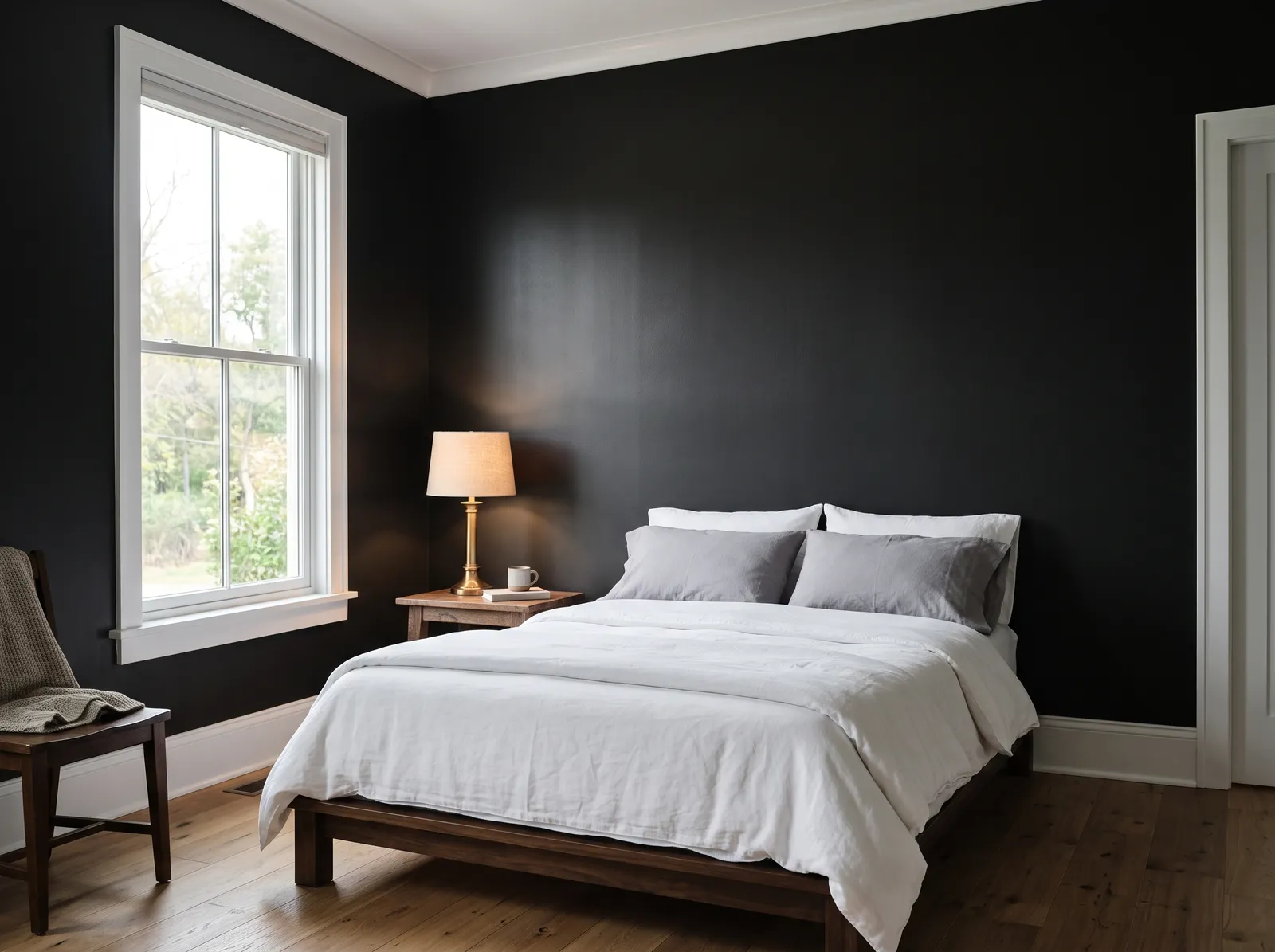
If you want a cozier, cocoon-like bedroom, a mid-tone gray around 35 to 50 LRV wraps the room and makes it feel intimate, especially with good lamp lighting. Go much darker than that and the walls can start to feel heavy unless you have large windows. Deep charcoal grays look beautiful on an accent wall behind the bed, where the depth feels intentional instead of overwhelming.
How Your Bedroom's Light Steers The Gray
North-facing bedrooms get cool, indirect light that pushes any gray cooler and can expose a blue or even violet undertone. In those rooms, choose a gray with a warm or greige base so it lands neutral instead of icy. South-facing bedrooms get strong, warm light most of the day, which can handle a cooler gray and even soften it.
East and west rooms swing the most over a day. An east bedroom gets warm morning light and flatter, cooler light by evening, while a west room does the reverse. Because you mostly experience a bedroom early and late, test your sample on the wall and look at it at bedtime and at wake-up, not just at noon.
The Right Finish For Bedroom Walls
Bedrooms are low-traffic and low-moisture, so you do not need a scrubbable, high-shine paint here. A matte or flat finish is the best choice for most bedroom walls because it hides minor wall flaws, kills glare, and gives gray that soft, velvety look that feels restful at night. Lower sheen also means lamp light and morning sun will not bounce harsh reflections across the walls.
If the bedroom belongs to a kid or sees a lot of hands on the walls, step up to an eggshell for a little more washability without much shine. Save satin or semi-gloss for the trim and doors, where you want durability and a subtle contrast against the matte gray walls.
Pairing Gray With Trim, Ceiling, And Wood
The simplest, most timeless move is a soft white on the trim and ceiling against gray walls. A warm white keeps a warm gray feeling cozy, while a cooler crisp white sharpens a cooler gray for a more modern look. Match your white to the gray's temperature so the contrast feels deliberate rather than accidental.
Gray is also a natural partner for wood. Warm oak and walnut headboards or nightstands glow against a greige wall, while black metal lamps and hardware give a cooler gray a clean, grounded edge. For bedding, near-whites, soft blush, sage, or deep navy all sit comfortably on gray, so you have room to change the look later without touching the walls.
Gray Bedroom Paint — Frequently Asked Questions
Will gray make my bedroom feel cold or depressing?+
It can if you pick a cool, blue-based gray for a room that is already short on light. The fix is to choose a gray with a warm or greige undertone and to keep the walls on the lighter side. Warm grays read cozy and restful, not gloomy, especially under soft lamp light.
What sheen should I use on bedroom walls?+
A matte or flat finish is best for most bedrooms. It hides small wall imperfections, cuts glare, and gives gray a soft look that suits a sleep space. Bump up to eggshell only if the walls get touched a lot, like in a child's room.
Is a dark gray a bad idea in a small bedroom?+
Not necessarily. A deep gray can make a small bedroom feel cozy and intentional rather than cramped, as long as you have decent lighting and warm wood or metal accents. If the room has very little natural light, try the dark gray on just the wall behind the bed instead of all four walls.
How do I know which gray undertone I'm getting?+
Paint a large sample directly on the wall and look at it at the times you actually use the bedroom, early morning and bedtime. Cool light tends to expose blue undertones, while warm light pulls grays toward greige. A swatch on the wall tells you far more than a chip in your hand.
What trim and ceiling color goes with gray bedroom walls?+
A soft white is the easiest and most timeless choice. Match the white's temperature to your gray, a warm white with a warm gray and a crisper white with a cooler gray, so the contrast looks deliberate. Painting the ceiling the same white keeps the room feeling open.
Can I match the same gray across different paint brands?+
Yes. Every gray shown here is mixed to order at the paint counter, and the same shade can be cross-matched between brands. So if you like a color but prefer a different brand's paint, you can get a very close match without starting your search over.