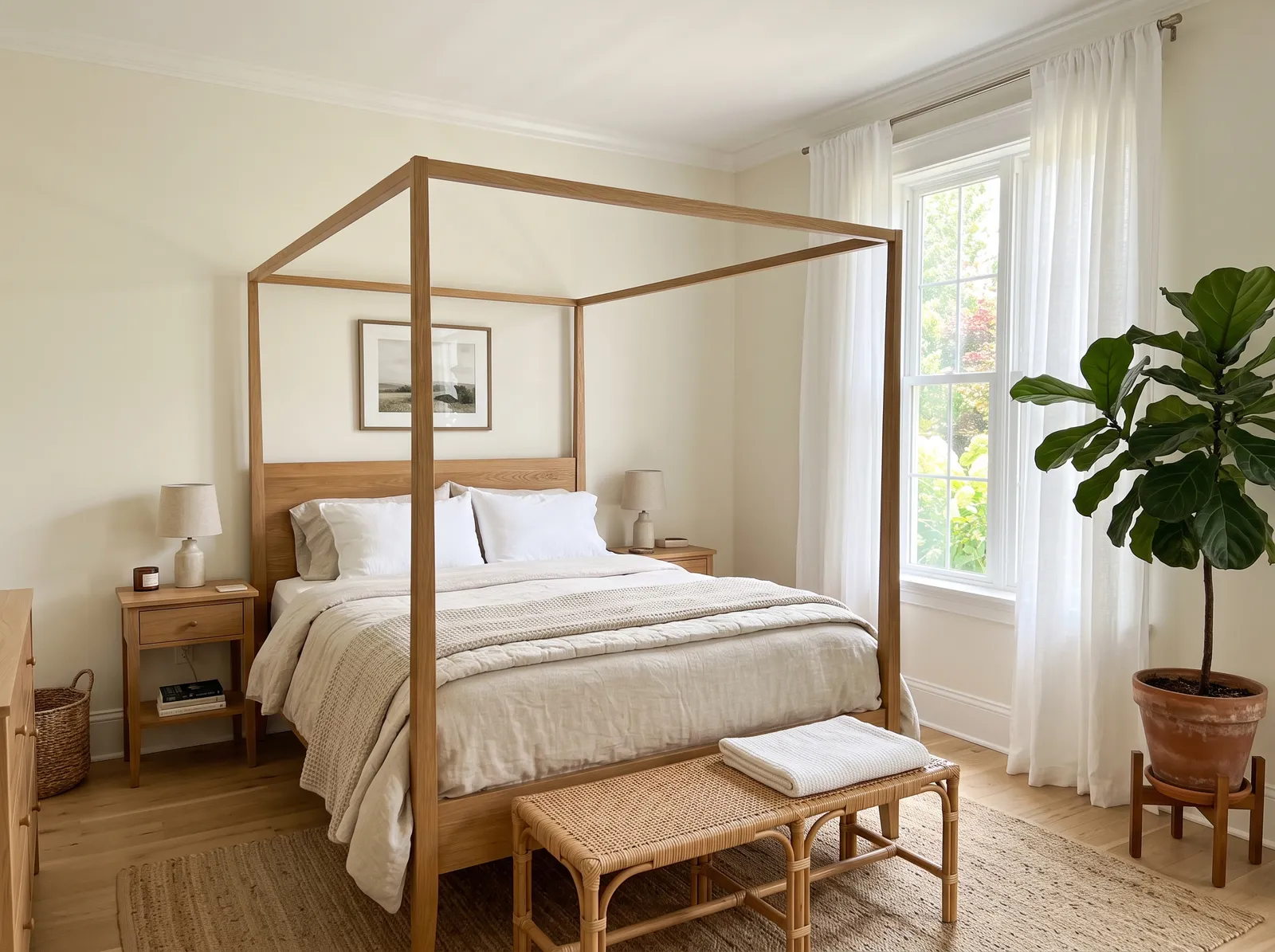
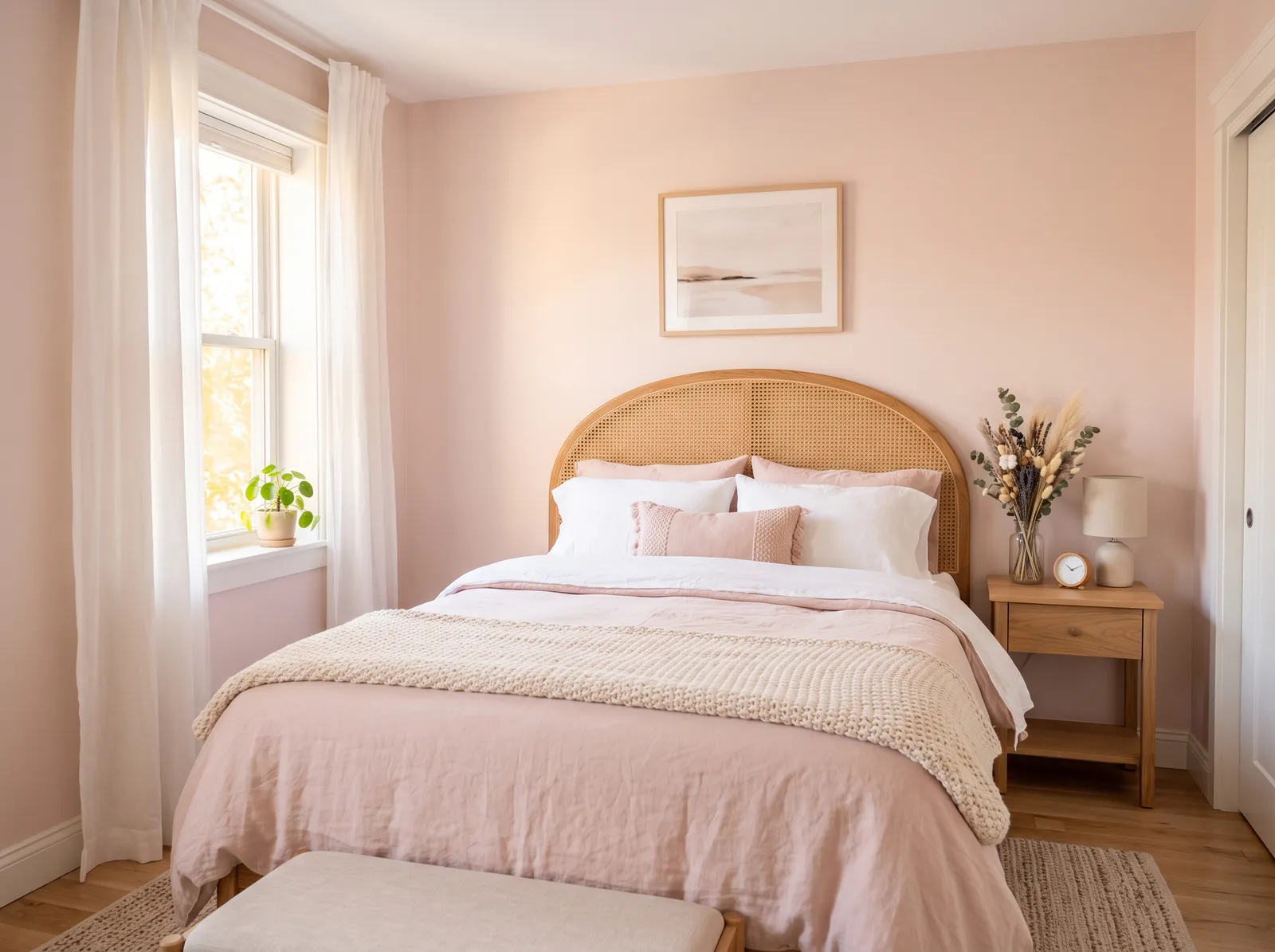
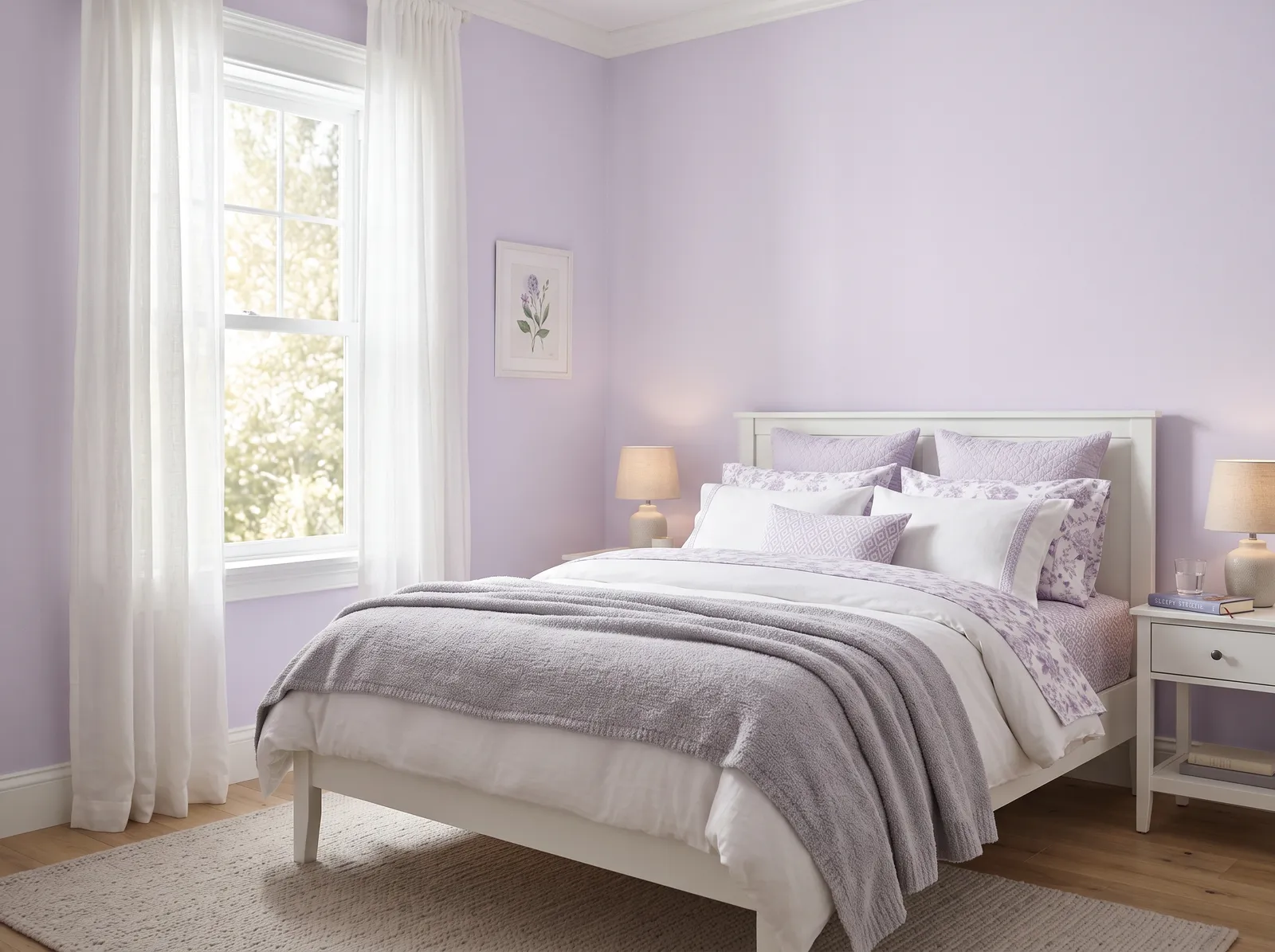
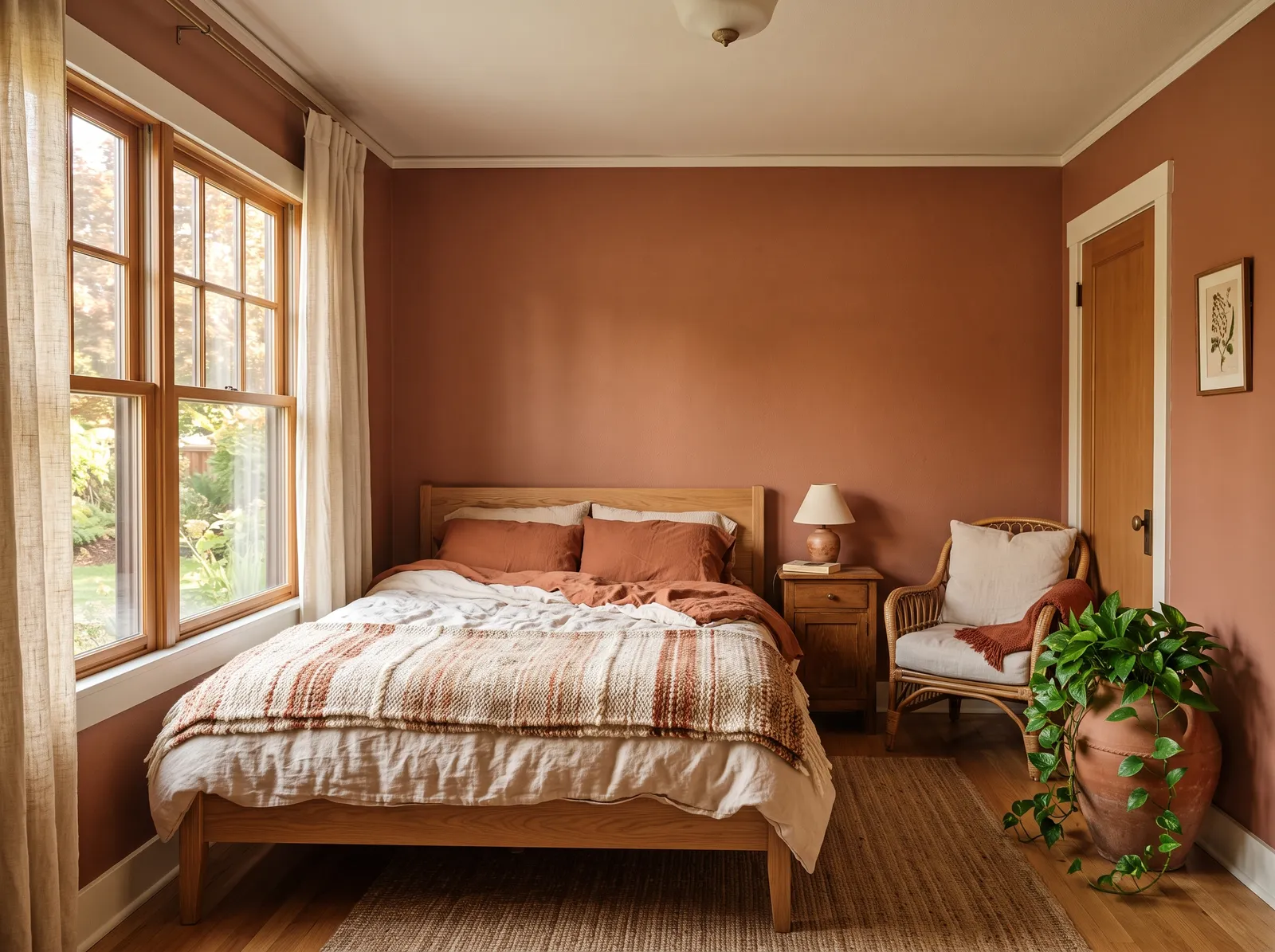
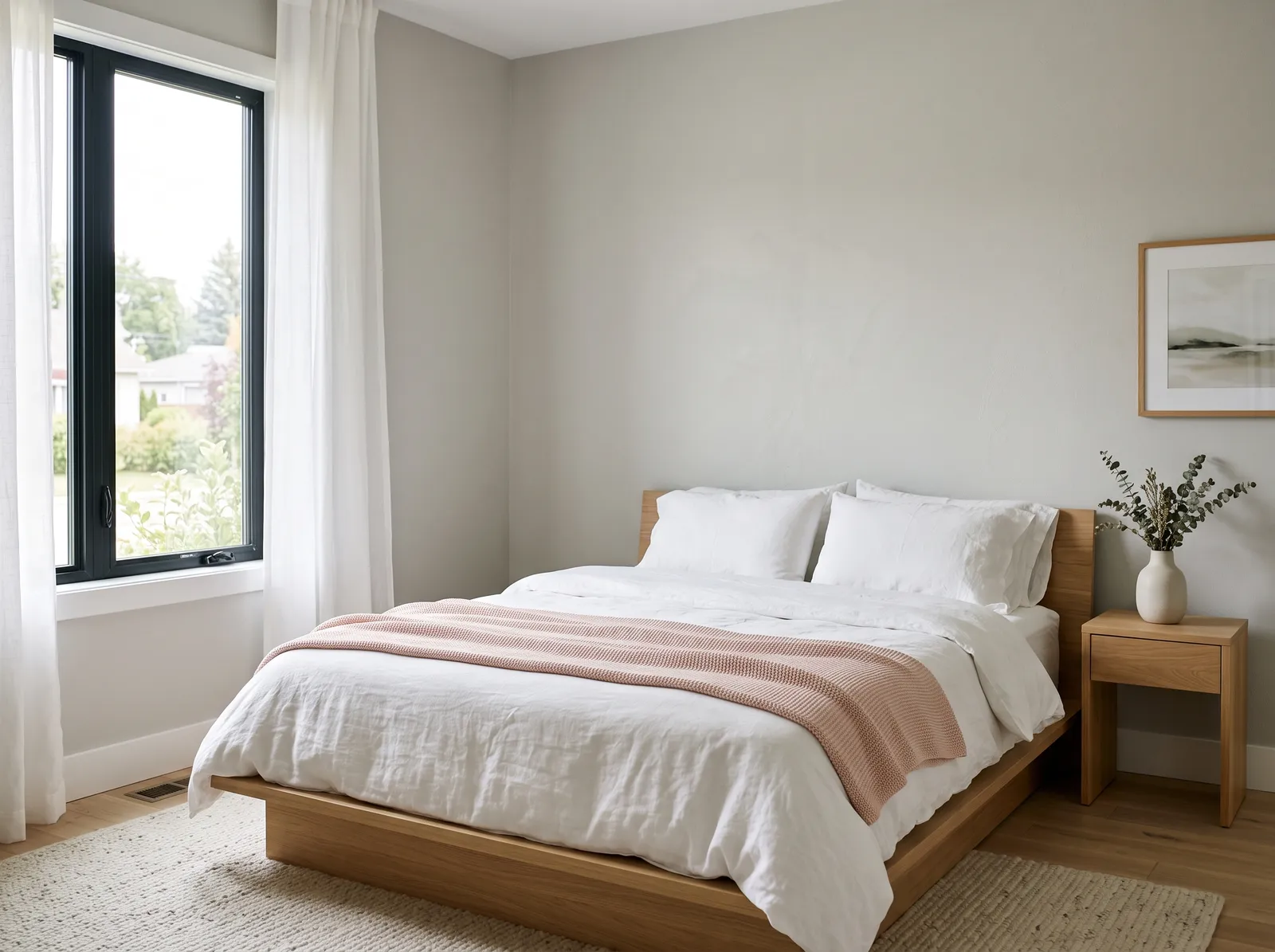
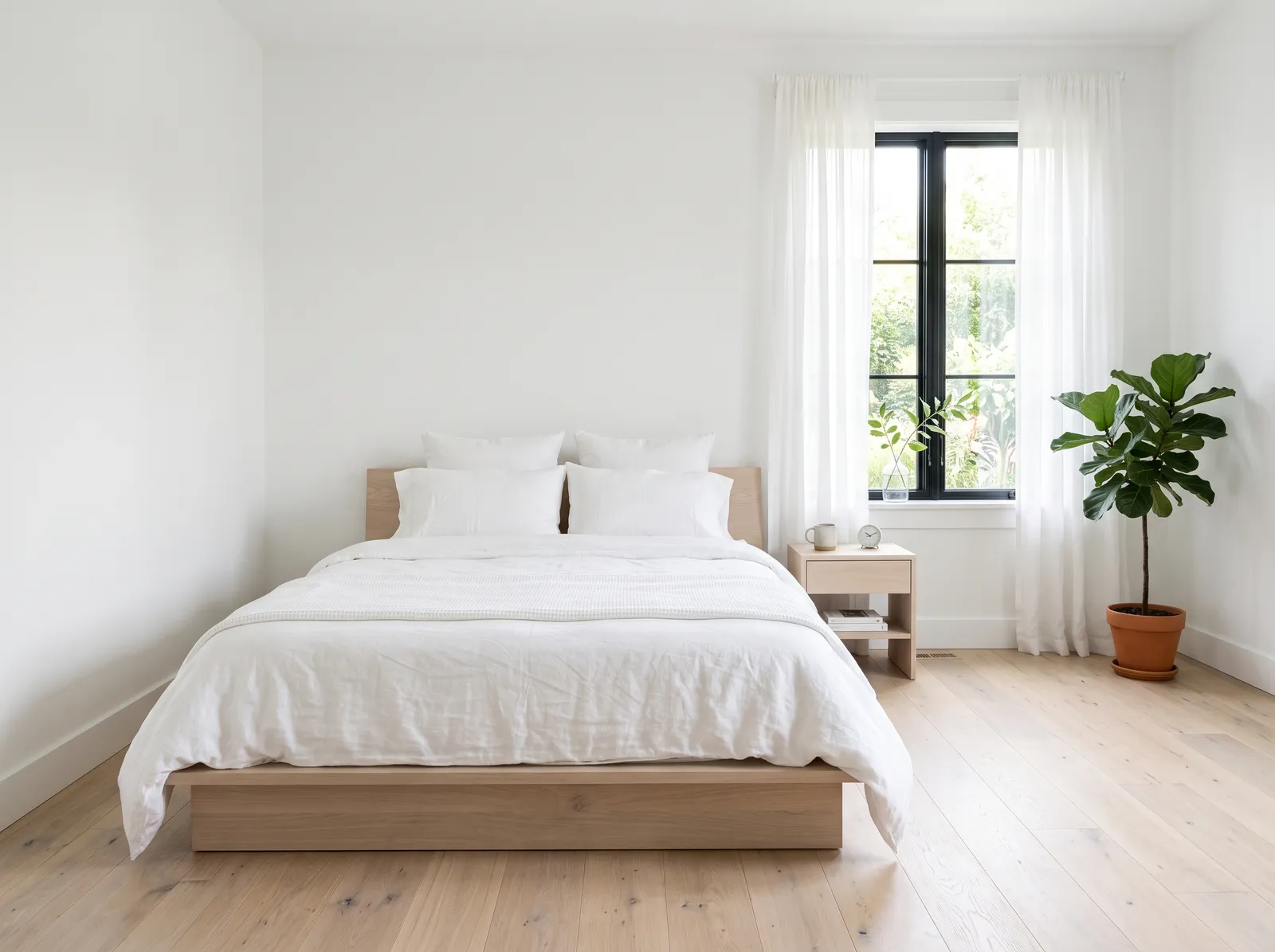
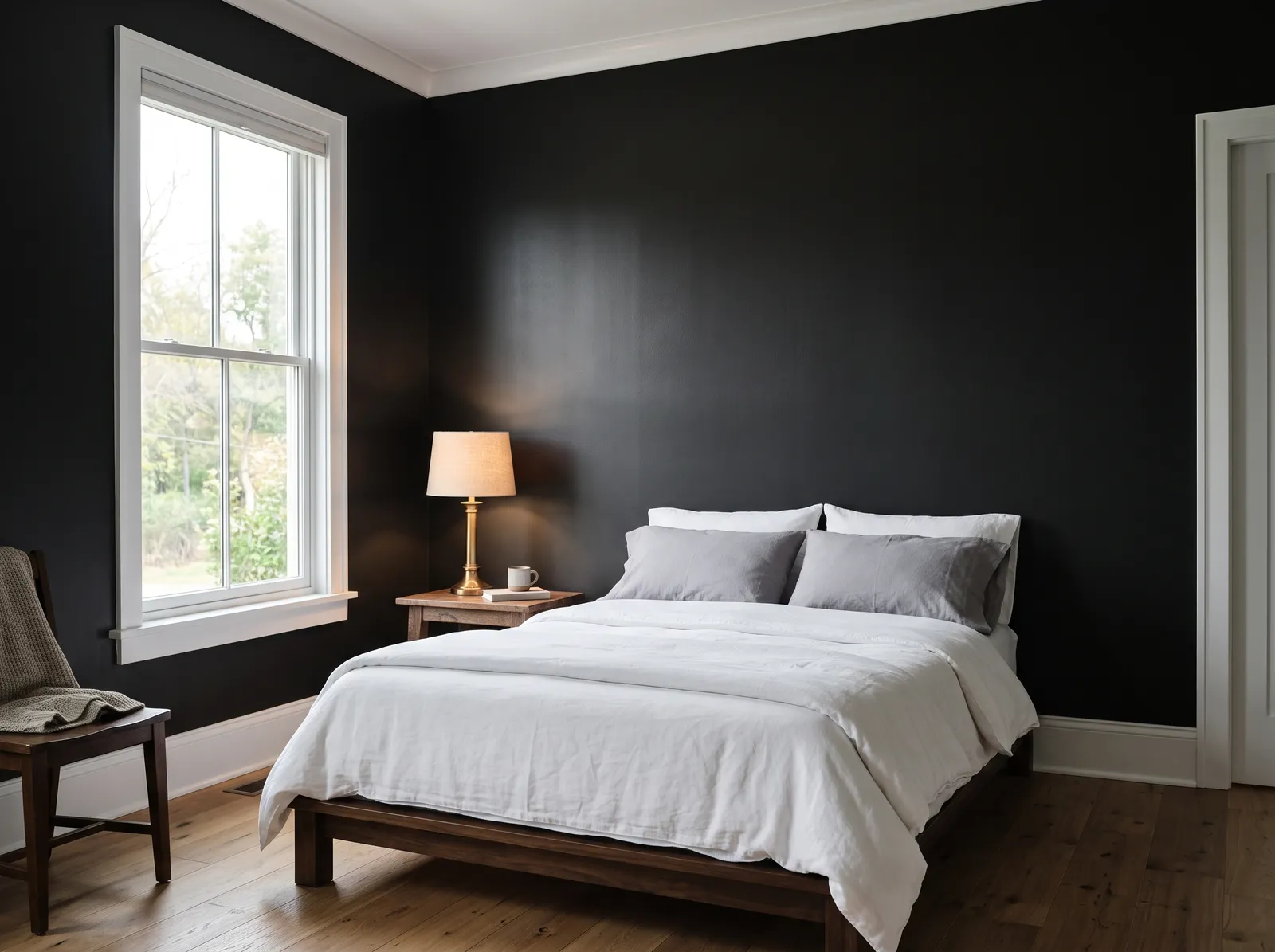
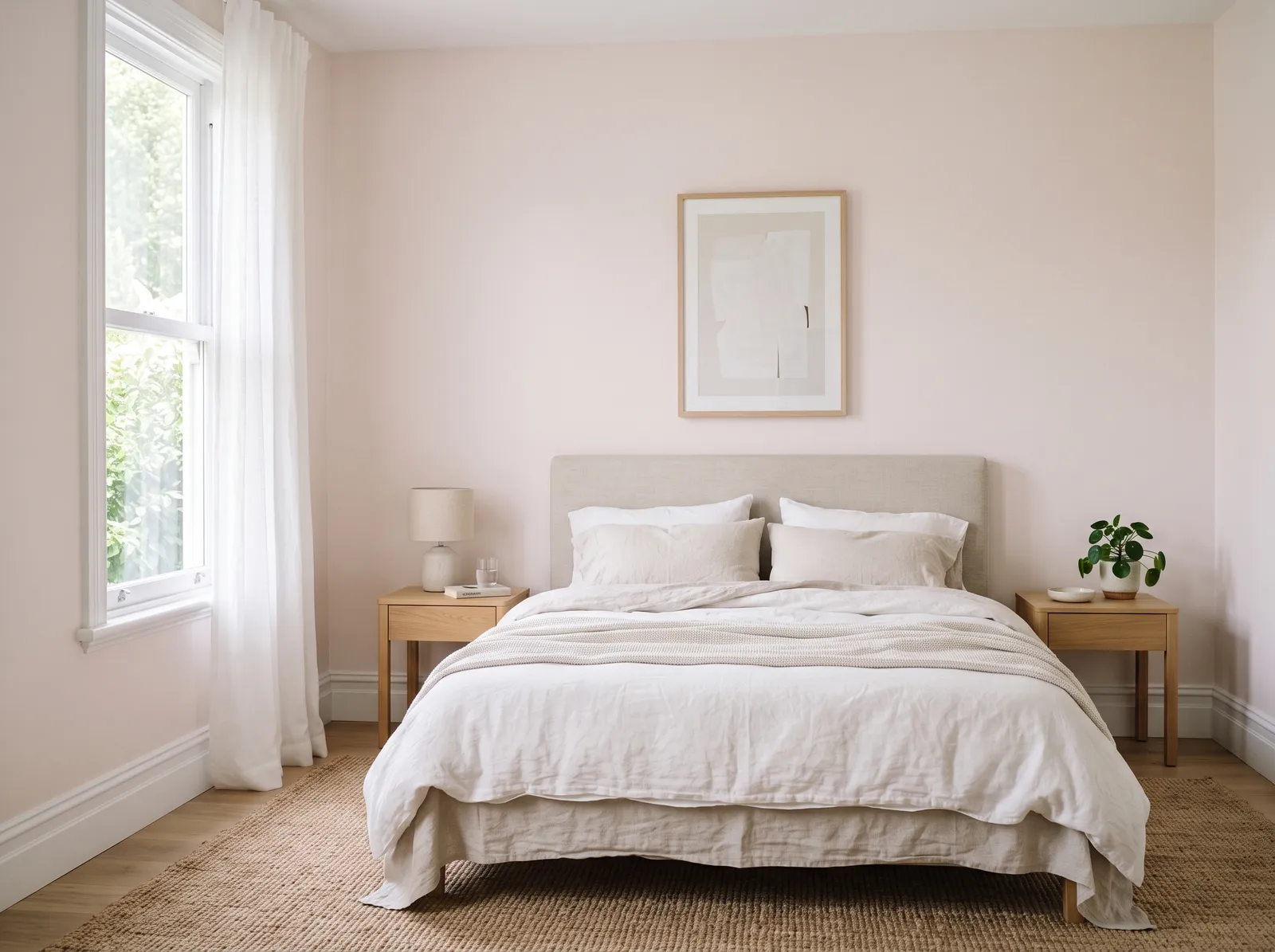
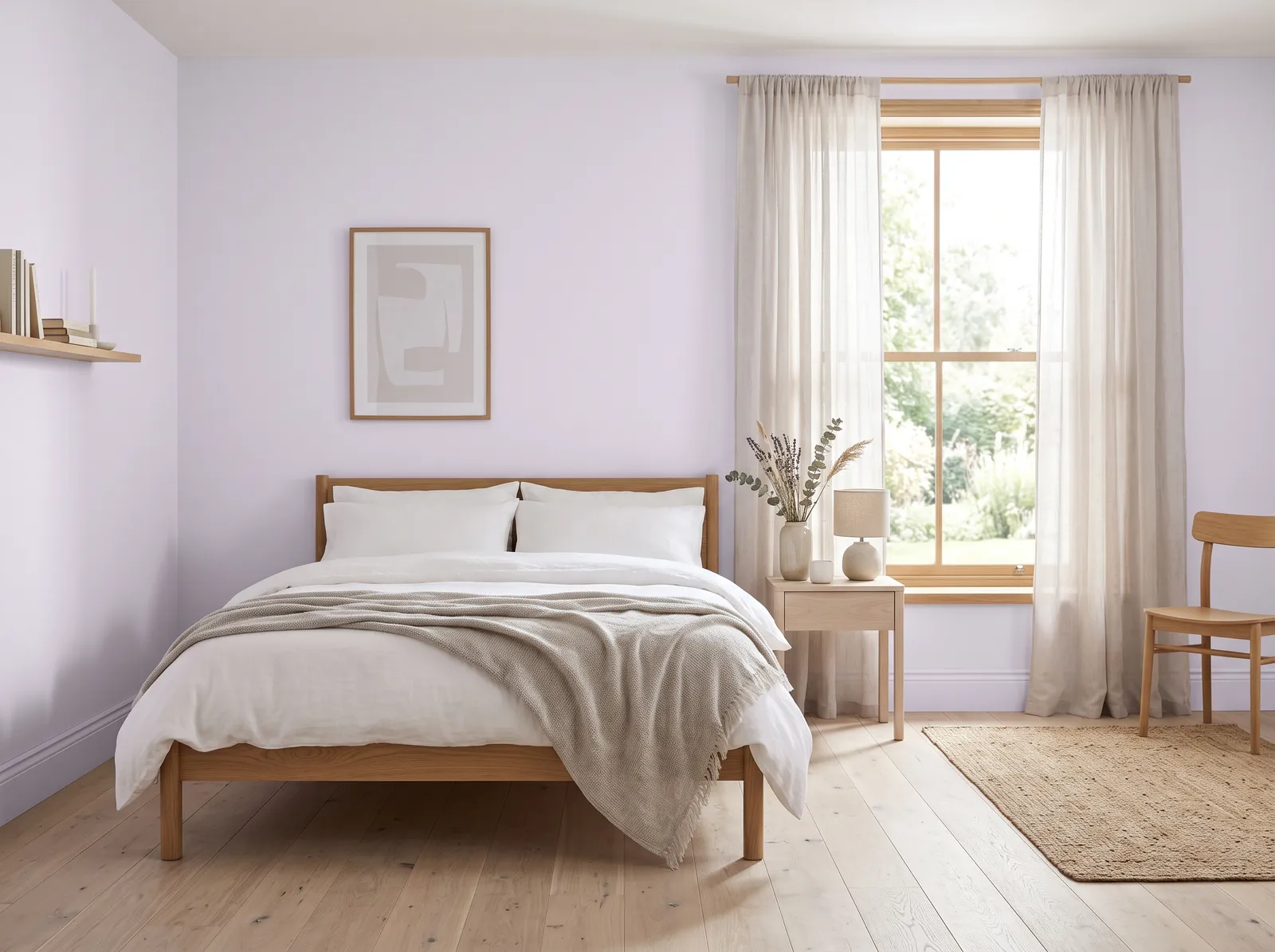
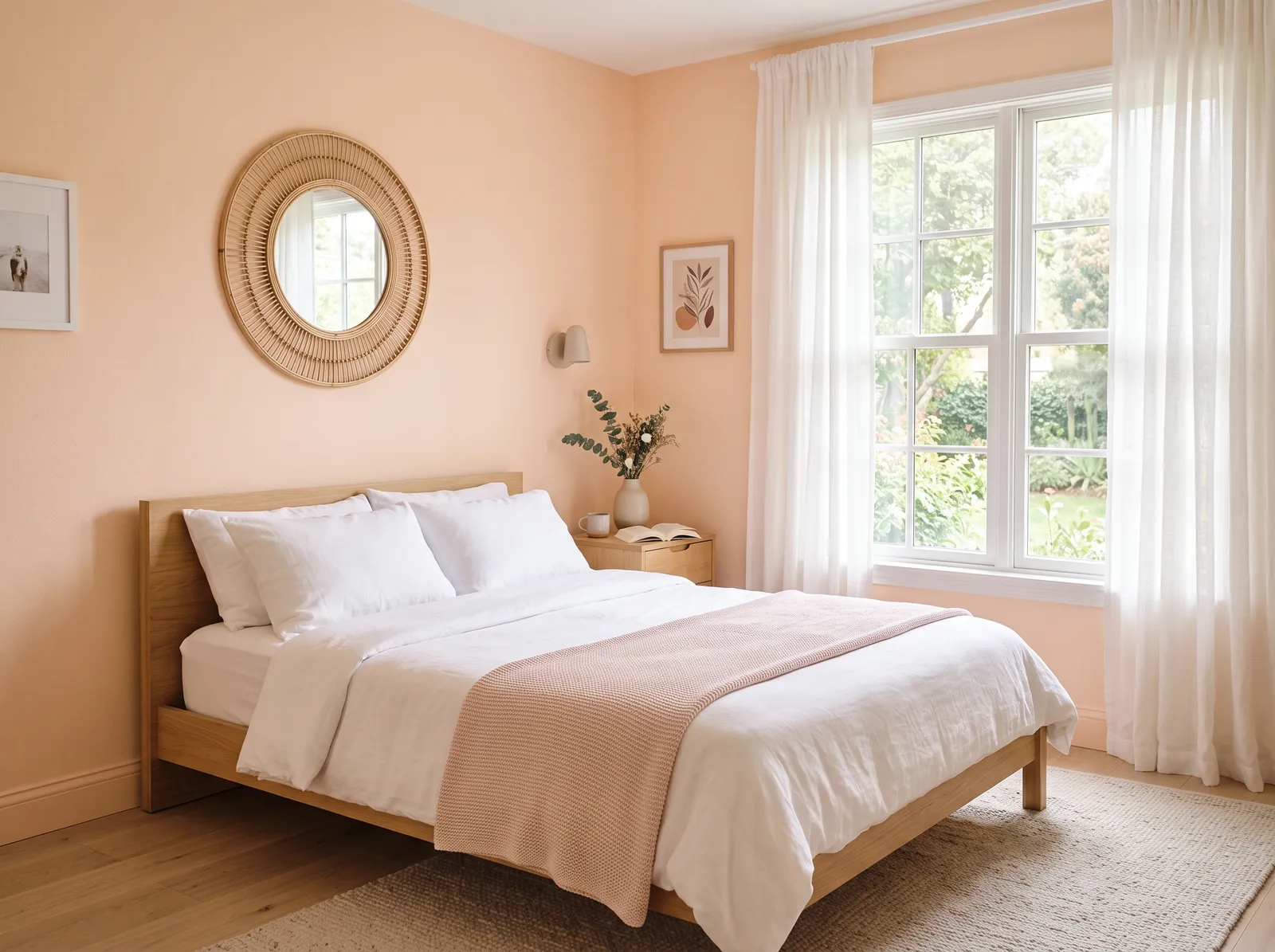
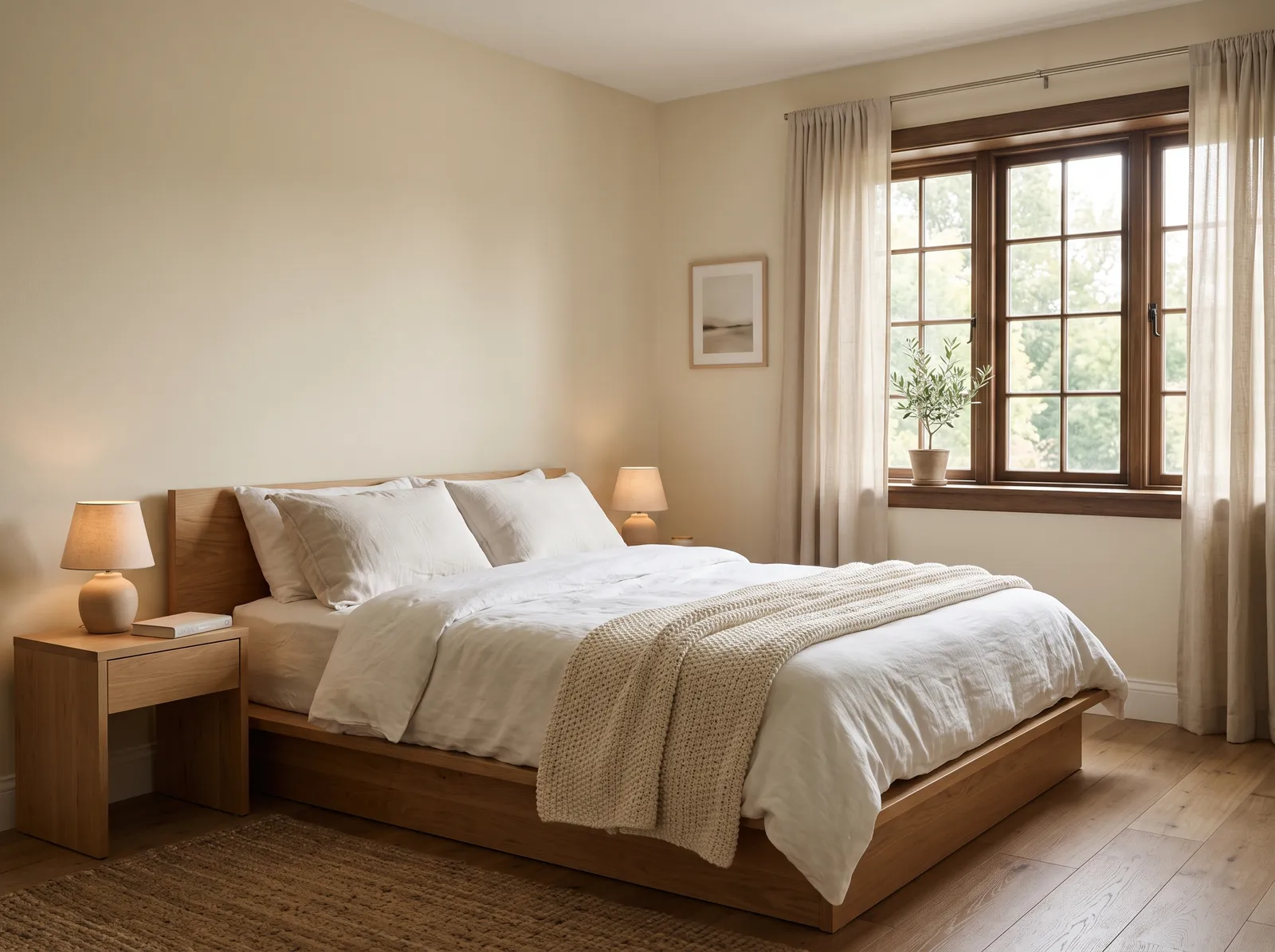
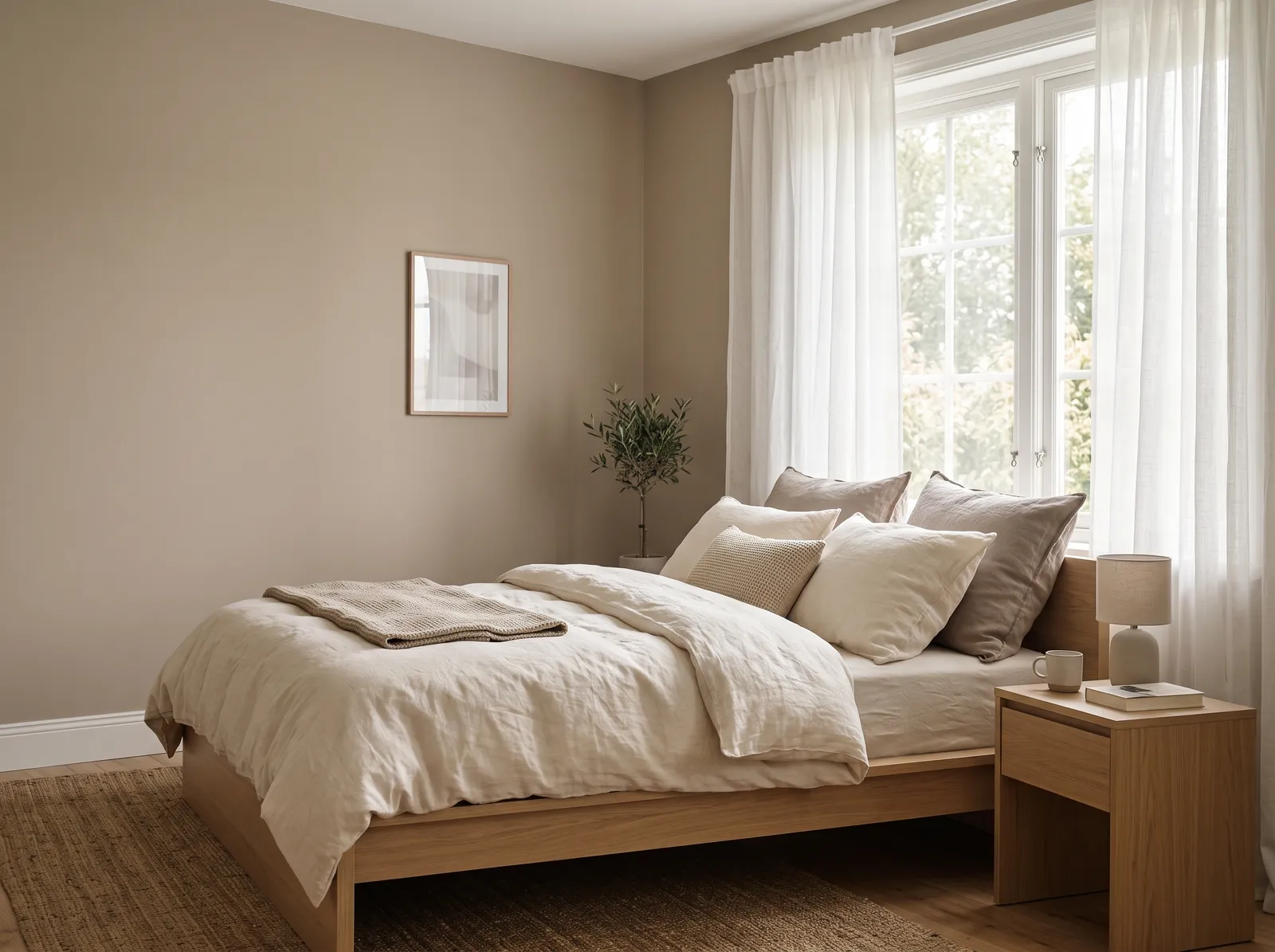
Bedroom Paint Colors
Top Picks for the Bedroom
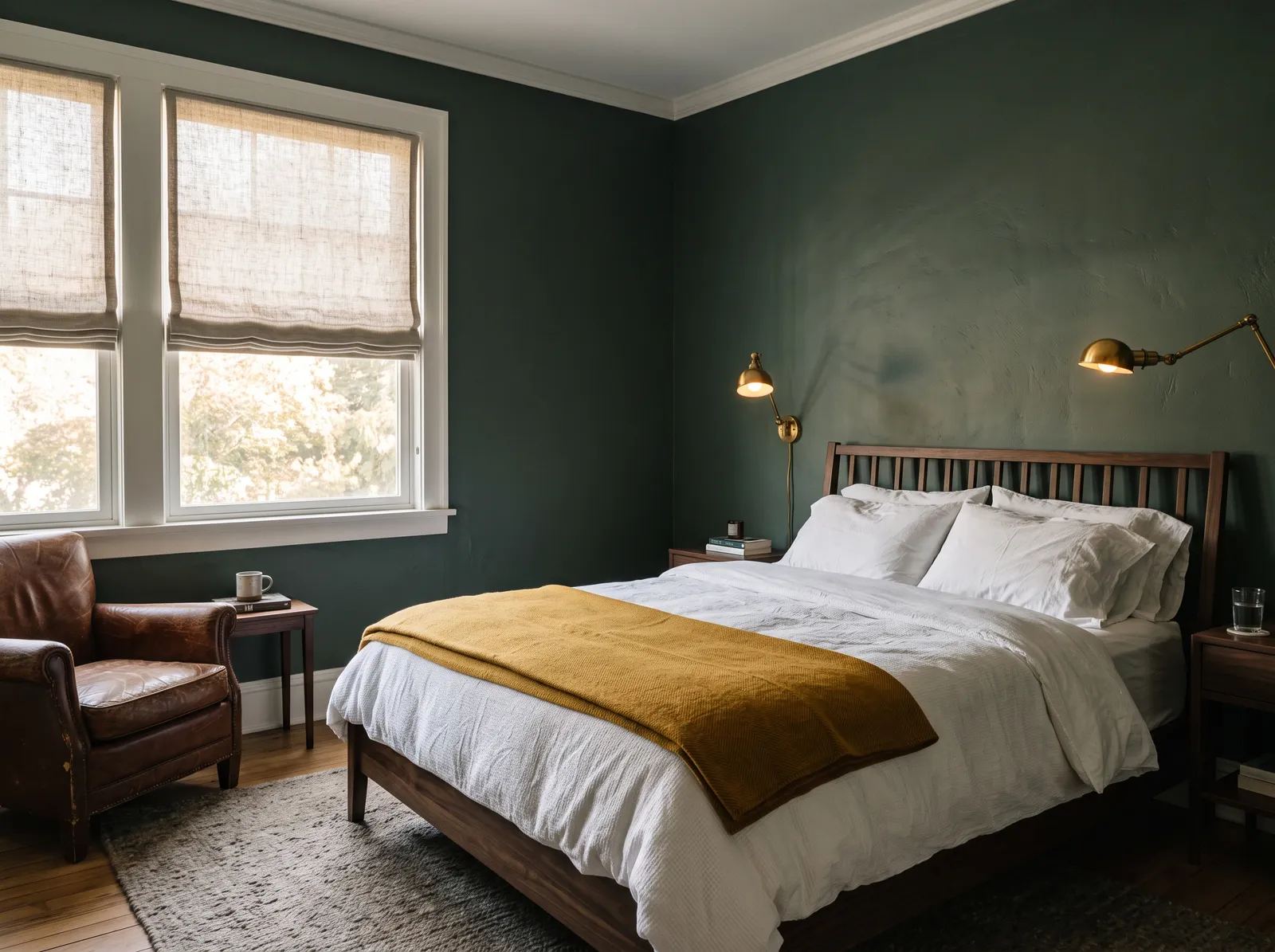
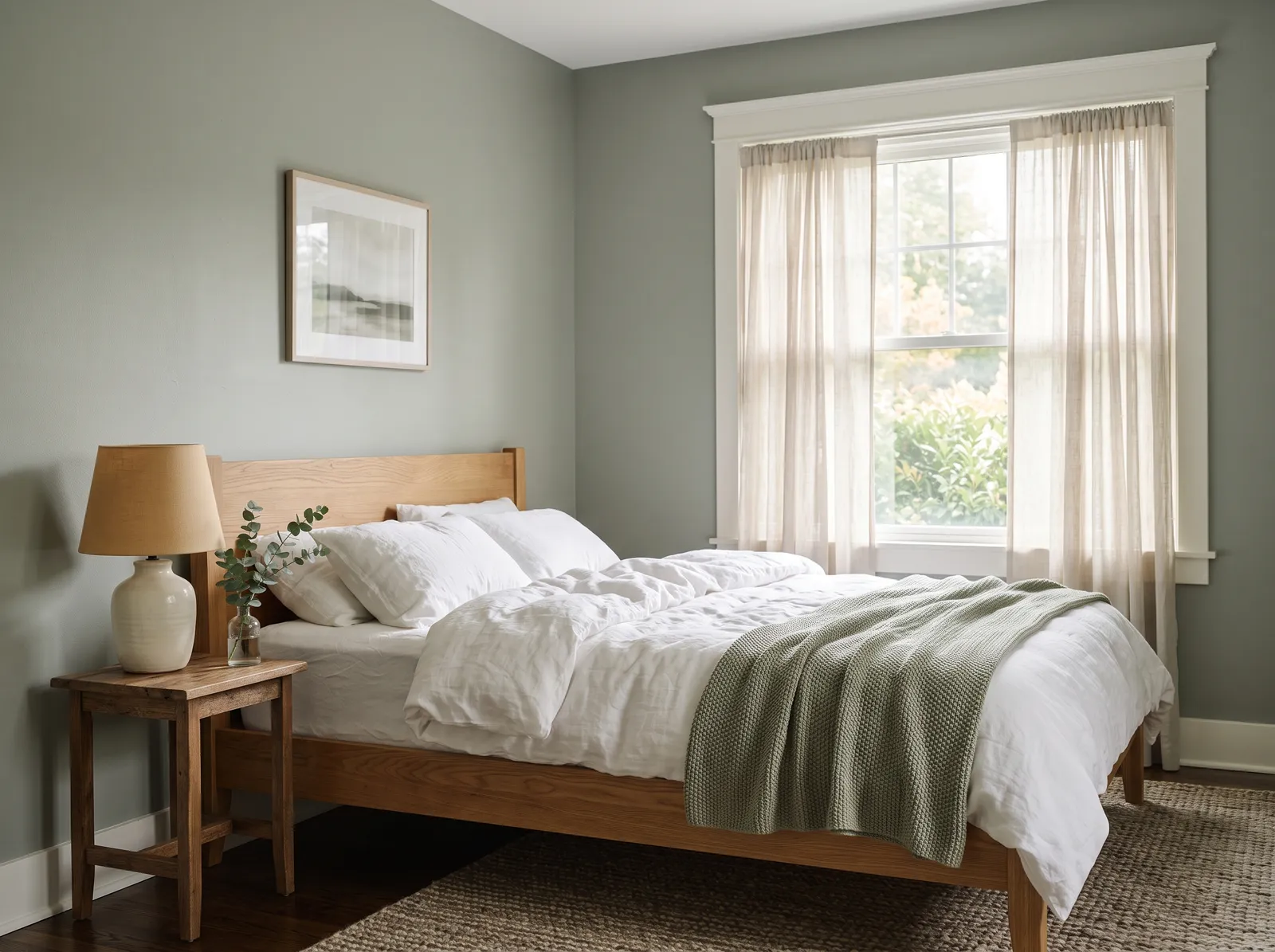
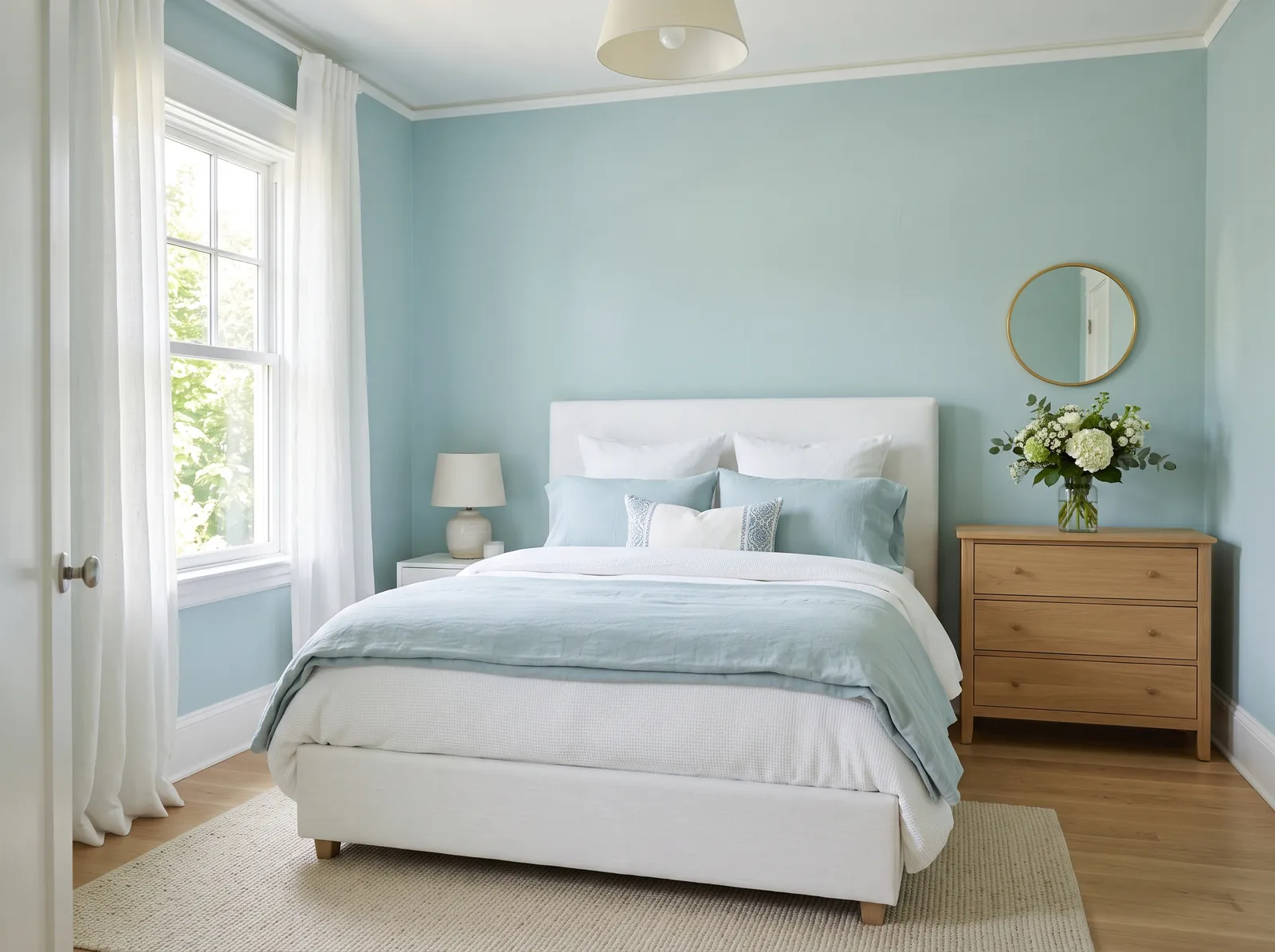
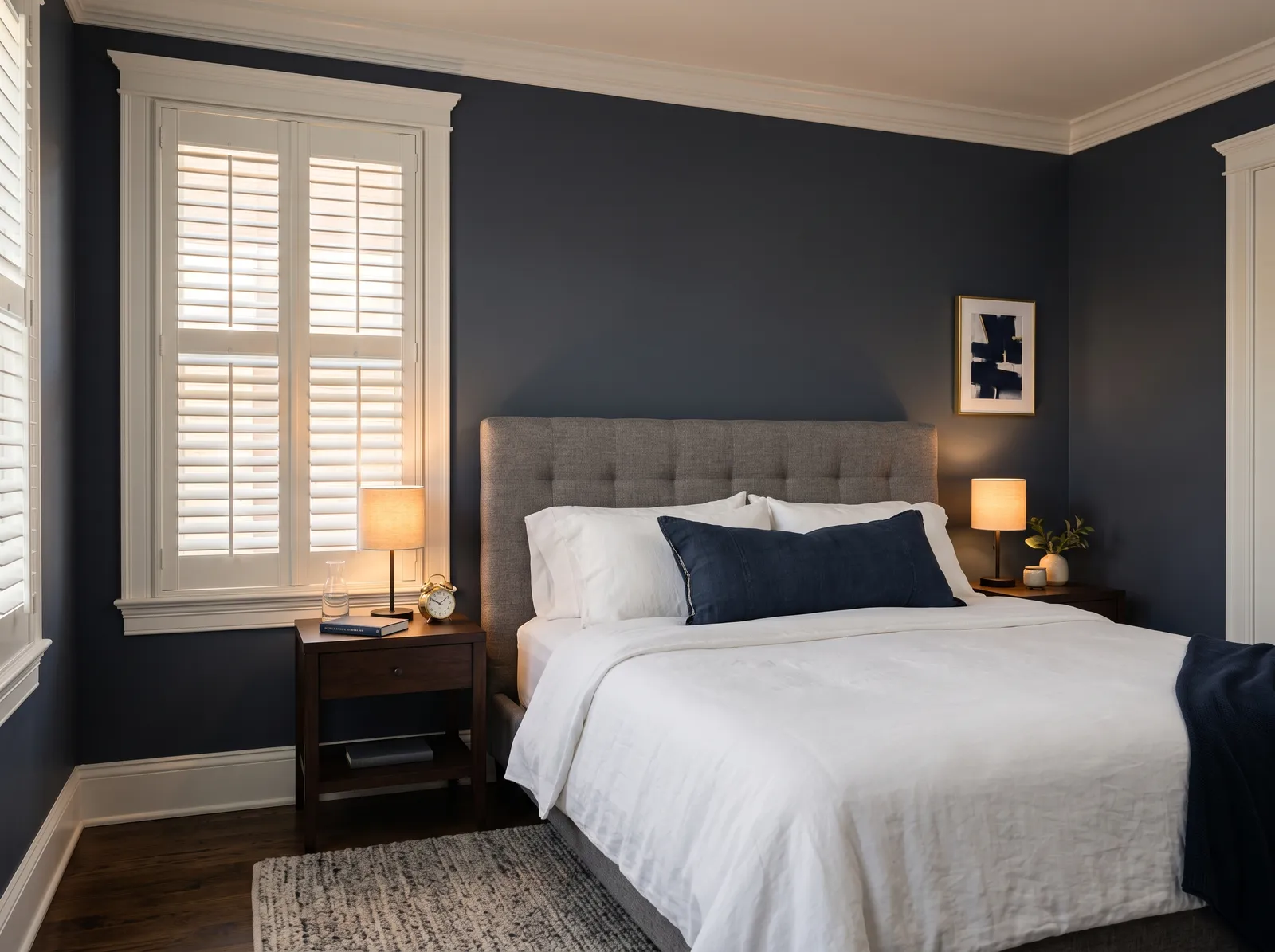
4 editor's picksPalettes for the Bedroom
Ready-made schemesFull, buyable color schemes built for the bedroom — walls, trim, and accents matched to real paint.
All Bedroom Colors at Every Brand
130 colors · 5 familiesA representative color from every brand that makes this family — most-recognized brands first, with a second pick from the biggest names. Tap any swatch with a curated guide for full spec and cross-brand matches.
Browse by Family Hub
Color is half the decision. The product roundup covers which paint chemistry actually holds up in this room.
About Bedroom Paint Colors
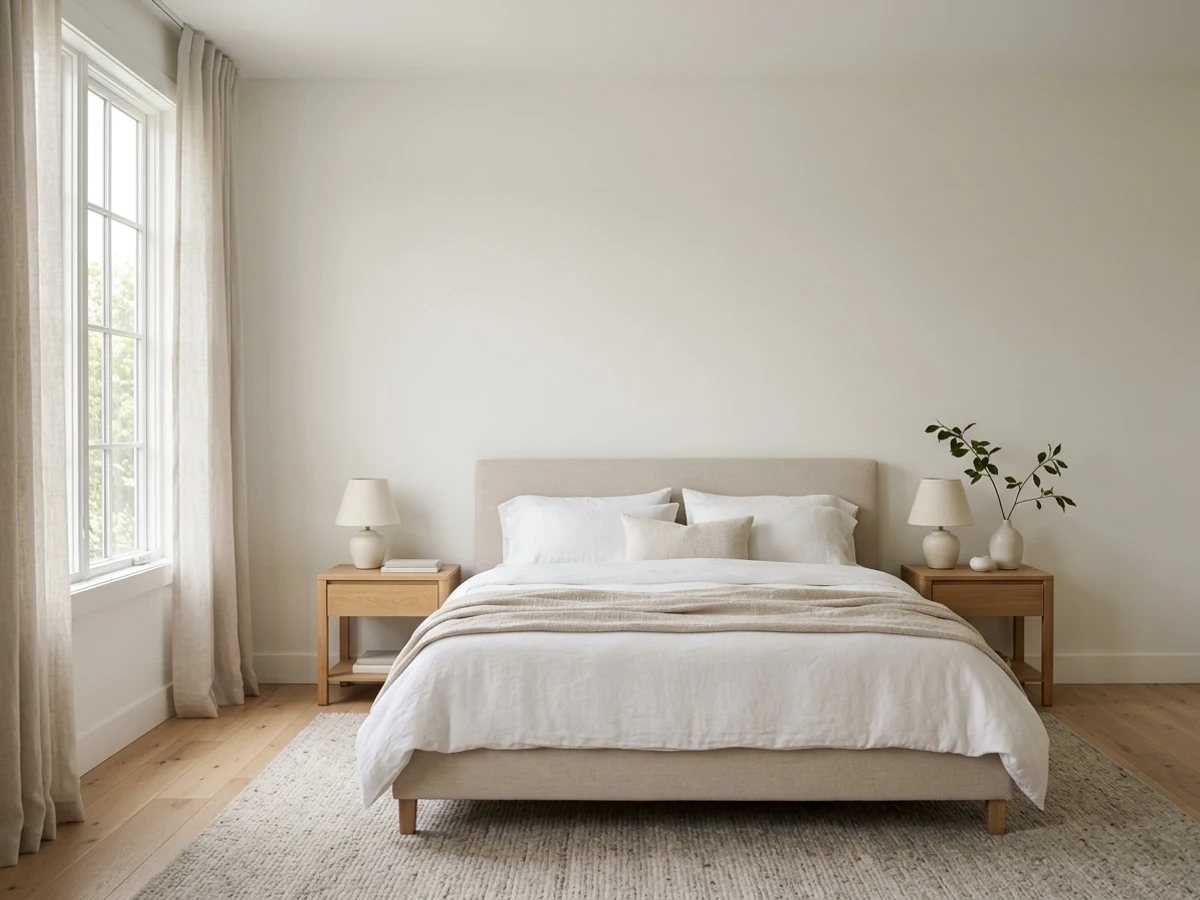
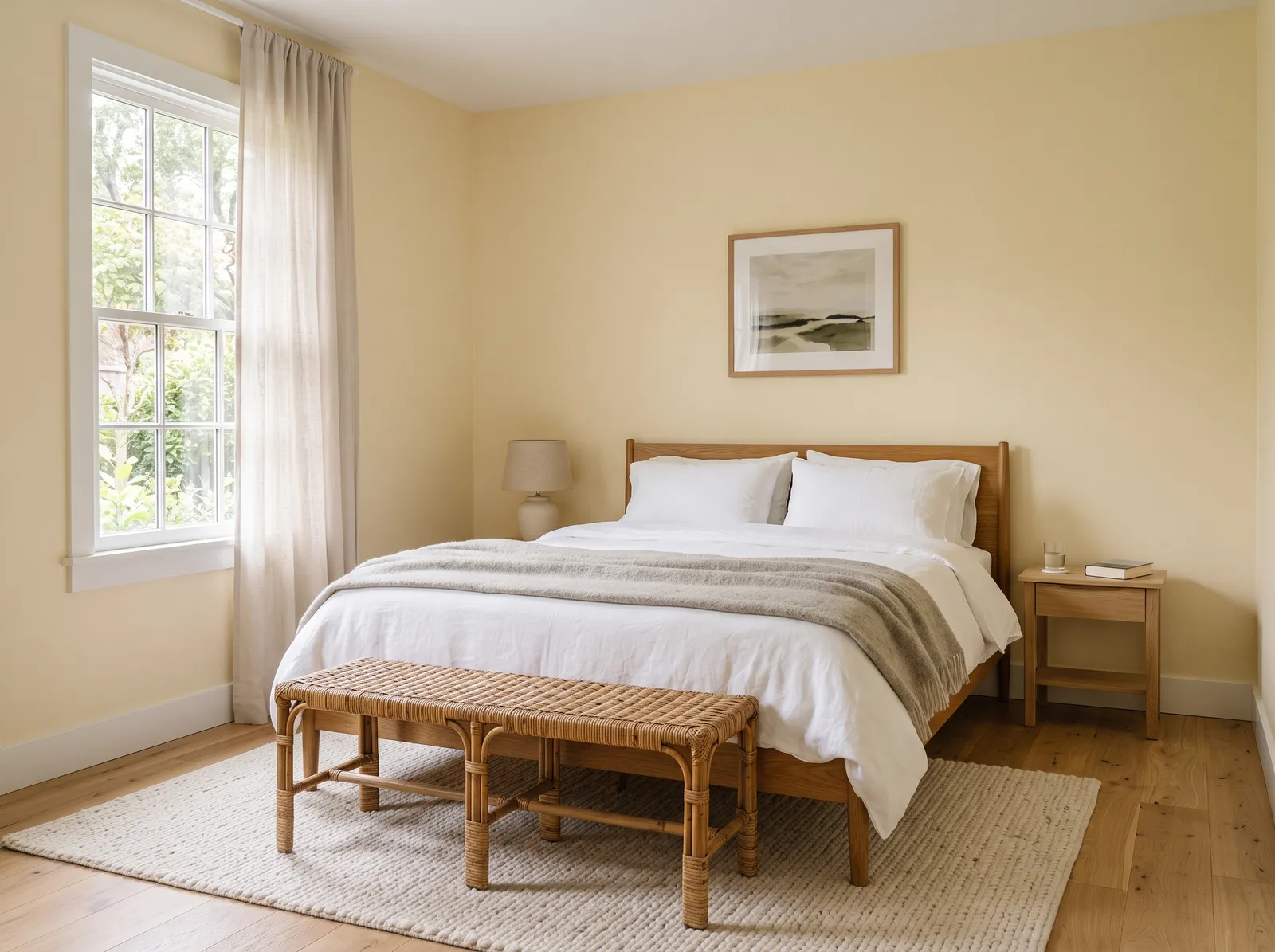
A bedroom is the one room where the color works for you, not your guests. It is the last thing you see at night and the first thing you see in the morning, so it should feel calm and easy to live with. That points most people toward soft, muted colors instead of loud ones.
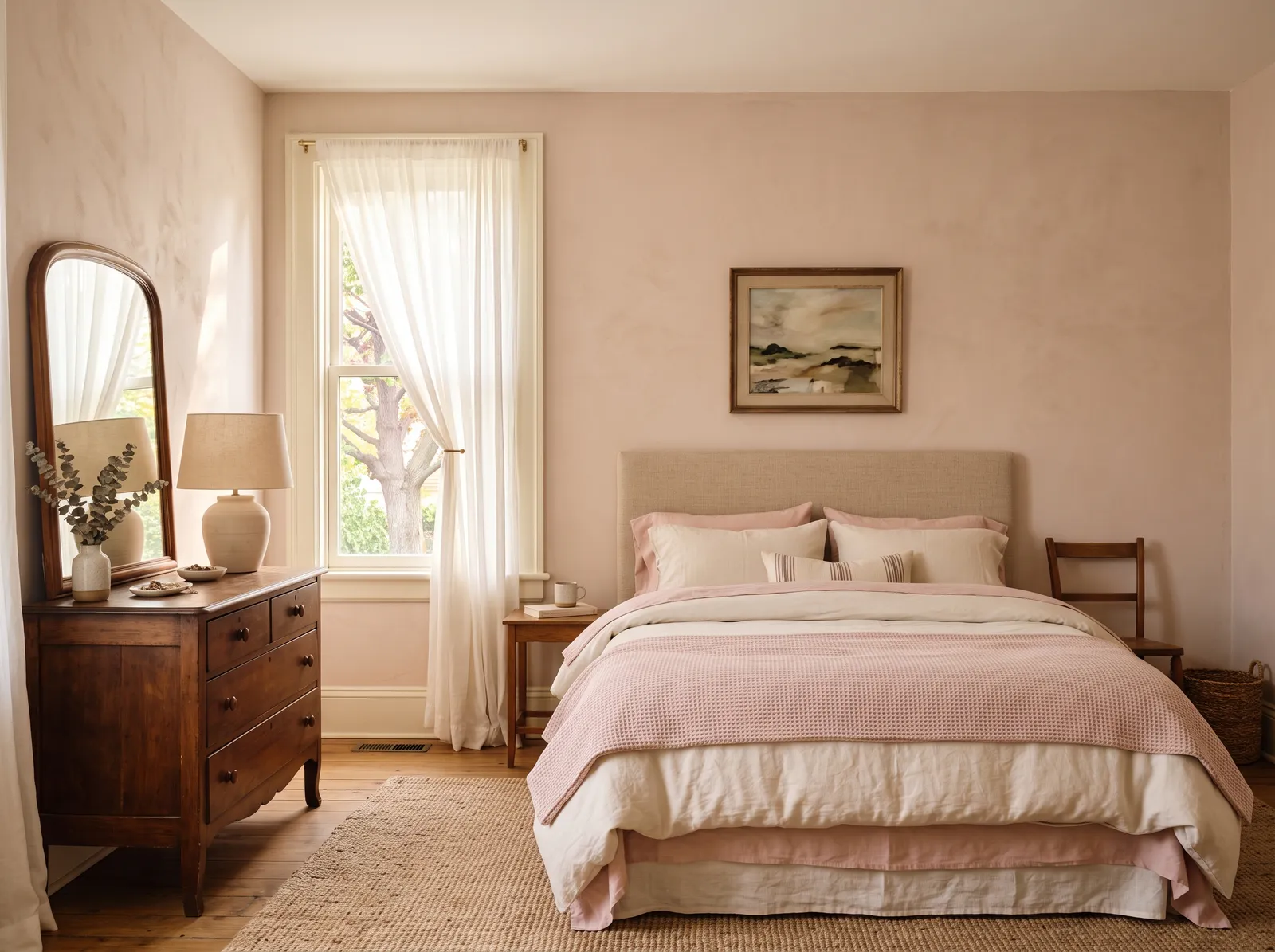
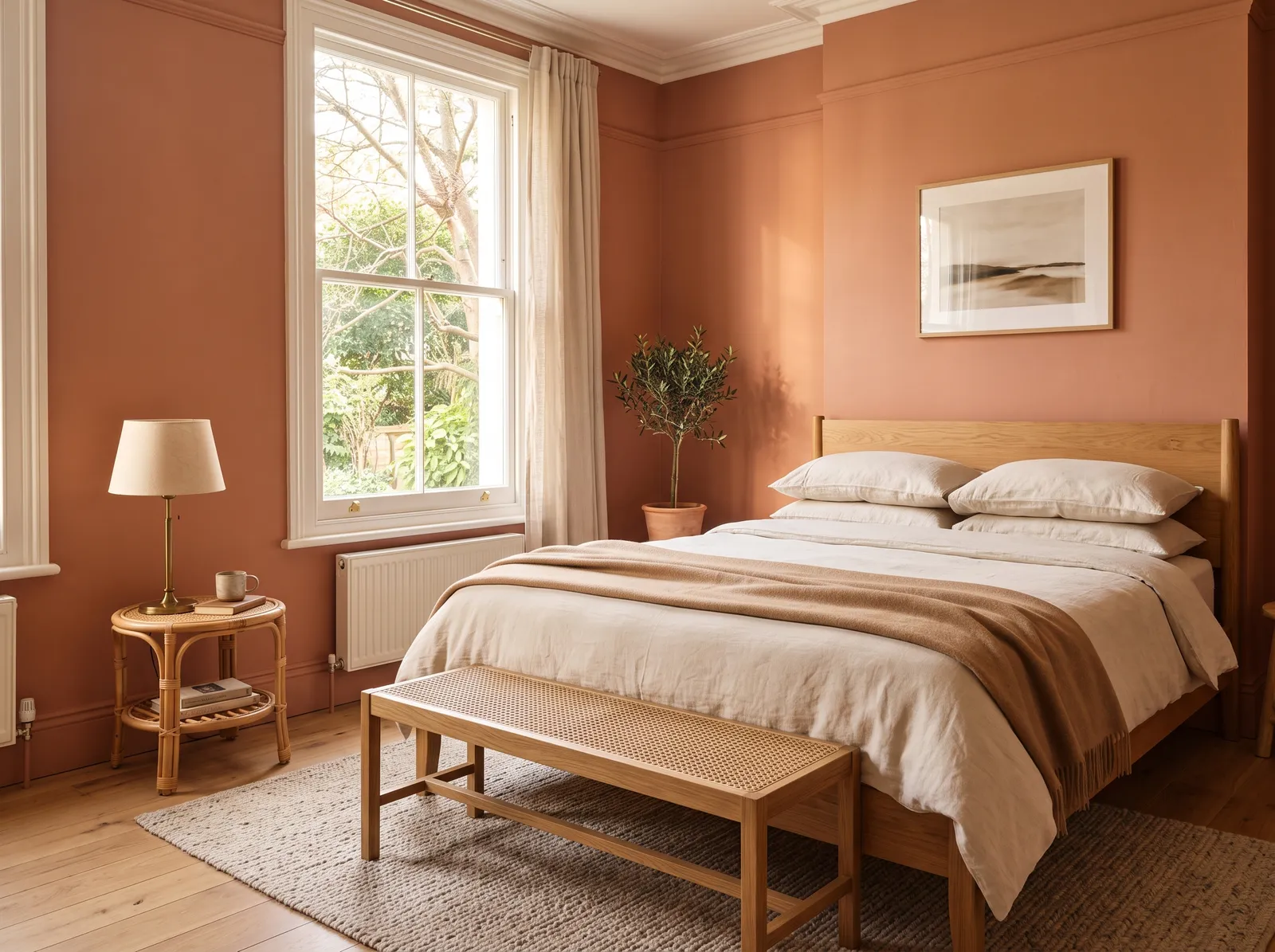
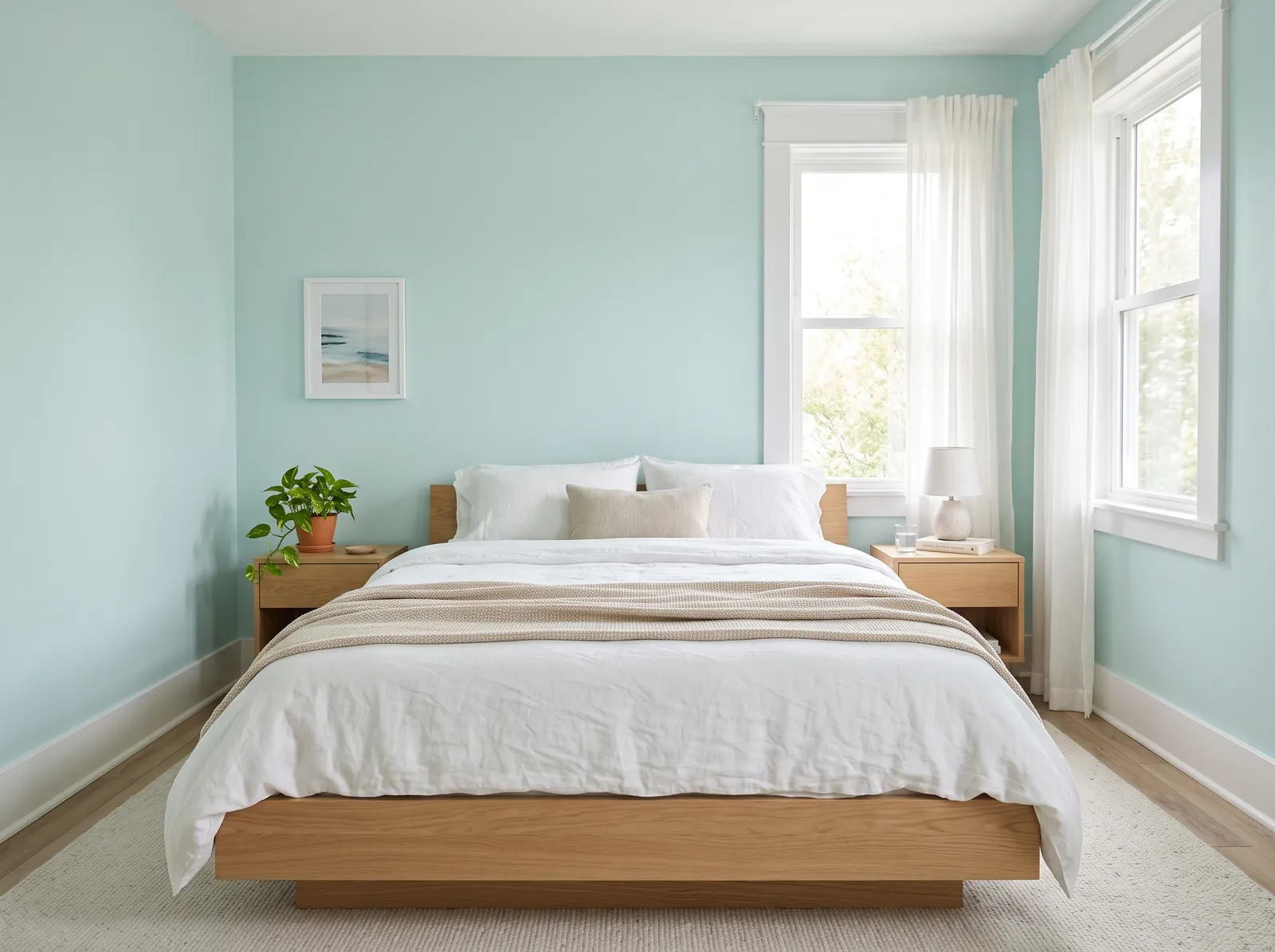
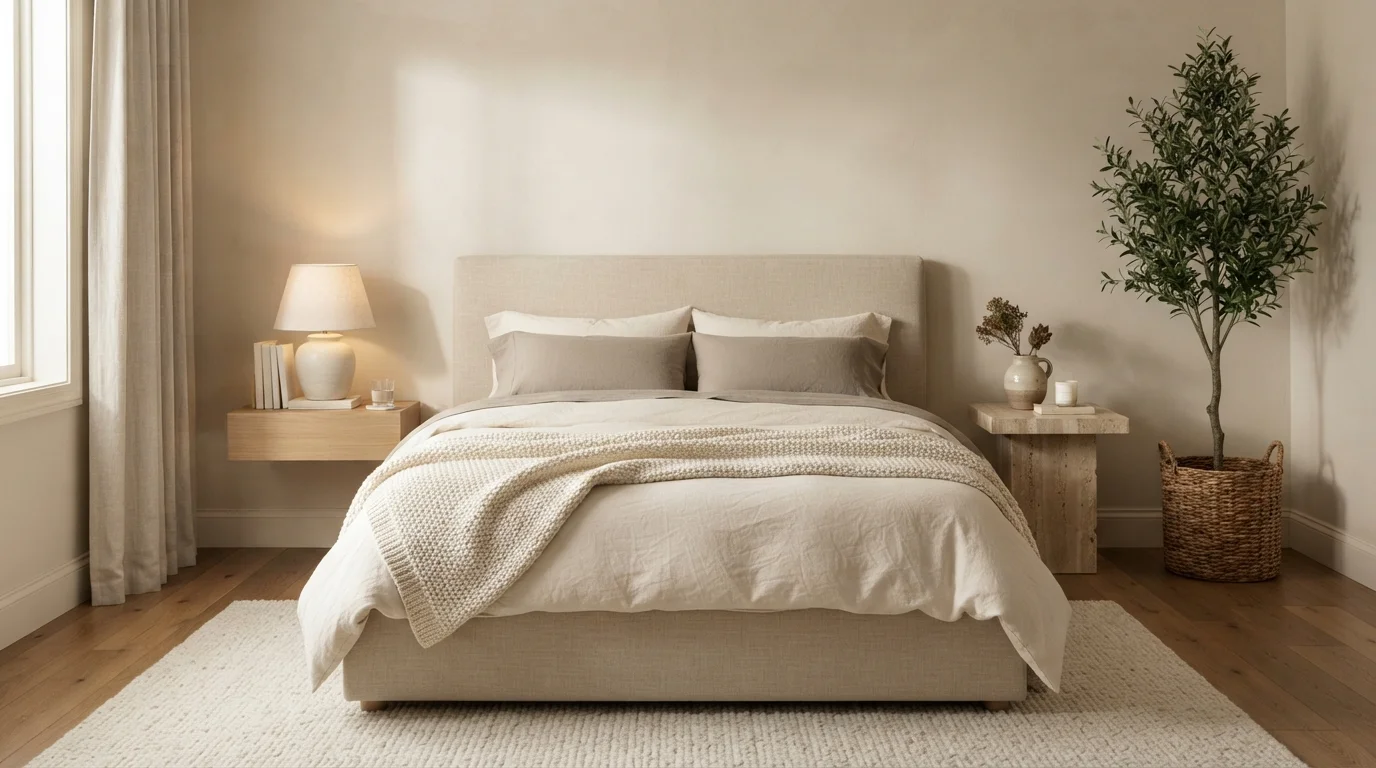
The best bedroom colors fall into a few quiet families: blues, greens, grays, warm neutrals, and soft pinks. A blue or green leans restful and cool. A warm neutral like Revere Pewter feels cozy and grounded. A muted pink like Setting Plaster adds quiet warmth without going girly. Every color on this page is mixed to order at the store, so once you find a shade you love, it can be matched across brands no matter where you buy your paint.
Below we walk through the best color directions, how your bedroom light should steer the choice, the right finish, how to read LRV, what to pair, and the mistakes that trip people up.
The Best Color Directions For A Bedroom
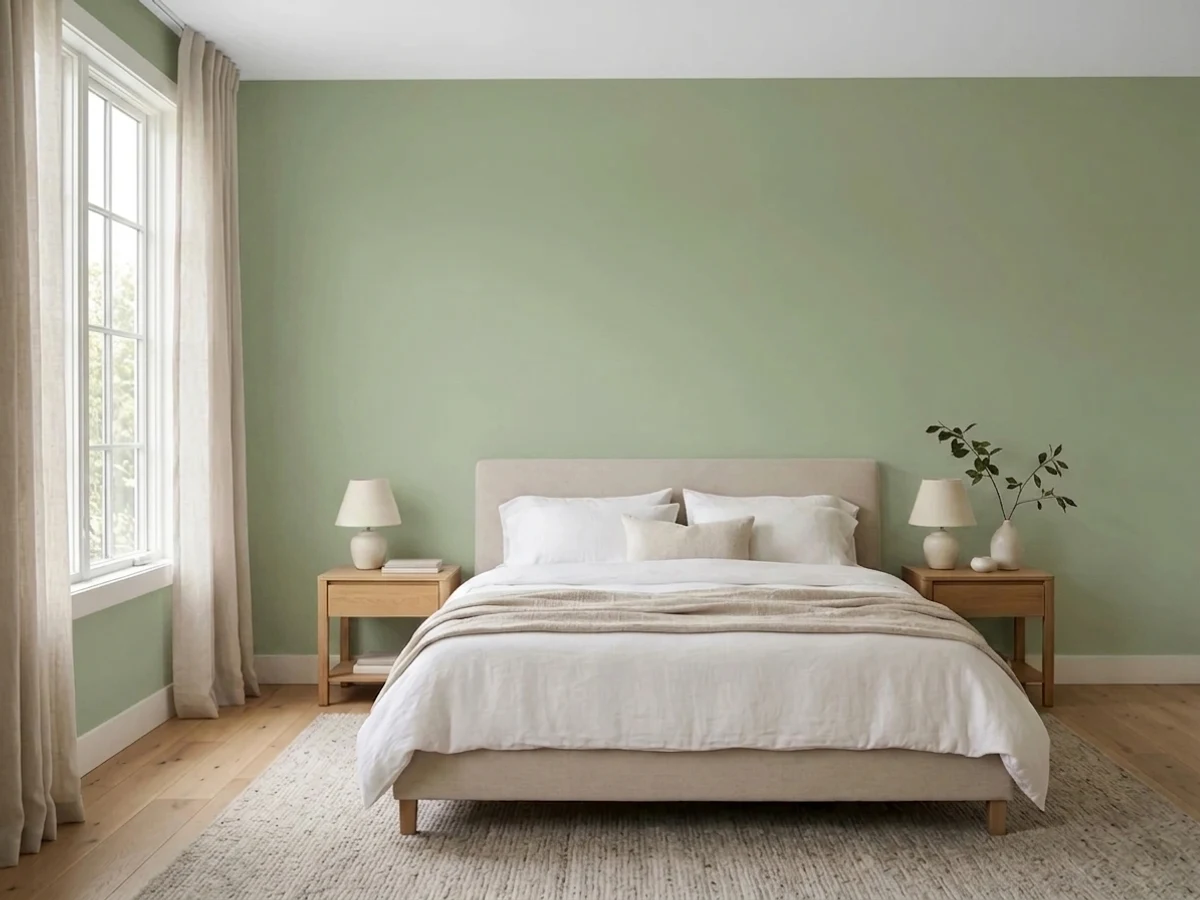
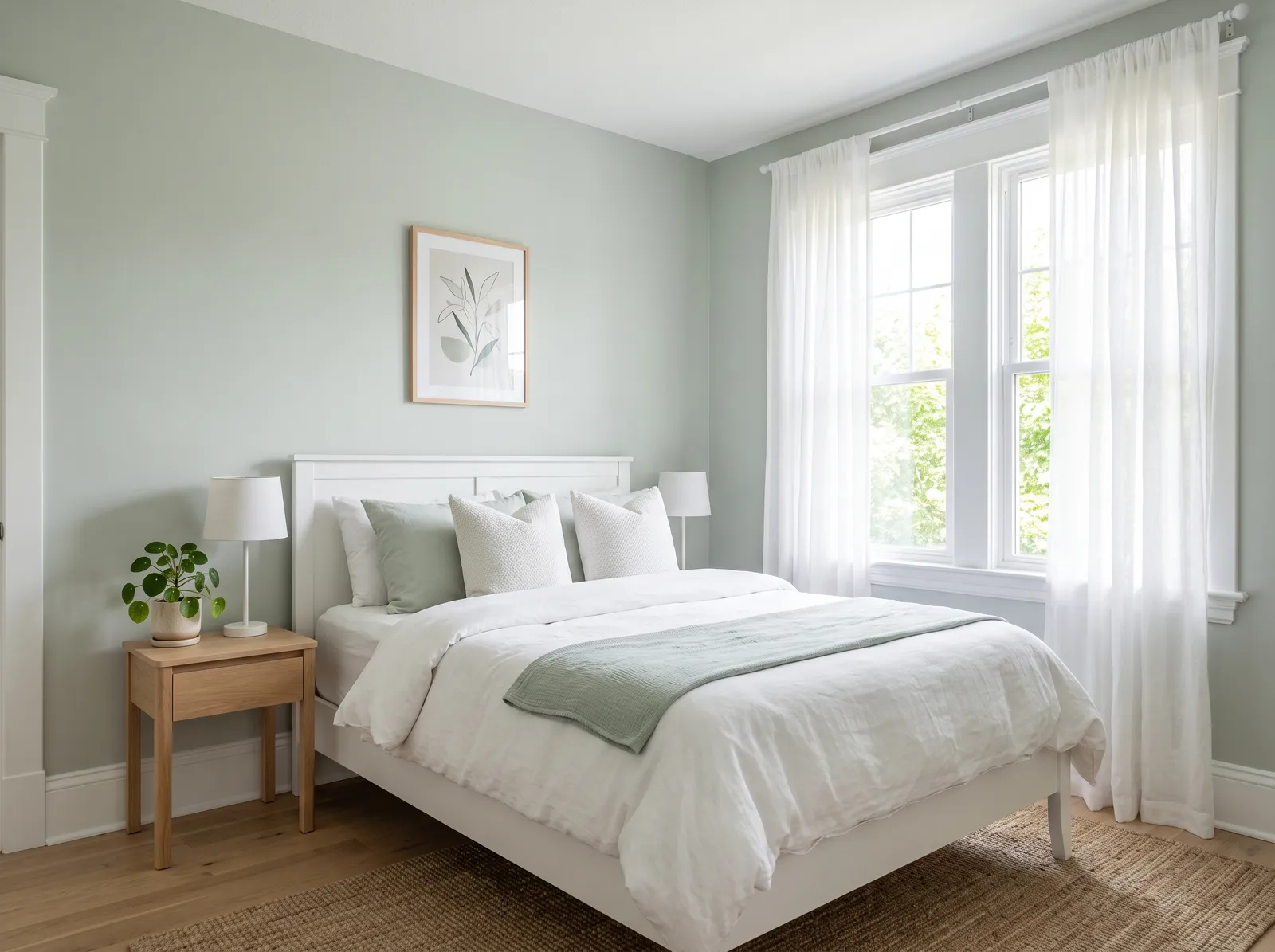
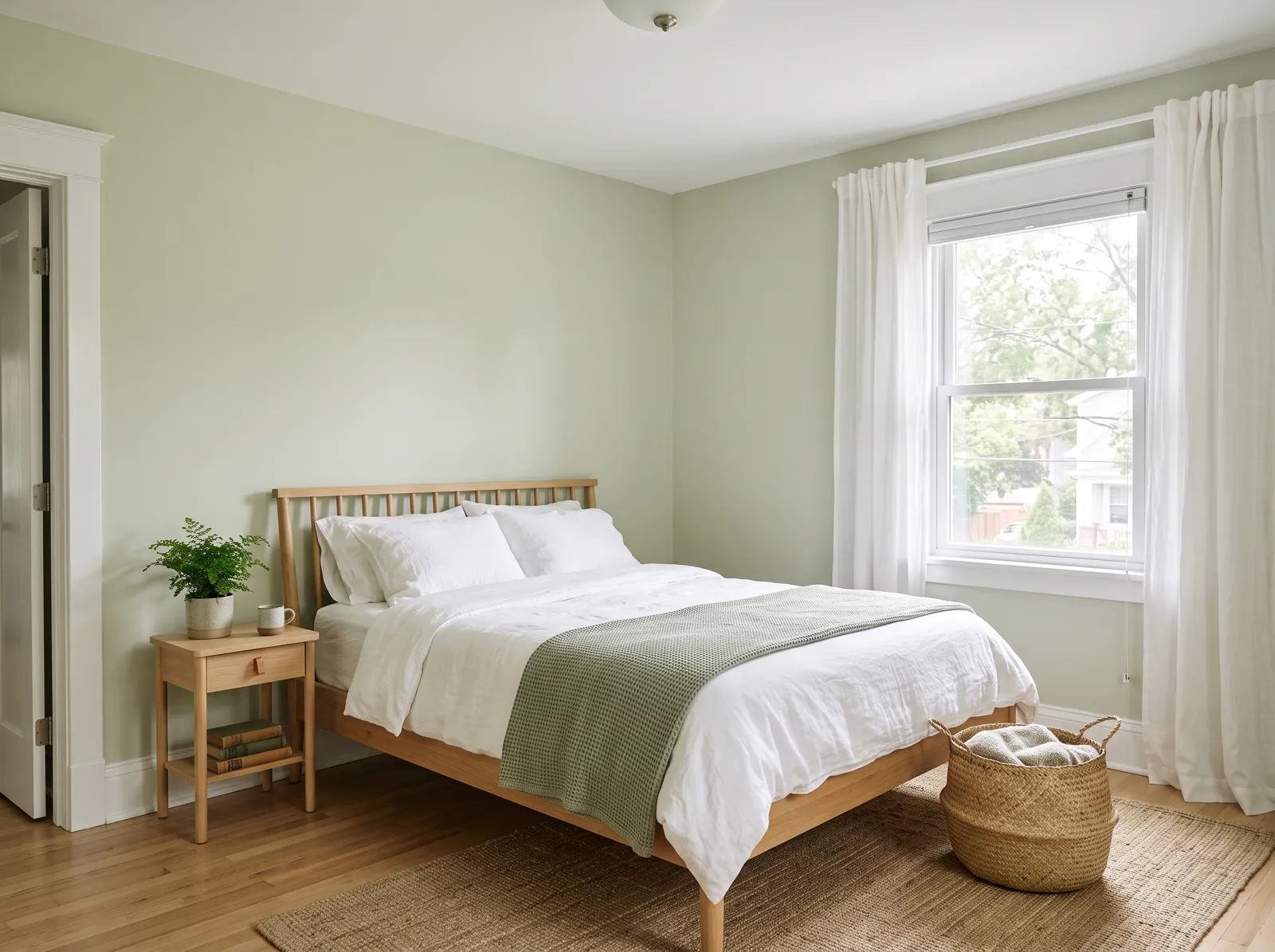
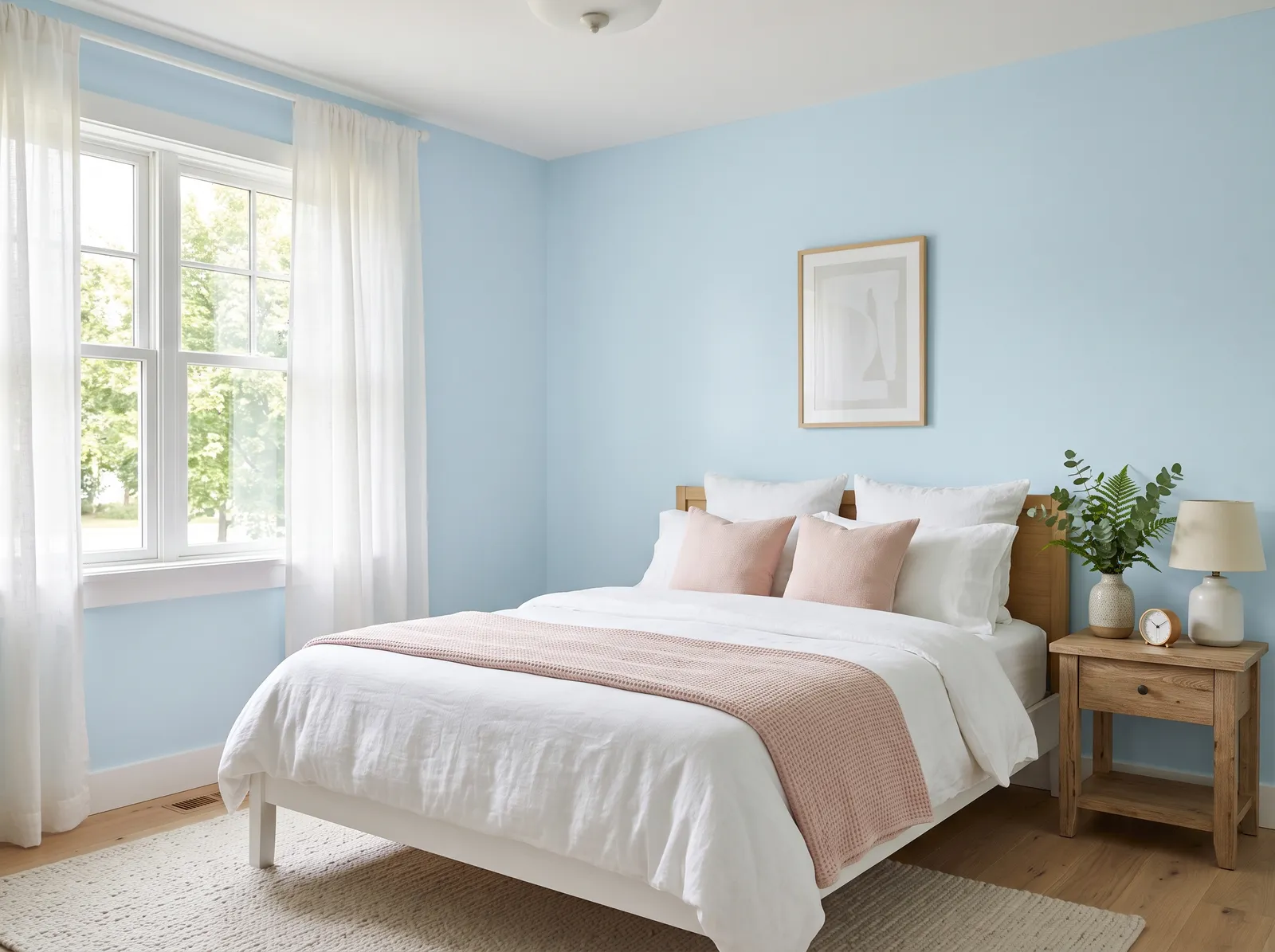
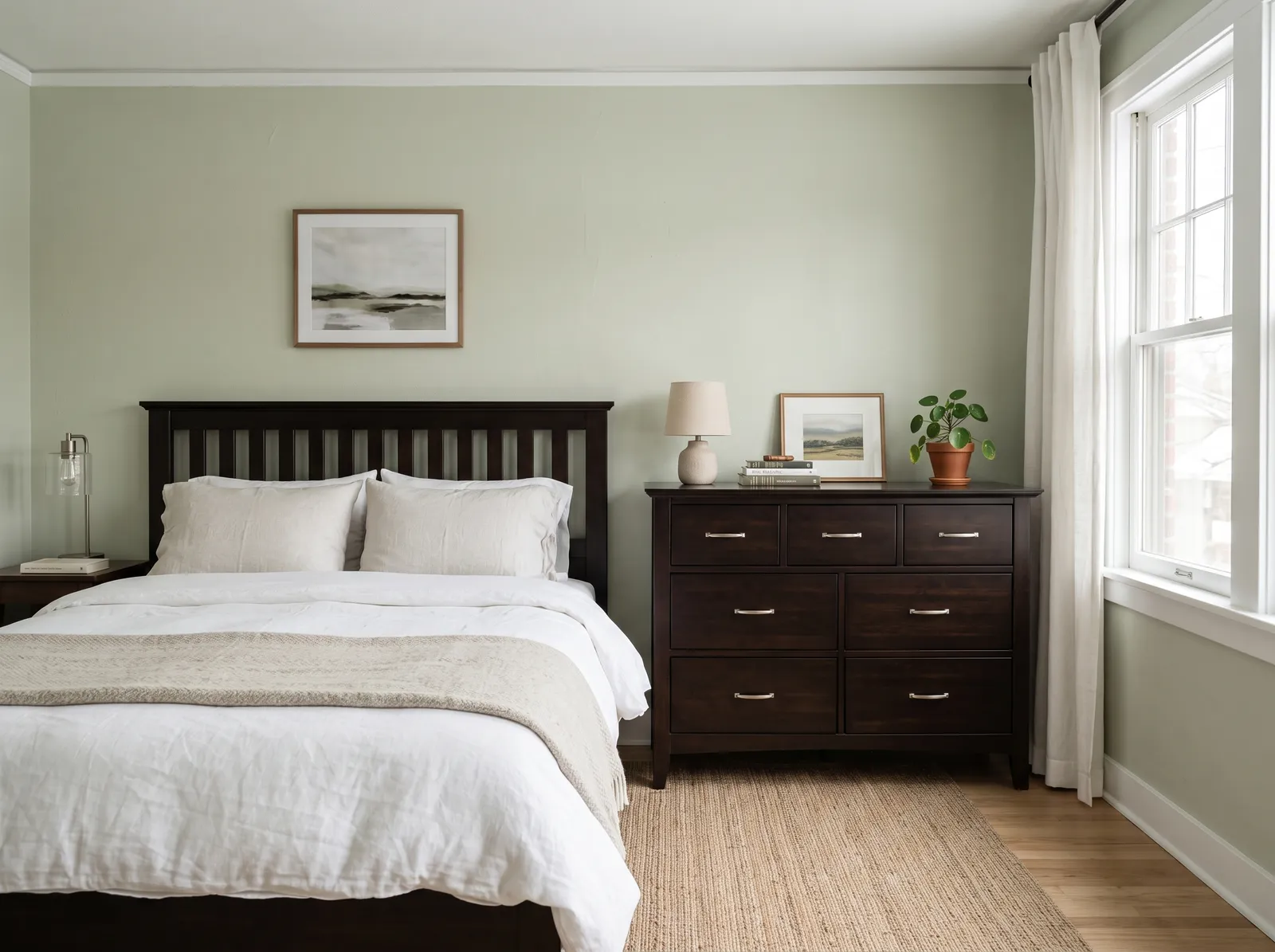
Bedrooms reward calm over drama. Soft blues like Pigeon cool a room down and feel clean and restful, which is why they are a long-running favorite for sleep. Muted greens like Sage bring a quiet, natural feel that works in almost any home and never feels trendy.
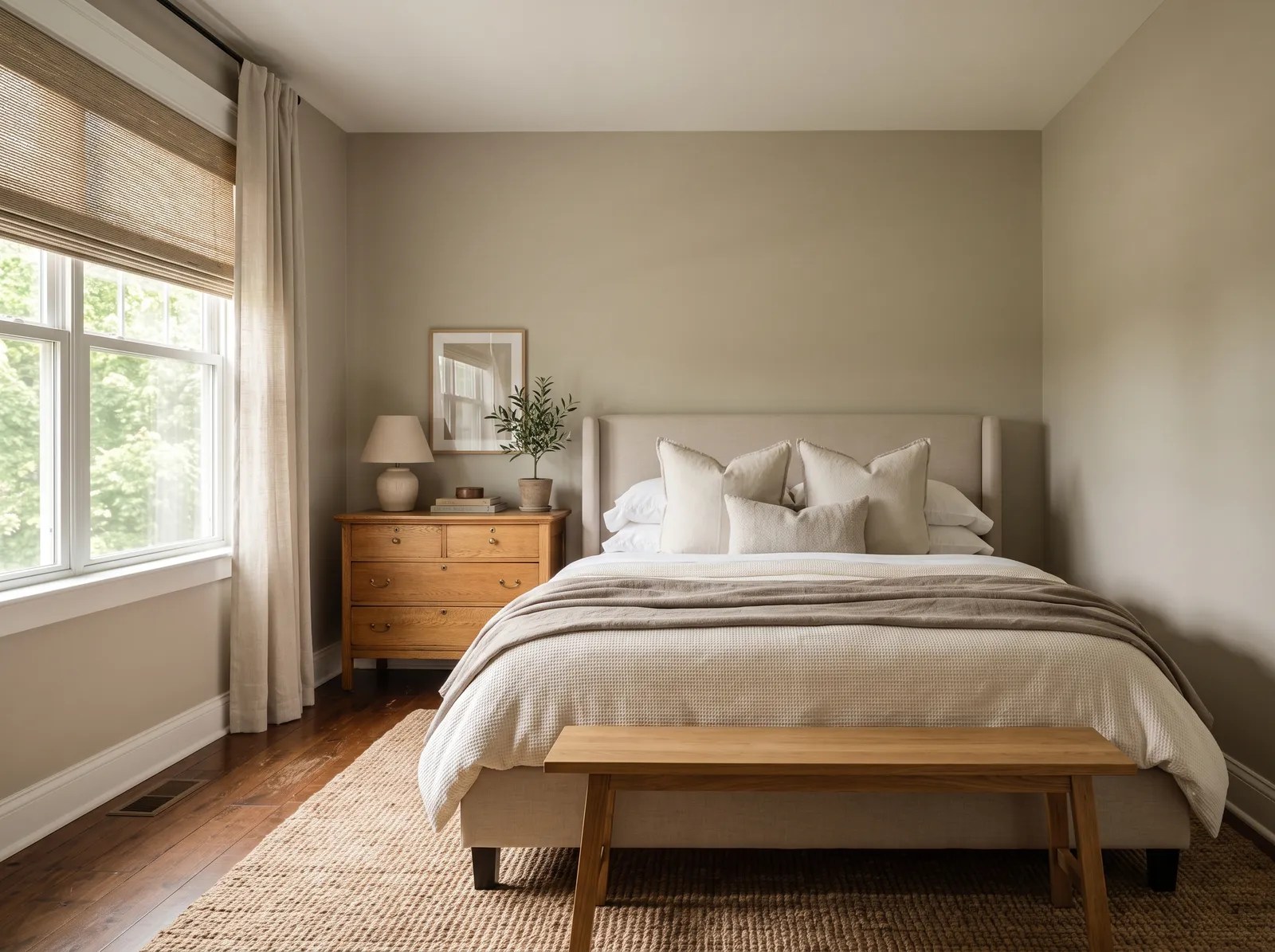
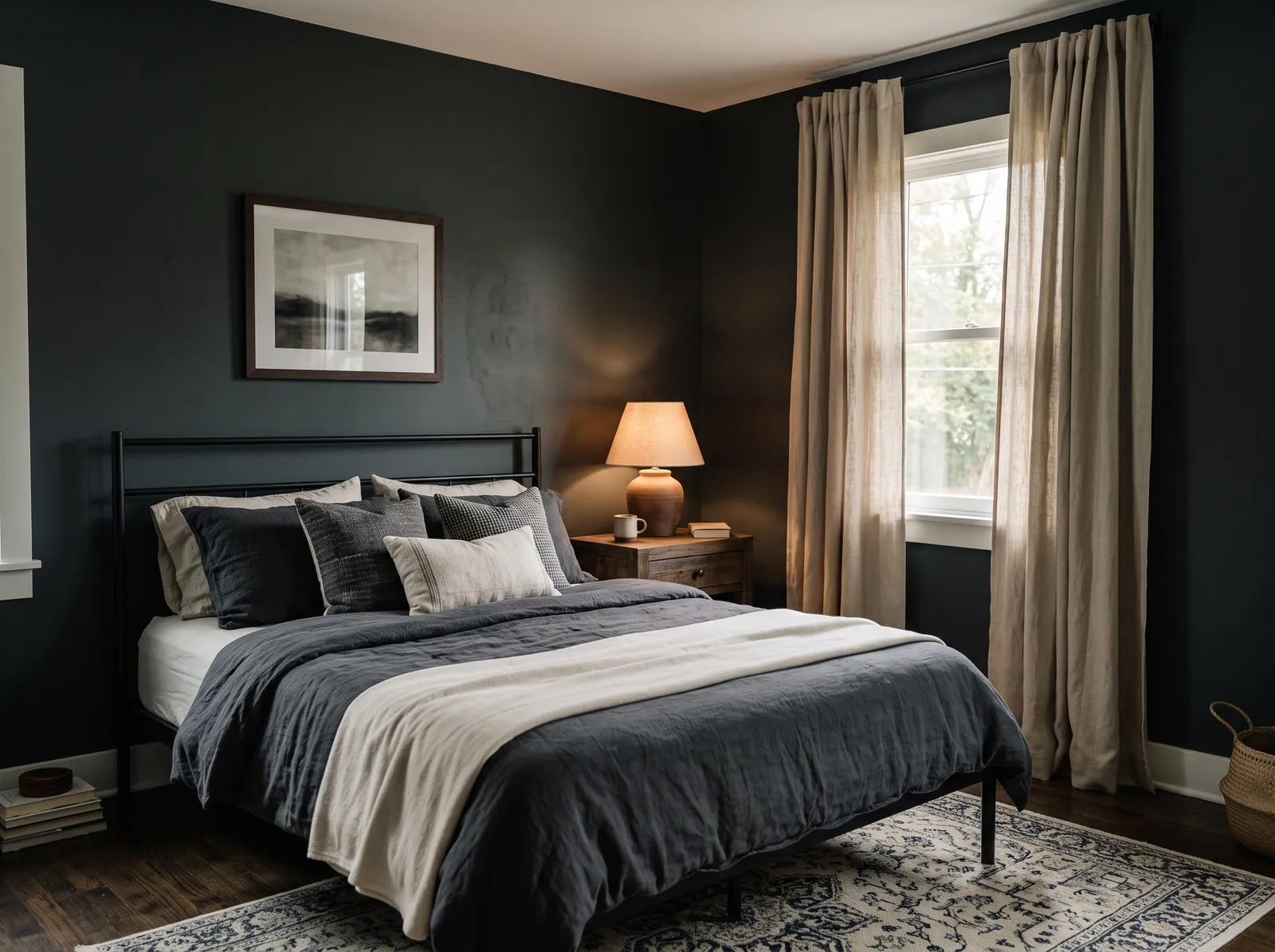
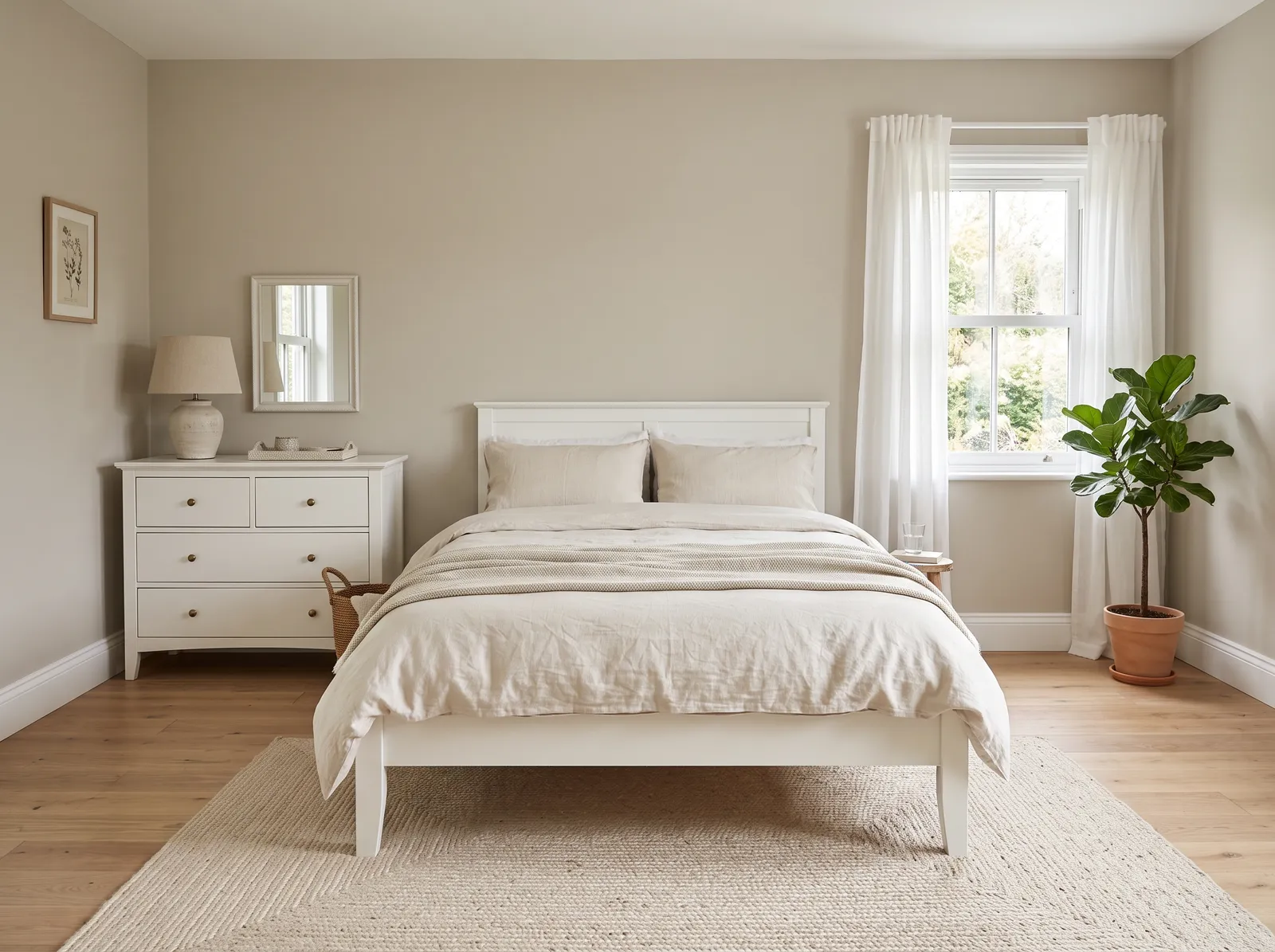
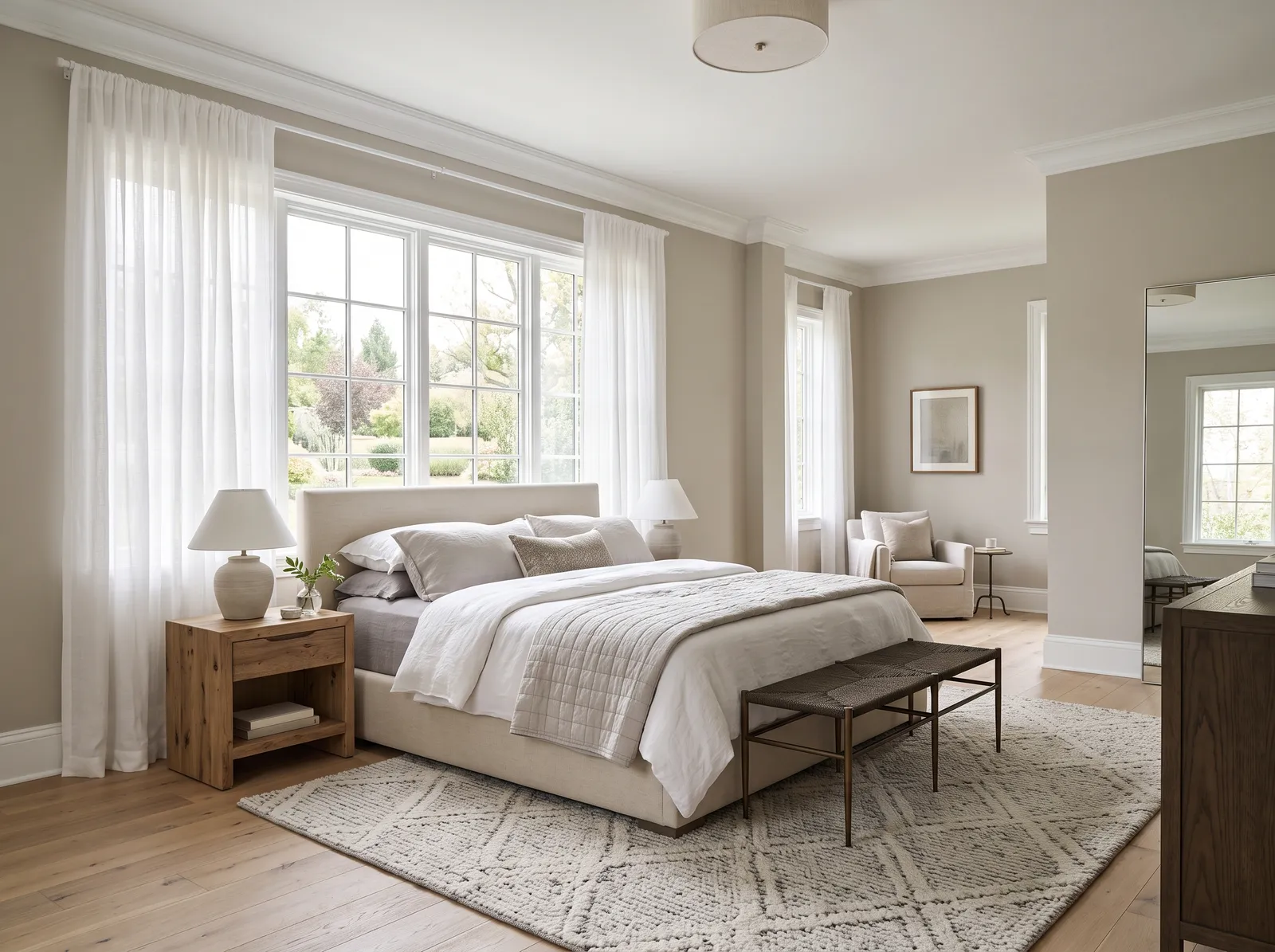
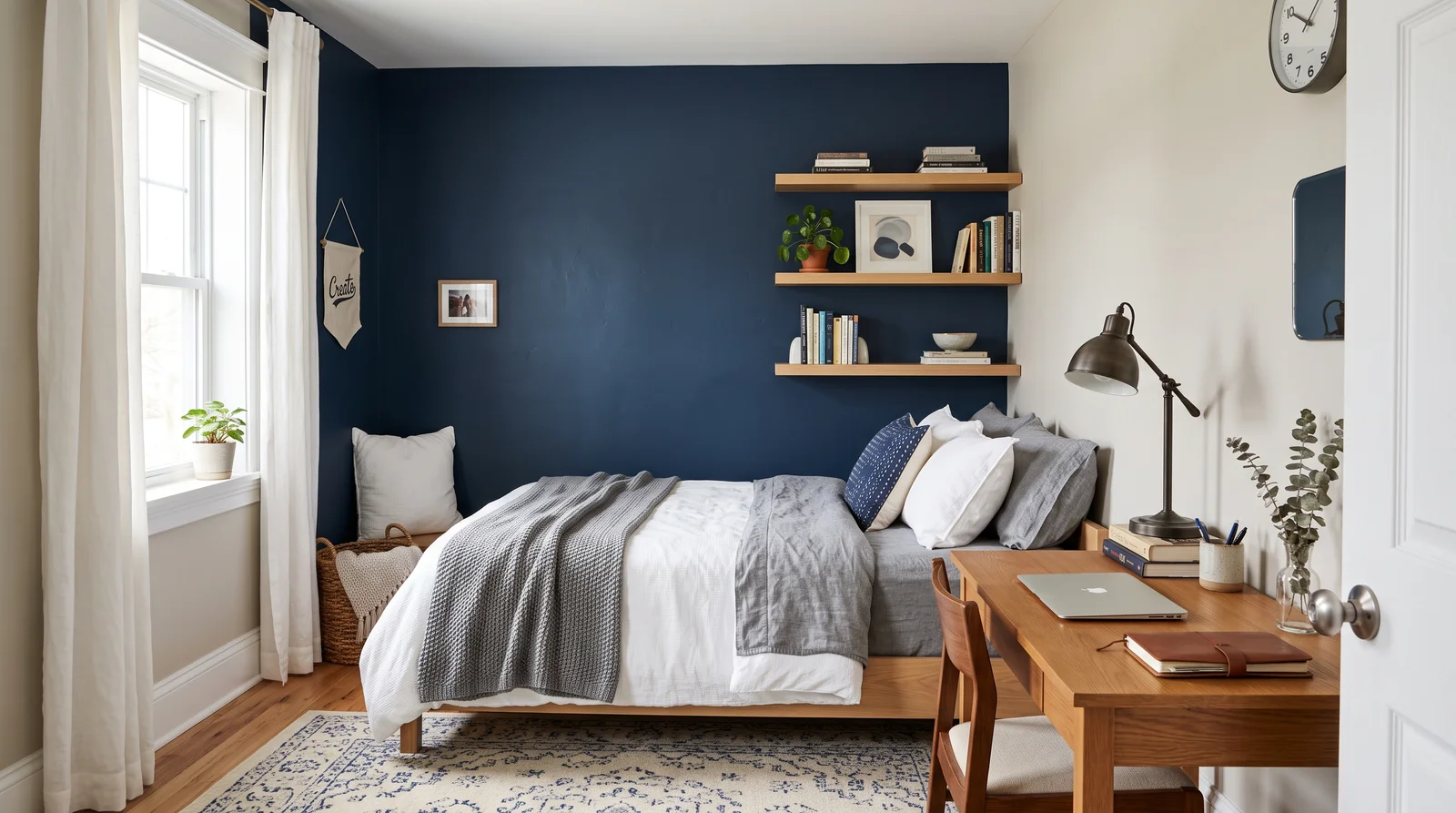
If you want warmth instead of cool, a greige like Revere Pewter or a soft gray like Dove Gray wraps the room without feeling cold. For something with a little color but still gentle, a chalky pink like Setting Plaster glows in the evening and reads as a warm neutral, not a statement. Want bold? A deep blue like Hale Navy on one wall or all four turns a bedroom into a cocoon, best where you have decent light and white trim to keep it crisp.
Let The Room's Light Pick The Color
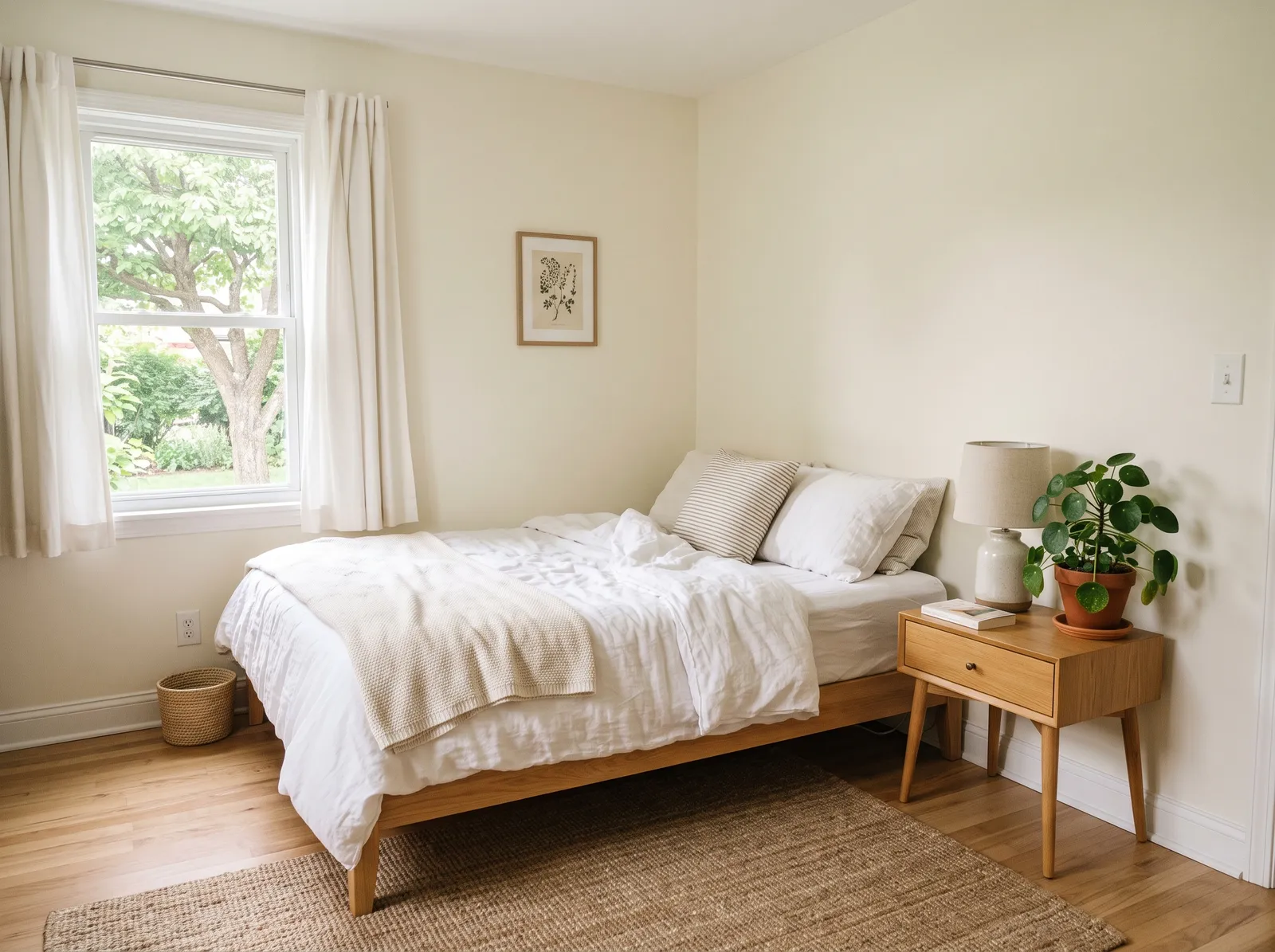
Light changes paint more than anything else, so check your window direction first. North-facing bedrooms get cool, flat light all day, which can make cool grays and blues look gray and lifeless. In those rooms, lean warmer. Setting Plaster, Sage, or Revere Pewter will hold their warmth where a cool gray would go dreary.
South and west rooms get strong, warm light, so they can carry cooler colors like Pigeon or Dove Gray without feeling icy. Remember a bedroom is used mostly at night under lamps, and warm bulbs pull every color warmer and darker. Always tape a real sample to the wall and look at it in the morning, midday, and at night under your own lights before you commit.
The Right Finish For Bedroom Walls
Bedrooms are low-traffic and low-moisture, so you do not need a tough, shiny finish here. A flat or matte finish is the most popular choice because it hides wall flaws, soaks up light, and gives that soft, calm look that suits a sleeping room. The trade-off is it is harder to wipe clean, which matters little in a room with no cooking grease or splashes.
If you have kids, pets, or scuff-prone walls, step up to an eggshell for a touch more washability with almost no glare. Save satin and semi-gloss for the trim, doors, and any closet shelving, where the harder surface stands up to hands and handles. Keep the ceiling flat to avoid drawing the eye upward at night.
Using LRV To Keep It Bright Or Cozy
LRV, or Light Reflectance Value, runs from 0 (black) to 100 (white) and tells you how much light a color bounces back. It is the fastest way to predict whether a color will feel airy or snug before you paint. High-LRV colors like a soft Dove Gray keep a small or dark bedroom feeling open and bright.
For a cozy, enveloping bedroom, drop the LRV. A mid-tone like Revere Pewter or Pigeon settles the room down, and a deep color like Hale Navy goes full cocoon. Just be honest about your windows. A low-LRV color in a dim north room can feel like a cave, so if you want dark and you are short on light, plan for good lamps and lighter trim to balance it.
Pairing Trim, Ceiling, Flooring, And Fixtures
The easiest, most reliable move is a soft white trim and ceiling against any of these wall colors. It keeps the room crisp and lets the wall color be the star. With warm colors like Setting Plaster or Revere Pewter, pick a warm white so the trim does not look stark; with cooler Pigeon or Dove Gray, a cleaner white reads well.
Think about what is already in the room. Warm wood floors and brass or bronze fixtures love greens and warm neutrals like Sage and Revere Pewter. Cooler gray or whitewashed floors and nickel or chrome fixtures pair naturally with blues and grays like Pigeon, Dove Gray, and Hale Navy. Match your bedding and curtains to the same warm or cool lane so the whole room agrees.
Common Bedroom Paint Mistakes
The biggest mistake is choosing a color from a tiny chip in the store. Bedroom light is dim and warm at night, and a color that looked perfect under bright store lights can go muddy or cold at home. Always sample on the wall and live with it for a couple of days.
The second mistake is going too cool in a room that needs warmth, leaving it feeling cold and unwelcoming, the opposite of what a bedroom should be. People also reach for shiny finishes that throw glare and show every bump, and they paint dark colors in dim rooms without adding light to carry them. Pick your warm-or-cool lane, keep the finish low-sheen, and test before you buy a full gallon.
Bedroom Paint Colors — Frequently Asked Questions
What is the most relaxing paint color for a bedroom?+
Soft blues and muted greens are the most relaxing choices because they read as calm and restful. Pigeon is a quiet blue and Sage is a gentle green; both suit sleep without feeling cold. If you prefer warmth, a soft pink like Setting Plaster or a greige like Revere Pewter feels cozy and calming too.
Should a bedroom be light or dark?+
It depends on the mood you want and how much light the room gets. Light colors like Dove Gray keep a small or dim room feeling open and airy. A darker color like Hale Navy makes a cozy, cocoon-like space, but it works best where you have good windows and lamps and crisp white trim to balance it.
What sheen should I use in a bedroom?+
Flat or matte is the usual pick for bedroom walls. It hides wall flaws, has no glare, and gives a soft, calm look. Step up to eggshell if you want easier cleaning, and save satin or semi-gloss for trim and doors.
What is LRV and why does it matter for a bedroom?+
LRV stands for Light Reflectance Value, a 0 to 100 scale of how much light a color bounces back. Higher numbers keep a bedroom bright and open, lower numbers make it cozy and enveloping. Checking LRV helps you predict the feel before you paint, especially in a room with limited natural light.
How do I pick a bedroom color for a north-facing room?+
North-facing rooms get cool, flat light, so warm colors hold up best. Setting Plaster, Sage, and Revere Pewter keep their warmth where a cool gray can look dreary. Always tape a sample to the wall and check it morning, midday, and at night under your own lamps.
What color trim goes with a bedroom wall color?+
A soft white trim works with almost any bedroom color and keeps the room crisp. Use a warmer white with warm colors like Setting Plaster or Revere Pewter, and a cleaner white with cooler colors like Pigeon or Dove Gray. Match the trim to the warm-or-cool lane of your wall.
Can I get the same bedroom color in a different paint brand?+
Yes. Every color shown here is mixed to order at the store using a tinting machine, so a shade you love can be cross-matched between brands. Bring the color name or a sample and your store can match it no matter which brand you buy.