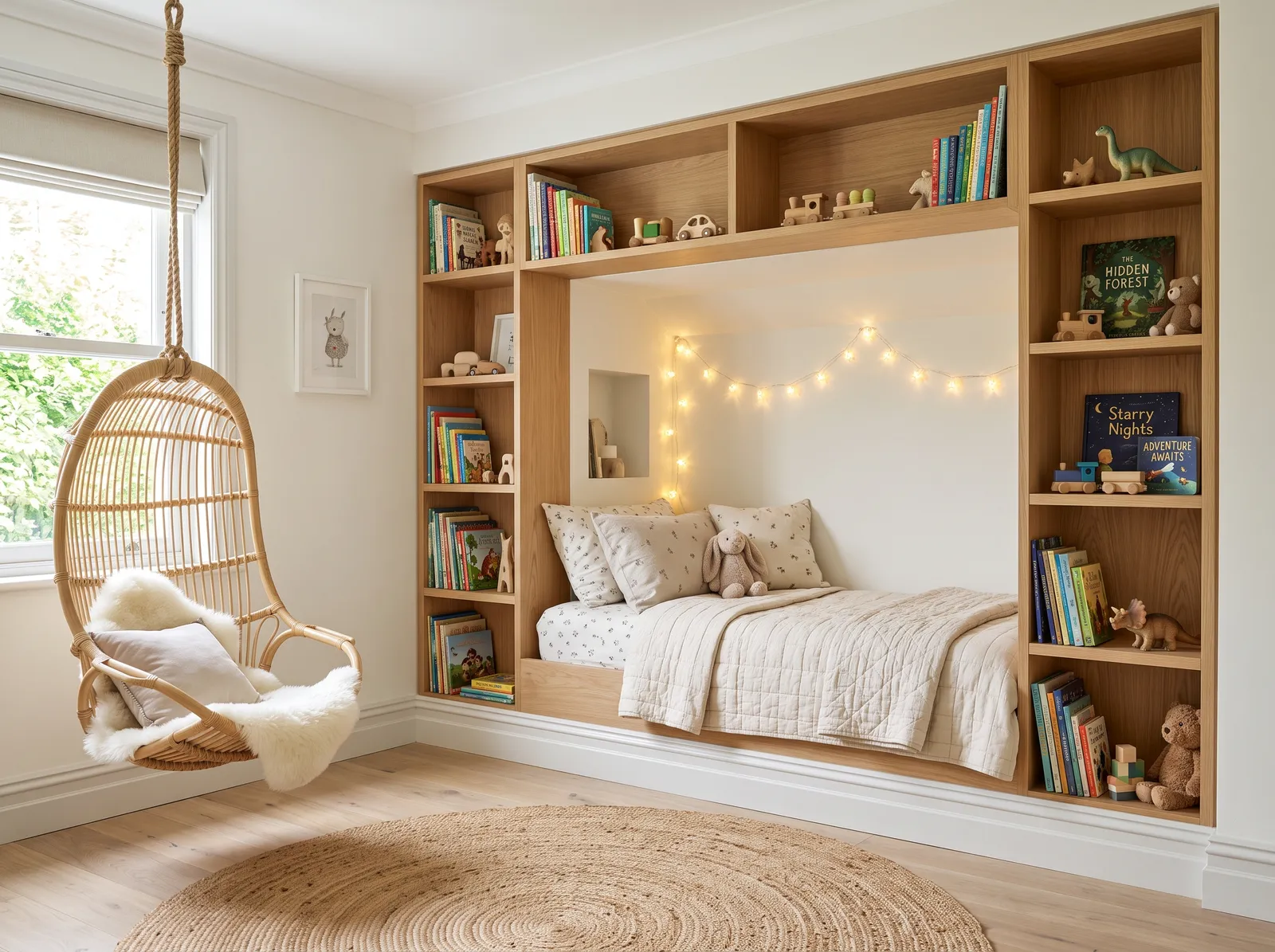
Neutral Bedroom Paint Colors
4,152 neutral colors that work in bedrooms, drawn from the full ~30,000-color US paint deck. Below: editor's picks specific to bedrooms, then 30 picks spread across the LRV range — narrow further on the brand page when you've shortlisted.
Neutrals are the colors that aren't quite gray and aren't quite tan — the warm, low-saturation in-between bucket where greige, taupe, mushroom, bone, and accessible beige all live. They've replaced cool grays as the default safe wall color of the late 2020s, particularly in open-plan homes where one color flows through multiple rooms.
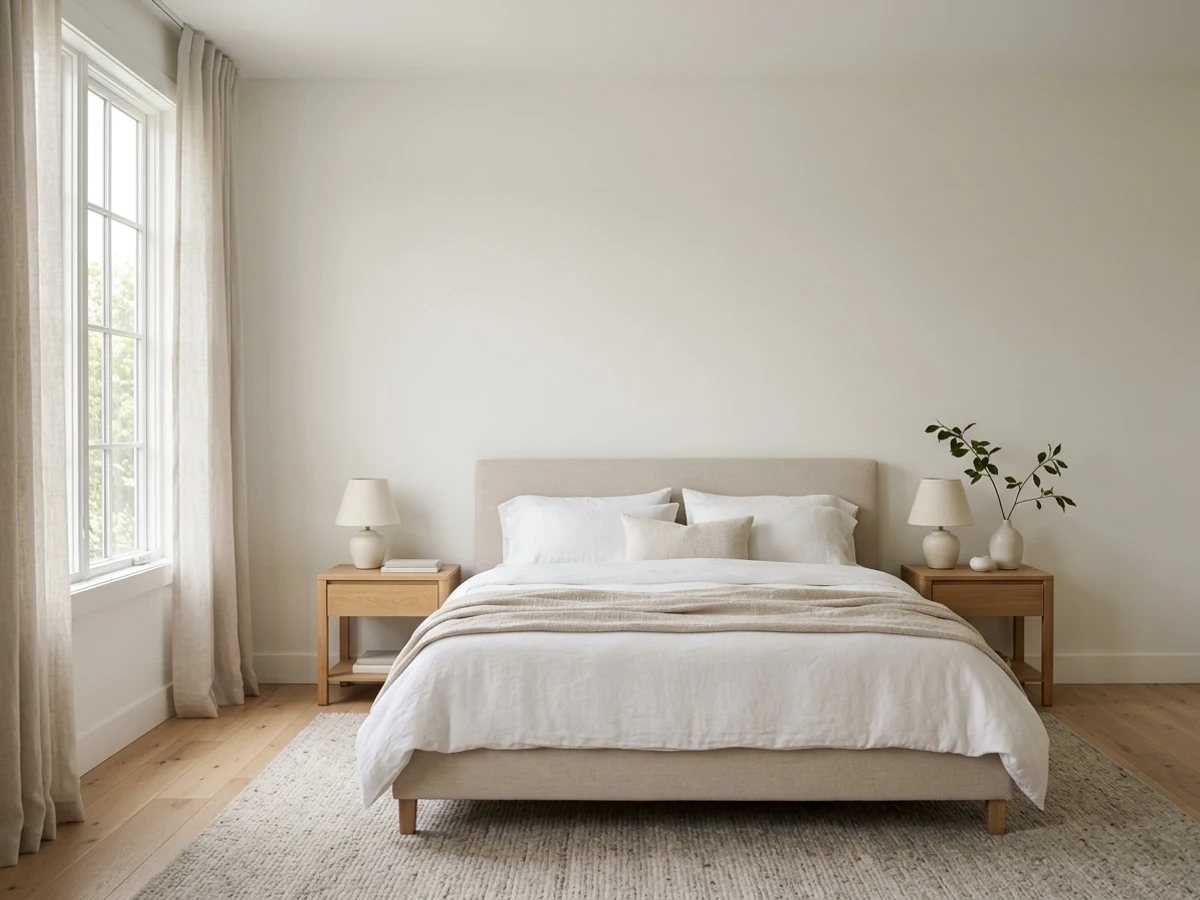
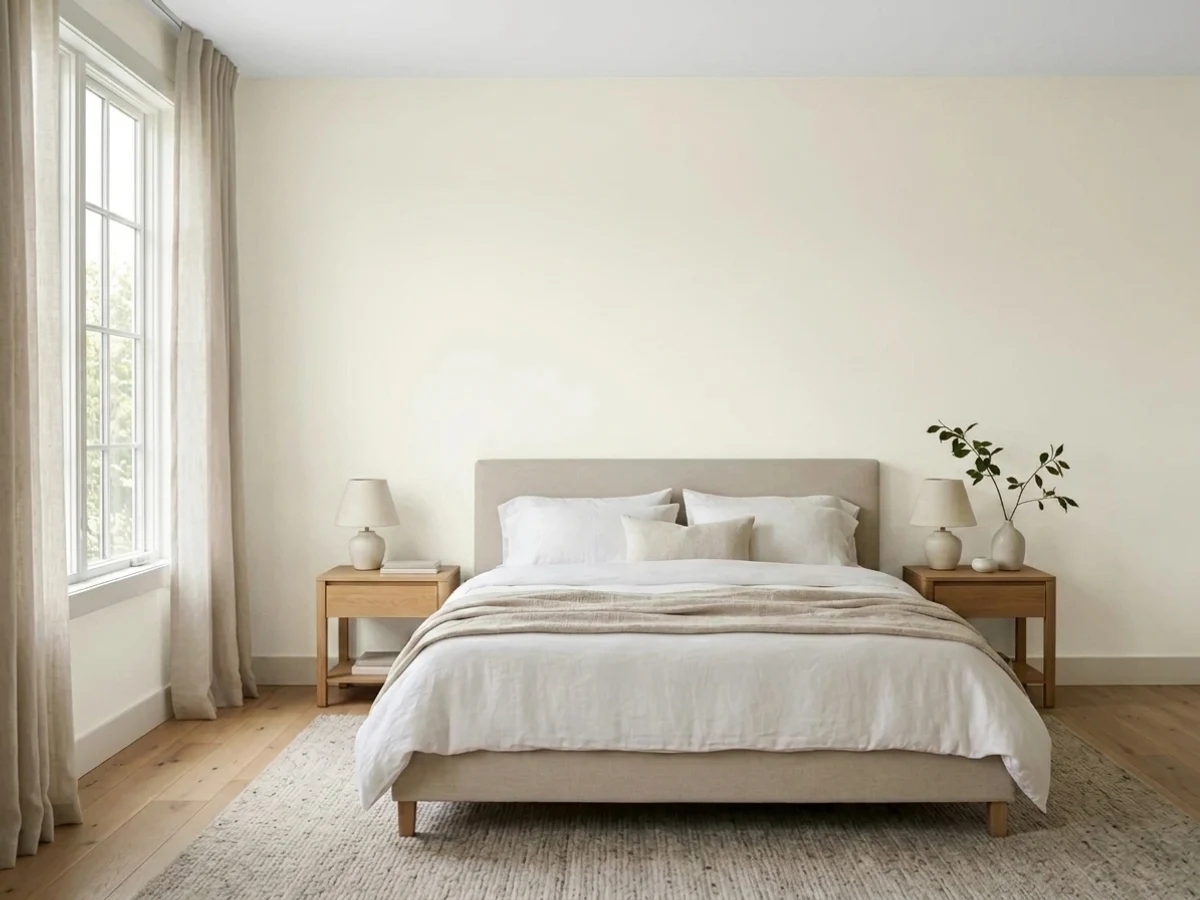
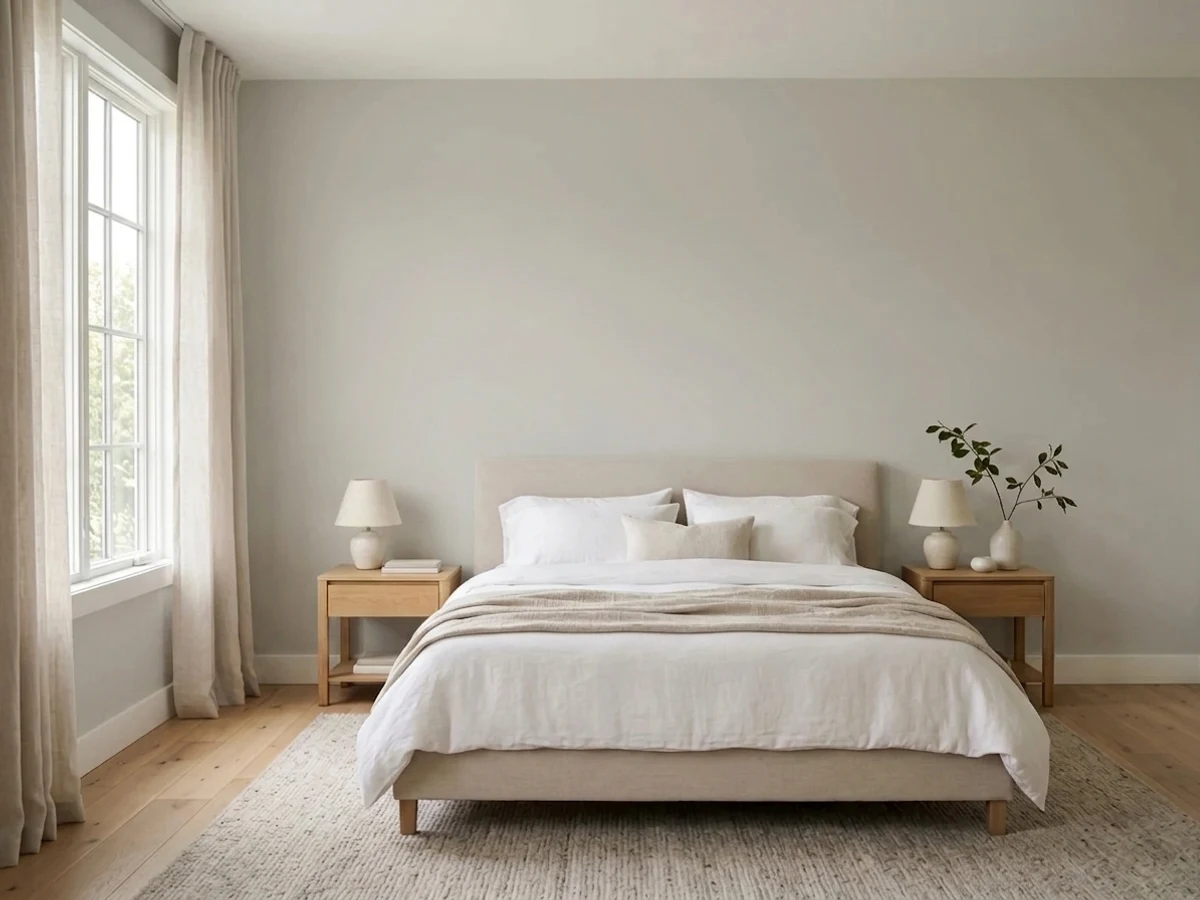
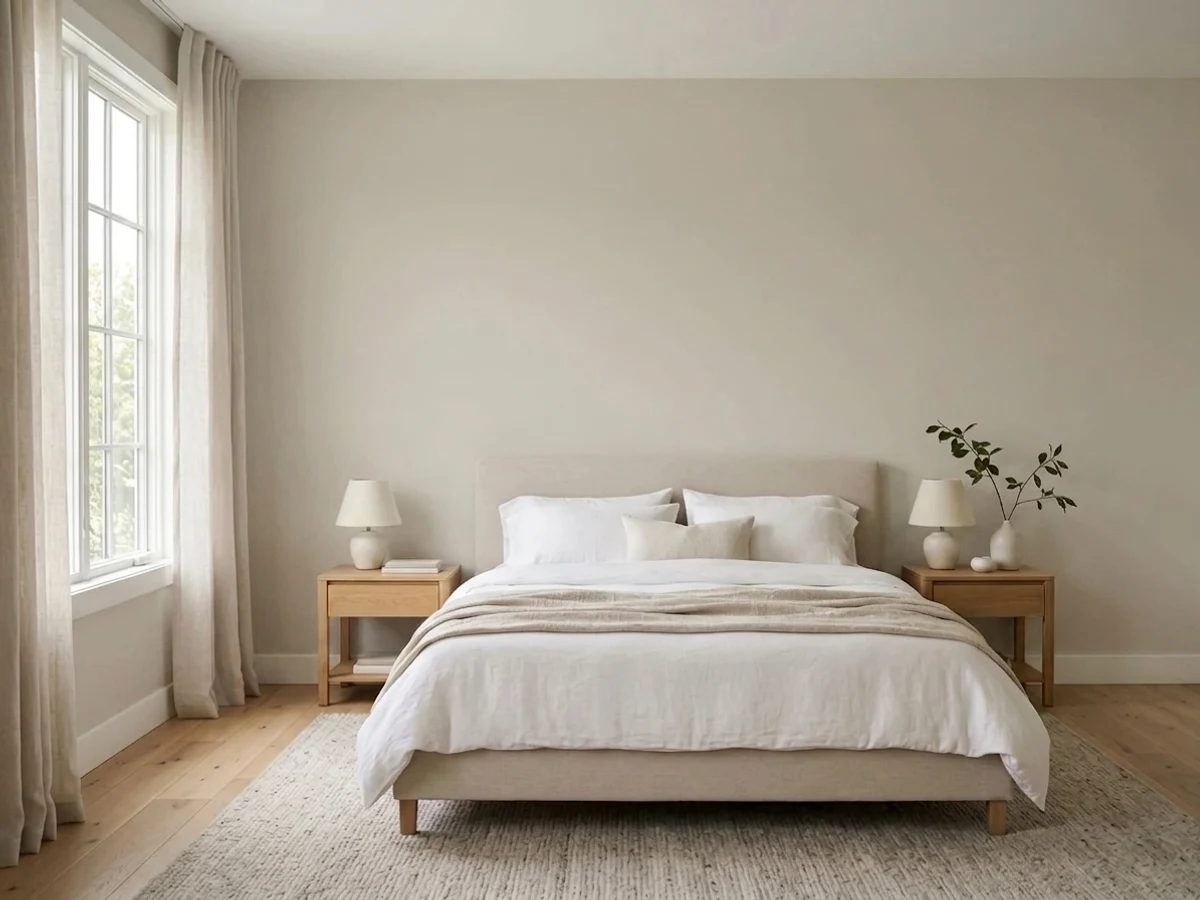
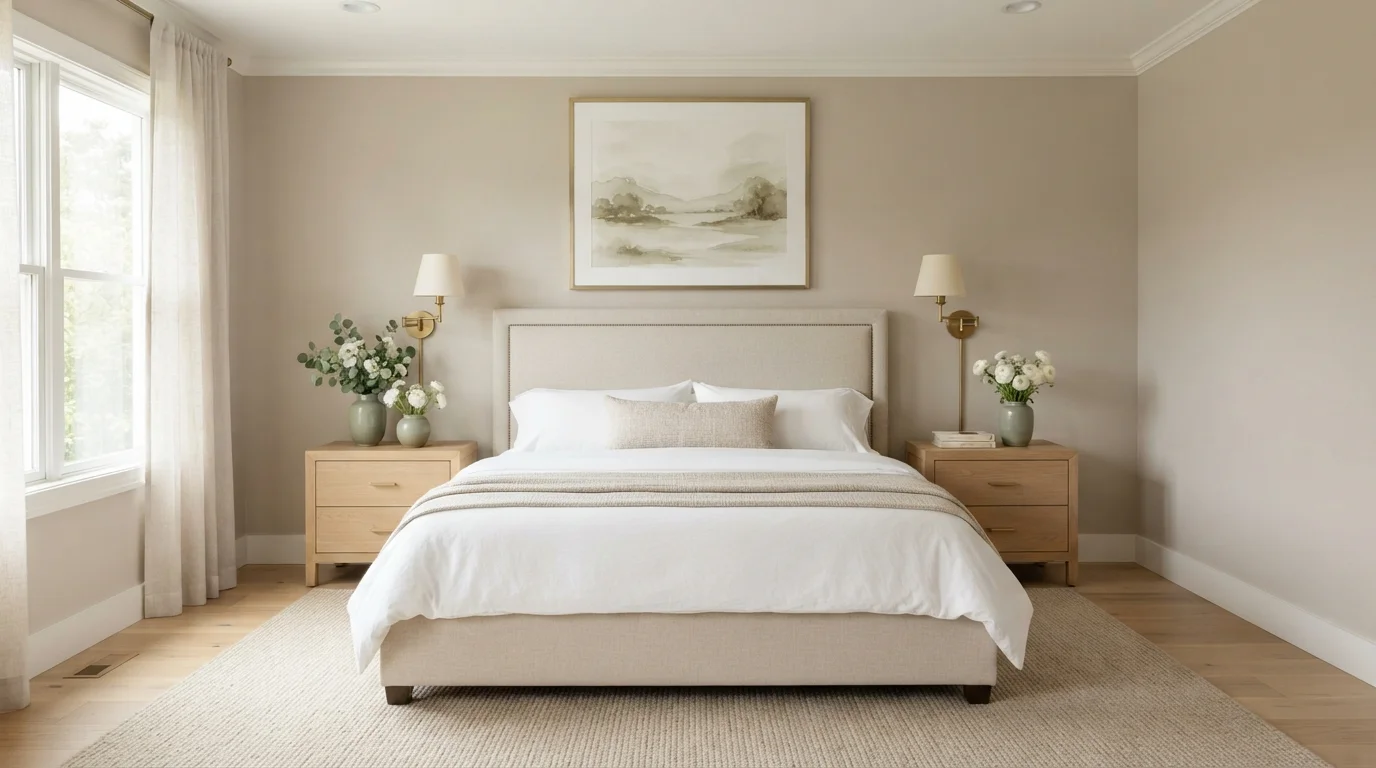
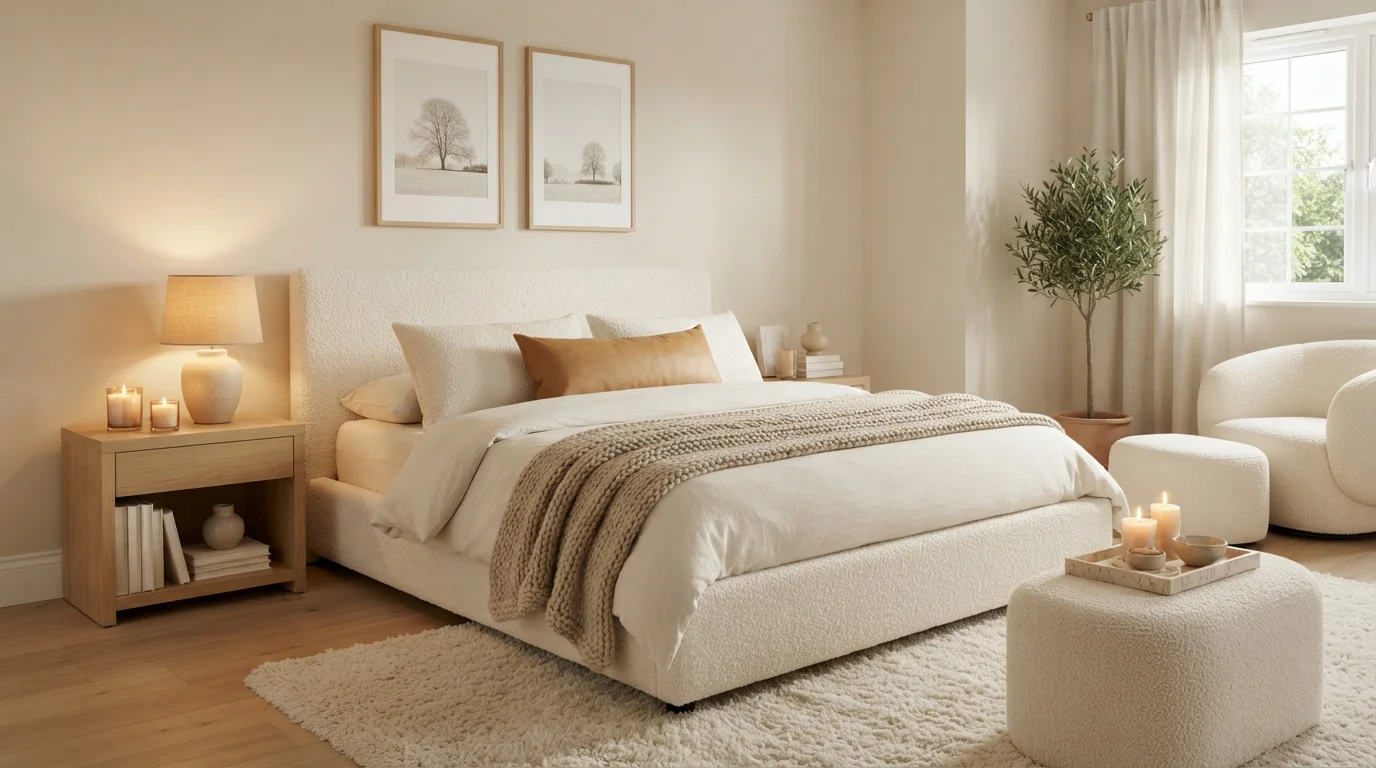
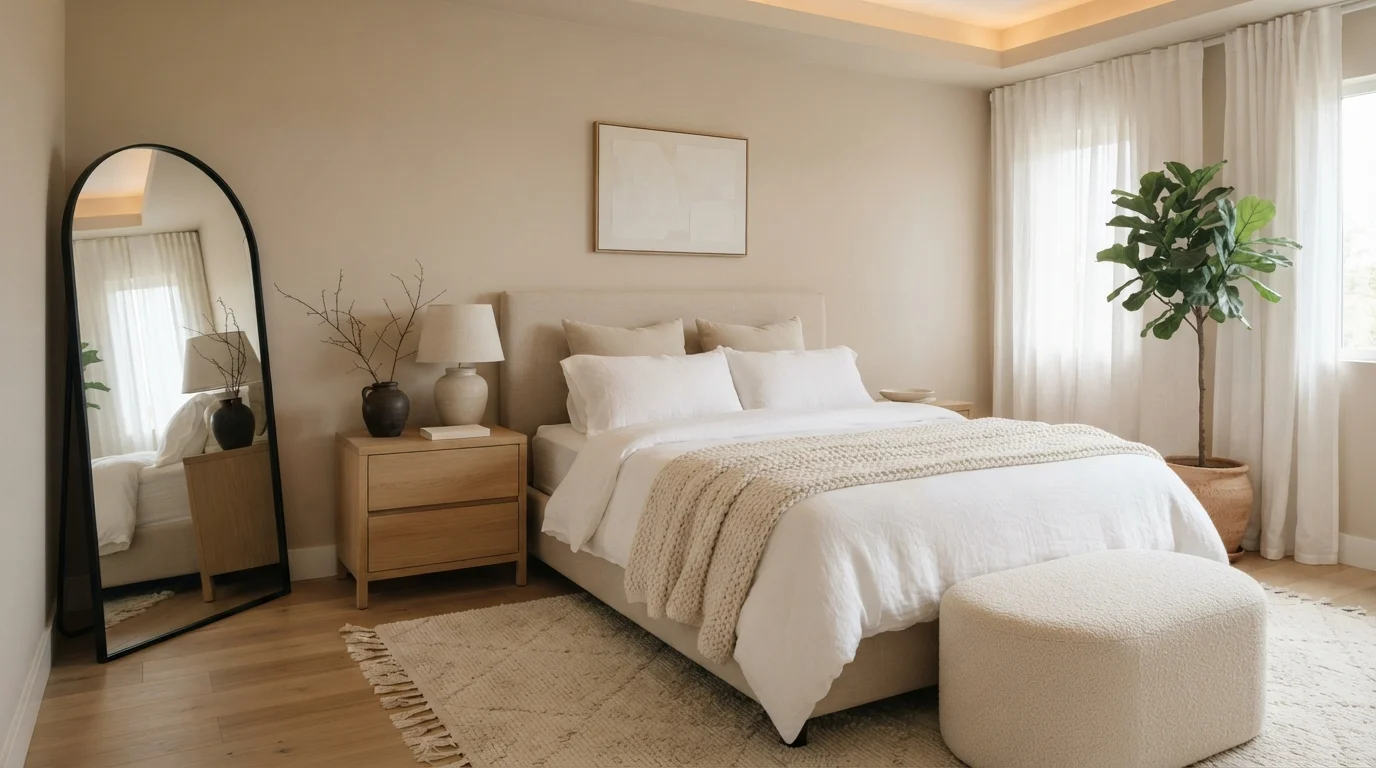
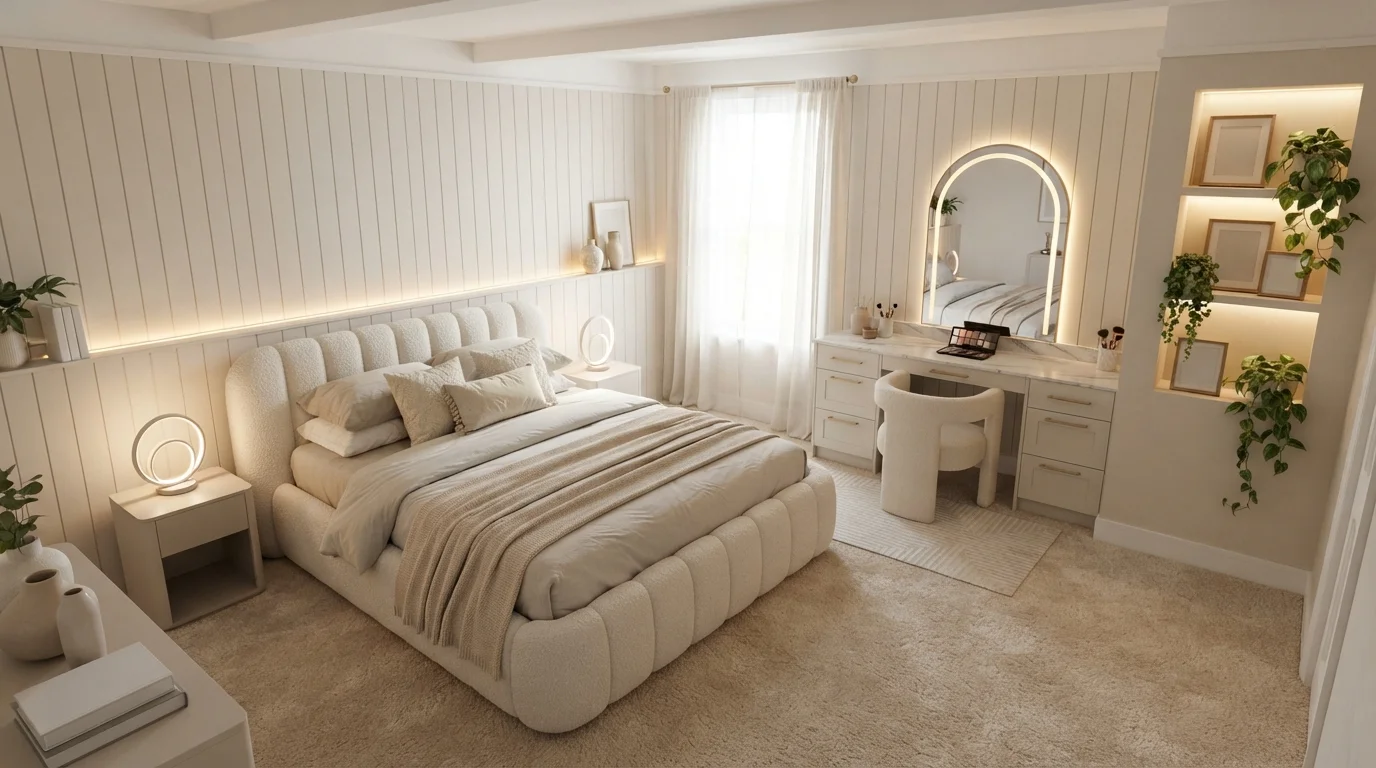
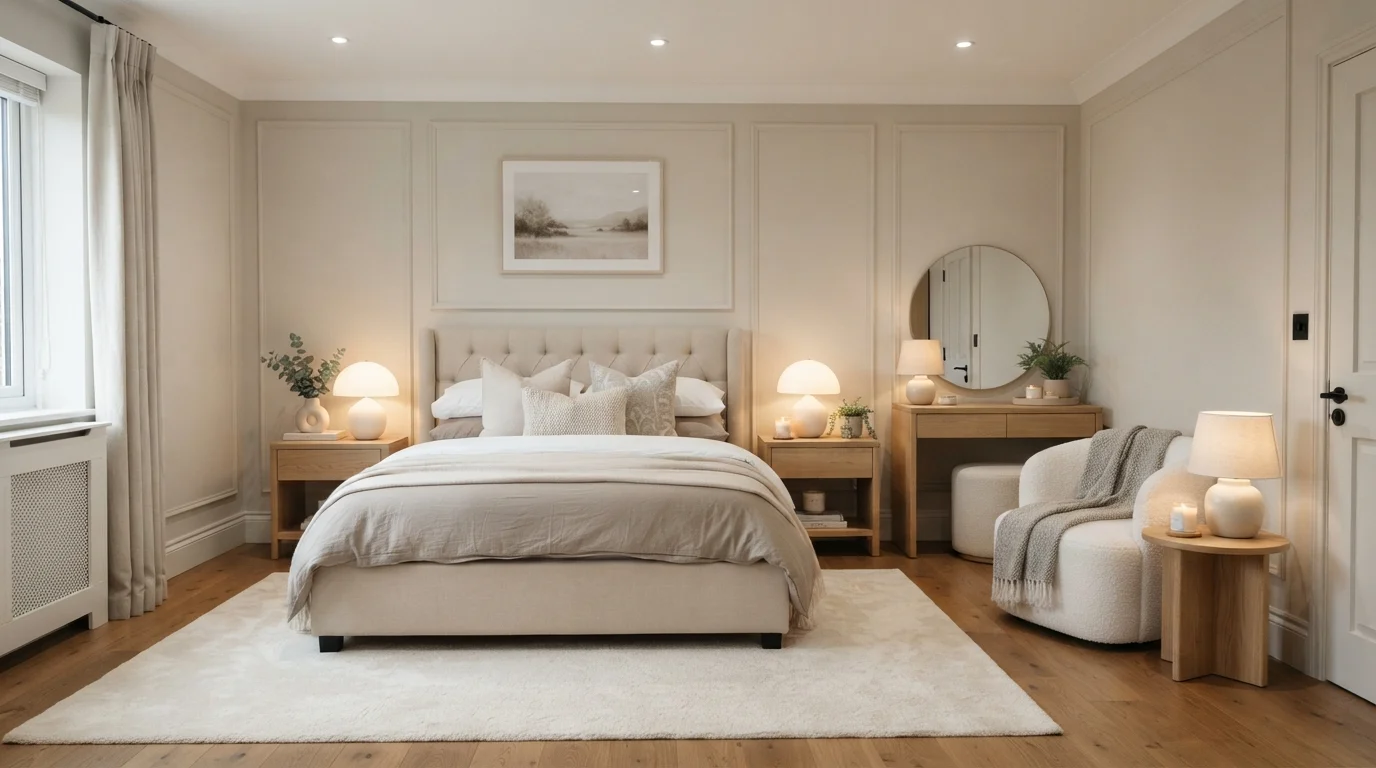
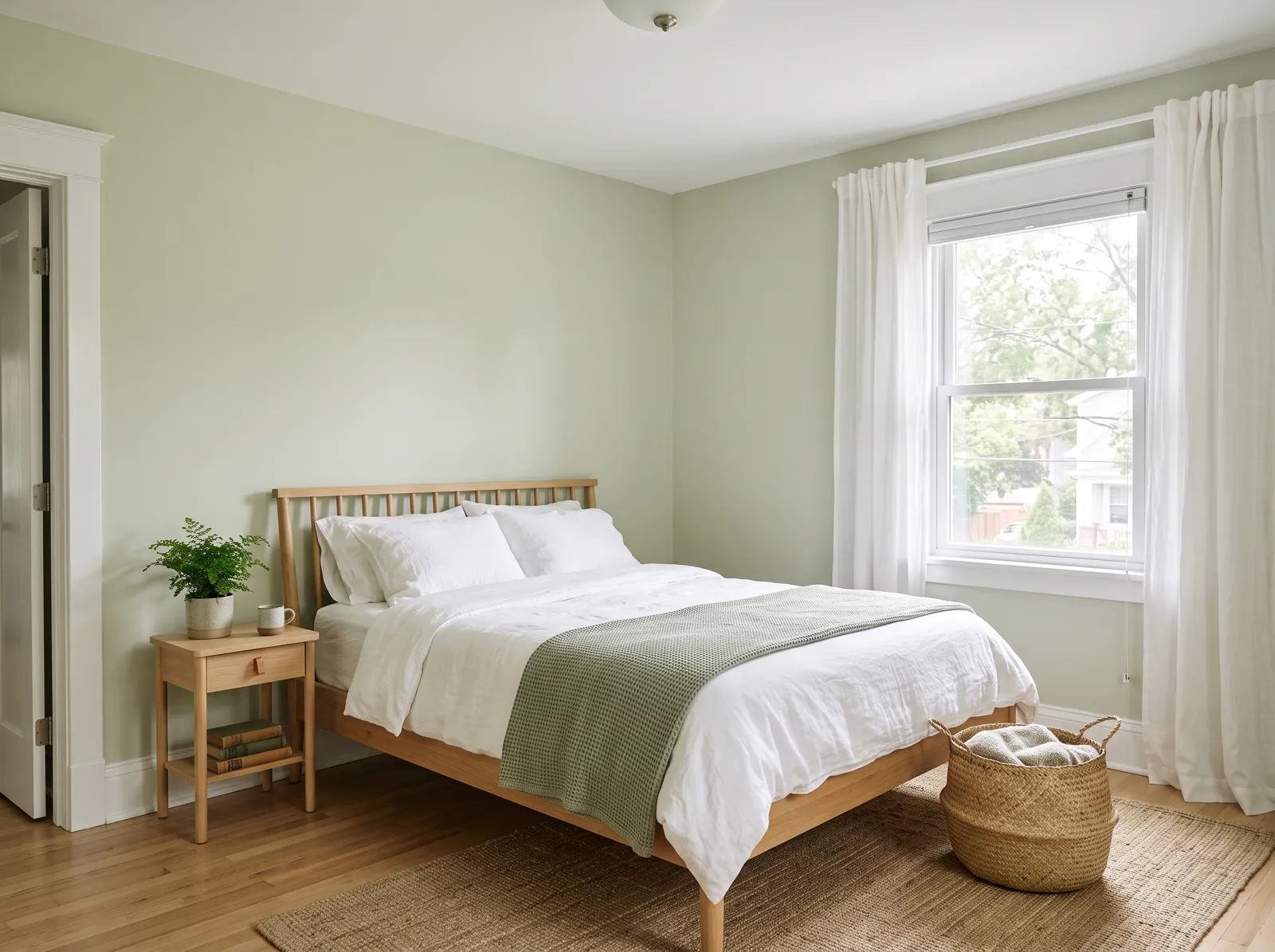
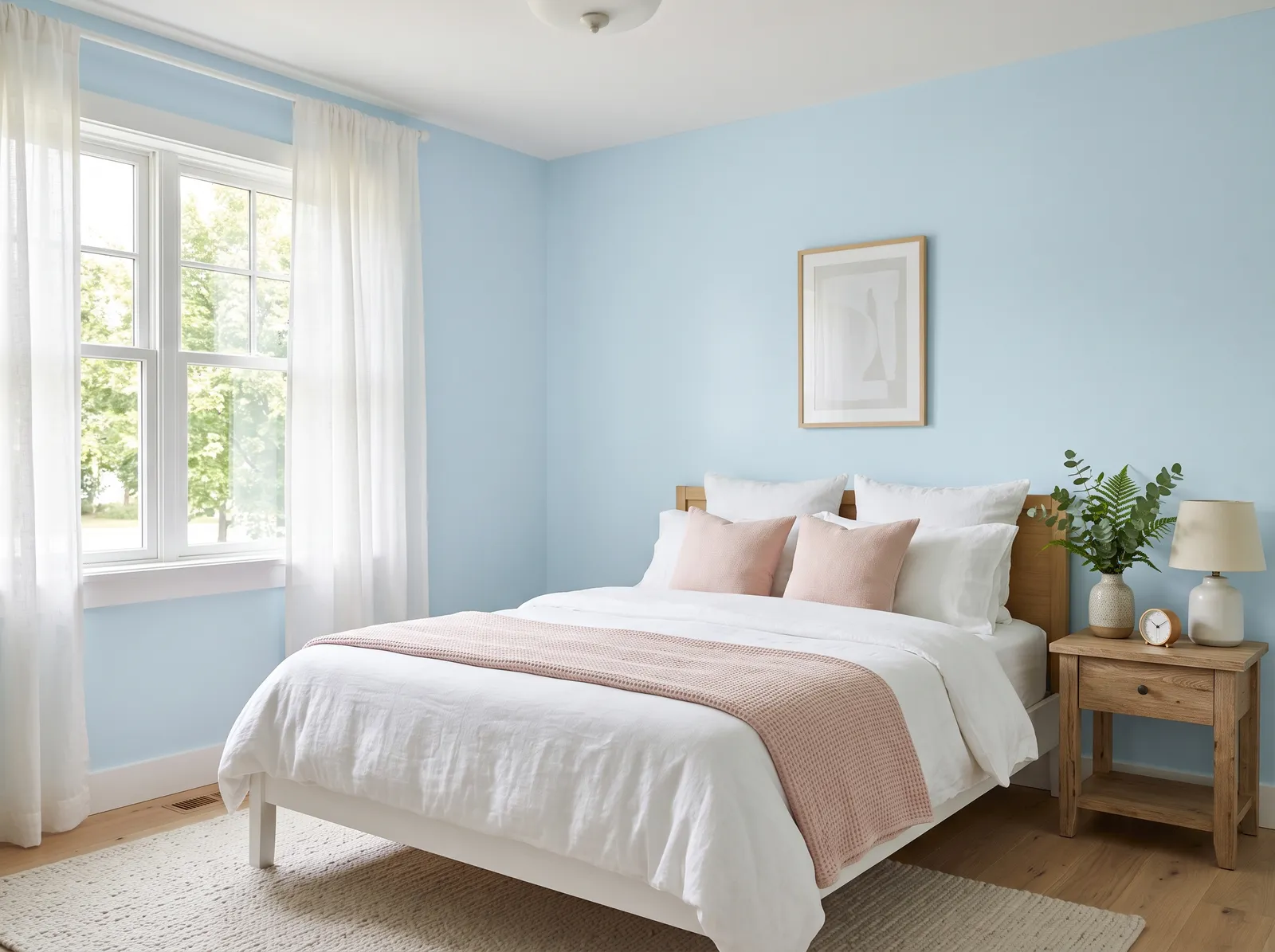
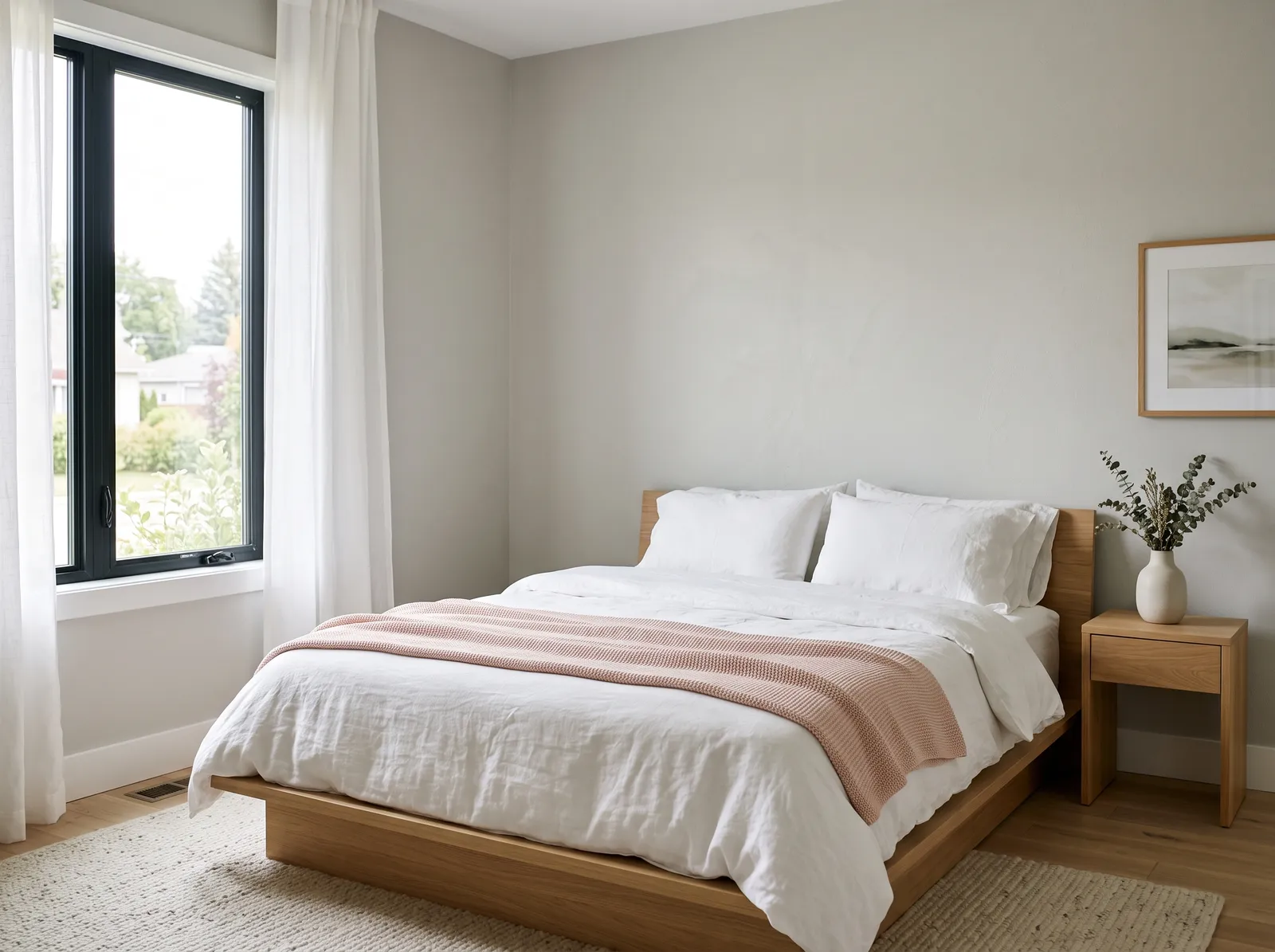
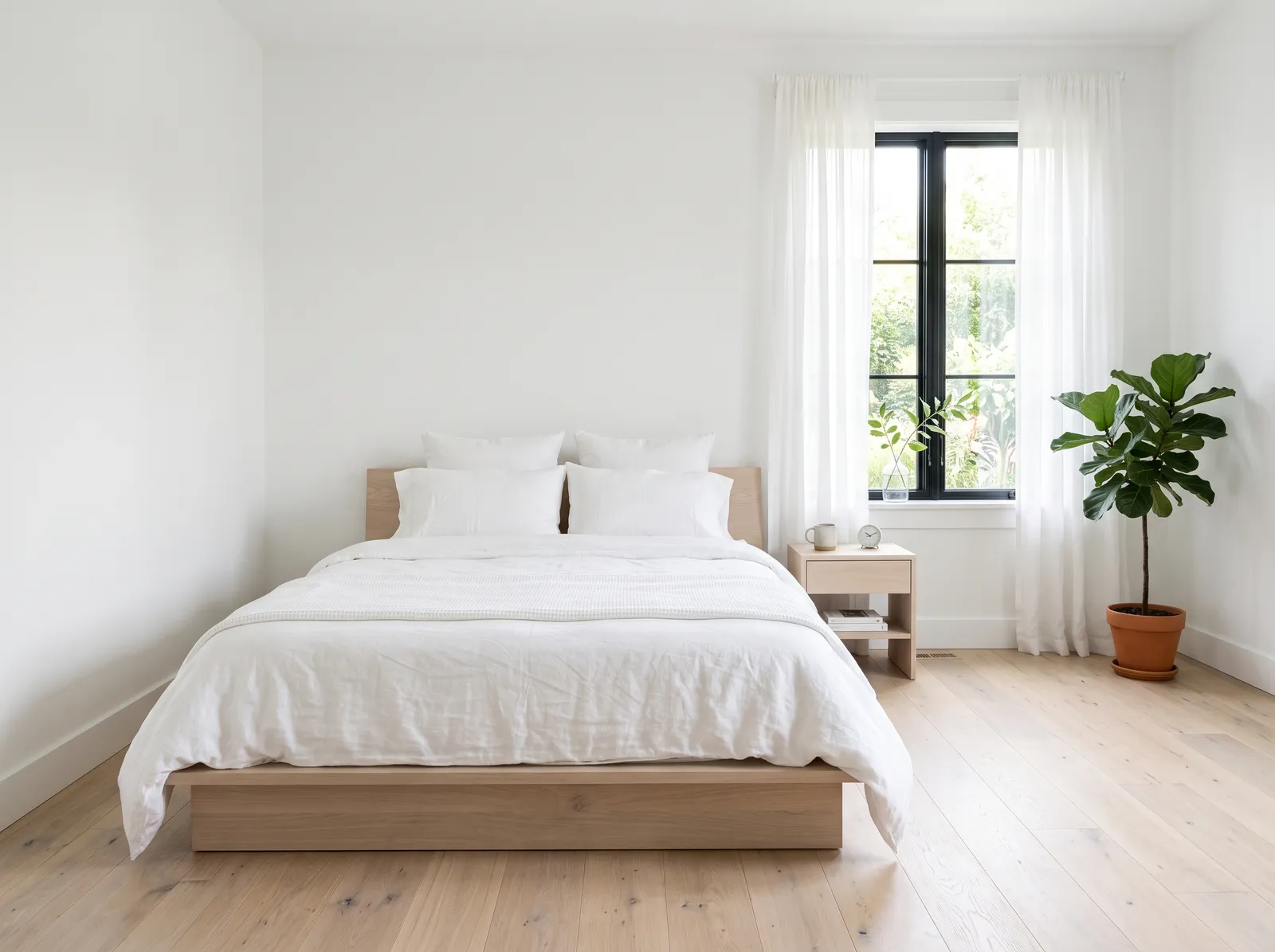
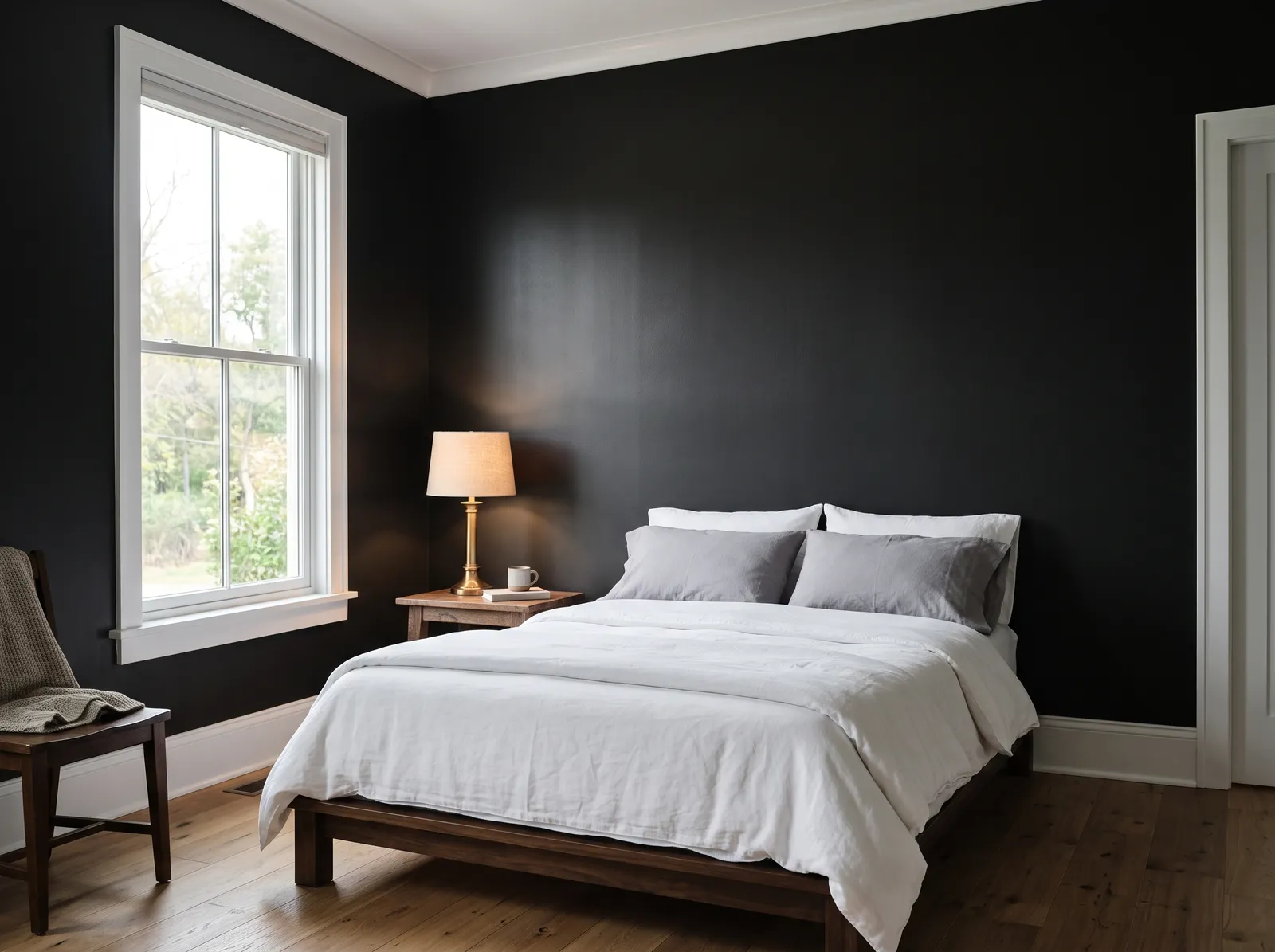
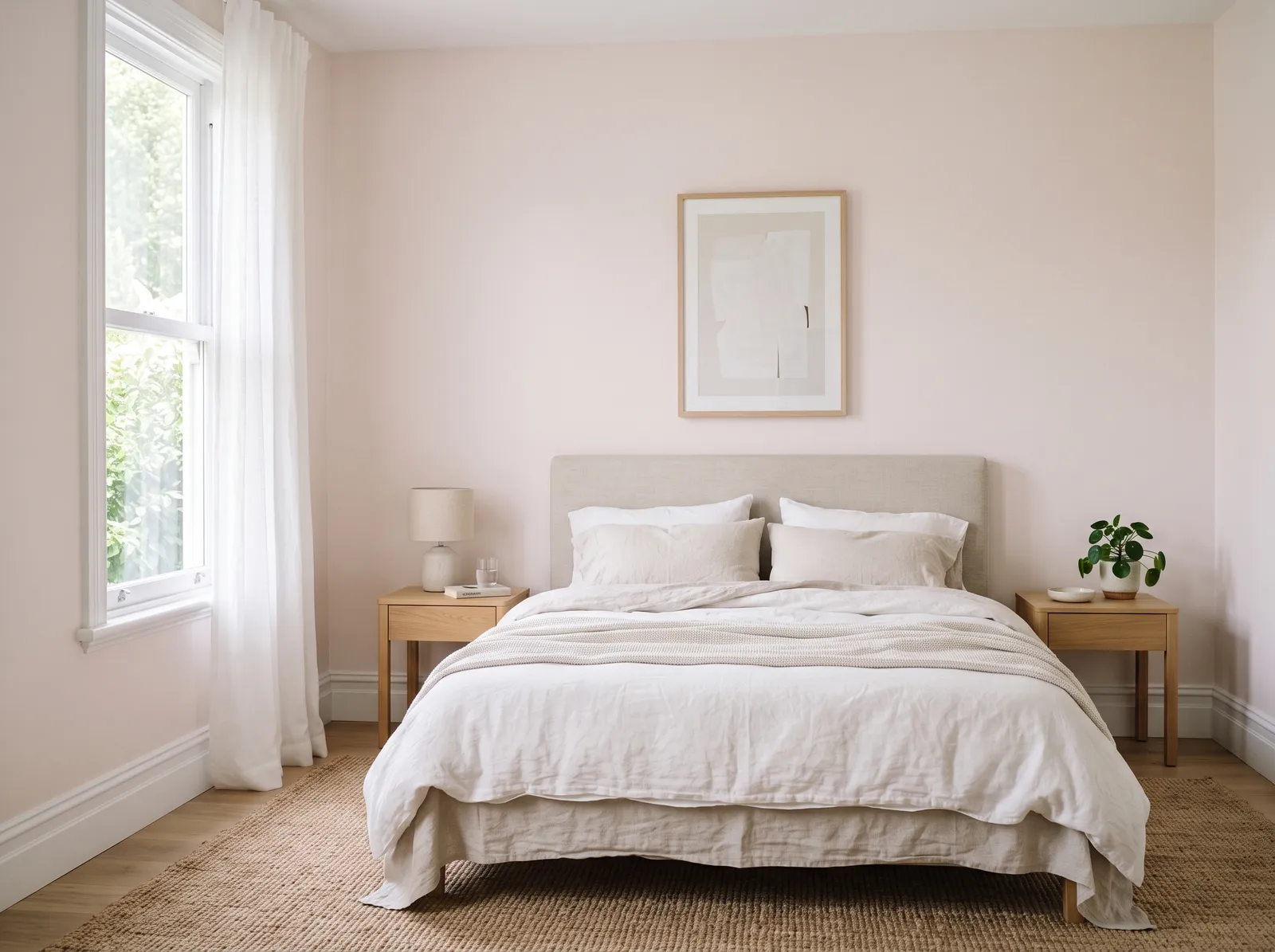
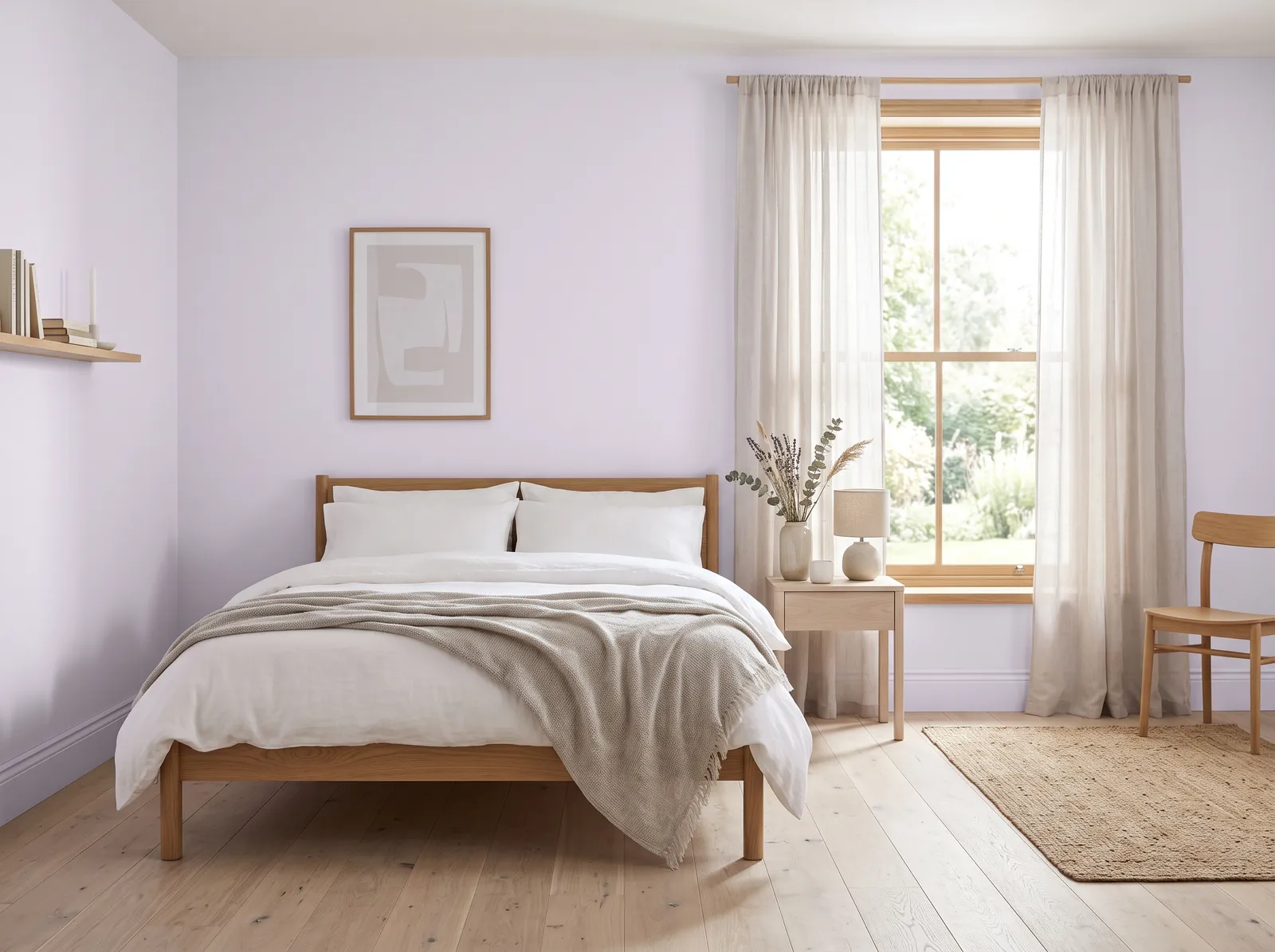
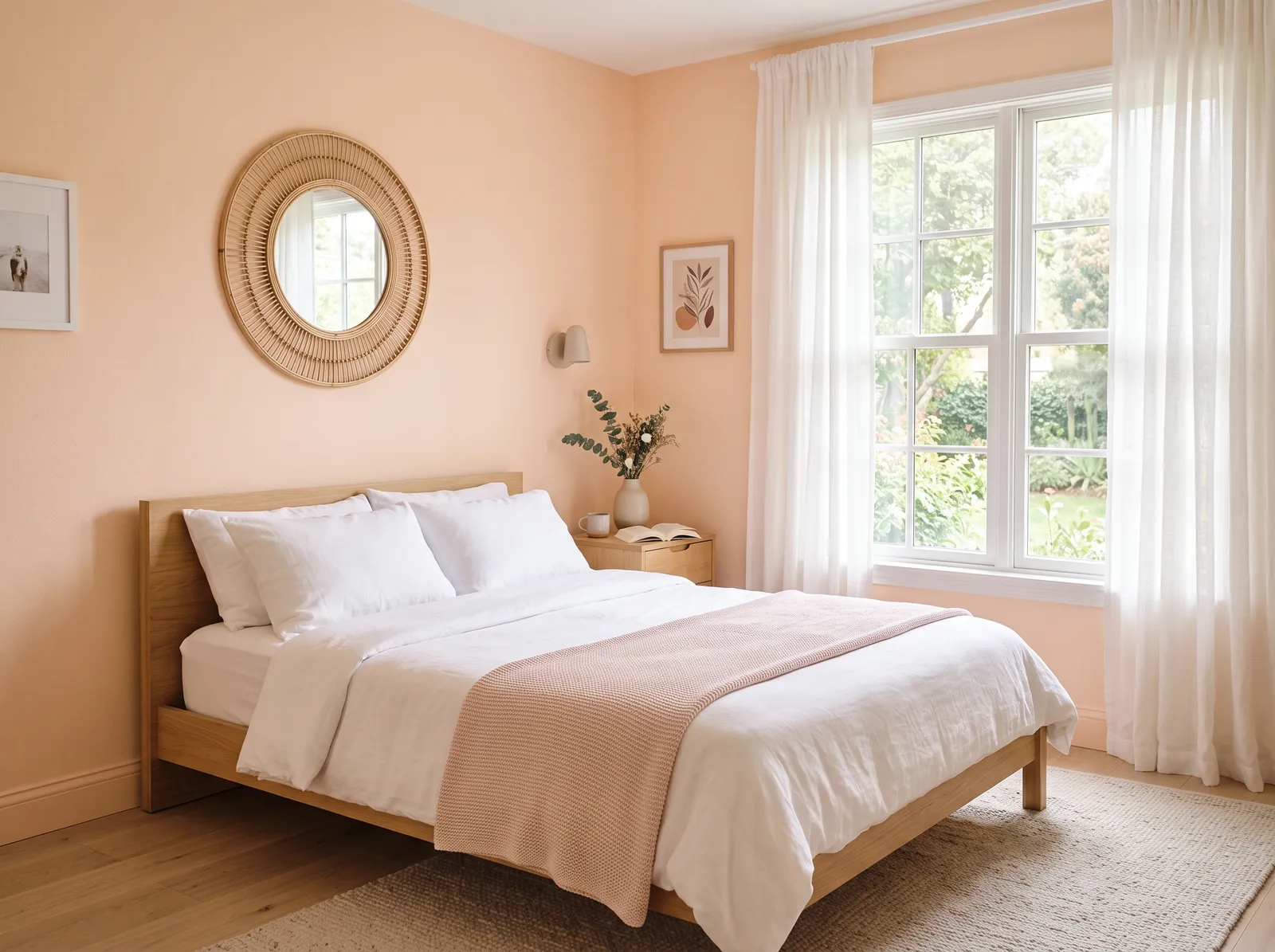
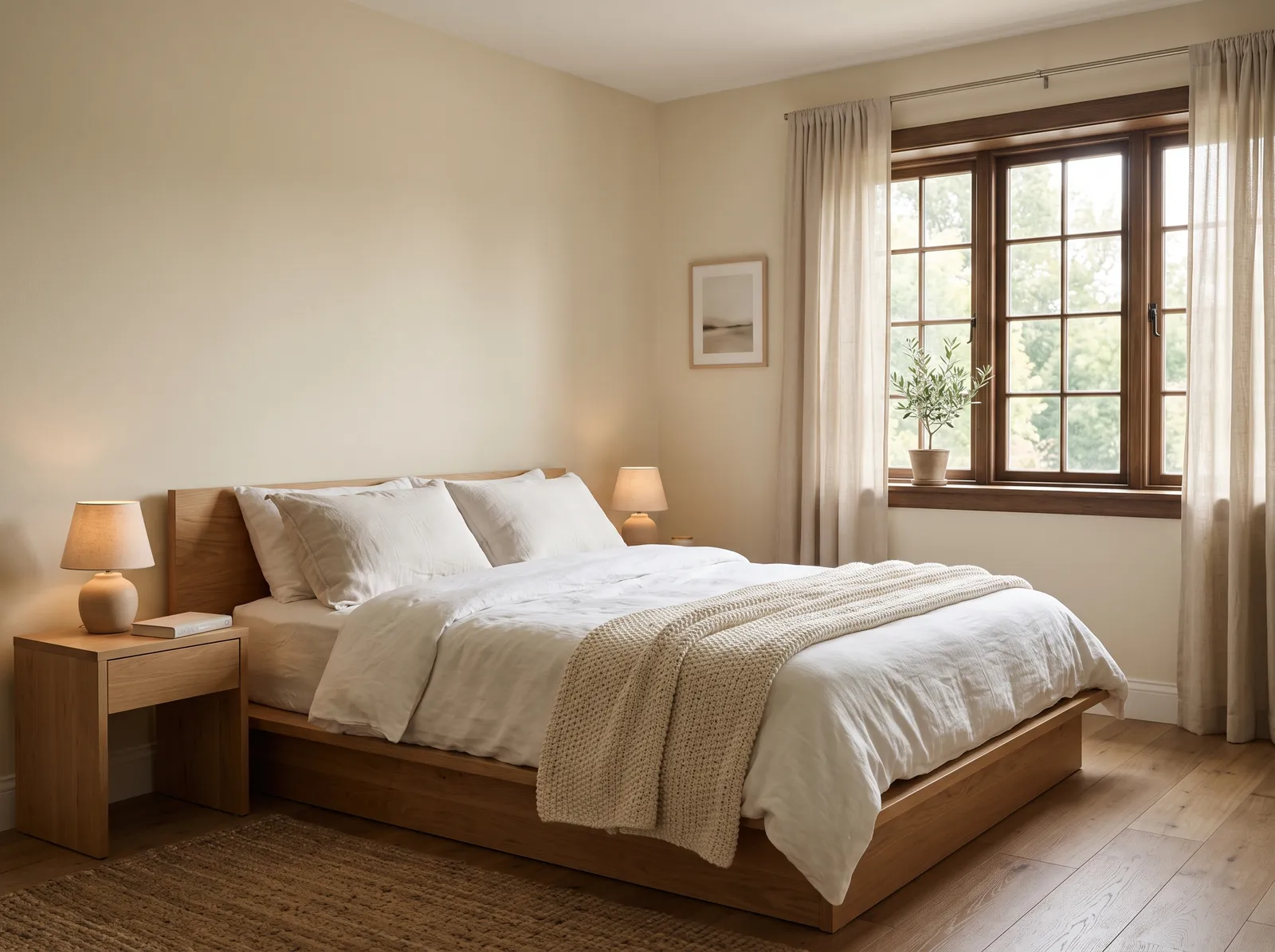
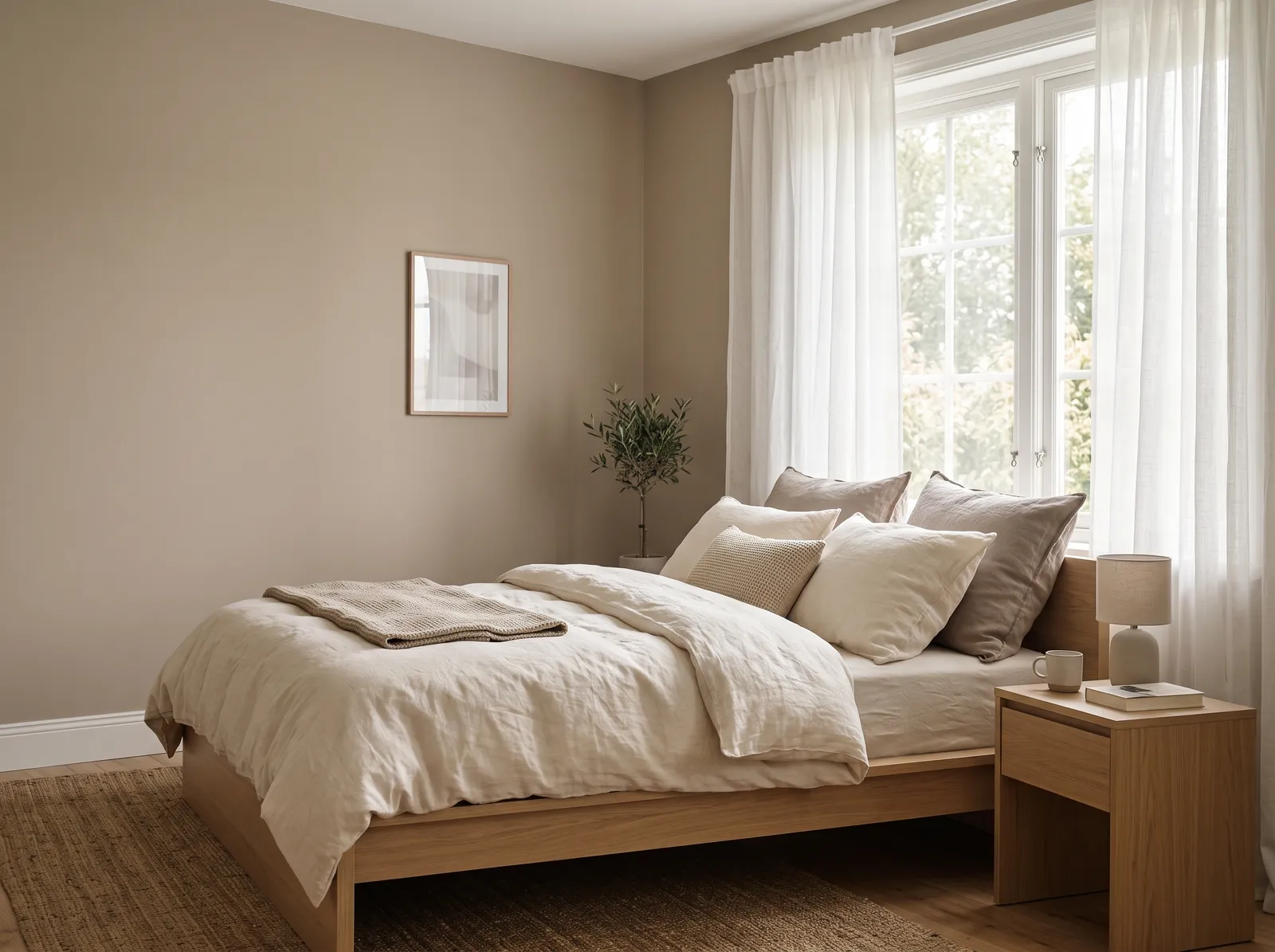
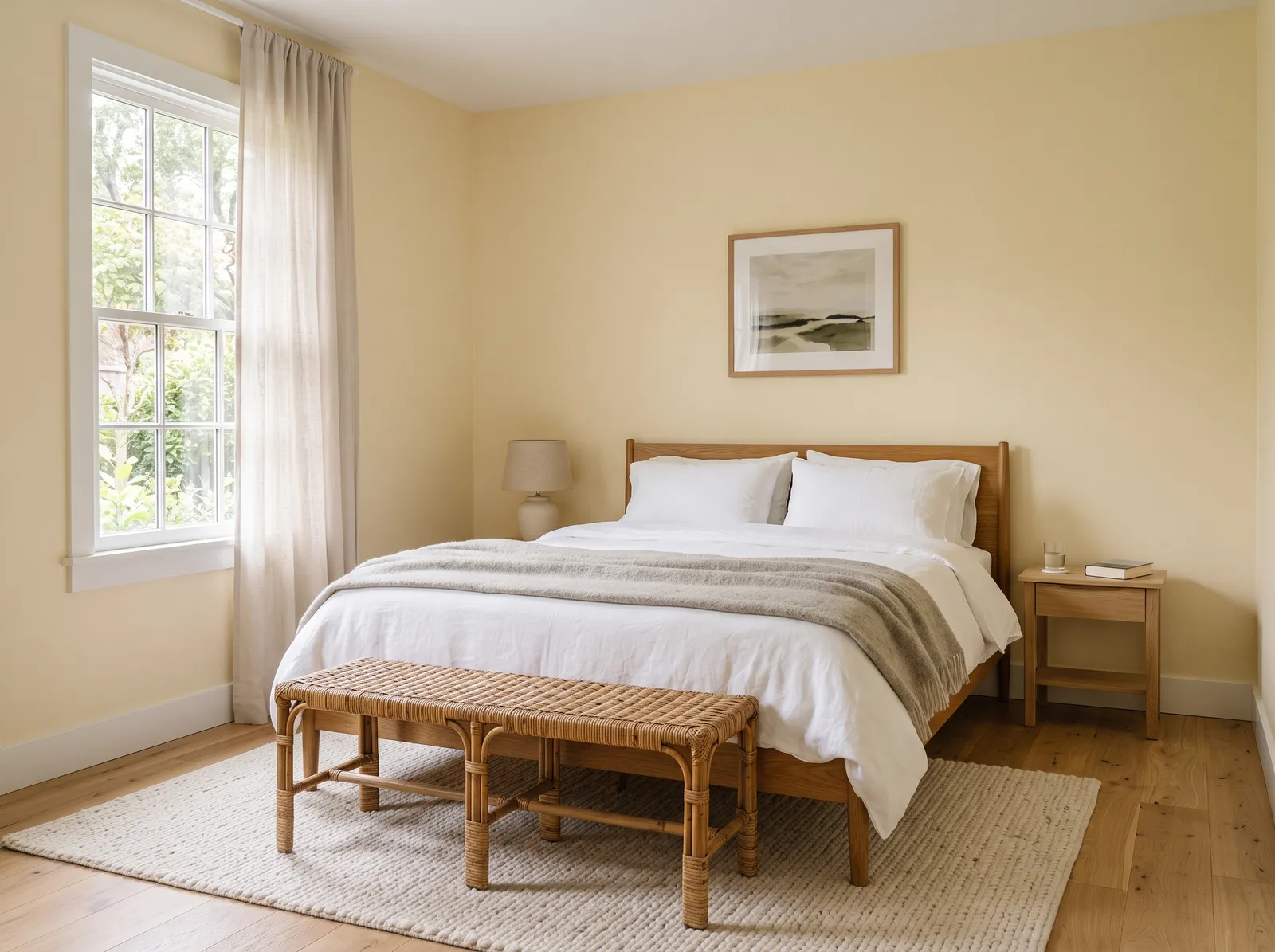
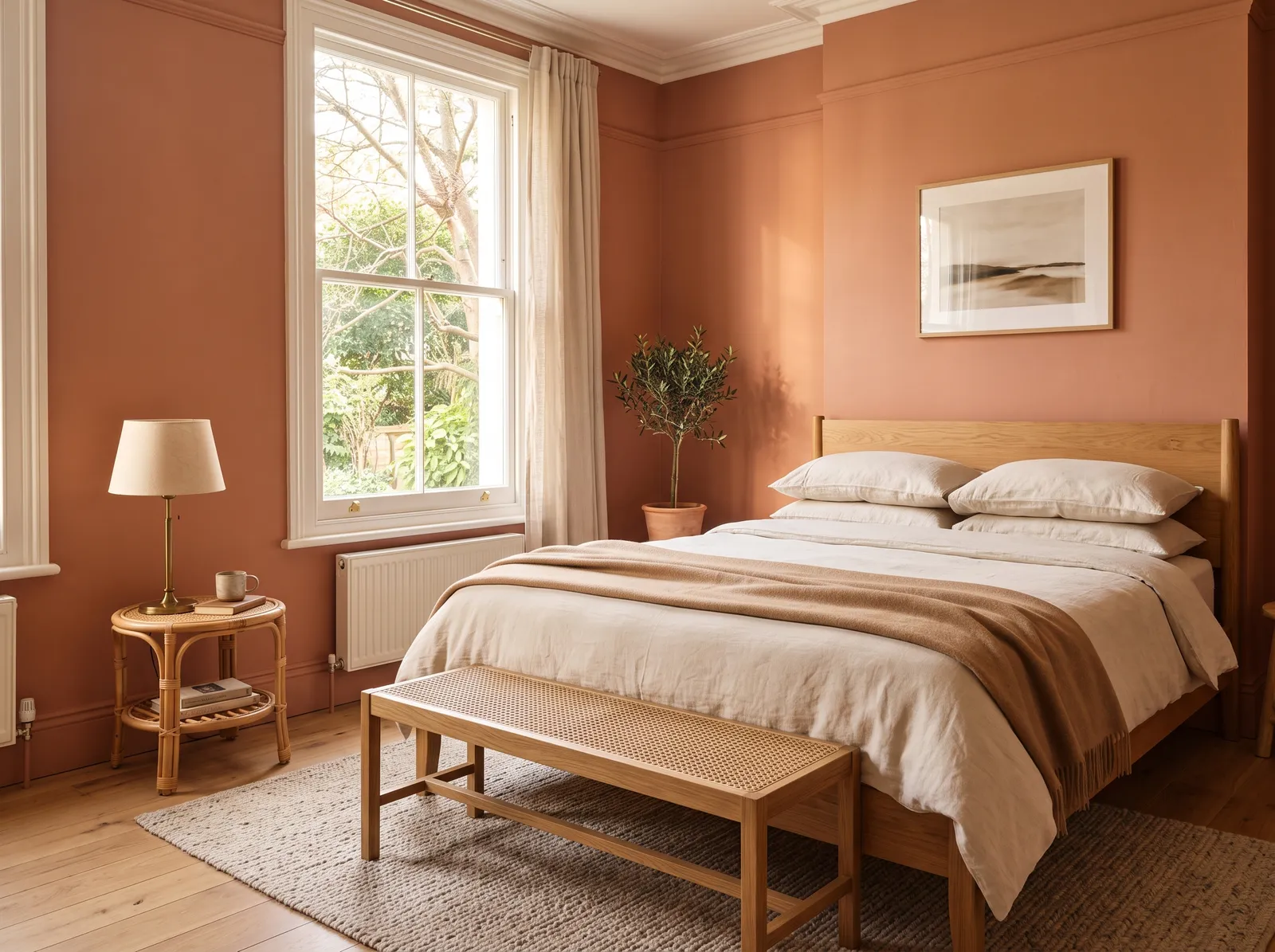
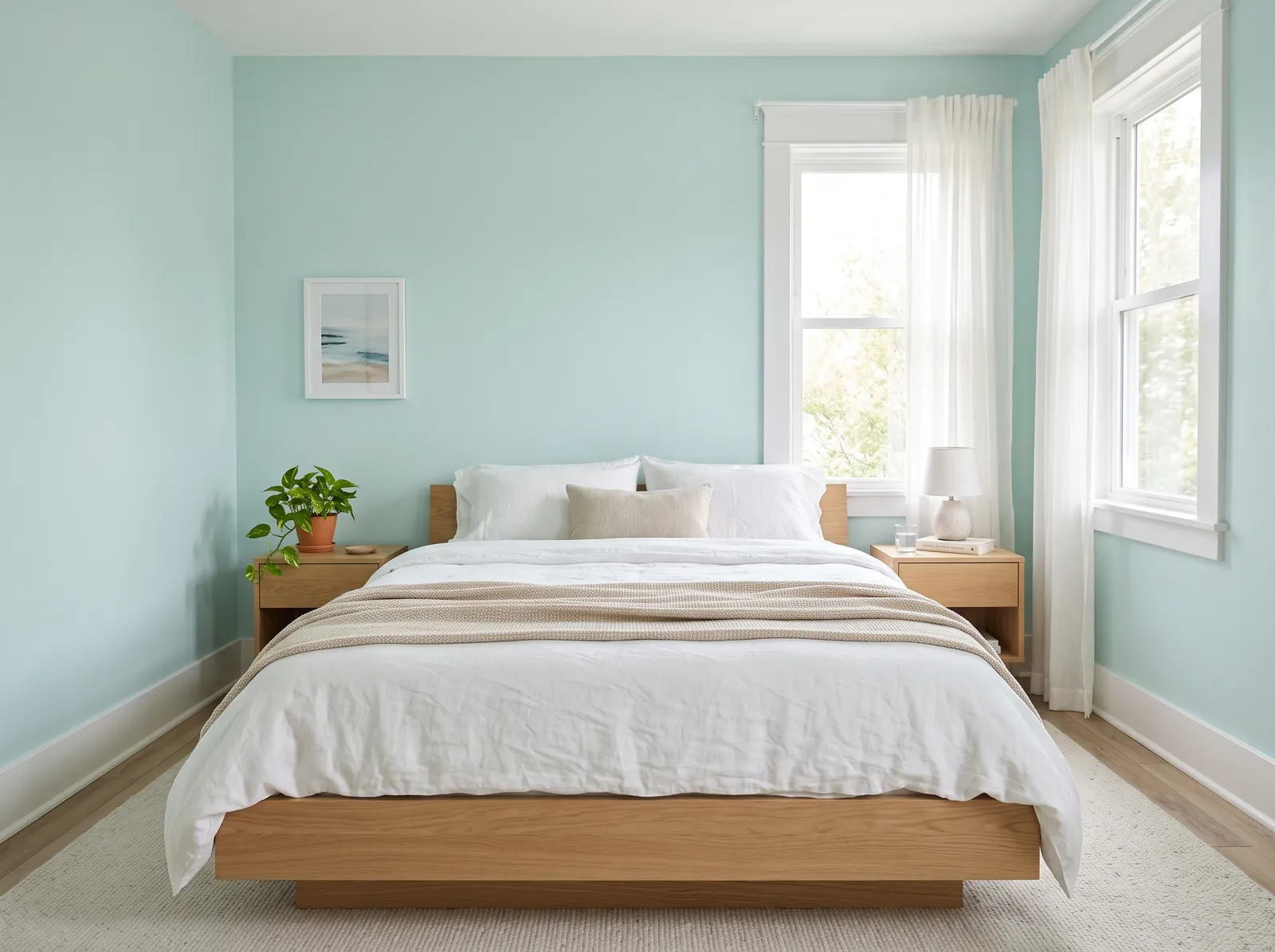
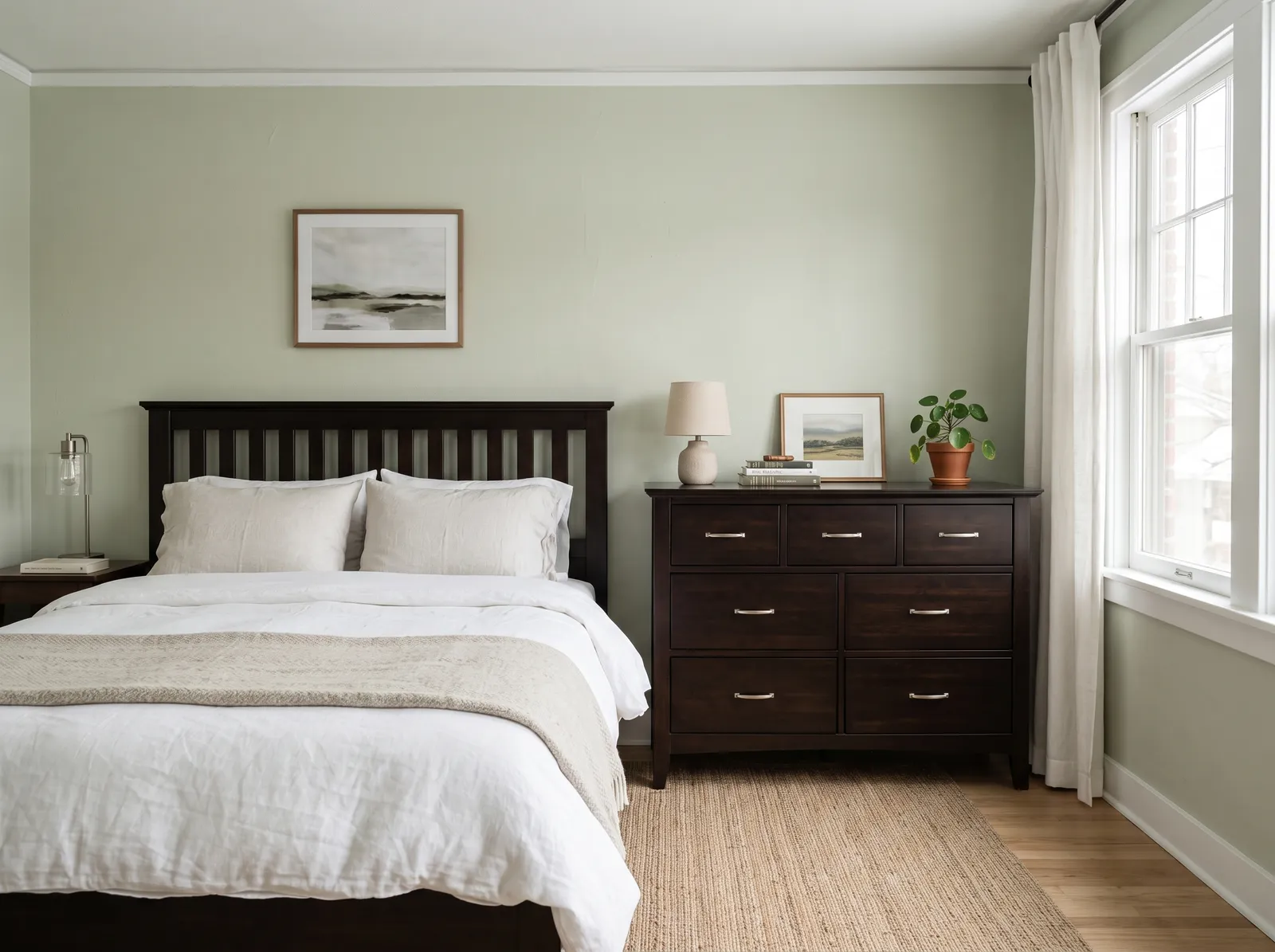
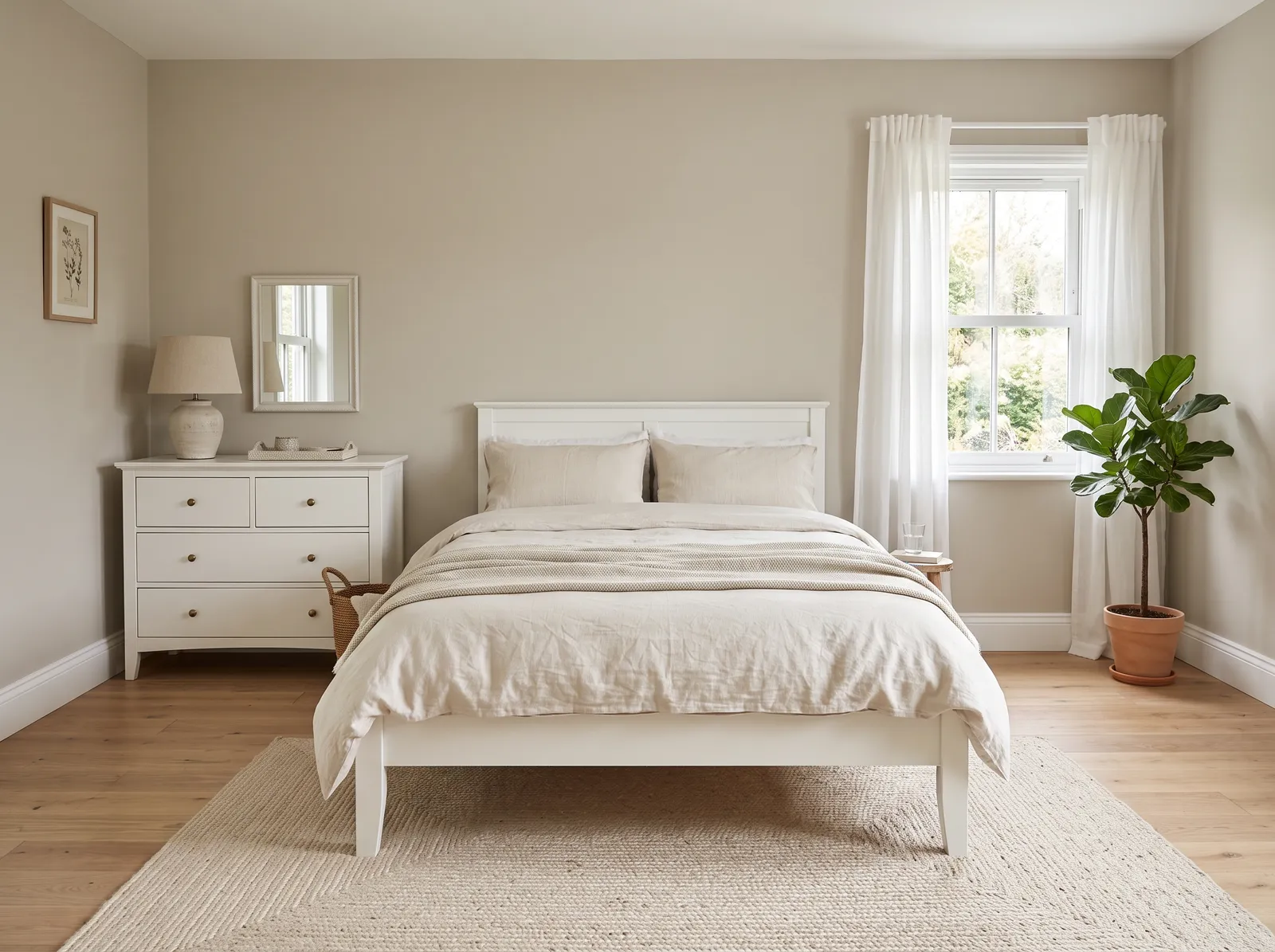
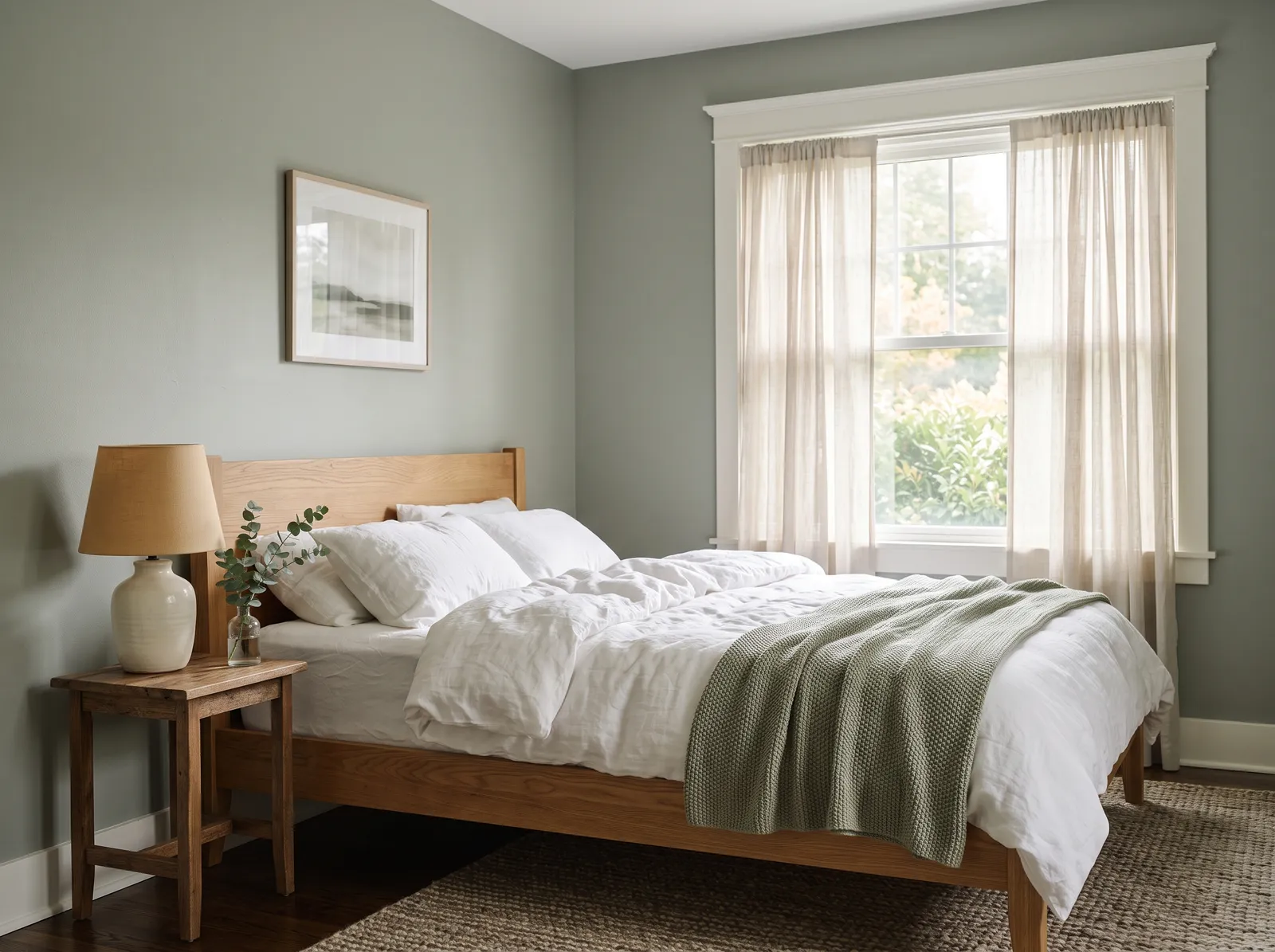
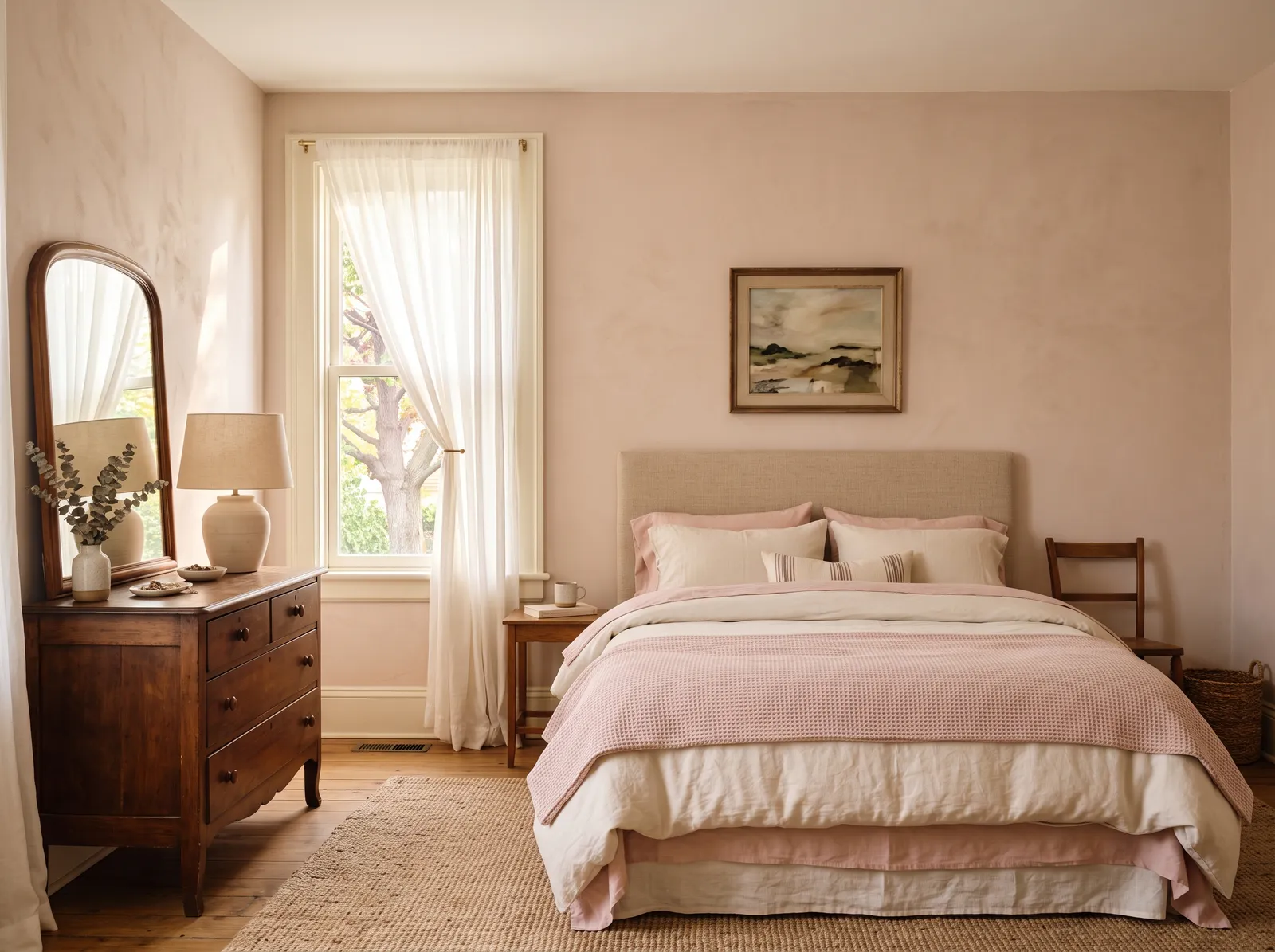
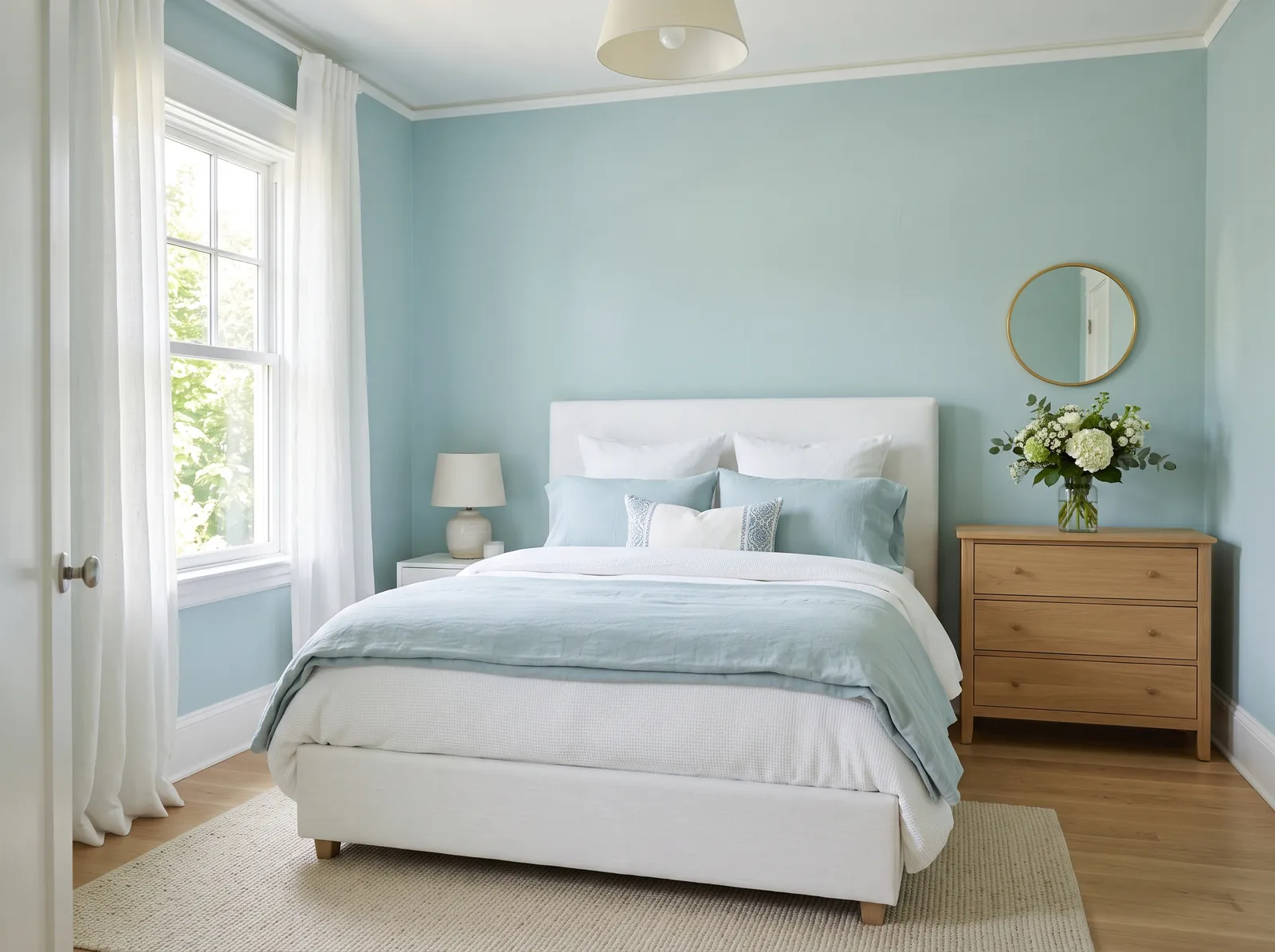
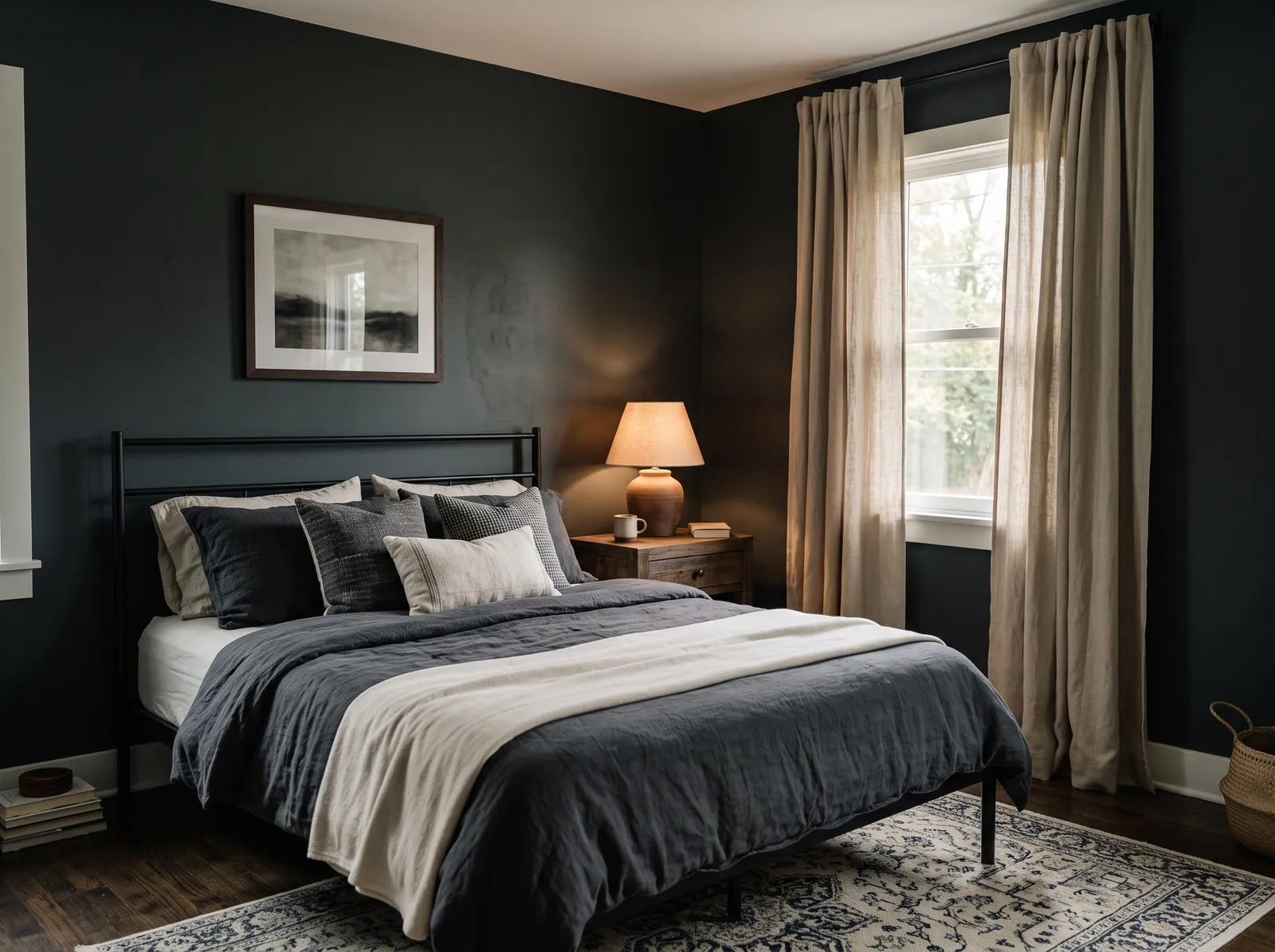
Editor's Picks: Neutral for Bedrooms
4 picks30 Neutral Picks Across the LRV Range
30 of 4,152 · sorted dark → lightLooking for more? All neutral → covers every brand; brand × family pages show full decks.
Neutral Bedroom Colors at Every US Brand
21 brands · up to 10 picks eachUp to 10 picks per brand spread across the neutral LRV range, drawn from each brand's full deck. Tap any swatch with a curated guide for full spec; tap the brand title for the brand's complete neutral deck.
Behr
Benjamin Moore
Glidden
Sherwin-Williams
Valspar
PPG / Glidden
HGTV Home by Sherwin-Williams
Dunn-Edwards
Diamond Vogel
Hirshfield's
Kompozit
Dutch Boy
C2 Paint
Rodda
Farrow & Ball
Magnolia Home
Portola Paints
Clare
Annie Sloan
Backdrop
Rust-Oleum
Other Bedroom Color Families
Neutral Colors in Other Rooms
Neutral Paint Colors for a Bedroom
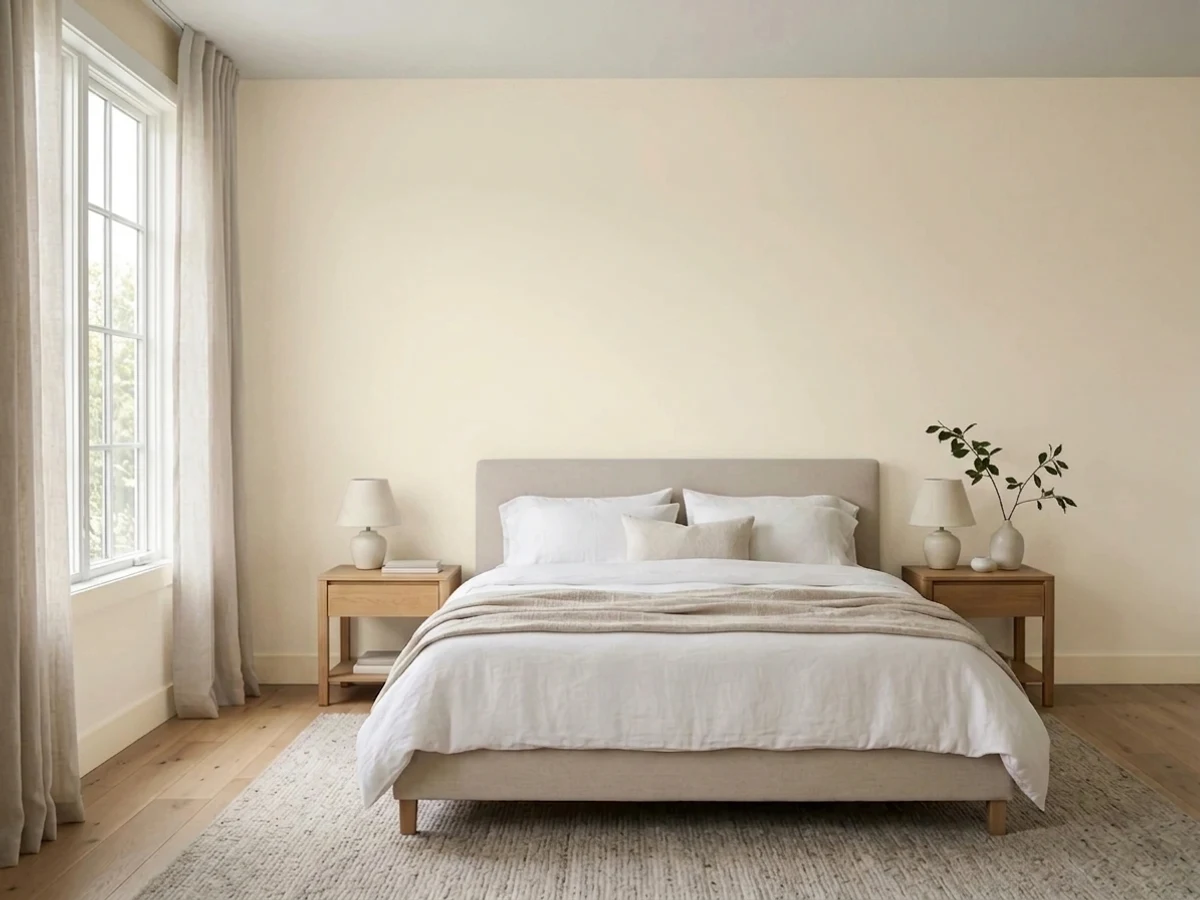
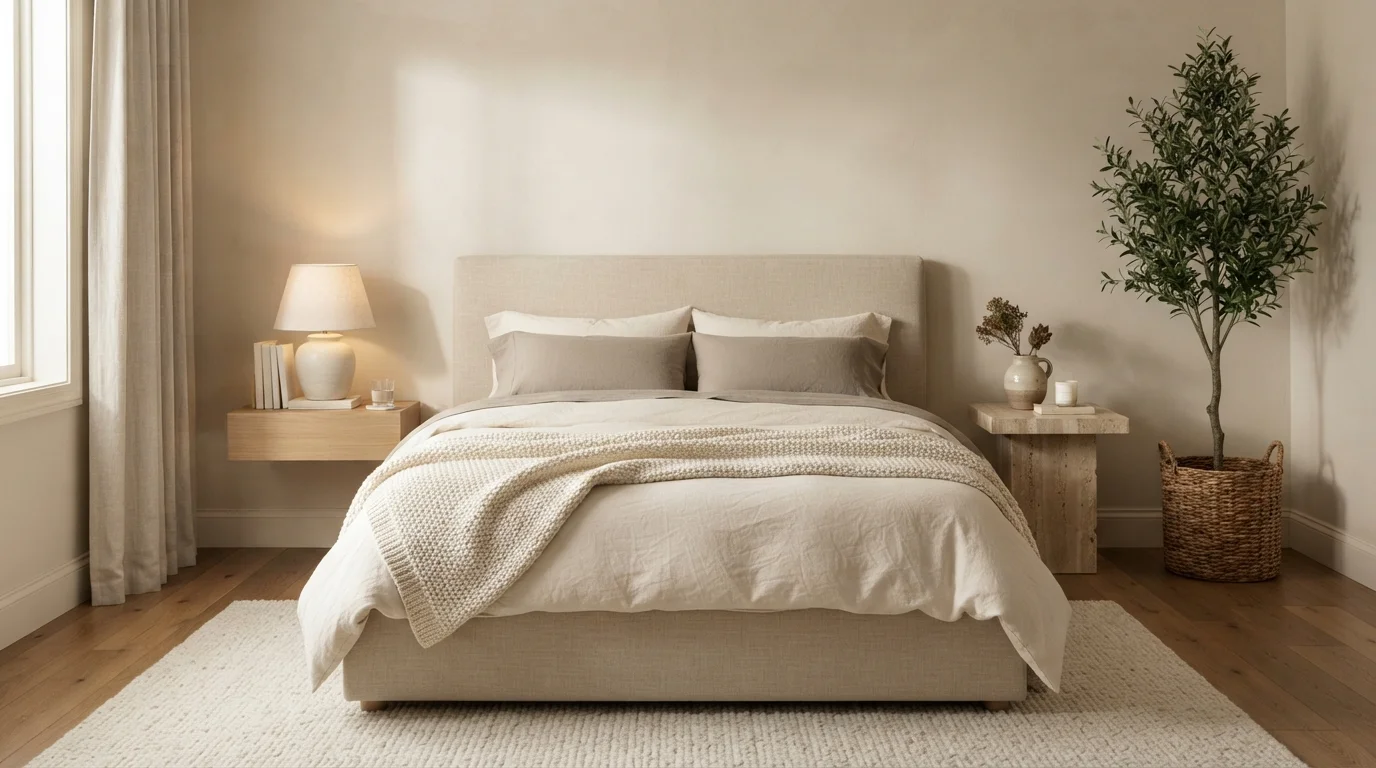
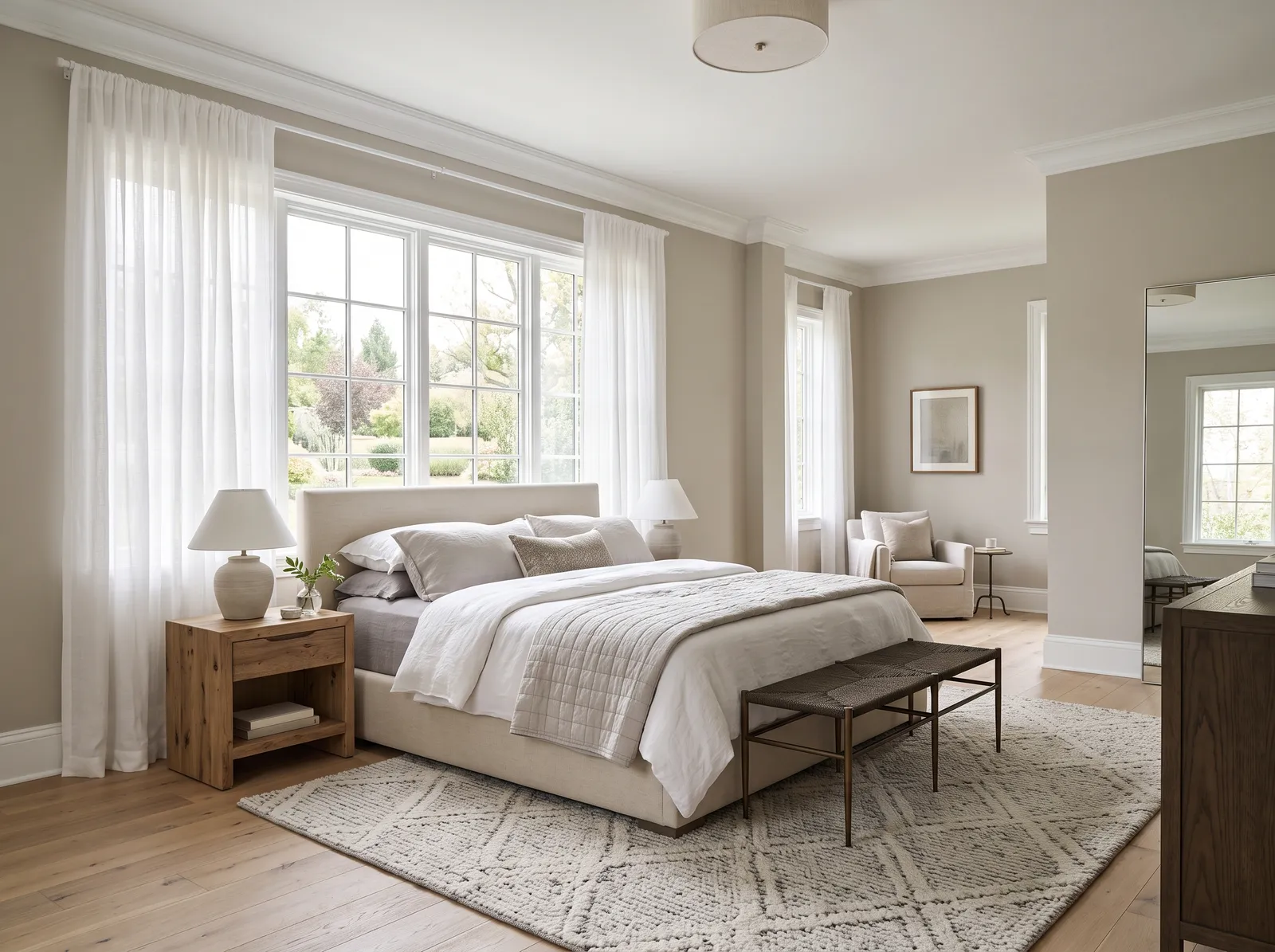
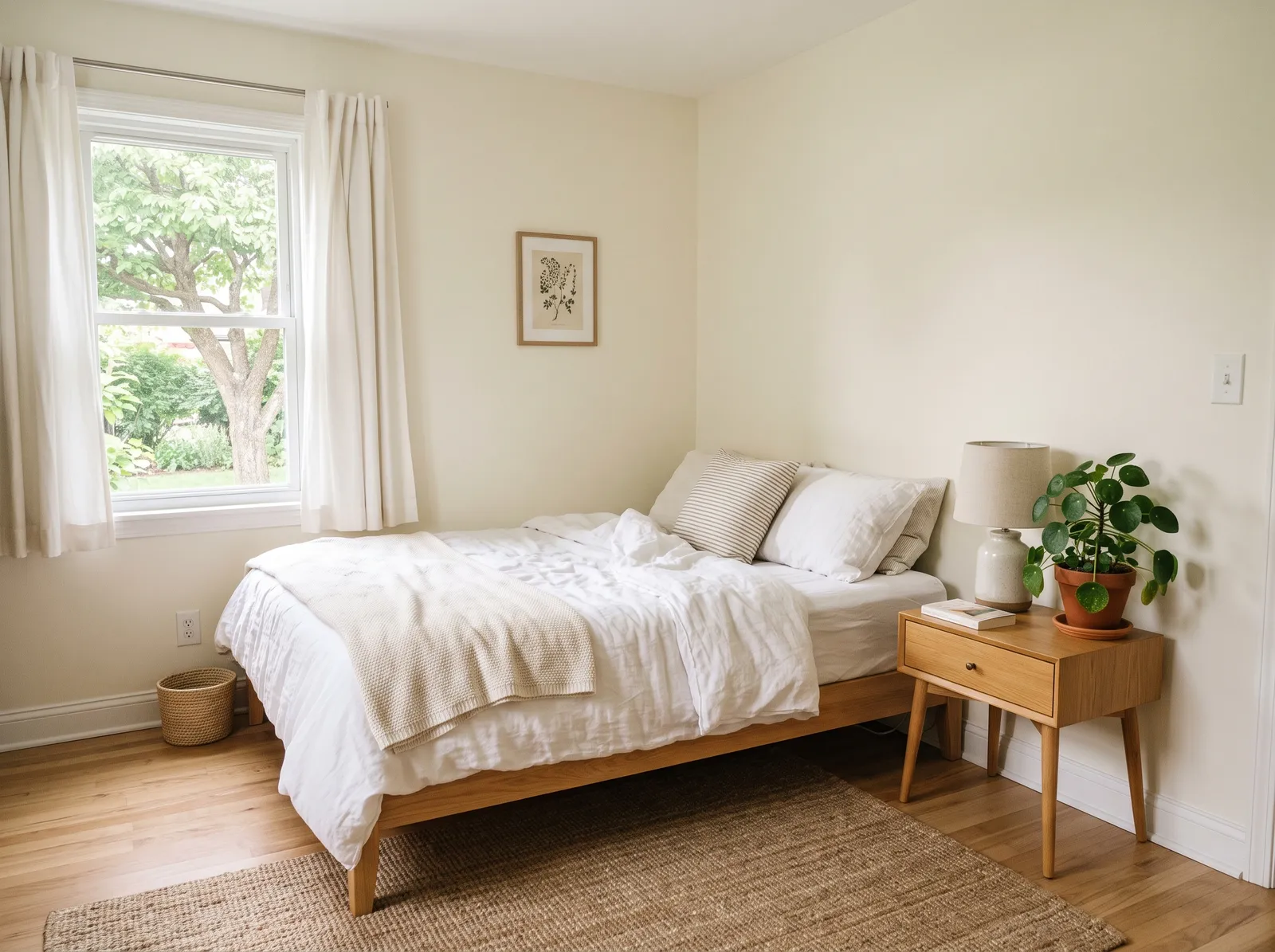
A bedroom is the one room where you actually live with the walls in low light. You see them at dawn, at dusk, and under a single warm lamp at night, far more than you ever see them in bright midday sun. Neutral paint earns its place here because it does the quiet thing a bedroom needs: it calms the room down, lets you sleep, and never fights the bedding, the rug, or the wood you already own.
That same quietness is the trap, though. A neutral that reads soft and creamy in the store can turn flat gray or cold green once it is on four bedroom walls with the curtains drawn. The fix is not picking a "better" neutral, it is matching the depth and the undertone to how your specific bedroom is lit. Below is how to choose, what finish to use, and how to keep the whole room feeling restful instead of washed out.
Why Neutral Works In A Bedroom
A bedroom is for winding down, and neutral walls give your eyes nothing to argue with at the end of the day. They recede instead of grabbing attention, which is exactly what you want in the room where you sleep. You also change a bedroom often, new bedding, a different throw, a kid growing up, and a neutral wall goes with all of it without a repaint.
The thing to watch is undertone, because a bedroom spends most of its hours in dim, warm light. A neutral with a cool blue or green base can drift gray and chilly after sunset, which makes the room feel less restful, not more. Lean toward neutrals with a soft warm base, greige, warm gray, or a gentle off-white, if you want the room to feel cozy when the lamps are the only light.
Picking The Right Depth For Your Light
LRV, light reflectance value, is the single number that tells you how light or dark a color is, from near 0 (black) to near 100 (pure white). For most bedrooms a neutral in the high 50s to low 70s LRV is the sweet spot, light enough to feel airy but with enough body that the walls do not look washed out at night. Go below the mid 40s only if you actually want a darker, cocooning bedroom and you have enough light to carry it.
Let the room's light steer the depth. A bedroom with big north-facing or shaded windows gets cool, flat daylight, so a warmer neutral with a slightly higher LRV keeps it from feeling dim and gray. A bright south- or west-facing bedroom can take a deeper, more saturated neutral without going cave-like, because the strong light gives it back the brightness.
The Right Finish For Bedroom Walls
Bedrooms are low-traffic and low-moisture, so you do not need a scrubbable, high-shine finish here the way you would in a kitchen or bath. A matte or eggshell sheen is almost always right: it hides wall imperfections, drinks up glare, and gives the soft, chalky look that makes a neutral feel calm. Flat or matte is especially kind to older walls and to that soft morning light hitting the wall beside a window.
Save the shine for the parts that take abuse. Trim, baseboards, and doors do better in a satin or semi-gloss because hands, vacuums, and furniture nick them, and a slightly glossier finish wipes clean. If anyone in the room has allergies or you just want to be able to wipe a smudge, a quality eggshell on the walls is the easy compromise, a little washability without the bedroom looking like a hallway.
Pairing With Trim, Ceiling, And Wood
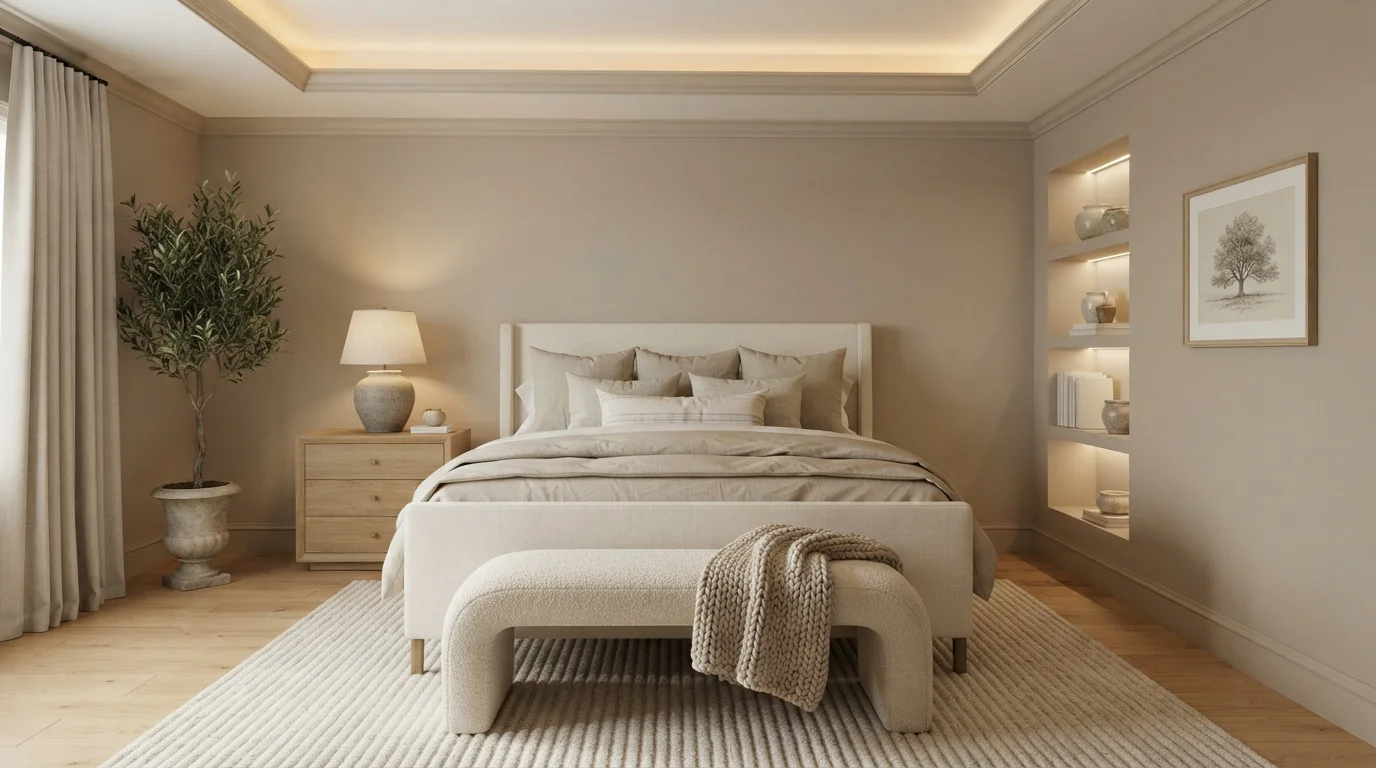
The simplest, most restful look is a tight tone-on-tone scheme: a soft neutral on the walls with the trim and ceiling a shade or two lighter in the same warm family. Crisp bright-white trim against a warm neutral can look sharp and modern, but in a bedroom that contrast can feel a touch busy, so a softer white often sits better. Painting the ceiling a hair lighter than the walls, rather than stark white, keeps the room feeling enclosed and quiet.
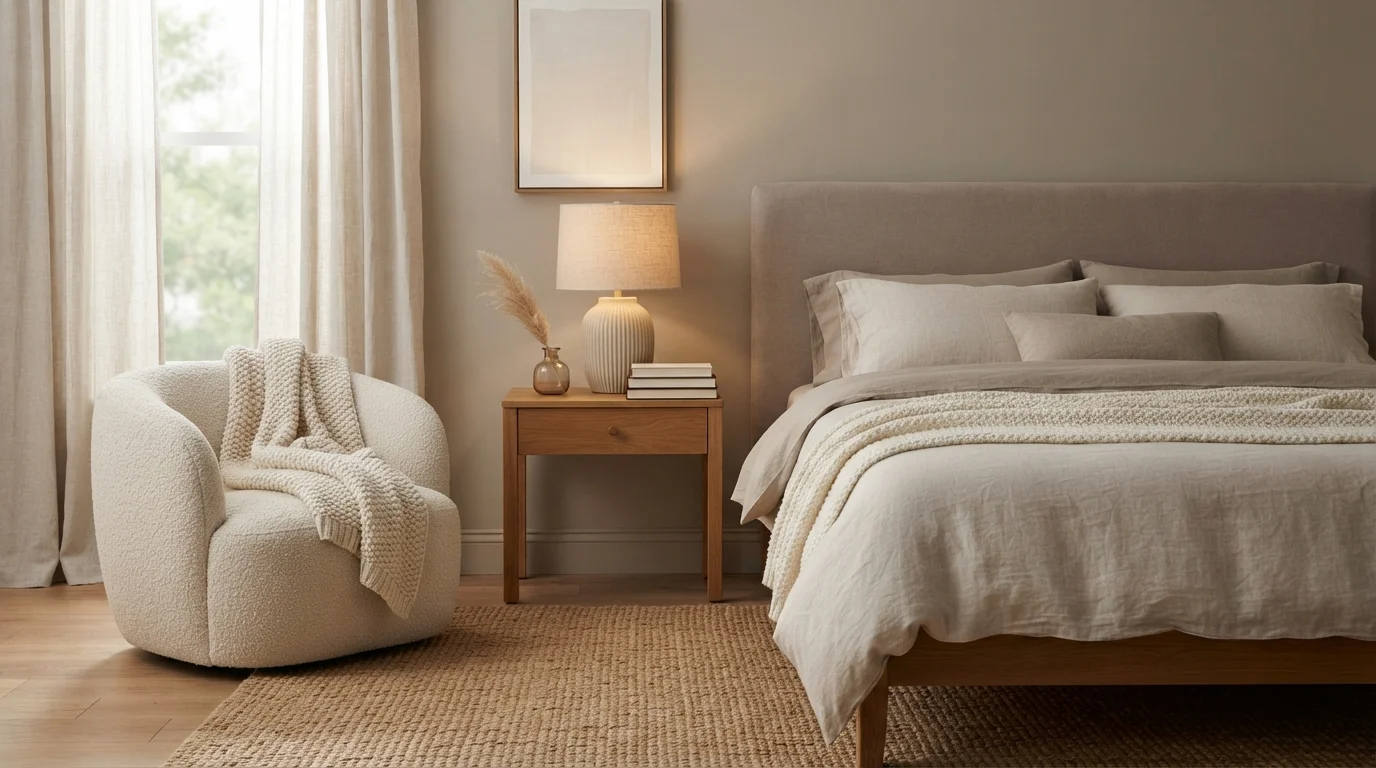
Let the wood and metal you already own pick the undertone. Warm oak or walnut furniture and brass or bronze fixtures love a greige or warm-gray wall, while cooler wood tones and nickel or chrome sit better with a more neutral-to-slightly-cool gray. Bedding is the easiest place to add color, so let the walls stay the calm backdrop and bring the personality in with pillows, a headboard, or a rug.
Common Mistakes To Avoid
The biggest one is judging the color on a tiny chip under store lighting. Paint a large swatch, or a peel-and-stick sample, on two different walls and look at it at night with your actual lamps on, because that is when you live in a bedroom. The second mistake is going too light to be safe, which often lands on a cold, flat off-white that feels more like a rental than a retreat.
Watch out for too much contrast and too many competing neutrals. Stark white trim, gray walls, and a beige carpet can read as three colors fighting instead of one calm scheme. Pick one undertone, warm or cool, and keep the walls, trim, ceiling, and big soft furnishings all leaning the same way.
Neutral Bedroom Paint — Frequently Asked Questions
What is the best neutral color for a bedroom?+
There is no single best one, but a warm neutral, a soft greige or warm gray in the high 50s to low 70s LRV range, suits most bedrooms. It stays calm and cozy in the low, warm light you actually use a bedroom in. Match the undertone to your wood and bedding, then test it on the wall before committing.
What sheen should I use for bedroom walls?+
Use a matte or eggshell finish on bedroom walls. It cuts glare, hides small wall flaws, and gives the soft look that makes a neutral feel restful. Save satin or semi-gloss for the trim and doors, which get touched and scuffed and need to wipe clean.
Will a neutral make my bedroom feel cold or boring?+
It can if you pick a cool, blue-or-gray-based neutral and pair it with stark white everything. To keep it warm and inviting, choose a neutral with a soft warm undertone and add texture and color through bedding, a rug, and a headboard. The walls stay quiet on purpose so the soft things in the room carry the comfort.
How does my bedroom's light change the neutral I should pick?+
North-facing and shaded bedrooms get cool, flat light, so a warmer neutral with a slightly higher LRV keeps the room from feeling gray and dim. Bright south- or west-facing rooms can handle a deeper, richer neutral without going dark. Always check your sample at night under your lamps, since that is when most of the room's hours happen.
Should the bedroom ceiling match the walls?+
A ceiling painted a shade or two lighter than the walls, in the same warm family, makes a bedroom feel enclosed and calm. A stark bright-white ceiling can feel a little harsh over a soft neutral wall. Keeping them in the same undertone reads as one quiet, finished room.
Are the colors shown here actual products I can buy?+
Yes. Every neutral shown is mixed to order at the paint counter, so you are choosing a real, buyable color, not just inspiration. Because the tint is mixed on demand, a shade you like from one brand can usually be cross-matched to a close equivalent in another, so you can shop on price or whatever store is closest.