Neutral Kitchen Paint Colors
4,152 neutral colors that work in kitchens, drawn from the full ~30,000-color US paint deck. Below: editor's picks specific to kitchens, then 30 picks spread across the LRV range — narrow further on the brand page when you've shortlisted.
Neutrals are the colors that aren't quite gray and aren't quite tan — the warm, low-saturation in-between bucket where greige, taupe, mushroom, bone, and accessible beige all live. They've replaced cool grays as the default safe wall color of the late 2020s, particularly in open-plan homes where one color flows through multiple rooms.
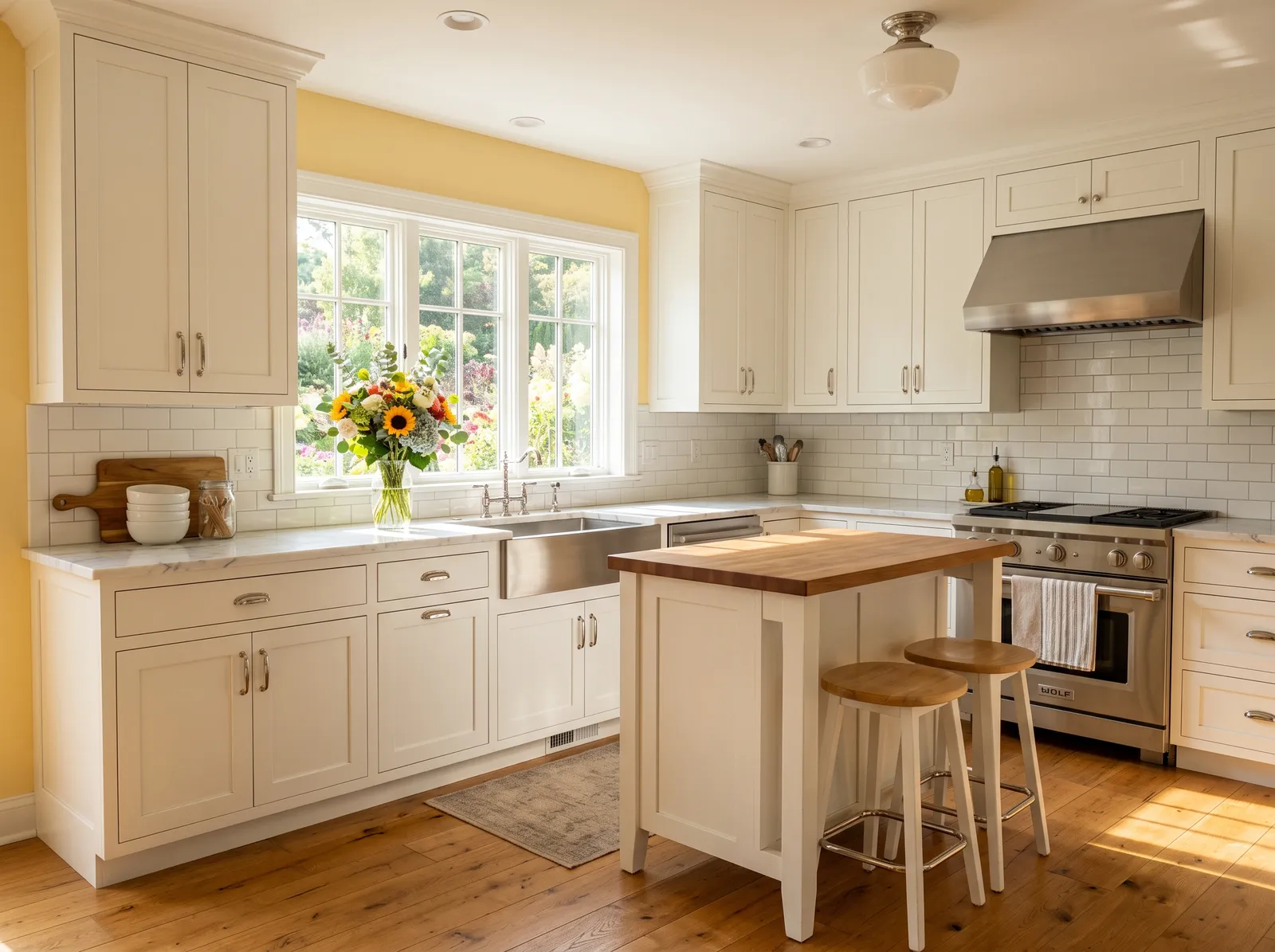
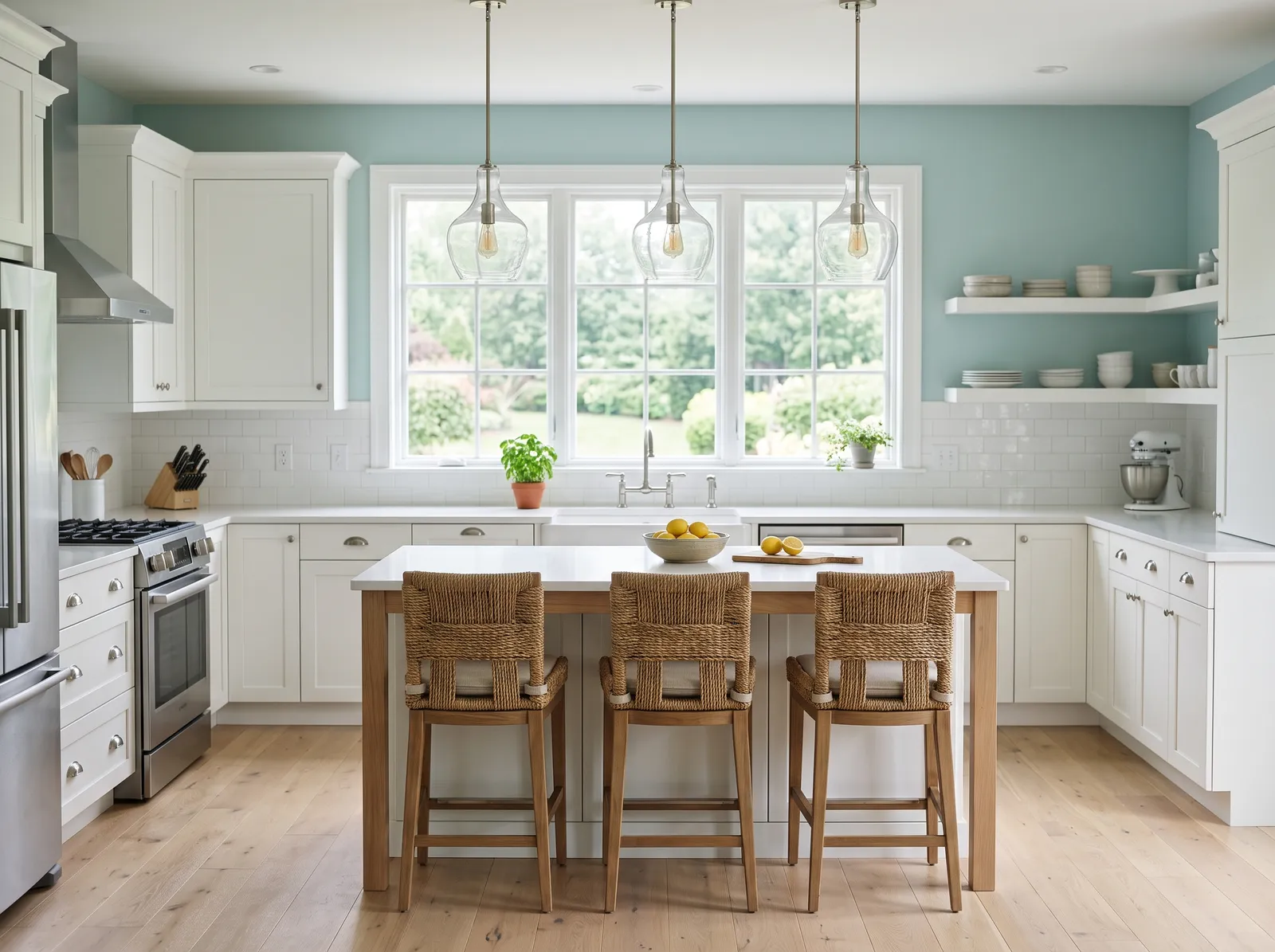
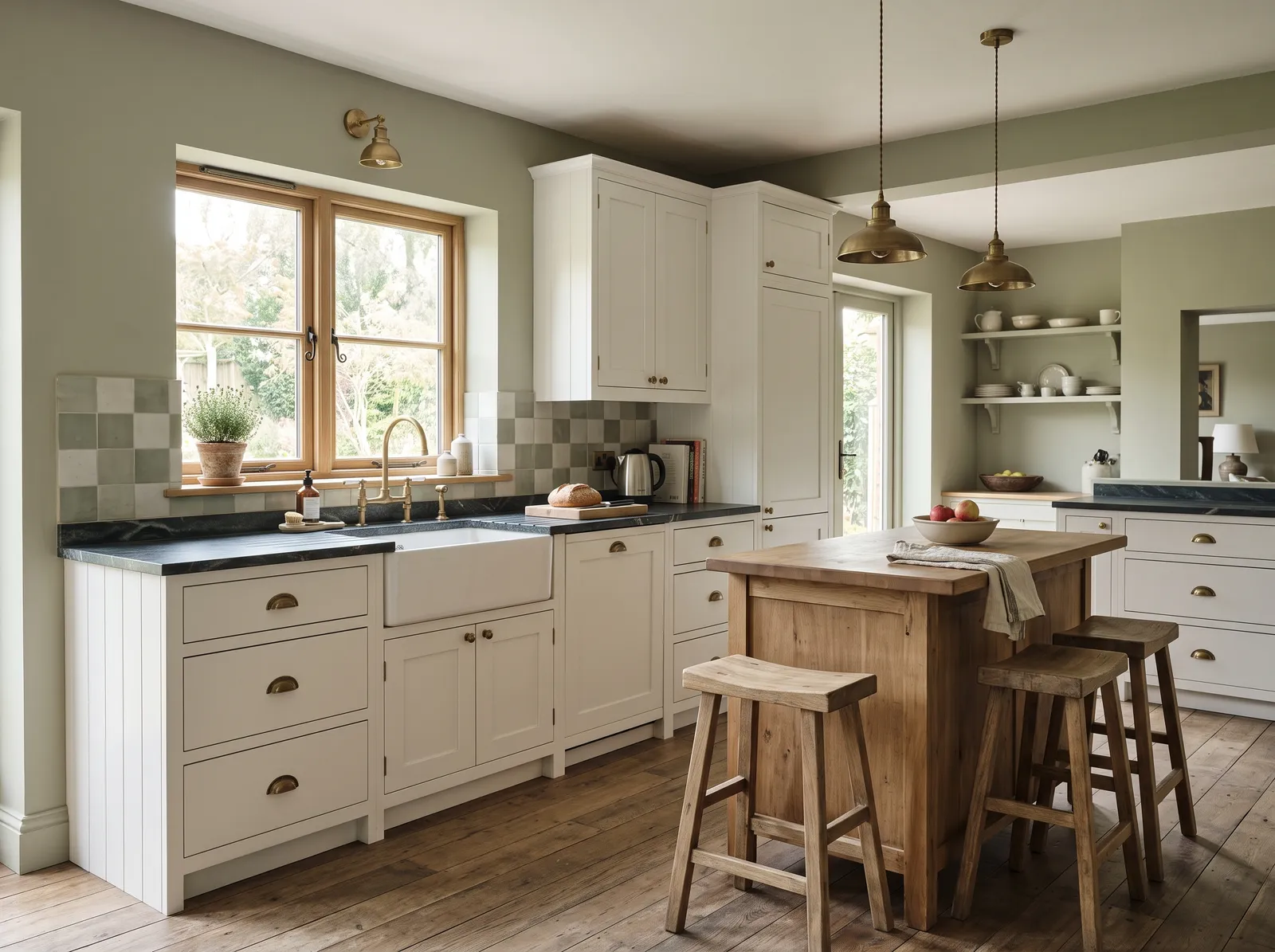
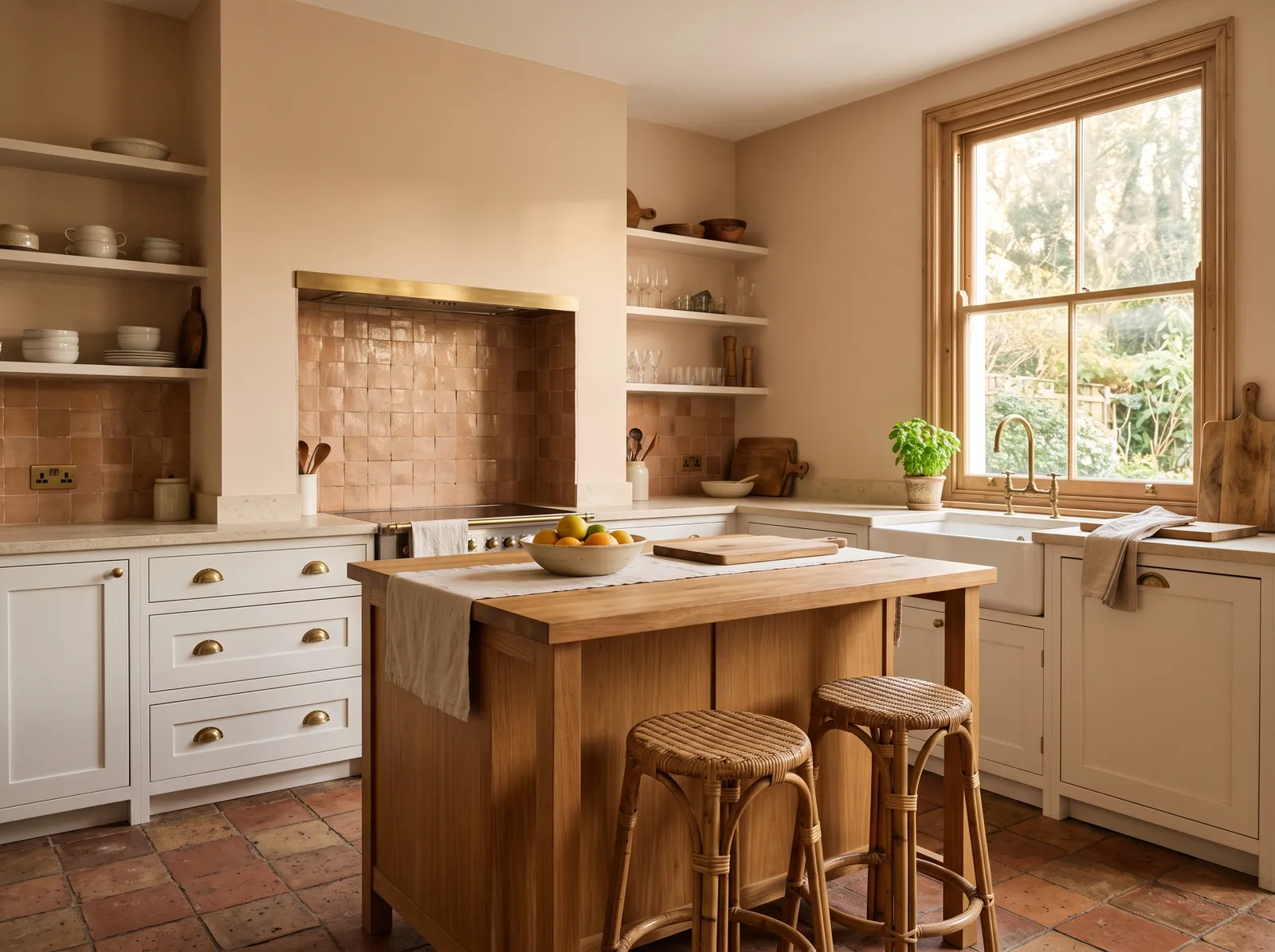
Editor's Picks: Neutral for Kitchens
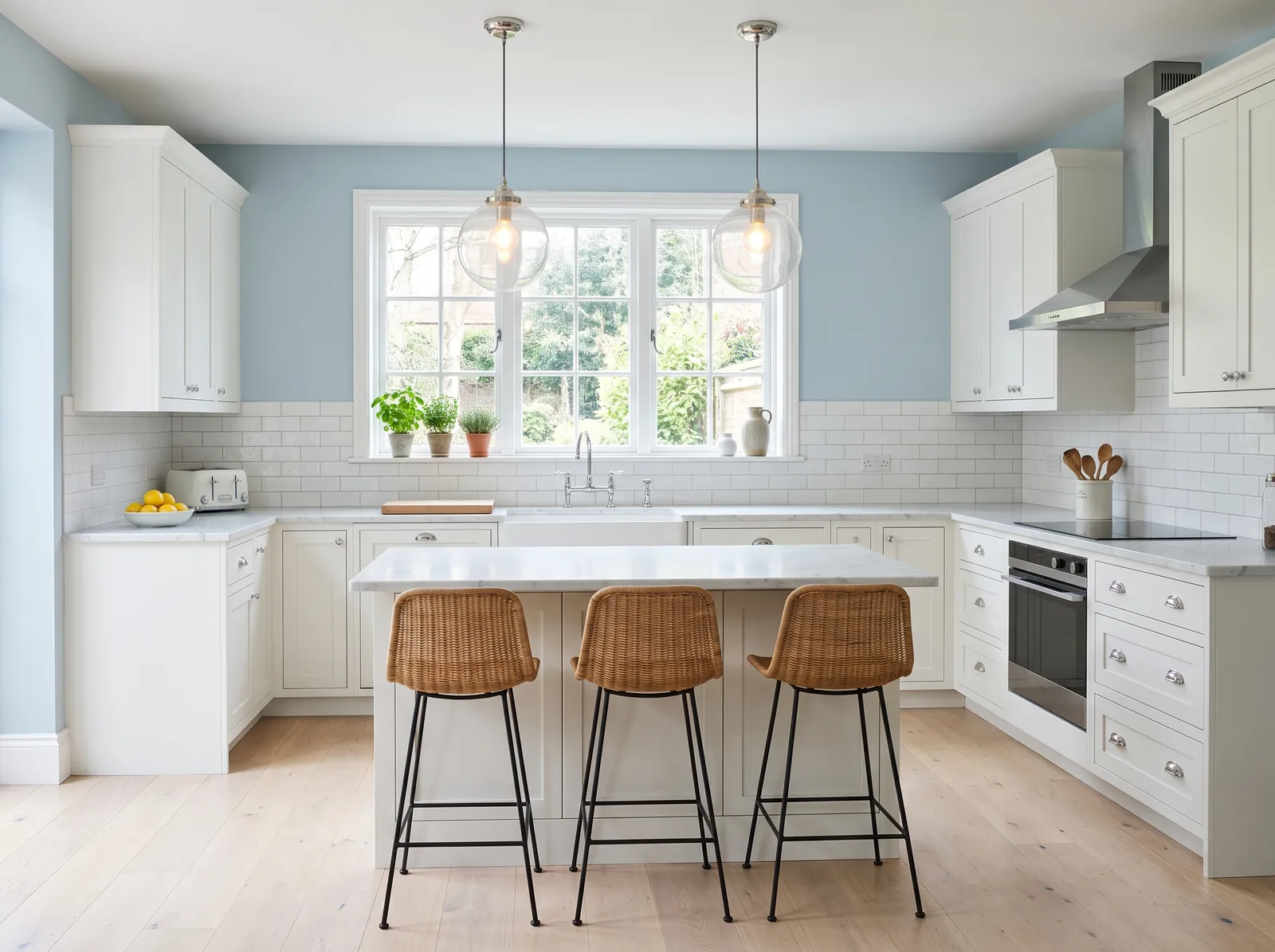
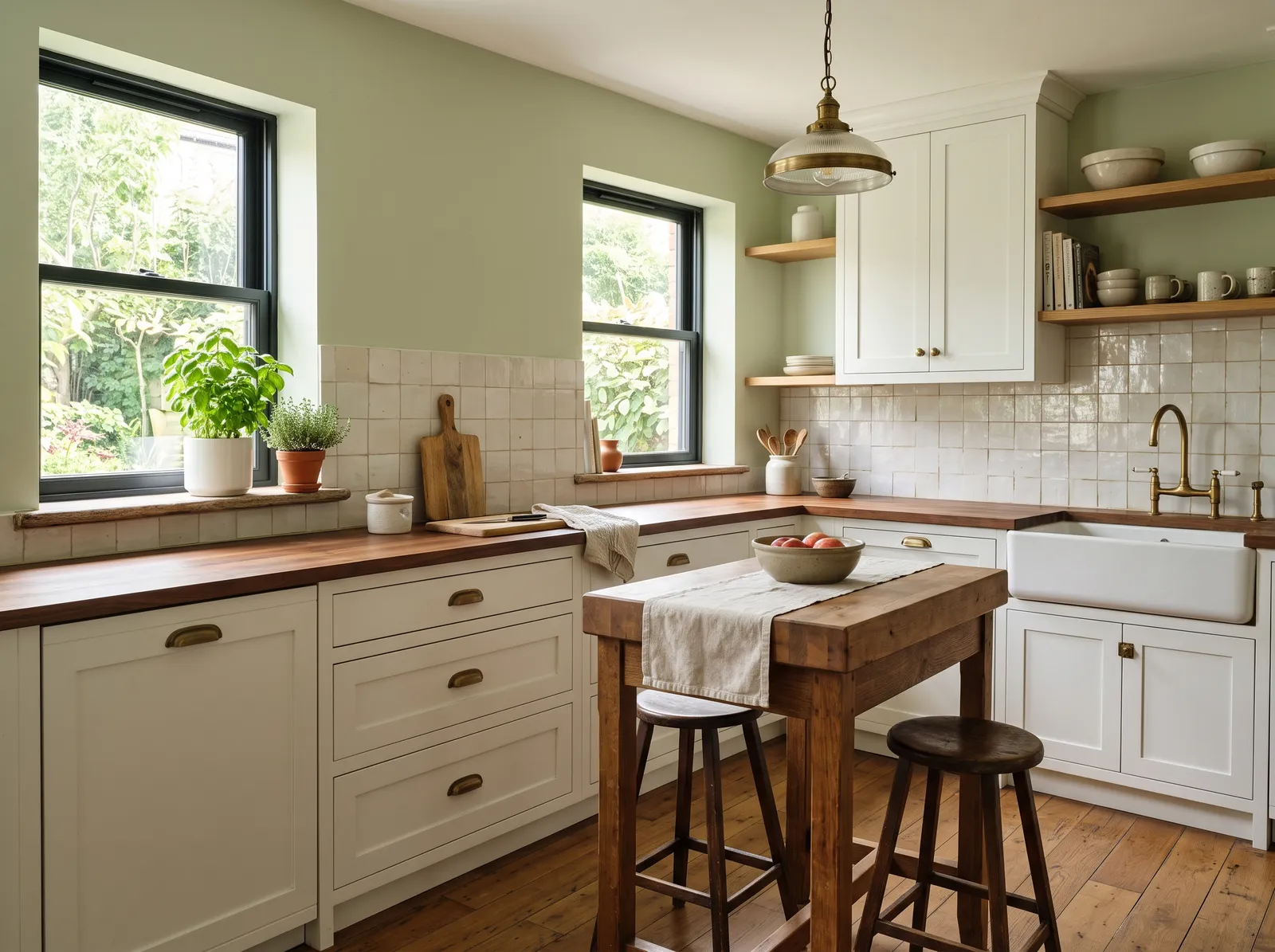
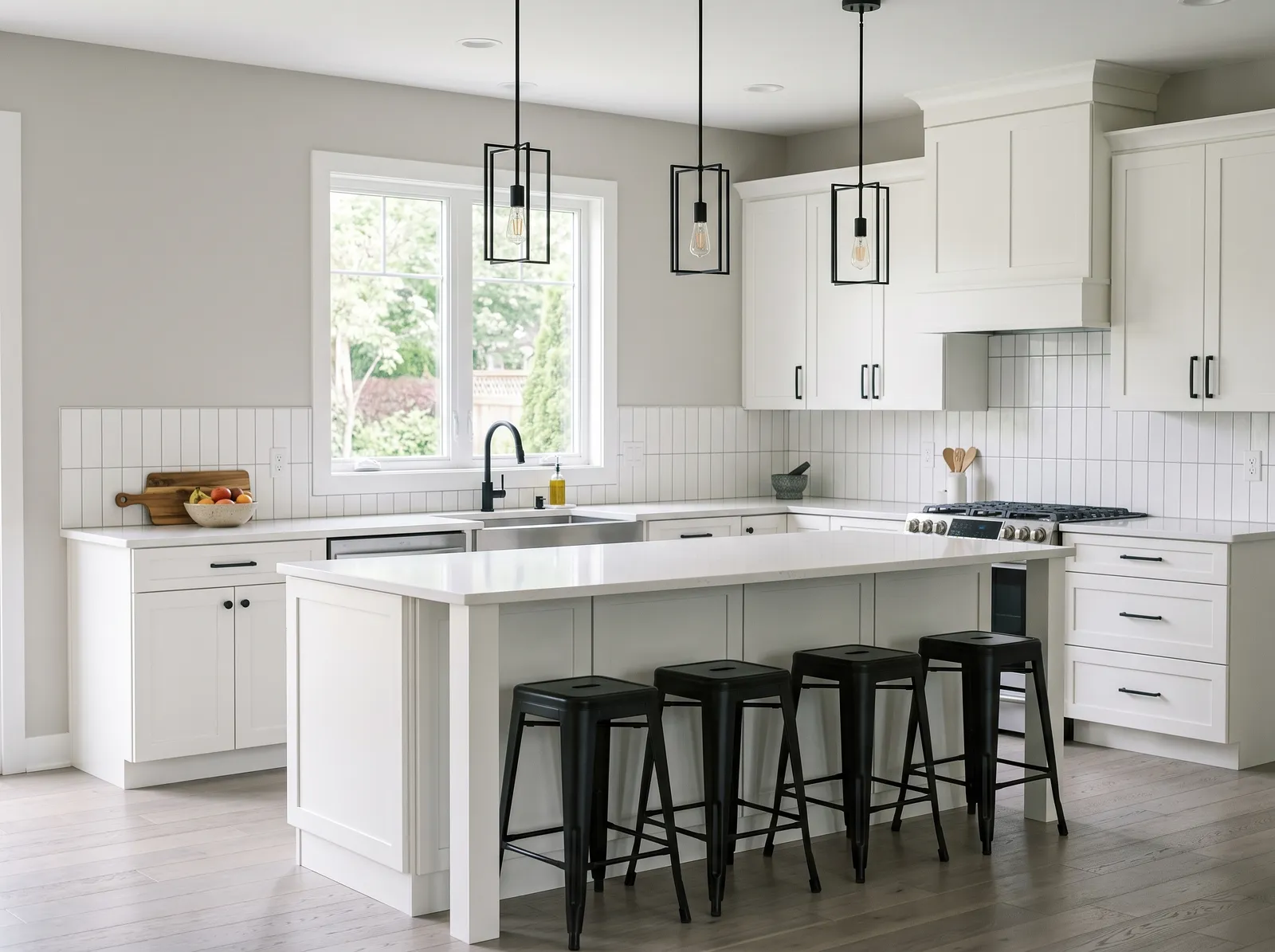
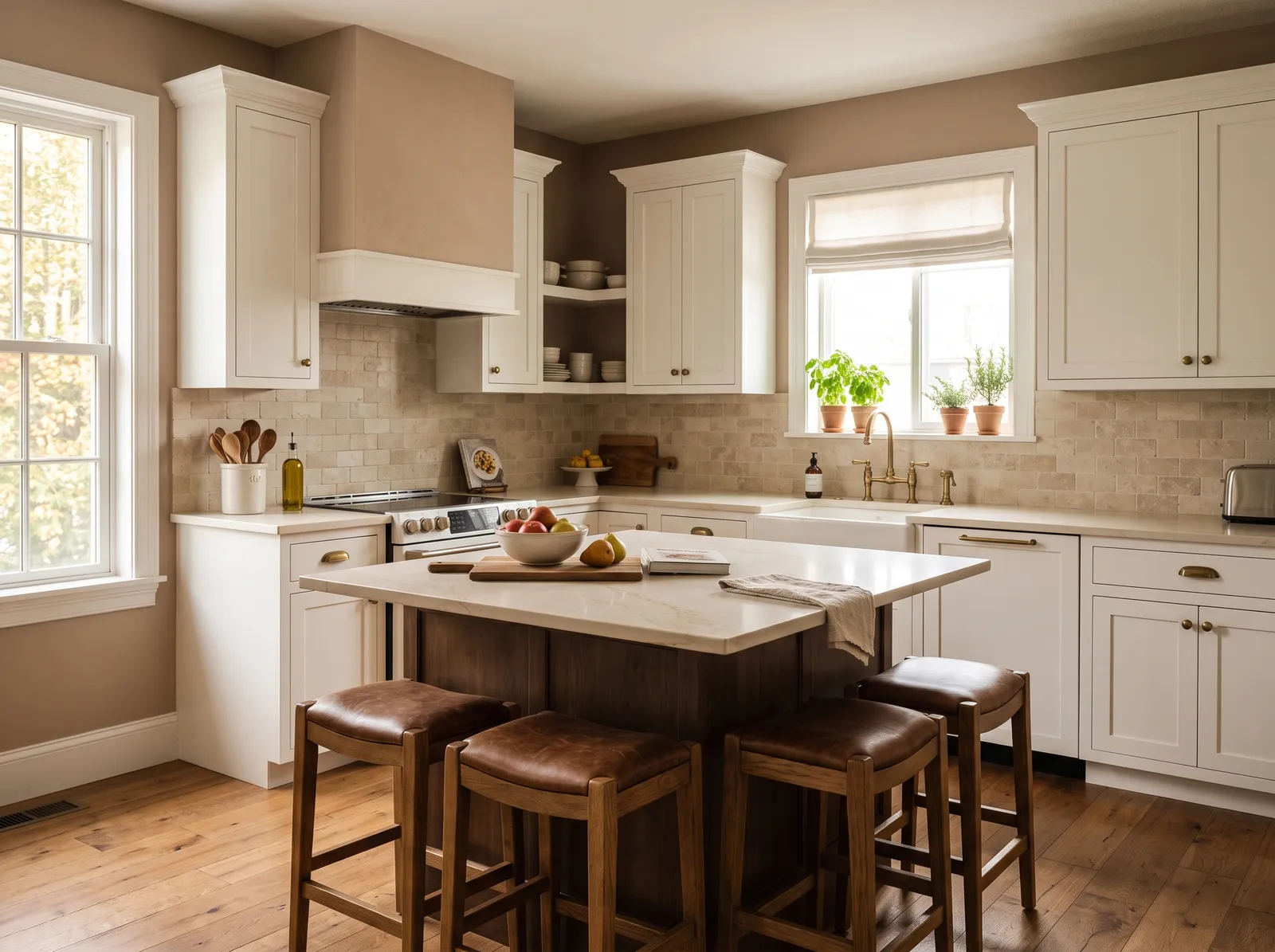
4 picks30 Neutral Picks Across the LRV Range
30 of 4,152 · sorted dark → lightLooking for more? All neutral → covers every brand; brand × family pages show full decks.
Neutral Kitchen Colors at Every US Brand
21 brands · up to 10 picks eachUp to 10 picks per brand spread across the neutral LRV range, drawn from each brand's full deck. Tap any swatch with a curated guide for full spec; tap the brand title for the brand's complete neutral deck.
Behr
Benjamin Moore
Glidden
Sherwin-Williams
Valspar
PPG / Glidden
HGTV Home by Sherwin-Williams
Dunn-Edwards
Diamond Vogel
Hirshfield's
Kompozit
Dutch Boy
C2 Paint
Rodda
Farrow & Ball
Magnolia Home
Portola Paints
Clare
Annie Sloan
Backdrop
Rust-Oleum
Other Kitchen Color Families
Neutral Colors in Other Rooms
Neutral Paint Colors for a Kitchen
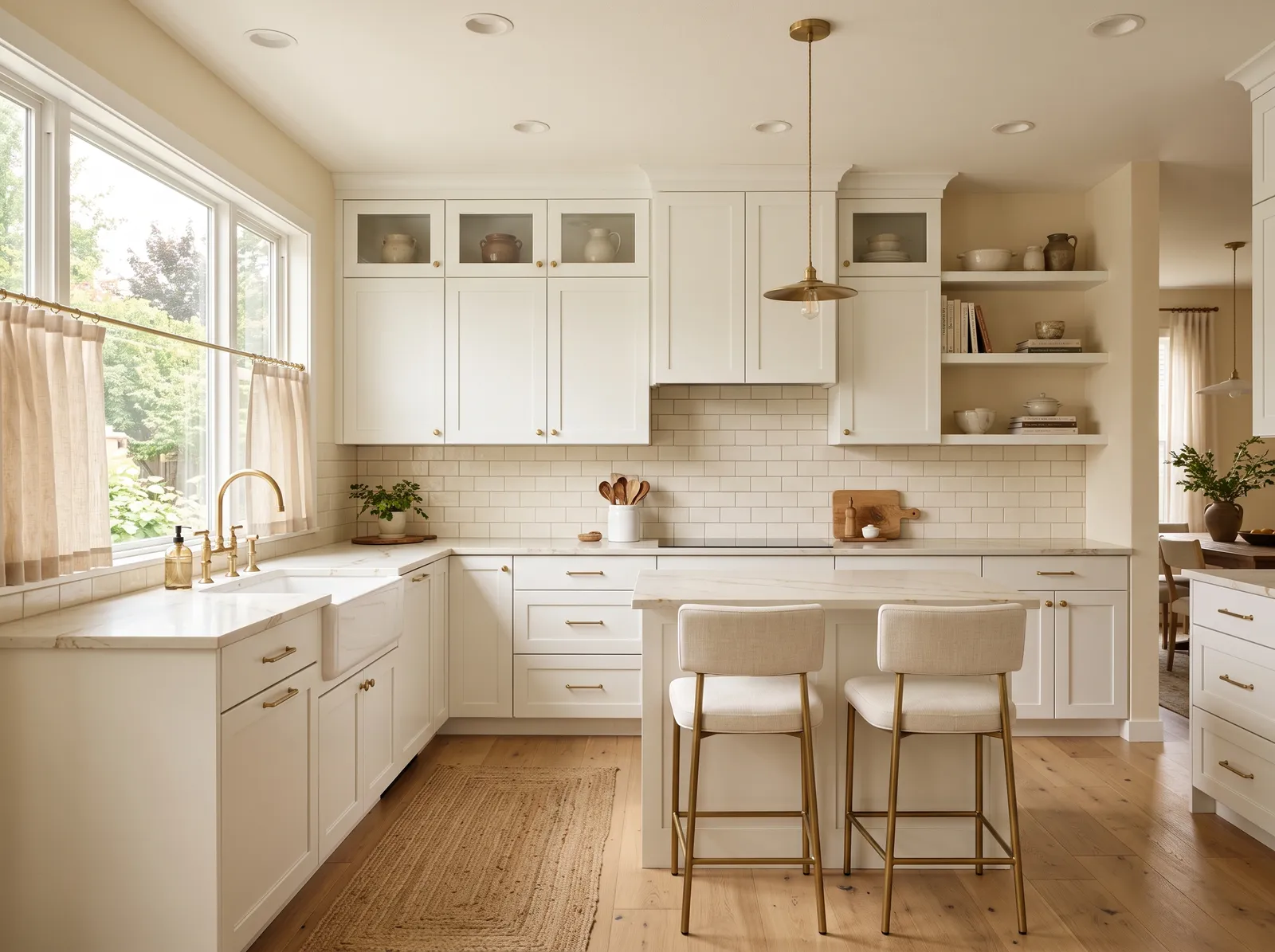
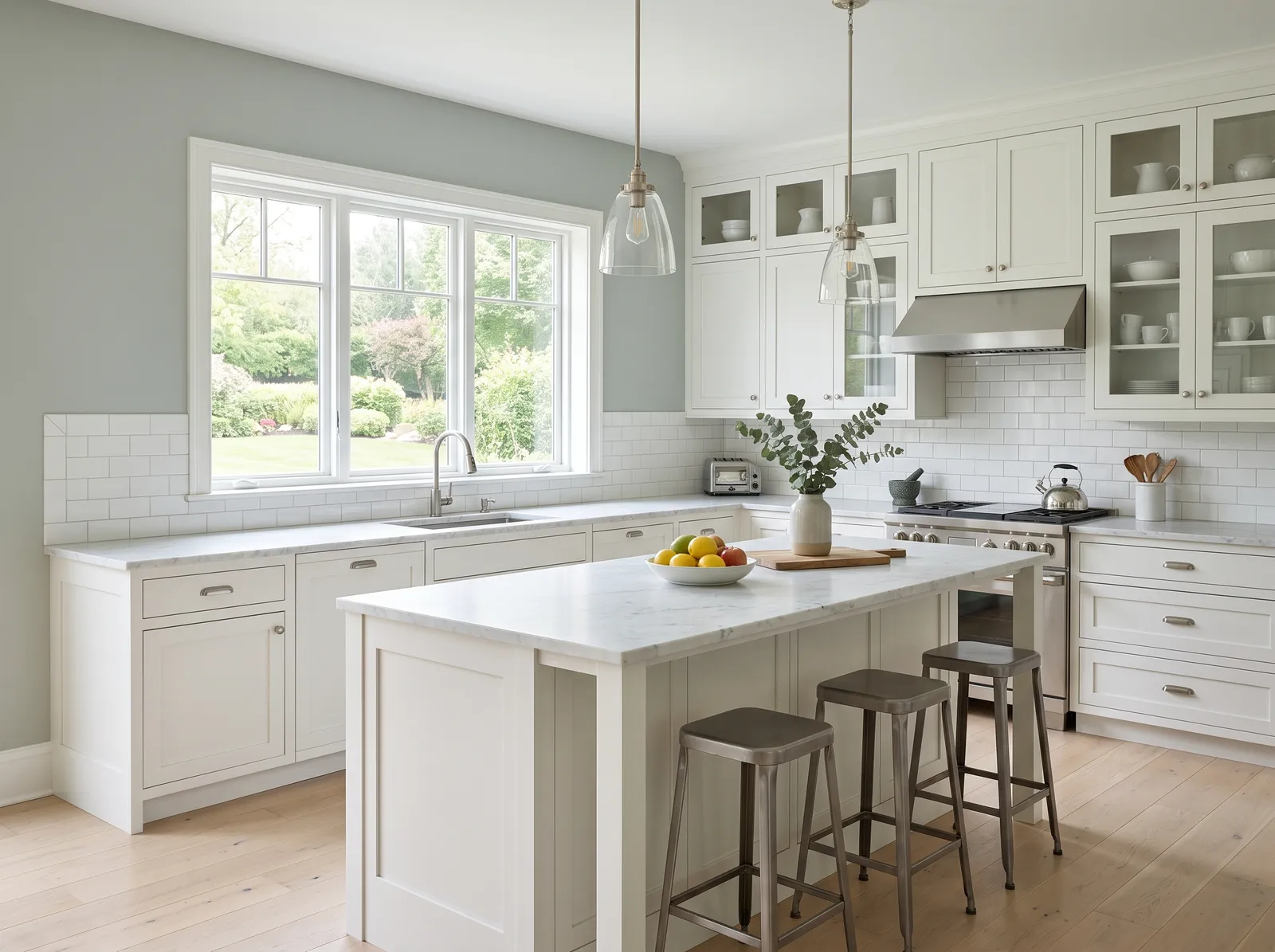
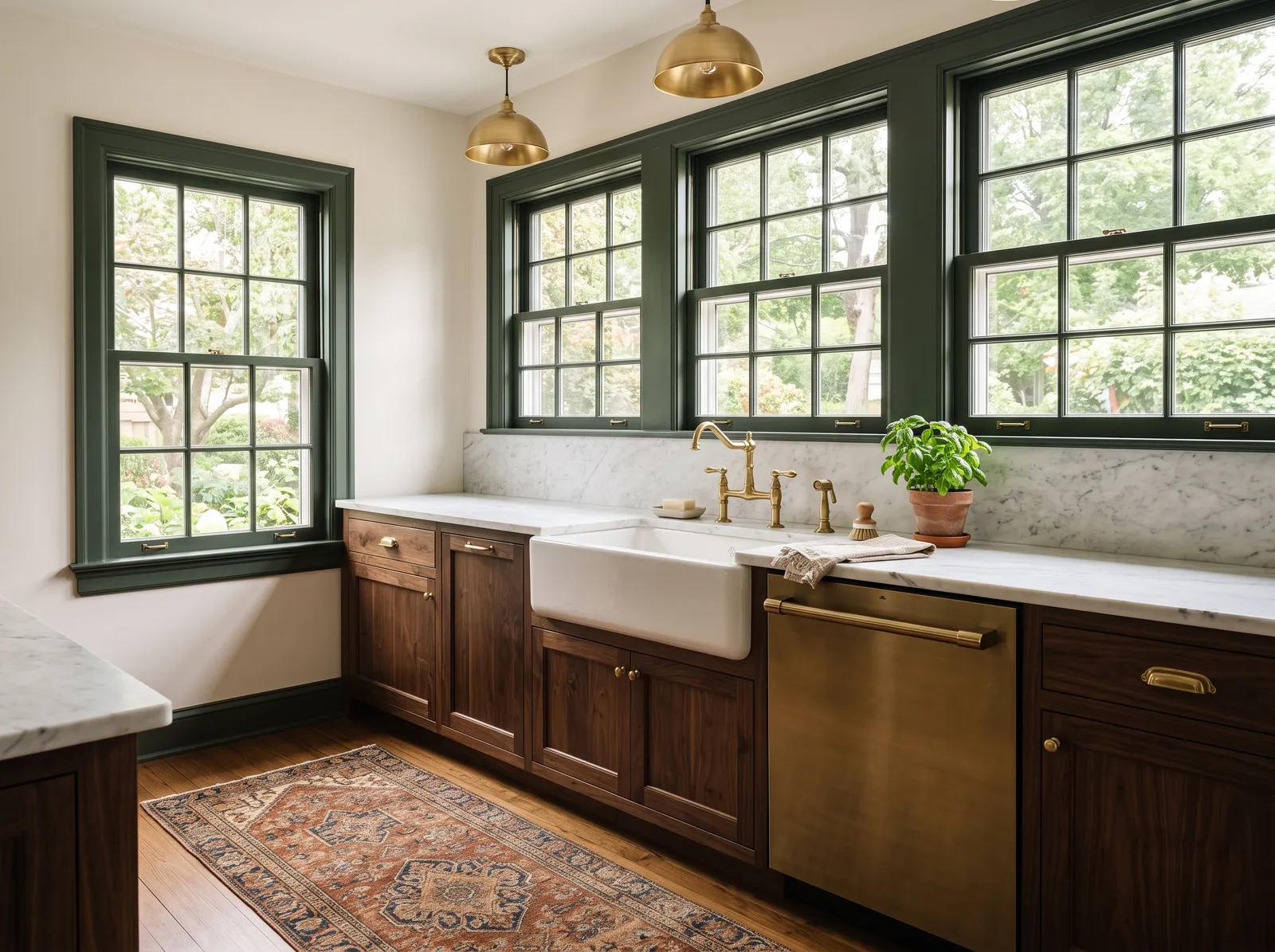
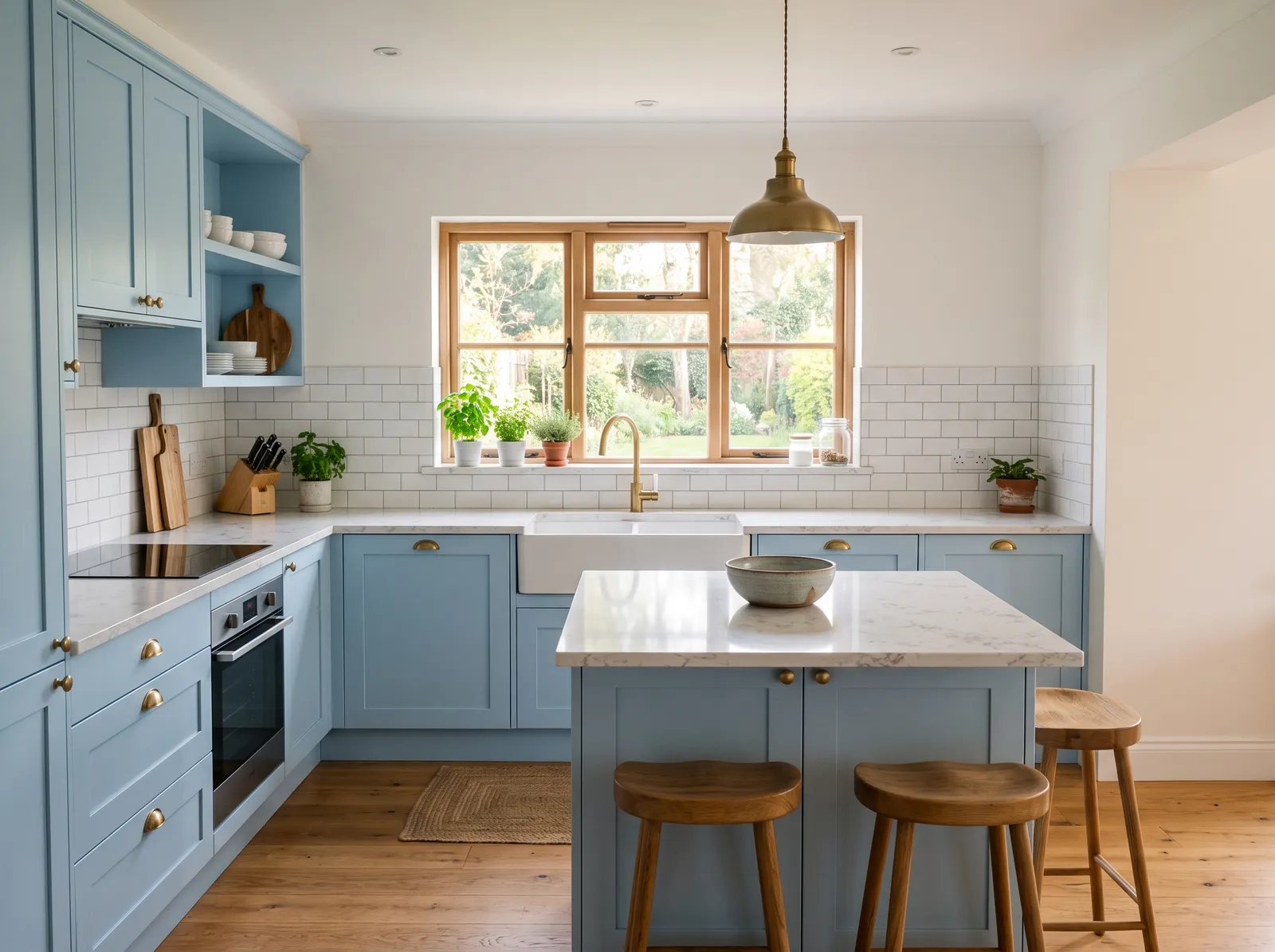
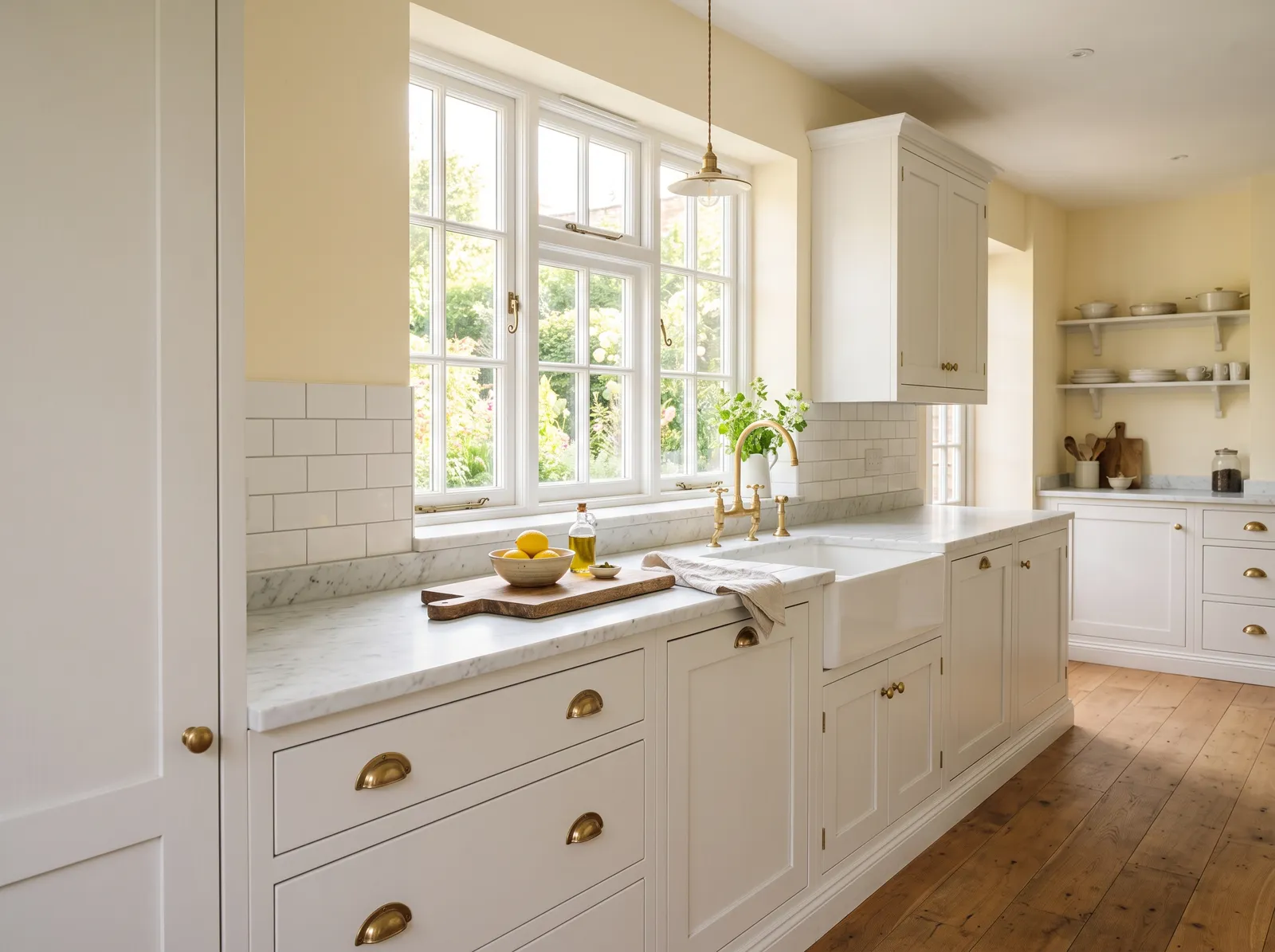
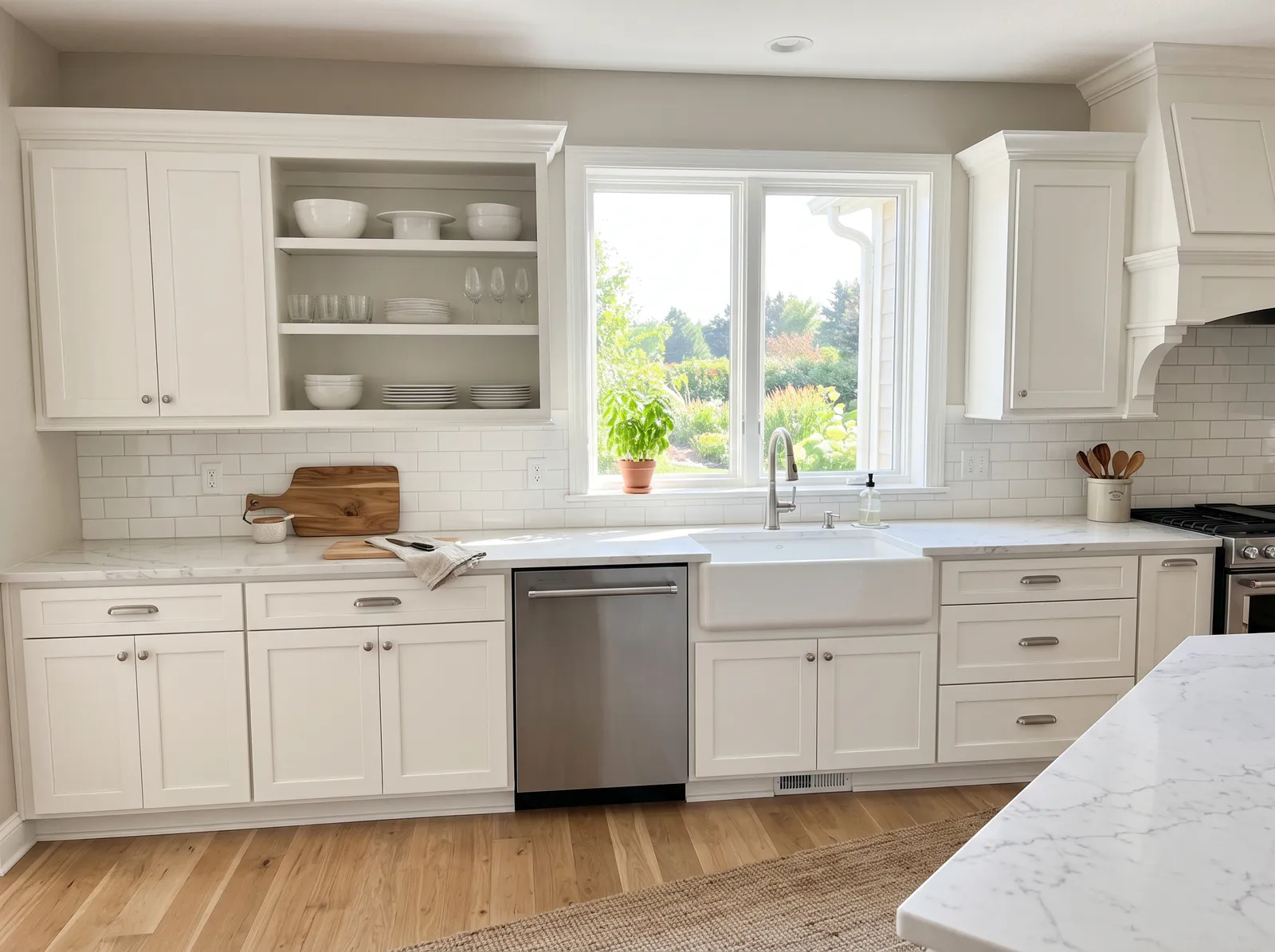
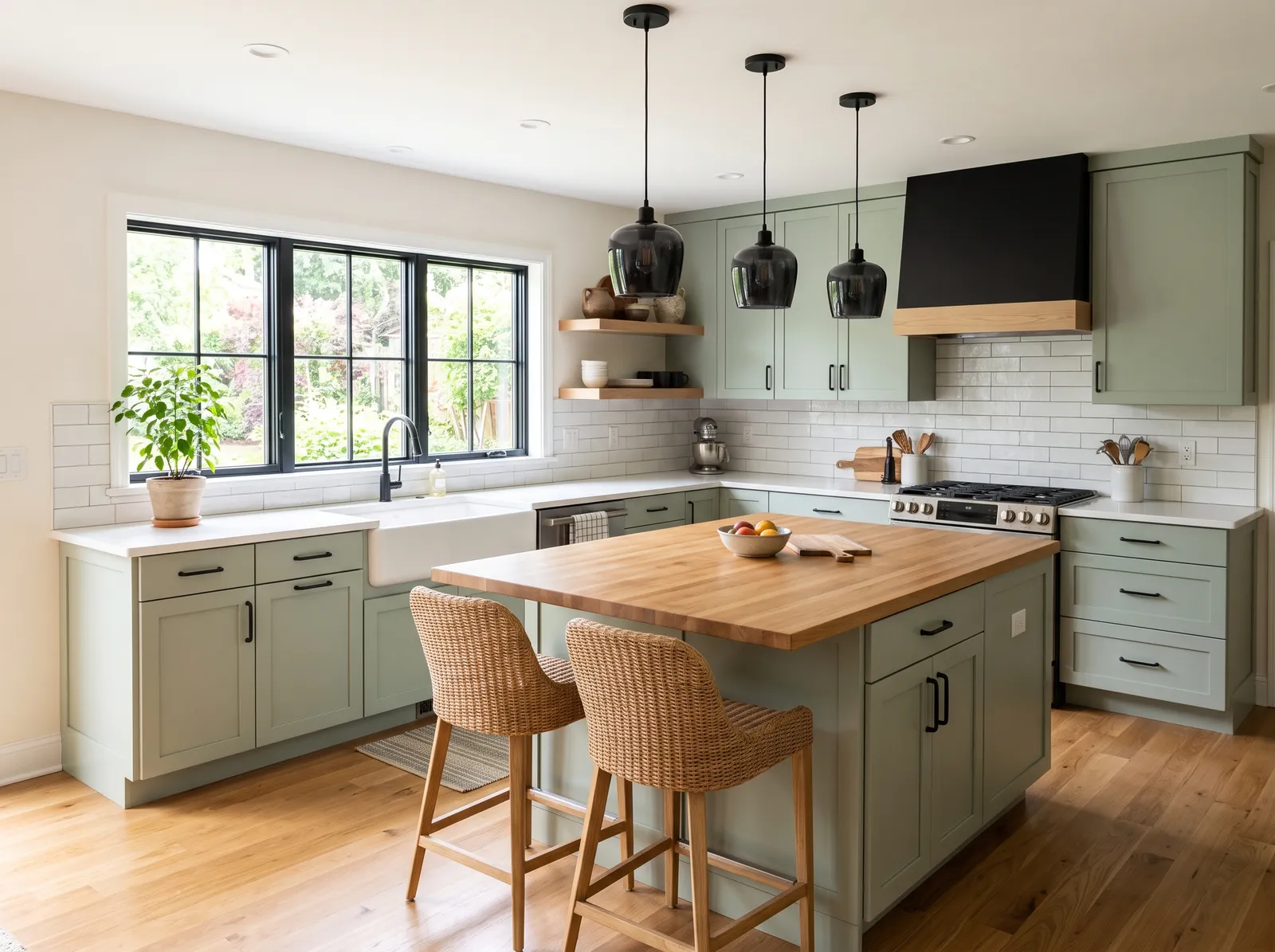
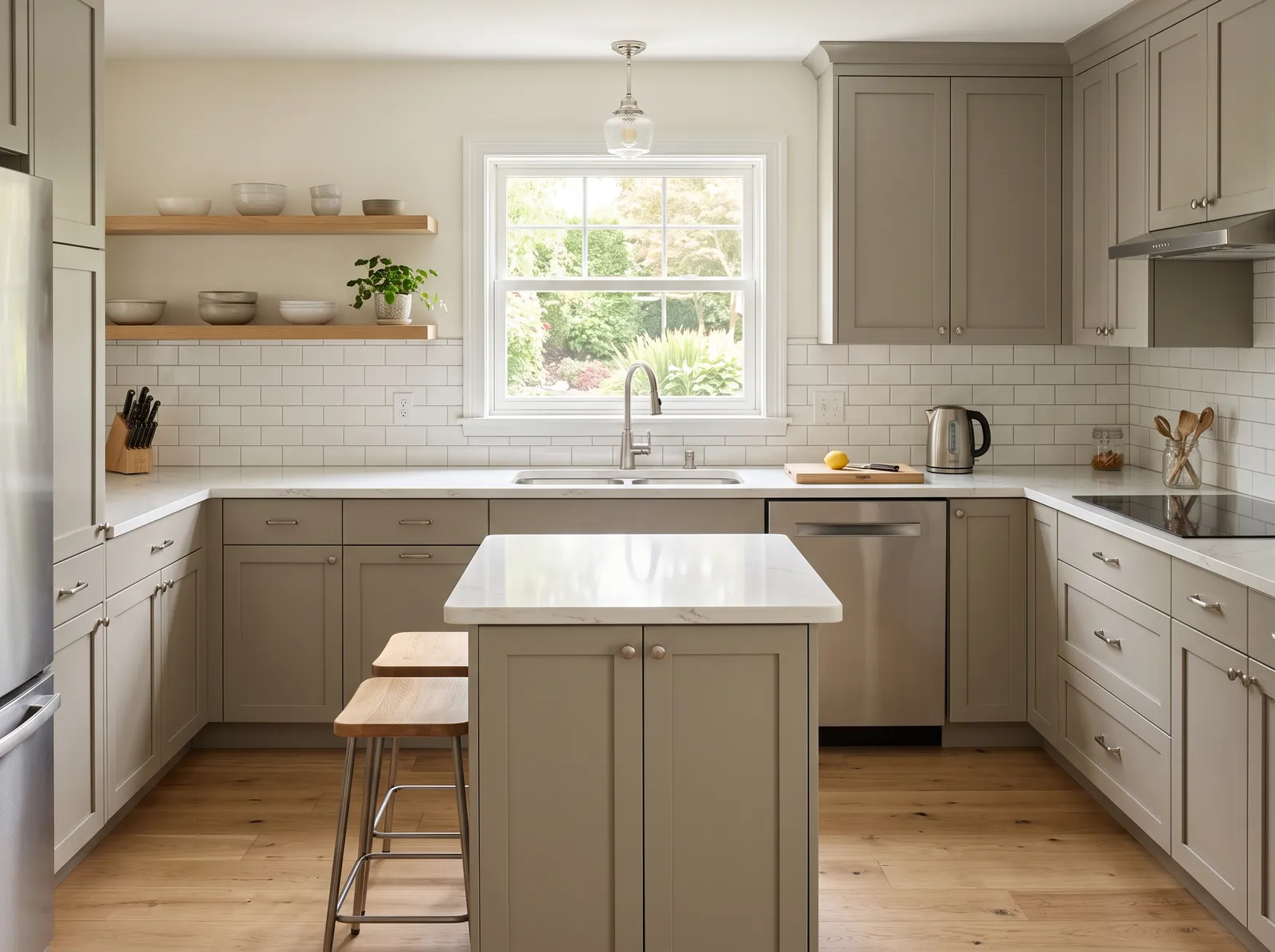
Neutral is the safest, most forgiving choice for a kitchen, and that's exactly why it works so well here. A kitchen mixes more materials than almost any other room — cabinets, counters, tile, metal hardware, appliances, wood floors — and a neutral wall lets all of those things get along instead of fighting. It also stays out of the way of the one thing a kitchen is really about, which is food and the people gathered around it.
The trick is that "neutral" covers a huge range, from bright near-white to deep greige, and a kitchen punishes the wrong pick faster than a bedroom would. Steam, grease, splashes, and hard task lighting all show up on the walls. The sections below cover how to pick the right depth, the right finish, and how to pair your neutral with cabinets and trim so the room looks calm and clean instead of flat or grimy. Every color shown here is mixed to order at a paint counter, so once you find a shade you like you can have it matched across brands.
Why Neutral Works in a Kitchen
A kitchen is a working room with a lot going on visually, so the wall color has the smallest job and the biggest impact. A good neutral reads as a clean backdrop and lets the cabinets and counters be the stars, which is usually what you want since those cost the most and are hardest to change.
Neutral also ages well in a kitchen. Trends in cabinet color and hardware move fast, and a wall that doesn't commit to a strong hue can carry you through a couple of those changes without a repaint. Just know that neutral does not mean characterless — the undertone still matters, and a kitchen full of warm wood or cool gray counters will pull a neutral in that direction.
The Right Depth, Guided by Your Light
Kitchens are often the brightest room in the house, between big windows and heavy overhead and under-cabinet lighting. That extra light lets you go a touch deeper than you might think — a neutral in the LRV 55 to 70 range gives walls some presence without making the room feel dark, and it hides minor scuffs better than a stark near-white.
Let your light steer the undertone. A kitchen that faces north or sits in shade reads cooler, so a warmer neutral (soft greige, warm off-white) balances it out. A south- or west-facing kitchen floods with warm light, so a neutral with a cooler or more balanced undertone keeps the walls from going yellow or peachy by afternoon. Test a sample on more than one wall and look at it morning, midday, and under the lights on at night, since kitchen lighting changes the answer.
Finish and Sheen for a Working Room
This is the section that matters most in a kitchen. Walls near a stove and sink get grease, steam, and splatter, and they get wiped down more than walls anywhere else in the house. Go with a satin or eggshell finish on the walls — both clean up with a damp cloth and stand up to repeated washing far better than a flat finish, which can burnish or leave marks where you scrub.
Save the higher gloss for the hard-working pieces. Trim, doors, and any painted cabinetry do well in semi-gloss, which shrugs off splashes and fingerprints and wipes clean easily. The one caution is glare: a kitchen with strong task lighting can make a too-shiny wall show every roller mark and bump, so keep the walls at eggshell or satin and let the trim carry the shine.
Pairing With Cabinets, Trim, and Counters
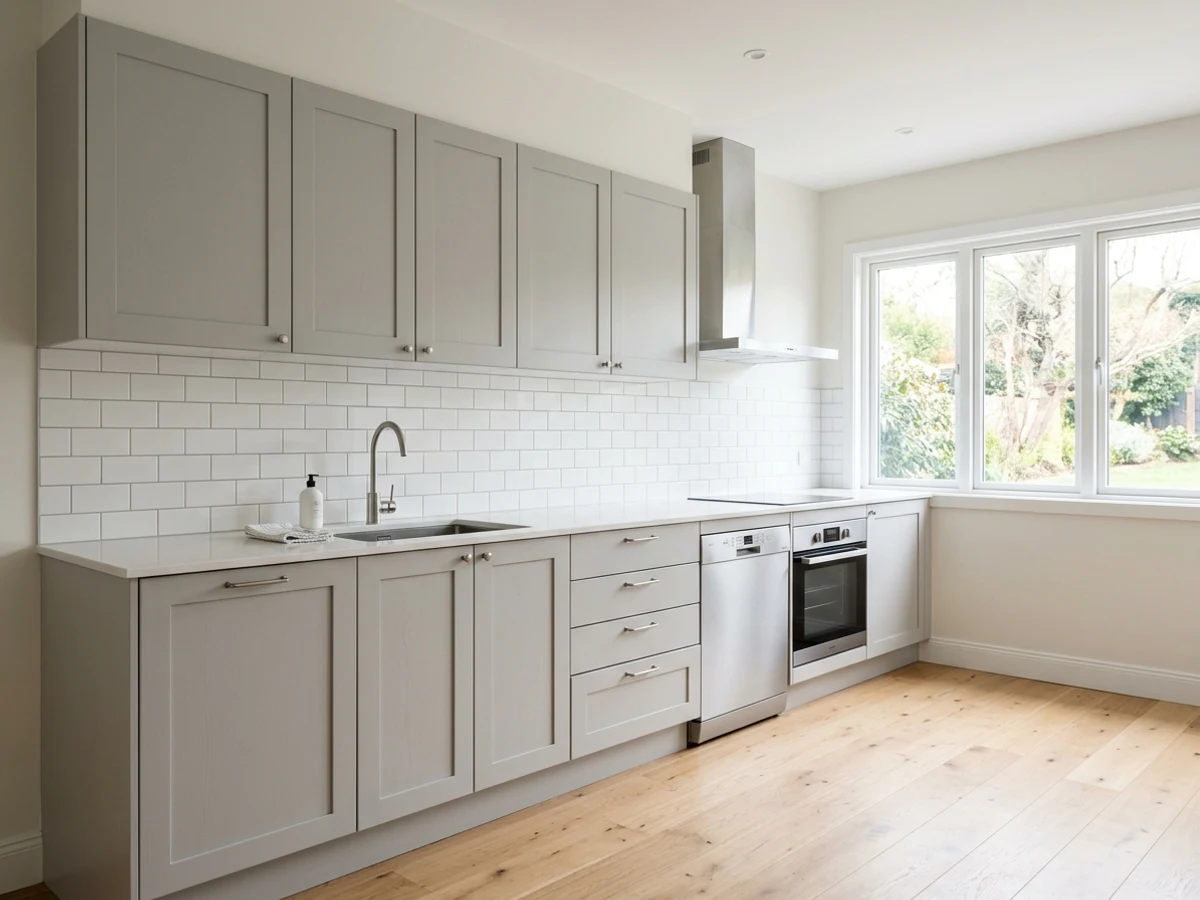
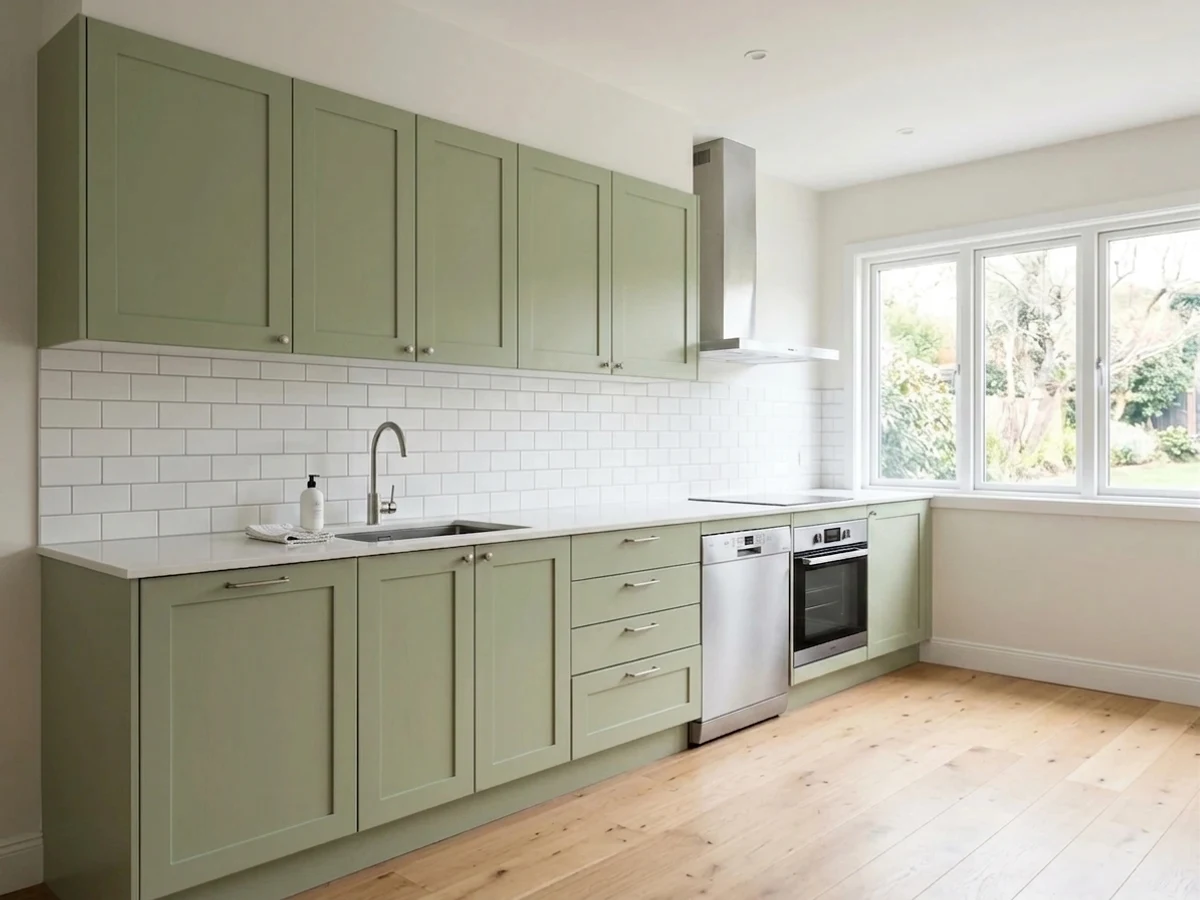
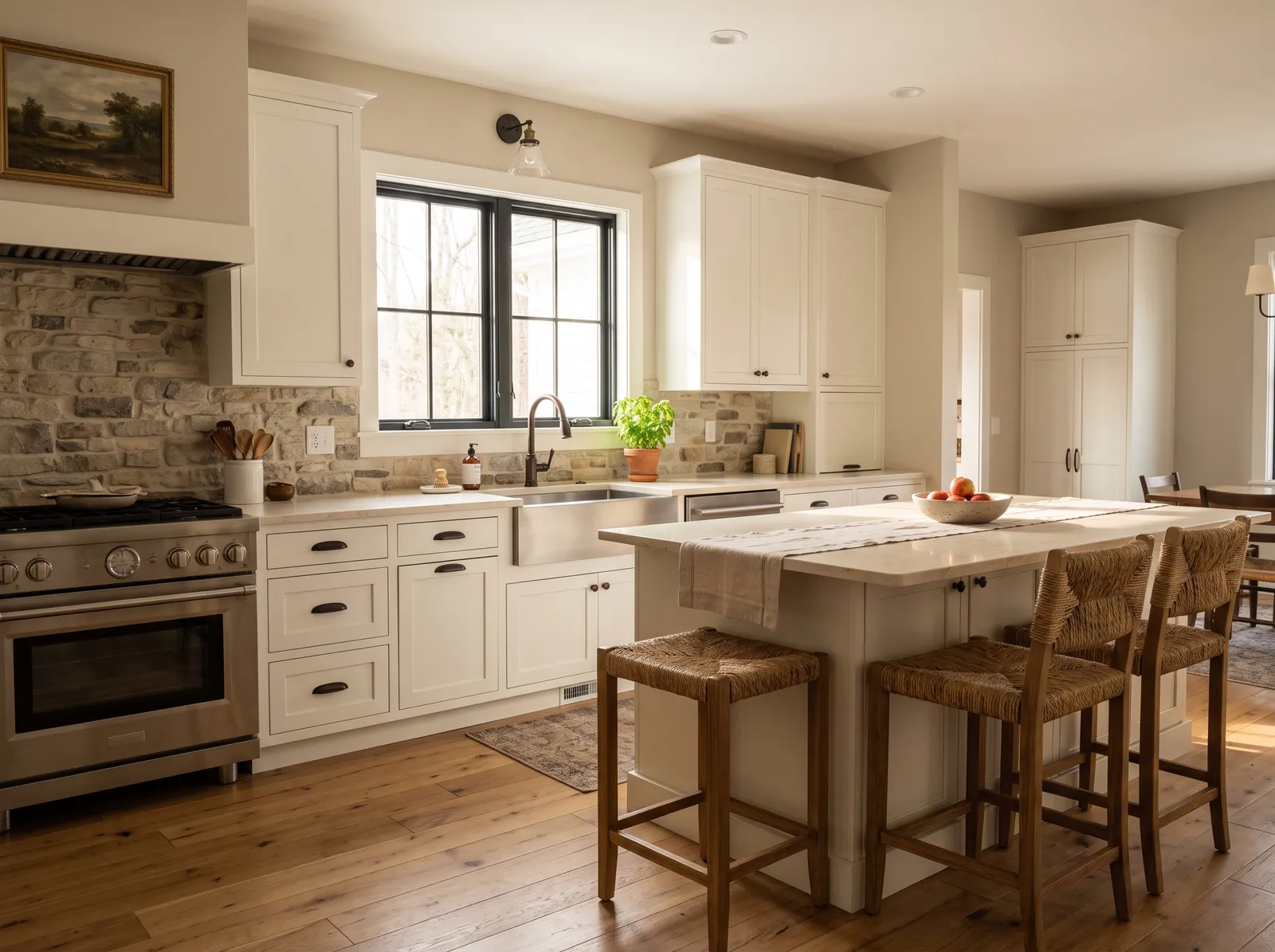
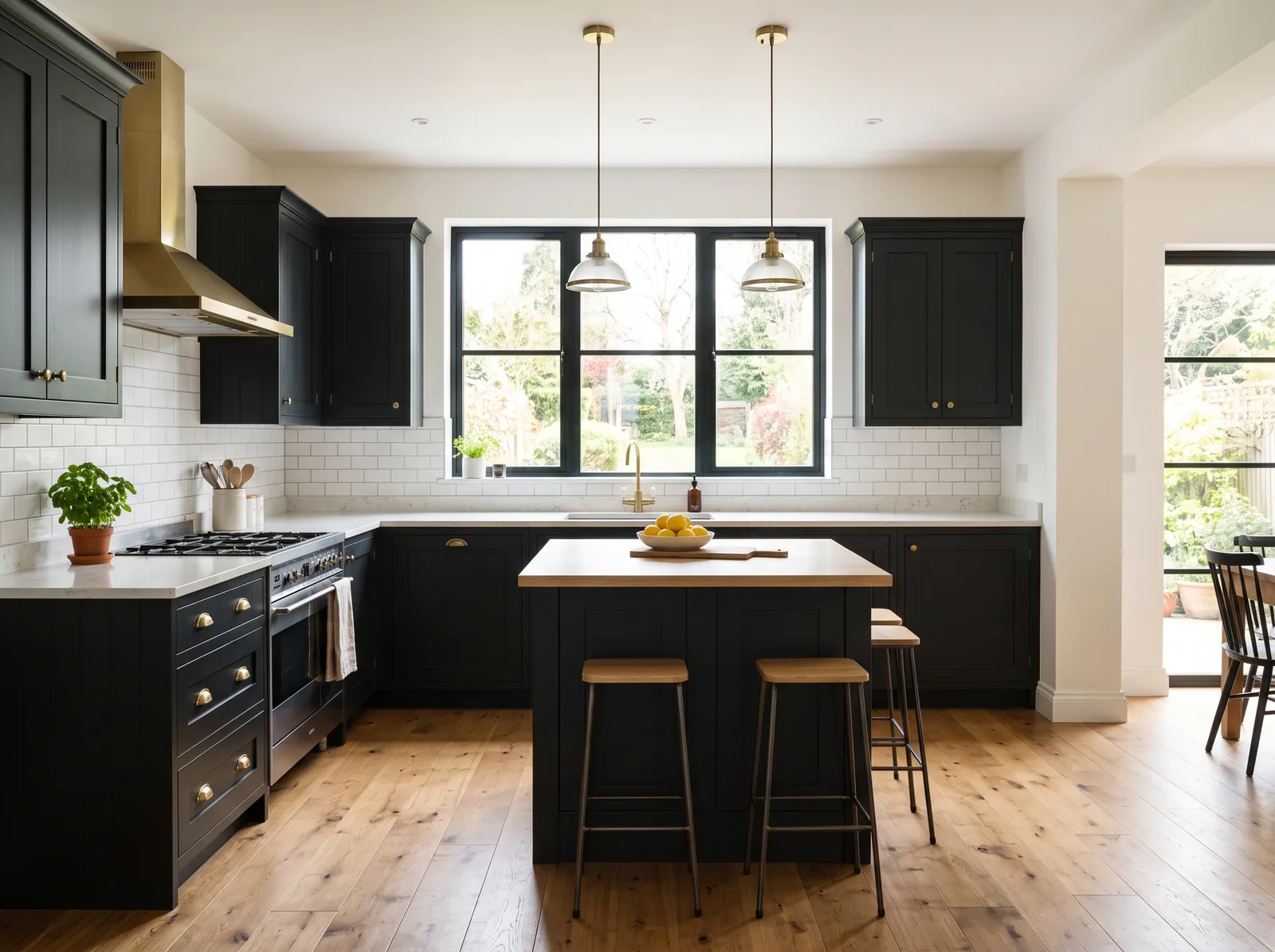
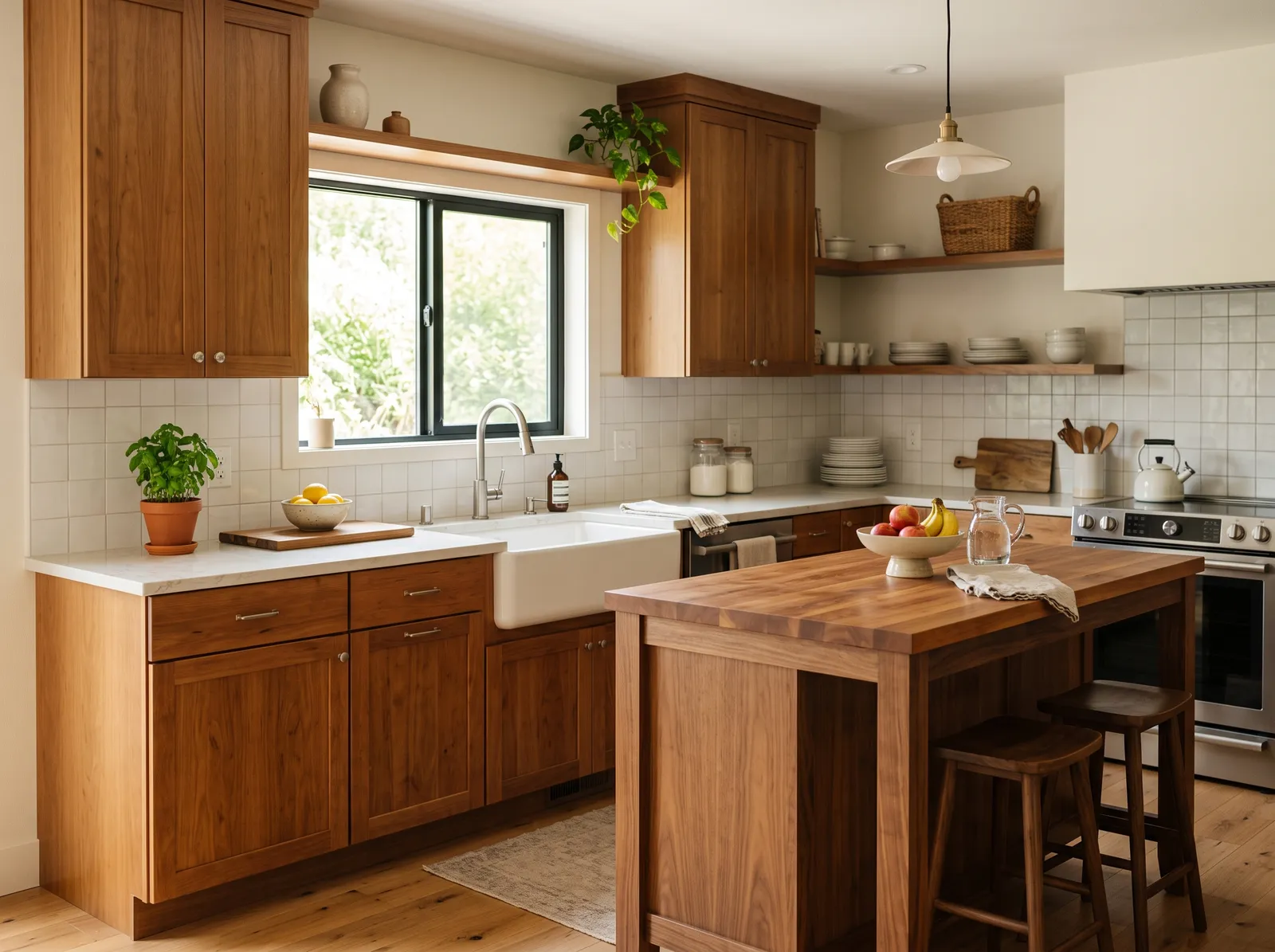
Pull your neutral toward your fixed elements, not away from them. Warm wood cabinets and butcher-block counters love a warm neutral; cool gray quartz and stainless appliances sit better against a balanced or slightly cool one. Hold your paint sample right up against the counter and cabinet doors before deciding, because undertone clashes show up most where two surfaces meet.
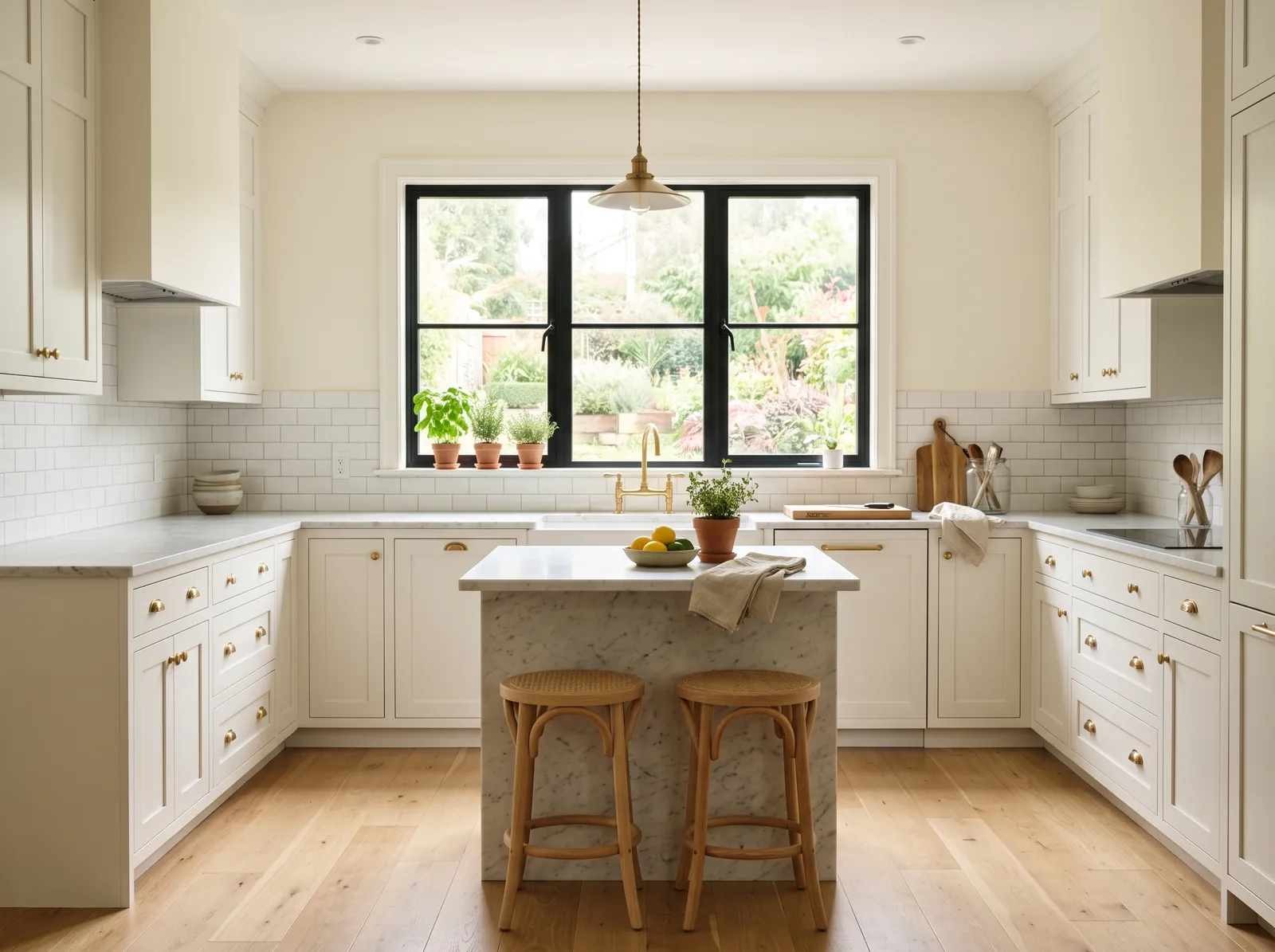
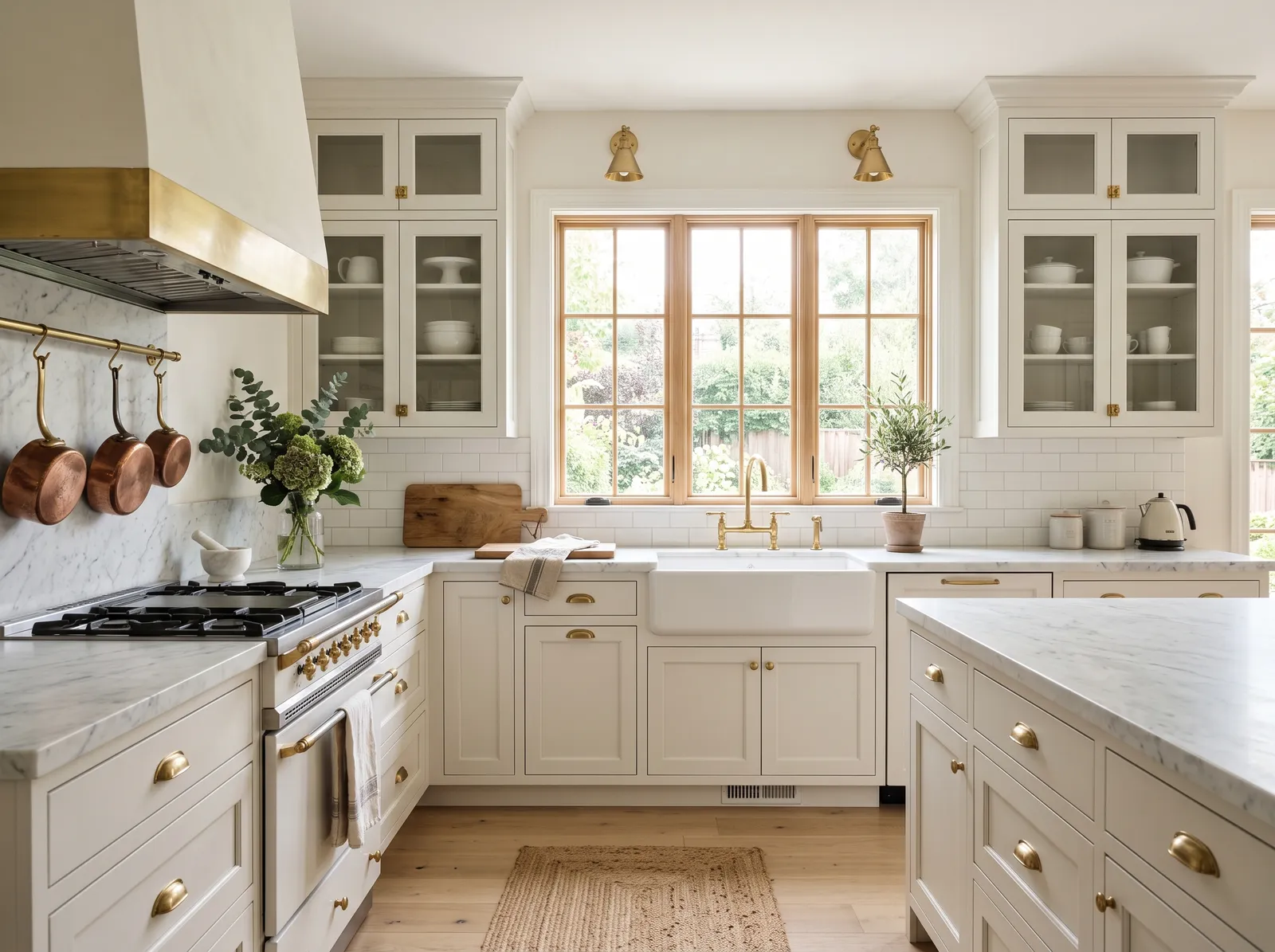
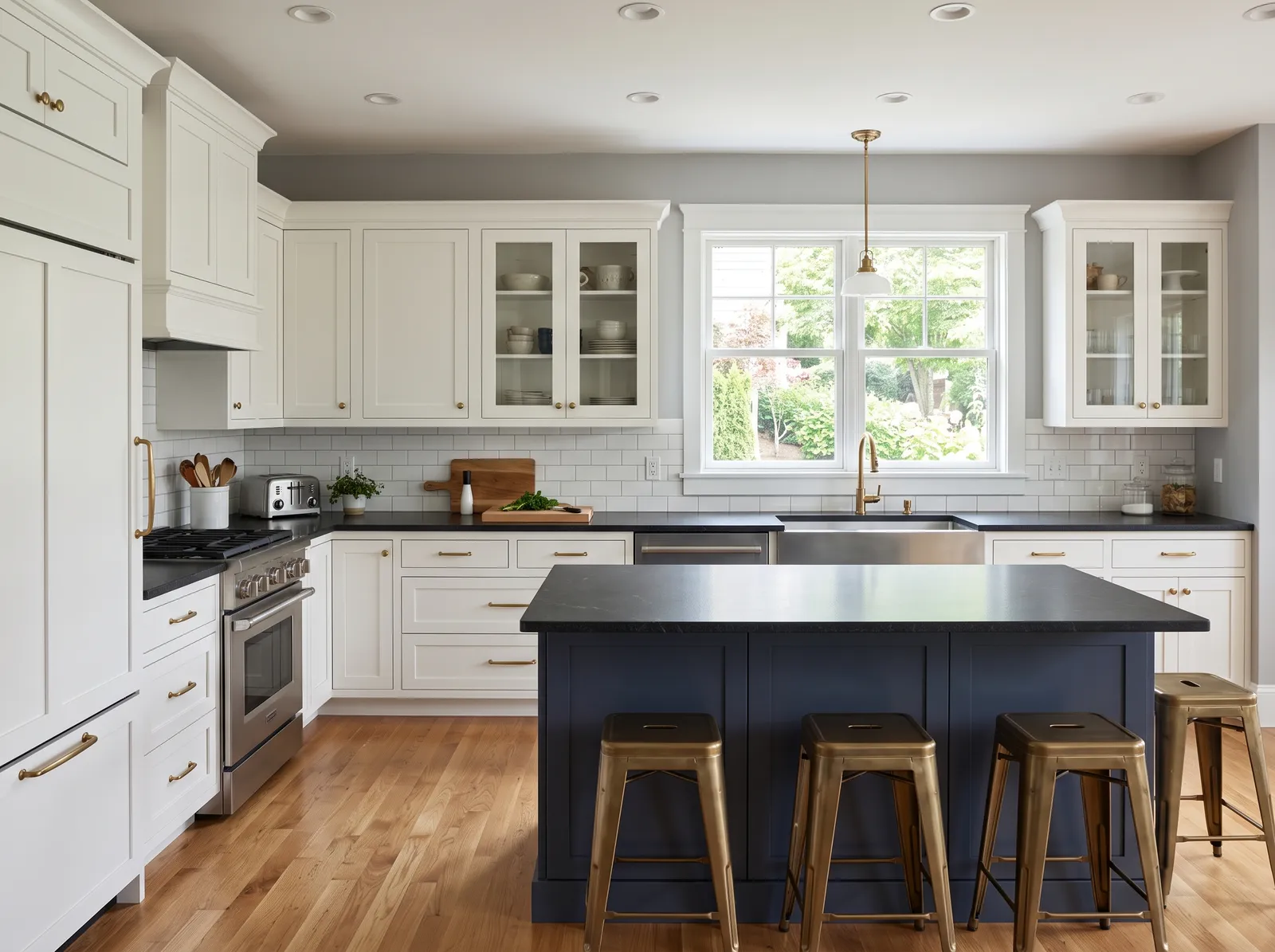
For trim and ceiling, a clean white a few shades lighter and brighter than the walls keeps things crisp and makes the room feel taller. If your cabinets are white, you don't have to match them to the trim — a slightly different white on the walls or a soft neutral actually reads more intentional than a perfect match that looks like a missed one. Tie metal finishes together too: a warmer neutral plays nicely with brass and bronze hardware, while a cooler one suits chrome and nickel.
Common Mistakes to Avoid
The biggest one is using flat paint to chase a soft, matte look, then watching it stain and streak within a season near the stove. The second is ignoring undertone — a neutral that looked perfectly gray on the chip can turn purple or green next to your backsplash, or go yellow under warm bulbs. Always test against the actual room.
Two more to watch. People often go too pale, picking a near-white that looks washed out and clinical under bright kitchen lighting; a little more depth reads warmer and more lived-in. And many forget the lighting changes the color completely — the same neutral can look great by day and grim under cabinet LEDs, so check it at night before you commit a whole room.
Neutral Kitchen Paint — Frequently Asked Questions
What is the best neutral paint color for a kitchen?+
There isn't one best shade, but a soft warm neutral or balanced greige in the LRV 55 to 70 range works in most kitchens. It has enough depth to feel intentional and hide small marks, while still reading as a clean backdrop for cabinets and counters. The right exact shade depends on your light and your fixed finishes, so always test a sample in the actual room.
What sheen should I use for kitchen walls?+
Use satin or eggshell on kitchen walls. Both can be wiped down and washed repeatedly, which matters in a room that collects grease and steam, and they resist scuffing better than flat. Keep semi-gloss for the trim, doors, and any painted cabinetry, where the extra durability and easy cleanup are worth the added shine.
How does kitchen light change a neutral color?+
A lot. Kitchens usually have strong natural light plus heavy overhead and under-cabinet lighting, and each light source pulls a neutral in a different direction. Warm afternoon sun or warm bulbs can push a neutral yellow or peachy, while north light and cool LEDs can make it look gray or flat. Check your sample in morning light, midday, and at night with the lights on before deciding.
How do I pick a neutral that goes with my cabinets and counters?+
Match the undertone of your fixed surfaces rather than trying to neutralize them. Warm wood and creamy cabinets pair with warm neutrals; cool gray counters and stainless steel sit better with balanced or cooler ones. Hold the paint sample directly against your cabinets and counter, since clashing undertones are most obvious where two surfaces meet.
Should kitchen walls and trim be the same color?+
Usually not. A trim and ceiling a few shades lighter and crisper than the walls makes the room feel taller and cleaner. Even if your cabinets are white, the trim doesn't have to match them exactly — a slightly different, intentional white reads better than a near-match that just looks off.
Can I get the same neutral from different paint brands?+
Yes. Every color shown here is mixed to order at the paint counter, so a shade isn't locked to one brand. If you find a neutral you like, you can have it cross-matched to an equivalent from another brand, which is handy if you prefer a particular store, finish, or price.