Neutral Basement Paint Colors
4,152 neutral colors that work in basements, drawn from the full ~30,000-color US paint deck. Below: editor's picks specific to basements, then 30 picks spread across the LRV range — narrow further on the brand page when you've shortlisted.
Neutrals are the colors that aren't quite gray and aren't quite tan — the warm, low-saturation in-between bucket where greige, taupe, mushroom, bone, and accessible beige all live. They've replaced cool grays as the default safe wall color of the late 2020s, particularly in open-plan homes where one color flows through multiple rooms.
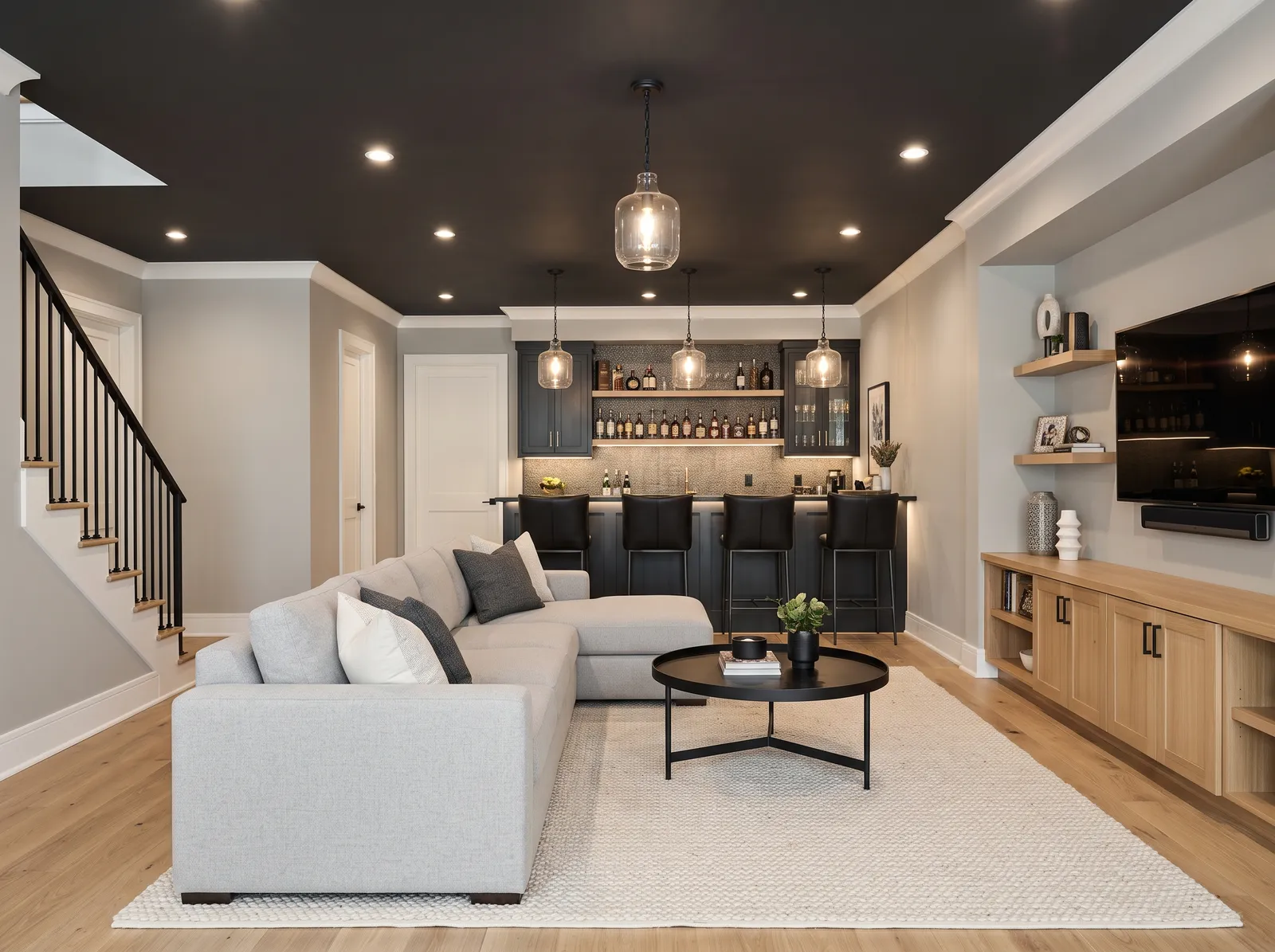
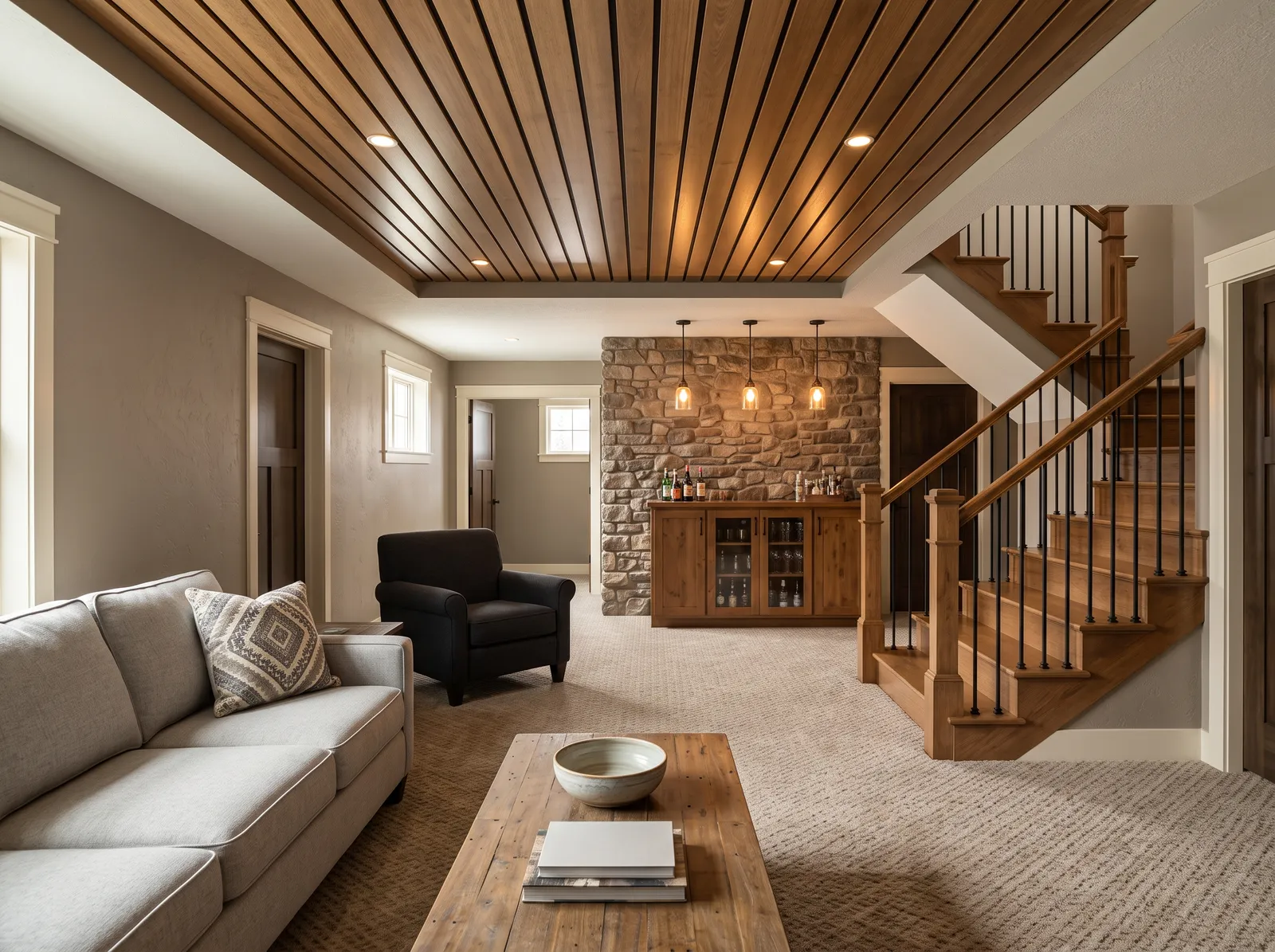
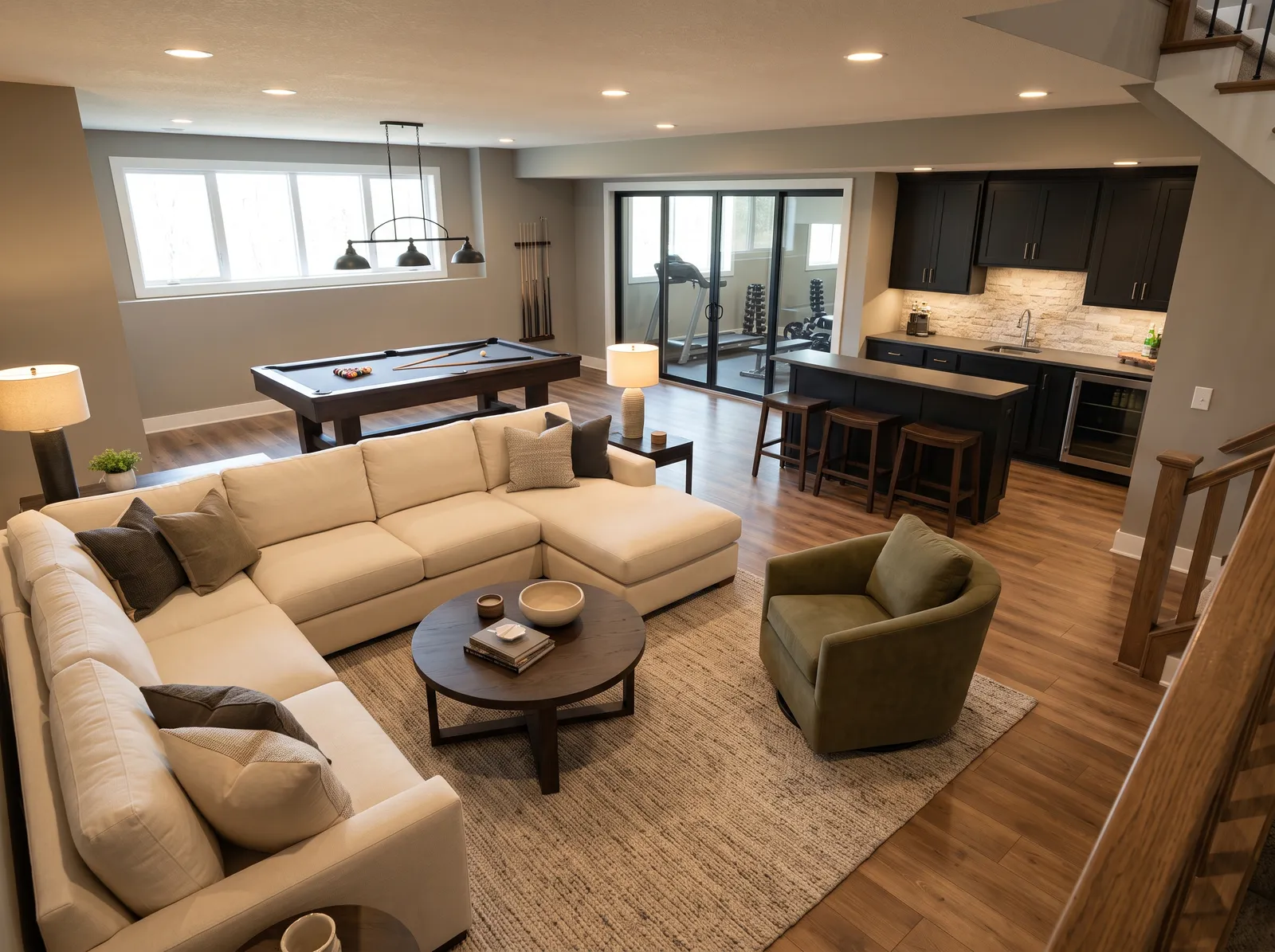
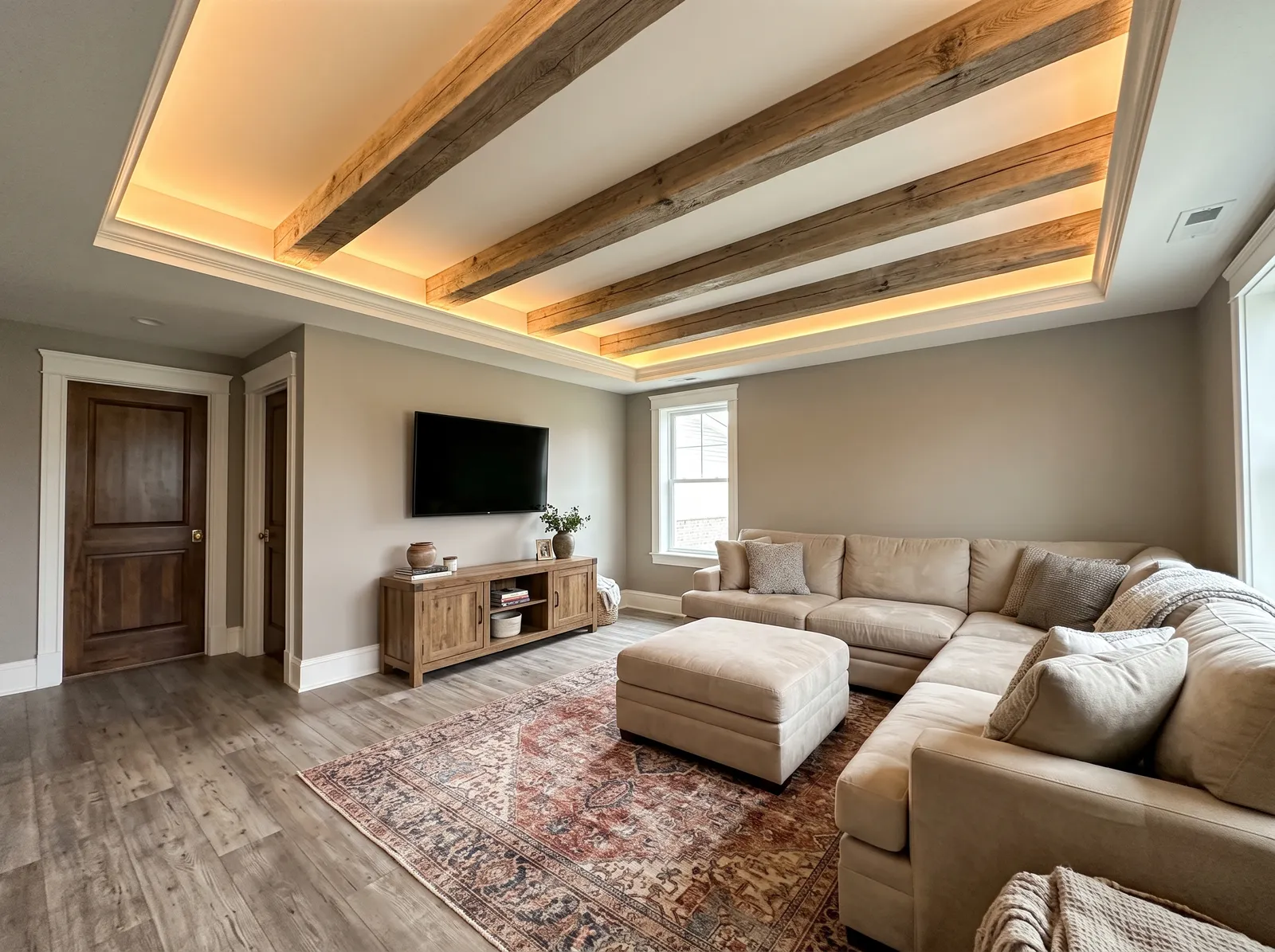
Editor's Picks: Neutral for Basements
4 picks30 Neutral Picks Across the LRV Range
30 of 4,152 · sorted dark → lightLooking for more? All neutral → covers every brand; brand × family pages show full decks.
Neutral Basement Colors at Every US Brand
21 brands · up to 10 picks eachUp to 10 picks per brand spread across the neutral LRV range, drawn from each brand's full deck. Tap any swatch with a curated guide for full spec; tap the brand title for the brand's complete neutral deck.
Behr
Benjamin Moore
Glidden
Sherwin-Williams
Valspar
PPG / Glidden
HGTV Home by Sherwin-Williams
Dunn-Edwards
Diamond Vogel
Hirshfield's
Kompozit
Dutch Boy
C2 Paint
Rodda
Farrow & Ball
Magnolia Home
Portola Paints
Clare
Annie Sloan
Backdrop
Rust-Oleum
Other Basement Color Families
Neutral Colors in Other Rooms
Neutral Paint Colors for a Basement
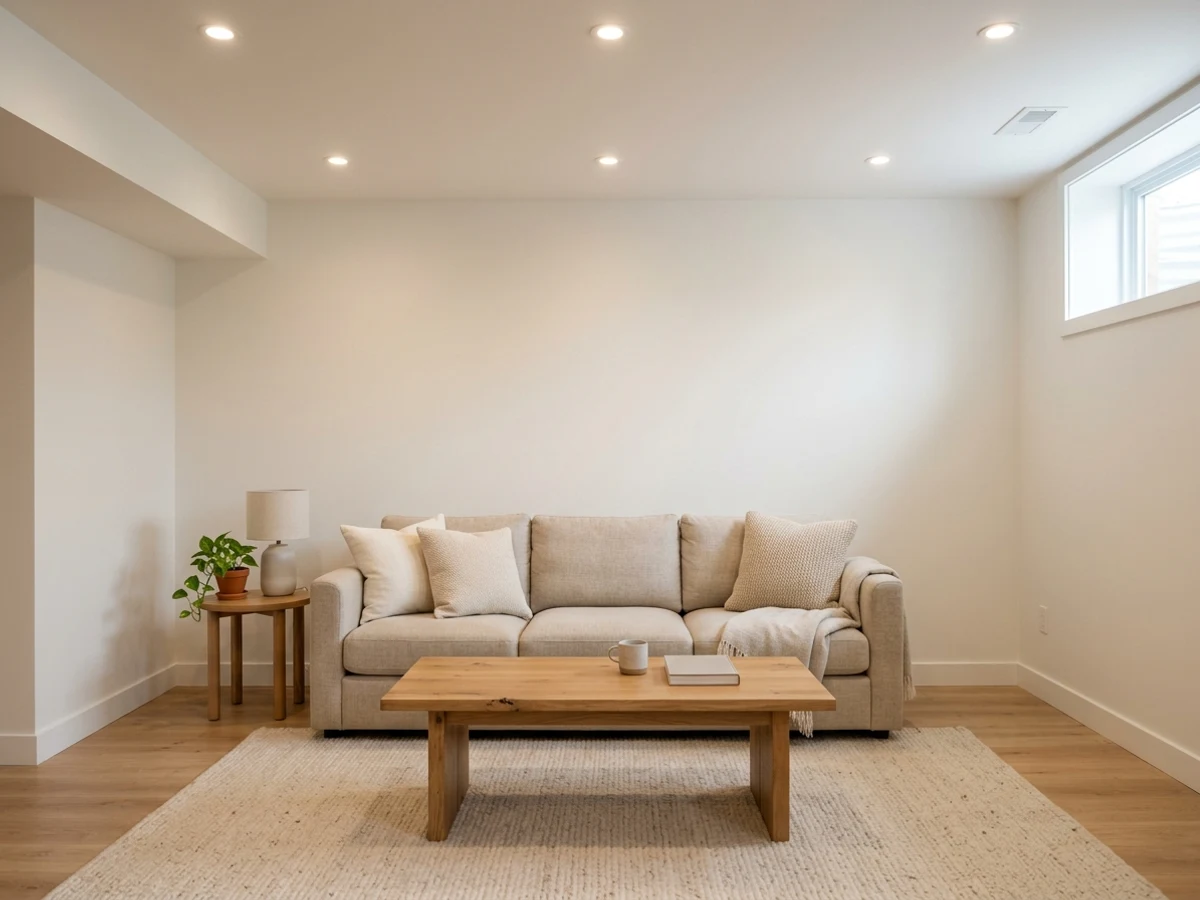
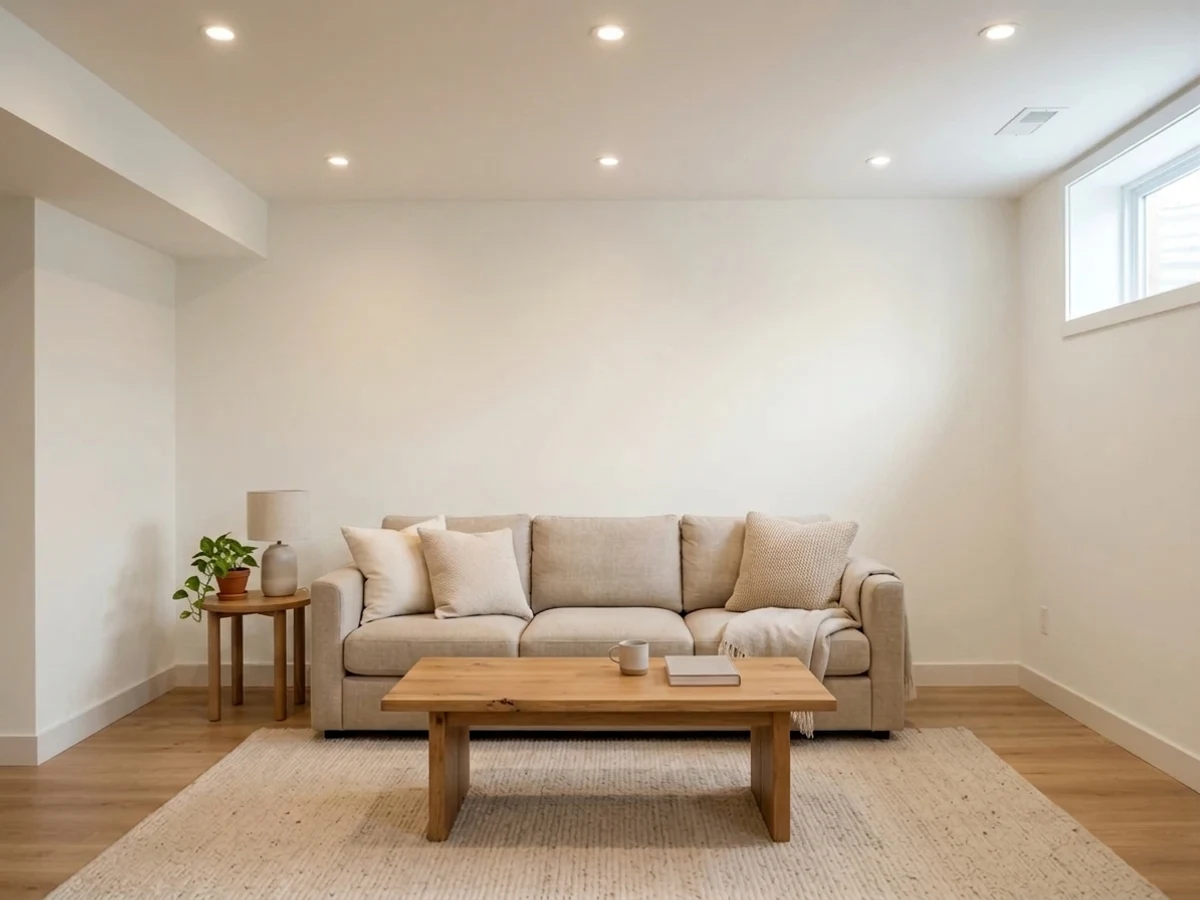
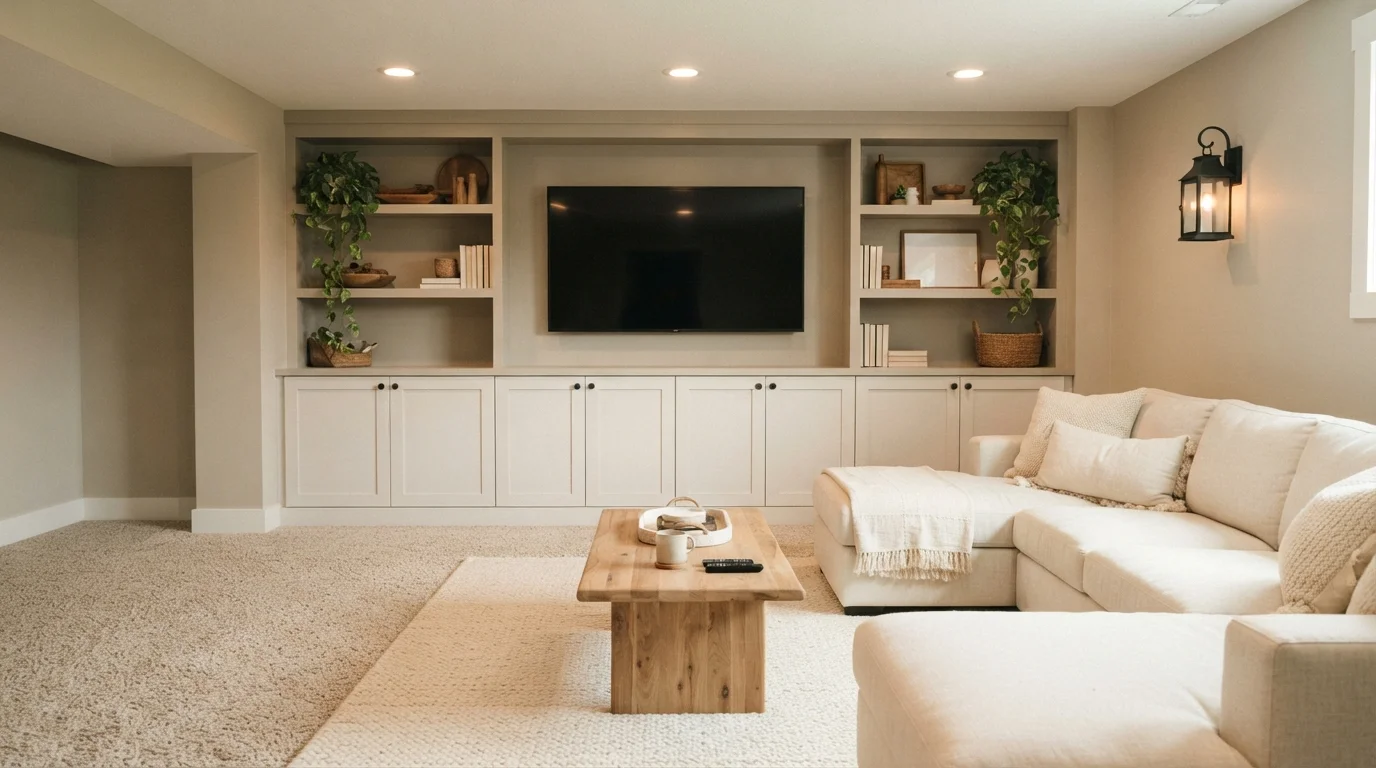
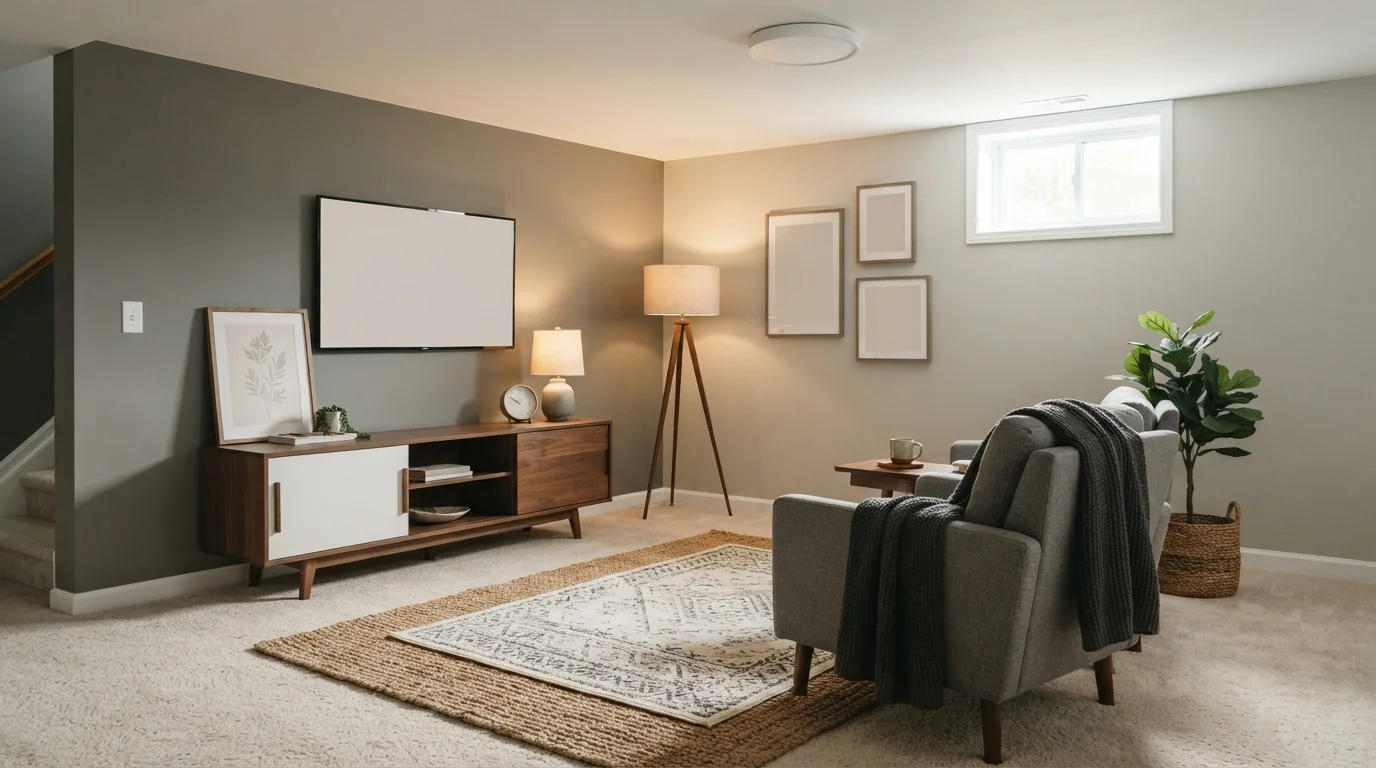
A basement is the hardest room in the house to light, so neutral paint does a lot of quiet work down there. The walls usually catch a mix of cool daylight from small window wells and warm light from bulbs, and a good neutral keeps that mix from looking muddy or gray-blue. Done right, a neutral makes a low, often windowless space feel calm and finished instead of cave-like.
The catch is that "neutral" covers a huge range, and the wrong one turns a basement flat and dingy fast. Because basements run dim and a little cool, the safest neutrals lean slightly warm and sit on the lighter end. Every color shown here is mixed to order at the paint counter, so once you find a shade you like you can have it matched across brands and pick whichever store is easiest for you.
Why Neutral Works Down Here
Basements rarely have a strong color of their own, and they collect a jumble of finishes: concrete, carpet, drop ceilings, exposed mechanicals, and whatever furniture got handed down. A neutral pulls all of that together and lets the room read as one space instead of a patchwork. It is the most forgiving choice when the lighting is uneven and the contents are mixed.
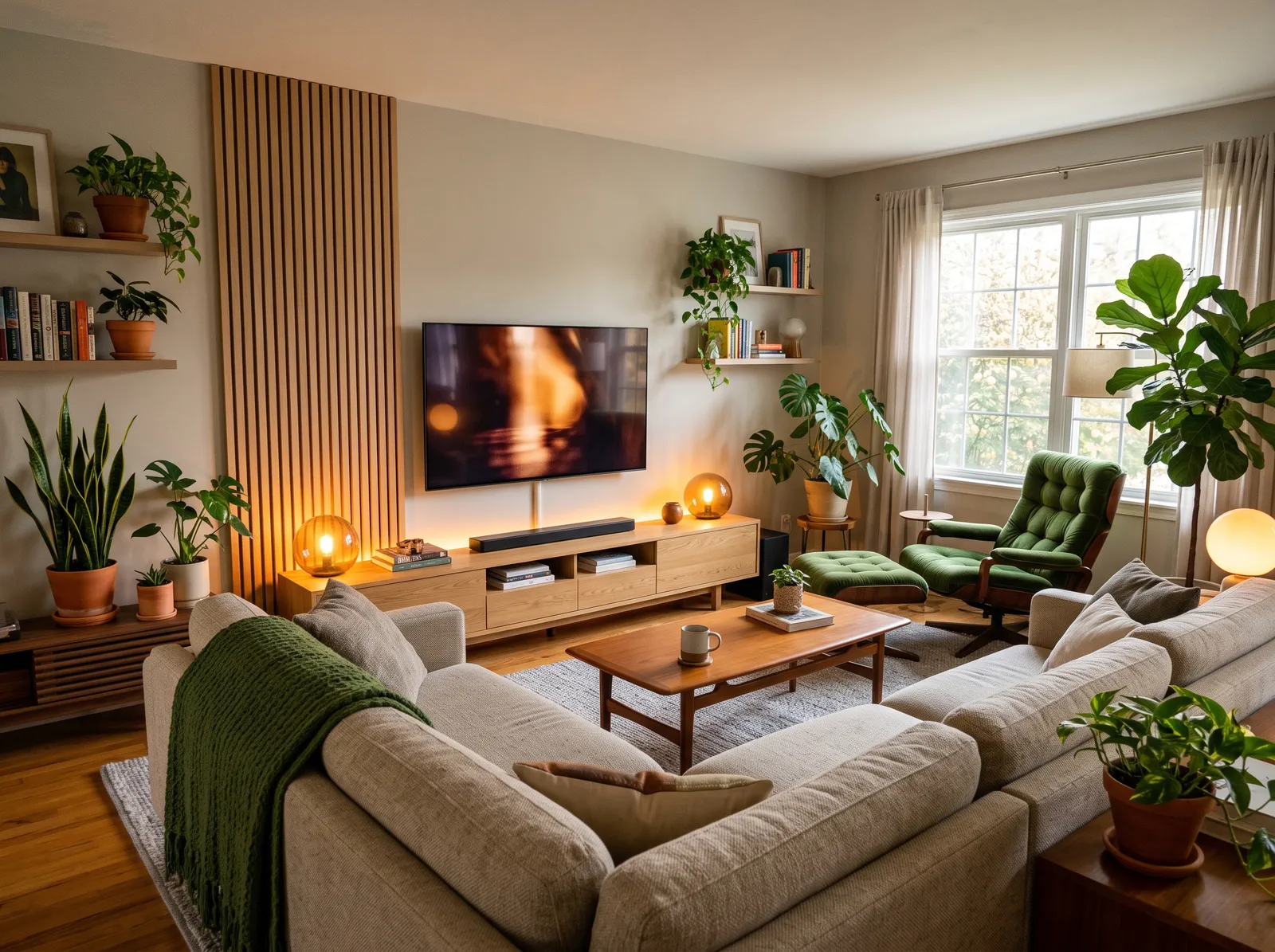
Neutral also buys you flexibility for how the room gets used. A basement that is part playroom, part guest space, part storage does better with a quiet backdrop than with a committed color. You can change the rugs, art, and bedding over the years without repainting.
Picking the Right Depth and Shade
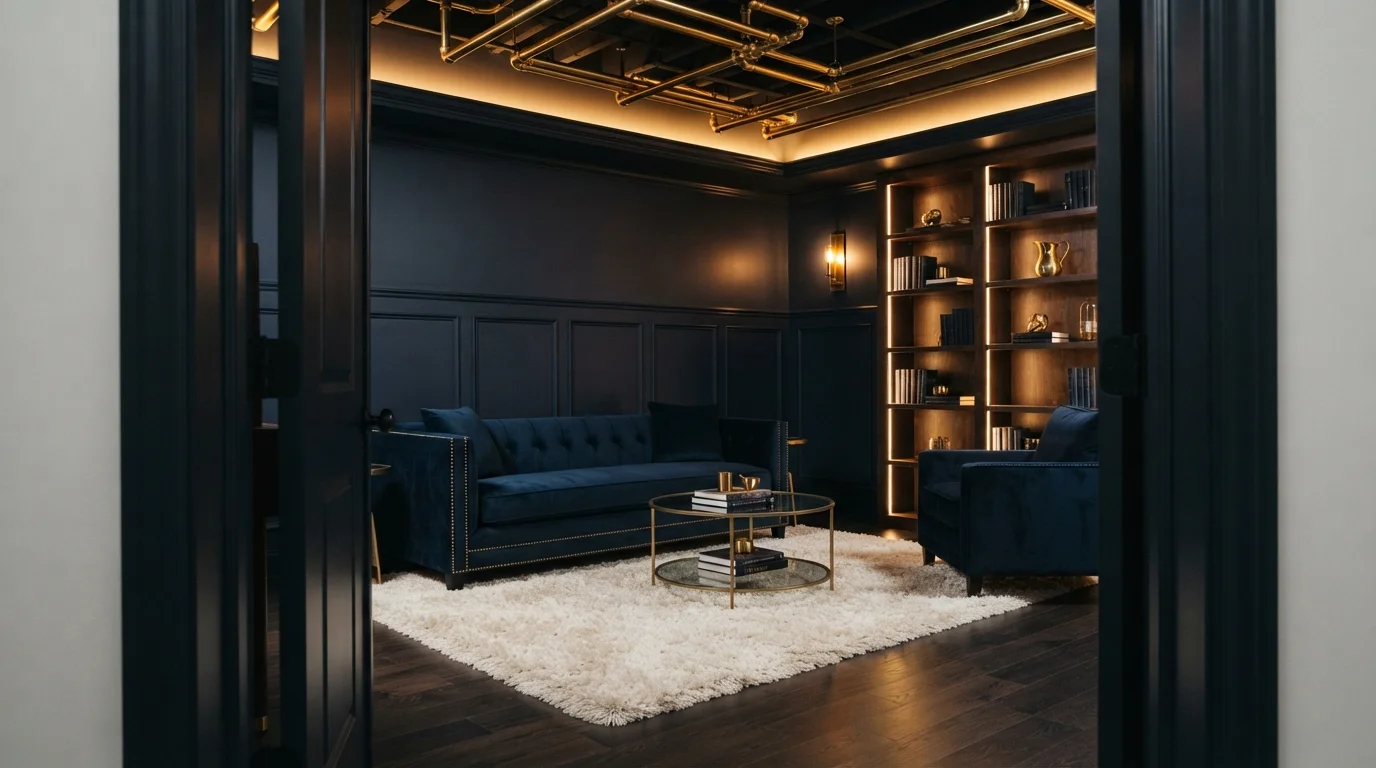
LRV (light reflectance value) tells you how much light a color bounces back, on a scale from 0 (black) to 100 (pure white). In a basement, where there is little natural light to work with, you usually want a neutral with a fairly high LRV, roughly in the 60s or 70s, so the walls help spread what light you do have. Going darker is possible, but only if you have enough fixtures to carry it, otherwise the room closes in.
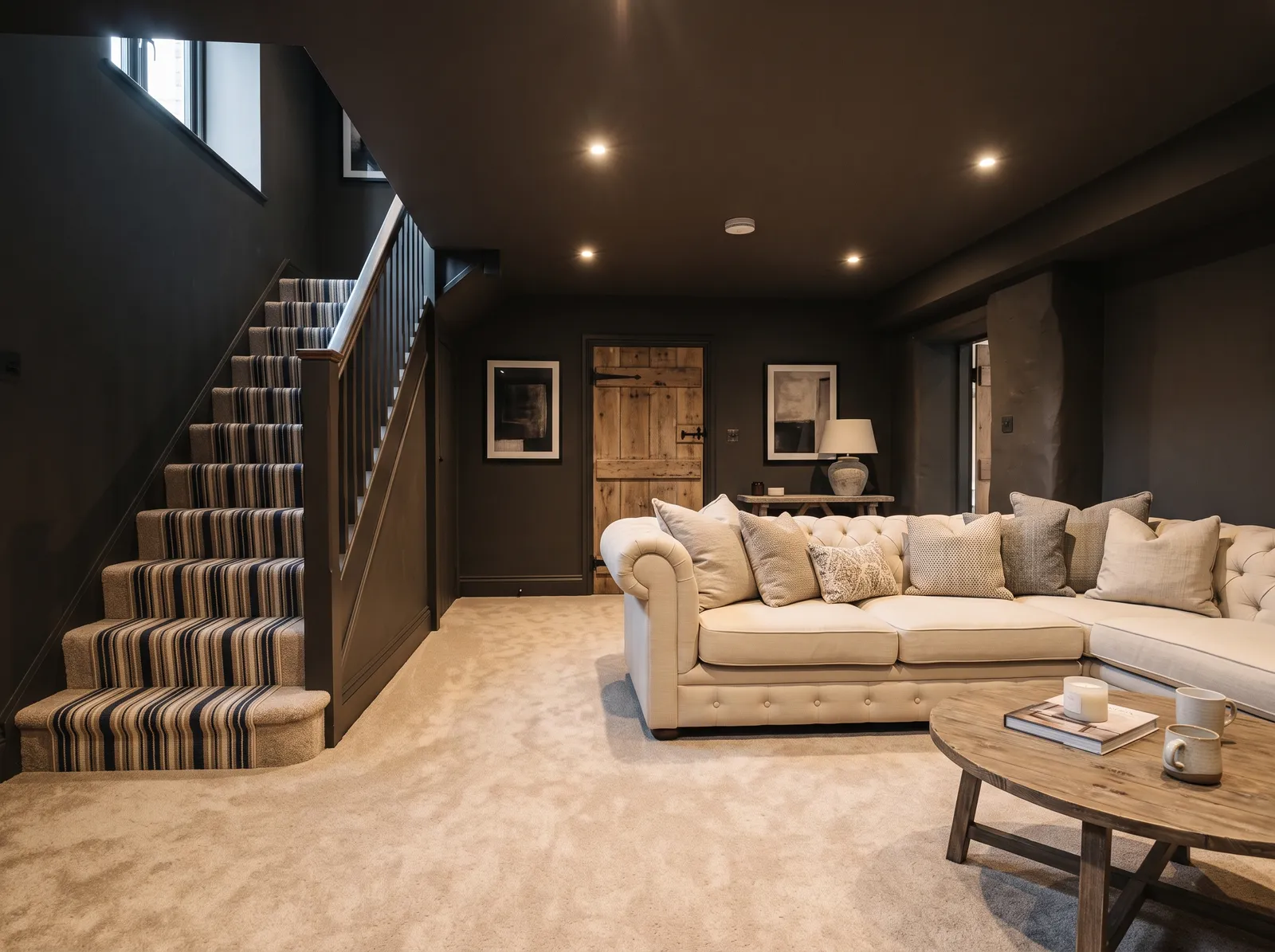
Shade direction matters as much as depth. Basements skew cool and shadowy, so a neutral with a warm undertone, a soft greige or a warm off-white, counteracts that and feels cozy rather than clinical. Steer away from neutrals with a strong gray or blue cast; they can turn cold and lifeless once the daylight drops.
The Right Finish for a Basement
Basements deal with more moisture than the rooms above them, so the finish needs to shrug off humidity and wipe clean. An eggshell or satin sheen is the sweet spot for basement walls: it resists scuffs and the occasional damp wipe far better than a flat finish, without throwing harsh glare under overhead lights. Flat hides wall imperfections but holds onto dirt and is hard to clean, which is a poor trade in a hard-use space.
For trim, doors, and any built-ins, step up to semi-gloss. It takes scrubbing and bumps from moving things in and out of storage. If your basement has any history of dampness, a paint formulated for moisture-prone areas is worth the small upcharge.
Pairing Trim, Ceiling, and Fixtures
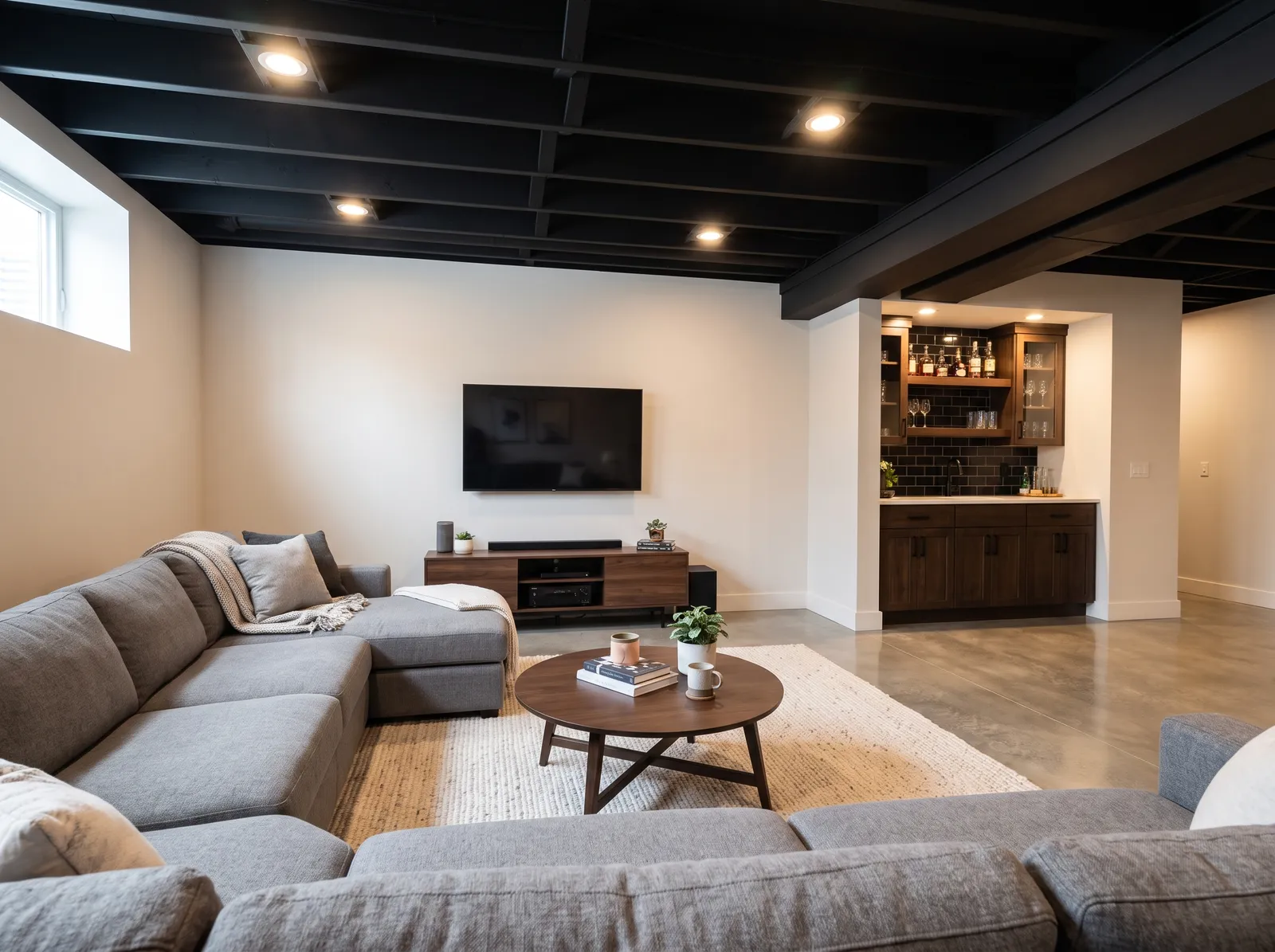
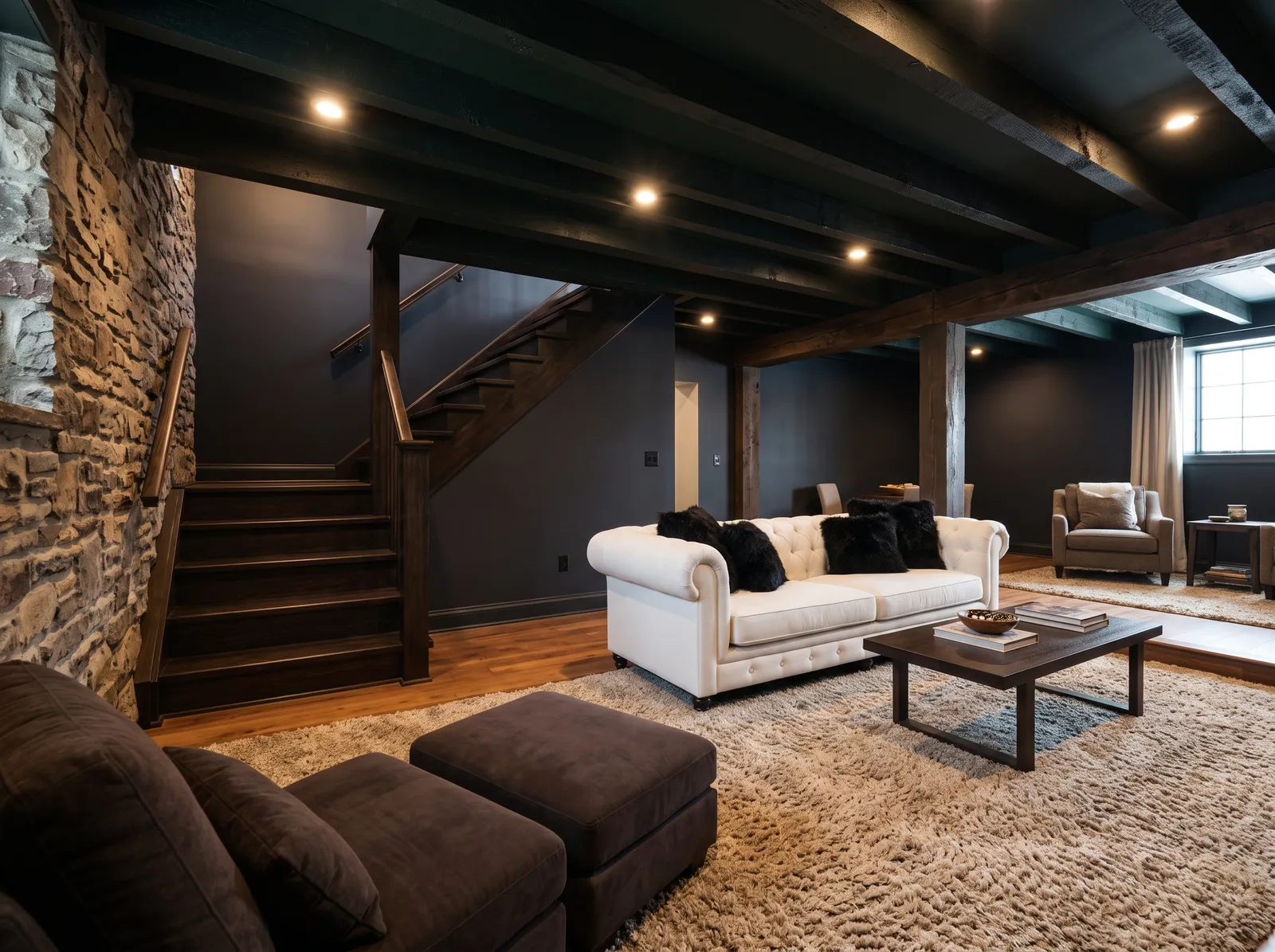
A low basement ceiling looks taller when it is painted a clean, slightly brighter white than the walls, which keeps your eye moving up. Crisp white trim against a warm neutral wall gives the room edges and makes a finished space feel intentional rather than improvised. If the ceiling is an exposed or drop type, painting it out in one quiet tone reads more polished than leaving it busy.
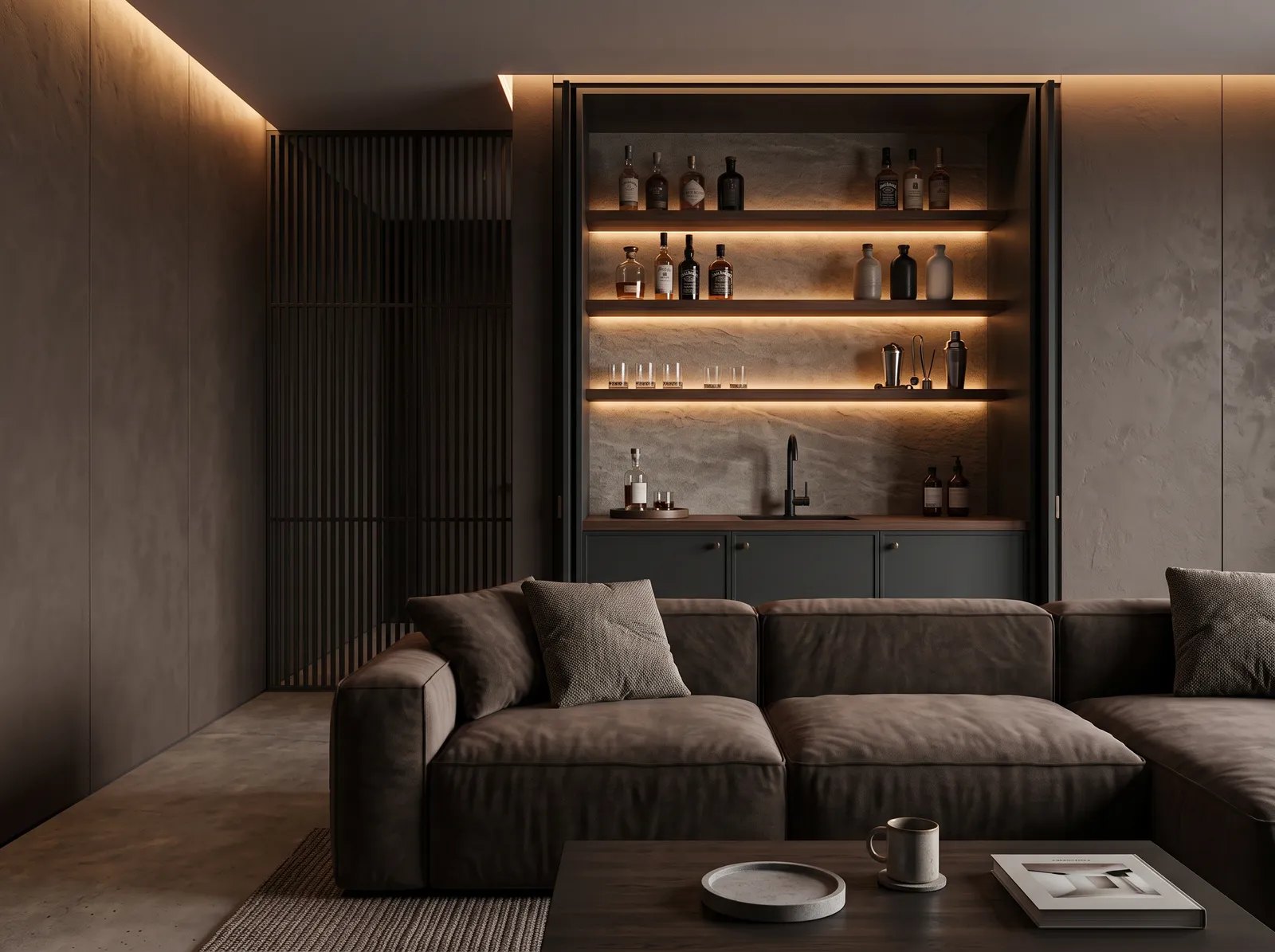
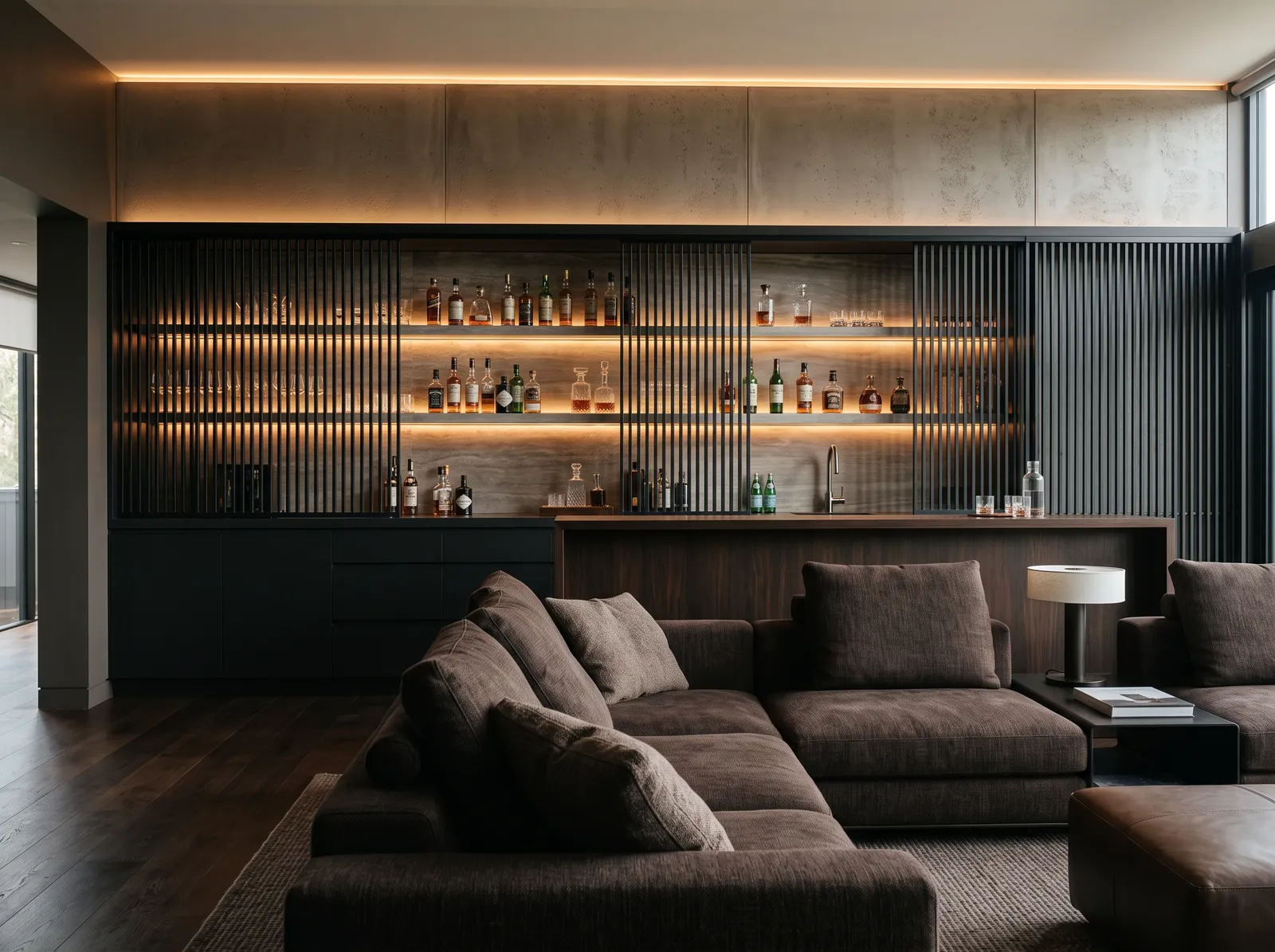
For cabinetry, laundry built-ins, or a bar area, a neutral that sits a few shades off the walls adds depth without fighting the backdrop. Warm metal fixtures, brass, bronze, matte black, look grounded against a warm neutral, while plain chrome can lean cold in an already cool room. Pick the warmer metal where you have the choice.
Common Mistakes to Avoid
The biggest mistake is choosing a neutral off a tiny chip or a screen and skipping a sample on the actual basement wall. A shade that looked warm in the store can go gray or green under basement light, so paint a large swatch and look at it with the lights you actually use, day and night. The room's real lighting always wins.
The other common miss is going too pale and too cool in an effort to brighten things up. Stark white or icy gray tends to amplify how dim and bare a basement feels rather than fix it. A warm, light neutral does far more to make the space feel inviting than a cold near-white ever will.
Neutral Basement Paint — Frequently Asked Questions
What is the best neutral color for a basement?+
Reach for a warm, light neutral, a soft greige or a warm off-white, rather than a cool gray. Basements run dim and a little cool, so a warm undertone keeps the space from feeling cold and cave-like. Aim for something fairly light so the walls help bounce around what little light you have.
What LRV should I look for in a basement neutral?+
In a low-light basement, a neutral with an LRV in the 60s or 70s usually works best, since higher reflectance helps spread the limited light. You can go darker for a cozy lounge or media area, but only if you have enough lamps and fixtures to support it. With too little light, a dark neutral makes the room feel smaller.
What sheen should I use on basement walls?+
Eggshell or satin is the right call for basement walls. It stands up to humidity and lets you wipe the walls clean, and it does not throw harsh glare under overhead lighting the way glossier finishes can. Save semi-gloss for the trim, doors, and built-ins, which take more abuse.
Will a neutral make my basement look dingy?+
Only if it leans cool or you go too dark for the light you have. A cool gray or stark white can amplify the dim, bare feeling of a basement. A warm, light neutral does the opposite, it softens the space and makes it feel finished and inviting.
Should the basement ceiling match the walls?+
Usually a clean white ceiling, a little brighter than the walls, works better than matching. It keeps a low ceiling from pressing down and helps the room feel taller. If you have an exposed or drop ceiling, painting it one quiet tone looks more polished than leaving it visually busy.
Can I match the same neutral across different paint brands?+
Yes. Every color shown here is mixed to order at the paint counter, and a shade you like can be cross-matched between brands. So you can pick the neutral that looks right in your basement and then buy it wherever is most convenient for you.