Neutral Garage Door Paint Colors
4,152 neutral colors that work in garage doors, drawn from the full ~30,000-color US paint deck. Below: editor's picks specific to garage doors, then 30 picks spread across the LRV range — narrow further on the brand page when you've shortlisted.
Neutrals are the colors that aren't quite gray and aren't quite tan — the warm, low-saturation in-between bucket where greige, taupe, mushroom, bone, and accessible beige all live. They've replaced cool grays as the default safe wall color of the late 2020s, particularly in open-plan homes where one color flows through multiple rooms.
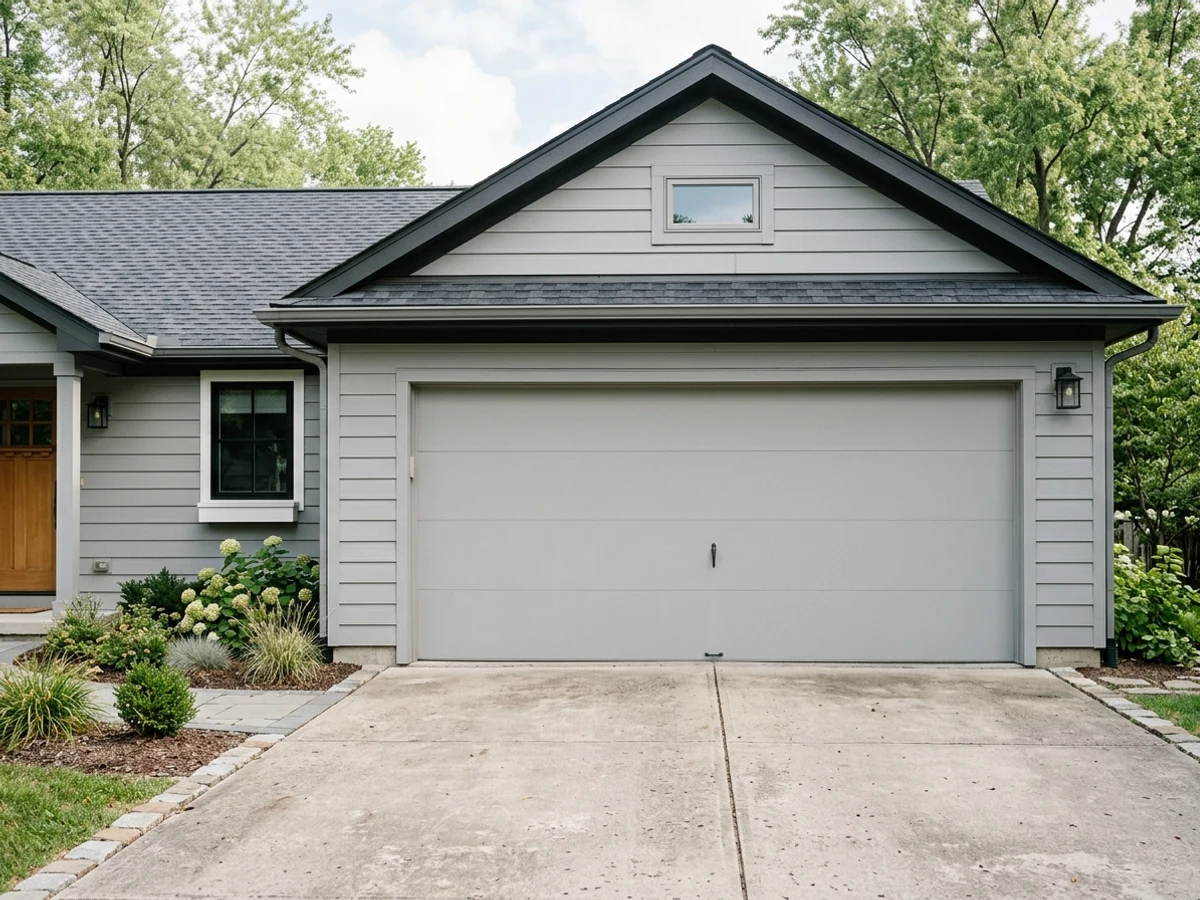
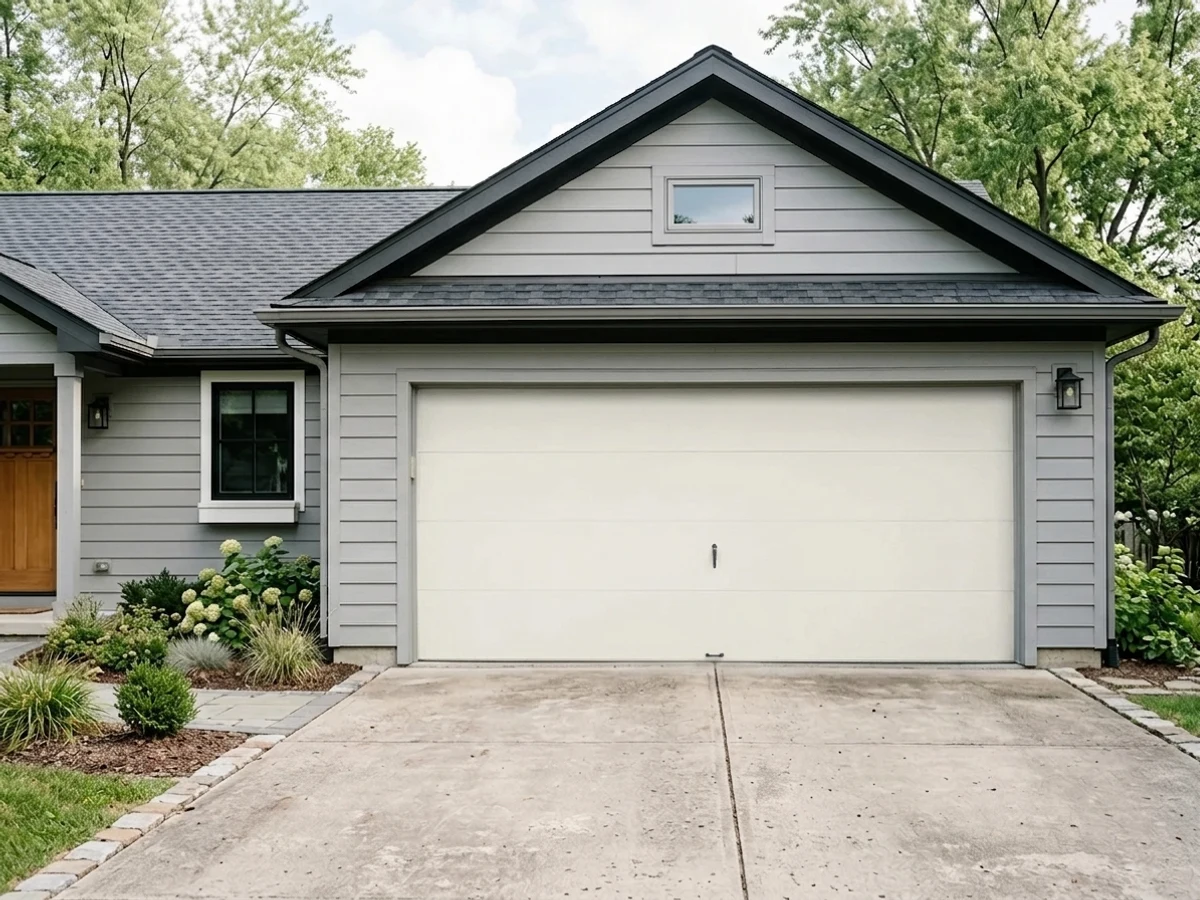
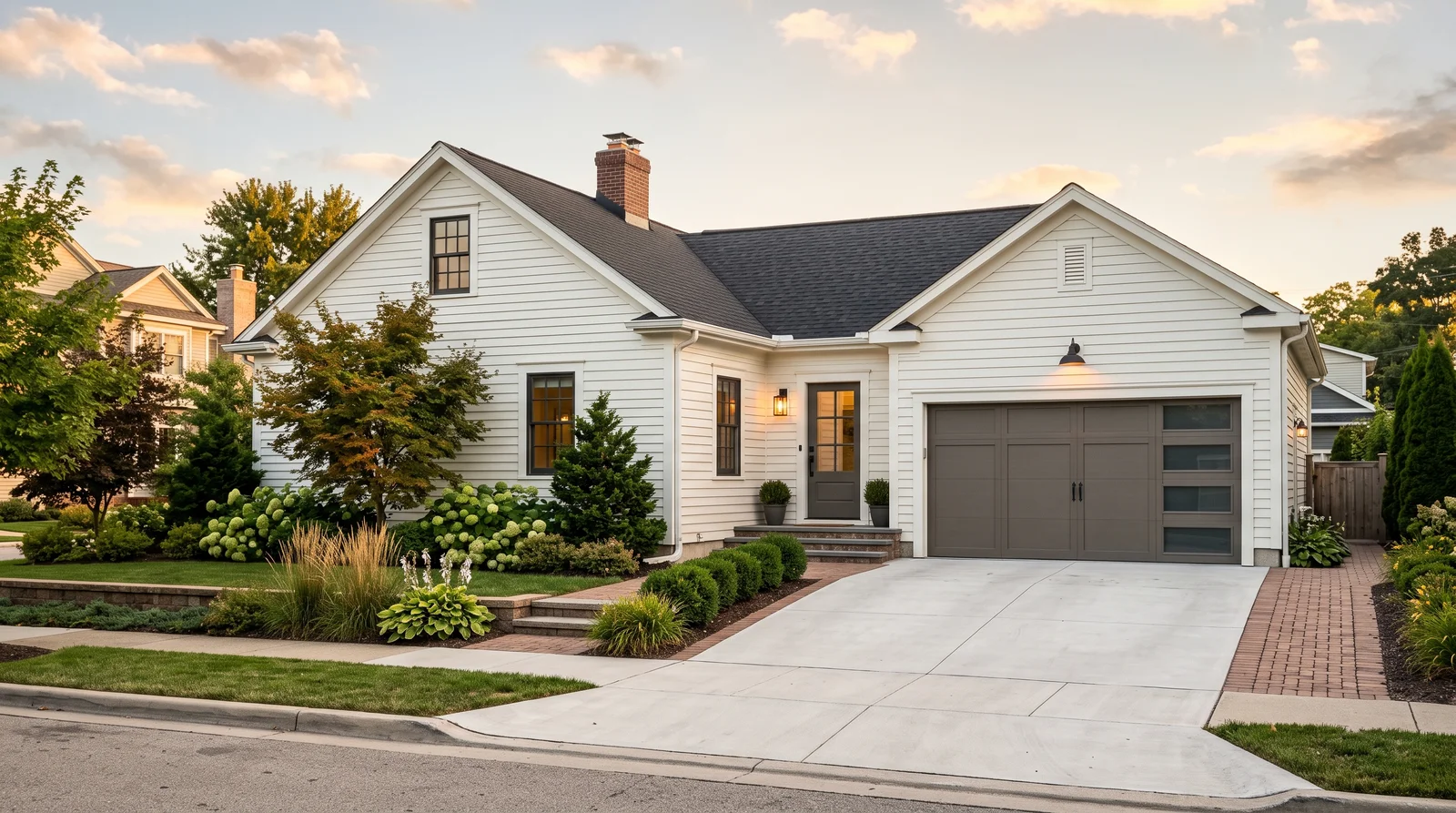
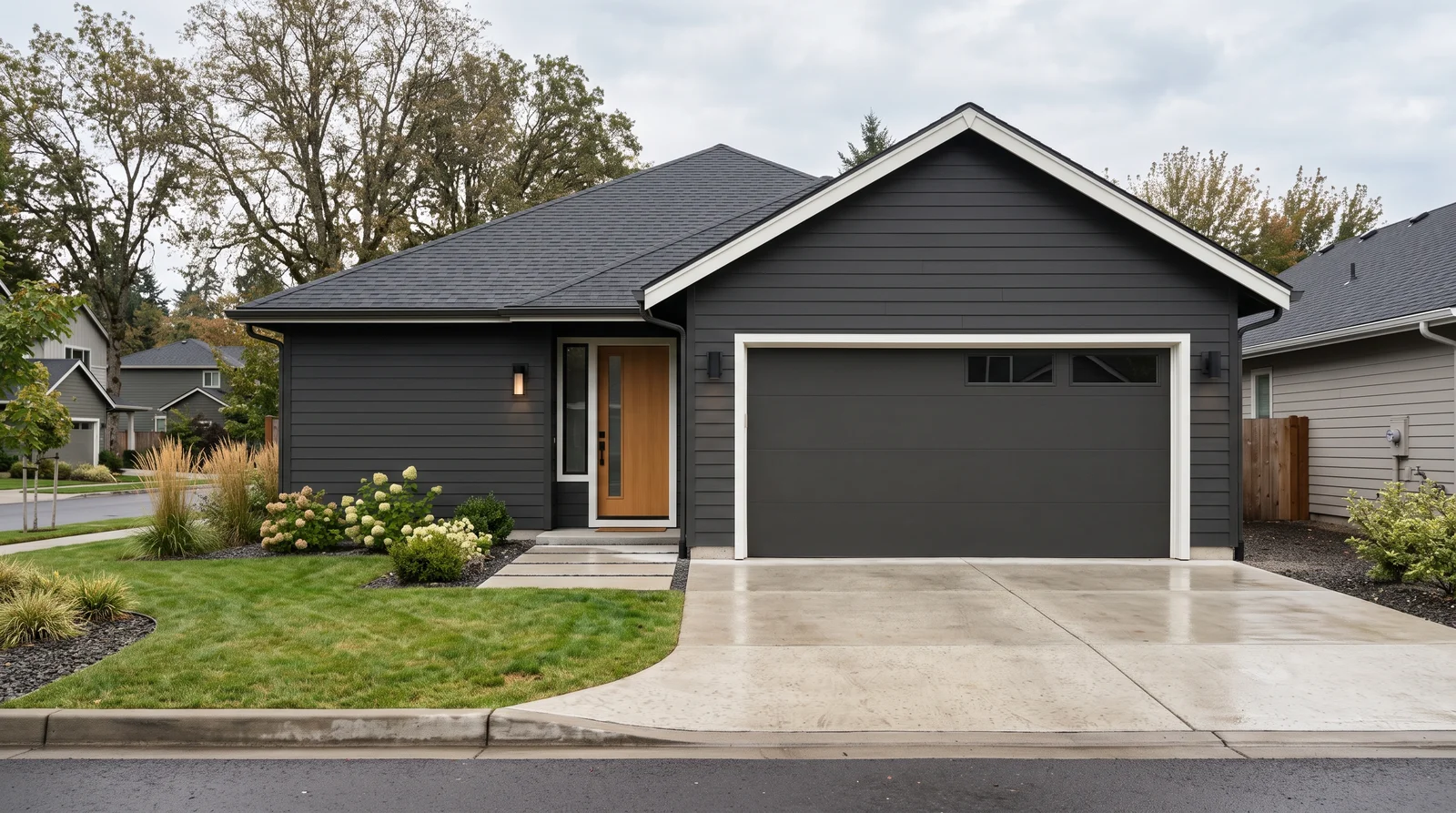
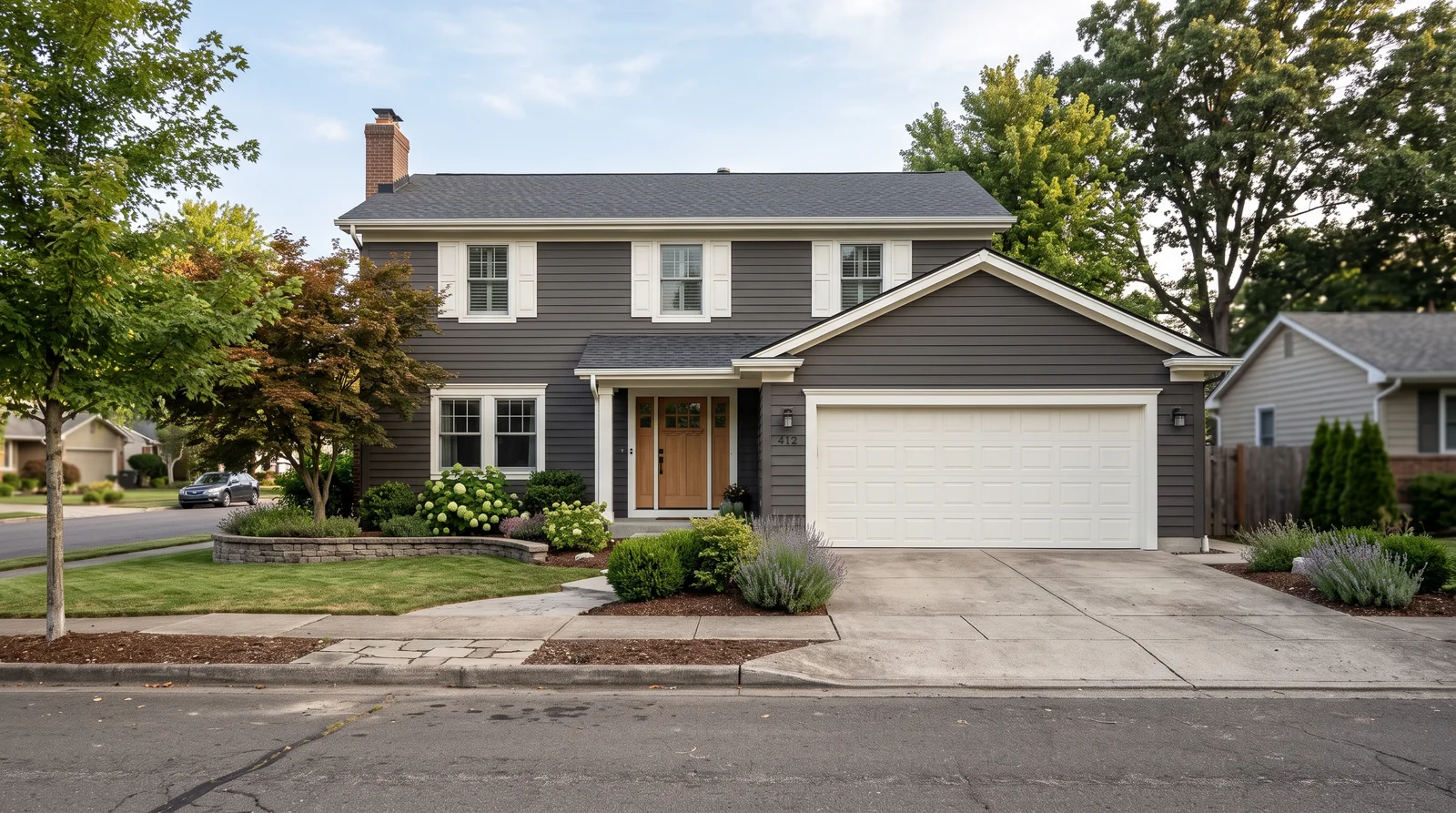
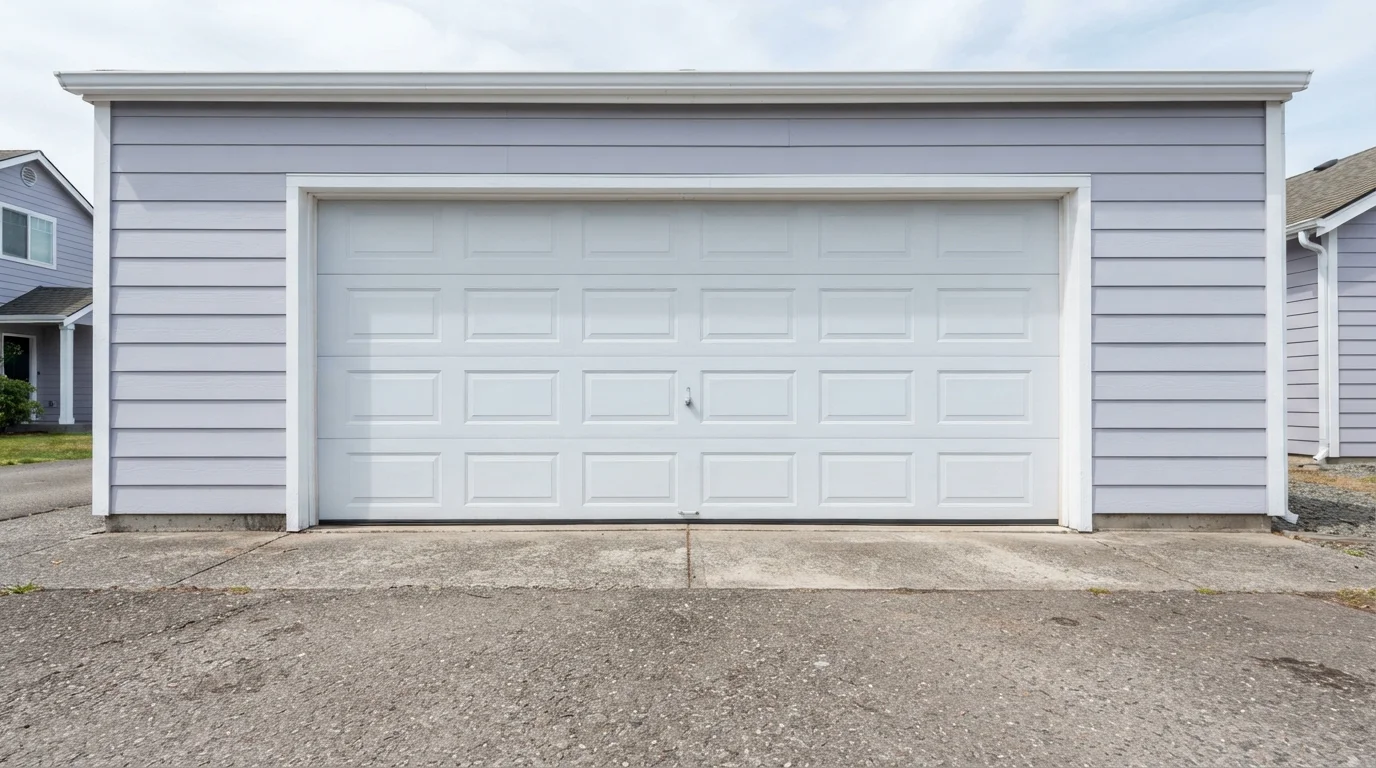
Editor's Picks: Neutral for Garage Doors
4 picks30 Neutral Picks Across the LRV Range
30 of 4,152 · sorted dark → lightLooking for more? All neutral → covers every brand; brand × family pages show full decks.
Neutral Garage Door Colors at Every US Brand
21 brands · up to 10 picks eachUp to 10 picks per brand spread across the neutral LRV range, drawn from each brand's full deck. Tap any swatch with a curated guide for full spec; tap the brand title for the brand's complete neutral deck.
Behr
Benjamin Moore
Glidden
Sherwin-Williams
Valspar
PPG / Glidden
HGTV Home by Sherwin-Williams
Dunn-Edwards
Diamond Vogel
Hirshfield's
Kompozit
Dutch Boy
C2 Paint
Rodda
Farrow & Ball
Magnolia Home
Portola Paints
Clare
Annie Sloan
Backdrop
Rust-Oleum
Other Garage Door Color Families
Neutral Colors in Other Rooms
Neutral Paint Colors for a Garage Door
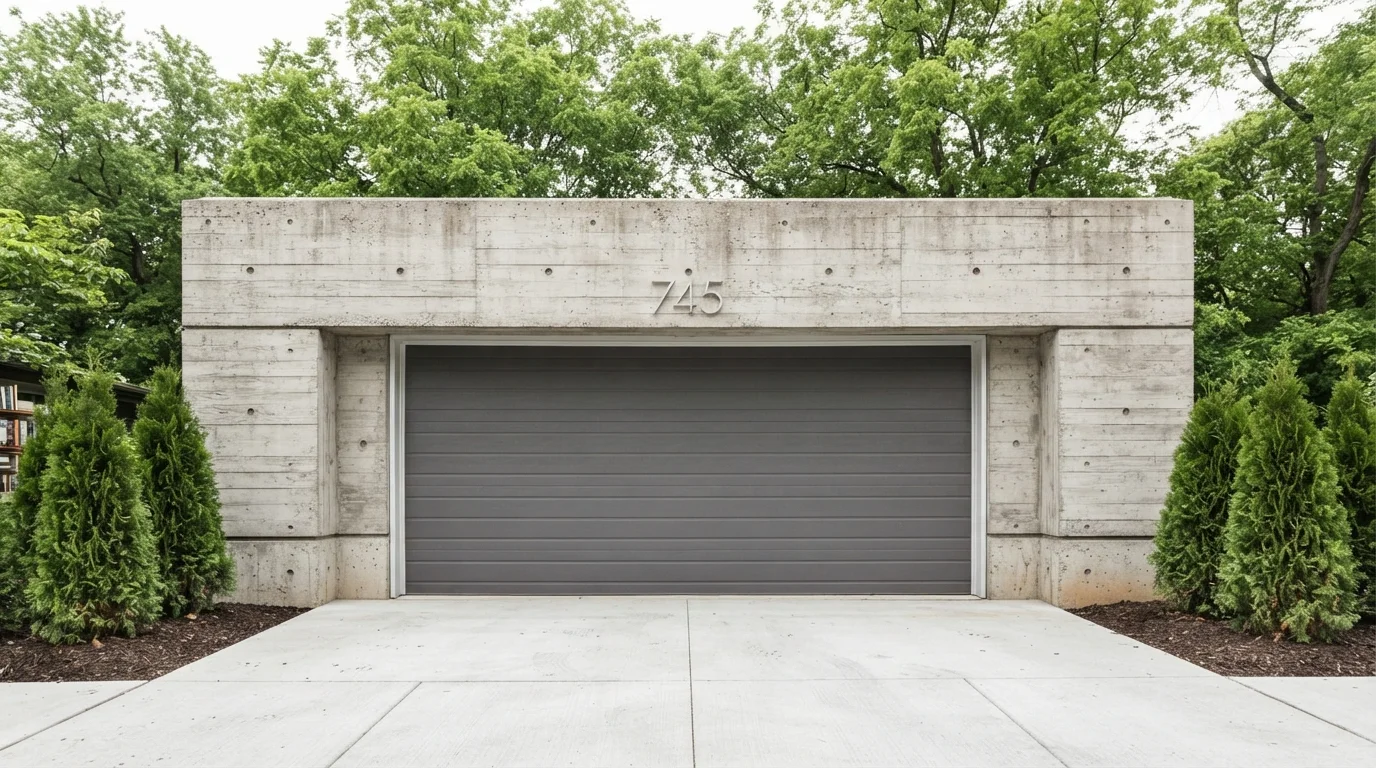
A garage door is the biggest single surface on the front of most houses, so its color does a lot of work. Neutral is the safe, smart choice here because it lets the door blend with the house instead of fighting it. The right neutral makes a wide door look calm and intentional, and it ages well through trends, seasons, and resale.
The trick with a garage door is that it sits in full sun, takes weather head-on, and is read from across the street, not up close. That changes how a neutral behaves and which one you should pick. Below is how to choose the depth, the finish, and the pairings so your door looks finished rather than forgotten.
Why Neutral Is the Safe Pick for a Garage Door
A garage door is huge and usually faces the street, so a loud color can take over the whole house. A neutral keeps the door quiet and lets the front door, landscaping, and roofline be the things people notice. That is almost always what you want, because the garage door should support the house, not star in it.
Neutral also hides the door's seams and panel lines better than a strong color. Bold tones throw shadows that exaggerate every dent and gap, while a soft neutral smooths the door into one clean plane from the curb.
Picking the Right Depth and Reading the Light With LRV
LRV (light reflectance value) tells you how light or dark a color reads, from 0 for black to 100 for pure white. For a garage door, the most reliable range is a mid neutral, roughly 45 to 65 LRV. That is light enough to feel clean and dark enough to hide road grime, handprints, and the inevitable scuffs near the bottom.
The sun does the steering. A door in harsh, all-day light will look one to two shades lighter and a touch washed out, so you can go slightly deeper than the chip suggests. A door under a deep overhang or facing north stays in shadow, so a very dark neutral can read almost black there; bump the LRV up a bit to keep it from looking like a cave.
The Right Finish for a Garage Door
A garage door needs an exterior-grade finish that shrugs off sun, rain, and washing. Satin is the sweet spot for most doors: it has enough sheen to clean easily and resist moisture, but not so much that it glares in direct sun or spotlights every dent. On a flat, sun-baked door, a high-gloss finish is usually a mistake because it turns the surface into a mirror and shows every imperfection.
If your door is old or dented, lean toward the lower-sheen end of satin to soften flaws. If it is smooth and you want a little crispness, a low-gloss can work, but test it in the actual sun before committing the whole door.
Pairing the Door With Trim, Front Door, and Hardware
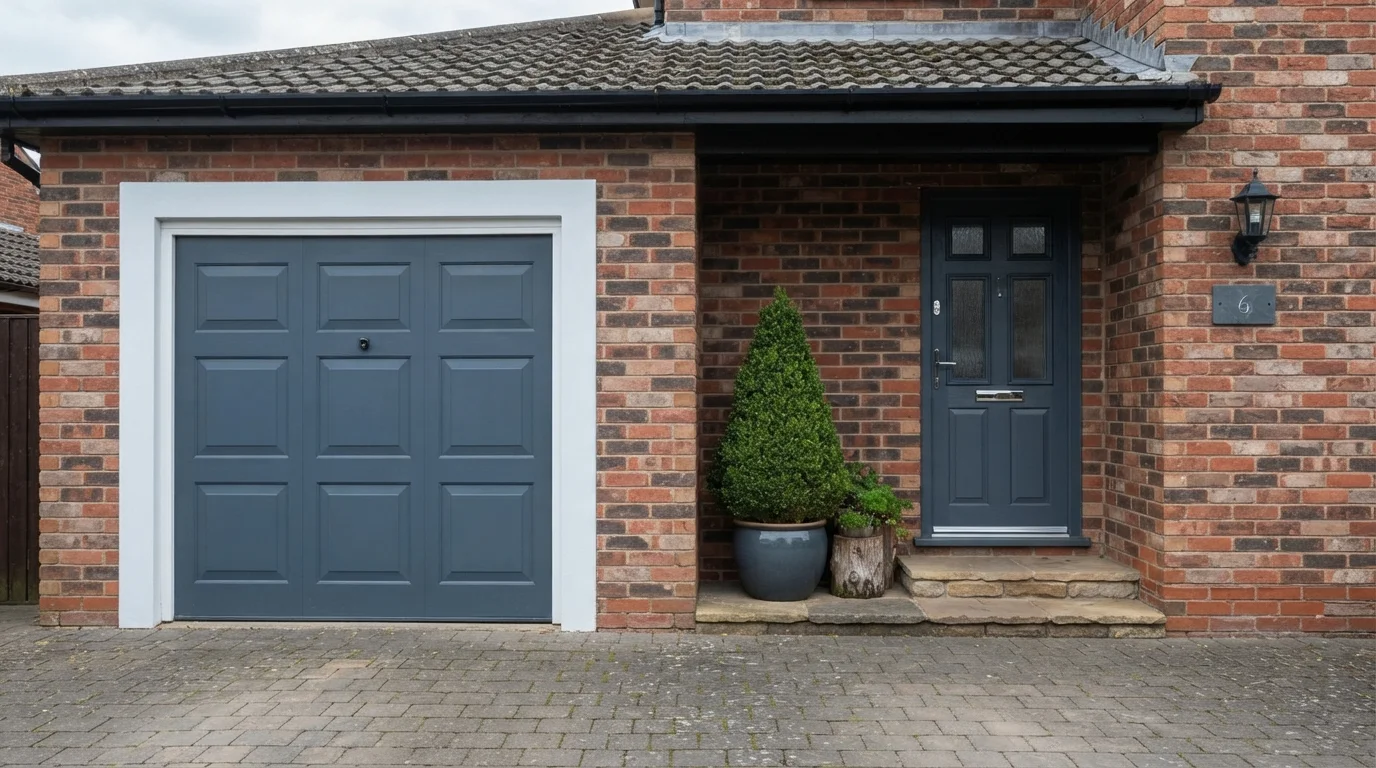
The cleanest look ties the garage door to the trim or the body of the house rather than treating it as its own statement. Matching the garage door to the trim color makes a wide facade feel calm and unified, while matching it to the body color makes the door almost disappear. Both are good, low-risk moves with a neutral.
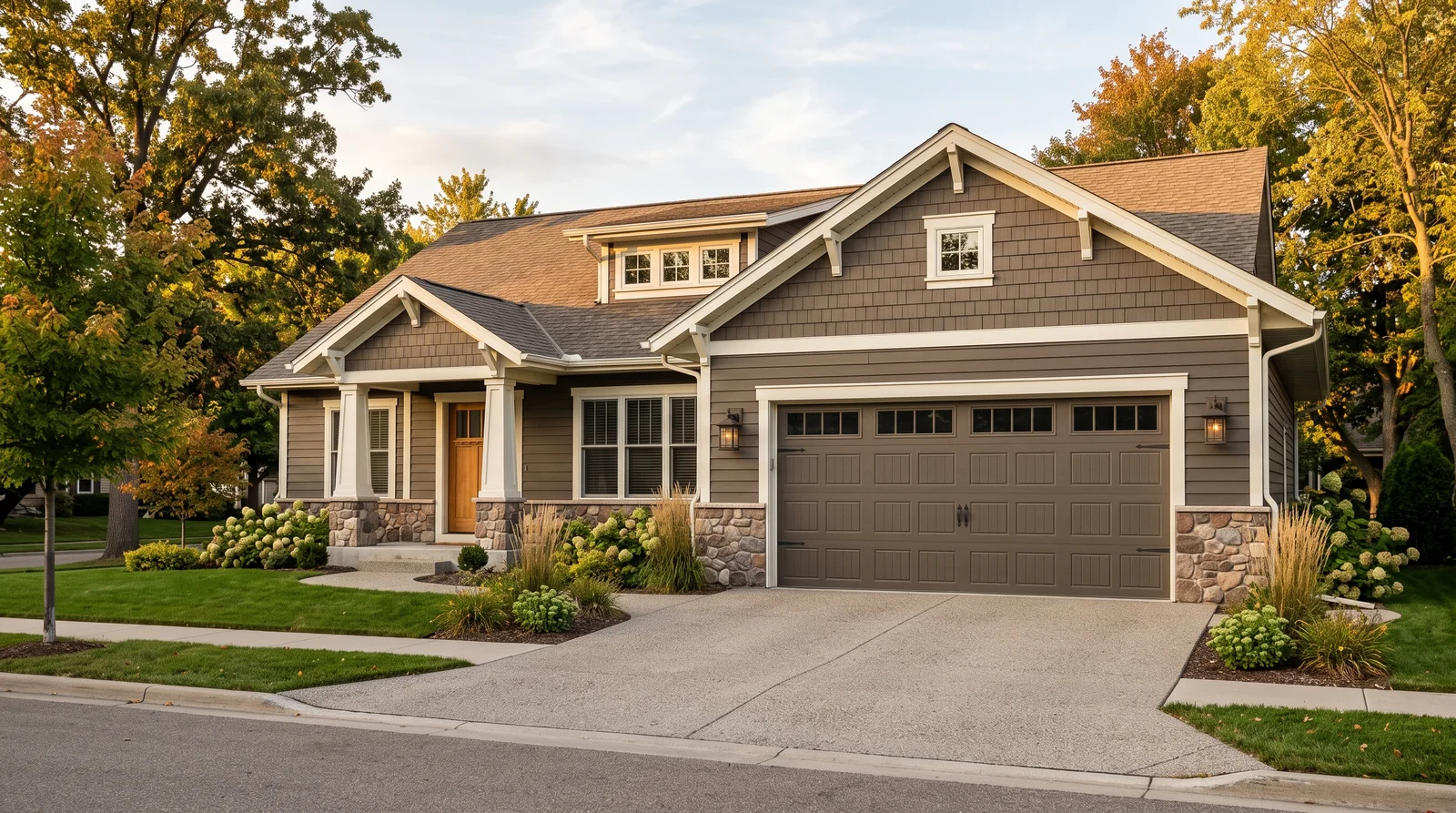
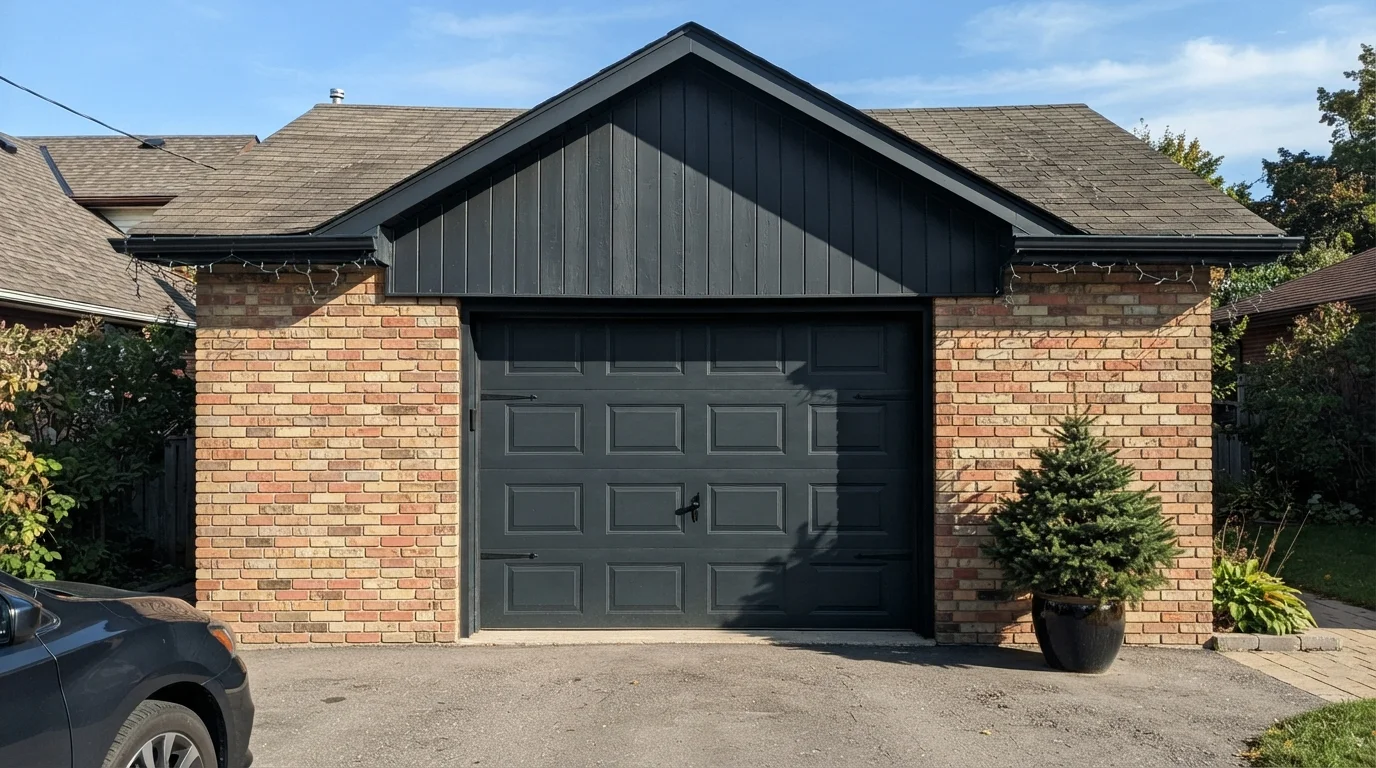
Let the front door carry the personality. A neutral garage door pairs beautifully with a bolder front door, black or oil-rubbed hardware, and warm wood or metal accents. If your door has decorative handles or faux straps, a mid-to-deep neutral lets that black hardware pop without the whole door going dark.
Common Mistakes With Neutral on a Garage Door
The most common miss is undertone. A gray that looks clean on a small chip can turn blue, purple, or green across a giant sunlit door, so always test a large sample on the actual door and check it morning, midday, and evening. The second mistake is matching the garage door to the house siding by eye and ending up slightly off, which reads as a mistake rather than a match; pull the exact body or trim color instead.
Going too light is the other trap. A near-white door shows every streak of road spray, pollen, and dirt, and needs constant washing to look right. A mid neutral keeps it looking clean far longer. Remember that any color you see here is mixed to order at the store, so you can carry a shade across brands and match your door to trim or siding from a different maker.
Neutral Garage Door Paint — Frequently Asked Questions
should my garage door match the house or stand out?+
For most homes, match it. Tying the garage door to the trim or body color keeps a wide facade calm and lets the front door and landscaping shine. A neutral that blends in almost always looks more finished than one that competes.
what sheen is best for a garage door?+
Satin is the best all-around choice. It cleans easily, handles rain and washing, and doesn't glare in direct sun the way gloss does. On an older or dented door, stay at the lower end of satin so the finish doesn't spotlight every flaw.
what LRV should I look for on a garage door?+
A mid neutral around 45 to 65 LRV is the safe range. It's light enough to look clean but dark enough to hide road grime and scuffs. Go a touch deeper if the door bakes in full sun, and a touch lighter if it sits in heavy shade.
why does my garage door color look different than the chip?+
A garage door is a giant surface in full outdoor light, so color reads lighter and undertones get amplified. A subtle gray can turn blue or green across the whole door. Always test a large sample on the actual door and look at it at different times of day.
can I match my garage door to trim from a different paint brand?+
Yes. Every color shown here is mixed to order at the paint counter, and a shade can be cross-matched between brands. So you can match your garage door to siding or trim that came from a different manufacturer without repainting the whole house.
is a white garage door a bad idea?+
Not bad, but high-maintenance. A near-white door shows road spray, pollen, and dirt fast and needs frequent washing to stay crisp. If you love the light look, a soft greige or warm off-white in the mid-LRV range stays clean-looking far longer.