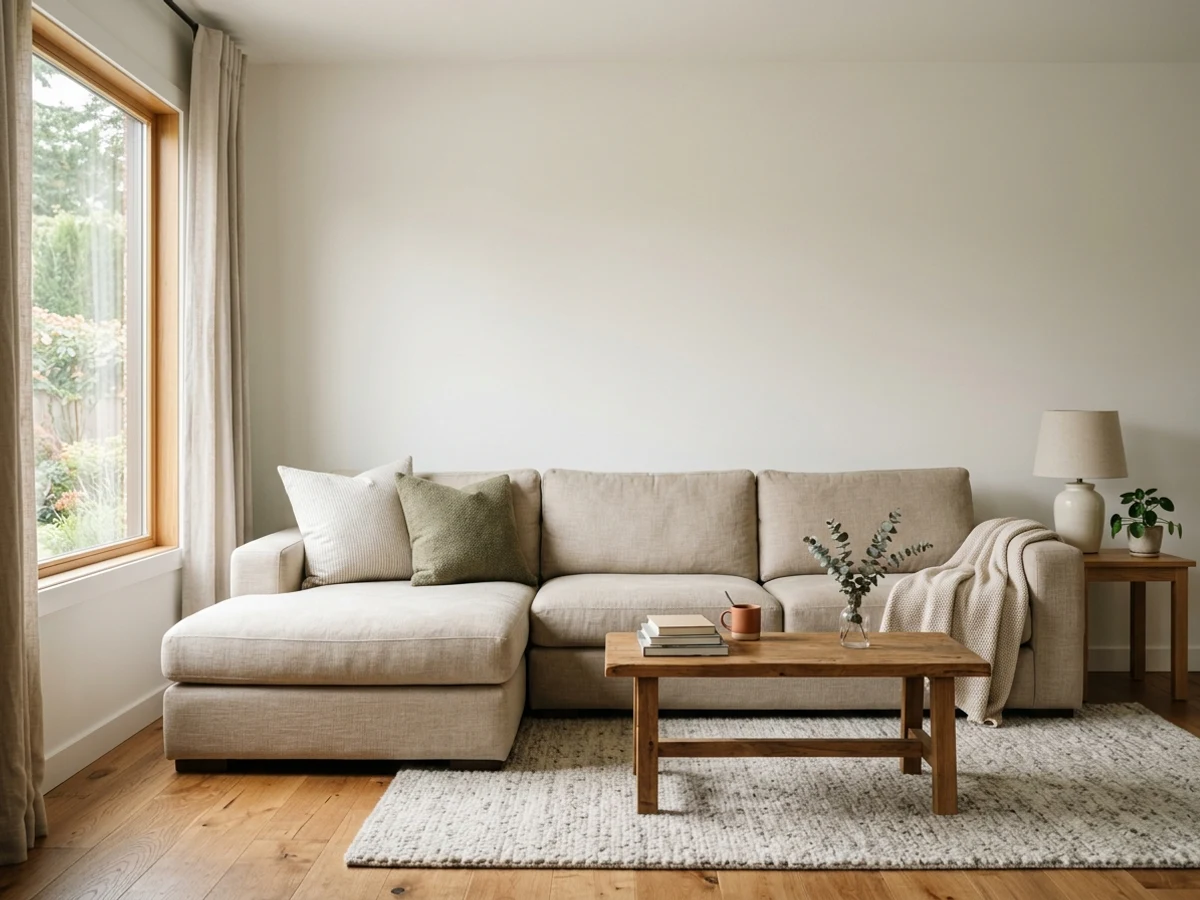
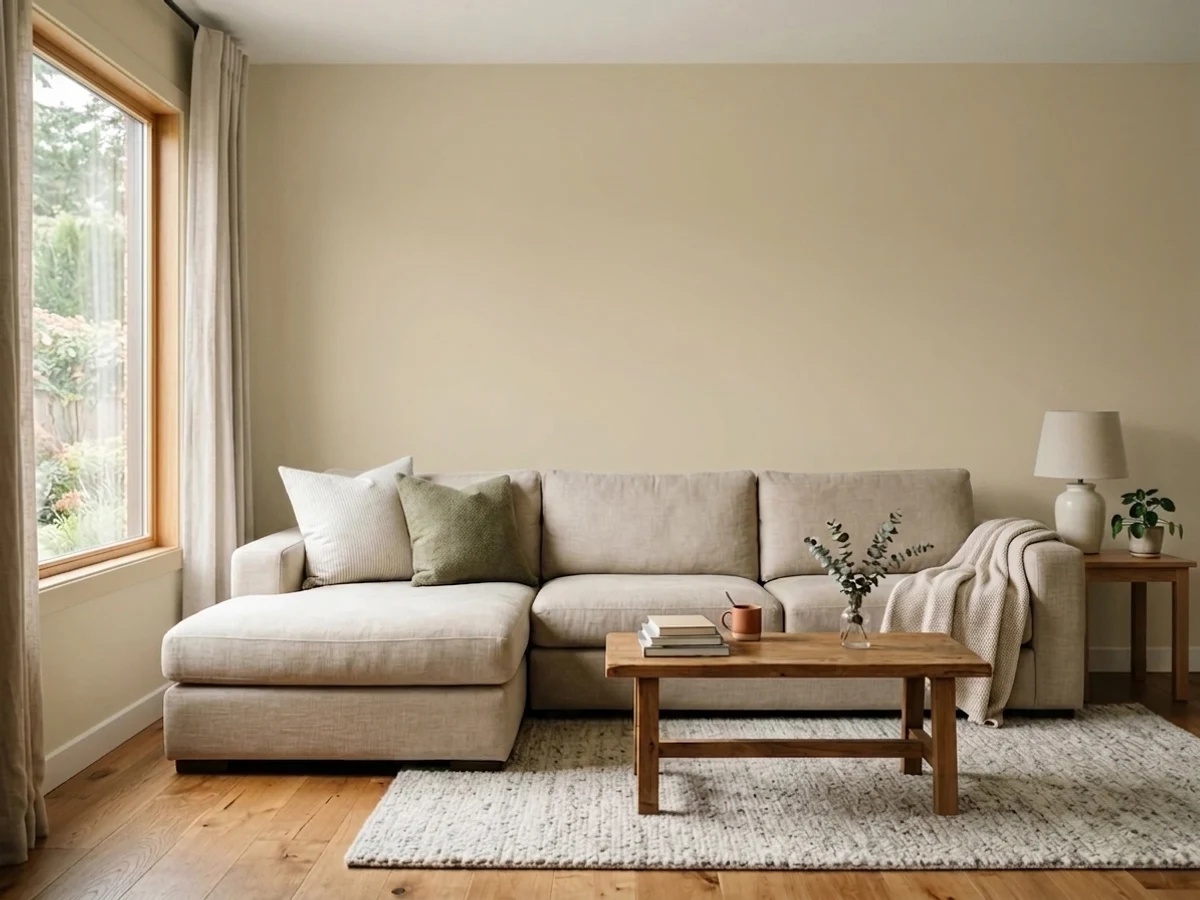
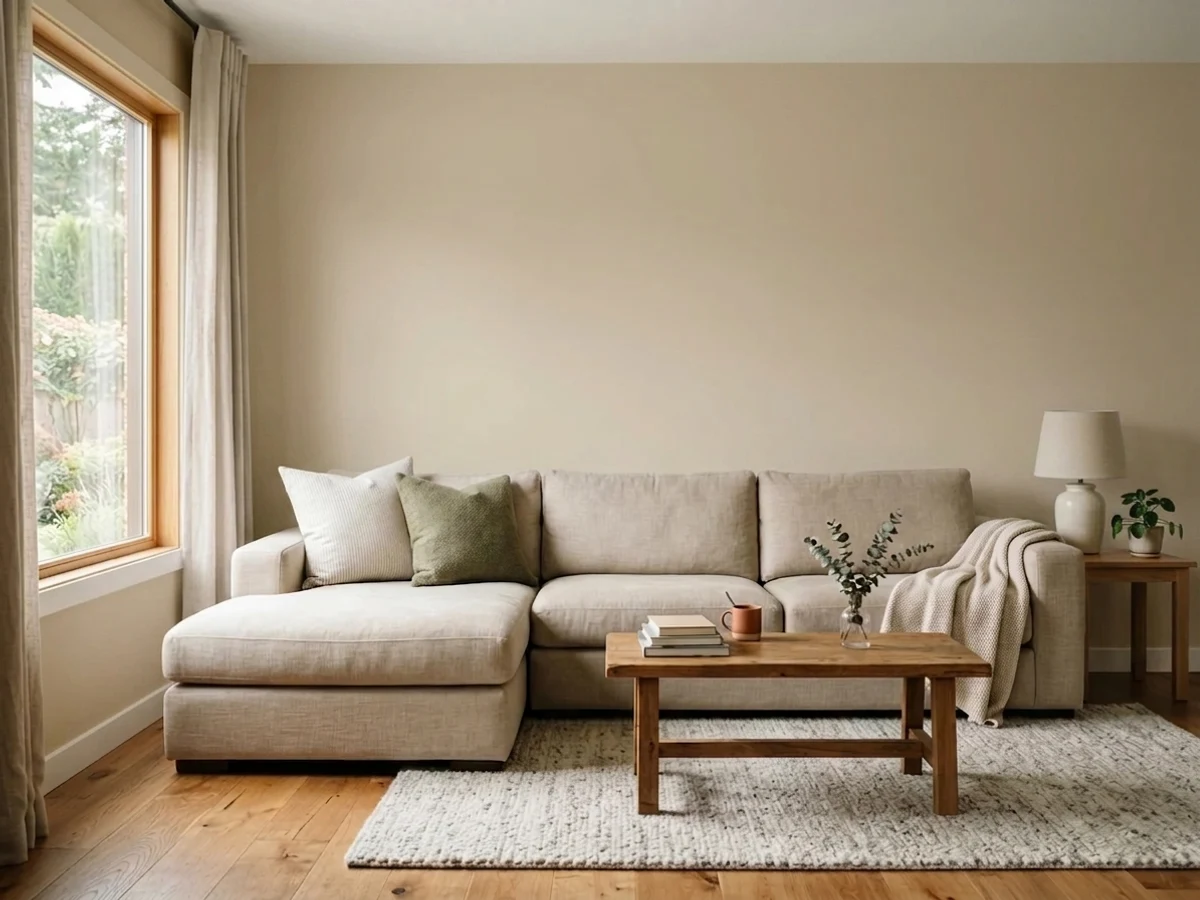
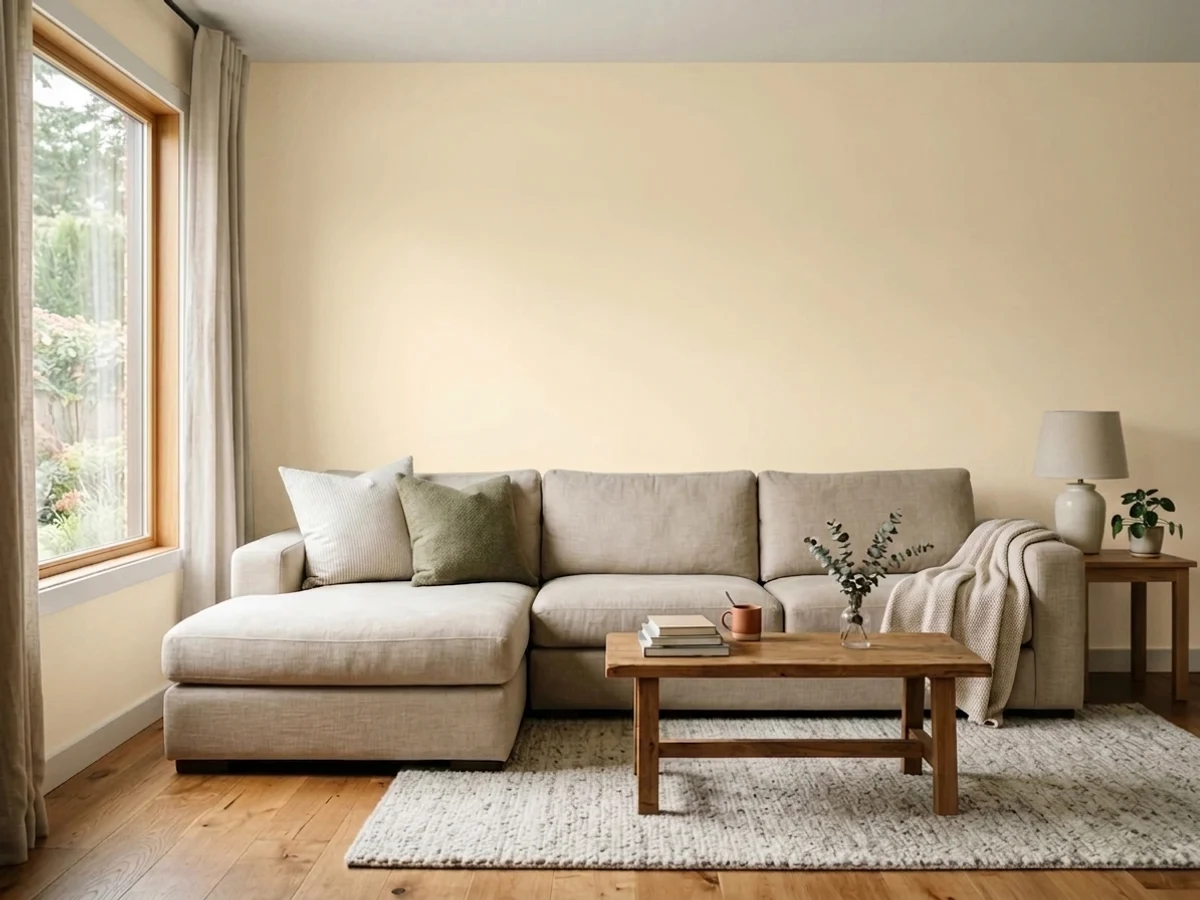
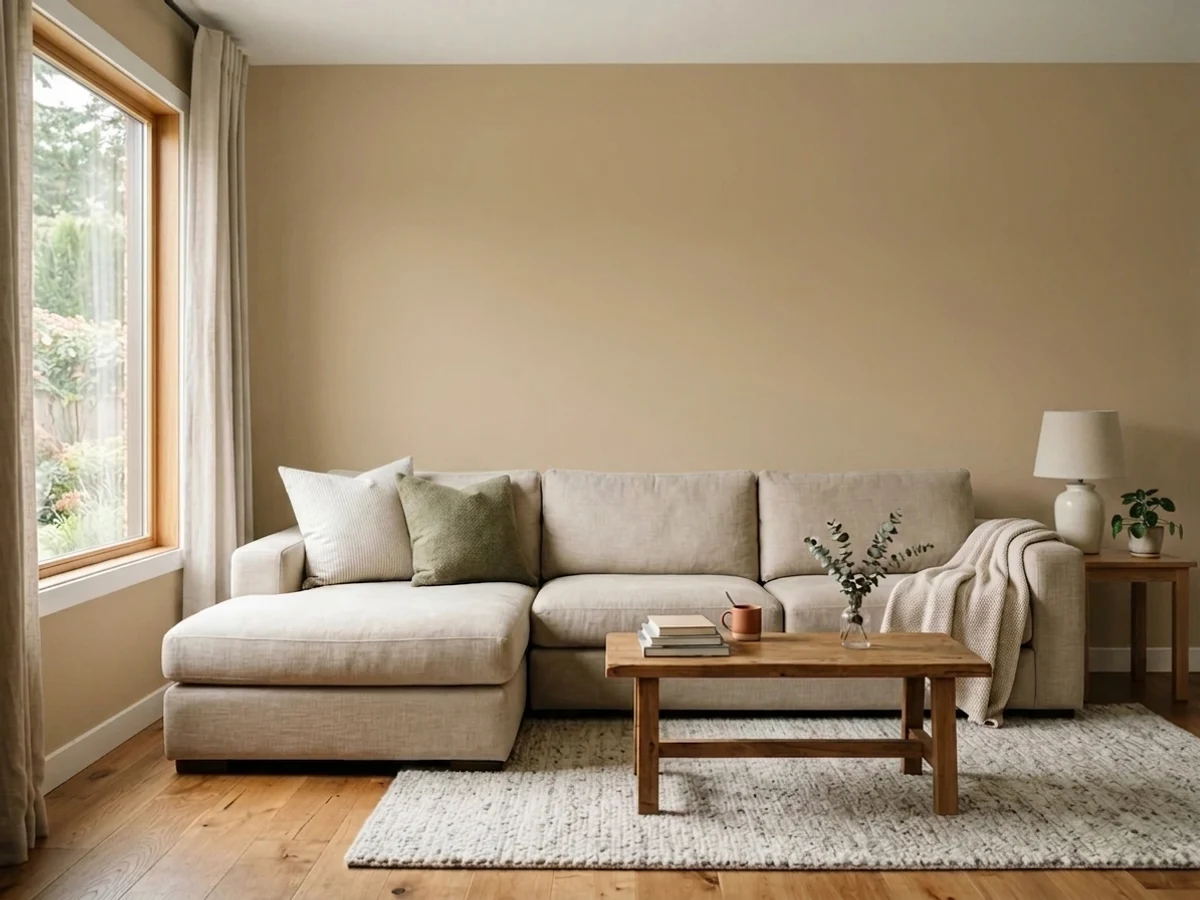
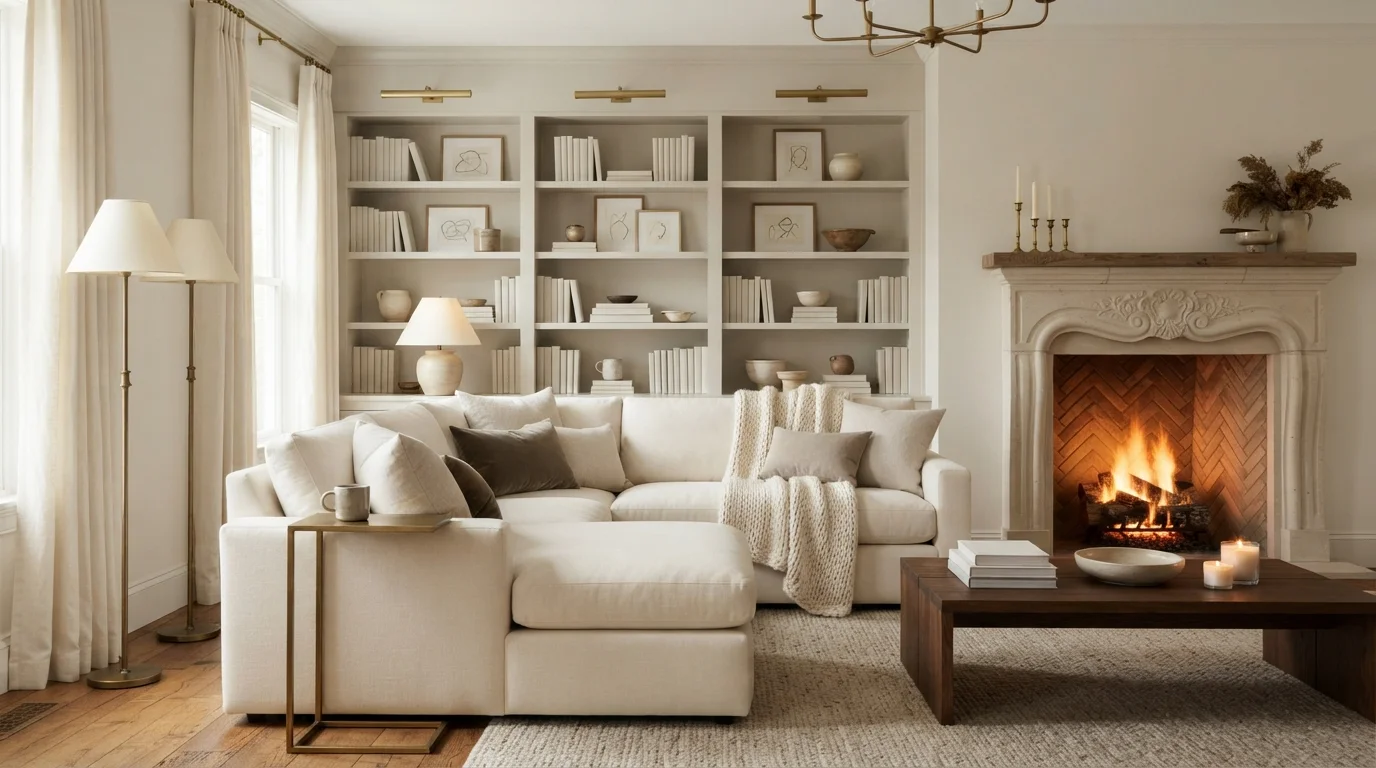
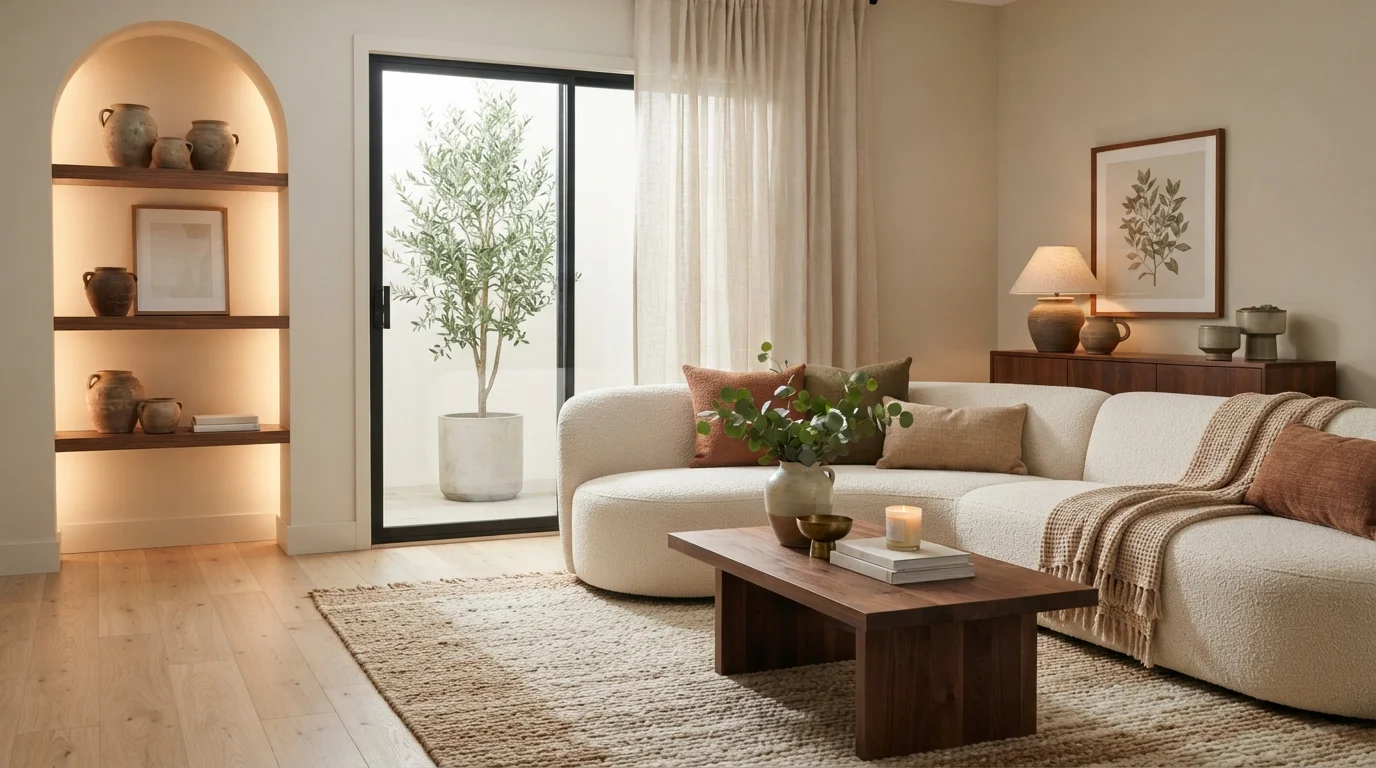
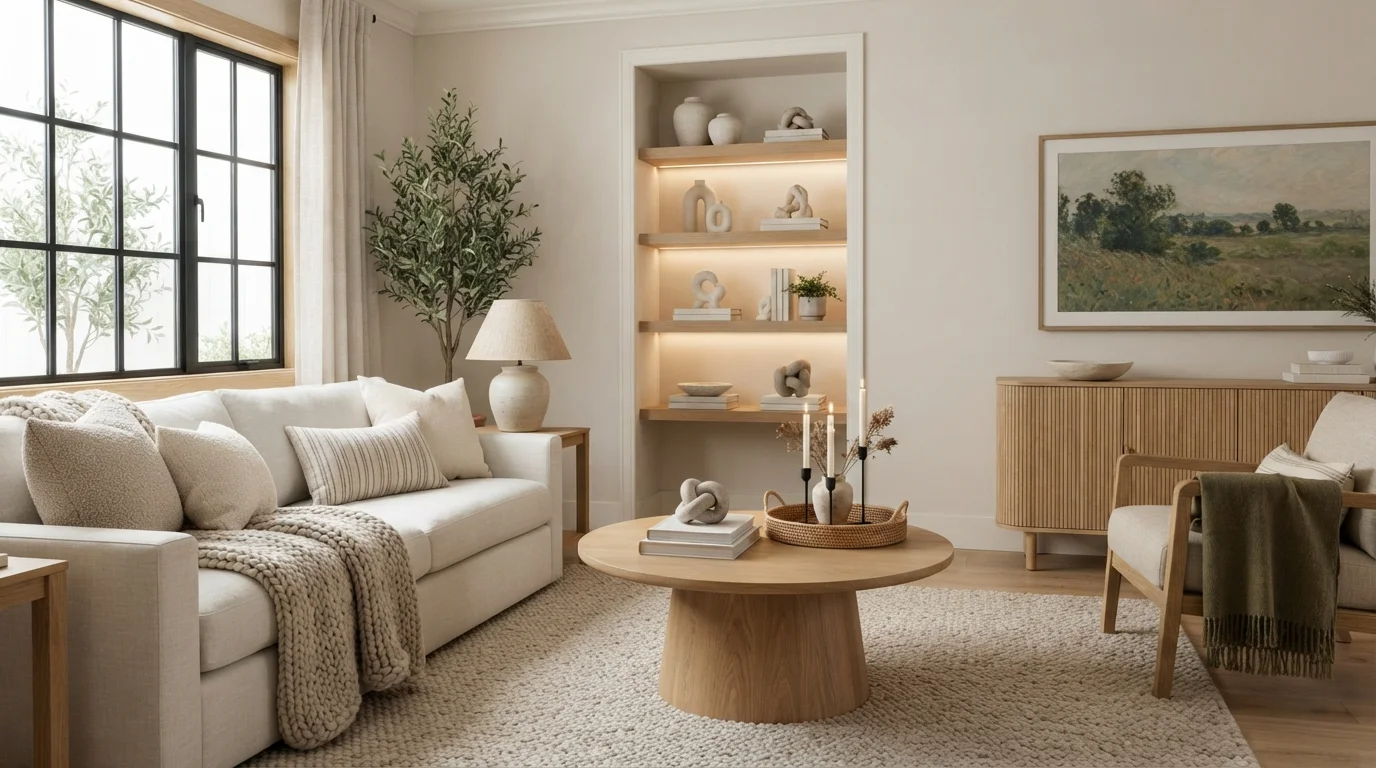
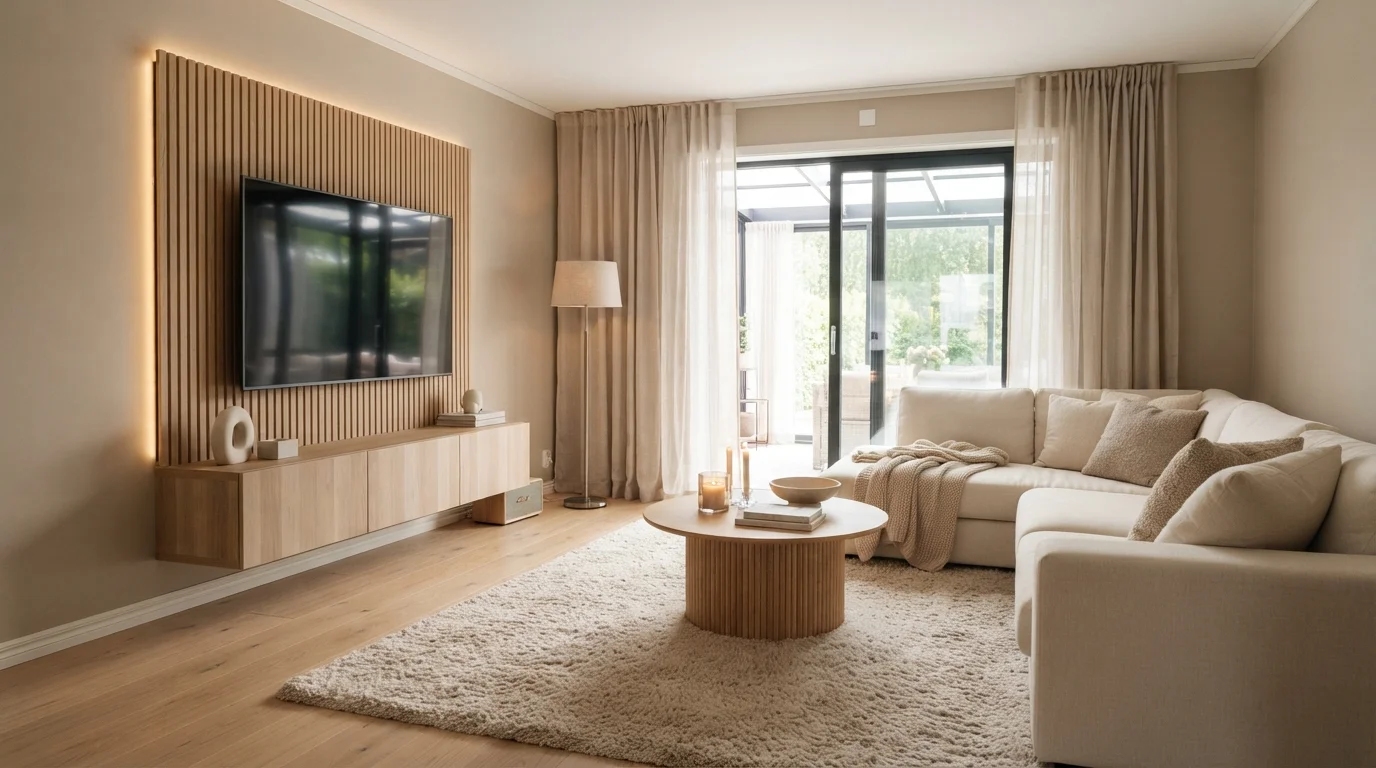
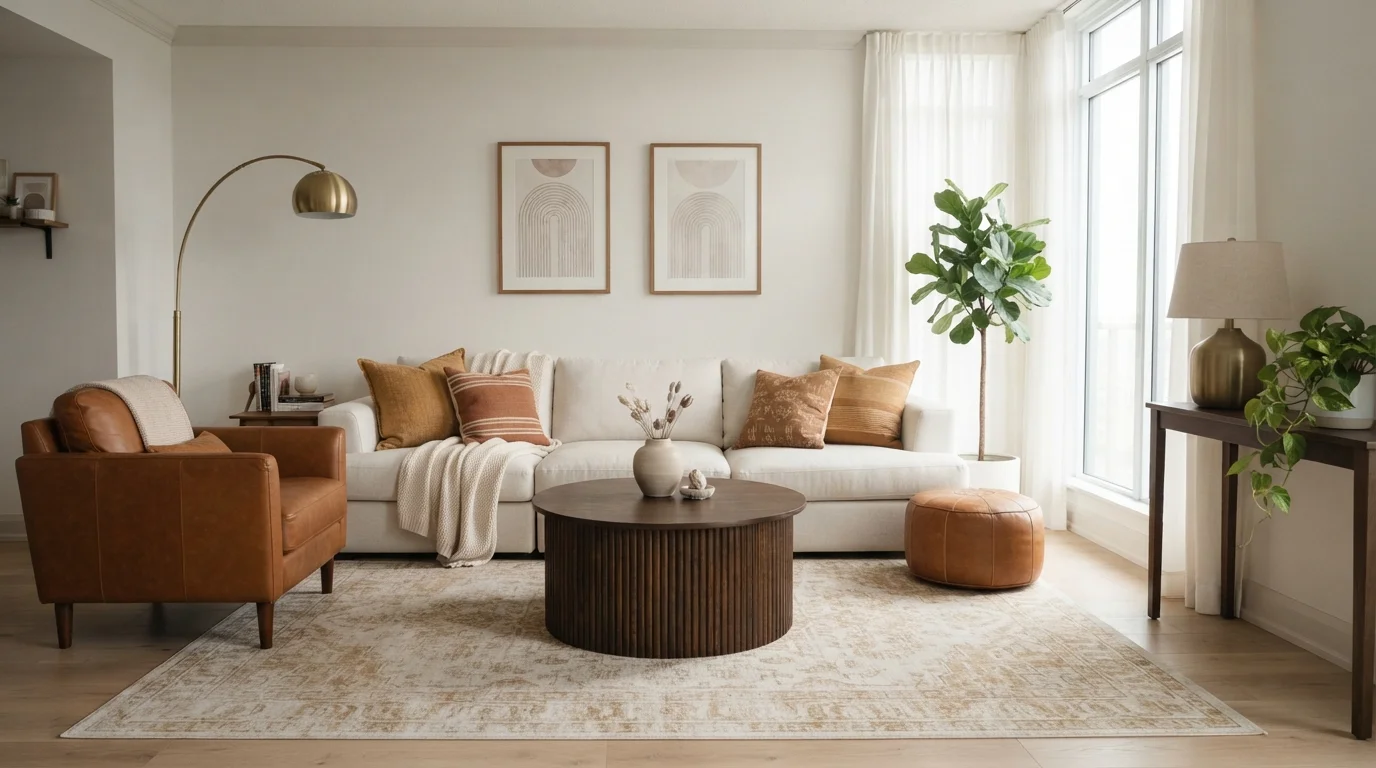
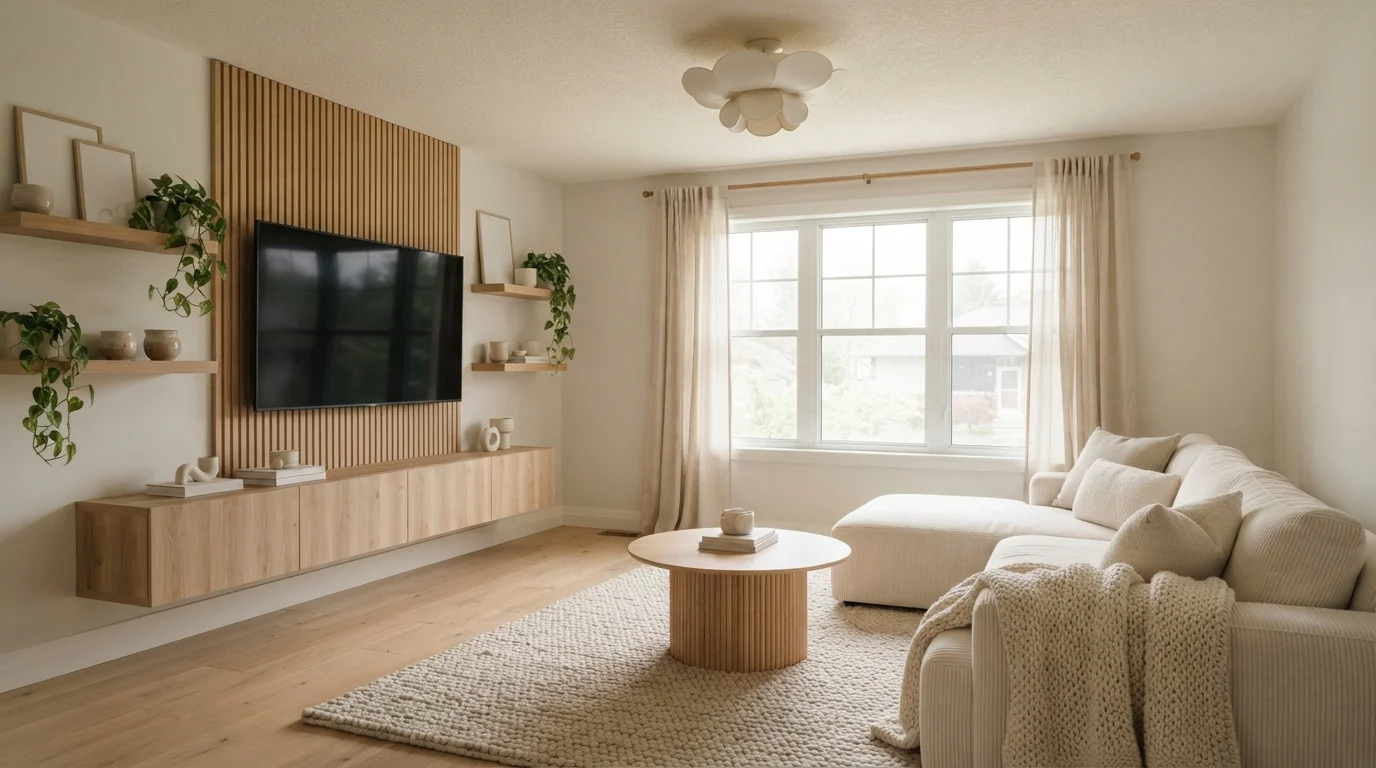
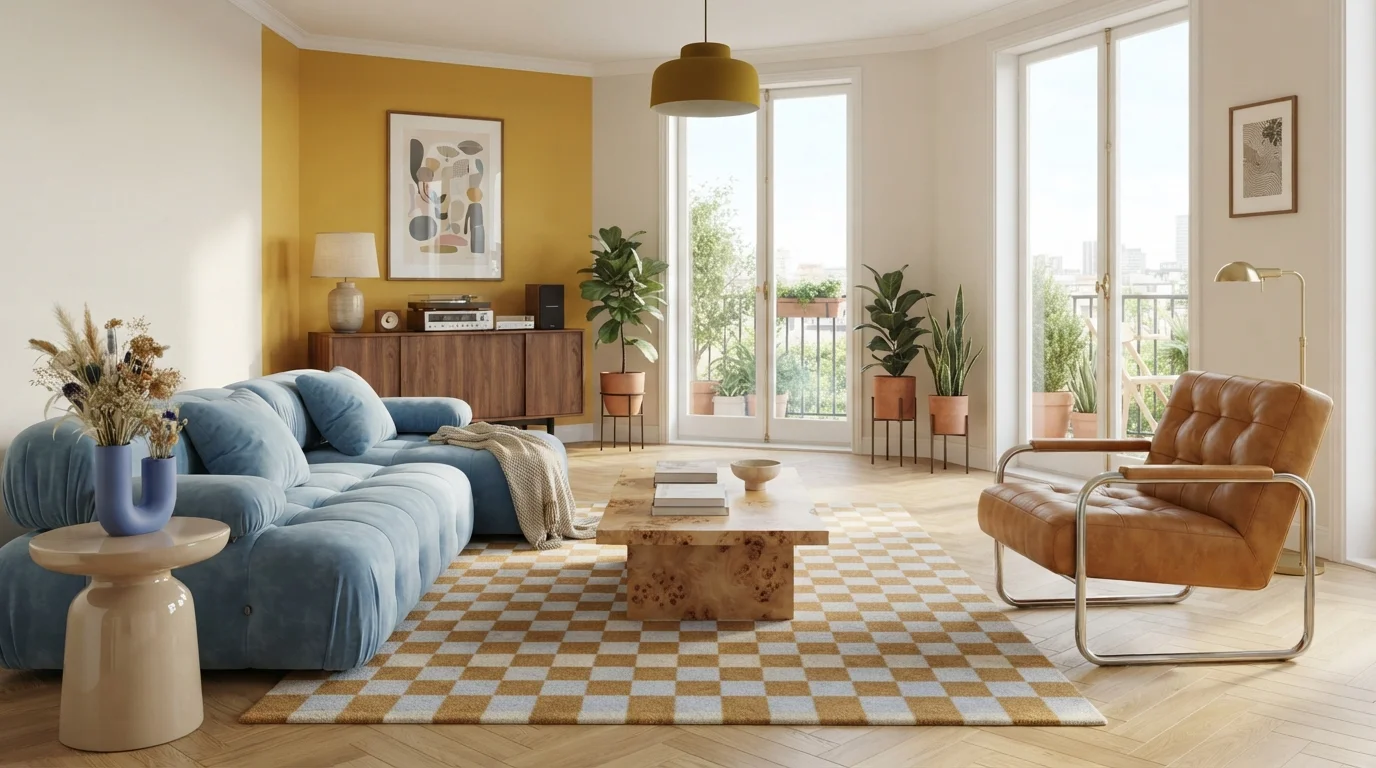
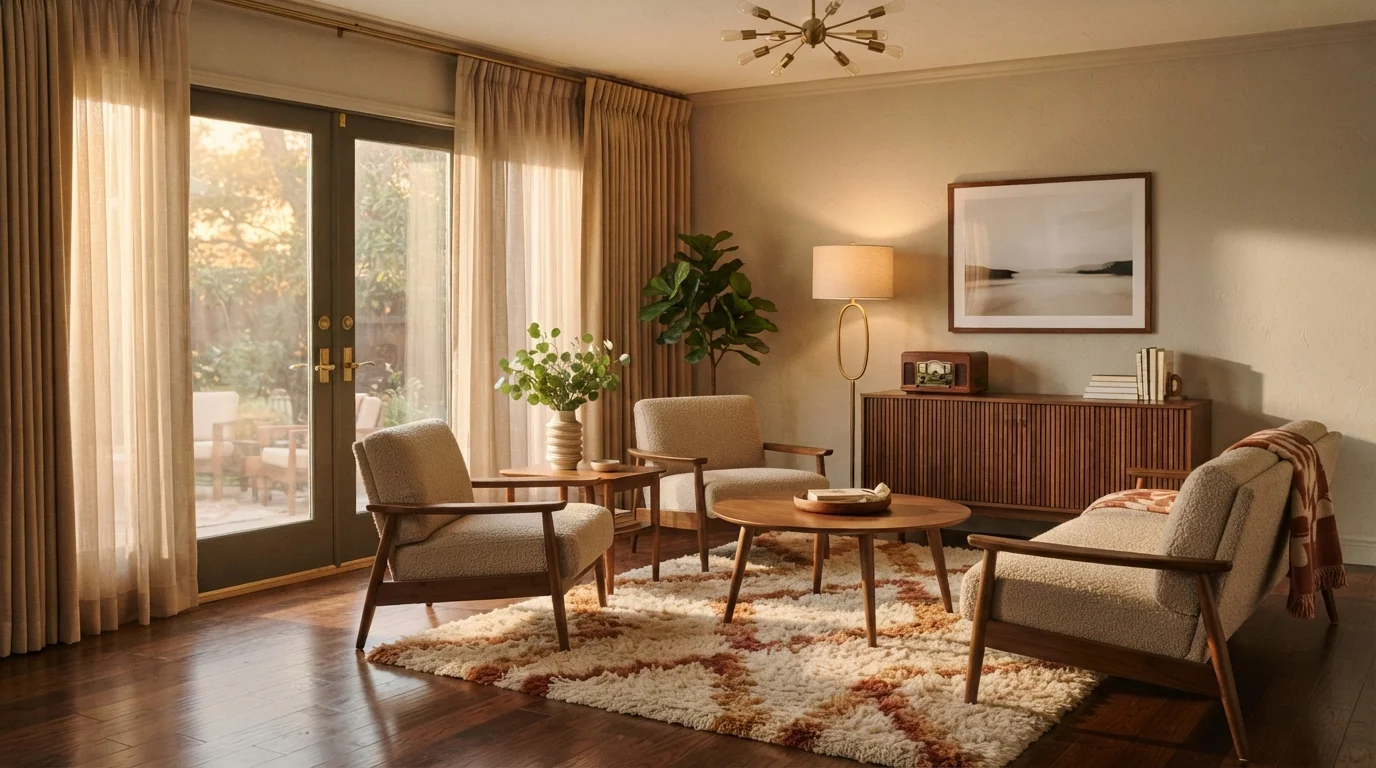
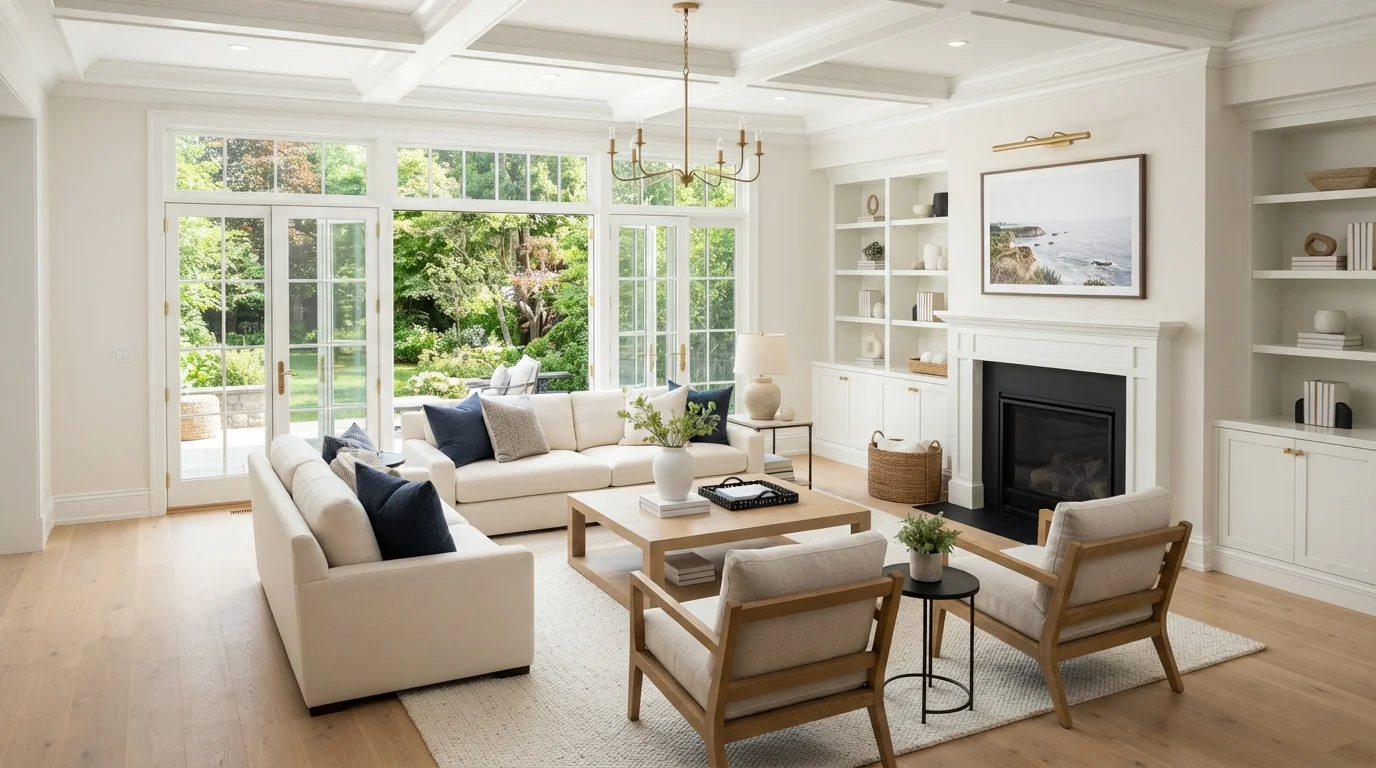
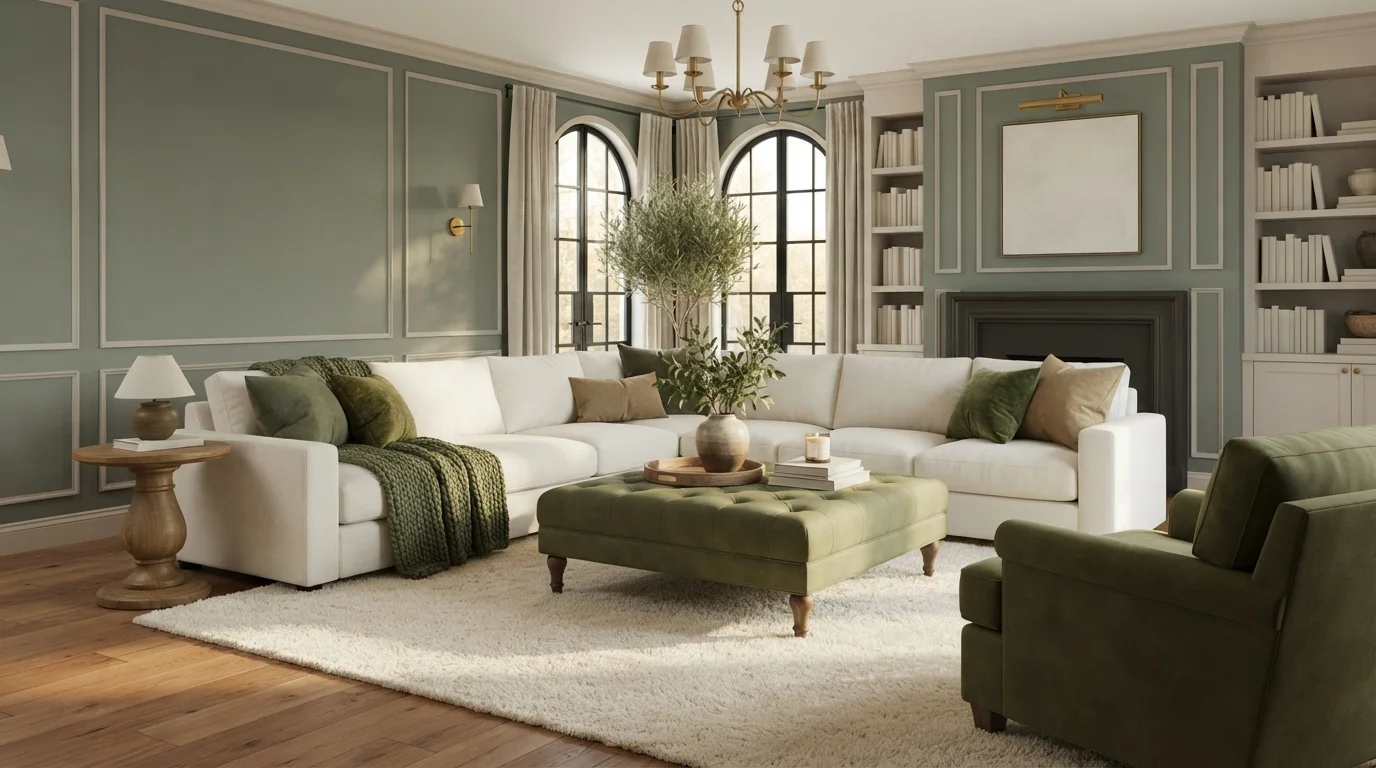
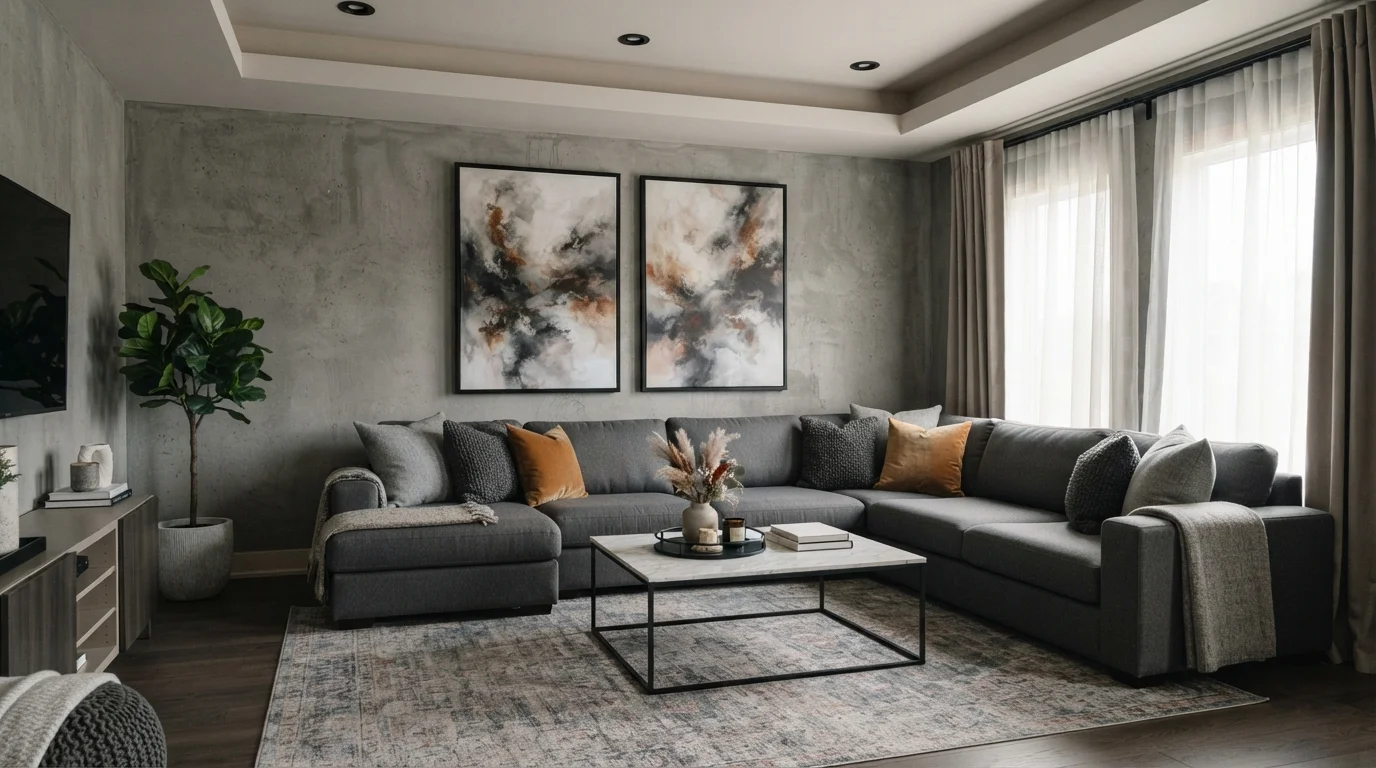
Neutral Family Room Paint Colors
4,152 neutral colors that work in family rooms, drawn from the full ~30,000-color US paint deck. Below: editor's picks specific to family rooms, then 30 picks spread across the LRV range — narrow further on the brand page when you've shortlisted.
Neutrals are the colors that aren't quite gray and aren't quite tan — the warm, low-saturation in-between bucket where greige, taupe, mushroom, bone, and accessible beige all live. They've replaced cool grays as the default safe wall color of the late 2020s, particularly in open-plan homes where one color flows through multiple rooms.
Editor's Picks: Neutral for Family Rooms
4 picks30 Neutral Picks Across the LRV Range
30 of 4,152 · sorted dark → lightLooking for more? All neutral → covers every brand; brand × family pages show full decks.
Neutral Family Room Colors at Every US Brand
21 brands · up to 10 picks eachUp to 10 picks per brand spread across the neutral LRV range, drawn from each brand's full deck. Tap any swatch with a curated guide for full spec; tap the brand title for the brand's complete neutral deck.
Behr
Benjamin Moore
Glidden
Sherwin-Williams
Valspar
PPG / Glidden
HGTV Home by Sherwin-Williams
Dunn-Edwards
Diamond Vogel
Hirshfield's
Kompozit
Dutch Boy
C2 Paint
Rodda
Farrow & Ball
Magnolia Home
Portola Paints
Clare
Annie Sloan
Backdrop
Rust-Oleum
Other Family Room Color Families
Neutral Colors in Other Rooms
Neutral Paint Colors for a Family Room
A family room takes more abuse than almost any other room in the house. Kids, pets, snacks, movie nights, homework, and traffic from every direction all happen here, so the wall color has to look good and hold up at the same time. Neutral does both jobs better than any other family of colors, which is why it shows up on family room walls more than anything else.
But neutral is not one color, and not every neutral works in a busy, lived-in room. The right one depends on how much light the room gets, what the floors and furniture are doing, and how forgiving you need the paint to be. This page walks through how to pick a neutral that fits a real family room, how to set it off with trim and ceiling, and the mistakes that quietly make a good neutral look flat or dingy.
Why Neutral Is the Right Call for a Family Room
A family room is where everyone ends up, so the walls have to get along with a lot of stuff you did not plan around: the sofa someone already owns, the toys, the rug, the big TV, the throw blankets in three different colors. A neutral wall steps back and lets all of that coexist without fighting. It is the most forgiving backdrop for a room that changes by the hour.
Neutral also ages well in a room you will not repaint often. Trends in furniture and decor come and go, but a calm greige, soft tan, or warm gray stays relevant through several couches. That longevity matters most exactly where life is messiest and repainting is the biggest hassle.
Picking the Right Depth, and Letting the Light Decide
Most family rooms look best in a mid-range neutral rather than a stark white or a deep, dramatic shade. A good target is an LRV (light reflectance value, how much light a color bounces back) somewhere in the 55 to 70 range. That depth keeps the room feeling open and bright without showing every scuff and fingerprint the way a pale near-white does.
Let the light do the steering. A family room with big windows and lots of afternoon sun can carry a slightly deeper or cooler neutral without feeling like a cave. A room that faces north or sits in the back of the house with little direct light wants a warmer neutral and a higher LRV, because cool grays can read cold and gloomy when the light is thin. Always look at a sample on the actual wall at night with the lamps on, since family rooms get used after dark.
The Finish That Survives Family Life
Sheen matters more here than in a quiet bedroom. For family room walls, an eggshell or satin finish is the sweet spot: it has enough surface to wipe down sticky hands and scuffs, but not so much shine that it throws glare across the room during a movie or shows every roller mark on a long wall.
Skip flat or matte on the main walls unless the room sees very little traffic, because flat holds dirt and is hard to clean without leaving a mark. Save the higher-gloss finishes for trim, doors, and built-ins, where you want both the durability and a little contrast. If the room opens to a kitchen or has a damp corner, lean toward satin for the extra washability.
Pairing Neutral With Trim, Ceiling, and the Stuff Around It
The easiest, most reliable move is a soft white trim and ceiling against a warmer neutral wall. Keep the trim white in the same temperature as the wall, warm white with a warm greige, so the contrast looks intentional and not like two unrelated paint cans. A bright stark white trim against a warm wall can look harsh; a creamy white softens the whole room.
Watch the undertone against everything else in the room. A neutral with a green or gray undertone can clash with warm wood floors and tan leather, while a beige with a pink or yellow base can fight a cool gray sectional. Pull a sample up next to your biggest fixed pieces, the floor, the fireplace stone or brick, the cabinetry on a built-in, before you commit. Every color shown here is mixed to order at a paint counter, so if a shade you like is listed under a different brand than the one you shop, you can have it cross-matched and tinted to the same color.
The Mistakes That Make a Neutral Look Off
The most common one is ignoring undertone. A neutral that looked perfect on a tiny chip can turn purple, green, or pink on a big wall once the room's light and surrounding colors get hold of it. Buy a sample, paint a large patch, and live with it for a couple of days before you buy gallons.
The other big mistakes are picking too pale and choosing the wrong finish. A near-white neutral in a high-traffic room shows every mark and needs touch-ups constantly, and flat paint on family room walls is impossible to keep clean. Go a step deeper than feels safe and step up to eggshell or satin, and the room will look better six months in, not just on day one.
Neutral Family Room Paint — Frequently Asked Questions
What is the best neutral paint color for a family room?+
There is no single best one, but the most reliable choice is a warm mid-toned neutral, a soft greige, tan, or warm gray, with an LRV around 55 to 70. That depth stays bright without showing every scuff, and the warmth keeps a busy, lived-in room feeling welcoming. Match the undertone to your floors and furniture rather than copying a color that worked in someone else's room.
What sheen should I use for family room walls?+
Eggshell or satin. Both wipe clean when hands, snacks, or pets leave marks, and neither throws the glare you would get from semi-gloss on a big wall. Save semi-gloss for trim and built-ins, and avoid flat or matte on the main walls in a high-traffic room because it stains and is hard to clean.
Should I go with a warm or cool neutral in a family room?+
It depends on your light. Rooms with strong daytime sun can handle a cooler gray neutral, while north-facing or dim rooms look much better in a warm neutral that won't read cold and gray. Since family rooms get heavy use at night, test any color under your lamps before deciding, because warm artificial light pulls neutrals warmer.
How do I keep my neutral from looking dirty or dull?+
Two things: don't go too pale, and watch the undertone. A near-white neutral shows every mark and can look gray and tired in low light, and a neutral with the wrong undertone can turn muddy next to your wood and fabrics. Going one step deeper and choosing a clean undertone that matches your fixed surfaces keeps it looking crisp.
What trim and ceiling color works with a neutral family room?+
A soft, slightly warm white for both trim and ceiling is the safest pairing with a warm neutral wall. Keep the white in the same temperature as the wall so the contrast looks intentional instead of harsh. A creamy white reads better than a stark bright white against most warm neutrals.
Can I get the same neutral color across different paint brands?+
Yes. Every color shown here is mixed to order at the paint counter, so a shade you like under one brand can be cross-matched and tinted under another. That lets you pick the color you want and still buy from whichever brand or store is most convenient, without settling for a close-but-not-quite match.