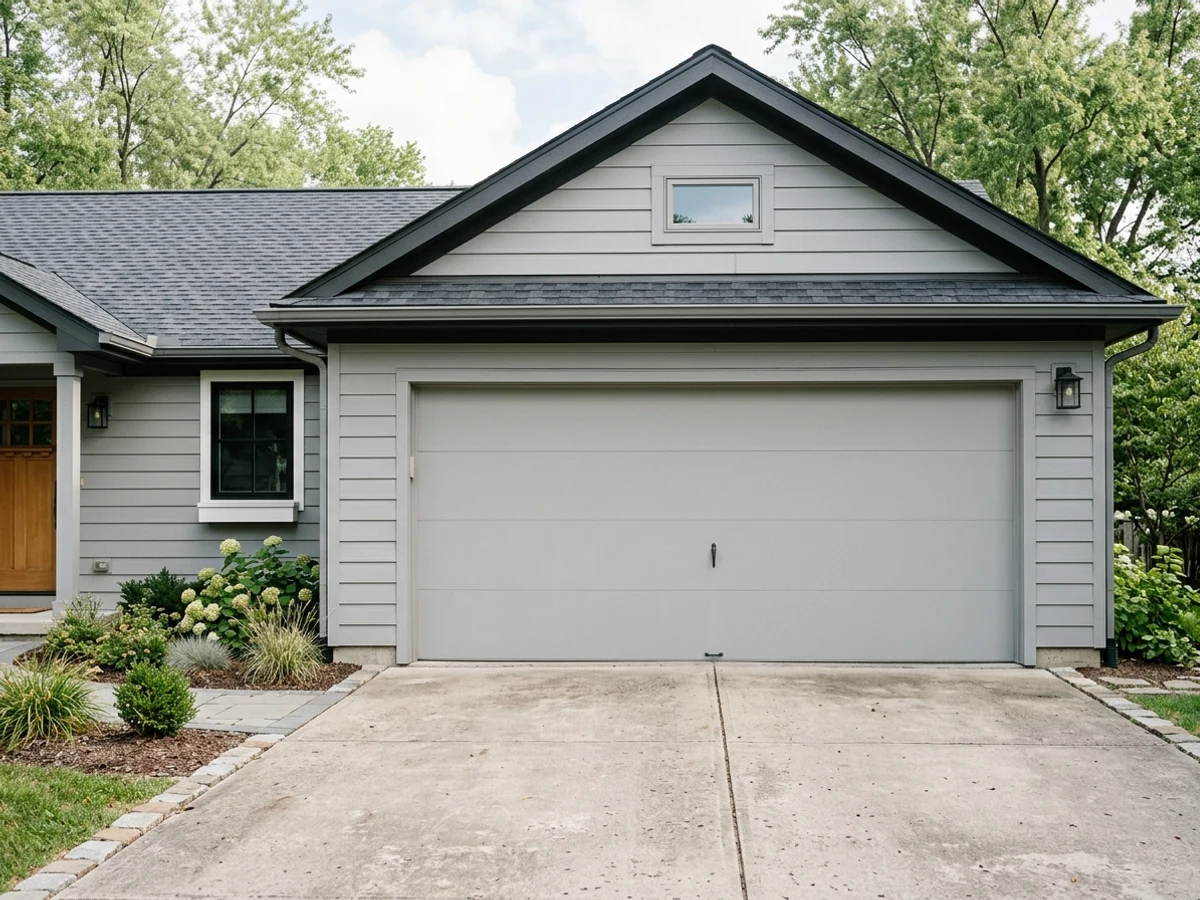
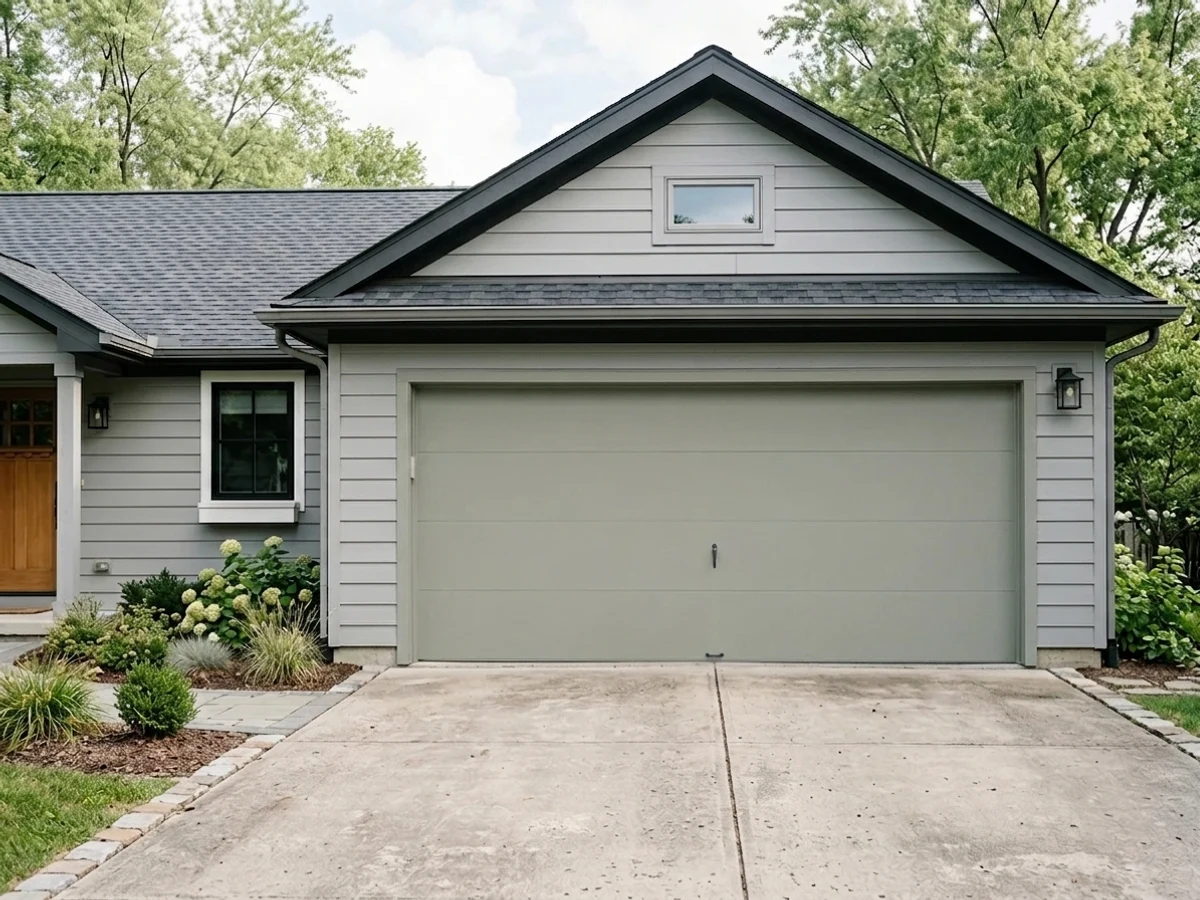
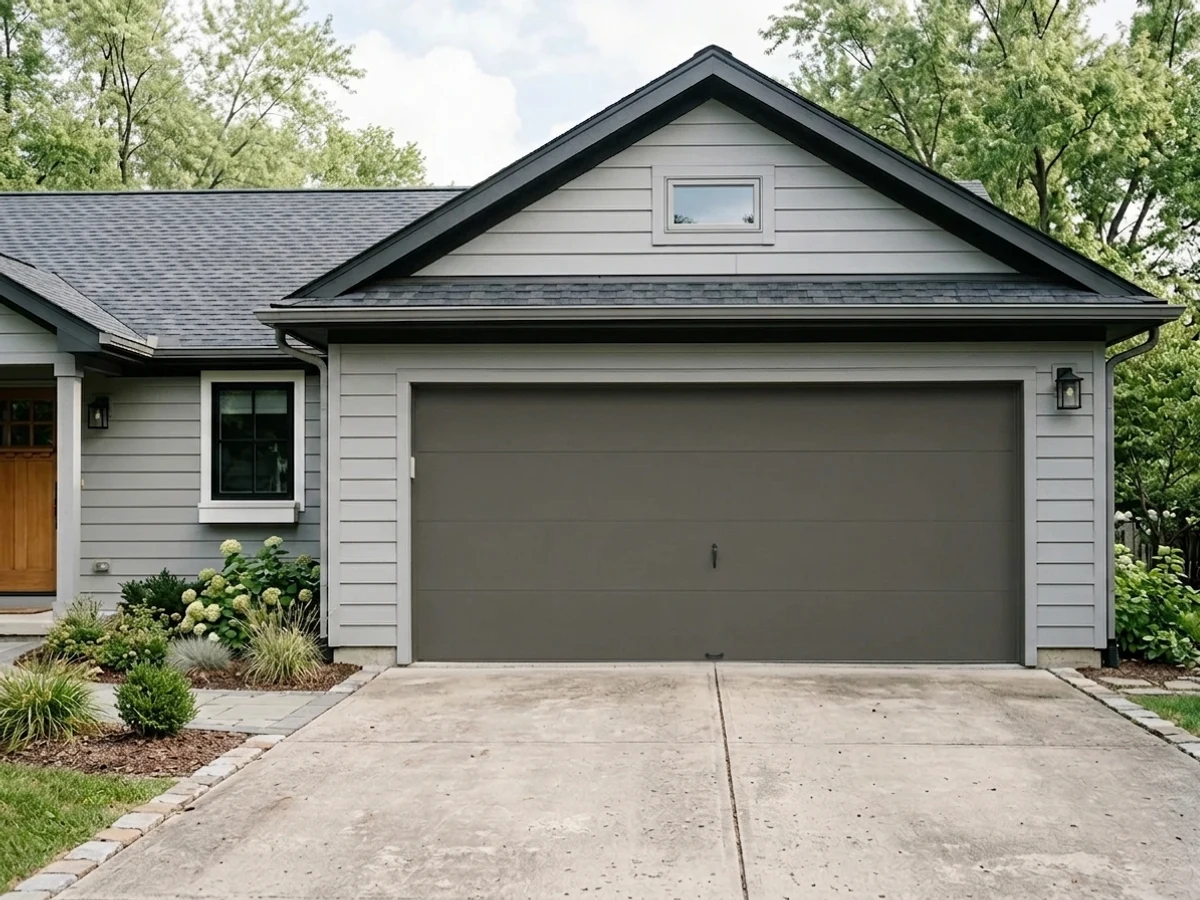
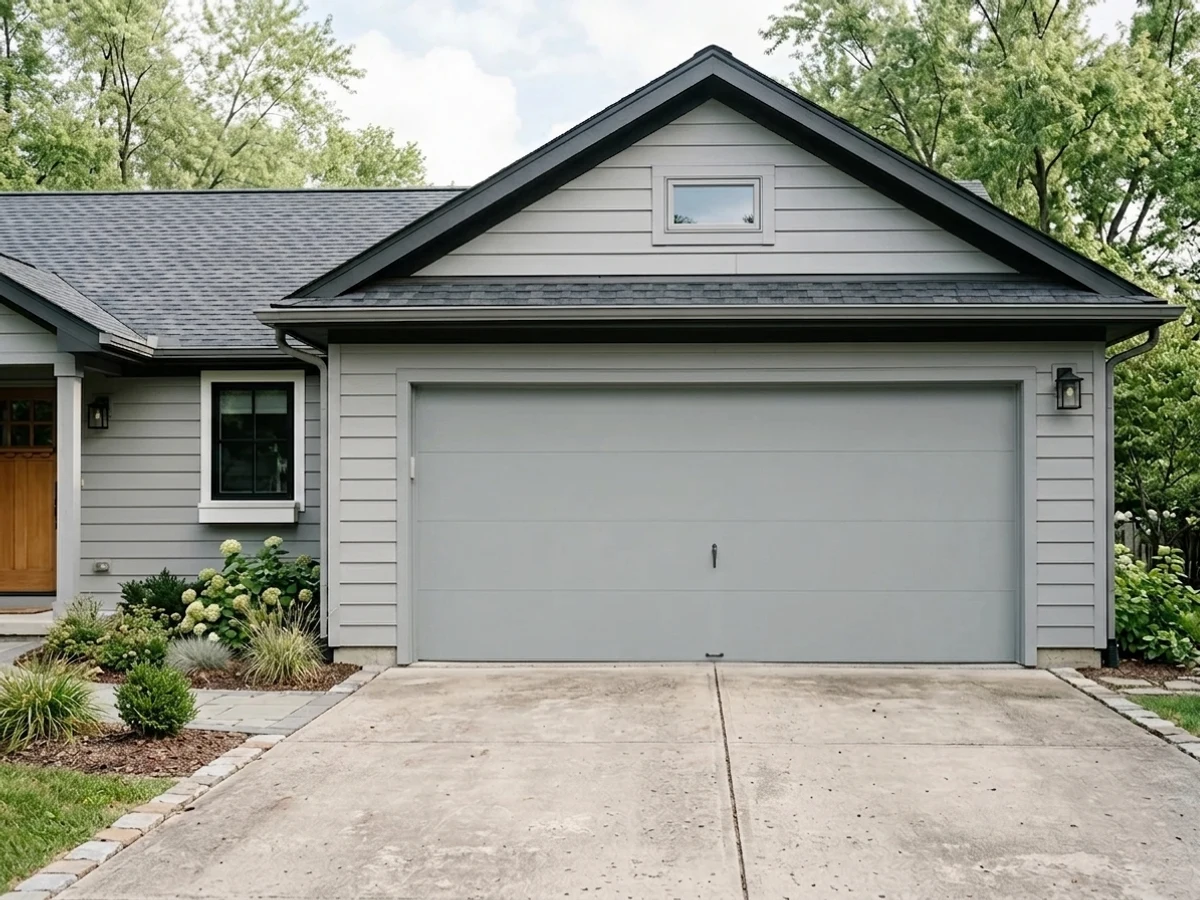
Gray Garage Door Paint Colors
3,425 gray colors that work in garage doors, drawn from the full ~30,000-color US paint deck. Below: editor's picks specific to garage doors, then 30 picks spread across the LRV range — narrow further on the brand page when you've shortlisted.
Gray is the most-recommended neutral in American interiors — the safe choice that anchors a room without committing to a strong color. The "true" grays here lean cool (blue or violet undertone) or stay almost dead-neutral. The warm-leaning grays (taupe, mushroom, greige) live in the Neutral family next door because they read closer to beige than to true gray on the wall.
Editor's Picks: Gray for Garage Doors
4 picks30 Gray Picks Across the LRV Range
30 of 3,425 · sorted dark → lightLooking for more? All gray → covers every brand; brand × family pages show full decks.
Gray Garage Door Colors at Every US Brand
21 brands · up to 10 picks eachUp to 10 picks per brand spread across the gray LRV range, drawn from each brand's full deck. Tap any swatch with a curated guide for full spec; tap the brand title for the brand's complete gray deck.
Behr
Glidden
Valspar
Benjamin Moore
PPG / Glidden
Sherwin-Williams
Dunn-Edwards
Dutch Boy
Diamond Vogel
Hirshfield's
Kompozit
C2 Paint
Rodda
Magnolia Home
Farrow & Ball
Clare
Portola Paints
Annie Sloan
Backdrop
Rust-Oleum
Other Garage Door Color Families
Gray Colors in Other Rooms
Gray Paint Colors for a Garage Door
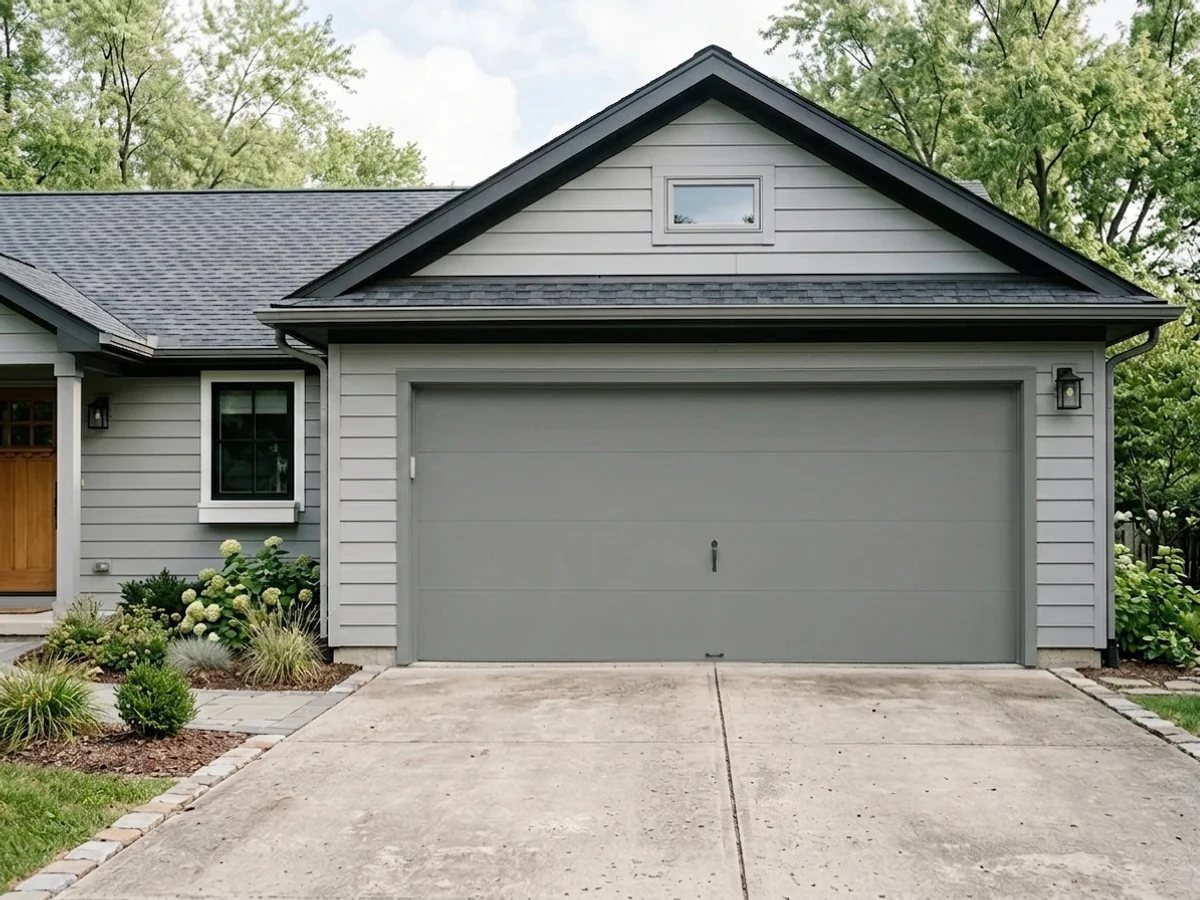
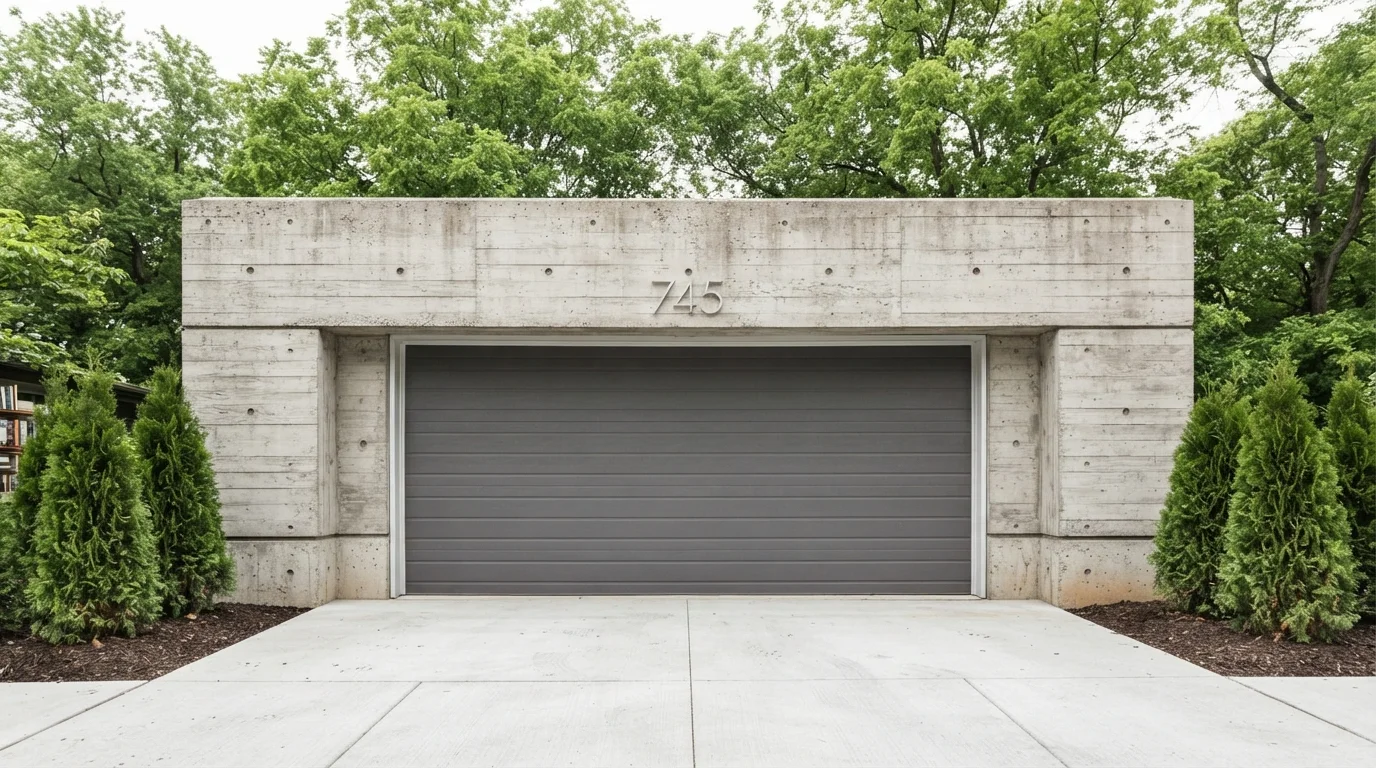
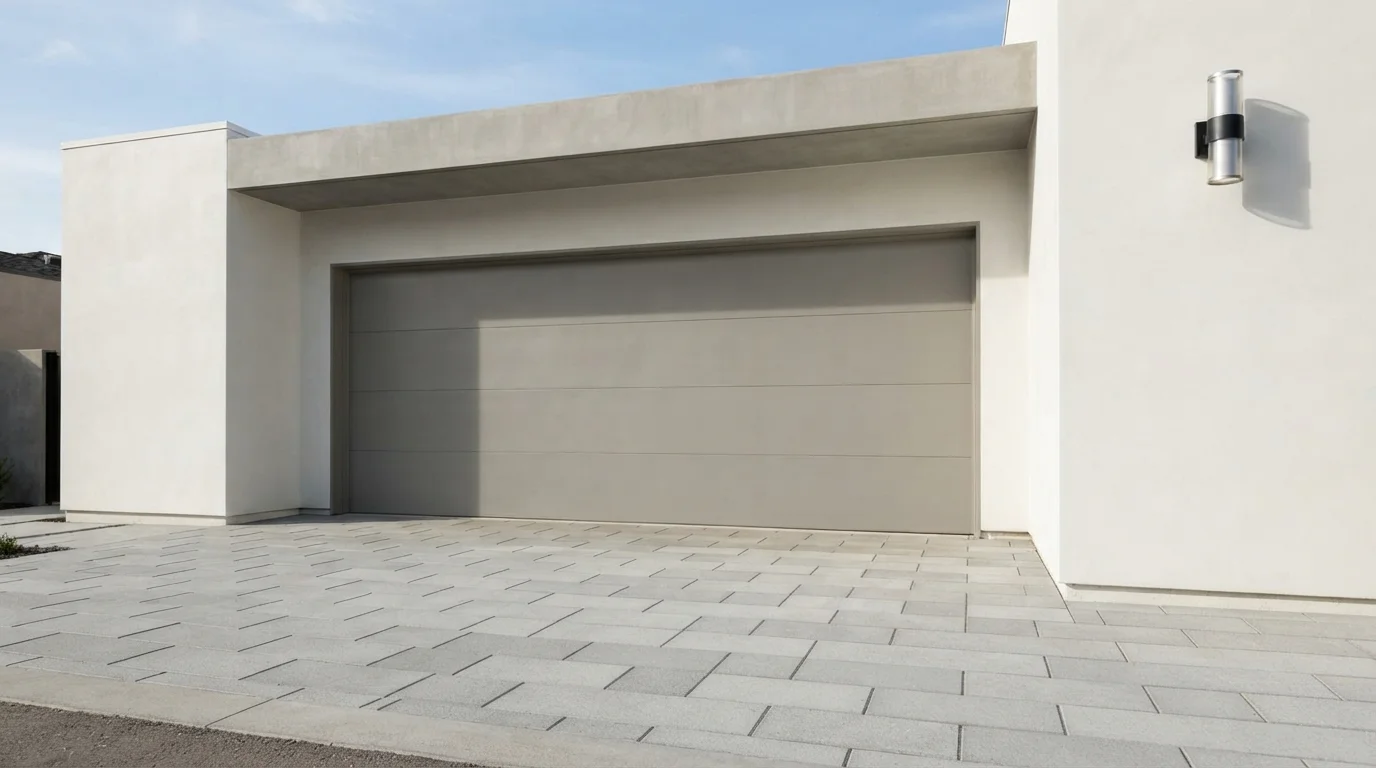
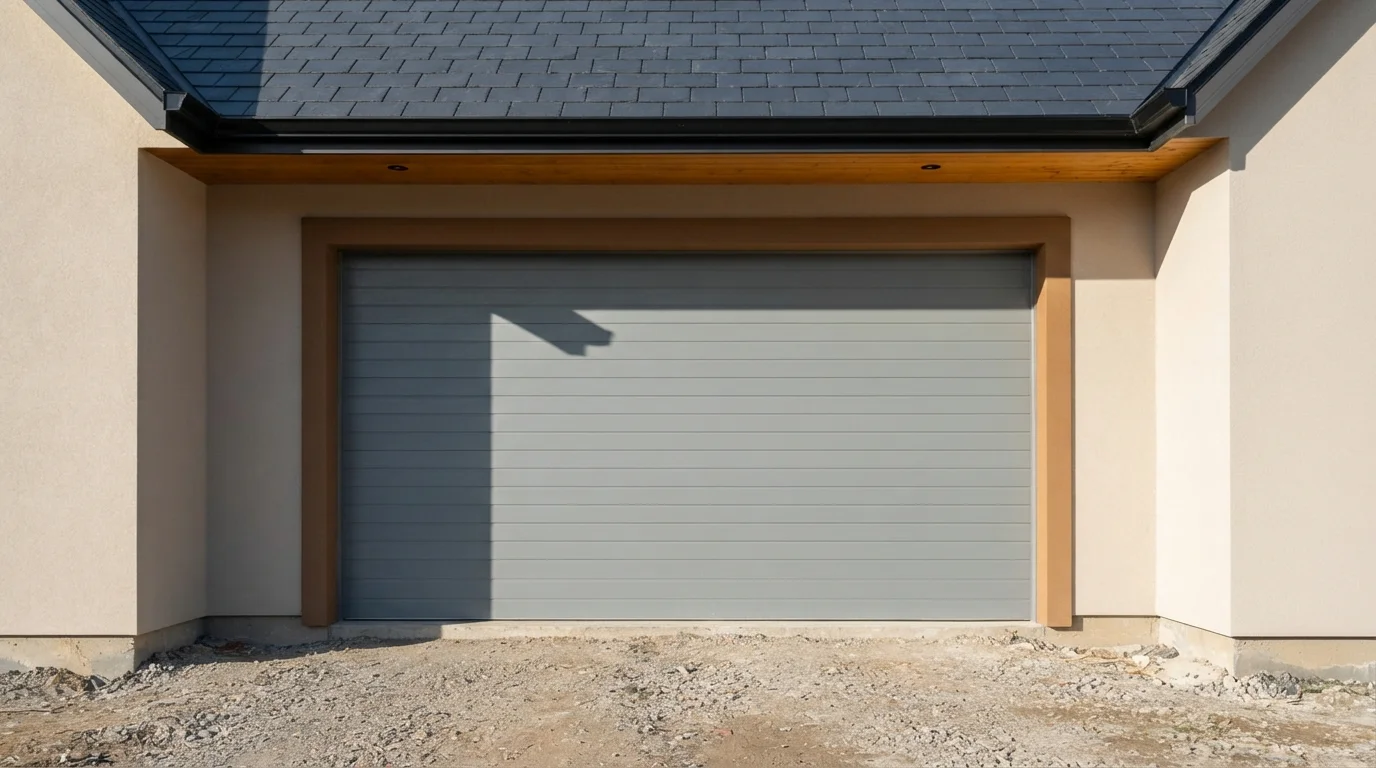
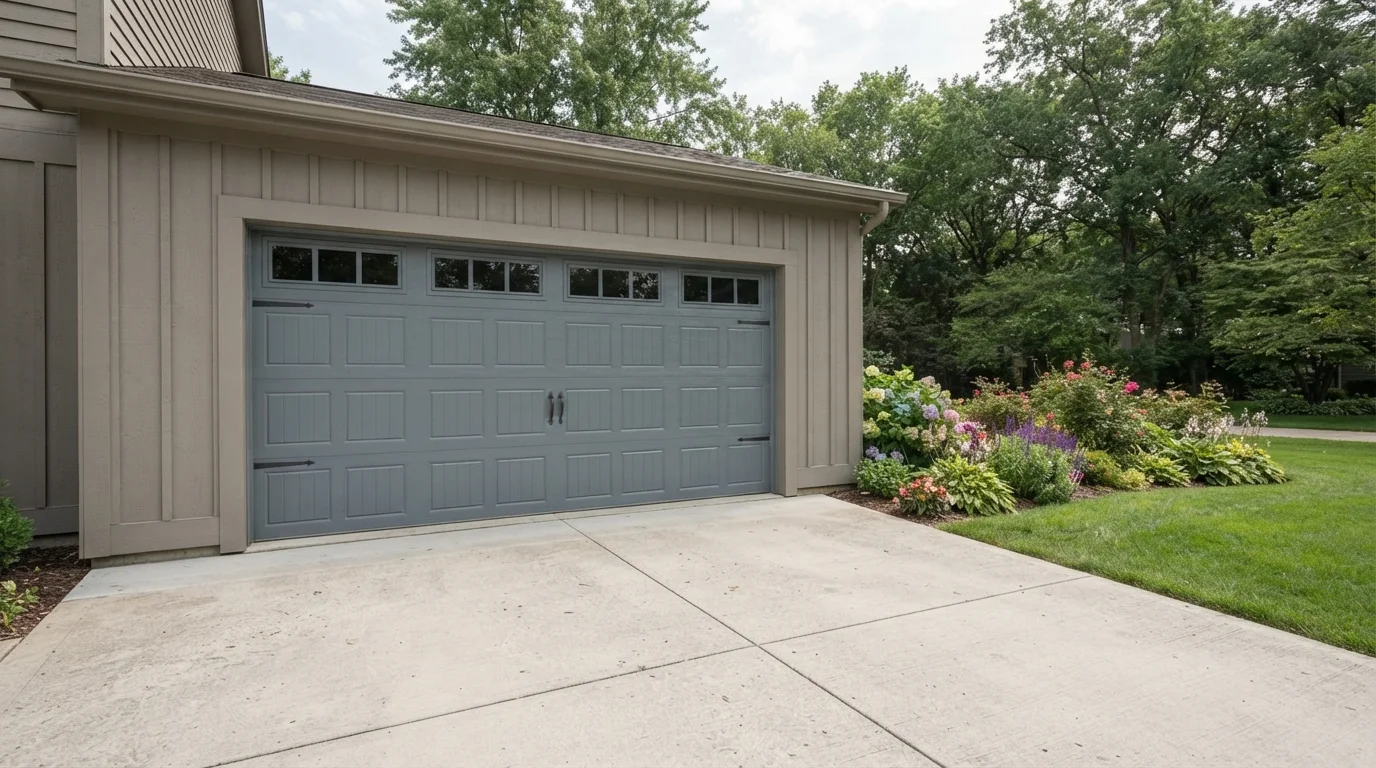
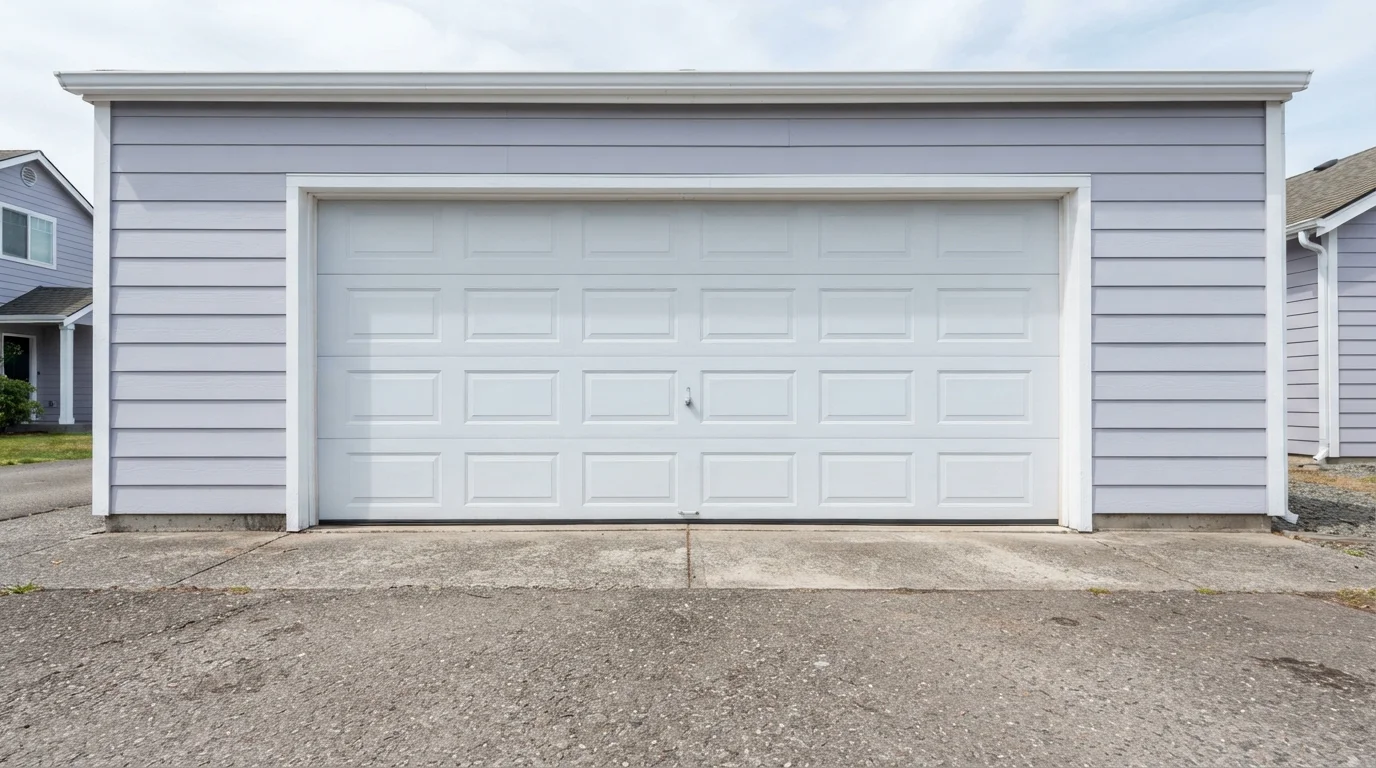
A garage door is usually the biggest single surface on the front of your house, and gray is one of the safest, smartest colors you can put on it. Gray reads as neutral and architectural rather than loud, so it lets the door sit quietly next to your siding instead of fighting it. It also hides road dust, pollen, and the gray-on-gray scuffs of daily use far better than a bright white or a saturated color does, which matters on a panel that faces the street all day.
The trick with gray on a garage door is that it lives outdoors in full, shifting light, so the shade you pick has to hold up from a sidewalk distance and across a whole day. The picks shown here can be mixed to order at any paint counter and cross-matched between brands, so once you find a gray you like you are not locked into one company. The sections below cover how to choose the right depth of gray, the finish that survives weather and washing, and the pairings and mistakes that decide whether the door looks intentional or just dingy.
Why Gray Works on a Garage Door
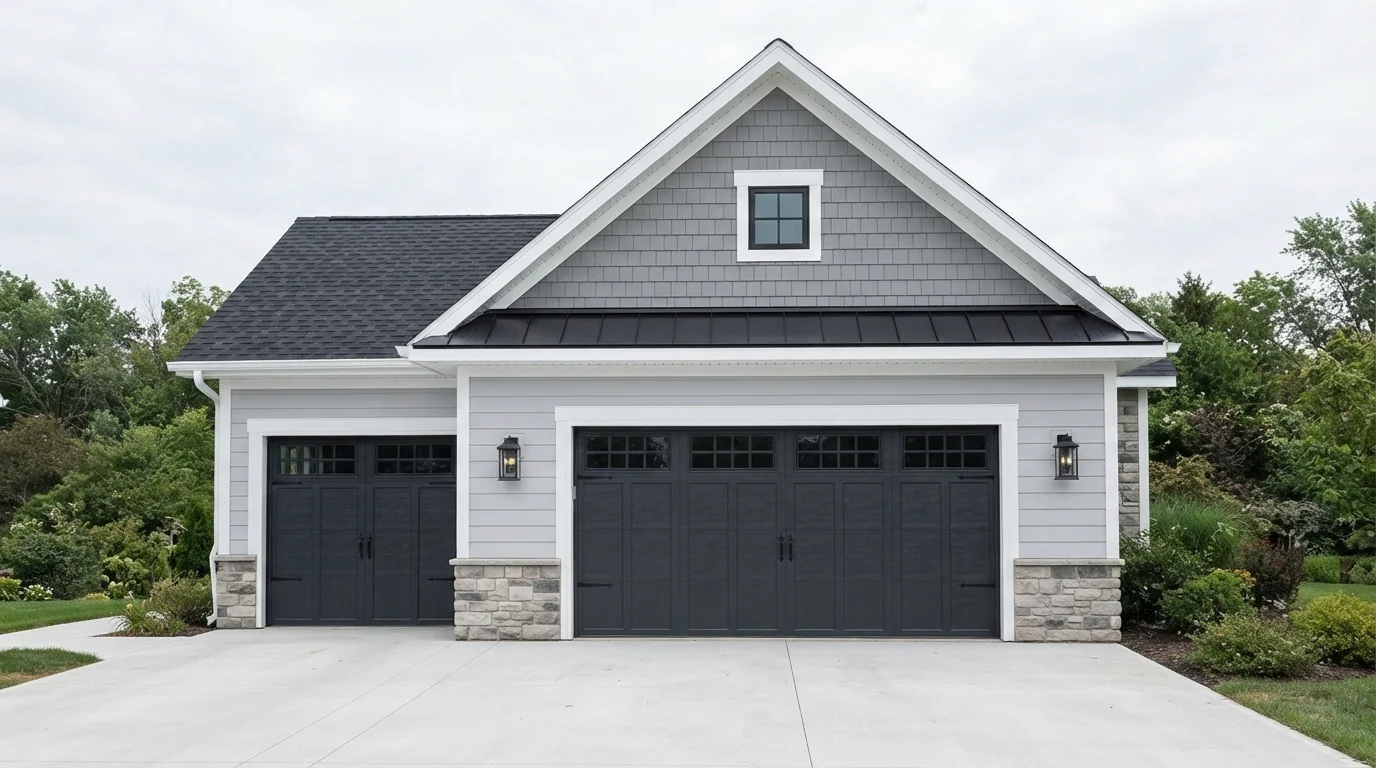
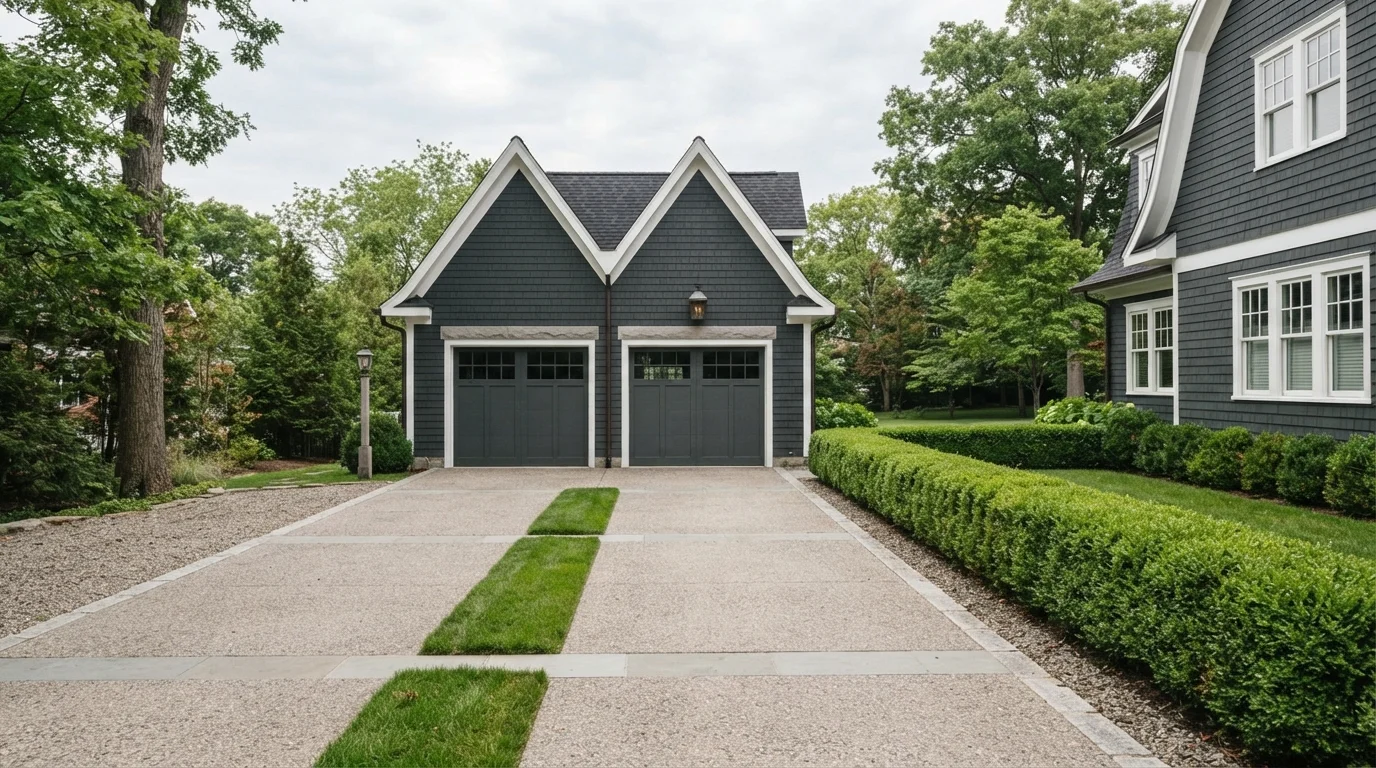
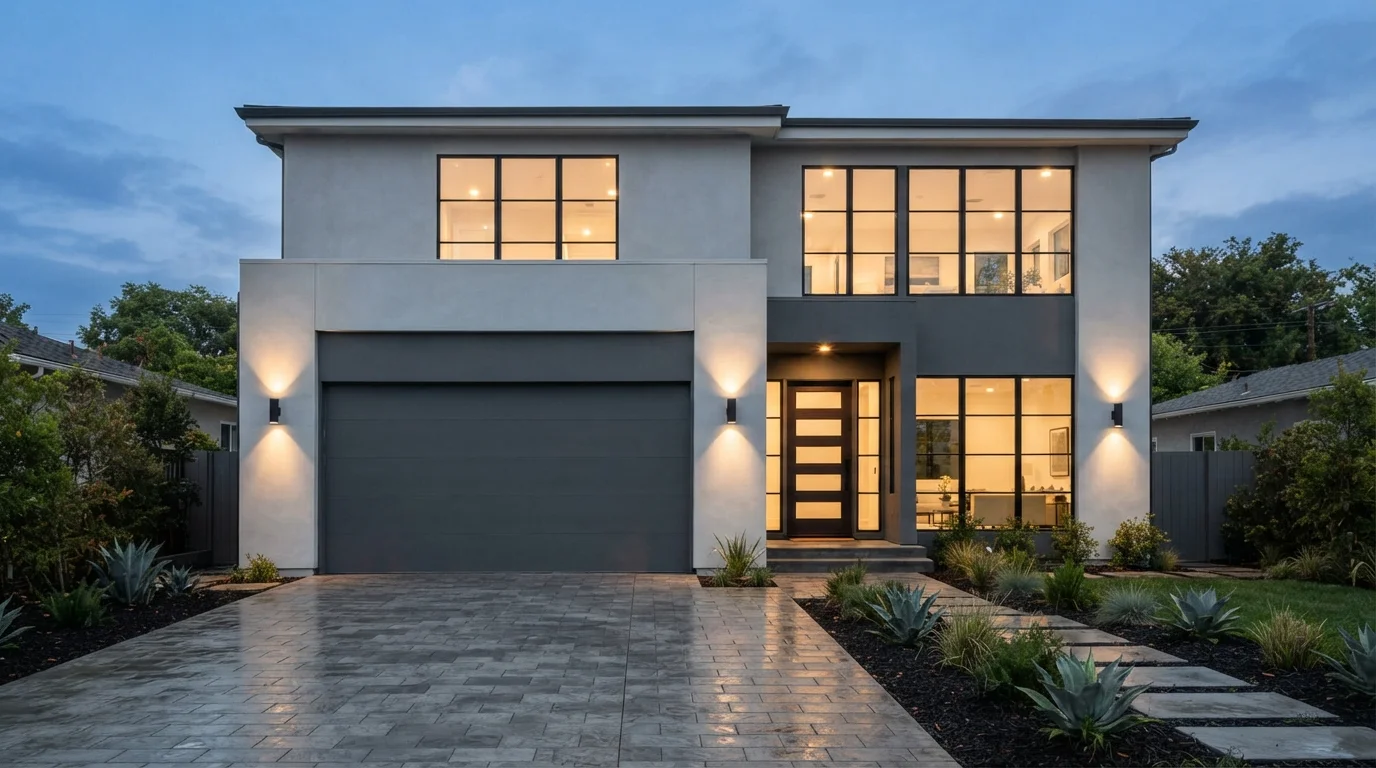
Gray is the rare color that can either blend or feature, which is exactly the choice a garage door forces. A gray that sits close to your siding lets the big door recede so the front door and landscaping take the spotlight. A gray a few shades deeper than the house turns the door into a calm, modern feature without the risk of a bold color you tire of in two years.
Gray also ages well on a surface this exposed. Sun fades strong colors unevenly, and pure white shows every streak of grime, but a mid-gray takes on dust and weathering gracefully and still looks clean from the curb. That forgiveness is a real advantage on a panel you rarely wash.
Picking the Right Depth of Gray for the Light
Garage doors face open sky with no porch roof to soften it, so direct sun makes any gray read at least one step lighter and cooler than the chip suggests. Use LRV (light reflectance value, 0 is black and 100 is white) to plan for that. A gray in the 45 to 60 LRV range is the safe middle that stays clearly gray in bright light without washing out to near-white.
Let the direction the door faces steer you. A south or west door gets hammered by sun, so a slightly deeper gray around 35 to 50 LRV keeps its character instead of bleaching out. A north or shaded door stays cooler and can swallow a dark gray into something nearly black, so lean a touch lighter, in the 50 to 65 range, to keep it from looking like a hole in the wall.
The Right Finish for a Garage Door
Skip flat and high-gloss for a garage door and choose satin or low-gloss exterior paint. Satin has enough sheen to shrug off rain, repel road dirt, and wipe clean with a hose and a sponge, but not so much shine that it spotlights every dent and panel seam in raking afternoon light. Glossy doors look slick on a chip and harsh on a wide door in full sun.
Use a paint rated for exterior use on metal or whatever your door is made of, since a garage door bakes and chills through every season. The right exterior formula flexes with temperature swings and resists chalking, which is what keeps a gray looking like fresh gray a few years in rather than faded and powdery.
Pairing Gray With Trim, Hardware, and the House
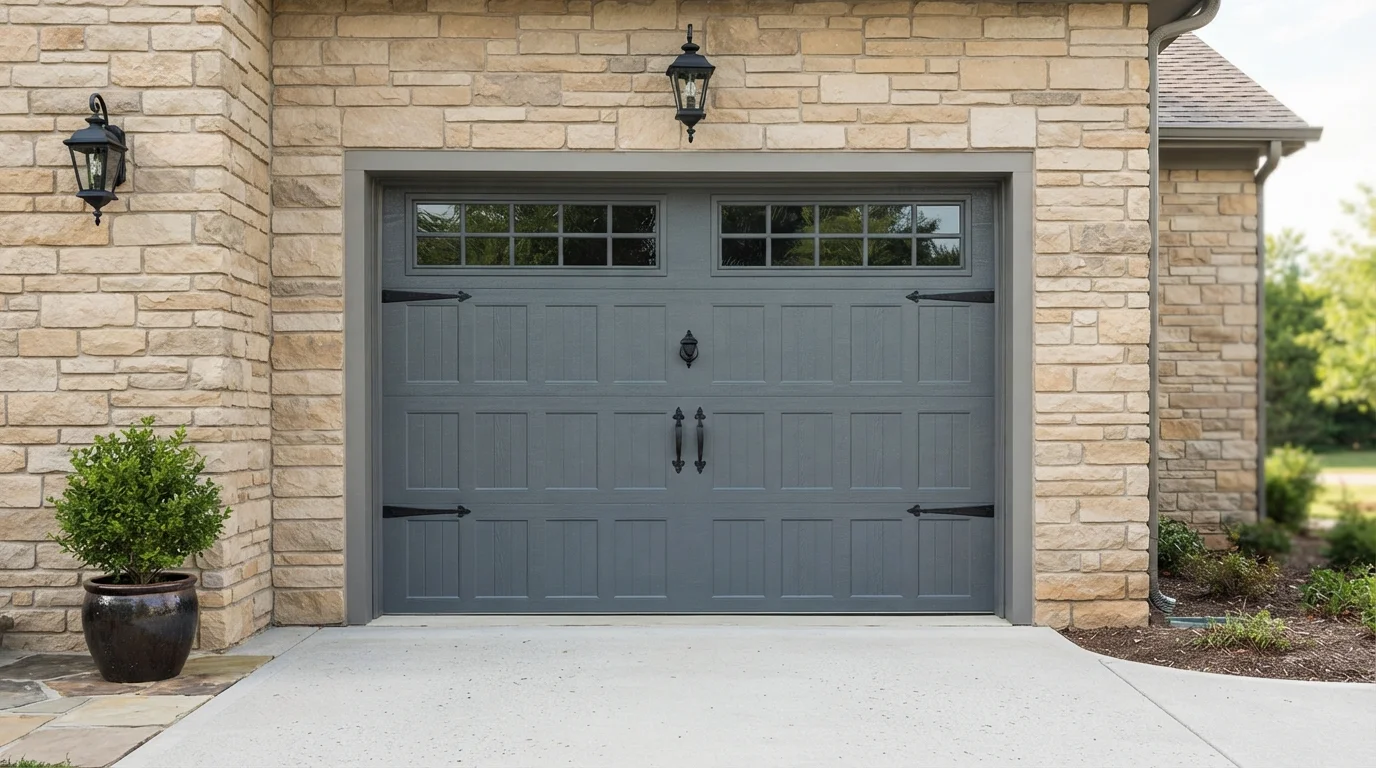
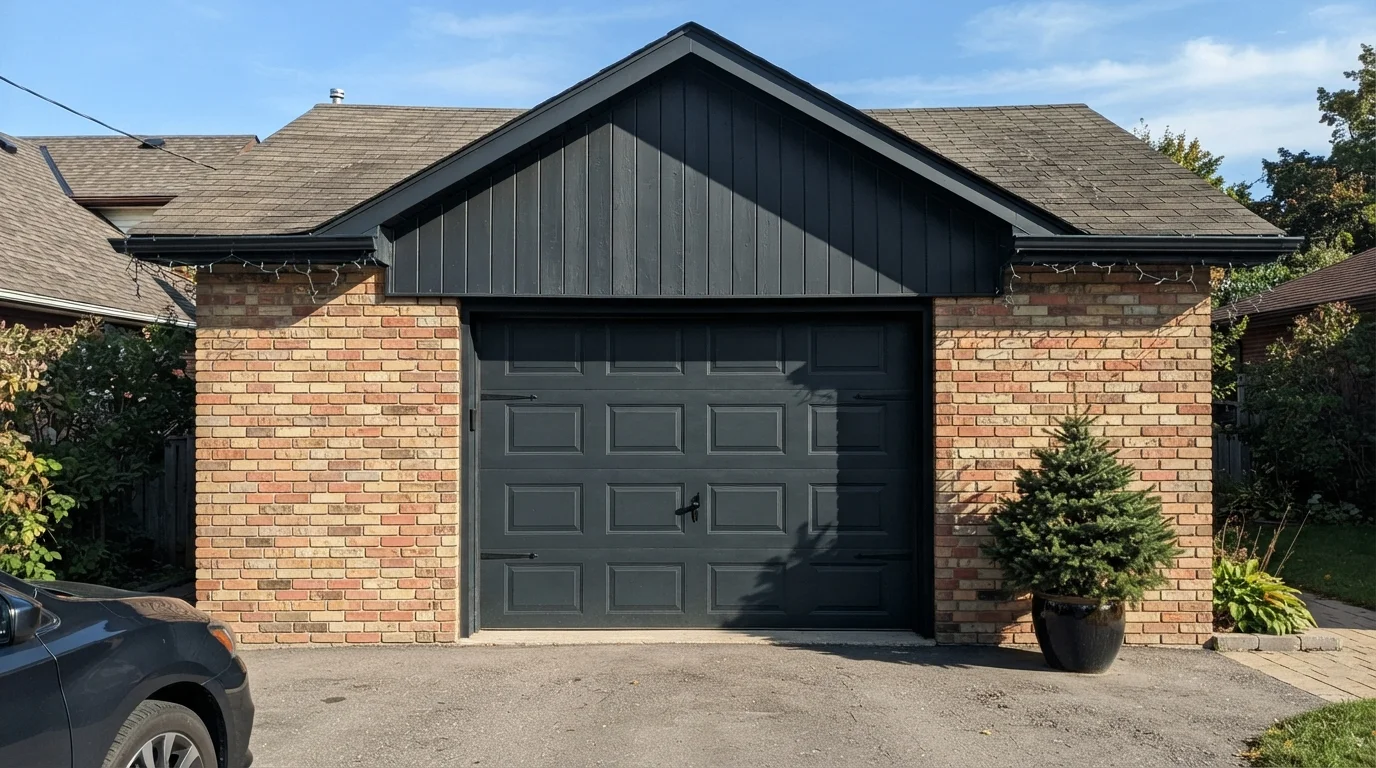
The cleanest look ties the door gray to the rest of the front. If your trim is white, a cool or neutral gray door reads crisp and intentional; if your trim is cream or beige, choose a gray with a warm or greige undertone so the two do not clash on the same facade. Carriage-style hardware in matte black gives a gray door instant contrast and definition, while bronze or brushed nickel suits a softer, warmer gray.
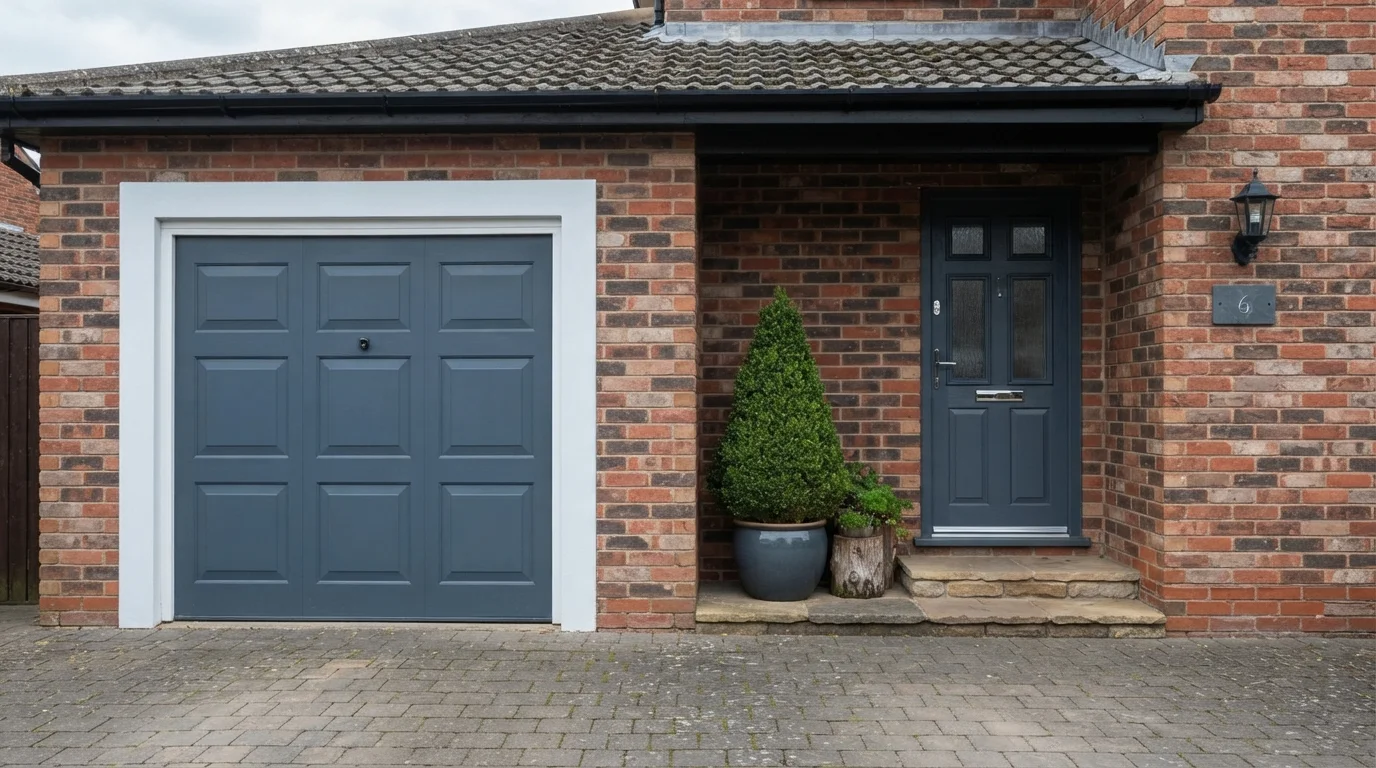
Check the gray against your roof and any stone or brick too, since those are permanent and the paint is not. A cool blue-gray fights warm tan brick, while a greige bridges it. When the door, body, and trim grays all share the same undertone, the front of the house looks designed instead of accidental.
Common Mistakes With Gray on a Garage Door
The biggest mistake is judging gray from a tiny chip indoors. Garage door grays almost always pull cooler and bluer outside in daylight, so a gray that looked warm and soft inside can turn cold and steely on the house. Tape a large painted sample to the door and look at it morning, midday, and evening before you commit.
The other classic errors are matching the gray to nothing and over-darkening a sunny door. A gray that ignores the roof, brick, and trim undertones looks like a patch rather than part of the house. And a deep charcoal on a south-facing door can fade fast and read almost black, so account for the light instead of picking the dramatic chip and hoping.
Gray Garage Door Paint — Frequently Asked Questions
What shade of gray is best for a garage door?+
A mid-gray in roughly the 45 to 60 LRV range is the most reliable, because it stays clearly gray in bright outdoor light without washing out to near-white. Go a little deeper for a door that gets strong direct sun, and a little lighter for a shaded or north-facing door so it does not read as a dark hole.
What finish should I use on a gray garage door?+
Use an exterior satin or low-gloss finish. Satin sheds rain and road grime and wipes clean, but does not have enough shine to spotlight every dent and seam the way a glossy finish does on a wide door in full sun.
Should the garage door match the house or stand out?+
Both work with gray, which is why it is such a flexible choice. Match the door gray close to your siding if you want the big door to disappear, or go a few shades deeper than the house to make it a calm, modern feature without the risk of a loud color.
Why does my gray garage door look blue or cold outside?+
Open outdoor light, especially under a clear sky, pushes most grays cooler and bluer than they looked on an indoor chip. Choose a gray with a slightly warm or greige undertone if you want to avoid a steely look, and always test a large sample on the actual door in daylight first.
What hardware and trim colors go with a gray door?+
Matte black carriage hardware gives a gray door sharp, modern contrast, while bronze or brushed nickel suits a warmer gray. Keep the trim and door undertones in the same family, so a cool gray pairs with white trim and a warm greige pairs with cream or beige trim.
Can I get the same gray in different paint brands?+
Yes. Every gray shown here is mixed to order at the paint counter and can be cross-matched between brands, so you can take a shade you like and have it tinted in whichever brand's exterior paint you prefer for your door.