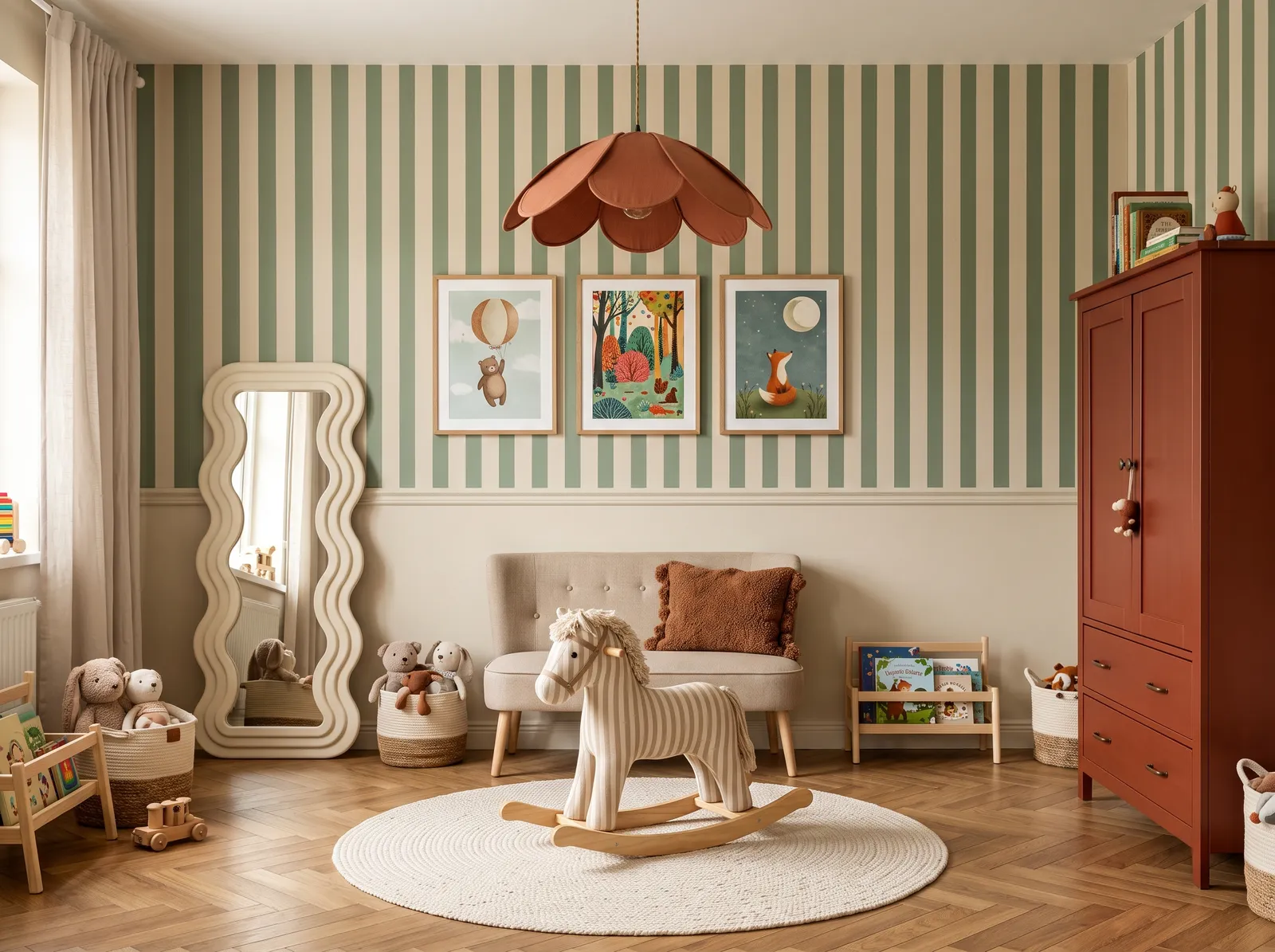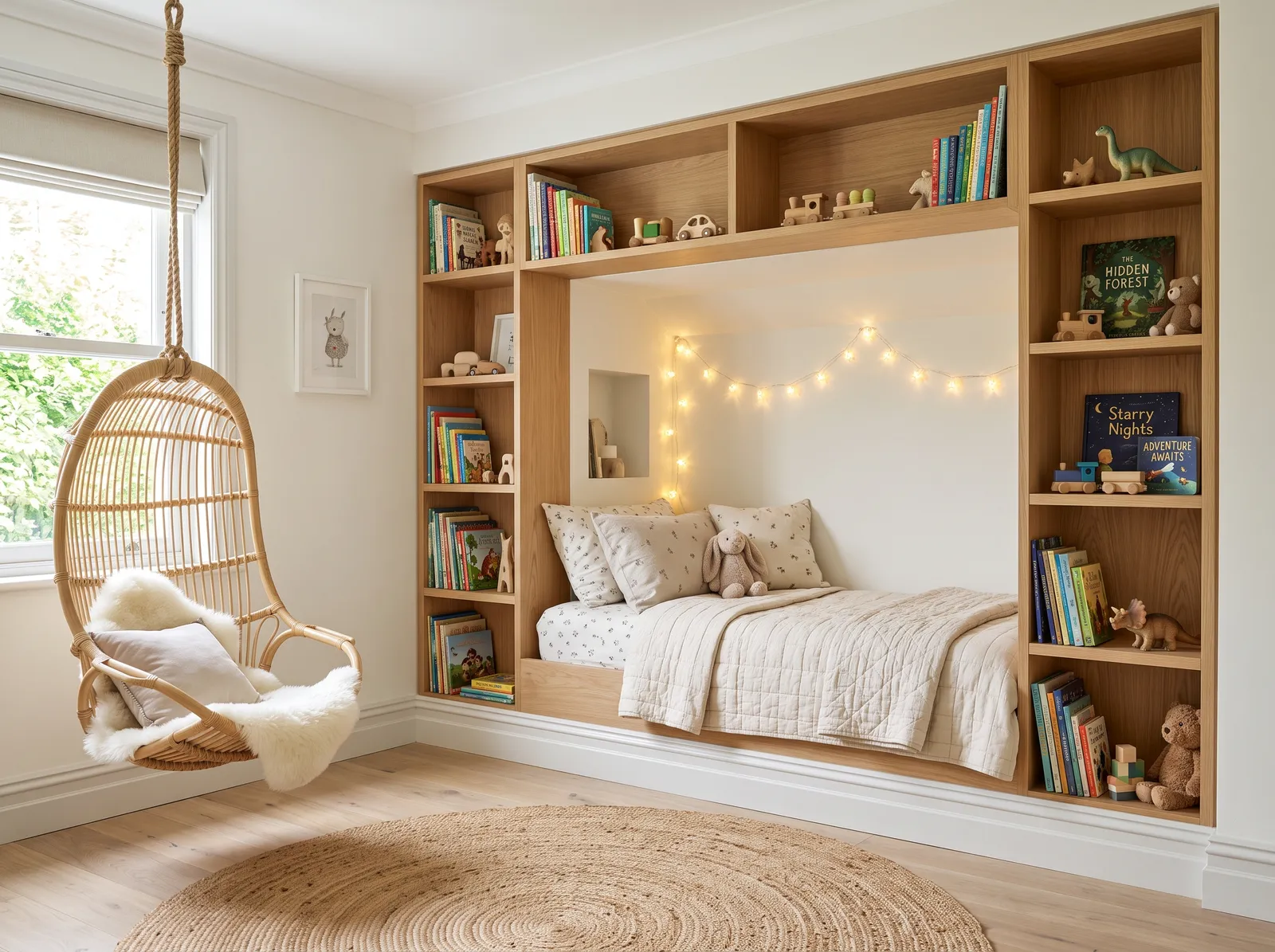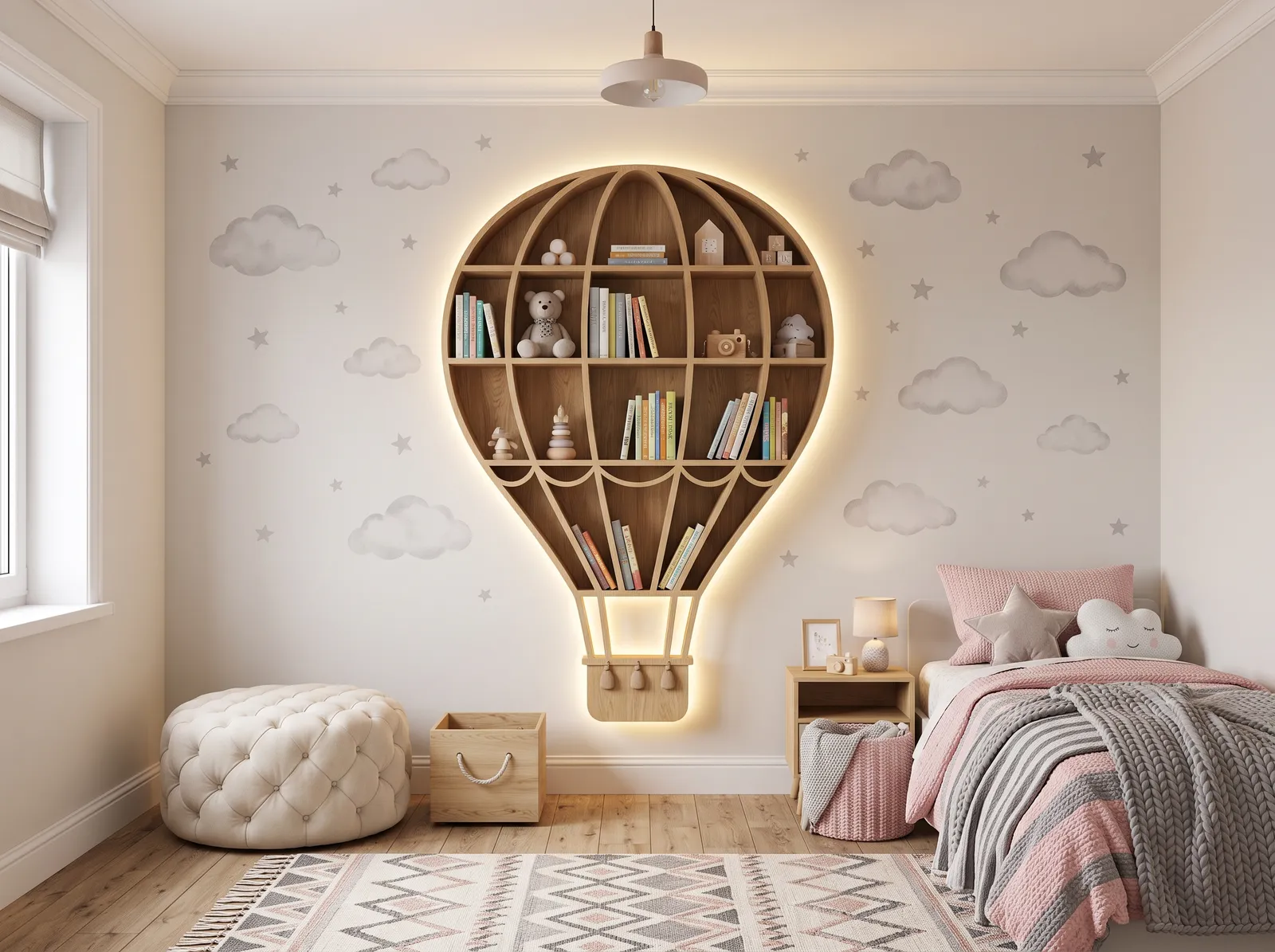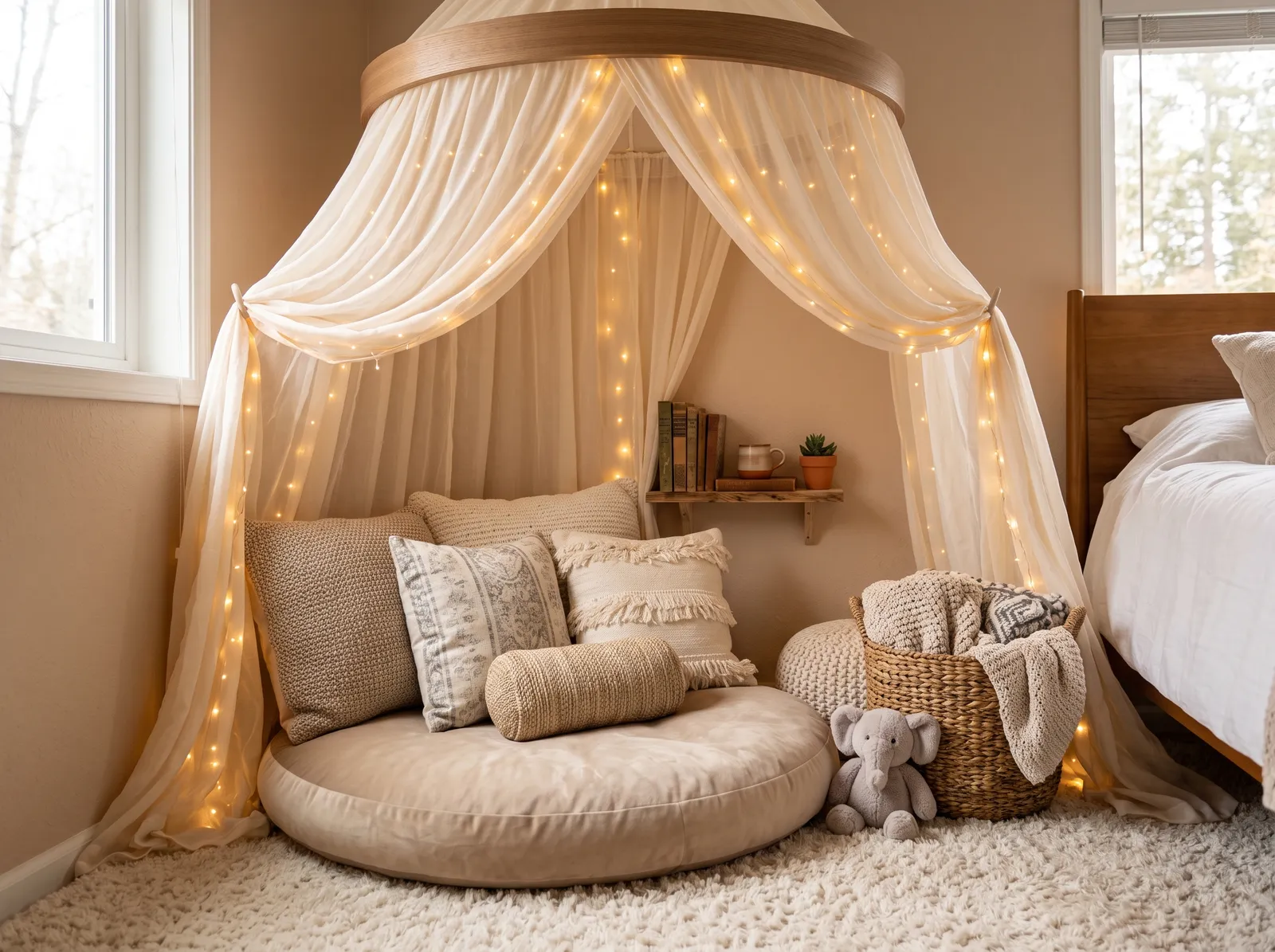
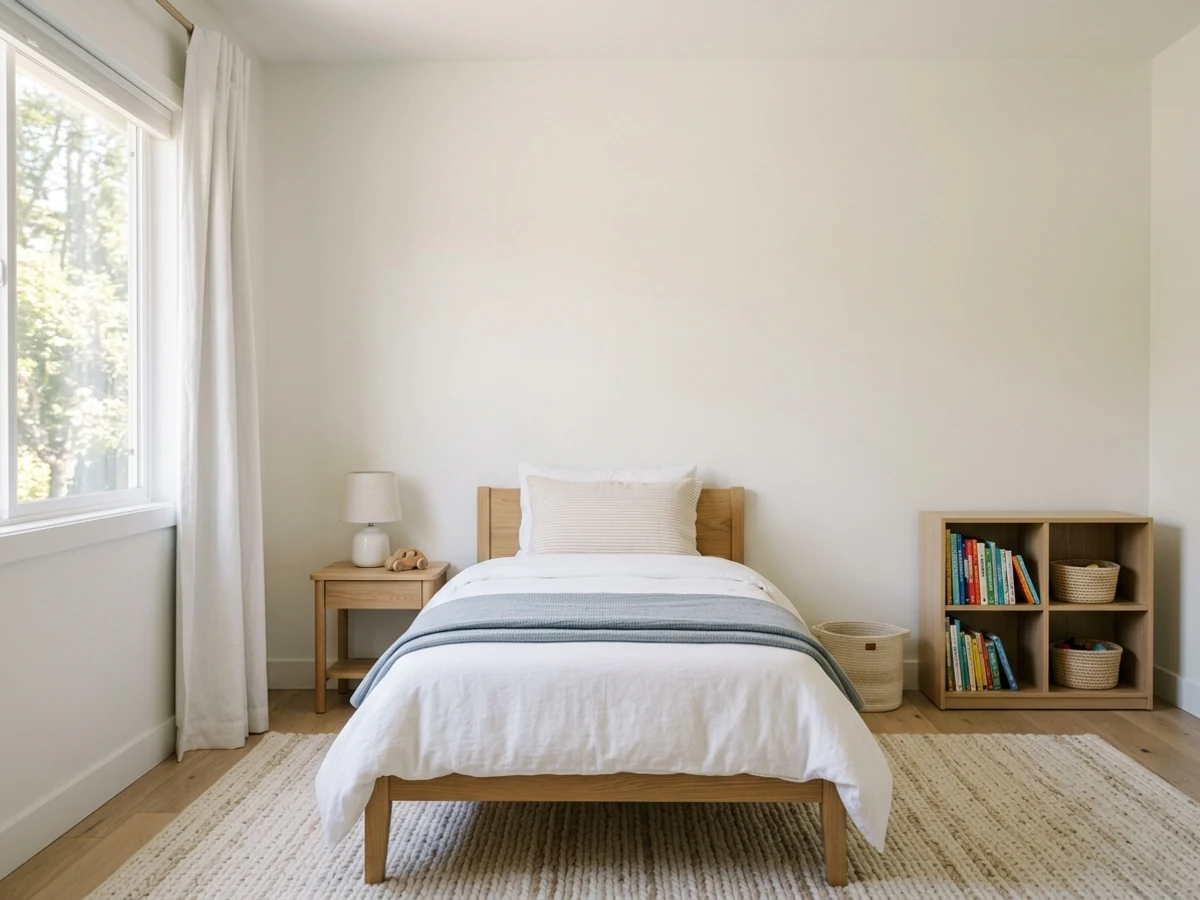
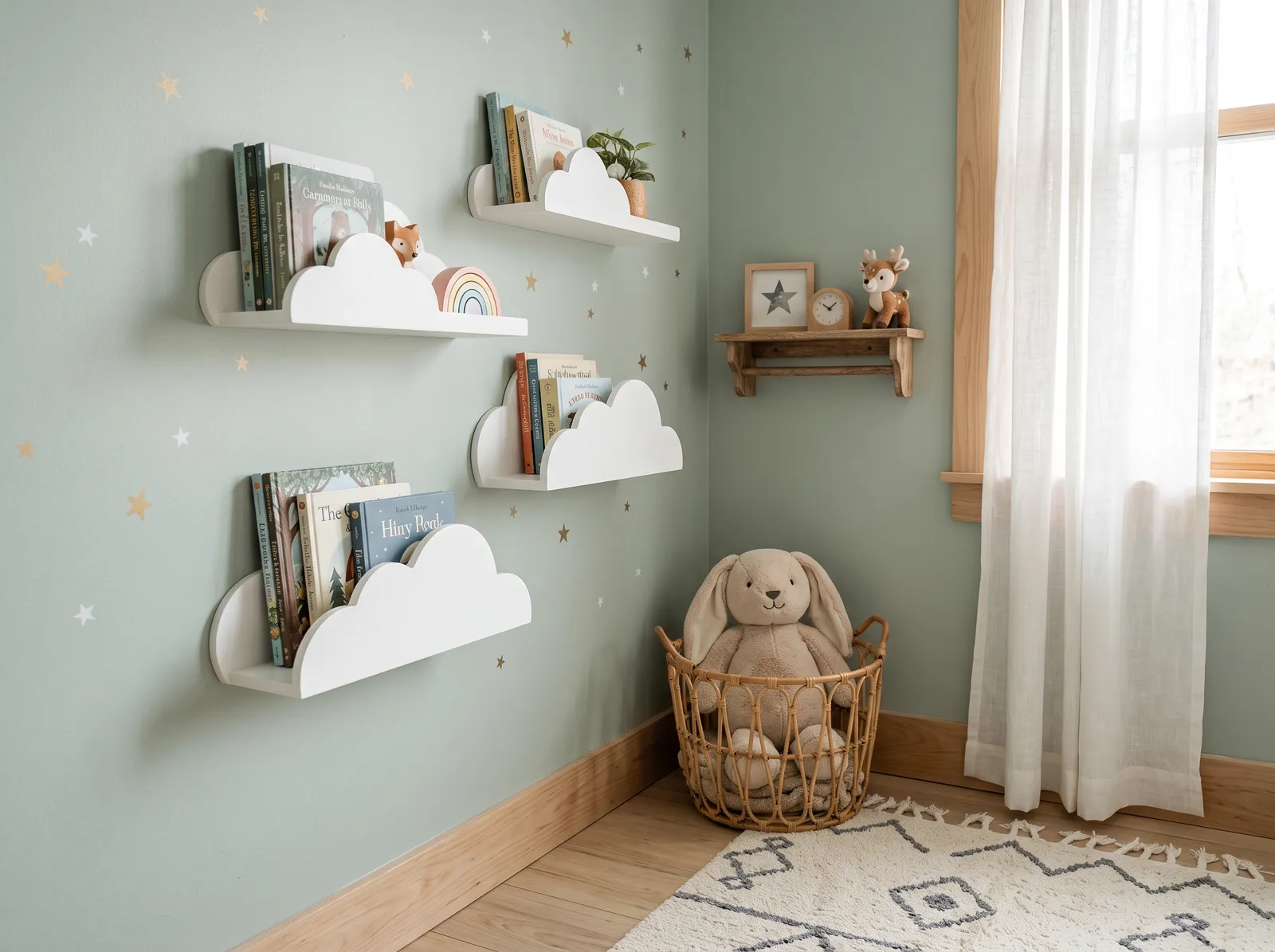
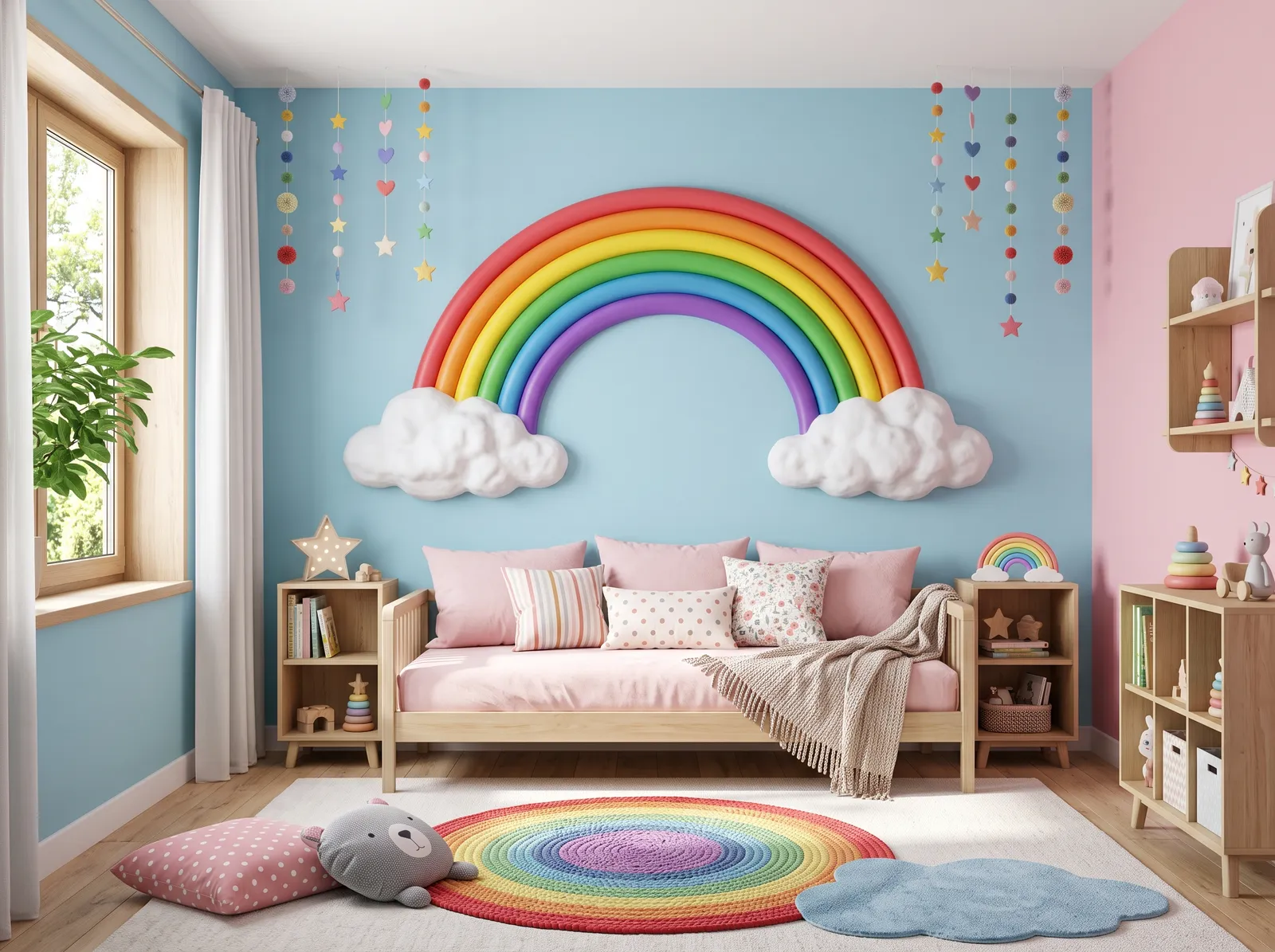
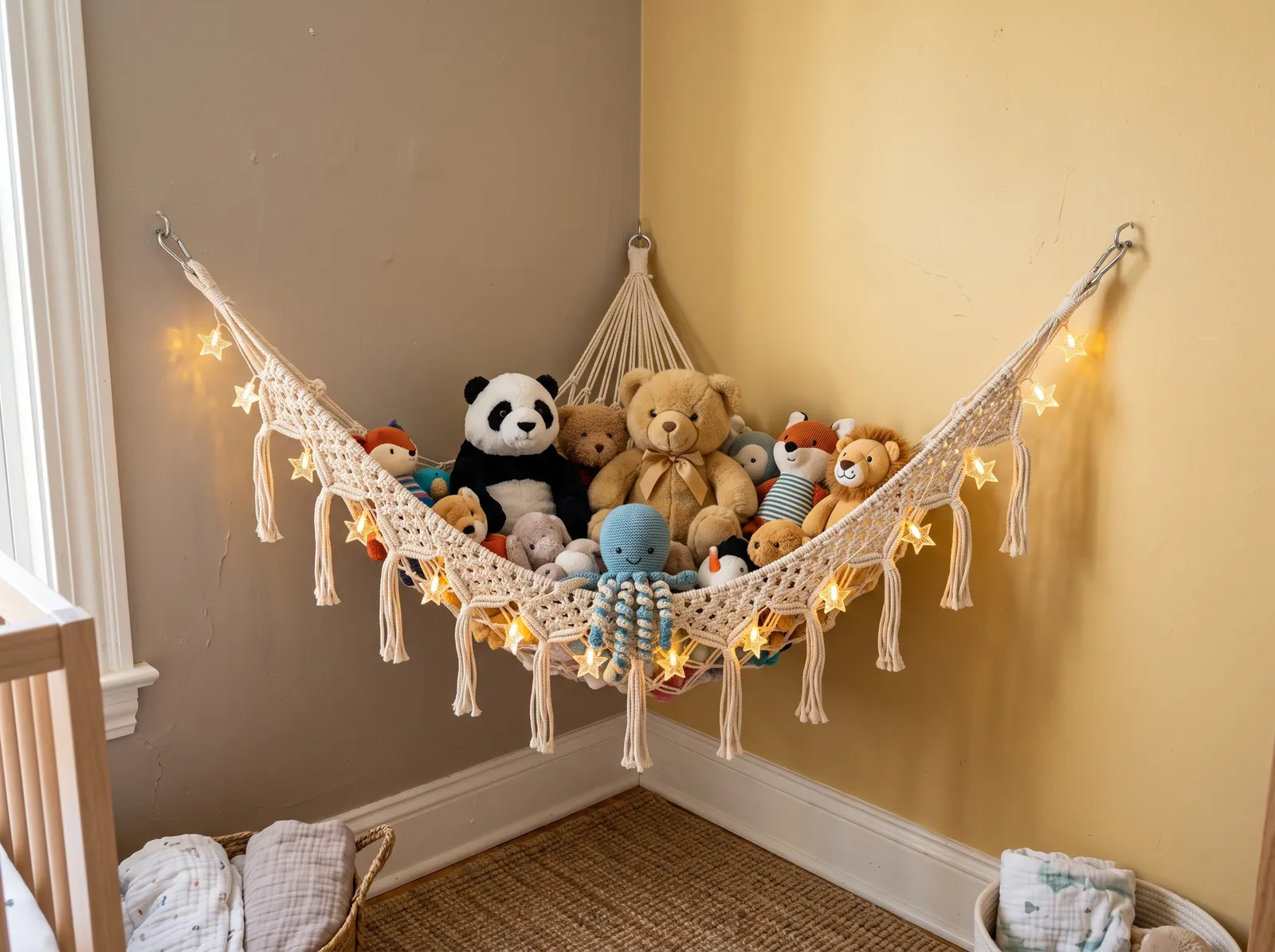
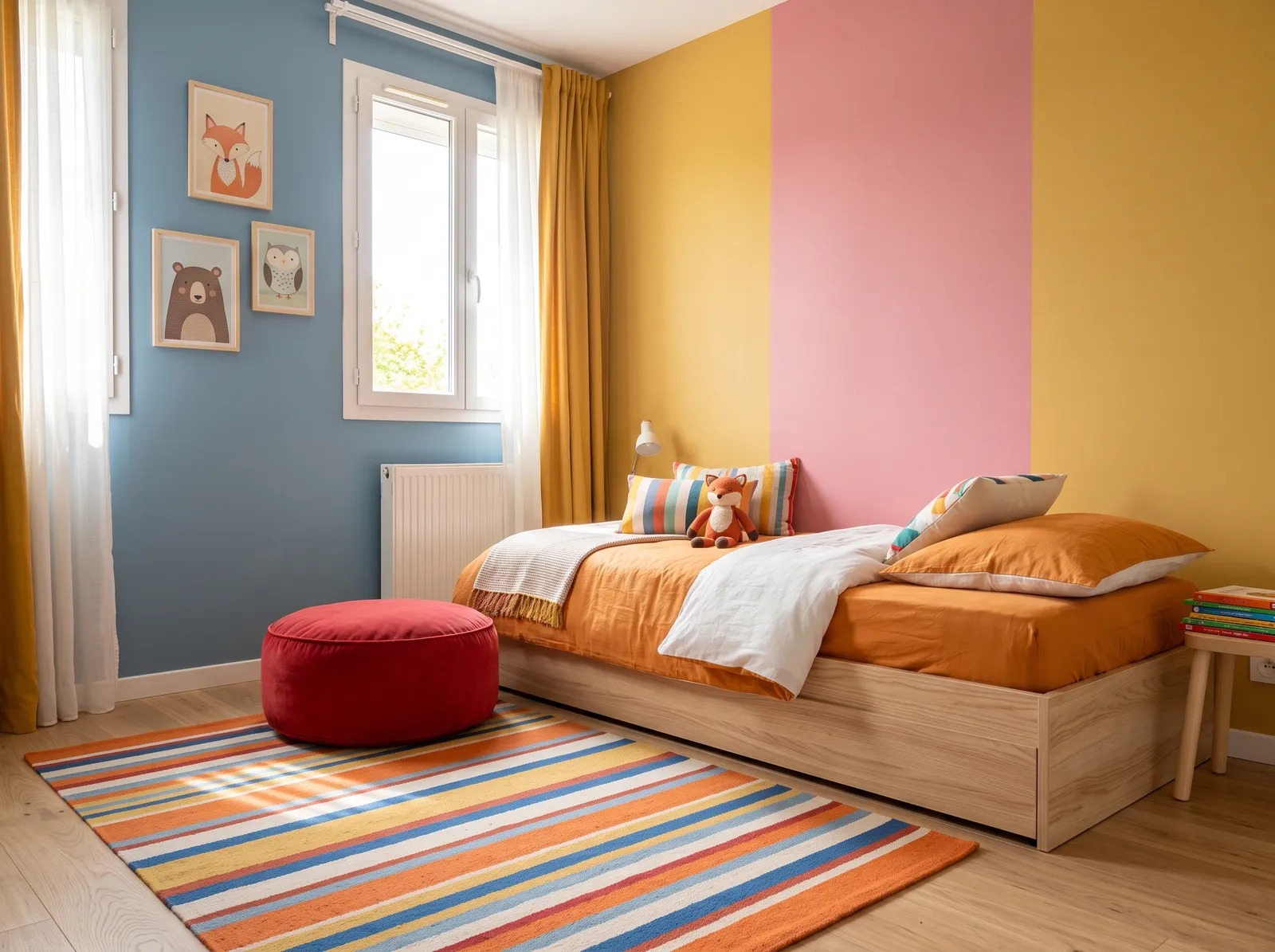
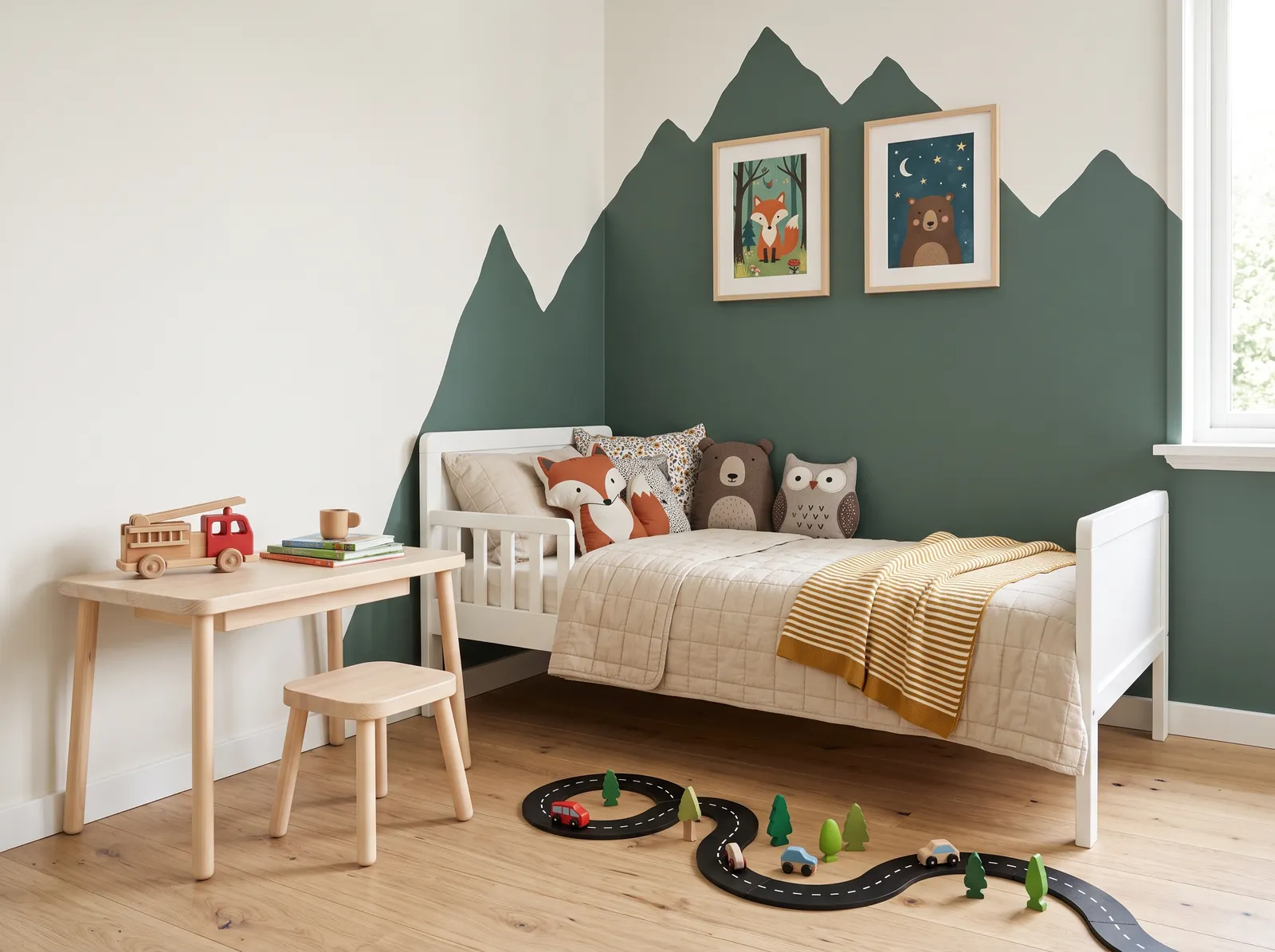
Kids Room Paint Colors
Top Picks for the Kids Room
4 editor's picksPalettes for the Kids Room
Ready-made schemesFull, buyable color schemes built for the kids room — walls, trim, and accents matched to real paint.
All Kids Room Colors at Every Brand
130 colors · 5 familiesA representative color from every brand that makes this family — most-recognized brands first, with a second pick from the biggest names. Tap any swatch with a curated guide for full spec and cross-brand matches.
Browse by Family Hub
About Kids Room Paint Colors
A kids room paint color has two jobs at once. It needs to feel fun and personal during the day, and calm enough to wind down in at night. That balance is why the best picks here lean on soft-to-medium colors rather than the brightest version of any shade.
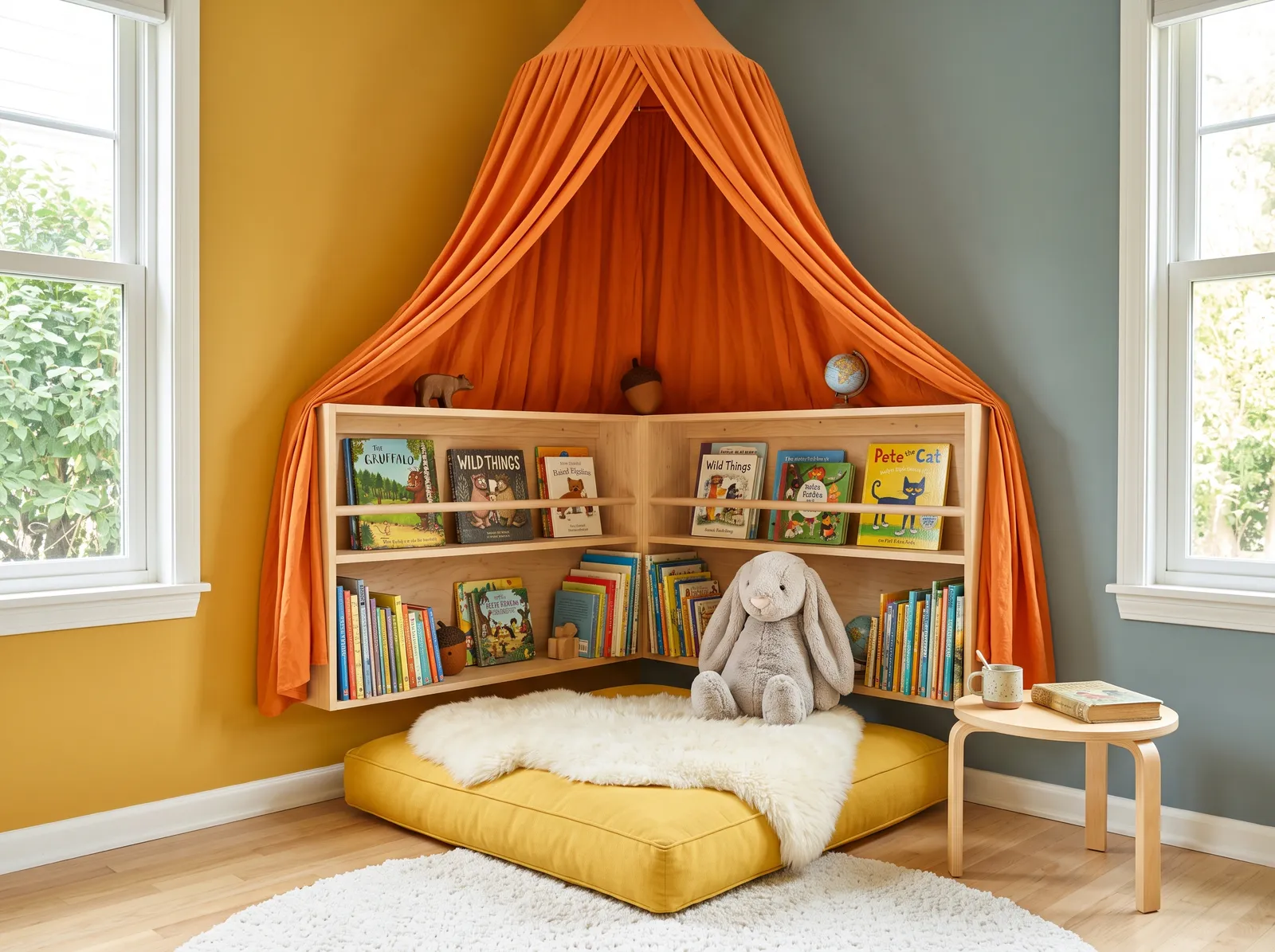
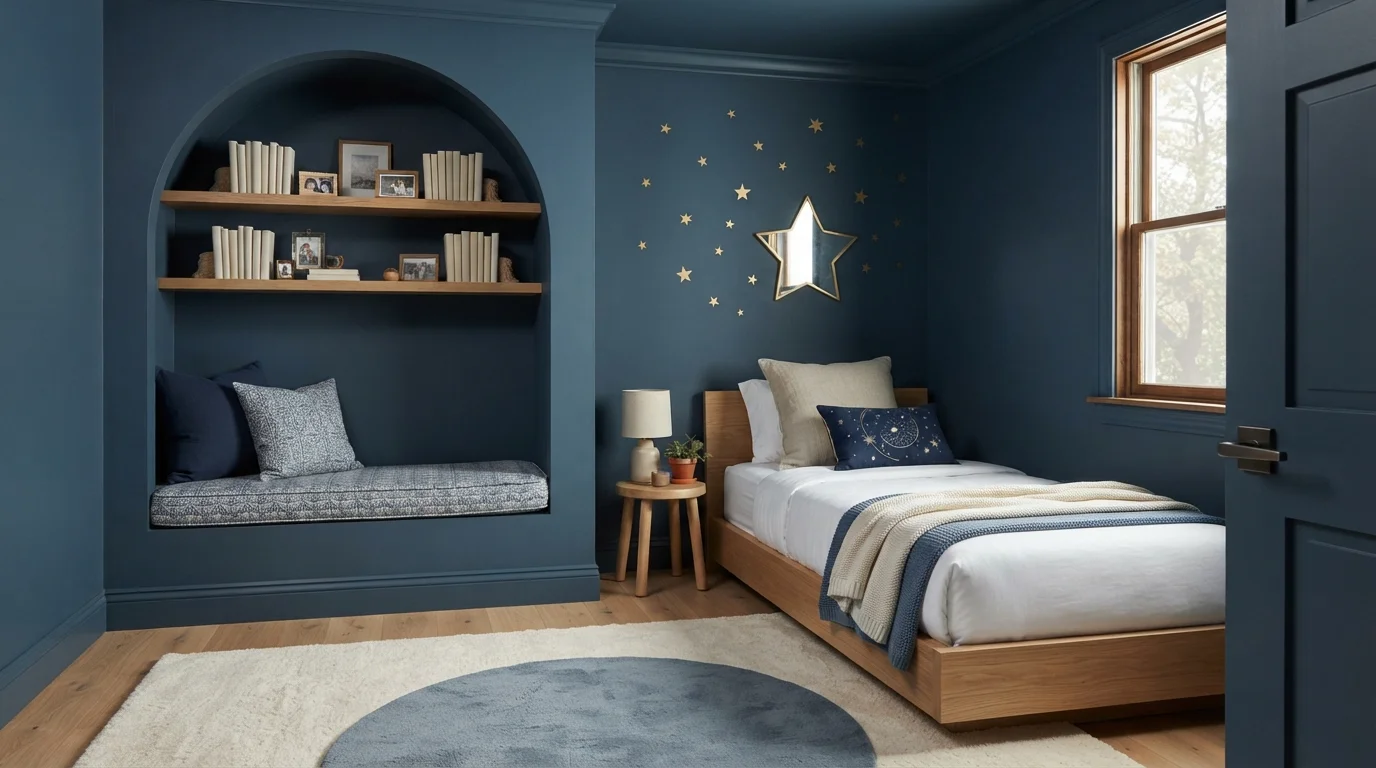
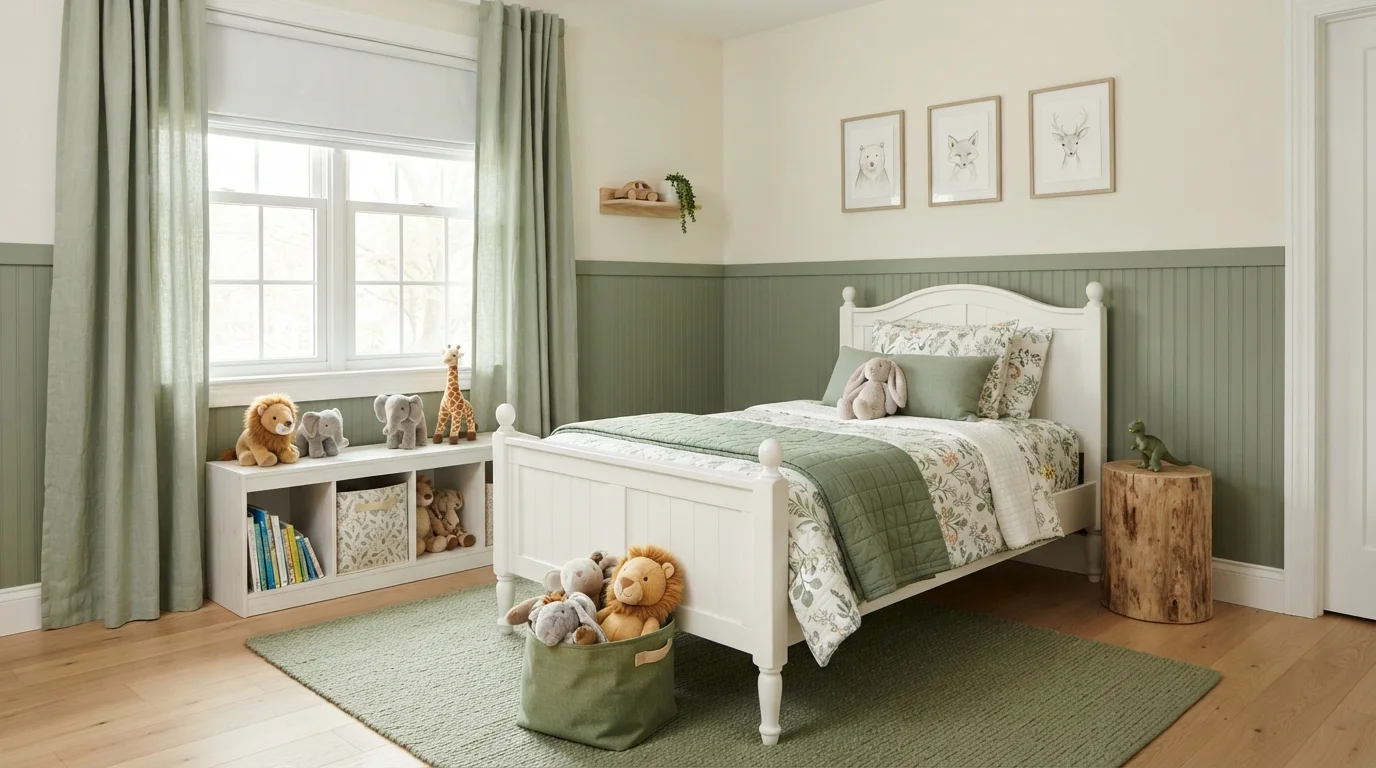
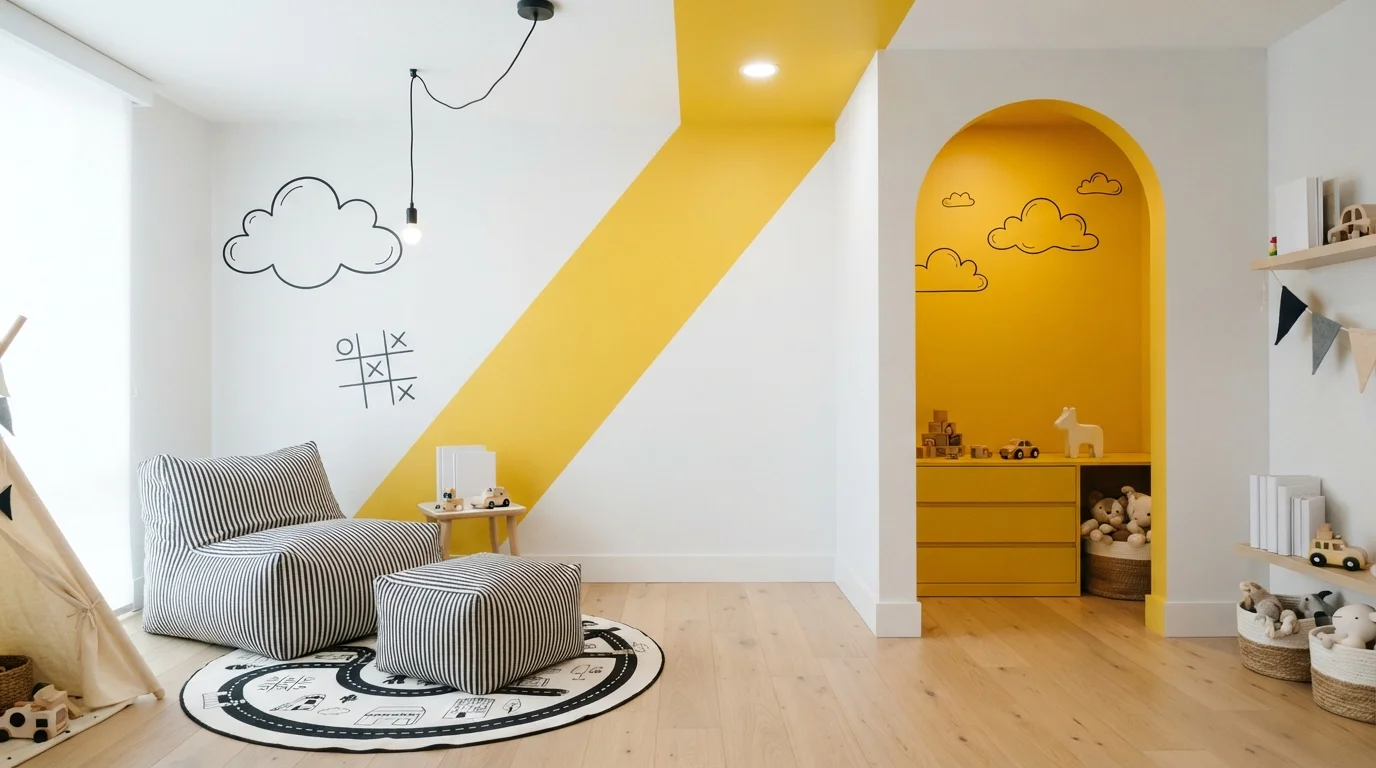
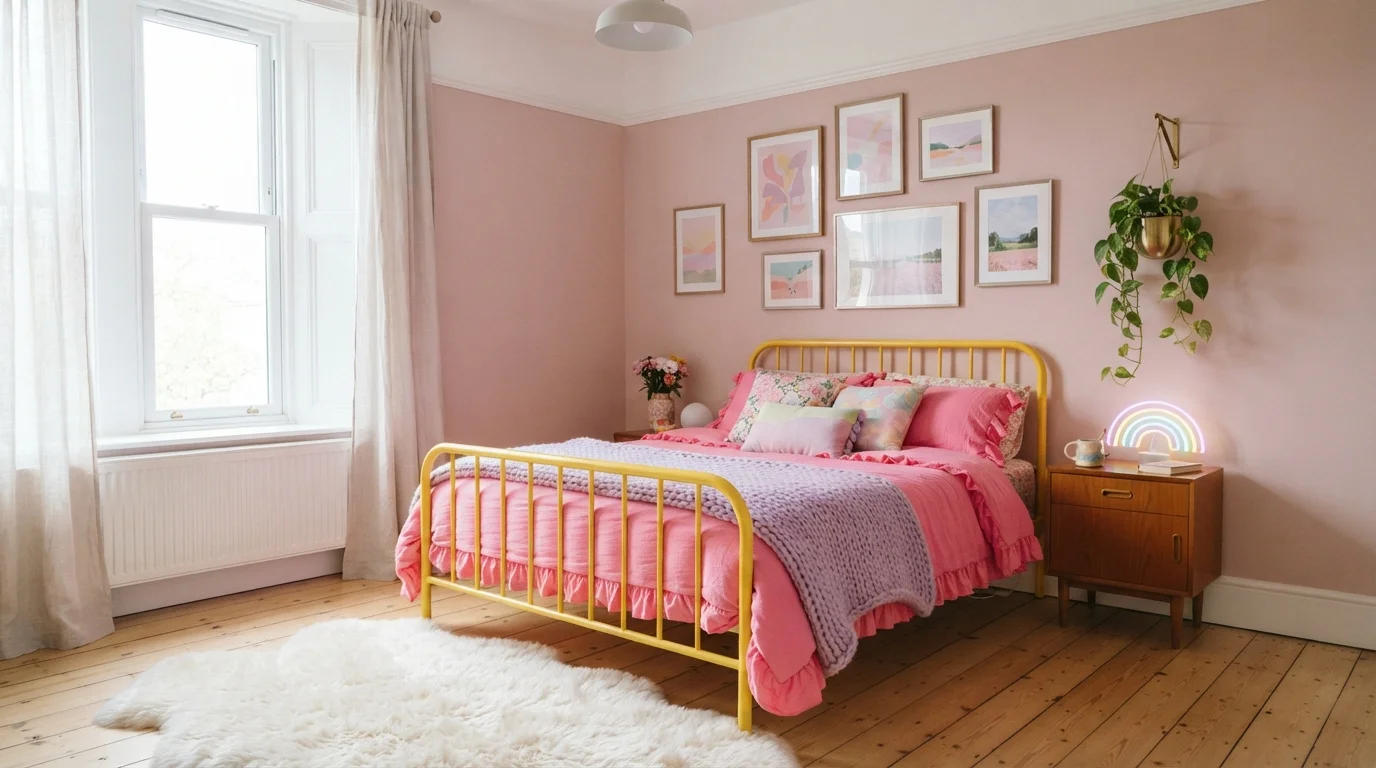
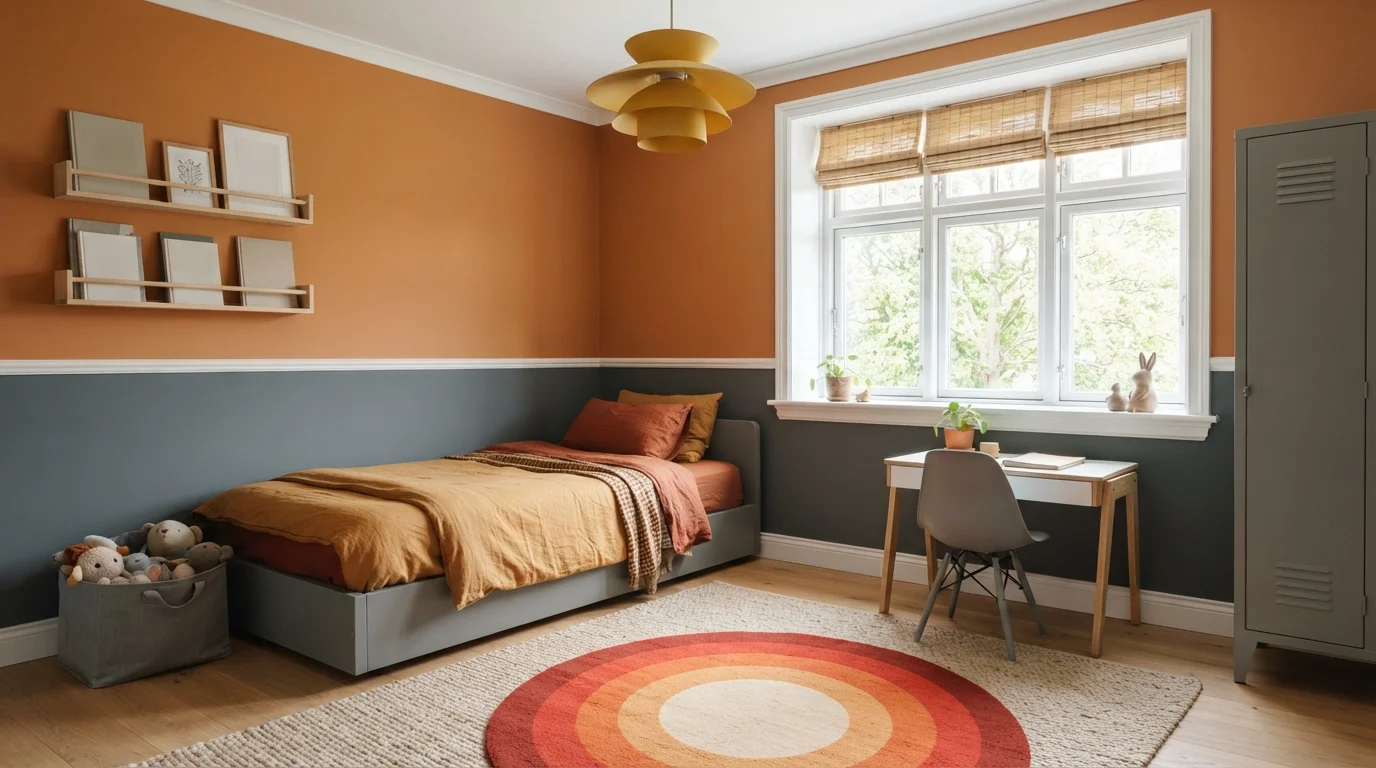
The example colors on this page show the range that works: airy picks like Sky Blue and Butter, fresh greens like Chartreuse and Emerald, and warm accents like Coral. Denim sits in as a deeper anchor for an accent wall or an older kid who wants something with more backbone. Each one points at a different mood, so the right answer depends on the child and the light in the room.
One thing to keep in mind: every color you see is mixed to order at the paint counter, so the name on this page is a starting point, not a limit. If you find a shade you love from one brand, a store can cross-match it close enough that you can buy it under the brand you actually prefer.
The Best Color Directions For A Kids Room
Blues and greens are the safe, smart core of a kids room. Sky Blue feels open and easygoing, Denim reads a little older and steadier, and Emerald or Chartreuse bring energy without tipping into chaos. These cooler shades help a busy room feel less crowded and they tend to please both kids and parents.
Warm colors do the opposite job, and that is the point. Butter wraps the room in a soft, sunny glow that suits a nursery or a younger child. Coral adds cheer and warmth without the harsh edge of a true red or bright orange. A common winning move is a calm blue or green on the walls with a warm accent like Coral on one wall or in the decor.
Let The Room's Light Steer Your Choice
Look at which way the windows face before you commit. North-facing rooms get cool, flat light, so warm colors like Butter or Coral push back against the gray and keep the room from feeling chilly. South-facing rooms get strong warm light all day, which lets cooler picks like Sky Blue, Emerald, or Denim shine without going dull.
Kids rooms also live a double life: bright at playtime, dim at bedtime. Always test a sample on the wall and check it under the actual nightlight or lamp the room uses, not just at noon. Blues and greens can turn grayer at night, and warm yellows can look almost orange under a warm bulb, so seeing it after dark saves you a repaint.
The Right Finish For A Room That Takes A Beating
Kids rooms get fingerprints, crayon, scuffs, and the occasional wall as a canvas. That makes washability the deciding factor. An eggshell or satin finish on the walls is the sweet spot: it wipes clean far better than flat, and it does not throw harsh glare the way semi-gloss can.
Save the shinier finishes for the parts that get touched and cleaned most. Trim, doors, and the baseboards do well in semi-gloss because it stands up to scrubbing and bumps from toys. Keep the ceiling flat to hide imperfections and avoid reflecting bright light down onto a sleeping child.
Using LRV To Keep It Bright Or Cozy
LRV, or Light Reflectance Value, tells you how much light a color bounces back, on a scale from 0 (black) to 100 (white). For a small or darker kids room, a higher-LRV pick like Butter or Sky Blue keeps things feeling open and awake, which suits a play space. The higher the number, the more daylight the walls give back.
If the room is big, very bright, or you want a calmer sleep zone, you can drop lower. Denim and Emerald have more depth and a lower LRV, so they make a large room feel snug and a bright room feel less glaring. Mixing them, light main walls with one deeper accent, lets you get both energy and calm in the same room.
Pairing With Trim, Ceiling, And Floors
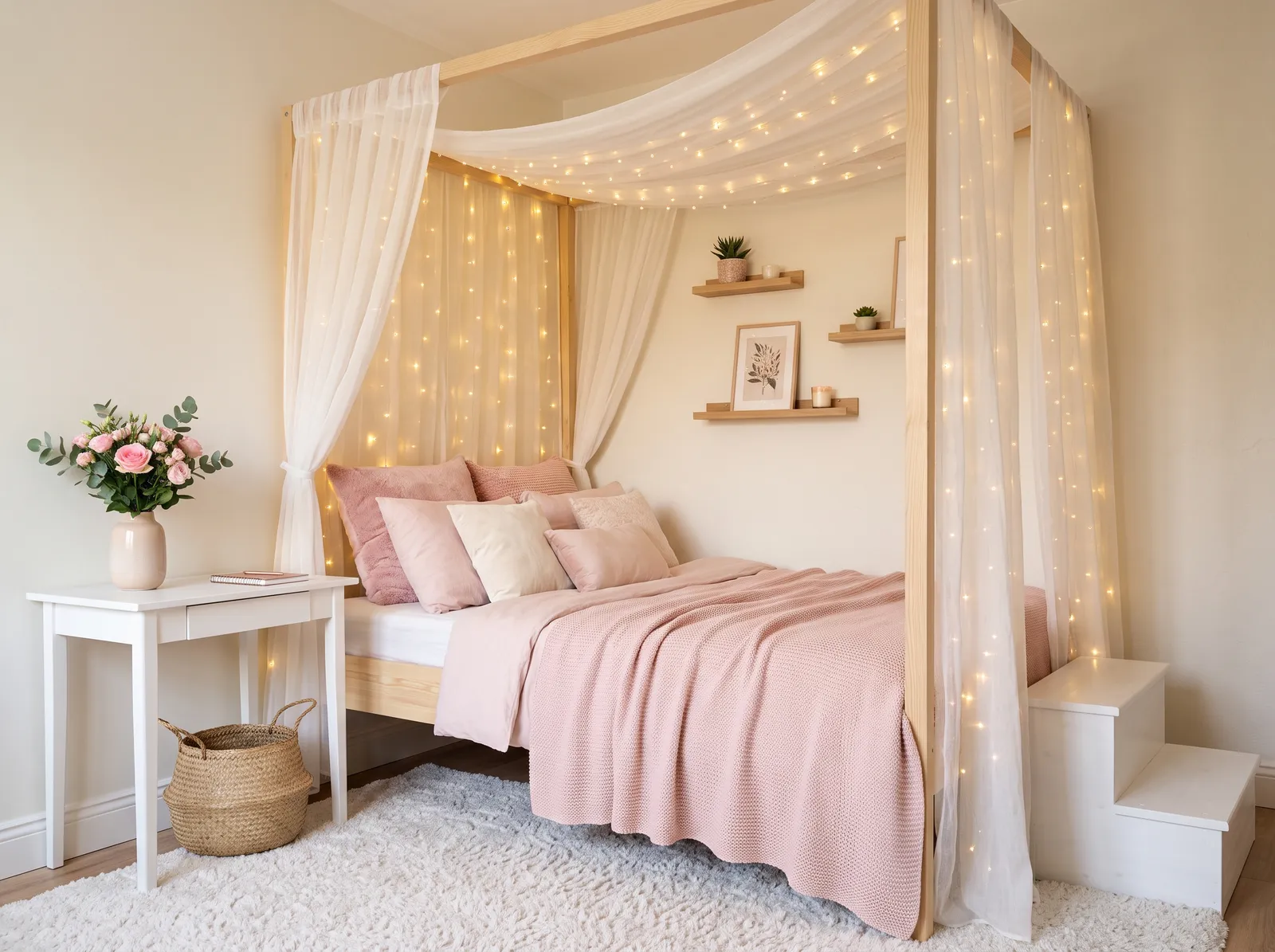
Crisp white trim and a white or very pale ceiling are the easiest companions for almost any kids room color. White trim makes Sky Blue, Chartreuse, and Coral pop and gives the eye a clean frame, which keeps a colorful room from feeling busy. If you want softer contrast for a nursery, a warm off-white trim against Butter reads gentle and cozy.
Match the wall color to the floor's temperature too. Cool gray or light wood floors sit nicely under blues and greens like Denim and Emerald, while warm honey wood floors love the warmth of Butter and Coral. For furniture and fixtures, plain white or natural wood pieces let you swap out colorful bedding and art as the child grows, without repainting.
Common Mistakes To Avoid
The biggest mistake is going too bright. A color that looks fun on a small chip becomes overwhelming across four walls, and a vivid shade can make it hard for a child to settle at night. Pick a softer version, like Sky Blue over an electric blue, and put the boldest color on a single accent wall instead of everywhere.
The second mistake is painting for the toddler they are today instead of the kid they will be in a few years. Themed or very babyish colors get old fast. Keep the walls in a flexible shade and let bedding, rugs, and art carry the trend, since those are cheap and easy to change. And never skip the wall sample, since color shifts a lot between the chip, the room, and the night light.
Kids Room Paint Colors — Frequently Asked Questions
What is the best paint color for a kids room?+
There is no single best color, but soft blues and greens like Sky Blue and Emerald are the most reliable because they feel fun by day and calm at night. Warm picks like Butter and Coral work well for nurseries and younger kids. The right one depends on the child and how much natural light the room gets.
What paint finish is best for a kids room?+
Use eggshell or satin on the walls because it wipes clean and resists the fingerprints and scuffs kids leave behind. Put semi-gloss on trim, doors, and baseboards for extra durability, and keep the ceiling flat. Plain flat paint on walls is harder to clean and not a good fit here.
How does the room's light change the color?+
Window direction matters a lot. North-facing rooms get cool light, so warm colors like Butter or Coral help; south-facing rooms get warm light that suits cooler shades like Denim or Sky Blue. Always test a sample on the wall and look at it both at midday and under the night light, since colors shift after dark.
What does LRV mean and why does it matter here?+
LRV is Light Reflectance Value, a 0 to 100 scale for how much light a color bounces back. Higher-LRV colors like Butter and Sky Blue keep a small or dark room feeling bright and open. Lower-LRV picks like Denim and Emerald make a large or very sunny room feel cozier.
Should I let my kid pick the color?+
Let them have a say, but steer the final choice. Kids often point at the brightest chip, which becomes too much across a whole room and can make sleep harder. A good compromise is a softer version of their favorite on the walls, with their bold pick used on one accent wall or in bedding and decor.
Can I match a color I like from another brand?+
Yes. Every color shown here is mixed to order at the paint counter, so the name is just a starting point. If you love a shade from one brand, a store can cross-match it very closely, which lets you buy it under whichever brand you prefer for price or availability.
What colors should I avoid in a kids room?+
Avoid the most saturated, electric versions of any color, since they overwhelm a room and can make it hard to wind down at night. Also skip very themed or babyish shades that the child will outgrow fast. Keep the walls flexible and let easy-to-swap bedding and art carry any trend.