


Ceiling Paint Colors
Top Picks for the Ceiling
4 editor's picksAll Ceiling Colors at Every Brand
105 colors · 4 familiesA representative color from every brand that makes this family — most-recognized brands first, with a second pick from the biggest names. Tap any swatch with a curated guide for full spec and cross-brand matches.
Browse by Family Hub
About Ceiling Paint Colors
Most people pick a wall color first and treat the ceiling as an afterthought. That is a mistake, because the ceiling is the largest unbroken surface in any room and the color you put up there changes how big, bright, and calm the whole space feels.
The good news is that ceilings give you room to play. A soft white keeps things crisp and tall. A pale blue or a quiet pink can wash the room in light and warmth without ever feeling loud. The trick is matching the color to the room's light, its height, and the mood you want when you walk in.
Every color shown here, from Snow and Alabaster to Robin Egg and Millennial Pink, is mixed to order at the paint counter. That means you are never locked to one brand. If you love a shade from one company, the counter can cross-match it into another brand's paint, so you can chase the exact color you want without giving up the finish or formula you trust.
The Best Color Directions for a Ceiling
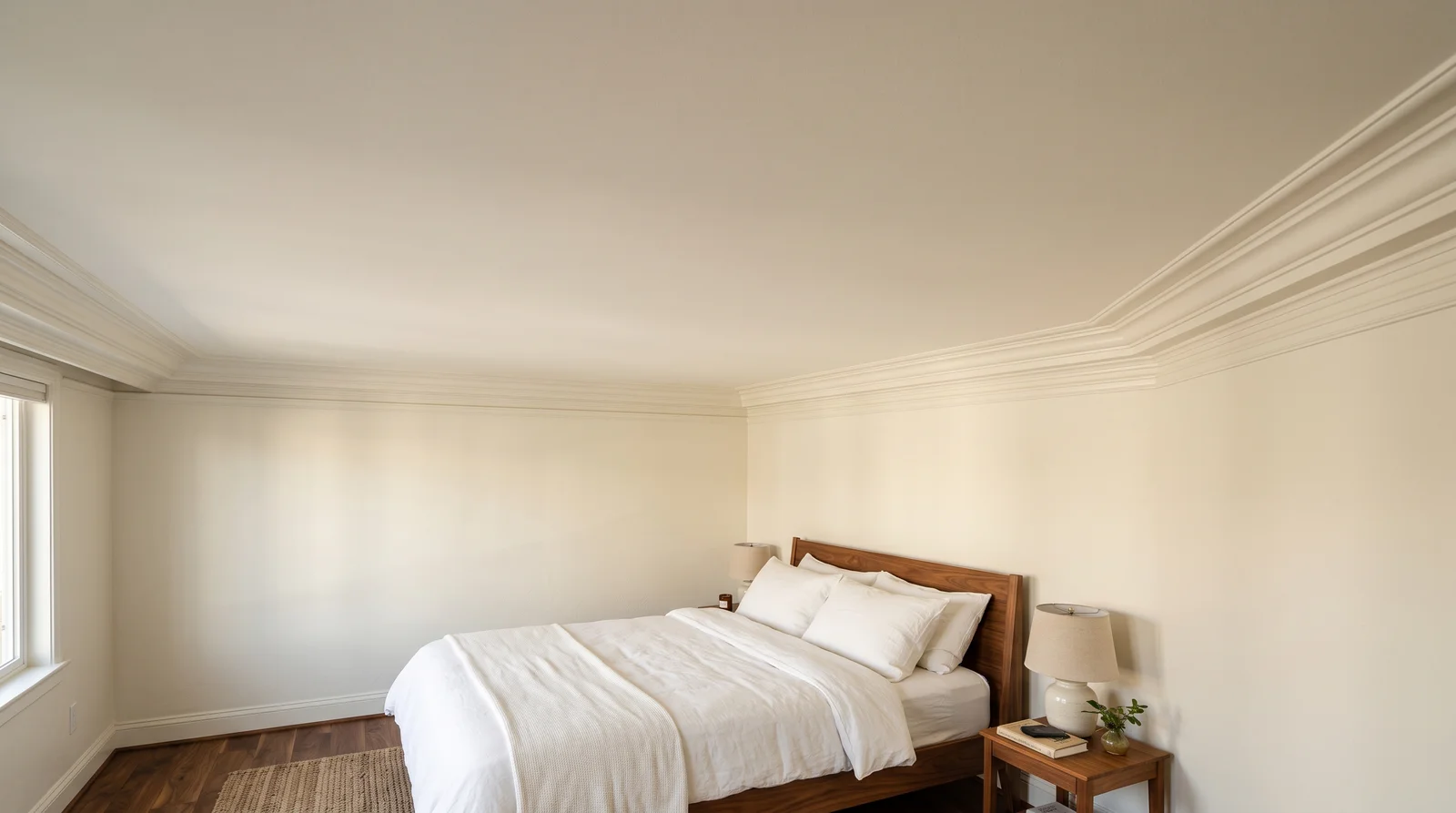
White is the classic ceiling choice for a reason. A clean shade like Snow keeps the room feeling tall and open, while a warmer white like Alabaster softens the light so the space feels calm instead of clinical. Porcelain sits in between, with just enough body to read as a real color rather than blank drywall.
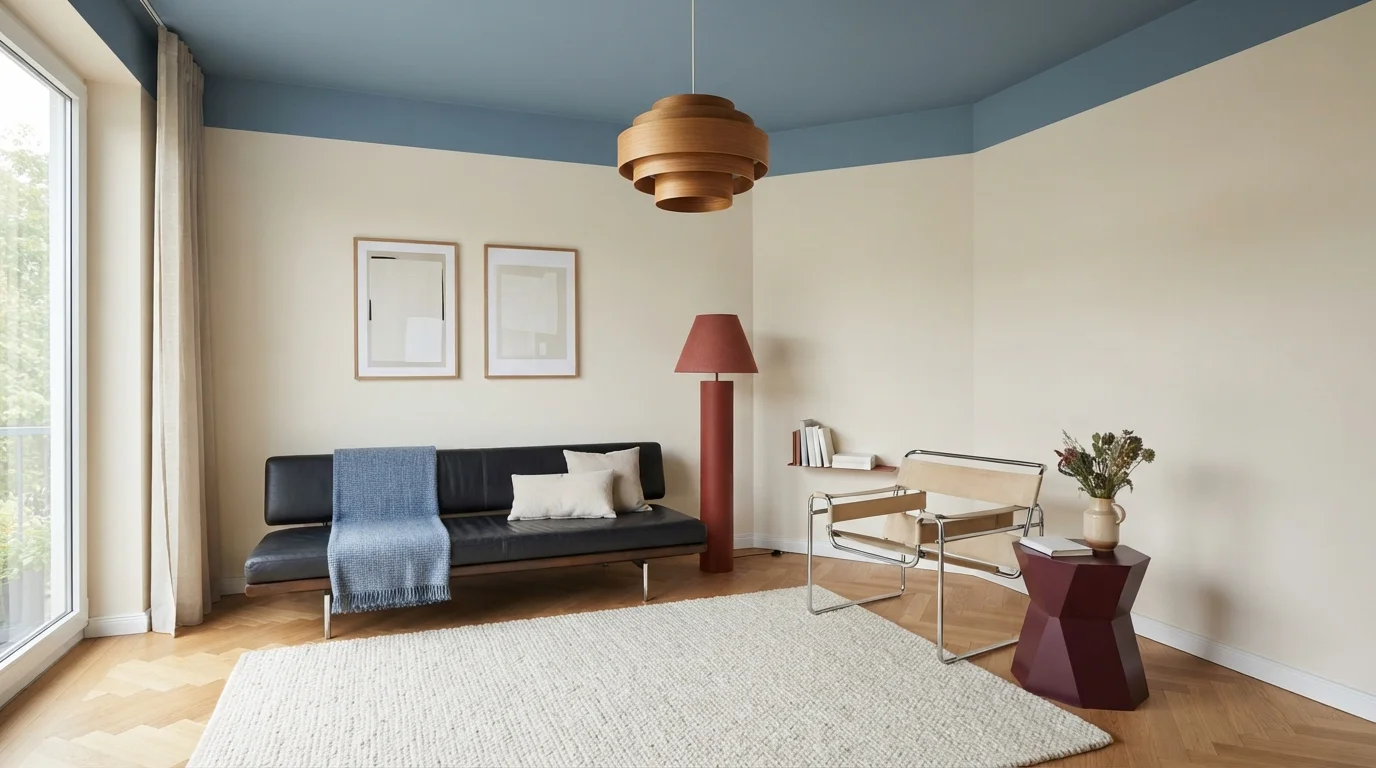
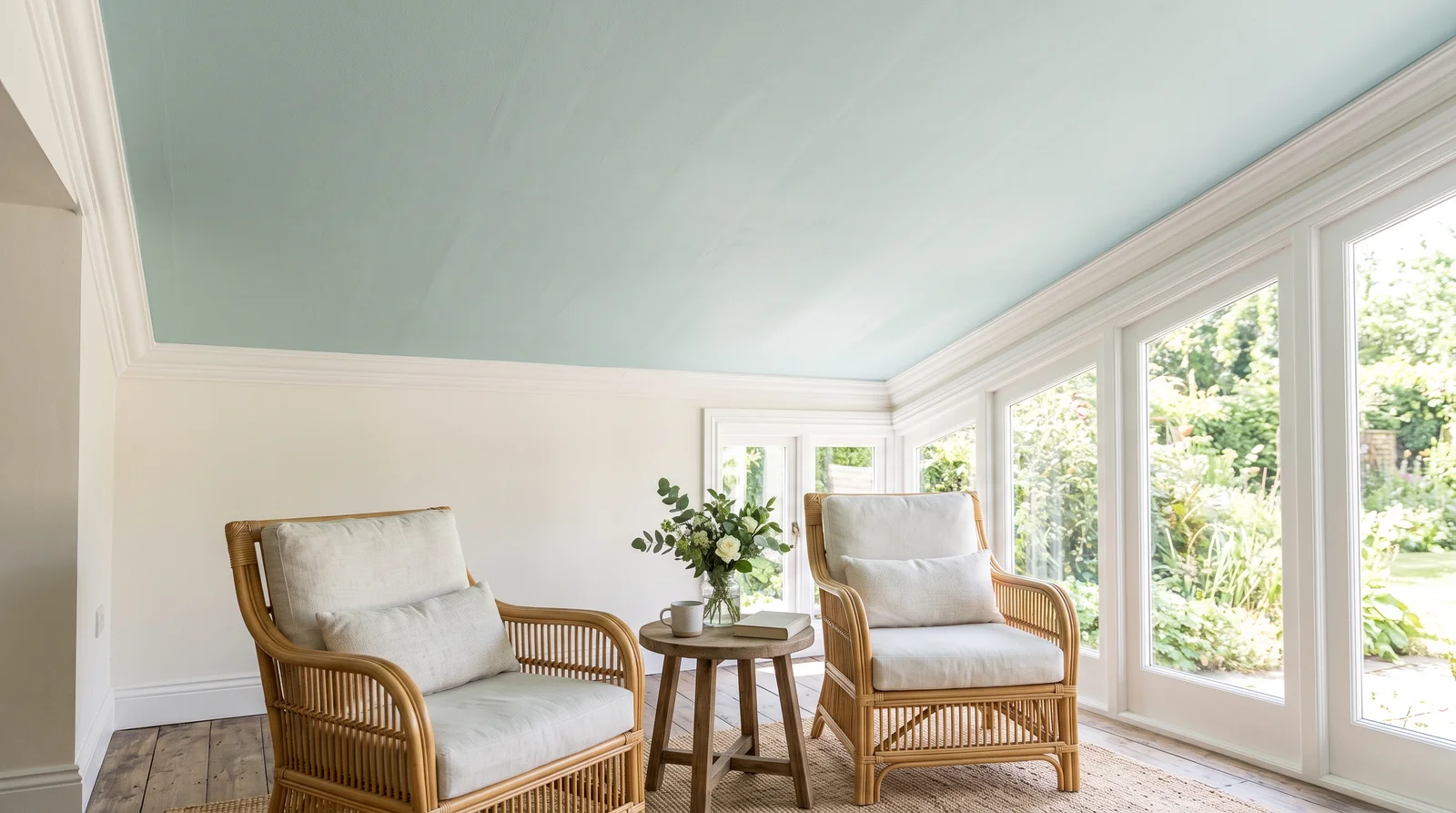
If you want the ceiling to do something, go pale and quiet. A soft blue like Robin Egg or Ice Blue mimics the sky and makes a room feel airy and open. A faint pink like Millennial Pink throws a gentle warm glow downward that flatters skin and makes bedrooms feel cozy. A pale yellow does the same with sunshine, lifting a dim room. The rule for all of these is to keep it light. The higher up it goes, the stronger a color reads.
Let the Room's Light Steer the Color
Ceilings catch light differently than walls because they sit above your line of sight and bounce light back down. A room with big south-facing windows takes cool colors well, so Ice Blue or Robin Egg stays fresh all day. A north-facing or shaded room can feel gray, so a warm white like Alabaster or a touch of yellow or pink keeps it from going flat.
Think about night, too. Under warm bulbs, a cool white can look dingy and a pale blue can turn gray. If you live in the room mostly after dark, lean a half-step warmer than feels right at noon. Always tape a sample to the ceiling and check it morning, midday, and night before you commit.
The Right Finish for a Ceiling
Flat or matte is the standard ceiling finish, and it is the right call for most rooms. A flat sheen hides bumps, roller marks, and old patch lines that a shinier paint would put on display. It also kills glare, so light spreads evenly instead of creating hot spots near fixtures.
The exception is moisture. In a bathroom, kitchen, or laundry ceiling, step up to an eggshell or a paint made to resist mildew, because flat paint there can stain and grow spots. Those rooms see steam and need a surface you can wipe. Everywhere else, flat keeps the ceiling quiet and forgiving.
Using LRV to Keep the Room Bright or Cozy
LRV, or light reflectance value, is a number from 0 to 100 that tells you how much light a color bounces back. High numbers reflect more light and keep a room bright. For a ceiling that opens up the space, stay in the high range, which is where whites like Snow, Alabaster, and Porcelain live.
If you want cozy instead of airy, drop the LRV. A pale blue or pink ceiling with a mid-range LRV pulls the room in a little and feels intimate, which works well in a bedroom or a small den. Just remember that on a ceiling, color reads darker than the chip suggests, so a shade that looks barely tinted on paper can land with real presence overhead.
Pairing the Ceiling with Trim, Walls, and Floors
The safest pairing is a ceiling that is lighter than the walls and trim that ties them together. A crisp white like Snow over soft gray or greige walls feels clean and current, with the trim picking up the same white so the eye flows from floor to ceiling. Warm whites like Alabaster pair beautifully with wood floors and cream cabinetry.
Colored ceilings want restraint elsewhere. A Robin Egg or Ice Blue ceiling sings over white or pale neutral walls and white trim, letting the blue be the one soft surprise. A Millennial Pink ceiling works the same way, sitting over quiet walls with brass or matte black fixtures to keep it from feeling too sweet. Let the ceiling be the accent and keep the rest calm.
Common Ceiling Mistakes to Avoid
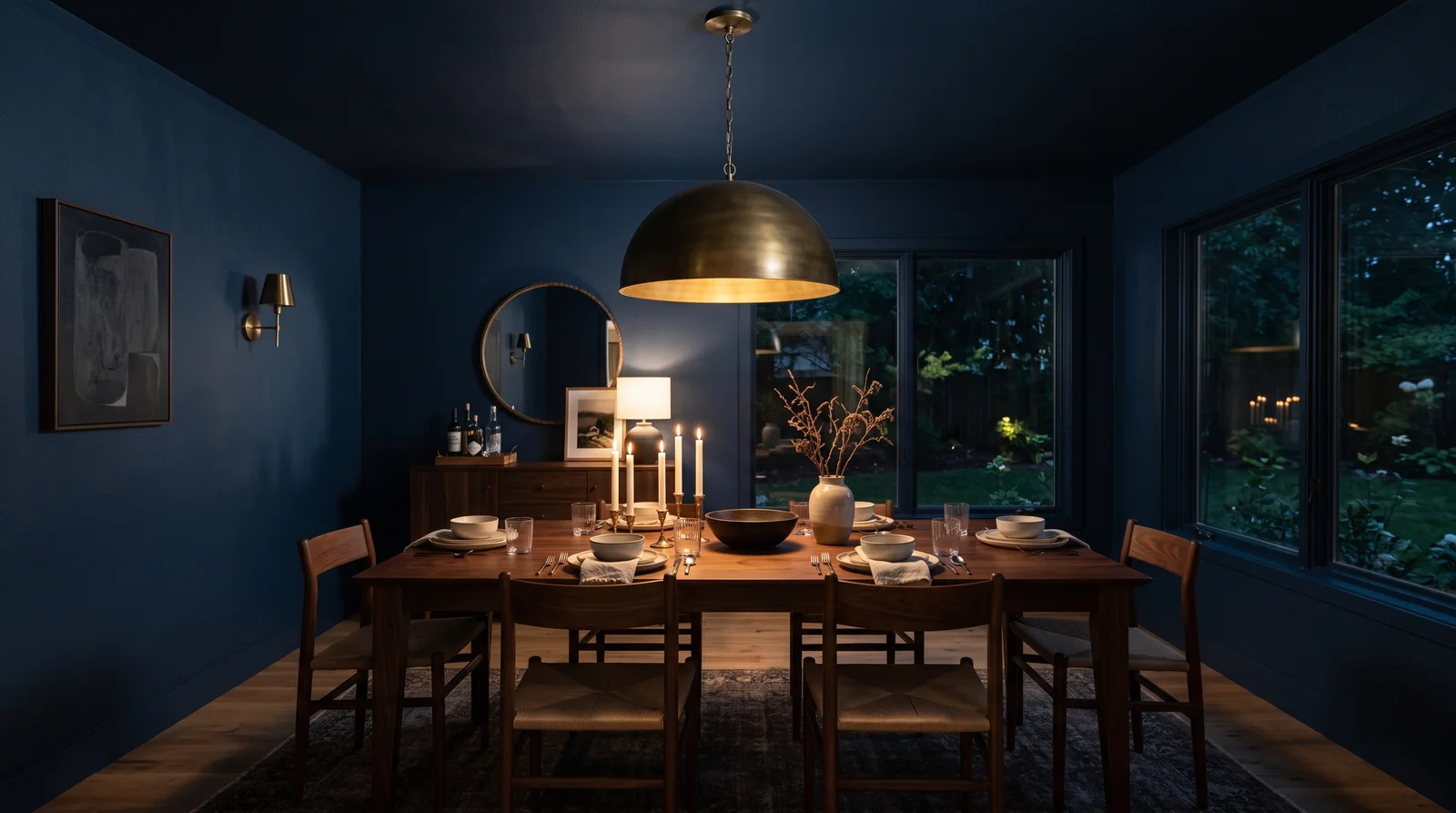
The biggest mistake is using a shiny finish. Gloss and even satin throw light across every roller streak and drywall flaw, and a ceiling is hard to fix once it is up. The second mistake is going too bold. Color reads much stronger overhead, so the chip that looked like a whisper can take over the room.
People also forget to prime stains and patches, which then bleed through and show as halos. And many skip testing in real light, so a white that looked perfect in the store turns blue or yellow at home. Sample on the actual ceiling, prime any repairs, and stay light, and you will avoid the problems that send people back up the ladder.
Ceiling Paint Colors — Frequently Asked Questions
Should a ceiling be lighter than the walls?+
Usually yes. A ceiling that is lighter than the walls makes a room feel taller and more open, which is why white shades like Snow and Alabaster are so popular up top. If you want a cozier, lower feel, you can match the ceiling to the wall color or go slightly darker on purpose.
What finish is best for a ceiling?+
Flat or matte is best for most ceilings because it hides flaws and kills glare. The exception is moisture-prone rooms like bathrooms and kitchens, where an eggshell or mildew-resistant paint holds up better against steam and lets you wipe the surface clean.
Can I paint a ceiling a color instead of white?+
Absolutely. A pale blue like Robin Egg or Ice Blue makes a room feel like open sky, and a soft pink like Millennial Pink casts a warm, flattering glow. Just keep the color light, because anything you put on a ceiling reads stronger than it does on a chip.
Why does my ceiling color look darker than the sample?+
Ceilings sit in their own shade and catch less direct light than walls, so colors read deeper overhead. That is normal. Choose a shade that looks a touch lighter than your target on the chip, and always test it on the actual ceiling before painting the whole thing.
How does room light change which ceiling color works?+
South-facing rooms get cool, bright light, so cool shades like Ice Blue stay fresh. North-facing or dim rooms can look gray, so a warm white like Alabaster or a faint pink or yellow keeps things from going flat. Check any color in morning, midday, and night light.
Can I match a ceiling color across different paint brands?+
Yes. Every color here is mixed to order at the paint counter, and the counter can cross-match a shade from one brand into another brand's paint. So if you love a color but prefer a different brand's flat ceiling formula, you can have both.
Do I really need to prime a ceiling before painting?+
If the ceiling has water stains, patched repairs, or you are covering a darker color, yes. Unprimed stains bleed through and show as halos, and fresh patches soak up paint unevenly. A quick coat of primer on those spots saves you from doing the whole ceiling twice.