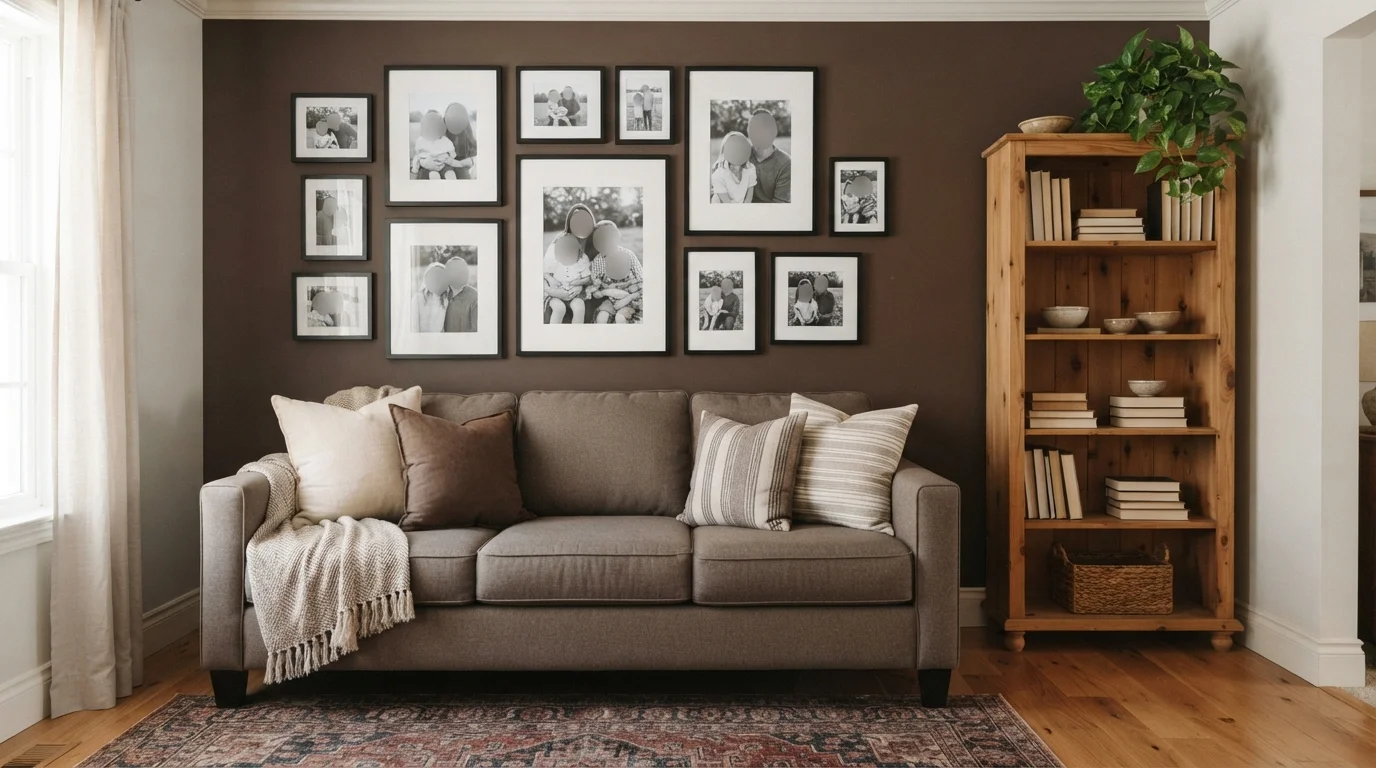
Accent Wall Paint Colors
Top Picks for the Accent Wall
4 editor's picksAll Accent Wall Colors at Every Brand
129 colors · 5 familiesA representative color from every brand that makes this family — most-recognized brands first, with a second pick from the biggest names. Tap any swatch with a curated guide for full spec and cross-brand matches.
Browse by Family Hub
About Accent Wall Paint Colors
An accent wall is the one wall you let go bold. Because it is a single plane and not the whole room, you can reach for color that would feel heavy everywhere else and still keep the space livable. That freedom is exactly why people overdo it or, just as often, play it too safe and end up with a wall that reads as a mistake instead of a choice.
This guide walks through the color directions that actually work on an accent wall, how the room's light should steer you, and the finish that keeps the wall looking right up close. We lean on five families that carry an accent well: deep blue, rich green, grounded red, warm orange, and earthy brown. Where it helps, we name real examples like Hale Navy, Hunter Green, Aegean Teal, Terracotta, Oxblood, and Old World so you have something concrete to picture.
Every color here is mixed to order at the paint counter, so the family matters more than the label. If you fall for a shade in one brand, it can almost always be cross-matched into another. Pick the direction first, then chase the exact can.
The Best Color Directions For An Accent Wall
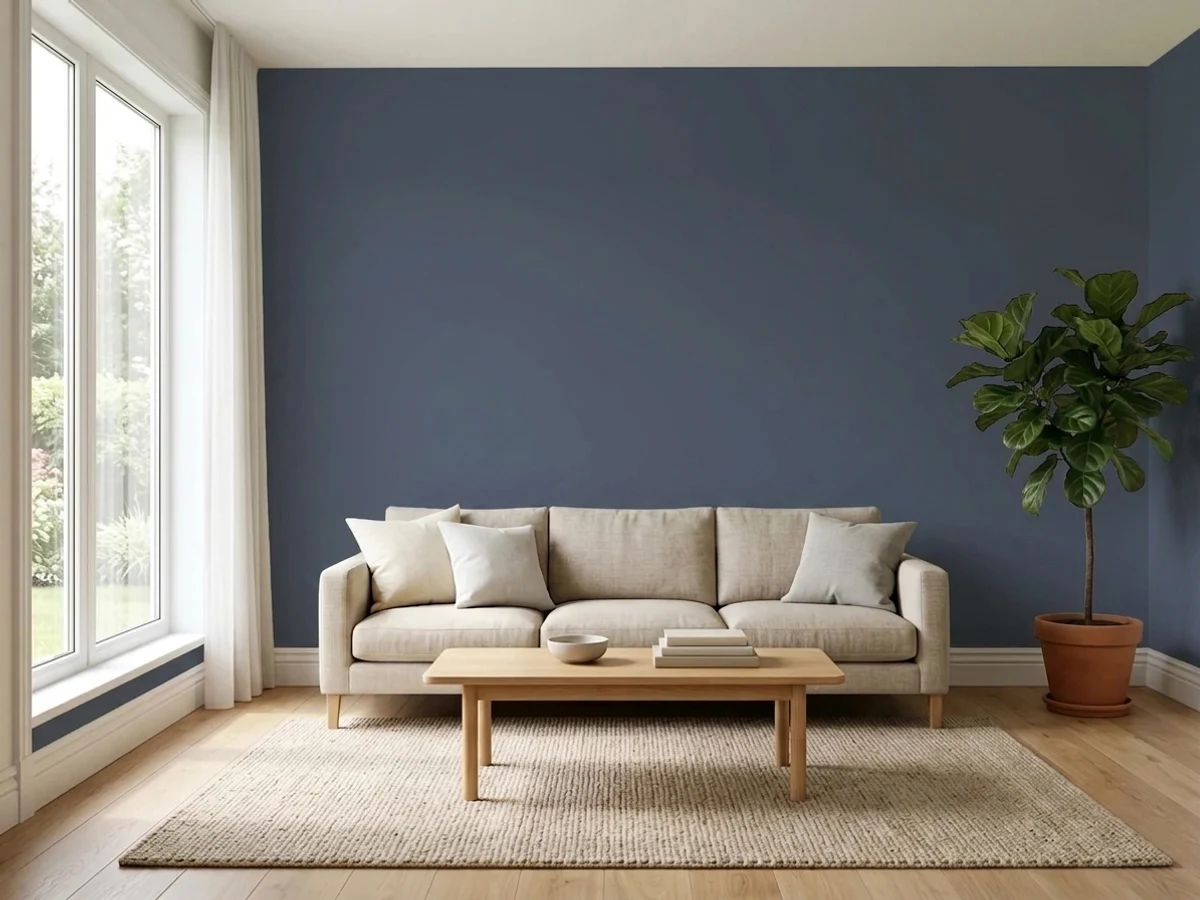
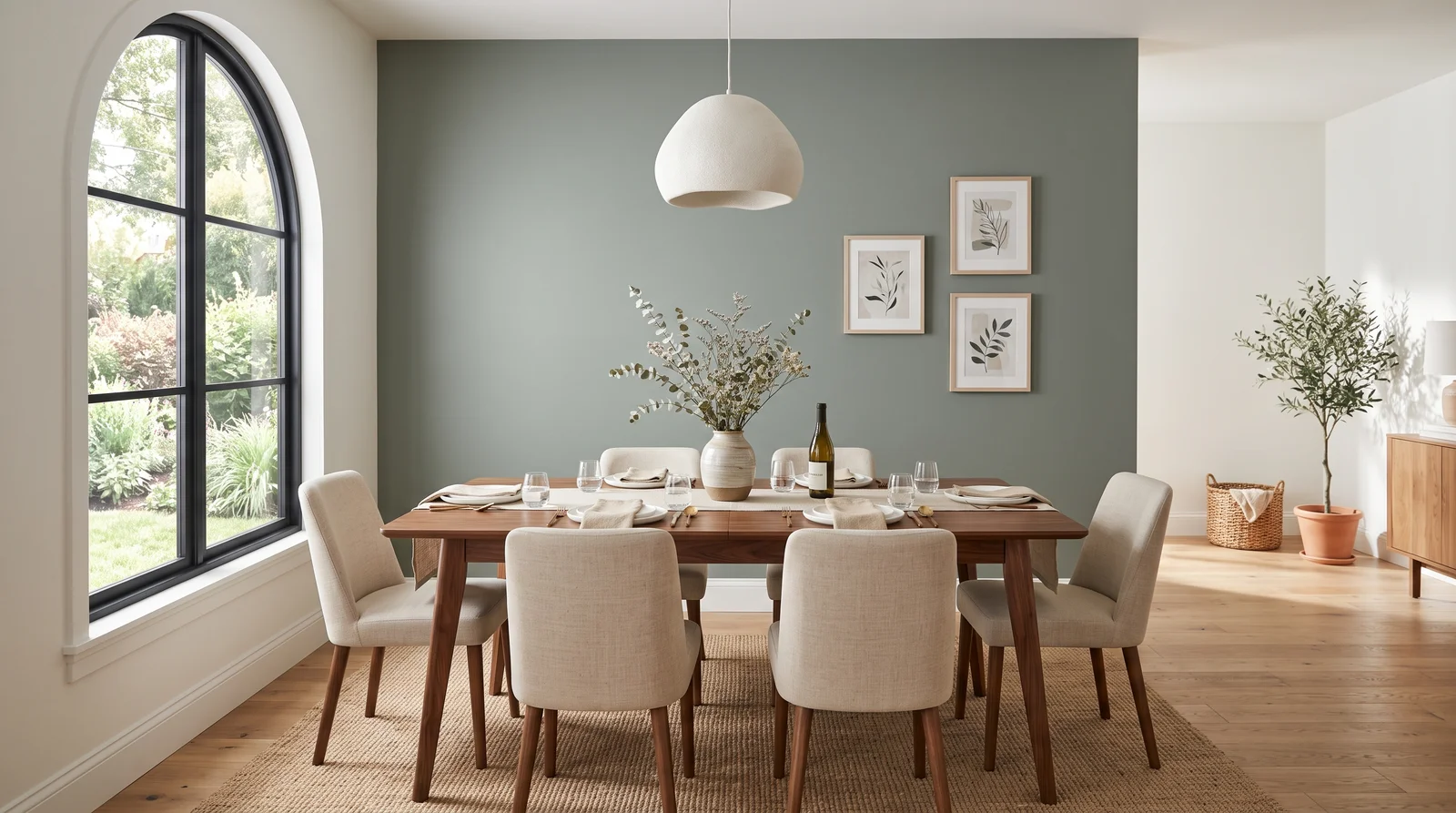
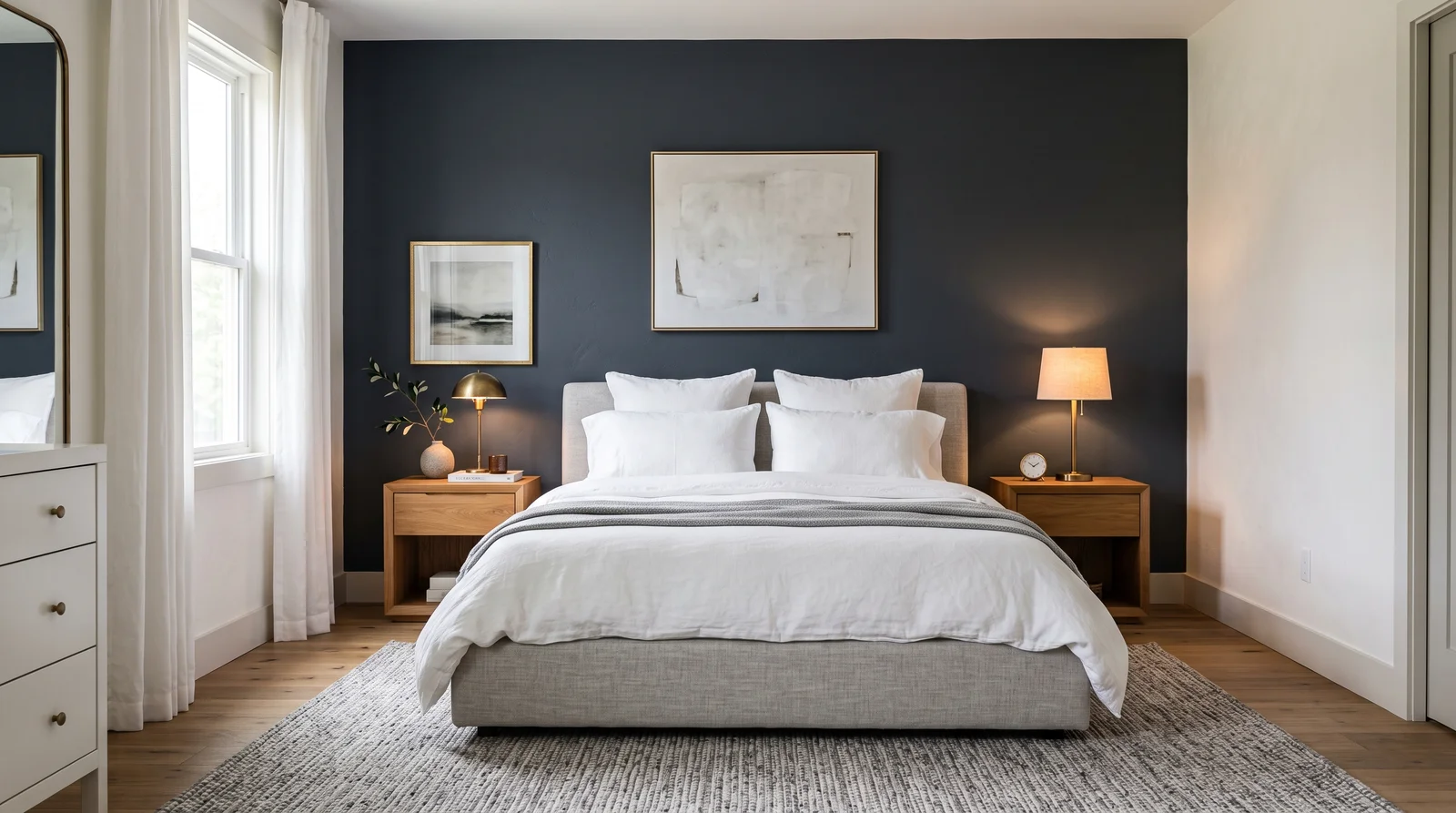
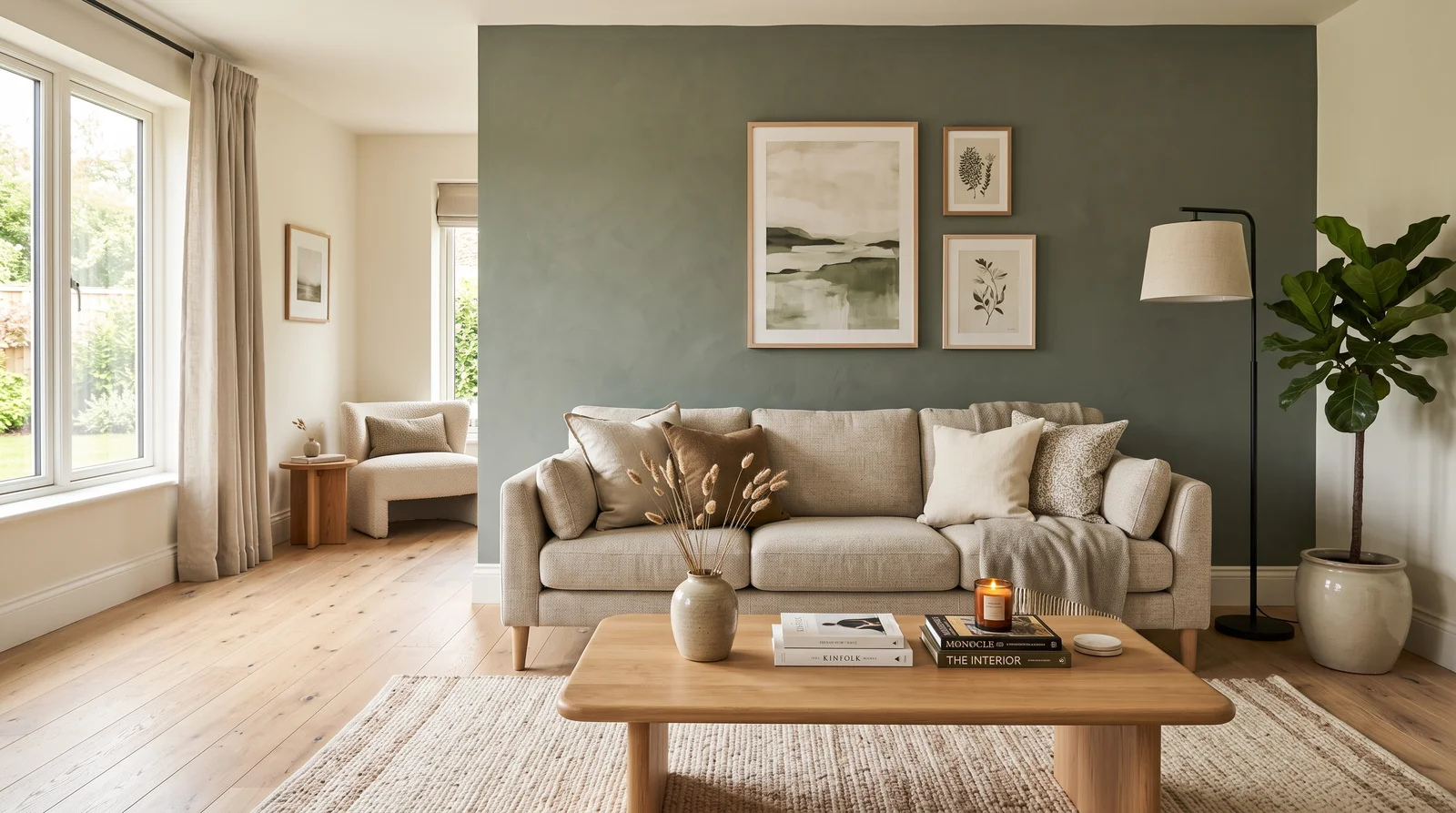
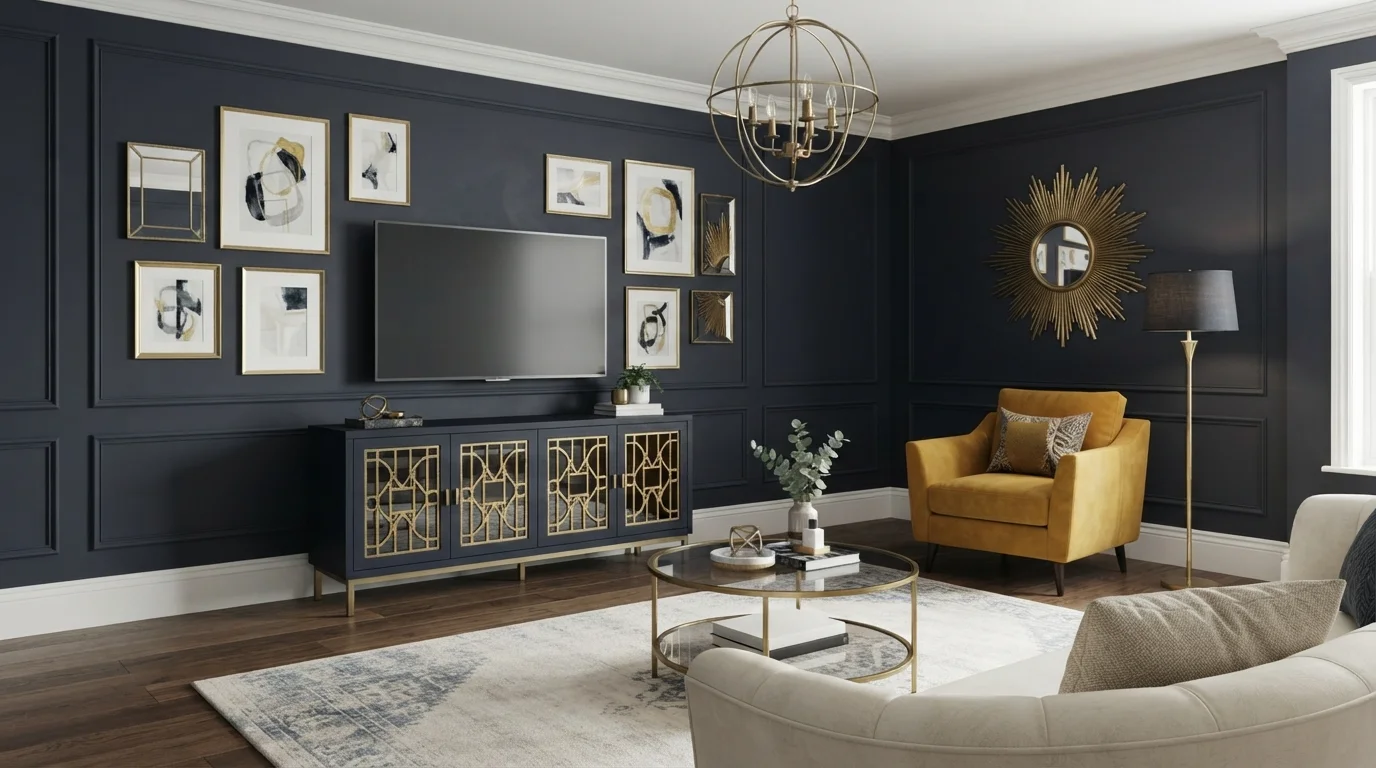
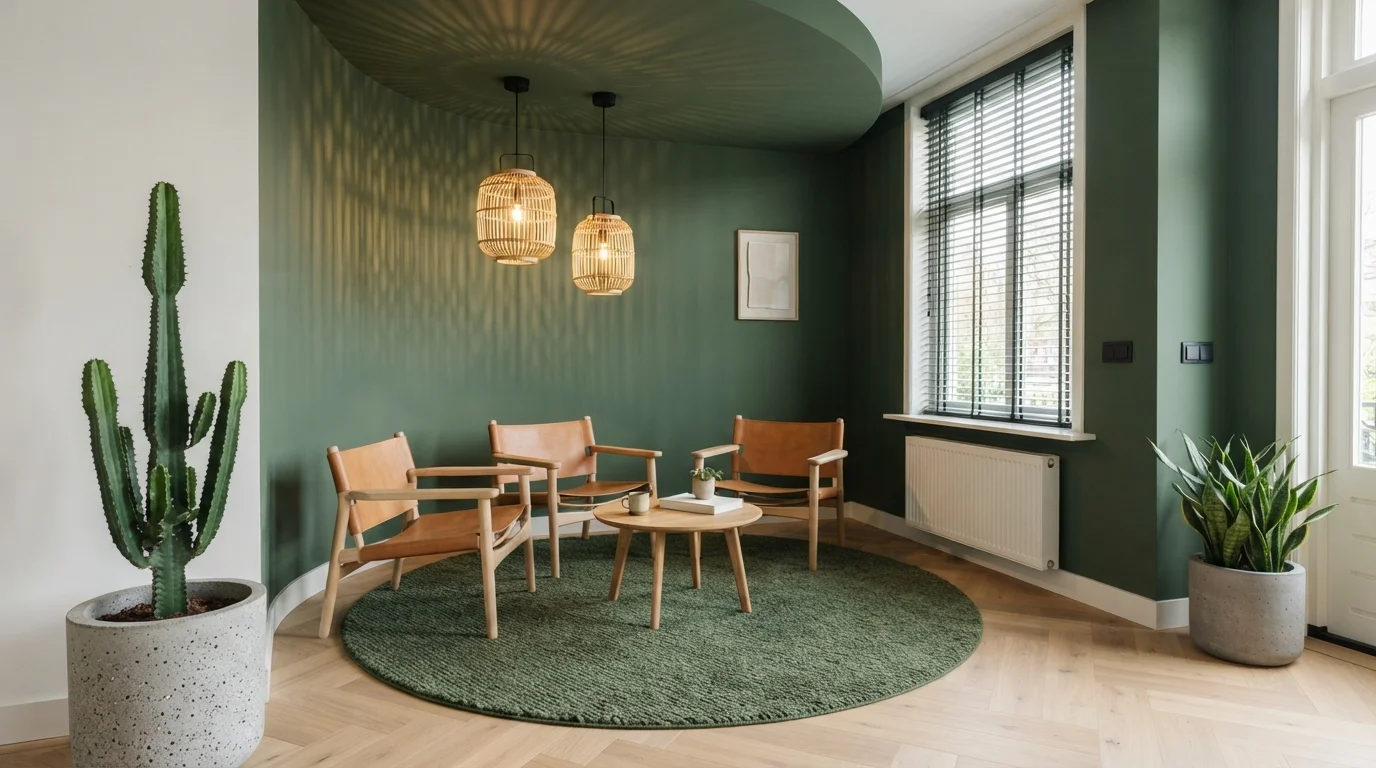
Deep blue is the safest bold move. A navy like Hale Navy reads as calm and grown-up, not loud, and it flatters wood, brass, and white trim without trying. Green is the next easy win. A forest tone like Hunter Green or a softer blue-green like Aegean Teal brings in a settled, natural feel that works behind a bed, a sofa, or a desk.
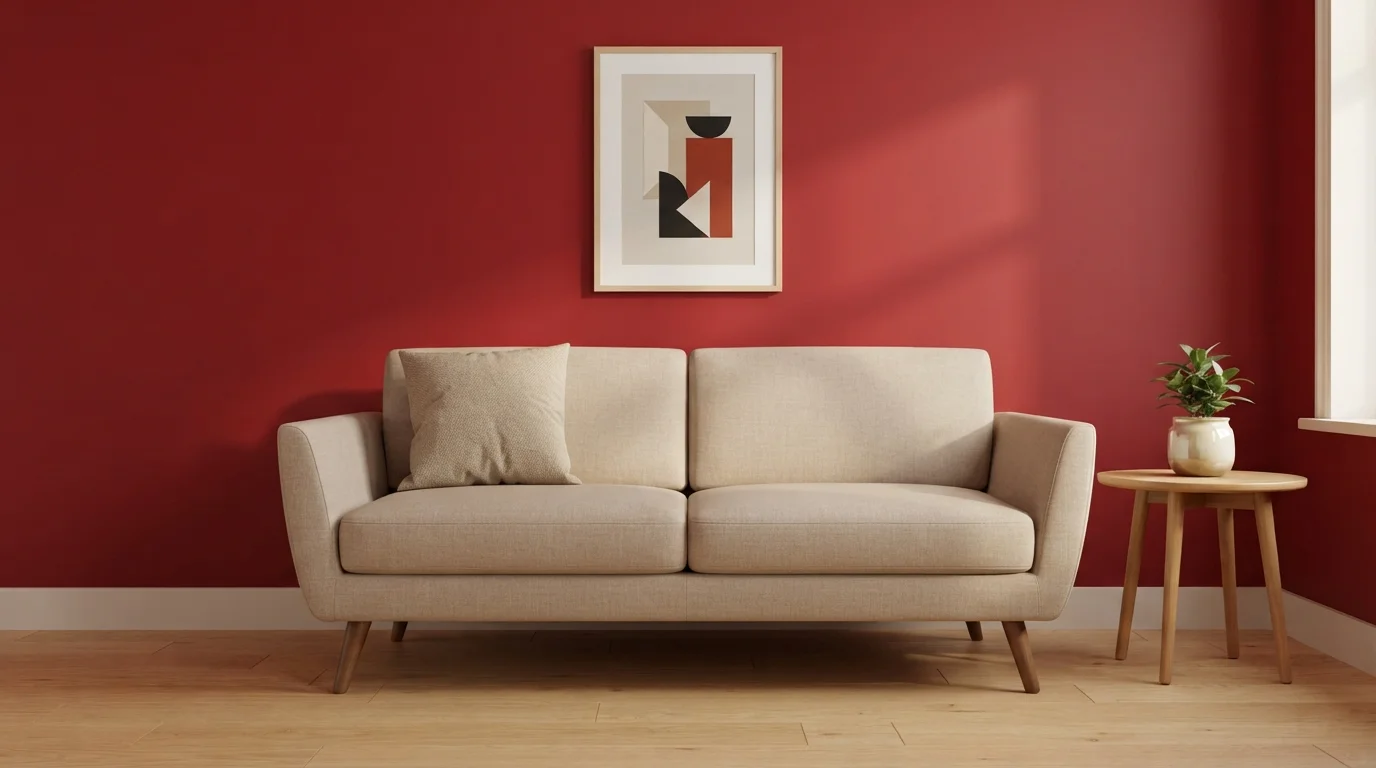
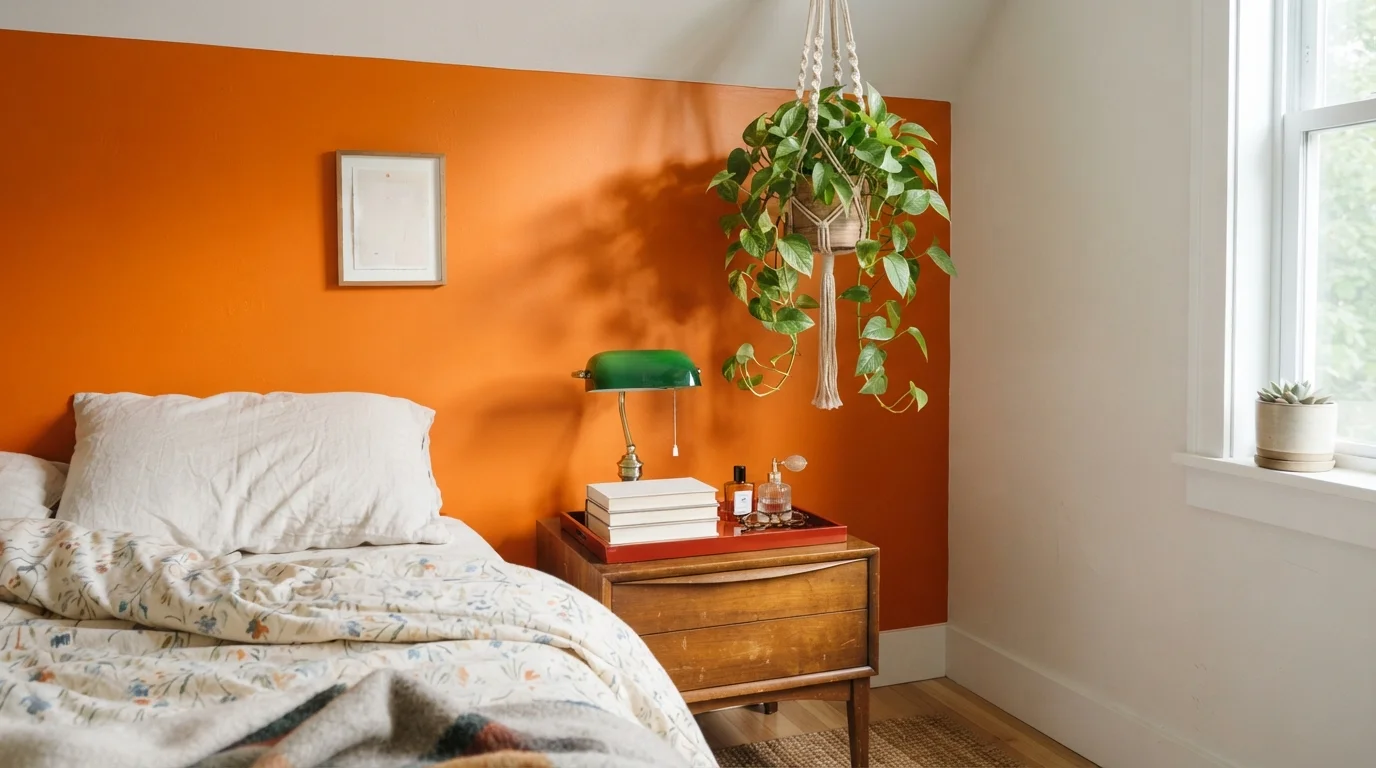
When you want warmth and energy instead of calm, go earthy rather than bright. Terracotta and Old World lean into clay and spice, which feel cozy and lived-in. Oxblood and other grounded reds are the most dramatic choice on this list; they make a small wall feel rich and intentional, but they ask for the rest of the room to stay quiet.
Let The Room's Light Pick The Shade
Look at which way the windows face before you commit. North-facing light is cool and flat, so it can drain a color and make blues and greens look gray; warmer earthy picks like Terracotta or Old World hold up better there. South and west light is warm and strong, which deepens navy and green beautifully but can push reds and oranges toward hot, so test those carefully.
The wall will also look like a different color at night. Warm bulbs pull everything toward yellow and amber, which flatters Oxblood and Terracotta but can mute a cool teal. Tape a large sample to the wall and check it in daylight and again under your evening lamps before you buy a gallon.
Finish And Sheen That Suit An Accent Wall
For most accent walls, eggshell or matte is the right call. A low sheen hides small wall flaws and, more importantly, keeps a deep color looking like deep color instead of a glare-filled mirror. The richer and darker the shade, the more a shiny finish will bounce light and cheapen it, which is why a flat or matte navy or oxblood looks so much more expensive than a satin one.
Step up to satin only where the wall takes abuse or moisture. A hallway accent, a kid's room, or a wall near a kitchen or bath benefits from satin because it wipes clean. If the wall is purely decorative and rarely touched, stay matte and enjoy the depth.
Use LRV To Set The Mood
LRV, the light reflectance value, tells you how light or dark a color reads, from 0 (black) to 100 (white). Accent walls are usually where you go low on purpose. A deep navy, hunter green, or oxblood will sit in the single digits to low teens, and that low LRV is what gives the wall its cozy, enveloping weight.
If the room is already small or dim, a very dark accent can close it in more than you want. In that case, reach for a mid-range LRV instead, like Aegean Teal or a softer terracotta, so you still get color and contrast without swallowing the light. One dark wall against three light ones is the classic balance.
Pairing With Trim, Ceiling, And Floors
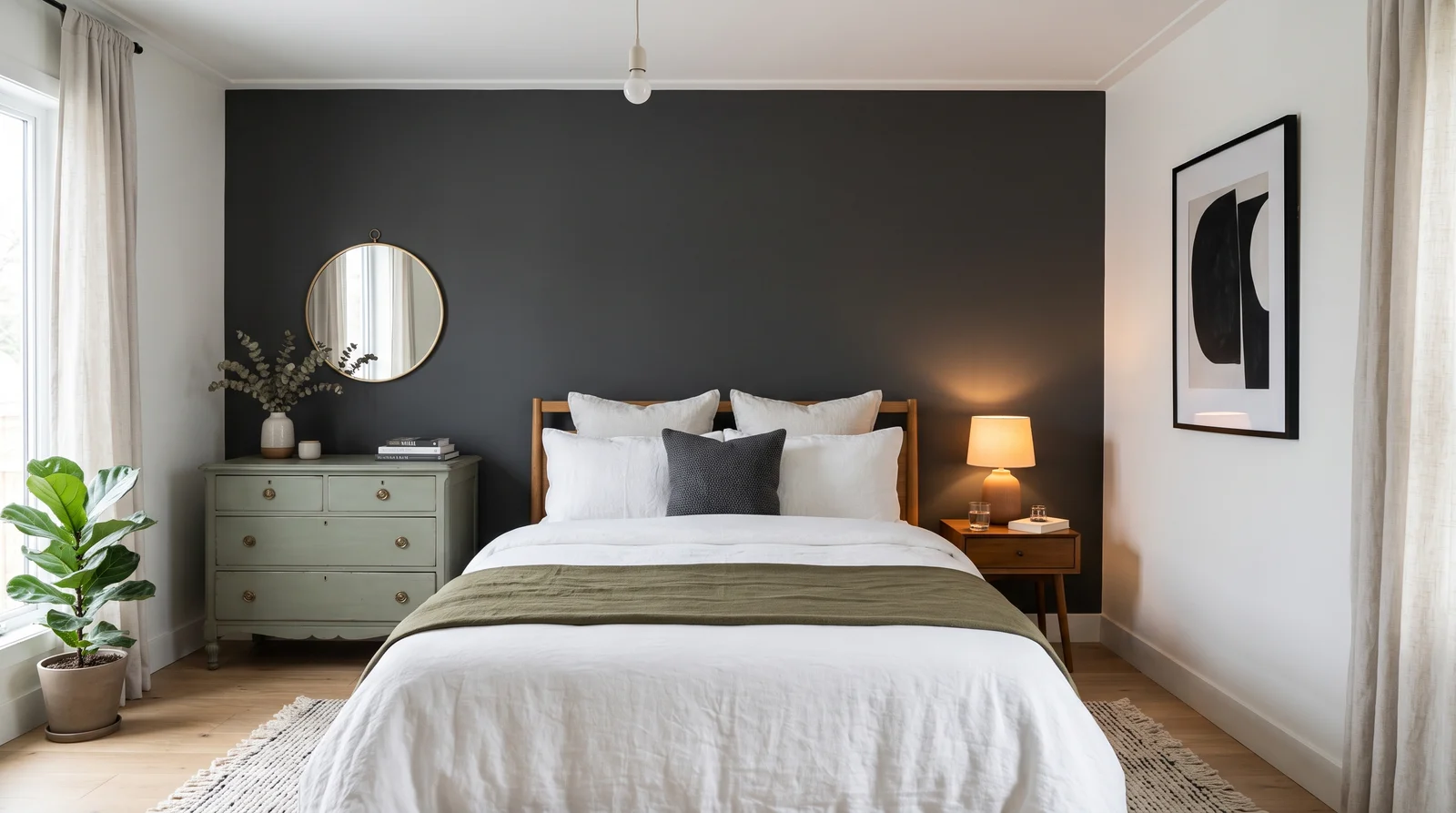
Keep the trim and ceiling simple so the wall stays the star. Crisp white trim gives a deep accent a clean edge and reads as deliberate; a soft warm white ceiling keeps the room from feeling boxed in. Resist painting the trim a second bold color, which turns one focal point into a fight.
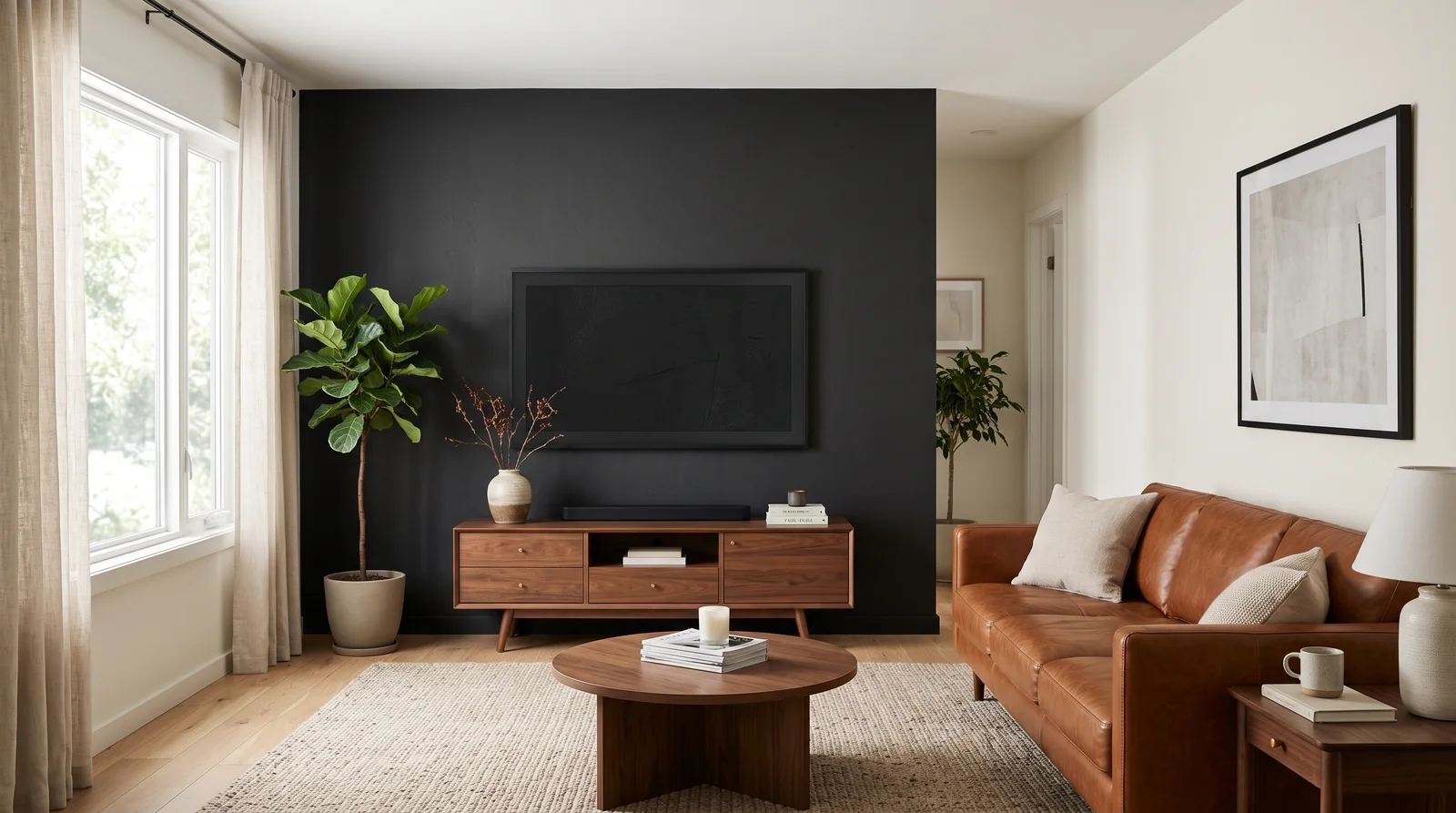
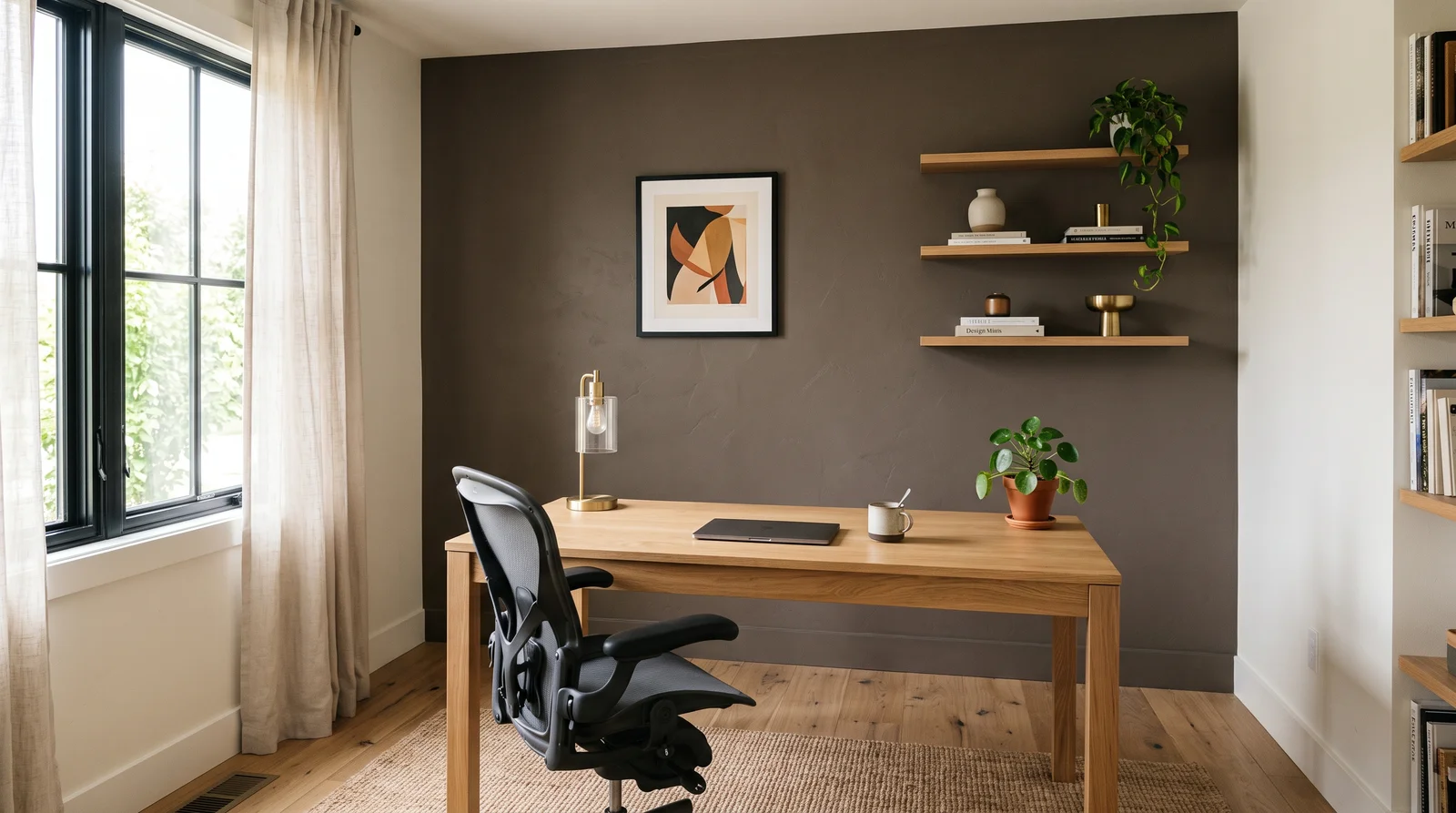
Tie the wall to what is already in the room. Navy and green love warm wood floors, brass or black fixtures, and natural fiber rugs. Terracotta and Old World sit well with leather, rattan, and cream textiles, while Oxblood pairs best with deep woods and matte black hardware. The accent wall should pick up a color or material the room already has, not arrive from nowhere.
Common Accent Wall Mistakes To Avoid
The biggest mistake is choosing the wrong wall. The accent should fall on a wall the eye naturally lands on, like the one behind a bed or sofa, not a broken-up wall full of doors and windows. The second mistake is picking the color off a tiny chip; deep shades change dramatically at full scale, so always sample large on the actual wall.
People also forget the rest of the room. A bold wall needs the other three to stay calm, and it needs at least one or two things in the space to echo its color. Finally, skipping a tinted primer under a dark or red shade like Oxblood almost always means extra coats and a patchy, uneven finish.
Accent Wall Paint Colors — Frequently Asked Questions
Which wall should I actually paint as the accent?+
Pick the wall your eye lands on first when you walk in, usually the one behind a bed, sofa, or fireplace. Choose a solid, mostly unbroken wall rather than one chopped up by doors and windows, since a clean surface lets the color do its job.
What color is safest if I'm nervous about going bold?+
A deep blue like Hale Navy is the most forgiving choice. It feels calm and grown-up instead of loud, flatters white trim and wood, and works in almost any room. A soft blue-green like Aegean Teal is another low-risk pick.
What finish should I use on an accent wall?+
Eggshell or matte for most walls, because a low sheen keeps a deep color rich and hides small surface flaws. Step up to satin only on walls that get touched or splashed, like a hallway, kid's room, or a wall near a kitchen or bath, so you can wipe it clean.
Will a dark accent wall make my small room feel smaller?+
It can, since dark colors have a low LRV and absorb light. The trick is to keep the other three walls light, which makes the dark wall feel like depth rather than a closed-in box. If the room is very small or dim, choose a mid-range shade like a softer terracotta or teal instead of the darkest option.
How does my room's light change the color?+
North light is cool and can gray out blues and greens, so warm earthy tones like Terracotta or Old World hold up better there. South and west light is warm and strong, deepening navy and green nicely but pushing reds and oranges hotter. Always check your sample in daylight and again under evening bulbs.
Do I need primer for a dark accent color?+
Usually yes, especially for deep reds like Oxblood and rich navies. A tinted primer close to your final color gives you even coverage in fewer coats and prevents the patchy, uneven look you get when a dark shade goes straight over plain white.
Can I match an accent color across different paint brands?+
Yes. Every color shown here is mixed to order at the paint counter, and a shade you love in one brand can almost always be cross-matched into another. Pick the color direction you want first, then have it matched in whatever brand or product line fits your finish and budget.