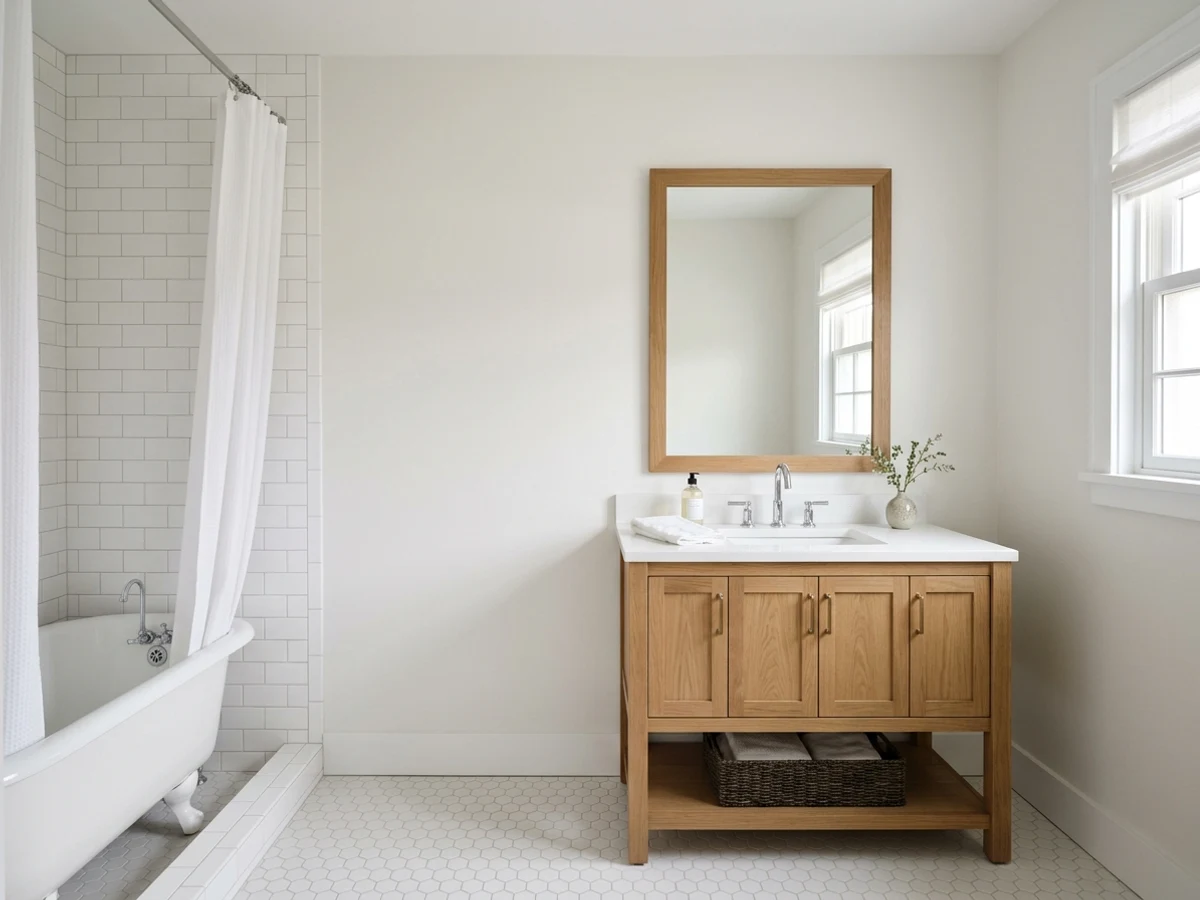
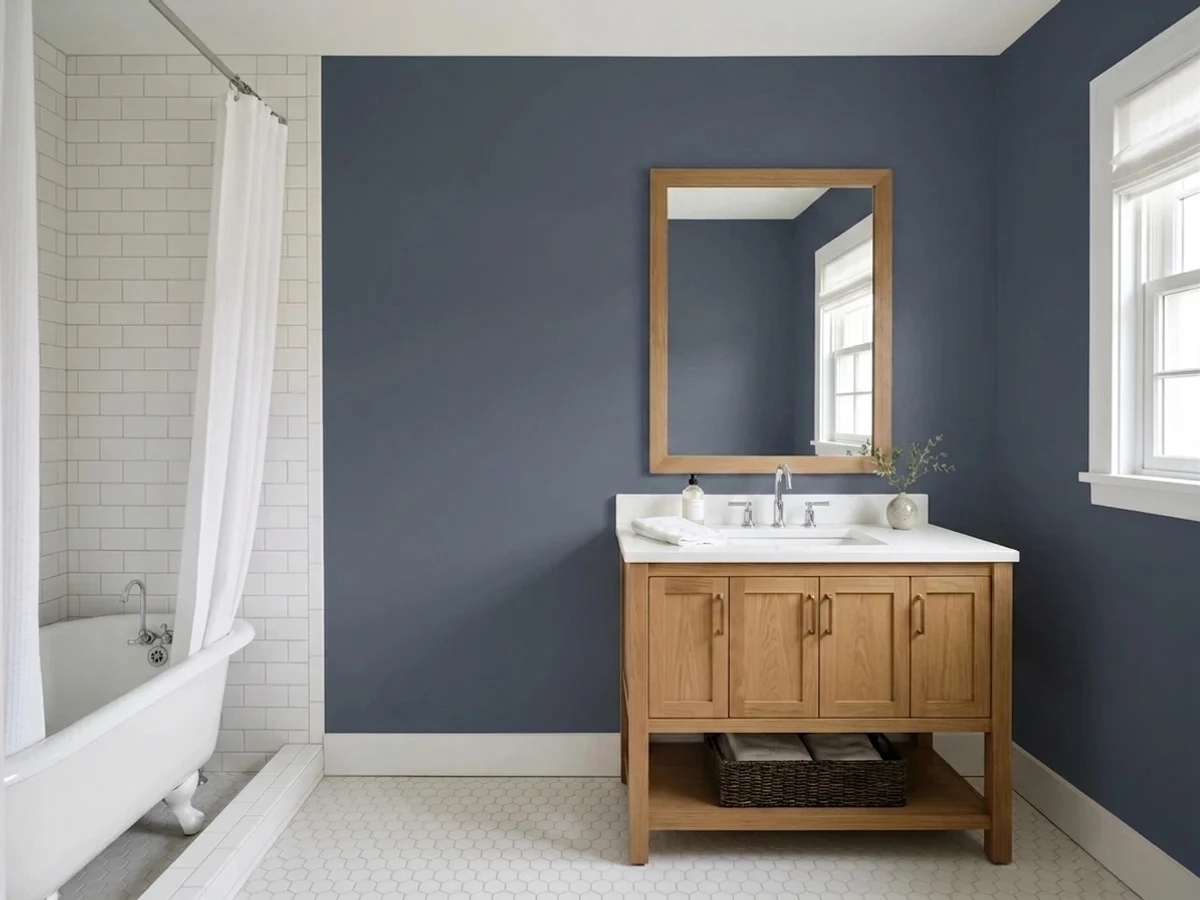
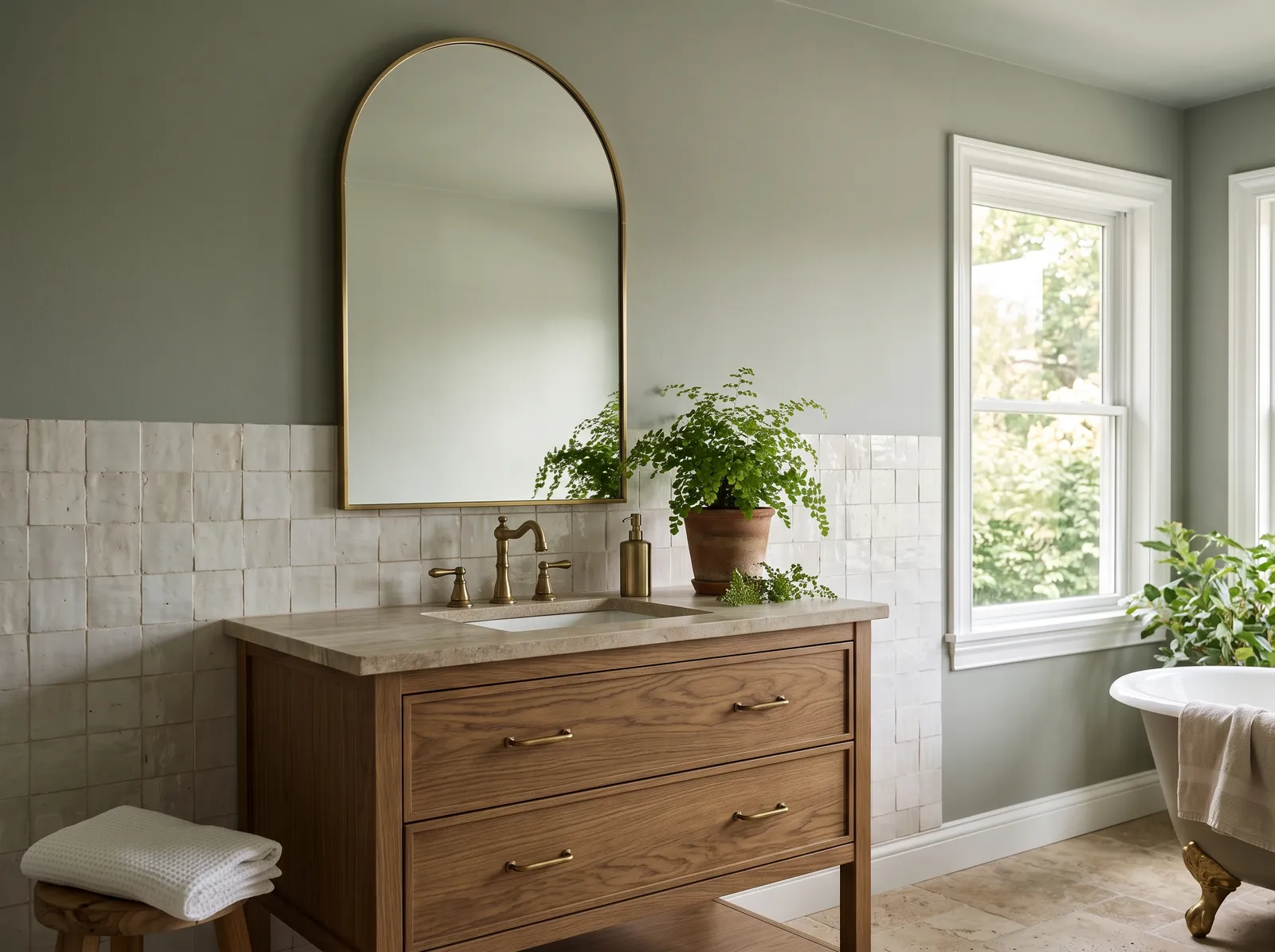
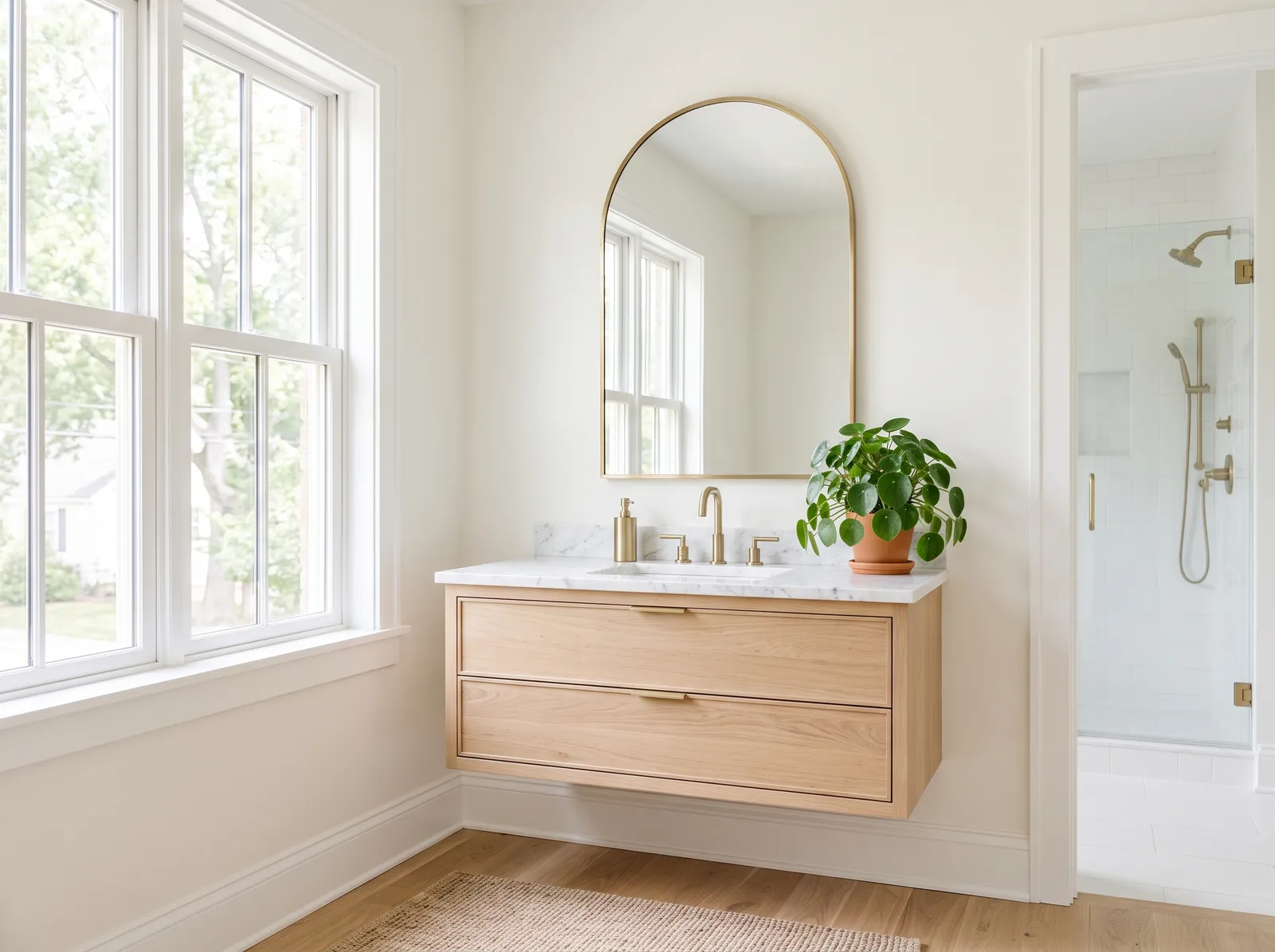
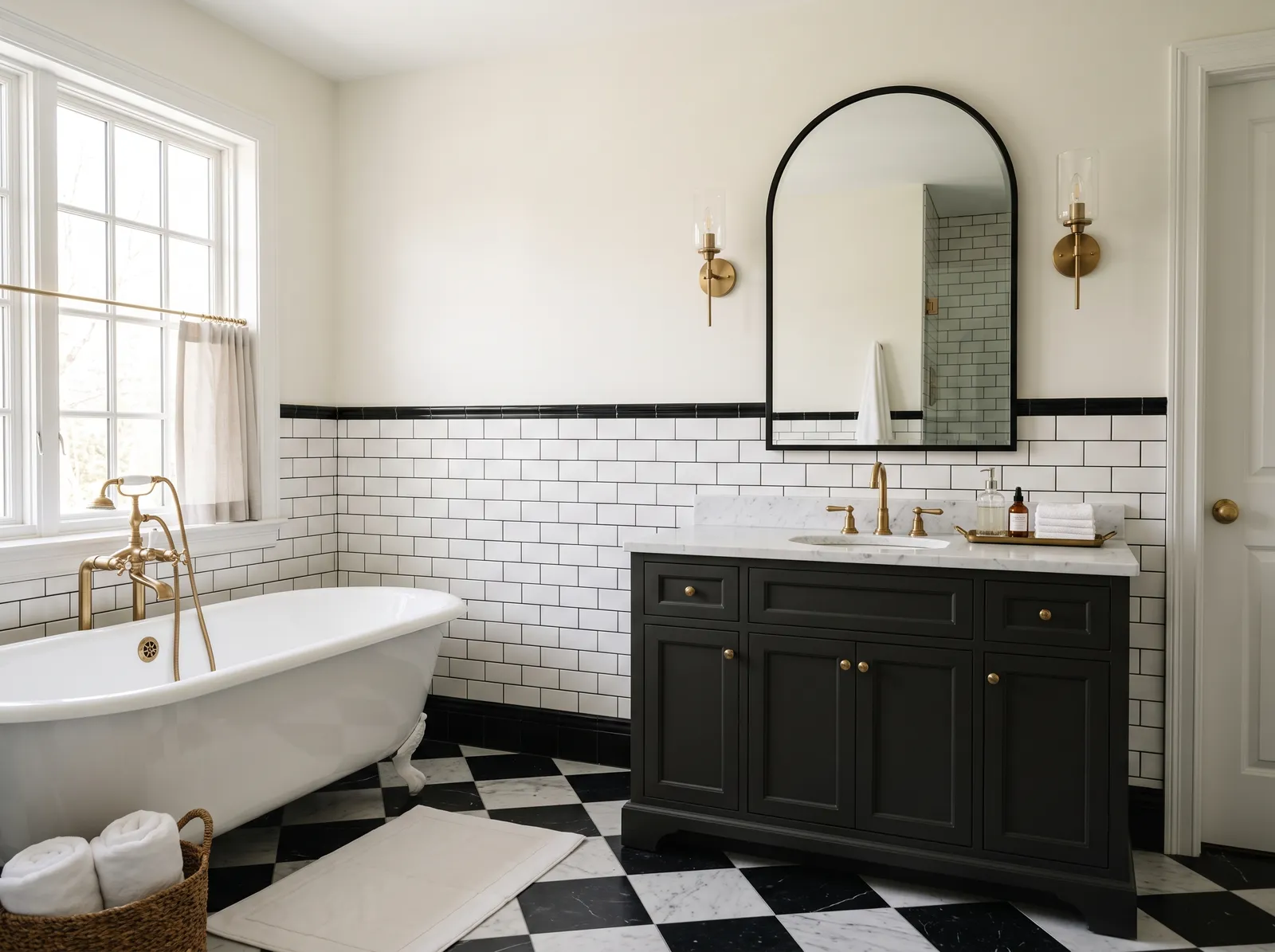
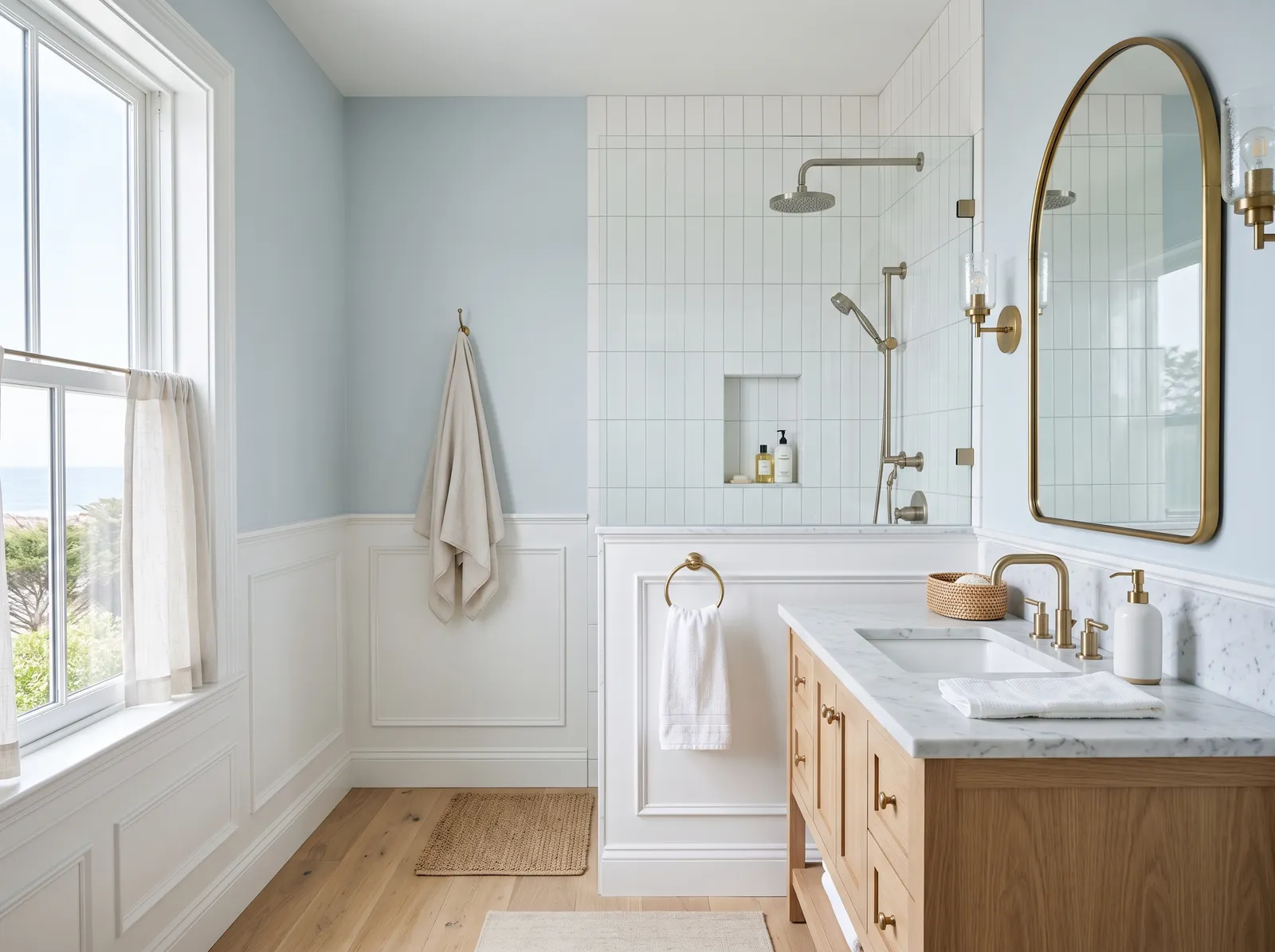
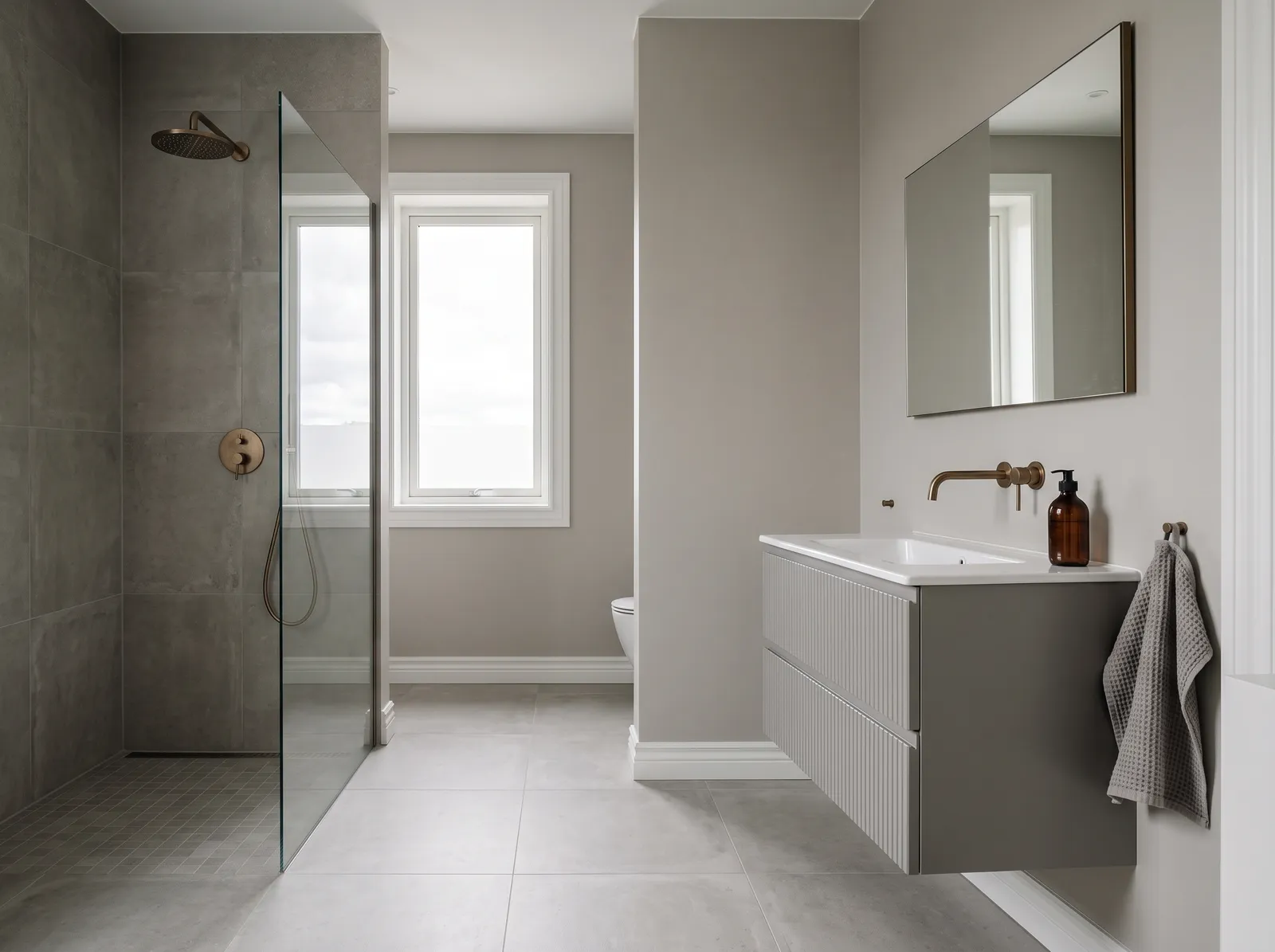
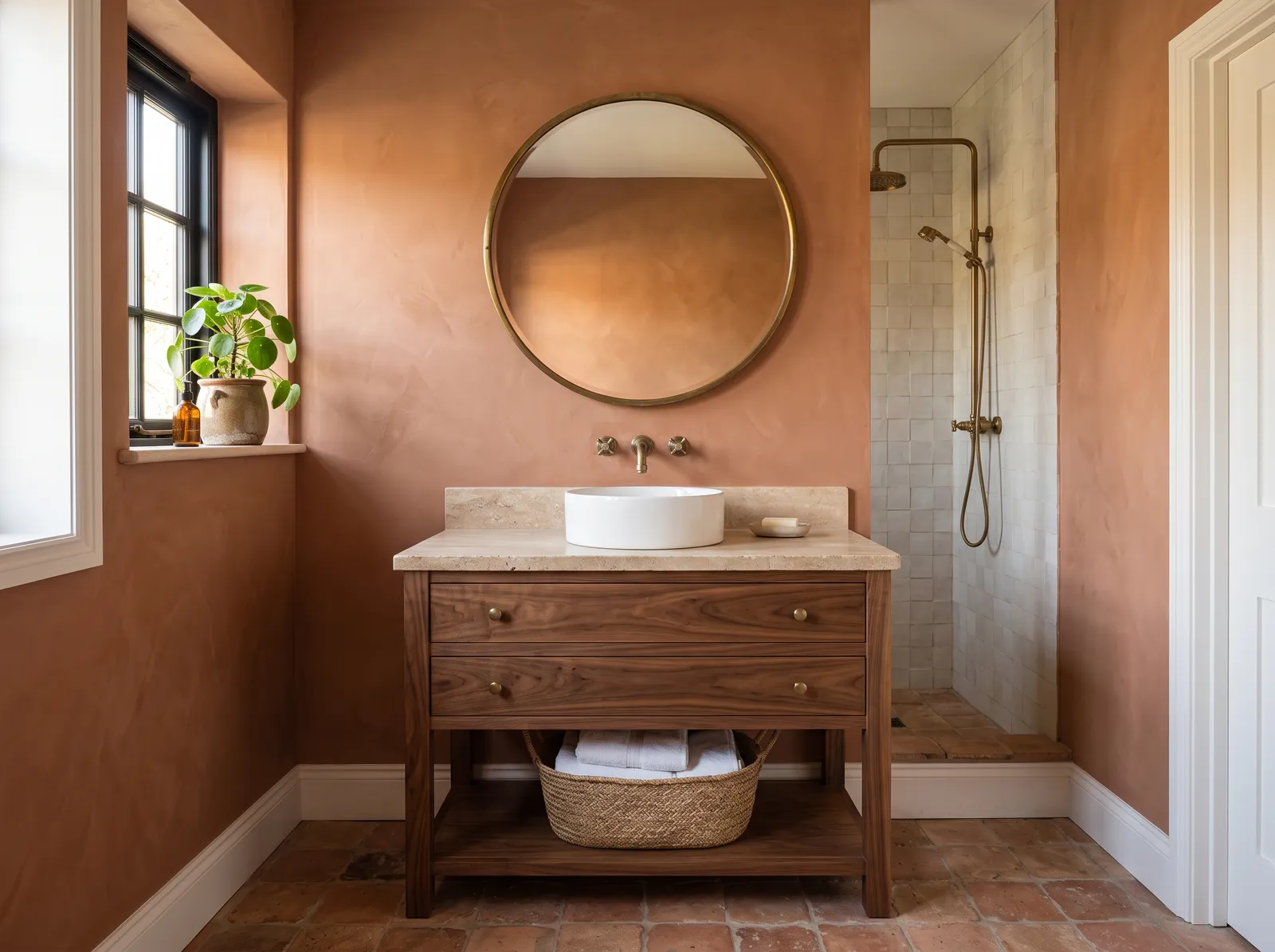
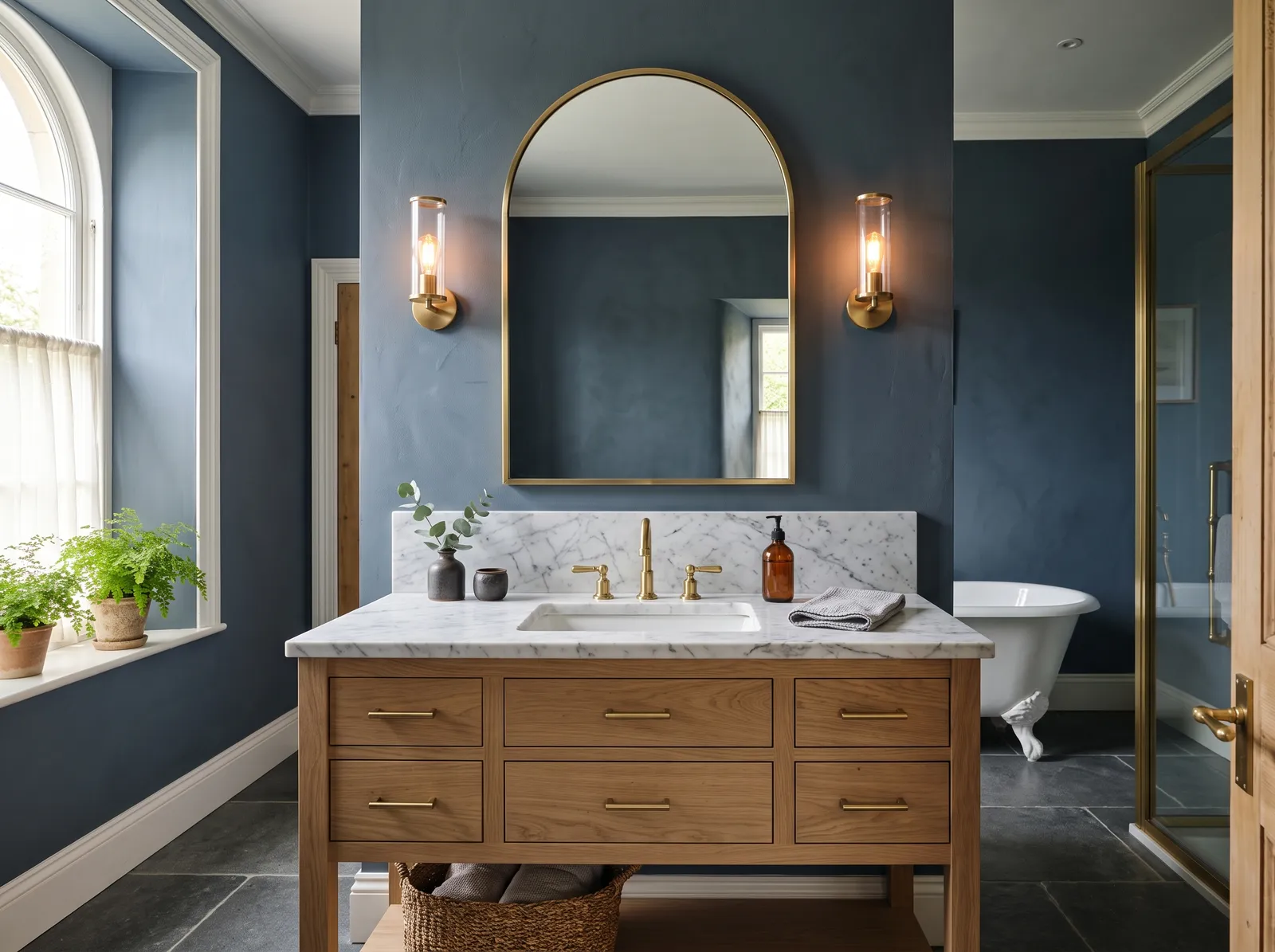
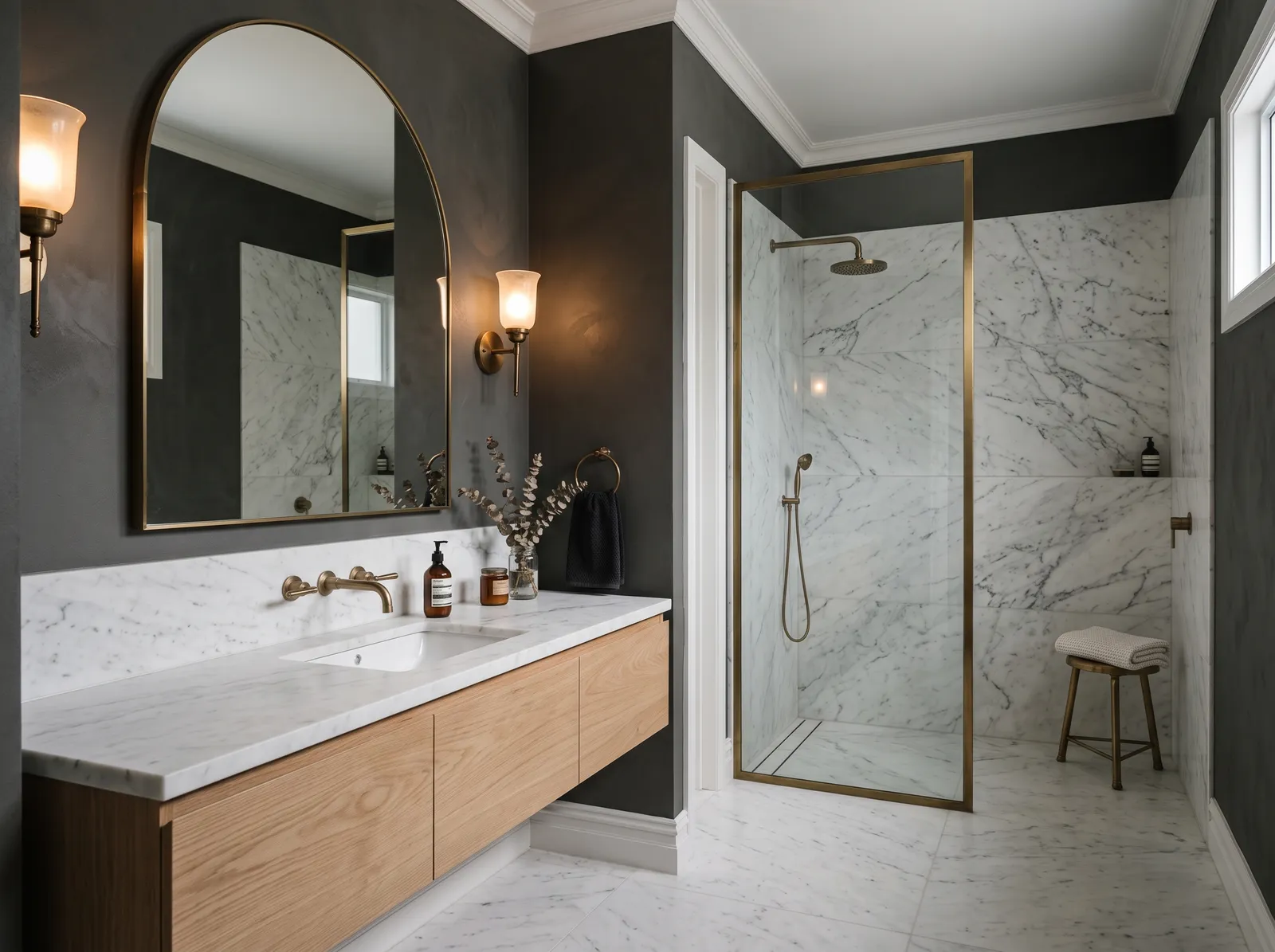
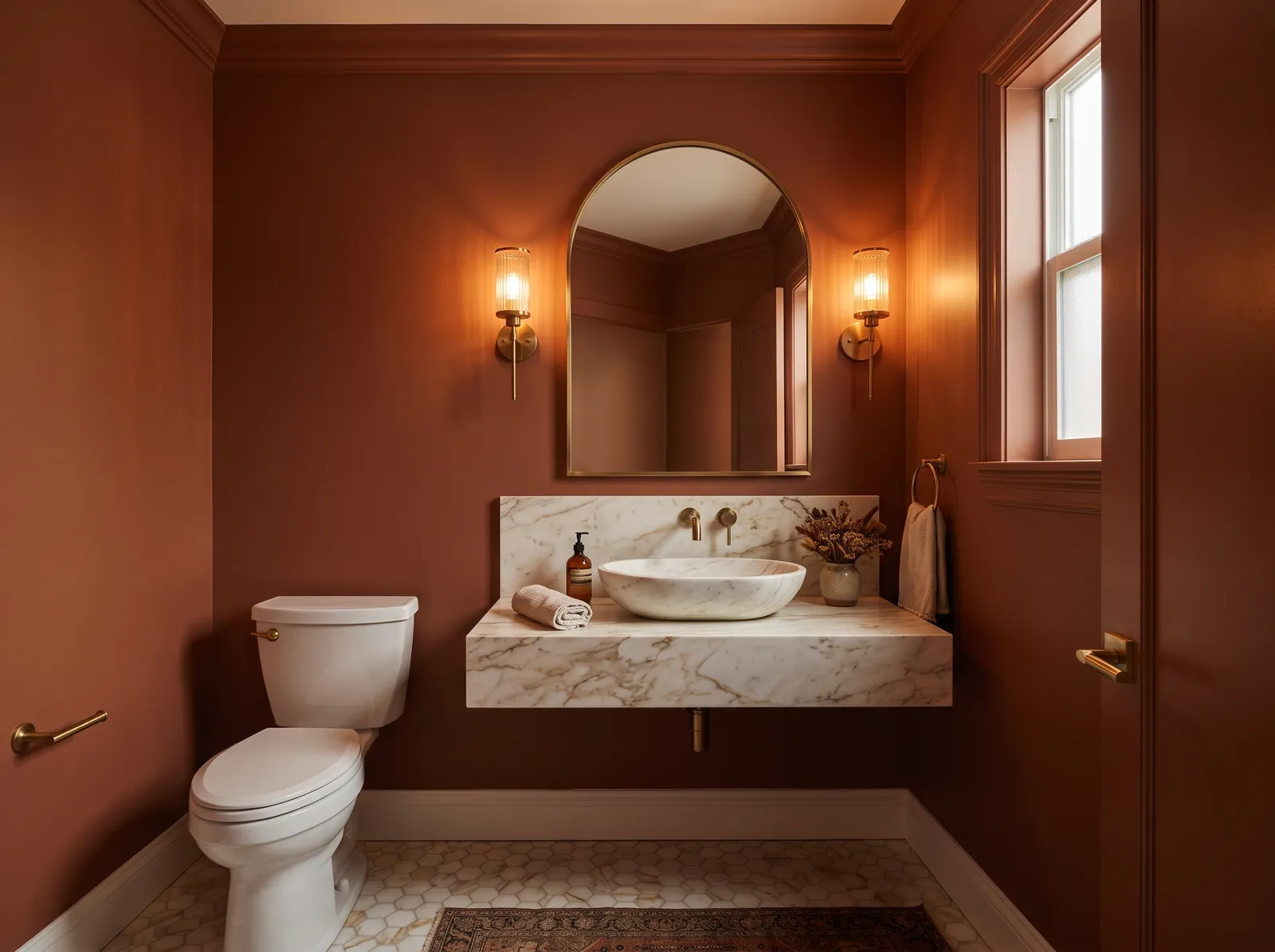
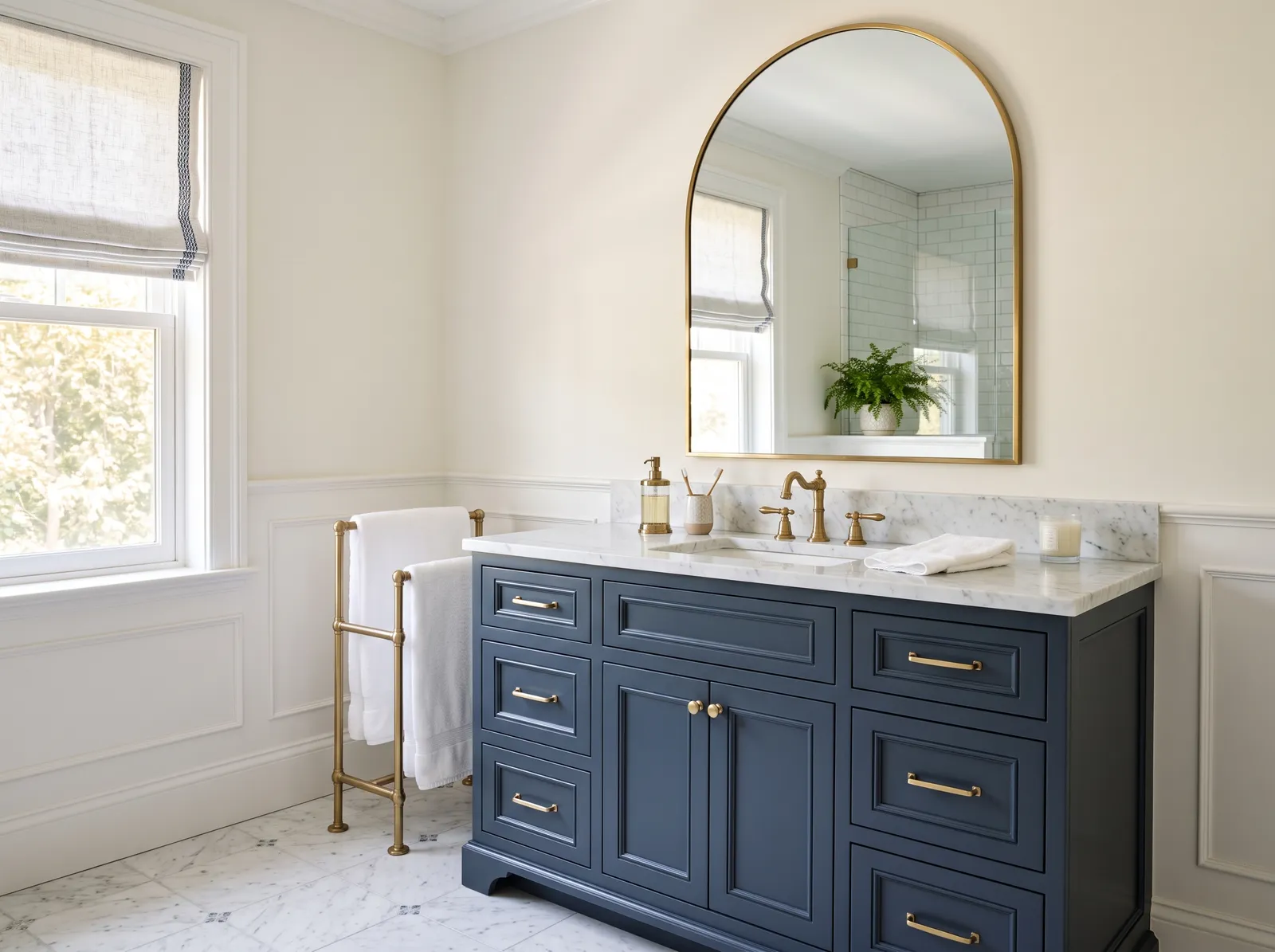
Bathroom Paint Colors
Top Picks for the Bathroom
4 editor's picksPalettes for the Bathroom
Ready-made schemesFull, buyable color schemes built for the bathroom — walls, trim, and accents matched to real paint.
All Bathroom Colors at Every Brand
129 colors · 5 familiesA representative color from every brand that makes this family — most-recognized brands first, with a second pick from the biggest names. Tap any swatch with a curated guide for full spec and cross-brand matches.
Browse by Family Hub
Color is half the decision. The product roundup covers which paint chemistry actually holds up in this room.
About Bathroom Paint Colors
A bathroom is a small room that asks a lot of its paint. It deals with steam, splashes, and frequent wiping, and it often runs on a mix of one small window and bright overhead light. The good news is that small rooms are forgiving places to be a little braver with color, and the right shade can make a tight bathroom feel calm, fresh, and clean.
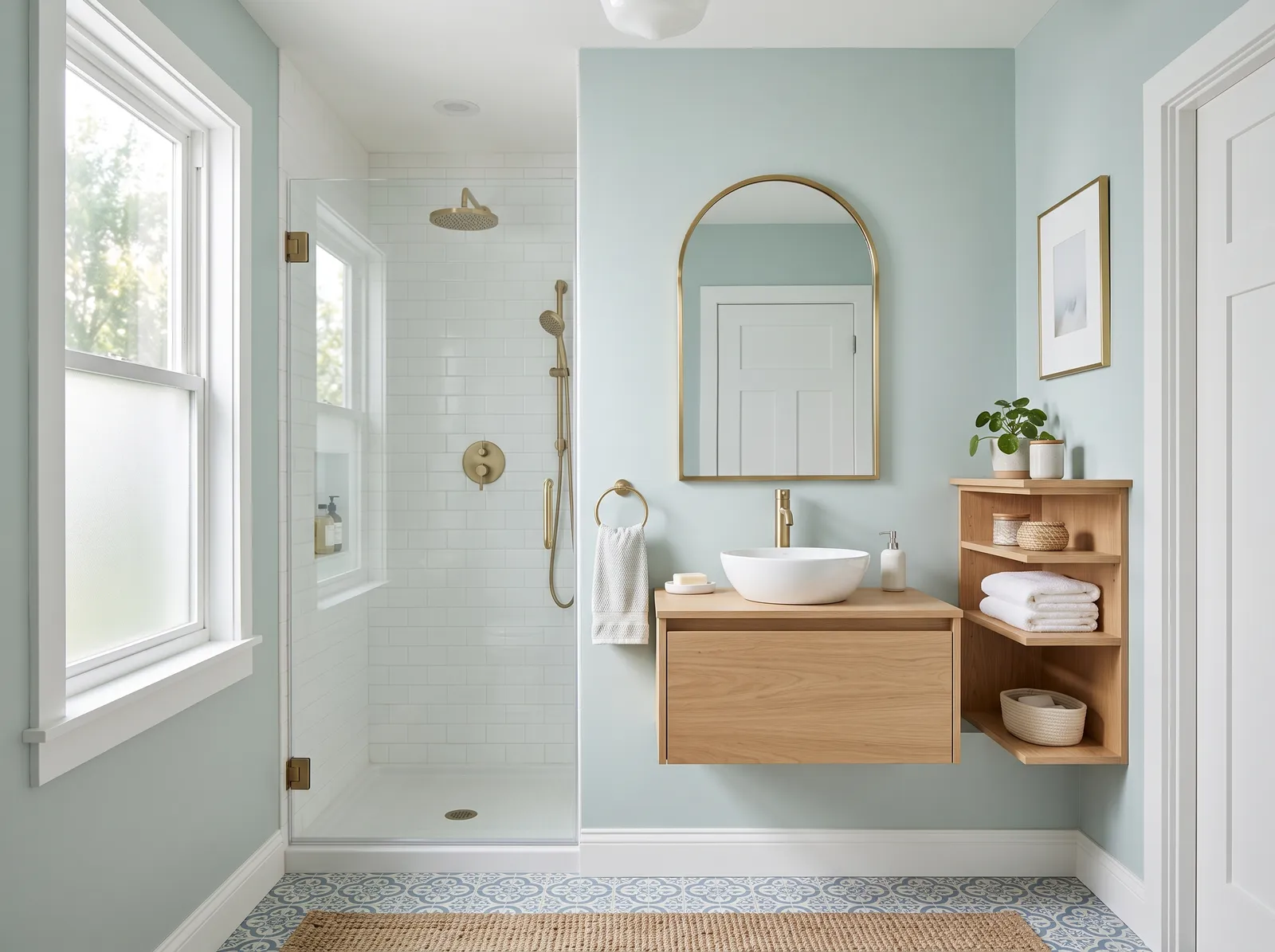
The colors that work best here lean cool and watery: soft blues, teals, greens, crisp whites, and quiet grays. Each one does something different. A pale blue like Ice Blue feels airy and spa-like, a deeper Aegean Teal adds drama on a single wall, and a clean white like Alabaster keeps a small room open and bright.
One thing to keep in mind: every color on this page is mixed to order at the paint counter, so you are not locked into one brand. If you love a shade but want it in a different brand's paint line, it can be cross-matched. That gives you freedom to pick the color you love first and sort out the brand second.
The Best Color Directions for a Bathroom
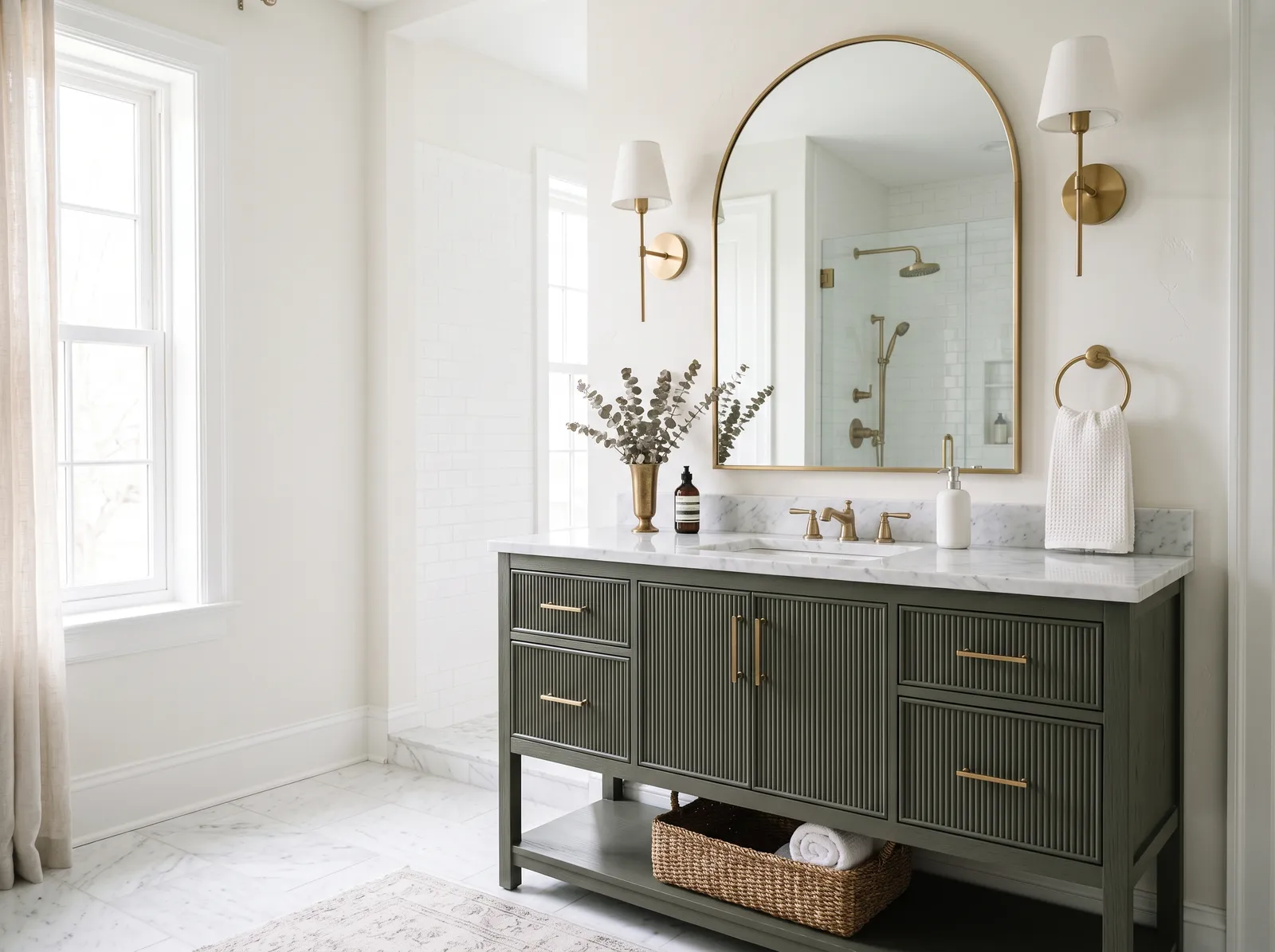
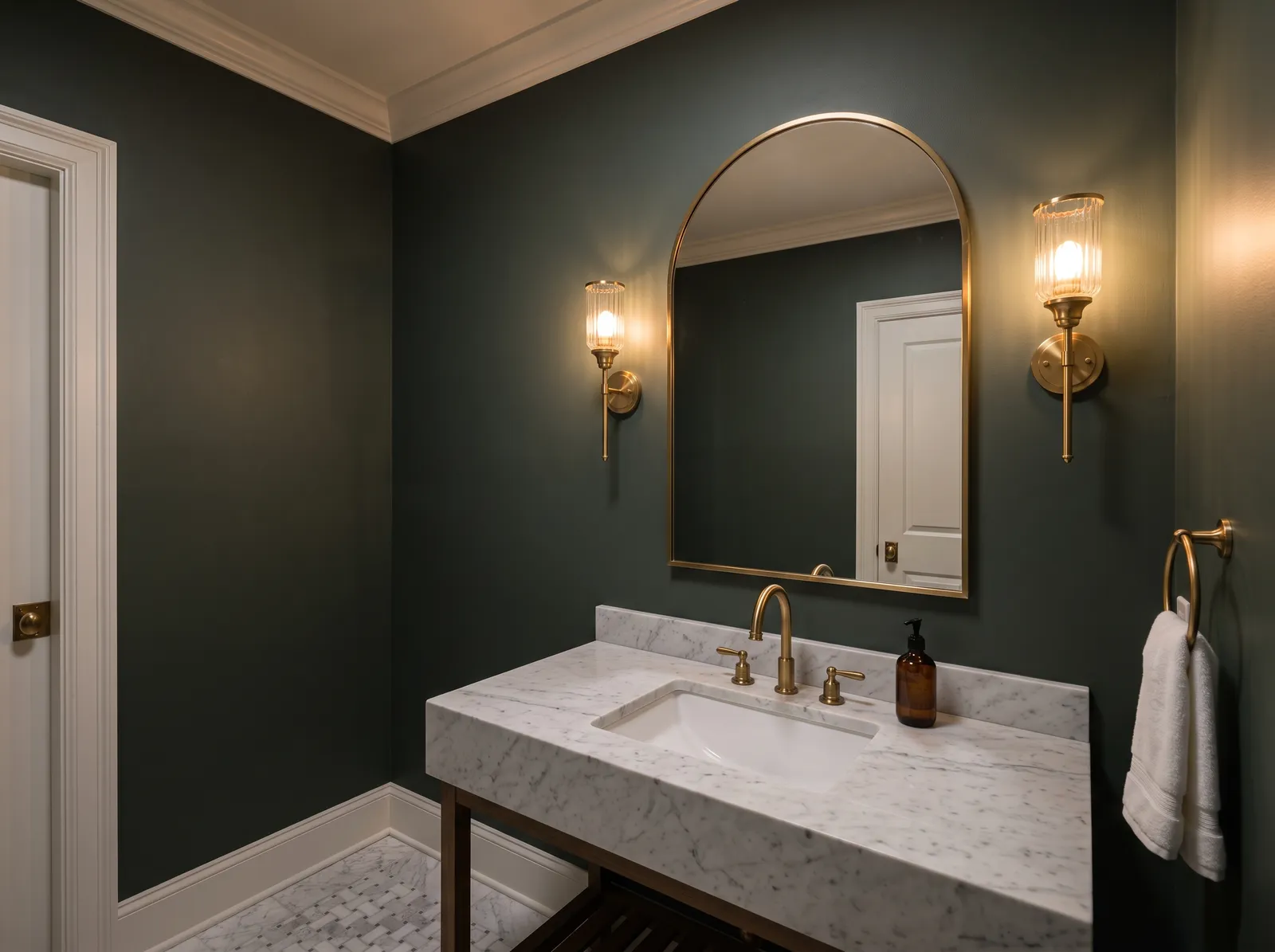
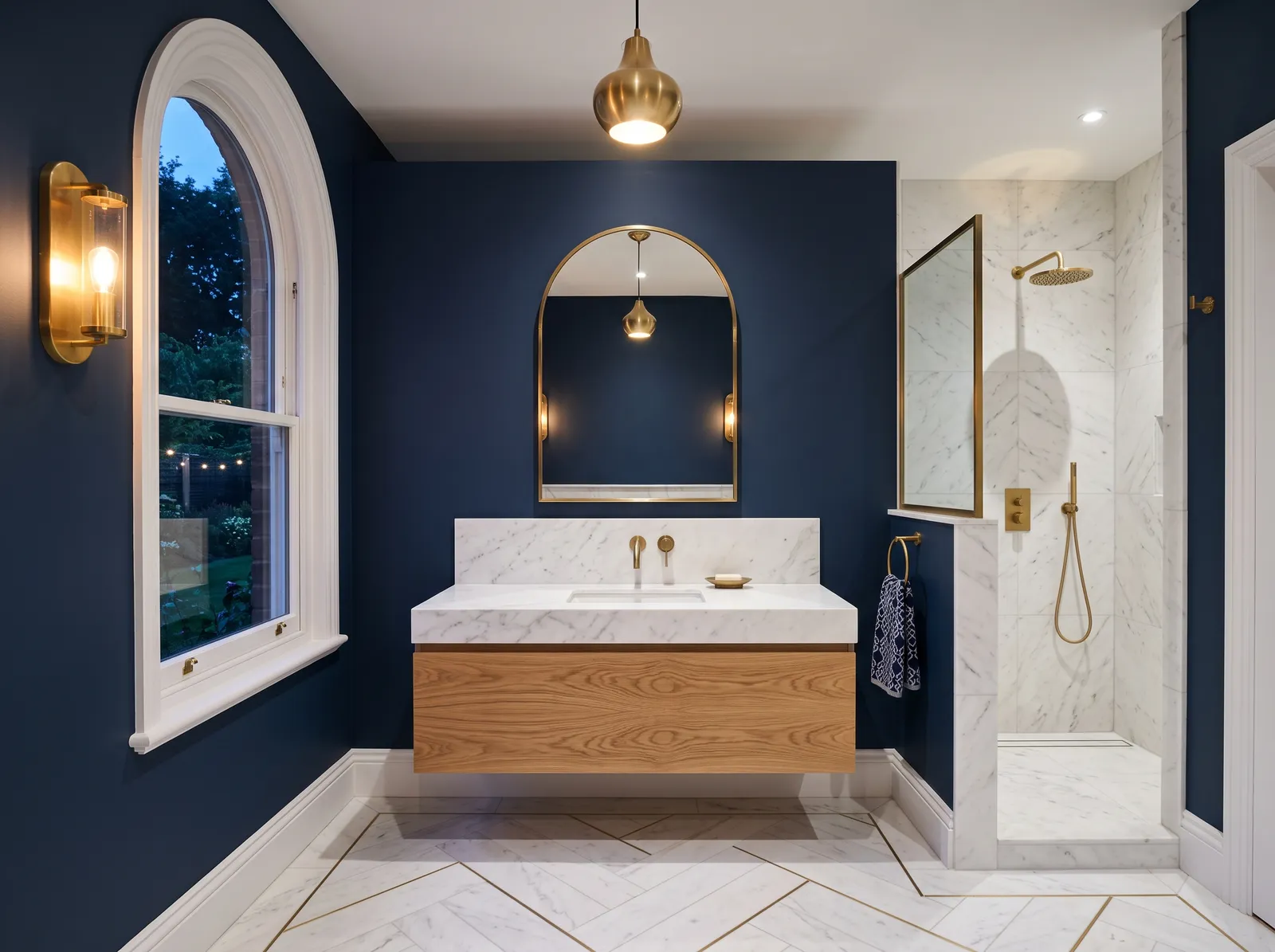
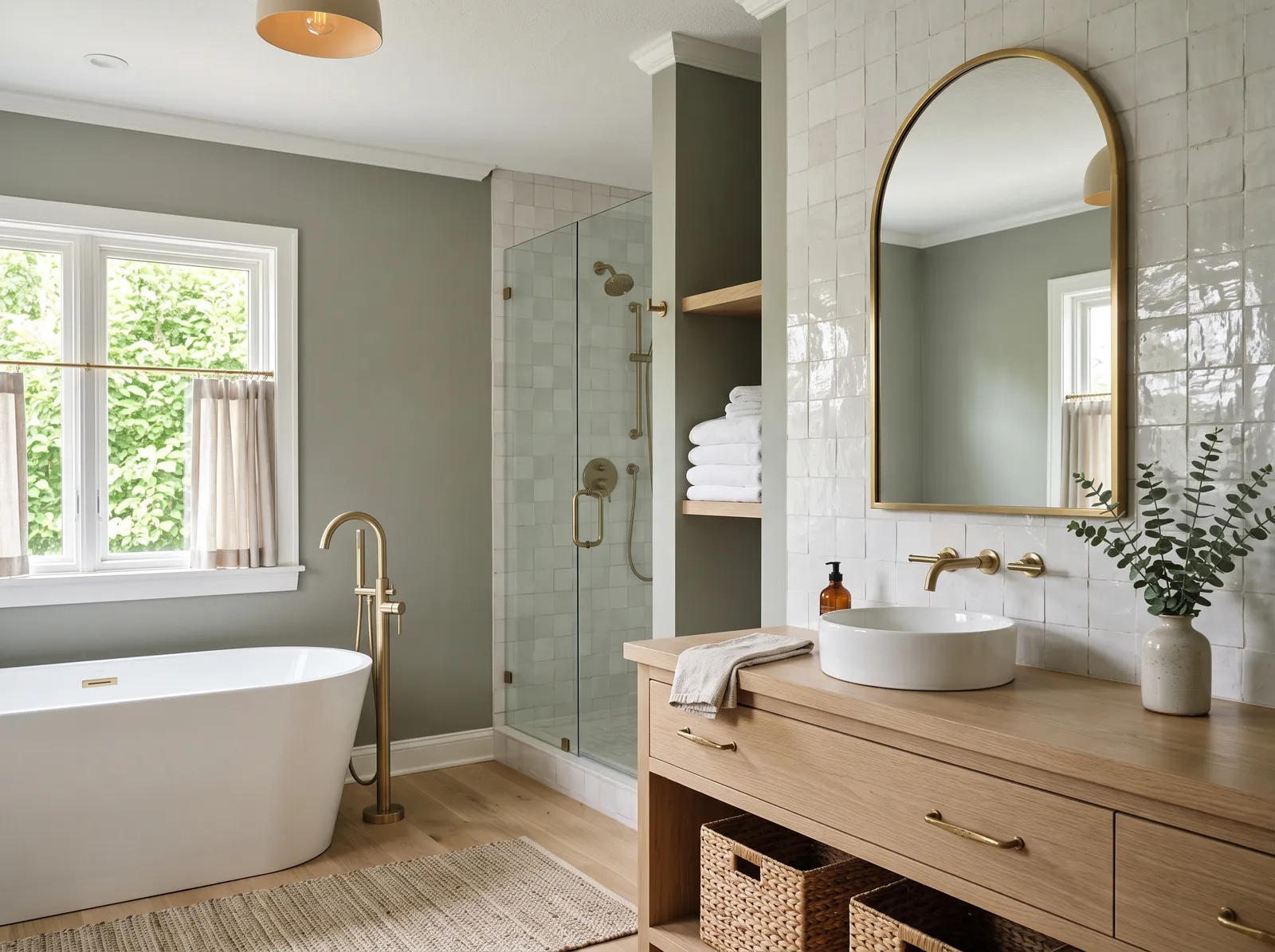
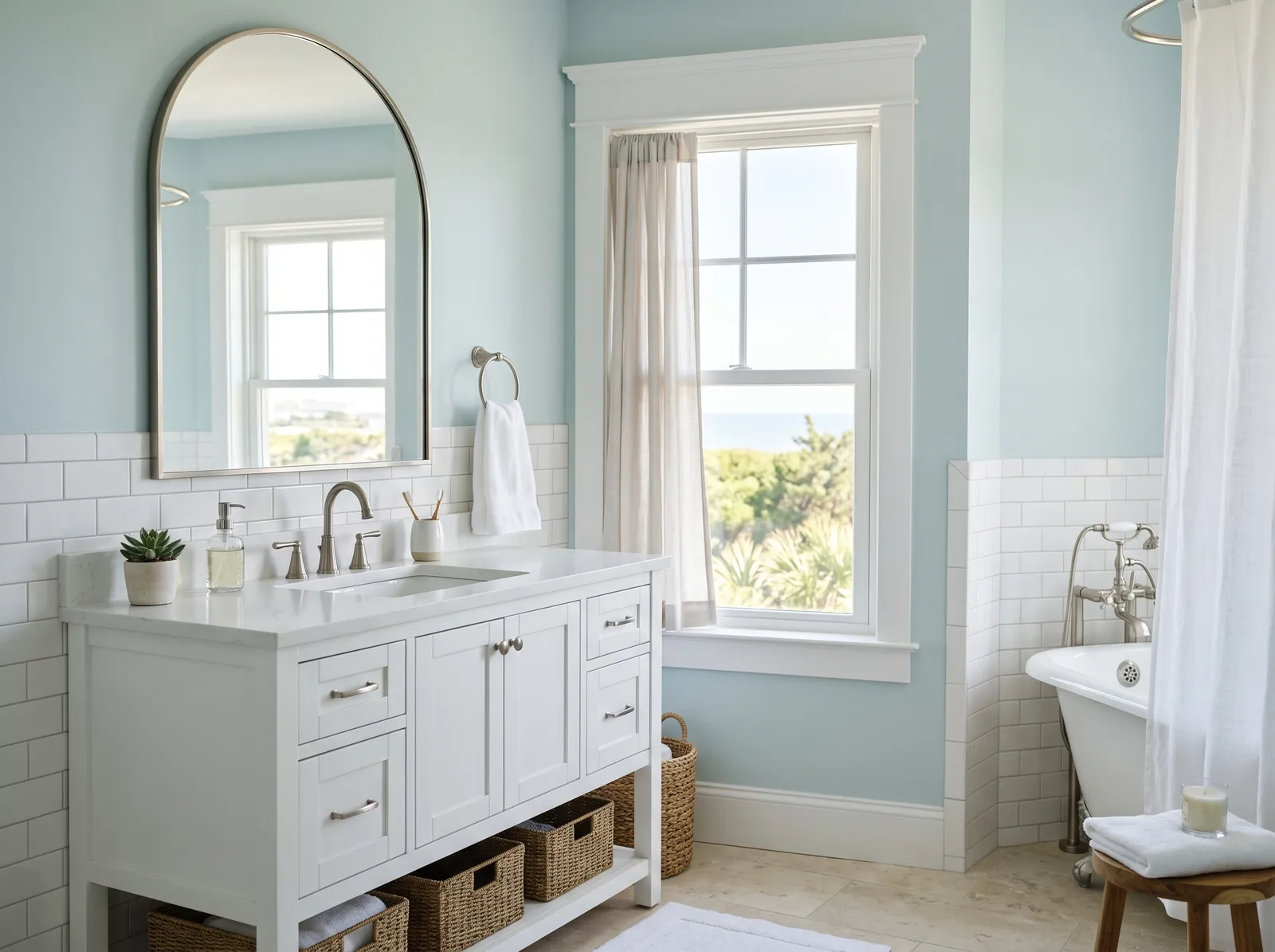
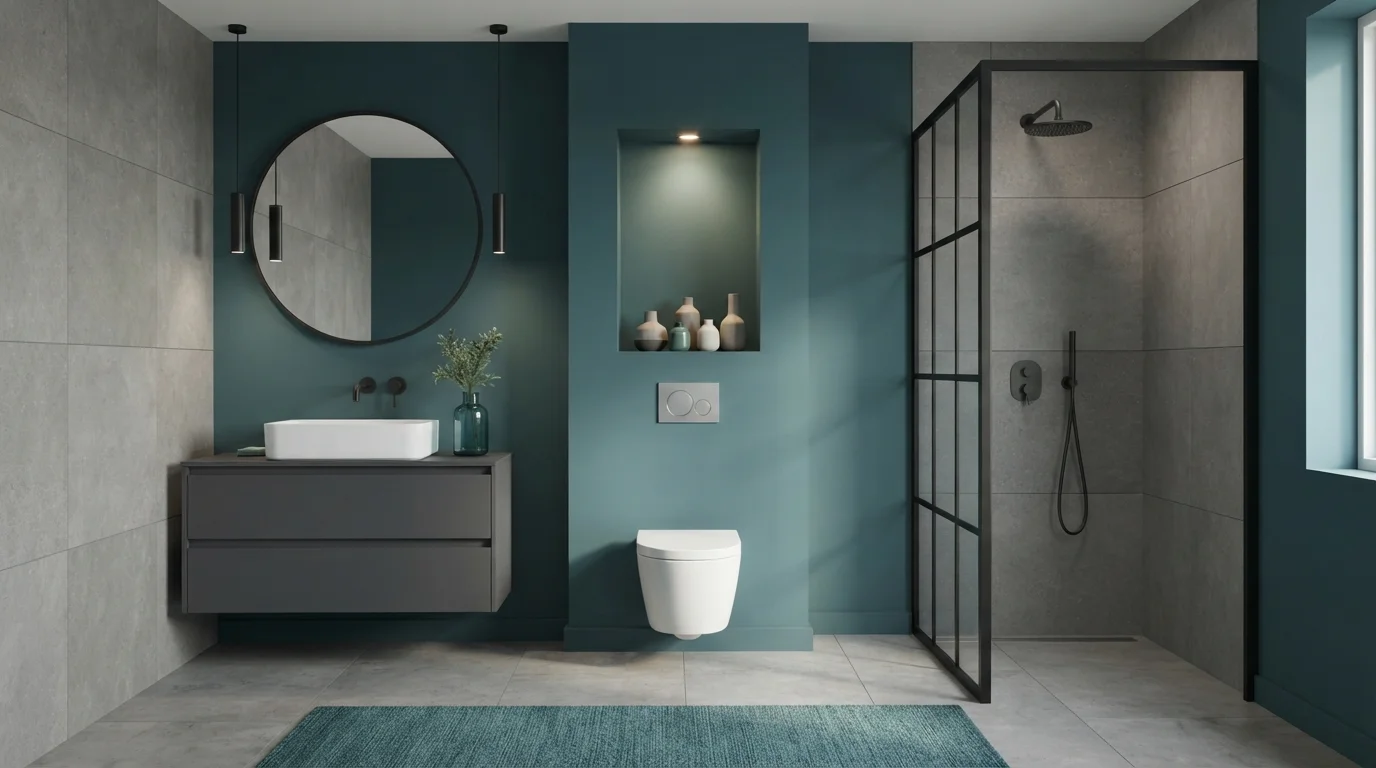
Bathrooms reward cool, water-inspired colors because they read clean and restful. Soft blues like Ice Blue and Aqua make a small space feel open and spa-like, while greens like Eucalyptus and Seafoam bring a fresh, natural calm that pairs beautifully with plants and wood. For a bolder mood, a saturated shade like Aegean Teal turns a powder room into a jewel box.
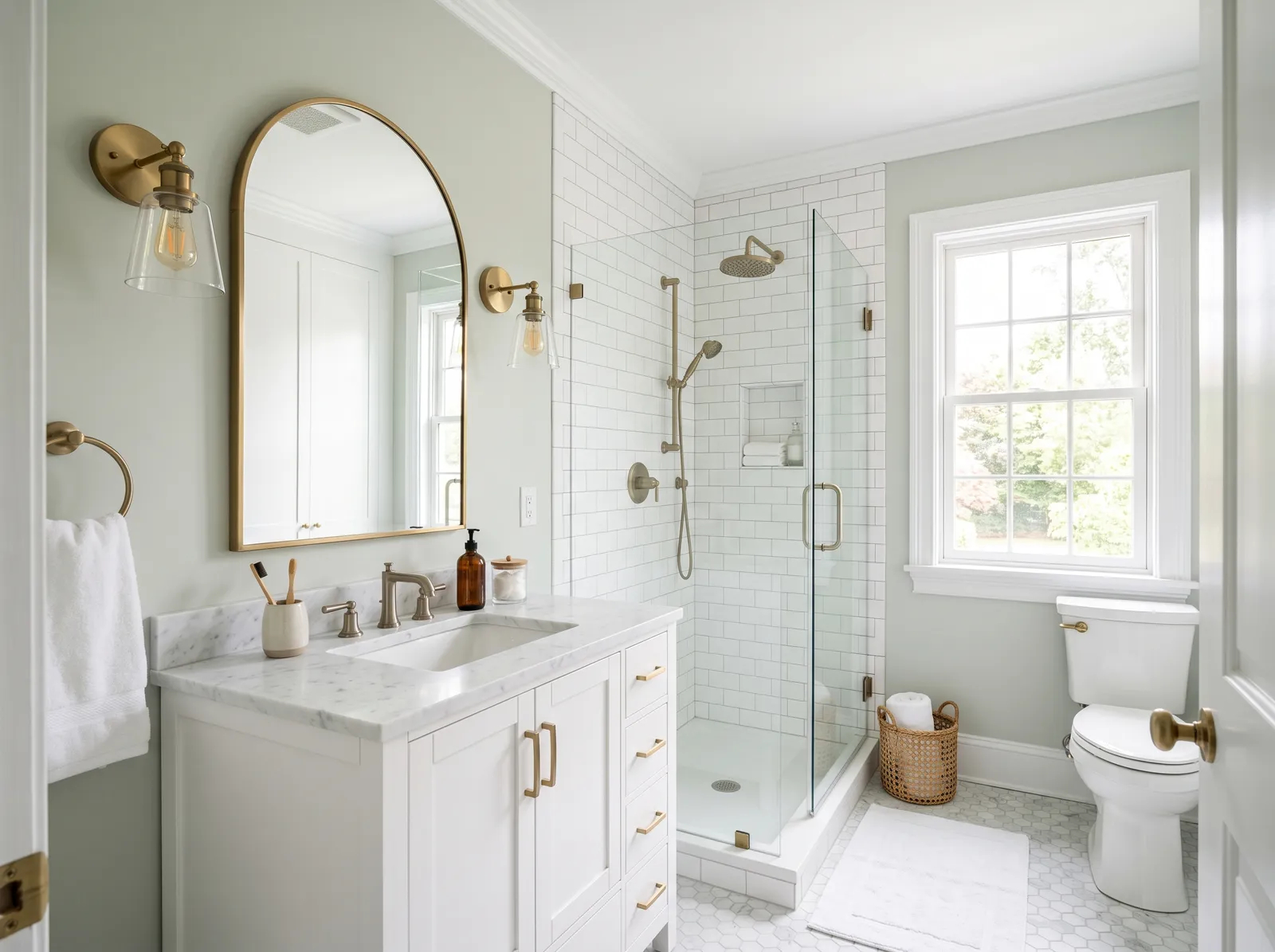
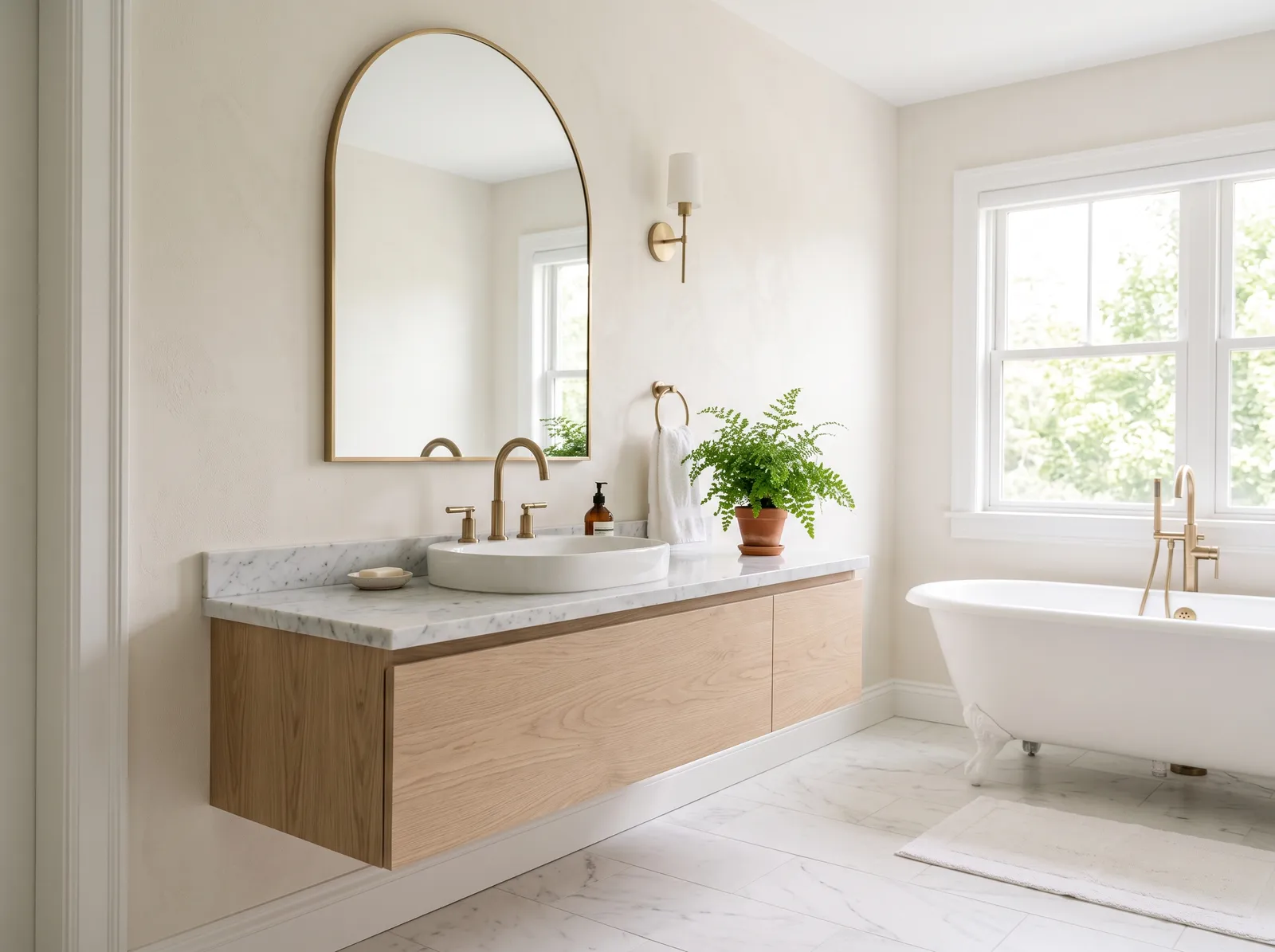
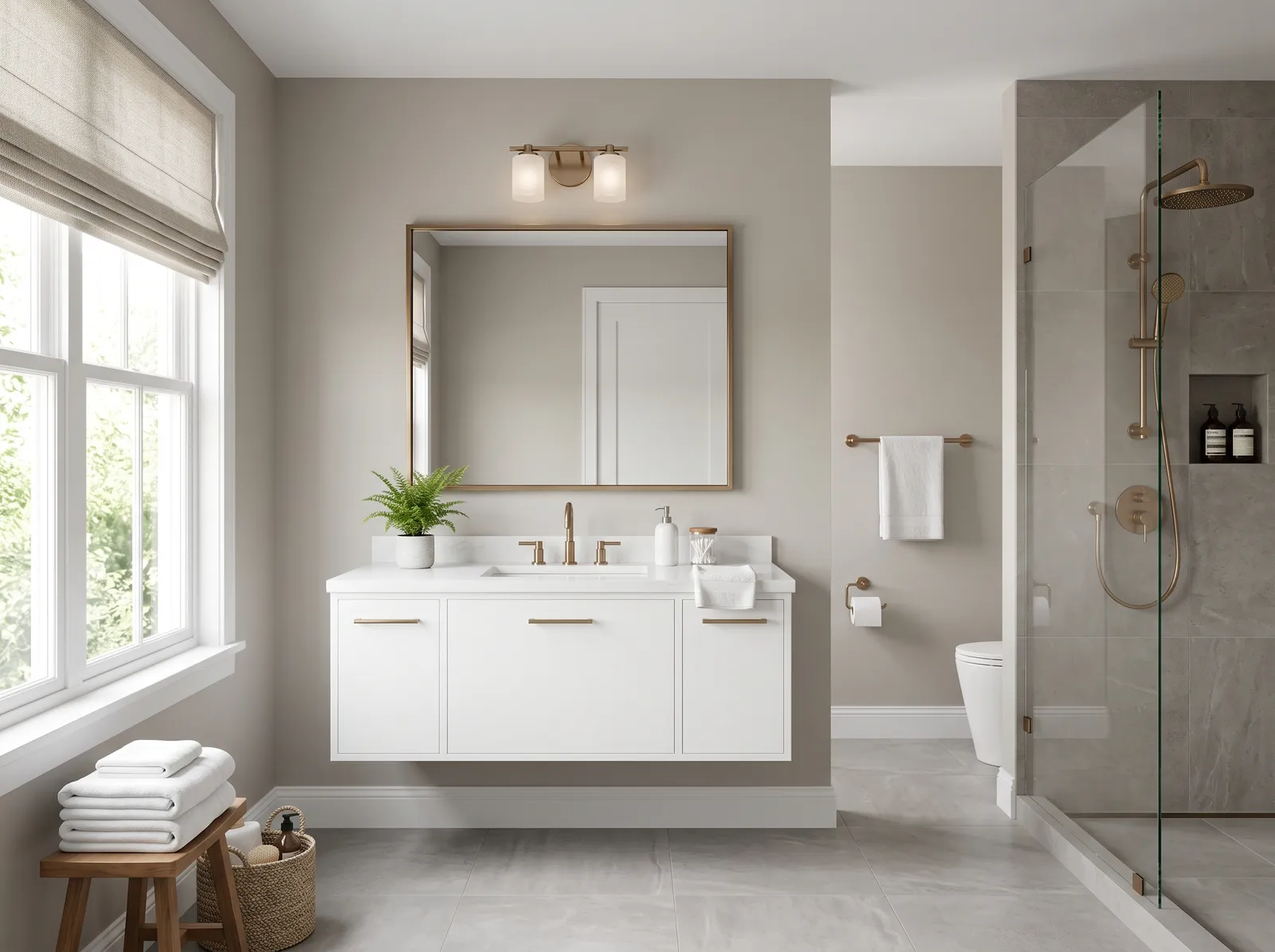
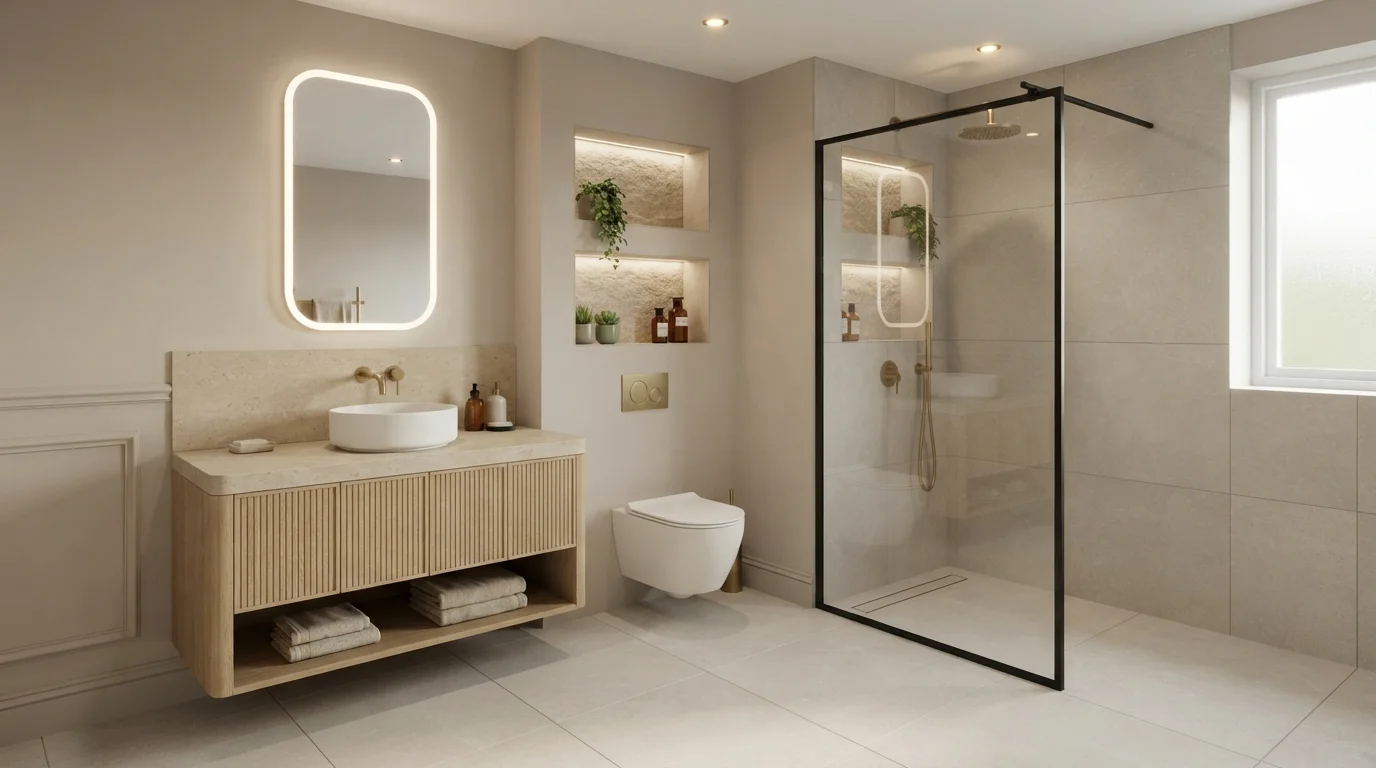
If you want the room to feel as large and bright as possible, lean on clean whites like Alabaster or a light gray. Whites and grays are the safe, timeless backdrop; the blues, teals, and greens are where you add personality. There's no wrong direction here, just a choice between airy and quiet or rich and enveloping.
Let the Light Steer Your Choice
Bathroom light is tricky because many bathrooms have one small window, or none at all, and the rest is artificial. North-facing windows throw cool, bluish light that can make cool colors look gray or chilly, so a green like Eucalyptus often warms up the room better than a stark blue. South- and west-facing windows give warm light that lets cool blues and teals like Aqua or Aegean Teal shine without going flat.
Night changes everything. Test your color under your actual vanity bulbs after dark, since warm bulbs push greens yellow and cool LED bulbs can make a soft blue look icy. Tape a large sample to the wall and look at it in the morning, midday, and at night before you commit.
Choosing the Right Finish for Moisture
Bathrooms need a finish that shrugs off steam and wipes clean, so skip flat. A satin or eggshell finish is the everyday sweet spot: it resists moisture, cleans easily, and hides minor wall flaws without throwing harsh glare. For a bathroom that sees heavy steam from long showers, a satin or even semi-gloss holds up best.
Use semi-gloss on trim, doors, and any cabinetry for extra washability and a crisp edge. The ceiling is the one place to consider a moisture-resistant flat or matte, since glare overhead is unflattering, but in a small shower-heavy bathroom a scrubbable satin ceiling is the smarter, mildew-resistant pick.
Using LRV to Keep the Room Bright or Cozy
LRV, or light reflectance value, tells you how much light a color bounces back on a scale from 0 (black) to 100 (pure white). In a small or windowless bathroom, a higher LRV keeps the space feeling open and bright, so light picks like Alabaster, Ice Blue, or Seafoam help the room breathe.
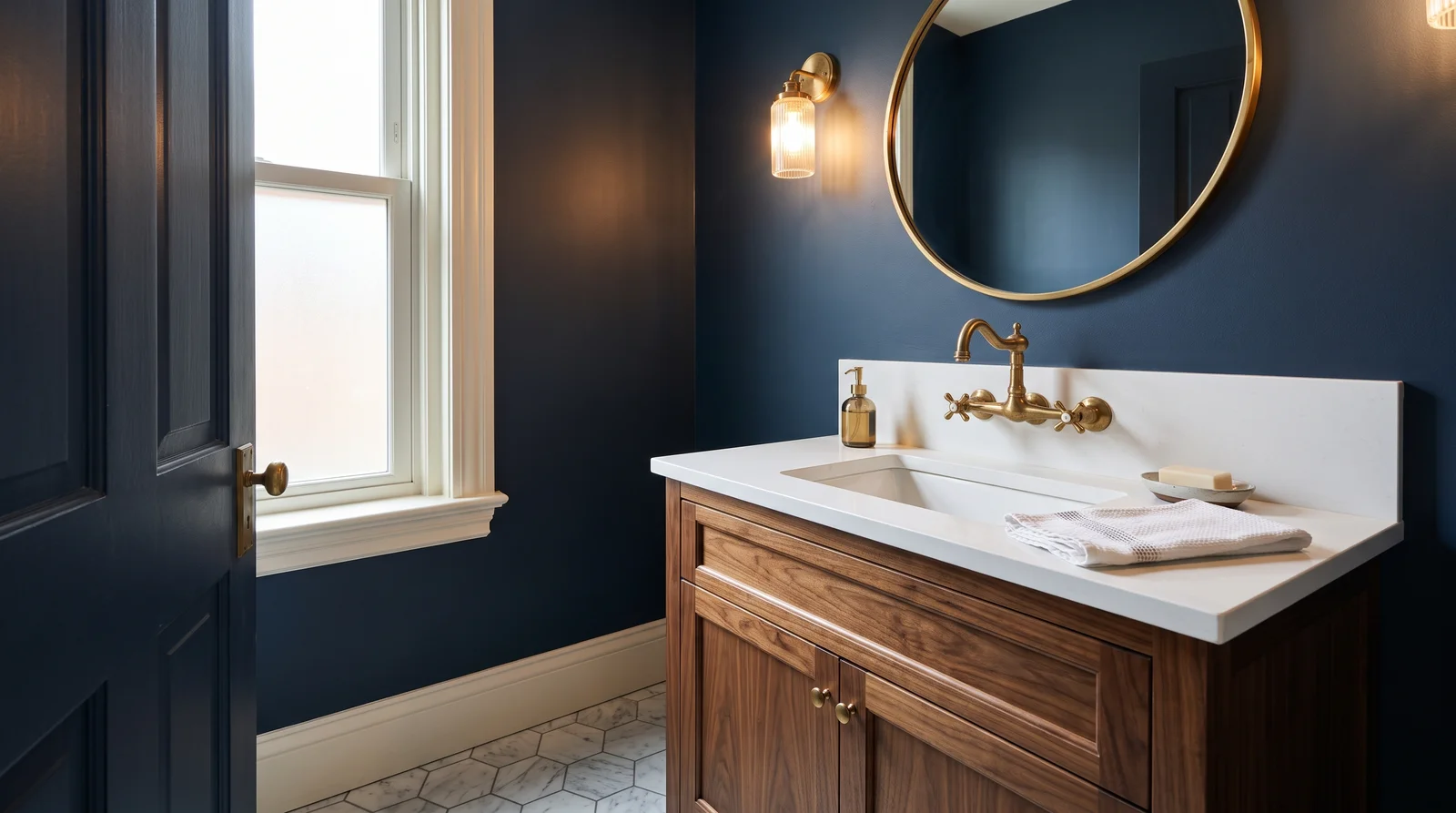
Lower LRV colors absorb light and pull the walls in, which is exactly what you want in a powder room you want to feel rich and intimate. A deep tone like Aegean Teal has a lower LRV, so it works best where you're leaning into cozy drama rather than fighting for brightness. Match the LRV to the feeling you want, not just the room's size.
Pairing Trim, Ceiling, Fixtures, and Floors
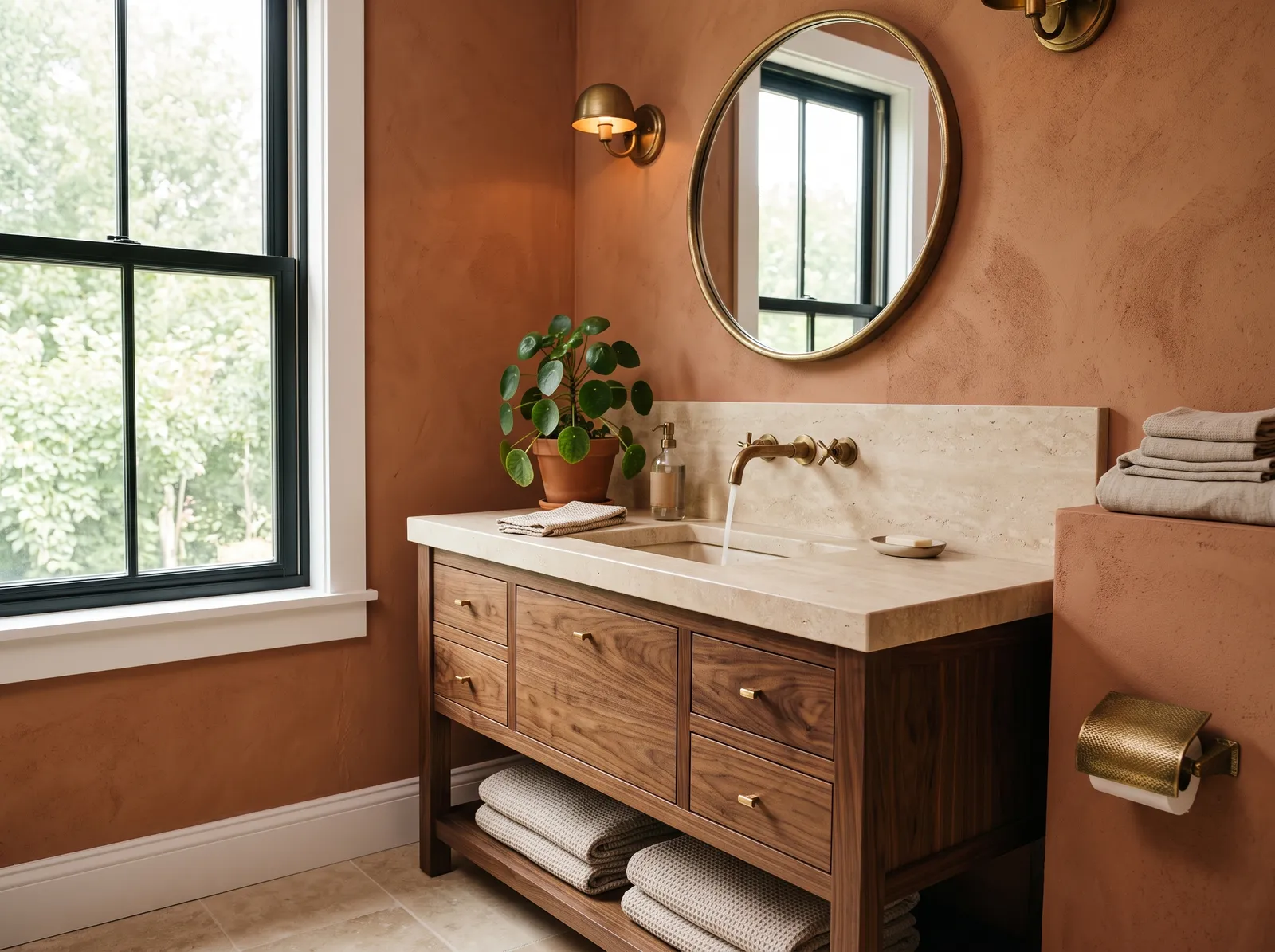
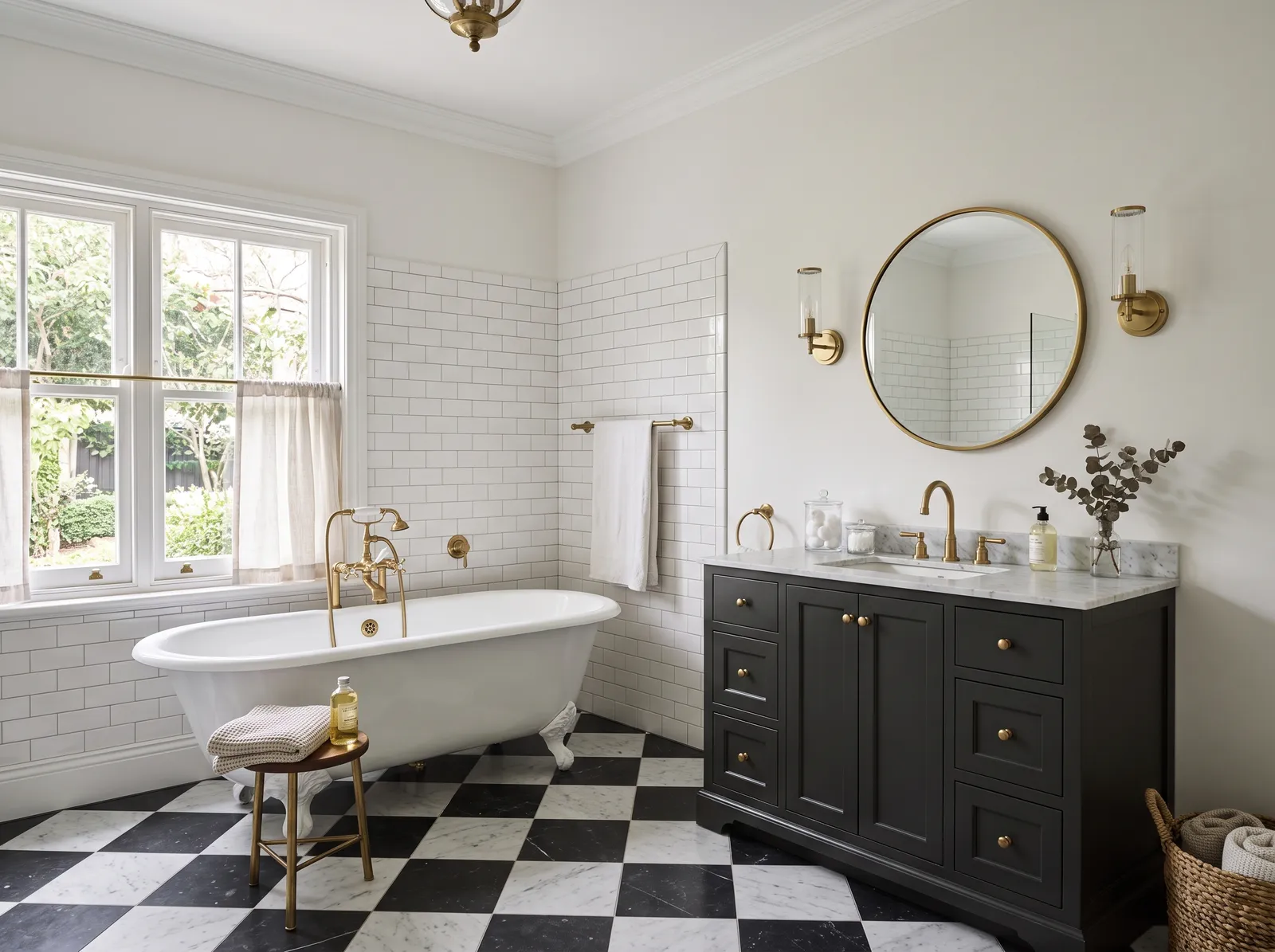
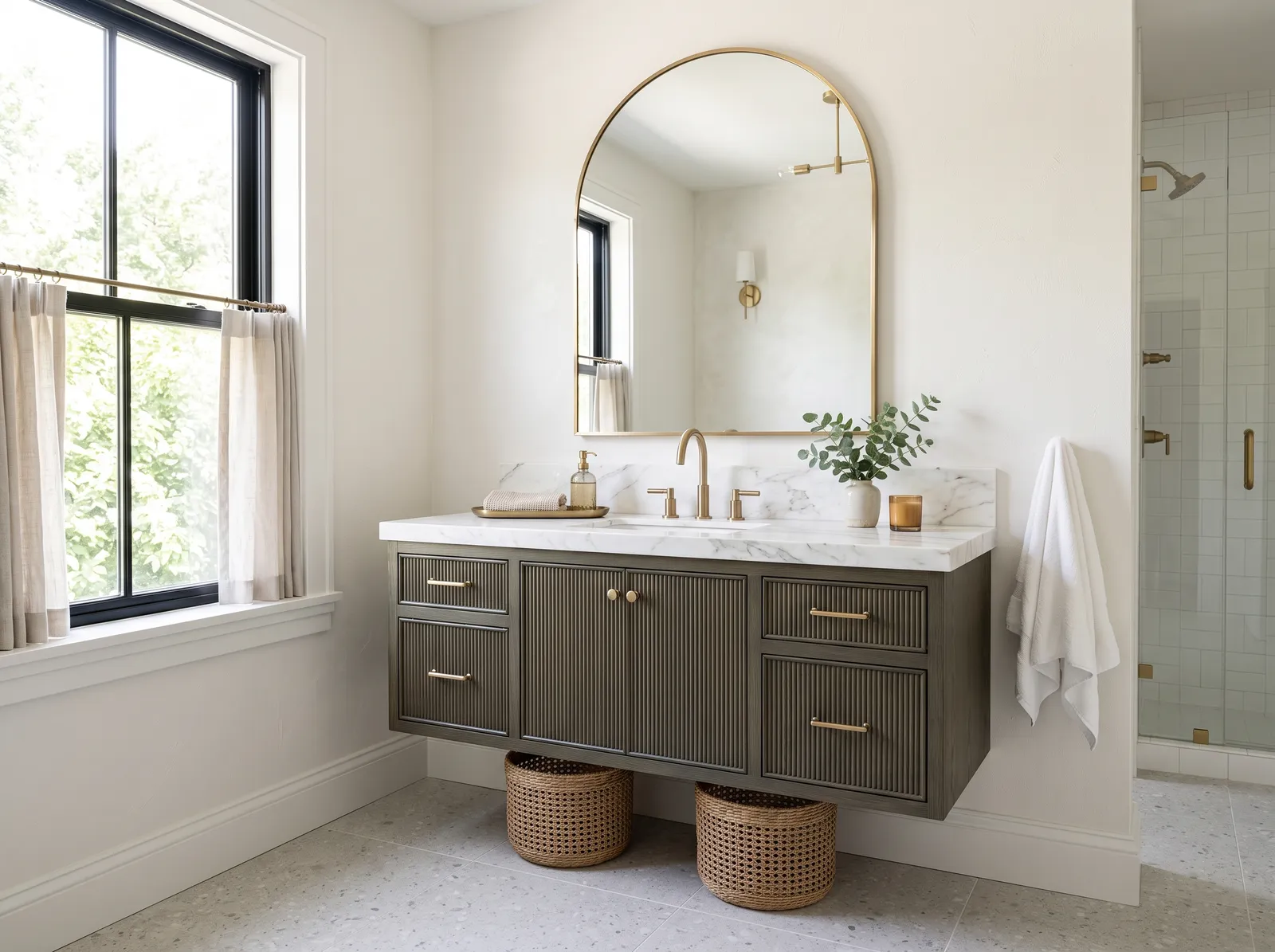
A clean white trim and ceiling, like Alabaster, frames almost any wall color and keeps the room crisp. Cool wall colors such as Ice Blue, Aqua, or Aegean Teal sit naturally next to chrome and polished nickel fixtures, while greens like Eucalyptus and Seafoam look warm and grounded against brass, wood vanities, and warm-toned tile.
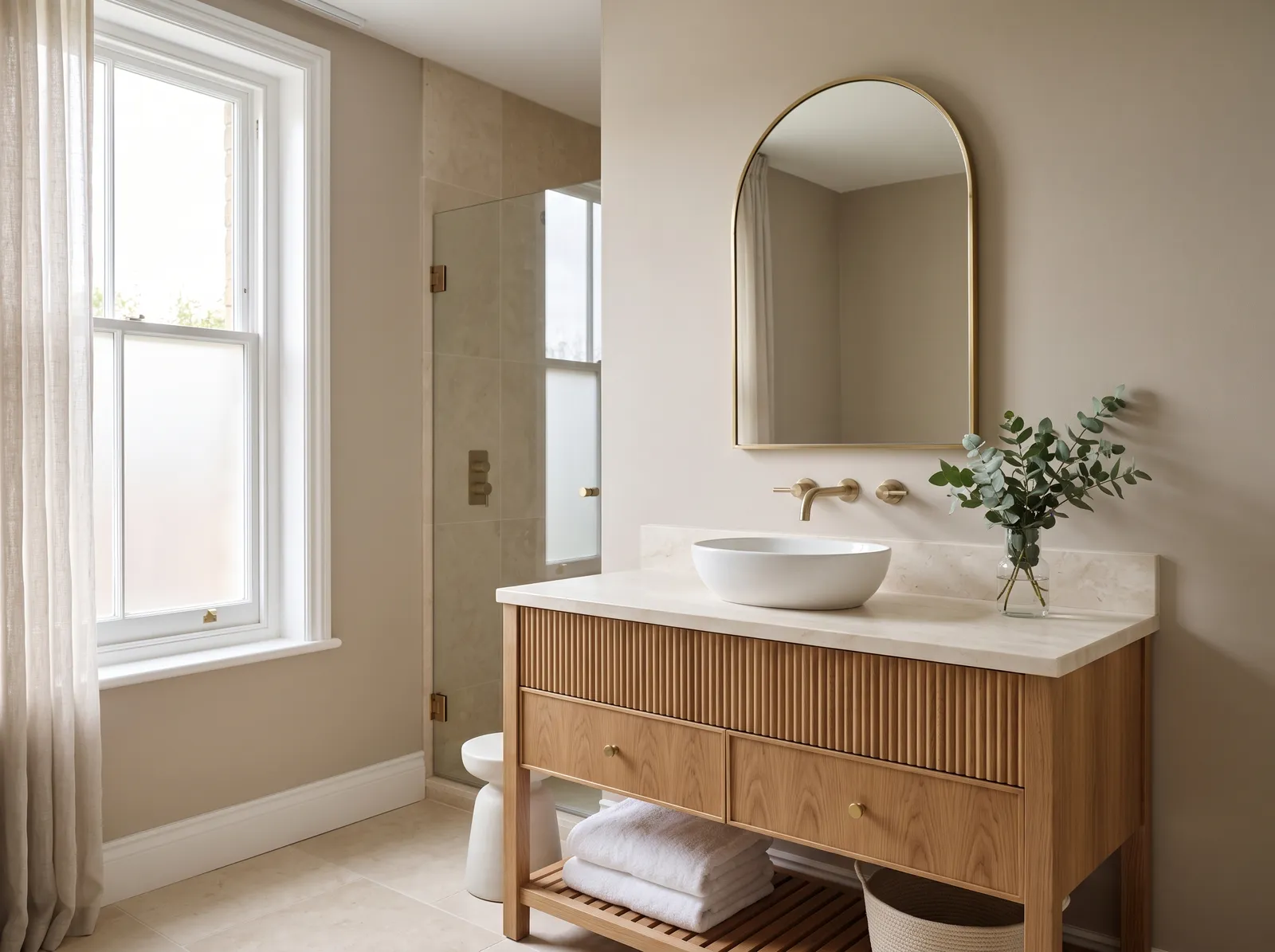
Look down at your floor before you finalize the wall. Gray or marble-look tile loves cool blues and grays, while warm wood or terracotta floors are happiest with green. If your vanity is staying, pick a wall color that flatters it rather than fighting it, since cabinetry is the hardest thing to change later.
Common Bathroom Paint Mistakes to Avoid
The biggest mistake is using flat paint that can't handle steam and starts to mildew or streak when you wipe it. The second is judging color from a tiny chip held up under bad lighting; small rooms intensify color, so a sample that looks soft on the card can read loud on all four walls.
People also forget to account for the room's mix of natural and bulb light, then wonder why a calm blue looks cold or a fresh green looks sickly at night. Finally, don't ignore prep: bathrooms need a clean, dry, well-primed surface and good ventilation, or even the best paint won't last.
Bathroom Paint Colors — Frequently Asked Questions
What are the best paint colors for a bathroom?+
Cool, water-inspired colors work best: soft blues like Ice Blue and Aqua, fresh greens like Eucalyptus and Seafoam, deeper teals like Aegean Teal, and clean whites or grays like Alabaster. Blues and greens feel spa-like and calm, while whites keep a small bathroom bright and open.
What paint finish should I use in a bathroom?+
Use satin or eggshell on the walls because it resists moisture and wipes clean without harsh glare. Choose semi-gloss for trim, doors, and cabinetry, and a scrubbable, mildew-resistant satin or matte on the ceiling, especially in a bathroom that gets a lot of steam.
How does bathroom lighting affect my color choice?+
North-facing or windowless bathrooms get cool light that can make blues look gray, so a warmer green often reads better. South- and west-facing windows give warm light that lets blues and teals look their best. Always test the color under your actual vanity bulbs at night, since warm and cool bulbs shift the color a lot.
What color makes a small bathroom look bigger?+
Light colors with a high LRV bounce the most light and make a small bathroom feel open, so clean whites like Alabaster and pale blues or greens like Ice Blue and Seafoam are good picks. Keeping the trim and ceiling a light color too helps the walls feel like they recede.
Can a dark color work in a small bathroom?+
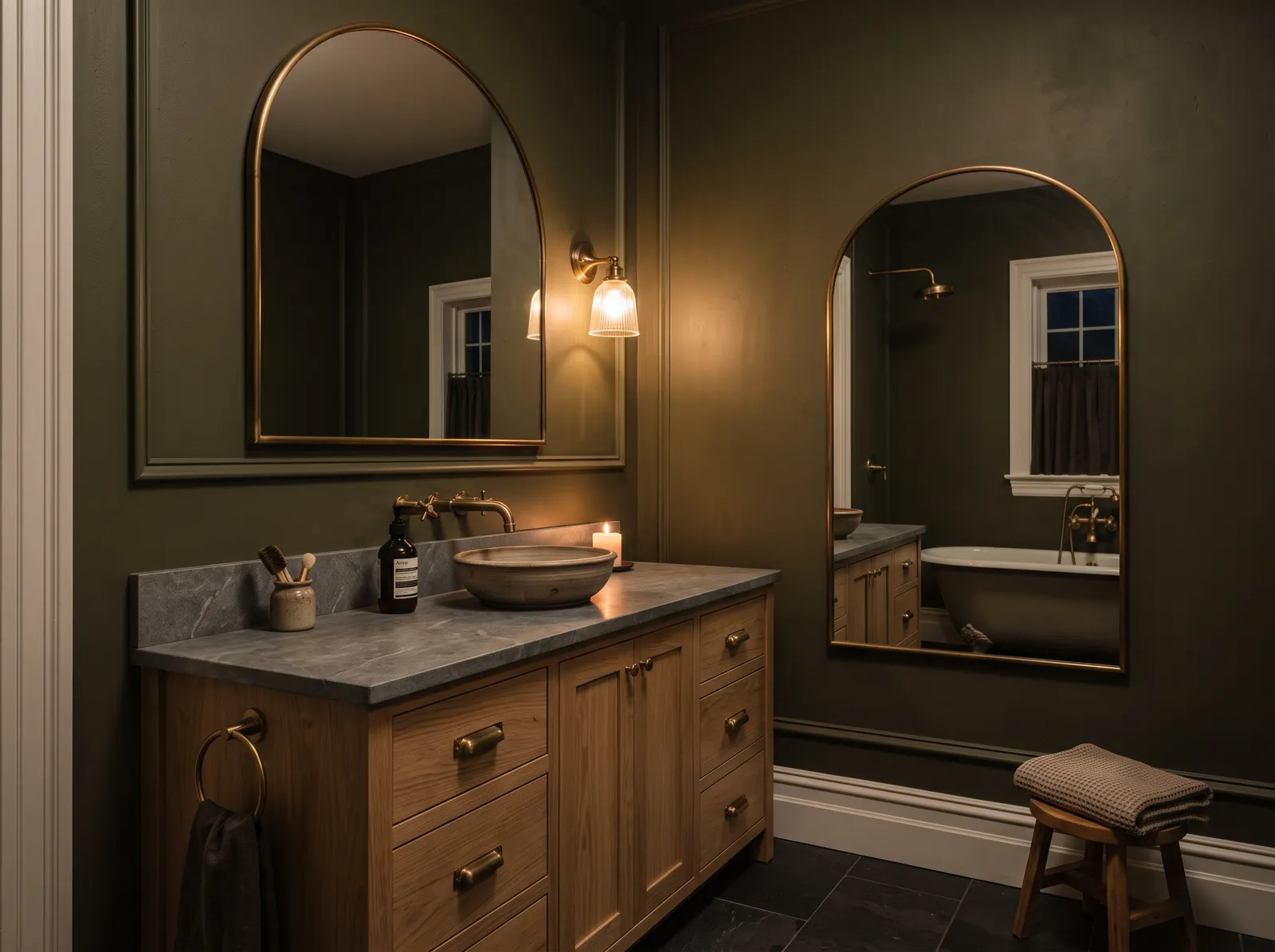
Yes. A small bathroom is a great place to go bold with a deep shade like Aegean Teal, which has a lower LRV and wraps the room in a cozy, jewel-box feel. It works best in a powder room where you want drama rather than maximum brightness.
What color trim and fixtures go with bathroom paint colors?+
Clean white trim like Alabaster frames almost any wall color. Cool blues and teals like Ice Blue and Aqua pair naturally with chrome and nickel, while greens like Eucalyptus look warm and grounded next to brass, wood, and warm tile.
Are these bathroom colors available in different paint brands?+
Yes. Every color shown here is mixed to order at the paint counter, so you can cross-match a shade you love into another brand's paint line. Pick the color first, then choose the brand and paint formula that fits your budget and finish needs.