Porch Ceiling Paint Colors
Top Picks for the Porch Ceiling
4 editor's picksAll Porch Ceiling Colors at Every Brand
53 colors · 2 familiesA representative color from every brand that makes this family — most-recognized brands first, with a second pick from the biggest names. Tap any swatch with a curated guide for full spec and cross-brand matches.
Browse by Family Hub
About Porch Ceiling Paint Colors
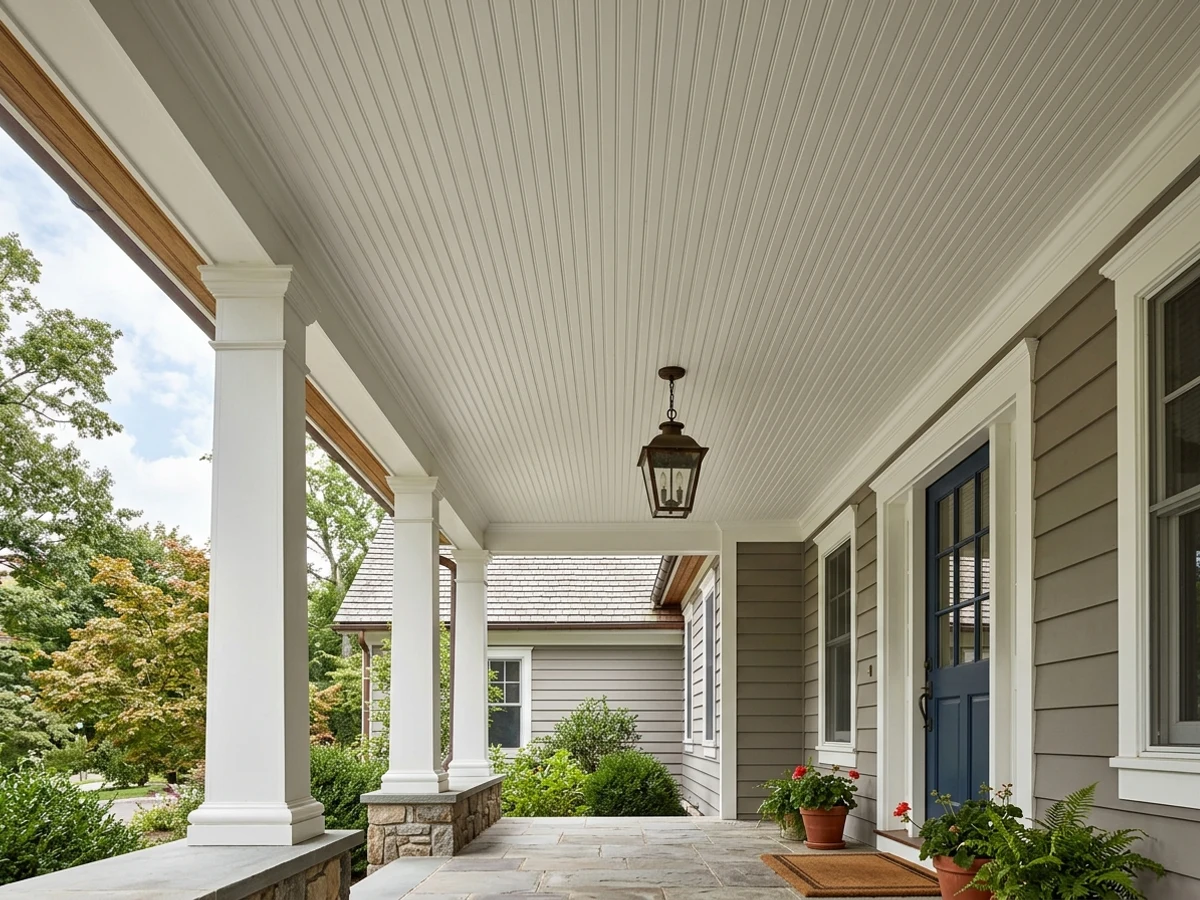
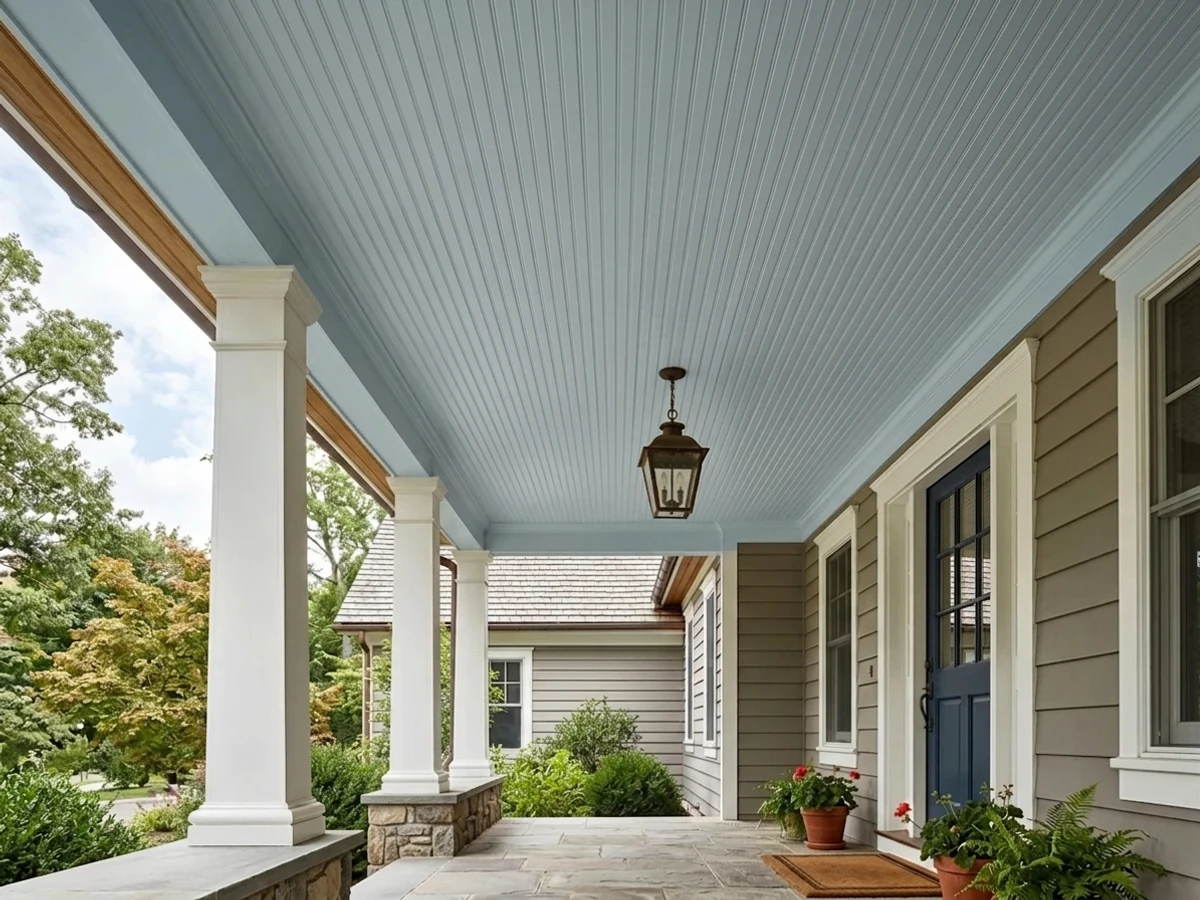
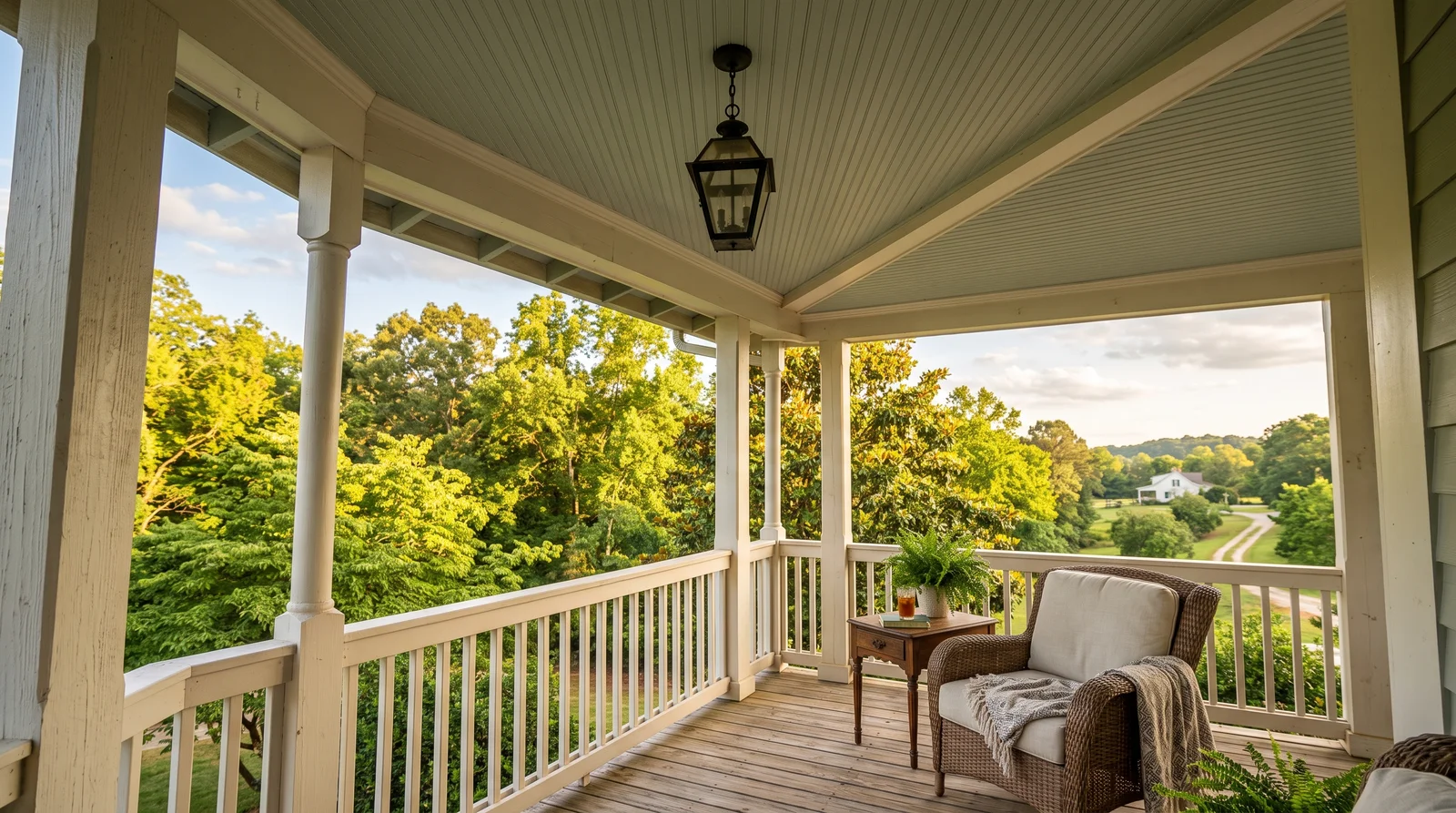
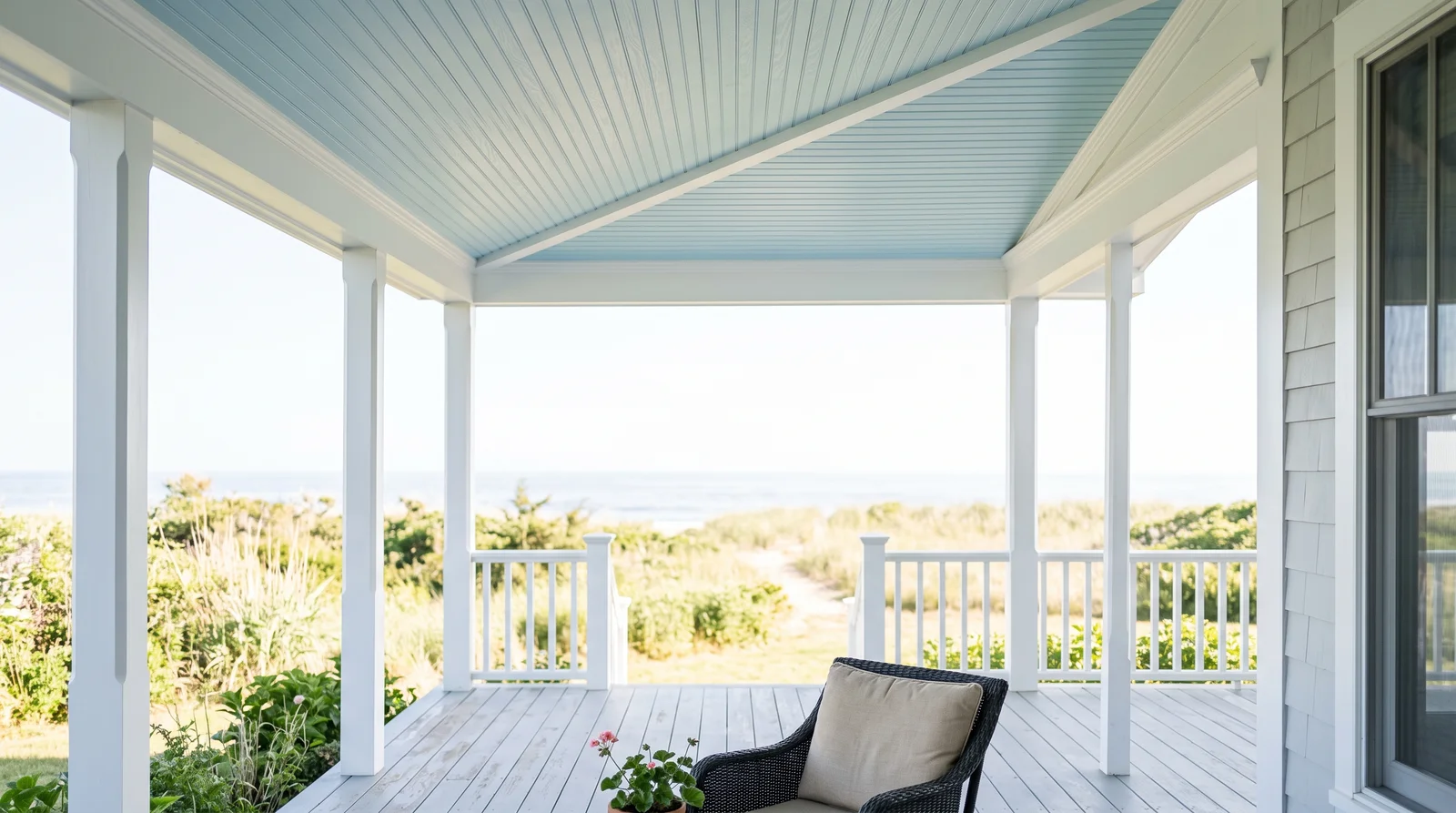
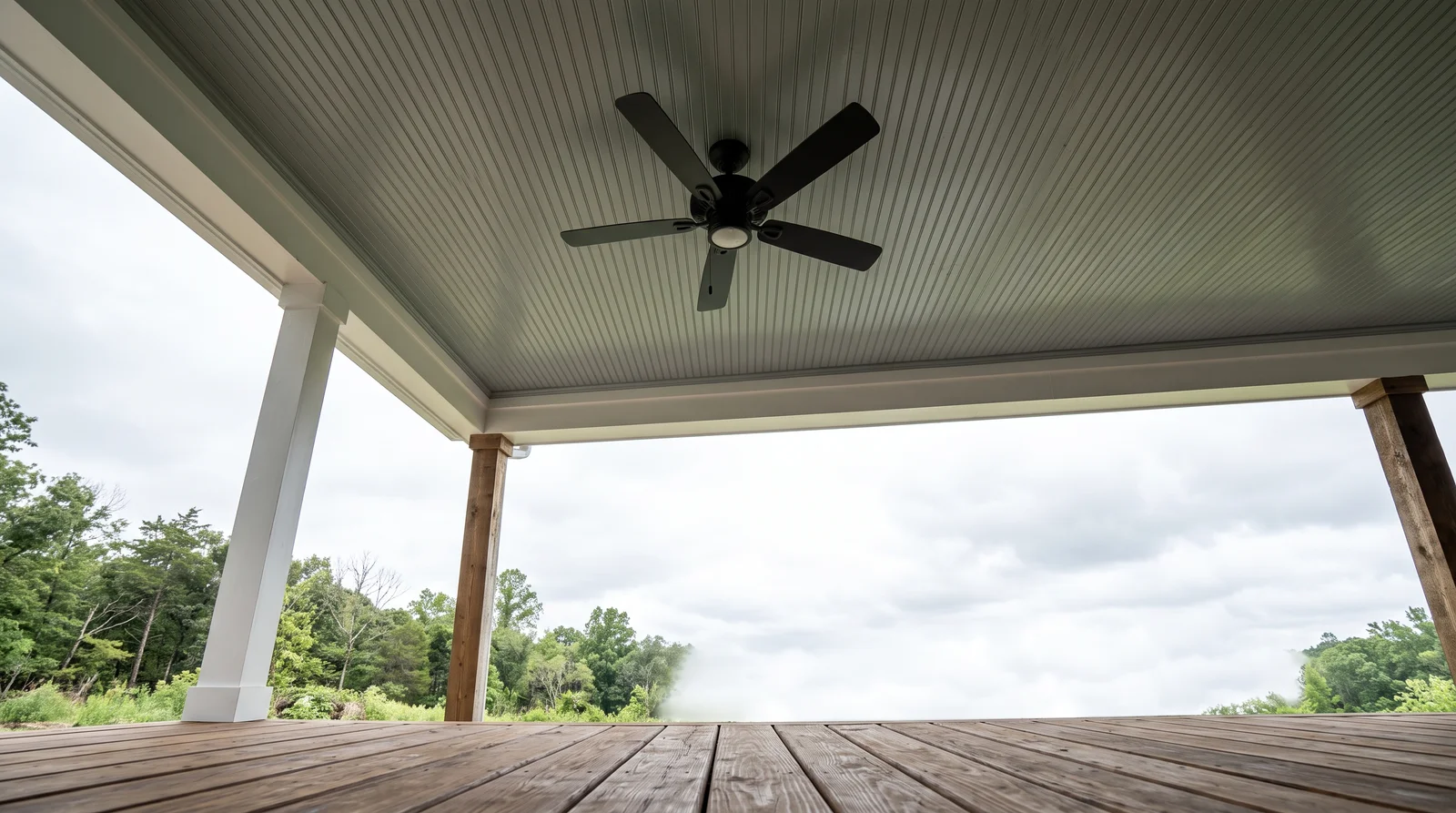
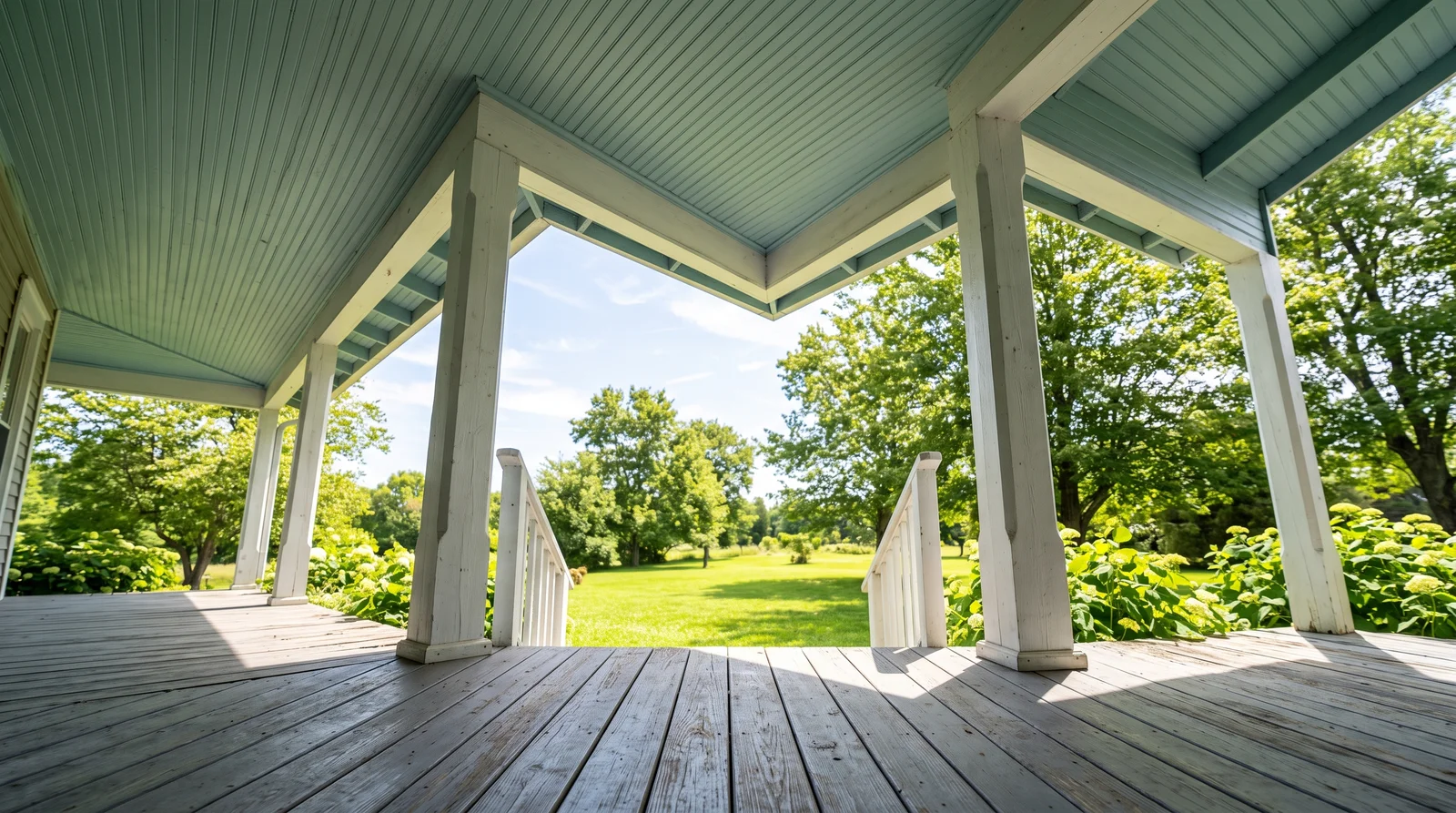
A painted porch ceiling is one of the oldest, friendliest tricks in American home design. A soft blue or green overhead stretches the day a little longer, keeps the space feeling calm, and tradition says it even reads like sky to the bugs and birds. Whatever you believe about that, the look works: it makes a porch feel finished instead of forgotten.
This page is about picking the right color for that ceiling specifically, not your walls or your front door. Porch ceilings live with bounced sunlight, humidity, and a lot of looking-up, so the color and the finish both matter. Blues and teals lead the field here for good reason, and the example shades on this page run that whole range.
Every color shown can be mixed to order at a paint counter, and a shade you like in one brand can almost always be cross-matched to another. So choose by how the color looks and feels first, then match it to whatever paint line you prefer.
The Best Color Directions For A Porch Ceiling
Blue is the classic choice, and for good reason. A pale, slightly grayed blue like Sky Blue or Ice Blue reads as open sky and keeps the porch feeling airy and a touch cooler on hot afternoons. It is the safest, most timeless direction and flatters almost any house color underneath.
Greens and teals give you a fresher, more current feel. Seafoam and Robin Egg lean soft and restful, while Aqua and Tiffany Blue bring a bit more personality and pop. Pick blue when you want quiet and traditional; lean teal or green when you want the ceiling to feel like a small, happy surprise.
Let The Porch's Light Steer The Shade
A porch ceiling gets most of its color from bounced light, not direct sun, so it almost always reads a little deeper and a little grayer than the chip. A north-facing or shaded porch can turn a clear Aqua cool and dull, so go a step warmer or brighter than you think, toward Robin Egg or a true Sky Blue. A bright south- or west-facing porch can wash out a pale shade, so a color with a bit more body like Seafoam or Tiffany Blue holds its own.
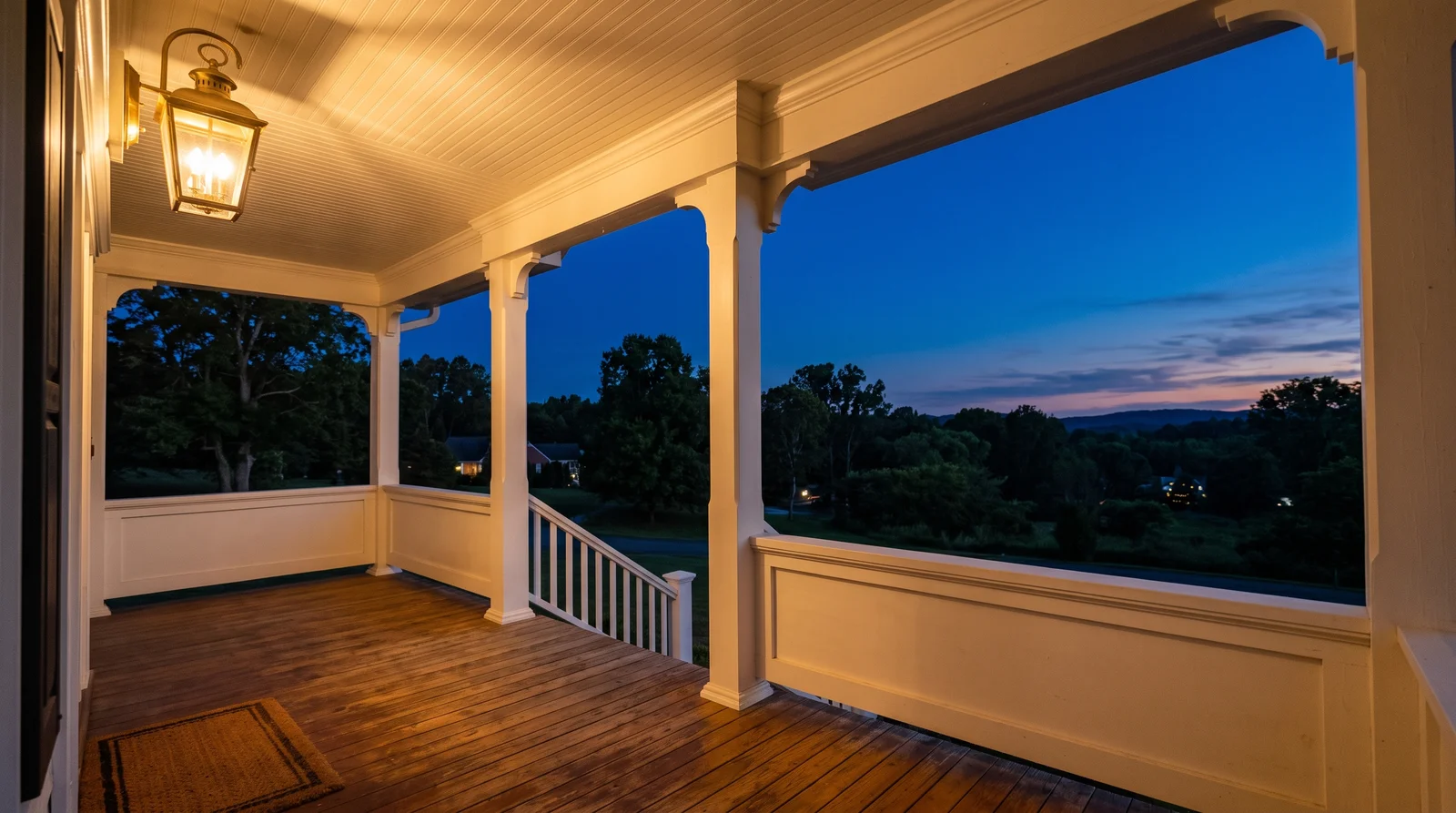
Check it morning and evening. Daylight will show the soft, sky-like side of the color, while a warm porch light at night can pull blues slightly green and greens slightly gold. Tape a real painted sample to the ceiling and look up at it across a full day before you commit.
The Right Finish For An Outdoor Ceiling
Use an exterior paint here, not an interior one, even though the ceiling is sheltered. Porches deal with humidity, temperature swings, and the occasional blown-in rain, and exterior formulas are built to handle that without peeling or growing mildew.
For sheen, a satin or a low-luster eggshell is the sweet spot. It shrugs off moisture and wipes clean of dust and cobwebs, but it stays soft enough that it won't bounce harsh glare back down at you the way a gloss would. Save gloss for the trim and rails, where the extra shine and toughness earn their keep.
Using LRV To Keep It Bright Or Cozy
LRV, or light reflectance value, tells you how much light a color throws back, on a scale from near 0 (very dark) to near 100 (near white). For a porch ceiling you usually want a higher LRV, roughly in the 60s and up, so the ceiling stays bright, makes the space feel taller, and helps light carry into a shaded porch. Pale picks like Ice Blue and Sky Blue sit in this brighter range.
If your porch is large, sunny, and you want a more intimate, enveloping feel, you can drop lower with a richer Aqua or teal in the 40s to 50s. Just know a deeper ceiling reads cozier but can make a small or dim porch feel lower and darker, so match the LRV to the mood and size you actually have.
Pairing With Trim, Floor, And Fixtures
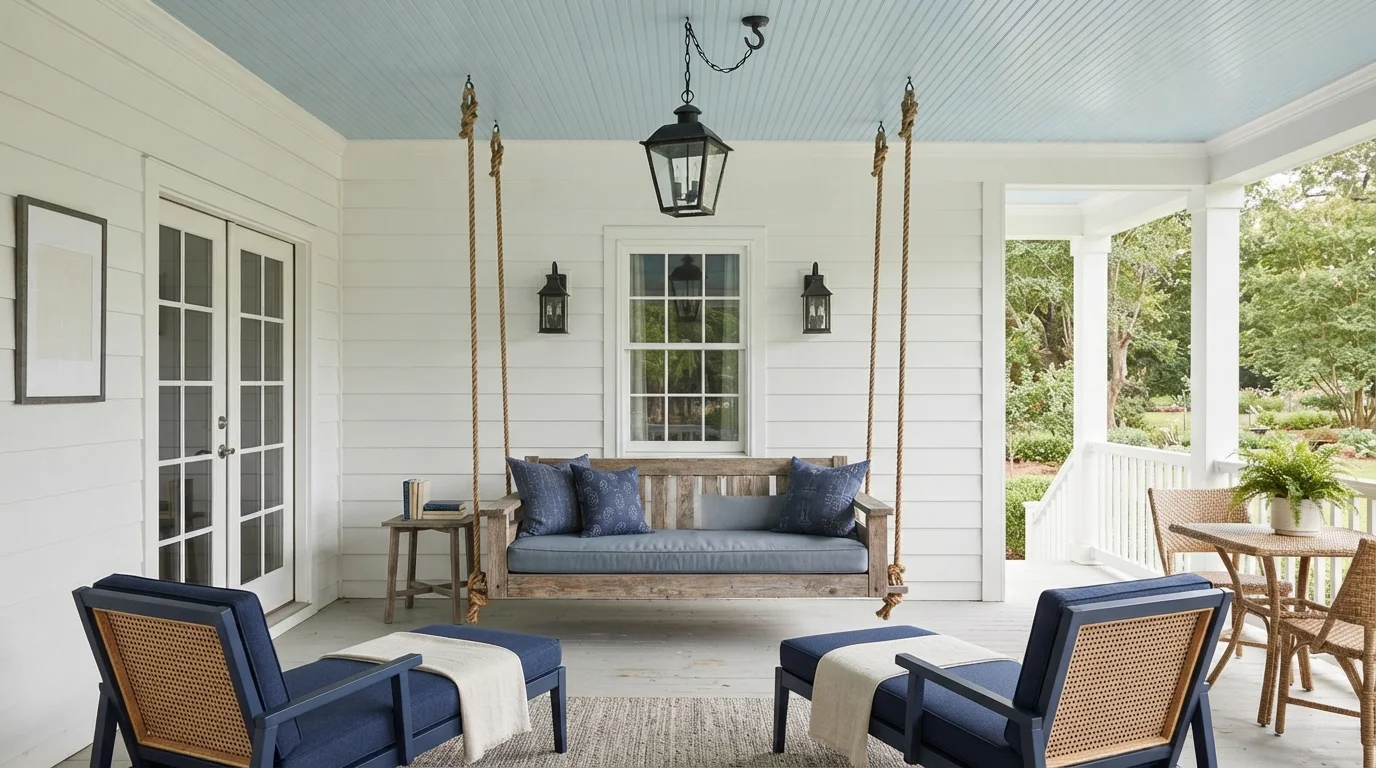
The easiest, most classic combination is a soft blue or green ceiling over crisp white beadboard trim, columns, and rails. The white frames the color and keeps everything looking clean, and it works whether your siding is white, gray, brick, or a warm neutral. A bright shade like Tiffany Blue especially wants that white to keep it from feeling loud.
For the floor, a gray, greige, or natural-wood porch deck grounds a blue or teal ceiling without competing with it. Black or dark-bronze light fixtures and house numbers give a calm shade like Seafoam or Robin Egg a little contrast and definition, so the ceiling doesn't float. Keep one or two of these elements quiet so the painted ceiling stays the star.
Common Mistakes To Avoid
The biggest one is using interior paint or a flat finish to save money. It will trap moisture, mildew, and chalk within a season or two, and you will be repainting far sooner than you planned. The second is picking the color from the chip alone; bounced shade will make it darker and grayer overhead, and people are often surprised by how much.
Going too bright or too saturated is another trap. A vivid Aqua that looks playful on a card can feel cartoonish across a whole ceiling, so when in doubt, choose the softer, slightly grayed version. Finally, don't skip primer on bare or weathered wood and don't paint in damp, cold, or blazing-hot conditions, since the finish needs the right temperature to cure and stick.
Porch Ceiling Paint Colors — Frequently Asked Questions
Why are porch ceilings painted blue?+
It is an old Southern tradition. A pale blue ceiling, often called haint blue, was thought to mimic the sky and ward off insects and bad spirits. Today most people do it because it simply looks calm, finished, and a little brighter overhead, and blues like Sky Blue or Ice Blue still do that beautifully.
What sheen should I use on a porch ceiling?+
A satin or low-luster eggshell in an exterior paint is the best choice. It resists moisture and mildew, wipes clean of dust and spiderwebs, and stays soft enough to avoid harsh glare when you look up. Skip flat, which holds dirt and moisture, and skip high gloss, which is too shiny overhead.
Do I need exterior paint for a covered porch ceiling?+
Yes. Even though it is sheltered, a porch ceiling deals with humidity, temperature swings, and occasional blowing rain. Exterior paint is made to handle that without peeling or growing mildew, while interior paint will fail much faster in those conditions.
Should I match my porch ceiling to my walls or trim?+
No, the ceiling is meant to be its own soft accent. The classic look is a blue or green ceiling like Seafoam or Robin Egg over white trim, columns, and rails. Keep the trim and floor fairly neutral so the painted ceiling stays the highlight.
Will the color look different once it is on the ceiling?+
Almost always, yes. A porch ceiling gets mostly bounced, shaded light, so the color reads a little deeper and grayer than it does on the chip. Tape a real painted sample up and look at it morning and evening before you commit, and lean a touch warmer or brighter on a shaded porch.
Can I get these colors in any paint brand?+
Yes. Every shade shown here can be mixed to order at a paint counter, and a color you like in one brand can be cross-matched to another. Choose the color you love first, then match it to whatever exterior paint line you prefer.
What color works best for a dark or shaded porch?+
Go brighter and slightly warmer to fight the gloom. A clear Sky Blue or a soft Robin Egg with a higher light reflectance value will help bounce light around and keep the space from feeling like a cave. Avoid deep or heavily grayed teals on a dim porch, since they can make the ceiling feel even lower and darker.