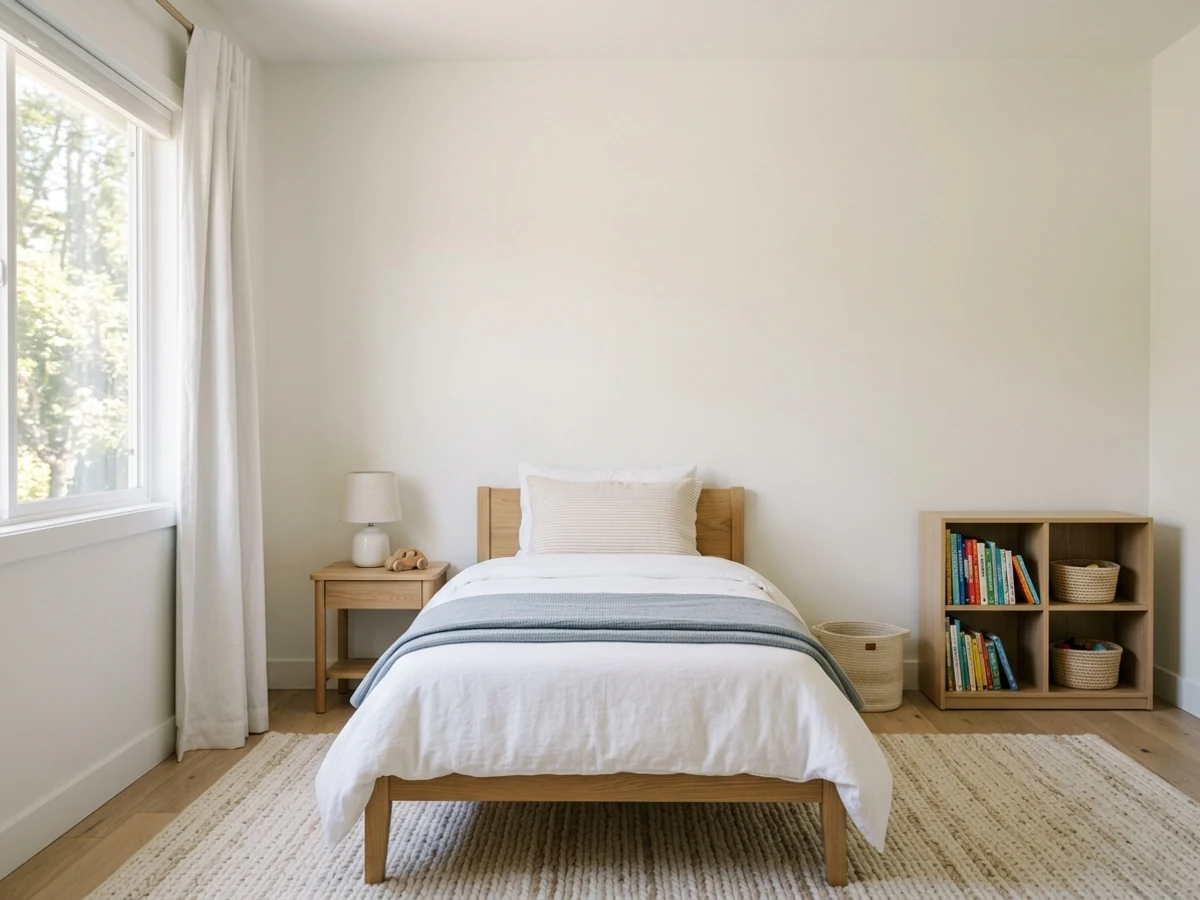
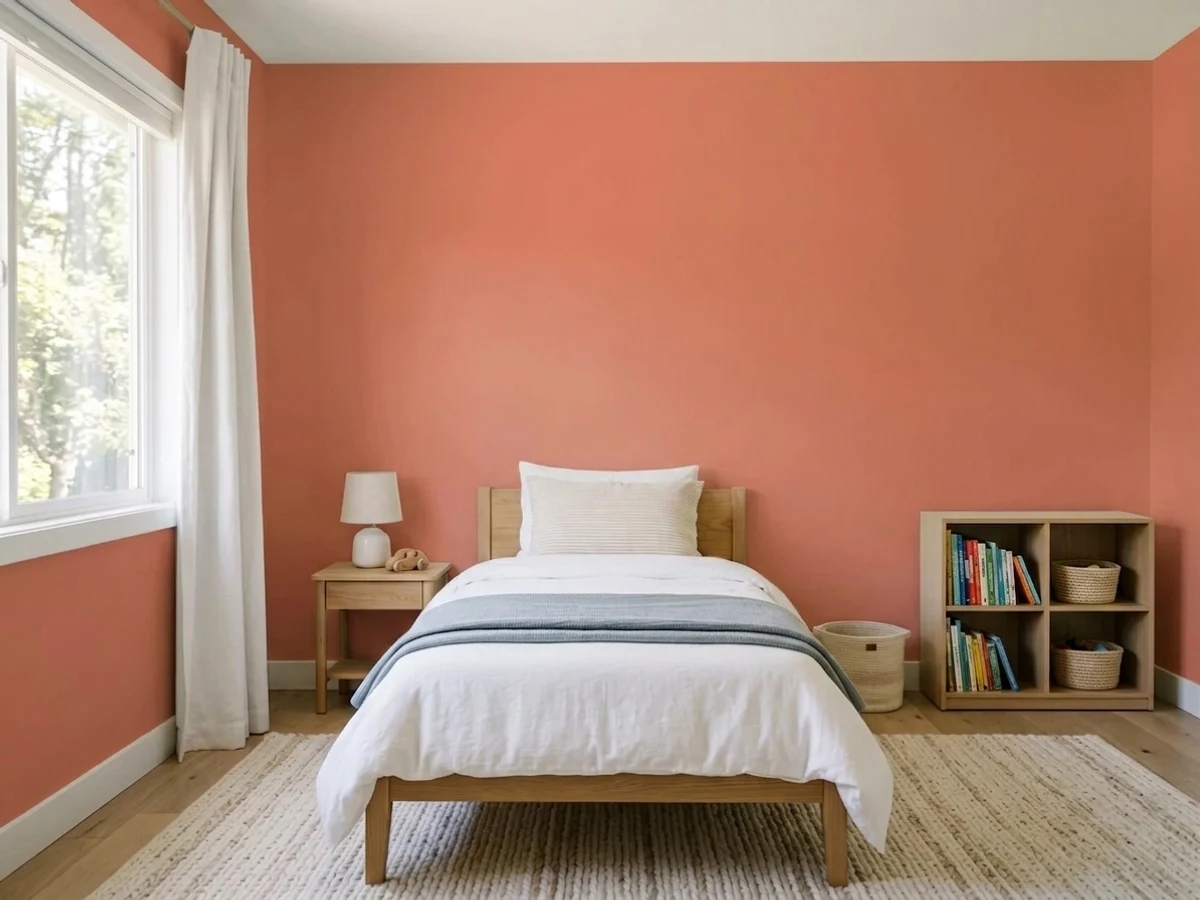
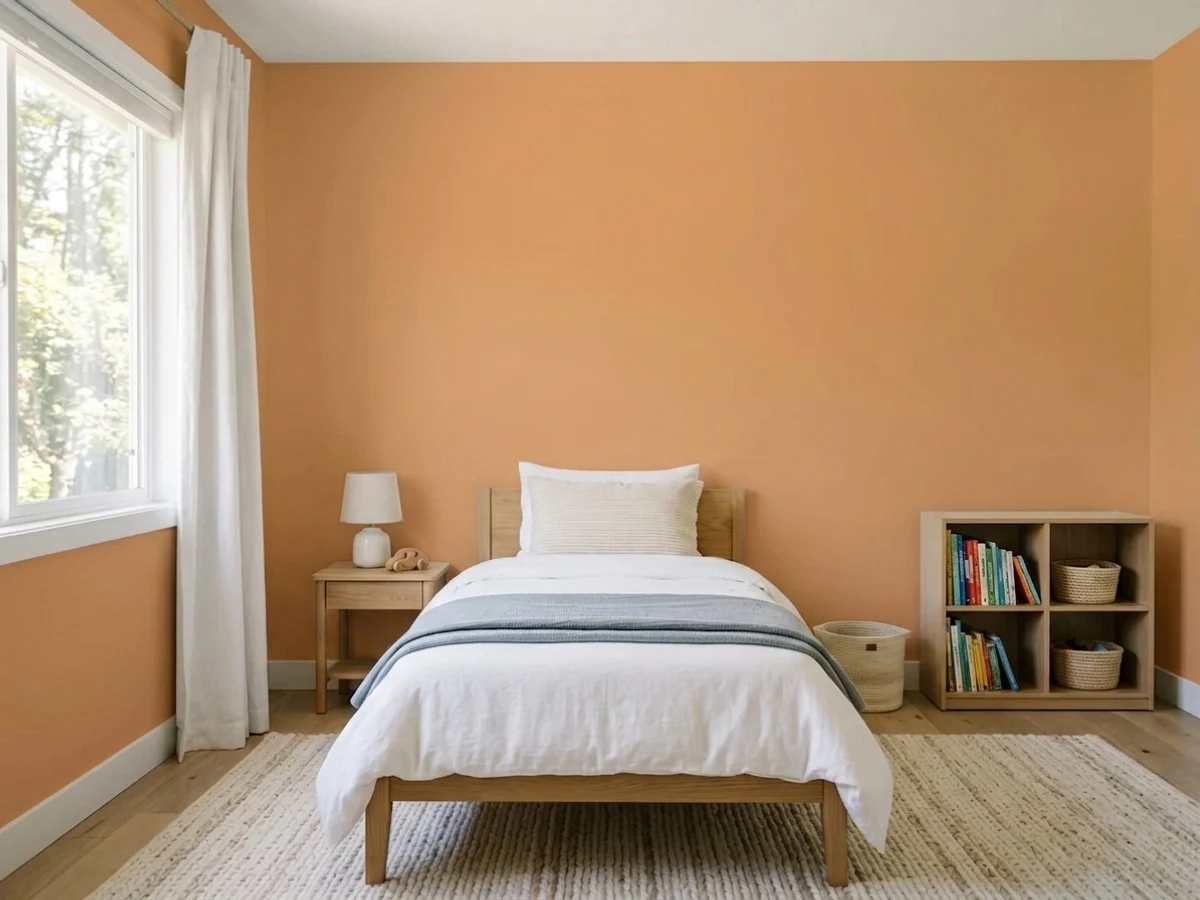
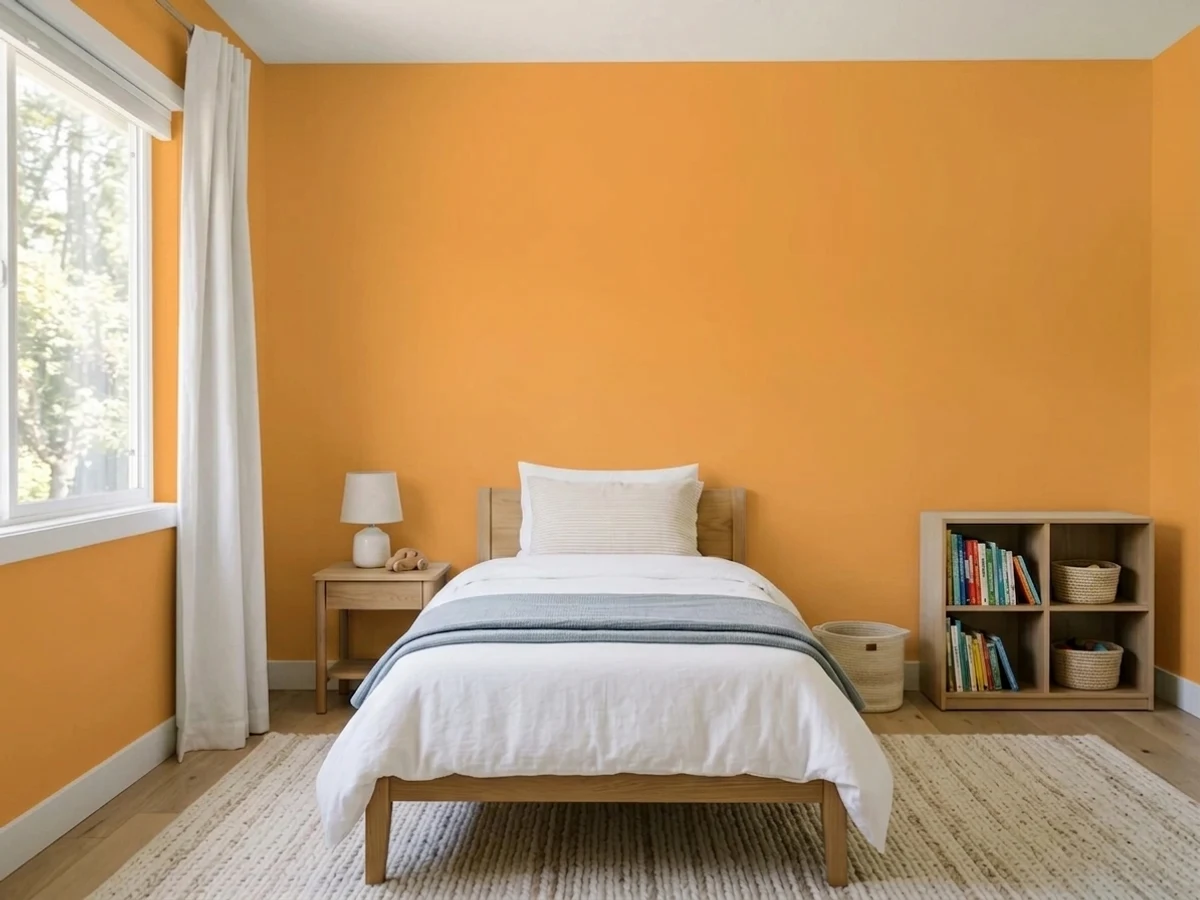
Orange Kids Room Paint Colors
1,261 orange colors that work in kids rooms, drawn from the full ~30,000-color US paint deck. Below: editor's picks specific to kids rooms, then 30 picks spread across the LRV range — narrow further on the brand page when you've shortlisted.
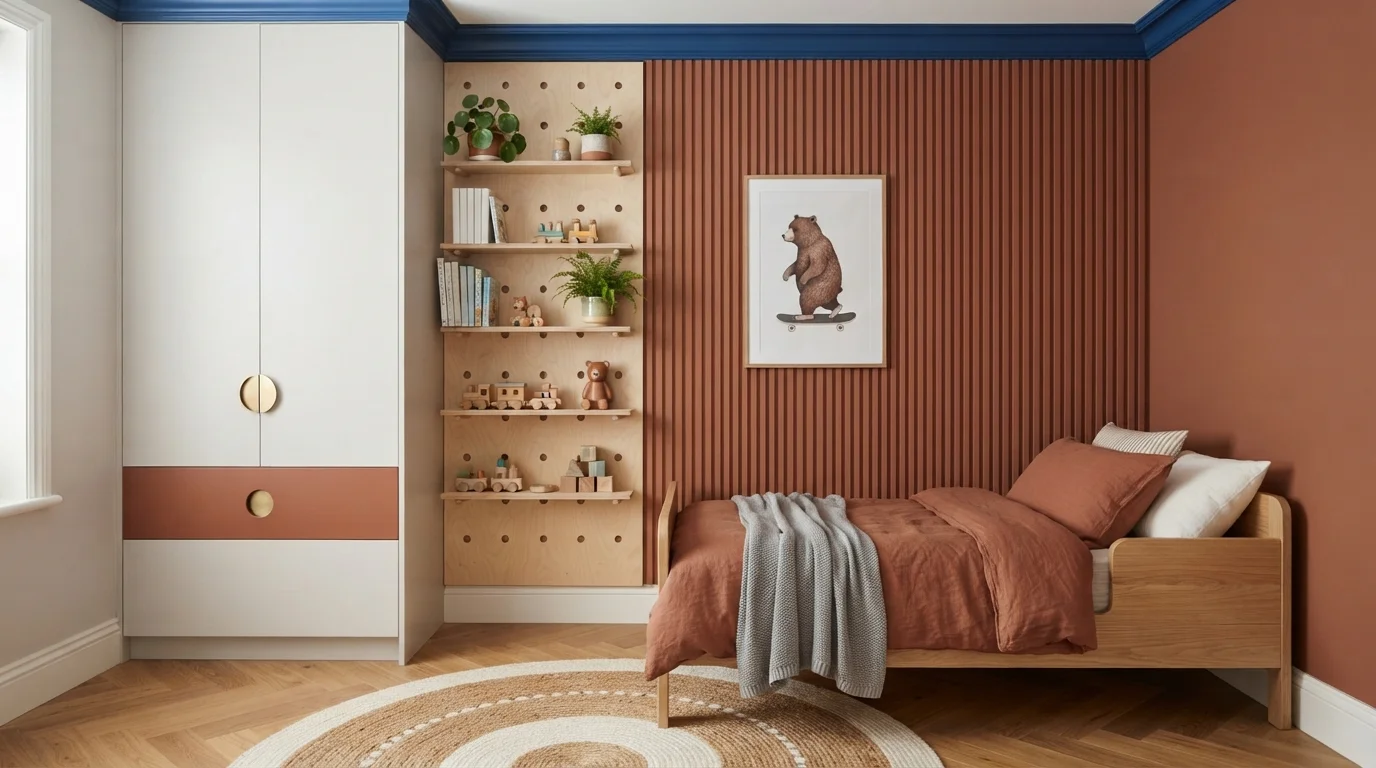
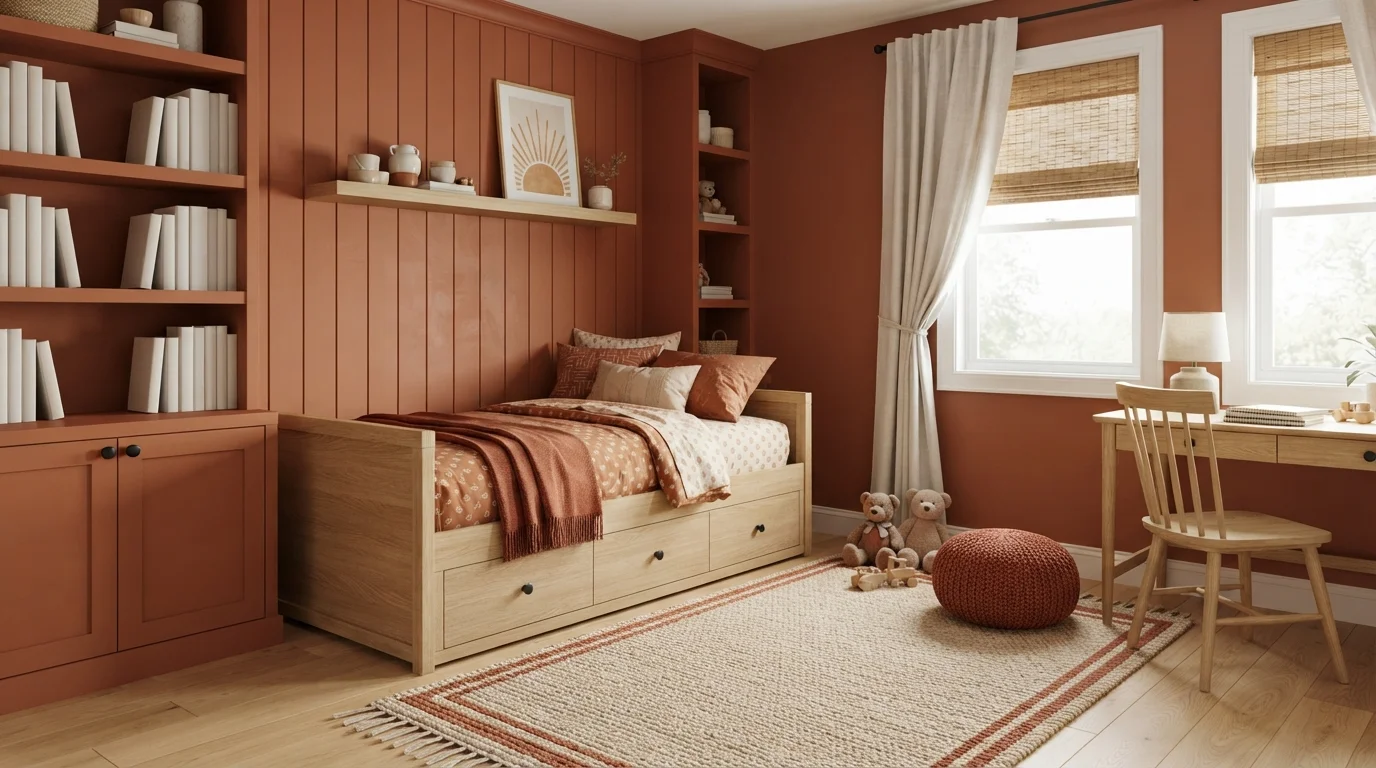
Orange is back — not the saturated 1970s shag-carpet orange, but warm earth tones (terracotta, rust, sienna), soft peach and apricot, and the cult-favorite coral and persimmon shades that designers reach for as a softer alternative to red. The family runs from pale peach near-pinks through warm earth oranges to deep rust and burnt-sienna territory.
Editor's Picks: Orange for Kids Rooms
4 picks30 Orange Picks Across the LRV Range
30 of 1,261 · sorted dark → lightLooking for more? All orange → covers every brand; brand × family pages show full decks.
Orange Kids Room Colors at Every US Brand
21 brands · up to 10 picks eachUp to 10 picks per brand spread across the orange LRV range, drawn from each brand's full deck. Tap any swatch with a curated guide for full spec; tap the brand title for the brand's complete orange deck.
Behr
Benjamin Moore
Valspar
Glidden
Sherwin-Williams
Dunn-Edwards
HGTV Home by Sherwin-Williams
Dutch Boy
PPG / Glidden
Hirshfield's
Kompozit
Diamond Vogel
C2 Paint
Farrow & Ball
Rodda
Annie Sloan
Magnolia Home
Clare
Portola Paints
Backdrop
Rust-Oleum
Other Kids Room Color Families
Orange Colors in Other Rooms
Orange Paint Colors for a Kids Room
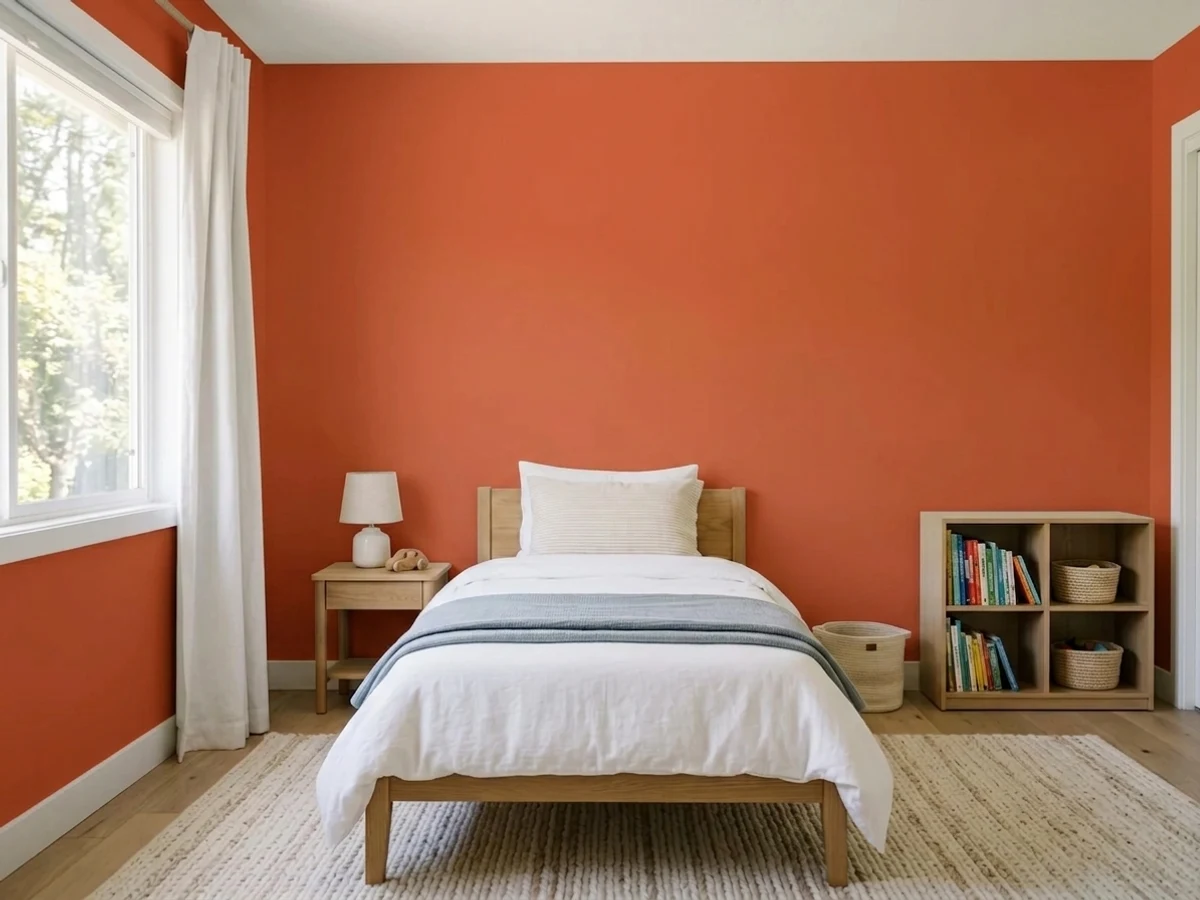
Orange is one of the few colors that actually matches how a kid feels. It is warm, loud, and full of energy, which makes it a natural fit for a play space, a reading nook, or a wall behind a desk. The trick in a kids room is steering that energy instead of letting it run the whole space. A full-strength pumpkin or tangerine can be fantastic on one wall and exhausting on all four.
This page is about using orange in a kids room specifically. We will cover which depth of orange holds up in this room, how the room's light changes the shade, what sheen survives sticky hands and washing, and how to pair orange with the white trim, light ceilings, and simple furniture most kids rooms already have. Every orange you see here is mixed to order at the paint counter, so you can pick the look first and cross-match it to whatever brand your store stocks.
Why Orange Works In A Kids Room
Orange is a happy, active color, and a kids room is one of the few places where that energy is welcome. It reads as friendly and playful without feeling babyish, so it can carry a child from toddler years into grade school. It also pairs easily with the bright primary toys, books, and bedding that end up in the room anyway.
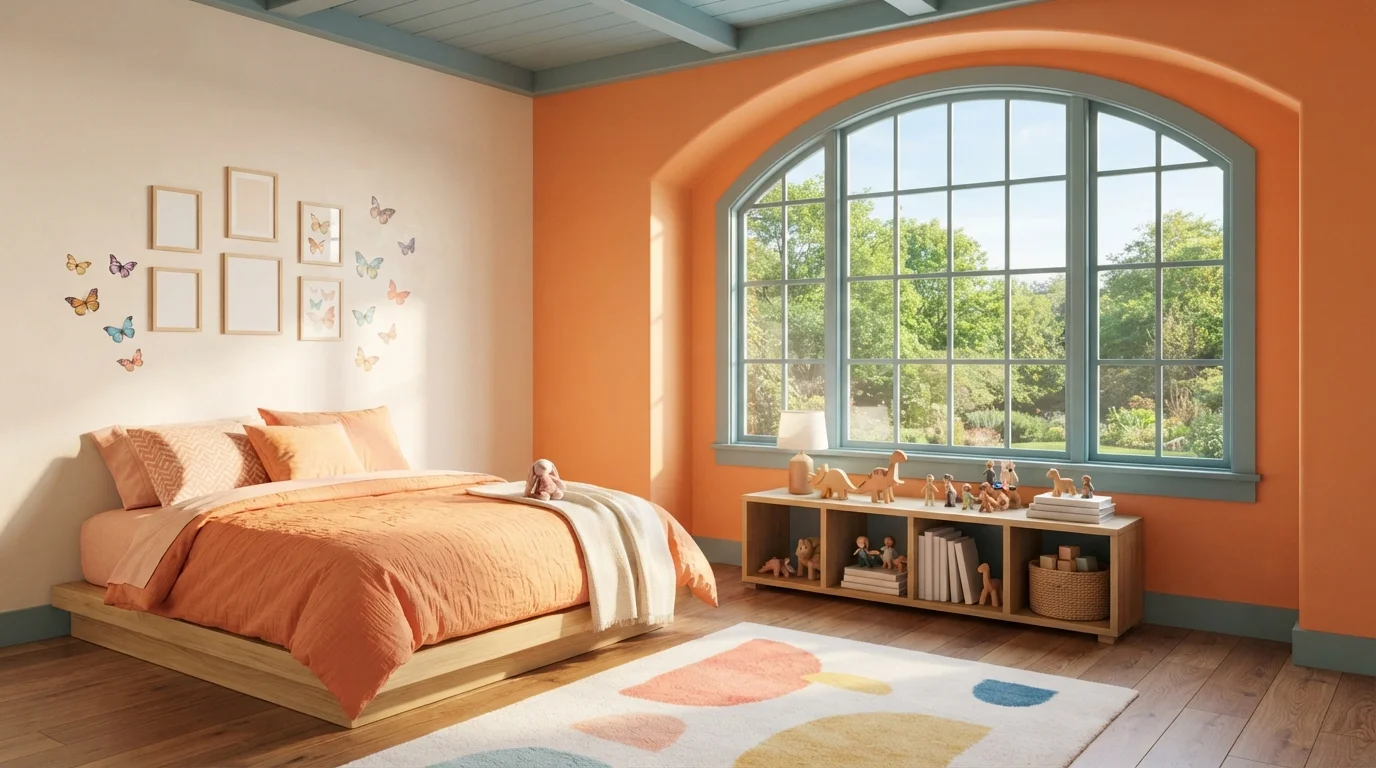
The thing to watch is intensity. Orange is a stimulating color, and a deep, saturated version on every wall can make a small sleeper feel wired at bedtime. The fix is usage, not avoidance: a softer orange overall, or a bold orange on a single accent wall with calmer walls around it.
The Right Depth Of Orange And How The Light Steers It
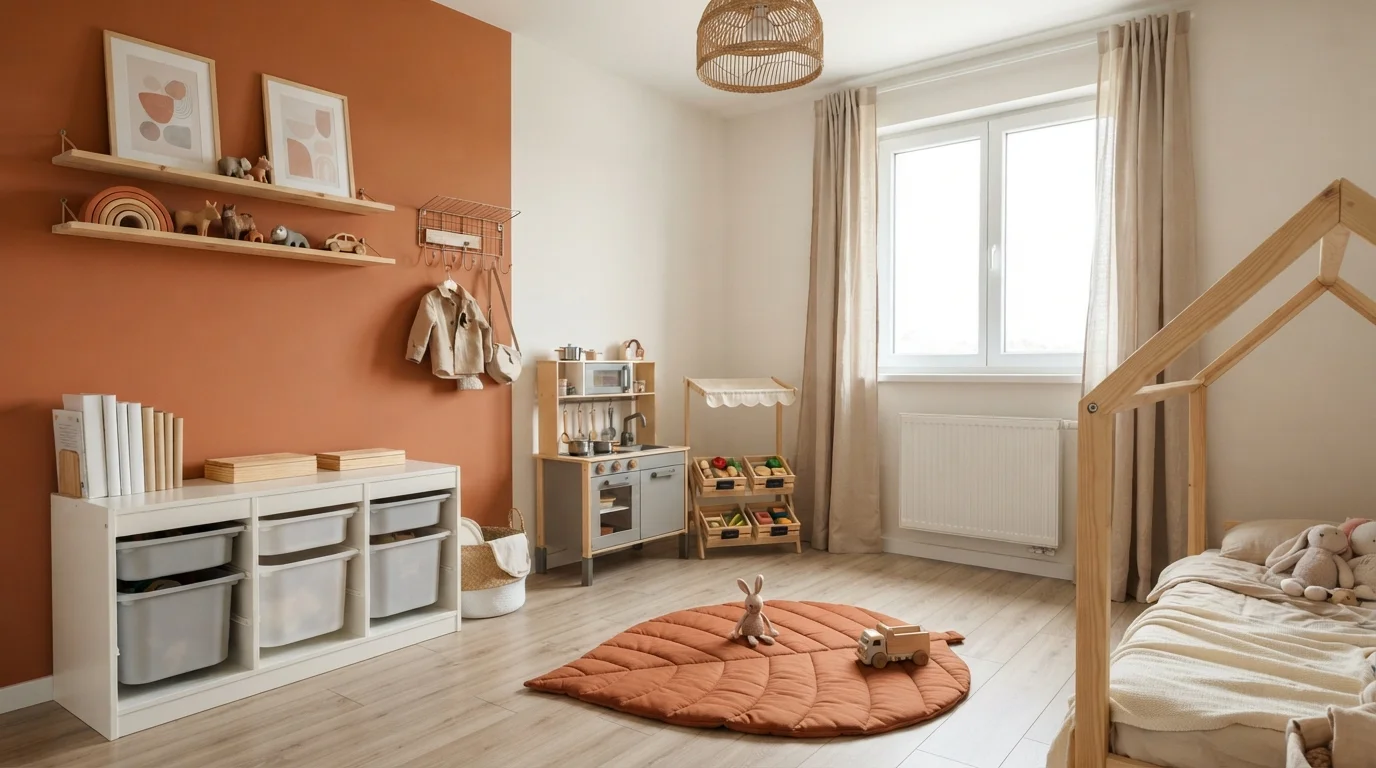
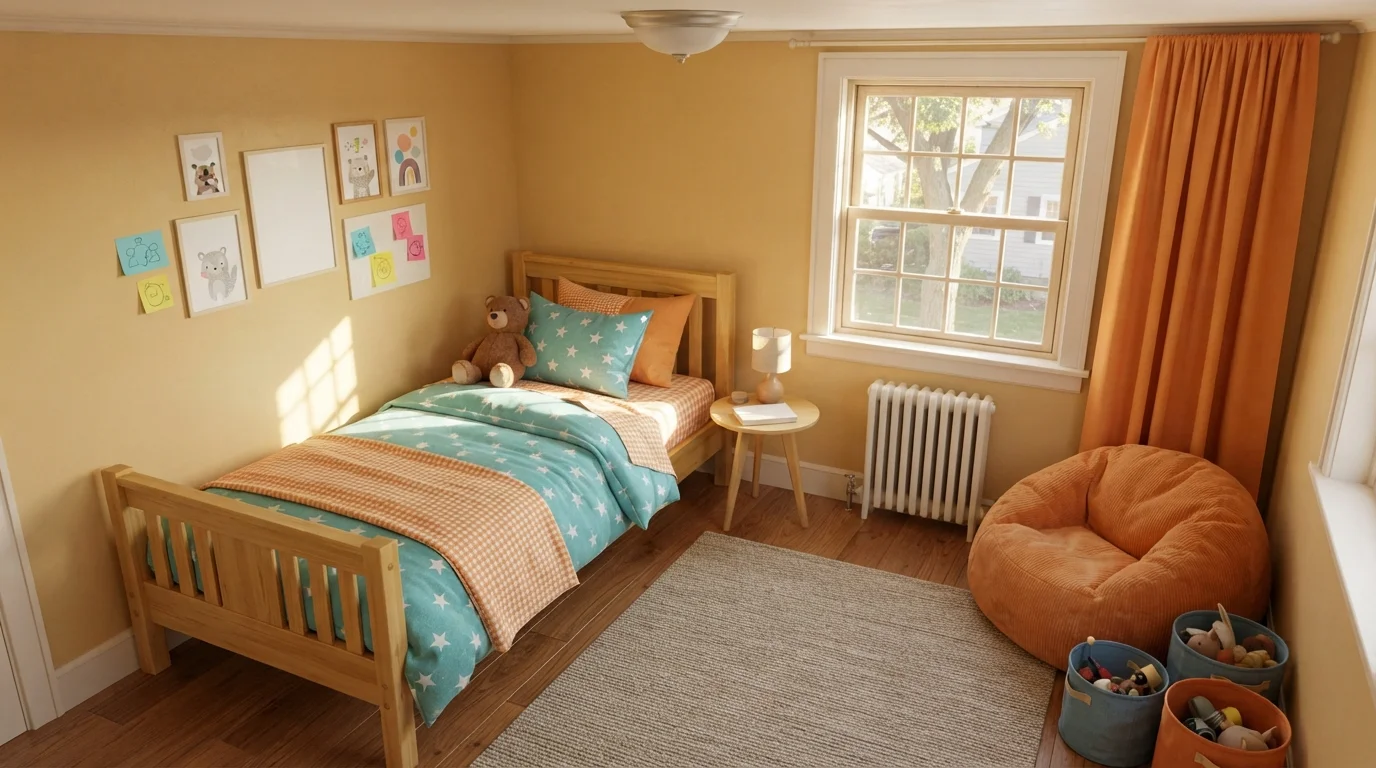
For most kids rooms, a softer mid-tone orange is the safe, livable choice. Think a warm peachy clay or a muted terracotta rather than a fire-engine spice. These shades usually sit in the LRV 45 to 65 range, which keeps the room bright and bouncy without going neon. Save the deep, high-chroma oranges (LRV under 30) for one accent wall, a closet interior, or a painted detail.
Light changes orange more than people expect. A room with strong south or west sun will push any orange warmer and more vivid, so lean a notch lighter or more muted than the swatch looks in the store. A north-facing or low-light room drains warmth, so a pale peach can turn dull there and a slightly deeper, richer orange holds up better. Always tape a sample to the wall and look at it morning and evening before you commit.
The Best Sheen For Kids Room Walls
Kids rooms take abuse: handprints, marker, scuffs from toys, and the occasional wall that gets used as a ladder. Go with a scrubbable finish. Eggshell or satin is the sweet spot for the walls because it wipes clean far better than flat and does not throw harsh glare back at you.
Reach for satin or semi-gloss on trim, doors, and the baseboards, since those are the high-contact, high-scuff zones. Skip dead flat on a kids room wall unless you accept that you will be touching up often. If a corner of the room doubles as an art or craft area, a true washable or scrubbable matte made for high-traffic rooms is worth the small price bump.
Pairing Orange With Trim, Ceiling, And Furniture
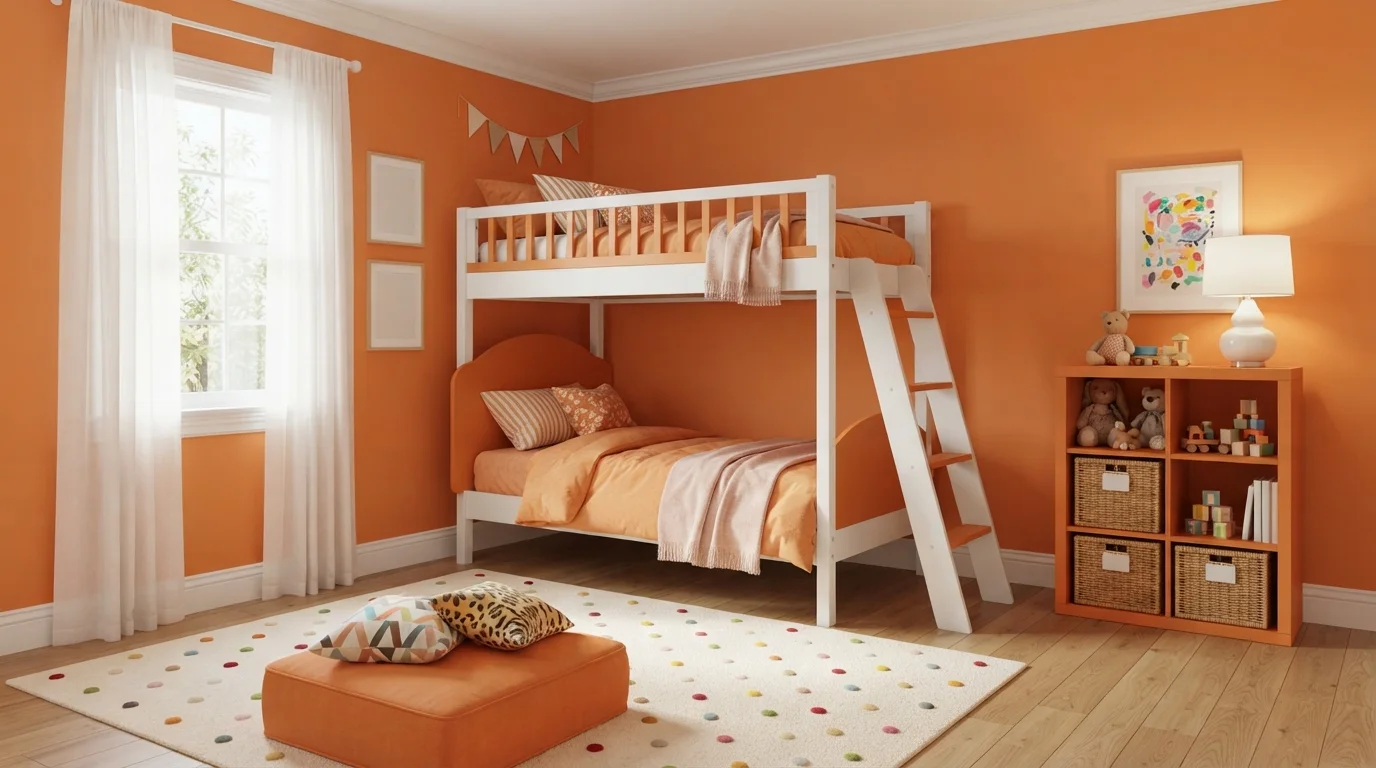
Orange behaves best when the rest of the room stays calm. Keep trim and the ceiling a soft white or warm off-white so the orange is the star and the room still feels light. A crisp white trim makes a bold orange pop; a warmer creamy white softens the whole thing and feels cozier for a nursery or younger child.
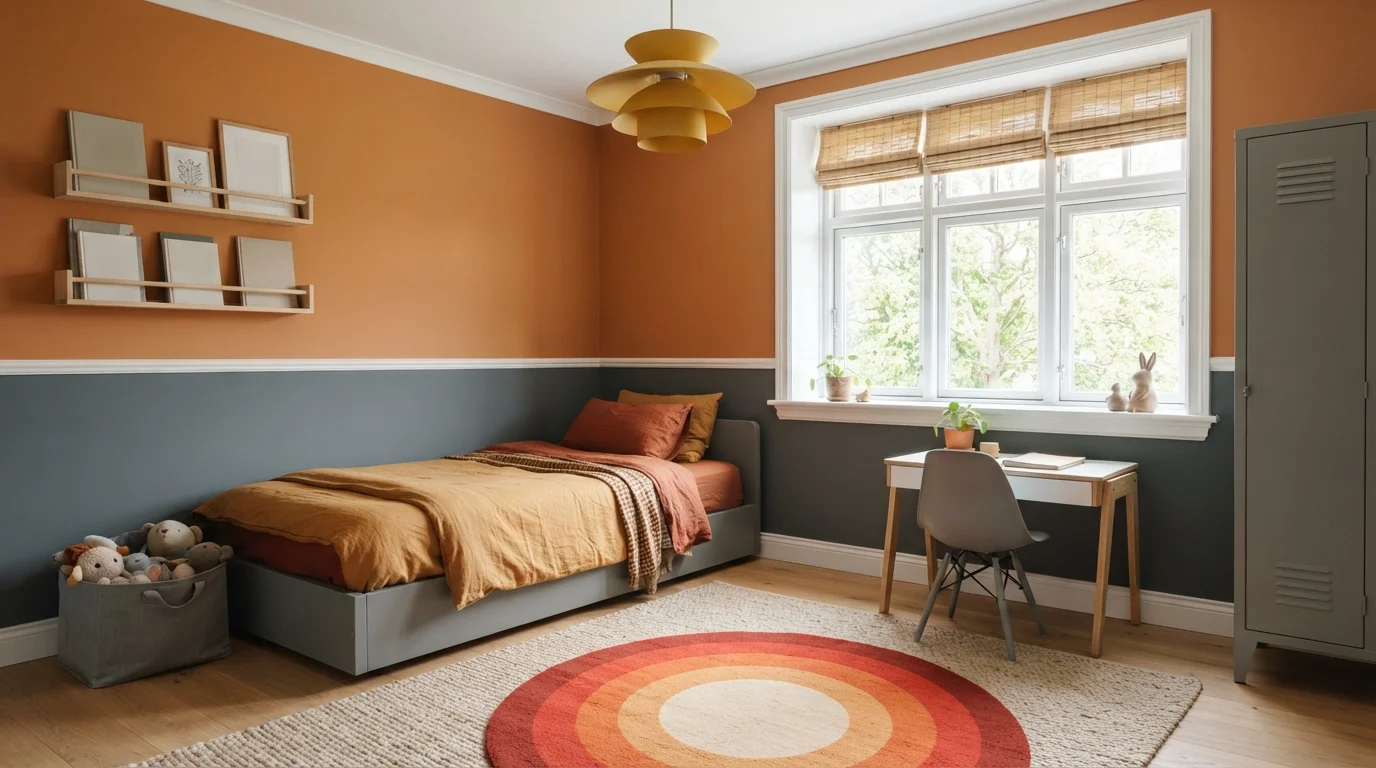
For the fifth wall, a plain light ceiling keeps a saturated orange from closing the room in. With furniture, natural wood is orange's best friend, and so are navy, denim blue, and soft green, which all cool the warmth down. If you want contrast that still feels kid-friendly, a charcoal or deep teal accent grounds a bright orange without making the room feel grown-up and heavy.
Common Mistakes With Orange In A Kids Room
The biggest mistake is going too saturated on every wall. A deep orange wrapping the whole room can feel intense in daylight and over-stimulating at night, which is the last thing you want where a child sleeps. If you love a bold orange, put it on one wall and pull a quieter version of it onto the rest.
The second mistake is ignoring undertone. Some oranges lean pink-coral and some lean brown-terracotta, and they read completely differently against the same bedding or rug. A close third is buying off the chip alone: oranges shift hard under real room light, so test a real sample on the wall first. Once you find the exact look, it can be mixed to order and cross-matched between brands, so you are never locked into one paint line.
Orange Kids Room Paint — Frequently Asked Questions
Is orange too stimulating for a kids room?+
It can be if you use a deep, saturated orange on every wall, since orange is an energizing color and that much of it can make winding down for bed harder. A softer mid-tone orange overall, or a bold orange on just one accent wall, gives you the fun without the over-stimulation. For a nursery or a calm sleeper, lean toward muted peach and clay tones.
What shade of orange is best for a small kids room?+
In a small room, stick with a lighter, softer orange in the LRV 50 to 65 range, like a warm peach or muted apricot, so the space stays bright and feels open. A deep orange on all four walls will shrink a small room visually. If you want a bold orange in a small space, limit it to one wall and keep the others light.
What sheen should I use on kids room walls?+
Use eggshell or satin on the walls because both wipe clean and stand up to fingerprints, marker, and scuffs far better than flat paint. Use satin or semi-gloss on trim, doors, and baseboards, which take the most contact. Avoid dead flat unless you are comfortable touching up the walls often.
What colors go with orange in a kids room?+
Soft white or warm off-white trim and ceilings let the orange shine while keeping the room light. Navy, denim blue, soft green, and natural wood all cool the warmth and feel kid-friendly. For grounding contrast, charcoal or deep teal works without making the room feel too grown-up.
Will an orange wall look the same in my room as in the store?+
No. Orange shifts a lot under different light, going more vivid in bright south or west sun and duller in a north-facing or dim room. Always tape a real sample to the wall and check it in the morning and the evening before you buy a full can.
Can I get the same orange in any paint brand?+
Yes. Every color shown here is mixed to order at the paint counter, and a given orange can be cross-matched between brands. Pick the look you want first, then have your store match it in whatever paint line they carry.