Alpaca
The warm neutral designer blogs call a chameleon, reviewed honestly: where it settles into a quiet taupe-gray, the light that flashes it violet, and what to pick instead.

Jessica has spec'd whites and neutrals for more than 300 rooms and keeps a sample wall of painted drawdowns in her studio. Every color review is checked against real reader rooms in the comments and re-tested when a formula changes. About the testing process →
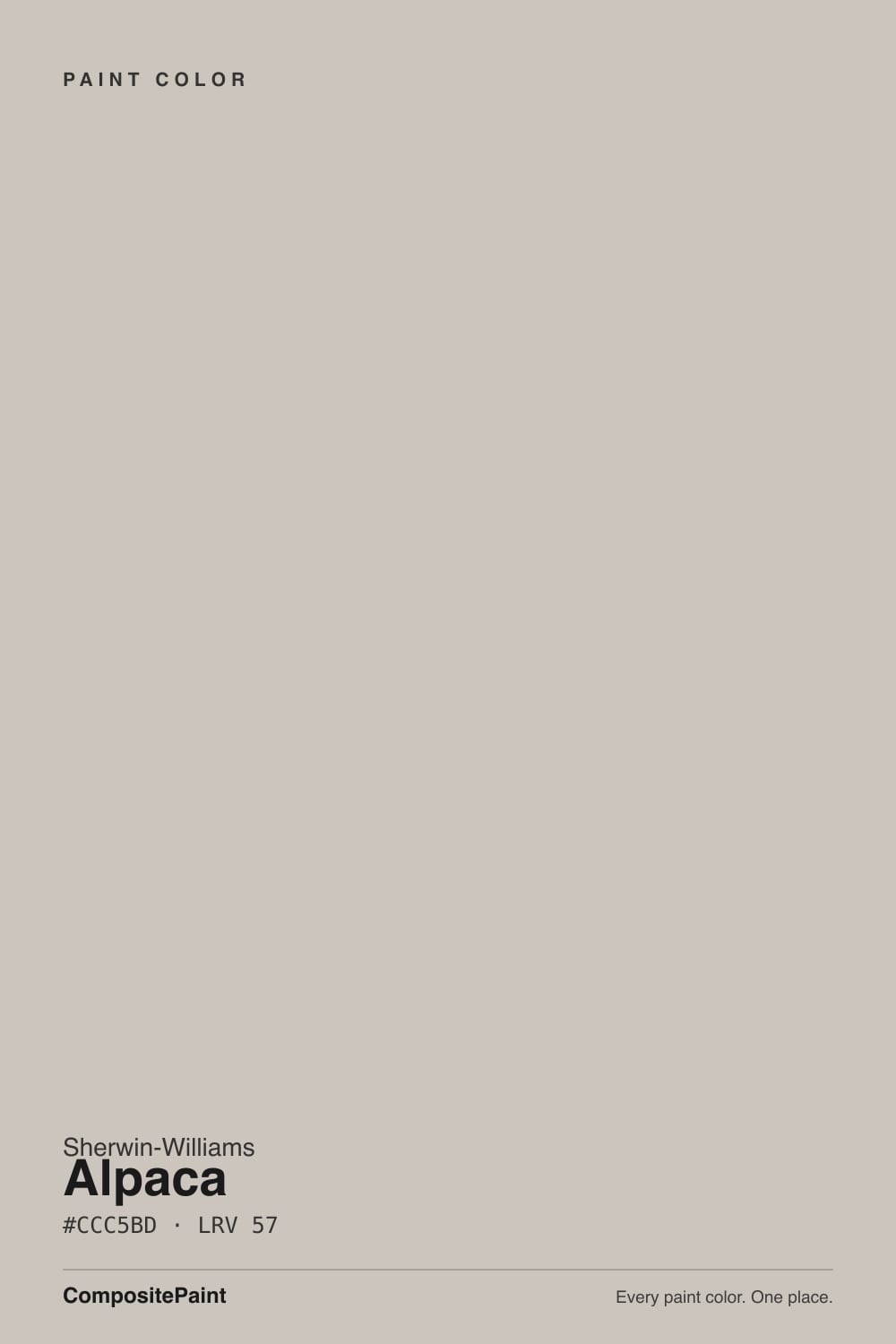
- 1Dorian Gray39
- 2Mindful Gray48
- 3Alpaca57
- 4Pale Oak69
- 5Shoji White74
The Fast Verdict
Alpaca is what happens when a Sherwin-Williams greige refuses to stay boring. It sits in the same safe warm-neutral lane as Agreeable Gray and Accessible Beige, but underneath the gray-taupe base runs a genuine violet-pink undercurrent — quiet in warm daylight, unmistakable in cool light. That's not a flaw so much as the whole point: it's a greige with more personality, for buyers willing to manage the light it needs.
Whole-house warm neutral in consistent daylight · living rooms and bedrooms that want more depth than a flat greige · exteriors and rooms with black accents · anyone who finds Agreeable Gray a little too safe
You want a color with zero undertone drama · your room runs on cool-white LEDs or stays dim and north-facing · your trim is a warm, creamy-yellow white · you're pairing with cool blue-grey stone or tile
- Genuinely more depth and personality than a flat greige default
- Warm daylight keeps it a quiet, sophisticated taupe-gray
- Reads modern and grounded next to black trim, doors, or islands
- Deck LRV 57 keeps rooms bright without going stark
- A whole-house neutral that never quite reads boring
- Violet-pink undertone can surface in cool or dim light
- Clashes with warm, creamy-yellow trim whites
- Not the color to pick if you want zero undertone drama
- Needs consistent light across rooms to stay one consistent color
What Color Is Alpaca, Really?
Alpaca sits in the same warm-neutral family as Sherwin-Williams' bigger names — Agreeable Gray, Accessible Beige — but the designer blogs that cover it describe something with more edge: a genuine chameleon that blurs the line between warm gray and taupe rather than settling into either. At deck LRV 57 it sits in the same light-mid band as Agreeable Gray (LRV 60) and Accessible Beige (LRV 58), so on paper it looks like one more safe SW greige. On the wall it's a notch more interesting, because underneath the gray-taupe base sits a real violet-pink undercurrent — subtle in good light, unmistakable in the wrong light or the wrong pairing.
That undercurrent is Alpaca's whole identity. One owner who painted an entire house in it reported that the purple "never looked purple" under their particular light — which is the honest truth about this color: it depends entirely on what light you give it. Warm afternoon sun and warm-toned neighbors keep it reading as a soft, cozy taupe-gray. Cooler daylight, cool-white bulbs, or a creamy-yellow trim color can pull the violet forward until the wall reads faintly lavender instead of neutral — exactly the complaint that shows up in the color's write-ups.
Undertone in one line: a blurred gray-taupe base with a violet-pink undercurrent that surfaces in cool light — never a plain beige, never a plain gray. If your sample looks purple on the wall, that's real; it isn't your monitor or your imagination.
Where It Shines
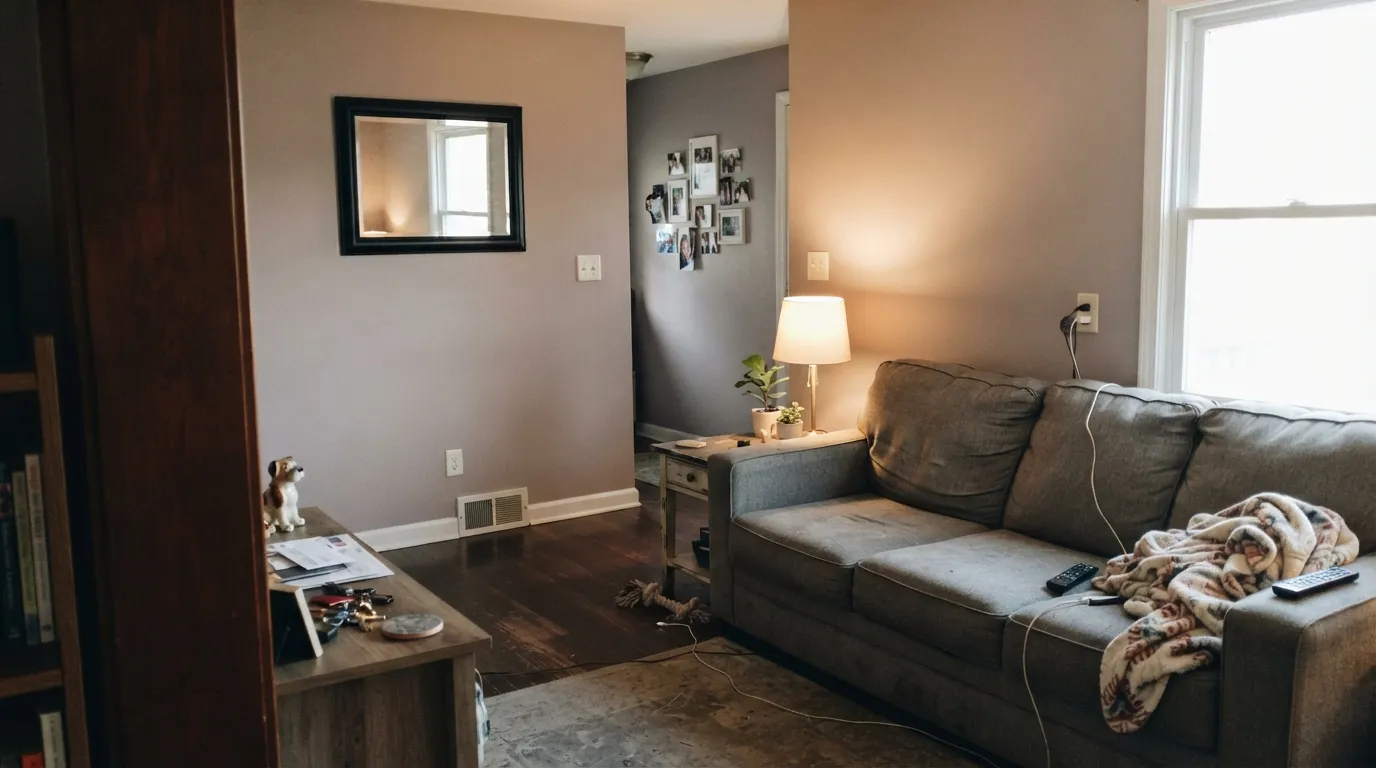
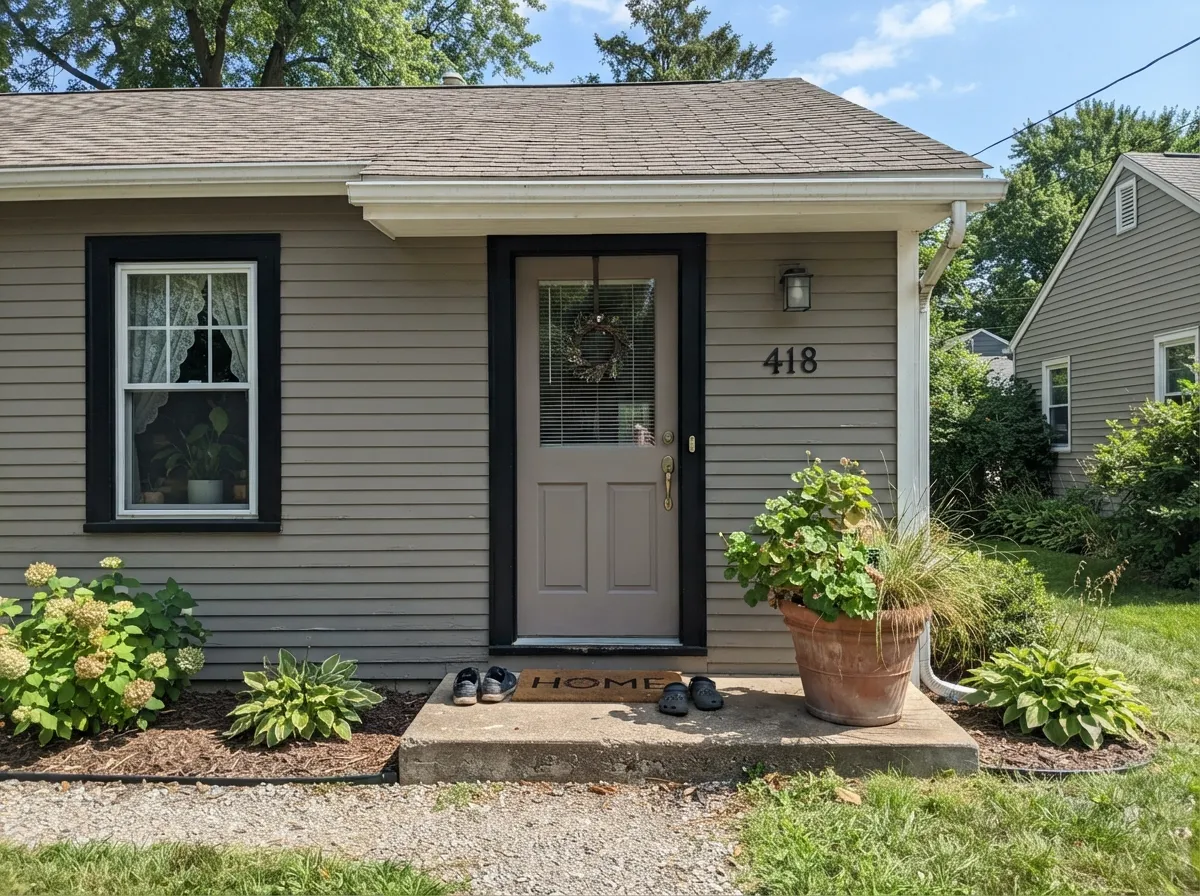
Give it warm, consistent daylight and warm-toned neighbors and Alpaca settles into a quiet, sophisticated taupe-gray that works as a whole-house neutral without ever going flat. Designers reach for it as the more interesting alternative to Agreeable Gray — the same safe mid-tone role, more depth once you're standing in the room. It pairs especially well with black accents — a door, an island, window frames — which sharpen the taupe and keep the violet from wandering; that's the pairing design blogs point to first.
Where It Fails
Almost every complaint about Alpaca traces back to one of three things, and all three are avoidable if you sample big before committing. None of them are the paint failing — it's the color being exactly as complex as its own fans warn.
Cool north light or cool-white LEDs pull the violet-pink undercurrent forward and mute the taupe warmth, so the wall can read faintly lavender or dusty-mauve instead of the warm neutral you expected. Warm 2700K bulbs and any real daylight keep it in gray-taupe territory; if your room stays dim and cool year-round, sample big before you commit.
Design blogs flag this exact pairing: a warm, buttery trim white sitting next to Alpaca's violet undertone creates an odd, slightly muddy contrast instead of a clean one. Go with a neutral-to-cool trim white — Pure White or Extra White — not a warm ivory.
If Agreeable Gray's total lack of drama is what you're after, Alpaca is a step in the wrong direction — it's a genuinely more colorful, more chameleon-like neutral, and its fans and critics agree on that much. Buyers expecting flat safety are the ones posting disappointed reviews.
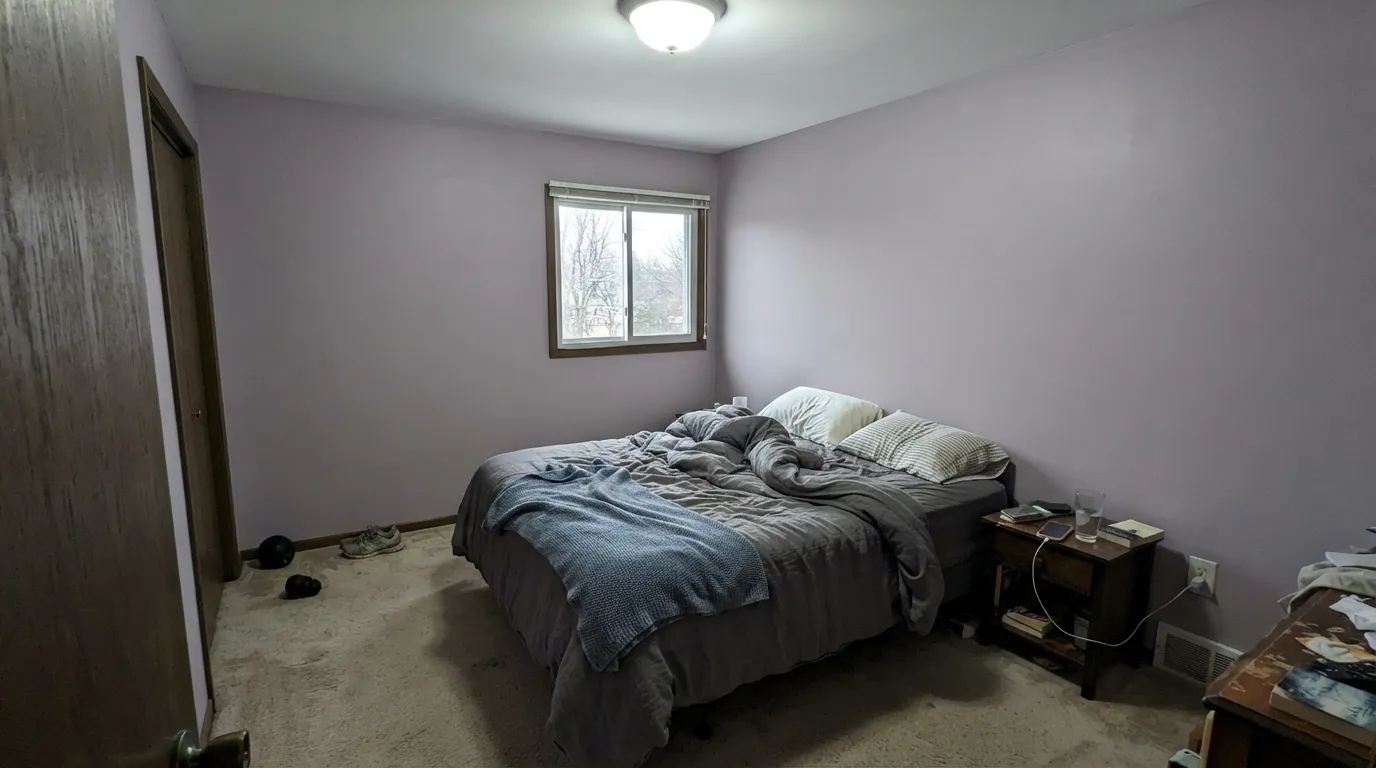
Room by Room
In warm daylight the taupe-gray settles in and reads sophisticated; a black-framed mirror or a dark furniture leg keeps the violet grounded instead of wandering. Eggshell finish for durability.
Cozy and quiet under warm lamps. Swap to 2700K bulbs if the room leans cool, or the color drifts toward a muted lavender-gray after dark instead of the warm neutral you painted.
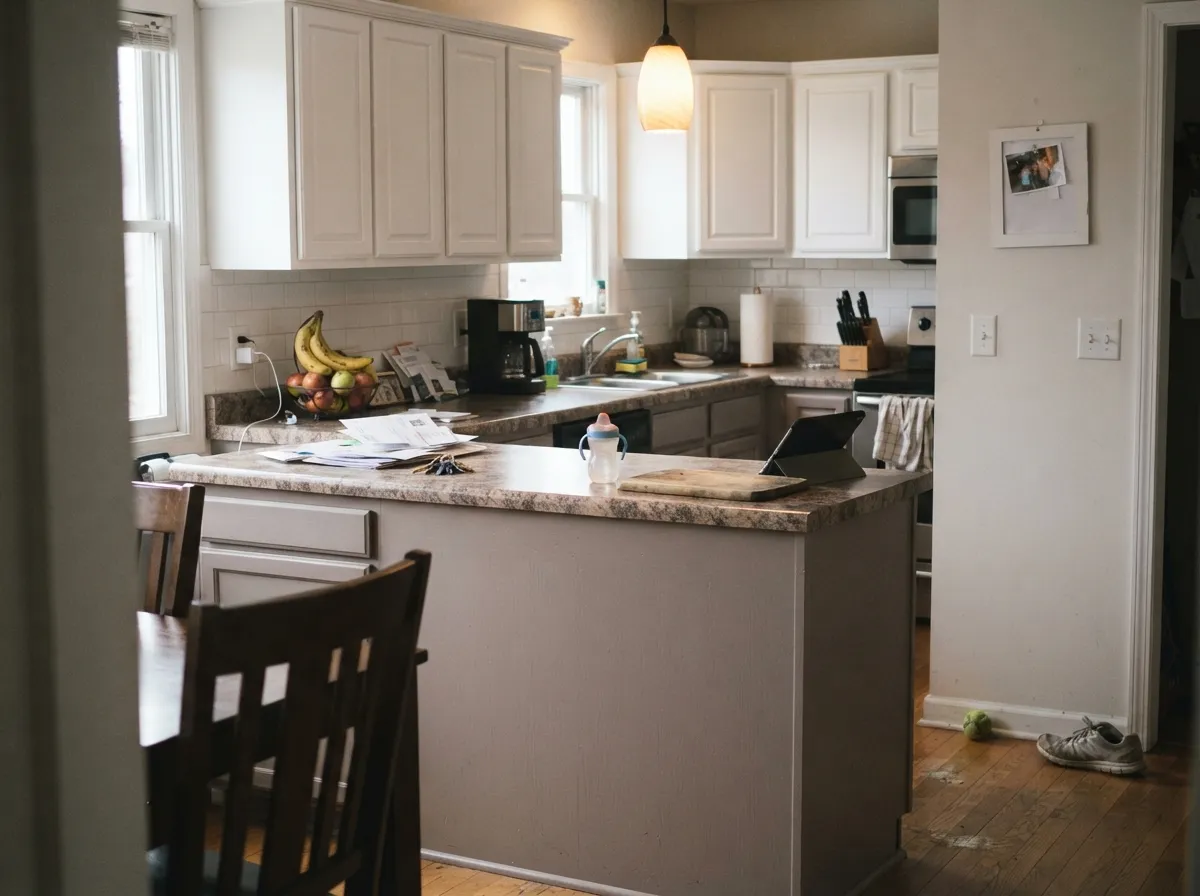
Works nicely on an island or lower cabinets against white uppers. Keep countertops and backsplash on the warm-to-neutral side — cool white quartz has a way of needling the violet undertone forward.
A dark trim or door pairing reads modern and grounded in full sun, and outdoor daylight is usually bright enough to keep the violet undertone quiet — exteriors tend to be a safer bet than dim interiors.
Pure White or Extra White trim keeps the wall reading clean. A warm ivory trim is the one pairing to avoid; it's the mismatch behind most of the muddy-looking rooms.
Because the undertone shifts with light, a whole-house Alpaca scheme works best when every room gets similar daylight. Wildly different light between rooms can make the color look like it's changing personality room to room — because it is.
Your Light Is the Risk
South or west sun keeps the taupe-gray grounded and the violet nearly invisible — the color's most flattering, most-requested look.
The violet-pink undercurrent comes forward and the wall can read dusty lavender instead of warm neutral. Sample here first, not in the showroom.
Cooler and grayer in the morning, warmer and more taupe by afternoon — a bigger swing than most SW greiges make in a single day.
2700K bulbs hold the taupe warm and cozy. Cool-white LEDs push it back toward gray-violet — swap the bulbs before you swap the paint.
Most complaints about Alpaca are a light mismatch. Upload a photo of your actual room and see it on your walls — then ask for the same wall in north light or evening lamps before you buy a single sample.
Need It From Another Brand?
Any paint counter can custom-tint Sherwin-Williams SW 7022 directly. If you would rather stay in one brand's own deck, these are the closest stock matches, measured as ΔE2000. Under 2 is a difference you will not see on the wall.
| Brand | Closest color | ΔE | LRV | |
|---|---|---|---|---|
| Behr | Doeskin GrayN200-2 · Behr | 1.0 | 55 | Color page → |
| Benjamin Moore | London Fog1541 · Benjamin Moore | 1.7 | 57 | Color page → |
| Valspar | Notre Dame5006-1B · Valspar | 3.1 | 56.8 | Color page → |
| PPG / Glidden | IntuitivePPG1022-2 · PPG / Glidden | 0.9 | 57 | Color page → |
| Glidden | Shadowbox Beige10YY 56/060 · Glidden | 1.4 | 56 | Color page → |
| Dutch Boy | Centuryed Gray442-2DB · Dutch Boy | 0.0 | 57 | Color page → |
Similar Sherwin-Williams Colors
The nearest shades to Alpaca within Sherwin-Williams's own range, ranked by perceptual color distance — useful when you want the same look a touch lighter, darker, or warmer.
WCAG 2.1: AA is 4.5 : 1 for normal text, 3 : 1 for large text, AAA is 7 : 1.
Alpaca vs the Colors You're Also Considering
Every Alpaca sample board has the same rivals on it. The numbers show the real lightness gap — then it comes down to which risk you would rather live with.
Pick this if Agreeable Gray's total safety feels flat — Alpaca's undertone shift is the point, not a bug.
Sherwin-Williams SW 7029 · LRV 60Agreeable GrayPick this if you want zero undertone risk — Agreeable Gray is the calmer, safer greige with no violet flash to manage.
Pick this for something cooler and quieter than Accessible Beige's straightforward beige lean.
Sherwin-Williams SW 7036 · LRV 58Accessible BeigePick this for a warmer, more definitively beige neutral with the same safe-until-cool-light profile.
Pick this for more warmth and a taupe lean that Repose Gray doesn't have.
Sherwin-Williams SW 7015 · LRV 58Repose GrayPick this for a cooler, more modern greige with less undertone complexity to manage.
Pick this if you're set on Sherwin-Williams and want the version with a violet edge instead of Revere Pewter's own quirks.
Benjamin Moore HC-172 · LRV 56Revere PewterPick this if you're already committed to Benjamin Moore and want the same warm-neutral role, with its own light-dependent risk.
Worldly Gray SW 7043 shares the same LRV of 57 and a hex of #CEC6BB, a fraction warmer and yellower than Alpaca's #CCC5BD. Angora SW 6036, also LRV 57 (#D1C5BE), pushes the red channel higher, so it reads softer and slightly pinker. Soft Suede SW 9577 at LRV 57 (#D0C6B8) is the clearest tan of the group. In the other direction, Fortitude SW 9562 at LRV 56 (#C6C5C1) and Antimony SW 9552 at LRV 57 (#C7C8C1) shed the warmth for a cooler, greener gray.
Across brands, Dutch Boy Centuryed Gray 442-2DB and Alpaca HGSW 2467 from HGTV Home by Sherwin-Williams share the same hex. PPG Intuitive PPG1022-2 is 0.93 away, Behr Wheat Bread 720C-3 is 1.34, and Benjamin Moore London Fog 1541 is 1.69, all visually identical in normal room light. Valspar Notre Dame 5006-1B at 3.11 and Farrow & Ball Peignoir No. 286 at 3.30 are very close, but sample first.
Alpaca Coordinating Colors
The rule for coordinating with Alpaca: anchor it with a black or near-black accent, and keep trim on the neutral-to-cool side rather than warm ivory. Done that way, the violet undertone reads as depth instead of an accident. These are the partners that keep showing up together:
The Quiet Chameleon: Alpaca's Real Story
Alpaca has never been a Color of the Year and doesn't carry the name recognition of Agreeable Gray or Accessible Beige — its story is a quieter one. It shows up again and again on independent color-review blogs (Heathered Nest, Jenna Kate at Home, Kylie M Interiors) as the greige homeowners get pointed toward once they've outgrown the obvious picks and want a neutral with more depth in person than on the fan deck.
That reputation is earned honestly: the color's own fans describe it as "a true chameleon," and the write-ups spend more time on its violet-pink undercurrent than on hype. It's the workhorse-with-a-twist category — dependable enough to run through a whole house, distinctive enough that people notice it's not just another gray.
Alpaca With Wood Tones and Floors
Mid-to-warm wood — walnut, white oak, natural maple — sits comfortably against Alpaca; the wood's warmth balances the violet undercurrent without fighting it. Very yellow honey oak is the one wood tone that can needle the undertone forward, since strong yellow pushes any violet-leaning neutral to look cooler and more purple by contrast.
Floors matter as much as walls here. Warm-toned floors keep Alpaca reading taupe; cool gray-washed or gray LVP flooring can pull it the other direction, toward the lavender-gray its critics complain about. If your floors are cool gray, sample a large board above the actual floor before committing to walls.
Three Ready Palettes Built on Alpaca
A color is never alone on the wall. These are complete combinations in the 60-30-10 pattern, with the reason each one holds together. Every one opens in the visualizer.
Pure White keeps the trim clean and cool enough to hold back Alpaca's violet undertone, while Iron Ore gives the scheme one grounded dark note without competing with the wall's own complexity.
Try this palette in your roomThis is the pairing most often recommended for Alpaca: Tricorn Black sharpens the taupe and keeps it reading modern, while Repose Gray gives an adjoining room a calmer, less colorful neutral without breaking the palette.
Try this palette in your roomWhite Dove's warmth keeps Alpaca from tipping cool at night, and Wrought Iron adds one soft near-black note without the stark contrast true black would bring — the right register under warm lamps.
Try this palette in your roomAlpaca FAQ
Is Alpaca gray or beige?
Neither exactly — it's a genuine in-between greige-taupe with a violet-pink undercurrent that neither pure grays nor pure beiges have. In warm light it leans taupe; in cool light it can look almost lavender-gray.
Does Alpaca really look purple?
In the wrong light, yes — real owners and designer write-ups both confirm it. Cool overcast light or cool-white LEDs can pull a visible violet-pink cast. In warm daylight or under 2700K bulbs, most people never notice it.
What trim goes with Alpaca?
A neutral-to-cool white — Pure White or Extra White — keeps the wall reading clean. Avoid warm, creamy-yellow trim whites; that pairing turns the undertone contest into a muddy fight instead of a clean contrast.
Alpaca vs Agreeable Gray — which one?
Pick Agreeable Gray if you want zero undertone risk and total safety. Pick Alpaca if you want more depth and are willing to manage its light-dependent violet streak — the same deck role, more personality.
Does it work on exteriors?
Yes, and it's one of the pairings recommended most: Alpaca body with black trim or a black door. Full outdoor daylight is usually bright enough to keep the violet undertone quiet, so exteriors tend to be a safer bet than dim interiors.
Is Alpaca a popular color or a hidden pick?
It's not a Color of the Year and it doesn't have Agreeable Gray's name recognition. It's a quieter, designer-blog favorite that gets recommended as the "more interesting" alternative once homeowners feel confident moving past the obvious greige picks.
Have you painted with Alpaca?
Rate it — one tap helps the next reader decide.
Ask a Question