Paint Reviews, Guides, and Color 1,152 articles, every pick with a real con.
Independent paint and tool round-ups, project step-by-steps, color references and brand reviews. Every product pick lists a real weakness. No review without one.
 Explainer
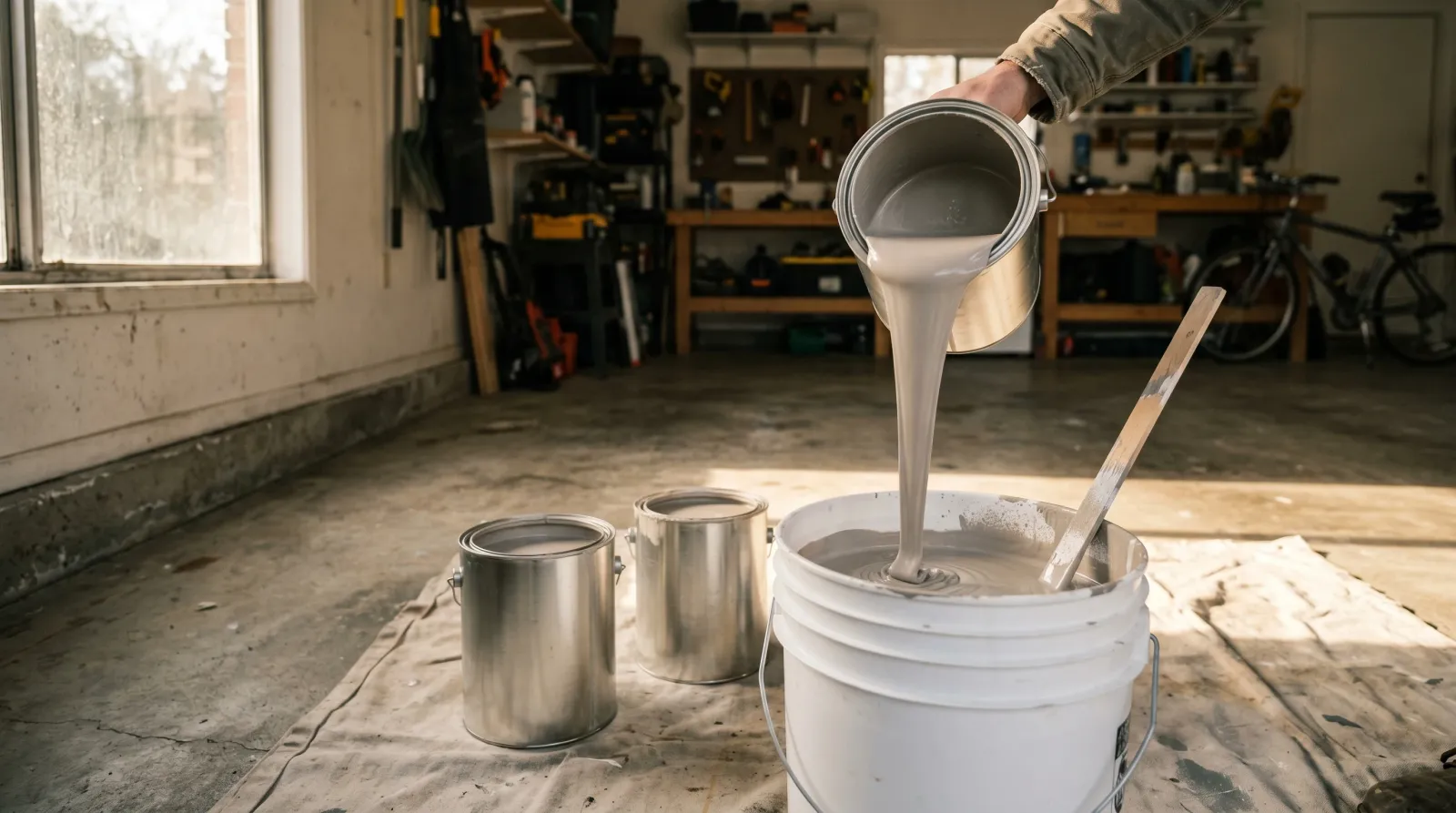
What Is Boxing Paint? (And Why It Matters for Color Consistency)
Boxing paint means pouring multiple cans of the same color into a 5-gallon bucket and stirring them into one batch. Here's why it saves a job.
June 1, 2026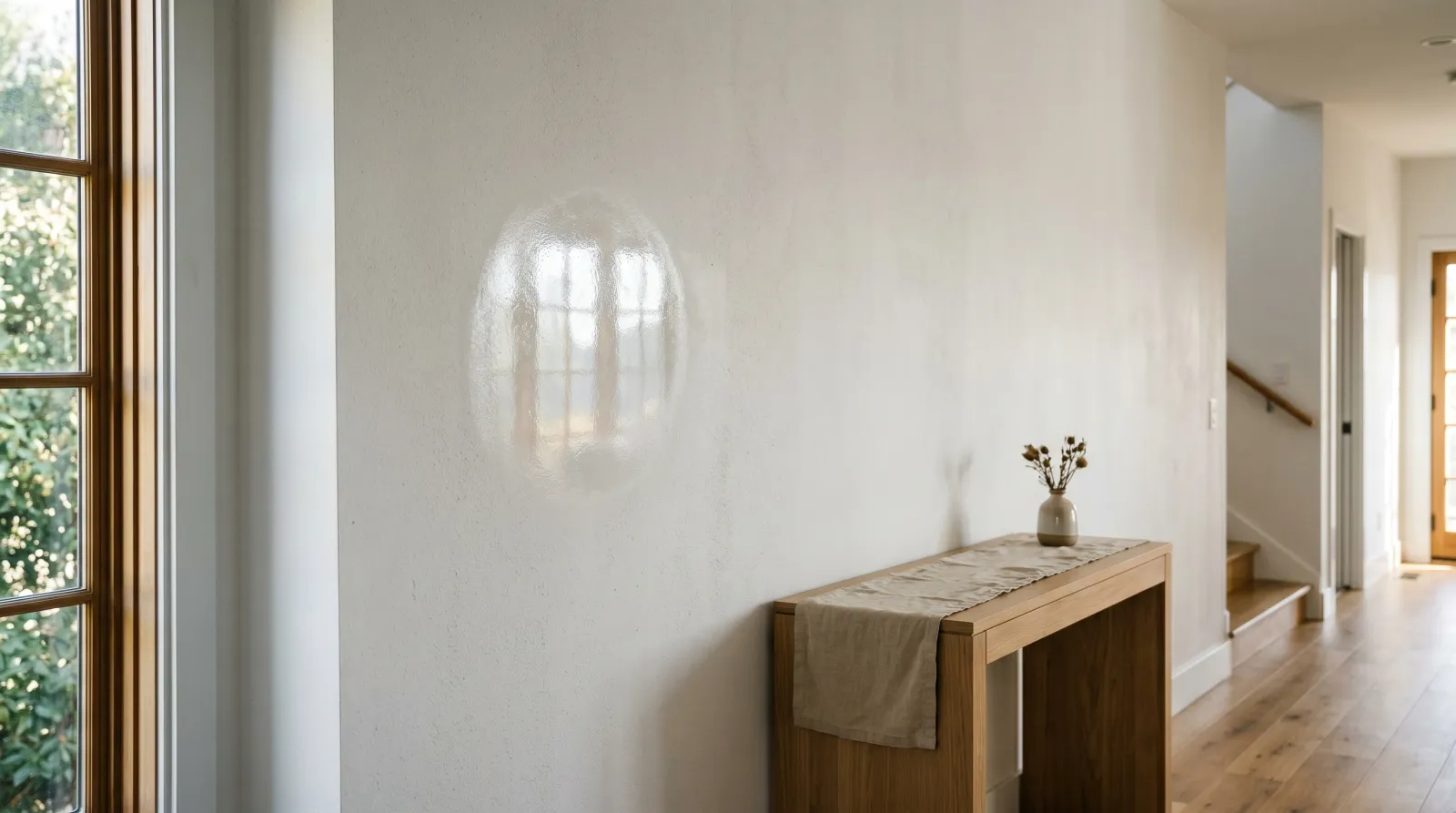 Explainer
What Is Burnishing? Why Matte Paint Goes Shiny Where You Touch It
Burnishing is mechanical polishing of a paint film by repeated rubbing. Here is the chemistry behind those shiny patches on matte walls, and how to keep them off.
June 1, 2026 Explainer
What Is Paint Film Formation?
Paint film formation is a two-stage process: water evaporates, then binder particles coalesce into a continuous film. Why 50°F matters and why full cure takes 30 days.
June 1, 2026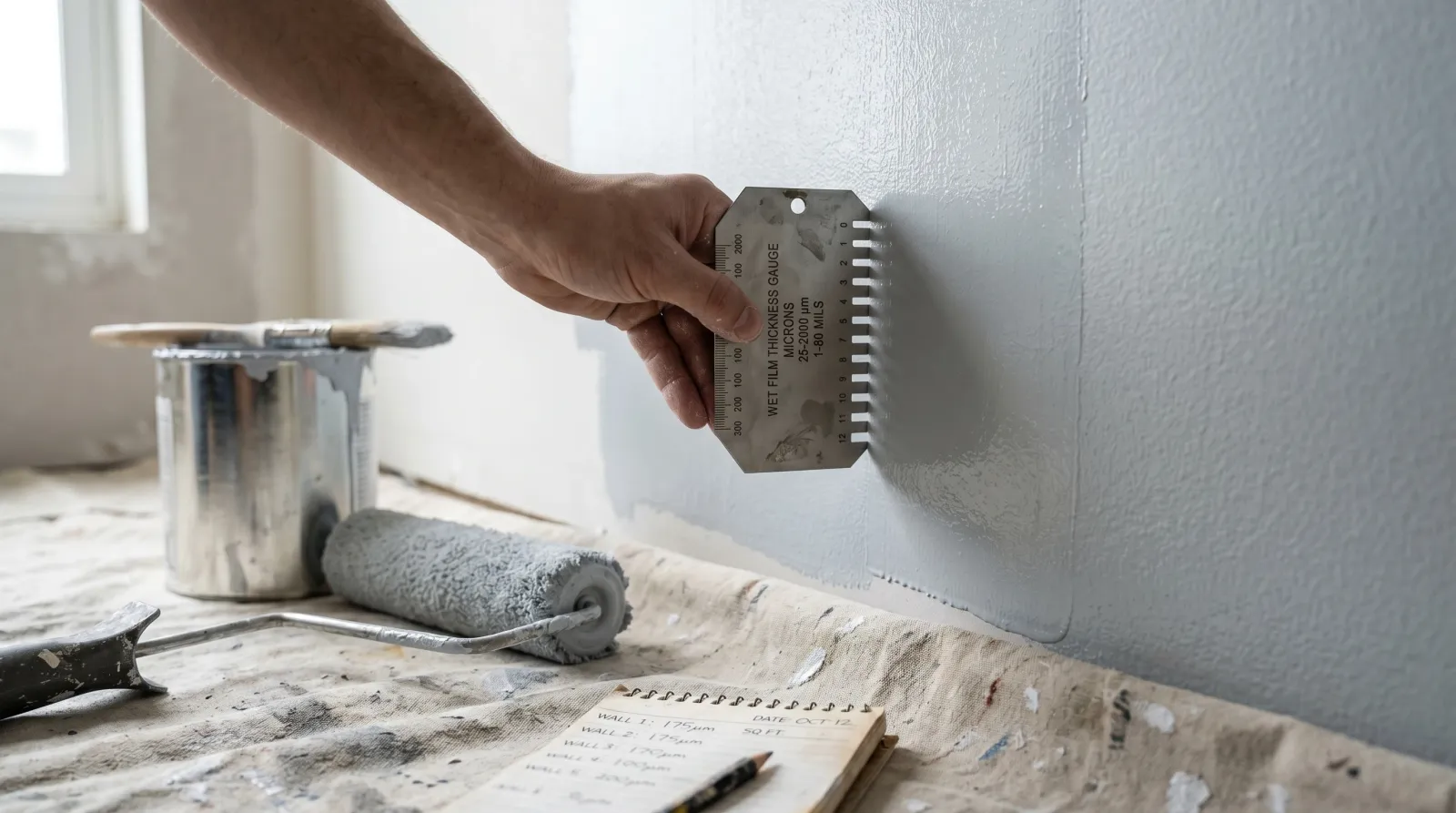 Explainer
Paint Mil Thickness Explained: Wet Mils, Dry Mils, and DFT
A mil is one thousandth of an inch. Wall paint goes on at 4 to 6 wet mils, dries to 1.5 to 2 mils DFT, and paint mil thickness is the number every coverage and durability claim is built on.
June 1, 2026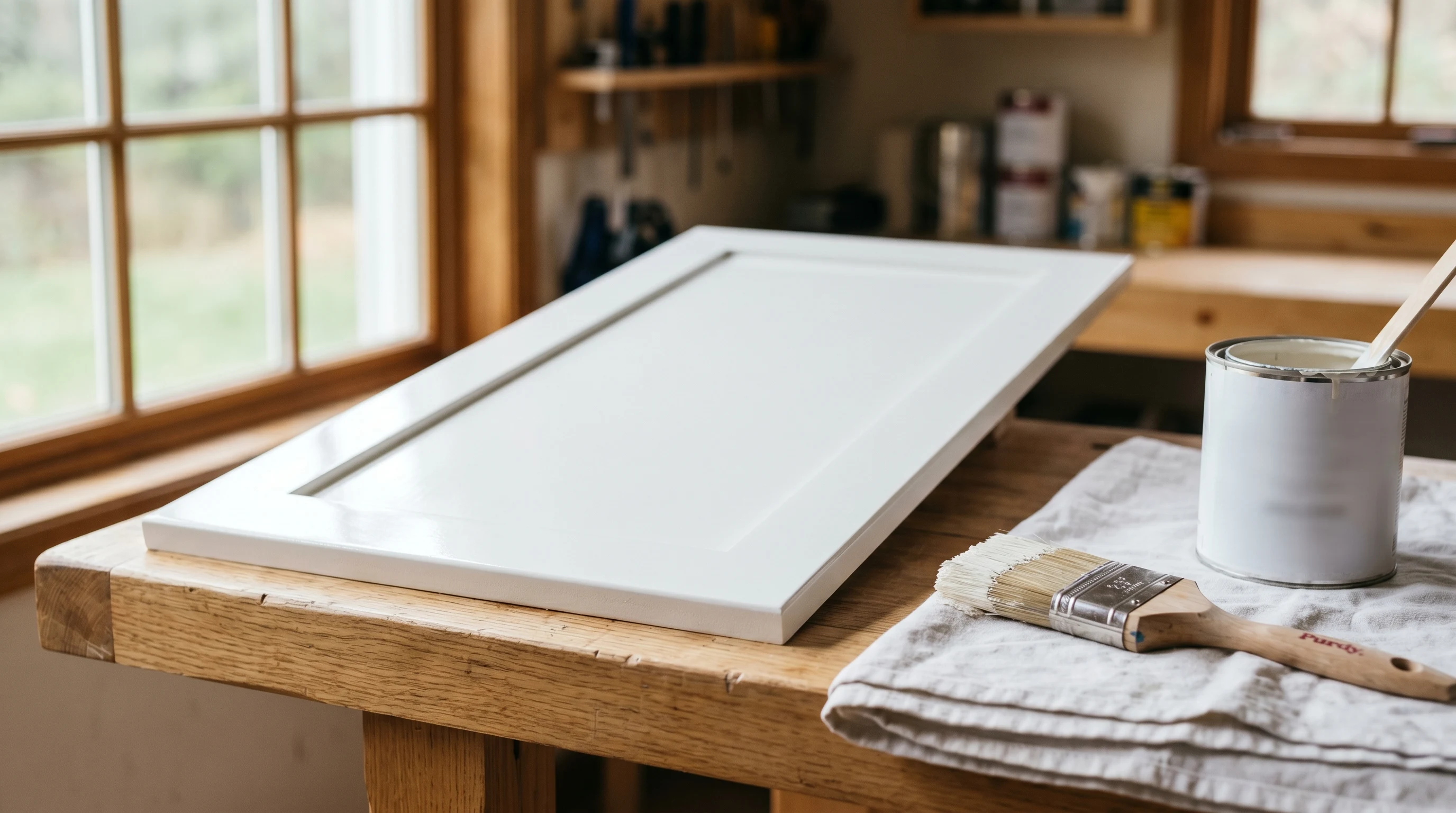 Explainer
What Is Alkyd Paint? Resin Chemistry, Cure Time, and When to Use It
Alkyd paint uses a synthetic polyester-and-oil resin that cures into a hard, glassy film. Here's the chemistry, the real data-sheet numbers, and why it became the cabinet and trim default.
June 1, 2026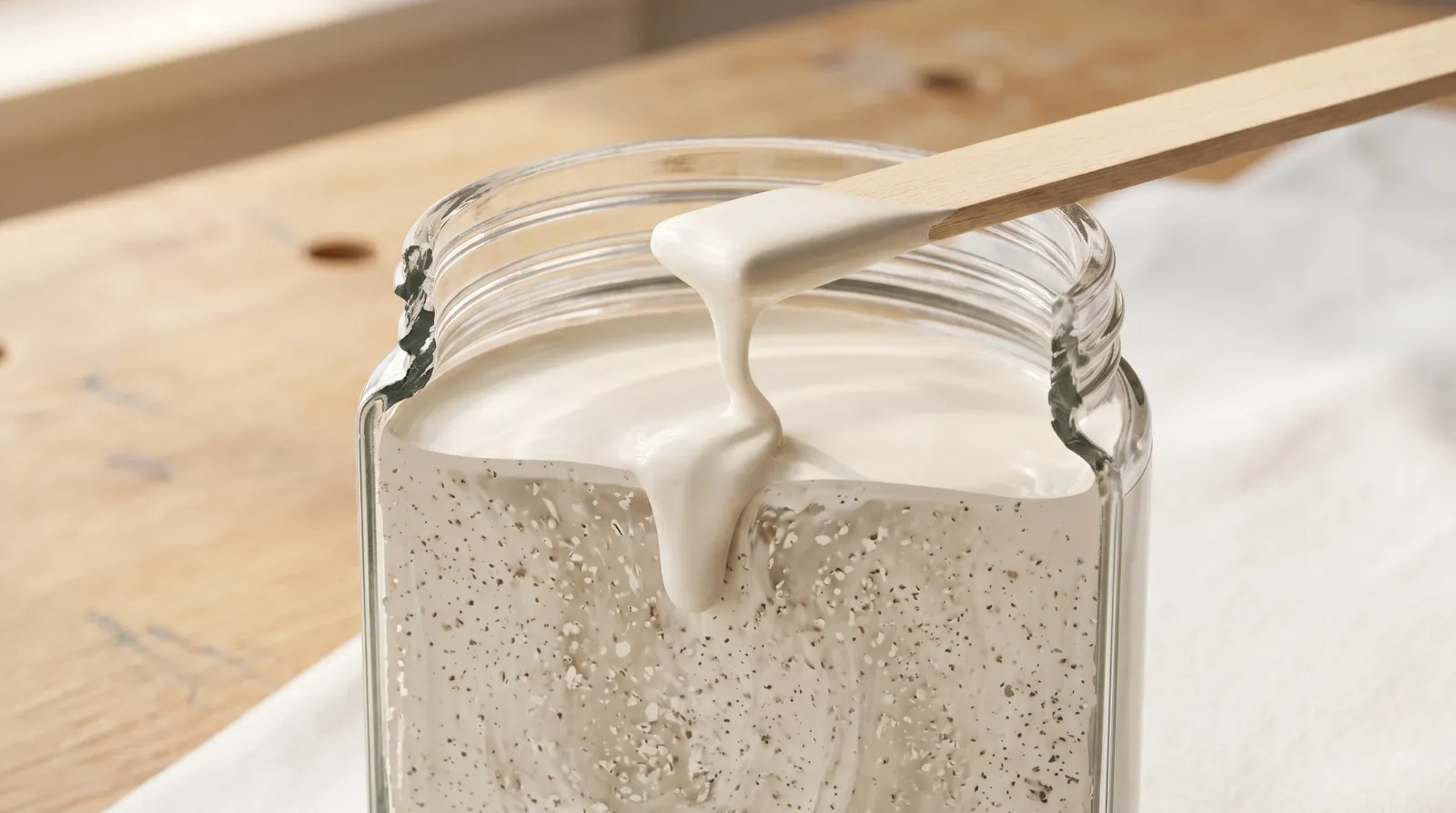 Explainer
What Is the Binder in Paint?
The binder is the glue. PVA, vinyl-acrylic, 100% acrylic, alkyd, urethane, epoxy — each binder type sets the film's hardness, flex, washability, and where the paint belongs.
June 1, 2026 Explainer
What Is Eggshell Paint?
Eggshell reads 10–25 gloss units at 85°. It's the soft-glow finish that quietly runs most living rooms and bedrooms in America. Here's why.
June 1, 2026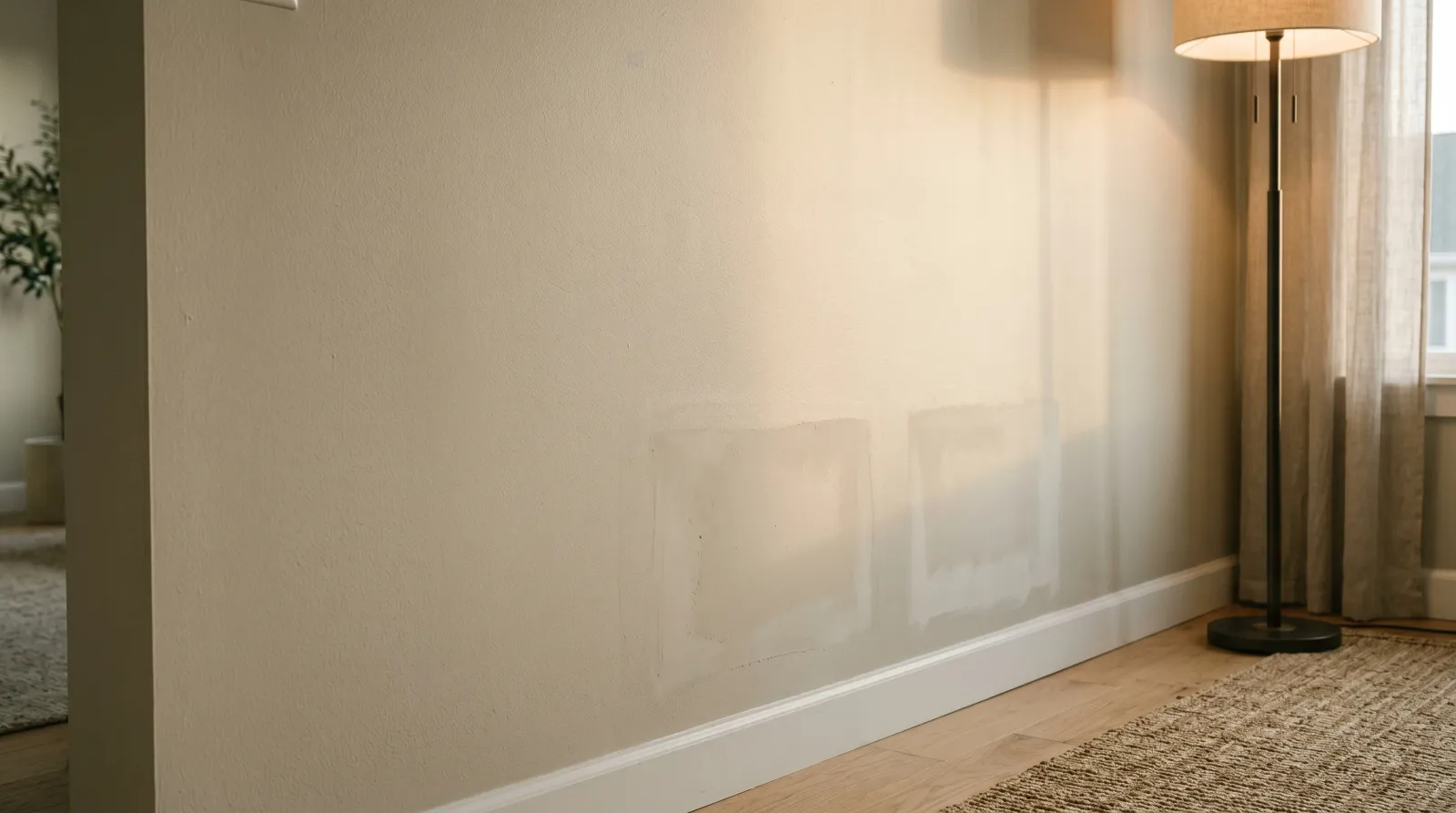 Explainer
What Is Paint Flashing? Uneven Sheen Explained
Paint flashing is uneven sheen across one wall, caused by uneven substrate absorption while the latex film forms. Here is the chemistry, the four variants, the primer that prevents it, and the fix.
June 1, 2026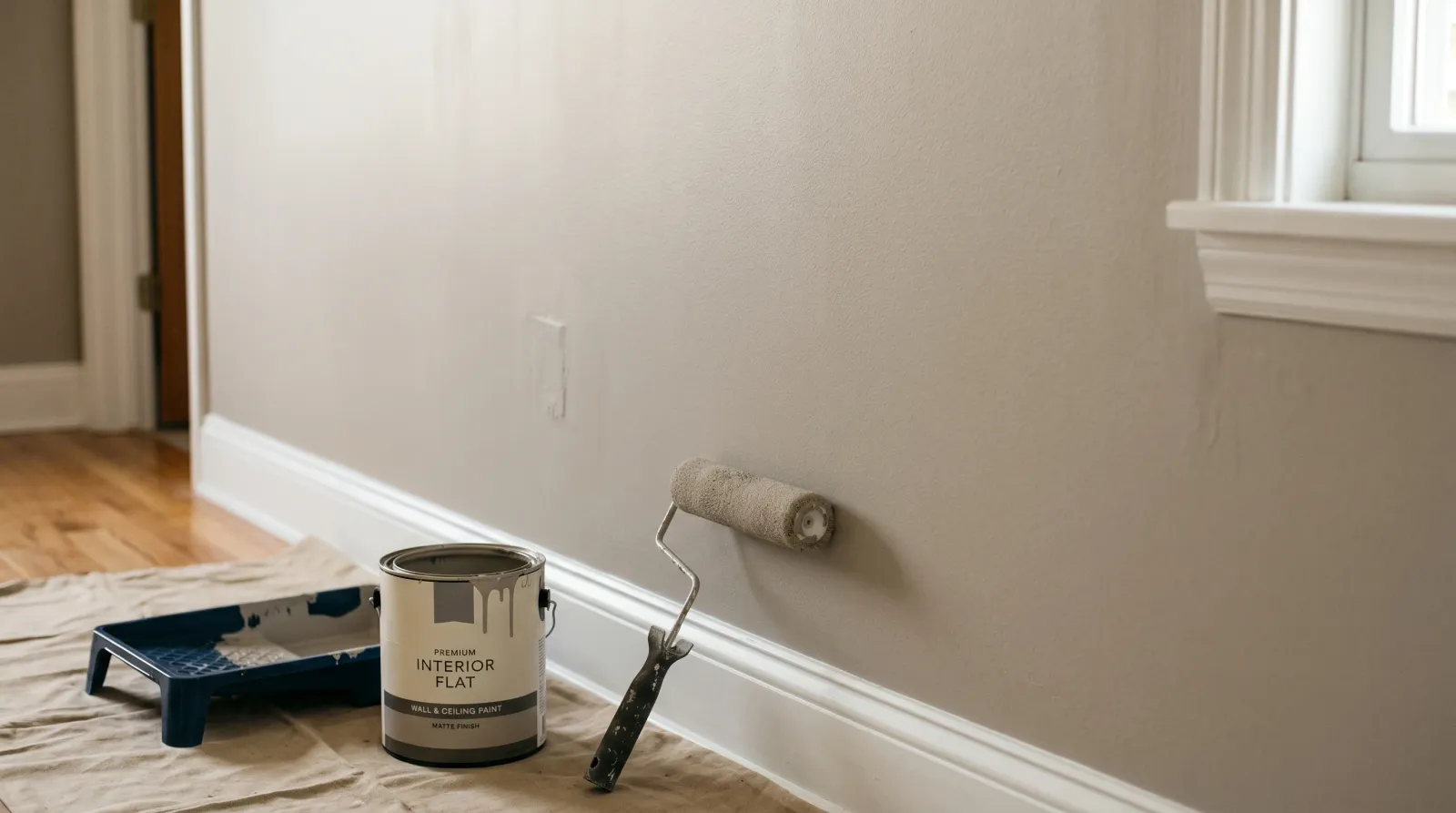 Explainer
What Is Flat Paint?
Flat paint hides drywall imperfections because its pigment volume concentration sits above 45%. Here's the chemistry, and why it burnishes the moment you wipe it.
June 1, 2026 Explainer
What Is Matte Paint?
Matte paint reads 0–10 gloss units at 85° because its pigment volume sits above 40%. Here is the chemistry, why it hides drywall, and the one exception that does not burnish.
June 1, 2026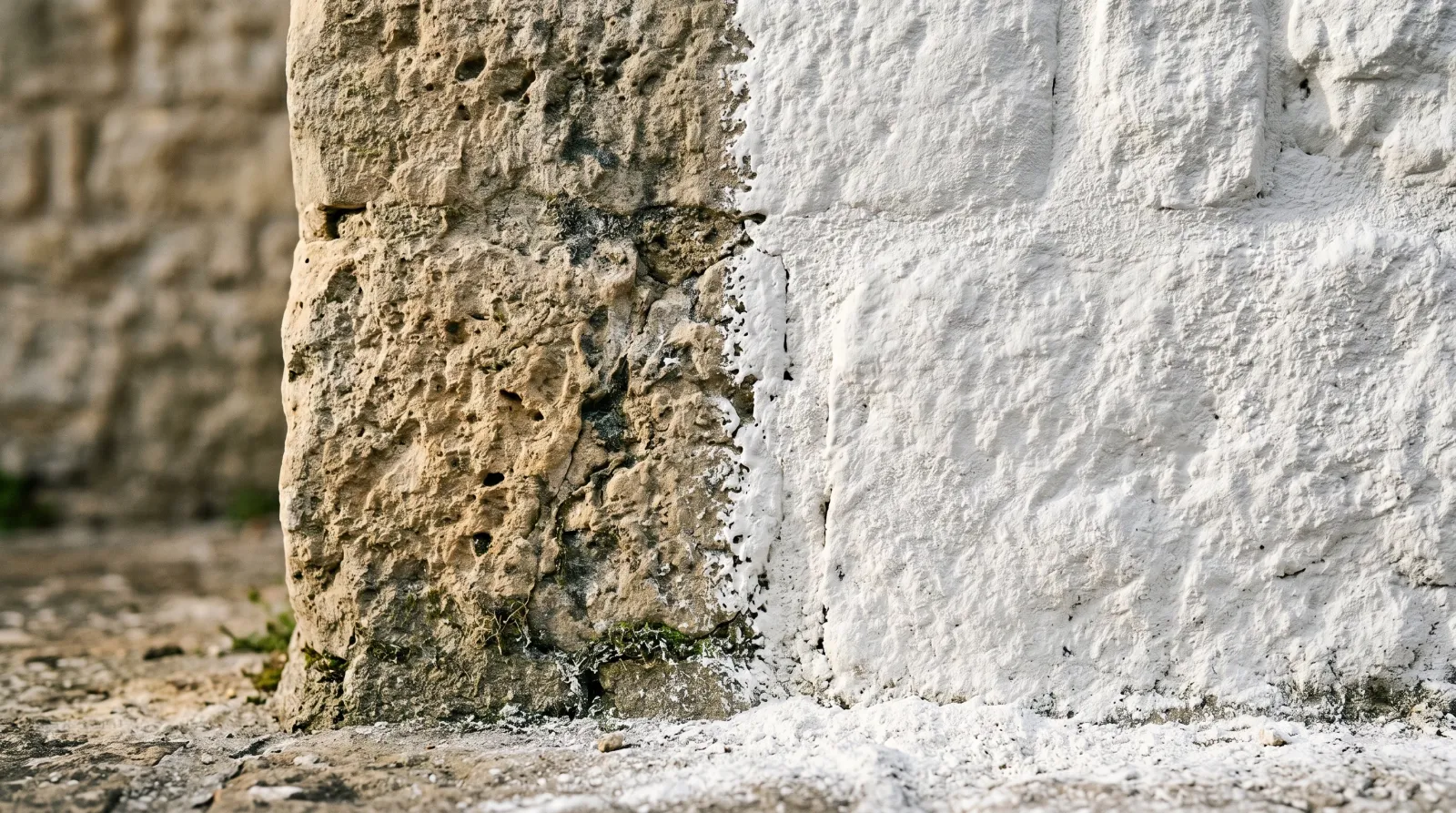 Explainer
What Is Mineral Paint?
Mineral paint uses a potassium silicate binder that chemically fuses to masonry, lasts 50+ years, and never needs biocide. Here's the chemistry and where it wins.
June 1, 2026 Explainer
What Is Satin Paint?
Satin reads 15–35 gloss units at 60° — between eggshell and semi-gloss. Here's why that middle slot wins the kitchen, the bath, and the kid's hallway.
June 1, 2026