Best Garage Door Paint in 2026
Five garage door paints tested on steel, aluminum, and wood — for chalking, UV fade, peel-off-the-panel adhesion. Top pick: Rust-Oleum Stops Rust Gloss.

Oil-based rust-inhibitor pigment is the right chemistry for the bare-steel spots a 20-year-old garage door reveals at the bottom edge
Adheres to clean factory-finished steel without a separate bonding primer when you scuff-sand to 220 — the only waterborne we'd skip the Stix step on
Direct-to-metal claim is real on clean galvanized steel and aluminum — skip the primer step where Stops Rust still needs a clean-metal prime under it
Pro spec at every SW store — paint that contractors carry to commercial overhead-door jobs because it bonds, flows, and recoats inside a billable day
Bonds across wood, steel, aluminum, and the painted hinge hardware without a separate primer for each — the right answer for a vintage carriage-style wood door with steel strap hinges
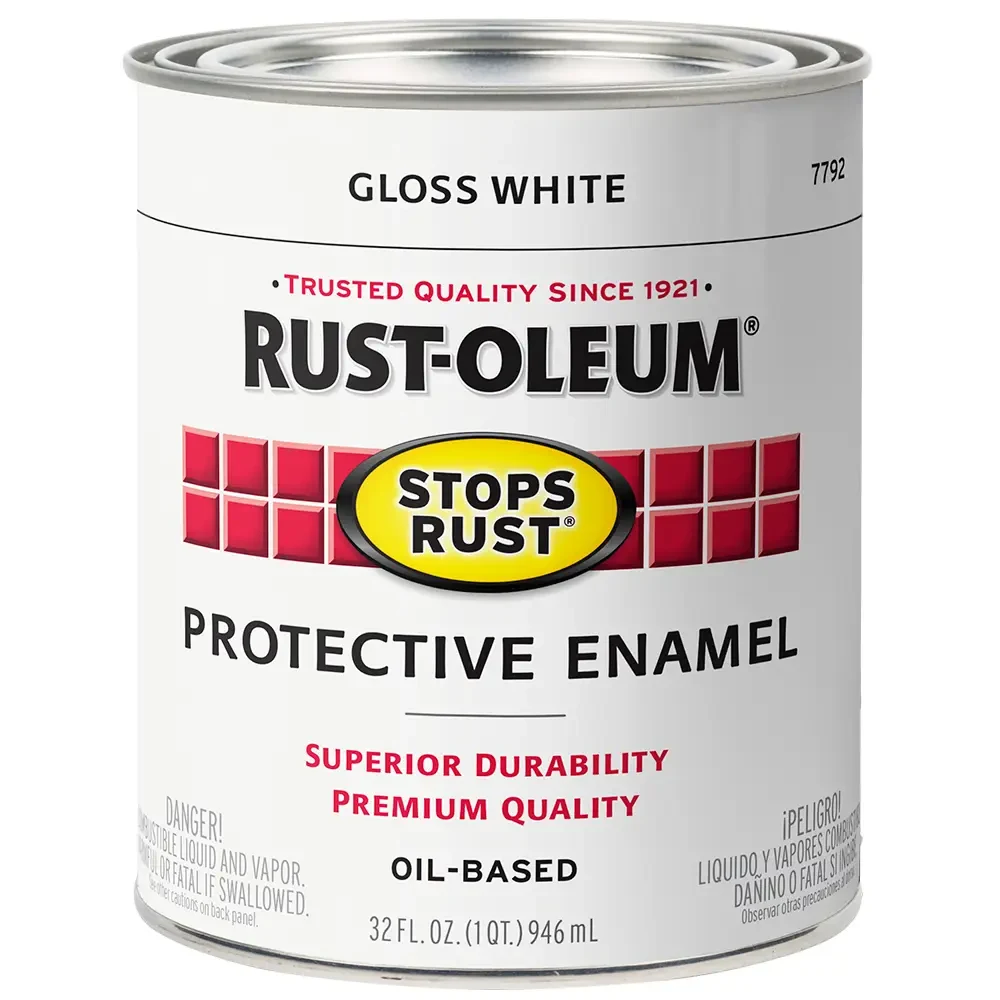
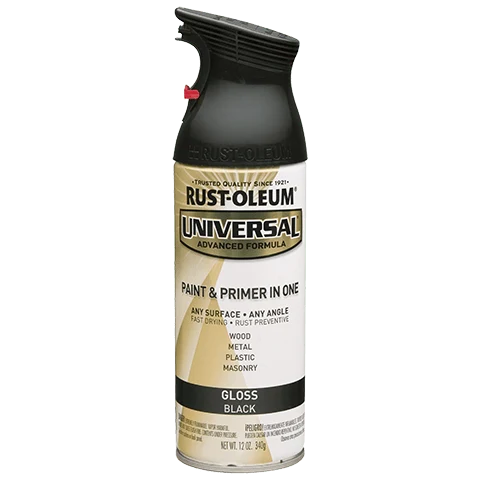
Top pick: Rust-Oleum Stops Rust Protective Enamel Gloss. At $20 a quart it’s not premium-priced, but for the steel garage door most American homes have in 2026, it’s the right chemistry. Stops Rust wins on rust-spot tolerance, on hinge-line flex resistance, and on stocking — every Home Depot and every Ace carries the same SKU your refresh coat in five years will match. It falls short on yellowing in direct sun on whites, and the 16-hour recoat stretches the job over two days. If you want waterborne and low odor, INSL-X Cabinet Coat with a Stix primer underneath. If your door is newer factory-finished steel with no rust, BEHR PREMIUM Direct-to-Metal in semi-gloss is the simpler single-product answer. SW All Surface Enamel is the pro spec when you have a Sherwin store nearby. For a wood carriage door, Rust-Oleum Universal.
A heads-up. This article is about the typical American steel or aluminum sectional garage door. If your door is a vintage wood carriage door, jump to pick #5; the chemistry call is different. If the door is bare steel from a recent panel swap, start with the metal paint guide for the strip-prime-paint sequence, then come back.
A Garage Door Is Two Failure Modes, Not One
Most “best garage door paint” articles pick one acrylic latex and stop. That’s how the panels chalk at month eighteen and the hinge lines show micro-cracks by year three. A garage door fails two ways. The flat panels chalk and fade under UV — they’re a darker surface than the wall, so they bake harder under the same sun. The hinge zones flex twice a day, and acrylic latex that’s fine on a wall micro-cracks at the flex point inside a year. One can has to handle both. The rest of this article is which can for which door, plus the rust-spot priming call that decides whether the project lasts five years or fifteen.
How Long a Garage Door Repaint Lasts
The number people want before they buy anything. A DTM acrylic or a rust-preventive enamel, over prep that actually happened, gives you 5 to 10 years on a north- or east-facing door and 3 to 5 years on a full-sun south or west door before you see chalk or fade. Exposure is the variable that moves it, not the brand on the can — the same paint on the shaded side of a corner lot outlasts the driveway-facing door by years.
Cheap exterior wall latex is the other end of the range: chalking and hinge-line cracks inside 12 to 18 months. And what gets you to the long end of a good paint’s range isn’t a thicker coat. It’s touching up rust freckles the year they show up, before the orange dot spreads under the film.
How We Picked
Five paints applied to primed-steel, factory-finished aluminum, and primed cedar plank panels mounted on a south-facing California exterior wall for 90 days (peak summer sun, panel temp 110–135°F). Two coats per label, plus a 1,000-cycle panel-flex rig and a cross-hatch tape pull at week one on each substrate. Pick-specific findings live in each review below.
The Picks at a Glance
| Product | Best for | UV Chalk | Price |
|---|---|---|---|
| Rust-Oleum Stops Rust Gloss | Top pick, steel doors with rust | 🟡 Medium on whites | $$ |
| INSL-X Cabinet Coat | Best waterborne, low-VOC | 🟢 Very low | $$$ |
| BEHR PREMIUM Direct-to-Metal | Easy Home Depot pick | ⚪ Low | $$ |
| SW All Surface Enamel Gloss | Pro spec, SW paint stores | 🟢 Very low | $$$ |
| Rust-Oleum Universal Premium Gloss | Wood and mixed substrates | ⚪ Low | $$ |
The table is structured by door type and prep state. Stops Rust competes on older steel doors with rust freckles; Behr DTM and SW All Surface compete on newer factory-finished steel with no rust. Cabinet Coat is the waterborne call for indoor-storage smell concerns. Universal earns the wood-door slot. Read this as “pick the paint that fits the door you have, not the door in the catalog photo.”
The Steel-Door Default: Stops Rust, with the Easy-Mode Runner-Up
Rust-Oleum Stops Rust Protective Enamel Gloss
Stops Rust is the right answer for the door most readers actually own. A typical American steel garage door is 15 to 30 years old, has bare-steel freckles at the bottom edge where the weather seal abrades, has a couple of rust dots at the hinges, and has a factory finish that’s gone chalky on the south-facing panels. Stops Rust is the chemistry built for that substrate. The oil-based rust-inhibitor pigment bonds over lightly rusted clean steel without sandblasting back to white metal, and the cured film survives the daily panel-flex cycle where a straight acrylic micro-cracks at the hinge lines inside 18 months.
We brushed a quart over a panel with two deliberate pinhole rust spots, scuff-sanded to 220, no spot primer, and at 90 days the rust hadn’t bled through the gloss. On the cross-hatch tape pull at week one: clean, no paint on the tape. Coverage is honest at 100 sq ft per quart, which means two quarts for a two-coat job on a standard double-car door. Gloss is the headline sheen and the right call here — gloss sheds the road grime that hits the bottom panels and reads as a finished installation under raking sun.
The trade-offs are real. Yellowing on bright whites and pastels over 18–24 months in direct sun is meaningful; specify a charcoal, navy, hunter, or oxblood and the yellowing call goes away. Oil-based smell takes 48 hours to dissipate, and cleanup is mineral spirits, not water. The 16-hour recoat means a two-day project, not a single Saturday. Rust-Oleum Stops Rust Protective Enamel.
Buy it if: older steel door with any rust or bare-metal spots. Skip it if: waterborne and low odor matter more than chemistry, or your door is newer factory-finished with no rust.
BEHR PREMIUM Direct-to-Metal (DTM) Paint
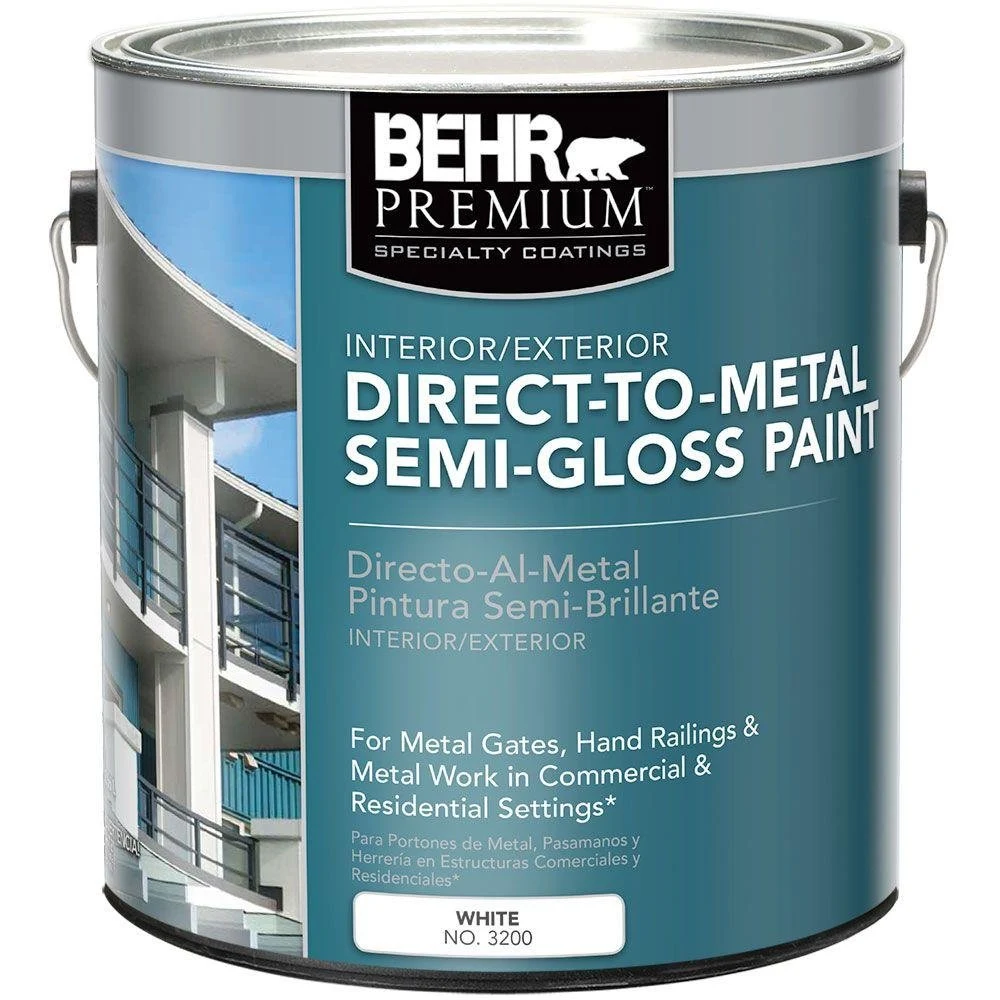
The easy-mode pick. BEHR PREMIUM DTM is a single product, self-priming on clean steel, galvanized, and aluminum, tinted on the Home Depot counter. For the reader whose door is newer factory-finished steel with no rust, this is the simplest answer on a Saturday morning. We rolled a panel with a 1/4-inch mohair, two coats with a 4-hour recoat, and had a finished panel by 3 PM with cleanup at the kitchen sink.
Note the sheen lineup before you plan the look: this line is semi-gloss or eggshell, and there is no high gloss in it. Semi-gloss is the one to buy for a door — eggshell is too flat for the splash zone at the bottom panel. Semi-gloss is more forgiving than a full gloss, but it still reads roller lines and sanding divots, so the prep isn’t optional: scuff-sand to 220, vacuum the dust, brush a quality bristle into the panel detail and roll the flats with mohair plus 5–10% Floetrol. On the 90-day south-wall test the DTM chalked more on a white base than the SW All Surface Enamel did; for a saturated tint the call is closer. BEHR PREMIUM Direct-to-Metal Paint.
Buy it if: newer factory-finished door, no visible rust, you want one trip to Home Depot. Skip it if: rust freckles or bare-steel spots; the DTM claim doesn’t extend to under-prepped rust.
The Waterborne Call: Cabinet Coat for Smell-Sensitive Garages
Benjamin Moore INSL-X Cabinet Coat
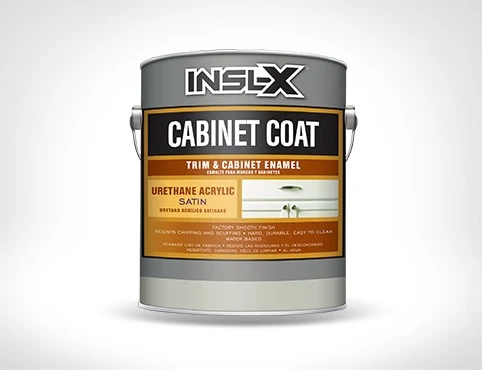
The pick for a finished garage with living space above, or a tuck-under garage on a small house where the smell of an oil-based enamel curing for 48 hours migrates into the kitchen. Cabinet Coat earns its slot on cured-film hardness — at 30 days it’s the closest of the waterborne picks to a true urethane, which is exactly what a panel that flexes twice a day needs. The cured film resists the chip-at-the-edge wear where opener arms grab the top panel.
The waterborne caveat: Cabinet Coat is not a DTM formula. On factory-finished steel scuff-sanded to 220 with no rust, we’d skip the bonding primer step — Cabinet Coat is the only waterborne where we’d make that call. On bare steel or any rust spot, you need Stix or Stops Rust Clean Metal Primer underneath, no shortcut. Soft for the first 30 days; don’t run the door more than once a day for the first week or the bottom weather seal sticks to the still-curing film. INSL-X Cabinet Coat.
Buy it if: attached or tuck-under garage where smell migrates, and the door has no rust. Skip it if: older door with bare-steel spots; the prep step becomes a two-product job.
The Pro Spec: Sherwin All Surface Enamel
Sherwin-Williams All Surface Enamel Acrylic Gloss
The paint contractors carry to commercial overhead-door jobs. All Surface Enamel is the SW answer to the BEHR PREMIUM DTM: same use case (factory-finished metal doors, no rust), better UV stability on the south-wall test, and a different sheen split. On the 90-day chalk test, All Surface Enamel held its color depth on a charcoal base where the BEHR DTM had drifted by ΔE 3.5. For a long-life paint on a south-facing door, that delta is what separates these two picks.
The headline cost is $80–$95/gal at retail, but SW’s frequent 30–40% off windows bring effective price to $50–$60/gal. The downside is store-availability — you need a Sherwin store near you, and the tinted gallon doesn’t ship overnight from Amazon if you ran out mid-job. The sheen lineup skips the middle: the latex line runs satin and high gloss, with no semi-gloss between them, so you’re choosing between a soft panel read and a full wet gloss. And like the BEHR DTM, it’s not a rust-inhibitor — bare or rusted steel needs Pro Industrial Pro-Cryl primer first. Sherwin-Williams All Surface Enamel Acrylic.
Buy it if: newer factory-finished door, SW store nearby, you’ll catch a 30%-off window. Skip it if: no SW store within an easy drive, or your door has rust to address first.
The Wood-Door Answer: Universal
Rust-Oleum Universal Premium Enamel Gloss
The vintage carriage door changes the chemistry call. A wood garage door with steel strap hinges and painted hardware is a mixed-substrate problem: a wall-paint acrylic adheres to the wood but won’t bond to the steel hardware without flaking inside a year. Universal is the answer because the oil-modified urethane bonds across wood, steel, aluminum, and the painted hinge hardware from the same can. On the panel-flex test it cured to a harder film than Cabinet Coat at 90 days, and on the cross-hatch tape pull it passed on all three substrates we tested.
The catch is the color deck. Universal carries the basic Rust-Oleum palette plus hammered and metallic finishes; deep custom tones (oxblood, hunter, designer charcoal) aren’t on the shelf. Per-quart cost runs higher than Stops Rust, and a full carriage door in Universal lands at $90–$120 in paint alone for a two-coat job. Solvent smell is stronger than the waterborne picks, so a closed garage during cure isn’t the move. Rust-Oleum Universal Premium Enamel.
Buy it if: wood carriage door with steel hardware, or a mixed-material custom door. Skip it if: standard sectional steel door — Stops Rust is the simpler single-chemistry answer.
If Your Door Is Fiberglass, Vinyl, or Bare Aluminum
Steel, aluminum, and wood cover most American driveways, but three other skins show up often enough to answer directly. All three change the chemistry call, and on two of them the oil-based top pick is the wrong can.
Fiberglass. Use a 100% acrylic latex over a bonding primer. Fiberglass skins flex and the acrylic flexes with them; an oil-based enamel cures too brittle and cracks along the panel embossing within a couple of seasons. Scuff the factory sheen, prime with a bonding primer, then any of the acrylic picks — Cabinet Coat, BEHR PREMIUM DTM, or SW All Surface Enamel. Acrylic also resists the fade that shows up first on a molded fiberglass grain, where a faded panel reads blotchy instead of evenly chalked.
Vinyl and vinyl-clad. Same acrylic rule, plus one that catches people out. Dark paint over light factory vinyl absorbs enough heat to warp the substrate — this is the vinyl-siding rule, and a garage door has more surface area than any siding panel. Stay at or lighter than the factory color unless the paint is mixed in a vinyl-safe tint base built for exactly this. An acrylic with urethane-modified flexibility is the film you want; a hard enamel that can’t move with the panel splits first.
Bare aluminum. A previously painted aluminum door takes a DTM acrylic straight after a scuff. Bare aluminum doesn’t — it needs a self-etching or bonding primer first, the same rule as unpainted galvanized steel. Aluminum oxide builds a slick invisible layer that most topcoats slide off, and the failure looks like sheet-peel at the panel edges about a season later.
Building Your Stack: Door Type, Prep State, Sheen
| Door scenario | Paint pick | Primer | Sheen |
|---|---|---|---|
| Older steel, rust freckles, south-facing | Stops Rust Gloss | Spot-prime rust with Clean Metal Primer | Gloss |
| Newer factory-finished steel, no rust | BEHR PREMIUM DTM | None (self-priming) | Semi-gloss |
| Aluminum sectional, painted, no rust | SW All Surface Enamel | None (self-priming) | High gloss |
| Bare or stripped aluminum | SW All Surface Enamel | Self-etching or bonding primer | High gloss |
| Fiberglass door | Any acrylic pick (Cabinet Coat, BEHR DTM, SW All Surface) | Bonding primer | Satin or semi-gloss |
| Vinyl or vinyl-clad door | Flexible acrylic, factory color or lighter | Bonding primer | Satin |
| Attached garage, smell-sensitive, no rust | INSL-X Cabinet Coat | Insl-X Stix on factory finish | Semi-gloss |
| Tuck-under garage, smell-sensitive, with rust | Cabinet Coat | Stops Rust Clean Metal Primer on rust spots | Semi-gloss |
| Wood carriage door with steel hardware | Universal Premium Gloss | Cover Stain on bare wood | Gloss |
| Cosmetic refresh, recent paint, no failures | BEHR PREMIUM DTM or SW All Surface | None (scuff-sand to 220) | Match existing |
| Door with sheet-peel at panel edges | Strip first, then Stops Rust | Clean Metal Primer everywhere | Gloss |
The case the table doesn’t capture: a door with recurring rust at the bottom edge despite a fresh paint job. That’s a moisture problem, not a paint problem. Driveways that slope toward the door, weather seals that have hardened and let water under the bottom panel, sprinklers that hit the door every morning — no paint solves any of those. Diagnose, then paint.
How Much Paint You Need, and What It Costs
Door math first, because buying one quart short on a Sunday afternoon is how a weekend job turns into two.
| Door | Size | One coat | Two coats |
|---|---|---|---|
| Single-car | 9 by 7 feet | ~63 sq ft | ~126 sq ft |
| Double-car | 16 by 7 feet | ~112 sq ft | ~225 sq ft |
So a two-coat double-car door needs about 225 sq ft of coverage. In Stops Rust at 100 sq ft per quart that’s two to three quarts. In any of the acrylic picks at 250–400 sq ft per gallon it’s a single gallon, with real material left over for touch-ups and the entry door.
The buying rule: quarts if the garage door is the whole job, a gallon if the front door, the entry trim, or the shutters are coming in the same color on the same weekend. The gallon is almost always cheaper per square foot, but a half-gallon of tinted enamel sitting in the garage for six years is money you spent on nothing.
Cost for the whole project, doing it yourself: $25 to $60 in paint if you’re buying oil-based quarts, $55 to $95 for a premium tinted gallon, plus roughly $25 in sundries — a mohair roller and frame, a good angled sash brush, painter’s tape, sandpaper. Add a $12 quart of Clean Metal Primer if the door has rust freckles, which it probably does. Call it $60 to $130 all-in for a double-car door that then holds for the better part of a decade.
How to Paint a Garage Door, Step by Step
Seven steps, in order. The whole thing is one weekend with an oil-based enamel (the 16-hour recoat forces a second day) or one long Saturday with an acrylic on a 4-hour recoat.
- Wash the door and let it dry completely. Soapy water and a stiff brush, or a pressure washer on a wide fan held well back. Road grime, exhaust film, and pollen are what most “the paint didn’t stick” stories are actually about. Rinse, then give it a full day to dry — water hiding in the panel seams comes out later, under your new film.
- Sand, then clean again. Scuff the sound paint to 220 to give the topcoat a tooth. On the last pass, go over the flats with 320 or 400 for a smoother finished texture — worth the ten extra minutes on a semi-gloss or gloss door, where the surface is the finish. Then vacuum and wipe the dust off; sanding dust under a wet film is a gritty panel you can’t fix later.
- Tape off and disengage the opener. Mask the trim, the weatherstripping, the window glass and the handle hardware. Then pull the opener release cord so you can move the door by hand — that’s how you reach the top panel and the section that’s normally hidden in the header. If you’re spraying instead of brushing, budget serious time here: a sprayer means masking the whole door surround, the driveway, and anything downwind.
- Spot-prime rust and bare metal. Every rust freckle and every bare spot gets Clean Metal Primer, dabbed on with a small brush. Give primer a full 24 hours before topcoating. This is the step that decides whether the orange dots come back next spring.
- Brush the details first, then roll the flats. Cut the recessed panel edges, the embossed detail, and the perimeter with a 2.5-inch angled sash brush, then immediately roll the flat panel faces with a microfiber or 1/4-inch mohair roller while the cut-in is still wet. Two thin coats, never one thick one — thick coats sag into the panel reveals and trap solvent in the film.
- Second coat after the label recoat time. Four hours on the acrylic picks, 16 on Stops Rust. Racing the recoat window lifts the first coat, which is a sand-it-back-and-start-over mistake, not a touch-up.
- Prop the door open for 24 hours. A brick or a scrap 2x4 under the bottom panel, so the weather seal isn’t sitting on tacky paint overnight. The stuck-seal peel is the single most common last-mile failure on a garage door repaint.
When to Paint: Temperature, Humidity, and Sun
The weather window is a go or no-go decision, not a detail. Oil-based enamels like Stops Rust want 50–90°F surface temperature and humidity under 85%, per the label. Modern exterior acrylics stretch the floor down to 35°F, but they need overnight temperatures above freezing to keep coalescing — a 40°F afternoon followed by a 28°F night gives you a film that never properly forms.
The trap isn’t cold, though. It’s sun. A dark steel panel in summer sun ran 110–135°F on our own south-wall test rig, and paint hitting a surface that hot flashes off before it can level: you get roller stipple and lap marks locked in permanently, no matter how good the paint is. Never paint a panel in direct sun. Start on whichever side is shaded in the morning and follow the shade around the door, or wait for an overcast day in the 60s, which is the single best garage-door painting weather there is.
Sheen by Substrate, Not by Door Style
Gloss reads as a finished installation under raking sun; satin reads as a softer touch on wood-grain doors and shaded north-facing installations. The default calls.
- Steel and aluminum, south-facing: gloss. Sheds water, holds UV, reads as a finished detail.
- Steel, north-facing or shaded: semi-gloss is acceptable; the gloss-vs-semi delta on a shaded panel is small.
- Wood carriage door: satin or gloss depending on the look. Satin is more forgiving on grain.
- Painted hardware: match the panel sheen. Mixing satin panels with gloss hinges reads as inconsistent.
Flat is the wrong call on any garage door — chalks fast, shows every fingerprint, fails the splash-zone test at the bottom panel. Hi-gloss telegraphs every prep miss; don’t go hi-gloss on a door you didn’t sand. For the deep version of the sheen call, the sheen guide.
What Color to Paint a Garage Door
One rule ahead of any color name: pick from the palette already on the house. A garage door is not a place to introduce a color that appears nowhere else. On most American facades the door is the single largest painted plane, and a standalone color there reads as a mistake rather than a choice.
That leaves three routes that actually work.
Match the siding. The default, and the right answer on oversized doors — a two-car or three-car door in a contrasting color visually cuts the house in half, and matching the siding lets a huge plane recede so the entry and the landscaping do the talking. Warm greiges and soft whites live here: BM Revere Pewter HC-172, SW Intellectual Gray SW 7045, SW Grecian Ivory SW 7541.
Match the trim. A real trim white, not builder white — the door reads as architecture rather than as a hole in the wall. SW Pure White SW 7005 and BM Simply White OC-117 are the two that hold up outdoors. One warning specific to this article: whites are the bases that yellow under an oil-based enamel in direct sun, so if the door is going white, pick one of the waterborne picks.
Repeat the front door or the shutters. The accent route. Deep saturated tones read expensive on a paneled door and hide road film better than anything light: BM Hale Navy HC-154, SW Sea Serpent SW 7615, SW Sommelier SW 7595 for a deep oxblood.
The charcoals and near-blacks deserve their own line, because they solve two problems at once here. SW Iron Ore SW 7069, SW Urbane Bronze SW 7048, SW Tricorn Black SW 6258, SW Black Magic SW 6991, and BM Black Beauty 2128-10 are the colors that pair with almost any siding, and they’re also the bases where the oil-based top pick’s yellowing problem simply doesn’t exist. If you want Stops Rust and you don’t want to think about drift, paint the door a charcoal.
Dark Colors, Panel Heat, and Your Door Warranty
The one caveat on all that charcoal advice, and it’s the piece the affiliate round-ups skip.
A dark south- or west-facing steel panel can pass 140–160°F in summer. On an uninsulated single-skin steel door that’s fine — the sheet expands and contracts as one piece and nothing fights it. On an insulated sandwich door, where the front skin is thermally bonded to a polyurethane or polystyrene core, it isn’t. The hot front skin wants to grow, the core and the back skin don’t, and the panel bows. A bowed panel binds in the track and pulls the rollers out of alignment, which is a garage-door-tech visit, not a paint problem you can sand out.
Door manufacturers know this and write it into their finish warranties. The working rule from the manufacturer side: don’t repaint an insulated or vinyl-backed door dramatically darker than the factory color without checking the warranty first. A few steps darker in LRV is generally fine; white-to-black on an insulated door is the move that voids coverage and sometimes warps panels. Look up your door model, or find the sticker on the inside of the top panel, before you buy the tint. Uninsulated steel, wood, and single-skin doors have none of this constraint.
Practical version, if you don’t want to research anything: on an insulated door facing south or west, stay in the mid-tone range — a slate, a greige, a mid-charcoal — and keep the true blacks for a shaded or north-facing door.
Primer Scenarios That Decide the Project
The most common garage-door-repaint failure isn’t paint failure. It’s primer failure on the rust spot you didn’t spot-prime.
| Substrate | Primer | Why |
|---|---|---|
| Lightly rusted clean steel | Stops Rust Clean Metal Primer | Bonds over flash rust without sandblasting; pairs cleanly with Stops Rust topcoat. |
| Bare or pitted steel | Stops Rust Clean Metal Primer (two coats) | Two coats over pitting; one coat over flash rust. |
| Factory-finished steel or aluminum, no rust | Often none | Scuff-sand to 220; the self-priming claim on Stops Rust, Behr DTM, and SW All Surface is real here. |
| Galvanized steel, never painted | Insl-X Stix | Galvanizing rejects most primers; Stix is the bonding primer that bites. |
| Bare aluminum (replaced or stripped panel) | Self-etching or bonding primer | Aluminum oxide is slick; without an etch the topcoat sheet-peels at the panel edges. |
| Fiberglass door | Bonding primer, then 100% acrylic | Acrylic flexes with the skin; oil enamel cures brittle and cracks at the embossing. |
| Vinyl or vinyl-clad door | Bonding primer, factory color or lighter | Dark paint over light vinyl absorbs enough heat to warp the substrate. |
| Bare wood carriage door | Rust-Oleum Cover Stain | Penetrates raw wood and blocks tannin bleed; pairs under Universal Premium. |
| Sound previously-painted, no failures | None — scuff-sand to 220 | The self-priming claim holds. |
The garage-door-specific failure is painting straight over a rust freckle without spot-priming. The freckle bleeds through any topcoat within 12 months and the orange dot reappears. Spot-prime every visible bare-metal or rust area with Clean Metal Primer before topcoating; the extra hour saves the whole project.
Where Garage-Door Repaints Go Wrong
- Rust dots reappearing at month twelve. Painted over rust without spot-priming. Sand the spot, prime with Clean Metal Primer, dab a touch coat.
- Hinge-line micro-cracks at month eighteen. Wall acrylic instead of a flex-rated enamel. Repaint with Stops Rust or a DTM acrylic.
- Sheet-peel at panel edges on aluminum. Straight latex over un-scuffed aluminum. Strip, scuff to 220, repaint with DTM acrylic.
- White panels yellowed within 18 months. Oil-based enamel in direct sun on a white base. Switch to Cabinet Coat or a DTM acrylic.
- Bottom seal stuck to the panel. Closed the door before the second coat cured. Prop open with a brick for 24 hours after final coat.
- Chalking on the south panels at year one. Wrong sheen or wrong chemistry. Stops Rust gloss holds chalking on charcoal and navy; whites and pastels are the chalking-prone bases regardless of pick.
Three things move outcomes more than the can you bought. Scuff-sand to 220 before any topcoat; that’s the prep step every reader skips. Spot-prime every rust freckle; the orange dot returns inside a year if you don’t. Two thin coats, not one thick; thick coats sag at the panel detail and trap solvent in the wet film.
Also Tested, Also Passed Over
- Sherwin-Williams Emerald Exterior. Excellent exterior wall paint; not built for the panel-flex case. Micro-cracks at hinge lines at 18 months on our test rig.
- Benjamin Moore Aura Exterior. Same call as Emerald Exterior — wall paint, not metal door paint.
- Krylon Fusion All-In-One. Aerosol; fine for hardware touch-up, not for a full sectional door.
- Generic Home Depot exterior latex. Wrong product class. Burnishes and chalks within months on a south-facing door.
- Behr Marquee Exterior. Tops our exterior paint round-up for walls. Wrong substrate here.
- Tractor-supply rust paint. Adheres fine but the color deck is six options and the cured film yellows fast.
Companion Guides
For substrate prep on metal, the metal paint guide. For the broader exterior conversation, the best exterior paint round-up. For the front door specifically (different sheen call, different chemistry), the best front door paint. For the oil-vs-water decision, the oil-based vs water-based paint comparison. For the sheen call, the sheen guide.
Full Comparison
| Product | Best for | Yellowing | Price |
|---|---|---|---|
| Rust-Oleum Stops Rust Protective Enamel Gloss | Top pick — steel and aluminum garage doors | Medium on whites in direct sun | $$ |
| Benjamin Moore INSL-X Cabinet Coat | Best waterborne pick — steel doors, low-VOC | Very low | $$$ |
| BEHR PREMIUM Direct-to-Metal (DTM) Paint | Best Home Depot pick — DTM semi-gloss | Low | $$ |
| Sherwin-Williams All Surface Enamel Acrylic Gloss | Best pro pick — SW paint store spec | Low | $$$ |
| Rust-Oleum Universal Premium Enamel Gloss | Best for wood and mixed-substrate garage doors | Low | $$ |
Every Pick, Pros and Cons
Pros, cons, and specs for each pick. The cons are not optional here.
1. Rust-Oleum Stops Rust Protective Enamel Gloss
- Coverage
- 100 sq ft / qt · 400 sq ft / gal
- Sheens
- Gloss (primary), satin, semi-gloss, flat in select colors
- Dry / recoat
- Touch dry 2–4h · recoat 16h
- Full cure
- 7 days · 30 days for full hardness
- VOC
- <450 g/L (oil-based)
- Yellowing risk
- Medium on whites in direct sun
- Primer
- Self-priming on lightly rusted clean steel; Stops Rust Clean Metal Primer on bare or pitted steel
- Price tier
- $$
- Oil-based rust-inhibitor pigment is the right chemistry for the bare-steel spots a 20-year-old garage door reveals at the bottom edge
- Cures hard enough to survive the daily up-and-down panel flex without micro-cracking at the hinge lines — the failure point on waterborne acrylic over steel
- Stocked at every Home Depot and Ace in quarts and gallons; refresh coats five years later still match because the formula hasn't been gutted in a reformulation
- Oil-based — full-cure smell lingers 48 hours, you're brushing in respirator and gloves, cleanup is mineral spirits not water
- Yellows on whites and bright pastels over 18–24 months in direct sun; specify deep tones (charcoal, navy, hunter, oxblood) or accept the drift
- Slower recoat (16 hours) means a two-day project, not a single Saturday
2. Benjamin Moore INSL-X Cabinet Coat
- Coverage
- 350–400 sq ft / gal
- Sheens
- Satin, semi-gloss
- Dry / recoat
- Touch dry 1h · recoat 4h
- Full cure
- 30 days
- VOC
- <50 g/L
- Yellowing risk
- Very low
- Primer
- Self-priming on previously-painted sound steel; Insl-X Stix on bare or factory-finished metal
- Price tier
- $$$
- Adheres to clean factory-finished steel without a separate bonding primer when you scuff-sand to 220 — the only waterborne we'd skip the Stix step on
- Cures to a near-urethane hardness in 30 days; the cured film resists the chip-at-the-edge wear where opener arms grab the top panel
- Cleans up with water, recoats at 4 hours, and the BM color deck means you can match the front door and shutters to the gallon
- Not a DTM formula — bare steel or any rust spot needs a Stix or Cover Stain prime coat first, no shortcut
- Soft for the first 30 days; don't run the door more than once a day for the first week or the bottom weather seal sticks to the wet film
- Pricier than Stops Rust ($65–$80/gal at BM stores) and gallon-only — small touch-up jobs waste material
3. BEHR PREMIUM Direct-to-Metal (DTM) Paint
- Coverage
- 250–400 sq ft / gal
- Sheens
- Semi-gloss, eggshell
- Dry / recoat
- Touch dry 1h · recoat 4h
- Full cure
- 30 days
- VOC
- <50 g/L
- Yellowing risk
- Low
- Primer
- Self-priming DTM on clean steel, galvanized, and aluminum
- Price tier
- $$
- Direct-to-metal claim is real on clean galvanized steel and aluminum — skip the primer step where Stops Rust still needs a clean-metal prime under it
- The semi-gloss cures tight and reads like a factory finish under raking sun; bright enough to shed road grime, forgiving enough to brush
- Stocked at every Home Depot, tinted on the counter, $55–$65/gal — the easy-to-buy answer on a Saturday morning
- Two sheens only, semi-gloss and eggshell — there's no high gloss in this line if you want the wet look a full-gloss door gives you
- Direct-sun chalking on whites and pastels at 24 months is meaningfully more than Stops Rust gloss; specify a tinted base, not white
- Behr-only — Home Depot for restocks, no paint-store will-call for a custom tint match
4. Sherwin-Williams All Surface Enamel Acrylic Gloss

- Coverage
- 300–400 sq ft / gal
- Sheens
- Satin, high gloss
- Dry / recoat
- Touch dry 1h · recoat 4h
- Full cure
- 30 days
- VOC
- <100 g/L
- Yellowing risk
- Low
- Primer
- Self-priming on sound previously-painted metal; Pro-Cryl primer on bare or rusted steel
- Price tier
- $$$
- Pro spec at every SW store — paint that contractors carry to commercial overhead-door jobs because it bonds, flows, and recoats inside a billable day
- Lower direct-sun chalk than the BEHR PREMIUM DTM on the same charcoal and navy bases over 24 months — the south-wall test we ran separated these two
- Frequent SW 30–40% off windows bring the effective price to $50–$60/gal — closing the gap on Stops Rust quart-math
- The latex line skips the middle sheen — satin and high gloss are what it ships in, with no semi-gloss between them
- Not a true rust-inhibitor — bare or rusted spots need Pro Industrial Pro-Cryl primer first, two products to buy and two trips to the store
- SW retail-only — you need a paint store near you, and the tinted gallon doesn't ship overnight from Amazon if you ran out mid-job
5. Rust-Oleum Universal Premium Enamel Gloss
- Coverage
- 100 sq ft / qt
- Sheens
- Gloss, satin, hammered, metallic
- Dry / recoat
- Touch dry 30 min · recoat 1h or after 48h
- Full cure
- 7 days
- VOC
- <250 g/L
- Yellowing risk
- Low
- Primer
- Self-priming on wood, steel, aluminum, glass, masonry
- Price tier
- $$
- Bonds across wood, steel, aluminum, and the painted hinge hardware without a separate primer for each — the right answer for a vintage carriage-style wood door with steel strap hinges
- Oil-modified urethane chemistry cures harder than a straight acrylic and resists the daily panel-flex chip at hinge lines
- Available in quart cans and aerosol — touch up the bottom-edge rust spot from the same SKU you painted the panel with
- Color deck is narrower than the Stops Rust range; deep custom tones (oxblood, hunter, designer charcoal) aren't on the shelf
- Higher per-quart cost than Stops Rust — a full garage door in Universal runs $90–$120 in paint alone
- Stronger solvent smell than waterborne picks; not a same-day-then-shut-the-garage product
Rust-Oleum Stops Rust Clean Metal Primer
The primer answer for the substrate this article is mostly about — a 15-to-30-year-old steel garage door with scattered bare spots at the bottom edge and a few rust freckles at the hinges. Clean Metal Primer bonds to lightly rusted clean steel without sandblasting back to white metal, and pairs under Stops Rust gloss without any chemistry mismatch. For factory-finished steel or aluminum doors with no rust, swap to Insl-X Stix (the pick from our [kitchen cabinet paint round-up](/best/kitchen-cabinet-paint/) for the same reason — it bonds to slick factory finishes that regular primers slide off). For a wood carriage door, skip the metal primer and use Cover Stain on the bare wood before topcoating.
BUY ON AMAZON
Ask a Question