Cabot
Cabot is the cheapest real penetrating oil on a big-box shelf and the deck stain most pros used to swear by. This is the whole line with street prices, the five-color problem behind Australian Timber Oil, and the reformulation complaints that fill contractor forums.

Maya spent five years running comparative product testing at a consumer testing nonprofit before joining CompositePaint. She runs the deck-stain round-ups and has priced every Cabot SKU at Lowe's, Ace, and Amazon to find where the brand is actually a bargain. About the testing process →
The Fast Verdict
Cabot is a fair buy, not the category leader its reputation implies. Australian Timber Oil is still the right can for dense exotic hardwood at $45 to $55 a gallon, and the Semi-Transparent scores highest of anything Cabot sells. The trade-off is longevity and color range: five warm-brown colors, no grays, and roughly 60 percent color hold at two years on pressure-treated pine. Buy Cabot for ipe, cedar, and a tight budget. Skip it if you want three years between coats.
- Australian Timber Oil soaks into ipe, cumaru, teak, and mahogany, where film-forming stains sit on top and flake off inside a season
- Cheapest genuine penetrating oil on a retail shelf at $45 to $55 a gallon, against $60 and up for pro-channel oils
- The penetrating lines wear by erosion, not peeling, so maintenance is clean-and-recoat and never a sand-to-bare strip
- Semi-Transparent Deck and Siding is the strongest thing Cabot makes, and it holds color on cedar better than anything else on the same aisle
- Problem-Solver Wood Cleaner concentrate makes five working gallons for $25 to $35, which is the cheapest deck prep per square foot in the category
- One trip covers a whole project: cleaner, brightener, and every opacity from transparent through solid, all tinted at the same desk
- Stocked at Lowe's, Ace, and Amazon, so there is no dealer hunt and no minimum order
- Australian Timber Oil comes in five colors and all five are warm brown, so gray, driftwood, and cool cedar tones are off the table entirely
- Two-year testing on pressure-treated pine came back at roughly 60 percent color hold with mold showing on about a third of the exposed boards
- The water-reducible reformulation dries slowly and can stay tacky for weeks when it is over-applied or the wood will not take more
- Contractor forums have said the same thing since 2005: the pre-Valspar can was better, and pros moved to Armstrong Clark, TWP, and Ready Seal
- Semi-Transparent wants a 48-hour dry window, which is the wrong product for a Saturday-Sunday deck
- DeckCorrect is the weakest thing in the catalog at roughly 75 sq ft per gallon and a long history of peeling complaints
- No sale calendar anywhere in the brand, so timing a project buys you almost nothing
The Line Ladder: Which Cabot Stain to Buy
This is the block most people came for: which Cabot can matches which deck. Prices are per gallon at Lowe's, Ace, and Amazon in 2026, and they sit within a few dollars of each other at all three. Every row has one blunt verdict.
 Best in the line
Best for Cedar decks and siding
Our highest Cabot score at 4.1. It earns the extra $15 a gallon on cedar, and the 48-hour dry window is the price you pay.
Full review → Mid-opacity
Best for Gray, weathered decks worth saving
Twice the pigment hides about 70 percent of tired grain and buys three to four years. The transition coat that saves you a strip.
Full review → Opaque
Best for Fences, siding, railings
Strong on vertical surfaces and fairly priced. On horizontal deck boards it is a film, and films eventually peel.
Full review → One-coat transparent
Best for Bare cedar, shakes, rough-sawn siding
One coat, no lap marks, honest grain. The 550 g/L VOC and a 24-month cycle are what it costs you.
Full review →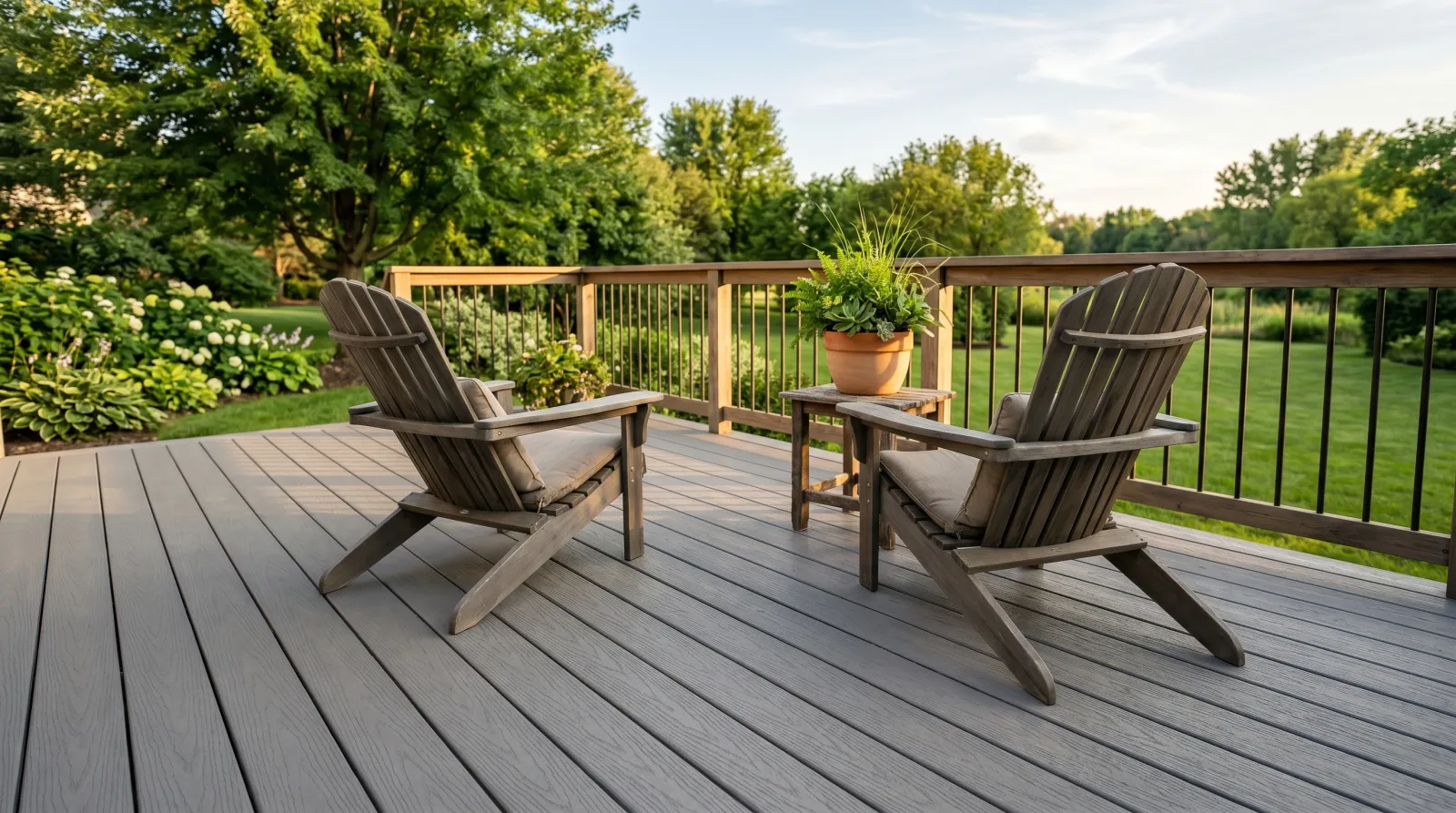 Thick resurfacer
Best for Splintered boards you cannot replace
Our lowest Cabot score at 3.2. About 75 sq ft per gallon at two coats, and prep failures peel it. Replace the boards instead.
Full review →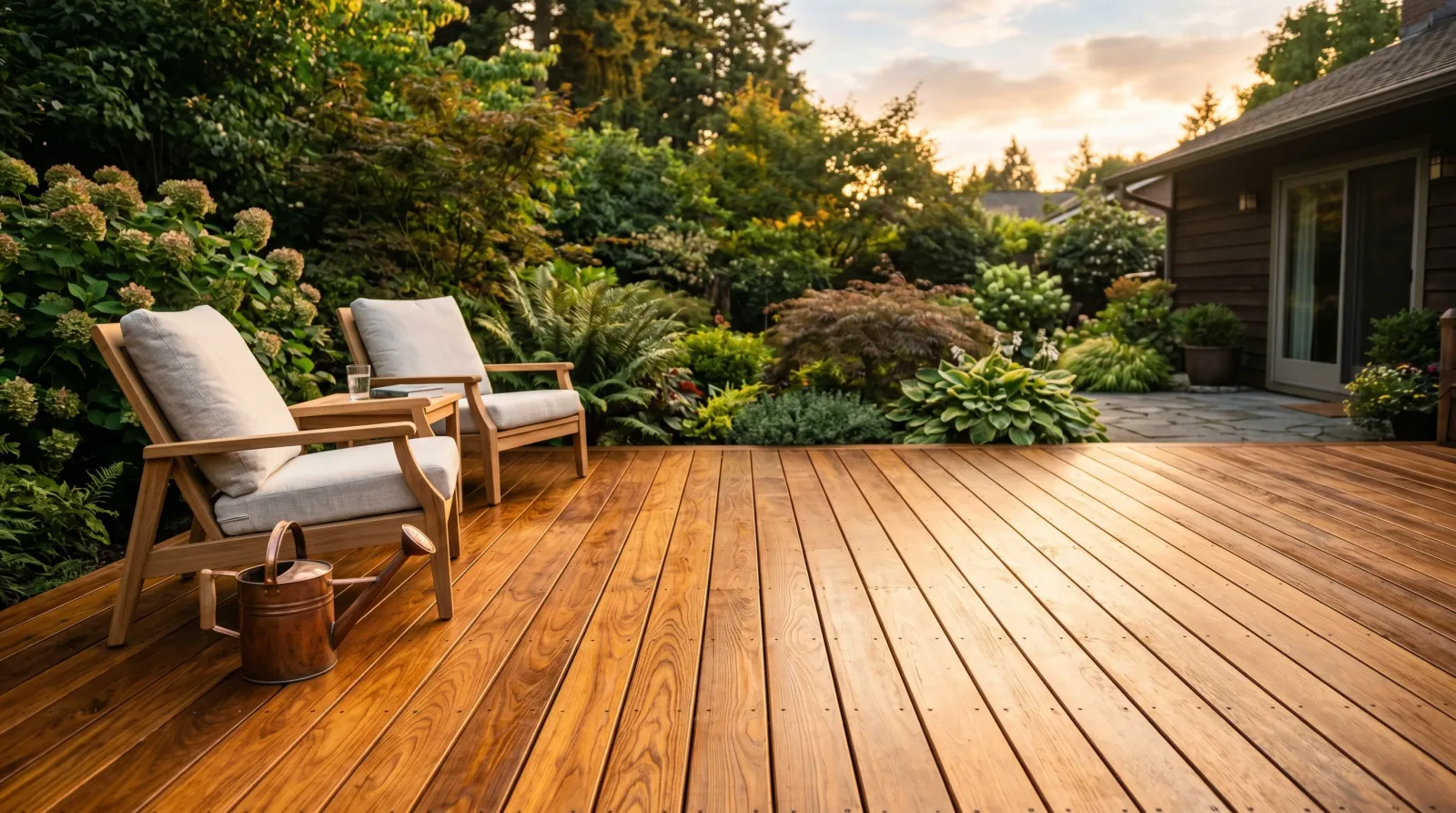 Flagship penetrating oil
Best for Ipe, teak, mahogany, exotic hardwood
The right can for wood too dense for a film stain, and overkill on soft cedar. Five brown colors is the whole catch.
Full review →Best for California and OTC-state buyers
Same five colors, same job, mandated where the standard gallon cannot ship. Buy it because you have to, not because it is better.
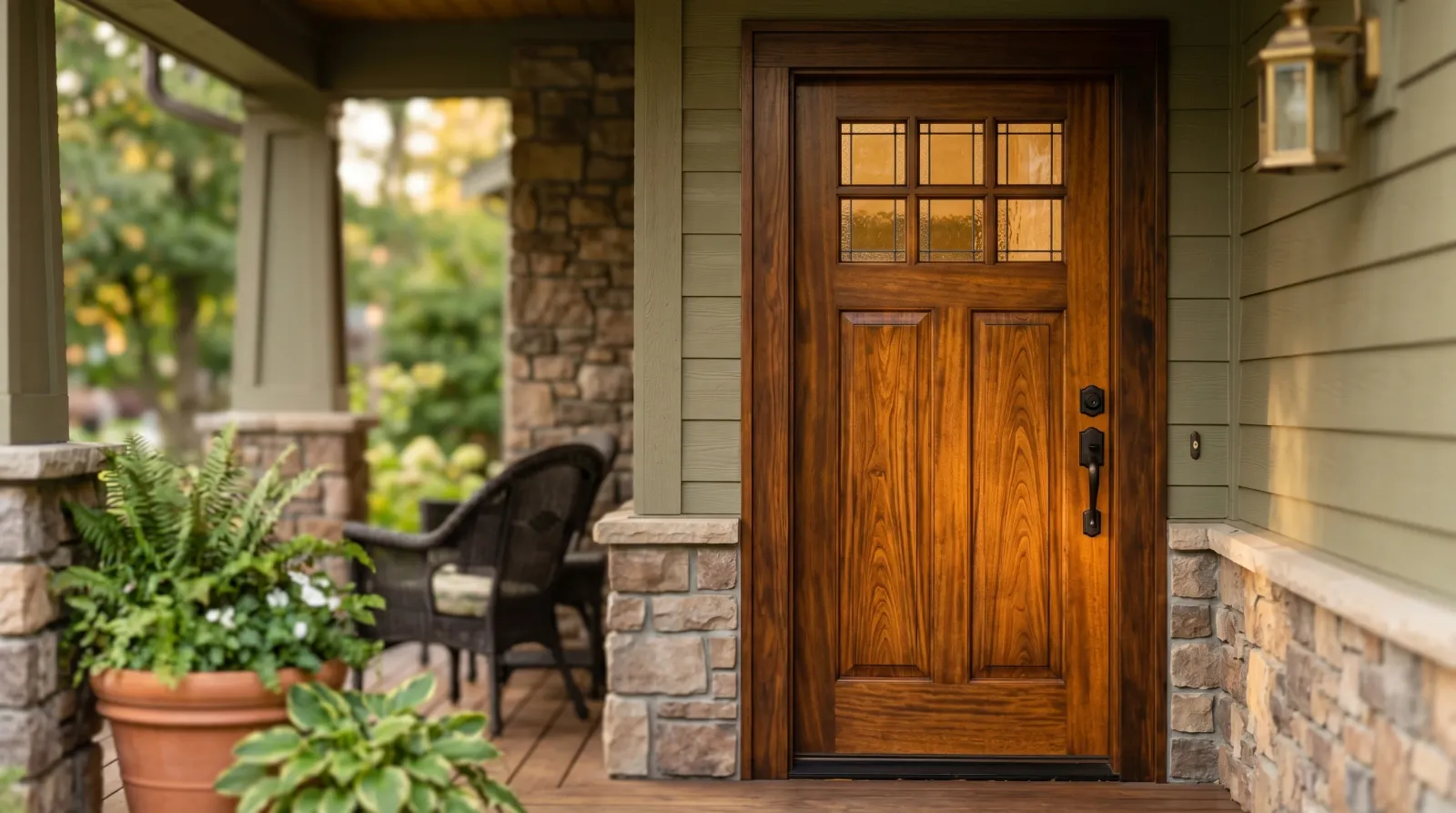 Decorative transparent
Best for Front doors, garage doors, furniture
A genuinely good look on a vertical door and a two-year mistake on a deck floor. Keep it off anything you walk on.
Full review →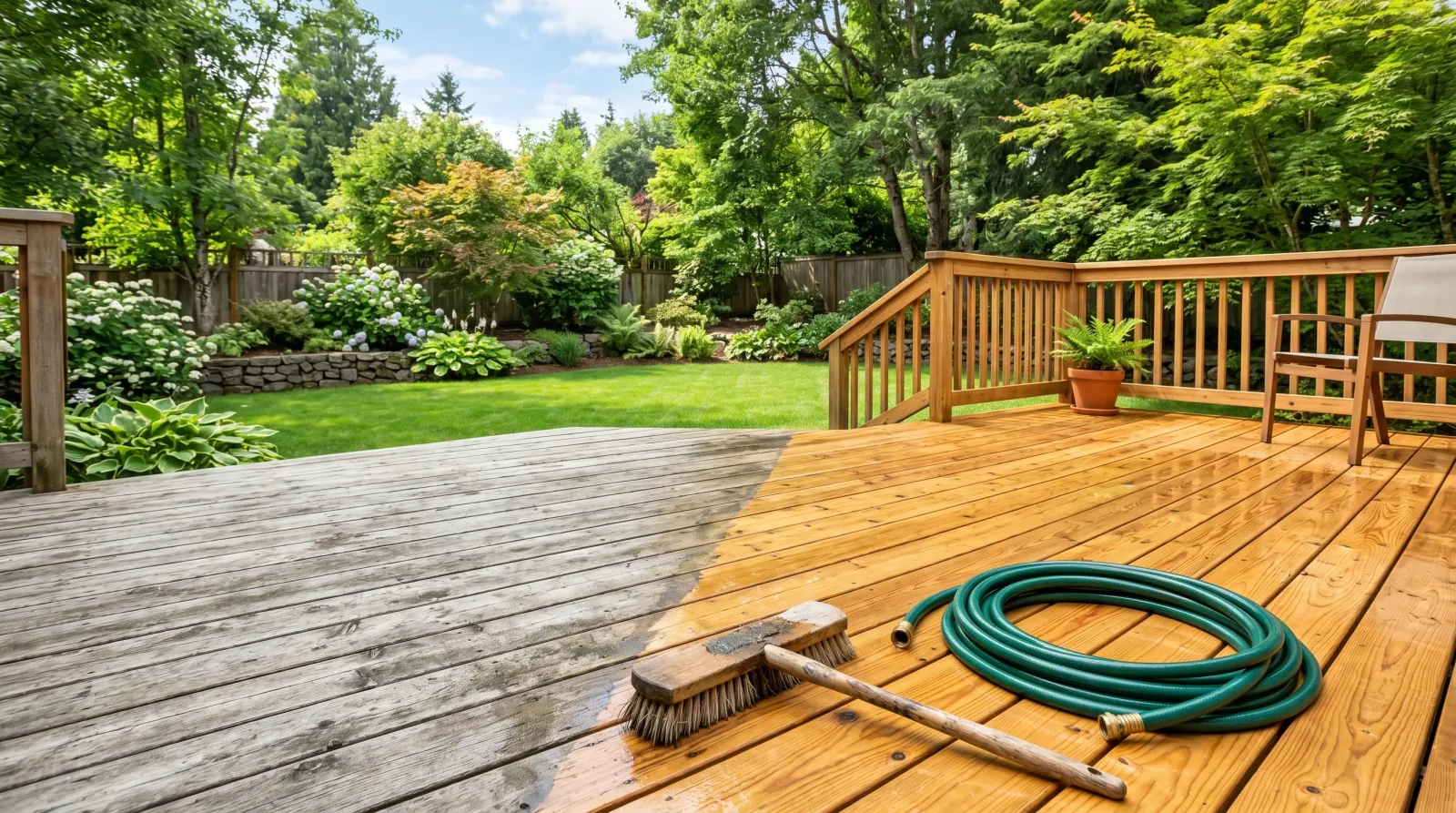 Prep
PrepBest for Mildew and algae on old finish
Buy the 8002 concentrate, not the ready-to-use. It is sodium hypochlorite, so it darkens bare wood and needs the brightener after.
Full review →Best for Neutralizing after any cleaner
The oxalic wash almost everyone skips and then blames the stain for going blotchy. It works under any brand, not only Cabot.
There Is No Sale — Here Is What a Fair Price Looks Like
Stop waiting for a discount. Cabot sells through Lowe's, Ace, and Amazon, and none of them run a brand sale calendar the way Sherwin-Williams does for its own stores. The corporate ownership confuses people here: SW bought Valspar in 2017 and Cabot came with it, but Cabot is not in the SW store network and it never appears in an SW 30-percent-off event. The shelf price is the price, and it moves within a few dollars across the whole year.
The one real window is the spring deck push. Lowe's promotes deck-project categories in April and May, and Australian Timber Oil gallons drift to $42 to $45 in that stretch against a $45 to $55 normal. That is a 10 to 15 percent move, not a 40 percent one. If your project is already scheduled for May, fine, buy then. Do not delay a job into a promotion that saves you nine dollars a gallon.
The lever that actually pays is size and prep, not timing. Coverage on weathered or rough wood collapses to 100 to 200 sq ft per gallon for Australian Timber Oil against 250 to 600 on smooth boards, so a proper clean-and-brighten pass saves more money than any sale by cutting how many gallons the deck drinks. A fair price in 2026: $45 to $55 for an Australian Timber Oil gallon, $55 to $66 for Semi-Transparent, $22 to $26 for any quart, $25 to $35 for the cleaner concentrate. Pay more than that and you are at a marked-up regional independent, so check Lowe's before you buy.
The Cons Only Forums Talk About
Five Colors, All Brown
This is the most-searched thing about the brand and the most common disappointment at the counter. Australian Timber Oil comes in Natural, Honey Teak, Mahogany Flame, Jarrah Brown, and Amberwood. That is the entire chart. Every one sits in the warm-brown family, so if the plan calls for a gray, a driftwood, or a cool cedar tone, Cabot's flagship cannot get there and no amount of counter tinting will change it. The wider Cabot color range lives in the Semi-Solid and Solid lines, not in the oil. Decide the color before you decide the product.
It Can Stay Tacky for Weeks
Contractor forums are full of this one, and it is real. The reformulated water-reducible Australian Timber Oil dries far slower than the old high-solvent can, and when a coat goes on heavier than the wood can absorb, the surplus never cures. Painters report porches still sticky months later. The fix is application discipline, not product: flood a small section, let it soak 15 to 20 minutes, then wipe every trace of surplus off with a rag before it sets. If it feels tacky the next morning, wipe it down with mineral spirits and a clean rag rather than waiting it out.
The Pros Who Loved It Left
Cabot was a top-tier stain before Valspar bought it in 2005, and painters have complained about the reformulated big-box version ever since, with the switch to a water-reducible base and dropped additives coming up over and over on painttalk. Deck specialists now name Armstrong Clark, TWP, Ready Seal, and Sikkens instead, and side-by-side reports have Cabot fading noticeably by 18 months where Armstrong Clark still reads strong at three years. That does not make the current can bad. It does mean the pre-2005 reputation you may be buying on is not what ships today.
Two Years Is the Real Number on Pressure-Treated Pine
Australian Timber Oil is built for dense hardwood, and it does not perform the same on a common PT pine deck. Two-year real-world testing came back at roughly 60 percent color hold with visible mold on about a third of the exposed area. On a horizontal pine or fir deck, plan a maintenance coat every one to two years, not the three-to-four-year cycle old forum threads promise. A softwood-specific semi-transparent, including Cabot's own Semi-Transparent, usually holds longer on that substrate for about $10 more a gallon.
The Cleaner Darkens Wood If You Skip the Brightener
Problem-Solver Wood Cleaner is sodium hypochlorite, meaning bleach chemistry, and it strips mildew and algae fast. What it also does is leave bare wood alkaline and dull-looking, and stain applied over that residue flashes blotchy in the first week of sun. The brightener is not an upsell. It is an oxalic acid wash that neutralizes the cleaner and restores the wood color before anything goes on top. Buy both in the same cart, or use an oxygen cleaner instead and accept a slower fight against black growth.
The Questions Between Two Cans
Pick by wood, not by price. Australian Timber Oil is a three-oil penetrating formula built for dense exotics like ipe, cumaru, teak, and mahogany that reject a film. Semi-Transparent carries more pigment and holds color longer on cedar, redwood, and pressure-treated pine, which is why it scores 4.1 against the oil's 3.8. If your deck is softwood, spend the extra $10 a gallon on Semi-Transparent.
All comparisons →Pigment load and how much grain you want back. Semi-Transparent tints the wood and leaves the grain fully readable, with a 14-to-18-month refresh on horizontal boards. Semi-Solid carries about twice the pigment, hides roughly 70 percent of the grain, and runs three to four years. Use Semi-Transparent on wood still worth showing and Semi-Solid on a deck that has drifted gray.
All comparisons →The pro-channel oils win on durability and Cabot wins on access and price. Deck specialists report Cabot fading around 18 months where Armstrong Clark still holds at three years, and Armstrong Clark can also go on in direct sun. But you order those online and wait, while Cabot is $45 a gallon on a shelf tonight. For one weekend deck, that trade is defensible. For a rental or a job you bill, it is not.
All comparisons →Olympic takes the fence. On vertical south-facing pickets it holds color several months longer per cycle, it applies down to 35 degrees F where Cabot wants 50, and it carries the modern grays Cabot's oil palette cannot reach. Cabot is the better call on horizontal deck boards, where penetration matters more than pigment. Choose by surface orientation, not brand loyalty.
All comparisons →Gold is a decorative satin finish for vertical wood and Australian Timber Oil is a working deck stain. Gold on a front door or garage door reads like furniture and holds up better than most clear marine finishes because it carries UV pigment. Gold on a deck floor is a two-year mistake that ends in sanding. If you walk on it, buy the oil.
All comparisons →Cabot Questions, Answered
What colors does Cabot Australian Timber Oil come in?
Five: Natural, Honey Teak, Mahogany Flame, Jarrah Brown, and Amberwood. That is the complete chart, and every color sits in the warm-brown family. There is no gray, no driftwood, and no cool cedar tone in this product. If you need those, look at Cabot's Semi-Solid or Solid Color lines, which carry a much wider tinted range, or move to a different brand.
Is Cabot stain good?
It is decent and cheap rather than best in class. Australian Timber Oil is the right can for dense exotic hardwood at $45 to $55 a gallon, and Semi-Transparent is the strongest thing Cabot sells. But two-year testing on pressure-treated pine came back around 60 percent color hold with mold appearing, and pro deck specialists mostly moved to Armstrong Clark, TWP, and Ready Seal. Good value, average performance.
Cabot Semi-Transparent or Australian Timber Oil — which one for my deck?
Australian Timber Oil if the wood is ipe, cumaru, teak, mahogany, or another dense exotic that a film stain cannot penetrate. Semi-Transparent if the deck is cedar, redwood, or pressure-treated pine, because its heavier pigment load holds color longer on softwood. Semi-Transparent costs about $10 more a gallon and scores higher in our testing. Most American decks are softwood, so most people want Semi-Transparent.
How long does Cabot Australian Timber Oil last?
One to two years on a horizontal deck, longer on vertical surfaces that get less sun and water. Real-world two-year testing on pressure-treated pine showed roughly 60 percent color retention with mold on part of the exposed area. The old forum claim of three to four years applied to the pre-2005 formula. Plan on a maintenance coat every other spring, which is a clean-and-recoat, not a strip.
What is the best way to apply Cabot Australian Timber Oil?
Work in small sections and remove the surplus. Clean and brighten the wood first, let it dry two to three days, then flood two or three boards end to end with a stain pad or natural-bristle brush. Let it soak 15 to 20 minutes, then wipe off everything the wood did not absorb with a clean rag. Skipping that wipe is the single cause of the tacky-for-weeks complaints. Apply between 50 and 90 degrees F, out of direct sun, with 24 rain-free hours after.
Can I use Cabot Australian Timber Oil on pressure-treated pine?
Yes, but it is not the best pick for it. The product is engineered for dense hardwood, and on PT pine the two-year result was roughly 60 percent color hold with mold on part of the deck. Let new pressure-treated lumber weather and dry first, usually three to six months, then test absorption with a water drop. On that substrate, Cabot Semi-Transparent generally holds longer for about $10 more a gallon.
Why is my Cabot stain still sticky?
You put down more than the wood could absorb. The current water-reducible formula dries much slower than the old solvent version, and surplus oil sitting on the surface never fully cures, sometimes for weeks. Wipe the tacky areas with mineral spirits on a clean rag, working with the grain, and let it dry a full day. Next section, wipe off the excess 15 to 20 minutes after application instead of leaving it.
Can I put Cabot over a deck that is already stained?
Only over the same chemistry. Penetrating oil over an old penetrating oil is fine after a clean and brighten, whether the previous coat was Cabot, Olympic, or Behr semi-transparent. Penetrating oil over any film, meaning a solid stain, a water-based semi-transparent, or paint, will not soak in and will wick off in the first rain. In that case, strip to bare wood or step up to Cabot Solid Color Decking Stain instead.
Does Sherwin-Williams own Cabot?
Yes, indirectly. Valspar bought Cabot in 2005, and Sherwin-Williams bought Valspar in 2017, so Cabot sits under SW today. It still runs as its own brand out of Newburyport, Massachusetts, where the company has been since 1877. Practically, the ownership changes nothing for buyers: Cabot is not sold in Sherwin-Williams stores and never appears in an SW sale event.
Where should I buy Cabot stain?
Lowe's is the primary channel and stocks the deepest range, including all five Australian Timber Oil colors in quart through 5-gallon sizes. Ace Hardware carries a selective but reliable set, including the classic Semi-Transparent shades. Amazon runs at roughly the same price and is often the only place to find the Problem-Solver prep products. Prices sit within a few dollars across all three, so buy on stock, not on price.
Ask a Question