Pink paint colors
Pink has quietly grown up. What used to read as a kids' room or a single decade's fad now shows up as one of the most versatile color families in the house, from barely-there blush walls that act like a warm neutral to deep clay-pinks that anchor a dining room. Almost every major US brand sells dozens of pinks, and because paint is mixed to order, the right one is almost always within reach no matter which store you walk into.
The Pink Colors People Actually Buy
Don't want to compare 2,427 pink colors? These four cover most real projects. Ranked by how often designers and homeowners specify them, not by our taste.
A pale, dusty pink at LRV 61 so muted it reads almost neutral — soft warmth for bedrooms or nurseries without going bold.
A soft coral-pink (LRV 66) that holds its warmth and glows in good light rather than fading to a washed-out blush.
Odessa Pink is what happens when a pink decides to behave like a neutral.
Vintage Tea Rose is a warm rose-taupe crossover, and that split identity is the whole review.
Six Kinds of Pink
Same family, very different rooms. Each shade has its own page with every brand's version.
Pink Rooms
Each room page shows pink picks from every US brand side by side, so you can compare in context.
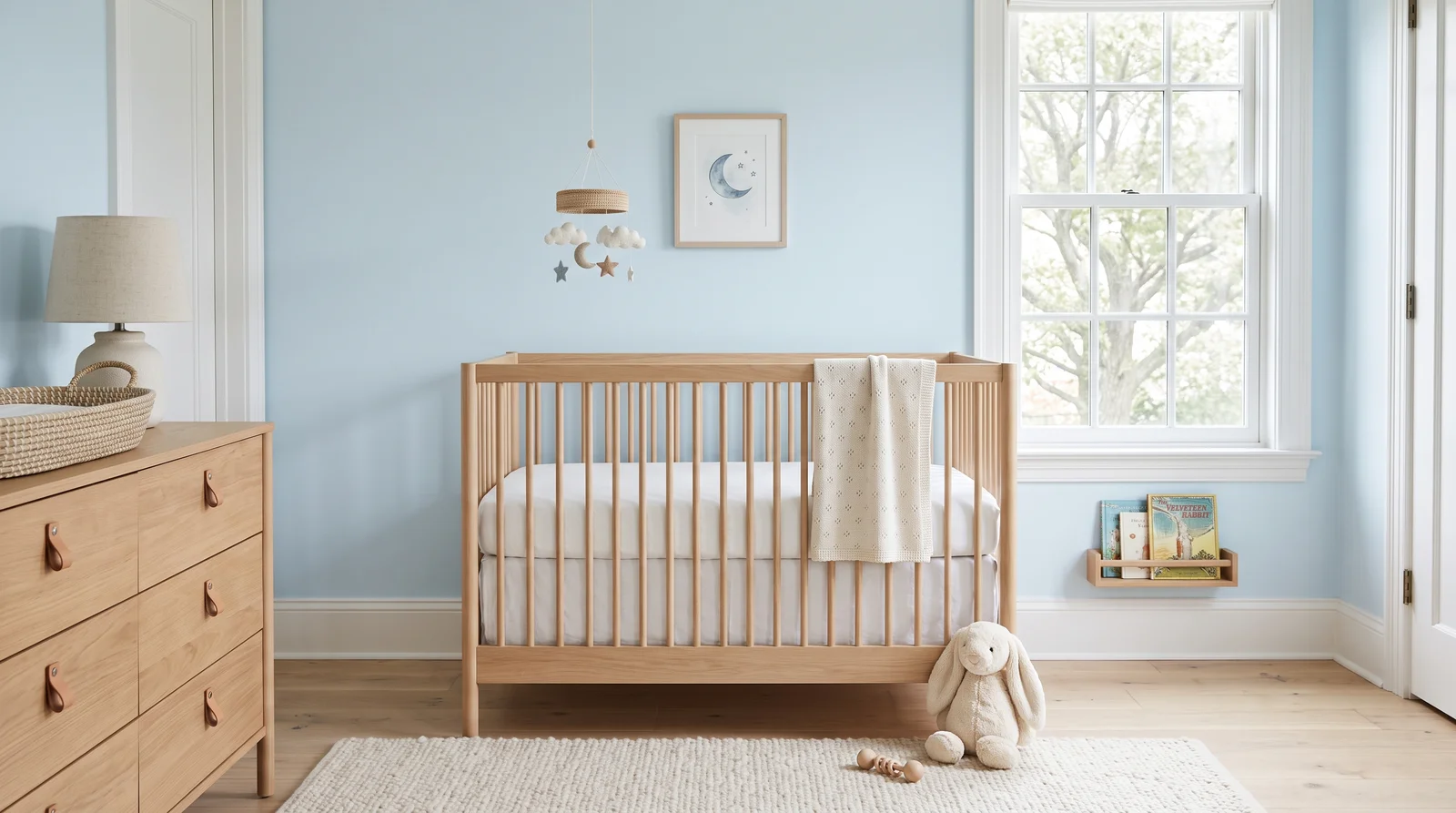
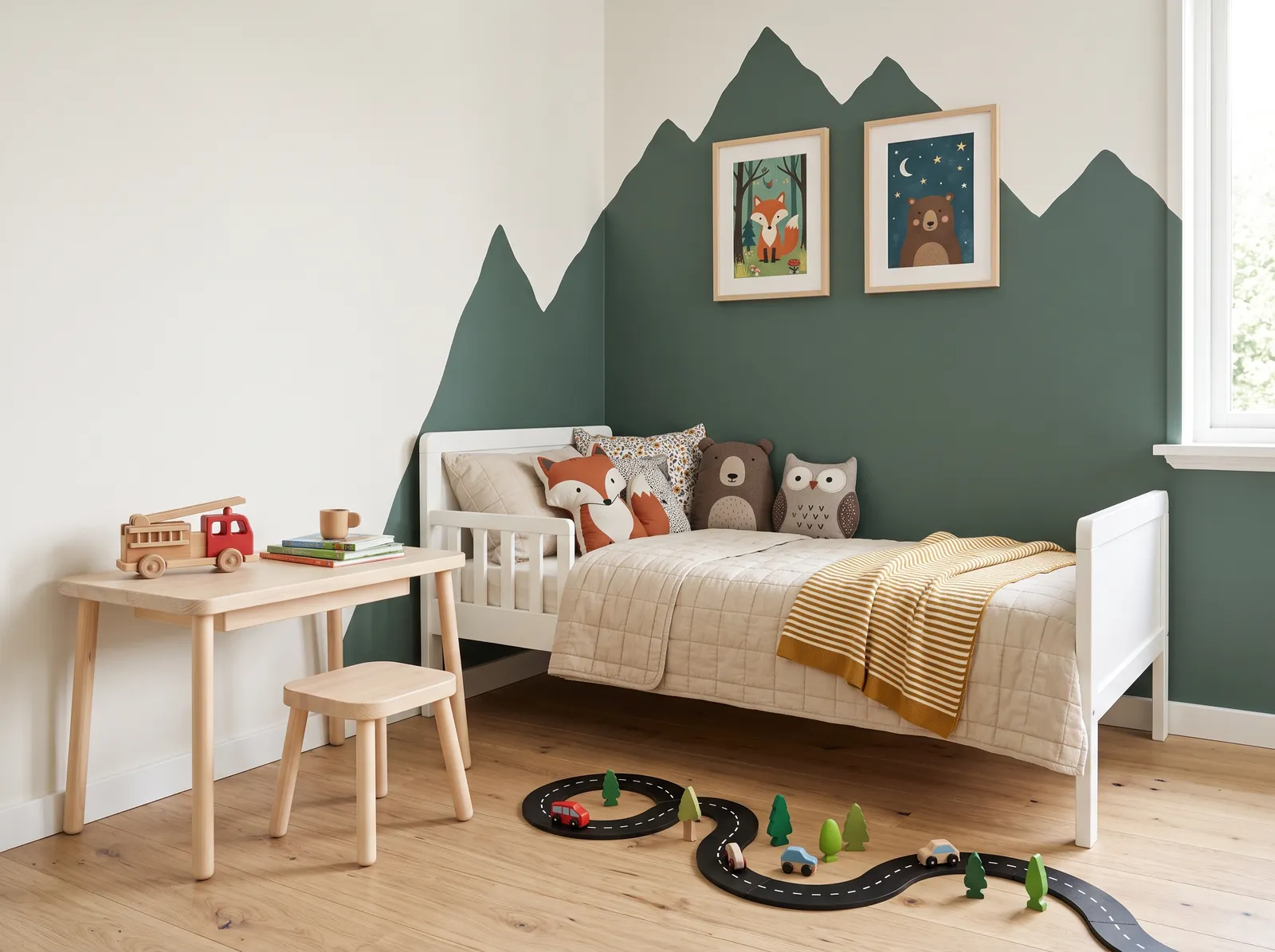
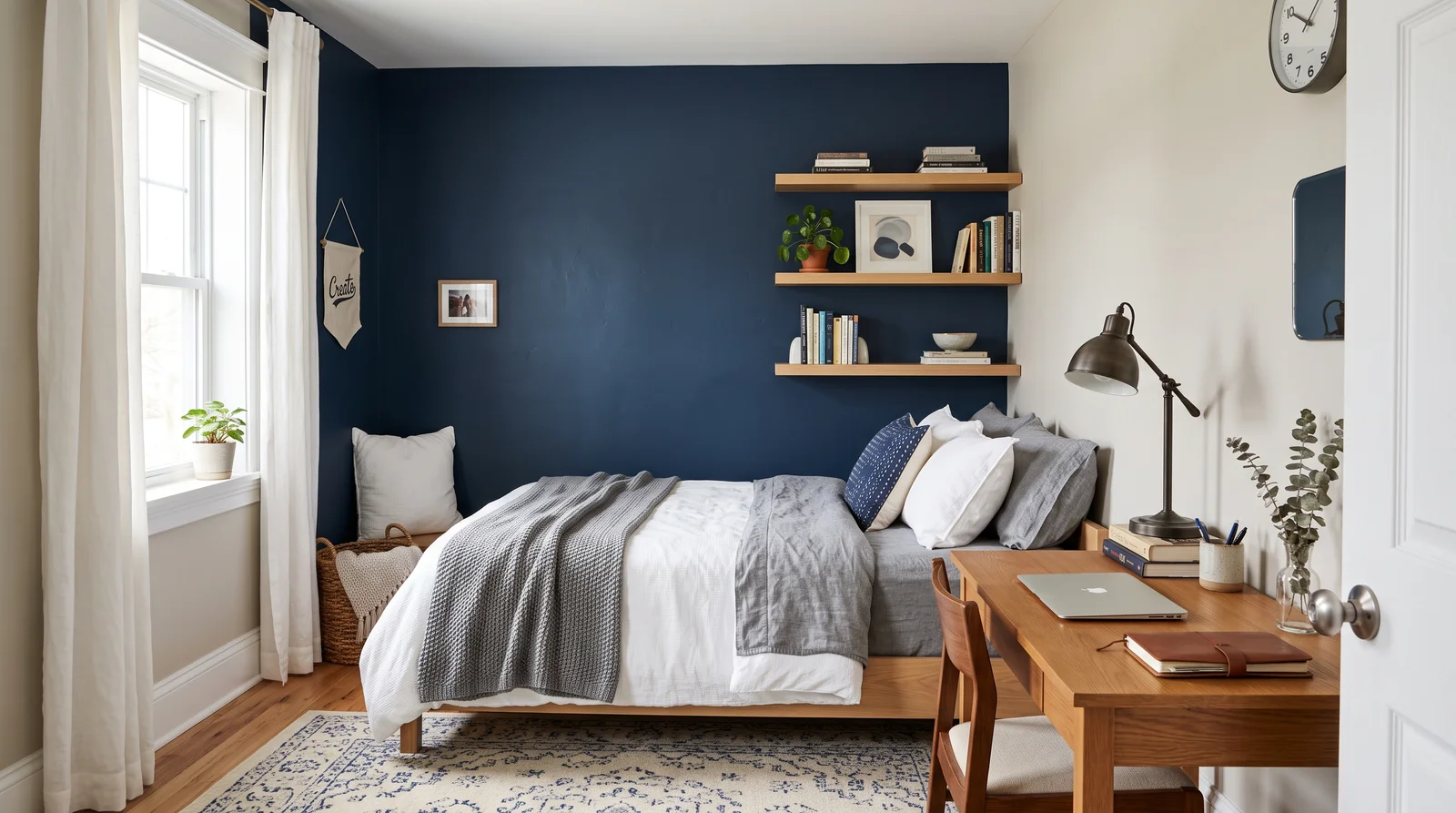
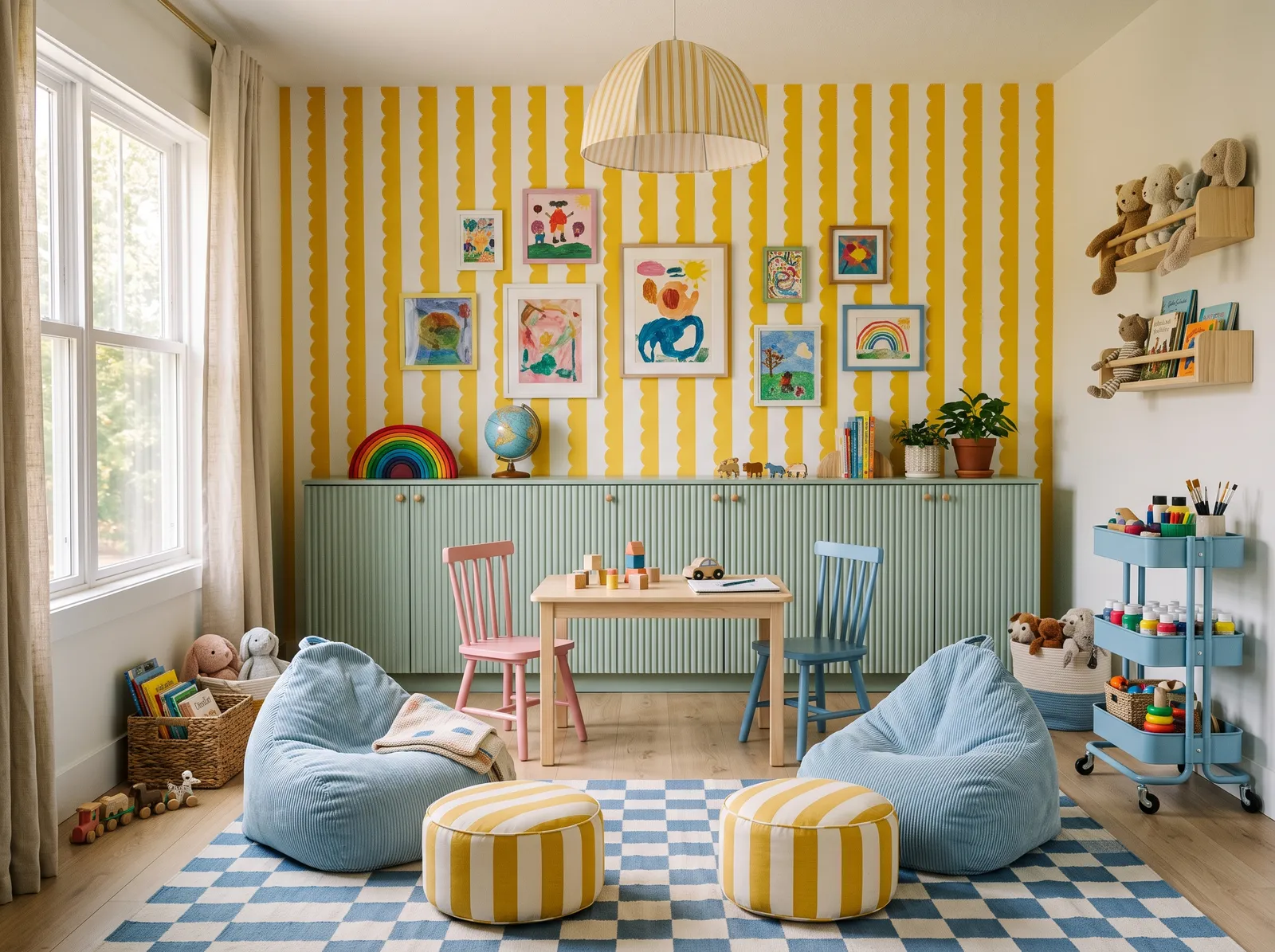
All 2,427 Pink Paint Colors
Every pink from every brand we track, merged into one shelf. Grouped by undertone, warm to cool. Filter by brand or depth, or change the order.
Swatches are each brand's published display value, not a physical sample under controlled lighting. Screens vary, and so does your light. Order a brand-direct sample or preview the color on a photo of your own wall before you specify.
Upload a photo of the room. We paint it in the pink you chose with your light and your floor, and you can swap colors until one holds.
More on pink paint colors
This guide covers the whole pink family, not one brand's version of it. Pink is simply red softened with white, which means a tiny shift in undertone changes everything: one pink leans peach and cozy, the next leans purple and cool, and a third reads almost beige in daylight. The trick is knowing which undertone you're looking at before it lands on your wall.
Below we walk through what defines pink, how to read light reflectance value (LRV) so you can predict how light or heavy a color will feel, how pinks behave in different rooms and light, what to pair them with, and the mistakes that trip people up most. Every color you find on this site can be matched and mixed at a paint counter, so you're free to choose by the color itself rather than by the brand on the can.
What Counts as Pink, and the Undertones to Watch
Pink is red lightened with white, so every pink carries a hint of where its red came from. That leftover bias is the undertone, and it's the single most important thing to read before you commit. The four you'll meet most often are peach or coral pinks that lean orange and feel warm and sunny, true rose pinks that feel clean and balanced, mauve or dusty pinks that lean purple and read cooler and moodier, and beige-pinks (often called blush or greige-pink) that are so muted they pass as a warm neutral.
The easiest way to spot an undertone is to put a swatch next to a pure white card. Against true white, a peach pink suddenly looks orange, a mauve looks faintly lilac, and a blush looks almost tan. Trust that comparison more than the name on the chip, because brand names like "blush," "rose," and "clay" are marketing, not a promise about temperature.
Reading Pink by LRV
LRV, or light reflectance value, is a 0-to-100 scale of how much light a color bounces back. Black sits near 0 and pure white near 100. Most brands print the LRV on the back of the chip or on the color's web page, and it's the most reliable way to predict how light or heavy a pink will feel once it covers a whole wall.
For pinks, the high 70s and 80s are the barely-there blushes that behave like a soft neutral and brighten a space. The 50s to low 70s are the clearly-pink-but-still-light range, the ones that read as color without going dark. Drop into the 30s and 40s and you get saturated clay, rose, and dusty mauve tones that bring real drama and need more light to look their best. Remember that color always lands a shade or two deeper on four walls than it does on a small chip, so when in doubt, size up the swatch and size up the LRV.
How Pink Reads Room by Room and in Different Light
Light direction changes pink more than almost any other family. North-facing rooms get cool, bluish light that pulls the purple out of a pink and can make a dusty mauve look gray or flat; in those rooms a warmer peach or true rose holds its color better. South-facing rooms get warm, generous light that flatters nearly any pink and can even tip a neutral blush toward peach by late afternoon. East light is warm in the morning and cooler later, while west light runs warm and golden at the end of the day, which deepens reds and makes clay pinks glow.
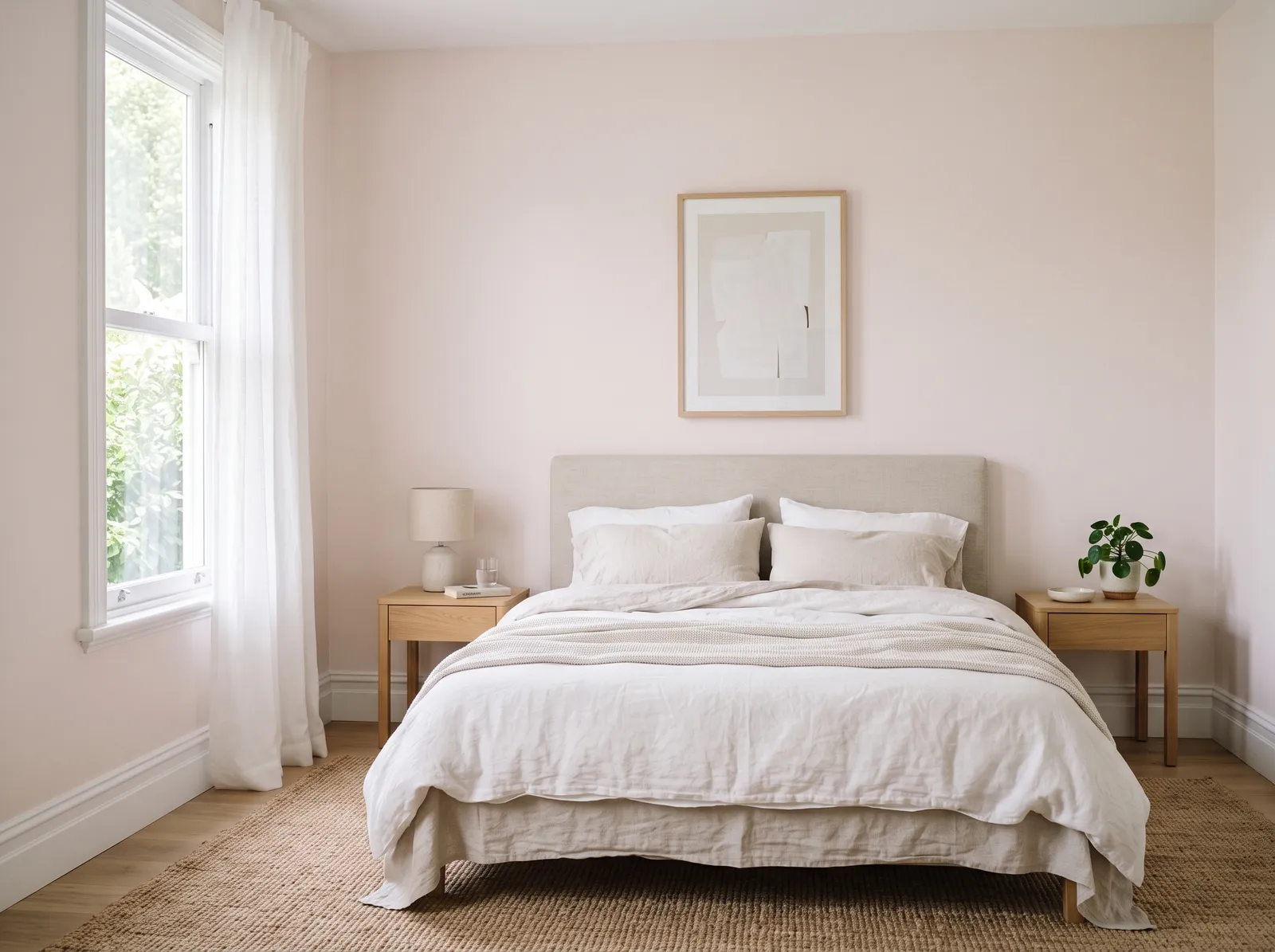
Room by room, a soft blush is a favorite in bedrooms and nurseries because it's calming without being cold, and it's increasingly used in living rooms as a warm alternative to beige. Deeper rose and clay tones suit dining rooms, powder rooms, and accent walls where a little intensity is welcome. Kitchens and bathrooms with lots of white tile and cabinetry can carry a brighter pink that would feel like too much over an entire bedroom.
Pairing Pink With Trim, Ceilings, and Coordinating Colors
The safest move for trim is a soft or creamy white rather than a stark bright white, which can make a warm pink look dingy by contrast. A white with a faint warm undertone reads crisp without fighting the wall. Ceilings usually look best in a flat white or a hint of the wall color mixed into white, and a pale blush wall with a plain white ceiling is a classic that almost never misses.
For coordinating colors, lean on pink's opposites and its neighbors. Greens, especially sage and olive, are pink's natural complement and feel grown-up together. Warm wood tones, brass, and rattan flatter peach and clay pinks; soft grays and charcoals sharpen a dusty mauve; and deep navy or forest green turns a pale pink into a confident, layered scheme. Keep one color the star and let the others support it rather than competing.
The Most Common Pink Paint Mistakes
The biggest mistake is choosing from the chip alone. Pink is undertone-sensitive, so a color that looks like a gentle blush in the store can turn distinctly peachy or purple on your wall under your light. Always paint a large sample, view it on more than one wall, and check it morning, midday, and night before you buy gallons.
The second mistake is going too saturated over too much surface. A pink that's lovely on a single chip can feel overwhelming across four walls, especially in a small or low-light room. People also forget to account for warm bulbs, which push every pink toward orange after dark, and they pair a warm pink with a cold blue-white trim that drains the life out of both. When in doubt, choose a slightly lighter, slightly warmer pink than you think you want.
Buying Pink: Mixed to Order and Matchable Across Brands
Every pink on this site is a real, buyable product, not just inspiration. Paint is tinted to order at the store, so the exact shade you like is mixed from a base and a recipe when you check out. That's also why you're never locked into one brand.
If you fall for a pink from one company but prefer another brand's paint line or your local store stocks something else, a color can be cross-matched. The counter can read or replicate a shade and mix it in the paint and finish you want. Pick the color first by its undertone and LRV, then choose the brand and product that fit your budget, sheen, and where you're shopping.
Pink Paint FAQ
How do I figure out a pink's undertone before I paint?
Tape the swatch next to a sheet of pure white paper in the room you'll use it. Against true white, the undertone jumps out: an orange tint means it's a peach or coral pink, a faint purple tint means it's mauve or dusty, and an almost-tan look means it's a neutral blush. Trust that comparison over the color's name.
What LRV should I look for in a pink?
It depends on how much color you want. LRVs in the high 70s and 80s give you a barely-there blush that acts like a warm neutral, the 50s to low 70s read as clearly pink but still light, and the 30s and 40s give saturated clay and rose tones with real depth. Lower-LRV pinks need more natural light to look their best.
Will pink work in a north-facing room?
It can, but choose carefully. North light is cool and bluish, which pulls the purple out of a pink and can leave a dusty mauve looking gray. In those rooms a warmer peach or true rose holds its color far better than a cool, dusty one.
What trim and ceiling colors go with pink walls?
A soft or creamy white trim is the safest choice, since a stark blue-white can make a warm pink look dull next to it. For ceilings, a flat white or a white with a touch of the wall color mixed in keeps things light. A blush wall with a soft white ceiling is a reliable classic.
What colors pair well with pink?
Greens like sage and olive are pink's natural complement and feel mature together. Warm wood, brass, and rattan flatter peach and clay pinks, gray and charcoal sharpen a dusty mauve, and deep navy or forest green turns a pale pink into a layered, confident scheme. Let one color lead and keep the rest supporting.
Why does my pink look more orange or purple than the chip?
Two reasons. Color reads deeper and more saturated across four walls than on a tiny chip, and your room's light shifts it: warm afternoon and warm bulbs push pink toward orange, while cool north light pushes it toward purple. Always test a large sample in your own light at different times of day.
Can I get the same pink in a different brand of paint?
Yes. Paint is mixed to order at the store, and a color can be cross-matched into another brand's product and your chosen sheen. Pick the pink you love by its undertone and LRV first, then decide which brand and finish fit your budget and where you shop.
Ask a Question