Encapsulate vs Remove Lead Paint
Encapsulate lead paint to seal it under a bonded coating, or remove it by stripping. Here is which one your intact, peeling, or friction surface needs.

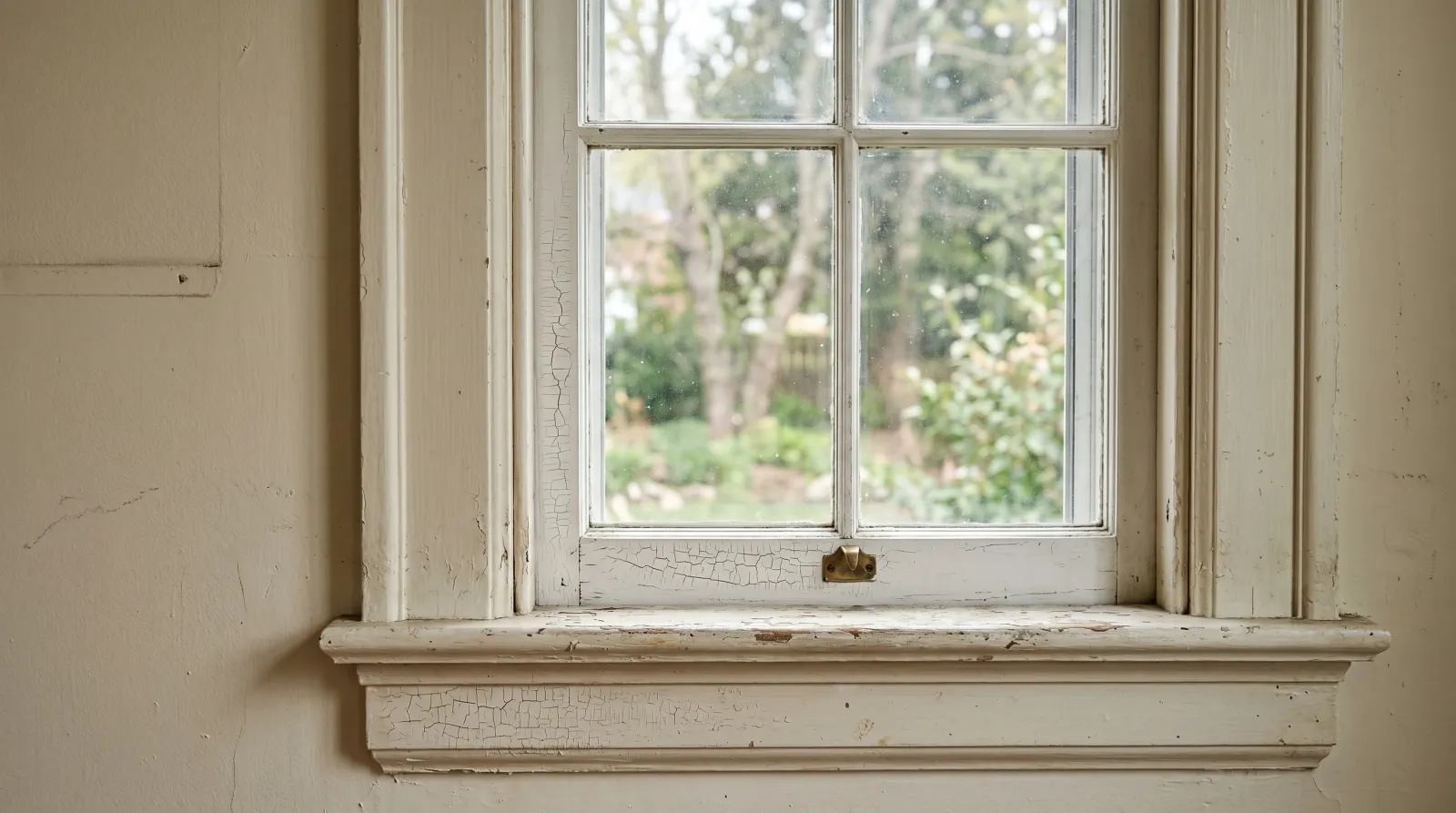
If you’ve confirmed lead paint in a pre-1978 home, the decision between sealing it and stripping it comes down to one question: is the surface sound and does it rub? Intact lead paint on a wall, ceiling, or stable piece of trim is best encapsulated, sealed under a bonded coating that locks the lead in place. Lead paint that’s peeling, chalking, or sitting on a friction surface like a window sash or a door edge usually has to be removed or replaced, because no coating stays put over a surface that’s already failing or wearing through. The rest is figuring out which bucket your surface is in, and doing the work without spreading lead dust.
TL;DR
- Encapsulation seals intact lead paint under a thick, bonded, flexible coating rated to contain lead. It’s cheaper, faster, and generates no hazardous dust.
- Removal strips the lead paint off. It’s for surfaces that are peeling, chalking, or rubbing, where encapsulation can’t hold.
- The deciding factor is the surface, not the paint. Sound and stationary, encapsulate. Failing or friction, remove or replace.
- Regular paint is not an encapsulant. You need a product tested and labeled for lead encapsulation.
- Friction and impact surfaces (windows, doors, stair treads, floors) are the classic encapsulation failure. They abrade through the coating.
- Test first. Confirm lead before you touch it, and if a child or pregnant person lives there, lean toward hiring a certified pro.
Does This Match What You’re Seeing?
You can’t decide the fix until you know what state the paint is in. Look closely, in good light.
- Intact, well-bonded paint, maybe a little chalky: sound walls, ceilings, and trim with no lifting. This is the prime candidate for encapsulation.
- Fine cracking in a web pattern (alligatoring): the old film has aged and lost flexibility. If it’s still firmly stuck, it can sometimes be stabilized and encapsulated. If the cracks are lifting at the edges, treat it as failing.
- Peeling, flaking, or chipping paint: the bond is already broken. Encapsulation has nothing to grip. This is a removal or stabilization job, and often a moisture problem underneath, covered in how to fix peeling paint.
- Worn shiny edges on a window sash, door, or stair rail: a friction surface. The paint here grinds against itself or against a hand every day. Encapsulants don’t survive this. Plan on removal or component replacement.
- A white or amber stain bleeding through, but the paint is sound: likely not a lead question at all. It could be a tannin or rust stain, not a coating failure. See how to block rust stains before you assume the worst.
The look-alike that trips people up is deteriorated versus intact. A wall can look fine from across the room and reveal lifting edges up close. Run a fingernail or a putty-knife edge along a few spots. If paint flakes loose, it’s deteriorated, and that changes the answer.
How Serious Is This?
Lead paint that’s intact and undisturbed is low-hazard. The danger is lead dust and chips, which appear when the paint deteriorates or when you disturb it during work. The fix and the risk are tied together.
- Sound paint, no children or pregnant household members, you’re not sanding it: low urgency. Encapsulate when convenient, and don’t create dust in the meantime.
- Deteriorated paint, chips on the floor, or a friction surface shedding into a sill: higher urgency, because lead dust is already being generated. Address it soon, and keep kids away until you do.
- A child with a confirmed elevated blood lead level: this is a medical and remediation situation. Get a certified lead risk assessor, not a paint blog.
Intact paint is treatable in place because lead is dangerous only when it’s in dust or chips small enough to be ingested or inhaled. A continuous, bonded film keeps it locked in a solid where it can’t shed. Encapsulation reinforces that containment; removal takes the lead away. Both are valid, and the wrong one re-exposes the lead, which is worse than doing nothing.
Why the Surface Decides (root Cause)
Encapsulation is an adhesion problem before it’s a lead problem. A coating can only contain lead if it stays bonded to the surface and intact as a film. Two forces break that bond, and they’re the whole reason this decision exists.
The first is a failing substrate. An encapsulant grips the layer directly beneath it. If that layer is peeling lead paint, the coating bonds to something that’s already letting go. When the old paint releases, the new film comes with it, and now you have lead-bearing flakes that are larger and just as hazardous. The coating didn’t fail on its own. It stuck faithfully to a surface that was failing and inherited the failure. That’s why peeling has to be stripped or stabilized first: you need a sound layer for the encapsulant to anchor to.
The second is friction and abrasion. Windows, doors, drawer slides, stair treads, and floors all have surfaces that rub. Two painted faces grinding together, a hand sliding a rail, a shoe scuffing a tread, all mechanically wear the film. Lead encapsulants are flexible and thick, but they aren’t armor. On a friction surface the coating abrades through, and the moment it wears to the old paint, it’s generating exactly the lead dust you were trying to contain. HUD guidance is blunt about this: encapsulation isn’t appropriate for friction or impact surfaces. No film survives being ground every day.
So the chemistry of the encapsulant barely matters next to where you put it. A sound, stationary surface gives the coating a stable base and no wear, and it lasts decades. A failing or moving surface defeats it no matter how good the product is.
A common real-world answer is both, on the same project. You encapsulate the sound plaster walls and replace the lead-painted window units that no encapsulant could protect. Don’t force one method across an entire house.
The Fix: Encapsulating Intact Lead Paint
If your surface qualifies, here’s the in-place containment sequence. For the stripping path, see lead paint removal methods, which covers wet scraping, chemical strippers, and when to replace the component outright.
Step 1. Confirm It’s Lead
Don’t guess. In a pre-1978 home, test before you do anything that might disturb the paint. A swab kit like 3M LeadCheck or D-Lead gives a quick presumptive read, and the pre-1978 lead test guide walks through doing it right. For a definitive answer across multiple surfaces, a certified inspector with an XRF analyzer reads lead through all the layers without scratching. Our lead test kit round-up covers which swabs flag lead reliably.
Step 2. Assess and Stabilize the Surface
Examine every surface you plan to encapsulate. It has to be sound. Any loose, peeling, or flaking paint gets stabilized first: scrape back to a firmly bonded edge using wet methods only, misting the area so you cut no dry dust, then feather the edge smooth. If the cause is moisture, fix that before you coat anything, the same way you would with any peeling paint. An encapsulant over a damp wall fails like any other coating.
Don’t dry-sand. Dry sanding lead paint is the fastest way to fill a room with the dust you’re trying to contain.
Step 3. Clean for Adhesion
Wash the surface with a lead-specific cleaner or a TSP substitute to remove chalk, grease, and dust, roughly a half cup per gallon of warm water, then rinse and let it dry fully. Encapsulants bond to a clean surface and slide off a chalky or greasy one. On a glossy old oil film, the manufacturer may call for a deglosser. Follow the product’s adhesion prep; this is where most encapsulation failures are seeded.
Step 4. Apply the Encapsulant
Use a product labeled and tested as a lead encapsulant, not ordinary wall paint. Polymer encapsulants (such as Fiberlock LBC or ECOBOND LBP) roll or brush on as a thick elastomeric film. Apply at the manufacturer’s specified wet-film thickness, which is heavier than normal paint, usually one to two coats. Watch the spread rate on the label: encapsulants are sold by coverage-at-thickness, and going too thin defeats the containment. Recoat times run several hours to overnight. Let each coat reach full cure. A holiday in the film is a spot where the old lead paint is still exposed, so use the marker tint many products provide to confirm even coverage.
Step 5. Topcoat and Document
Once the encapsulant has cured, topcoat with your finish paint for color and washability if the product allows. Then write down which surfaces are encapsulated, with what product, on what date. The next owner, or you in fifteen years, needs to know there’s lead paint sealed under that coating so nobody sands into it.
Safety
Even on the low-dust encapsulation path, treat the old paint as hazardous. Wear a fitted N100 or P100 respirator, gloves, and eye protection, and lay down plastic to catch any scrapings, which you bag and dispose of per local rules. Keep children and pregnant household members out of the work area, and HEPA-vacuum and wet-wipe when you finish each session. Never mix bleach with ammonia, vinegar, or hydrogen peroxide if you’re cleaning mold or stains off the surface first; that combination produces toxic gas. See the respirator guide for the right filter rating, and the RRP rule explained for the legal work practices if anyone’s doing this for hire.
Prevention
Once the lead is sealed or gone, the job is keeping it that way. The recurring failure with lead paint is re-exposure, and it’s avoidable.
- Inspect encapsulated surfaces yearly. Look for cracks, chips, or wear. A coating that’s compromised has stopped containing. Touch it up before it deteriorates.
- Keep encapsulants off friction surfaces, permanently. If a sash or door was the problem, replace the component rather than re-coating it every two years and losing to abrasion.
- Control moisture. Most paint that peels and re-exposes lead is peeling because of water: a roof leak, a failed gutter, condensation, no vapor barrier. Dry surfaces hold their coatings.
- Don’t renovate blind in a pre-1978 home. Before you sand, drill, or demo any painted surface, test it. The cheap swab in the lead test kit round-up costs less than one pediatric blood-lead panel.
When to Call a Pro
- Friction or impact surfaces with lead paint (windows, doors, stairs, floors) where the right answer is removal or replacement, not a DIY coating.
- Any work for hire in a pre-1978 home, which legally requires an EPA-certified renovator and firm under RRP.
- A child with an elevated blood lead level, or a pregnant person in the home. Get a certified lead risk assessor.
- Large deteriorated areas, or removal across a whole house, where containment, HEPA cleanup, and clearance dust-wipe testing are beyond a homeowner’s setup.
- Exterior lead paint being stripped, where ground soil contamination becomes a real liability.
- Mold or active water intrusion alongside the lead, especially mold over about 10 square feet, the EPA remediation threshold.
FAQ
Can I just paint over lead paint? Not with ordinary paint. Regular latex isn’t an encapsulant and can crack or peel off the old film, re-exposing the lead. Use a product tested and labeled as a lead encapsulant, and only on sound, non-friction surfaces.
Is encapsulation EPA-approved? Encapsulation is a recognized lead-hazard control method under HUD and EPA guidance for surfaces that qualify. The encapsulant product should be one tested to a recognized standard. It’s not approved as a blanket fix for every surface, which is the whole point of the surface assessment.
Ask a Question